


Does the growing trend of shrinking watches indicate a new era of refinement for the industry?
I’ve been seeing a shrink. But enough about me, as I’ve also been seeing a shrink in the wider watch industry. It seems that every brand in the watch world has been progressively reducing the sizes of its watches. From the highest highs of haute horlogerie to the most obscure microbrands, they all share the same commonality: they’re all getting smaller.
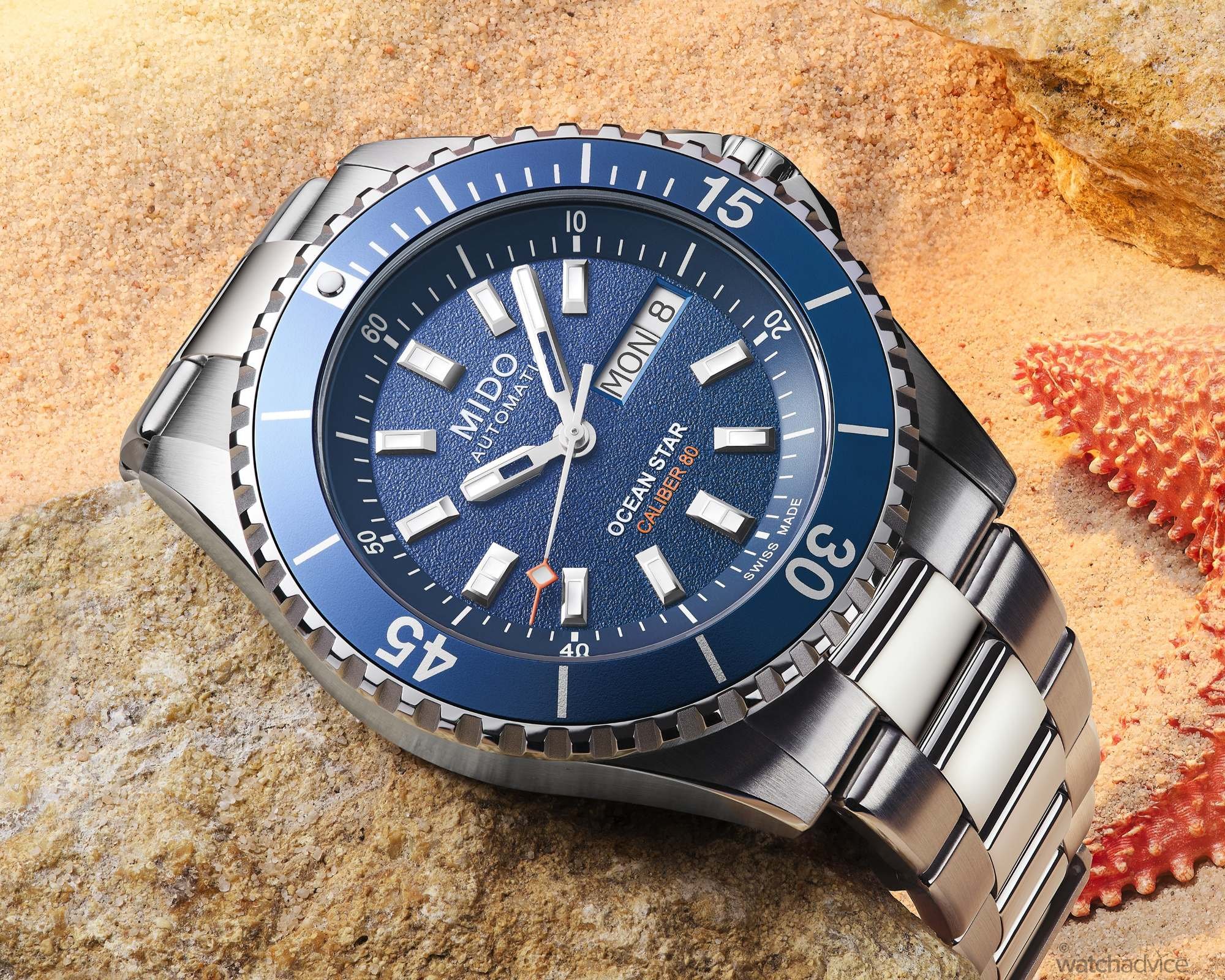
We all know why it’s happening. Consumer trends are changing, like they always do, and the small watch movement is the flavour of the decade. But I believe the implications of the trend say more about the industry than just a simple swing of the pendulum.
So, what impact have smaller watches made on the wider horological world? What does it really say about the consumers who wear them? And are they the future of what the industry will become?
Confidence Man
To fully understand the impact of smaller watches on today’s industry, we must look back at the watch trends of the 2000s and 2010s. While plenty of research has been done on the subject, I believe the implicit trends of that era, both for watches and luxury as a whole, can be found in one unlikely source. I am, of course, talking about Ludacris’ seminal 2004 single Get Back, from his album The Red Light District.
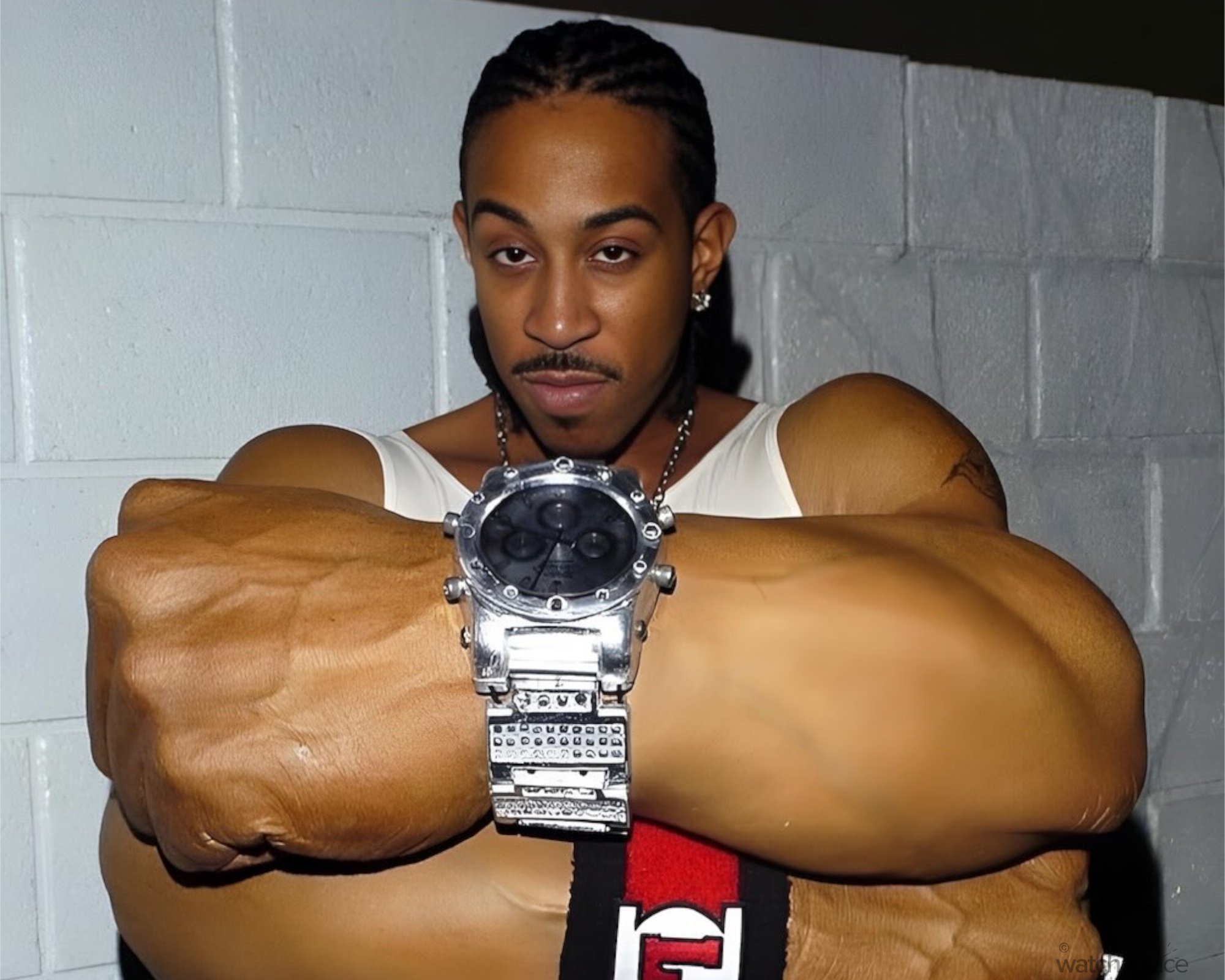
More specifically, in the music video for Get Back, Luda is depicted rapping while sporting an otherwise nondescript outfit. His accessories, though, are anything but: a large-buckled belt, a chunky chain and, most prominently, a giant set of fake forearms, on which he wears an enormous sweatband and a gargantuan wristwatch.
Now, I know real life is, unsurprisingly, far more nuanced than Ludacris’ artistic vision. But through the general absurdity of its concept, Get Back reflected an element of truth about the culture surrounding luxury products at the time. Brands didn’t just want you to own their products; they wanted everyone to know you owned them. Larger-than-life styling was the norm, and no company was immune to the trend. Watches, in particular, subscribed to that notion, ballooning their case sizes as physical presence became intertwined with prestige.
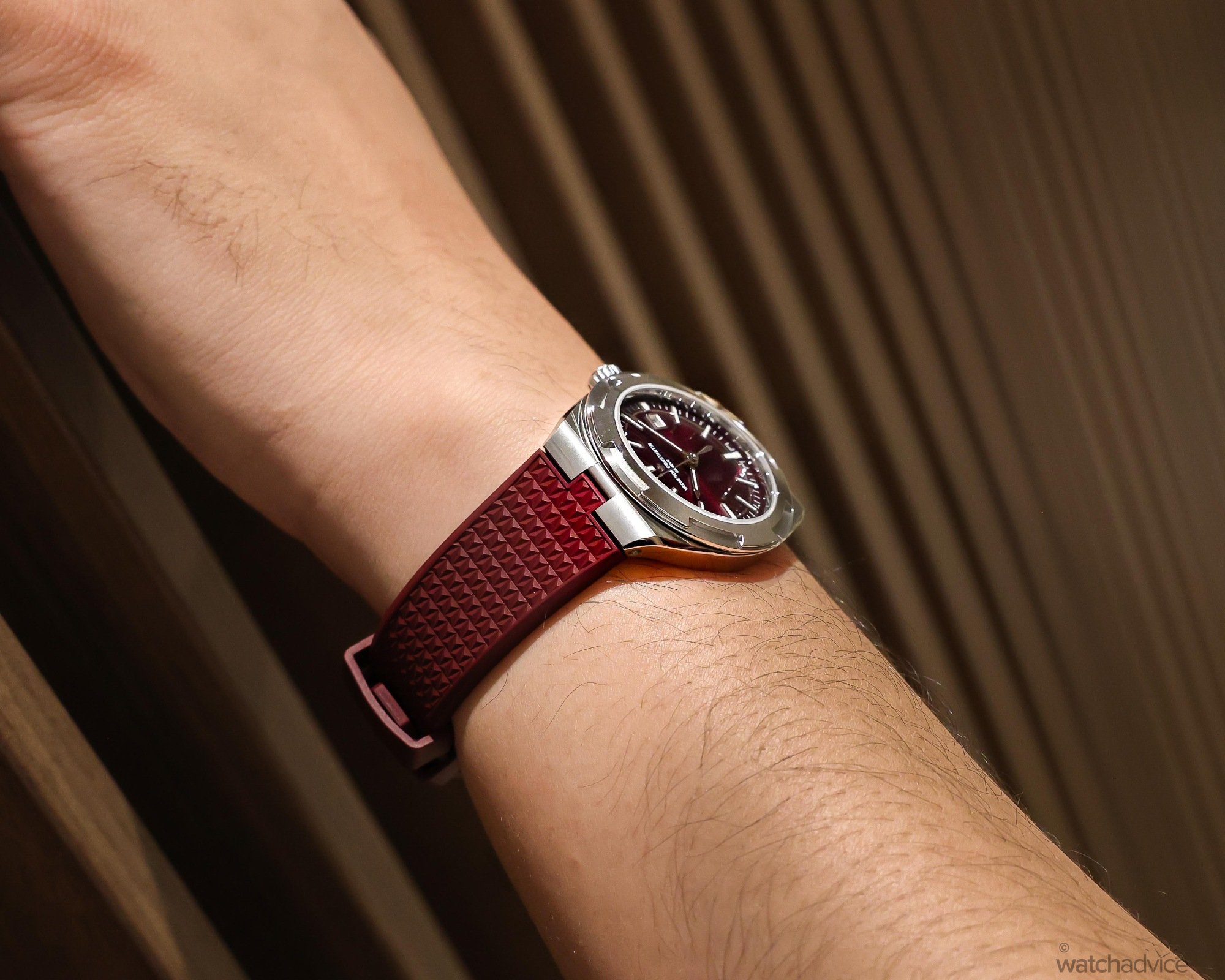
Conversely, the smaller wristwatches of today tell a different story of success. As opposed to the extrinsic luxury depicted by Ludacris, shrinking average watch sizes suggest that consumers increasingly ascribe success to taste rather than visibility. The phrase “money talks, wealth whispers” has become the silent philosophy behind this trend, and small watches are now admired for their proportionality in relation to both themselves and their wearers.
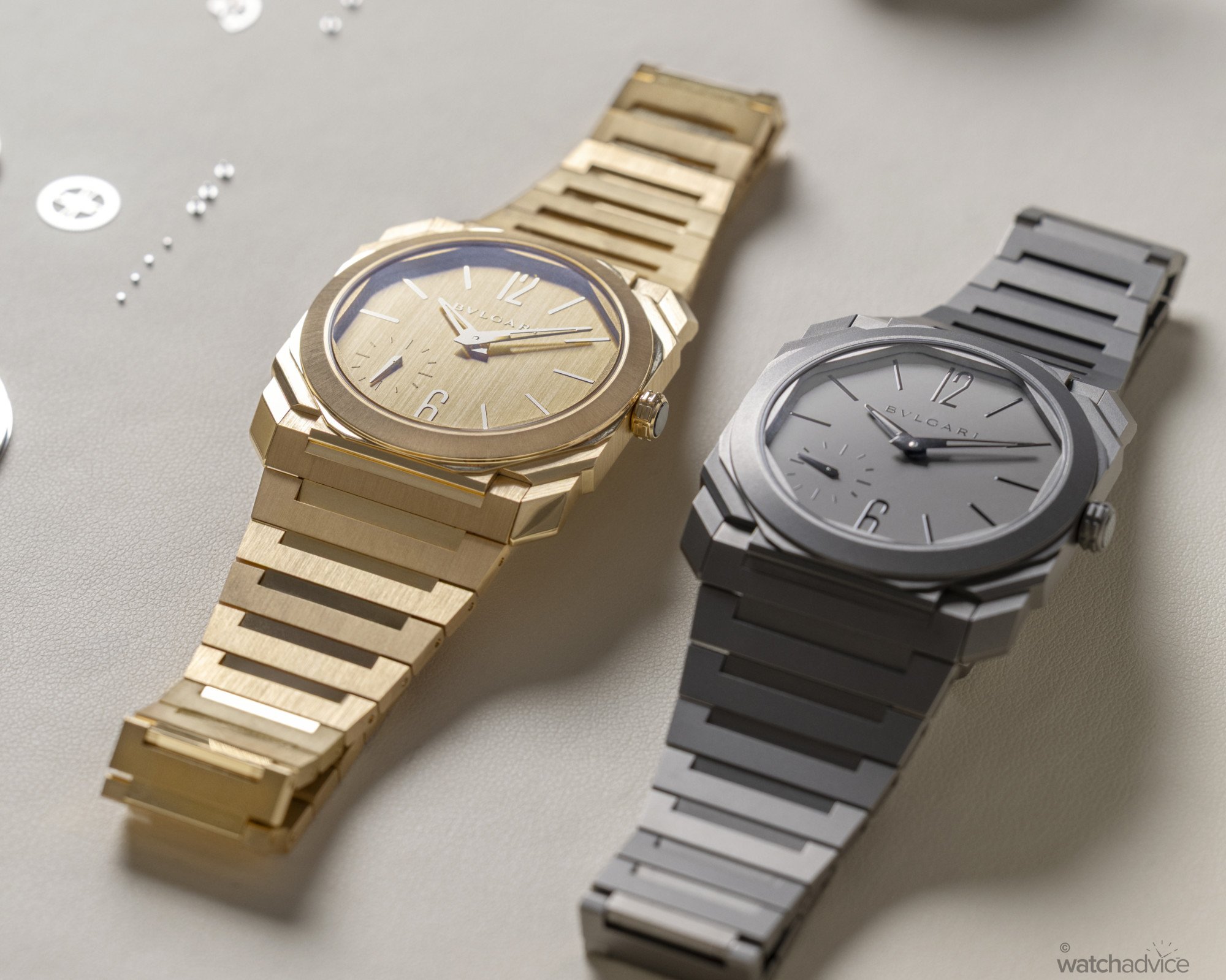
But to dismiss this shift as simply ‘confidence over compensation’ would be folly. Watch wearers are no more or less confident than they were in the past. Rather, the way confidence is expressed has changed. As a result, people now respect watch brands for pulling their punches just as much as they once respected them for throwing harder ones.
One Size Fits All
But when looking to make a statement, a consumer must first determine what kind of watch buyer they are. At least, that is the idea the watch industry has upheld for time immemorial. Watches are heavily segmented, with the industry creating an unspoken rulebook around what constitutes a particular category.
Some of these rules make perfect sense. A dive watch, for example, isn’t going to have just 30 metres of water resistance. Yet this invisible rulebook has also shaped expectations around proportion. A dress watch should be compact. A sports watch should be larger. Men’s watches should command more wrist presence than women’s. The assumption was that every model, every audience and every variation needed to be fundamentally different from the next.
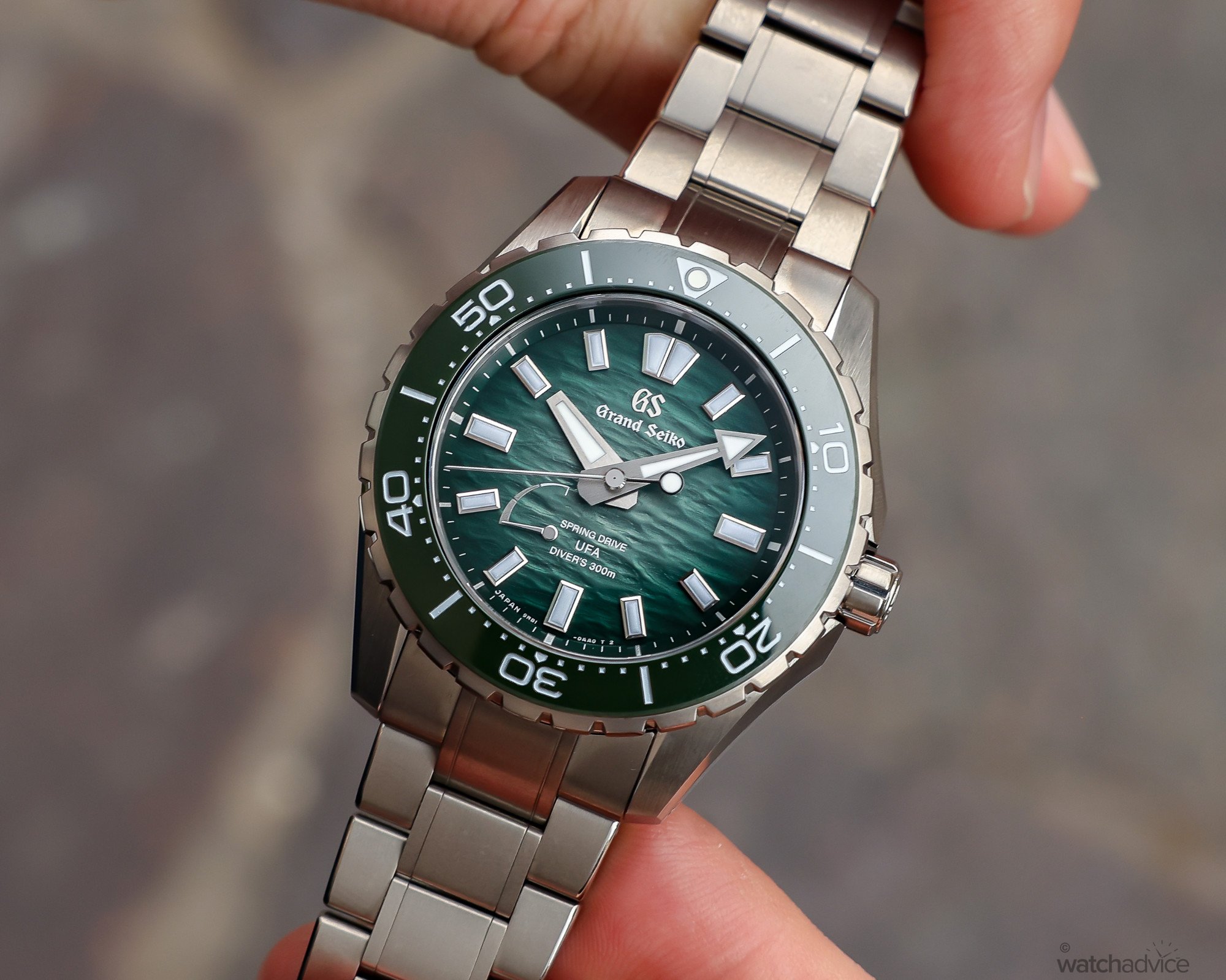
But the greatest products of all time tend to resist superfluous labels. A Ferrari F40 isn’t a men’s car or a women’s car. It is simply a brilliantly designed car that appeals to anyone who appreciates it. Increasingly, the same can be said for watches.
The move towards smaller case sizes isn’t just making watches easier to wear, it’s eroding the rigid size archetypes that once defined entire categories. Instead of designing for demographics, brands are beginning to design for individuals, creating watches whose appeal lies in their versatility rather than the label attached to them.
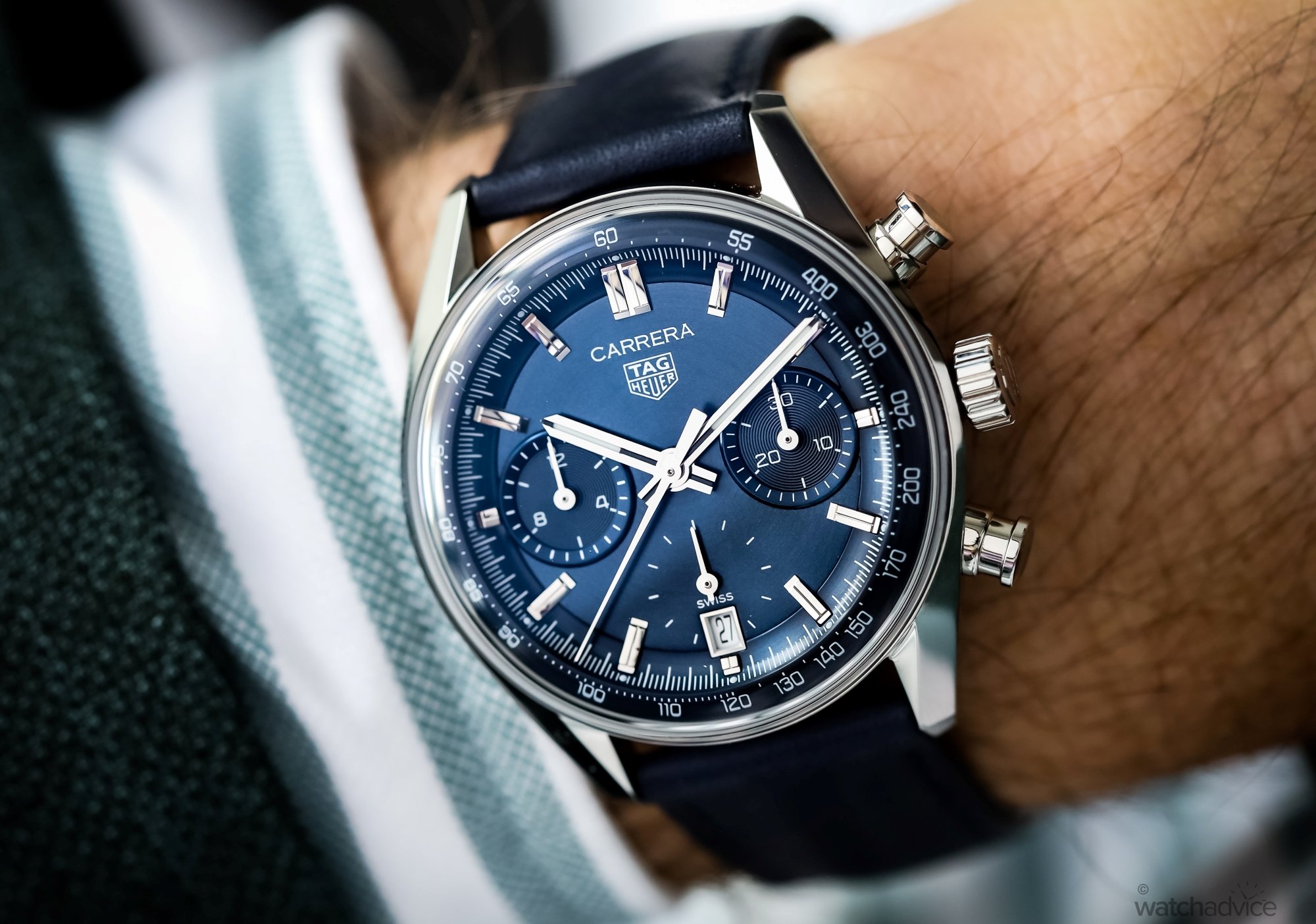
An exemplar of this shift is TAG Heuer, which in 2023 released the 39mm Carrera Glassbox. Compared to the past, the Carrera’s compact case appealed to those who love the heritage, those who appreciate the proportions, and those still searching for their next watch – all at the same time. Simply put, TAG Heuer took a racing-inspired, traditionally masculine design and transformed it into a collection with genuinely broad appeal.
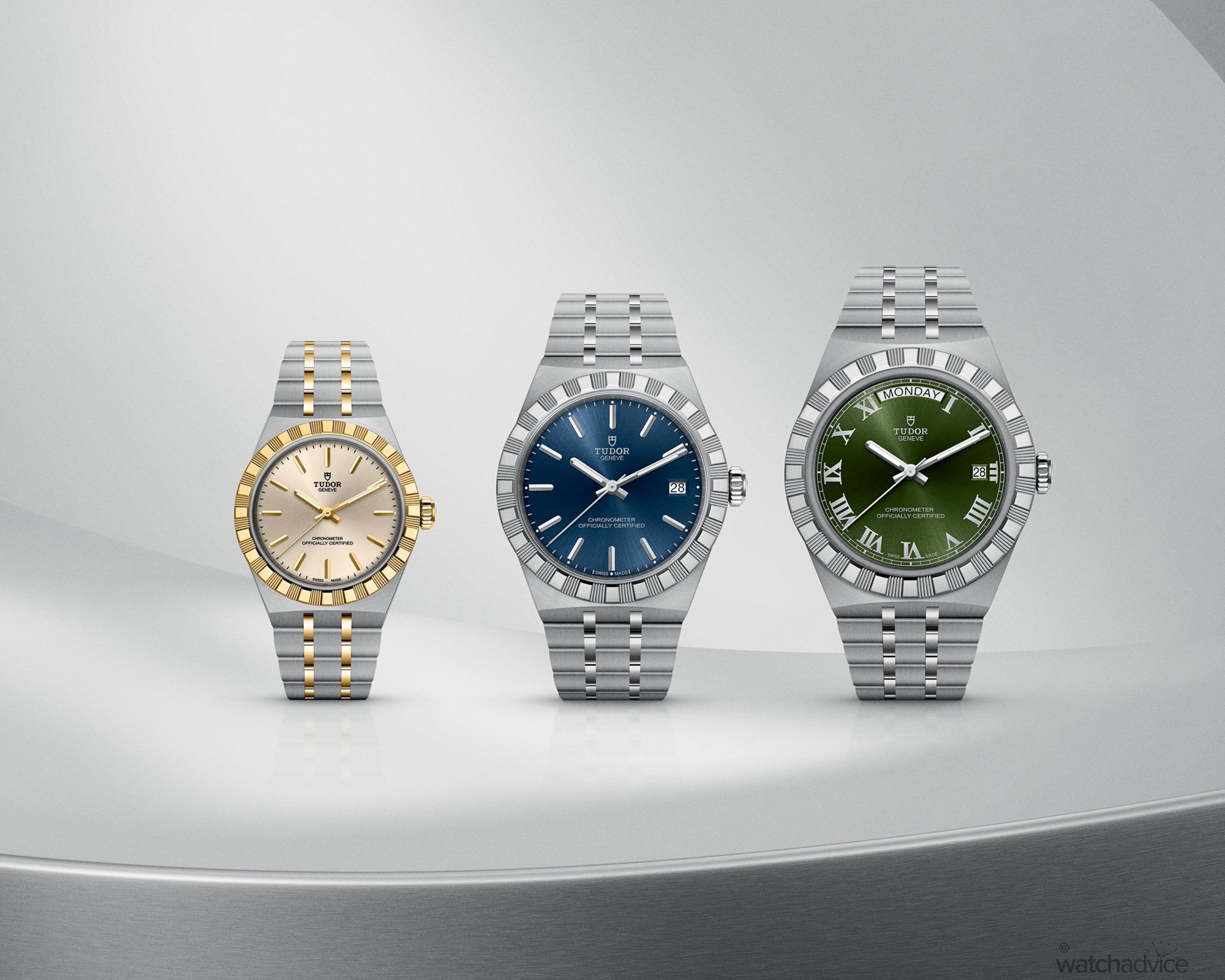
Similarly, Tudor’s refresh of the Royal line brought sweeping changes to the ergonomics of the entire collection. While the range remains distinctly segmented with 40mm and 30mm options, the 36mm model has emerged as the go-to choice for prospective buyers. Available in several configurations with broad unisex appeal, the smaller Royal models have opened the door to far more than the usual audience.
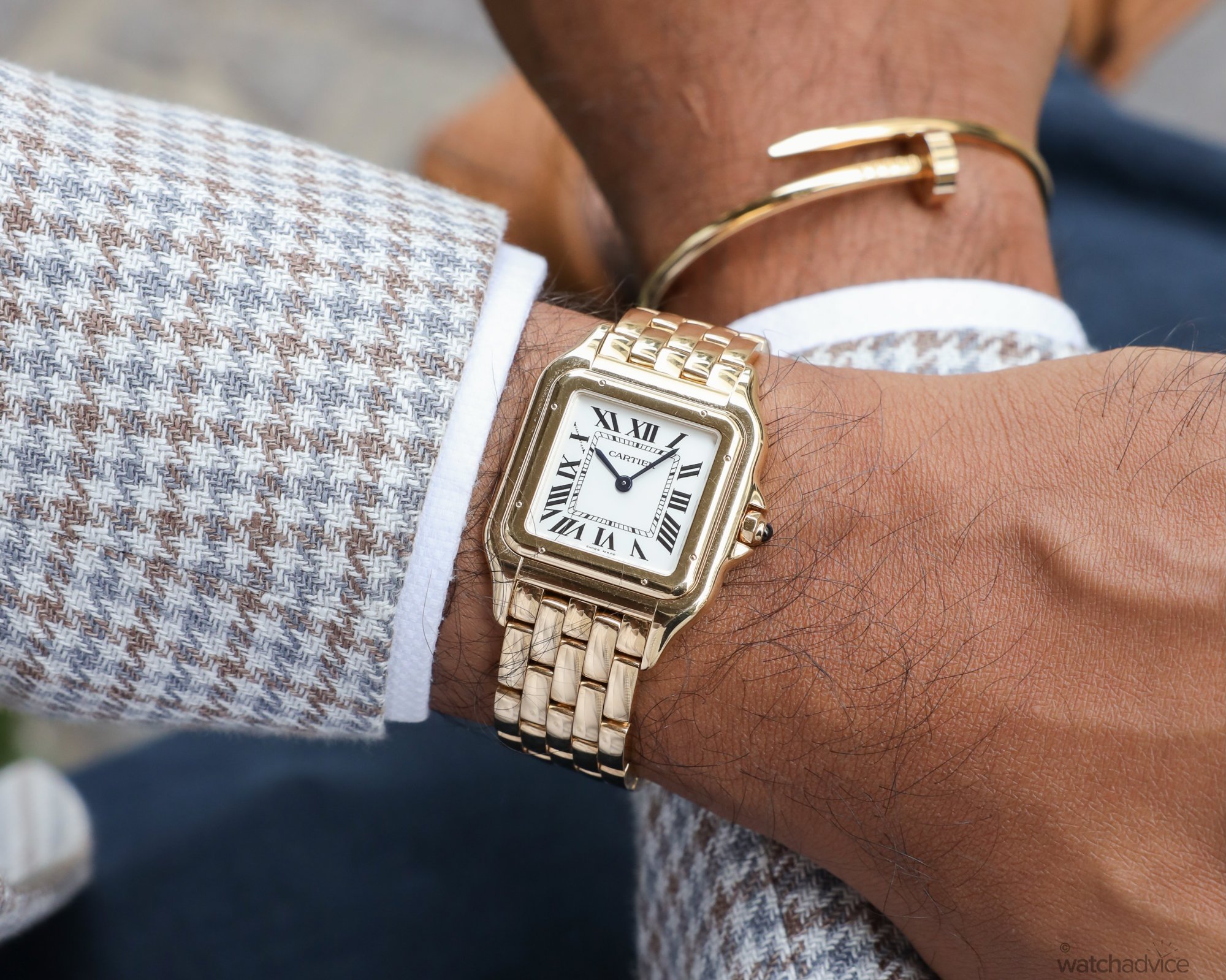
In short, the small watch movement isn’t just about correcting the pendulum swing of past trends. Instead, they challenge the misconception that only one type of person can wear one type of watch. By doing so, they blur the unnecessary distinctions: men’s, women’s, et cetera. Thus, small watches are less about what they are or who they’re made for, but how and why someone decides to wear one.
It’s Not The Size Of The Boat…
I used to work in clothes and shoes for a time, and the first thing I learned was the importance of sizing. As customers do, people would come to me asking about sizes, unsure of what might suit them. I always gave the same advice: oversized is better than undersized.
The worst that can happen with oversized clothes or shoes is that they may look a little silly. But clothes or shoes that are too small are far more obvious. They restrict your toes, your shoulders, and your movement, making them uncomfortable to wear and uncomfortable to witness. There is nowhere to hide when the size is wrong.
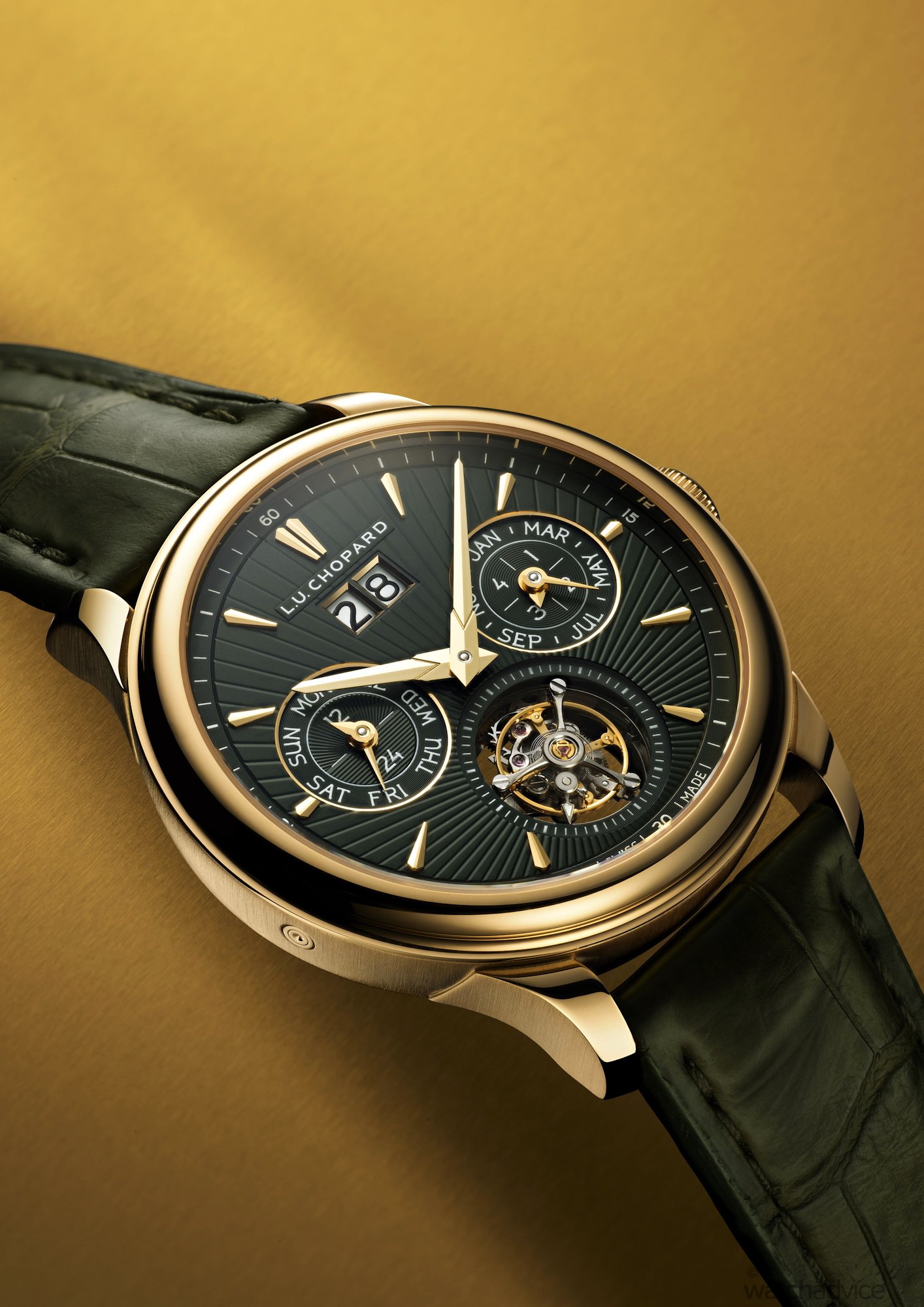
Watches face a similar challenge as they begin shrinking. The promise of proportionality might be a watch lover’s dream, but it is also a watchmaker’s nightmare. As a watch gets smaller, so too does the margin for error. It presents a far greater design challenge than the larger watches of the past, which always had more room to breathe. A poorly balanced 45mm watch can still feel aesthetically impressive, as it can lean on its physical presence. A poorly balanced 35mm watch cannot.
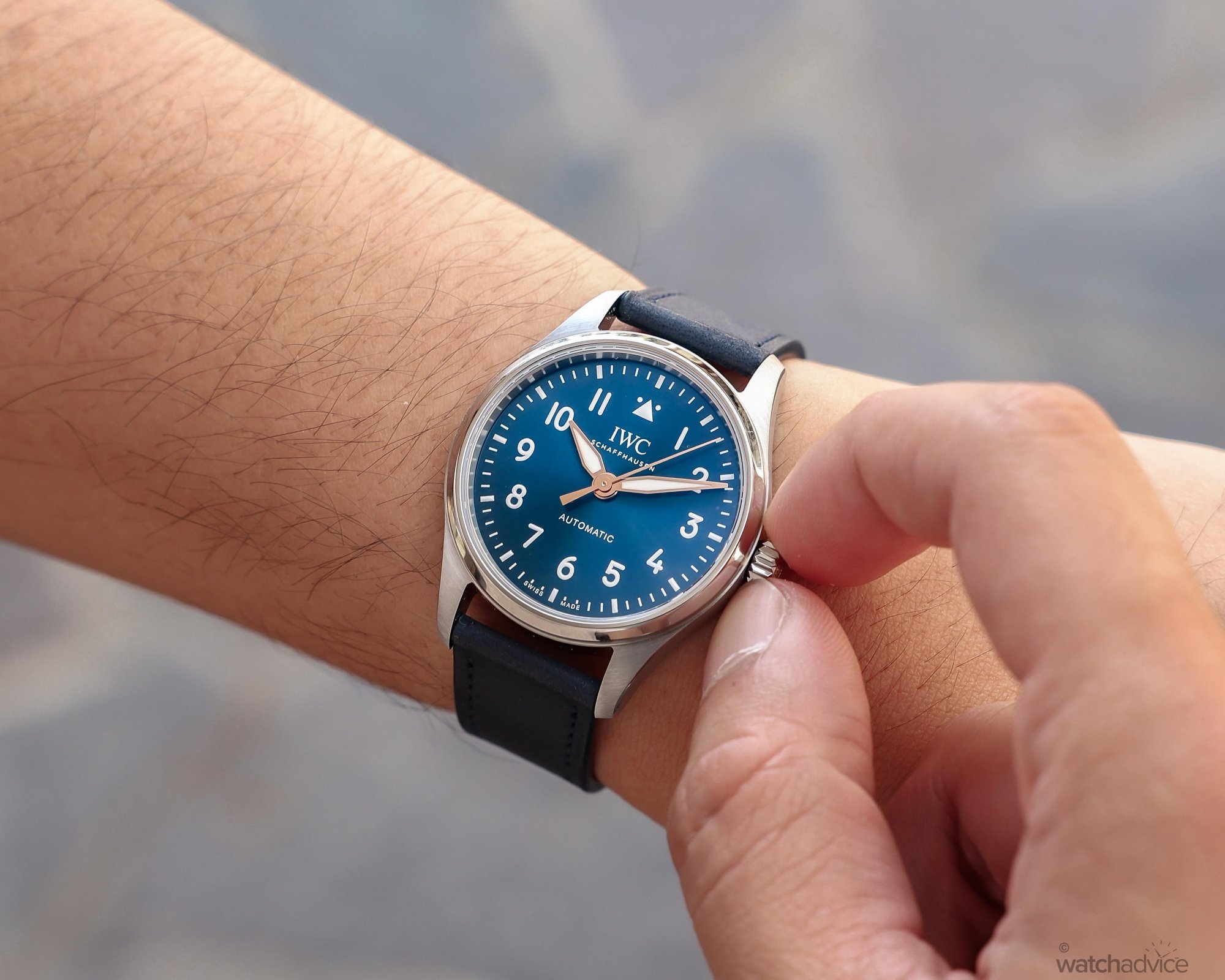
Legibility is also a major challenge in the smaller watch world. Yes, larger watches are, for the most part, easier to read; that much is obvious. But more importantly, it raises concerns about certain watches’ fitness for purpose. A recent release that walks this line is the IWC Pilot’s Watch Automatic 36 Le Petit Prince.
Historically, pilot’s watches like this one have always prioritised high visibility and the quick conveyance of information. Those priorities immediately become more challenging to fulfil as the watch gets smaller. While IWC has succeeded in balancing the pragmatic nature of the pilot’s watch with a more reserved case size, brands must remain vigilant in ensuring smaller versions of their best watches do not compromise the very reason they exist.
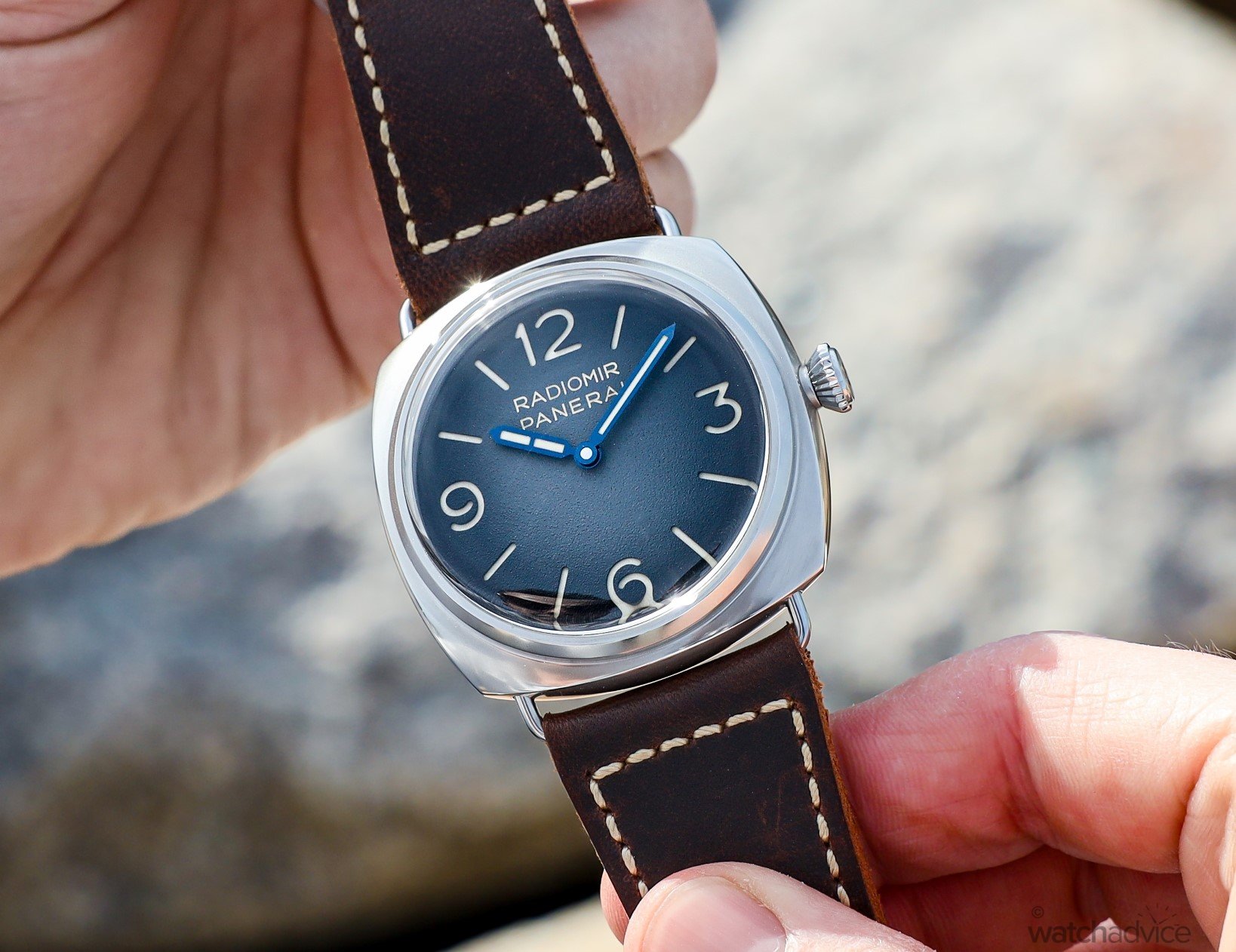
And like anything, there are exceptions to the rule of smaller watches. Panerai has largely remained unchanged yet popular throughout both eras, while high-end luxury pieces from brands such as Patek Philippe demand attention regardless of their size.
Yet the industry’s turn towards smaller watch sizes shows that brands recognise impact is not solely measured by wrist real estate. Instead, they are turning to more nuanced and creative ways to create presence, proving that a small watch can still make a big statement.
Final Thoughts
While the growing trend of shrinking watches is, for the most part, beneficial for the industry, it is one that has to be approached with a degree of caution. On one side, it shows that the industry at large, not just consumers, is rejecting the idea that bigger always means better. But by the same token, it is important that they remember smaller does not always mean more elegant, either.
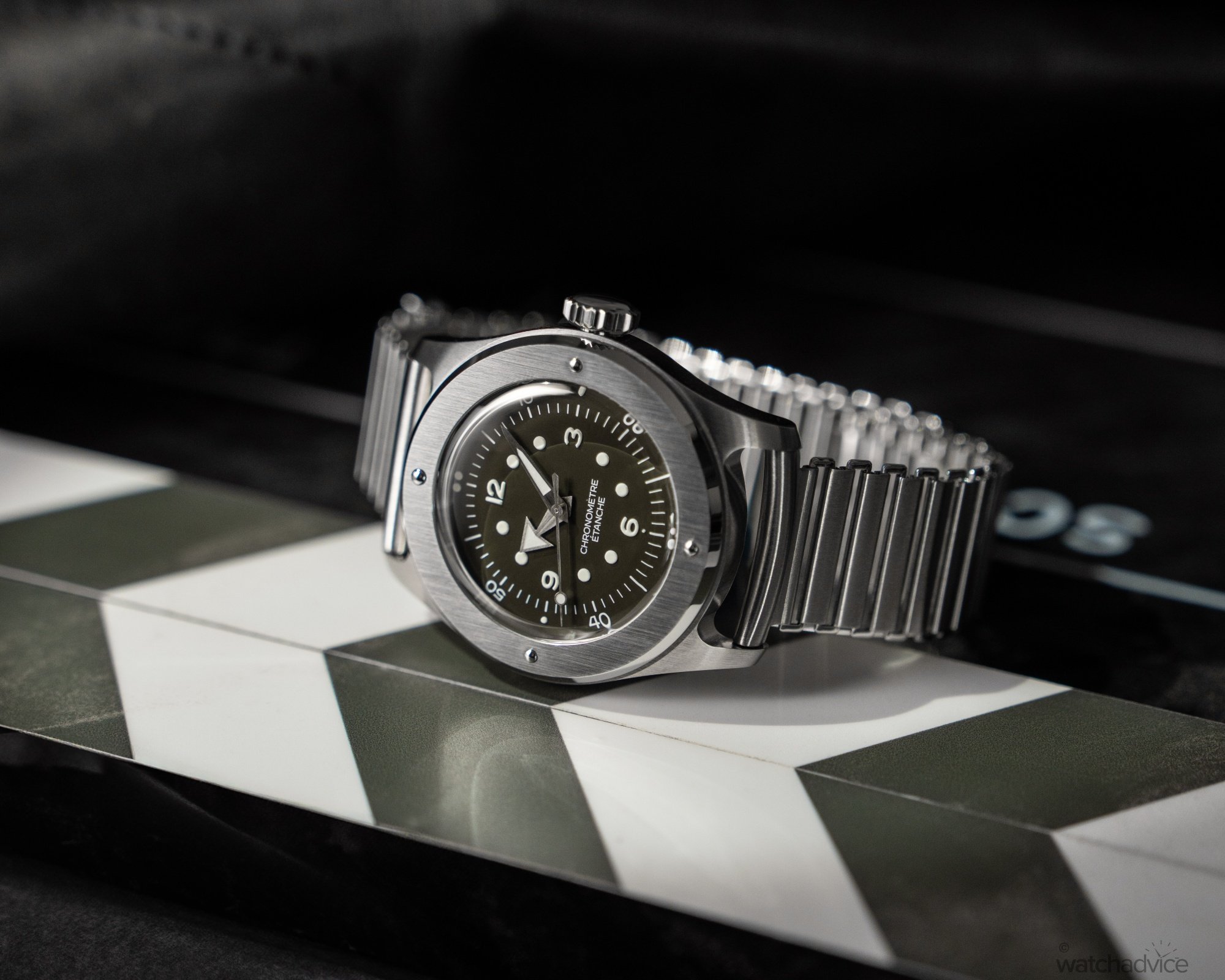
The small watch movement, in reality, says more about the new measurements of success. Where in the past presence was the only thing that conveyed prestige, smaller watches shift the focus towards finer details. It is a more challenging proposition, but when has the watch industry ever been known to turn down a challenge?
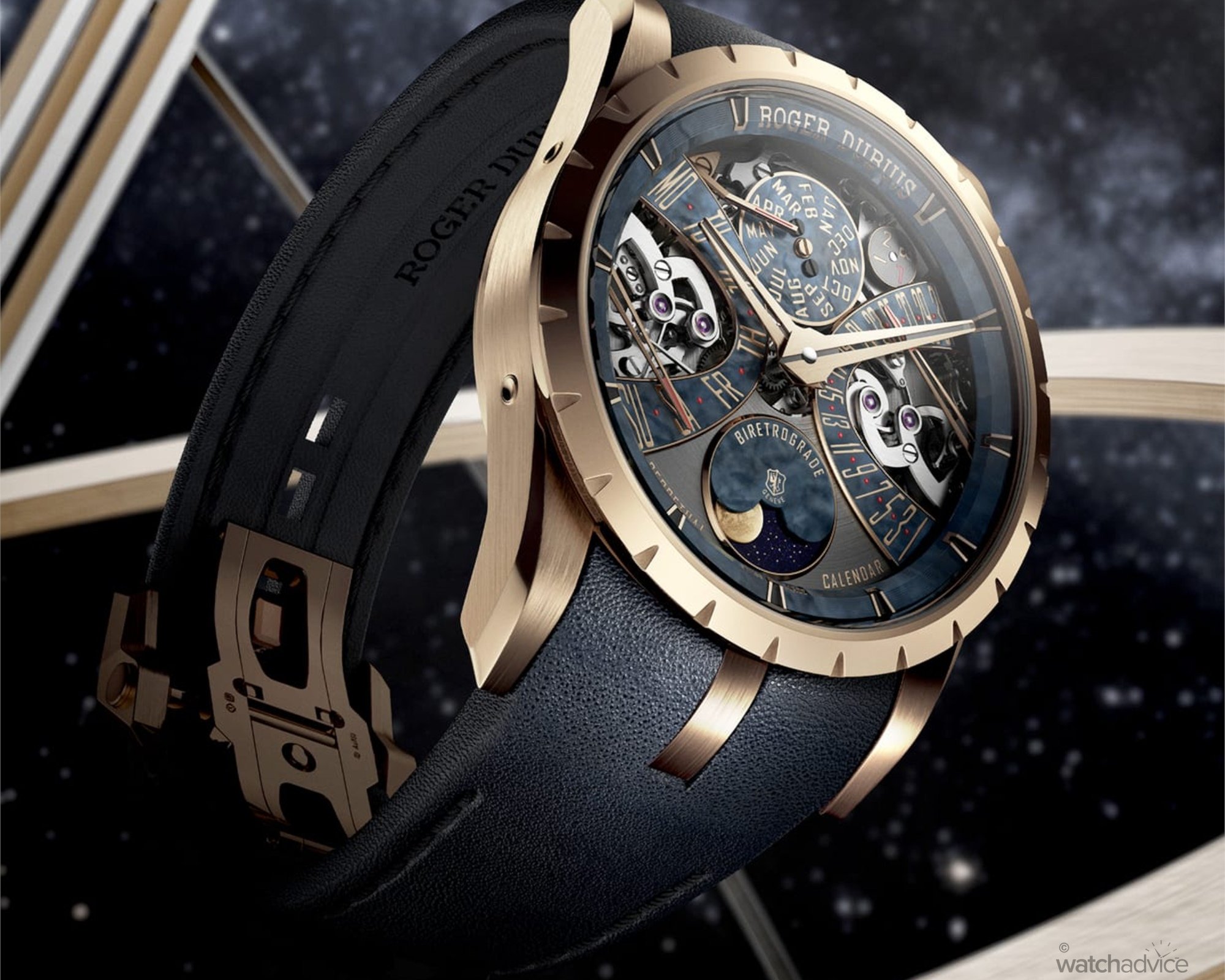
That being said, smaller watches are not the future of the industry. But neither are big watches, medium watches, or any specific category of watch. Instead, the real future of watchmaking lies in designing pieces with more intention and purpose than those that have come before. Small watches might be the catalyst for such change, but they further cement the notion that brands are no longer asking what size a watch should be, but why it should be that way in the first place.