


As the fatigue surrounding numerical limited edition watches grows, how can the industry provide more avenues of exclusivity without exclusion?
It’s become a common consensus in the watch world that numerical limited-edition releases have gotten out of hand. Even from a reporting standpoint, it often feels as though every fifth watch launch is a limited edition, with dozens more waiting just around the corner.
That isn’t to say limited editions are inherently unwelcome. Some of the most interesting watches of the past decade have arrived as limited releases, giving brands the freedom to experiment with an abundance of design languages otherwise unreachable in their standard catalogues. At their best, limited editions can inject excitement into the hobby and offer collectors something genuinely special.
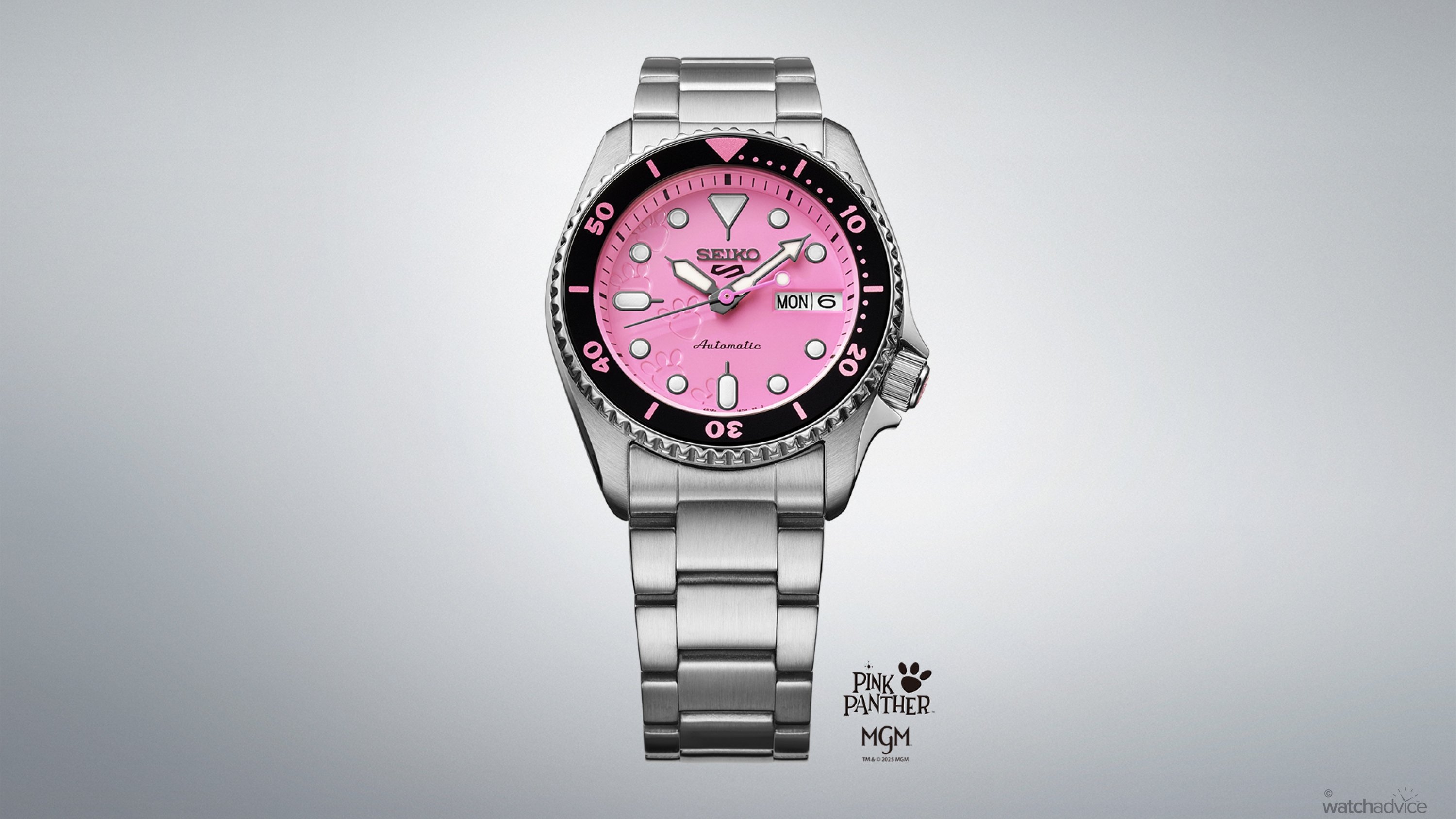
The problem is that brands have become increasingly reliant on them. Once an occasional tool for celebrating important milestones, inter-industry partnerships, or creative team-ups has evolved into one of the industry’s biggest tropes. The sense of exclusivity that once made limited editions so compelling has eroded, replaced by market saturation, collector fatigue, and growing skepticism toward scarcity-based marketing.
So why has the limited edition watch become such a contentious issue within the industry? But more importantly, how can brands move beyond limited runs without losing out on the exclusivity, anticipation, and desirability they once built?
The FOMO Fallacy
Ever heard of the streetwear brand Supreme? Sure, you might not see them around as much these days, but in the mid-2010s they were the brand to beat. Despite competition from industry giants like Louis Vuitton and Balenciaga, Supreme reigned… well, supreme.
Why were they so successful? Because every release felt special and hyper-exclusive , thanks to the art of drop culture. They took advantage of consumers’ FOMO (fear of missing out) by intentionally bottlenecking production. But that same strength also became their Achilles heel: When everything is special, nothing is.
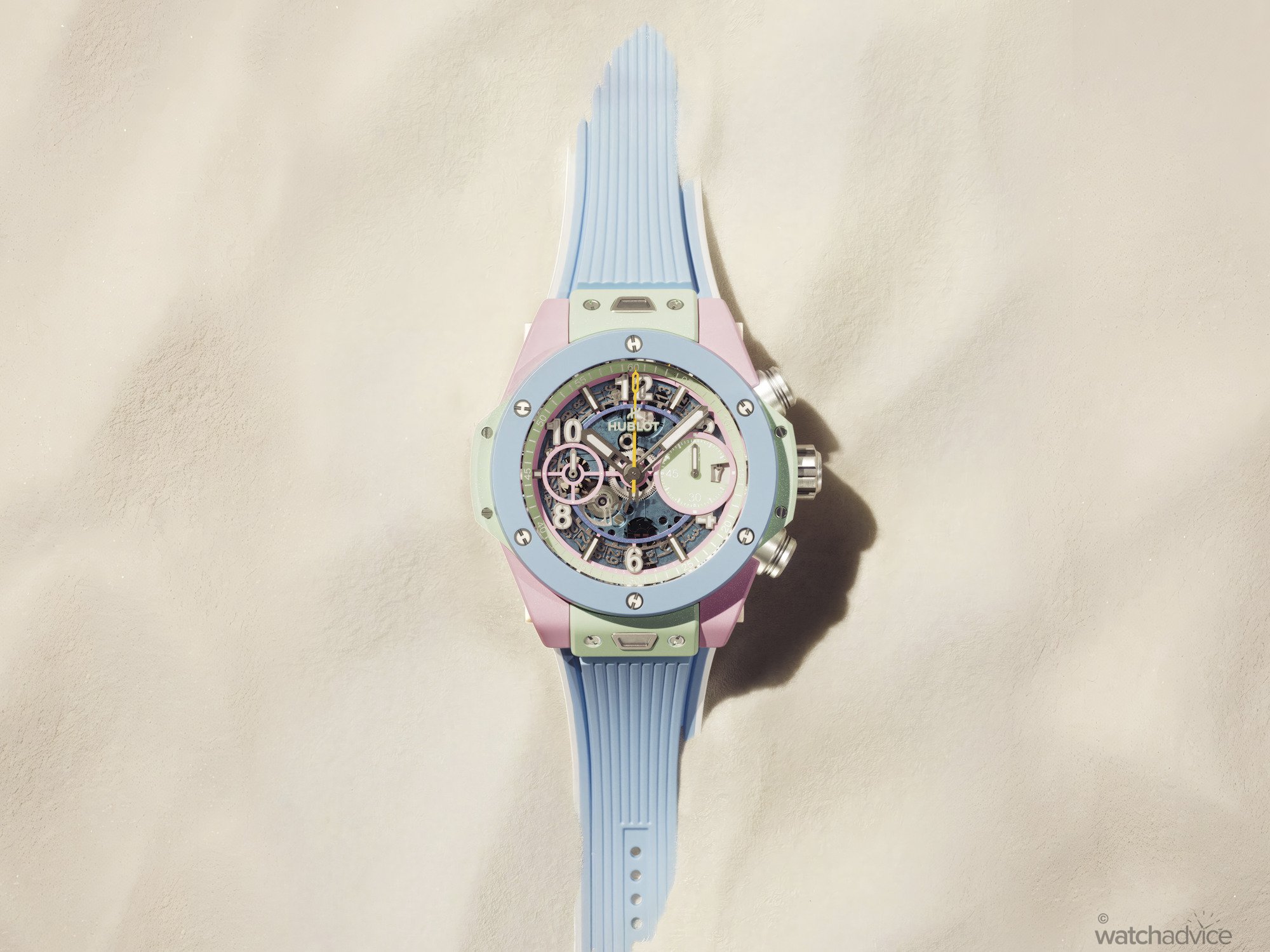
Supreme is both a wildly successful brand and a cautionary example of how other industries should approach limited editions. However, that hasn’t stopped the watch world from encountering the same pitfalls. Limited-edition watches have become the norm, when in reality they should be quite the opposite. It’s an ironic fate: the pursuit of scarcity has created an abundance of limited-edition timepieces to choose from.
Sure, the rush of an impulsive, FOMO-driven purchase is still there, and perhaps always will be. But with every new limited edition, that rush becomes shorter and shorter. Enthusiasts have caught on to the practice acknowledging that there’s always another limited edition watch around the corner.
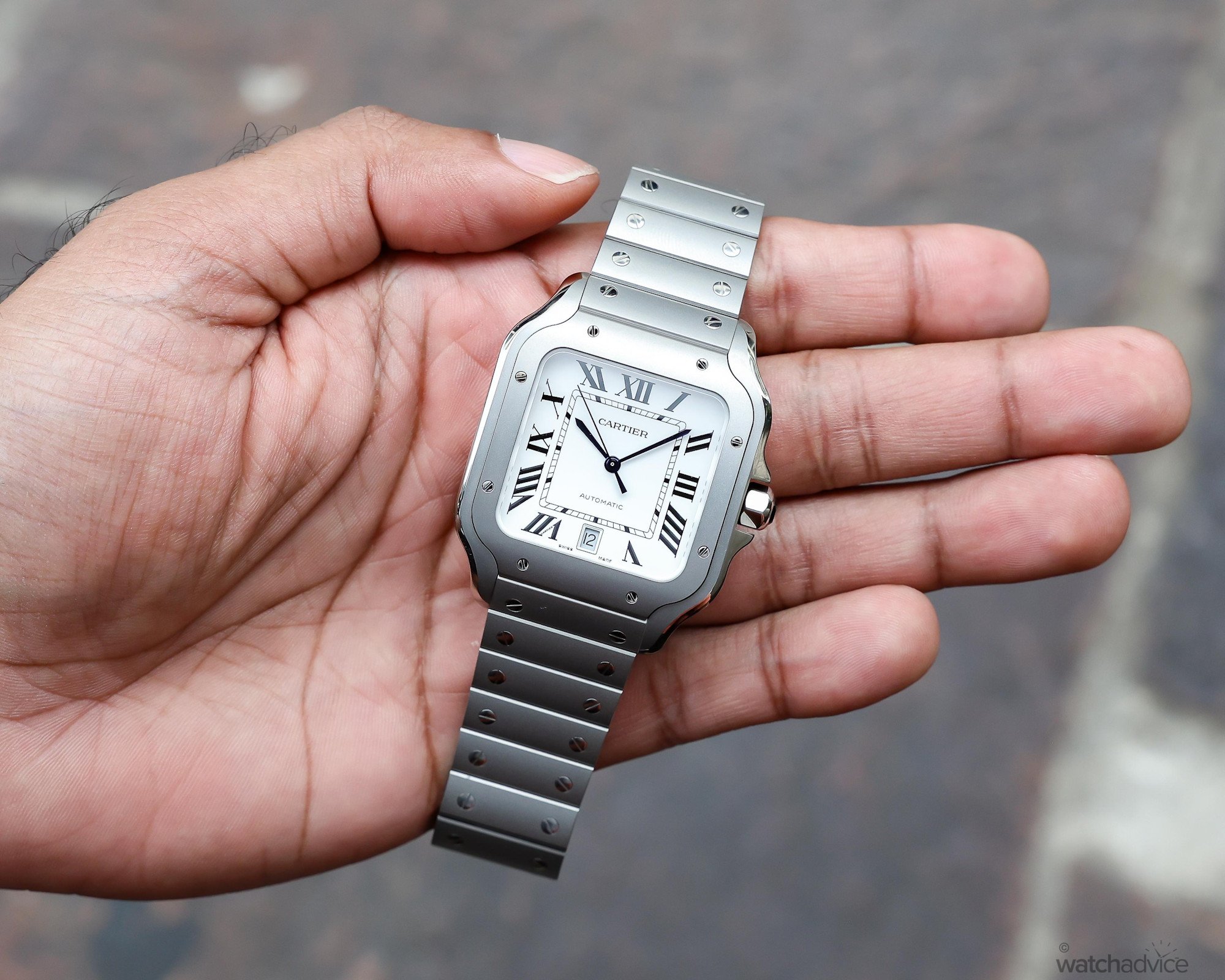
FOMO also doesn’t have the same effect in practice with the watch industry. Spending hundreds or even thousands of dollars in the blink of an eye is considered standard fare for drop culture. A watch, on the other hand, is not a product bought purely on instinct. Here, consumers are playing with tens, or even hundreds, of thousands of dollars.
Thus, such purchases require consumers to thoughtfully consider their choices longer than limited editions allow. This erodes confidence in two ways: Either the consumer loses confidence in the brand after missing several previous limited edition releases, or they lose confidence in themselves by succumbing to FOMO and purchasing a watch that doesn’t entirely suit them.
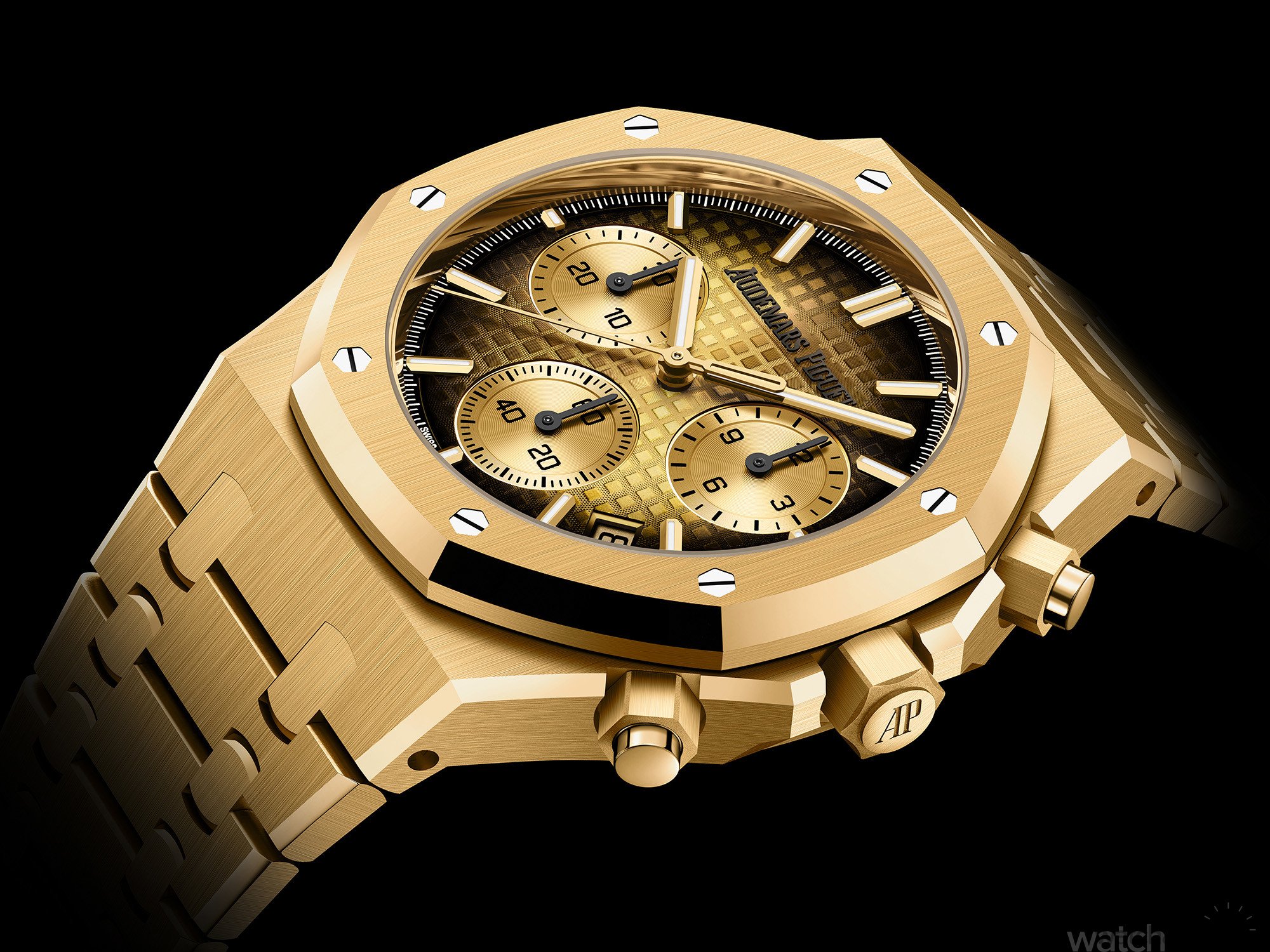
Yet the most successful watches in history are not desirable because of their ephemerality, but because of their staying power, whether through design, engineering, or cultural significance. As a result, many limited-edition runs run counter to the very idea of exclusivity that the watch industry seeks to cultivate, and often struggle to maintain relevance long after the initial excitement has faded.
Suffering From Success
A common argument within the watch community is that limited editions can restrict creativity. It rings true, to a degree. If a watch brand produces a limited edition with unique colours, dials, or materials, it can potentially prevent itself from using that same configuration in the future. However, the true challenge is far more nuanced than the argument implies.
The reality is that limited editions are often testing grounds for watch brands; market studies conducted in real time to see what enthusiasts respond to. Releasing limited-edition timepieces allows a brand to experiment with new concepts and relatively little risk, whether financially or in terms of brand cachet. So the main question to ask isn’t about whether or not limited editions are doomed to fail. It’s what challenges they face when they succeed.
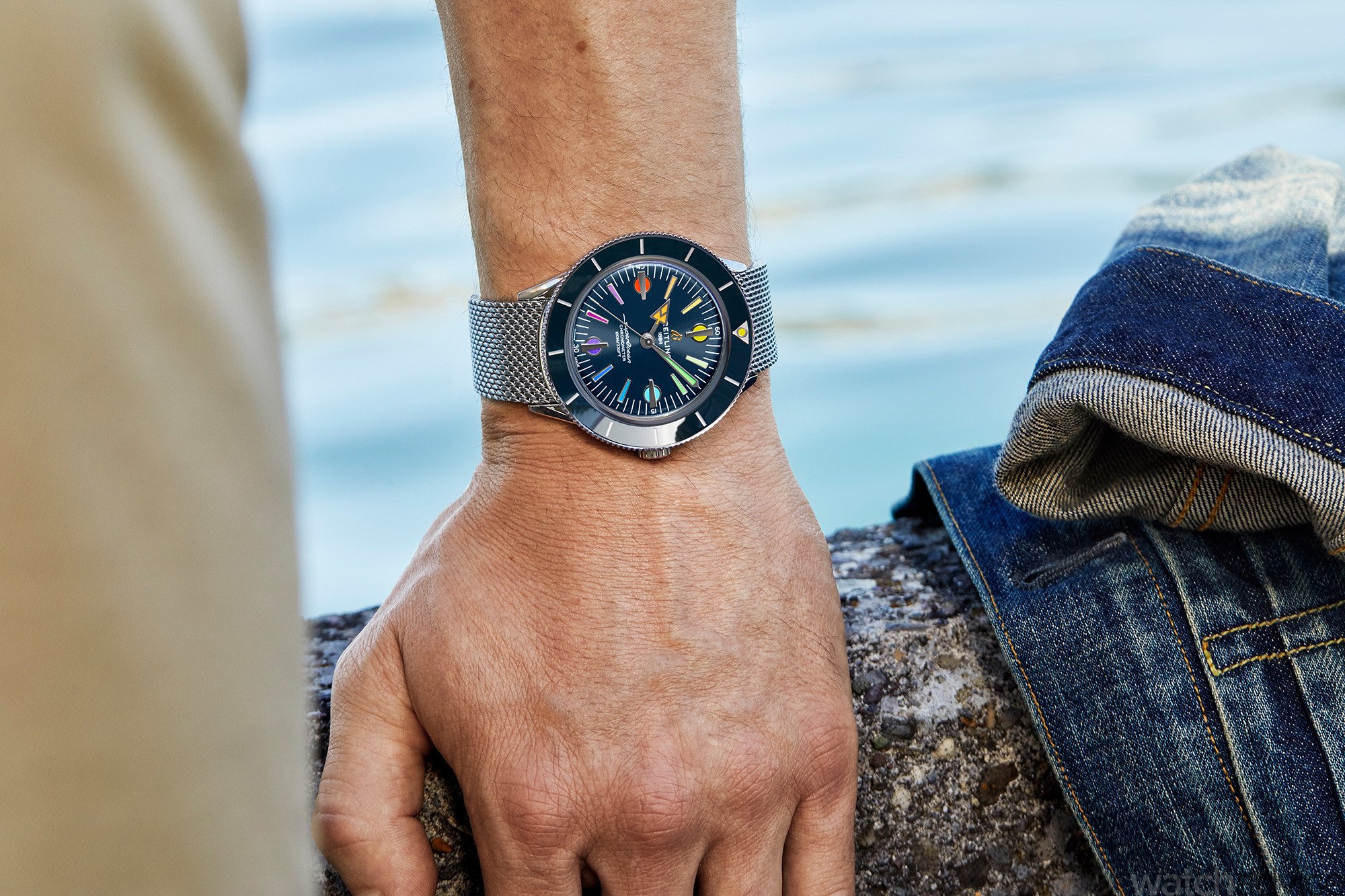
Let’s say collectors love the design of a limited-edition watch, and perceived it as superior to the standard offerings. Now, a brand finds itself facing a two-pronged dilemma. The first option is the simplest: retire the design and never make it again.
But when this approach is repeated at scale, it introduces a quieter, more dangerous issue. A brand’s most successful design ideas are locked away. Over time, the catalogue of desirable but inaccessible watches grows, effectively bottlenecking both production and customer access to the brand’s best work.
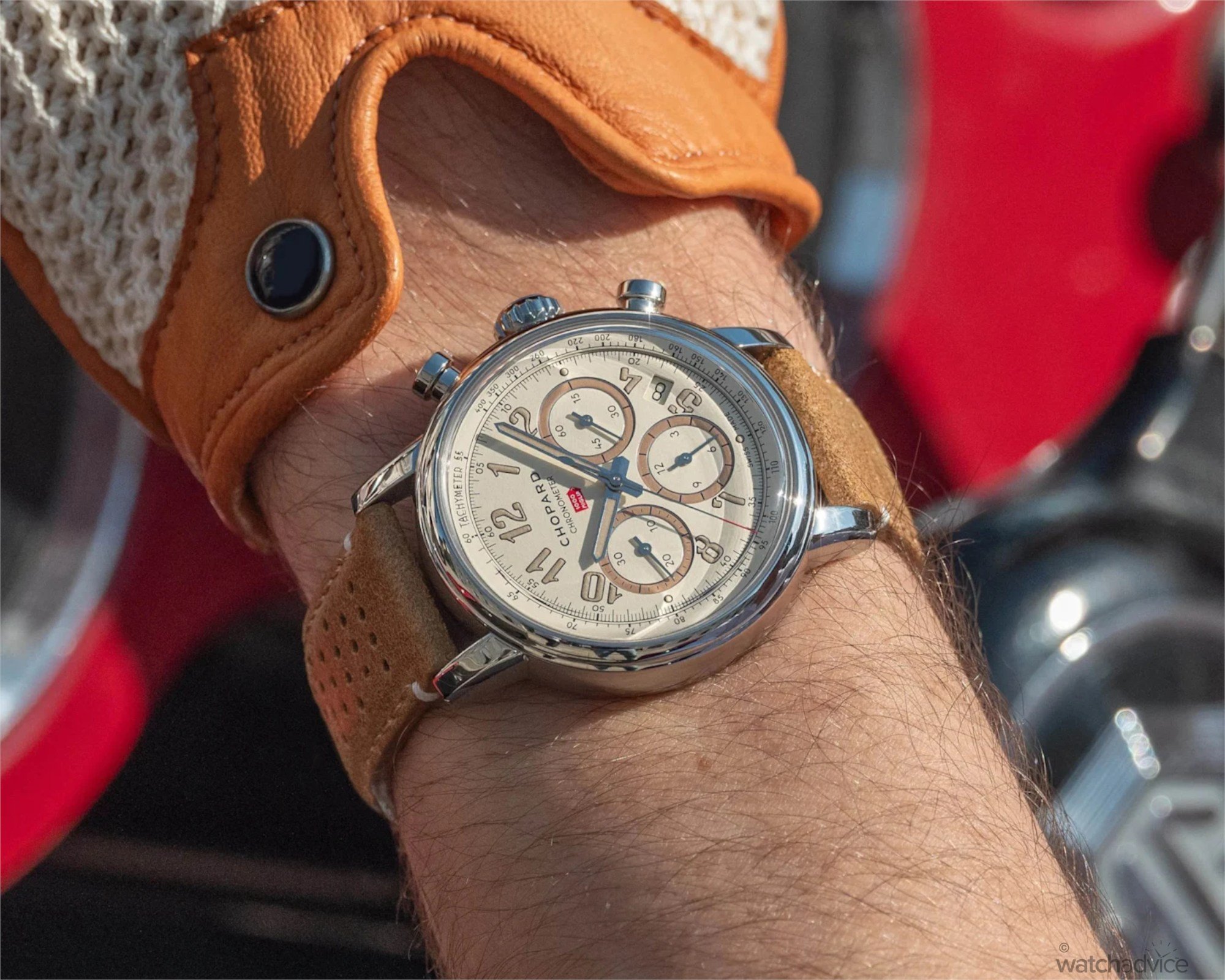
Is the alternative better? Would there be merit in reintroducing a limited edition watch to the standard line? On the surface, it solves the accessibility problem for new consumers. However, doing so requires a delicate balancing act that risks existing ones. If a limited-edition watch were reintroduced as a standard-production model, it would need to be distinctive enough to preserve the exclusivity of the original while remaining similar enough to satisfy demand.
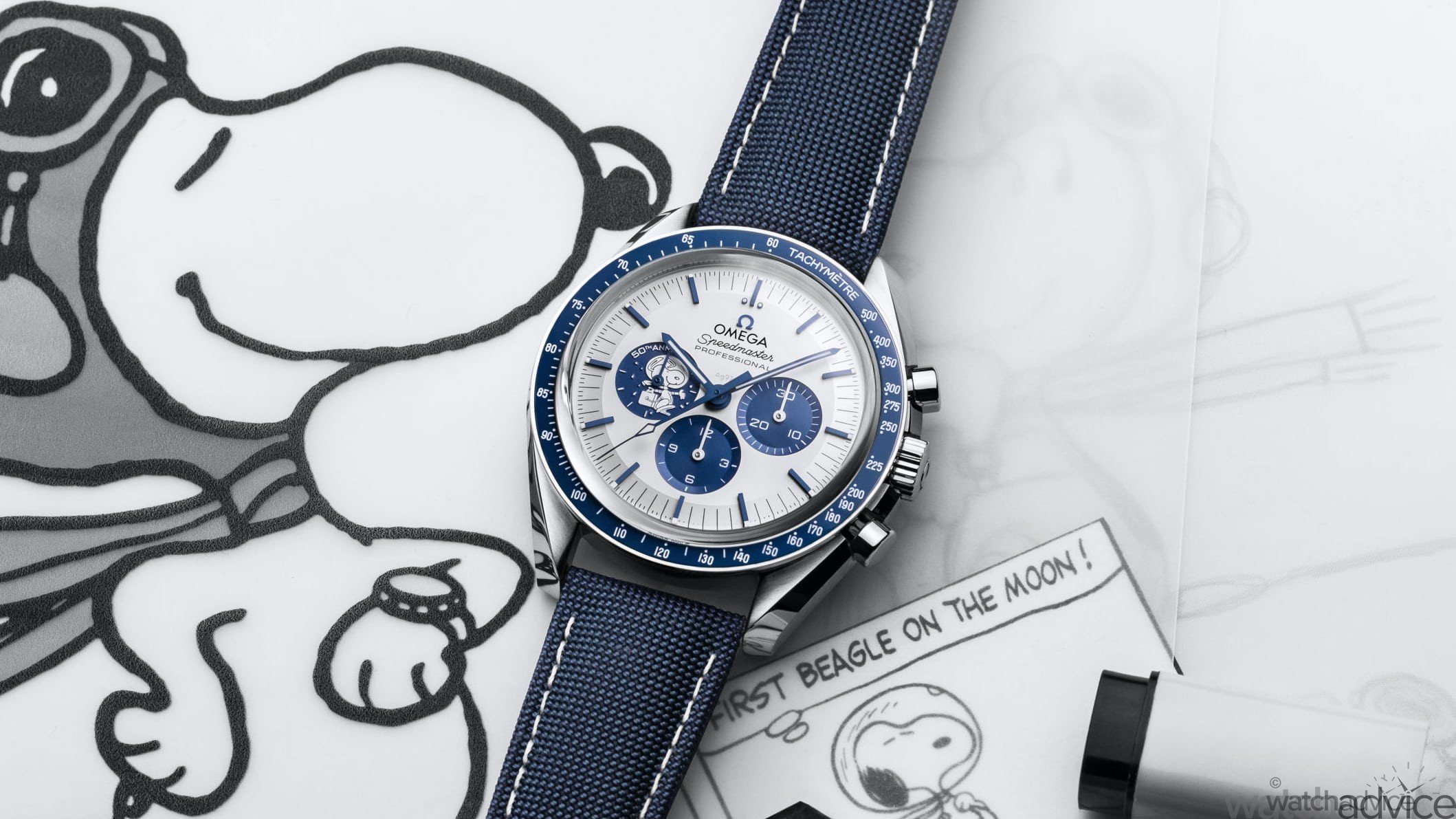
Make it too different and prospective customers may still feel disappointed. Make it too similar and those who purchased the limited edition may feel misled. Again, this challenge is manageable, but hard to do if limited editions were not as commonplace as they are today. Exclusivity and restrictiveness are not the same thing, yet the watch industry increasingly treats them as though they are.
There’s potential alienation on either front. Either new customers feel alienated, or the limited edition buyers do. Thus, the real issue with limited editions isn’t designer’s block or perceived restrictions on creativity. Instead, the overreliance on limited edition watches, when successful, can potentially vault a brand’s best ideas.
Establishing Excellent Exclusivity
The two biggest challenges with limited-edition watches, as discussed, both stem from an industry-wide overreliance on the practice. Perhaps this comes from a conclusion that limited editions are the only way watch brands can generate exclusivity, but that is simply not the case. In the modern watch industry, the tide has begun to turn to the contrary. Both mainstream and independent brands are shifting away from numerical limited-edition runs, presenting new formats that promise a similar level of exclusivity with fewer drawbacks.
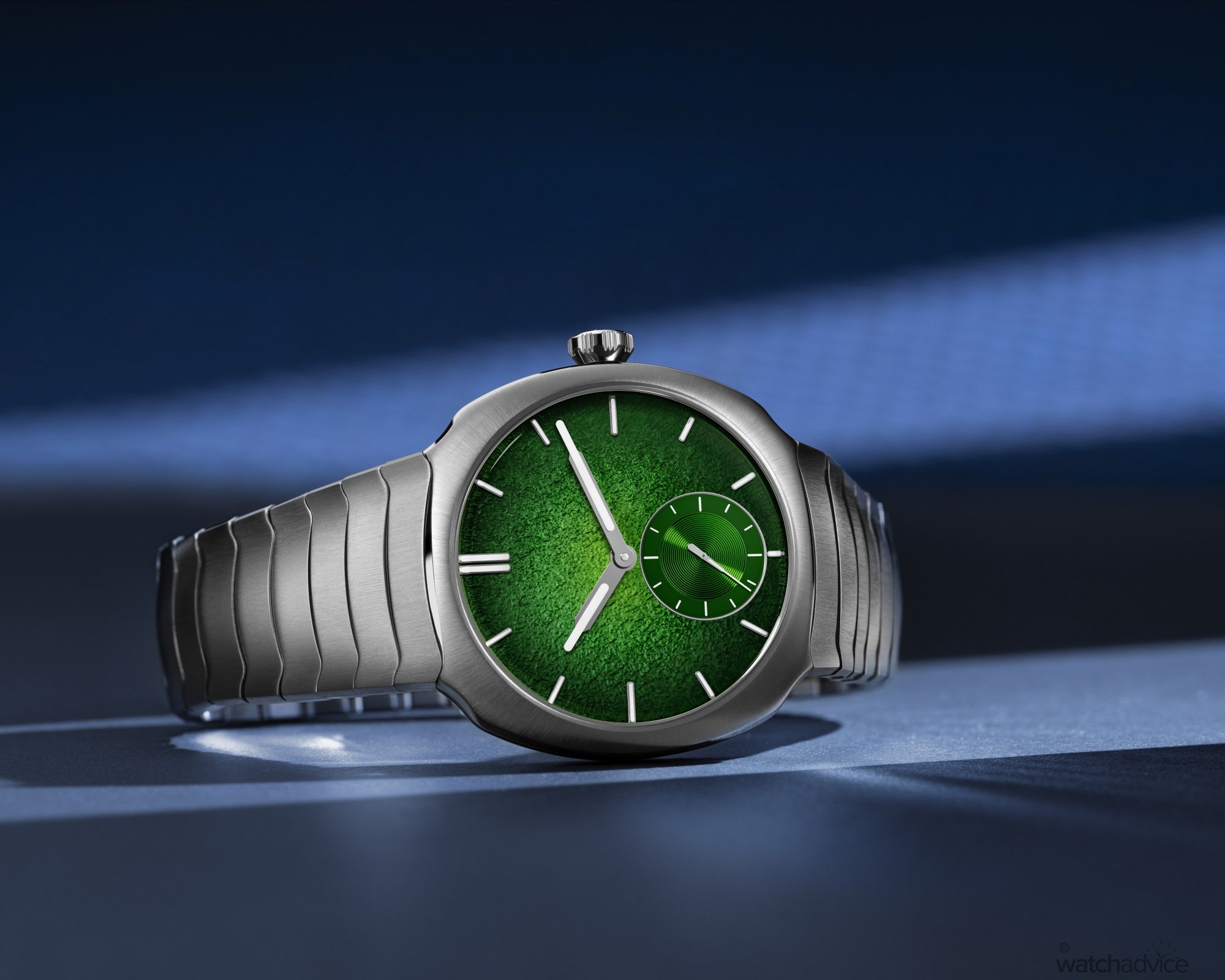
One of the strongest approaches brands are moving towards is the use of boutique exclusives. Where numerical caps often prompt instinctive purchases without much consideration, boutique exclusives eschew this in favour of experiential access. Scarcity remains, but it is tied more to location than to lottery. The only drawback is that not every customer will be able to make the voyage – but that’s also precisely the point.
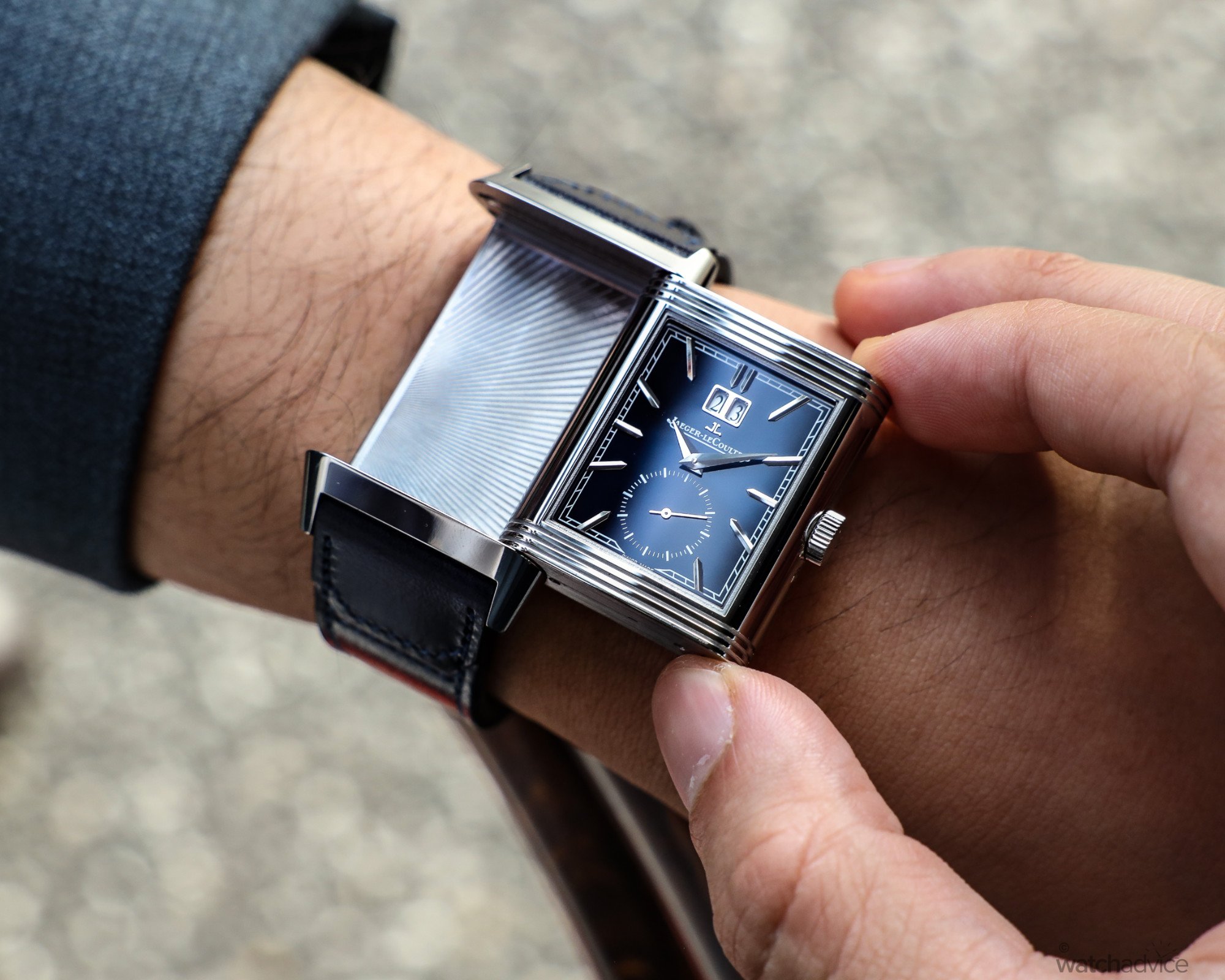
Jaeger-LeCoultre and H. Moser & Cie. execute this strategy effectively, restricting some of their most artistic and technical timepieces to boutiques or select authorised dealers. In turn, it encourages customers to make the journey to a boutique to access these pieces. This rewards engagement with the brand, making the purchase feel considered rather than impulsive.
Another strategy used to counter limited editions is scarcity through time rather than model number. While replacing a production cap with a temporal one still harnesses FOMO, it is far more flexible and democratic than traditional methods. Instead of asking how many exist, time-based production asks how in-demand a product is. In that sense, it acts as both a marketing tool and a feedback loop, helping brands determine what their customers actually find interesting.
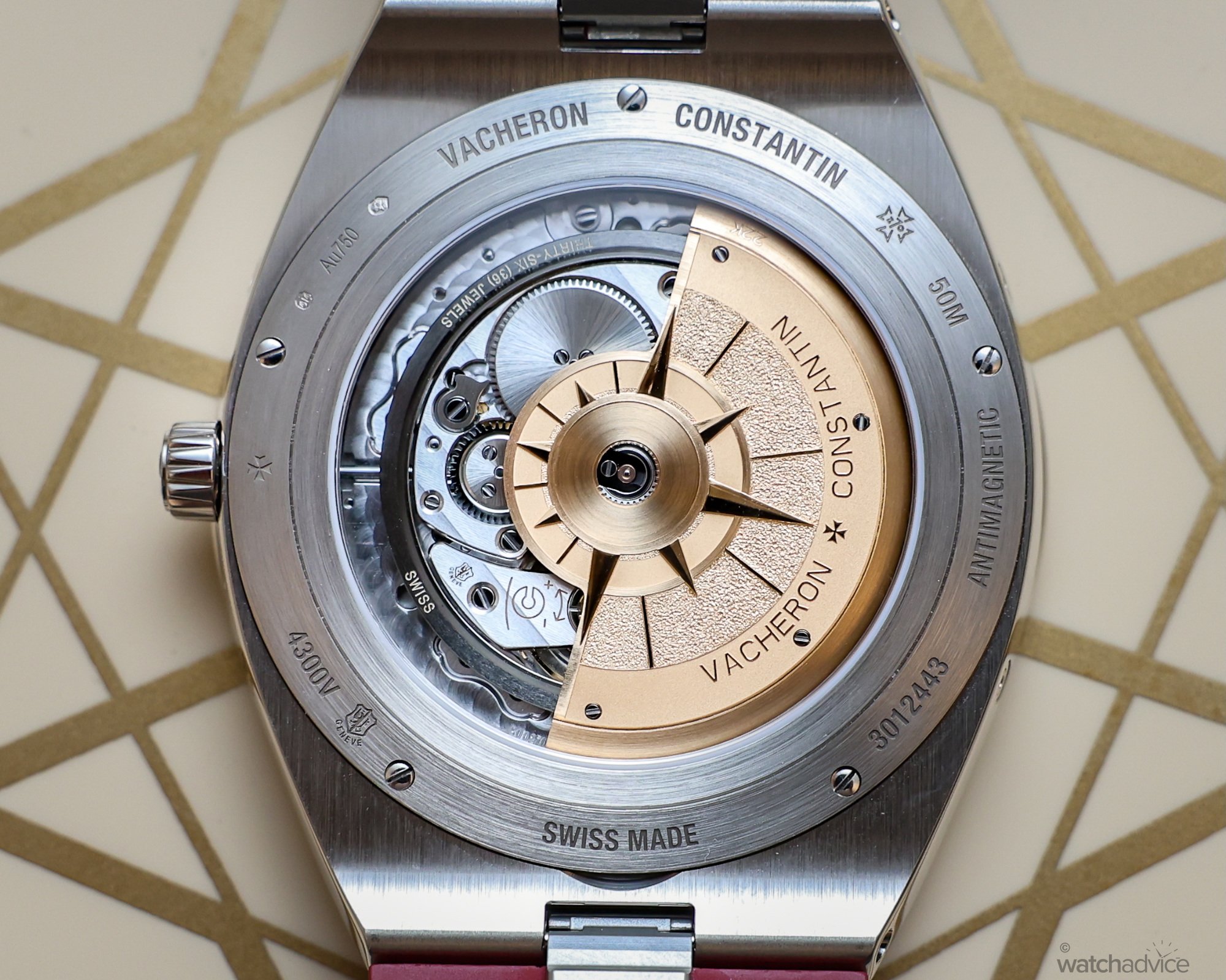
This approach is a favourite among microbrands such as Baltic and SpaceOne, which used a limited production window for their Seconde Majeure. One of the best examples of time-based production, though, may be what Vacheron Constantin did in 2025. That year, all Vacheron Constantin watches produced carried the 270th anniversary hallmark on their caseback. Now that they are no longer available, every watch purchased in that period carries an added layer of exclusivity through a simple but meaningful detail.
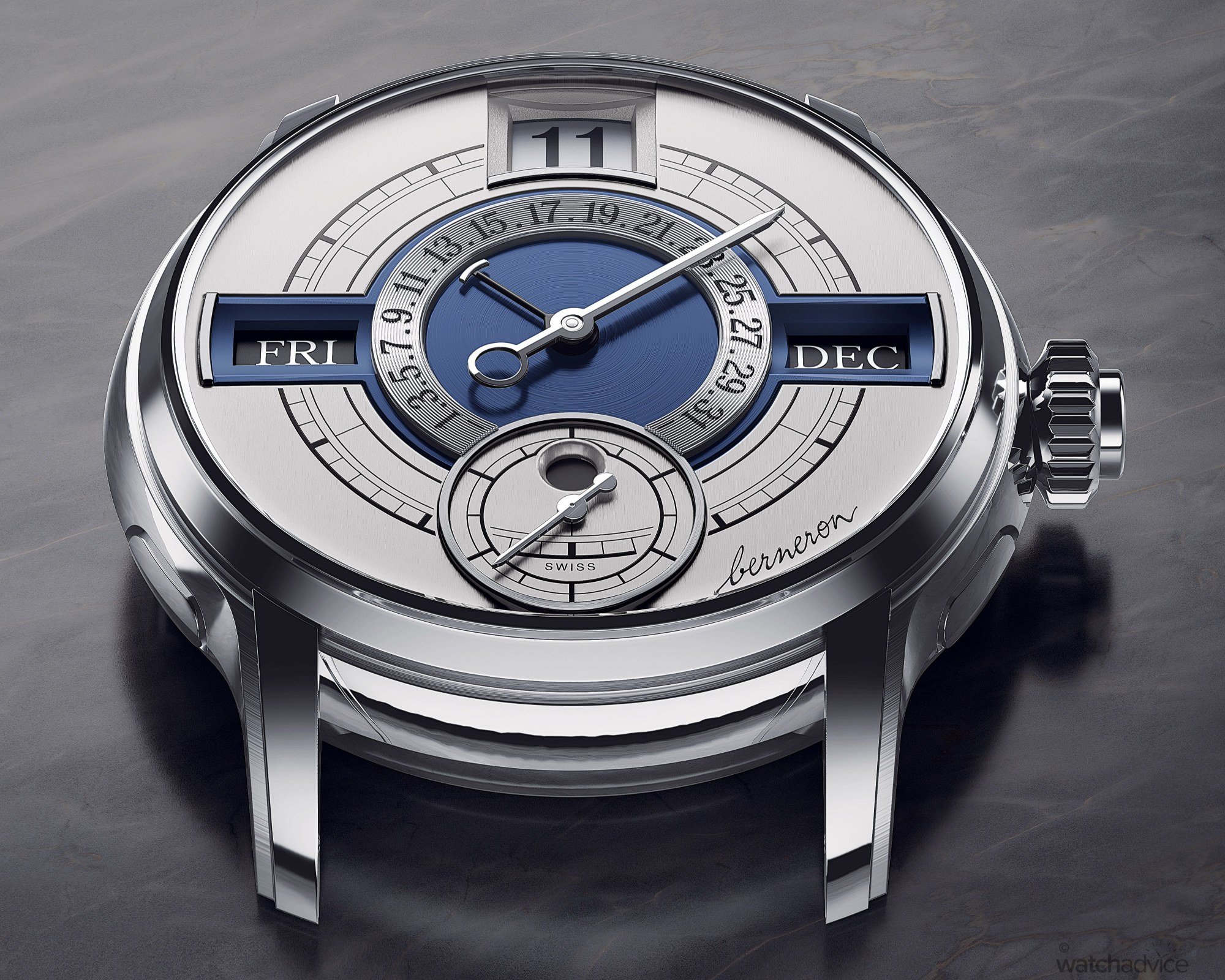
If a brand is fully committed to producing watches in limited numbers, another approach is to implement a time-based production cap rather than discontinuing a model outright. It is a more natural form of scarcity, blending the FOMO-driven appeal of numerical limited editions with the more diplomatic nature of time-based exclusivity. This benefits both consumers and brands: early buyers are rewarded for getting in first, while others are still given opportunities over time, and brands can maintain a focus on craftsmanship and consistent quality.
As a result, haute horlogerie independent brands such as Berneron rely on production caps to generate long-term demand, establishing their pieces as pillars of their catalogues without making them overtly accessible. By shifting the focus from speed to sustained appeal, this approach offers both consumers and brands a clearer path to generating exclusivity through scarcity, without overly restricting themselves.
Final Thoughts
It’s highly unlikely that numerical limited-edition watches will disappear from the industry, nor should they. Despite their drawbacks, they remain an effective way for brands to commemorate milestones, experiment with new ideas, or simply build excitement around a release. However, they should no longer be the only means by which brands generate exclusivity in the modern watch world.
Growing fatigue around numerically limited editions should prompt more brands to broaden their horizons. Some are already ahead of the curve, having implemented a variety of methods to make exclusive watches feel more meaningful without alienating potential customers. If a brand is seeking to create exclusivity through scarcity, it should look towards other strategies beyond simply releasing another numbered edition.
Ultimately, as more consumers grow weary of the limited-edition playbook, the watch world must once again find ways to adapt. It’s certainly capable of doing so, having survived far greater challenges than an overused marketing tactic. But exclusivity has always been a balancing act between accessibility and rarity, and the industry has allowed that balance to lean too far in one direction.
Introducing more avenues for generating excitement can only benefit the wider community. In doing so, brands can preserve the appeal of exclusivity while keeping enthusiasts guessing about what might come next.