

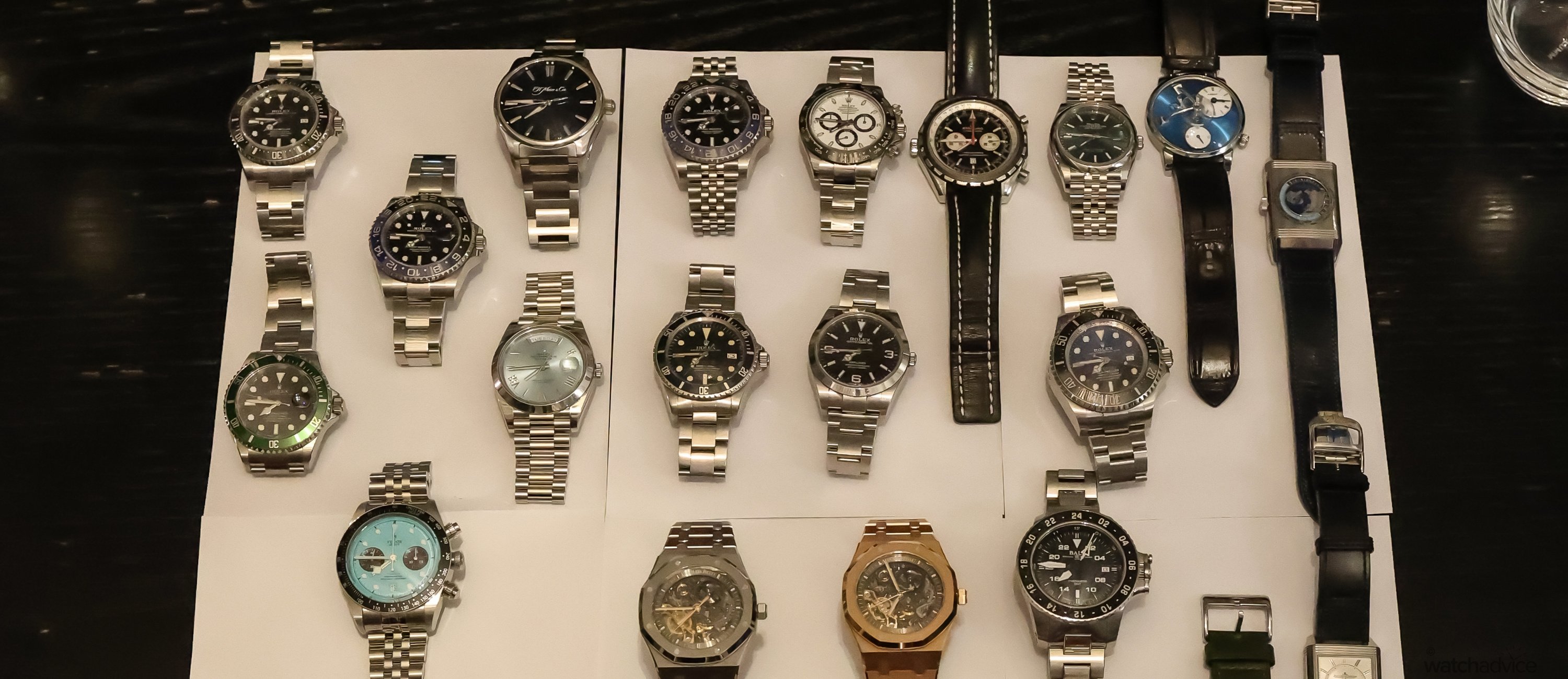
It is a question that pops up now and then, and one worth asking. Has the hobby of watch collecting become too serious? We explore this in our latest opinion piece.
I was scrolling through the watch socials recently, as I do pretty much every day, and realised something. It seems that every second or third conversation about a new watch wasn’t about how it looked, how it felt on the wrist or whether people actually liked it. Instead, it was “Will it hold value?”, “Will this trade above retail?” or “Is this a good investment?” The second thing that struck me was all those comments dissecting everything that was supposedly wrong with a watch or a brand, with opinions often presented as indisputable facts.
This got me thinking about watches and the hobby of watch collecting in general, which led me to the thought in question. Has watch collecting become too serious? At what point did we stop collecting for the love of it, appreciating all different types of watches and brands, and start caring about what others think as well as the value retention or investment potential of a watch? I don’t have a single answer to this, but let’s dive deeper.
Remember When Watches Were Just Cool?
I do. I fell in love with watches when I was just a kid; in fact, I was around eight years old when my grandmother brought me back a baby blue coloured Casio from a trip to China in the late 80s. At least this is how I recall my love of watches starting, but it’s a core memory, so I’m pretty sure this is where I got the bug.
Over the years, growing up and then into my 20s, the watches I loved changed over the years as I got more into the hobby and gained more knowledge. In fact, this has been a continual evolution up to this point. And, I think as a person and a watch collector, I’ll continue to evolve over the years to come. But the one thing that I always recall is, looking at watches that I thought were just plain cool.
It didn’t matter about the brand; the movement and specs didn’t really bother me either. But what I gravitated towards was more the look of the watch itself. The watches I liked were those that spoke to me as a person, or alternatively, watches worn on the wrists by those people, real or fictional, that I admired. Perhaps see my article on James Bond and how he saved the Omega Seamaster.
And I’m sure many people can relate to the sentiment. For most watch collectors, the watch collecting bug probably started at a younger age, and it stemmed from something that was fairly personal to that person.
It might’ve been that their father or grandfather was into watches and passed down a piece to them, or their heroes wore a certain type of watch on the wrist and identified with that person (one reason watch brands use ambassadors). Or it could be that you received a promotion in your first job and wanted to reward yourself with something that you’d have on you every single day.
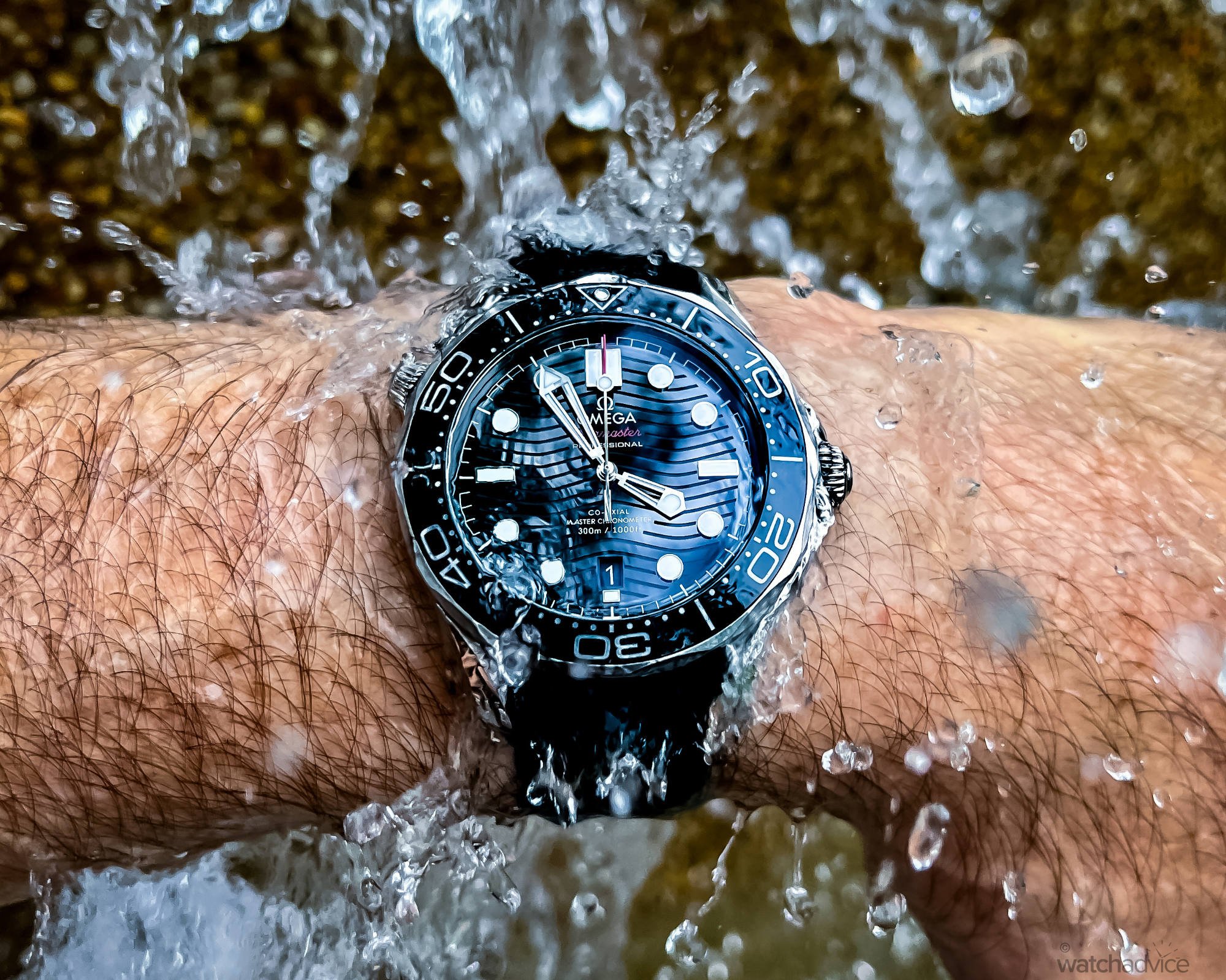
No matter where the hobby started, that personal aspect of watches, and what you, as a collector, would gravitate towards, probably started as an emotional connection and a love for the brand or the watch versus any other intrinsic or extrinsic value. You bought what you loved, within your means. It was simple. Or so we all thought.
Somewhere, Things Changed…
At a certain point, watch collecting for many changed, and I, for one, am guilty of this too. The pure joy and love of all things watches was slowly replaced by value retention, status, the perceived linear “collecting journey”, and, of course, what others thought of what you wore on the wrist.
Now part of this is due to the effects of COVID-19 and the explosion of secondary market values with regard to the likes of Rolex, Audemars Piguet, and Patek Philippe, etc, along with the mainstream media portraying watches as investments. I think we all know how this played out, so I’m not going to look at that period of time in too much detail. But this is then linked to watches as being a store of value, the rising prices and at the more personal level, the next piece in one’s collecting journey.
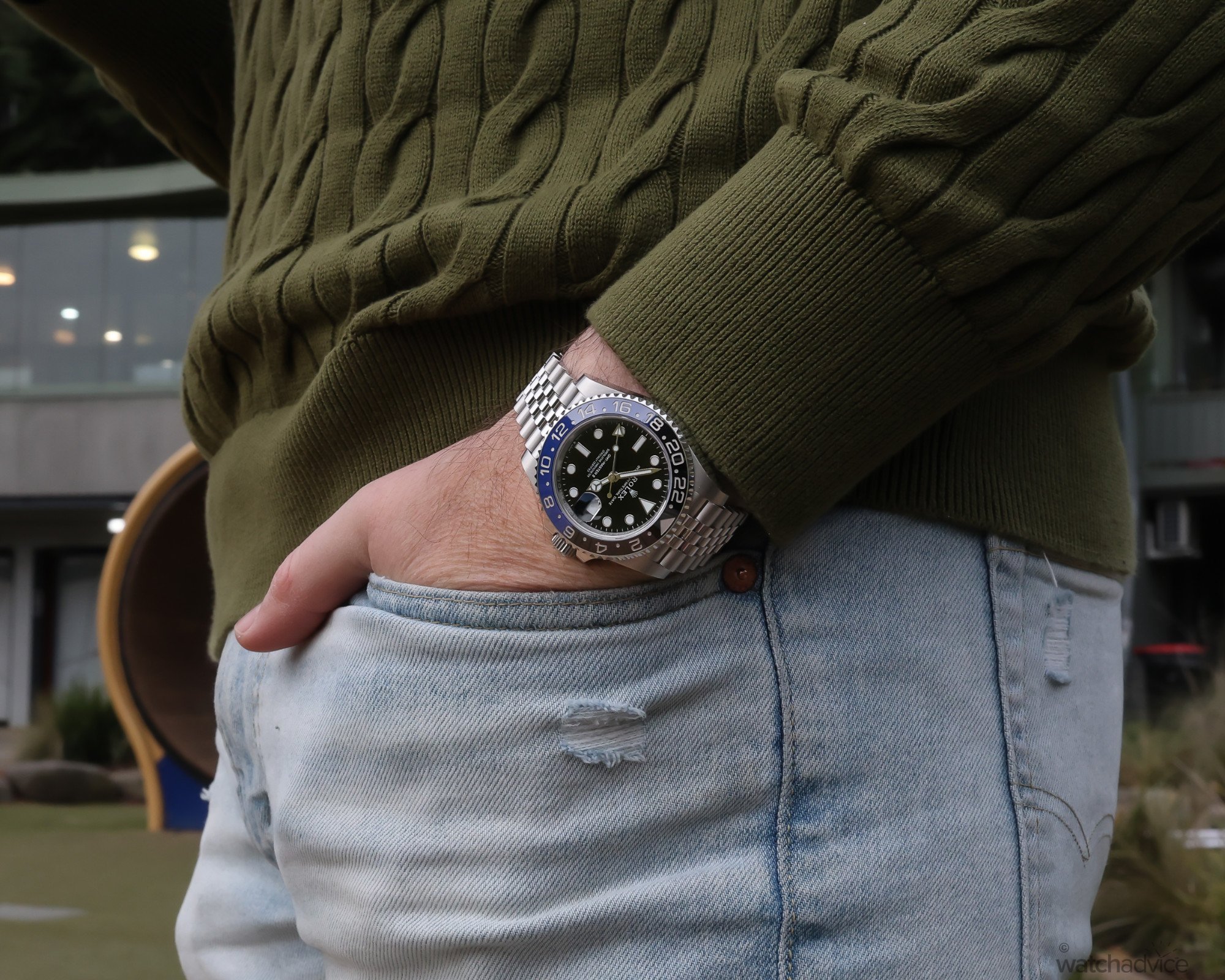
At some point, people start to have more disposable income, and as a result, the types of watches and the price points they buy inevitably start to rise. I know I have certainly gone through this personally. From where I’ve started to where I am today, and what watches are on my list. I think you only have to look at the watches on your grail list to get an indication of where you’re at in the hobby.
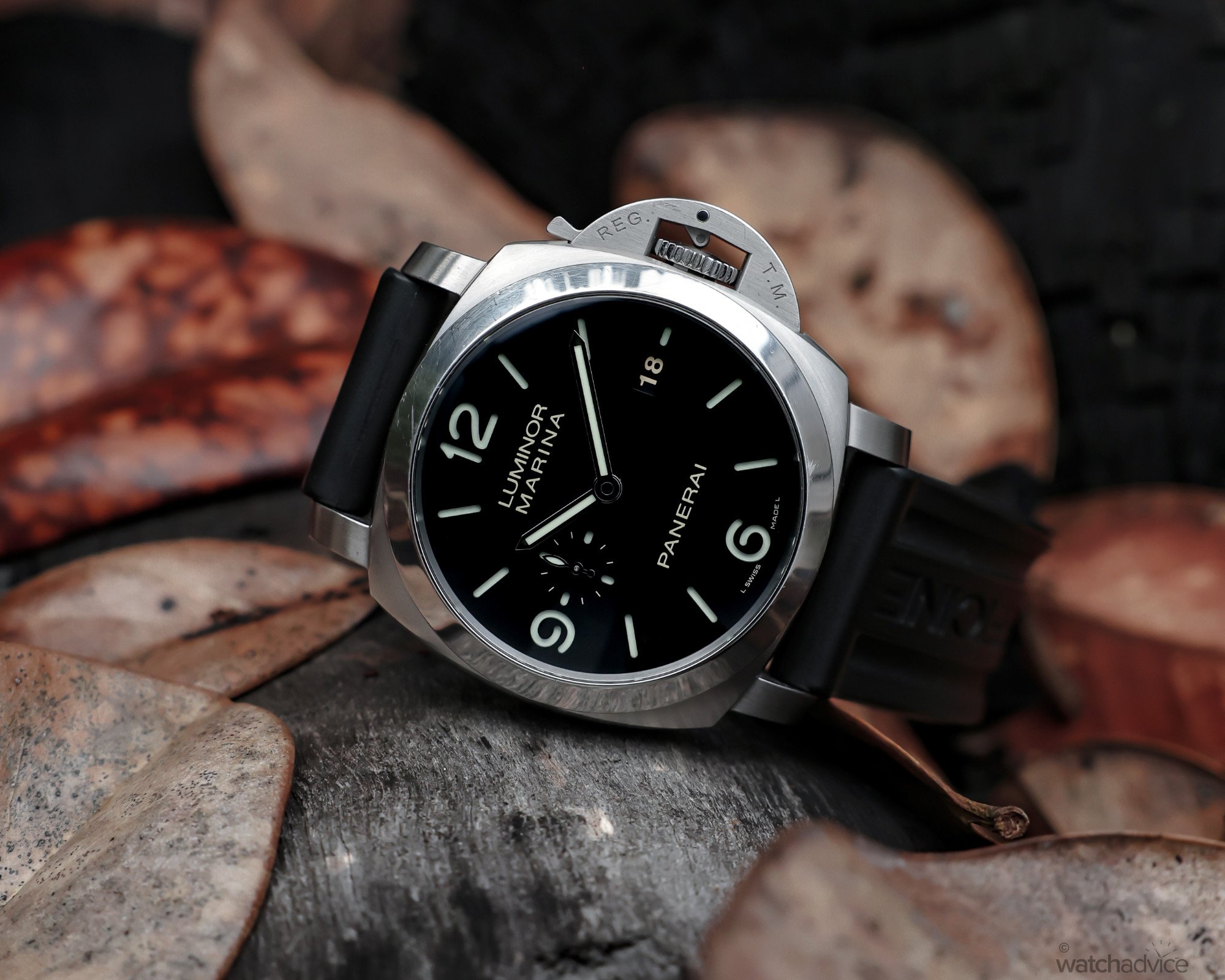
If I use myself as an example, the Panerai I own was once a grail for me back in the mid to late 2000s. I was able to eventually acquire my Panerai back in 2014; thus, my grail for that time in my life was achieved. So then inevitably, the next watch that became a grail piece was something that, in my eyes, was seen as better or more valuable than a Panerai. For me, this was probably Rolex, which is where many collectors end up at some point in their life.
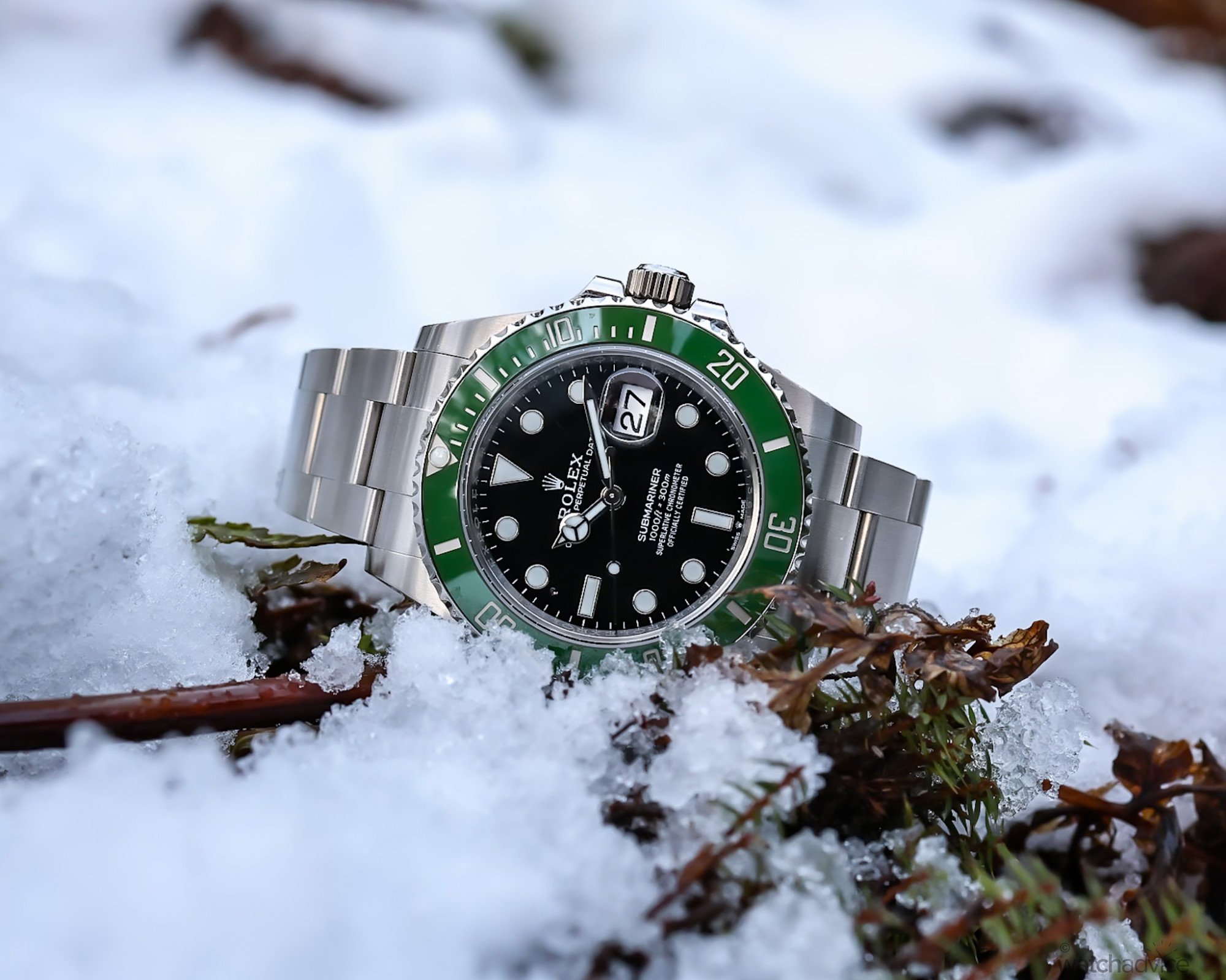
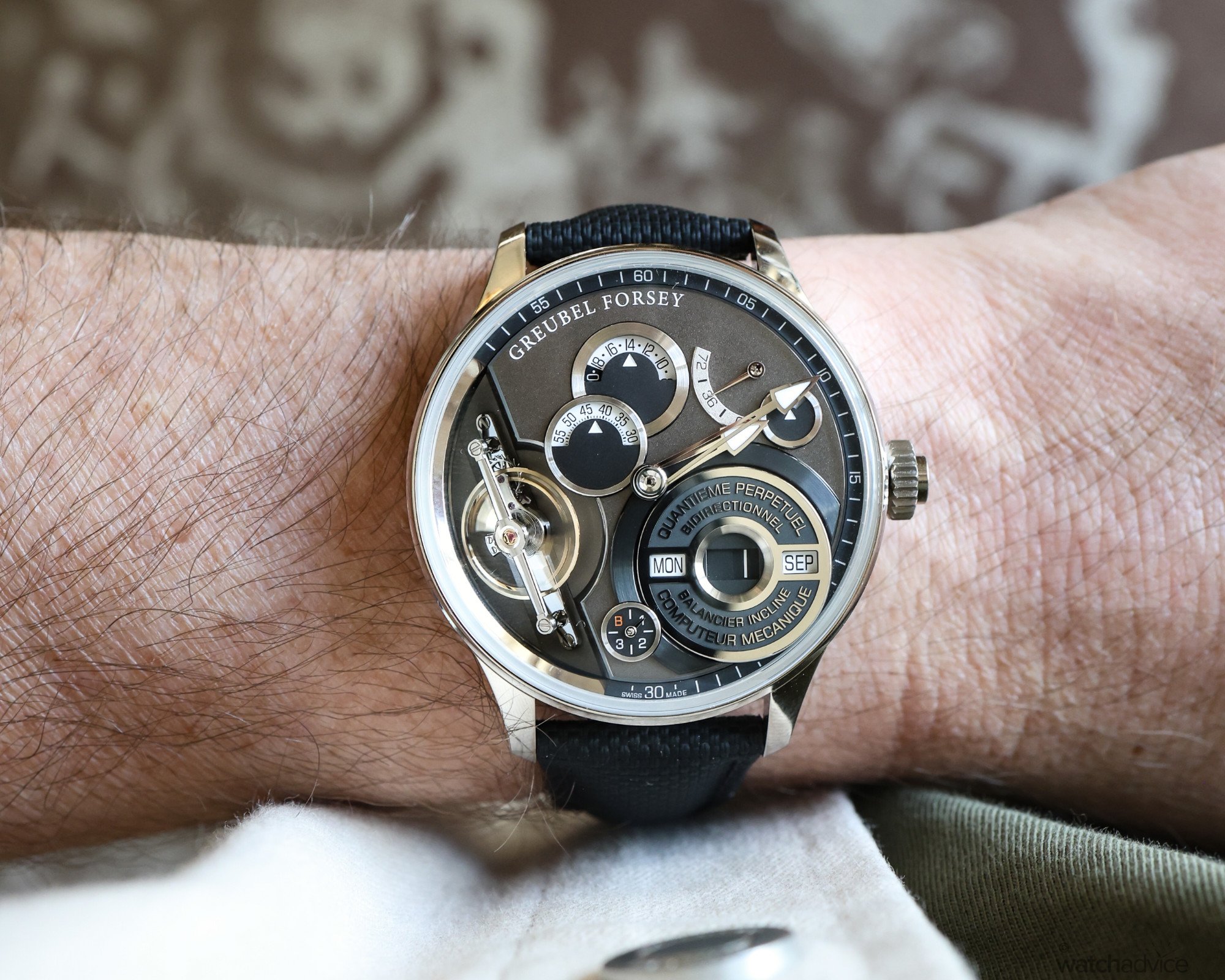
However, having achieved my grail of owning a Rolex, and subsequently several Rolexes, I now think to myself, “what is next?” Now, I’m not sure how to answer that at this current time, but if I look at pure watchmaking mastery for the sake of it and something I would love to own at one point in time if money was no object, then I’ll have to say a Greubel Forsey is at the very top of my list.
This is a long way of saying the collection for me, and others, becomes a linear journey. The next has to be better than the last. And this is a trap. Modern society has geared us to think that we are not progressing unless we are moving up the ladder. Cars, houses, jobs, and watches all fall into the same category in this sense. We no longer collect for the love, but for the “next big thing”. And because of this, along with other factors, your language changes too…
The New Lingo
The Watch world is full of jargon and lingo, which is no surprise to anybody. However, the difference between being a watch collector and, in my case, a journalist and editor doing it for a living, you start to see the differences among collector circles and the types of words that they use. As a watch journalist, and someone who loves watches, I’m constantly fascinated by how they are made, what goes into a movement, and then, of course, the style and finishing of the watch inside and out. This is what my job is and what I focus on, and I guess where the love of the hobby is still true for me.
Outside the circles of those who are in the industry and a majority of true aficionados, you start to hear different language creeping in when you talk. Words like value retention, discounts, investment pieces, and paying a premium all start to creep in. This type of mentality hasn’t done collecting as a hobby, nor the watch world in general, any favours. As soon as you start looking at an item as an investment piece, or as a store of wealth, your buying habits change, as does your love for the hobby.
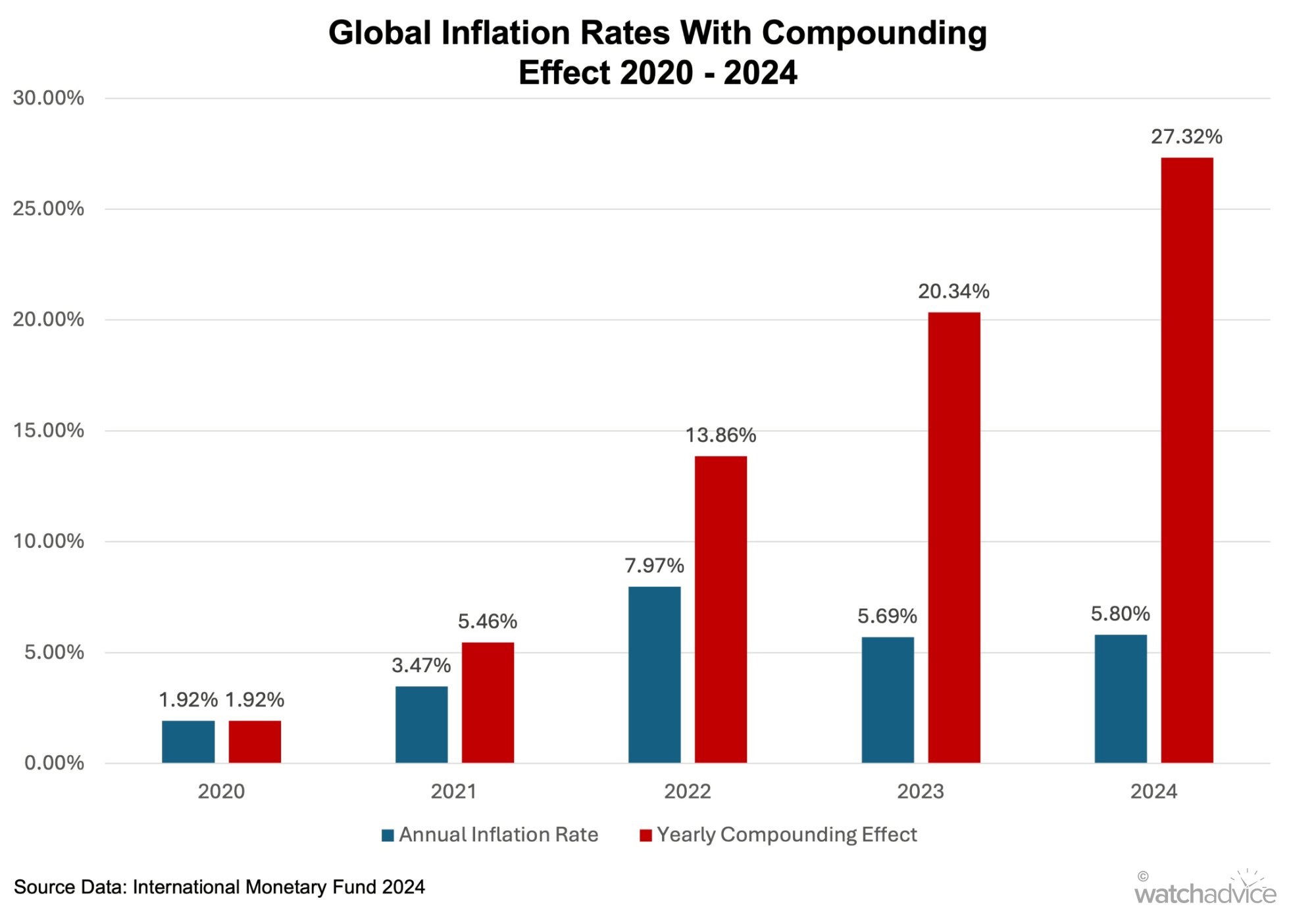
This brings me back to my opening paragraph, which got me thinking about this article in the very first place. Amongst the social media groups, you can clearly see the difference and different levels of collectors within those groups. But the overwhelming majority, at least my perception looking in, is that more people are worried about where they can buy certain pieces at the best possible price, and how much money said piece will either gain or lose, than buying what they love.
And this is where that mentality has shifted the language, and in turn, for newer people coming to the hobby, that language then effectively dictates their perception. This is more or less a byproduct of the Covid era, where the secondary market was on fire, and the prices of certain watches were selling for three and four times their retail price.
I can’t blame those people who can buy a watch at retail and then sell it for two, three, four or five times the price; in some cases, making $100,000 or more on a single piece. This mentality inevitably changed the way people looked at the hobby.
Anxiety Has Replaced Excitement
Remember when you were looking for a new watch, and you were genuinely excited to be finding your next piece. The days, weeks and months of searching online, reading reviews, and different blog articles about certain watches that you might like. Going to a myriad of stores and boutiques and trying them on, and then falling in love with that one piece that you think, “yes, this is it!”
I certainly do, and that was part of the fun of buying a new watch. One of my clearest memories of purchasing a watch was back at the end of 2011. I was in Sydney, and it was Boxing Day, and sales were going on in the city. So a friend and I walked down to Watches of Switzerland towards The Rocks to check out a few pieces in the store.
I had just got a new job, a decent pay rise, and thought it was a good time to get a nice watch. Now in my head, I said I wasn’t going to spend a lot of money, and I wasn’t sure I would end up buying one that day, but I was excited that I might find a piece I genuinely loved and get it. Spoiler alert: I did.
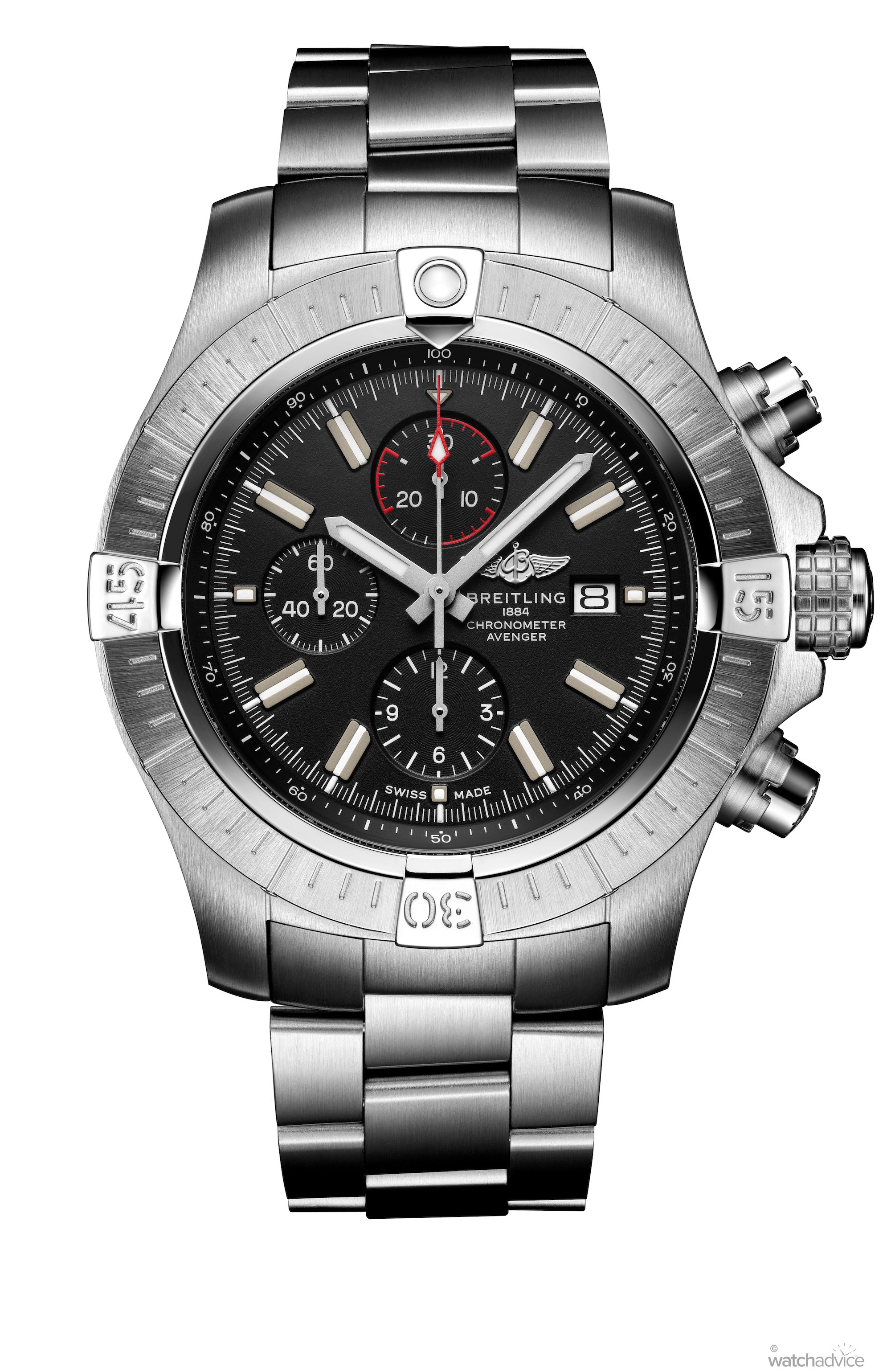
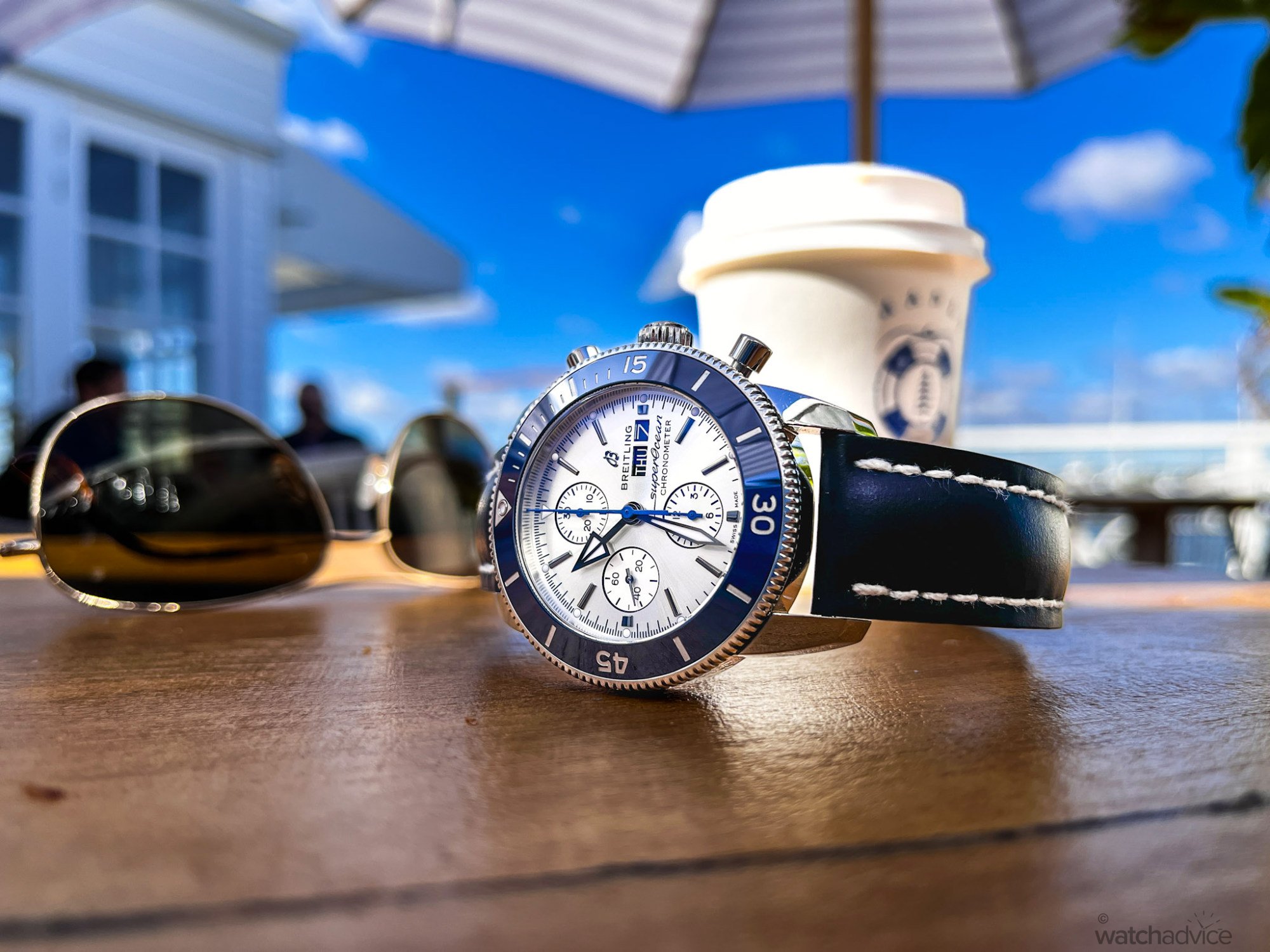
That piece was a Breitling Super Avenger, sized at a massive 48mm, but at the time I was into large watches, and to me, this was the epitome of a really cool large watch. The bonus was, I bought it on sale, given it was the post-Christmas sales, and they even threw in a spare leather strap for me on top of the steel bracelet. I thought this watch was the coolest thing in the world when I got it.
It was, at that time, the most expensive watch I have ever bought, to which my now-wife was not all that happy when she found out the price. Don’t worry, she’s now had well over 10 years to get used to watch prices, and that sub $5000 Breitling Super Avenger that I bought is now a fraction of what I would now spend today. See my prior points on the collecting journey.
Unfortunately, that excitement has gone somewhat, and for many people who I talk to throughout my travels, both here in Australia and other places around the world, it seems that there’s more anxiety these days around buying. Again, part of this has been perpetuated by the demand that resulted in post-COVID times, but also the fact that brands can play the scarcity game – some more justified than others.
The excitement has now turned into more of a strategy game, trying to work out how to get your next watch in both a reasonable and economical fashion. And this is kind of sad to me as the hobby shouldn’t be about that. It shouldn’t be about whether or not I have bought enough at my authorised dealer to get the watch I really want. It shouldn’t be about putting my name down on a waiting list for three or four years to get what I want, nor should it be about remortgaging my house to fund celebrating a milestone in my life. But in many cases this is what the hobby has turned into for a lot of people.
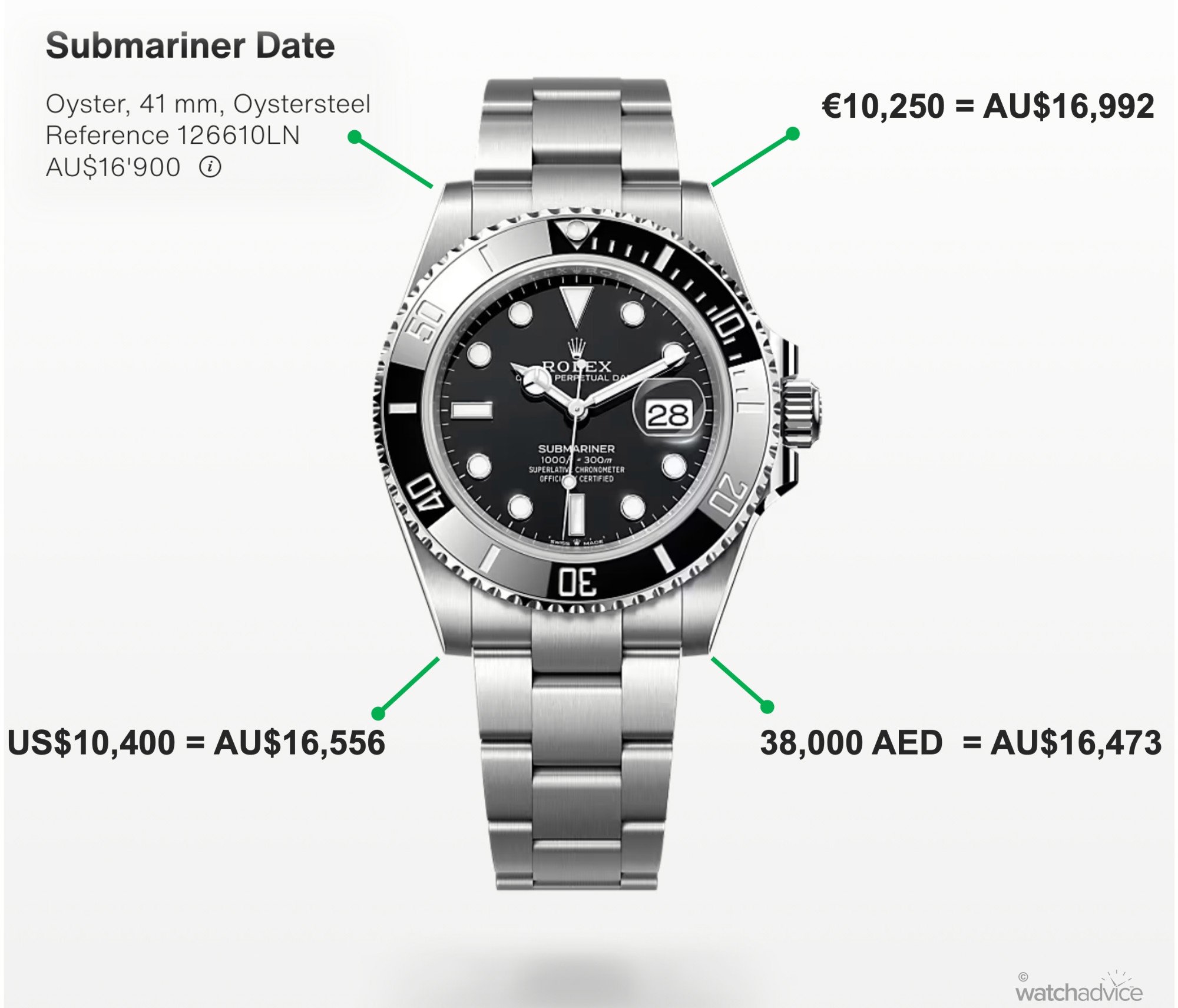
And to me, it’s a little bit exhausting. The fun of looking at what you want, analysing different options, imagining them on your wrist in certain scenarios and occasions, and working on saving doesn’t apply to a lot of people now. Now there are certainly plenty of watches where you can walk into a store and buy them at retail without having to play any games, but for a lot of people now in this hobby it’s become more about the game and the chase than the actual enjoyment of the watch itself.
Again, I’ll put my hand up and say I have fallen into this trap as well. And this is an attitude or a mentality that I am now actively trying to change, as I remember what it was like buying that Breitling, or several years later purchasing my grail Panerai. Fun and exciting!
Armchair Experts & Social Media
Social media is one of the best things to happen to the human race, but also one of the worst things. If you talk to any psychologist today, an overwhelming majority would argue that social media is both a great thing in our lives as well as a bad thing, depending on how it is used. And the watch world is not immune to this.
Across the world, there are thousands of online forums, social media groups, pages dedicated to brands and discussion boards on anything and everything you can think of with regards to watches. Because of this, information is more readily accessible these days, but this also means there are more and more people out there who have different levels of information around the hobby and the industry.
And unfortunately, like all things social media-related, there can also be a lot of bad information out there as well, which is then reinforced through the algorithms and echo chambers of what people are exposed to. This is where I have seen the rise of those armchair experts that like to throw commentary out there as if it is factual information when, in many cases is completely the opposite.
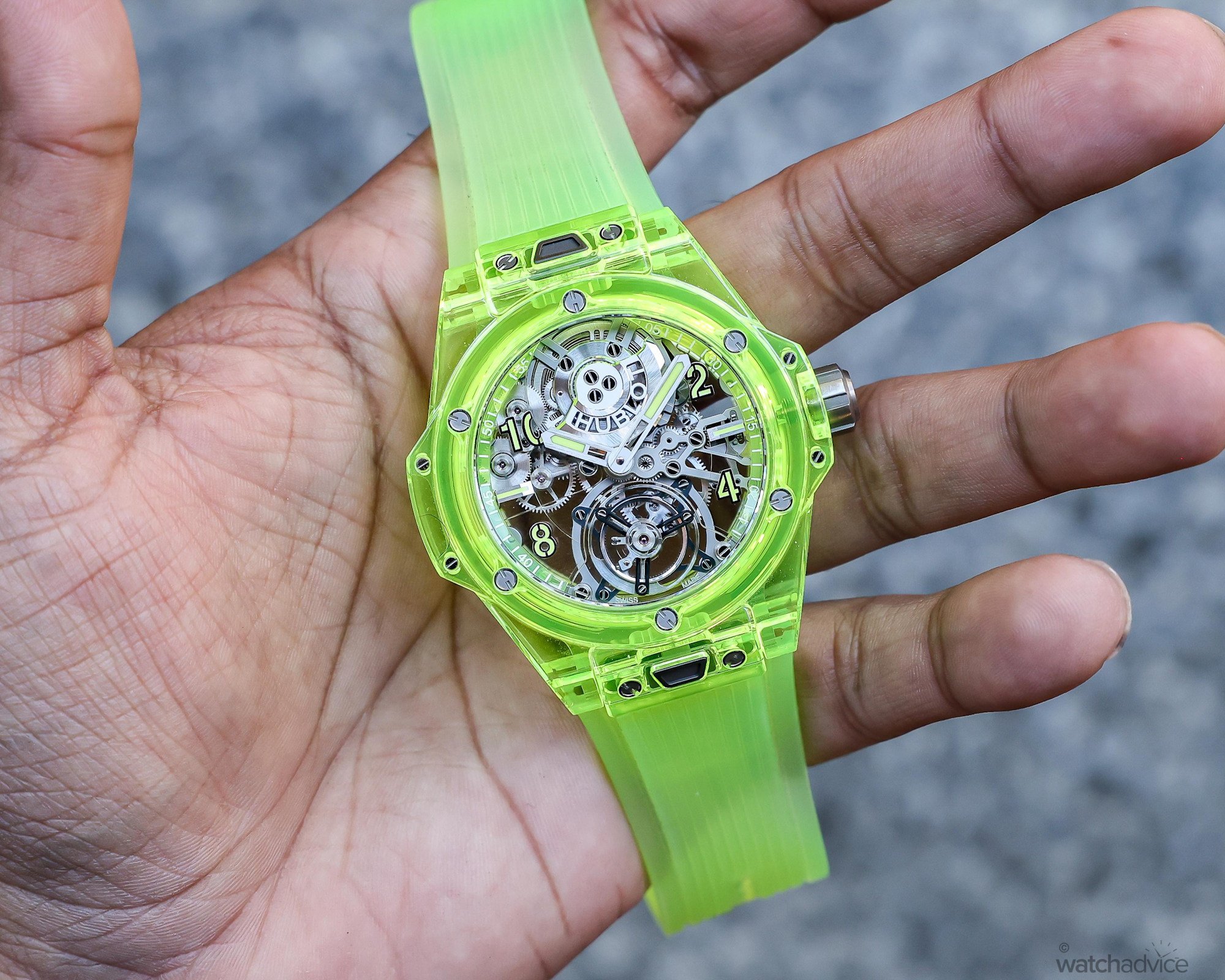
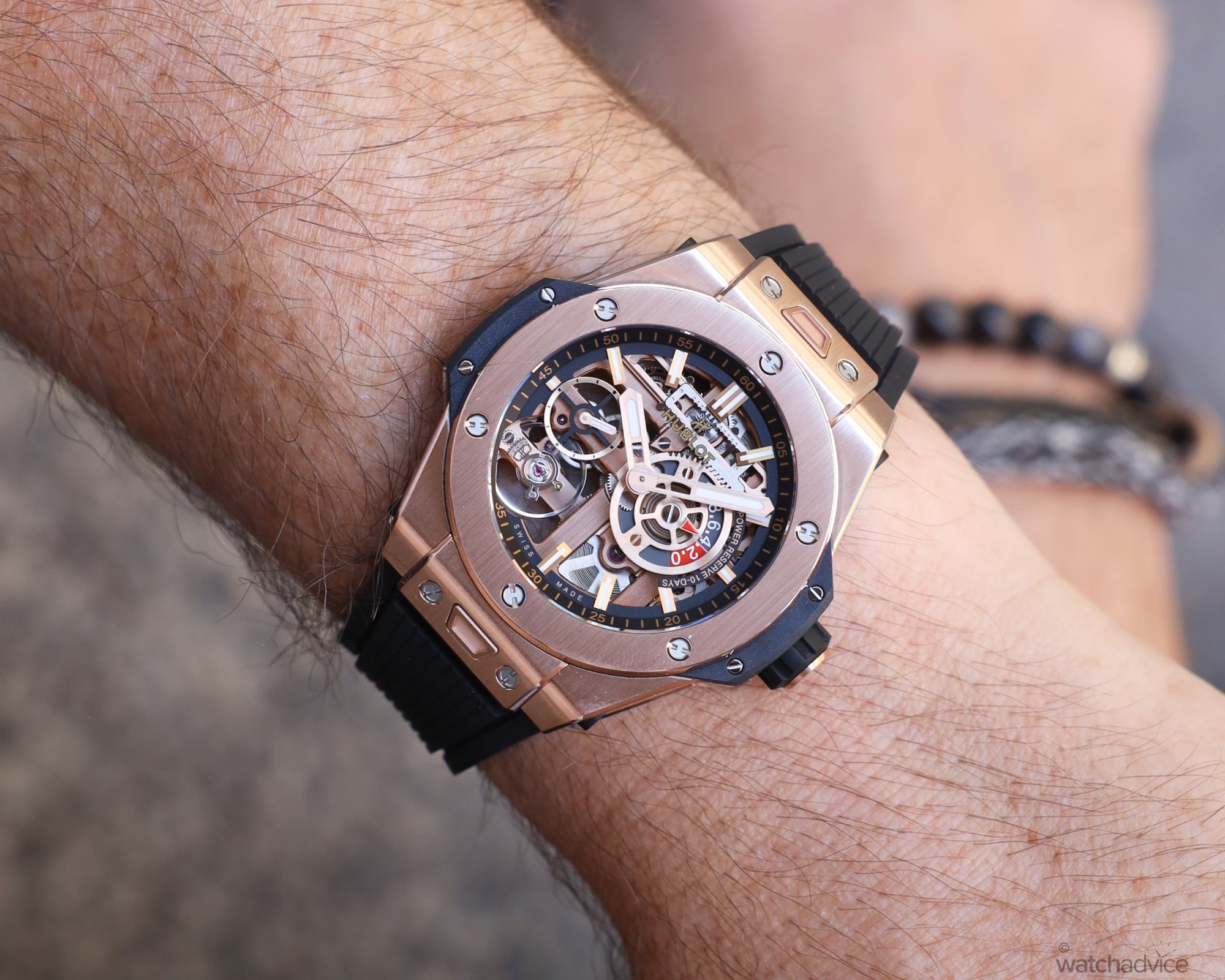
Not only this, but social media has also given rise to people being able to share more and more about their interest in watches as well as their collections. Now, while I believe a good majority of this is positive and encouraging, there is a loud minority that will still poke fun at people’s opinions, as well as their collections. These then get perpetuated thanks to little to no fact-checking and people and assuming what they have read at a surface level is accurate.
And then there is the hype built around many brands and watches; generally speaking, the social media algorithms also feed that, so a hype watch becomes exactly that, a hype watch. And it is these hype watches that many people now desire to own, or use as the benchmark for their and others’ collections. It’s a little bit of a keeping up with the Joneses mentality, which then turns collecting into more of a competition than a love and appreciation for these little mechanical marvels on our wrists.
What Have We Lost?
It’s a good question. In my opinion, I feel there have been a few things that we’ve lost along the way when it comes to watch collecting. Some of which we, as collectors, can take responsibility for; other elements have been reflected in the brands and the watches they are designing and creating as a result of the wider community collective.
Because of the so-called “linear journey”, trying to keep up with the Joneses, and the echo chambers built around social media, I feel like there are now people who don’t enjoy the watches for what they are, or in the way they may have in the past.
An example of this is when you go to a get-together, and seldom now do you see a wide range of watches on people’s wrists, and in their collections that they decided to bring along. Yes, you’ll have the occasional outlier that will bring something old and vintage or something quirky with a cool story to the meet-up, but more often, you get a lot of people bringing their latest Rolex acquisition, their prized Royal Oak, or a varying range of other major branded acquisitions that don’t really have a story to tell.
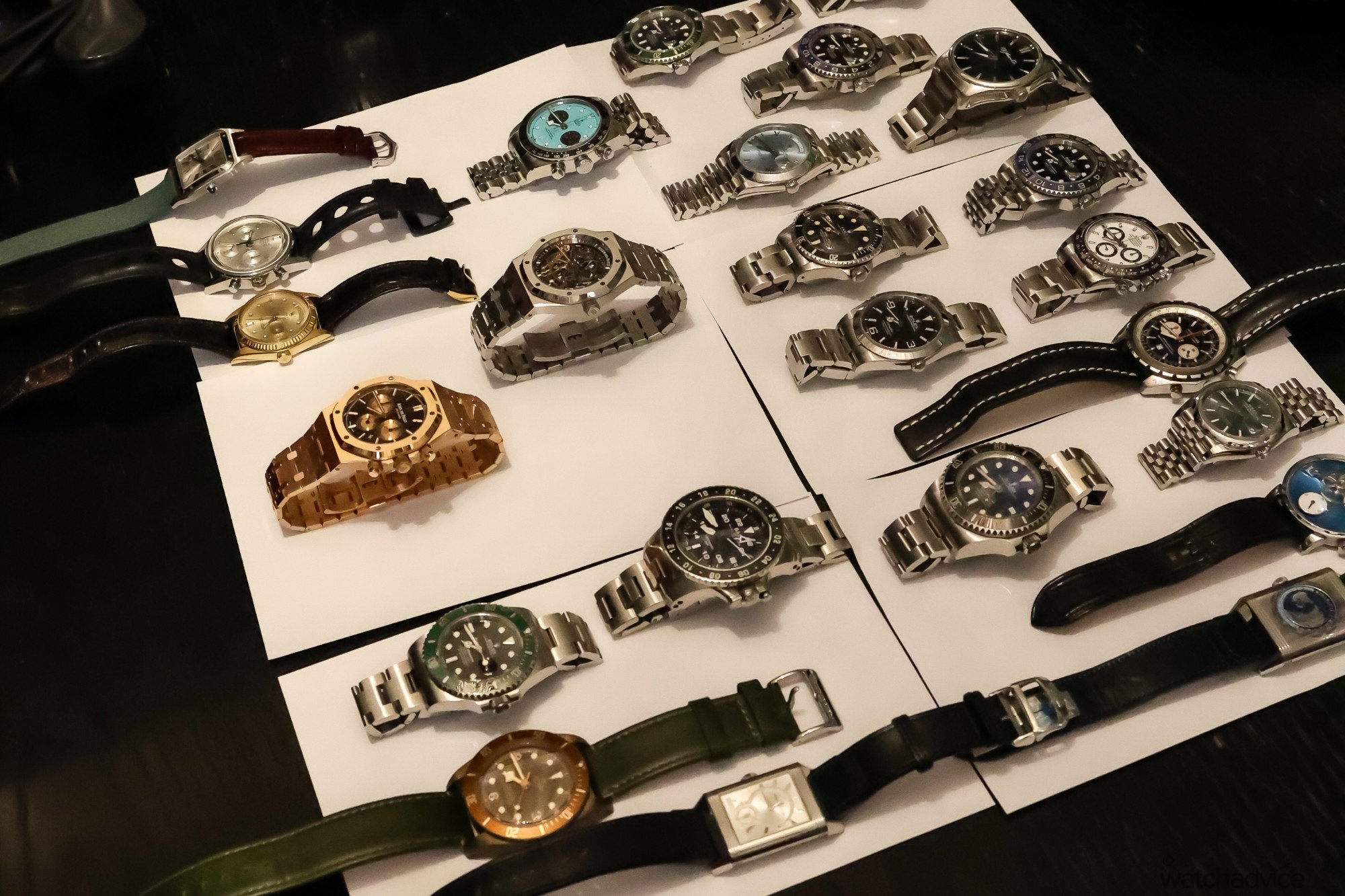
Again, this is an area that I have fallen into when choosing what to put on my wrist. I have been more worried about what people think about what I’m wearing than what actually gives me joy to wear myself.
The other aspect about this, which I just mentioned briefly, is that many brands create watches based on certain sentiments and trends they see in the industry, which ultimately come from the collectors and watch buyers in general. This is evident when you walk around a large industry fair like Watches & Wonders, and the overall sentiment from the journalists when you speak to them in the corridors is that certain brands have played it safe and “phoned it in”, so to speak, that year.
Rather than coming out with something amazing, great, fun, vibrant, or some new complications, a new way to display the time, etc, it’s now just a slightly new variation of a dial, or a slightly smaller or larger size of a current model. The brands are playing it safe because the watch-collecting public and buyers have essentially dictated that. And this isn’t the way it should be.
Maybe We Are Taking It Too Seriously?
So what is the result? Are we taking this hobby a little bit too seriously? Potentially. Not all of us, though; I’ll caveat that, as I can’t lump all watch collectors into one massive group. But seems the trend has been tending more to the serious side across the board.
When message boards, forums, chat groups, etc. are starting to be more concerned with investment advice, best places to buy a discount, and value retention of watches. It feels like the pendulum has swung a little bit too far in one direction. This is why, when you see people who are just appreciating watches for the pure love of it, It’s actually a bit of a breath of fresh air these days. The rise of microbrands and independents are a good example of this.
When people proudly put a brand and a type of watch on their wrist that others may not like because of all the aforementioned reasons, but they love it, I find joy in that. After all, that’s what collecting is all about. Collecting the things that you love because it brings you joy, not because it brings other people joy, or you want to please others with what you have collected.
Now there is nothing wrong if the collection appreciates in value and you make money; after all, that’s a great outcome and a nice bonus. But I also don’t believe it should be one of the reasons for you to collect, and I also think we shouldn’t be collecting watches from a snobbish perspective either. Take the value retention and resale value out of it, and there are a lot of people out there who thumb their nose up at brands they don’t feel have the horological chops to stand up to others.
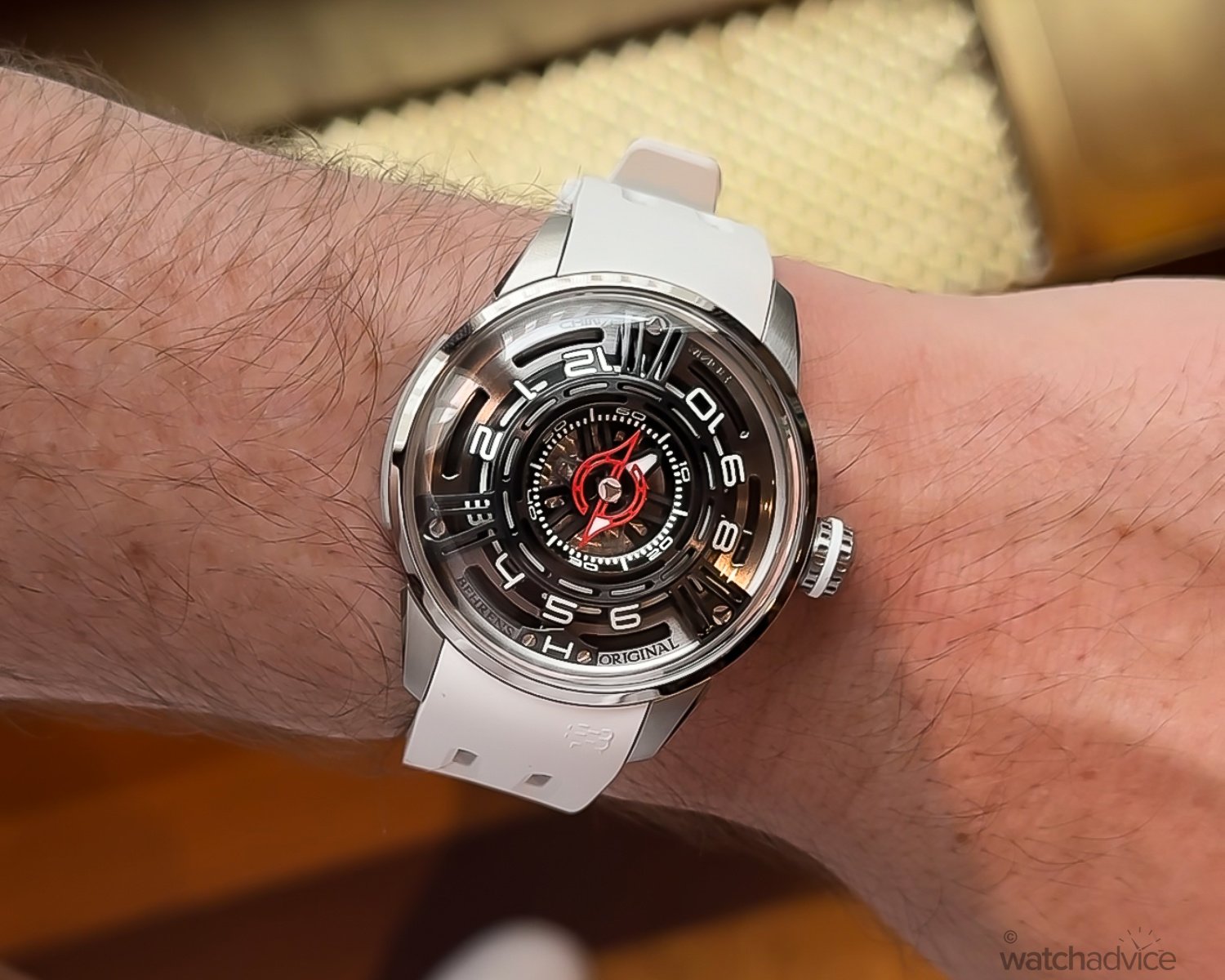
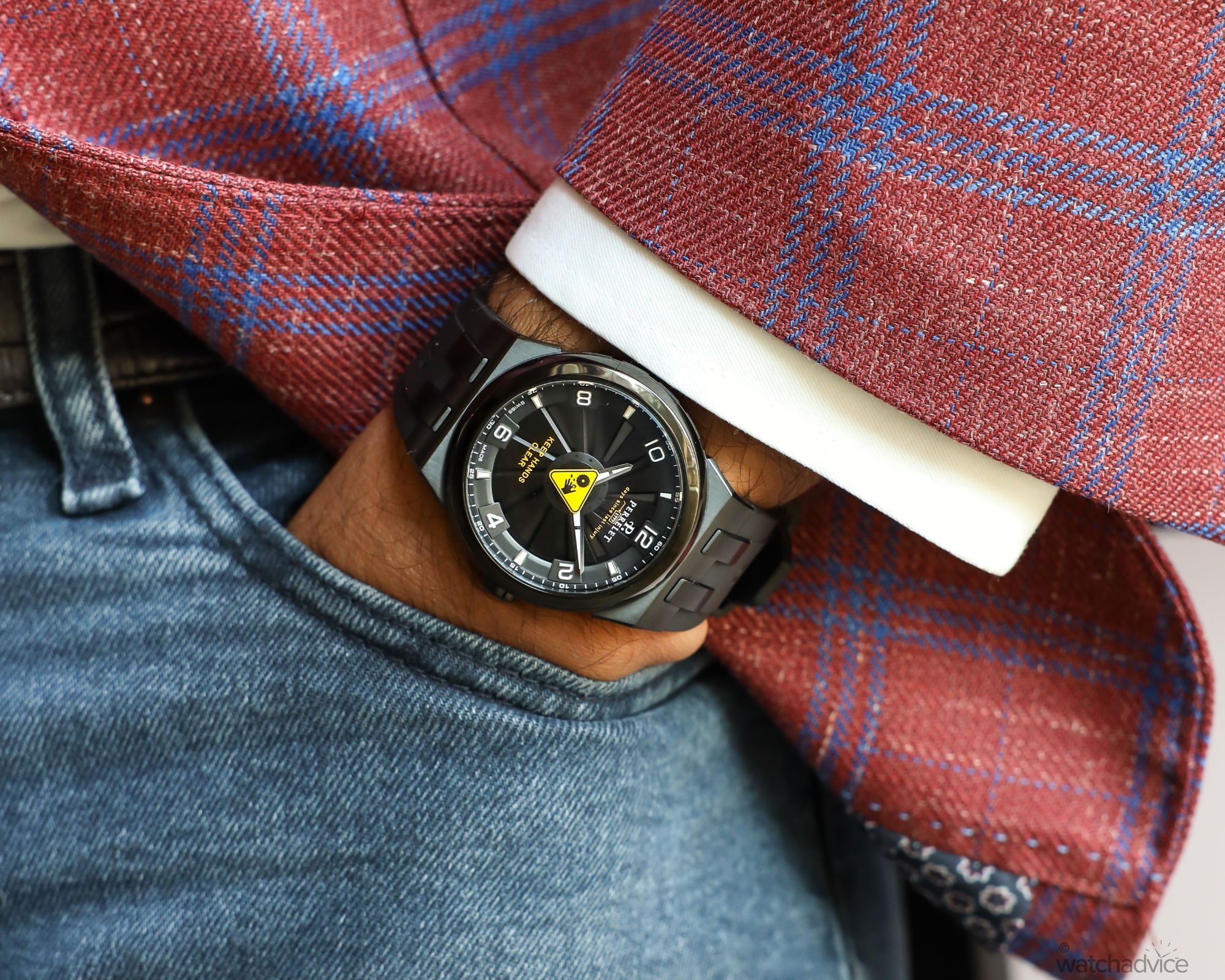
This is where I think the hobby gets a little bit too serious in my mind. Just because it doesn’t have the Hallmark of Geneva on the movement, or it’s not made by one of the Holy Trinity, or it doesn’t cost “X” amount of dollars, doesn’t mean the watch should be any less of a watch. You should like a watch because of the way it looks, the cool dial design, the DNA of the brand you admire, and, most importantly, how it makes you feel; that’s all that matters.
A Few Final Thoughts
Some of my favourite watches aren’t the most expensive pieces I’ve owned, nor the rarest. They’re the ones that remind me of a holiday, a milestone or simply a period in my life. None of those memories came with a resale value attached. On that point, I’ve never bought a watch based on the resale value. My one simple rule for myself when buying a watch is this: “If this watch was the only watch in my collection, and I had to wear it every day, would I be happy with it?”
If the answer is yes, then I know it is a watch for me at that point in time. My tastes will inevitably change, but at that moment, it is how it makes me feel, and also how it feels on the wrist. Those are my two most important tick boxes. And this is a mentality that I’m trying to get back to these days. My most recent acquisition, an IWC Ingenieur 40 with the blue dial, is an example of that. Will it increase in value? Is it a hype watch? Is it a good financial investment? Most probably not. But I love it and love wearing it.
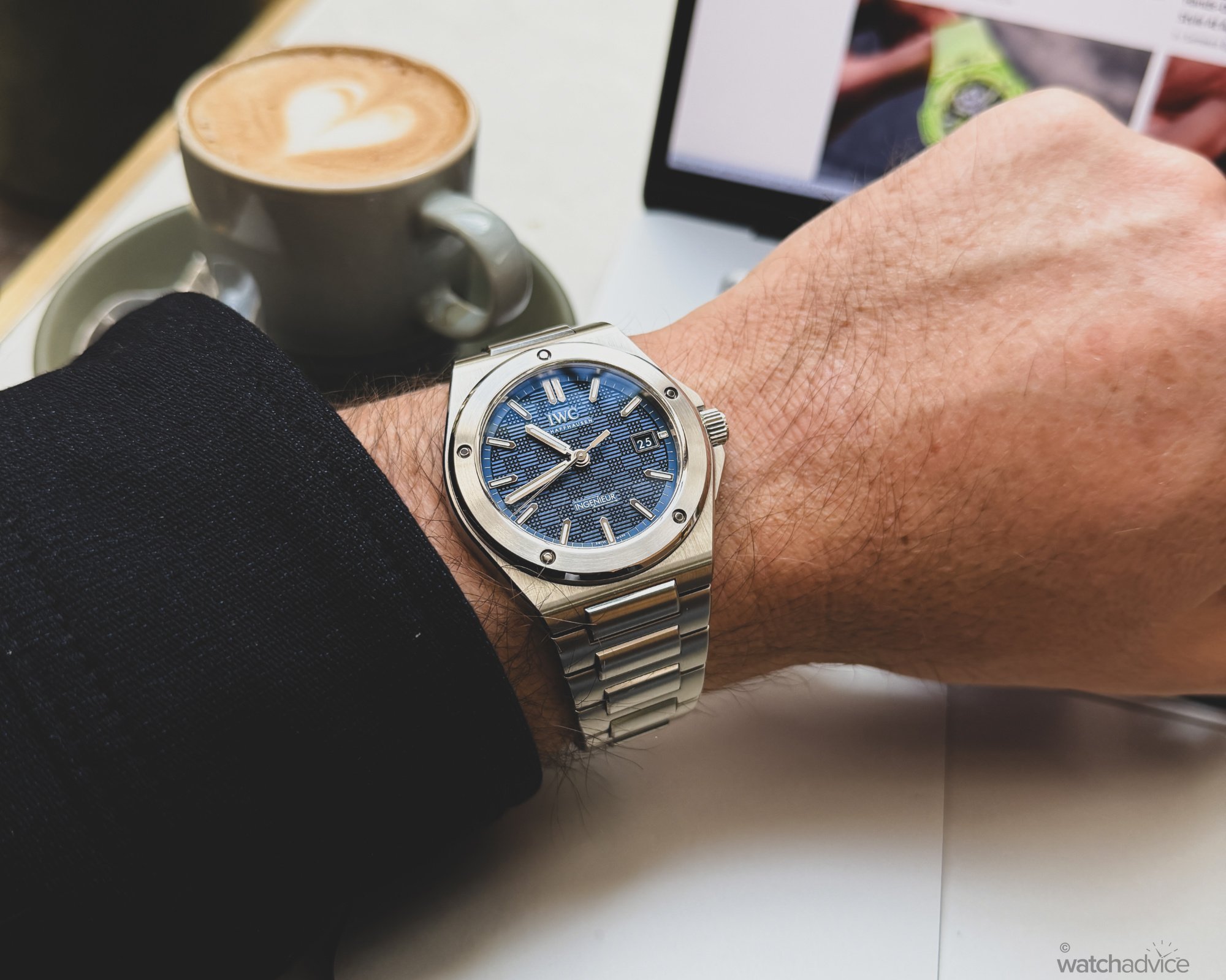
Watches are remarkable little machines. They’re engineering, design, craftsmanship and history wrapped around your wrist. Somewhere along the way we’ve started treating too many of them like financial instruments, and become too hung up on what is better and why, and if it’s not brand A, B or C, why bother? Perhaps it’s time we remembered why we fell in love with them in the first place. Happy collecting, everyone!