
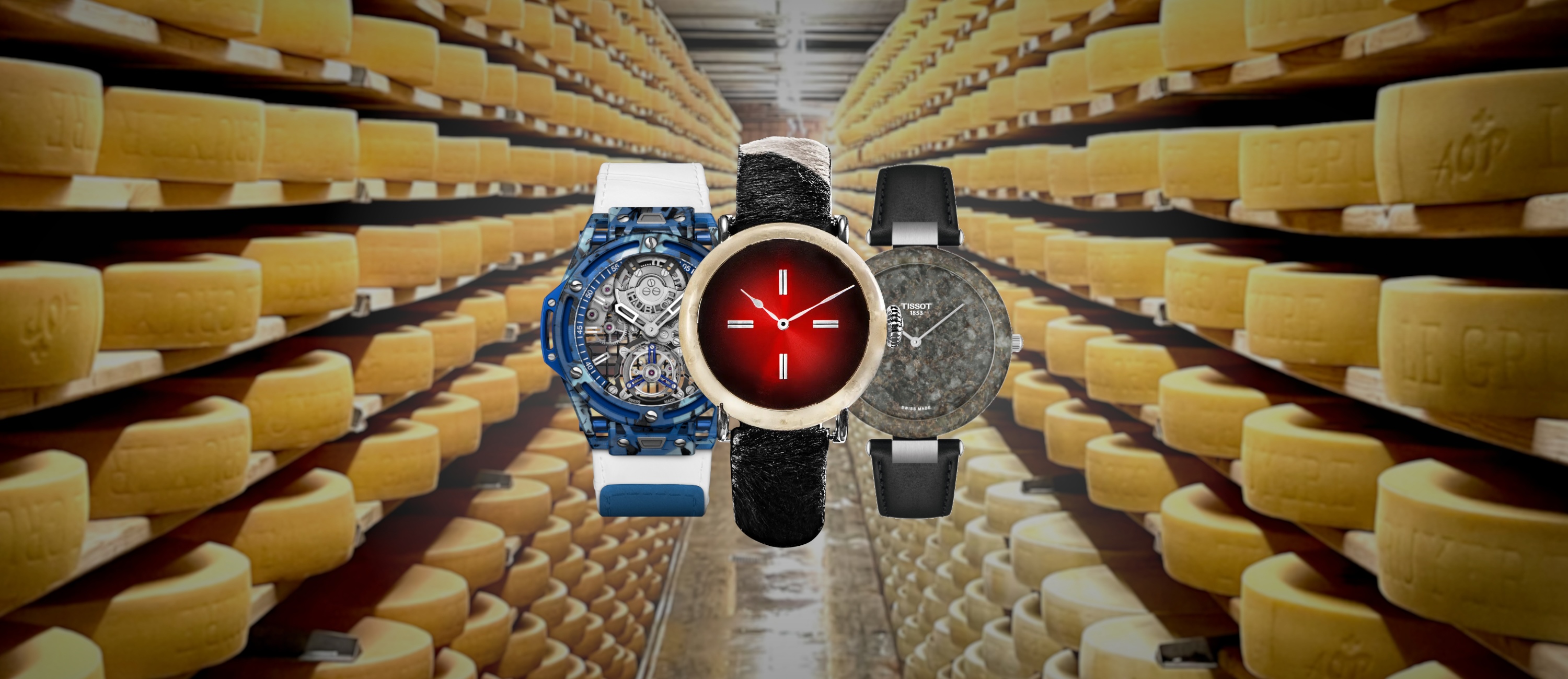
Watches don’t just have to be made of the usual metals, ceramics, or anything else conventional, for that matter! These five brands prove it.
Though the mechanical watch is ostensibly technologically redundant, that hasn’t stopped the industry from innovating in any way it can. Whether through new technologies, dizzying accuracy or disruptive craftsmanship, brands have continually found new and creative ways to make their timepieces as compelling as possible.
One of the more straightforward ways to do this is by switching up the case materials. Standard stainless steel might be well and good, but titanium, gold, bronze and even ceramic have all been used to separate certain watches from the ordinary crowd. But for some, that simply isn’t enough variety. So, from rocks to tennis racquets and even cheese, read on as I take you through five of the most interesting case materials used in the watch industry.
Aluminium
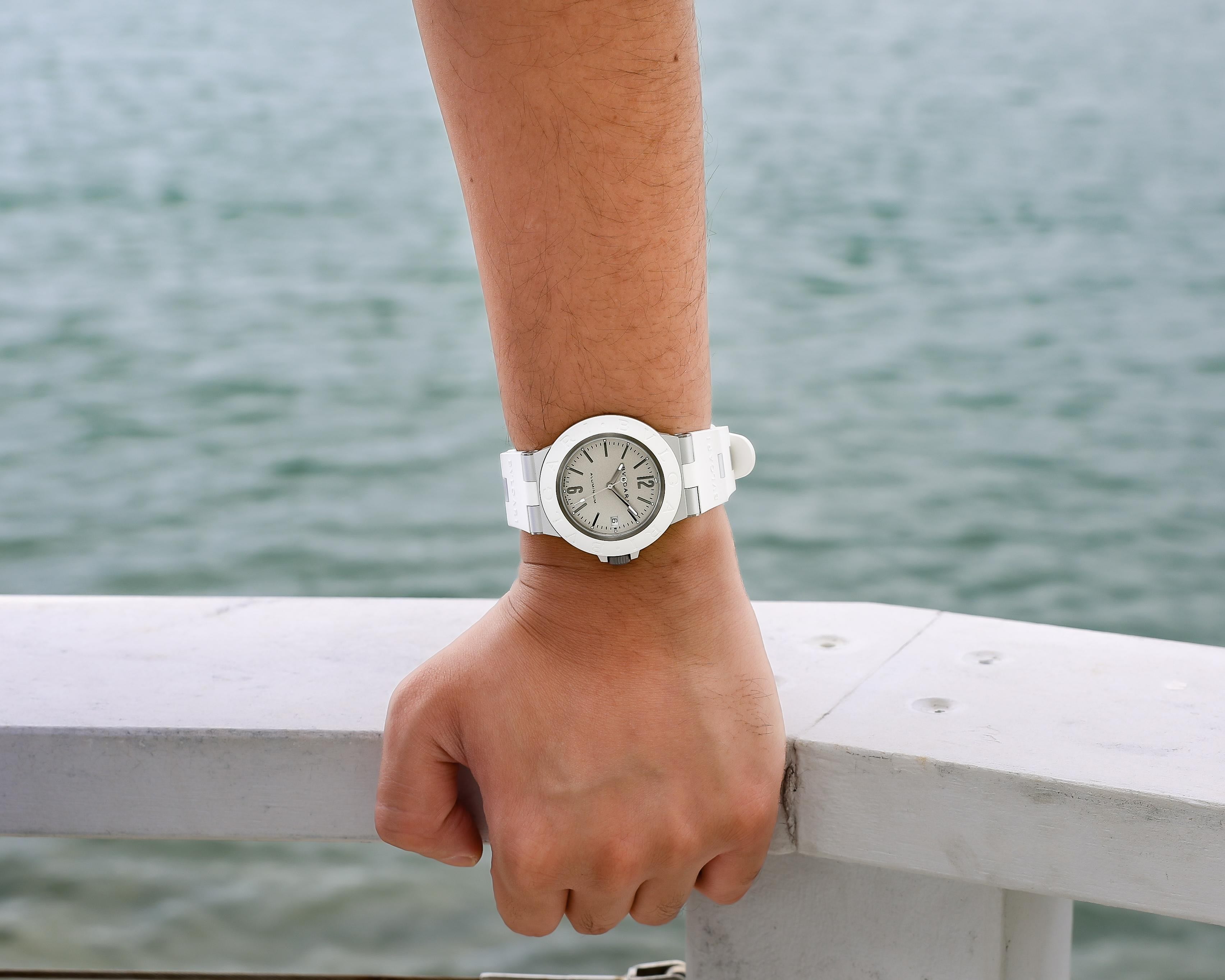
Bvlgari Aluminium
Of the five materials I’ll be discussing here, perhaps the most ordinary is aluminium. The Italo-Swiss jeweller-watchmakers aren’t just known for their ultra-thin watchmaking or fine jewellery, as the Bvlgari Aluminium collection showcases one of their boldest technical innovations.
An offshoot of the Diagono line, the Bvlgari Aluminium was introduced in 1998 as a highly industrial, neo-futuristic alternative to more conventional metal cases. Using a combination of hard rubber and aluminium, the collection has distinguished itself through youthful, ambitious designs and practically lightweight timepieces.

But by most accounts, aluminium is highly prone to scratching, denting and long-term corrosion compared to stainless steel or titanium. So why use it? Well, for starters, the brand wanted to prove that industrial-grade materials like aluminium and rubber could still be applied within an artistic context.
Secondly, it’s not as though Bvlgari is using raw aluminium. In fact, the case is surprisingly durable thanks to its specially engineered, surface-treated aluminium alloy, typically used in aerospace technologies. Combined with the shock-absorbing properties of its rubber bezel, you’ll find the 40mm case surprisingly formidable against the daily grind.
Reference: 104335
Price: AU$5,650
For more information: Bvlgari.com
Rock
Tissot RockWatch
Another unexpected source of high-level technological innovation is the entry-level Swiss watch brand Tissot. Though it’s produced a few incredibly disruptive designs over the past few years, particularly the industry-defining PRX, which reinvigorated the integrated-bracelet sports watch market, one of its more interesting contributions to the watch world came much earlier, in 1985.
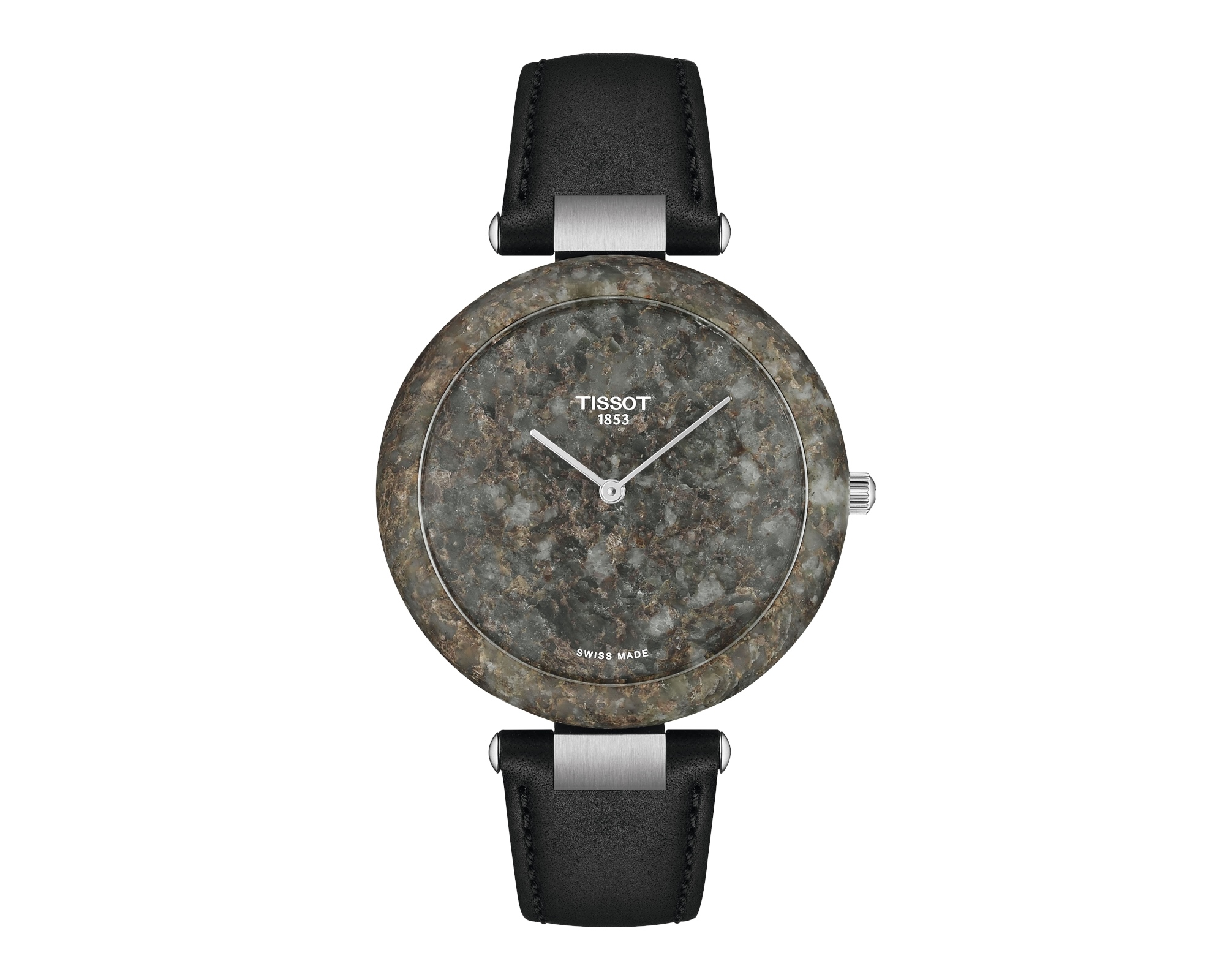
The height of the Quartz Crisis was a period of extreme experimentation, and Tissot was just one of many brands caught up in the wave. But while some doubled down on mechanical excellence and others on luxury imagery, Tissot’s Ernst Thomke elected to take a wildly esoteric direction. Instead of making watches in any traditional sense, he directed Tissot to produce timepieces from genuine Swiss stone.
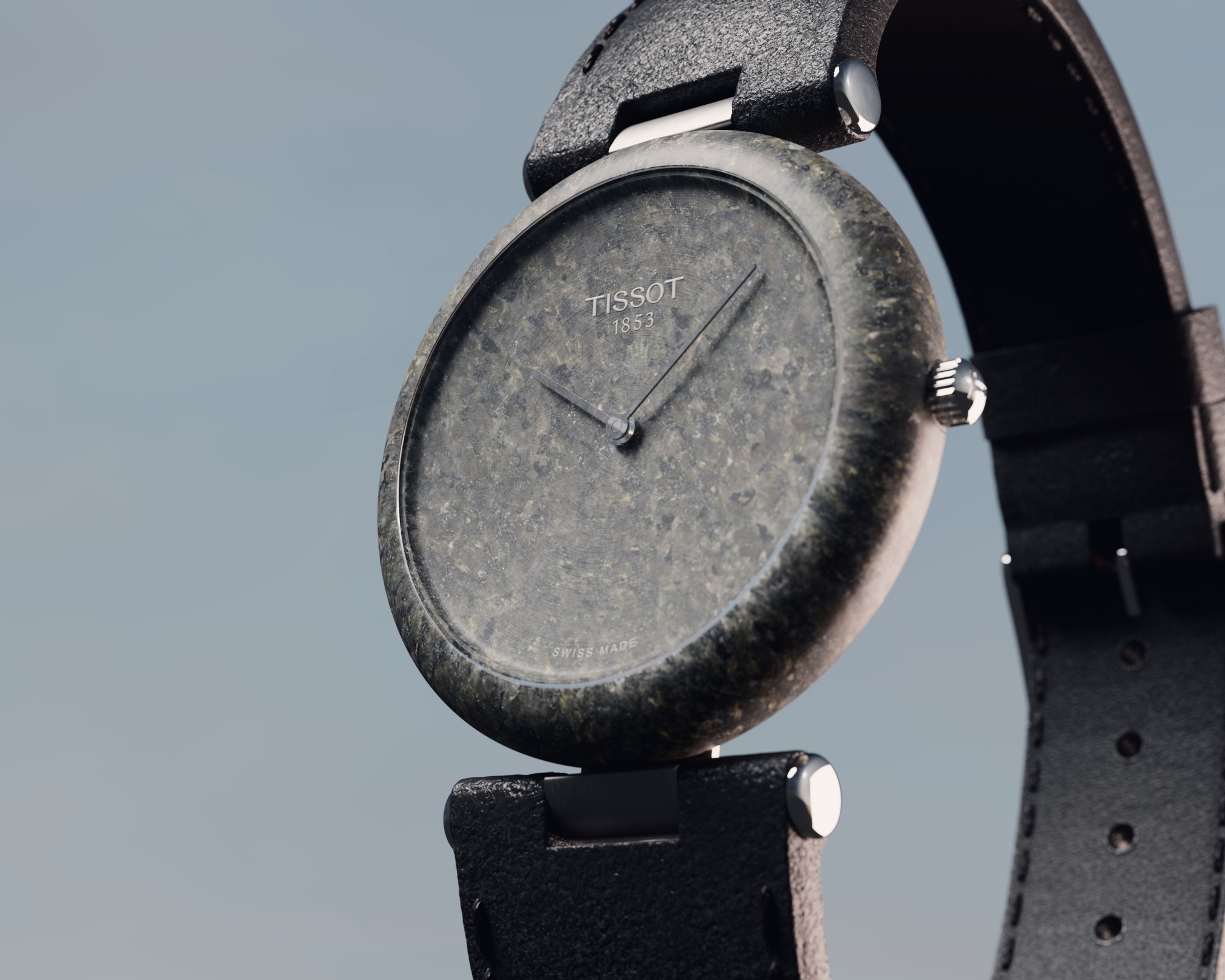
Forty years on, the brand reintroduced the RockWatch in 2025. Housed in a 38mm case, its construction uses granite cuttings from a railway tunnel carved into the Jungfrau in the Bernese Alps. Limited to just 999 pieces for its re-release, it’s an incredibly rare collector’s item with a singular legacy in the history of avant-garde watchmaking.
Reference: T147.409.96.510.00
Price: AU$1,790
For more information: TissotWatches.com
Cement
Giuliano Mazzuoli Manometro Cemento
Speaking of rocks, this watch by Italian watch designer Giuliano Mazzuoli is certainly closely related. A Florentine native, Mazzuoli founded his eponymous brand on the heritage of his family, who built tower clocks in the early 19th century. Today, the independent brand’s roster has expanded to three distinct collections, capturing the attention of watch lovers worldwide, including Kiwi actor Russell Crowe!
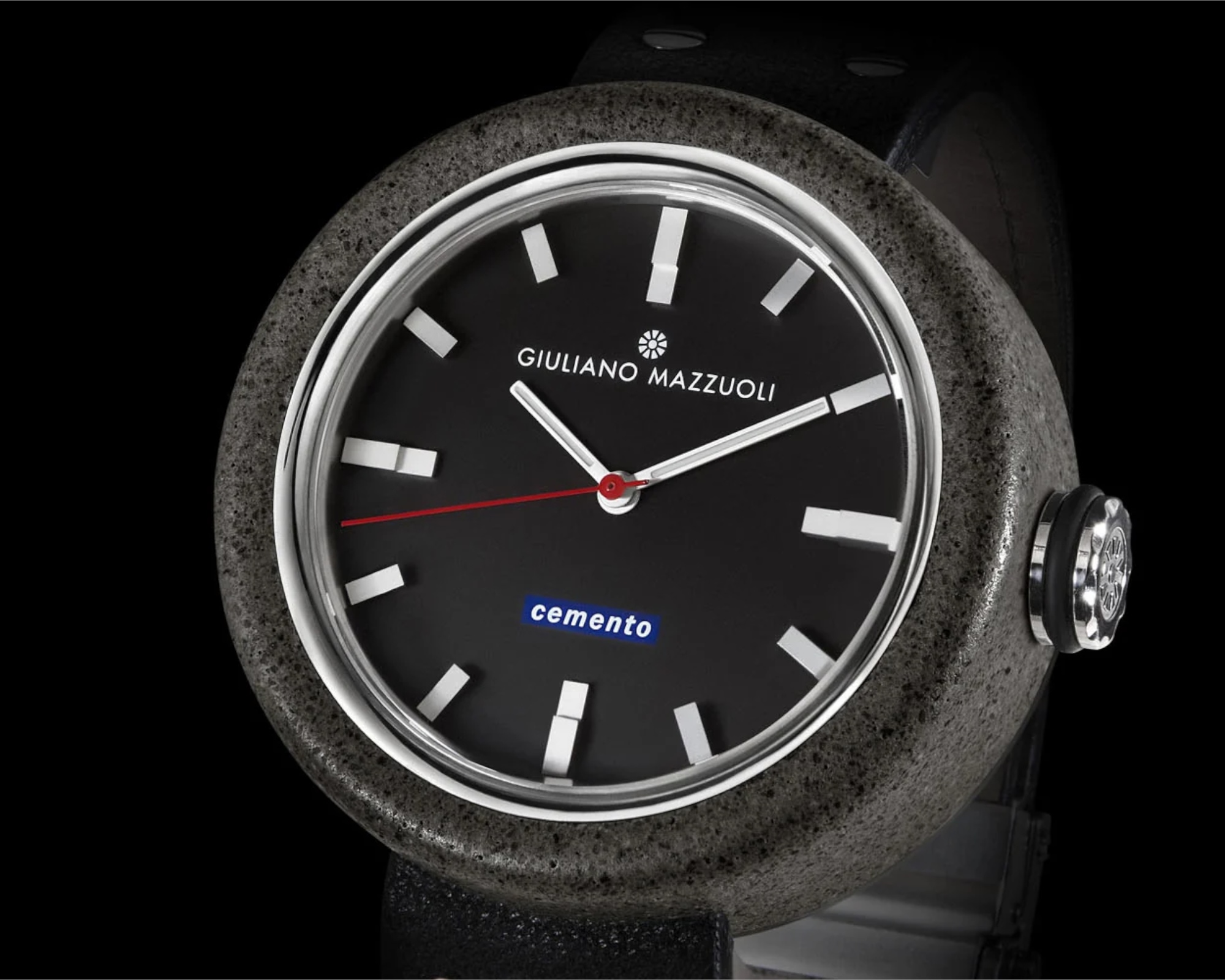
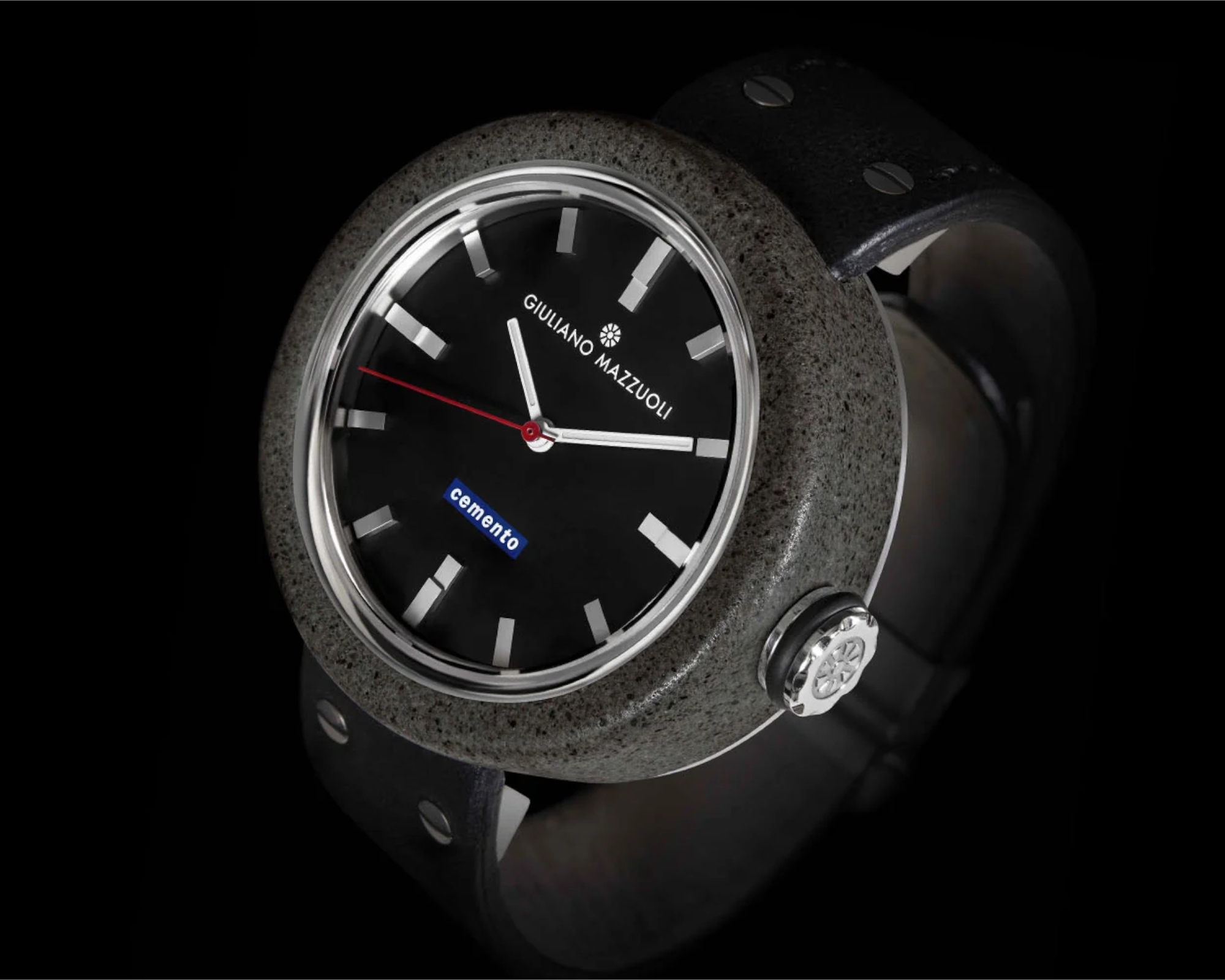
But beyond Russell’s enthusiasm for the brand, Mazzuoli has also been known to experiment with its collections. Nowhere is this more evident than in the Manometro Cemento, released in 2016. Measuring a substantial 45mm wide and 13.5mm thick, the barrel-shaped case is made entirely from cement.
The porous material gives the watch a highly distinctive profile, further highlighted by the elegant simplicity of the dial. Though concrete dials and bezels have been produced before, respectively by mainstream brands Girard-Perregaux and Hublot, this might be the first and only example of a cement case in watchmaking. It’s not a wonder why people turn to independent watchmakers these days, as they have become a veritable hotbed for ambitious innovations – though not always as ambitious as this!
Reference: Giuliano Mazzuoli Manometro Cemento
Price: €3,600
For more information: GiulianoMazzuoli.com
Polo Shirts & Tennis Racquets
Hublot Big Bang Tourbillon Novak Djokovic GOAT Edition
But when it comes to material experimentation, of course Hublot was always going to end up on this list eventually. The ever-polarising innovators of haute horlogerie have frequently caught the attention, and at times the unjustified ire, of the watch industry at large.
Though they’ve made cases from their proprietary Magic Gold, full sapphire, and even upcycled Nespresso capsules, including them all would have made this list pretty lopsided. However, this more recent release is particularly significant thanks to its connection to one of the greatest tennis players of all time.
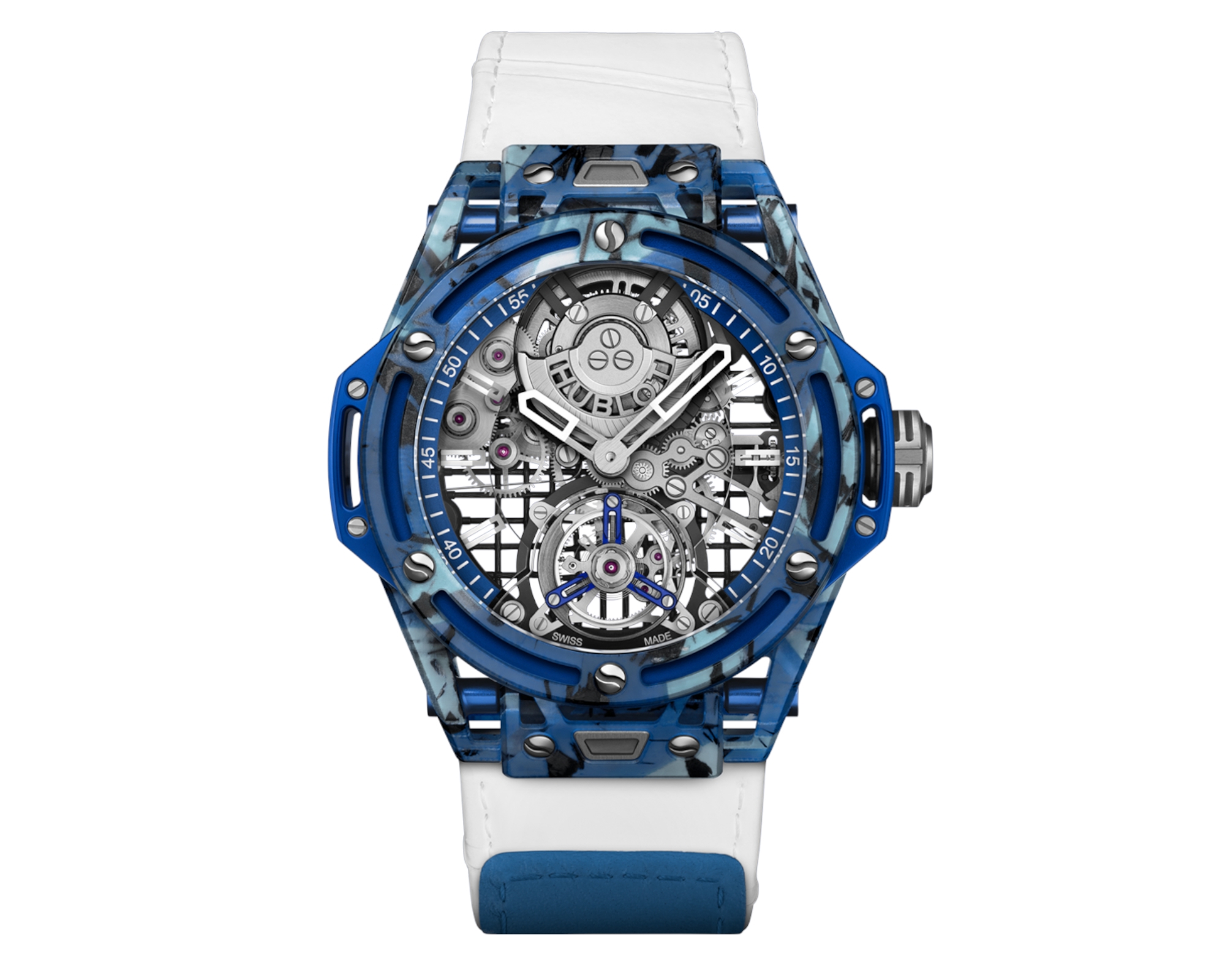
As the name implies, I’m referring to Serbian tennis legend Novak Djokovic. Though our very own Rinky Hijikata recently beat him at the Paris Masters, Novak’s legacy is already set in stone as one of the best to ever play the sport. Thanks to Hublot, however, his legacy is also set in their watches. Taking up 44mm of wrist real estate, the Big Bang Tourbillon Novak Djokovic GOAT Edition‘s case is made entirely from a Hublot-developed composite using recycled Lacoste polo shirts and Head tennis racquets.
Housing the skeletonised Cal. HUB6035 micro-rotor tourbillon movement, it’s a perfect demonstration of the ‘Art of Fusion’ that underpins all Hublot timepieces.

Reference: 429.QKB.0120.NR.DJO26
Price: AU$179,000
For more information: Hublot.com
Cheese
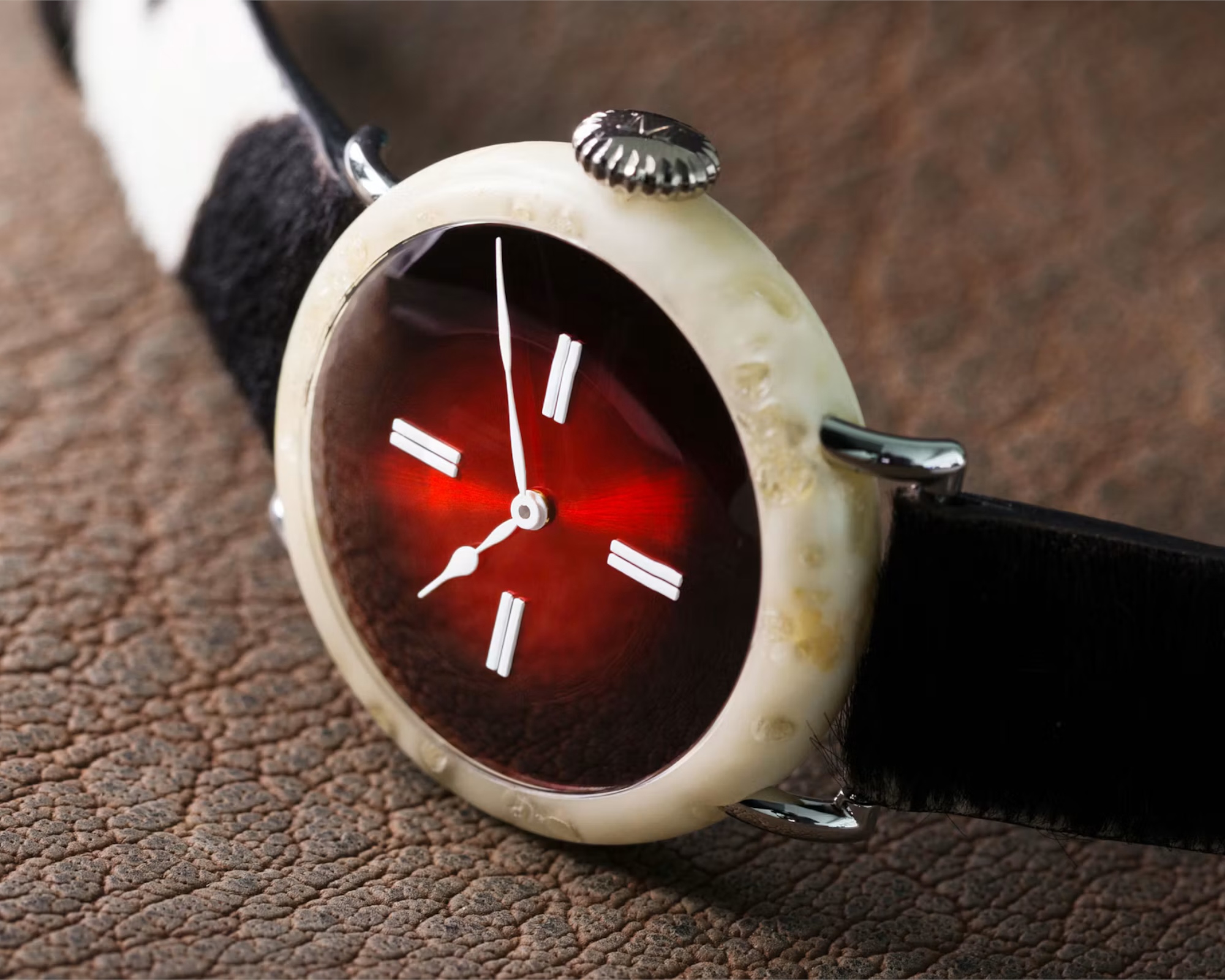
H. Moser & Cie. Swiss Mad
We end this list with one of the most original watches of all time, though it wasn’t made without a message in mind. In 2017, new Swiss legislation came into effect defining “Swiss Made” watches as timepieces that meet a 60% Swiss value threshold. Though this was an increase from the previous 50%, independent watchmaker H. Moser & Cie., which manufactures 95% of its watches locally in Switzerland, still considered the requirements far too lenient. Thus, in a satirical protest, the brand set out to make the most Swiss watch the world had ever seen.
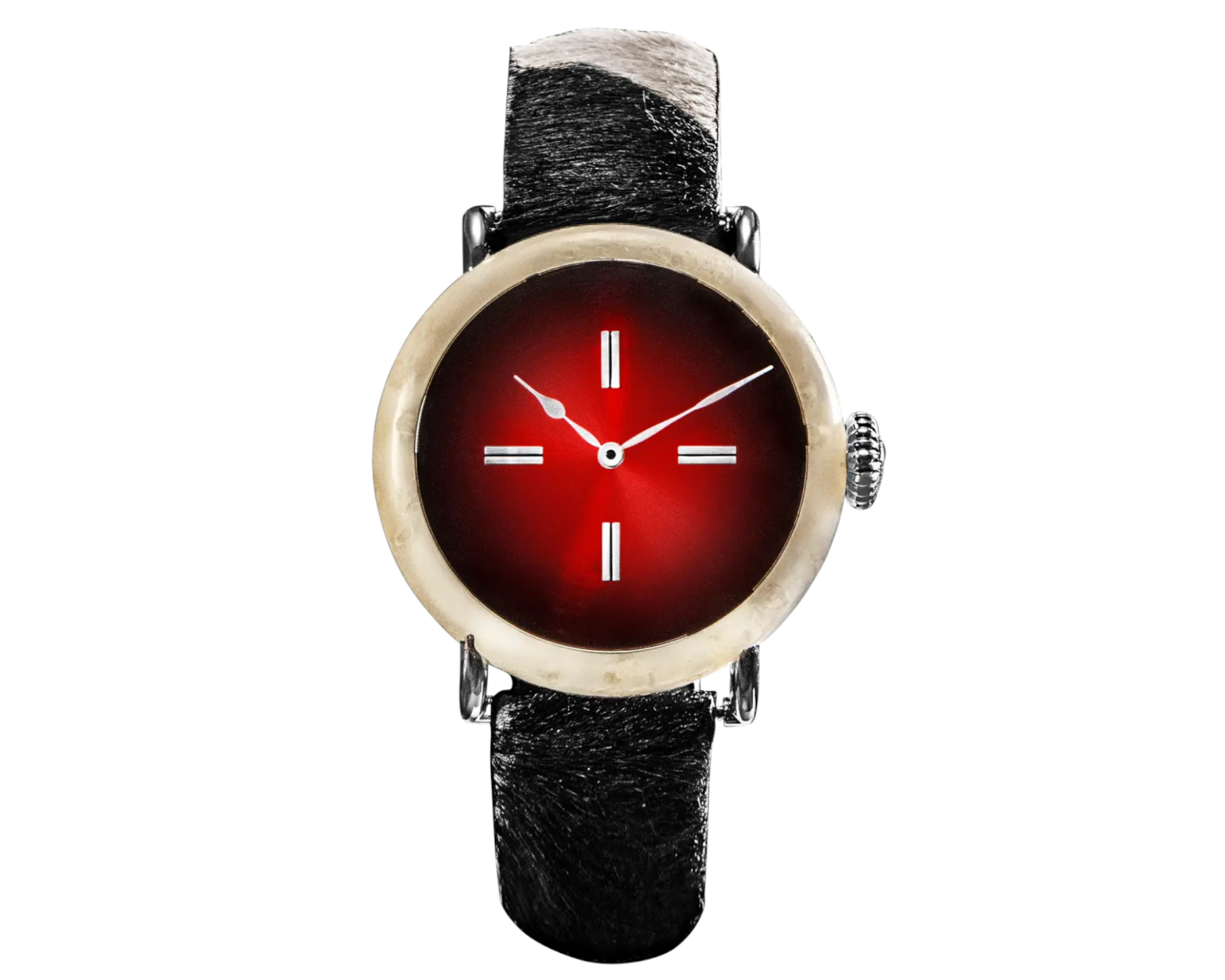
Enter the H. Moser & Cie. Swiss Mad, a tongue-in-cheek declaration of a 100% Swiss watch. Not only did it feature the brand’s in-house Cal. HMC 325 movement, but it also sported a cowhide strap sourced from a Swiss cow and white indexes against a red dial mimicking the Swiss flag. But that’s not all: the 42mm case was made entirely from cheese. Yes, Swiss cheese, specifically a blend of Vacherin Mont d’Or cheese and the high-tech polymer composite ITR-2.
With a price tag of CHF 1,081,291, a reference to the founding of the Swiss Confederation on 1 August 1291, it’s perhaps the most outstanding display of haute horlogerie using the wackiest methods imaginable.