

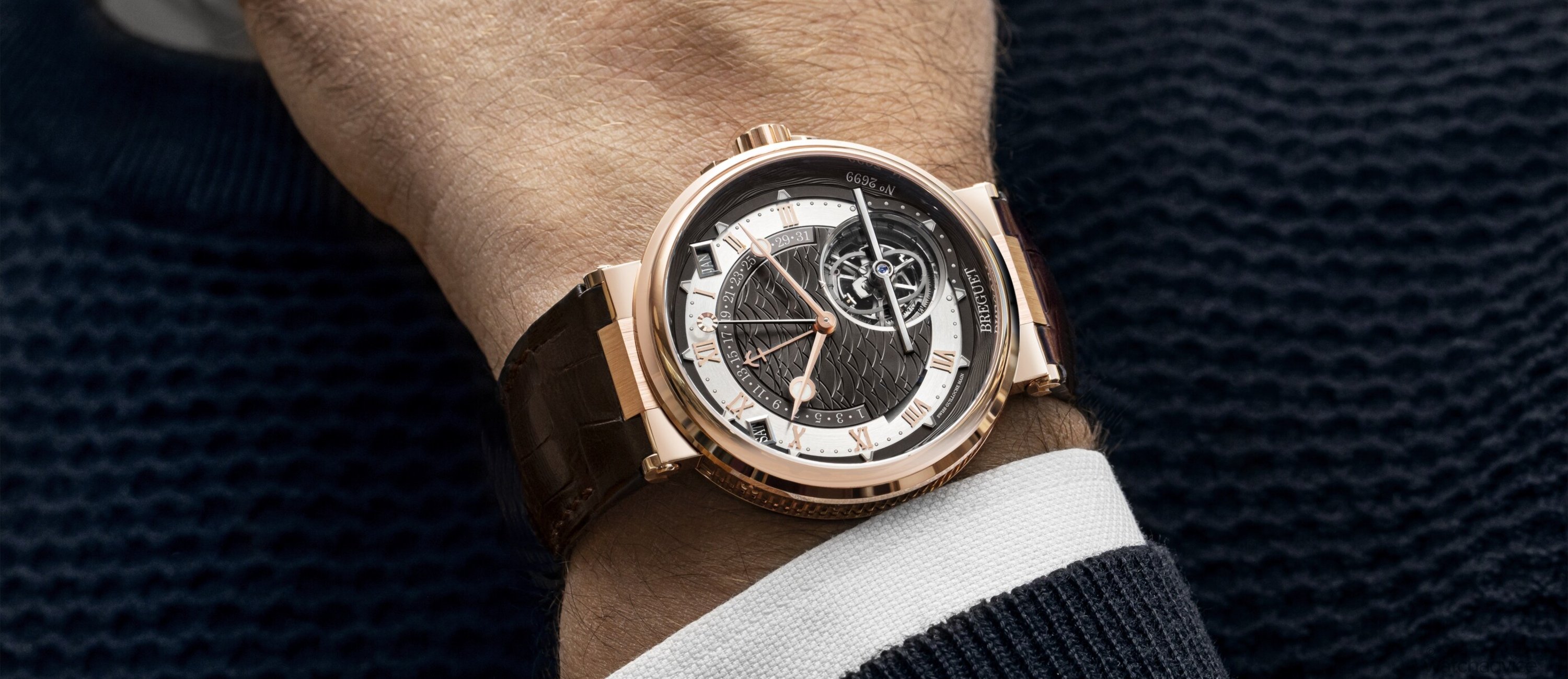
Watch complications are typically useful, but some are more useful than others! Here are five more cool, but kind of useless, functions you can buy.
Before I joined Watch Advice, I was enamoured by the wide world of watches. Of course, that extended to the array of complications available on certain timepieces. But as my taste in watches became more defined, so too did my tastes in complications.
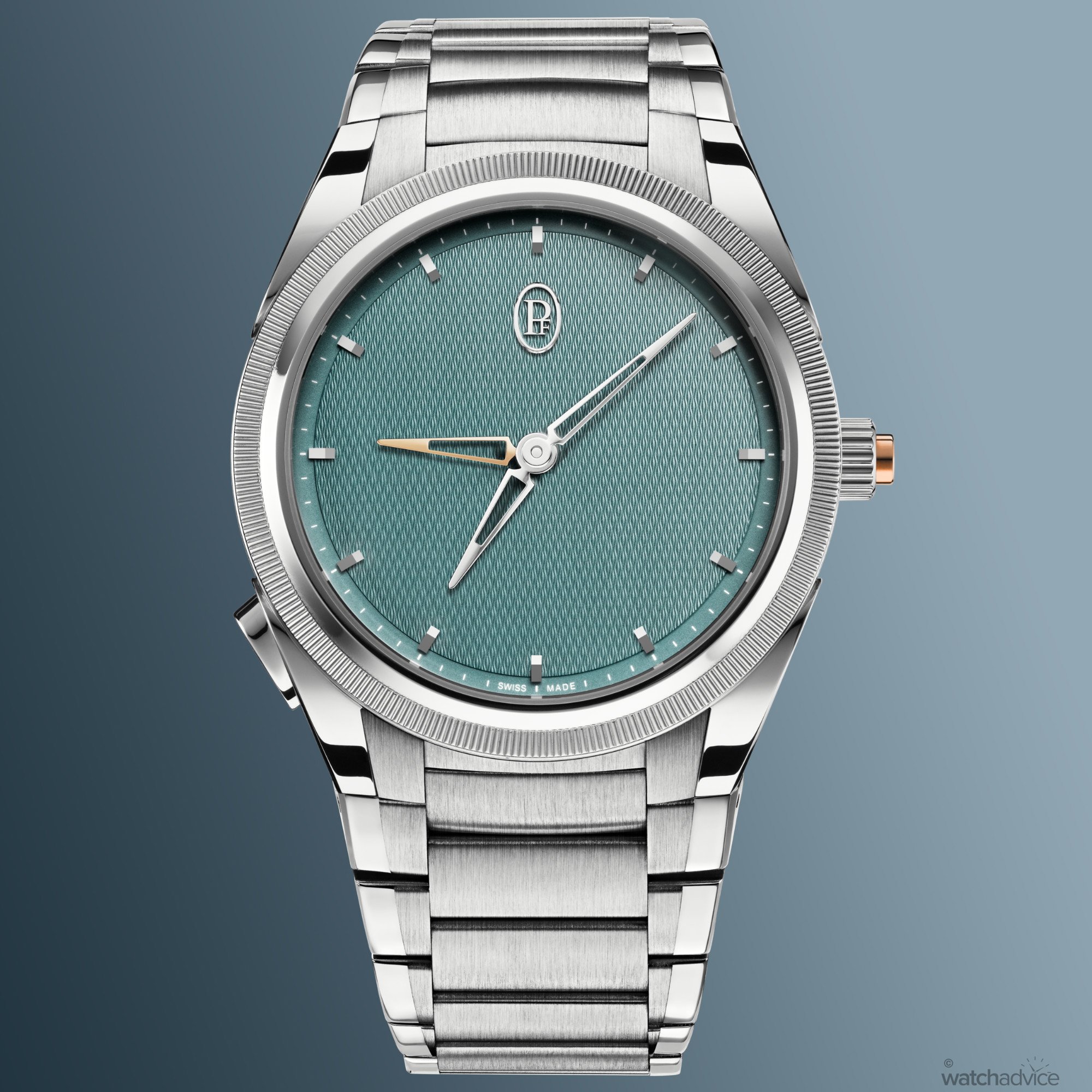
Some are entirely purposeful and practical. A diver’s bezel, for example, is incredibly useful, as is a date window. Others are useful in more specific situations, such as a chronograph or an alarm. While the world of useful complications is certainly an interesting one, so too are the complications that exist solely for aesthetics and bragging rights.
Now, Matt did a list of five cool but ultimately impractical complications a few years back. If there’s something we missed, it’s likely there. With that said, here are five more complications in watchmaking that are more about the flex than the function!
Every Single Tourbillon (Sorry!)
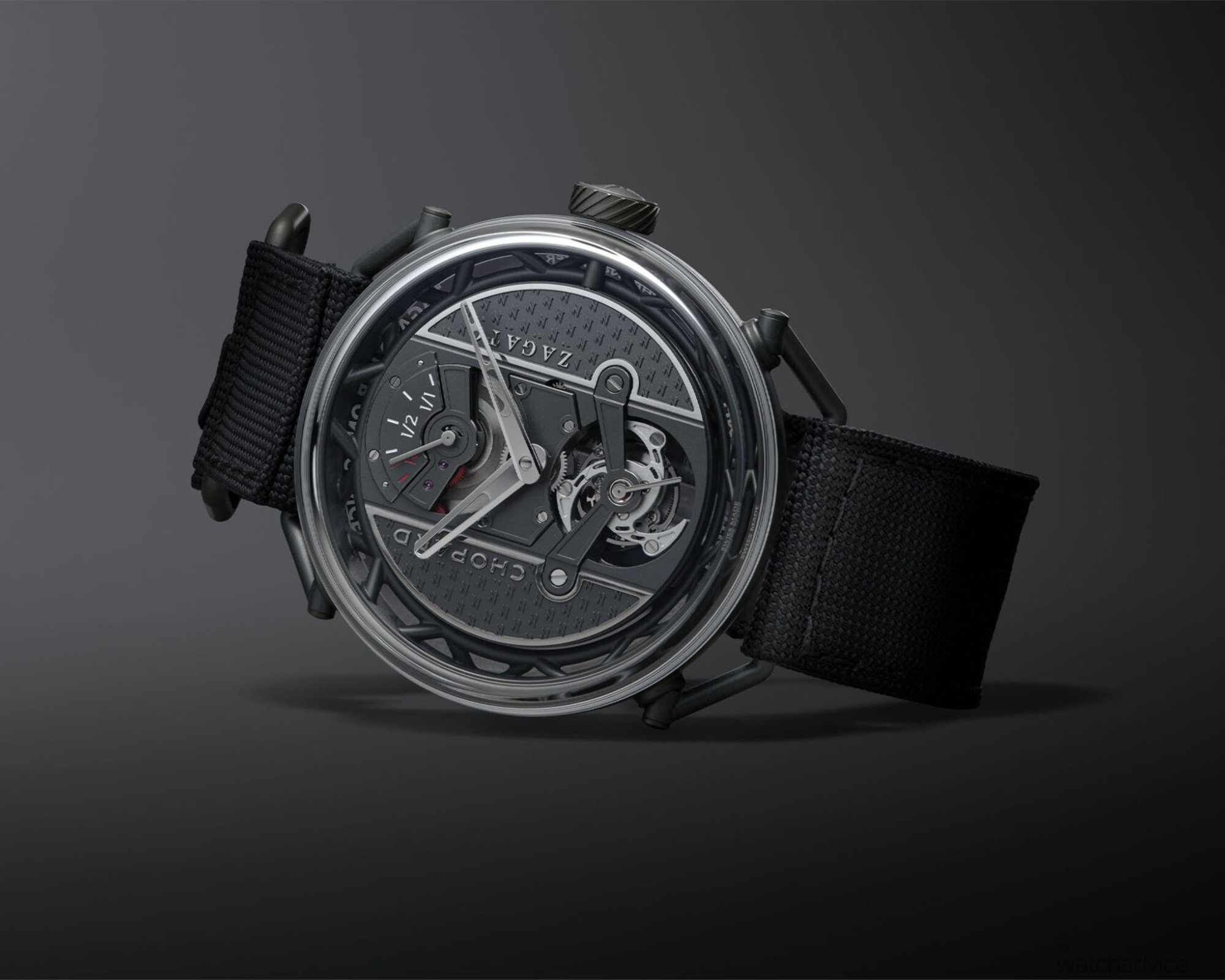
If you’re a watch nerd like me, you probably saw this one coming. Originally, the tourbillon was invented to counteract the effect of gravity on watch accuracy. It does so by placing the primary accuracy-regulating organs of a watch, the escapement and balance wheel, inside a constantly rotating cage. Typically rotating every sixty seconds, the tourbillon allowed gravity to be distributed more evenly across both components.
Even if you don’t know the exact function, non-enthusiasts can still appreciate how cool it is to see the watch’s heartbeat during operation. However, this solution really only had a purpose in the pocket watches of the time.
Modern automatic watches, and even manual-wind ones, are adjusted to several positions to maintain accuracy regardless of gravity. Not every automatic watch wearer is flailing their arms like they’re at a Steve Aoki concert, but the invention of the automatic wristwatch made the tourbillon functionally obsolete.
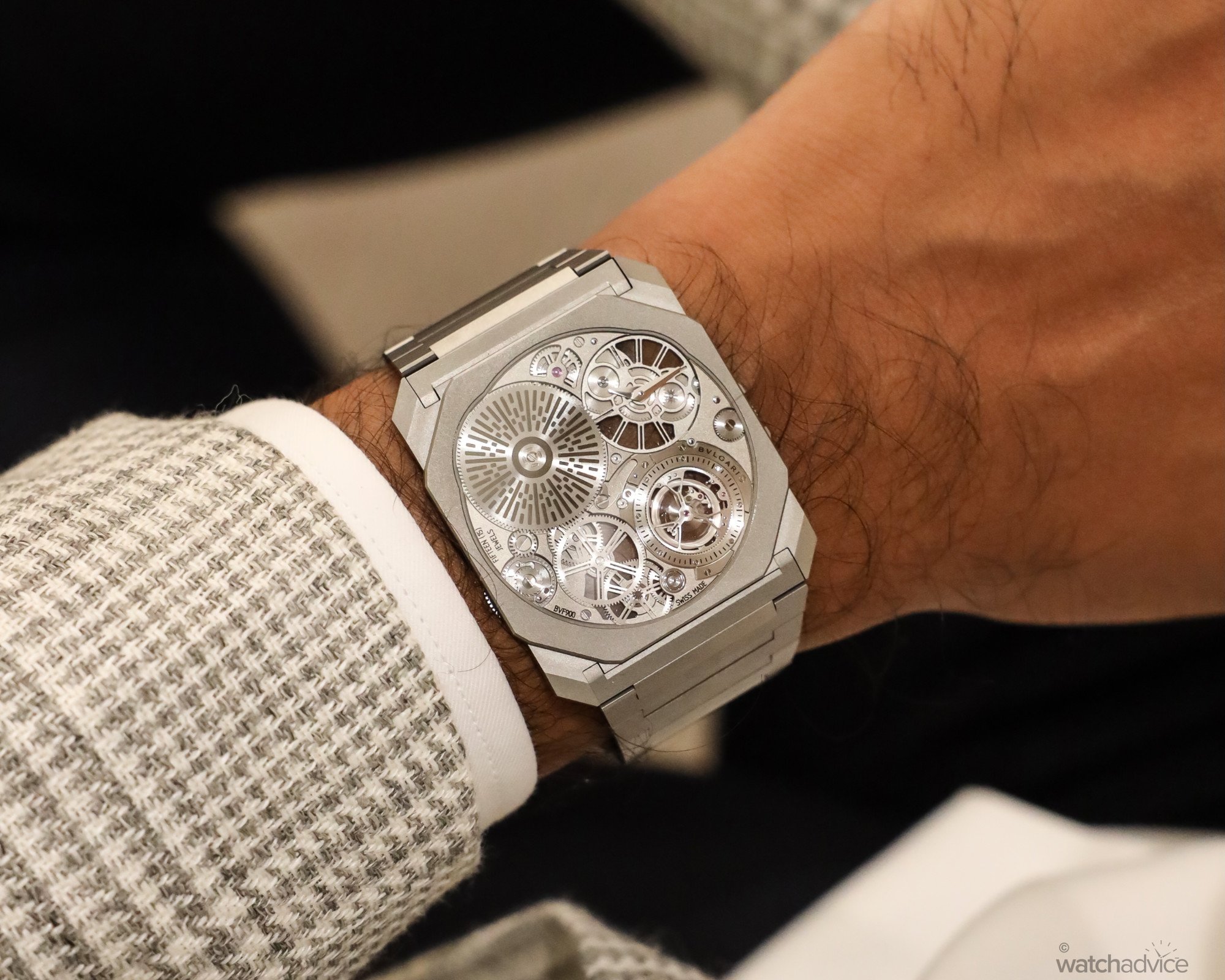
Despite this, the tourbillon remains the golden complication for almost every watch brand out there. While it no longer serves a practical purpose, it still represents a mechanically ingenious solution to a historical issue. Whether you find it in a Breguet, a TAG Heuer, a Horage, or even a Seagull, the legacy of the tourbillon is firmly cemented, and we’ll always love it for that.
24-Hour Indicator
Forgive me if I sound heated about this one, but it has to be said. There is very little use for a 24-hour indicator. Whether it’s its own complication or a specialised dial, the 24-hour indicator completes one full rotation per day rather than the standard two, displaying the full 24-hour cycle (00:00–24:00). In practical contexts, it’s used to eliminate confusion about AM and PM, quickly track time in aviation settings, or as part of a GMT complication.
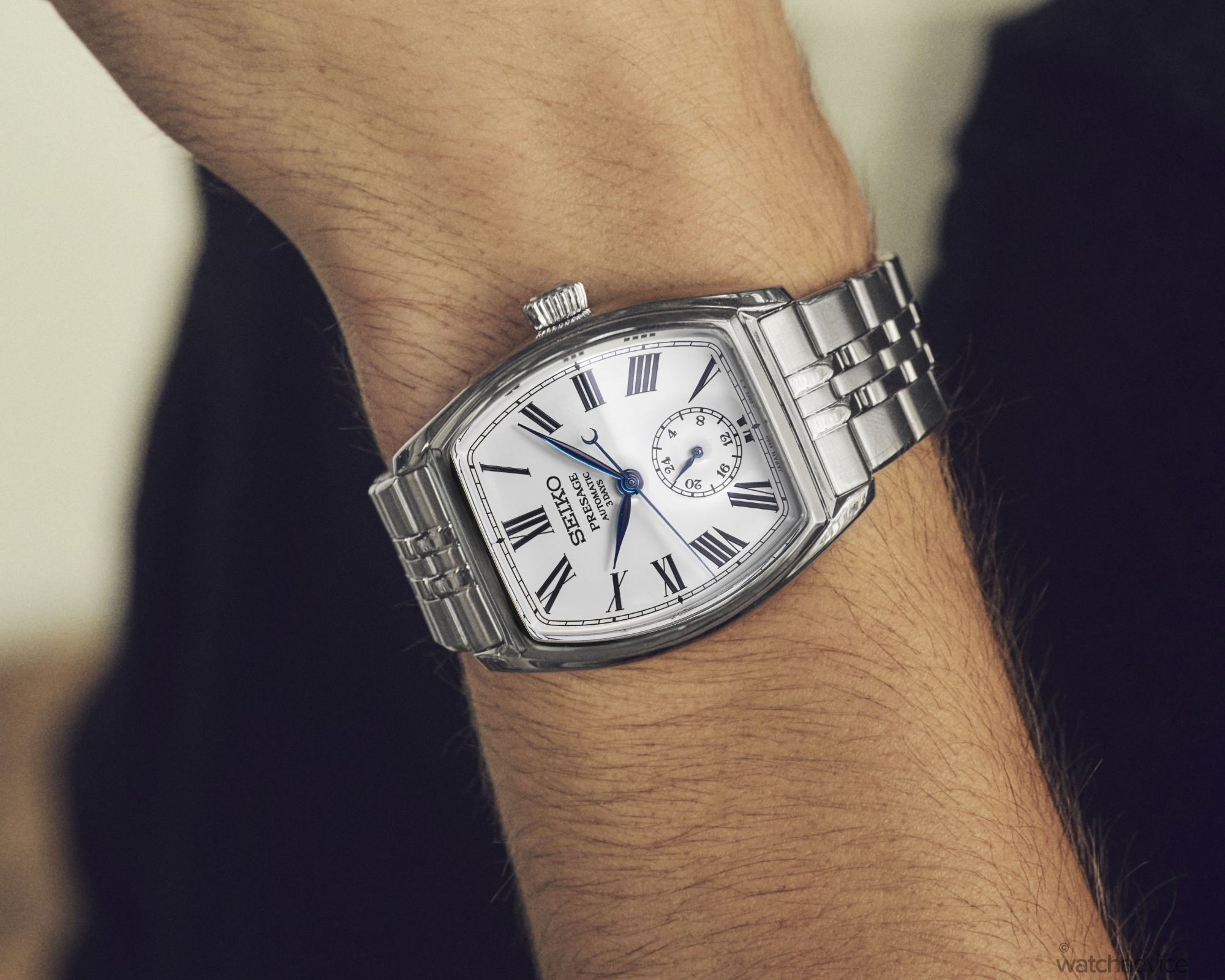
I can think of only two practical purposes for a standalone 24-hour indicator. One is for telling accurate time underground, and the other is for using it as a compass. Otherwise, two words easily negate the usefulness of the 24-hour indicator: go outside.
In very rare instances, it adds a touch of visual intrigue, but that’s usually when it’s presented as a sun and moon indicator for artistic purposes. I suppose, then, my opinion of the 24-hour indicator leans more ‘uncool’ than ‘cool’. Still, I do think there’s a fine line that can be walked to make the complication more interesting than it actually is.
Jump Hour/Mechanical Digital Time
As a fan of mechanical digital timepieces, this one hurts a little to say. However, it has to be said that the jump hour complication is one of the coolest but most unnecessary complications out there.
Popularised by Josef Pallweber and IWC at the tail end of the 19th century, the jump hour is fairly simple to explain. Instead of using the traditional handset found on most watches, the jump hour uses numbers printed on mounted discs to tell the time through an aperture in the dial. This feature would sometimes extend to the minutes as well, and in rarer cases even the seconds.
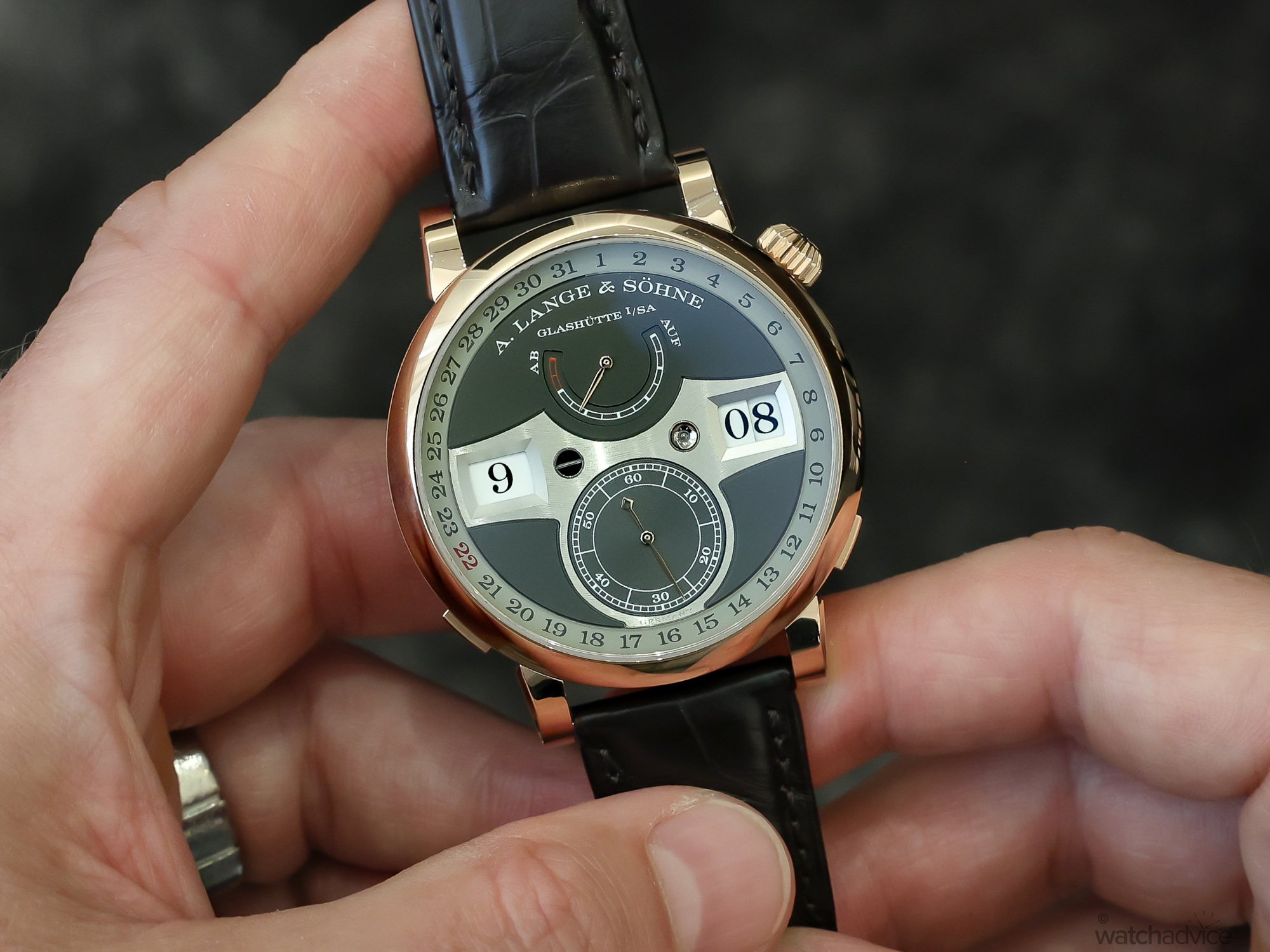
A hallmark of watchmaking’s Art Deco era, they were eventually pushed aside by the introduction of electronic digital watches. That hasn’t stopped the modern watch industry from making them, though. Unlike some other complications on this list, the jump hour can’t be written off as entirely obsolete, at least in the mechanical watch context.
After all, it still tells the time; it just takes a slightly different approach to get there. While it’s not more practical than the standard methods of telling time, it will always hold a place in my heart and in the hearts of many other enthusiasts.
Tide Indicator
The tide indicator is, ostensibly, an extension of the moonphase from the previous list. Instead of basing itself entirely on the moon’s movements, though, it uses the lunar cycle to track the approximate timing of high and low tides.
It’s a fascinating touchpoint in maritime history and has been used to illustrate that effect through varying degrees of high-level craftsmanship. It’s not as dressy as a standalone moonphase complication, but what it lacks in style points it makes up for in practicality.
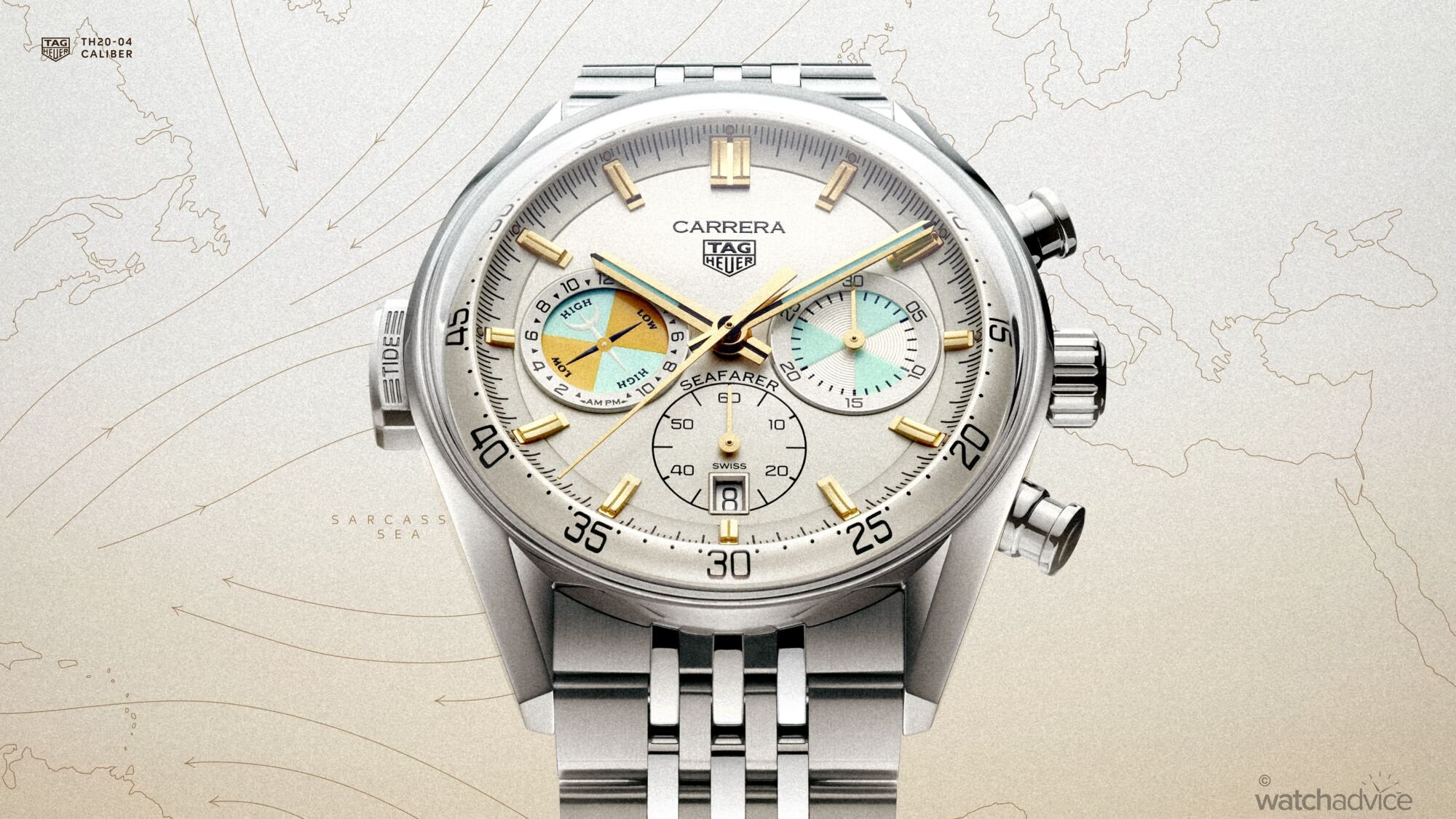
And yes, I did say practicality. I believe the tide indicator has far more of a practical purpose than any of the other complications listed here. For that reason, it’s a cool complication, helping coastal residents around the world, who make up nearly a third of the global population, track the movements of the ocean.
Beyond that, it’s also useful for surfers, fishermen, and even naval navigators. But if you’re none of these things, or you live in a completely landlocked part of the world, then you might find it a tad less necessary.
Deadbeat Seconds
While this complication might only be known to the nerdier among watch lovers, its existence boggles the mind all the same. That’s not to say it isn’t cool, though. Also originating in the pendulum clocks of the 18th and 19th centuries, the deadbeat seconds complication is about as straightforward as the jump hour.
In contrast to the traditional sweeping motion of a normal mechanical watch, the deadbeat seconds mechanism uses a secondary system that controls the seconds hand separately from the primary escapement. Remaining stationary, it moves only when one full second has elapsed.
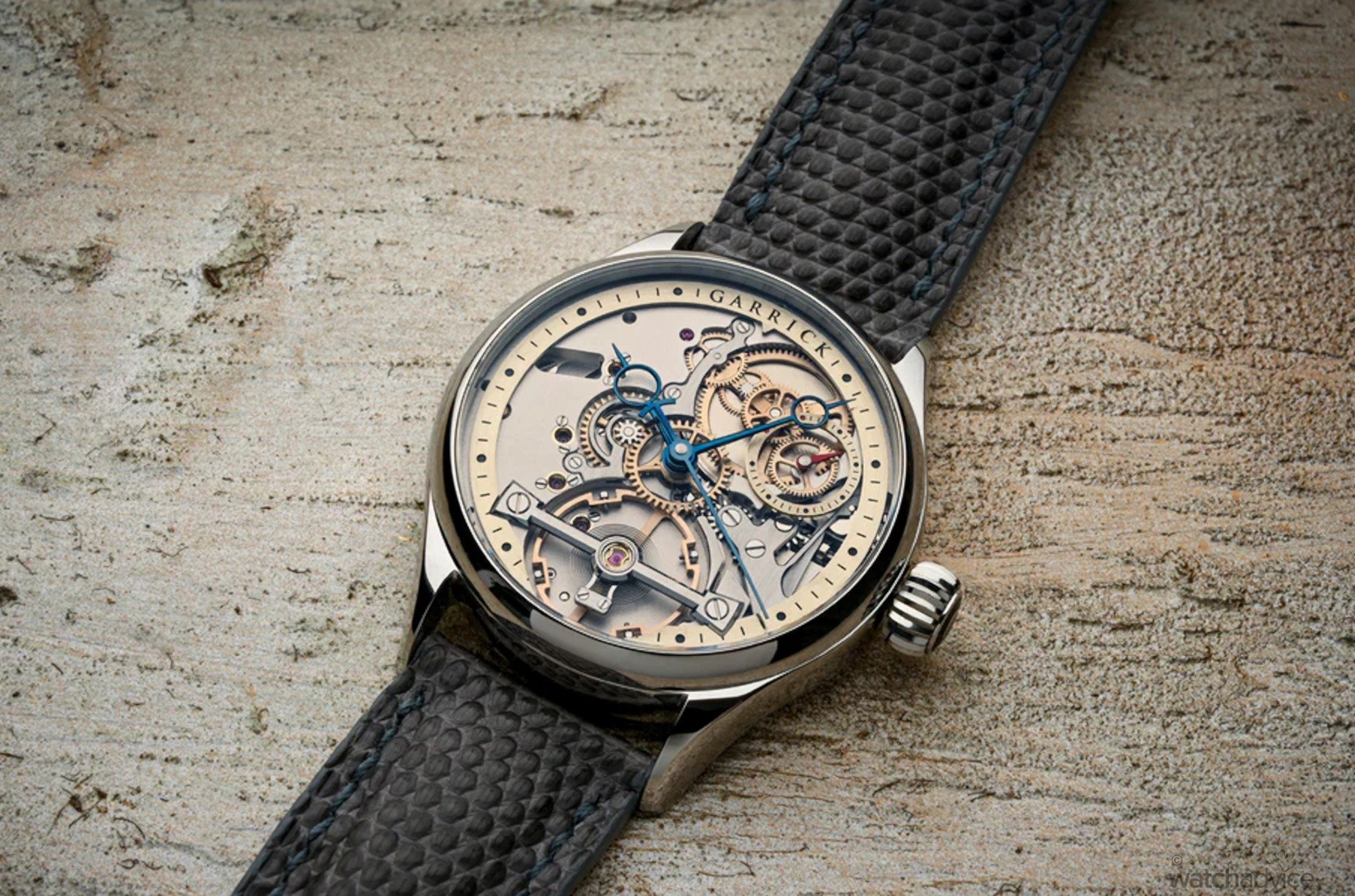
If you’re thinking to yourself, “that sounds exactly like a quartz watch!”, you’d be right. While the deadbeat seconds complication is mechanically difficult to achieve and was historically useful, nowadays it’s more closely associated with the behaviour of a quartz watch.
A gorgeous display of mechanical ingenuity, the deadbeat seconds is still regarded as one of horology’s coolest niche complications. Just be prepared to explain why your hyper-complex timepiece isn’t a quartz watch to almost everyone you meet.
Final Thoughts
The long-accepted reality of the mechanical timepiece is that it became obsolete a long time ago. However, the fact that watchmakers are still committed to creating cool yet outdated complications is a testament to the enduring attitude toward horology.
While most are content to move into the world of smart technology, it’s the craftsmen of the mechanical watch industry who keep these fascinating aspects of horological heritage alive. Though I’ve shared my thoughts on each complication, that shouldn’t steer you away from considering one down the line.
You’d be owning a piece of history — a craft passed down through generations that ends up on your wrist. That mechanical history is a romantic one, and the more we fall in love with it, talk about it, and wear it, the longer we preserve it for the prospective enthusiasts who come after us.
But tell us: What did we miss? Do you agree? Let us know in the comments, or on the @watchadvice Instagram page!