

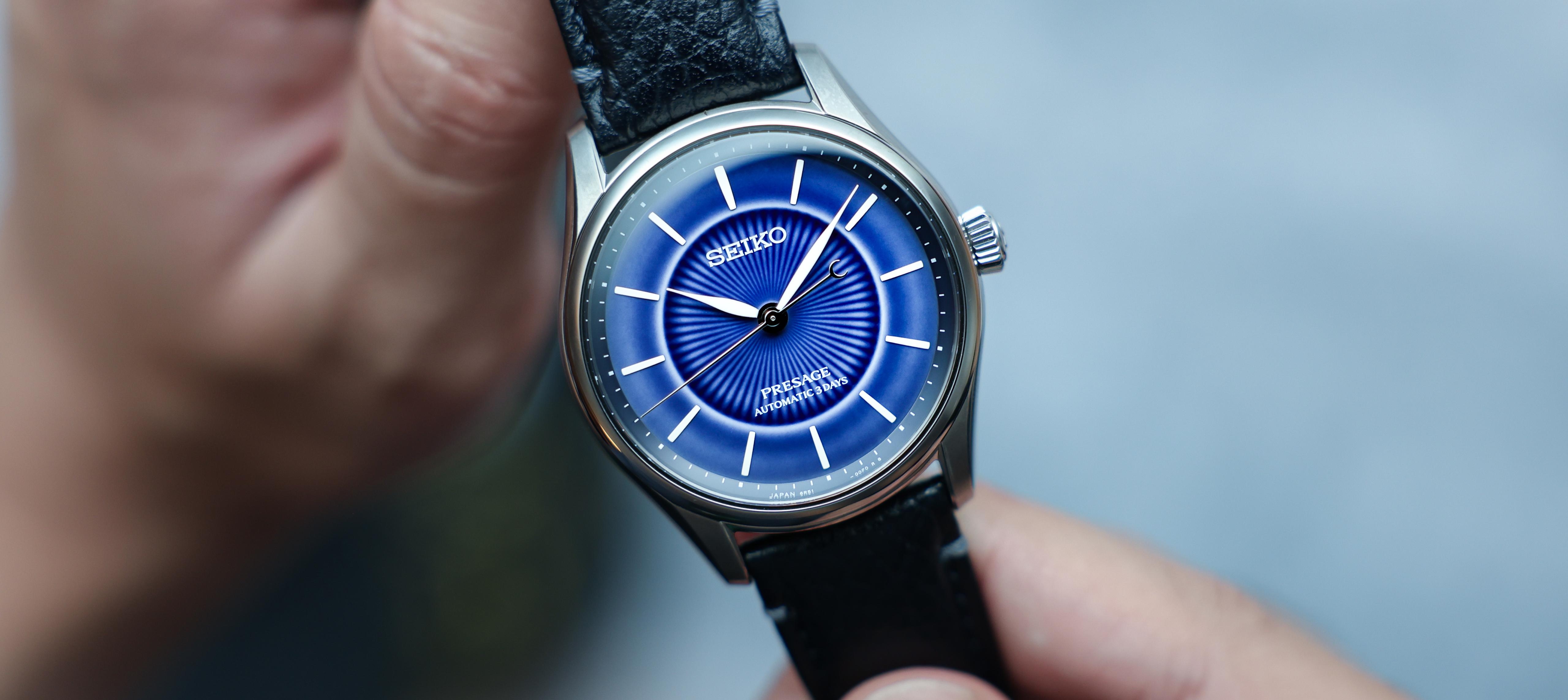
Seiko’s 145th Anniversary Presage Classic Series just got a hand-crafted upgrade, but is the exclusive dial truly a cause for celebration? Let’s find out!
What We Love:
- Elegant dress styling
- Delicate Arita porcelain dial
- Accessible yet luxurious
What We Don’t:
- Oddly thick and awkward wear
- Could use a more powerful/handsome movement
- Does context translate to the craft?
Overall Rating: 8.5/10
- Value for Money: 8.5/10
- Wearability: 8.5/10
- Design: 9/10
- Build Quality: 8/10
In the 145 years that Japanese brand Seiko has now been in operation, it has accomplished a great many breakthroughs in the watch industry. Whether it’s bringing the entire Swiss watch world to its knees with the 1969 release of the Seiko Astron or achieving the perfect synthesis of electronic and mechanical timekeeping through Grand Seiko’s Spring Drive, the brand has established itself as one of the biggest icons in horological history.
But perhaps its greatest achievement isn’t ascribed to a single model line or innovation. Rather, in an industry saturated with European-inspired design, Seiko is perhaps one of the biggest champions of traditional Japanese craftsmanship. Not only are its watches manufactured to shockingly precise standards, but the brand has also specialised in blending centuries-old cultural techniques with advanced watchmaking.
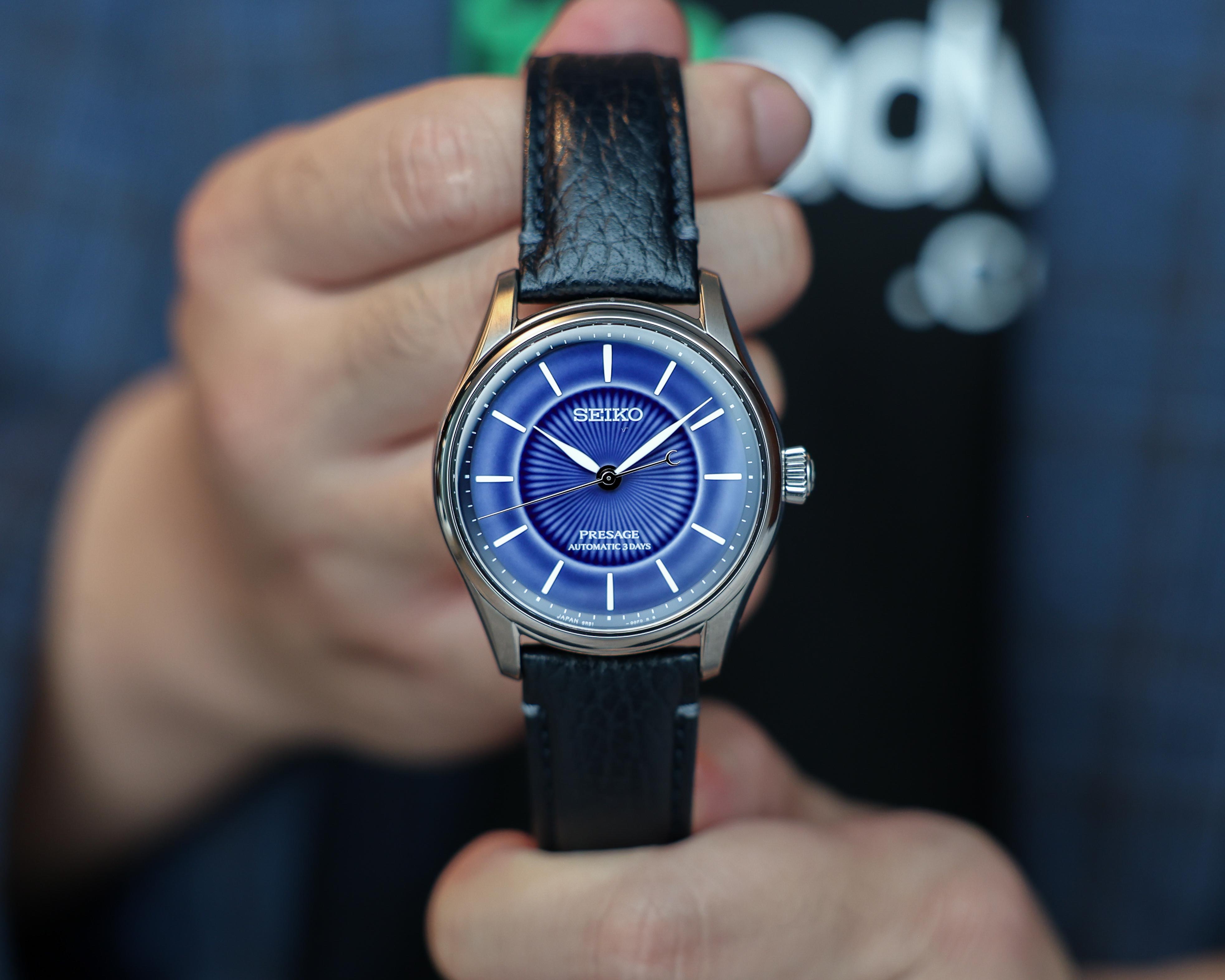
Most prominently, this can be found in its Seiko Presage line, where the brand collaborates directly with master craftsmen to produce hand-finished dials inspired by, or explicitly incorporating, traditional techniques.
For such a special landmark year, Seiko has turned back to the traditional craft of Arita porcelain to create a new, exceptional dial for the Presage Classic Series. But does the quality of craftsmanship truly shine through? Well, that’s exactly what I wanted to find out when I was privileged enough to take its 145th Anniversary Limited Edition for a spin before it sold out.
First Impressions
Little over a week after the pre-order announcement, Seiko invited us to Sydney to check out the pieces first-hand. It was an awesome, albeit brief, two-day experience, during which we were permitted to explore new and upcoming novelties to our heart’s content. But despite being surrounded by some incredible, then-to-be-released pieces, like the Presage x Tradman’s Bonsai collaboration, my attention was constantly drawn back to the Presage Classic Series 145th Anniversary Edition, Ref. HCC007.
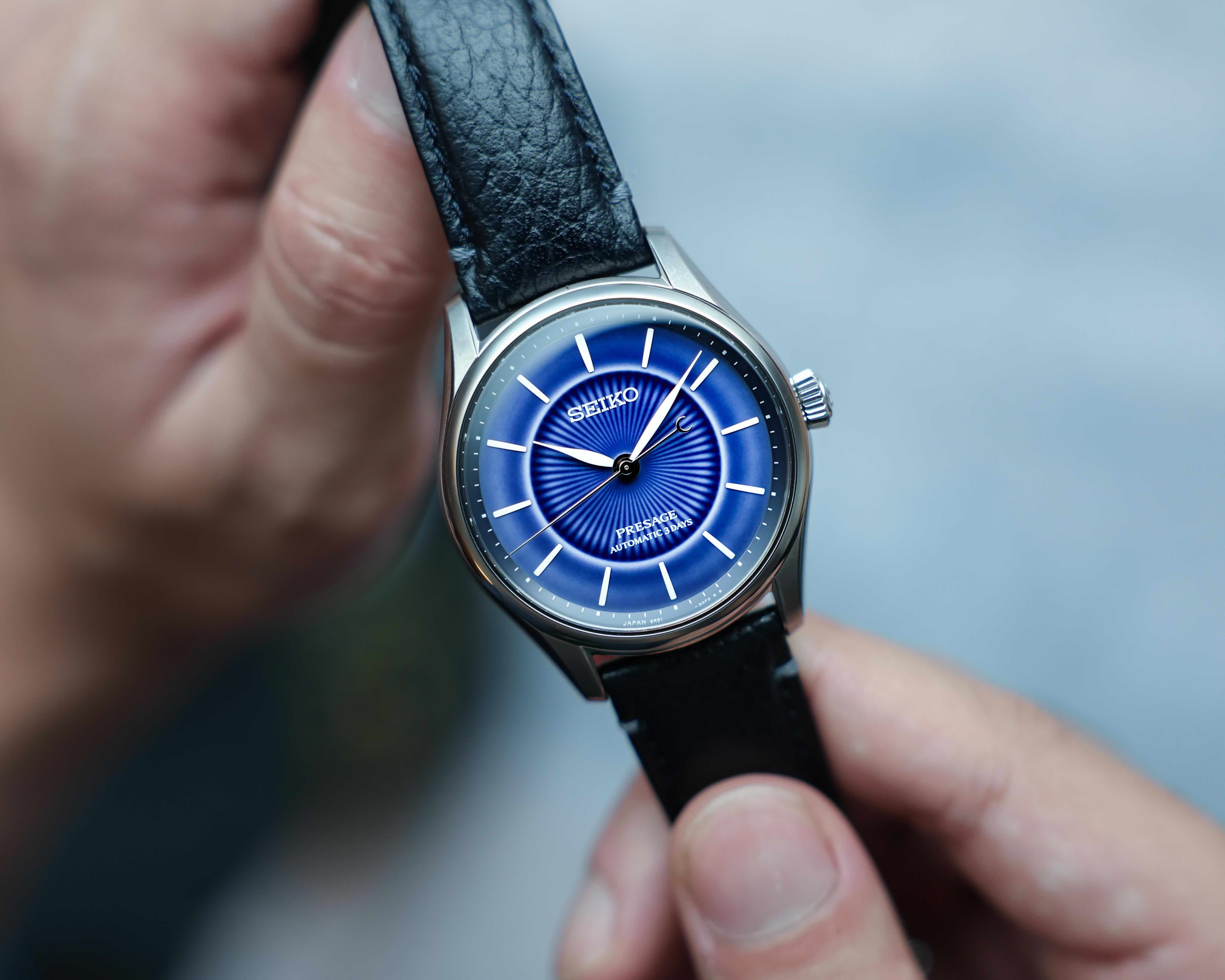
There’s just something so compelling about porcelain compared to other fired finishes like lacquer or enamel. I attribute this not only to the way it behaves in the light, but also to how rare genuine porcelain dials are in the watch industry. Beyond Seiko itself, the only other brands that regularly produce them, to my knowledge, are Credor, a Seiko-owned haute horlogerie brand, and Scottish independent watchmaker anOrdain.
To see such an underused craft represented in a watch at such an accessible price point is quite the unicorn find. As such, I specifically asked both the Seiko Sydney and Watch Advice teams if I could review this beautiful piece. Well, I asked as best as I could – my mouth was often full due to absolutely devastating the platter of hors d’oeuvres that accompanied the novelties.
The Design
I understand that I’ve been throwing around the term ‘Arita porcelain’ without really explaining why it’s so important to Seiko. So, I’ll illuminate two reasons.
For starters, the reason porcelain dials aren’t commonly made in the watch industry is their tendency to fail at exceptionally high rates. Even grand feu enamel, so often utilised in Swiss watchmaking and notoriously difficult to work with, has a narrow margin for error and adjustability. Porcelain, on the other hand, has virtually none. Any imperfections in the process cannot be reversed, and the piece must be abandoned.
So, Seiko is working with a material that has an exceptionally high failure rate, but who they’re working with makes the whole thing even crazier. The artisans in question are the craftspeople of the Shin-gama kiln, who have been making porcelain in the town of Arita, Saga Prefecture, since 1830. This is not to be confused with the kiln of the same name established in 1919, roughly five hours away by bullet train in Seto, Aichi Prefecture.
In any case, what makes the Arita name and craft so significant is that Arita itself is the birthplace of Japanese porcelain as we know it. Though the Shin-gama kiln has been producing porcelain since 1830, its heritage traces all the way back to 1616, when Yi Sam-pyeong discovered large quantities of porcelain stone in the region. The town’s elite craftsmanship would go on to influence some of the world’s other great porcelain manufacturers, particularly Delftware in the Netherlands and the Saxon porcelain manufacturer Meissen.
Equipped with such skill and heritage, and assisted by research from the Saga Ceramics Research Laboratory, Seiko and the Shin-gama kiln were able to produce porcelain dials of remarkable quality and surprising durability.
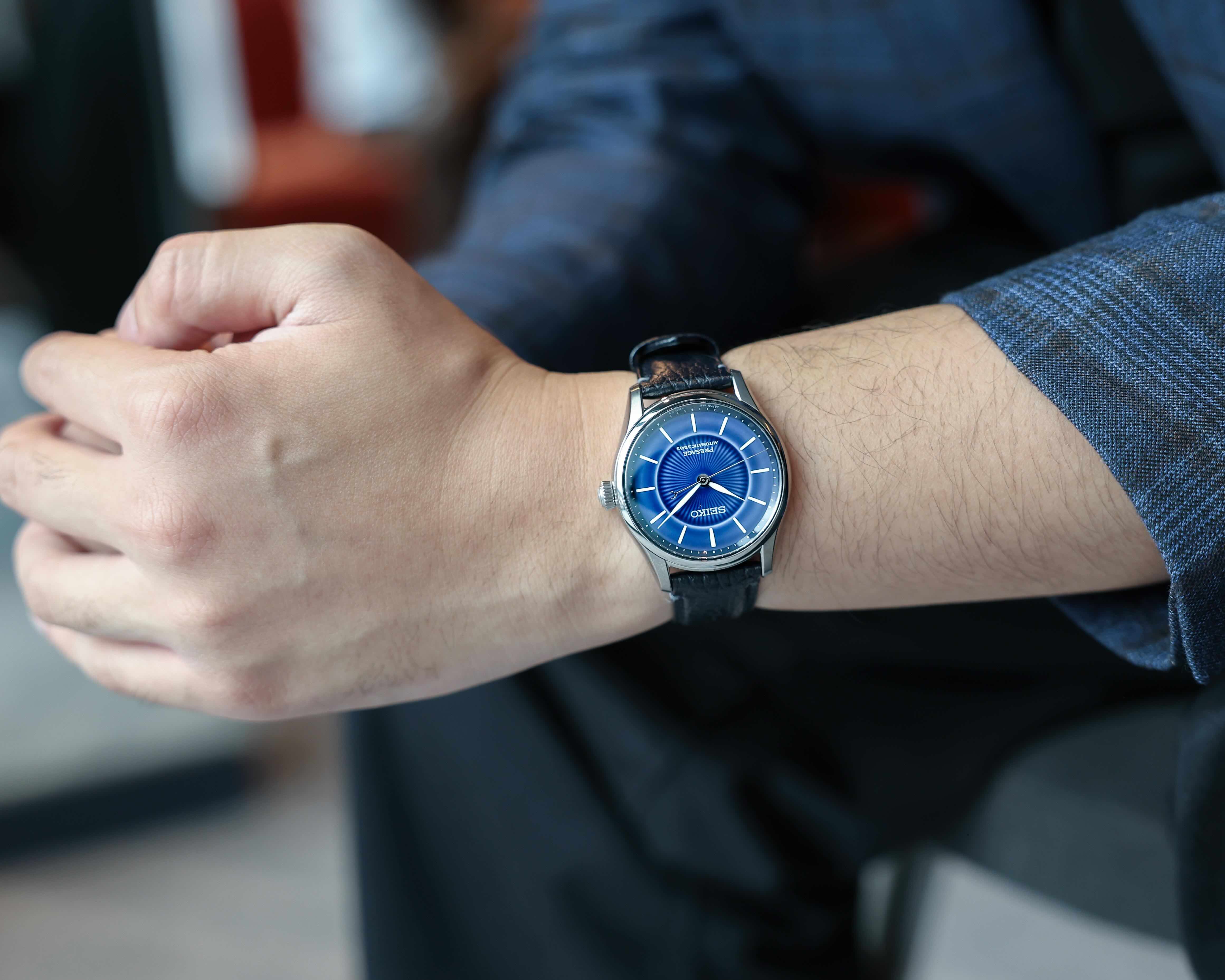
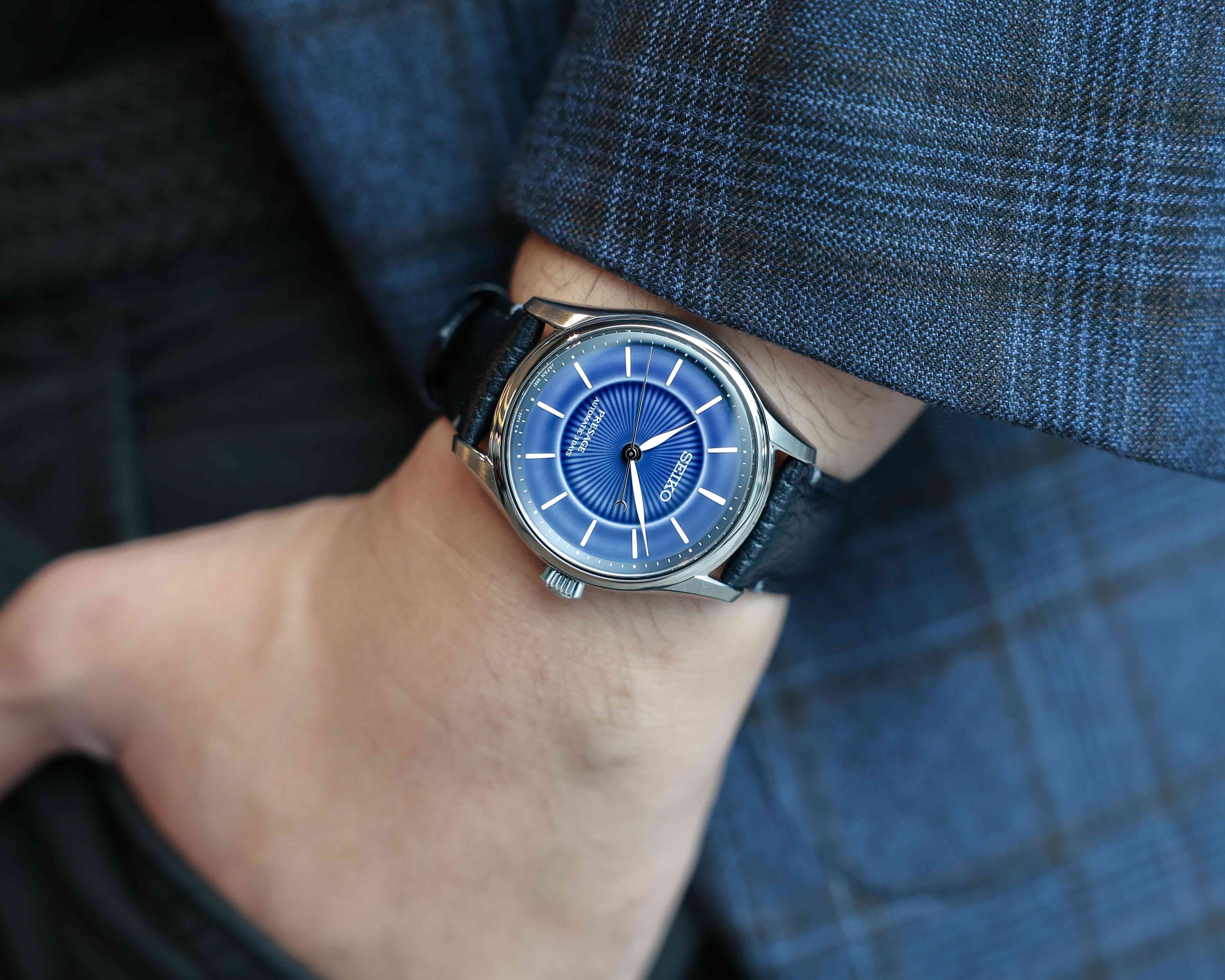
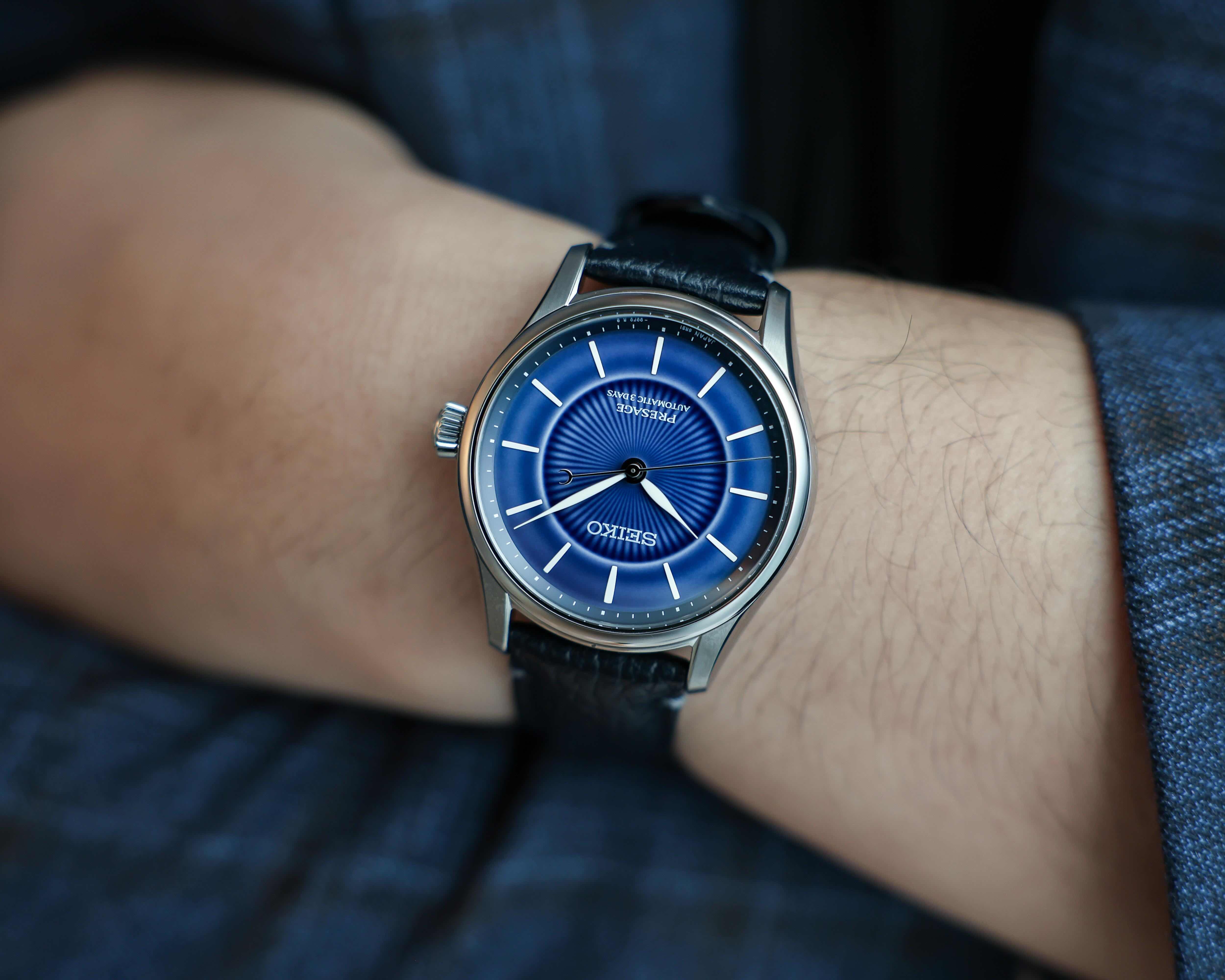
At its centre, the HCC007’s dial features a radial, almost fluted relief structure in varying shades of cobalt blue. This transitions as the porcelain flows outwards and upwards, marked by a white line running across the surface. Light peaks and falls over its crest before travelling back into blue towards the periphery of the watch. The glossy backdrop serves up an incredibly hypnotic, almost organic display, far richer than enamel or lacquer could ever achieve.
The only interruptions to the craftsmanship are the outer printed minute track and white stick indexes applied atop the porcelain surface. Accompanying them is a white leaf handset, while a rhodium-plated seconds hand makes its orbit with Seiko’s signature crescent moon counterbalance.
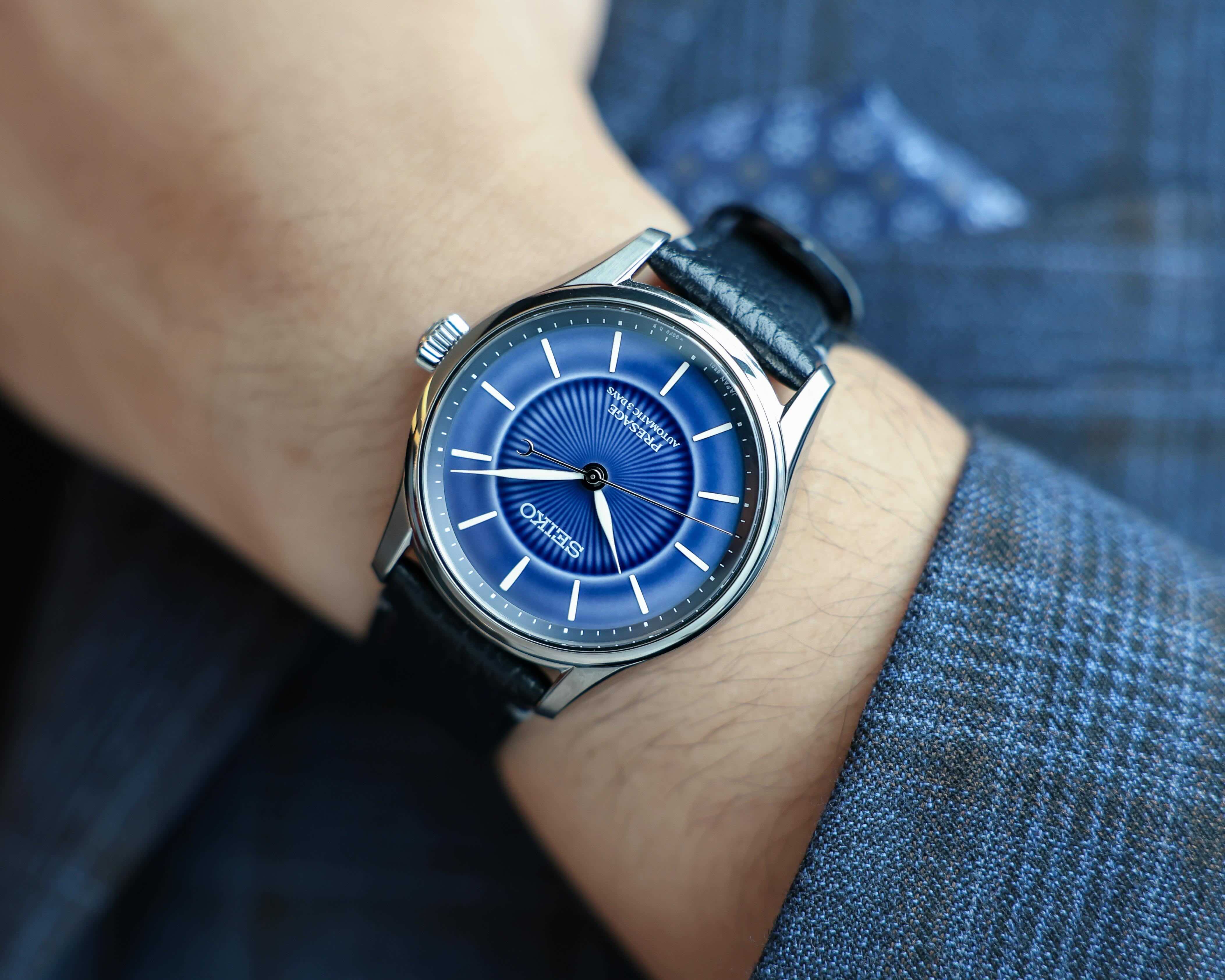
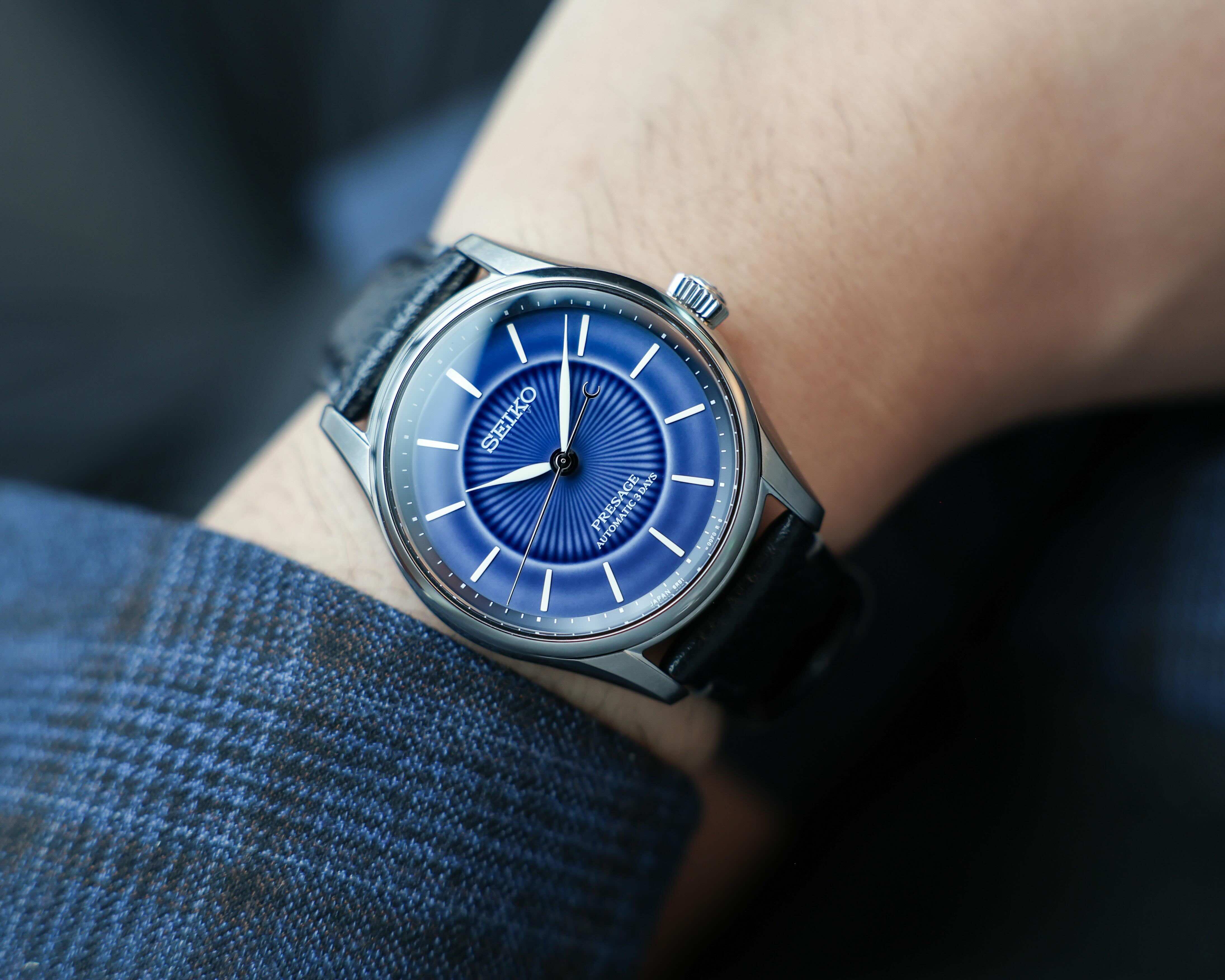
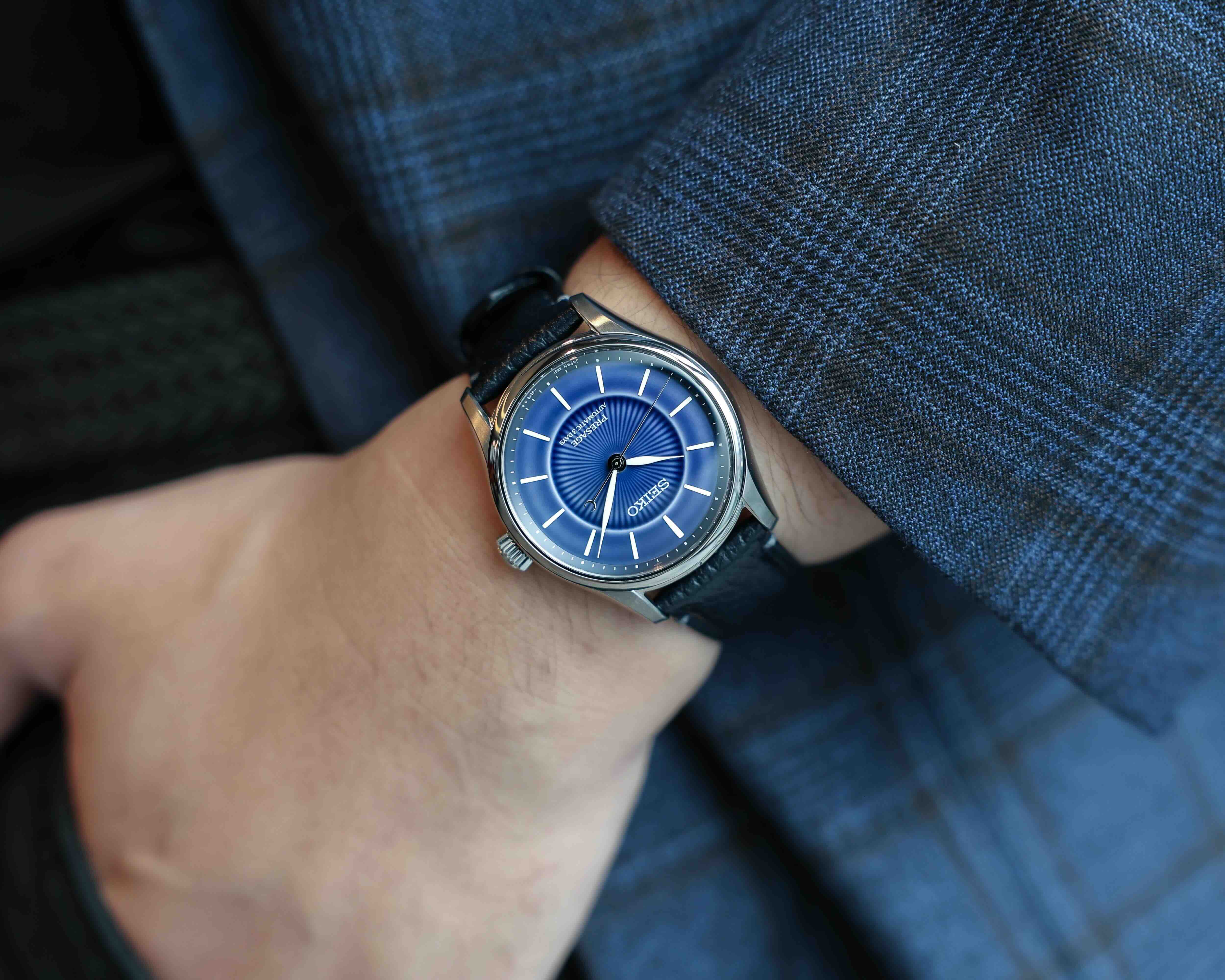
Moving outwards, things are relatively straightforward, as the curvaceous silhouette of the Seiko Presage Classic Series makes itself apparent once more. The sapphire crystal and polished bezel sit dominantly above the softly rounded profile, while the upper case features more understated vertical brushing. The case flanks, complete with a fluted, signed crown, are polished similarly to the bezel, with the caseback following suit. Finally, the lugs curve down towards the deep blue calfskin leather strap, which terminates in a deployant clasp.
Though it might sound like I’ve rushed through describing the rest of the elements present on this Seiko, all of them serve the same purpose: to frame the dial, which well deserves the lion’s share of attention. The minimalist finishing of the case allows the Arita porcelain to really shine through. To that effect, the simplicity of the case and strap makes for the perfect canvas for this traditional Japanese craft.
How It Wears
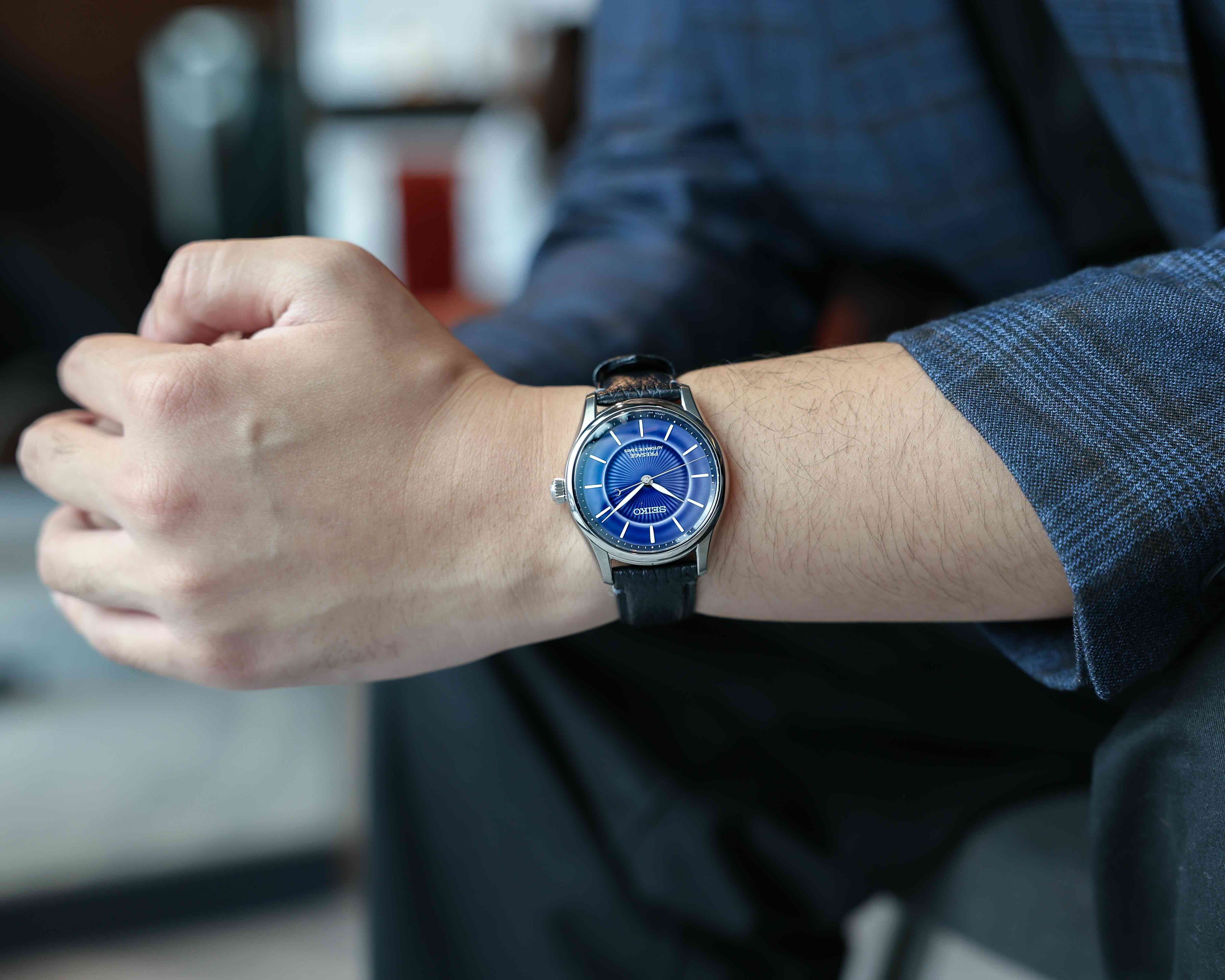
The Seiko Presage Classic Series 145th Anniversary Edition doesn’t go above and beyond with its case profile. But as a dress watch, that’s kind of the point. Measuring 39.6mm in diameter, 46.8mm lug-to-lug and 12.8mm thick, the HCC007 has fairly typical proportions that make for a universally wearable piece. The curvature of the lugs may be the biggest contributing factor to its profile, helping wrap the stainless steel case closer to the wrist.
What immediately becomes apparent about the Seiko wearing experience in general is the strap, which, as always, is a lot tougher than most leather pieces. But everything has its break-in period, so I won’t be docking any major points from the watch for that reason alone. If anything, it does make my hand look like it’s receiving zero circulation.
Another observation worth noting about the Seiko is its relatively low water resistance rating. Where Seiko Presage models typically offer 100m of water resistance, far higher than the average dress watch, the HCC007 is rated to just 30m.
That’s a significant drop, but again, it shouldn’t raise any alarm bells. Honestly, I feel a little spoiled by the Presage line’s water resistance at times. The HCC007’s lower rating, more in line with other dress watches, isn’t anything to kick up a fuss over.
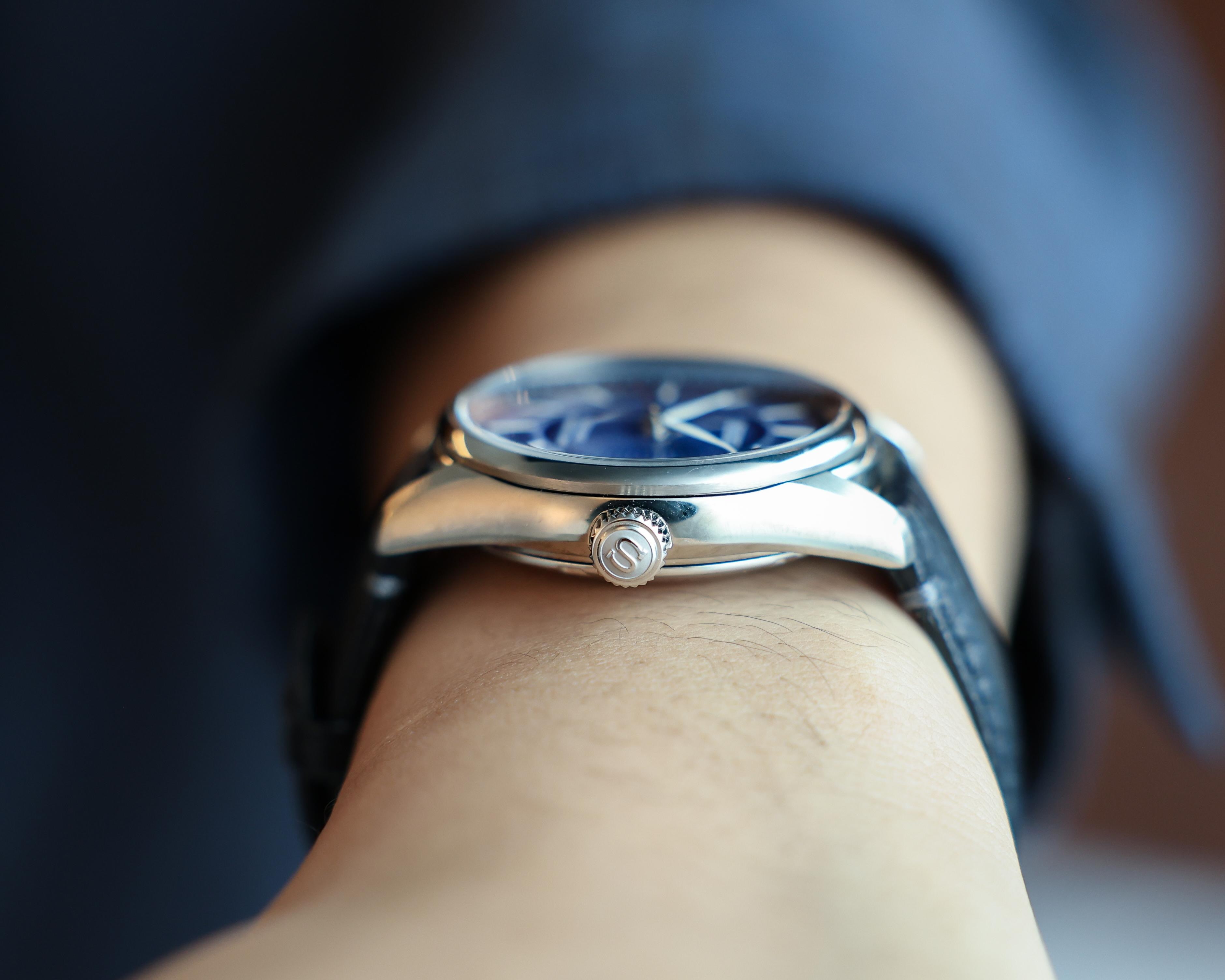
However, I do wonder if Seiko could have made the watch thinner. Now, I understand the need to give the Arita porcelain room to work its magic, but the 12.8mm thickness makes the watch rather tall on the wrist. For comparison’s sake, that puts the HCC007 just 0.3mm thinner than the Tudor Black Bay Chrono 39.
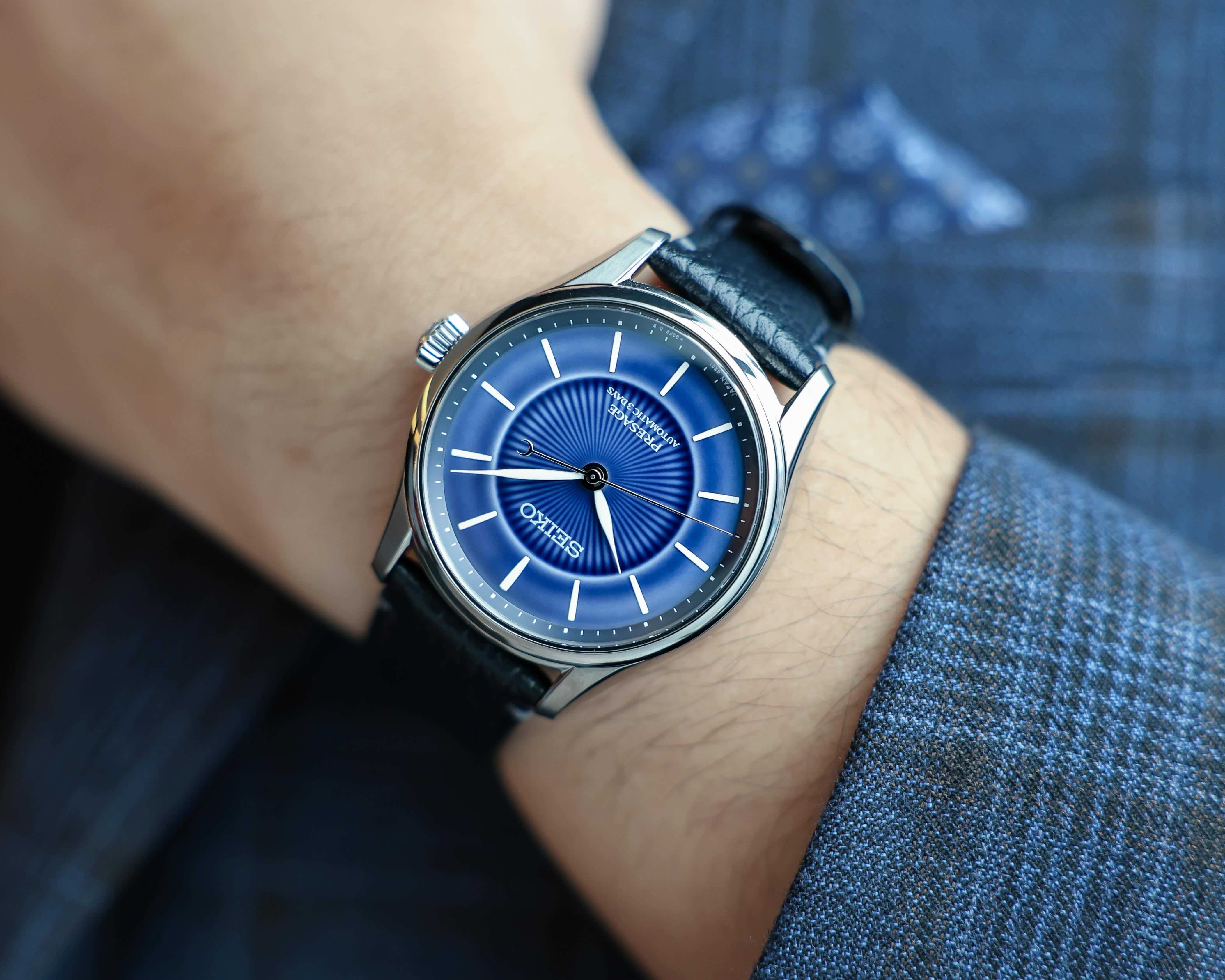
Understandably, the degree of movement and case manufacturing differs massively between the two brands. But that doesn’t change the fact that the Seiko is awkwardly thick for a dress piece, even adjacent to a chronograph. If it had 100m water resistance, the size might be justifiable, but that wouldn’t make it any less unwieldy to wear.
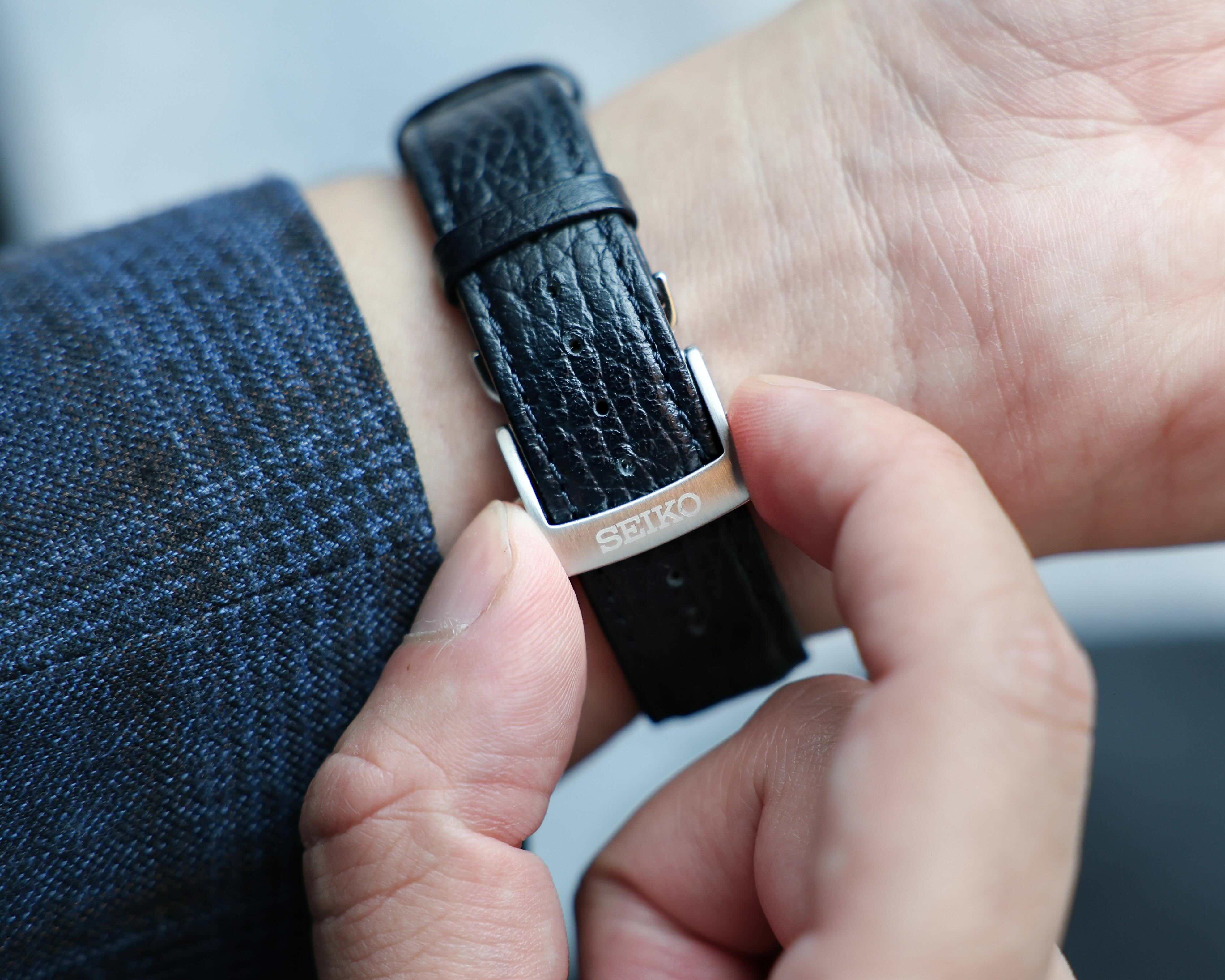
The final element to keep in mind is the clasp arrangement, which comprises a deployant buckle and folding mechanism. The deployant buckle itself is incredibly interesting. Pressing it once unfastens the folding clasp, but pressing it again opens the lower ‘jaw’ of the mechanism.
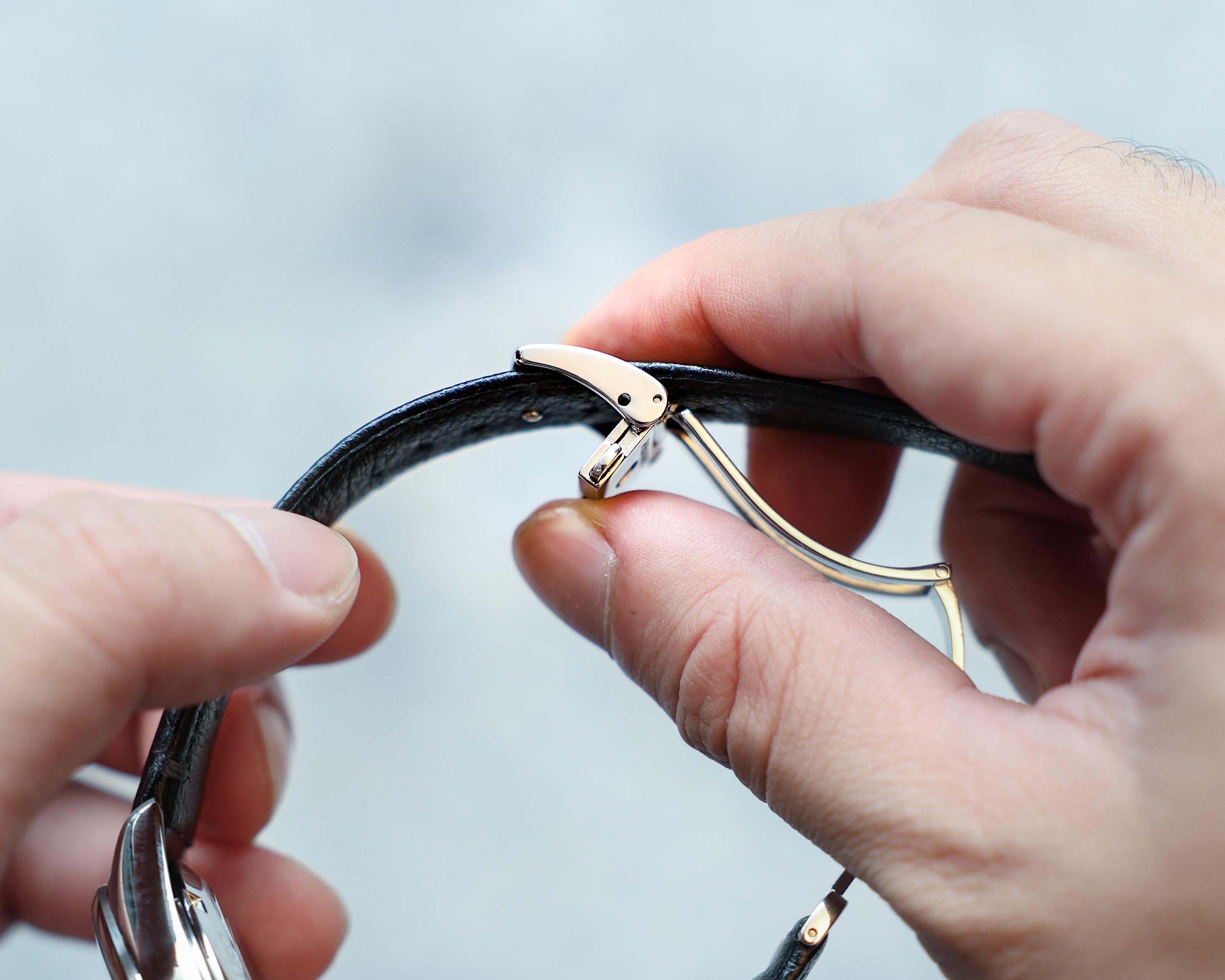
The concept behind this clasp is that it allows for more seamless, less damaging adjustment of the watch. However, a few enthusiasts I’ve read and spoken to have also argued that it’s a touch unnecessary. I think it comes down to personal preference, but from my experience, it does keep the watch close to the wrist.
Overall, in the grand scheme of wearability, the only major caveat to the HCC007 is the height. Otherwise, this Seiko executes the dress watch wearing experience fairly well.
The Movement
Through the open caseback, the beating heart of the Seiko Presage Classic Series 145th Anniversary Edition is revealed. Inside is the Cal. 6R51, an automatic movement that beats at a steady 3Hz (21,600VpH) and offers a weekend-proof 72-hour power reserve. Derived from the Cal. 6R55, it was introduced in 2024 as that movement’s no-date alternative, debuting in the Studio Ghibli Nausicaä of the Valley of the Wind collaboration. Since then, it has only appeared elsewhere in the aforementioned Tradman’s Bonsai series.
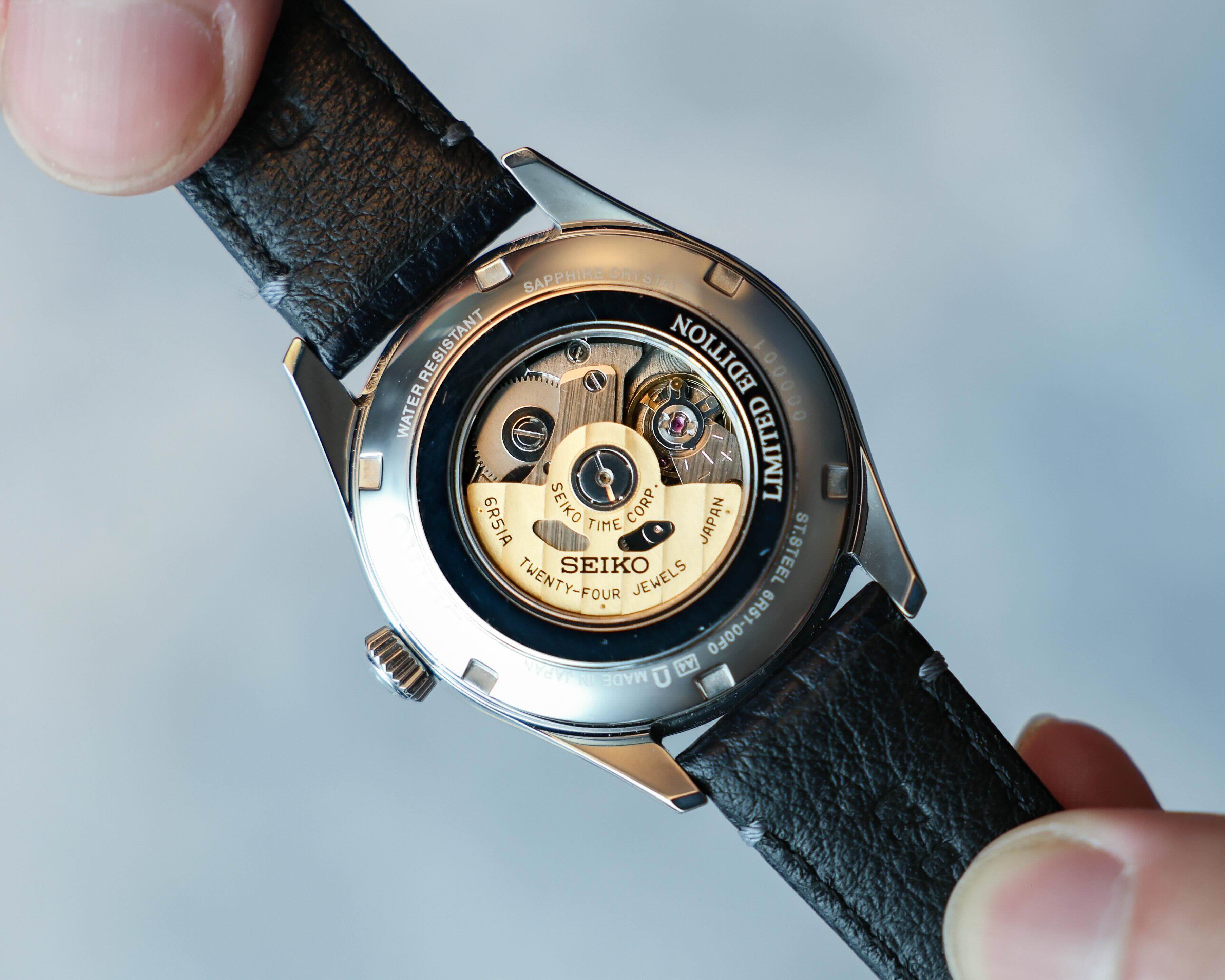
If you’re familiar with Seiko nomenclature, you’ll know that the 6-series slots itself between the entry-level 4-series movements and the decidedly upscale 8-series, as seen in the King Seiko VANAC I reviewed previously. As a result, this makes the HCC007 fairly middle-of-the-road in terms of Seiko’s price-quality hierarchy.
Given the beauty of the dial at hand, though, I wish Seiko had bumped it up to the 8-series. While Seiko movements are often rather spartan in their finishing, the 8-series calibres tend to offer better aesthetics than their lower-tier counterparts. Not only that, but they also feature a higher 4Hz (28,800VpH) beat rate and tighter accuracy tolerances. Seiko rates the Cal. 6R51 at approximately +25 to -15 seconds per day, while the Cal. 8L45 is considerably more accurate at +5 to -10 seconds per day.
Of course, on-paper accuracy doesn’t tell the whole story, especially with Seiko, which produces notoriously reliable and accurate movements. Still, I can’t help but wonder about the possibilities of a more upscale calibre to match the craftsmanship of the dial. Either way, it’s something worth considering for whatever the next limited edition may be.
Final Thoughts
Looking back at the Seiko Presage Classic Series 145th Anniversary Edition, it’s clear that the brand has thoughtfully translated the traditions of Arita porcelain into horological form. It’s an incredibly beautiful piece to look at, but while the dial does much of the heavy lifting, that’s not to say the rest of the watch is inherently bad.
There’s a difference between inadequacy and simply being less remarkable. Though the case, strap, and movement aren’t individually mind-blowing, they don’t have to be. A 72-hour power reserve is great in the modern context, and the case is fairly proportional, save for its thickness, serving as the ideal frame for the artwork within. But while these elements have their own merits, it’s the dial that keeps enthusiasts like myself invested.
And speaking of investing, we come to the value proposition: AU$2,700. For what is essentially a piece of art that tells the time, it’s not as dear as what most other brands might charge for something similar. There are always competitors, though, and the accessible dress watch category has a few heavy hitters.
Below the Seiko sits the Serica Ref. 1174 at AU$2,471, whose appeal draws from its unique shape and dial finishing. Above it, at AU$3,300, is the Oris Artelier Date, which presents its own unique take on the simplicity of the dress watch. While both are compelling alternatives, it truly comes down to how much the enthusiast appreciates the Arita porcelain dial.
If it wasn’t already obvious, that dial is the watch’s greatest strength. Not only does it immediately captivate the eye in a way the Serica and Oris can only dream of, but understanding its historical and technical context makes it all the more impressive.
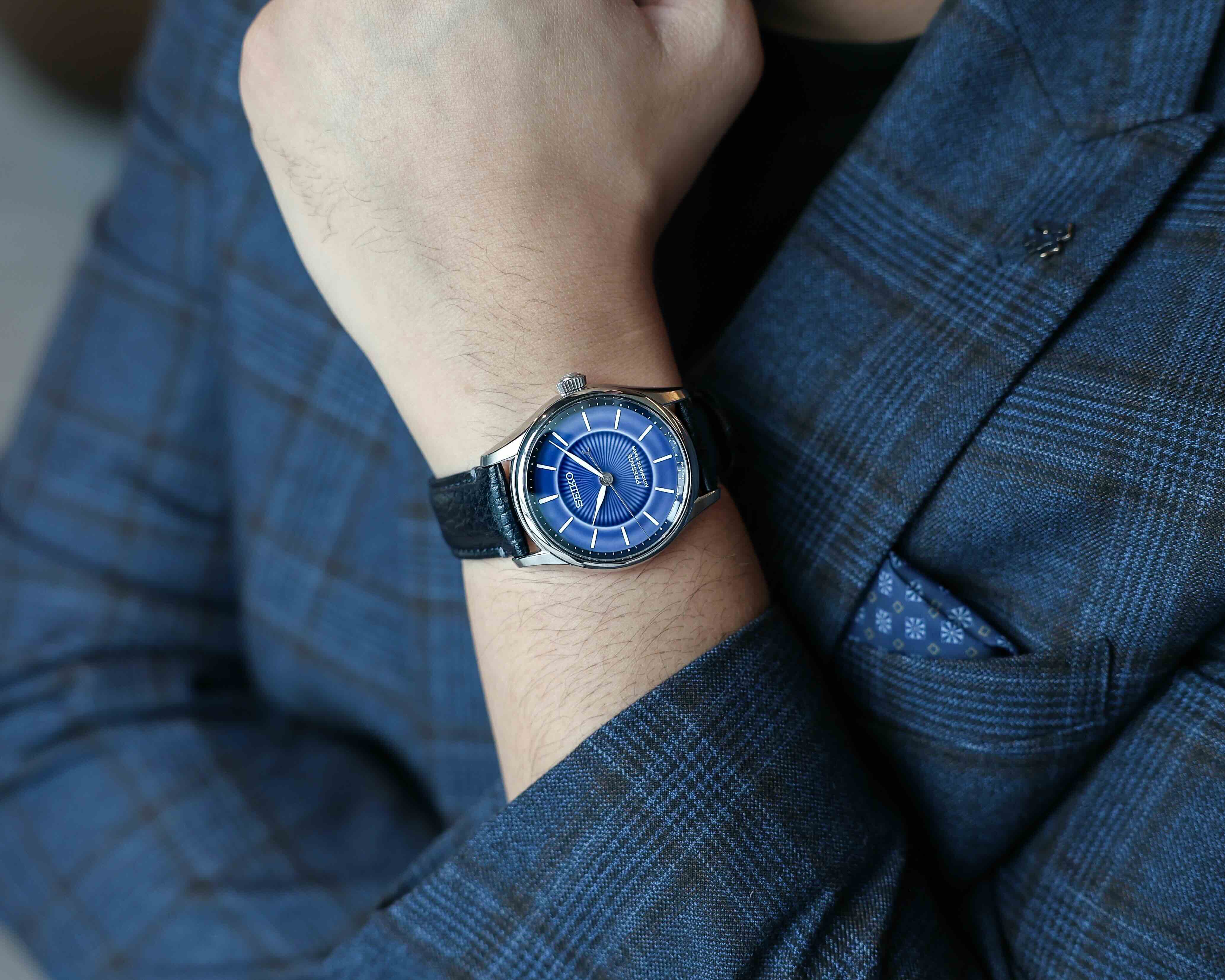
But does the average Joe know or even care about all of that? Usually, probably not. Yet even without knowing the centuries of heritage or delicate skills underpinning its creation, the dial is gorgeous to behold. Understanding the context behind the craft simply gives the wearer another reason to love something that was already beautiful. The approach clearly worked, too, as all 1,500 pieces are already sold out.
At the end of the day, the recognition of beauty is why we still make watches in the first place. Whether it’s found in the end result or the years upon years of inherited skill required to produce it, this Seiko Presage has given us plenty of reason to appreciate both.
Reference & Specifications
| Feature | Specification |
|---|---|
| Reference | HCC007 |
| Dimensions | 39.6mm case diameter x 46.8mm lug-to-lug x 12.8mm thickness |
| Case | Stainless steel |
| Dial | Blue Arita porcelain with white accents |
| Crystal | Sapphire |
| Caseback | Open, sapphire |
| Movement | Automatic Cal. 6R51 |
| Power Reserve | 72h |
| Beat Rate | 3Hz / 21,600VpH |
| Water Resistance | 30m/ 3bar |
| Strap/Bracelet | Dark blue calfskin leather strap with steel deployant clasp |
Australian Retail Price: $2,700
Availability: Limited to 1,500 pieces, sold out. See SeikoBoutique.com.au for more information.
Image Gallery