

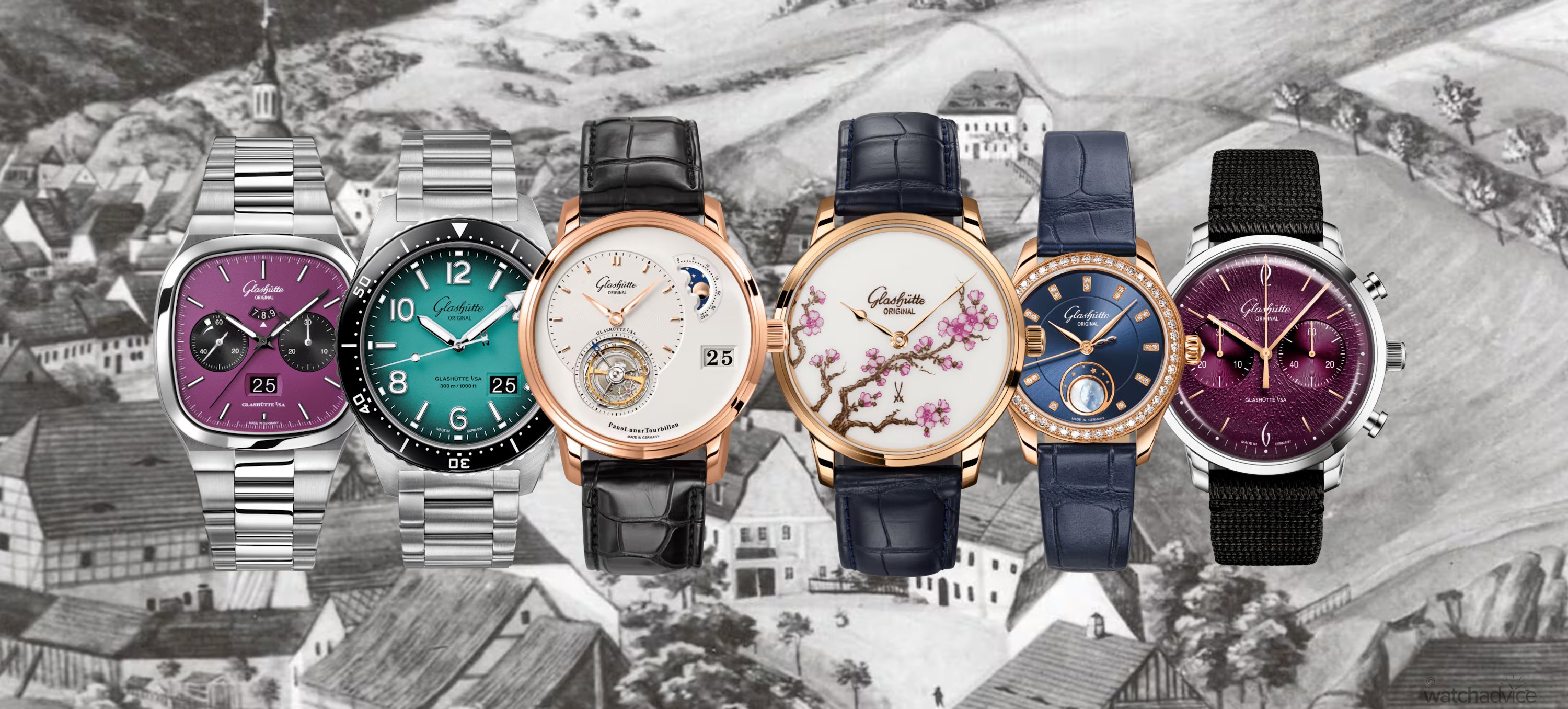
From Glashütte Original’s roots in Saxon watchmaking to the distinctive modern collections, discover the history, designs, and craftsmanship that define this incredible German watchmaker!
Glashütte: The Home Of German Watchmaking
When it comes to fine watchmaking and exceptionally crafted timepieces, Switzerland is the place you would look to. However, just across the border in Germany lie rich horological traditions that deserve just as much attention. The town of Glashütte in Saxony has quite the history when it comes to watchmaking, giving rise to several exceptional brands like A. Lange & Söhne, NOMOS Glashütte and, of course, Glashütte Original. These brands have helped establish the region as one of the world’s most respected centres of fine watchmaking.
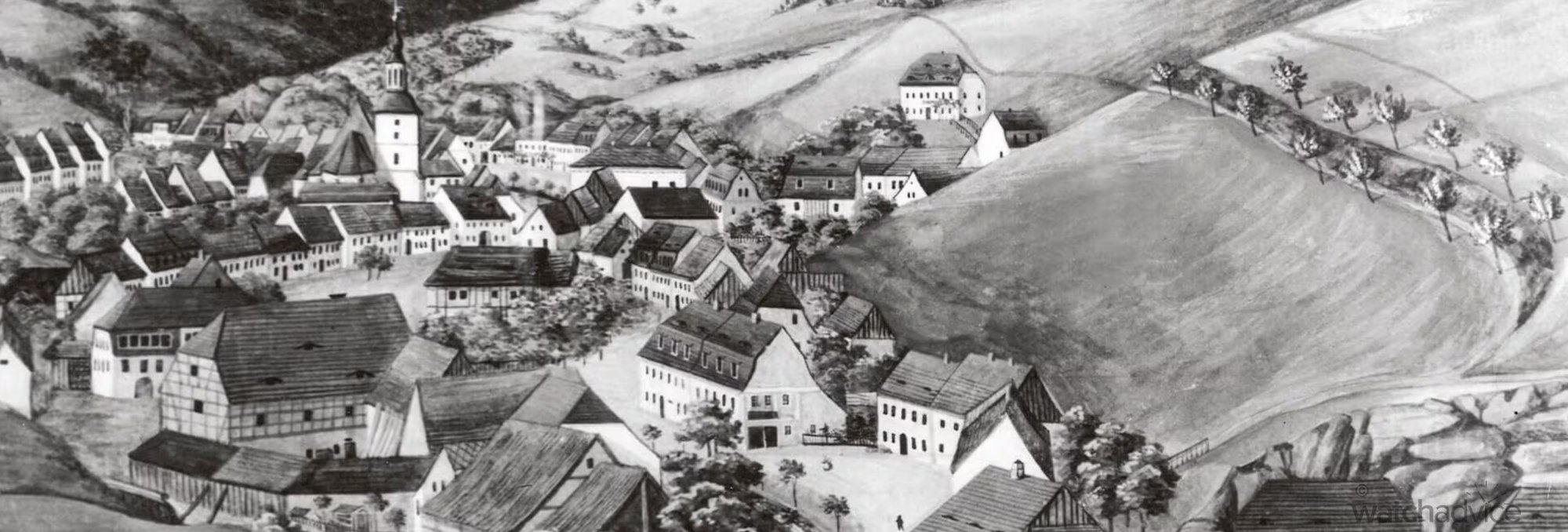
Before watchmaking became one of the foundations of Glashütte, the area was primarily a mining town in Saxony’s Ore Mountains, situated approximately 30km from Dresden. By the early nineteenth century, the decline of the local mining industry had created considerable economic hardship due to the loss of employment opportunities. This created a need for new opportunities and industries to settle in.
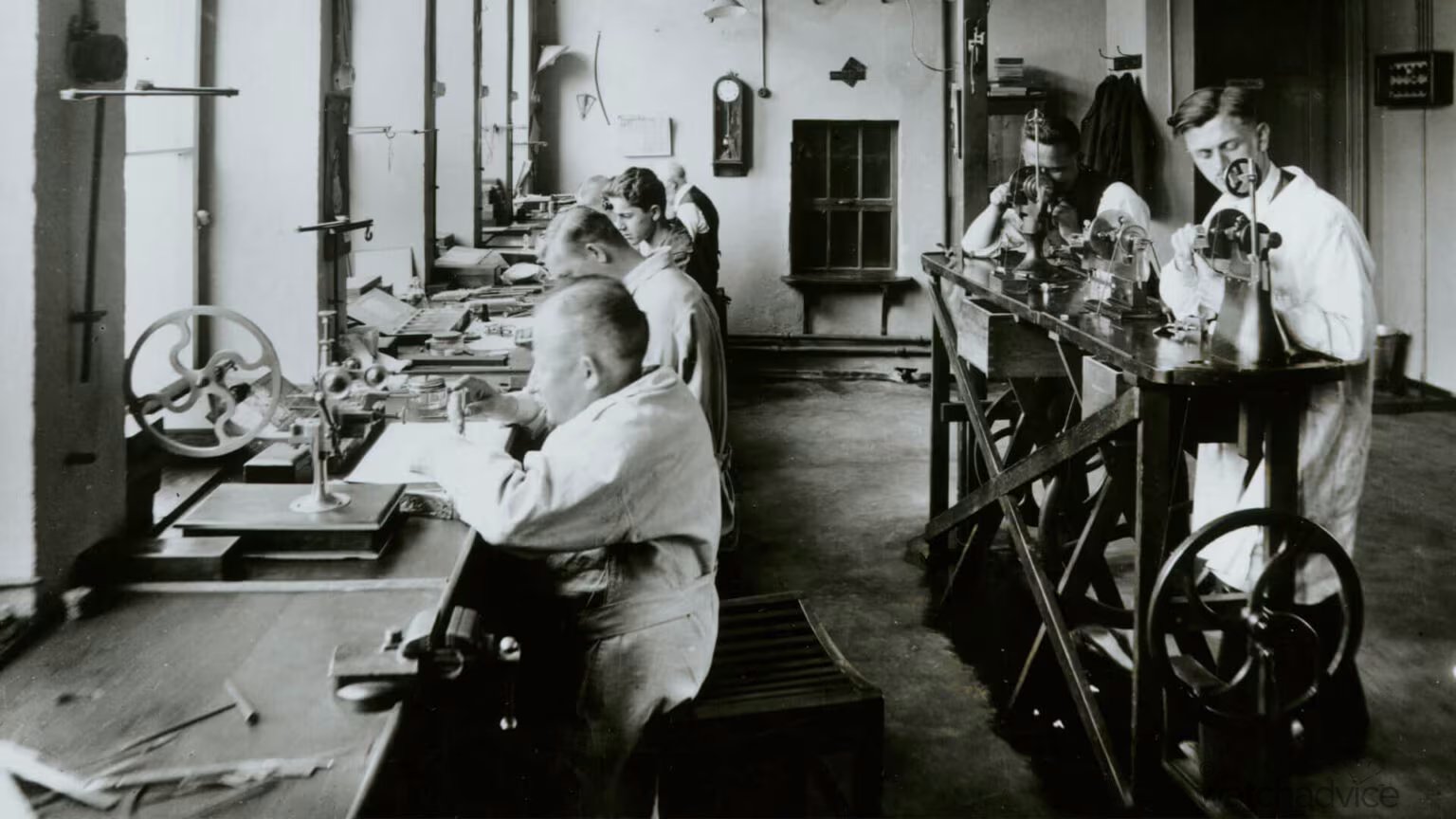
In 1845, that’s exactly what happened, as the renowned watchmaker Ferdinand Adolph Lange established a watchmaking business in Glashütte, receiving financial backing from the Kingdom of Saxony to do so. Lange began training local apprentices, helping to establish a new industry by developing watchmaking skills among local residents. And the payoff was immense, as over the following decades, Glashütte transformed from a struggling mining town into a recognised centre for precision watchmaking.
The Story Behind Glashütte Original
So you may be wondering at this point: how did Glashütte Original come about? Well, the story of this brand is a little unconventional, as its path to becoming the watchmaker we know today was shaped by periods of turmoil in Germany.
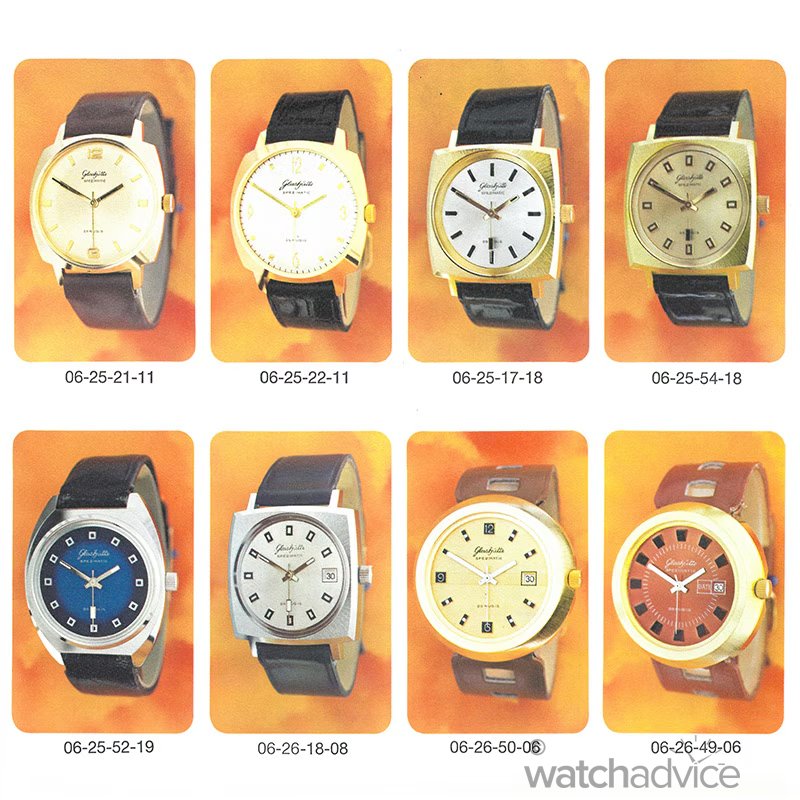
Glashütte’s watchmaking started to thrive from the mid-nineteenth century, with different generations of watchmakers developing highly specialised knowledge in horology, whether it be movement construction, precision engineering or finishing. However, this growth would be disrupted by the World Wars. In 1951, under East Germany’s socialist government, the town’s watchmaking businesses were consolidated into a state-owned enterprise called VEB Glashütter Uhrenbetriebe (GUB).
What this essentially did was bring much of Glashütte’s watchmaking expertise together under one roof, preserving capabilities that would later help shape the modern brand. Following German reunification in 1990, the enterprise underwent restructuring, with privatisation following in 1994. That same year, the Glashütte Original brand name was adopted, reflecting the company’s intention to preserve the region’s watchmaking heritage.
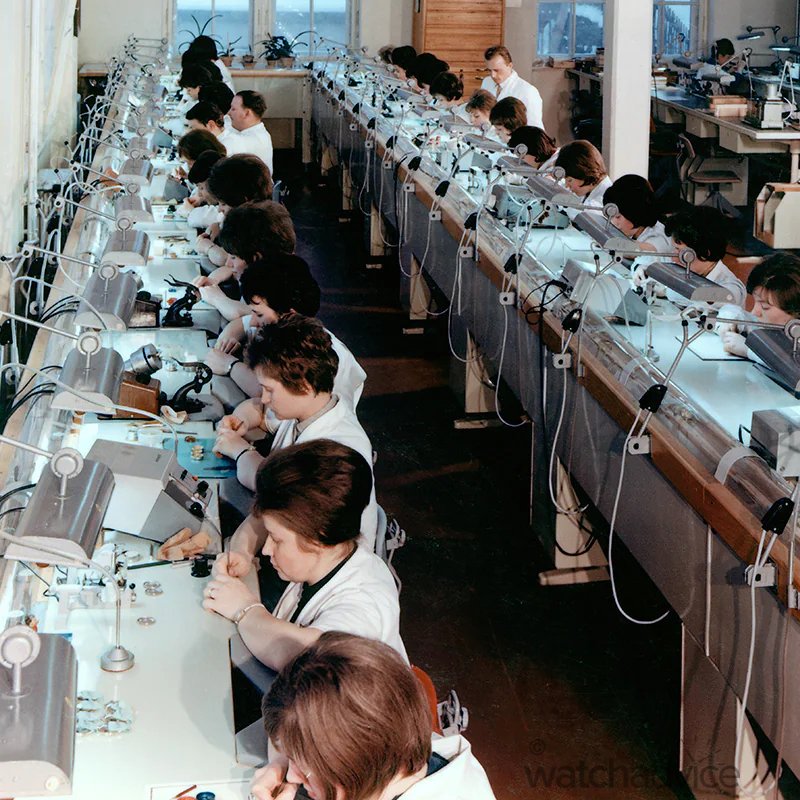
Following the rebranding to Glashütte Original, the watchmaker shifted its focus towards producing high-end mechanical timepieces, drawing on the skills, knowledge and manufacturing expertise inherited from its predecessor. And this is where Glashütte Original really started to develop its modern watchmaking identity. Rather than concentrating on mass-produced timepieces, the brand built its identity around Glashütte’s reputation for precision engineering, traditional craftsmanship and, of course, complex mechanical watchmaking.
Despite its early achievements, Glashütte Original remained a relatively small manufacturer, with limited distribution on the international stage. Its growing ambitions called for additional investment, greater production capabilities and exposure to different markets. In 2000, the brand gained support for that growth when the Swatch Group acquired it, bringing Glashütte Original into its portfolio of luxury watchmaking brands.
With the support of the Swatch Group, Glashütte Original was able to tap into its international distribution network and resources, allowing the watchmaker to expand while maintaining its identity. This support helped Glashütte Original remain focused on what it does best: delivering technically sophisticated and visually stunning timepieces, with exceptional craftsmanship to boot.
Exploring The Collections Of Glashütte Original
Over the past few decades, Glashütte Original has kept its core identity intact through the various collections in the brand’s modern catalogue. It has worked to ensure that the history of German watchmaking remains the foundation of these modern collections. However, over time, the brand has also expanded its offering beyond the traditional dress watches for which it is well known.
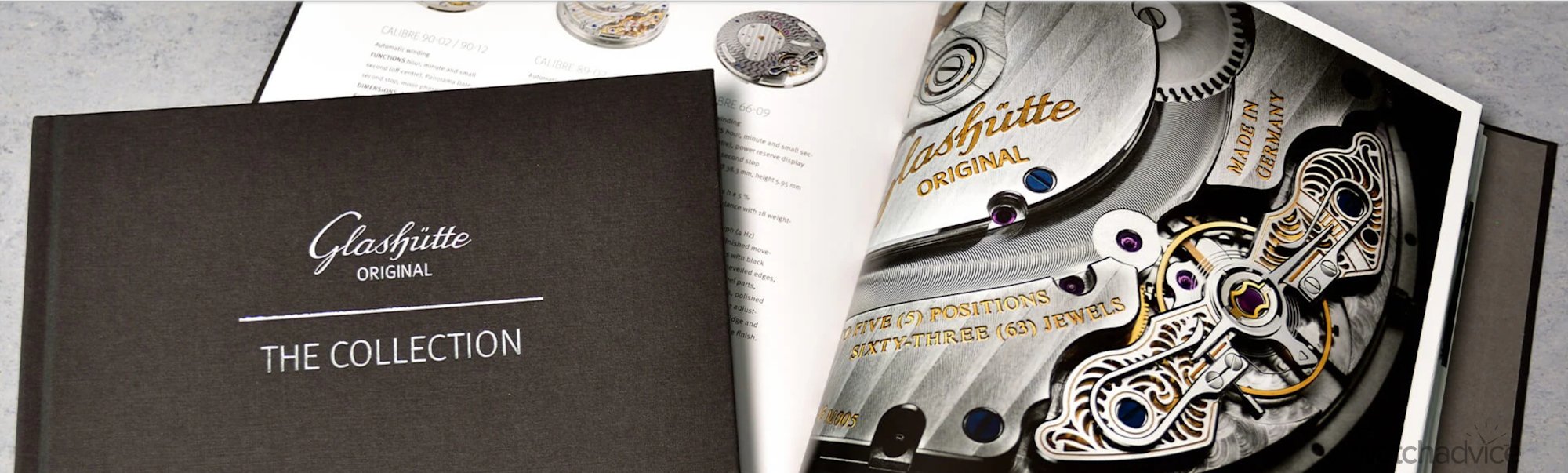
Its range includes classical watches that house complex mechanisms, unconventional asymmetric designs, professional diving watches and collections dedicated to vintage-inspired styling. Although these designs differ considerably from each other, there is a common thread that links them all together: the brand’s commitment to watchmaking and the German craftsmanship that we know to be exceptional.
When you look at the brand’s modern catalogue, it is currently divided into five main collections: Senator, Pano, Spezialist, Vintage and Serenade. Within the Vintage collection, the Sixties and Seventies families explore two distinct decades, with the newer 70s line adding another interpretation of the latter. As you may have guessed, these watches take inspiration from the design character of their respective eras.
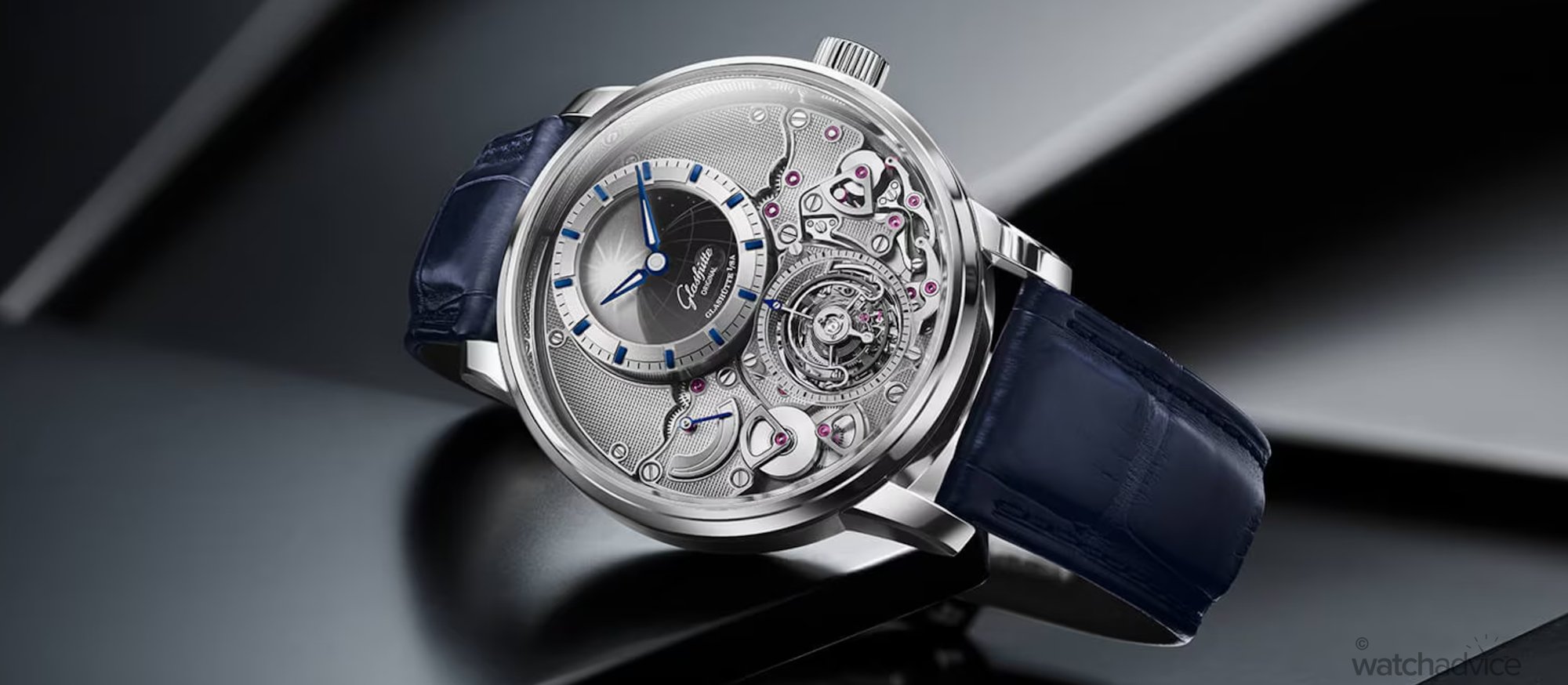
Part of Glashütte Original’s appeal is that each of these collections has its own recognisable identity and characteristics, from the case architecture and dial layout to the various complications and, of course, that incredible finishing. This variety makes the watchmaker appealing to different tastes, with a broad choice of designs catering to individual preferences, all backed by the high standards associated with Saxon watchmaking.
Senator: Classic German Watchmaking
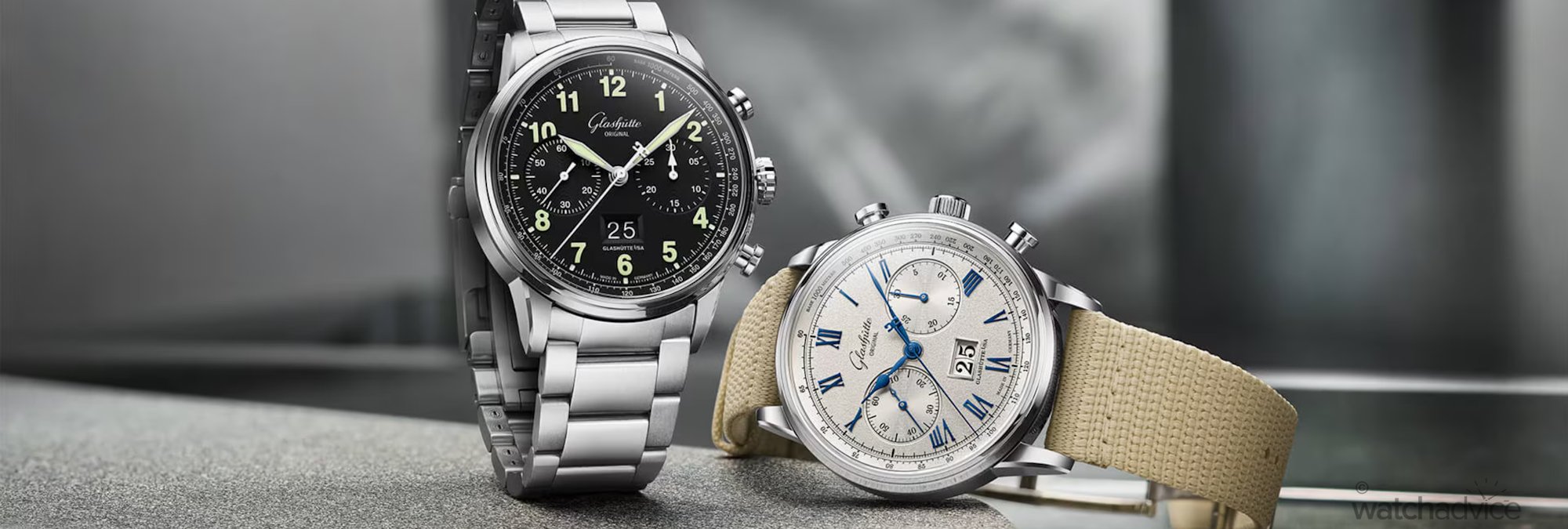
Glashütte Original’s Senator collection is its expression of traditional German watchmaking. The brand first introduced the Senator collection in 1997, establishing a classical aesthetic that remains a core part of its identity. The collection brings traditional German watchmaking into a contemporary wristwatch, combining elegance, functional design, and sophisticated mechanical watchmaking.
As you can see from the outset, the timepieces feature classical round cases with elegant proportions, a defining trait of the collection’s identity. These characteristics make many Senator models perfectly suited to elegant dress watch duties. The collection’s clear displays and timeless styling provide a beautiful setting for the increasingly complex watchmaking within.
It’s not just elegant and simple designs that feature in the Senator collection, either. Back in 1999, Glashütte Original introduced the Senator Classic Perpetual Calendar, showcasing the manufacture’s technical capabilities while emphasising the timepiece’s overall readability and understated elegance. Today, the Senator collection features an extensive range of models, from watches with date and moon-phase complications to chronographs, porcelain-dial creations and exceptional tourbillon timepieces.
Pano: The Art Of Asymmetry
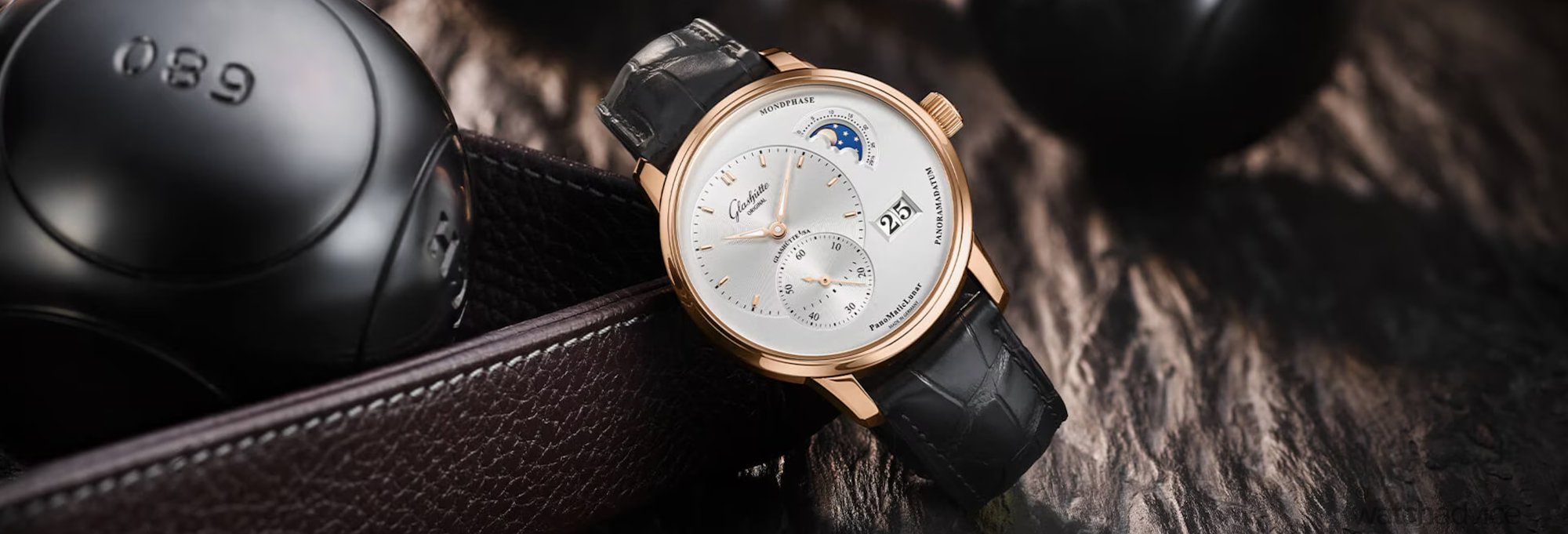
Glashütte Original’s Pano collection takes a slightly different stylistic approach compared to the Senator line. While the Pano collection’s official launch is attributed to 2003, Glashütte Original introduced the PanoRetroGraph earlier, in 2000. The standout feature of this collection is the asymmetrical dial layout, which brings a contemporary design aesthetic to the brand’s watchmaking.
This asymmetrical dial layout is inspired by the golden ratio, a mathematical relationship associated with visual harmony that brings balance to the different displays. On signature models like the PanoMaticLunar, the hours, minutes, and small seconds occupy the left side, leaving plenty of room for the moon phase and Panorama Date on the right. This specific arrangement allows each indication its own space on the dial, creating a display that is well balanced even though it is distinctly asymmetrical.
The modern Pano collection includes both automatic and manually wound timepieces, with the asymmetrical display remaining a core part of its identity throughout the range. The collection offers both stainless steel and precious metal cases, providing different expressions of the same distinctive design.
The models in the Pano collection range from complex calendar displays and Inverse models, which showcase the movement on the dial side, to moon-phase designs and highly complicated watches featuring tourbillon mechanisms.
Spezialist: A Heritage Beneath The Surface
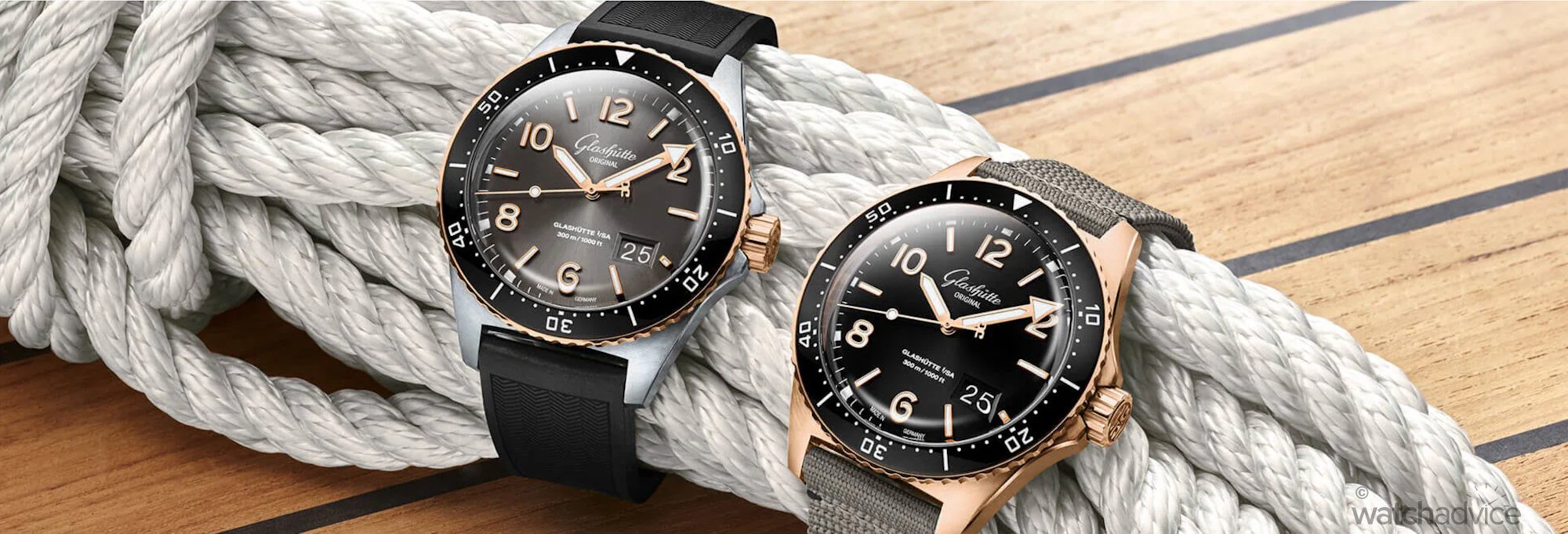
The Spezialist collection was first introduced in 2019, drawing inspiration from Glashütte’s history of producing precision instruments for use on land, at sea, and even in the air. Basically, the collection was created for the more adventurous person, which meant that reliability and robustness were two core elements of its identity. The modern Spezialist collection revolves around the SeaQ models.
The SeaQ was the debut timepiece in the Spezialist collection, taking inspiration from the Spezimatic Type RP TS 200 of 1969, a watch developed specifically for sports divers. As you may have guessed already, the SeaQ has a diving identity. With the current Spezialist line consisting entirely of SeaQ models, including the SeaQ Chronograph, Panorama Date, and “Northern Tide” editions, these are all diving watches.
There are also distinctive design elements shared across many SeaQ models, such as large Arabic numerals combined with prominent hour markers, generous use of luminescent material and unidirectional rotating bezels, alongside different strap materials and colourful dials.
Vintage Sixties: The Spirit Of An Era
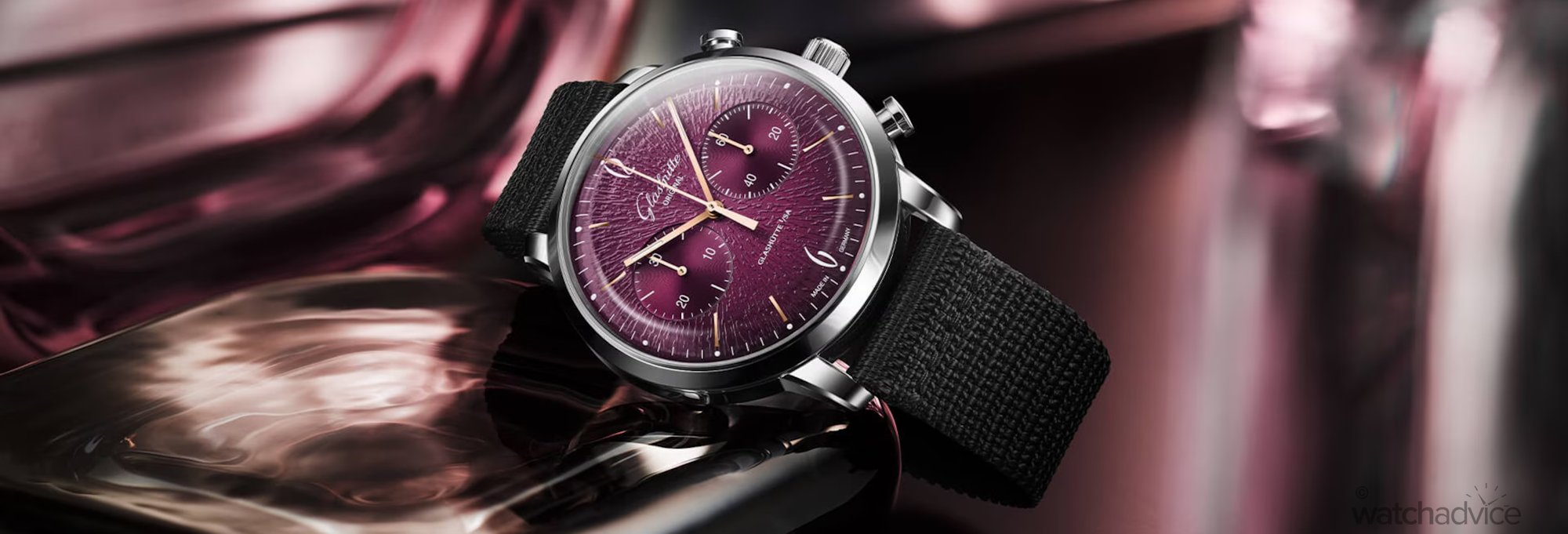
As mentioned earlier, Glashütte Original revived the distinctive styling of the 1960s and 1970s with its Vintage collection. Both eras are represented by distinct families within the broader Vintage line. These families carry very different designs, combining vintage inspiration with a contemporary aesthetic. Glashütte Original introduced the modern Sixties line in 2007, with its identity built on rounded cases, domed dials and a mixture of baton-style hour markers and Arabic numerals.
The collection features an elegant and simple design, much like the classic Senator line, with slender hands and finely cut hour markers giving it that vintage-inspired aesthetic. The use of colour is also an important part of the Sixties collection’s identity, with selected editions exploring vibrant shades and dégradé finishes that darken towards the dial’s edge.
The range of Sixties models currently in Glashütte Original’s lineup includes the 39mm three-hand Sixties, alongside 42mm Panorama Date, Small Second and Chronograph models, offering different functions within the same retro-inspired design language.
Vintage Seventies: Bold Shapes And Expressive Colour
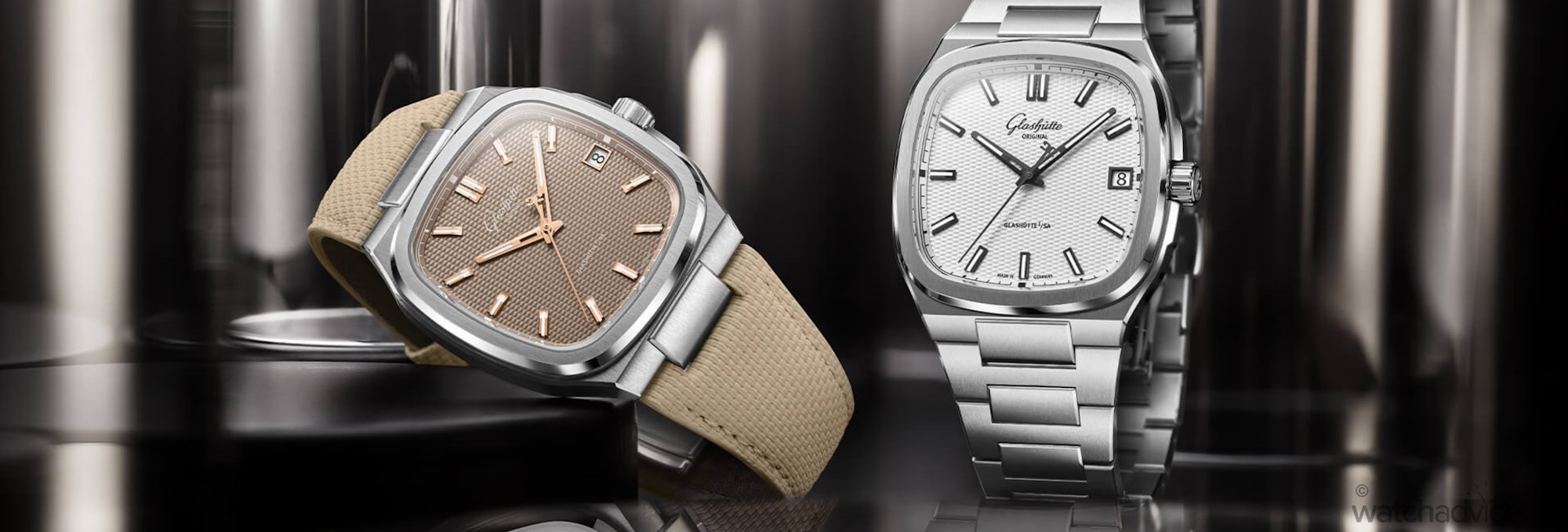
Four years after the introduction of the Sixties line, Glashütte Original introduced another vintage-inspired line: the Seventies. This time, however, it took on a more adventurous design, one that reflected the design spirit of that era. It brought back the decade’s distinctive shapes in the form of a rounded square case, reflecting the contemporary styling of the time.
A historical reference point for this design lies with the Spezichron of 1978, produced by Glashütter Uhrenbetriebe, whose rectangular case with rounded corners reflected the era’s fascination with modernist design and “TV-shaped” watches. And while this was a defining feature of the Seventies line, there was another design element that made it stand out in Glashütte Original’s modern lineup: the dial.
Firstly, the rounded square case and dial opening recall the silhouette of vintage televisions, while past editions like Disco Blue and Vibing Orange capture the decade’s bold, playful style. The dials’ colours and textures also have their own inspirations, which vary between editions. Currently, this seventies-inspired styling is represented by the newer 70s three-hand models and the Seventies chronographs, which feature some of the most colourful dials in Glashütte Original’s lineup.
Serenade: Elegance In The Details
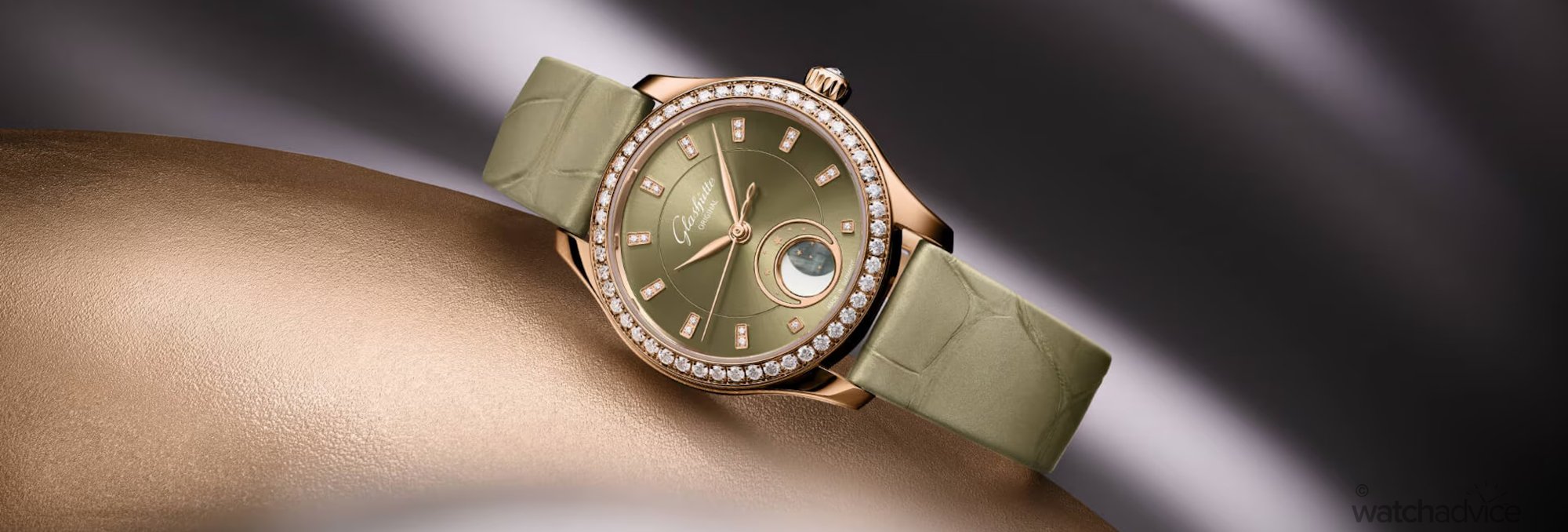
Glashütte Original introduced Lady Serenade in 2007 as a dedicated line of classic women’s watches. The line brought together elegant case designs and decorative dials, emphasising its feminine styling. There are also more jewellery-focused expressions featuring diamond-set bezels and dials, offering a more luxurious interpretation of the Serenade line.
In the modern Serenade collection, there are three families: the Serenade, which features three-hand models with a date complication at 6 o’clock; the Serenade Luna, which features a moon-phase complication at 6 o’clock; and the Pavonina, which takes a different stylistic approach with a cushion-shaped case inspired by the 1920s and flexible lugs designed to follow the wrist.
The dial aesthetics across the three families share an emphasis on decorative finishes, with mother-of-pearl, sunray finishing or guilloché decoration appearing on different models. This gives each model its own interpretation of elegance, bringing together refined dial craftsmanship and the distinctive character of Glashütte Original.
Inside The Glashütte Original Manufacture
With the various collections in Glashütte Original’s lineup, the brand is able to showcase different sides of the manufacture, from vintage-inspired designs and classical, elegant dress pieces to more contemporary designs. However, there is another side of the brand that helps it stand out from the crowd, and that is what happens inside the manufacture.
The Saxon watchmaker is known for developing and producing its own mechanical movements, with its internal capabilities including component production, movement finishing, dial making, assembly, and testing of the individual timepieces.
The manufacture produces many of its own movement parts, including base plates, bridges, rotors, levers, and even tourbillon cages. It goes even further than that, also designing and making some of its own testing equipment, highlighting the breadth of its engineering capabilities. WatchAdvice was fortunate enough to visit the Glashütte Original manufacture in Germany, where we got a closer look behind the scenes and gained a much deeper understanding of what makes the brand tick and what makes it so special.
For those who may be unaware, watchmakers based in Saxony are well known for producing beautifully finished movements. They pay meticulous attention to detail to ensure that the craftsmanship meets high standards, reflecting the German watchmaking tradition that Ferdinand Adolph Lange helped establish in Glashütte.
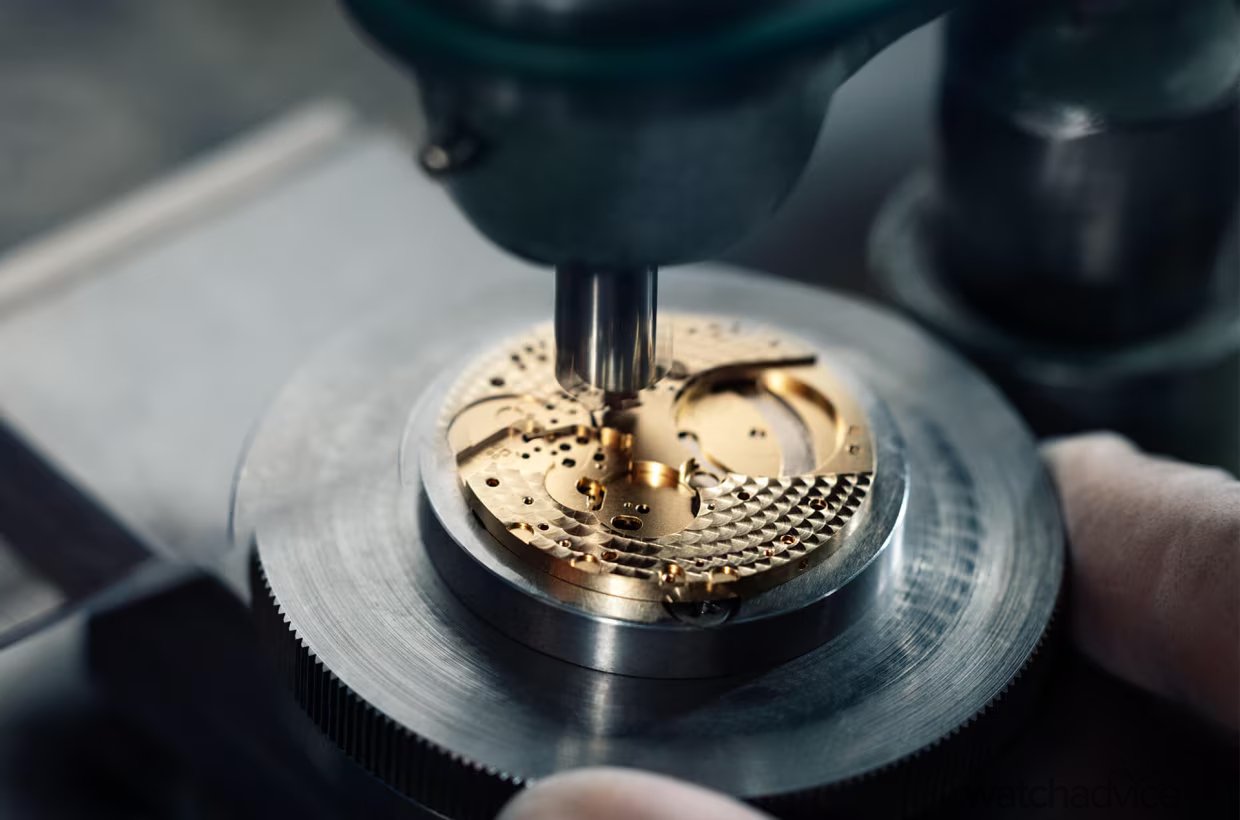
While inside the manufacture, we got to see the artisans and watchmakers carrying out different finishes, such as perlage, bevelling, and polishing, within the finishing department. Perlage creates overlapping circular patterns on movement surfaces and is often what you see on main plates as the backdrop. Bevelling, on the other hand, gives component edges an angled profile that is then polished. Again, you see this on many different movement components, a visible detail found across Glashütte Original’s movements.
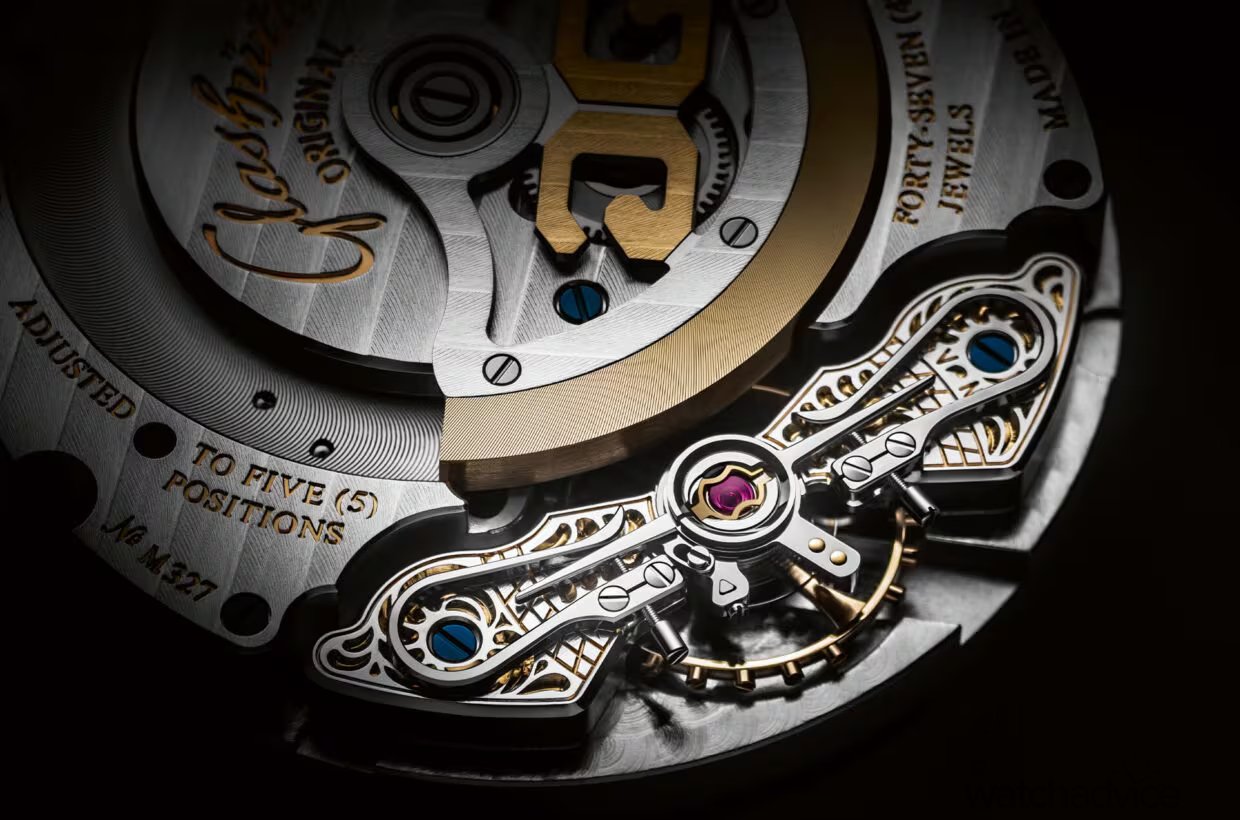
There are also selected movements within the manufacture that feature hand-engraved balance bridges, for example, the PanoMaticLunar’s Calibre 90-02. Alongside the three-quarter plate decorated with Glashütte stripes, blued screws, and polished steel components, this decoration showcases the skill of the manufacture’s craftspeople, with these details visible through the PanoMaticLunar’s sapphire caseback.
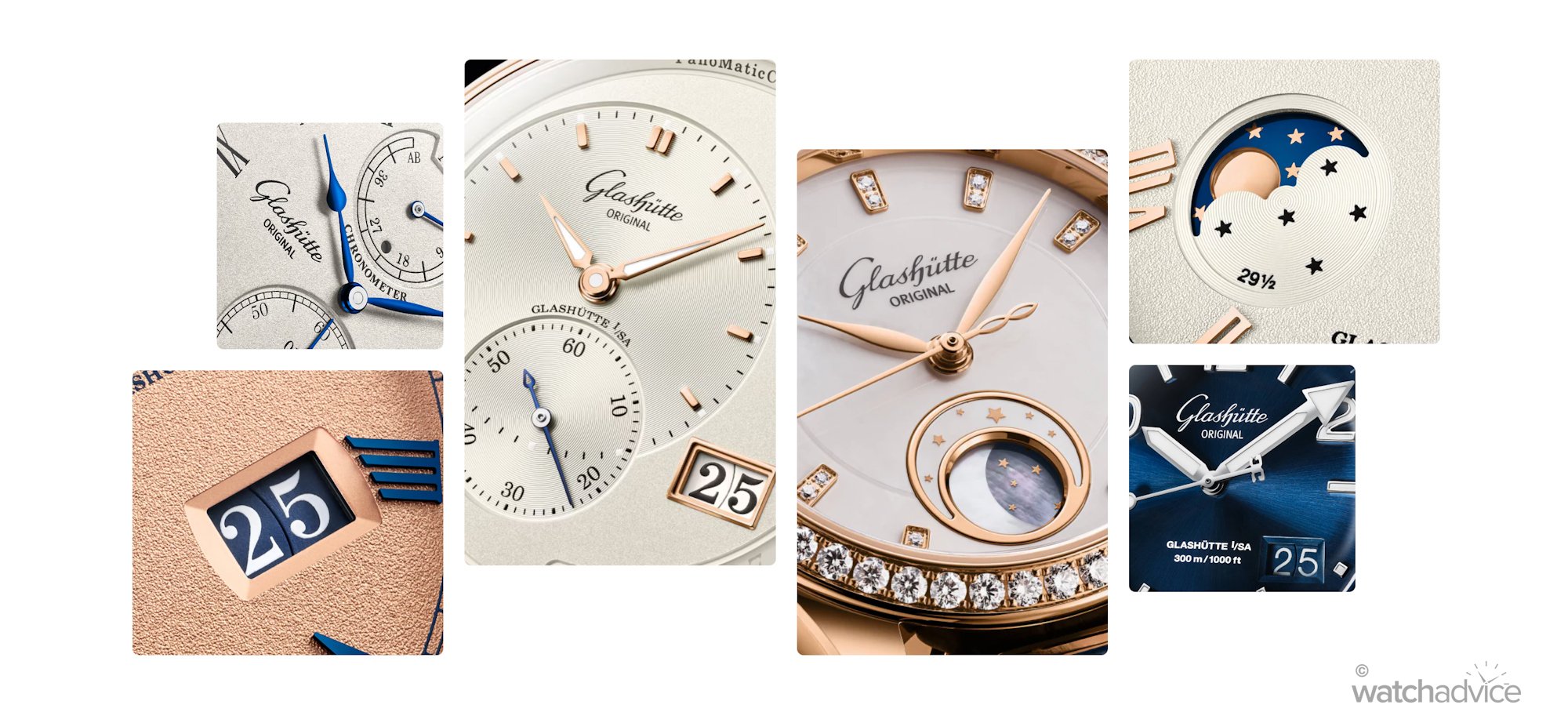
In 2025, Glashütte Original brought its dial production from Pforzheim to Glashütte, which was a massive step forward for the brand. Not only did it bring dial making closer to the assembly and testing departments of the manufacture, but it also reduced the need to transport dials between the two locations. This brought the artisanal work involved in creating its distinctive textured and decorated dials closer to the wider manufacture.
For example, going back to the PanoMaticLunar, the silver dial of this timepiece undergoes approximately 40 production steps. The moon-phase disc is also produced in-house, with the moons shaped using a specific milling tool and then polished with a diamond-tipped tool. This attention to dial craftsmanship extends into other collections, such as selected Sixties editions, which feature intricate embossed textures created using historic tools and techniques, while the Serenade Luna showcases handcrafted mother-of-pearl dials.
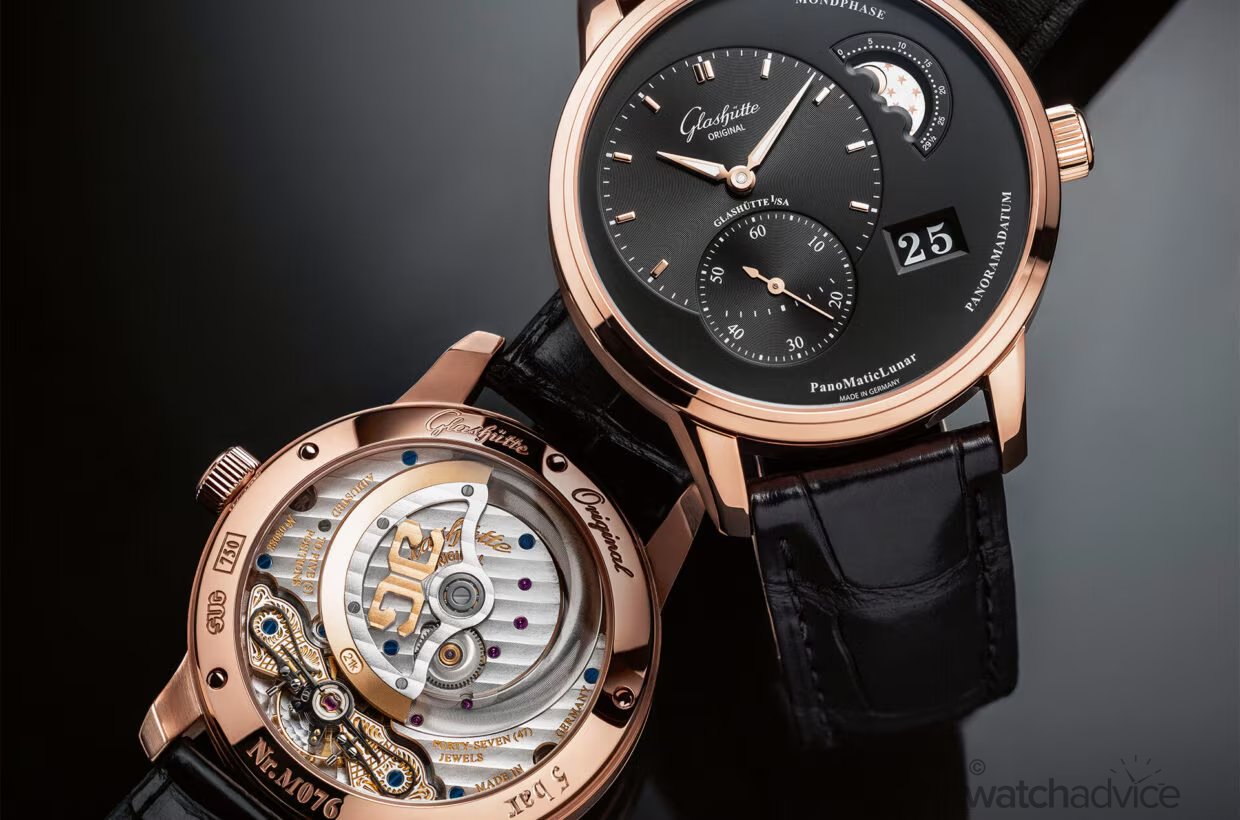
And that’s one of the highlights of Glashütte Original. The brand’s expertise extends from movement construction and finishing to the craftsmanship of the dial, bringing these different disciplines together in one timepiece on the wrist. Behind each timepiece are skilled watchmakers and artisans whose work can be appreciated in everything from an engraved balance bridge and intricately textured dial to the craftsmanship of a highly complex mechanism like the tourbillon. Seeing how these details come together offers a deeper appreciation of the manufacture and the care invested in its watches.
Final Thoughts
What defines Glashütte Original is its identity, closely tied to the town of Glashütte and the people behind its watchmaking traditions. You could argue that the brand’s origins encompass much of what German watchmaking represents. Under East Germany’s socialist government, the town’s watchmaking businesses were consolidated into a state-owned enterprise, bringing much of Glashütte’s watchmaking expertise under one roof. Its successor is the company we now know as Glashütte Original.
The brand has depth, too, when it comes to its various collections. While vintage-inspired aesthetics remain prominent in parts of the catalogue, the brand offers different styling, from rounded square case designs to the current SeaQ diving watches, showing that heritage can take different forms. This variety in design and wearability gives collectors and enthusiasts several different ways to connect with the brand.
But that’s just the icing on the cake of what makes Glashütte Original worth exploring. As we know with German watchmaking, the craftsmanship extends far beyond what you see on the exterior. From the hand-engraved components and stunning decorative finishing to the intricate dial work, every Glashütte Original timepiece is worth a closer look. Personal preference might draw someone towards a particular collection, but it’s the brand’s attention to detail that encourages them to explore further.