

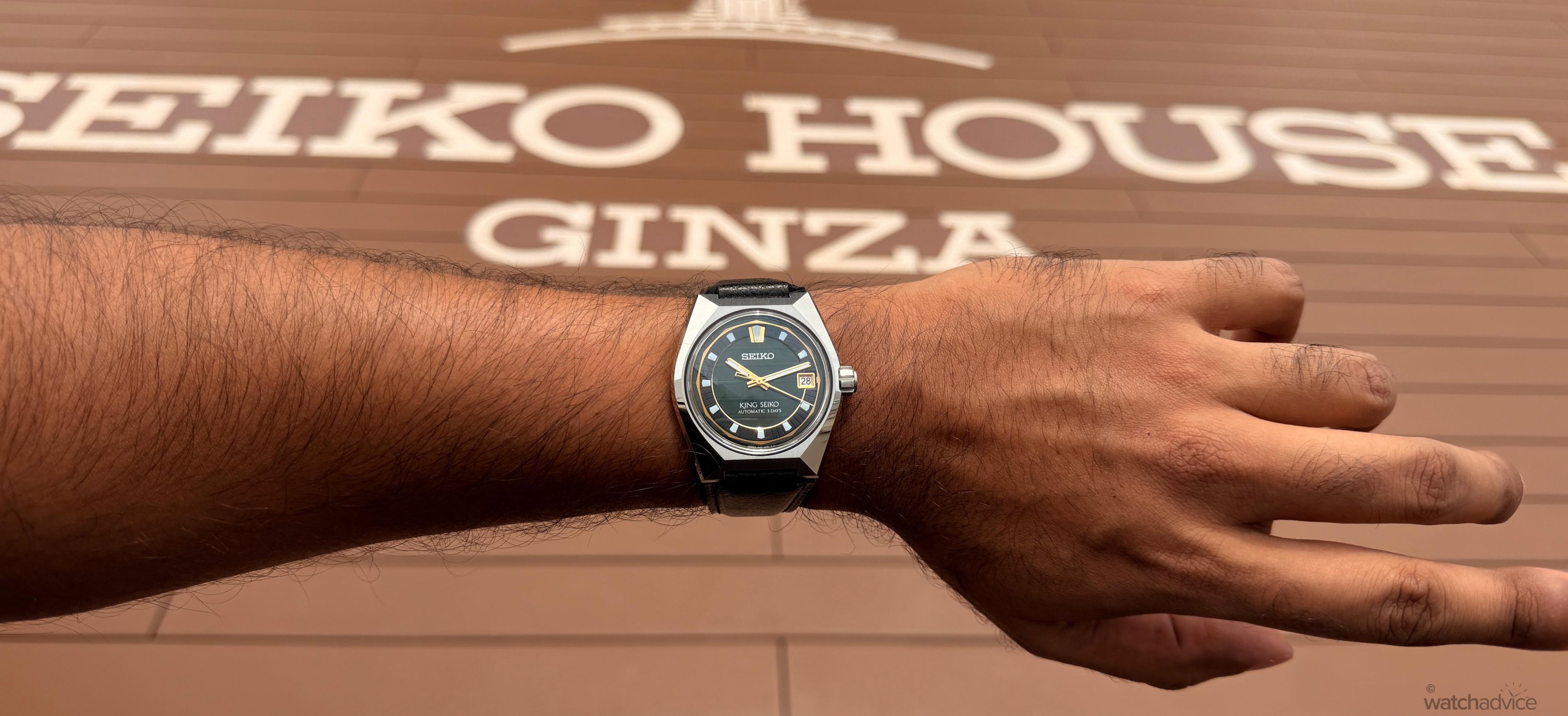
Discovering Japan for the first time, from neon-lit cities to historic temples, with the King Seiko VANAC along for the ride.
My First Time In Japan
Of all the countries I’ve been fortunate enough to travel to, Japan was one that had always eluded me. It had been on my bucket list for some time, but this year I finally had the opportunity to make my first journey to the Land of the Rising Sun. Having seen countless photographs and videos of Japan beforehand, whether through friends or social media, I felt like I already had a reasonable idea of what to expect when I landed.
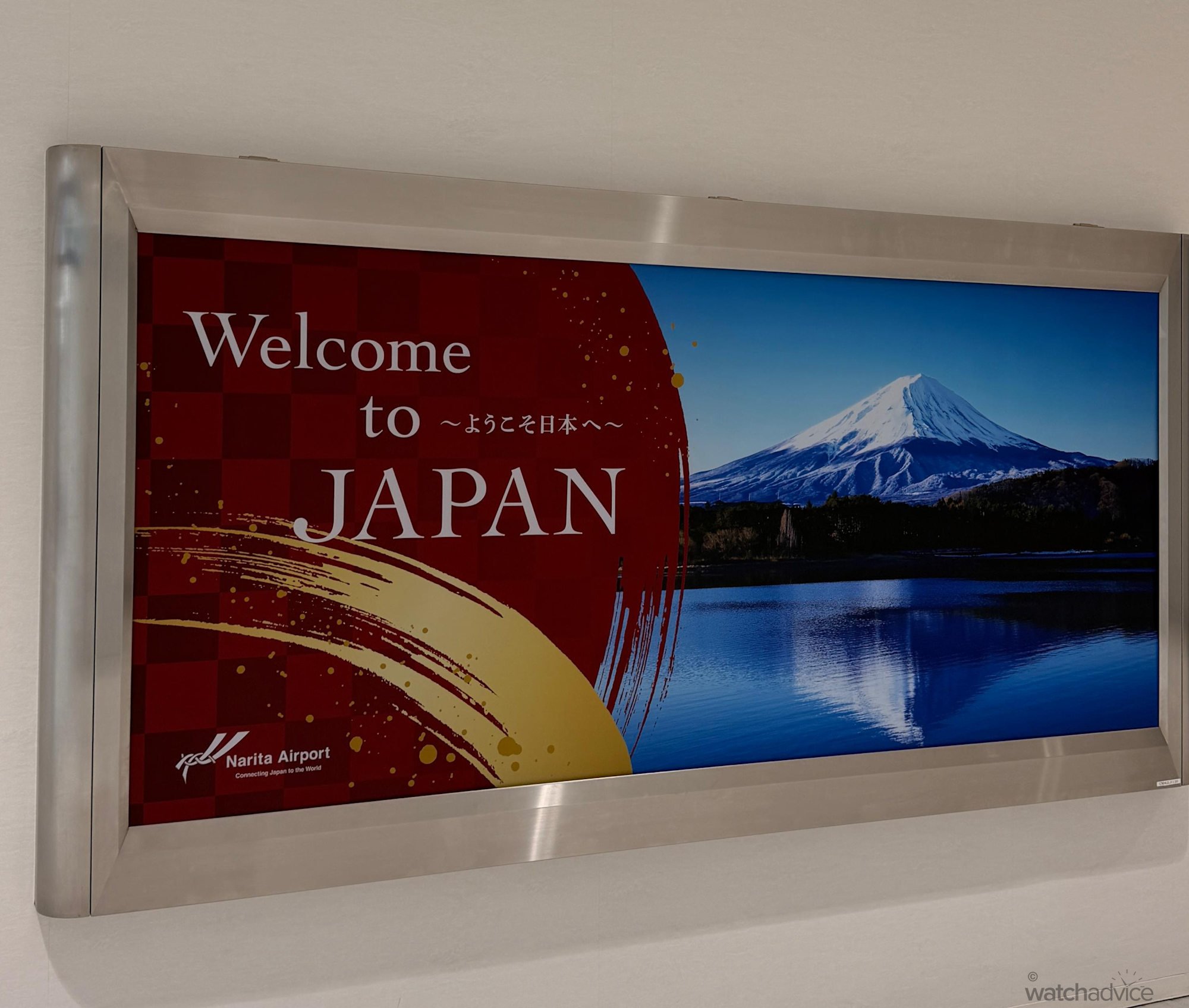
But as is often the case with travel, seeing a country or place through a screen and actually experiencing it are two completely different things. My trip to Japan first started in Tokyo, and it didn’t take long before I realised the sheer scale of this gigantic city was starting to make an impression on me. As I’ve said, I’ve travelled to my fair share of countries and cities, but Tokyo immediately felt different from anything I’d experienced before.
Accompanying me on this trip was the King Seiko VANAC (Ref. SLA095), a timepiece I had chosen because not only was it different from Seiko’s more traditional offerings, but it also had plenty of history behind it, much like the country I was visiting. Rather than simply photographing a Seiko around Japan, the trip gave me an opportunity to see how the watch fitted into the country that created it. The VANAC is a contemporary King Seiko that draws inspiration from the bold VANAC designs of the 1970s, bringing that history into a distinctly modern package.
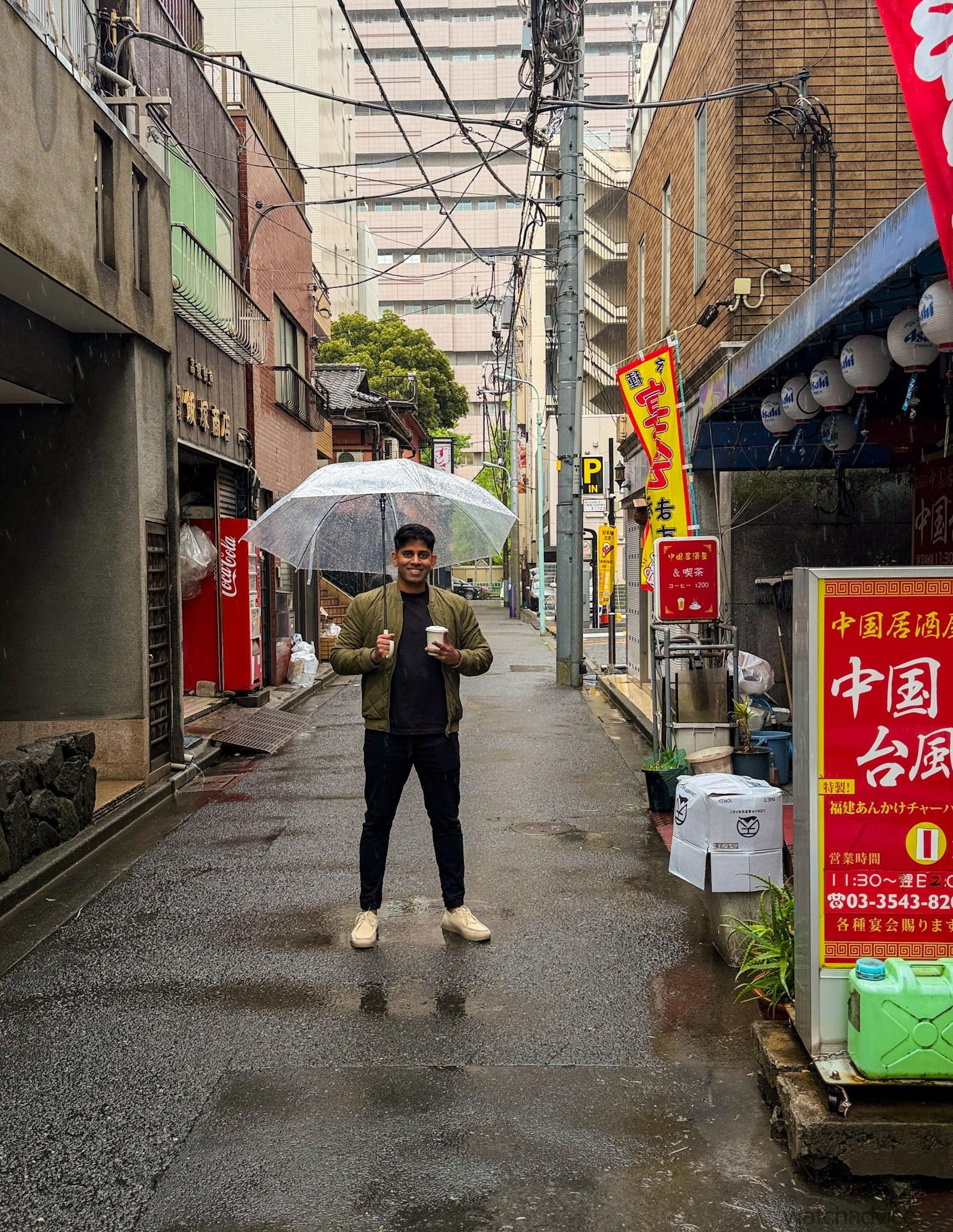
This isn’t meant to be another conventional watch review, but rather an opportunity to experience Japan for the first time and share my thoughts and experiences along the way, while also seeing what it was like to have a King Seiko VANAC along for the journey in the timepiece’s birthplace. And as you’ll see throughout this trip, the relationship between past and present exists not only through the VANAC, but throughout Japan itself.
Getting To Know Tokyo
I first landed in the heart of Japan, Tokyo, on a beautiful sunny day. What immediately stood out to me was how enormous the city was, with tall buildings everywhere and a scale that felt completely different to what I’m used to back home in Brisbane, Melbourne or Sydney. Despite seeing Tokyo countless times in photos and videos, they will never do it the same justice as seeing the city for the very first time and physically being surrounded by everything. It was another experience altogether.
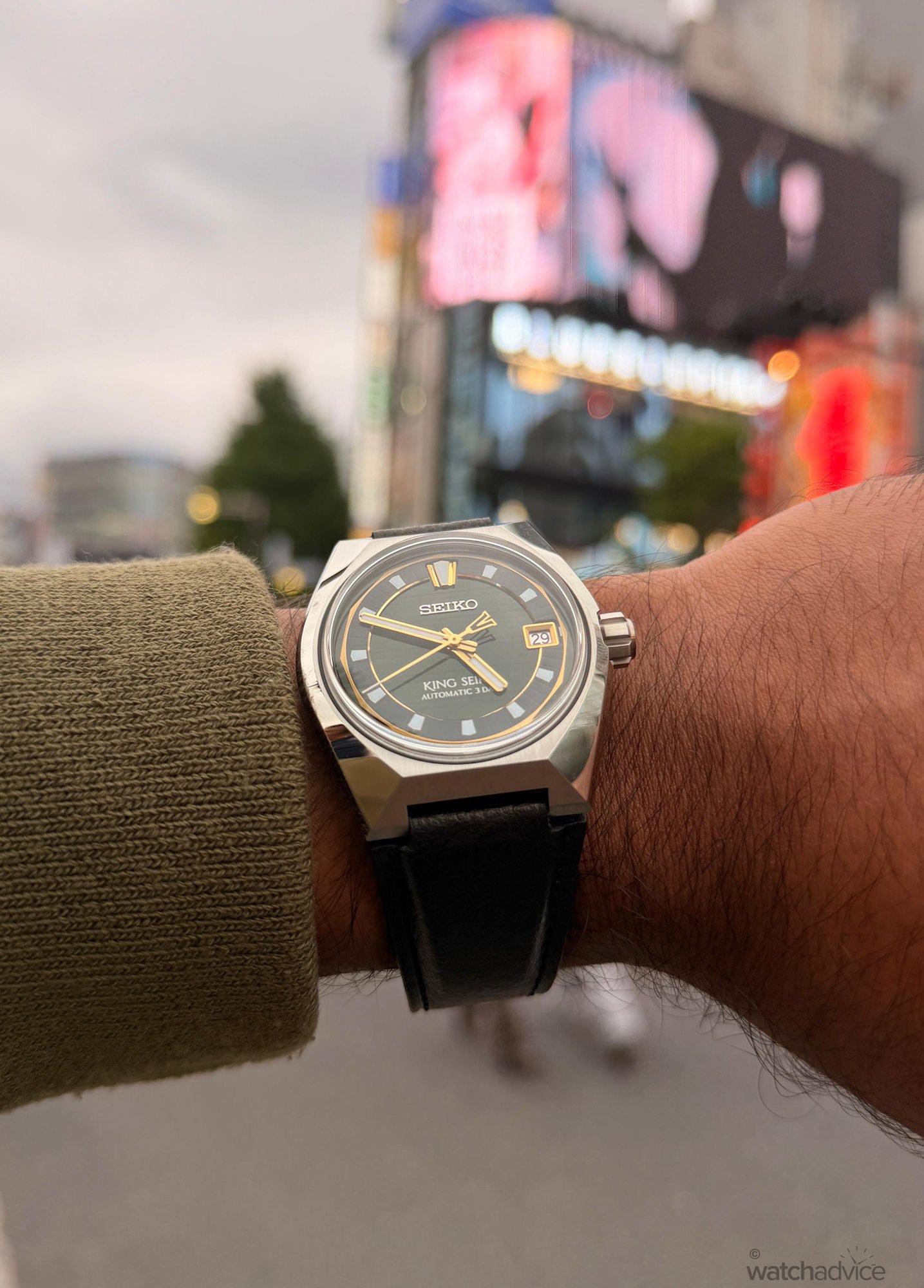
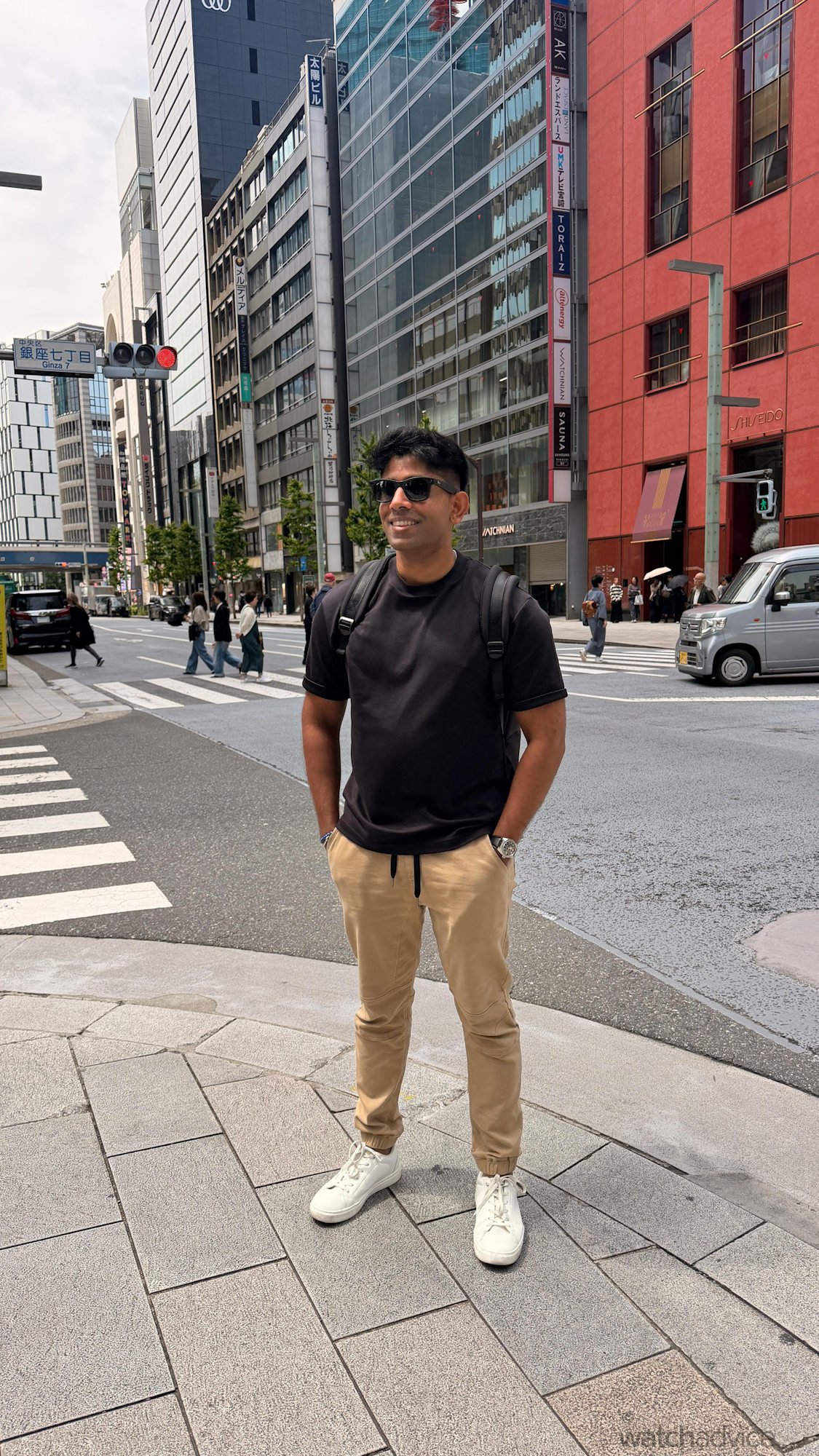
I was eager to get out of the hotel room and start exploring immediately, so I threw my backpack on, strapped the VANAC to my wrist, and headed out the door. While the flight to Tokyo was only around eight hours, I was still itching to get some food in my stomach, and this presented the perfect opportunity to try some ramen, something I had been looking forward to. I have to say, my expectations of how good it would be were certainly not disappointed!
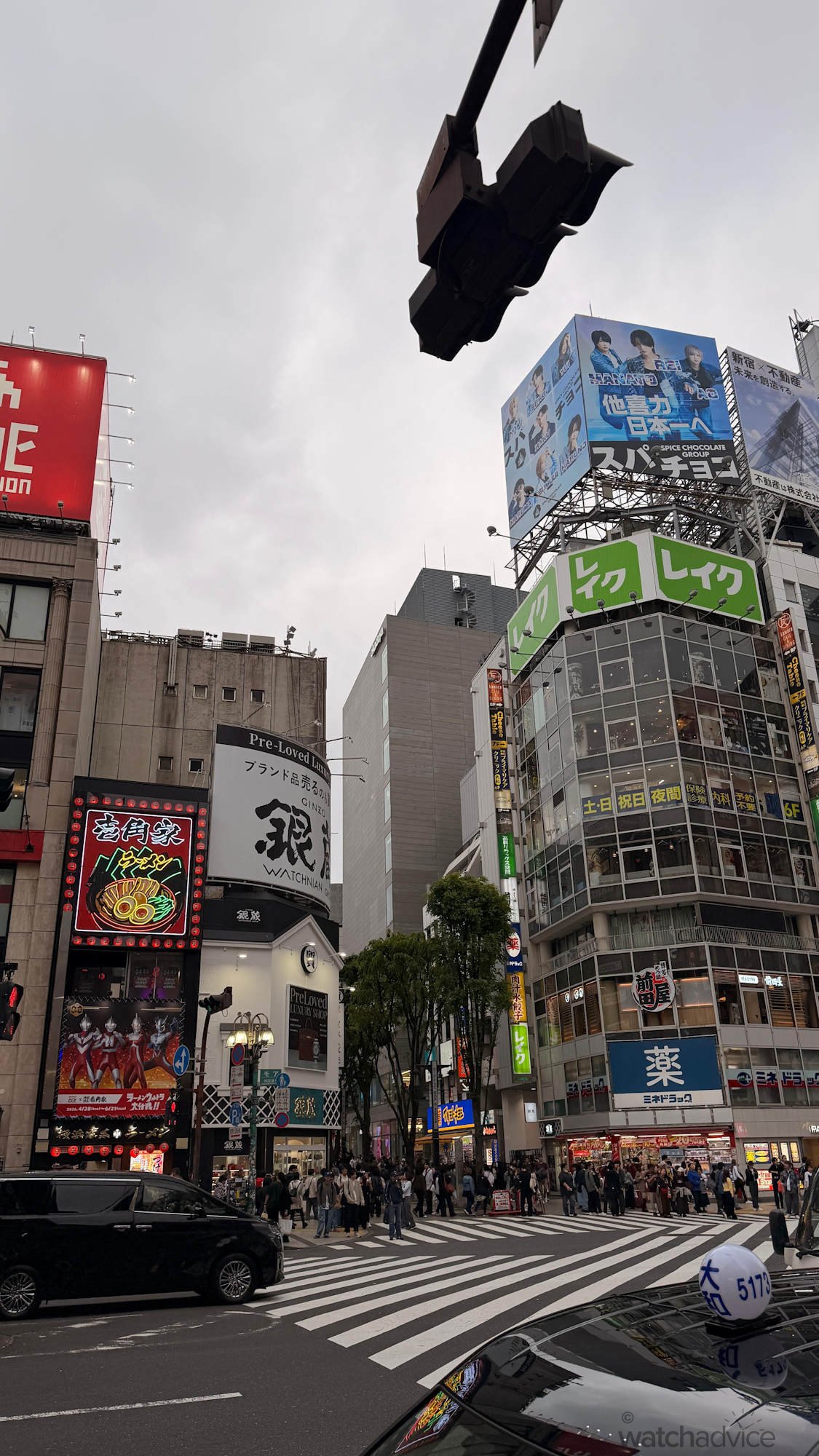
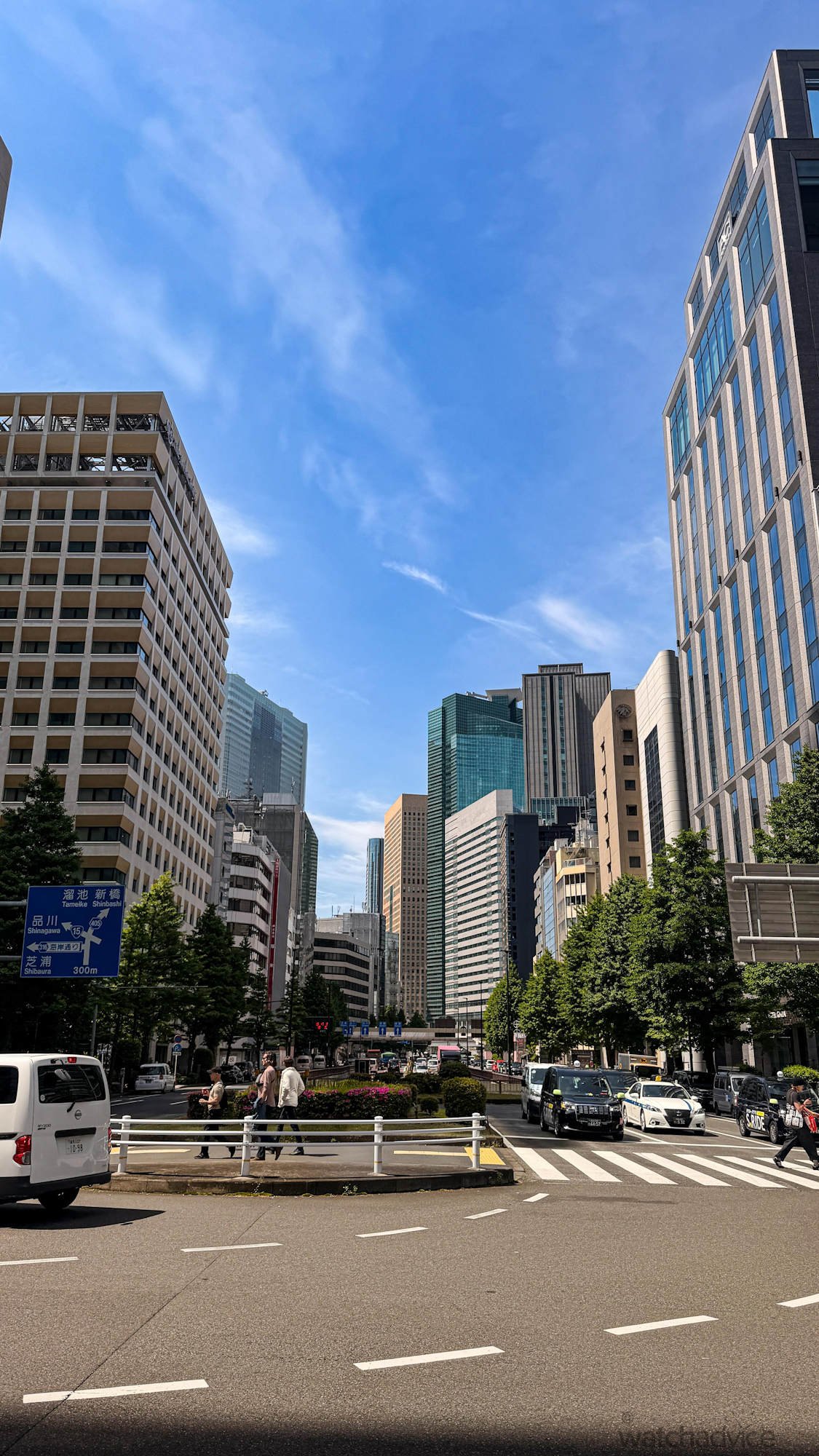
One of the biggest surprises I came across early on wasn’t the buildings or even the food, but how clean and orderly everything felt around Tokyo. Having travelled to quite a few countries, Tokyo stood out for how well-maintained everything appeared and how polite and respectful people were in the way they carried themselves. As one of the world’s largest cities, it certainly didn’t feel as chaotic as one might expect.
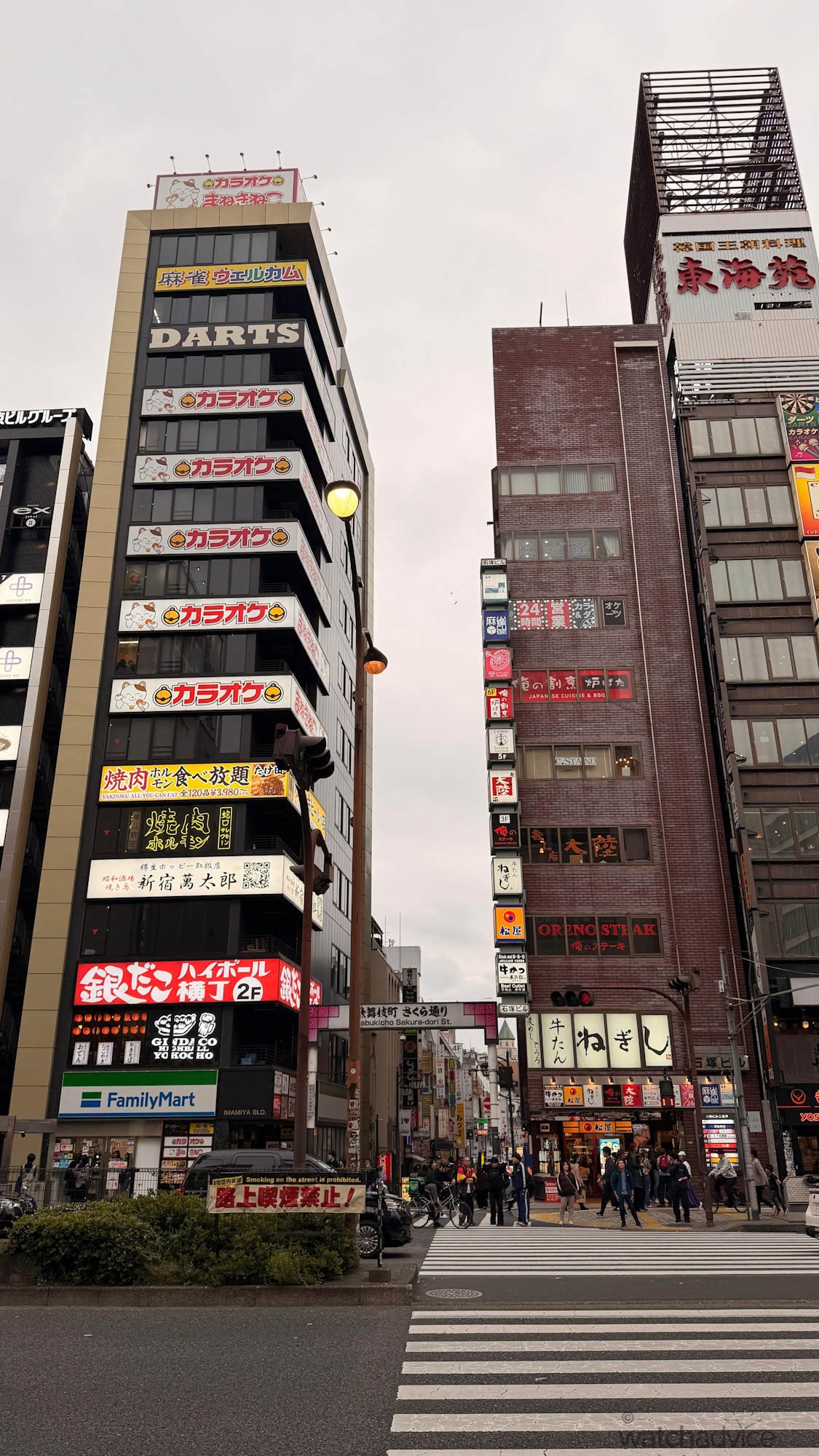
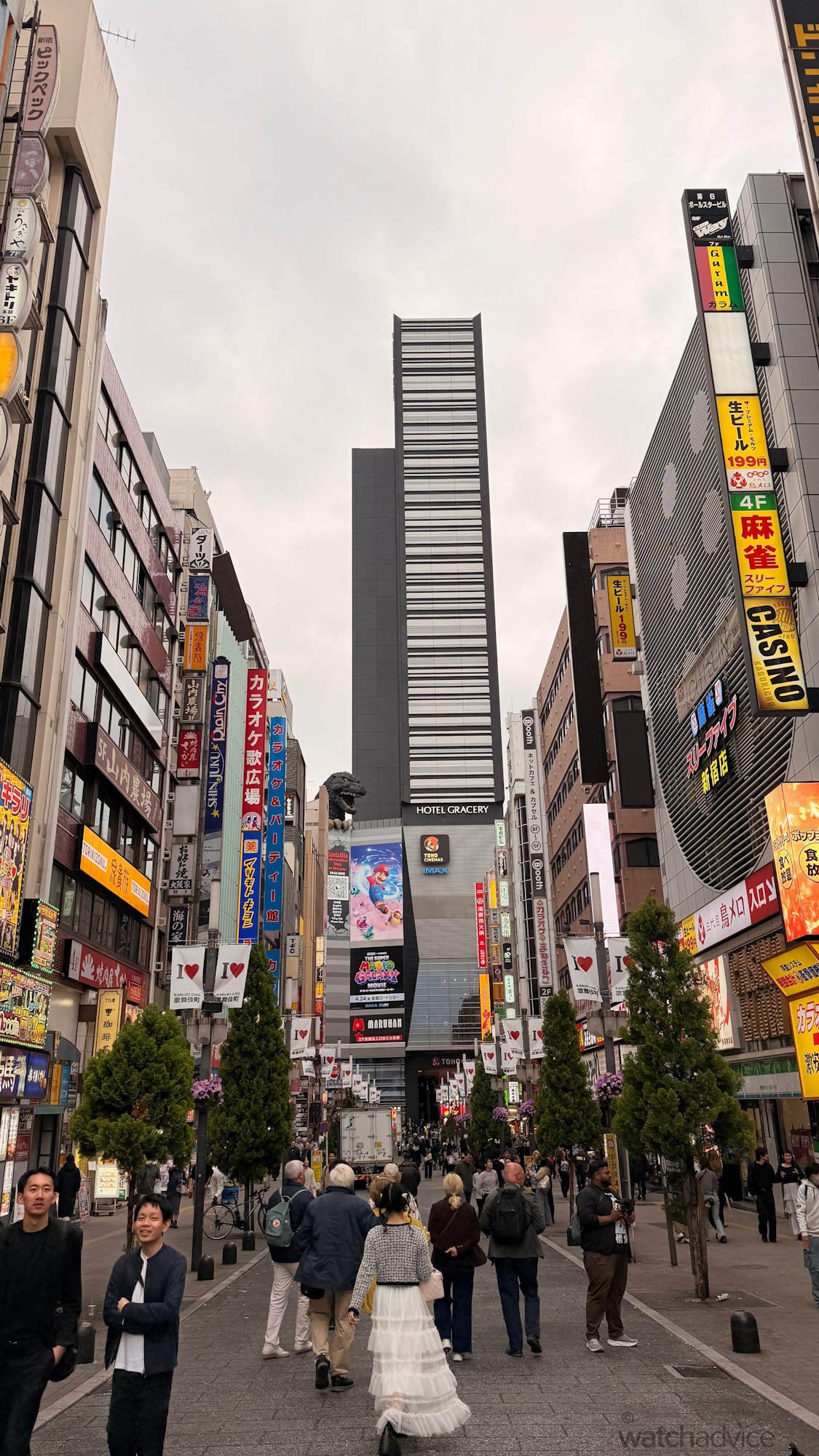
I personally believe that the best way to experience Tokyo is to walk around the city, because you’re actually amongst the streets, buildings, shops and people. The only downside to this was the lack of shade in some areas. Buildings occasionally provided some relief, but otherwise you were exposed to the sun, so I would definitely advise bringing a little backpack with a water bottle and, most importantly, some sunscreen!
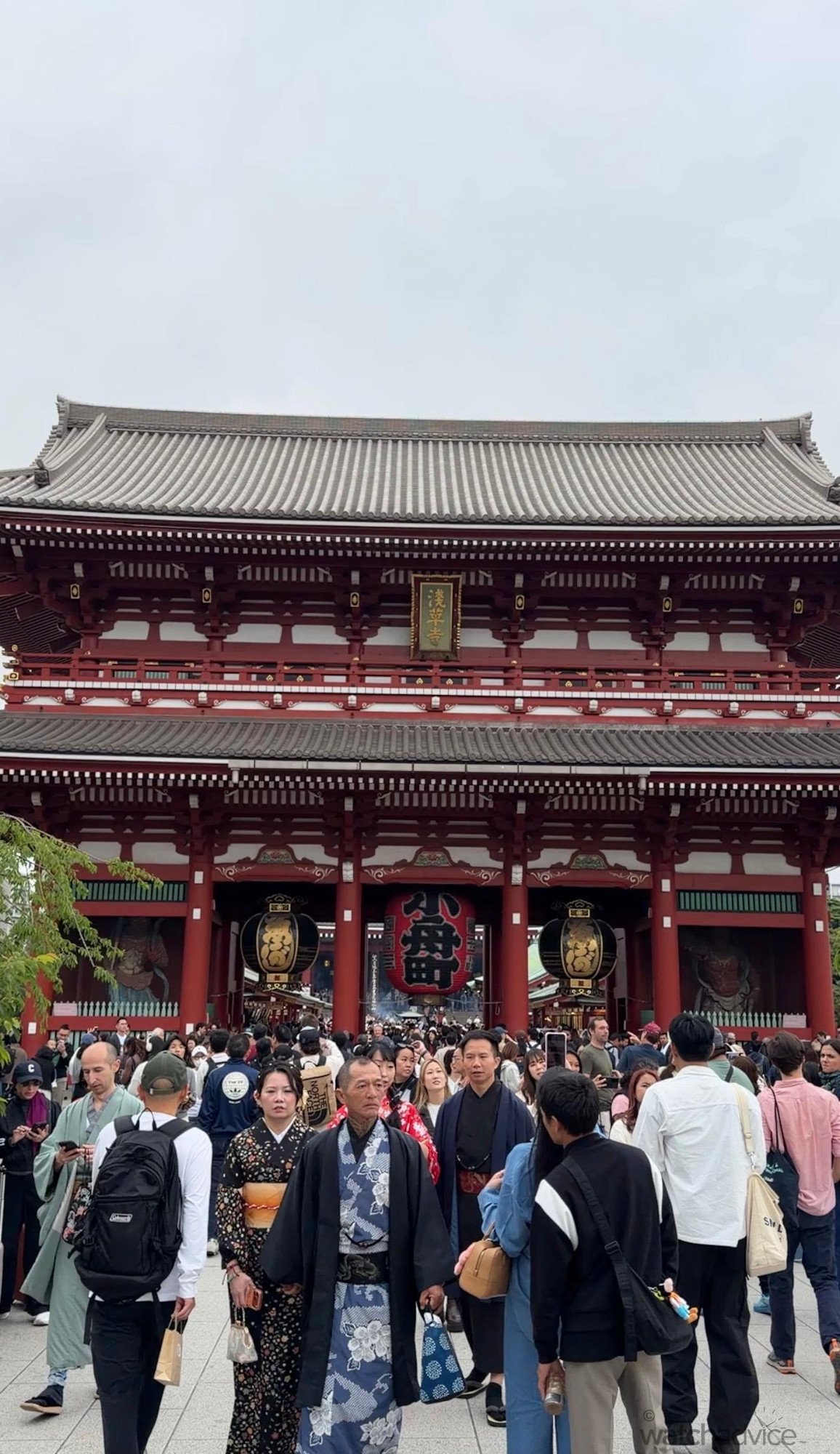
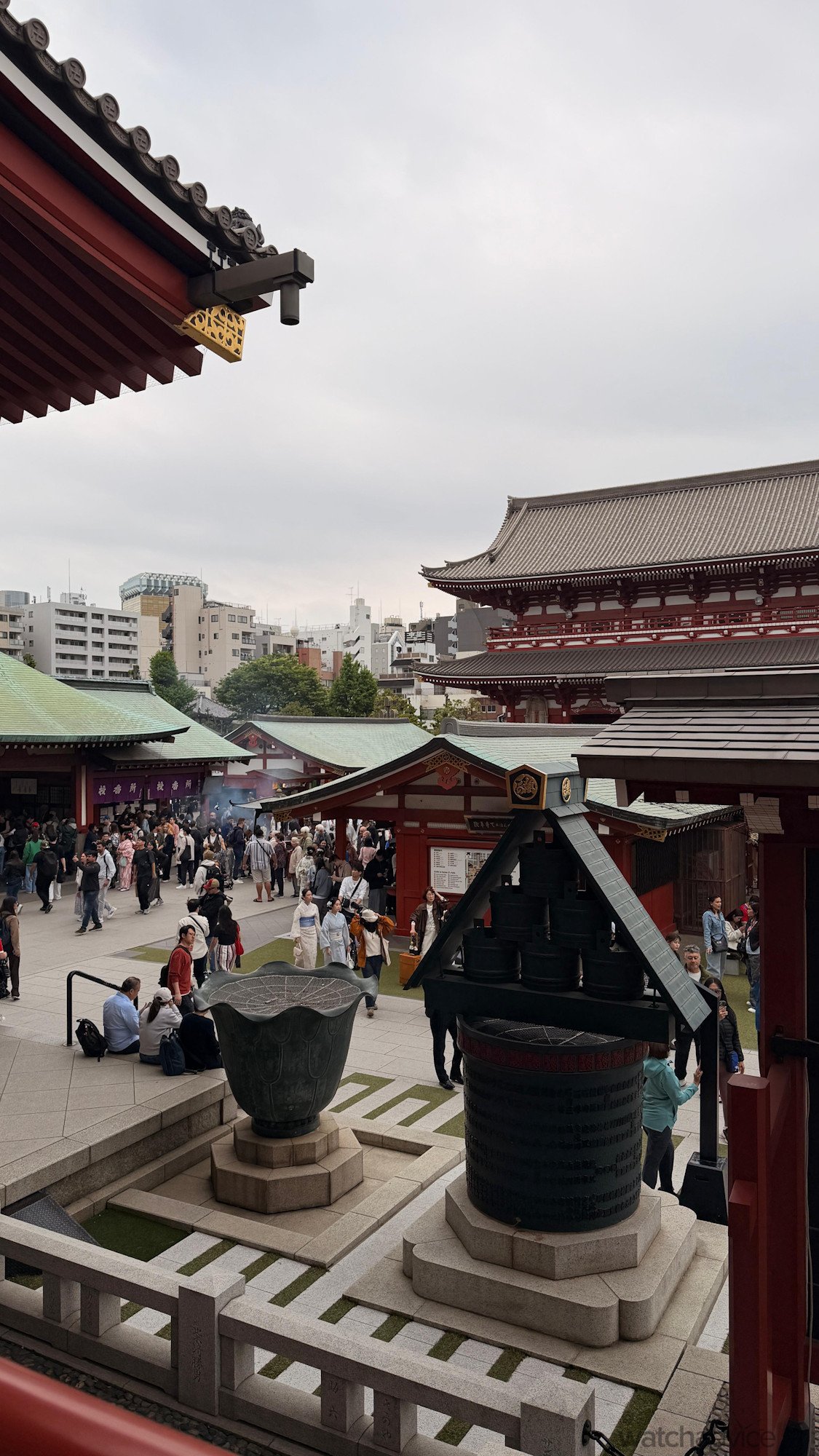
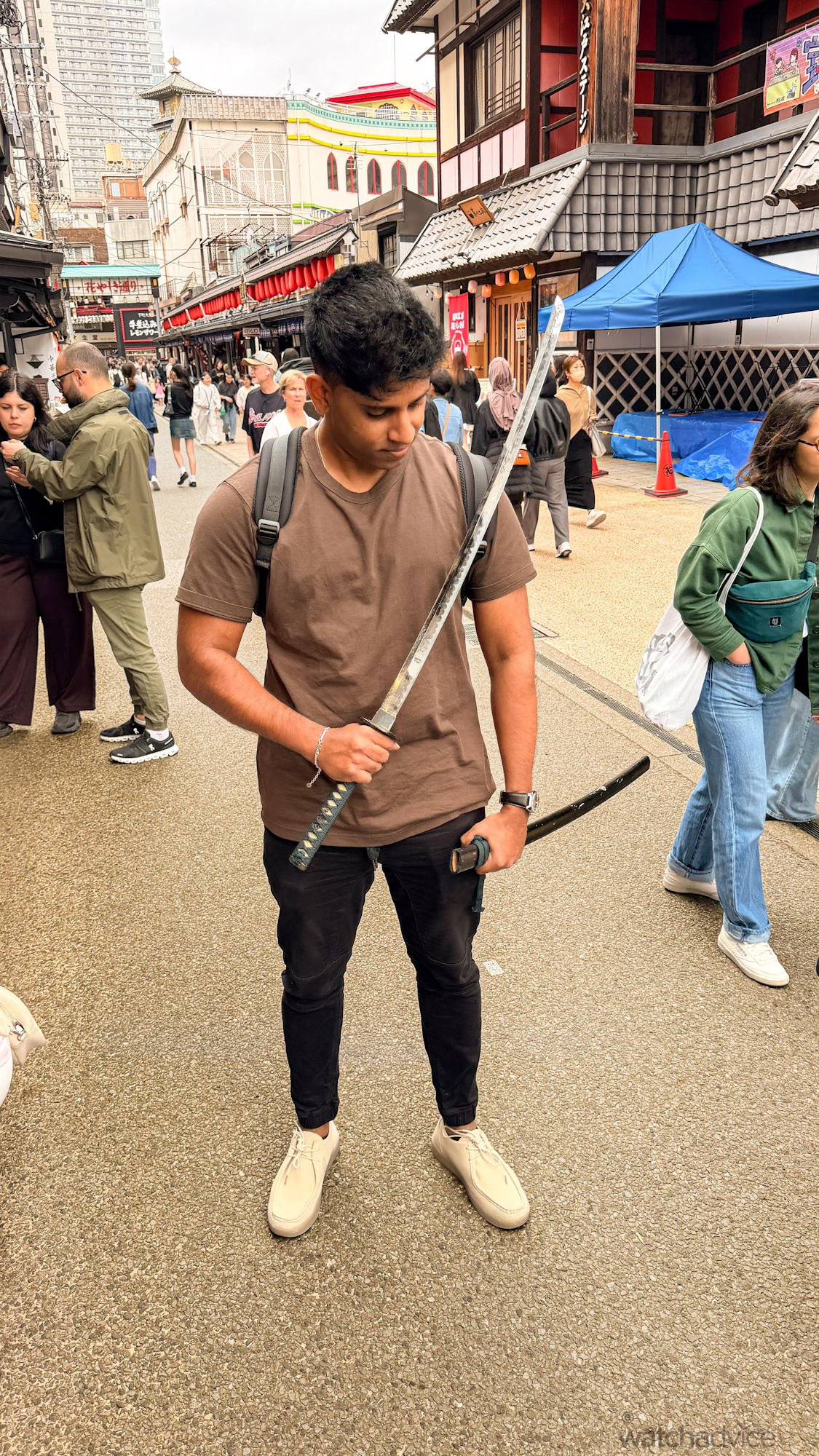
Amongst all the towering buildings and busy streets, I also had the chance to experience a more traditional and peaceful side of Tokyo. I visited arguably the largest temple in Tokyo, Sensō-ji Temple, which offered a completely different atmosphere, with its historic temple grounds and traditional architecture providing a striking contrast to the modern city surrounding it.
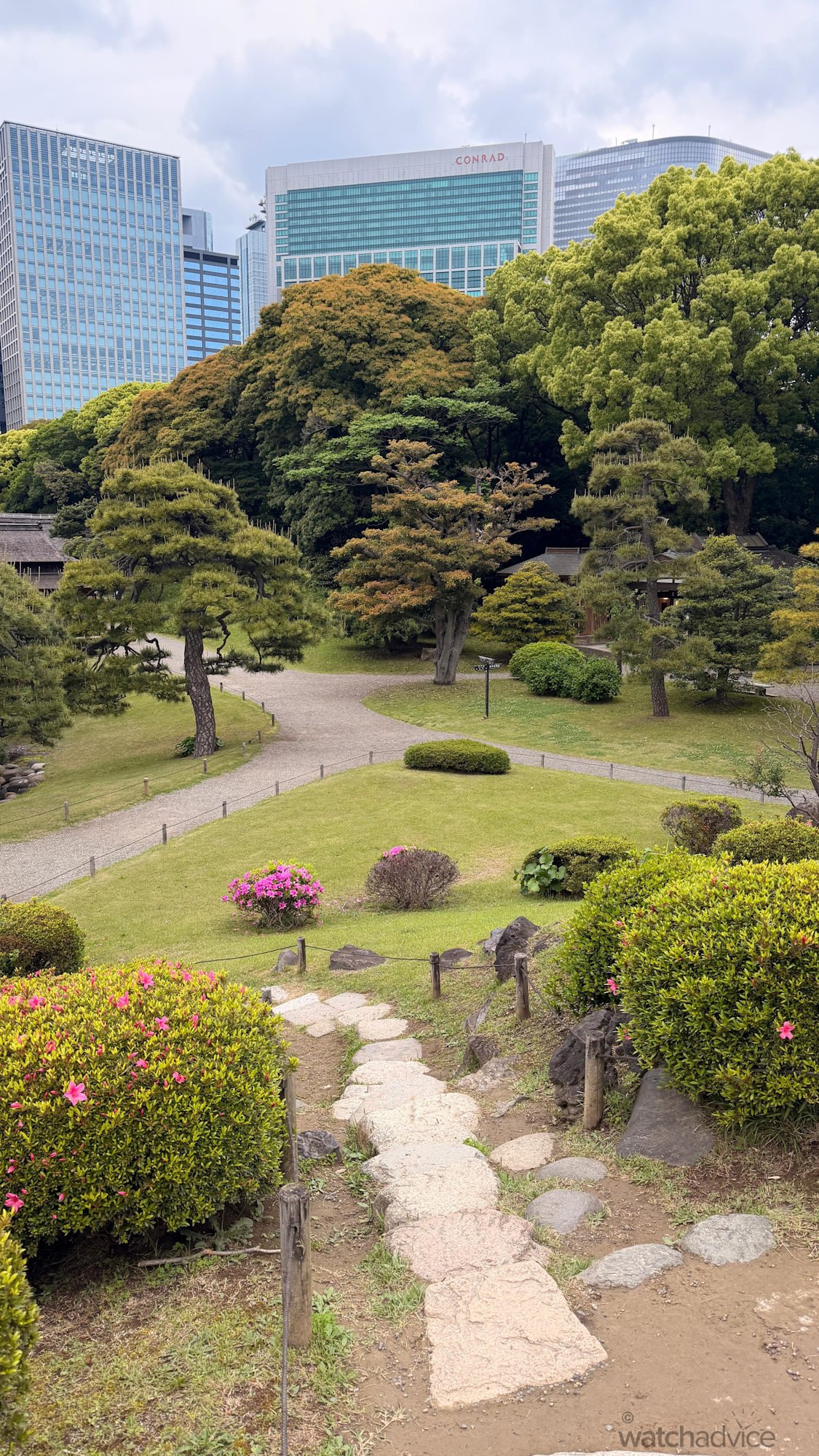
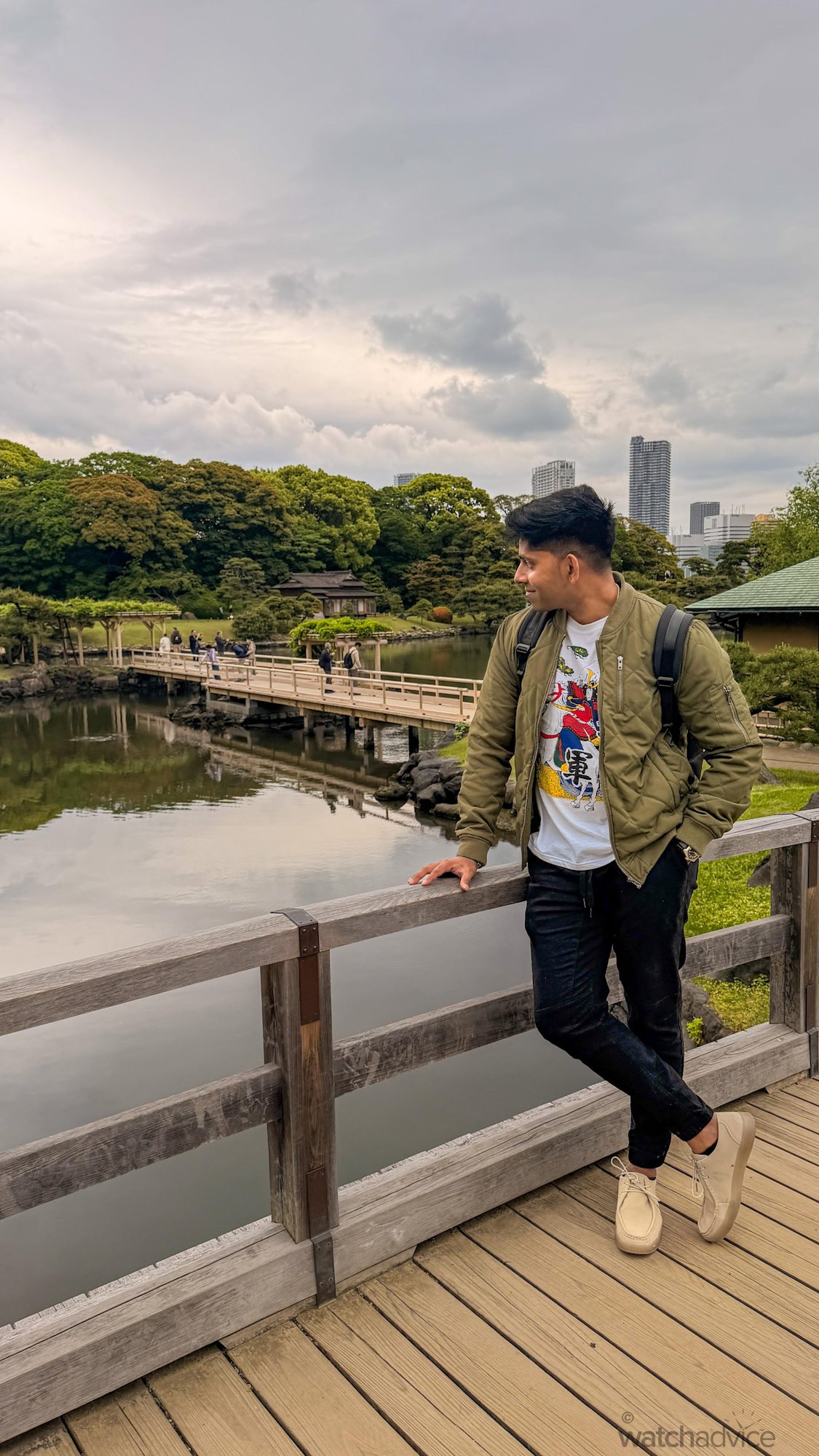
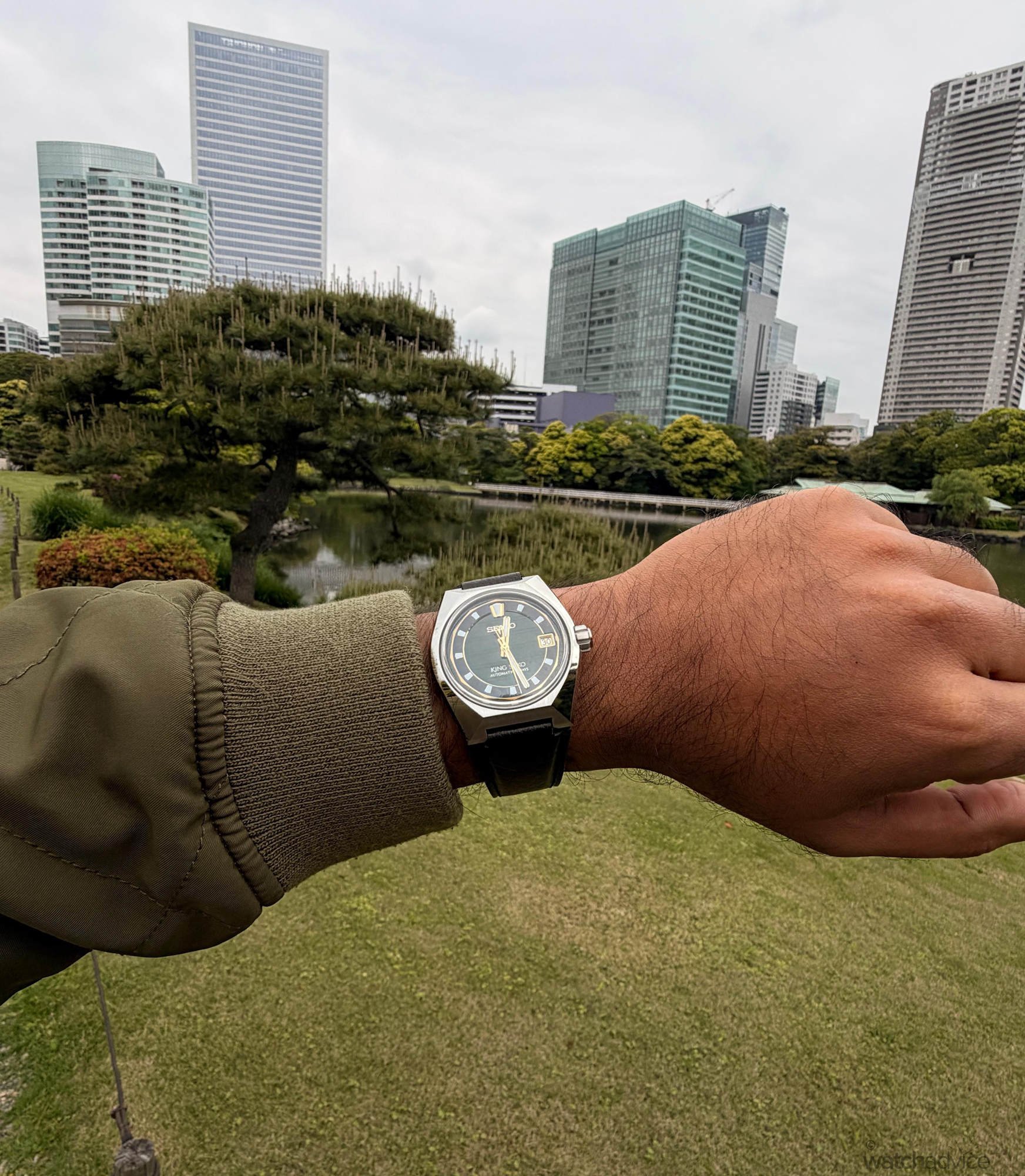
I also spent some time exploring Hama-rikyu Gardens, where the landscaped gardens, ponds, and greenery offered a change of pace from the densely packed streets that I had been exploring the days prior. What made the gardens particularly interesting was seeing this peaceful landscape with Tokyo’s modern skyscrapers rising in the background, giving me one of my first glimpses of how naturally the old and new sides of Japan seem to exist alongside one another.
On the following day, exploring Tokyo took a bit of a different horological turn, as I had the chance to visit SEIKO HOUSE GINZA, located at the famous Ginza 4-chome intersection. This isn’t simply another Seiko boutique or corporate building either, as the location itself is deeply connected to the brand’s history.
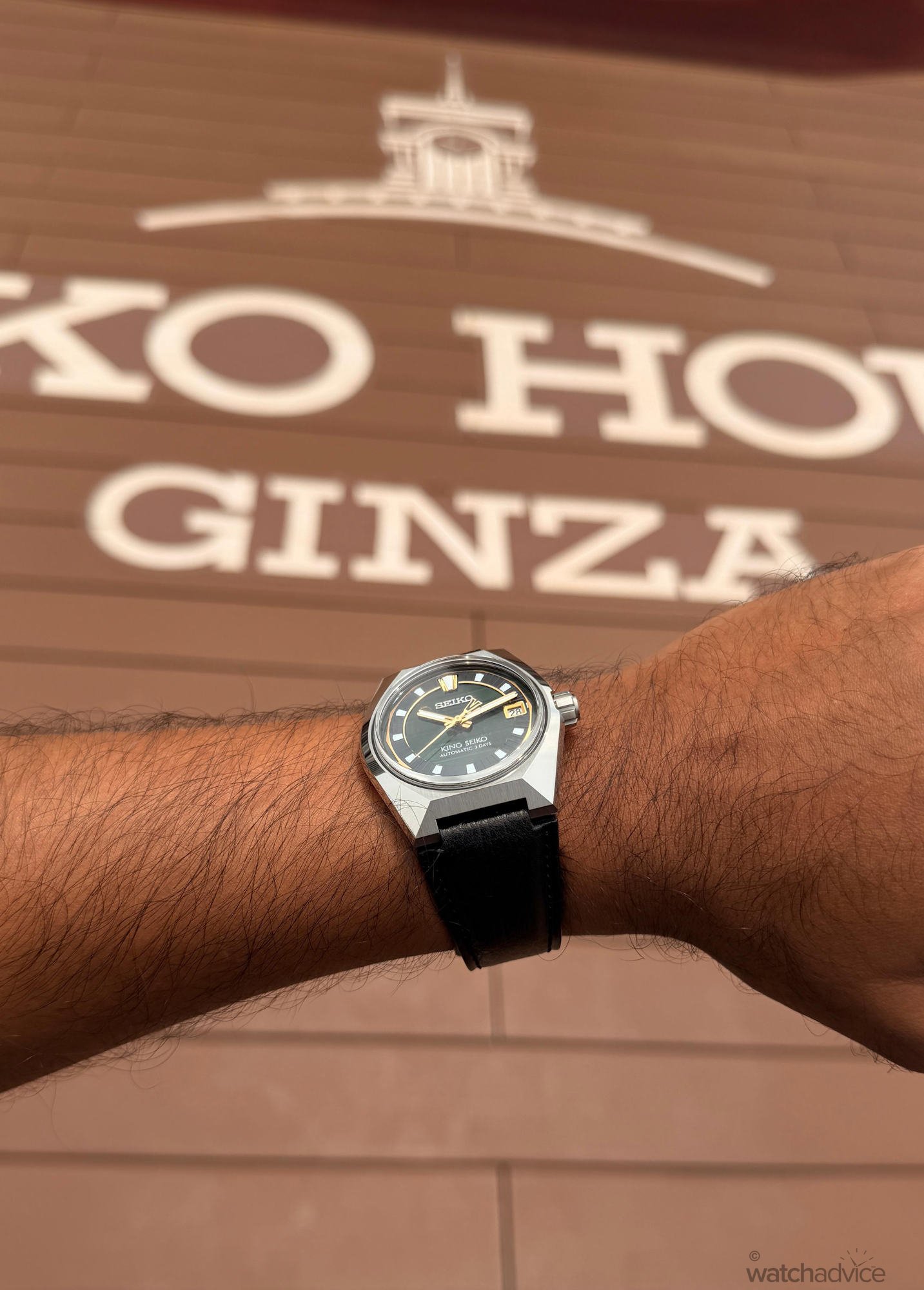
Seiko’s predecessor, K. Hattori & Co., established itself on this Ginza corner in 1894, when founder Kintaro Hattori purchased and renovated the building on the site and had the original clock tower installed. Hattori wanted a clock tower on the roof to provide the time for people passing through Ginza. That original clock tower, however, was dismantled in 1921 as plans were made to redevelop the site. Unfortunately, those plans were disrupted by the Great Kanto Earthquake of 1923.
The second-generation clock tower that we see today was completed in 1932, becoming a symbol of Ginza and Tokyo’s reconstruction following the earthquake. Another incredible fact about the clock tower is that during the devastating bombing of Tokyo in 1945, the building and clock tower remained largely intact, with Seiko recording damage to only three panels of the clock dial!
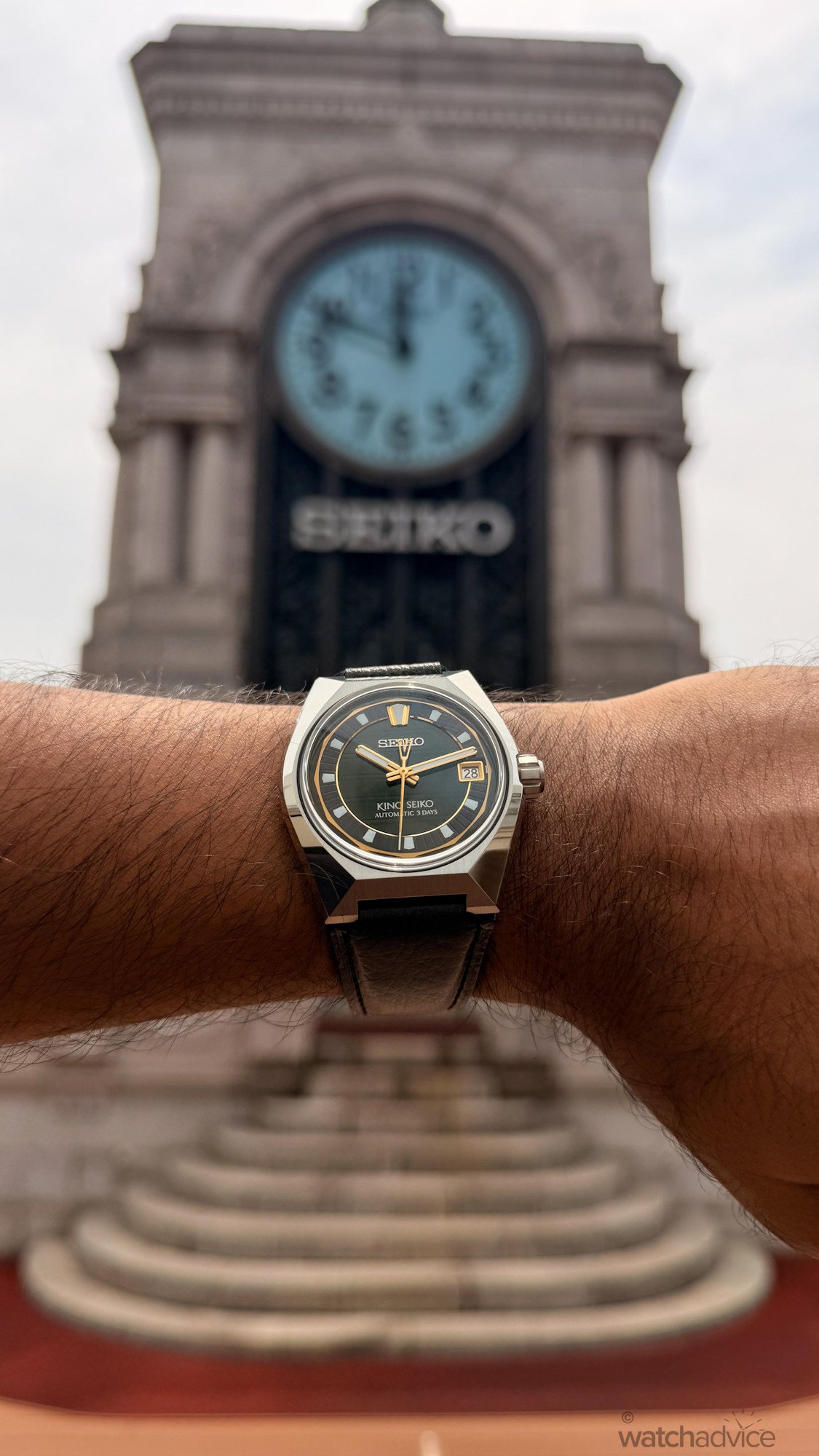
Seeing this clock tower from street level was impressive enough, but luckily, I was fortunate enough to experience the building from somewhere most visitors never get to see! Through Seiko, I was given special access to the upper levels and rooftop area surrounding the clock tower. This was certainly not something I expected to experience on my first trip to Japan, especially considering access to these areas isn’t part of a normal visit to SEIKO HOUSE GINZA.
The seventh-floor Atelier Ginza and rooftop Seiko Sky Garden are officially invitation-only, which made the opportunity feel particularly special. In fact, I was told that even Seiko employees rarely get the opportunity to visit these areas, which made me truly grateful for the experience.
The clock tower itself stands 39.39 metres above ground level, while each clock face measures 2.4 metres across, something that is difficult to fully appreciate until you’re standing so close to it. Having the King Seiko VANAC on my wrist made the moment even more special, as I was standing in one of the most historically significant locations in Seiko’s story with a modern King Seiko on my wrist.
Japan After Dark
Tokyo may have been the introduction to Japan, but over the following days, the trip would take me through Kyoto and Osaka as well! While I won’t turn this into a full travel diary, one thing I noticed while travelling through these cities was how Japan changes when the sun goes down.
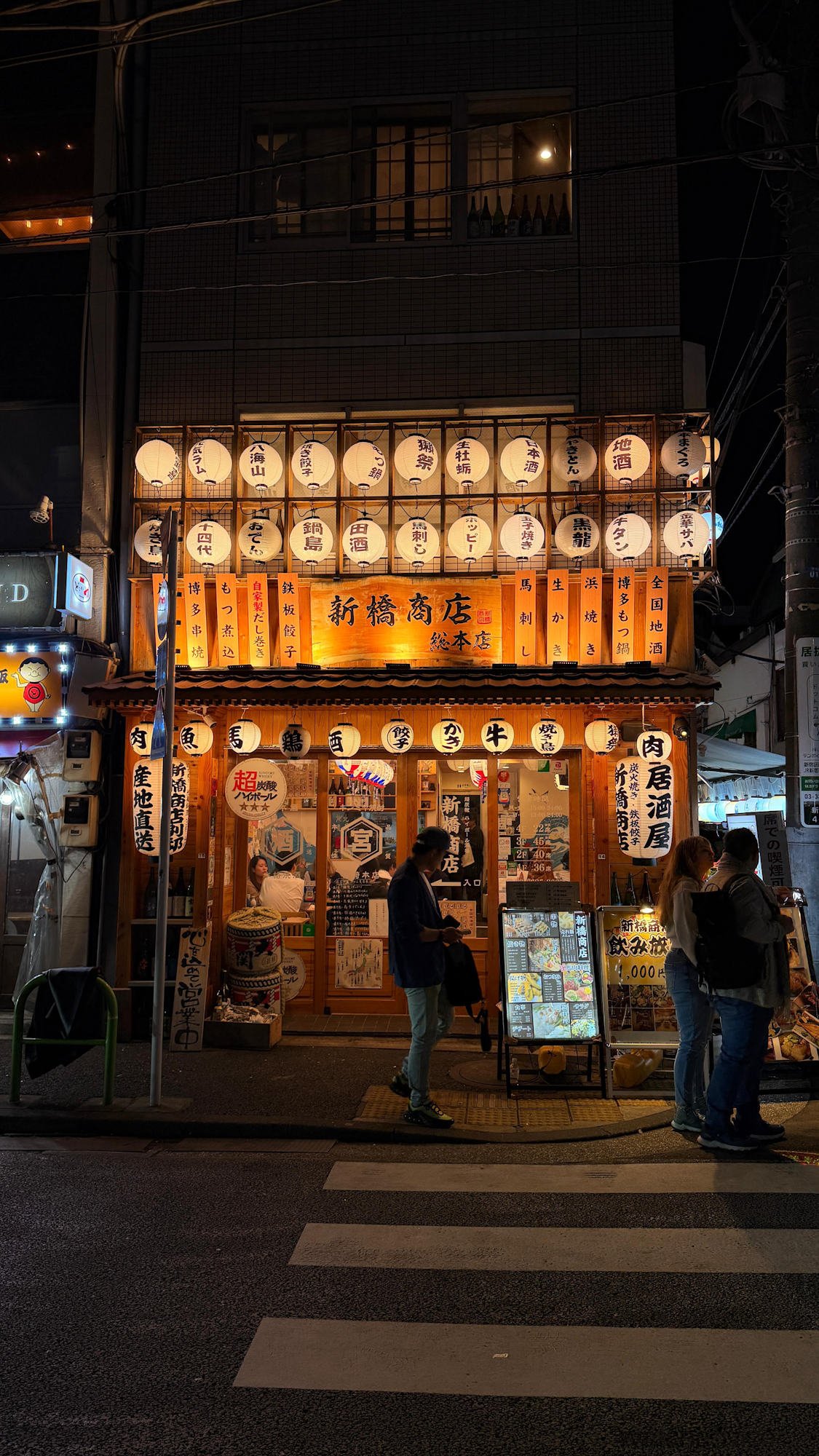
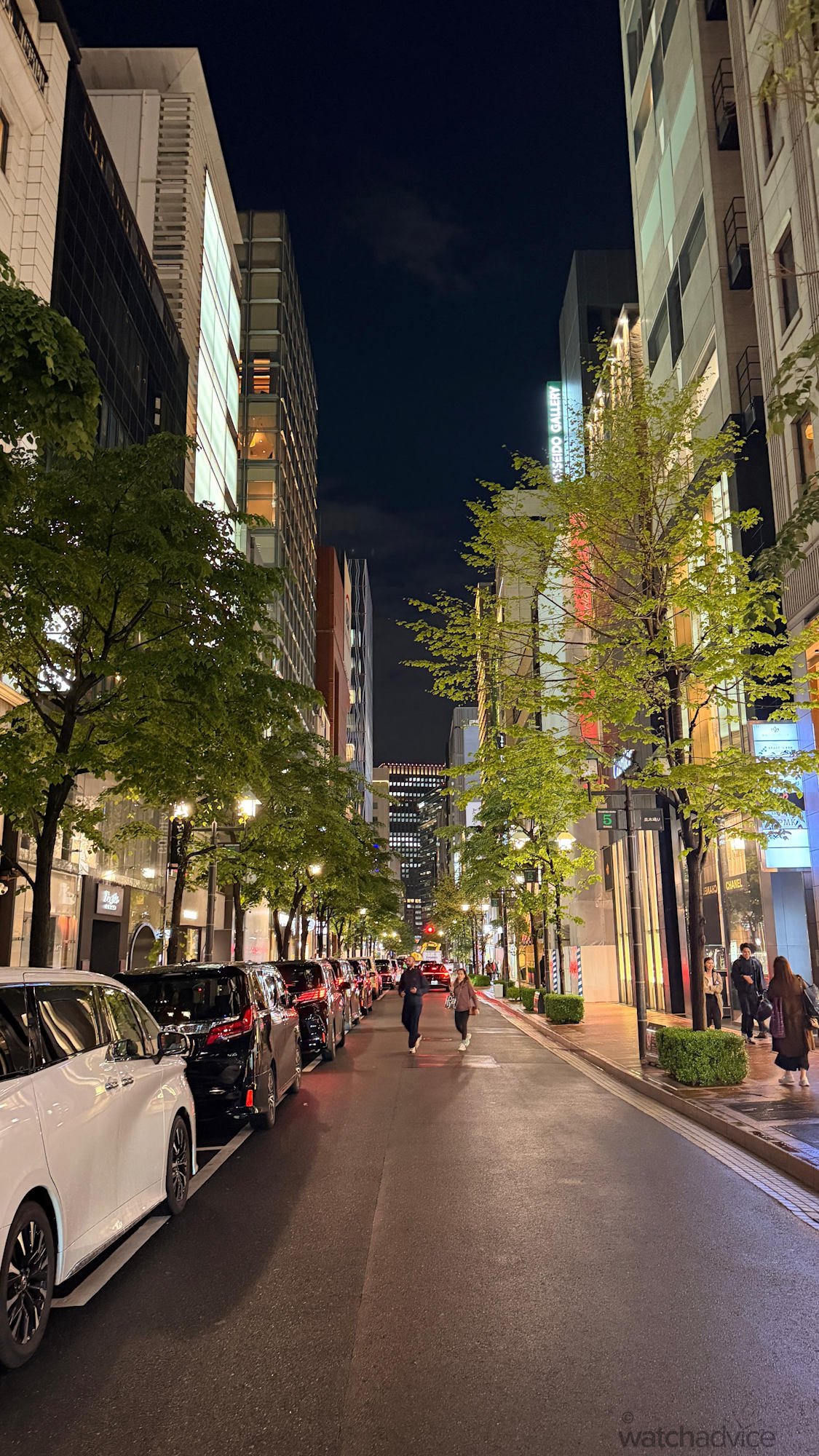
In Tokyo, for example, you have the dense streets, neon lights, late-night restaurants, some even open at 2–3 am and still serving incredibly delicious food, and busy streets filled with people. Essentially, the whole city becomes illuminated and seems to come even more alive. Simply walking around without any particular destination was an experience in itself. There was certainly a contrast between the Tokyo I experienced during the sunny daytime and the fully illuminated city at night!
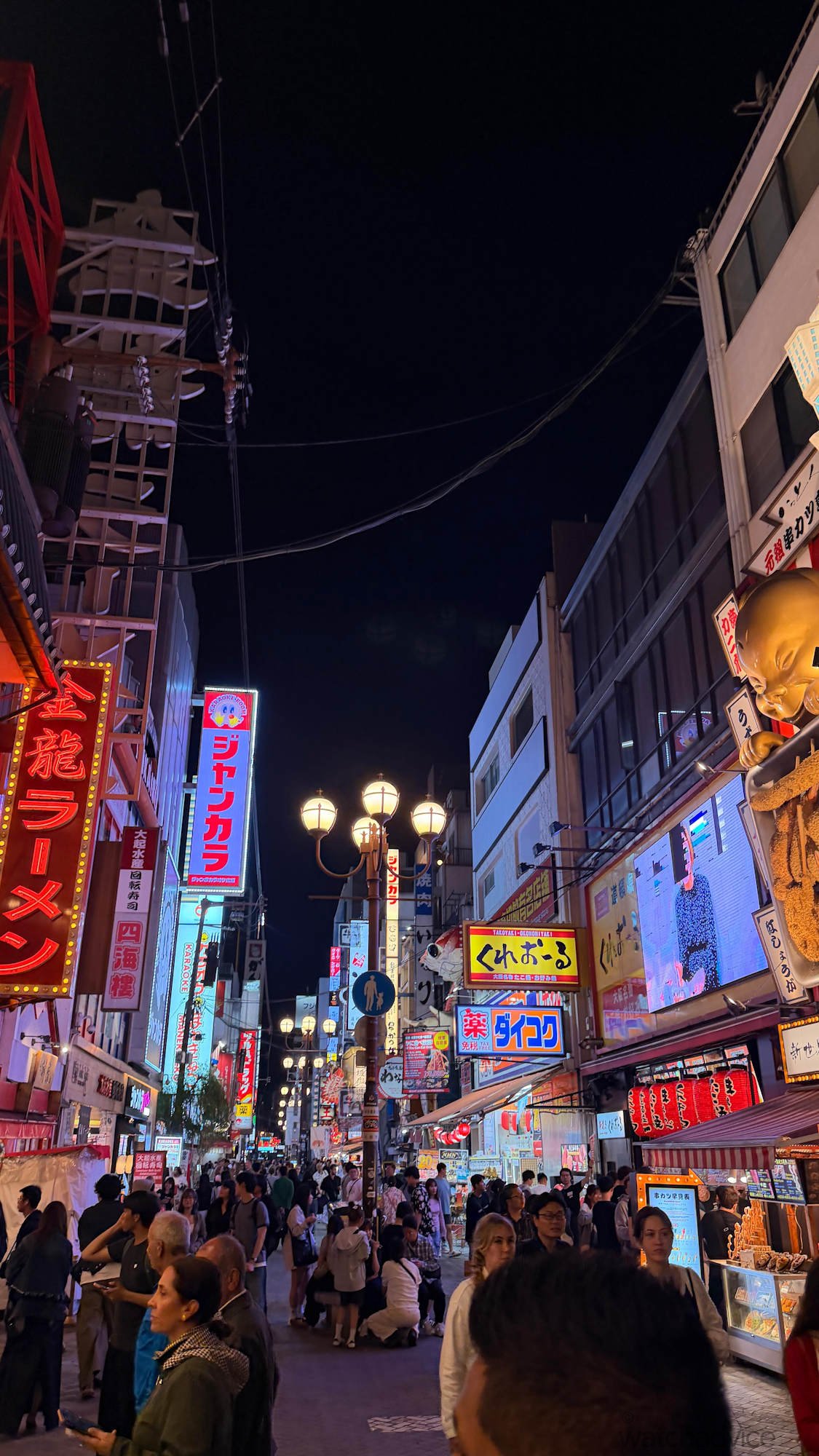
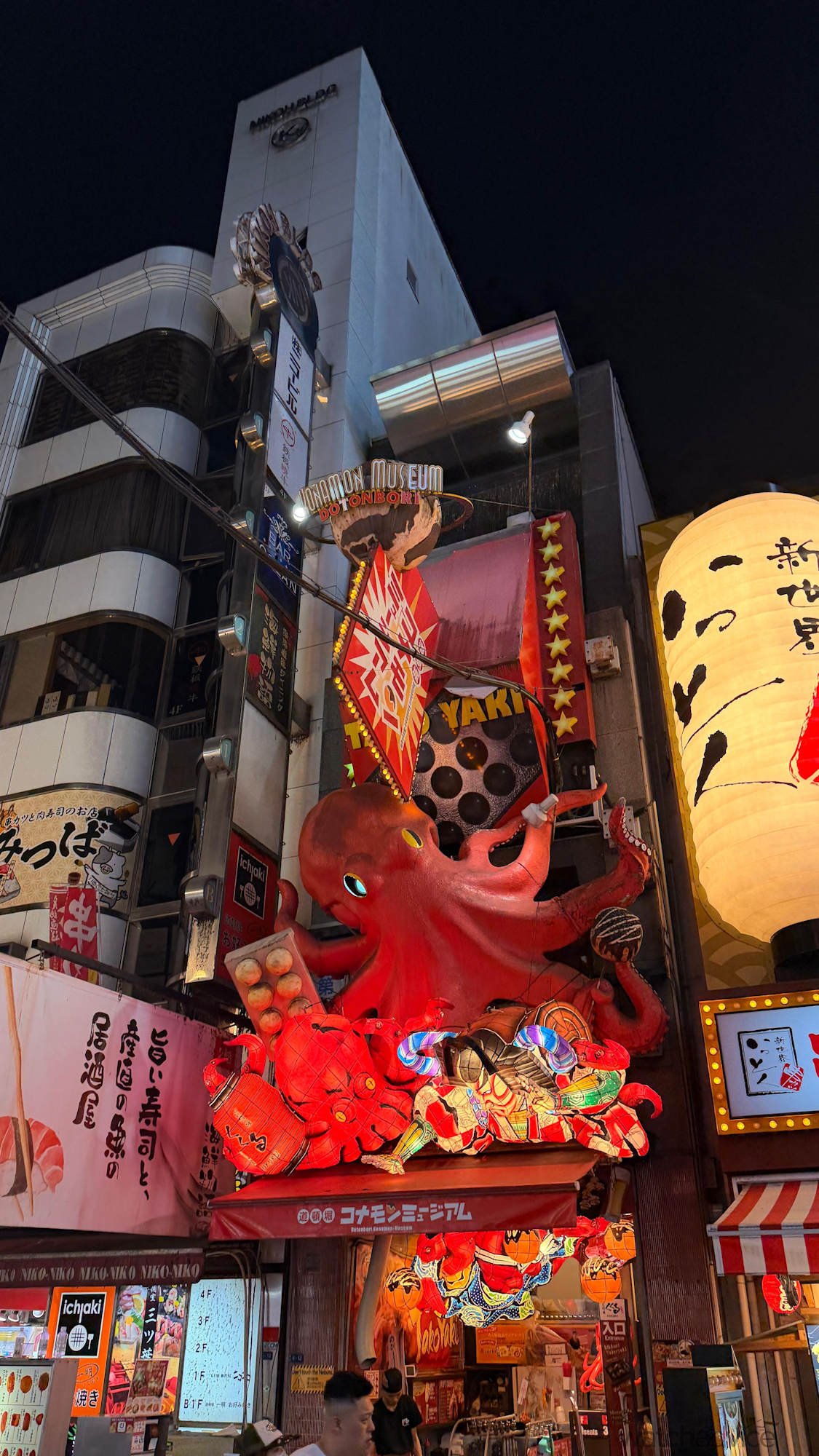
Osaka, on the other hand, brought a different kind of energy after dark. Areas like Dotonbori were packed with people well into the evening, surrounded by enormous illuminated signs, restaurants, bars, and shops all competing for attention. If Tokyo felt vast and almost endless at night, Osaka felt like a lot of that energy had been concentrated into smaller pockets, where almost every direction offered something different to eat, see, or experience.
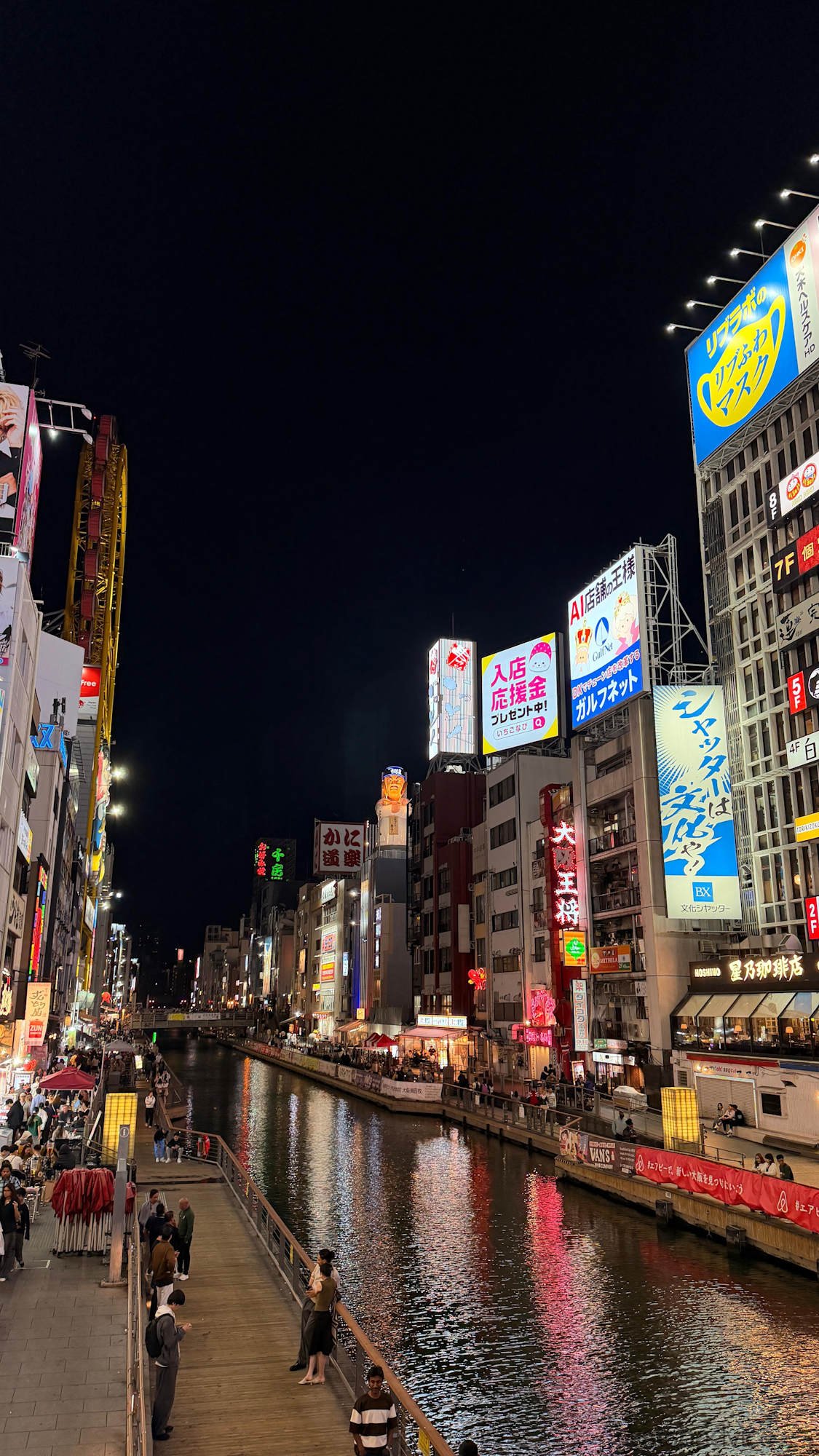
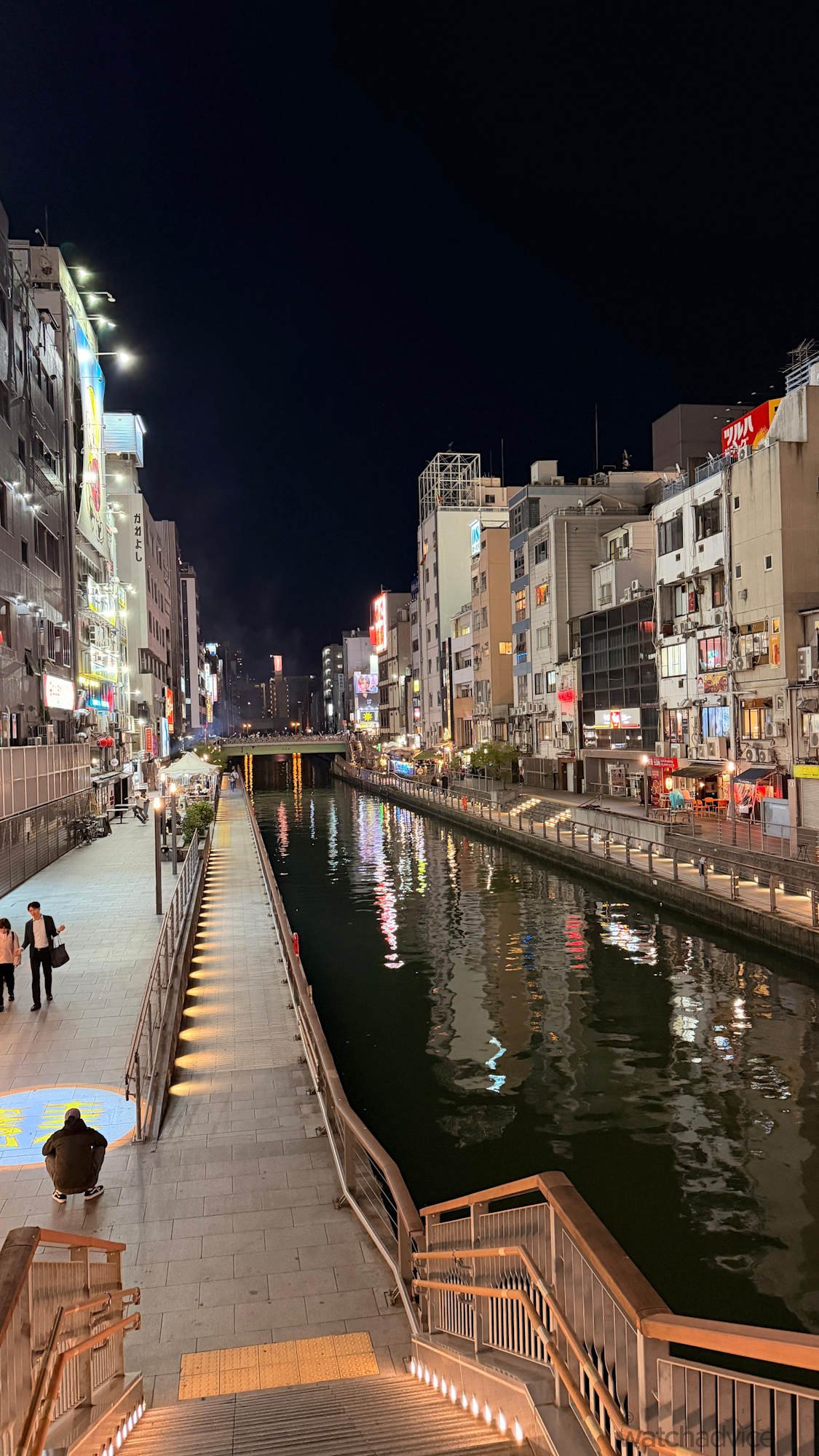
Osaka also felt more like a tourist city to me. While Tokyo is arguably the major destination for those visiting Japan, walking through Dotonbori felt noticeably busier and gave me much more of that touristy atmosphere. It also seemed to offer more of a concentrated nightlife experience compared to what I had seen in Tokyo, although, in saying that, I probably only managed to explore around 30–40% of Tokyo given just how enormous the city is! Food was once again a huge part of the experience, with markets, restaurants and smaller eateries making simply walking around at night part of the attraction.
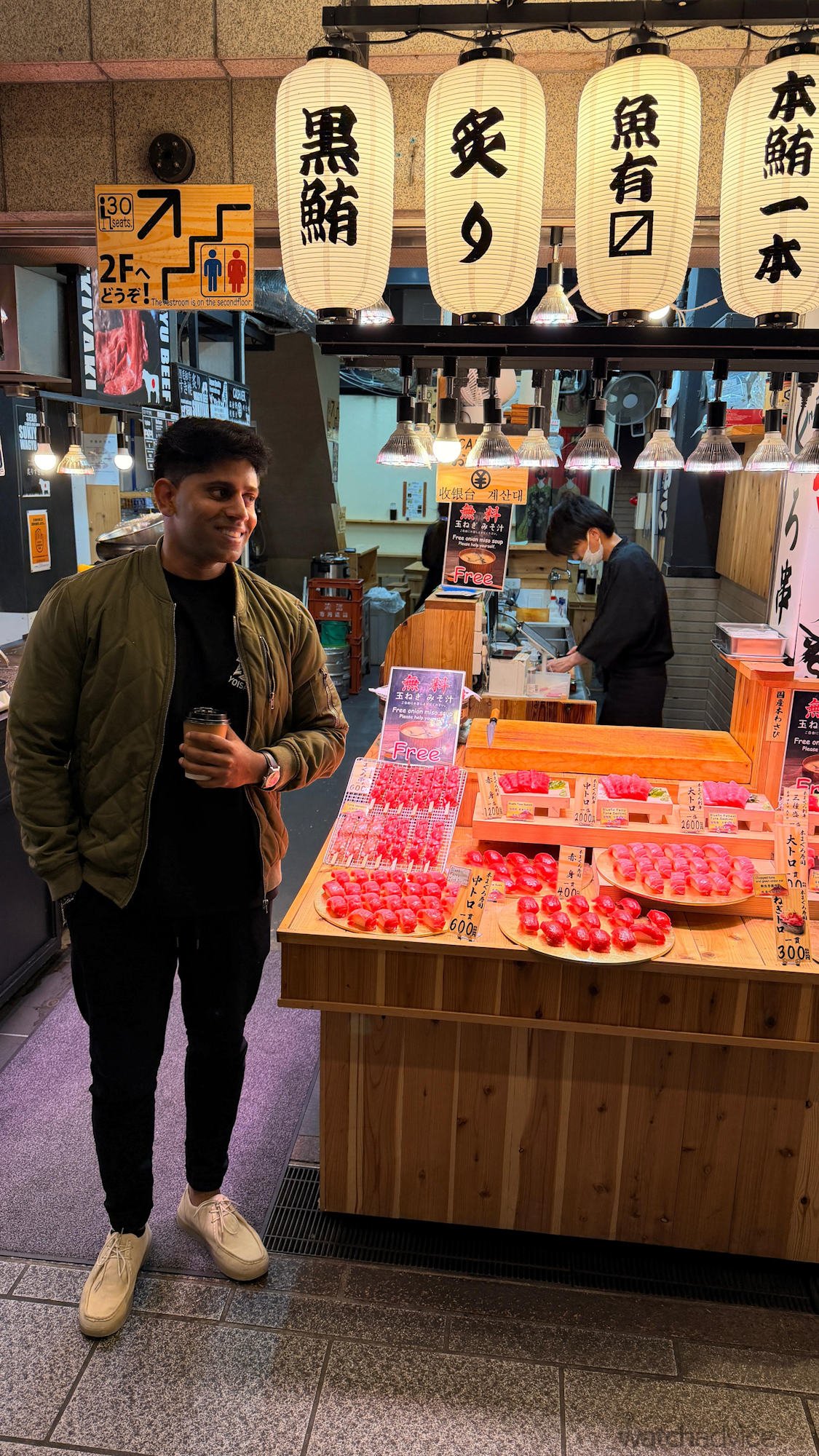
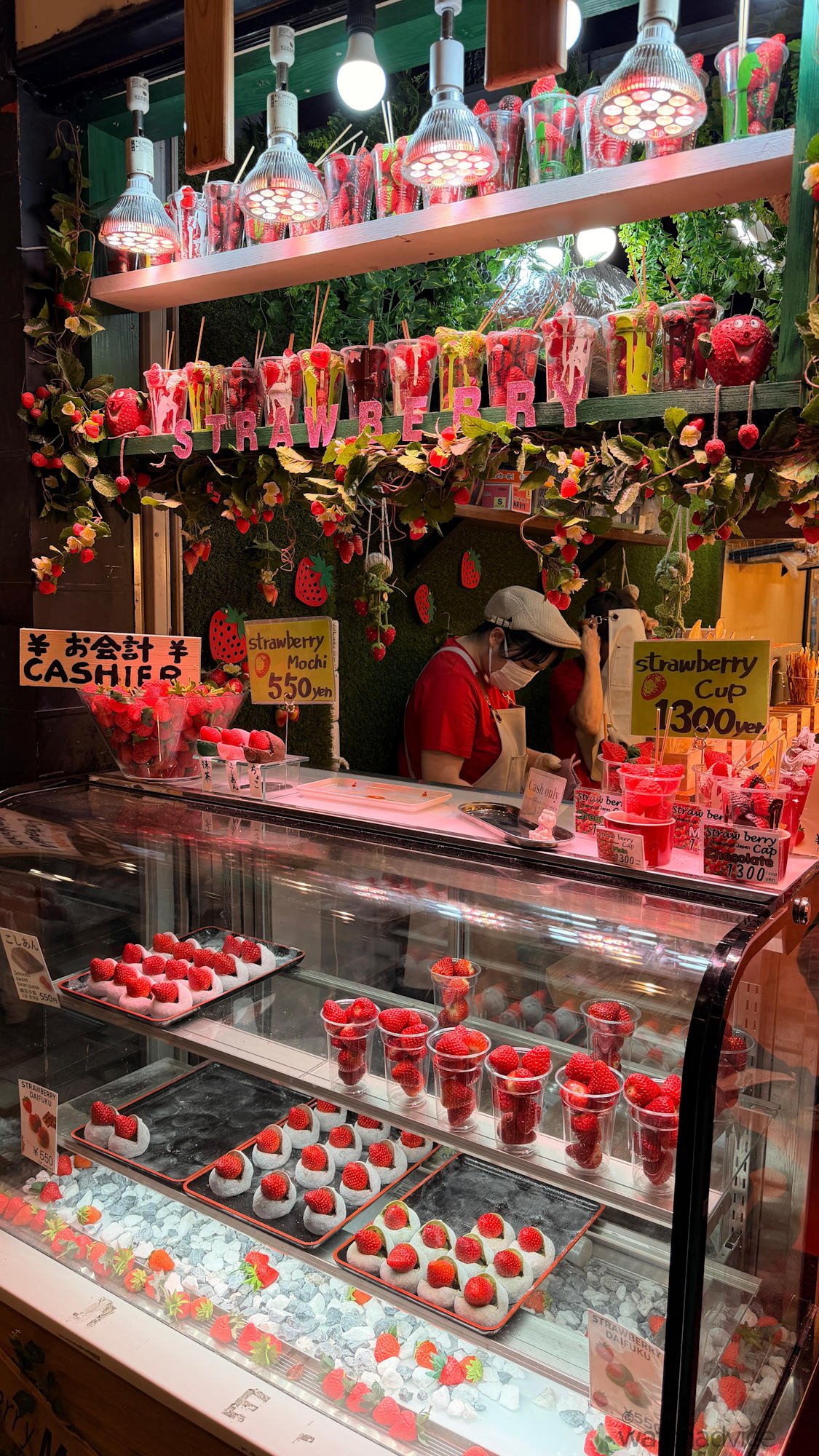
When I visited Kyoto, what was immediately noticeable was the change of pace entirely. During the day, you could see that the city felt more traditional and historic compared to Tokyo and Osaka. And while there was still plenty happening after dark, with late-night shopping, restaurants, bars, and smaller alleyways to explore, the atmosphere certainly felt different from the illuminated streets of Tokyo and Osaka.
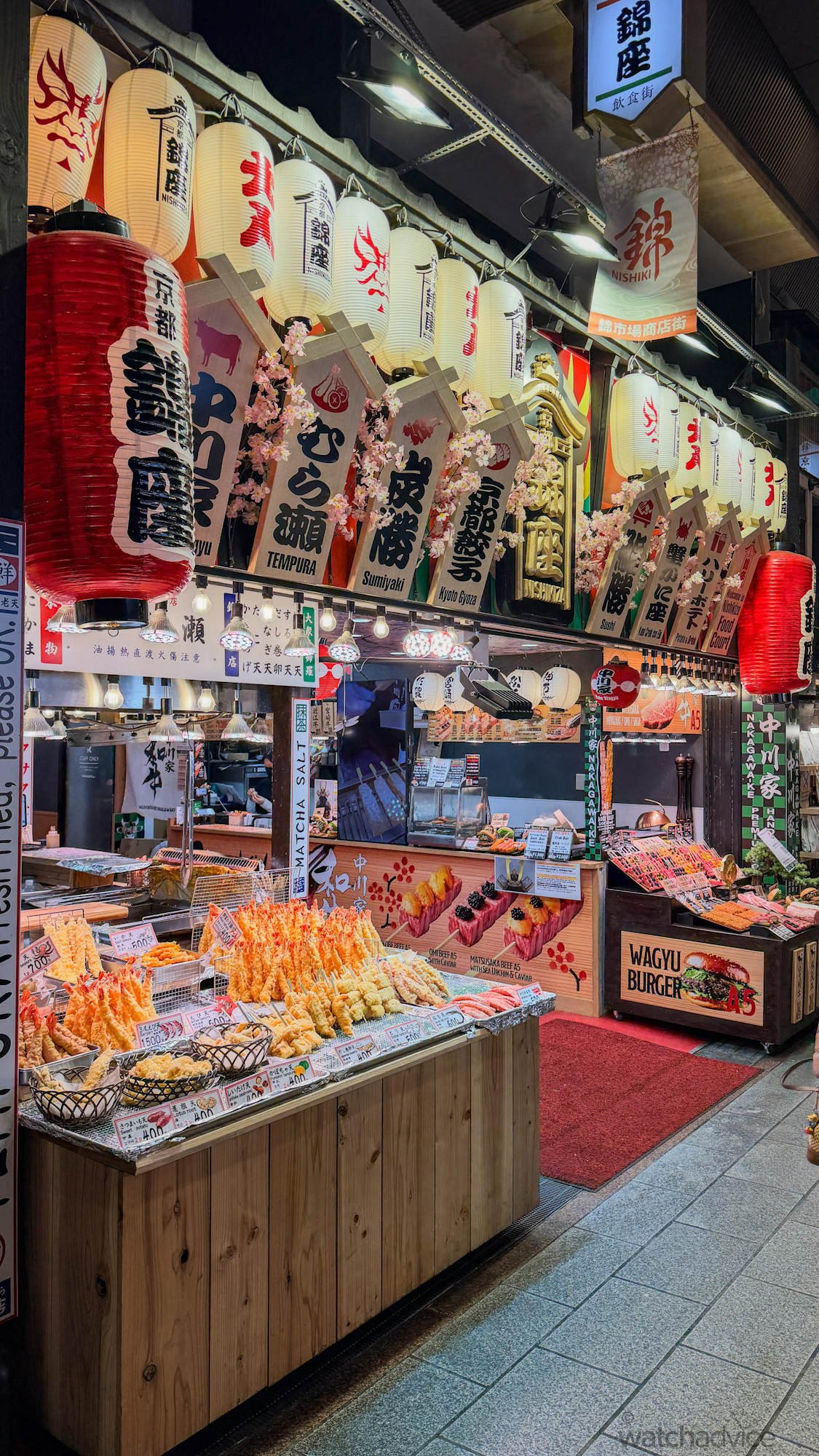
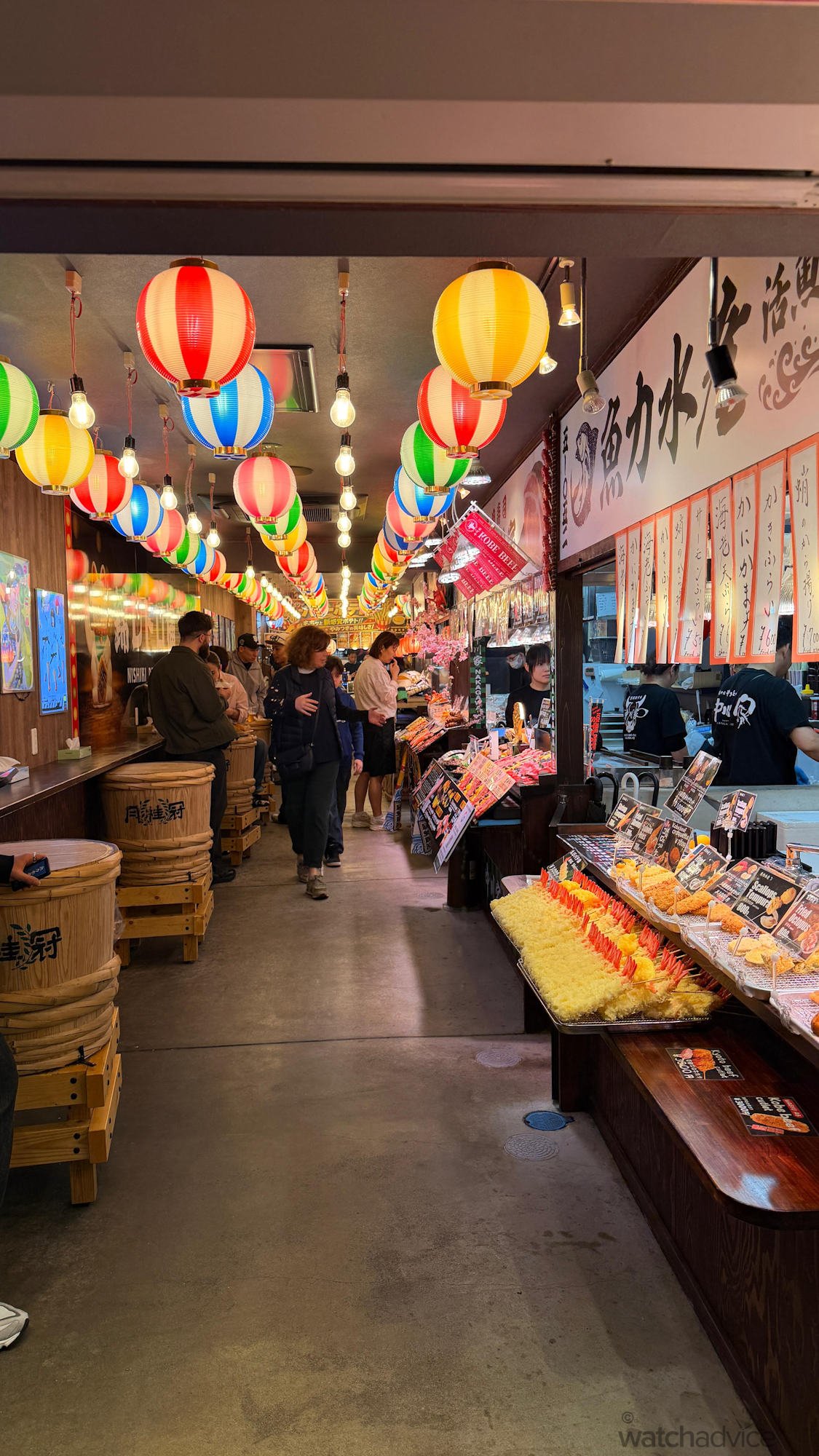
What I noticed was that the city felt quieter and more relaxed than the hustle and bustle of Tokyo and the energetic atmosphere of Osaka. Visiting the Bamboo Forest and Fushimi Inari Taisha Shrine were some of the highlights during the day, but at night, what stood out most was exploring the area around Nishiki Market. As night set in and much of the daytime activity began to wind down, the area became a more relaxed version of what I had experienced earlier, allowing me to enjoy a quieter stroll while still discovering plenty of food nearby.
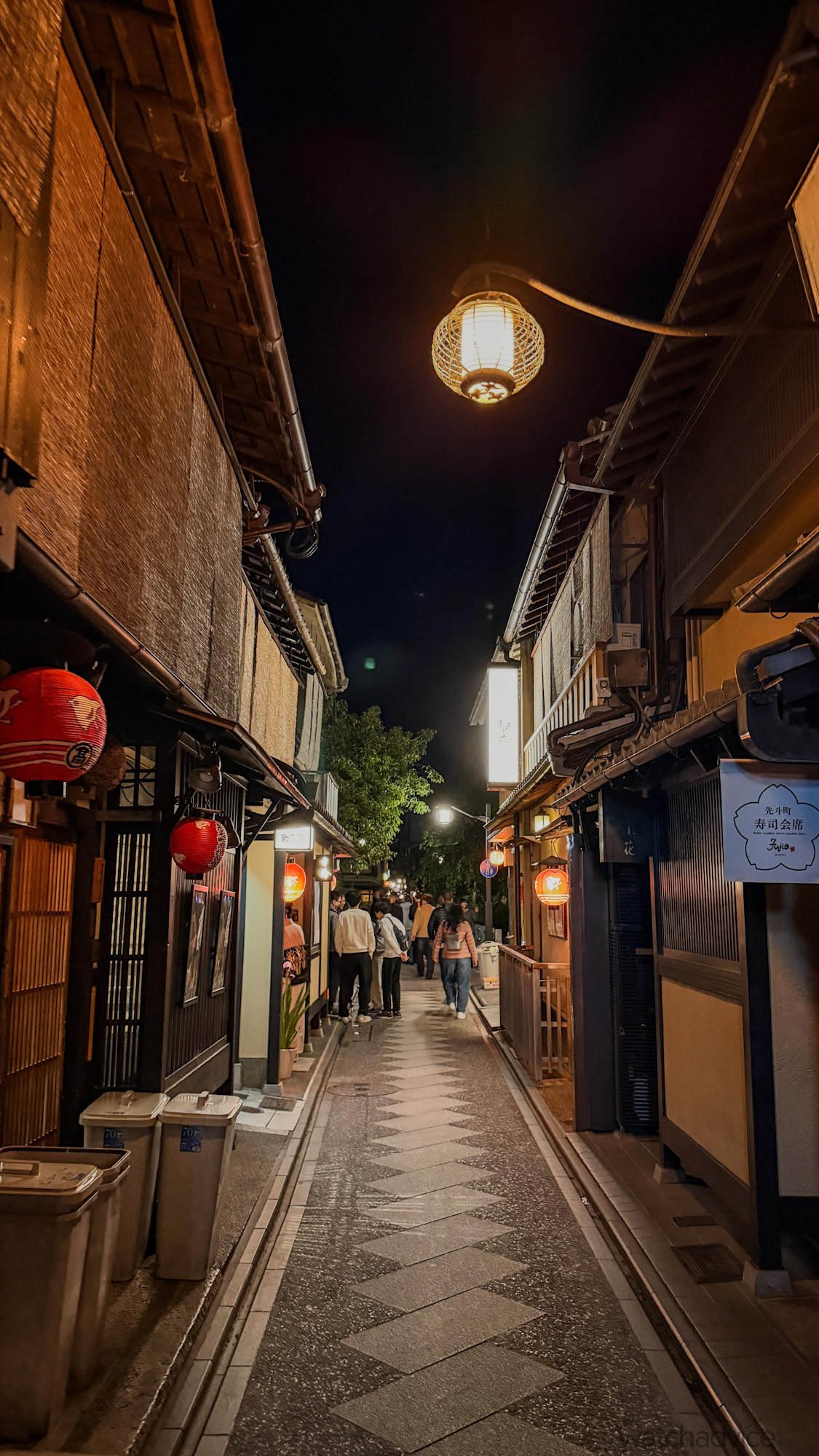
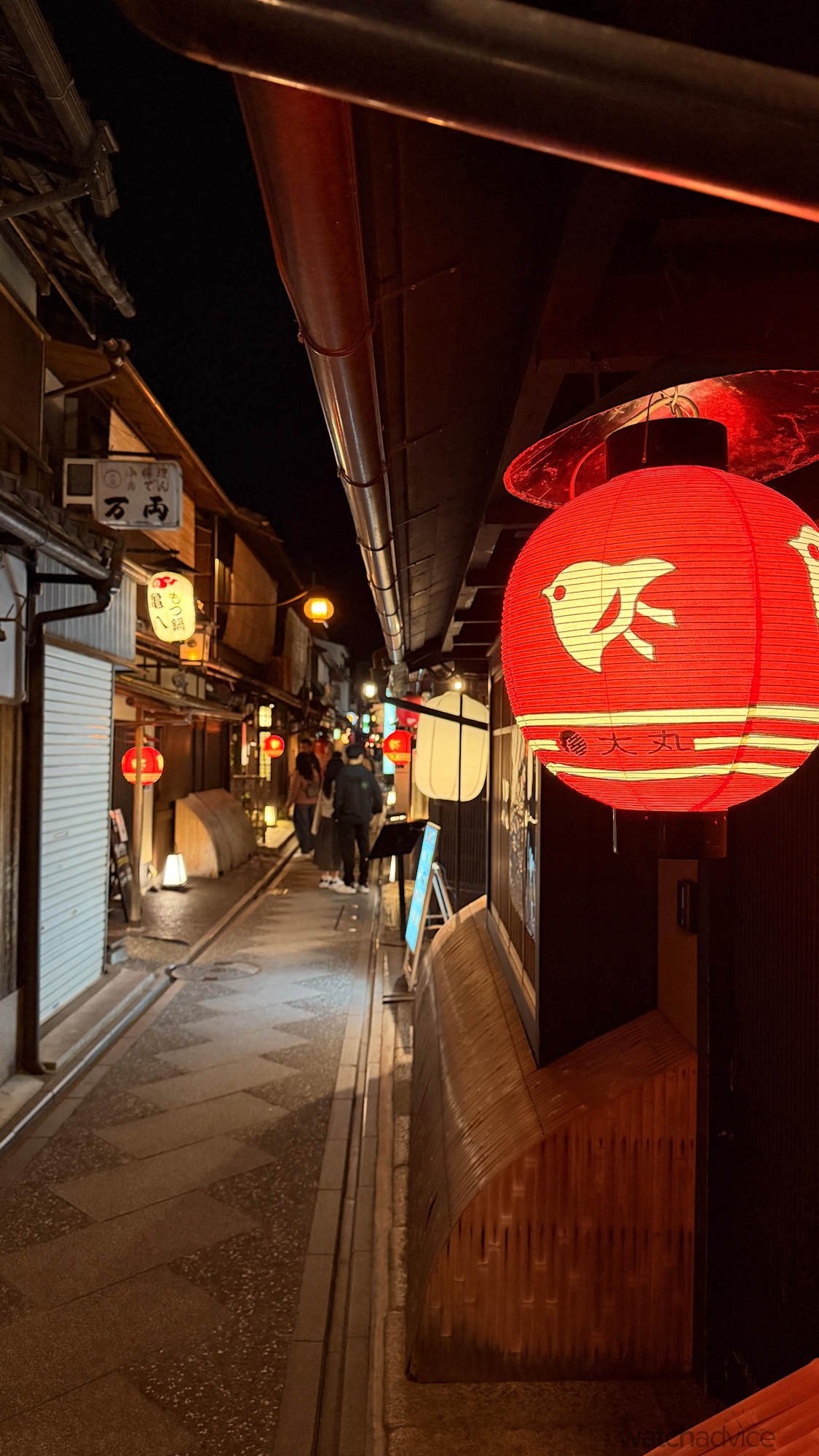
Wandering through the alleyways and narrower streets, I got a stronger sense of the traditional Japan I had pictured before arriving. Even at night, elements of the country’s past seemed to sit naturally alongside the conveniences and activity of a modern Japanese city.
Experiencing these three cities after dark showed just how different each could feel, despite sharing many of the things I had come to associate with Japan. But for me, it was Kyoto in particular that started to reveal another side of the country. Away from the neon lights and densely packed streets was a Japan defined by temples, gardens, and traditional architecture. And as the trip continued, the contrast between the country’s past and present became increasingly difficult to ignore.
Old Japan, New Japan. And A King Seiko Between The Two.
As the first city I landed in was Tokyo, my first impressions of Japan were of a huge city, dense streets, technology, lights and, of course, modern architecture. However, I knew there was also a significant historic side to the country, and travelling through Kyoto and Osaka gave me a glimpse of that completely different side of Japan. From traditional temples and pagodas to beautiful gardens, stunning castles, and many more open, peaceful spaces, it was quite the contrast.
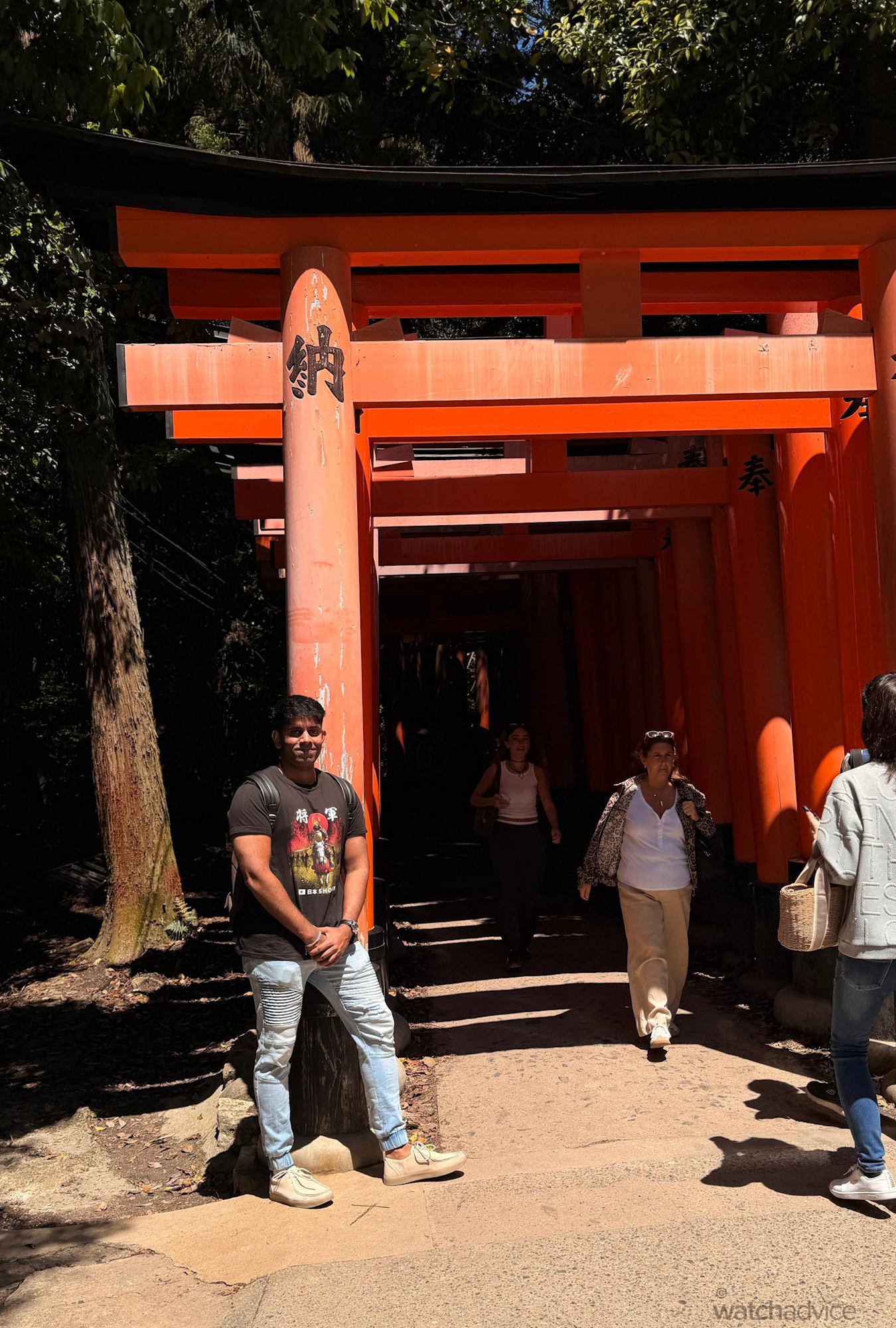
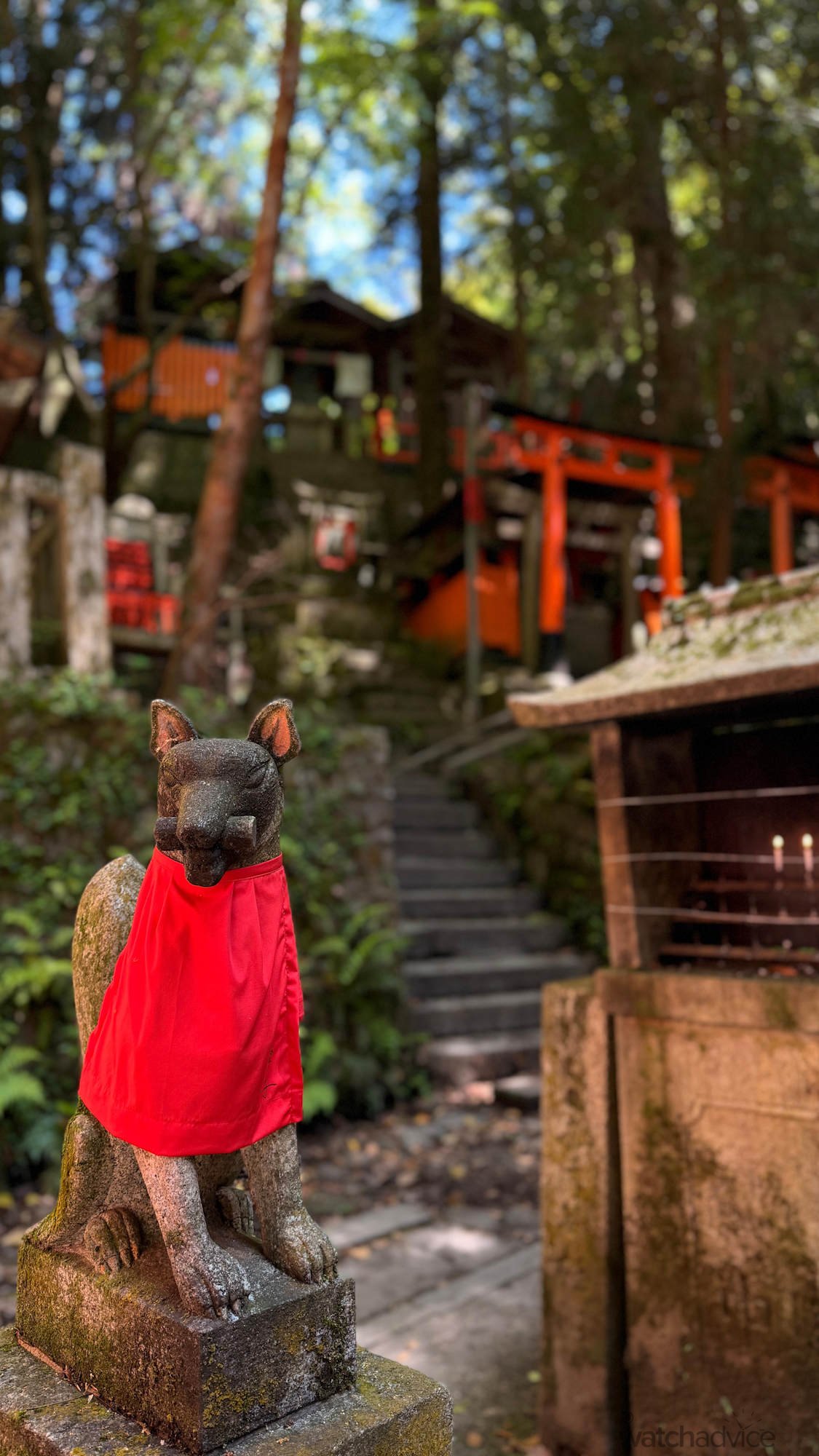
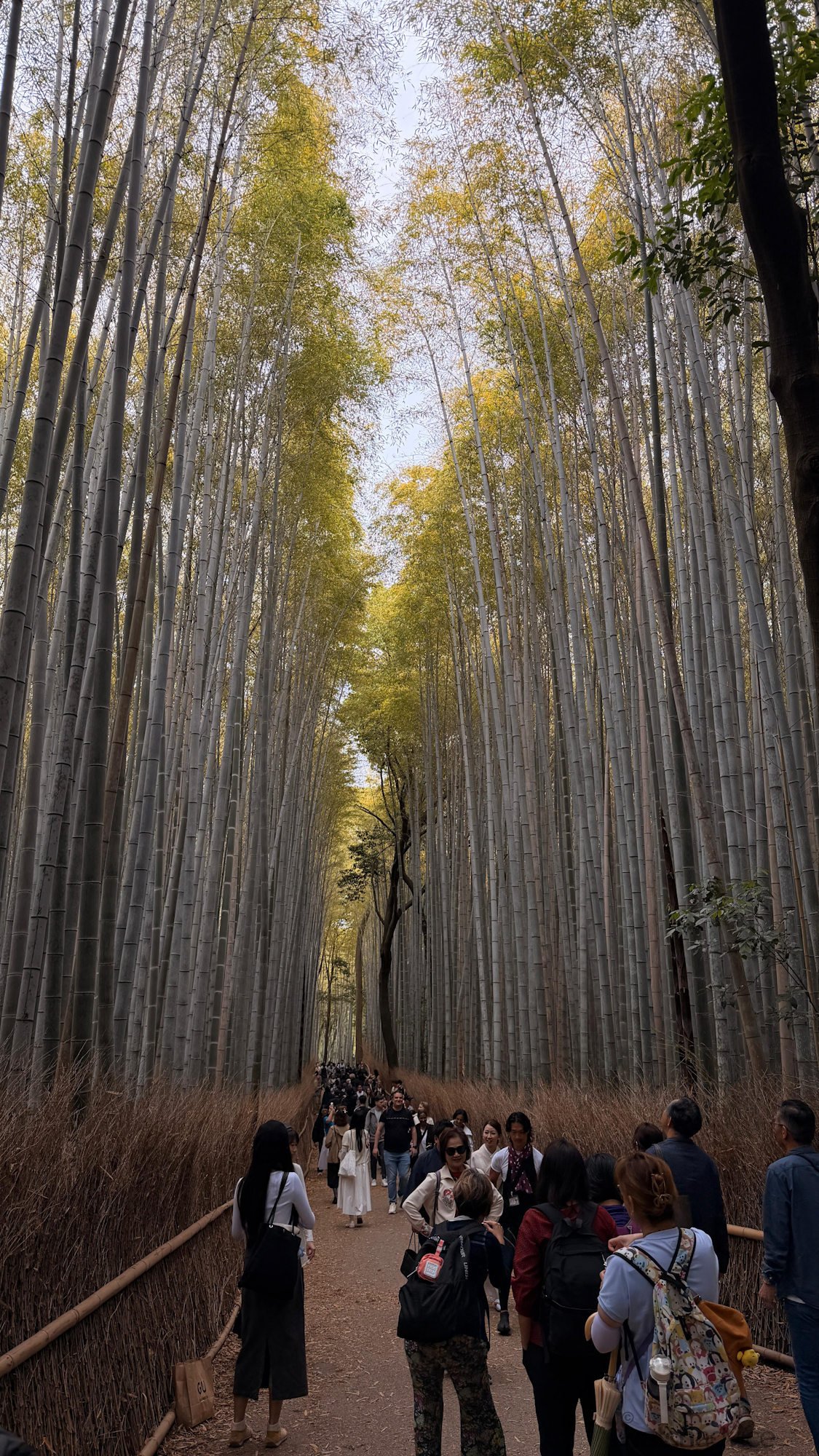
Kyoto, for me, felt like the biggest contrast out of the three cities that I had the chance to visit. As I mentioned earlier, there is a much more historic element to this city, and it felt peaceful walking around and exploring. Visiting the Bamboo Forest and Fushimi Inari Taisha Shrine also gave me a chance to experience a side of Japan that felt completely different to the dense streets and towering buildings of Tokyo. There was a slower pace to Kyoto, and being surrounded by temples, shrines and traditional architecture made the history of the city feel much more present.
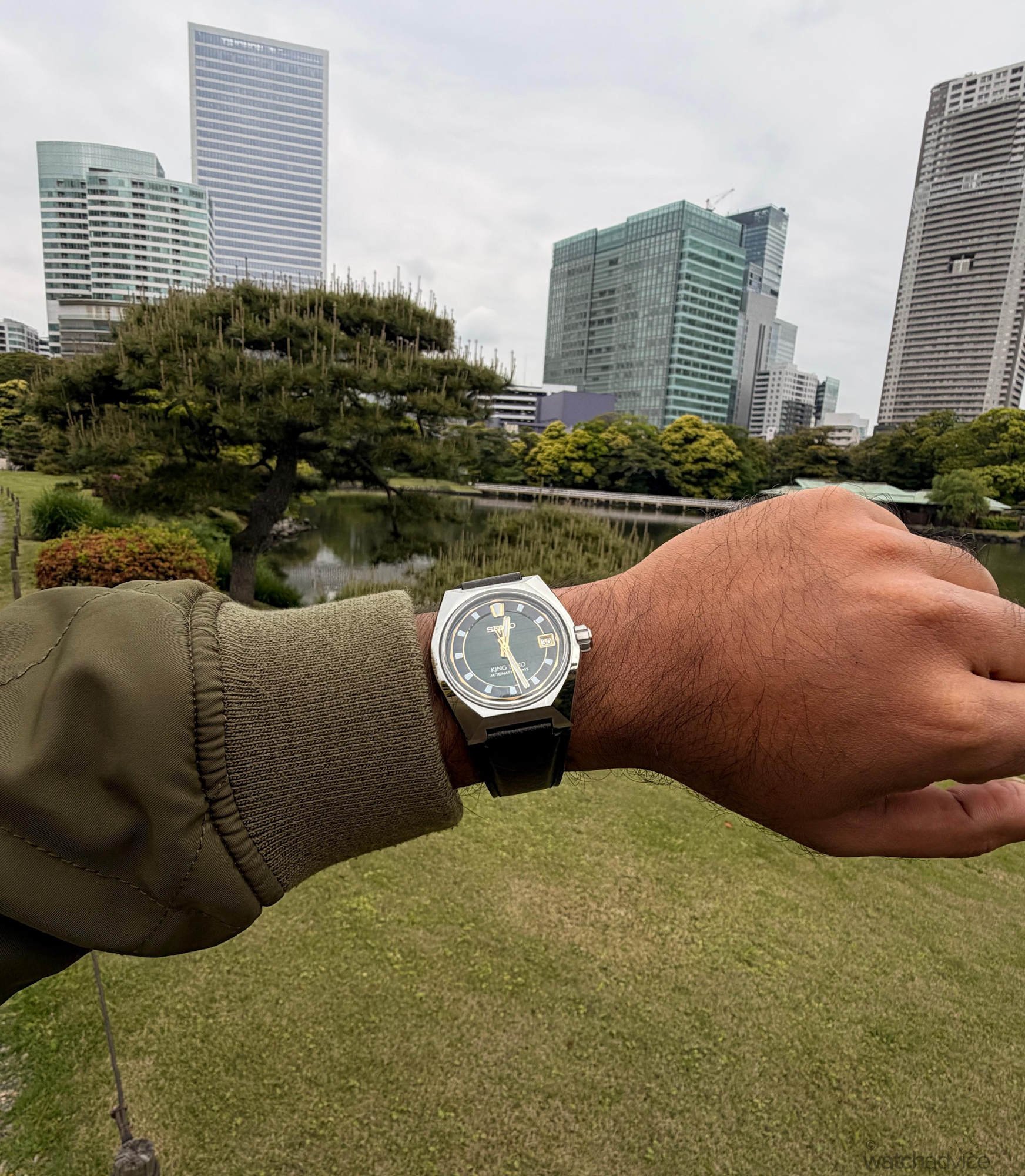
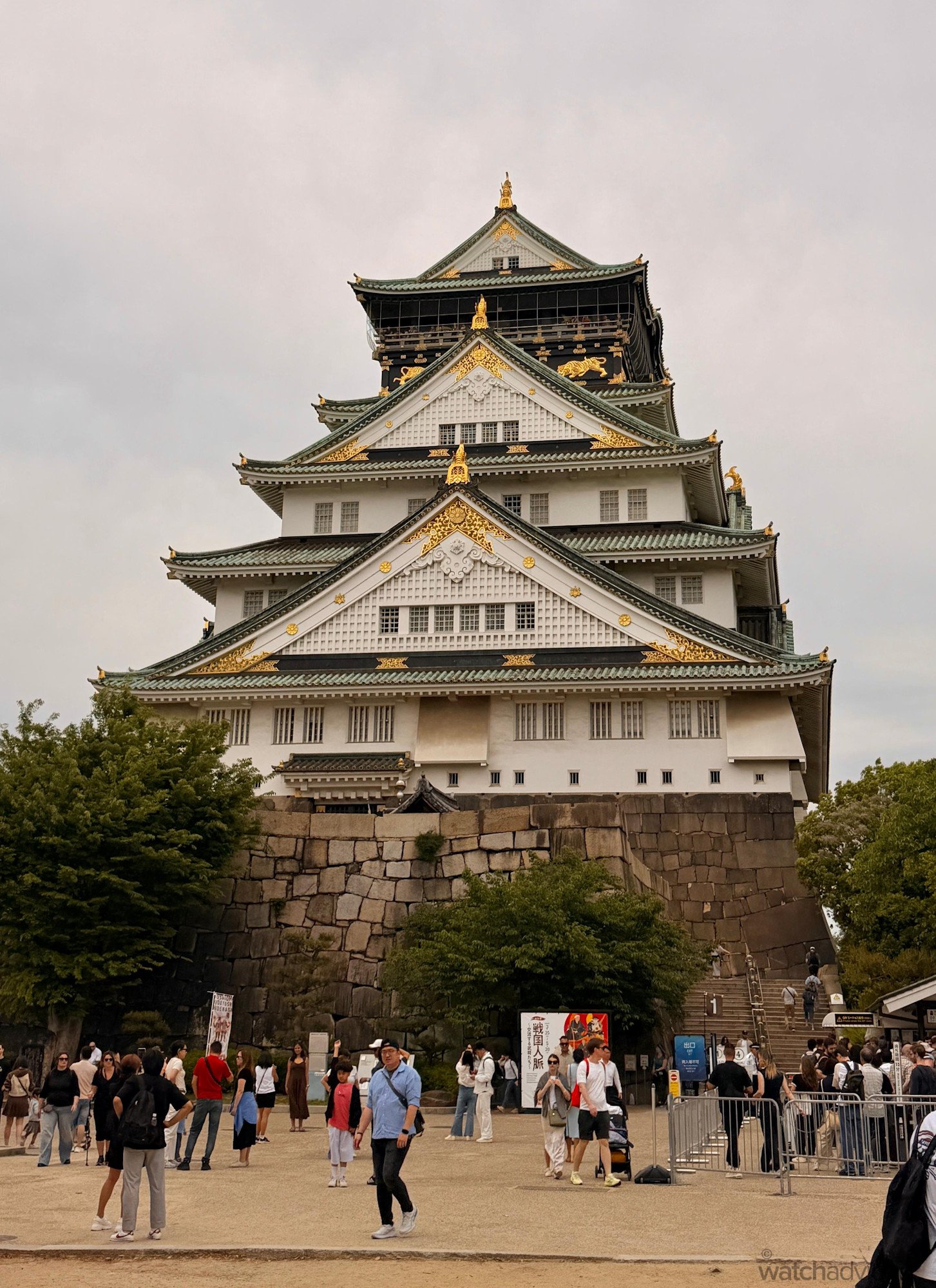
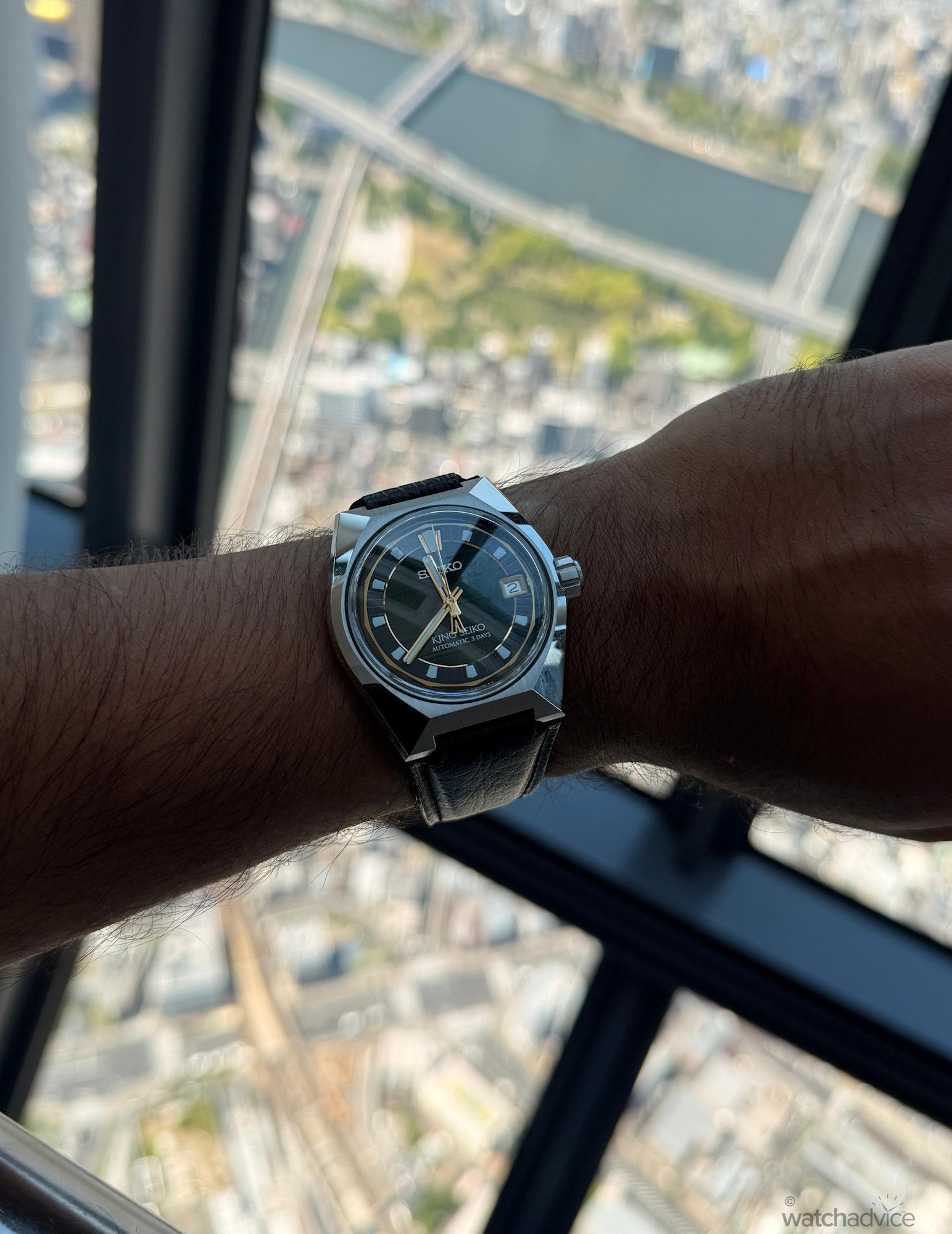
What made my experience in Japan special was that it wasn’t simply that the country had an old side and a new side, but more so how closely the two existed alongside each other. You could be standing amongst a traditional garden, temple or historic structure and still see a modern skyline rising behind it. Osaka is one city that demonstrated this brilliantly as well. Osaka Castle and its surrounding grounds sit within a huge contemporary city, perfectly demonstrating how, rather than feeling like the historical parts of Japan have been separated from modern life, you constantly see the two overlapping.
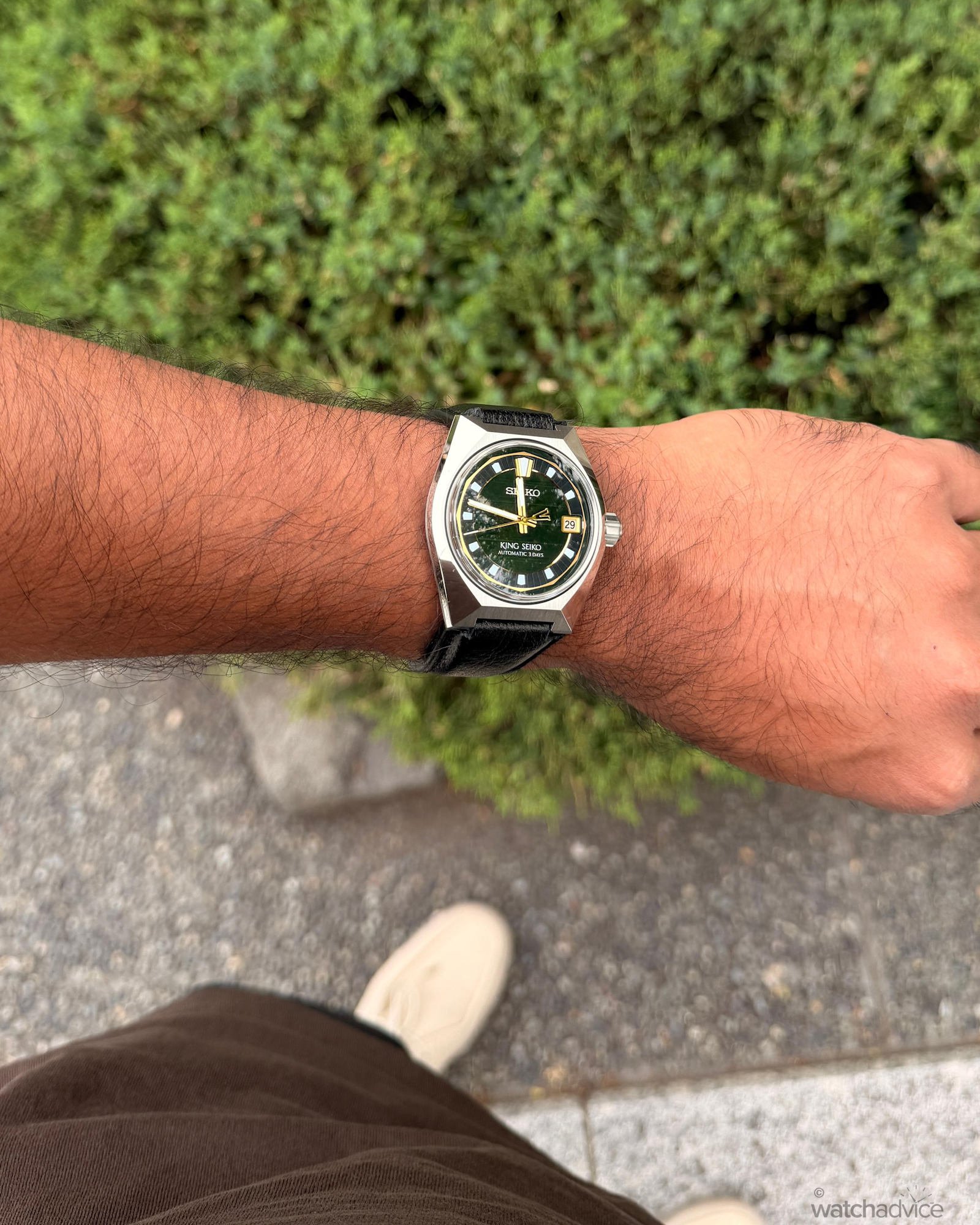
Somewhere between these two sides of Japan was the King Seiko VANAC, which had been travelling with me throughout the trip. While there are certainly several pieces in Seiko’s collection that combine a historical background with contemporary watchmaking, looking back, the VANAC almost feels like the ideal watch to have brought along. The VANAC name itself isn’t new, having first appeared within the King Seiko collection during the 1970s. The bold colours and distinctive faceted cases gave the original VANAC models an identity unlike the more traditional King Seiko watches of that era.
The modern VANAC, however, takes inspiration from the past without simply recreating it, bringing the name back through a much more contemporary interpretation. And this is why it feels like an ideal watch for this trip, as that same relationship between past and present was something I had experienced throughout Japan.
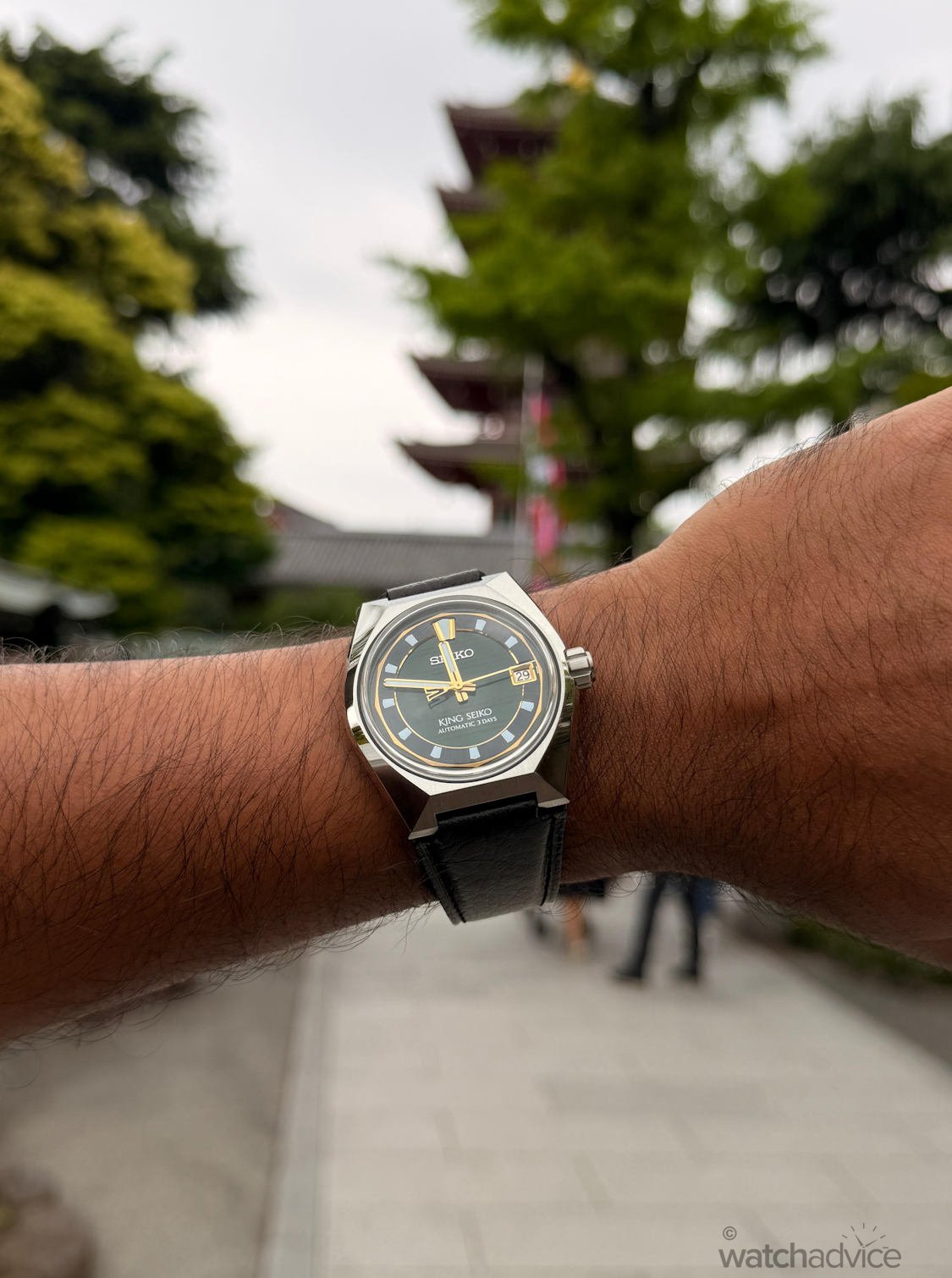
This connection between past and present became even more apparent as I photographed the VANAC throughout the trip. One moment it was sitting against the backdrop of a modern Japanese skyline, while the next I was photographing it amongst beautiful gardens, temples and architecture that represented the history and heritage of Japan. None of this was something I had really planned before arriving, but looking back through the photographs, it became one of my favourite parts of the experience.
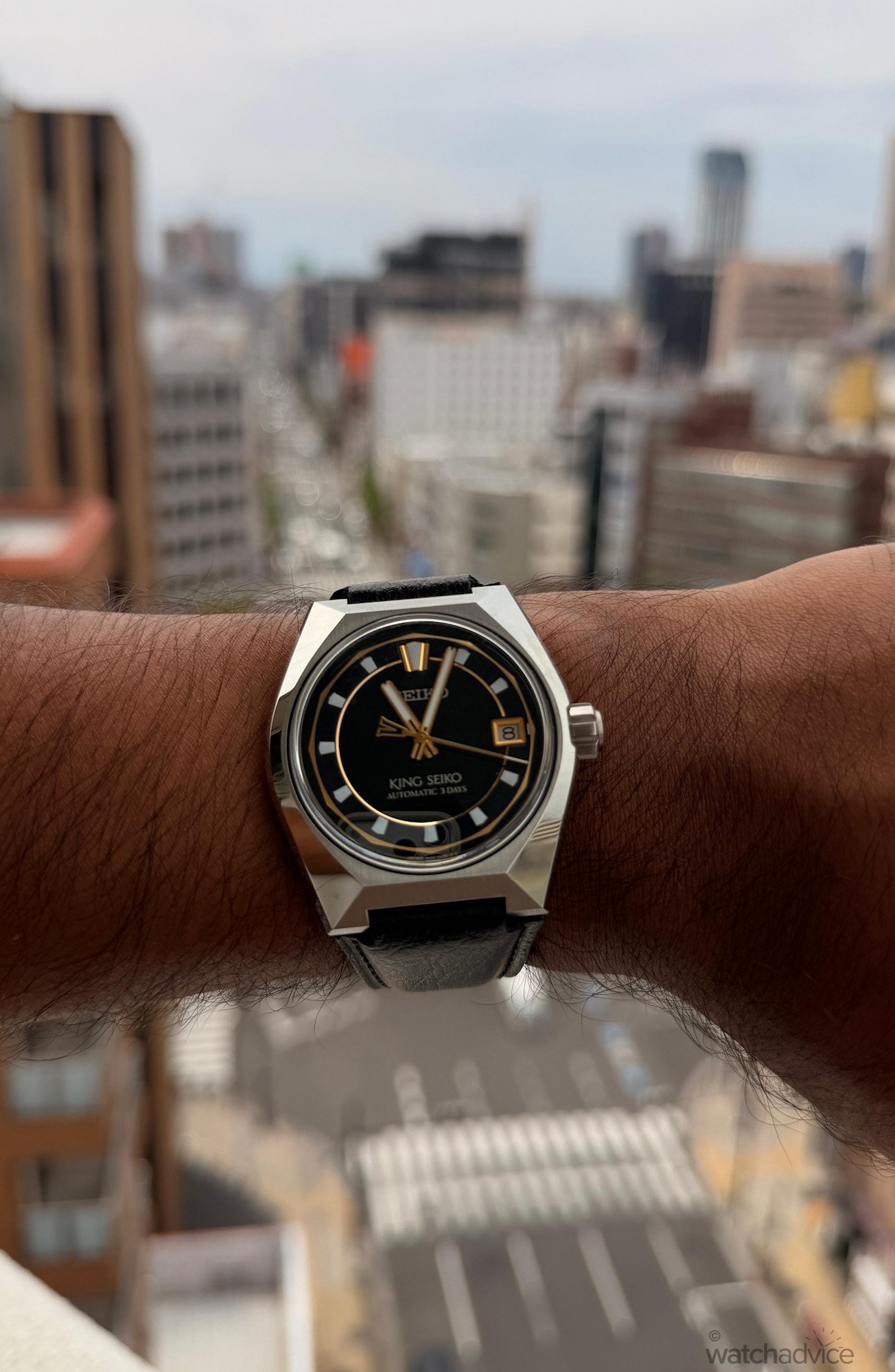
There was something fitting about exploring a country where the old and new seem to exist so naturally alongside one another, with a modern King Seiko on my wrist that, in its own way, tells a similar story.
The Watch That Came Along For The Ride
If I’m being honest, the VANAC isn’t normally a timepiece that I would have naturally leaned towards, as it is quite different from my usual taste with its unique, faceted tonneau-shaped case design. However, this is also one of the reasons why I wanted to try it out for this trip. I’m generally more accustomed to traditional circular or square watches, especially when it comes to Seiko, so the VANAC offered something completely different.
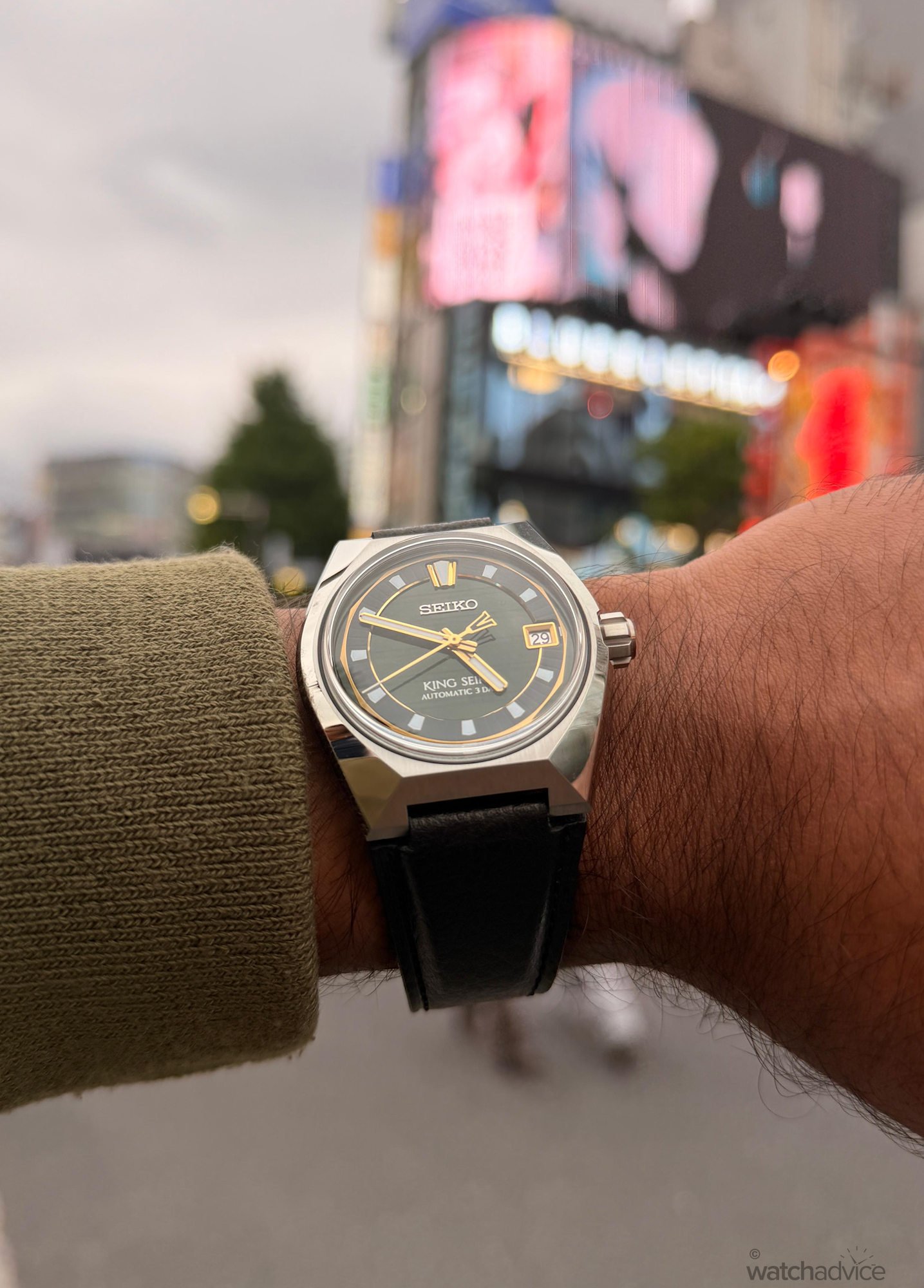
A tonneau-shaped case already gives the watch a distinctive presence on the wrist, but its heavily faceted design is what makes it quite unique compared to more traditional tonneau-shaped cases. For a trip like this, I thought it would be interesting to step outside of what I would normally choose and experience something completely different. And as you can tell, I would eventually go on to discover that with the VANAC’s history and its more modern, contemporary design today, it ended up being the perfect choice for the story of Japan itself.
Seiko offers the modern King Seiko VANAC in a variety of colours, and going into the trip I had two choices: the purple dial or this green. While the purple would certainly have been the more immediately standout option, looking back, I don’t think I could have chosen a better colour than green for Japan. From the lush green mountains to the beautiful gardens I encountered throughout the trip, there always seemed to be a natural backdrop that complemented the dial.
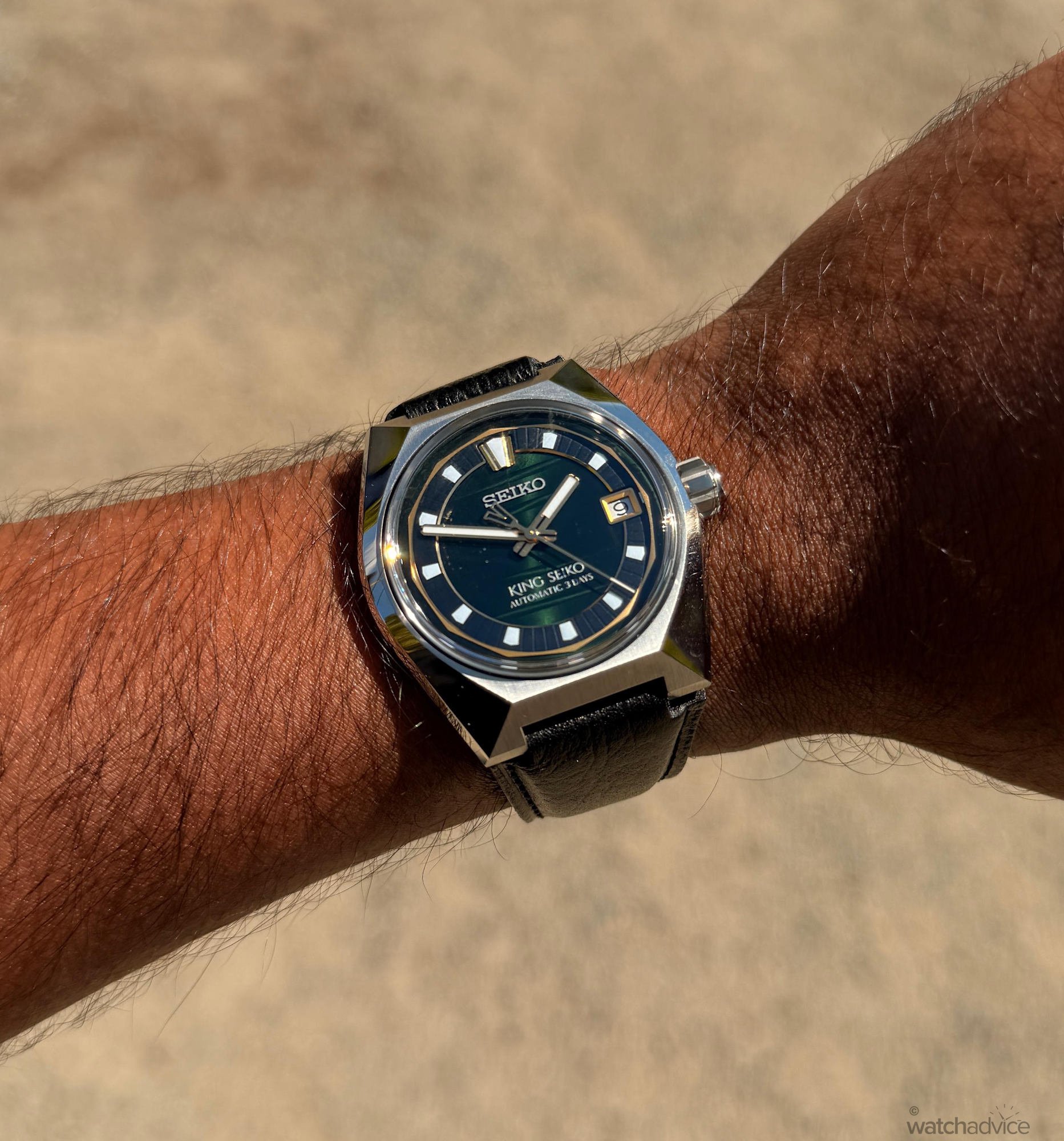
The dial itself features a sunburst effect alongside a horizontal engraved pattern, which allows a variety of different green shades to come through depending on the environment. Due to the nature of the sunburst effect, in darker conditions it can take on a much deeper, almost forest-green appearance. However, as you can see from the photos, it really comes to life under direct sunlight, where the sunburst effect transforms the dial into a much more vivid and lively green.
Spending this much time with the VANAC also gave me a much better understanding of how it actually wears on the wrist. I have a 16cm wrist, and I found that the case fit surprisingly well, especially considering its unconventional shape. I think one of the best choices I made with this watch for the trip was having it on the leather strap. The weather in Japan was quite hot, and compared with the steel bracelet, I found the leather strap much more comfortable to wear, especially for long periods of time.
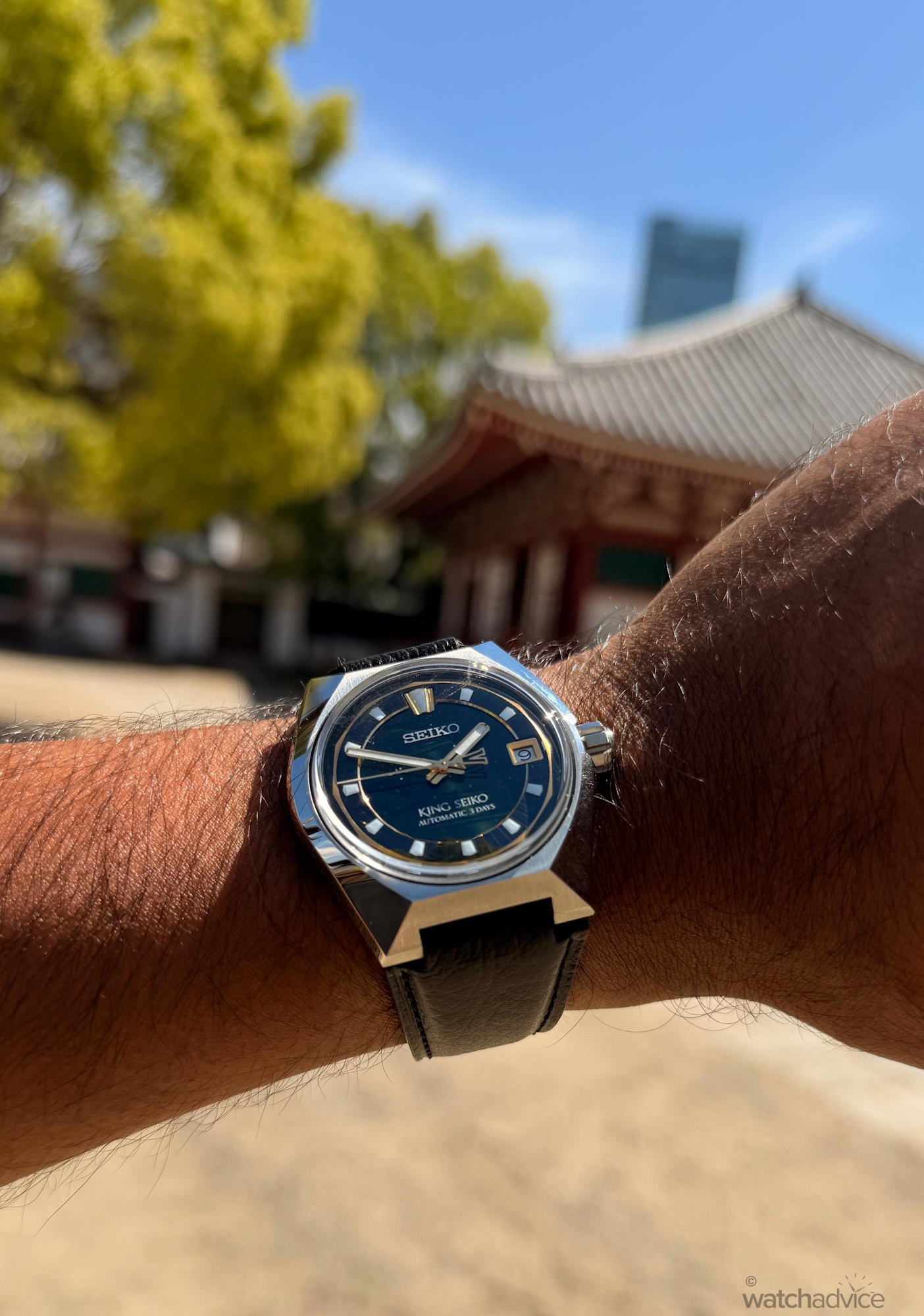
From a practical standpoint, the VANAC also proved incredibly easy to live with throughout the trip. Legibility was never really an issue thanks to the dial design, with its sharp hour markers and hands alongside plenty of lume for darker conditions. Although, in saying that, I didn’t find myself in too many places in Japan where that became a necessity.
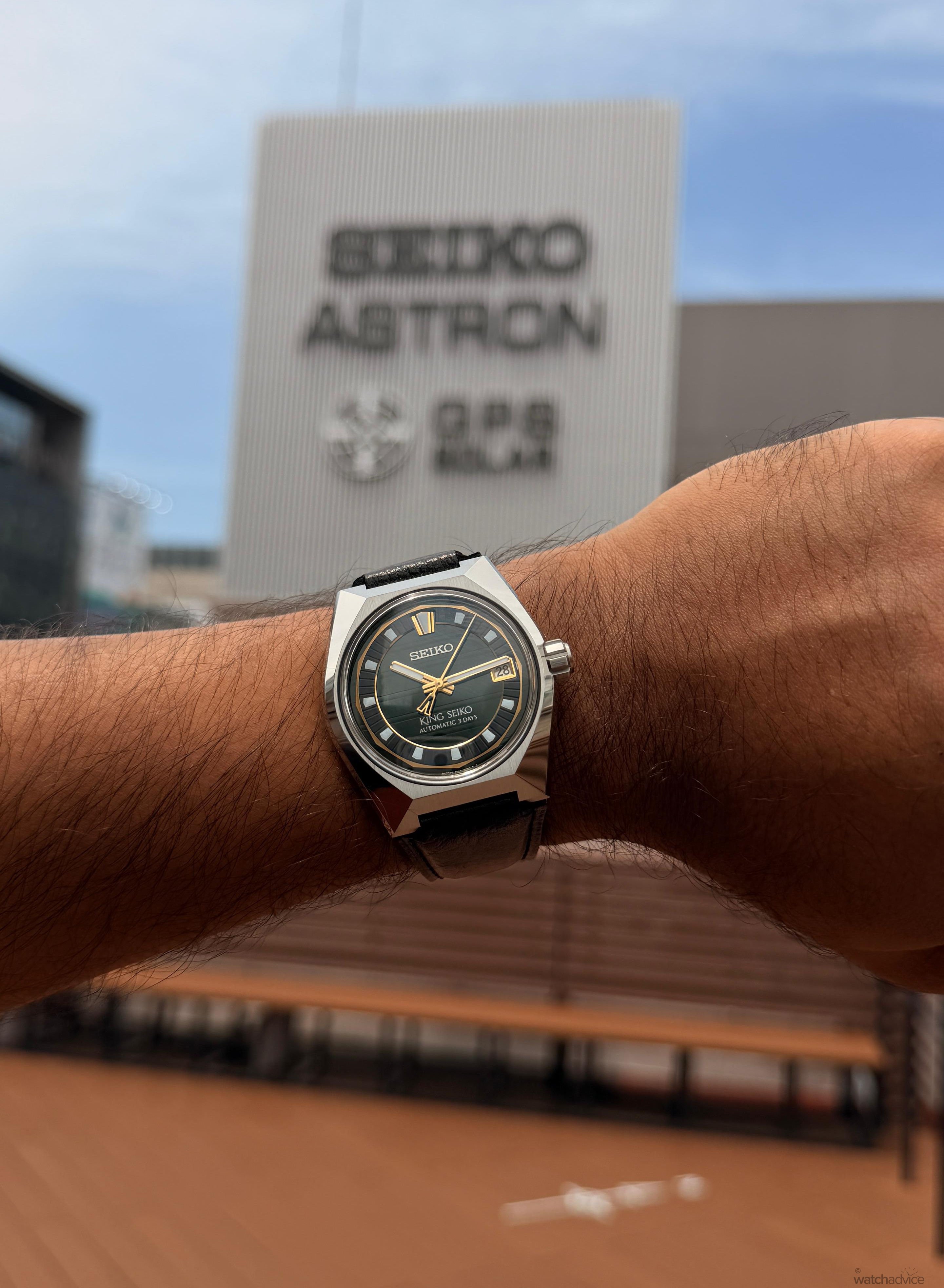
More importantly, this wasn’t a watch I had to think too much about while travelling. I could put it on in the morning, spend the entire day walking around and exploring, and simply enjoy having it on the wrist. What made it unique, though, was the unusual case design and constantly changing green dial, which meant that whenever I did stop to photograph the watch, there was usually something different to capture.
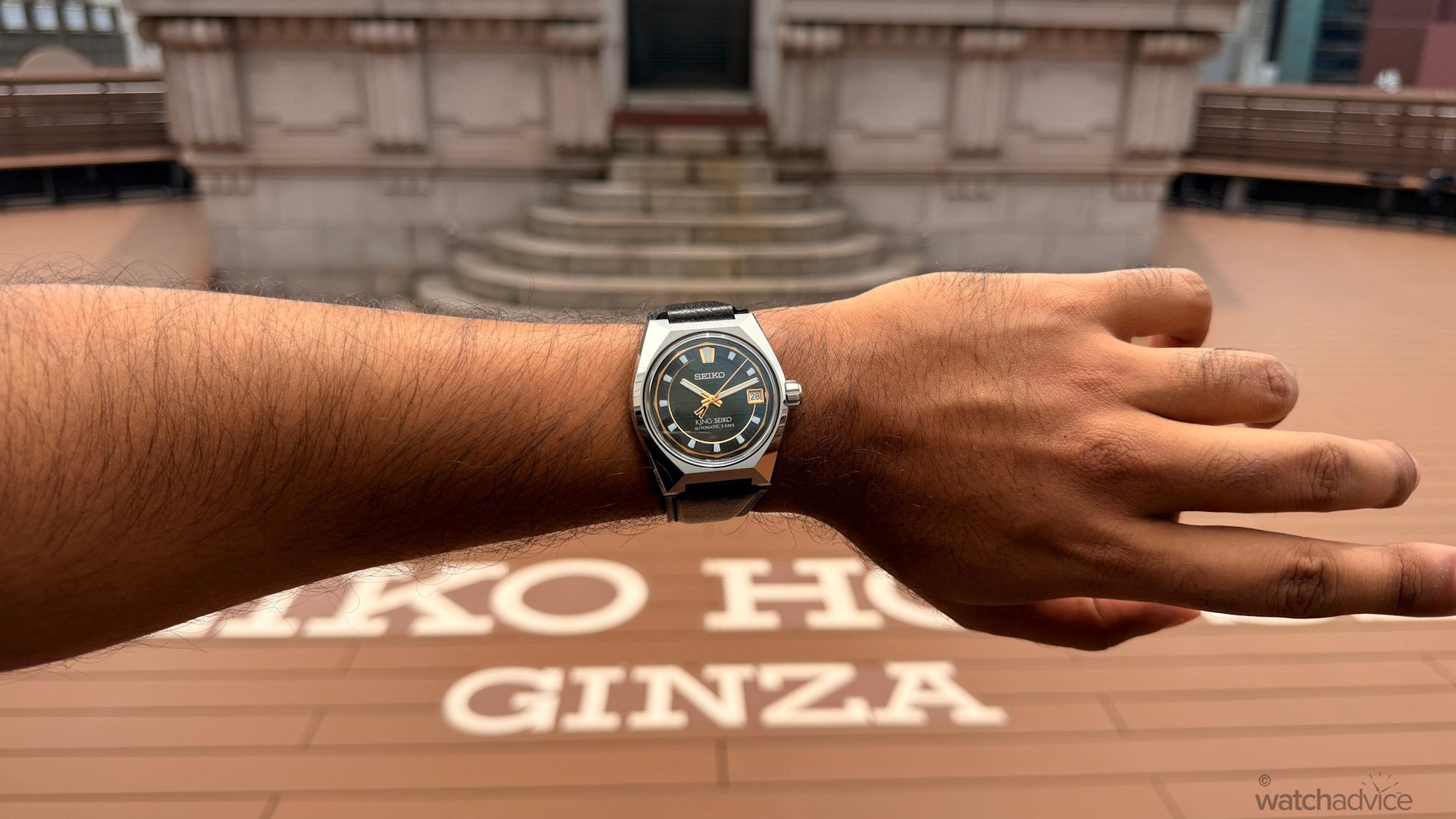
And ultimately, that’s what made the King Seiko VANAC such an interesting watch to take on this journey. It wasn’t necessarily the model I would have initially chosen, but I’m glad I did because, after wearing it through Tokyo, Kyoto and Osaka, it found its place amongst all the different sides of Japan that I experienced. From the modern skylines and illuminated streets to the beautiful mountains, gardens and traditional architecture, the VANAC came along for all of it.
And when I eventually look back through these photographs years from now, I’m sure I won’t just remember the watch that was on my wrist. I’ll remember the first time I got to experience Japan.