

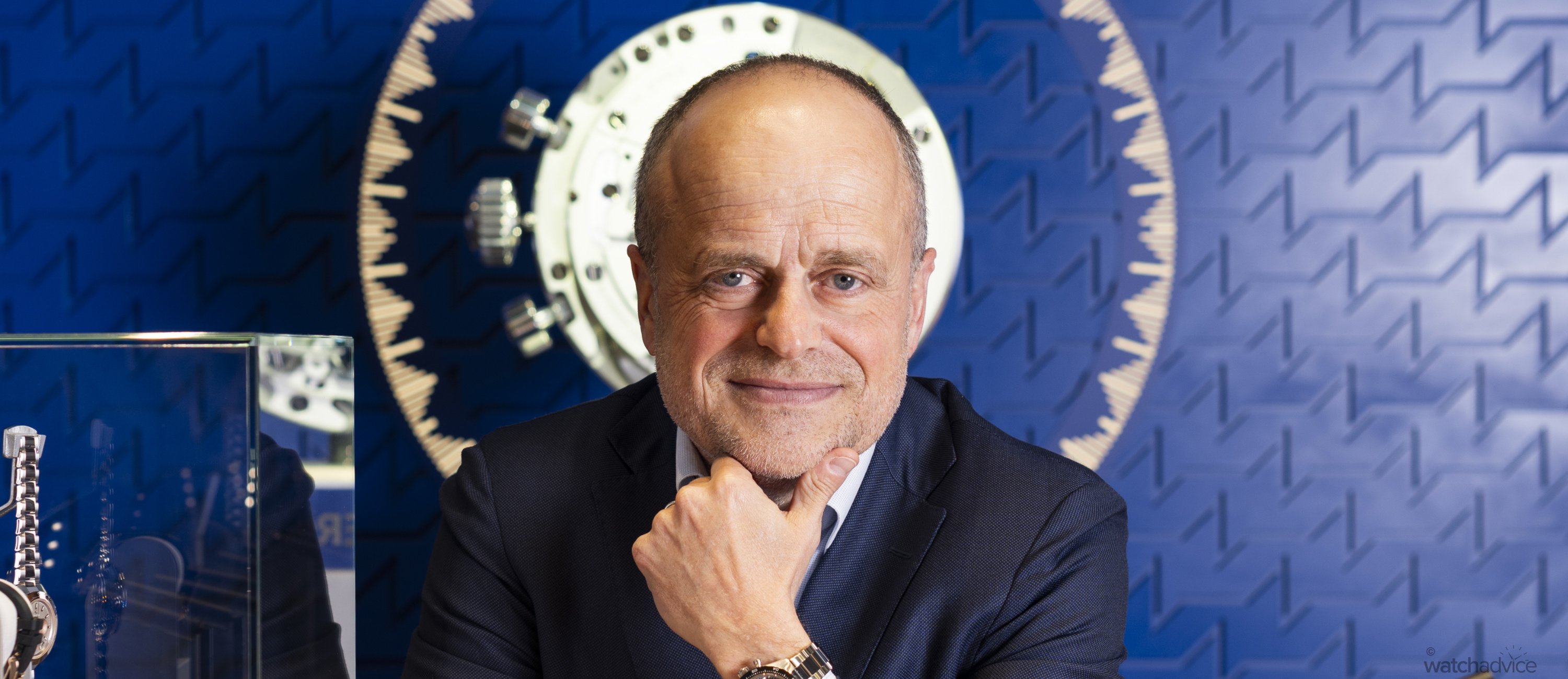
We sat down with Zenith CEO, Benoit de Clerck and asked him about the new era Zenith is moving into, and how looking to the past is now shaping Zenith’s future.
Watches & Wonders 2026 was only a mere eight weeks ago, yet it feels like last year so much has happened in the watch world since. This is a good thing, as it has given us time to digest all the watch launches at this year’s fair and think about how these have been received by the watch community and larger market as a whole. Of which, Zenith’s new releases were, yet again, a hit.
With two new G.F.J. models and a new collection of skeletonised Chronomaster Sports that included a redesigned bracelet and clasp, the Le Locle brand seemed to be doubling down on the G.F.J from last year and the 160th Anniversary of the brand. We sat down with CEO Benoit de Clerck to talk to him about these releases, what his vision is for the brand, and where Zenith is heading.
Before we jump in, however, a small note on Benoit himself. We have spoken to him several times in passing, but not really one-on-one for any good length of time. The one thing that has struck me each time is that he is a man with principles, is open and honest (rare with CEO’s of large businesses) and has a passion for both Zenith and the watch industry as a whole. When you talk to him at length, you get to know him a whole lot better, and he is someone who calls it how it is.
It does not feel like he is hiding behind carefully curated press talking points, which is refreshing these days, and something that seems to echo across the wider culture at Zenith. When we toured there last year, this was one thing that struck me – the down-to-earth nature of the people who work there, and how it feels less like part of a large multinational corporation (LVMH), and more like a large family business. Something we and Benoit both touch on.
160 Years As A Turning Point
While anniversaries often encourage brands to spend time reflecting on their past, Zenith seemed more interested in using the occasion to define its future. This is how it felt to us at last year’s Watches & Wonders with the celebrations of one of the first Swiss integrated watch manufactures. Sitting down with CEO Benoit de Clerck, that impression was quickly confirmed for us.
“Celebrating an anniversary is always an important milestone in the life of a brand,” he explained. “But we wanted to use the 160 years to launch something very unique.”
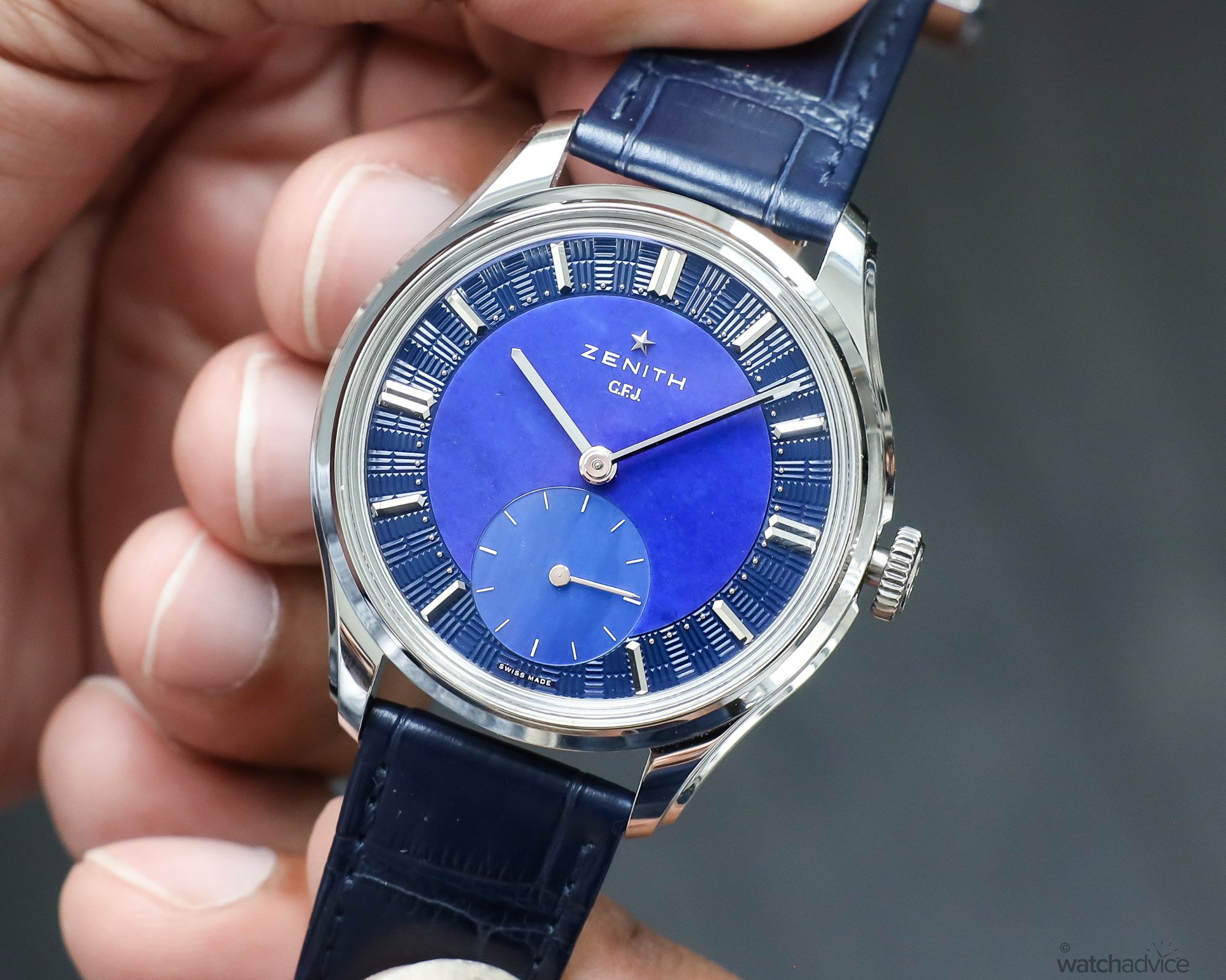
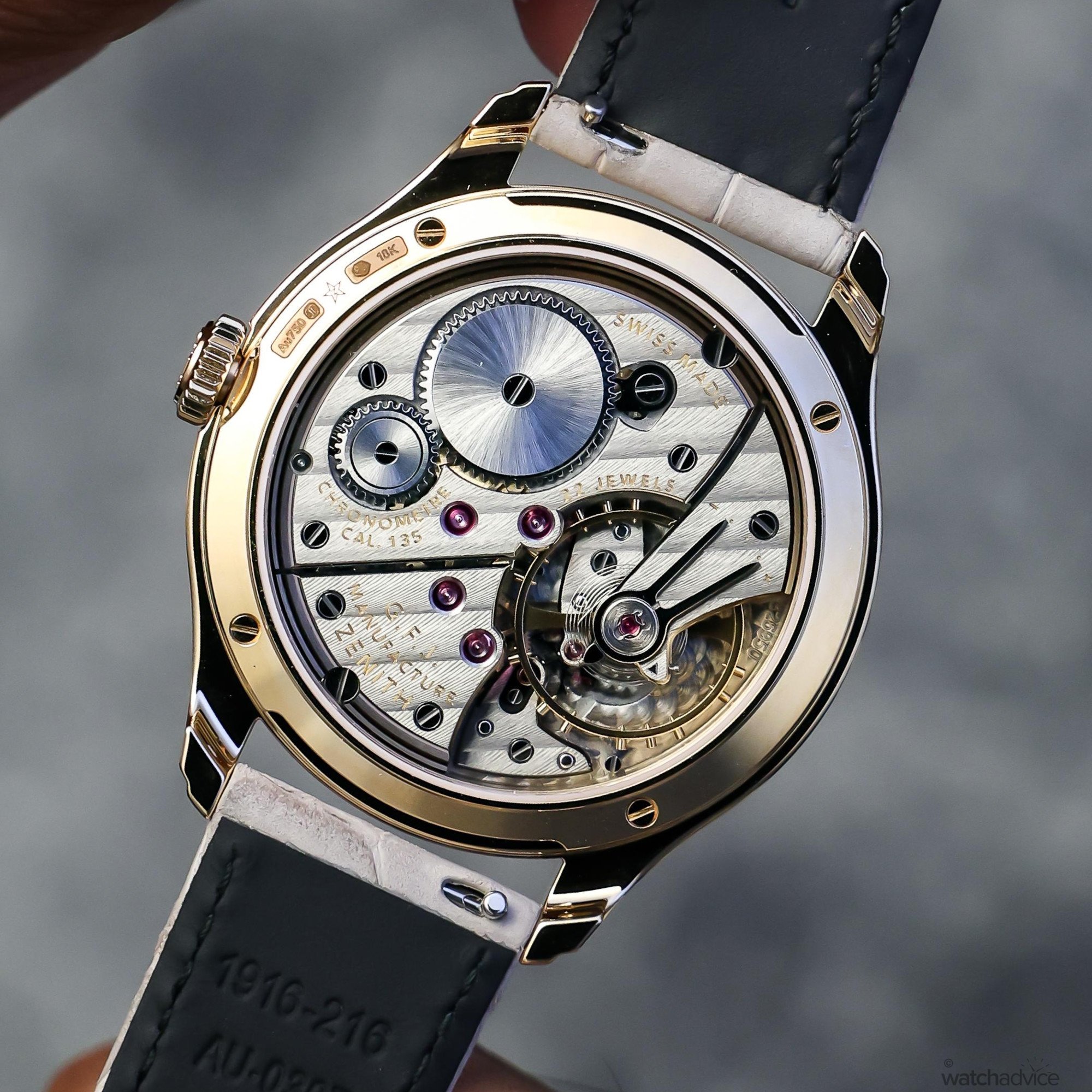
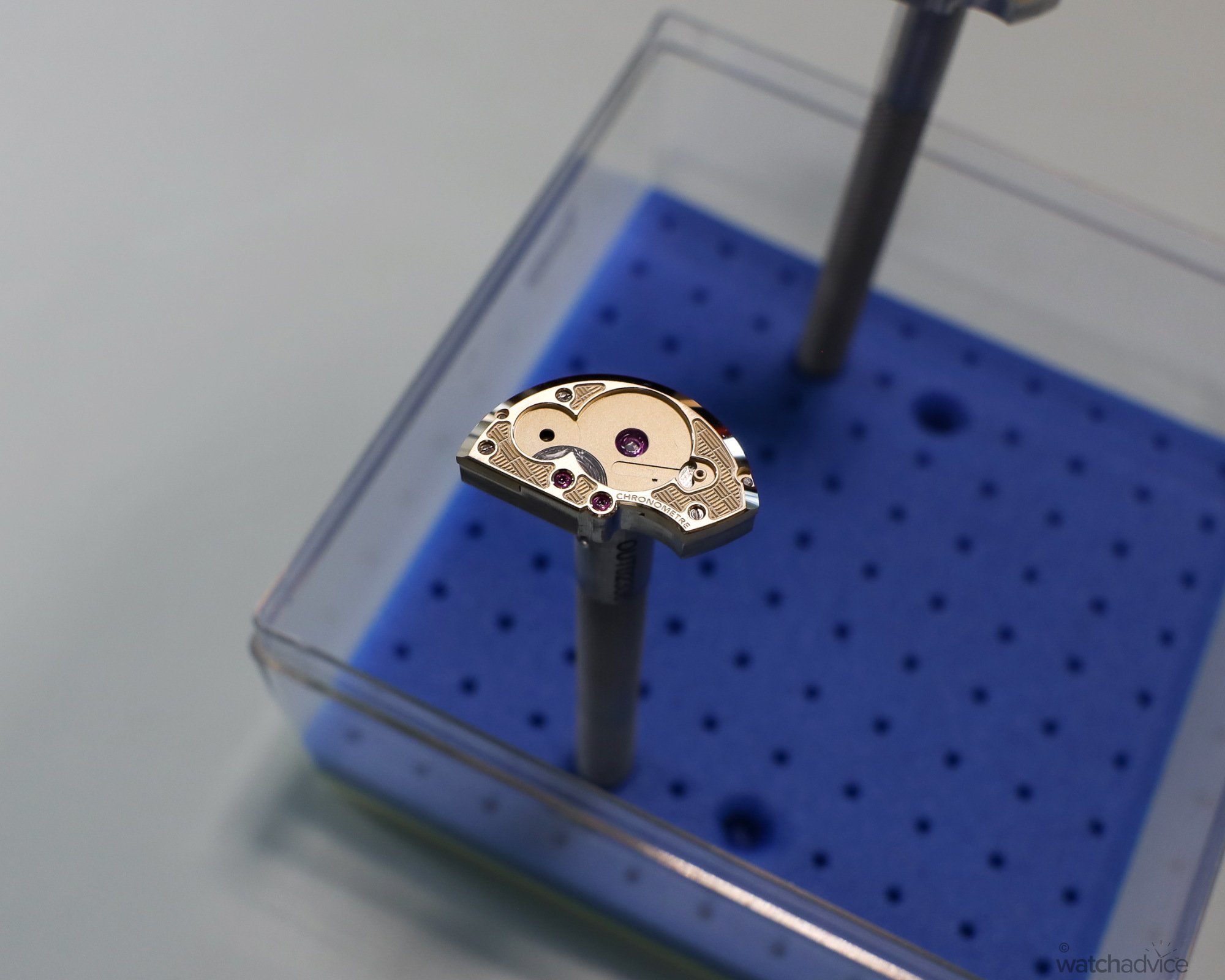
That “something” became the G.F.J., named after founder Georges Favre-Jacot. More than a commemorative piece, the watch represented something new for the brand. Zenith took one of the most celebrated movements in its history, the Calibre 135, and reinterpreted it through a thoroughly modern lens for modern collectors.
“We took the bet, and it took time to prepare,” de Clerck said. “Why Georges Favre-Jacot? Because it was a nice way to pay tribute to our founder.”
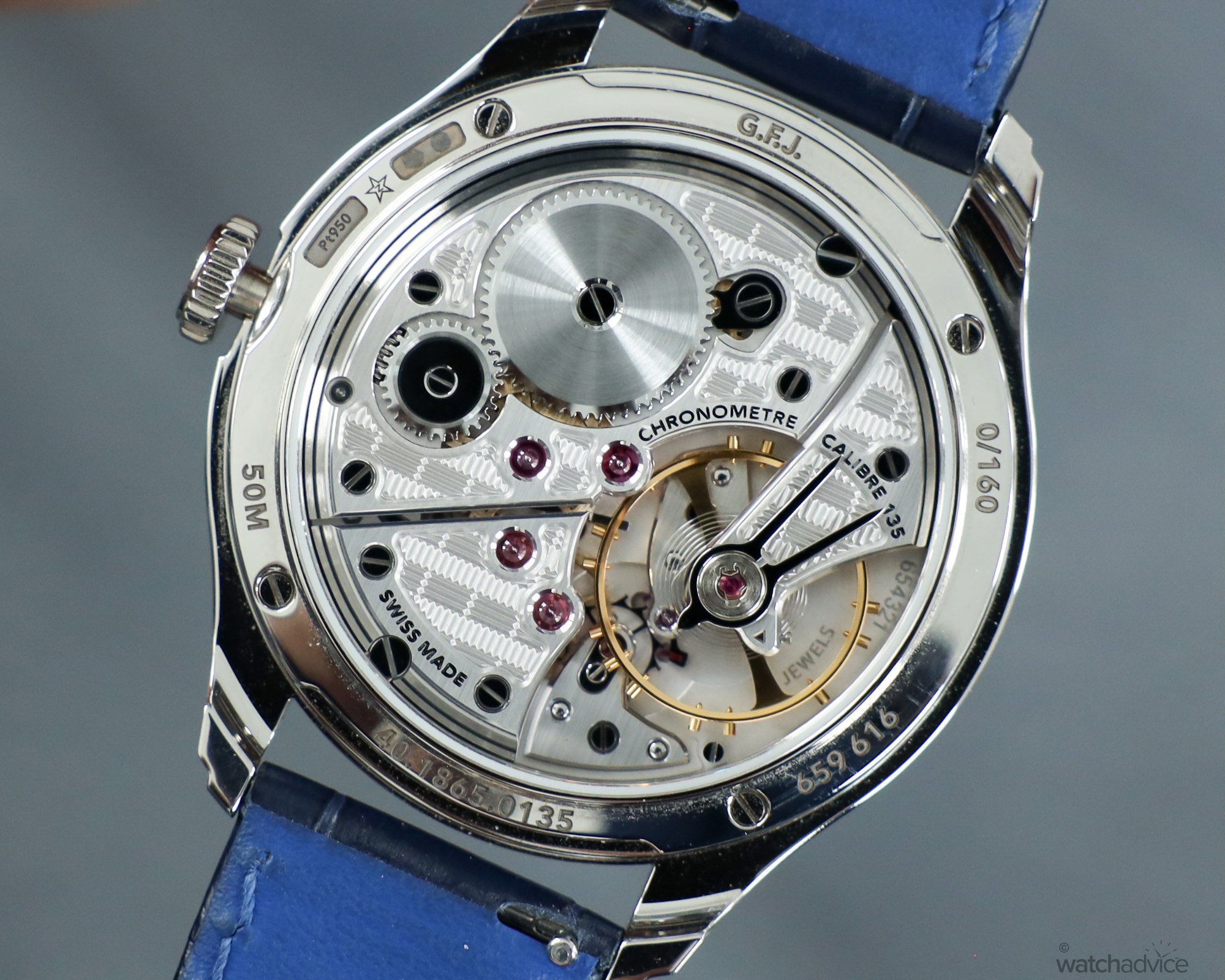
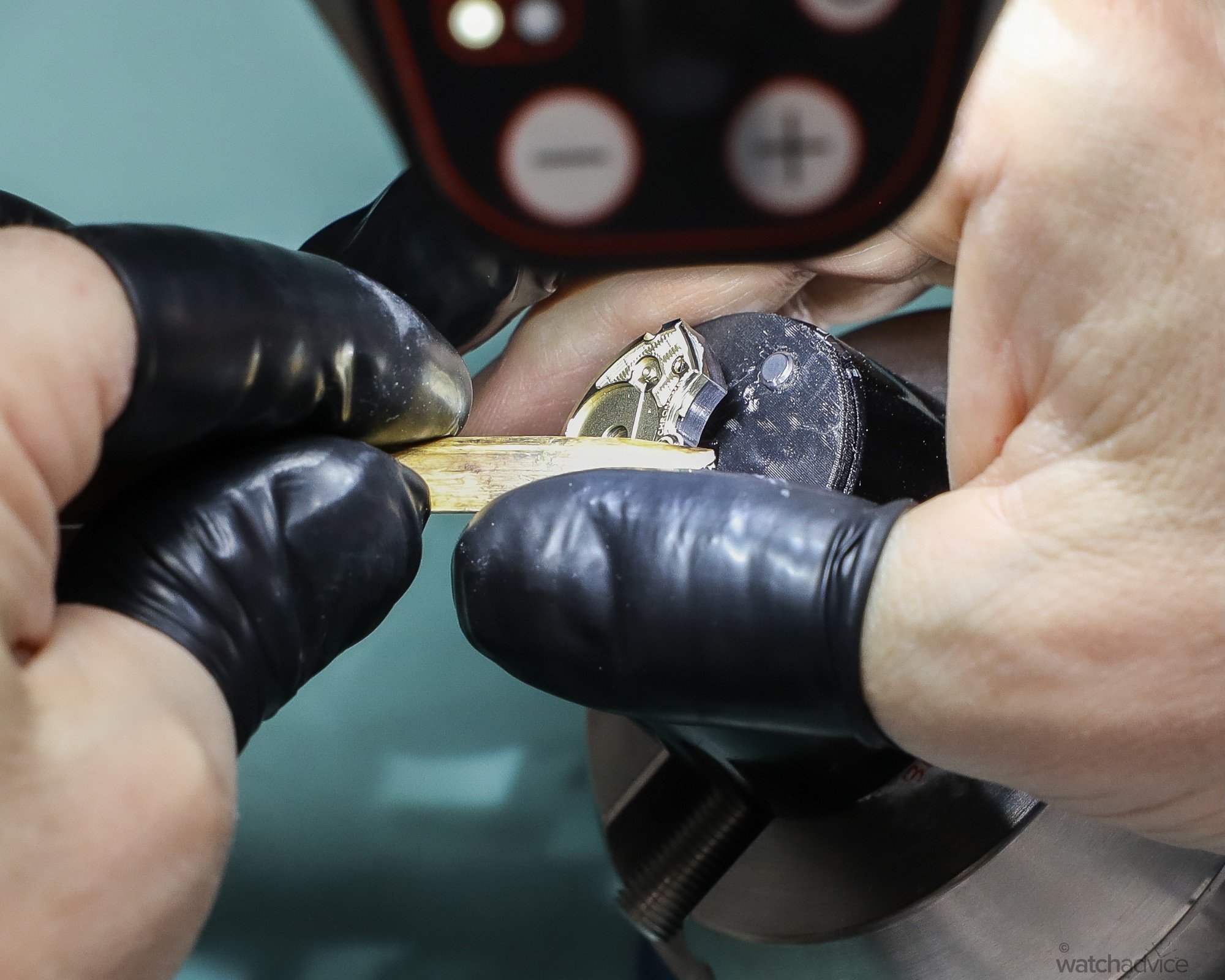
The project went well beyond reviving an old calibre. The movement itself was extensively refined, while details throughout the watch referenced Zenith’s Le Locle manufacture. The decorative finishing on the movement, for example, echoes the brickwork of the manufacture, a theme that extends to the Lapis Lazuli dial and its surrounding chapter ring.
For a watch positioned around A$78,000 or CHF 50,000, the response from collectors was immediate. “The good news is those are already sold out,” de Clerck said. “And we have very strong indications that the next ones will sell out very quickly as well.”
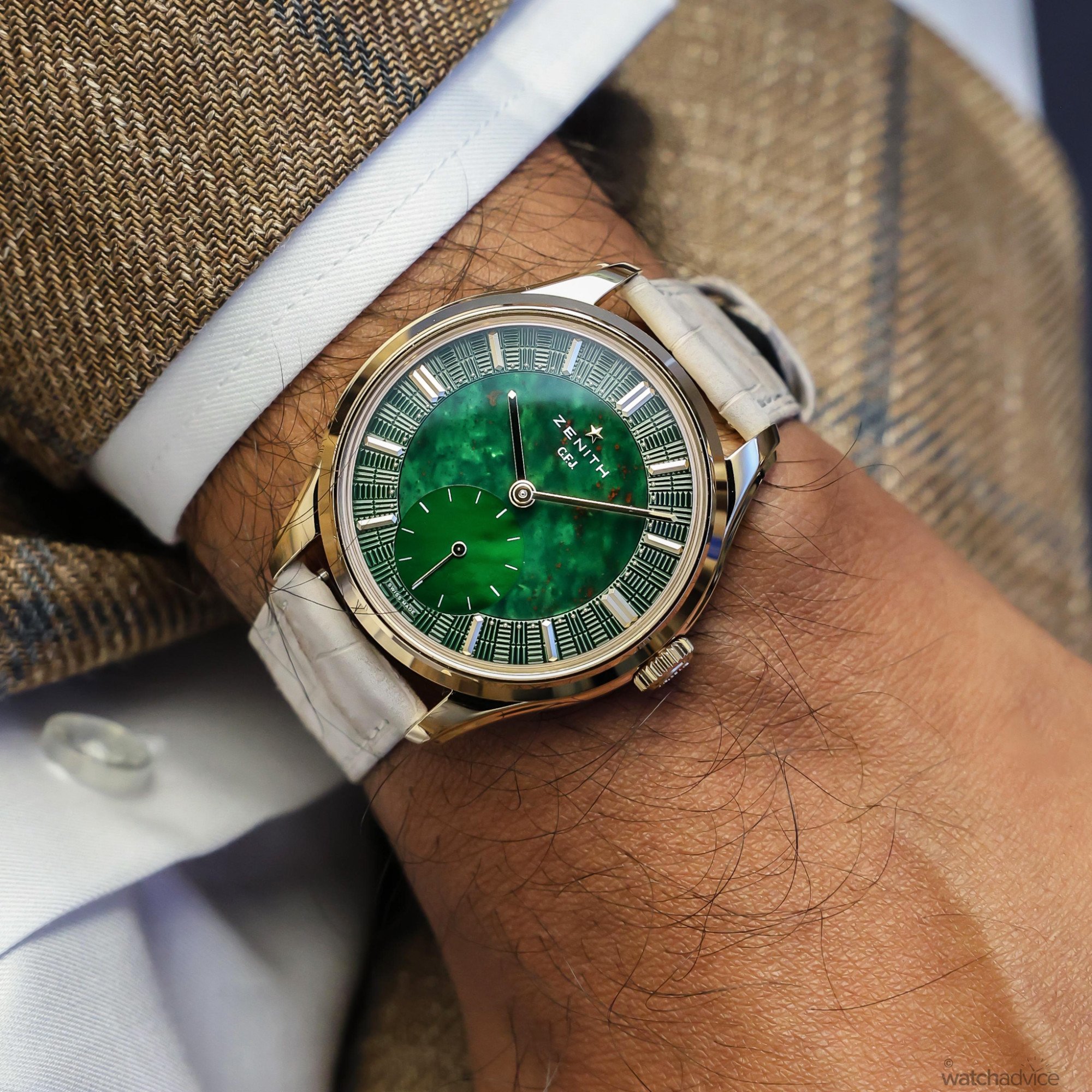
What could have remained a single anniversary piece has instead evolved into something bigger. This year’s 161-piece edition, featuring a bloodstone dial, continues the concept. And the plan is already extending into the future.
“I can already tell you next year we’re going to produce 162,” de Clerck revealed with a smile. “And continue like that. We have customers who tell us, ‘If you do ten years, we’ll buy all ten.“
The G.F.J. Is For Those In The Know
For collectors, The G.F.J. has an immense appeal. However, for Benoit, the watch has found a special audience among watchmakers themselves, many of whom have a deep connection with the Calibre 135.
“The G.F.J. is a watch for people in the know,” he said. “Not only collectors, but watchmakers as well.”
The reason lies in the movement’s remarkable history. Long before it made its way into the G.F.J., the Calibre 135 formed part of the curriculum for generations of watchmakers. It was the movement many students learned from and on, and one that amassed more than 230 chronometry prizes during its competitive career.
“Many watchmakers passed their tests and graduated, studying that movement. Every watchmaker knows it.”
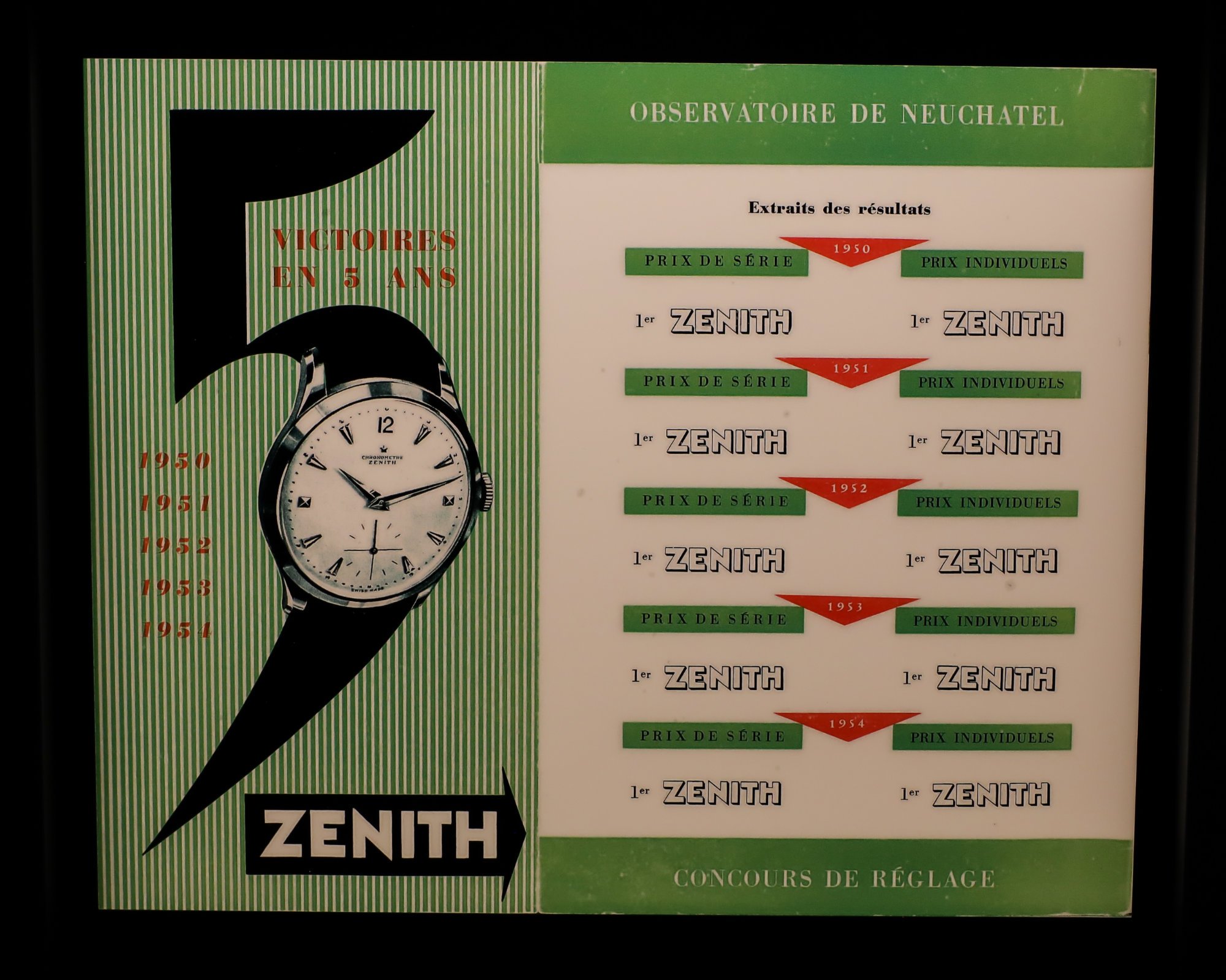
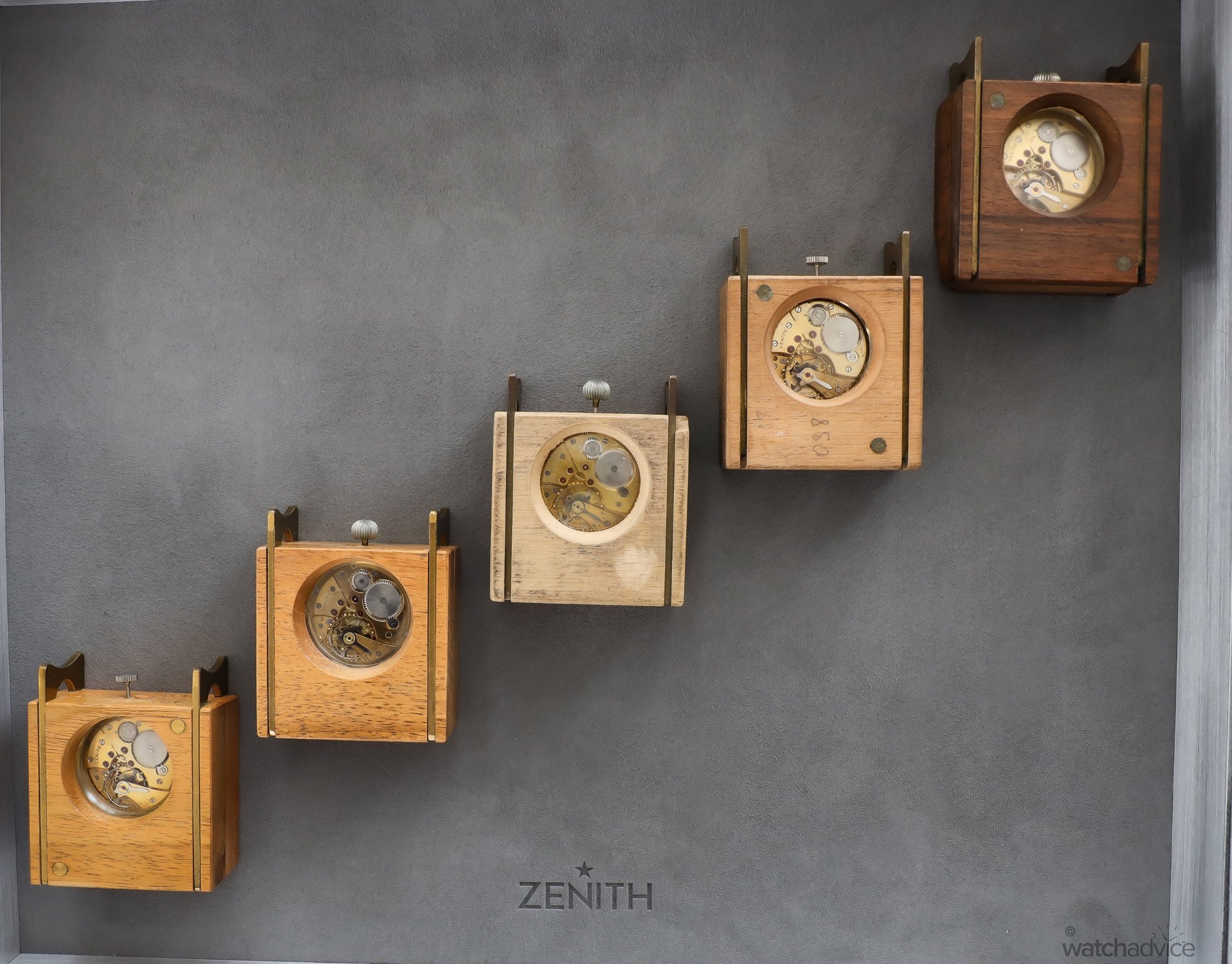
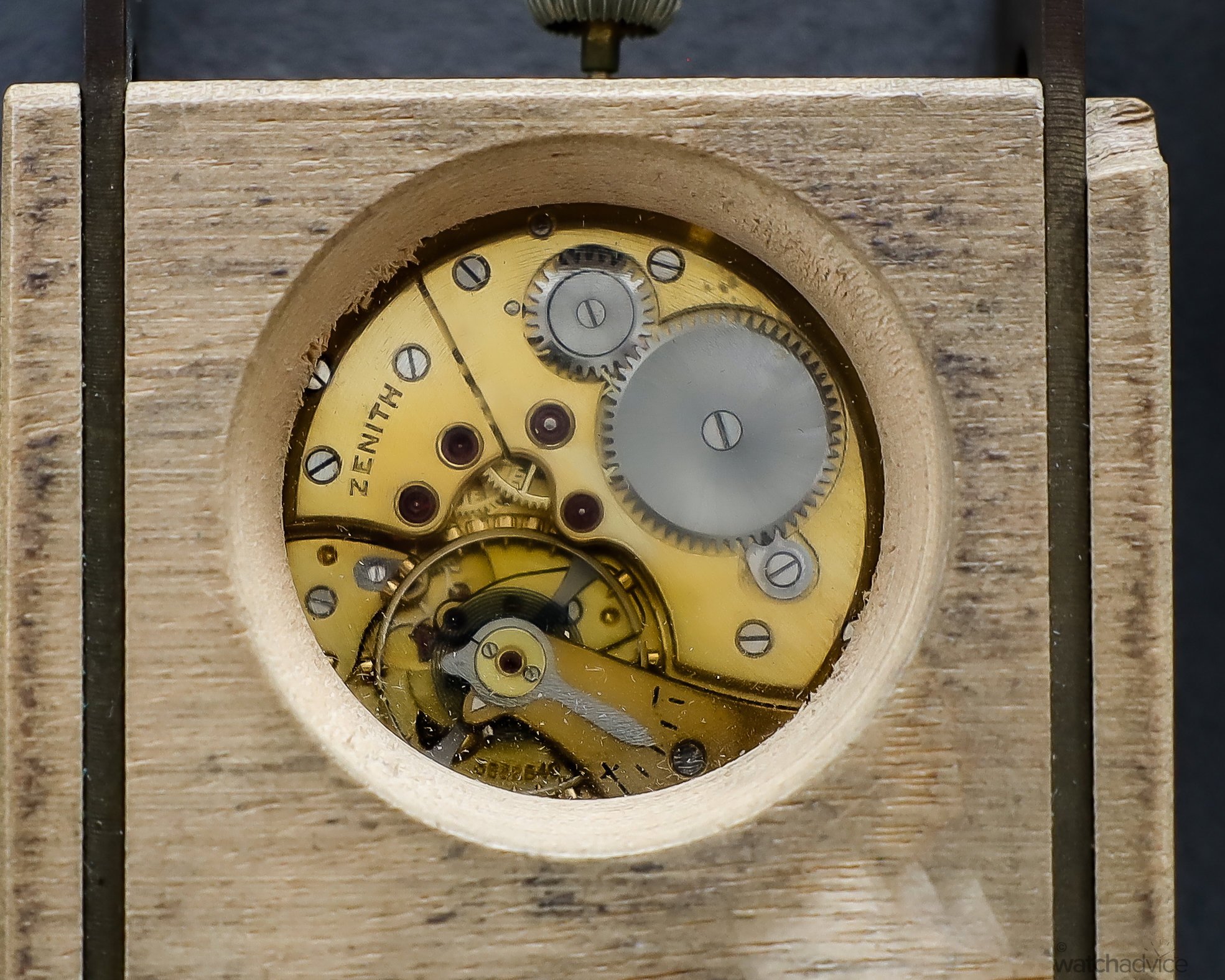
The emotional attachment to the movement helps explain why the response has been so strong, and something Zenith clearly understands.
Alongside the Bloodstone G.F.J., the manufacture unveiled an even more ambitious interpretation in Tantalum. Limited to just 20 pieces (again, all sold by the way, and at A$129,800, not a bad effort!), it combines one of watchmaking’s most celebrated chronometer movements with one of the most challenging materials to machine in Tantalum. We asked about this challenge and how hard it was to create in this material, given that the case of the G.F.J. isn’t straightforward.
“Tantalum breaks the machine,” de Clerck laughed. “It’s stronger than gold and platinum. It’s very complicated.”
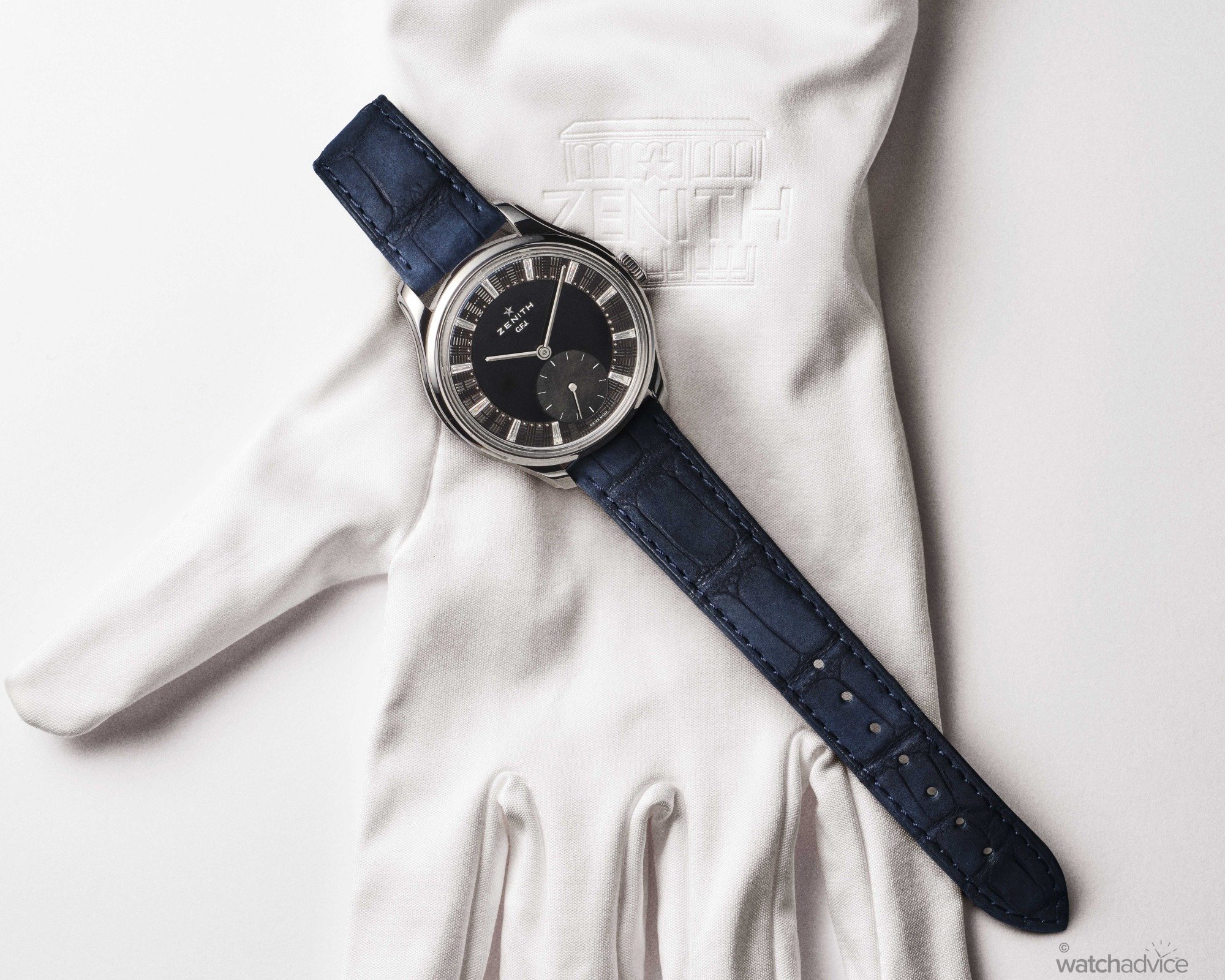
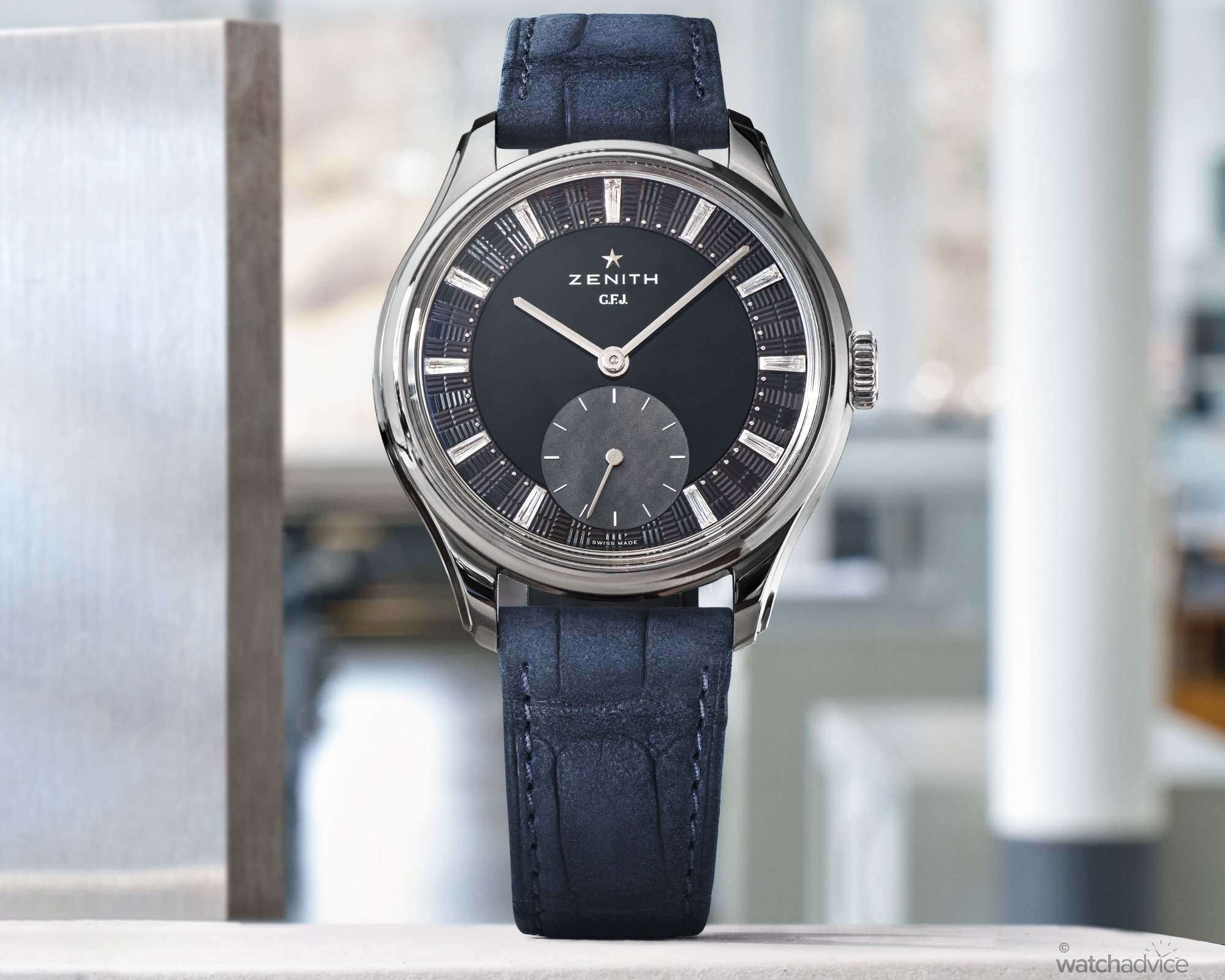
The original platinum case itself required countless prototypes and refinements alongside Product Director Romain Marietta. Translating that design into tantalum wasn’t a case of starting over. It meant preserving every line, every facet and every proportion because developing a completely new architecture simply wasn’t practical.
“Design-wise, the design was already there. This was the toughest part to do. But you cannot do all those prototype stages in tantalum. It breaks the machines.”
Machining the metal required significantly more effort than platinum, even if de Clerck admits he doesn’t know the exact number of additional hours, which we did ask: “It takes much more, obviously, but I’m not sure of the exact number”
Asked what message the watch was intended to send, his answer came instantly.
“Technical prowess,” he states. “I can tell you, you have visited the manufacturer, so you know technical prowess is very important for us…Are we going to develop the G.F.J. within the high complication and all that? Most probably, and we’re working on that. But as you said, it’s not the flick of a switch; it takes years to develop, but we are definitely in that process, big time.”
Precision Comes In Two Forms
One of the fascinating things about Zenith today is that it effectively has two distinct expressions of precision sitting at the top of its collection. There’s the El Primero, with its high-frequency chronograph architecture, and then there’s the reborn Calibre 135, rooted in classical observatory chronometry. For de Clerck, though, they ultimately represent the same thing, albeit in different ways.
“The common denominator is precision. That’s very important. The Calibre 135 that we have developed is more stringent than COSC, so it’s much more precise than the COSC movements”
The updated Calibre 135 was intentionally developed to standards beyond COSC requirements. Yet despite one movement being a chronograph and the other a chronometer, he sees both as different expressions of the same philosophy.
“So it’s a good thing, because one is a chronograph, the other is a chronometer. So it’s two different things, and they’re not the same thing, but at the end of the day, they both are what Zenith is all about. Technical prowess.”
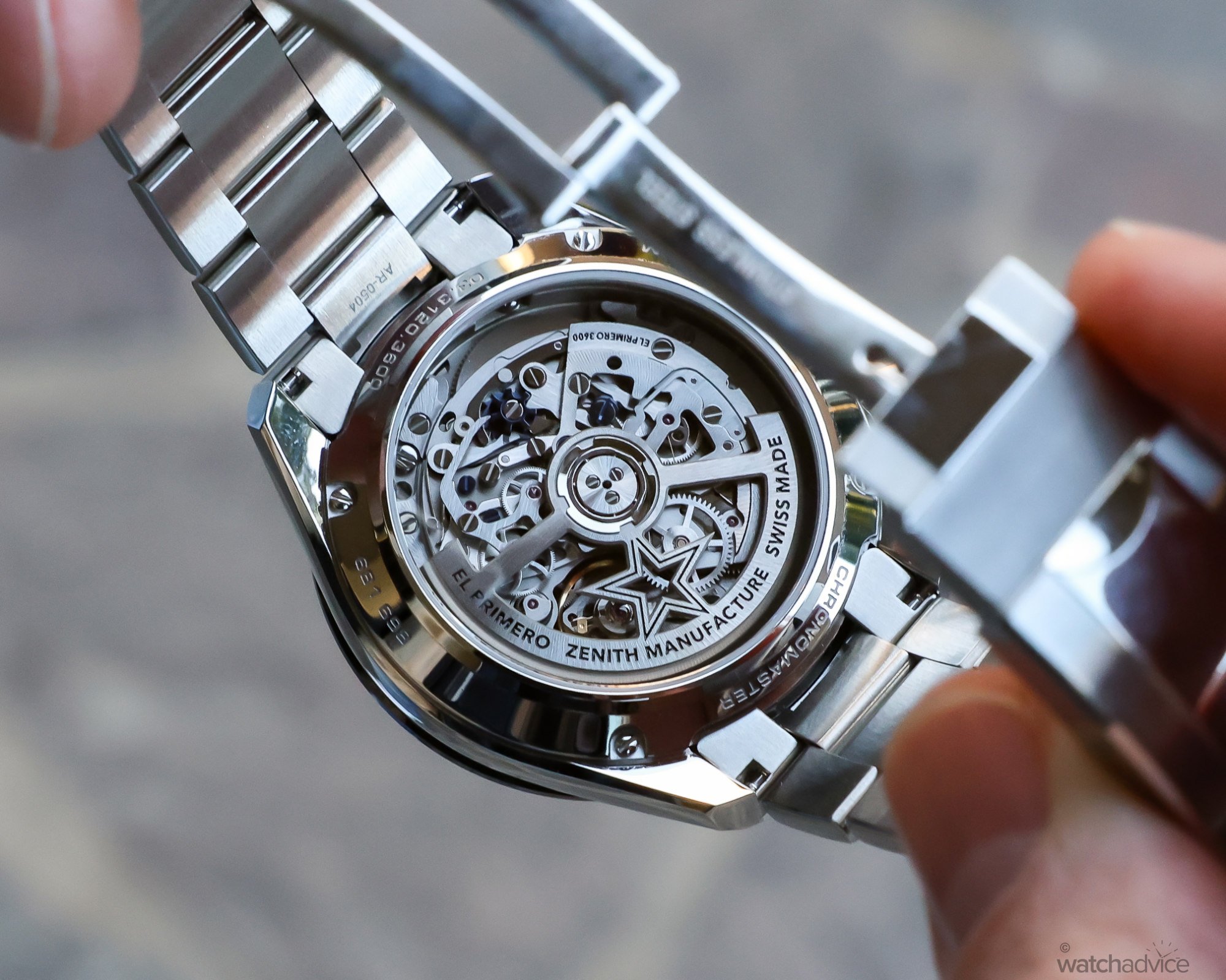
That pursuit extends beyond movements themselves when we bring up the new Zenith Chronomaster Sport collection. Benoit points to the new Chronomaster Sport clasp as an example. Something most owners may barely think about, well, except for us watch nerds maybe, consumed two years of development and resulted in five patents.
“One engineer, two years,” he said. “Every morning he woke up thinking, ‘I’m going to work on that clasp.'”
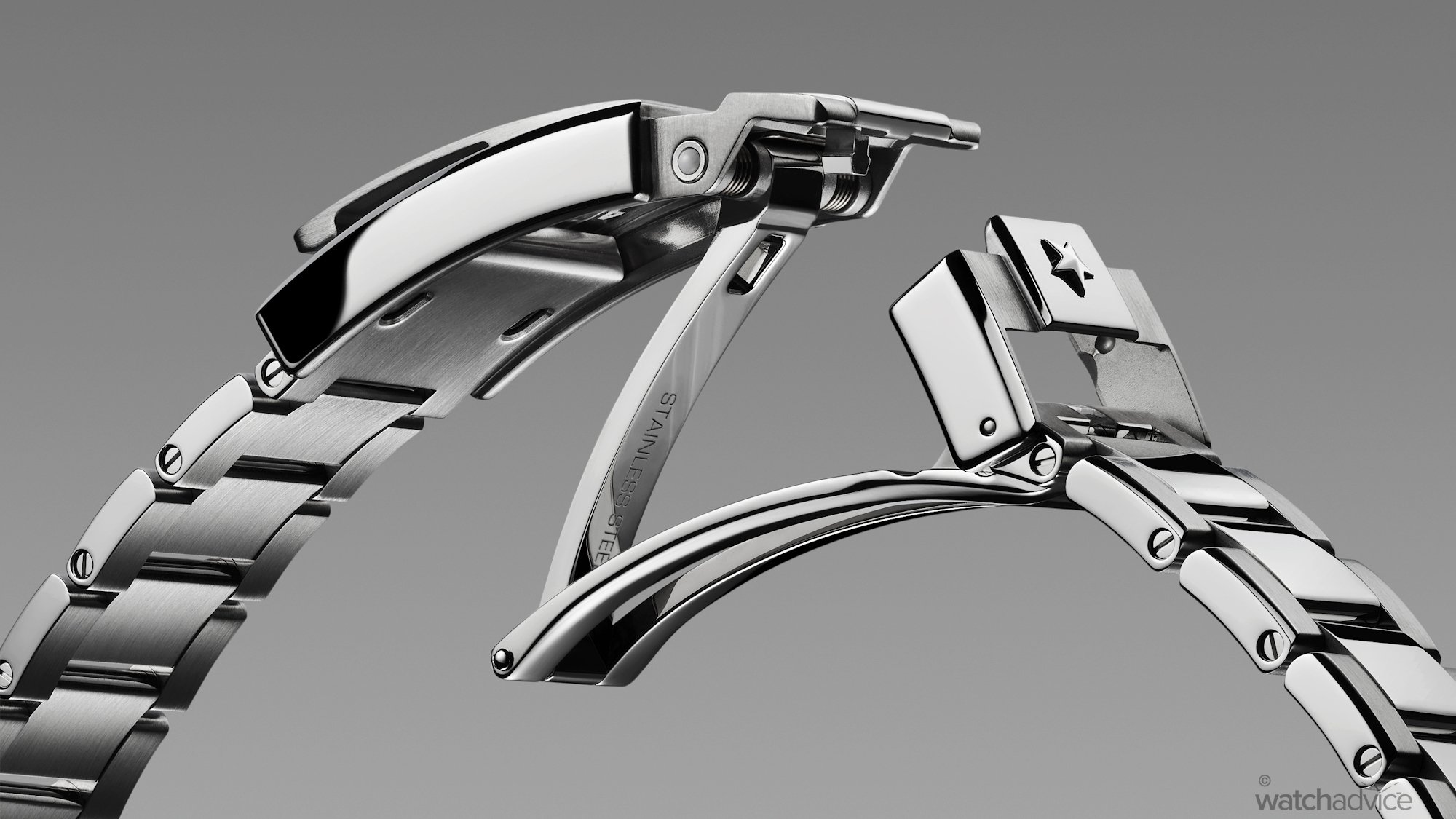
In an industry where much of the focus goes to complications and aesthetics, it serves as a reminder that innovation often happens in places few people see, but that do matter a lot. For all those people who complained about the bracelet and clasp of the Chronomaster Sport, well, Zenith has rectified it!
Counterintuitively, Creativity Requires Discipline
Maintaining the DNA of a collection like the Chronomaster isn’t easy, especially when surrounded by creative people.
“I feel like the old guy in the house sometimes,” de Clerck joked. But he believes discipline is what ultimately separates great products from ideas that simply look interesting.
“Discipline is very important. We know what we want, but I think it’s equally important to know what we don’t want...And then based on what you don’t want, you can develop and be creative.”
That approach guides everything Zenith does. The brand constantly looks to its archives and draws inspiration from its past, something reflected by the Revival collection, but it avoids falling into the trap of simply repeating history.
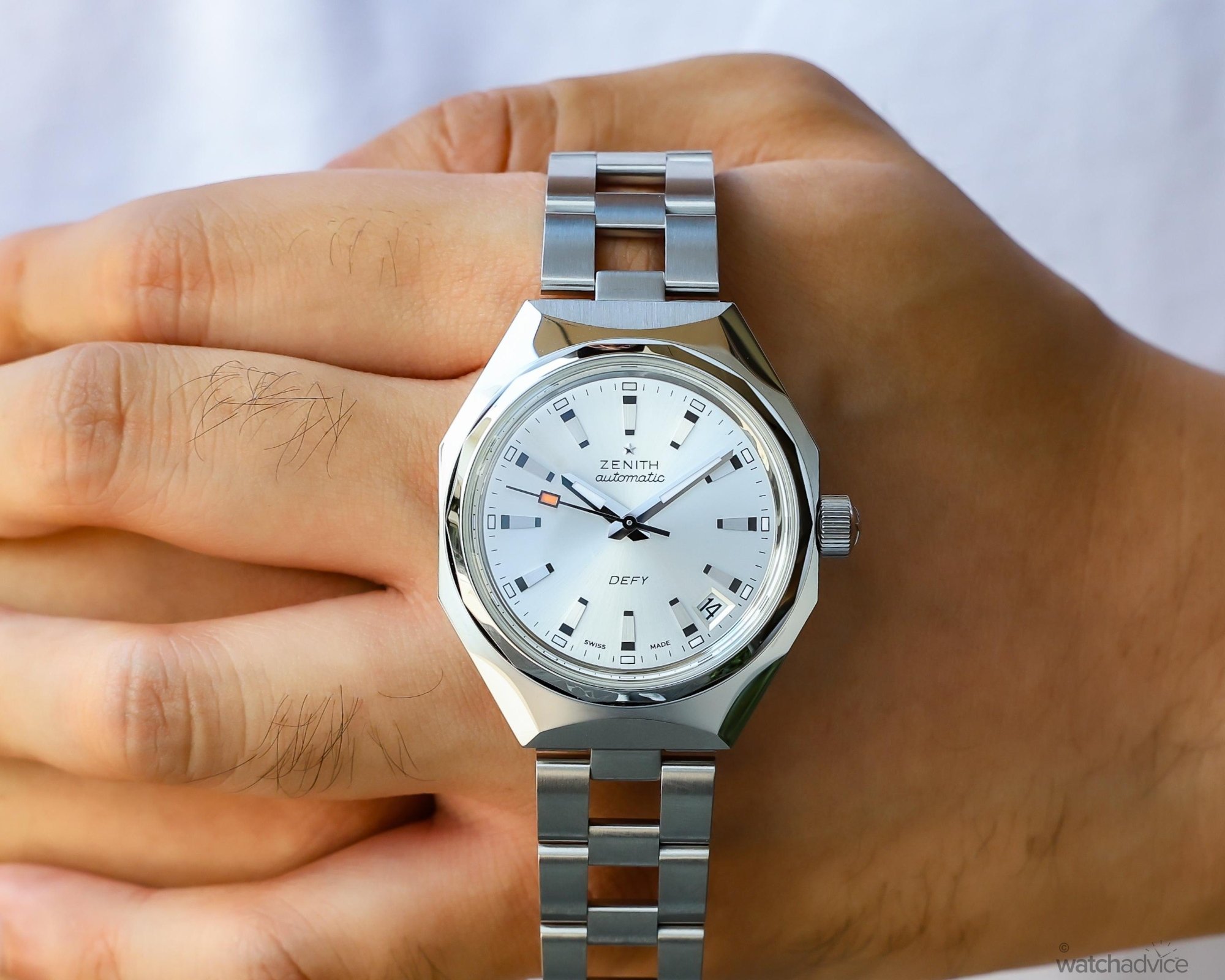
“We have a plethora of options. When I work on a product with Romain, I have a gazillion options, but at the end of the day, what remains is what is true to the brand, and what exactly is authentic to the brand, without diverging too much.”
The latest Chronomaster Sport Skeleton is a good example of that balance. The team recognised that enthusiasts spend as much time admiring the El Primero movement as they do reading the time. This was a major factor that led to the way the team designed the watch.
“When we decided to go with the skeleton, we said everybody talks about the movement, which is great. Everybody removes their watch to look the movement, so we said, why don’t we do it from the front?”
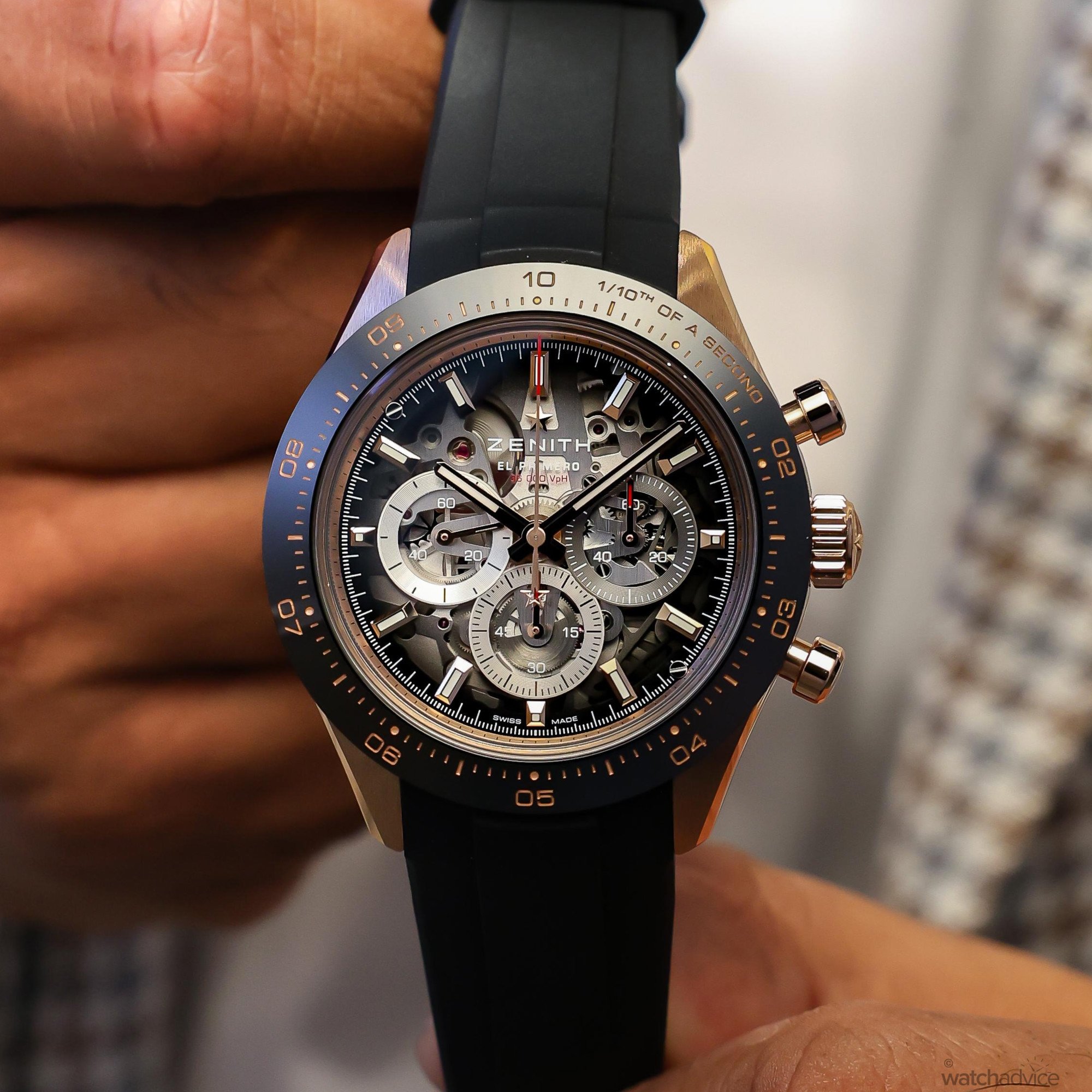
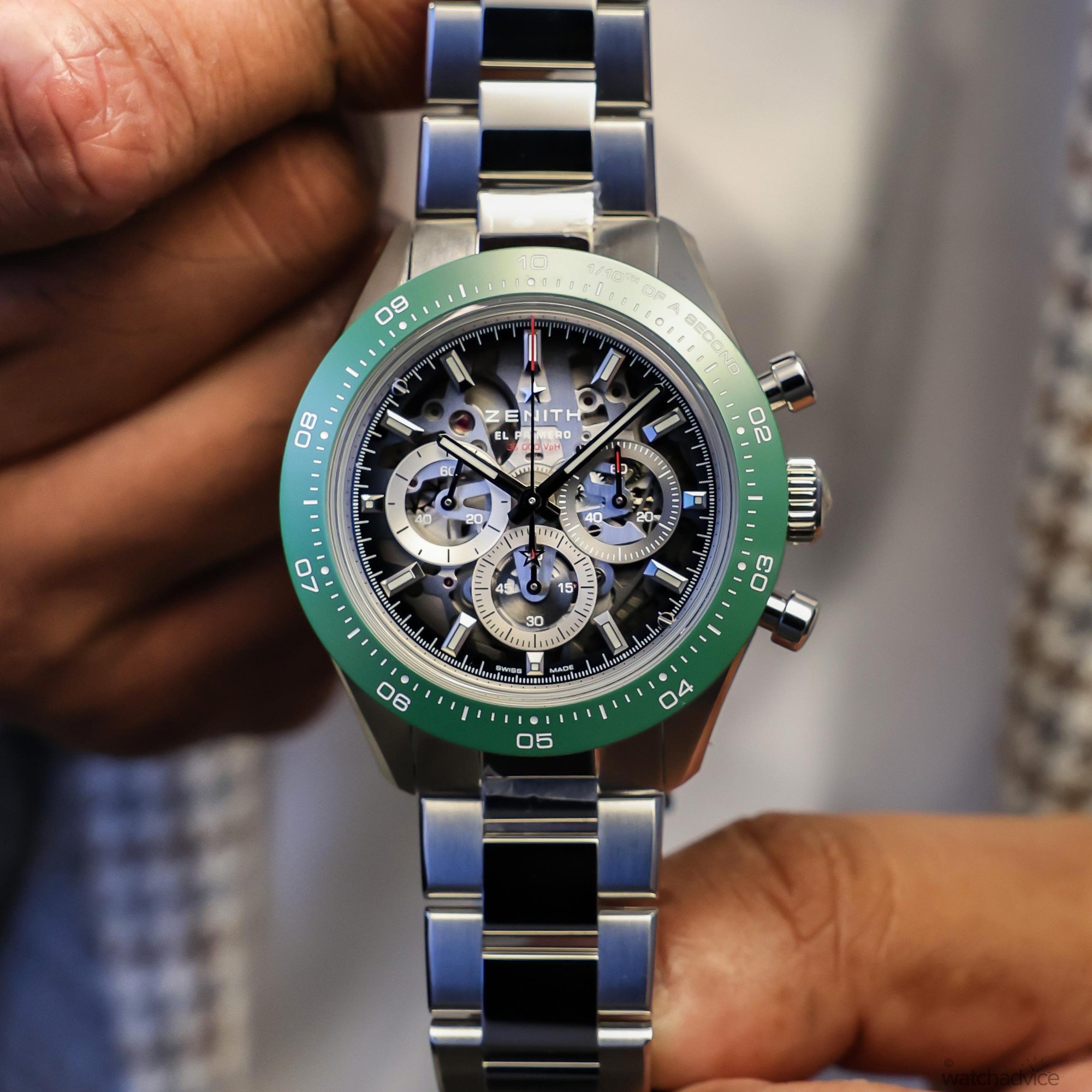
The Zenith Chronomaster Sport Skeleton was born. Crucially, Zenith didn’t simply skeletonise the dial either, in fact, Zenith used a transparent disc to essentially do away with the dial altogether, something Benoit explains.
“The movement is skeletonised, not the dial. Some brands claim to be skeletonised when they do only the dial, whereas this one is the movement. So that’s a particularity that we’re very proud of.”
Even the graduated sapphire crystal was carefully considered, allowing the movement to remain visible without making the watch feel, in Benoit’s words, “overly aggressive”. This is something that immediately caught our eye when seeing them in person for the first time.
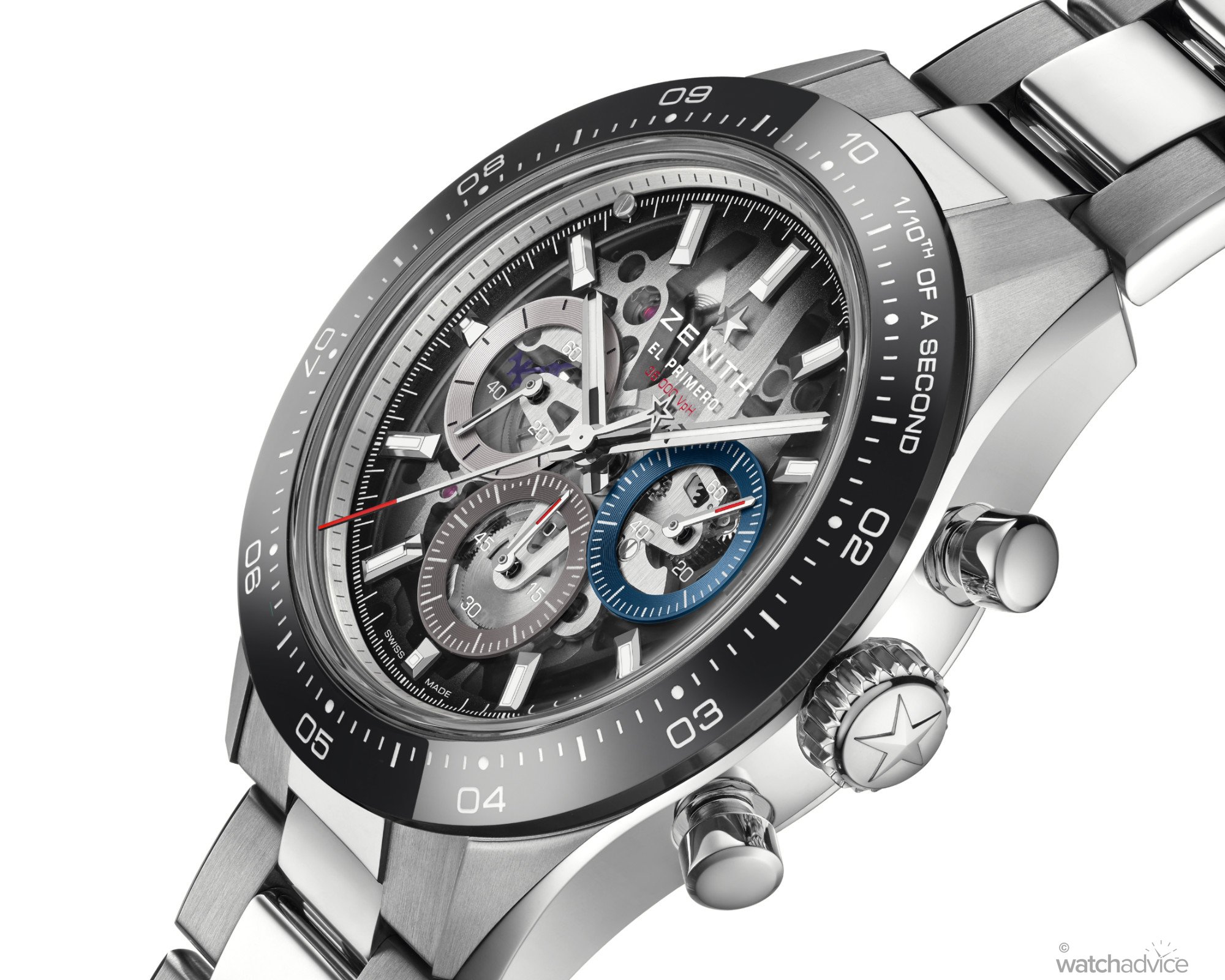
“We didn’t want it (the movement) to be too much in your face. So that’s why we have a gradual sapphire. If you look at it, it’s a bit darker on the side and clearer in the front, intentionally.”
Throughout the process, de Clerck credits Romain Marietta and the product team for their ability to keep the brand authentic. When you talk to Romain and the wider team, you realise that they are all watch enthusiasts, so the attention to detail and the passion is from the heart. “Romain and his team do a great job. And kudos to them. Thanks God, I have them!”
Watchmaking Doesn’t Happen Overnight
During our conversation, one theme continually surfaced, and it is something that we at Watch Advice have said time and time again, too. Great watchmaking takes time. Movements are not born overnight, R&D is expensive, and when a watch is released, chances are, it has been years in the making.
“Sometimes you make mistakes,” de Clerck admitted. “Then you learn from those mistakes. You have discussions. But eventually, you have to make a decision and jump.”

That willingness to commit is something he believes is fundamental to progress. If you “um and ah” about things too much, nothing will ever happen. Like people, brands, and the people within, have to back themselves at some point. And while Zenith has already shown plenty over the past two years, de Clerck hinted that another important chapter is just around the corner.
“We’re coming up with something in September that will answer your question from A to Z,” he teased. “Because this is what the market needed and wants, with 26 or 30 arguments that are exactly in line with your question. So we’re coming with something pretty cool in September. We have got to see you with it at Geneva Watch Days. That’s going to be big!”
The message was clear enough. Geneva Watch Days may have more than a few surprises in store, and for Zenith, Benoit and the team, there is a renaissance happening with new creations and a new direction for the brand. Last year and this, it seems, was and is the turning point.
Awakening A Sleeping Beauty
And this leads us into the future, and how Benoit sees Zenith, his tenure and legacy as well, not that he is thinking about a legacy right now. Asked how he hopes people might look back on this era, de Clerck immediately shifted attention away from himself, which is rather refreshing, as he is solely focused on the job at hand.
“This isn’t my leadership. It’s the leadership of the team,” he explains. “I work hard, but I have a strong team, a strong executive committee that works hard as well. Number two, I think I’m very clear with myself. I know exactly where I want to go, and my team knows very well too.”
He credits the executive committee around him and insists that while he may provide direction, success belongs to everyone.
“I’m happy and satisfied, but they know when I’m unhappy and unsatisfied, and it’s very clear. But this helps me, as well, in terms of management and going where I want to go with the team. Which is great, right?”
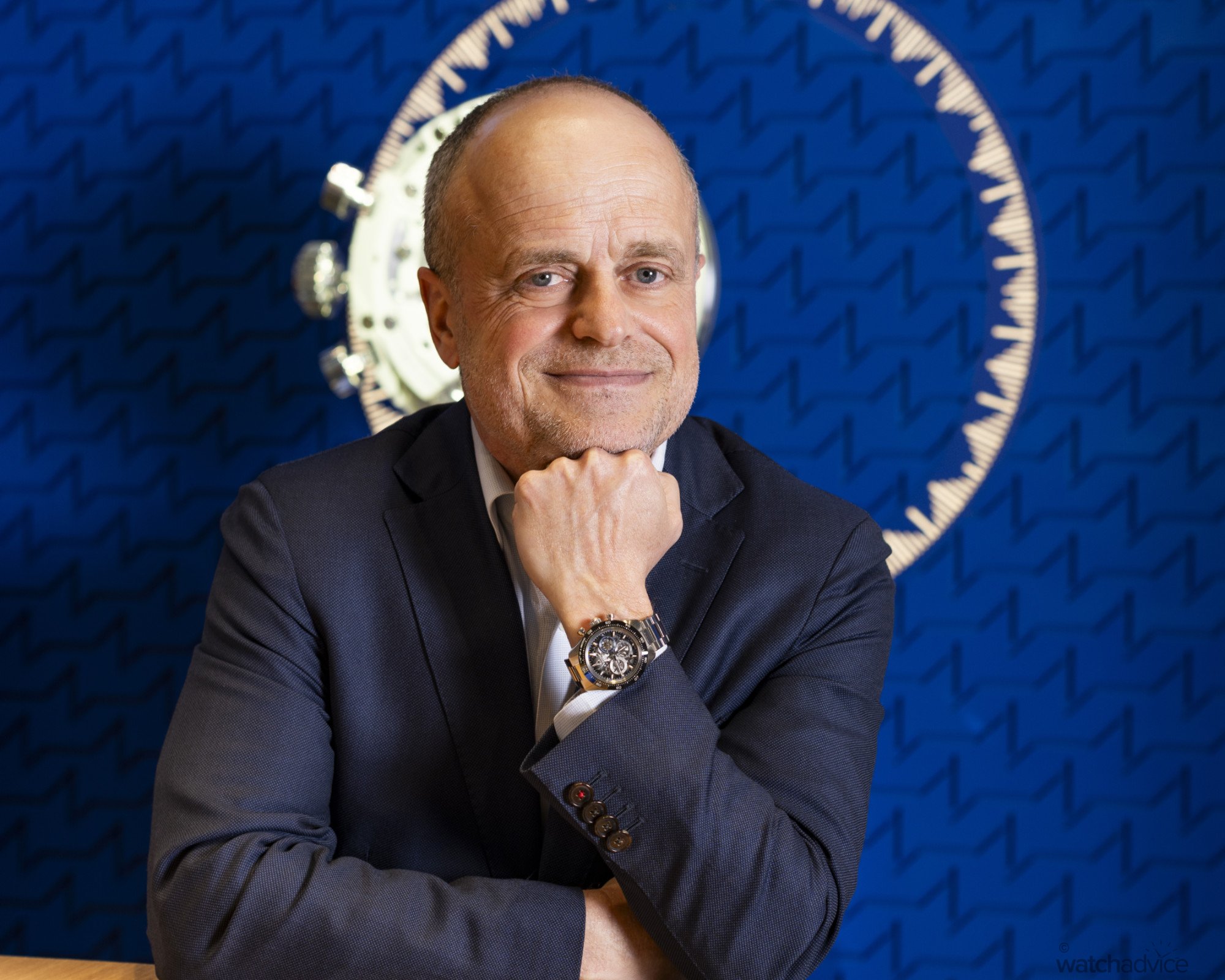
The challenge now is guiding it into its next chapter and putting structures in place that will ensure Zenith remains strong for another 160 years, hence the crossroads example he used previously. But culture matters just as much, and Zenith, as mentioned previously, seems to have a good culture looking from the outside in.
“I’m very happy with what we’ve done because, I’ll use an analogy, we have a ‘Sleeping Beauty’ here. The sleeping beauty is somehow awake. We need to take her out, make her walk, and take her and accompany her to all that. That’s a long journey. We have set up strong parameters inside the organisation and in the markets to make sure we are here for another 160 years.”
Benoit proceeds to tell us that earlier that morning, before the craziness of Watches & Wonders started that day, he had addressed his team, a point that talks to how he manages the business and culture as a whole.
“As a small example, I gave this morning to my whole team at 8 o’clock in the morning. I told them, guys: This is your home. This is your house. If you see a glass lying there, or a piece of paper, and so on, please pick it up, because you would pick it up at home.”
And this, intuitively, makes the difference as he believes those instincts are what create great organisations. And while we bring up the fact that businesses can run better when everyone thinks of it as a family, interestingly, he avoids overusing the word family.

“But I don’t want to use that, to weaponise that, that family word, to make it work. Either it works, or it doesn’t work. I can tell you, the level of family has different grades. And, you know, we’re not imposing anything on anyone. I think it’s cultural, but this is the way I am. You know, at home, this is who I am. I mean, my kids, they know exactly what I want, and they know exactly what I don’t want. This is how we function.”
It is a good way to be. As said at the start of this interview, he is down to earth and seems like a man who is the same with us, as he is with his staff, as he is with his family.
The Crossroads Ahead
Despite the confidence surrounding Zenith’s momentum, de Clerck remains surprisingly candid about the uncertainty that comes with leadership and whether this is, in fact, a major turning point for Zenith. This is something we bring up, and he talks freely about.
“I scratch my head a lot these days,” he admitted. “Have we reached a crossroads or not? Maybe yes, maybe no. And if we have reached a crossroad, which one will I take? Which road will I take? You see what I mean?”
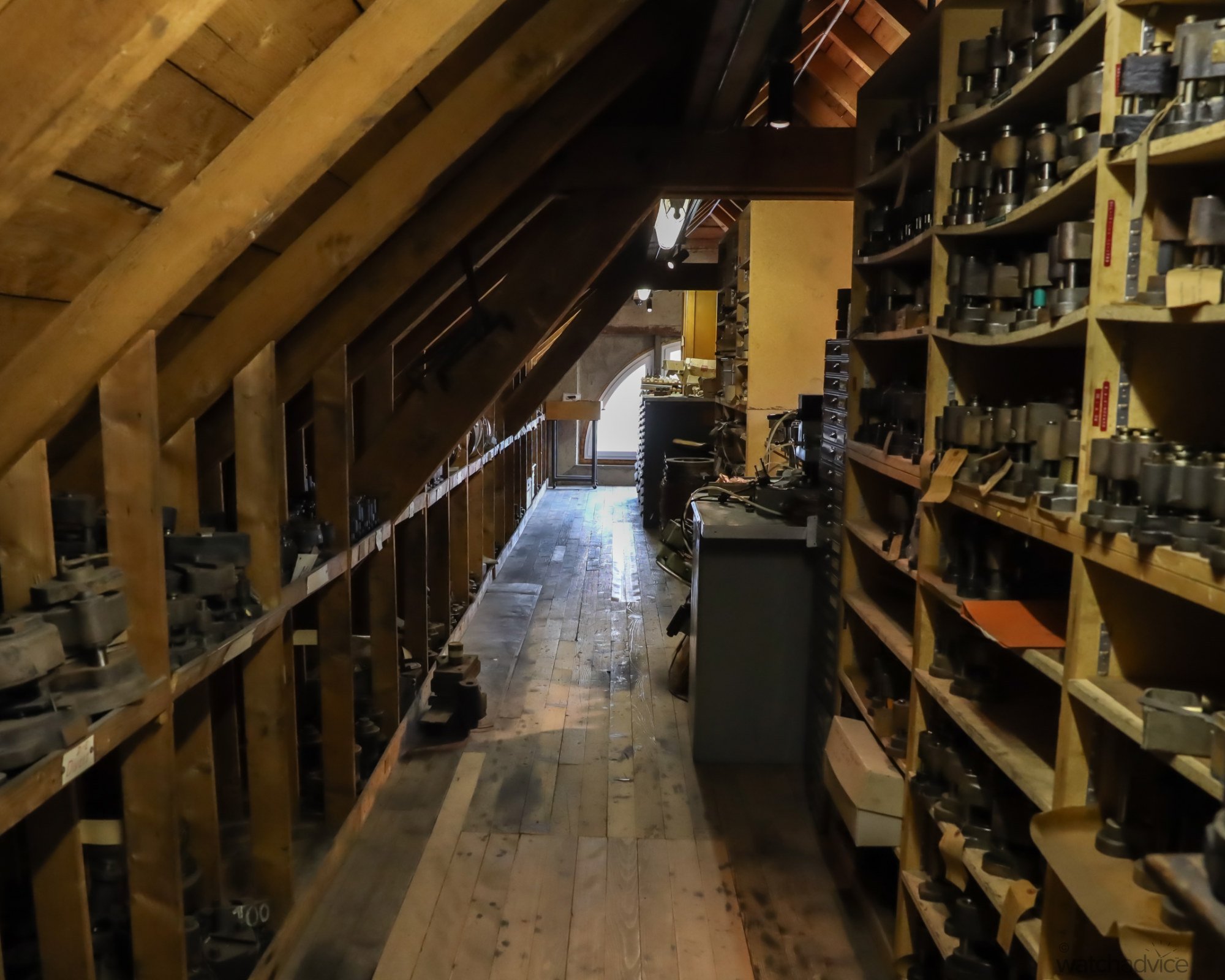
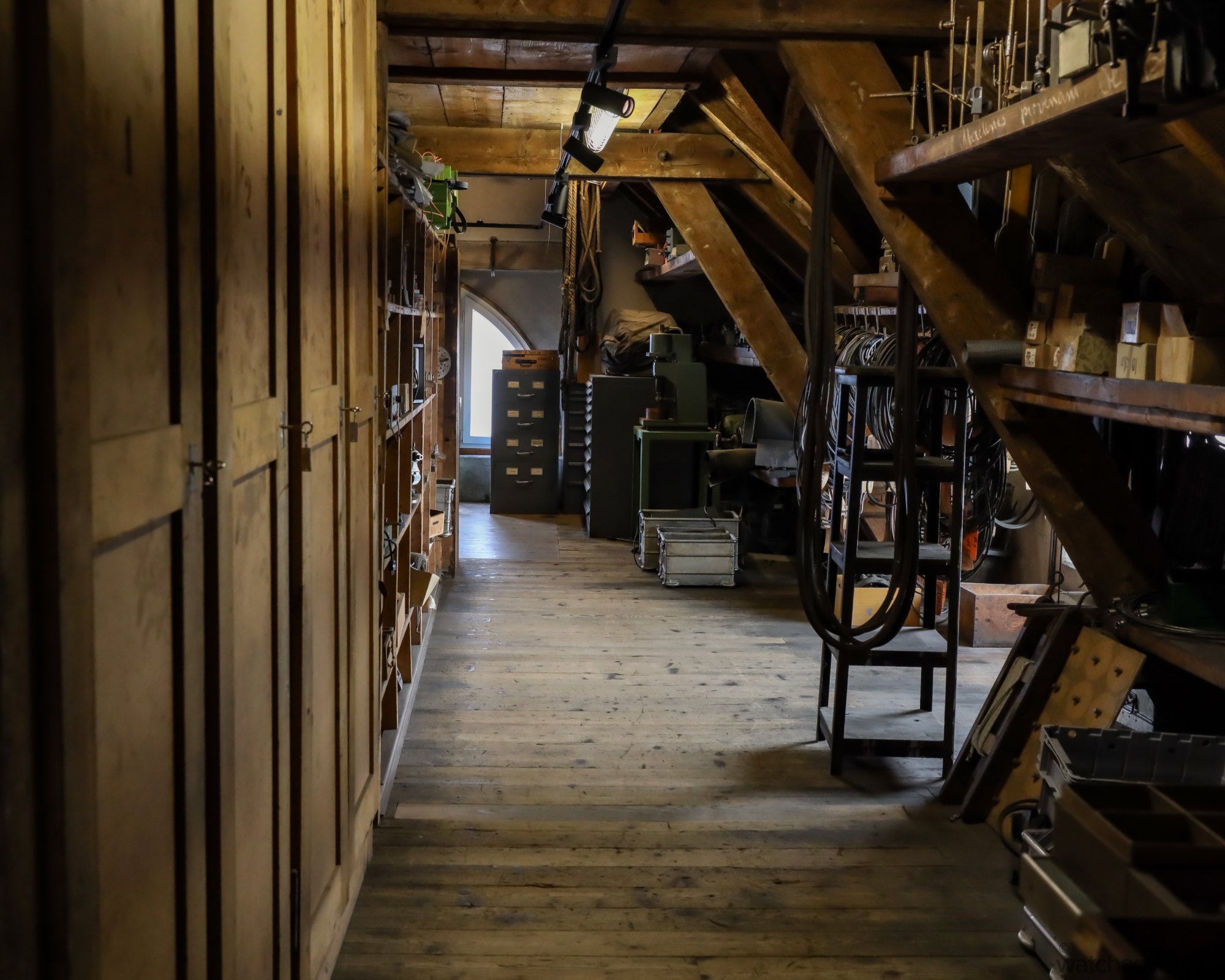
The success of the G.F.J. has reinforced his confidence, but he isn’t interested in assuming success. Instead, he wants to keep testing ideas, not resting too much on his or Zenith’s laurels.
“We’re stubborn. We try one. Then another. Then a third one. To make sure we’re going in the right direction.”
But still, Benoit is convinced that one thing awaits, or maybe it has already passed the crossroads?
“There is a crossroad somewhere.” Whether it’s now or several years away, he doesn’t know. “When? Where? I don’t know. Sometimes you cross that crossroad when you’ve already gone past it.” Which, as we say, is the beauty of hindsight, something many of us know all too well.

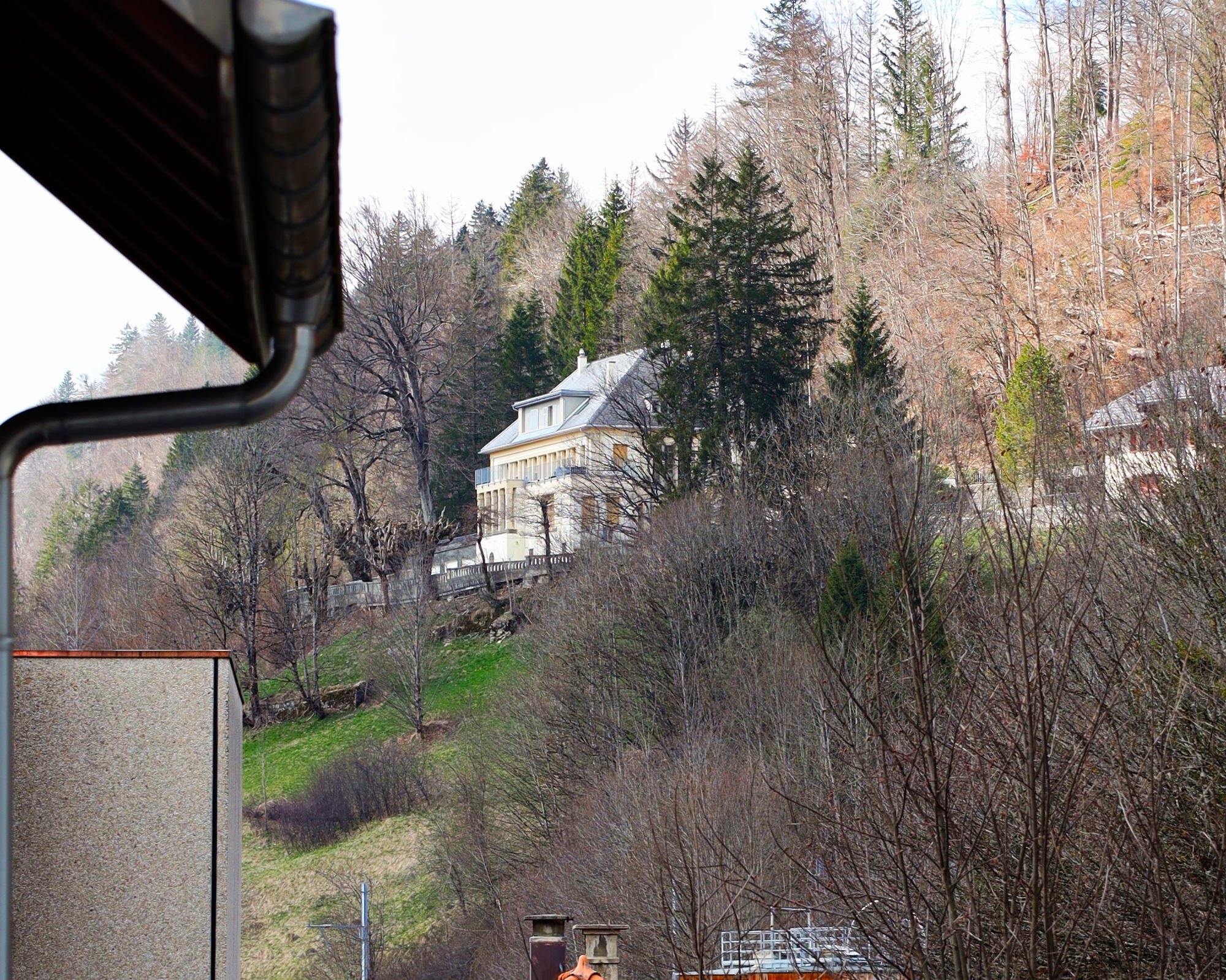
Looking at where Zenith stands today, it feels less like a brand changing course and more like one finally becoming clearer about what it wants to be. The brand, after all, is named after an ideology that Georges Favre-Jacot had in his head all those years ago – to make the perfect watch, and to reach the Zenith of watchmaking.
And perhaps that’s what these last two years will ultimately be remembered for. Yes, 160 (now 161) years of watchmaking have gone by, but this could be the beginning of the next 160 years of Zenith’s story; only time will tell.