

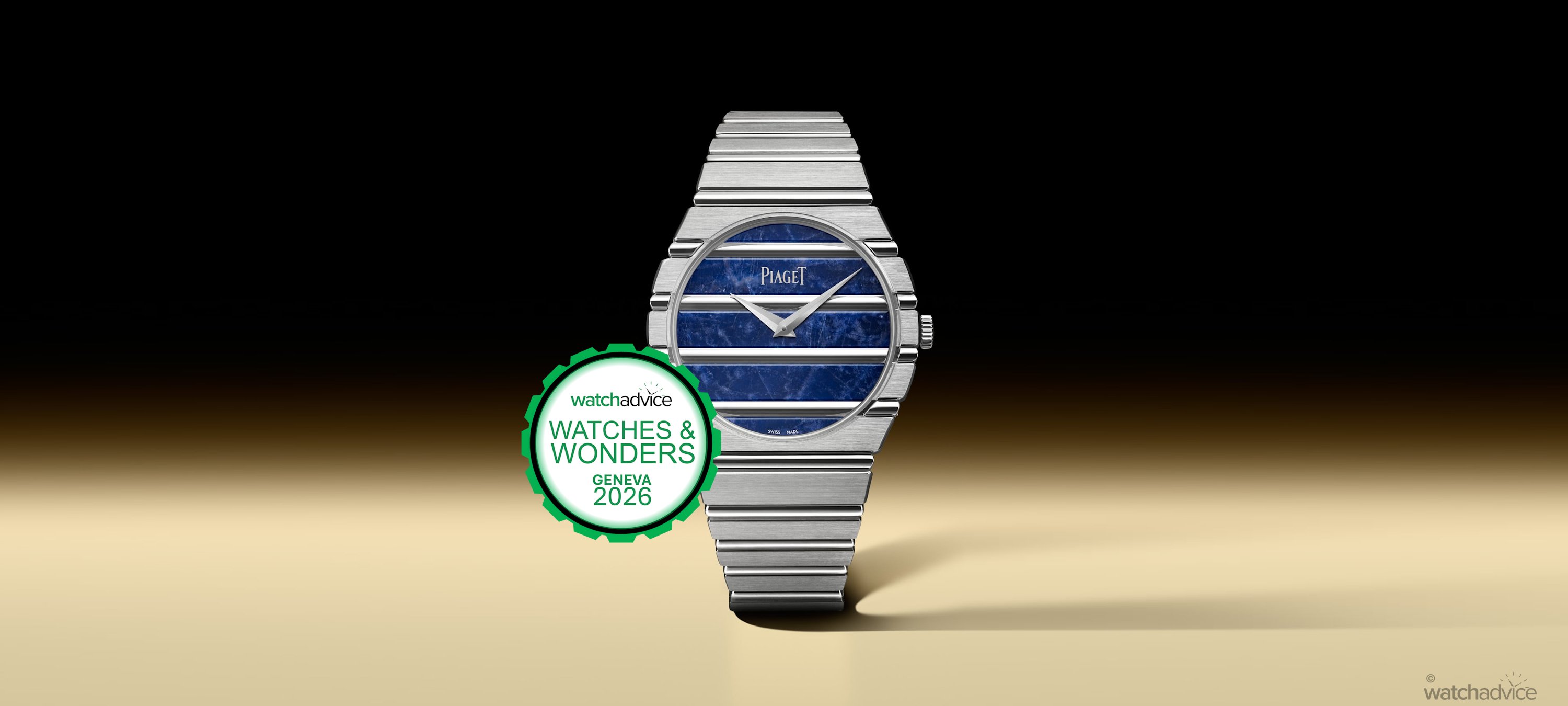
Blending vintage charm, natural stone beauty, and ultra-thin watchmaking, this is a striking new take on one of Piaget’s most iconic designs.
How do you refresh a design that is already so iconic you instantly recognise it, without losing the eye-catching appeal that made it so special in the first place? That was the challenge Piaget faced with the Polo 79, a timepiece the Maison brought back to life in 2024 while keeping intact everything that made the original model so attractive and desirable. The 2024 release even went on to win Iconic Watch of the Year at the 2024 Grand Prix d’Horlogerie de Genève, which shows just how special this modern re-release has been.
The original Polo was first launched in 1979, making it one of the Maison’s most recognisable late 20th-century designs, with the brand itself describing it as the birth of an icon. Historically, this model also played another vital role, as it became the first timepiece that Piaget officially gave one of its watch models a name, in this case, the Polo, rather than purely going by reference numbers. And it was given this name to evoke the glamorous jet-setting lifestyle associated with the sport, which tells you a lot about the timepiece and its design.
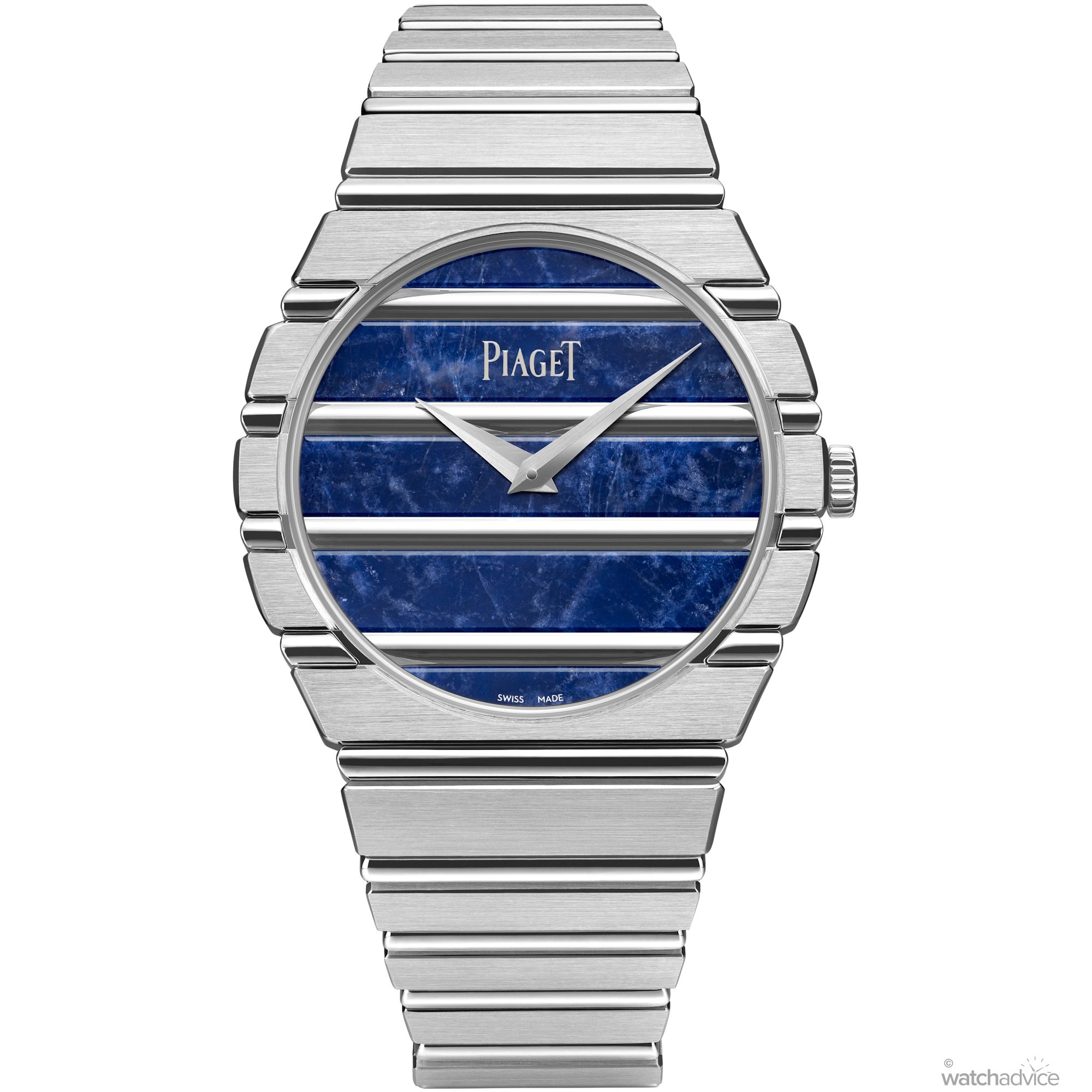
As we know about the Polo 79, its most iconic feature is the alternating gadroons and brushed surfaces. The modern renditions of the 1979 original carry this design language forward, staying true to the purest expression of the original design. Since its re-release, Piaget has unveiled the timepiece in various precious material combinations, from the full white gold and yellow gold models to the two-tone white and yellow gold version, where the gadroons are yellow gold and the brushed surfaces are white gold.
With such a unique design that the Polo 79 carries, I feel like it almost restricts how much can be altered without really losing the essence of the timepiece. But that is not to say it cannot be done, which is certainly the case with this latest Watches & Wonders 2026 release, and arguably my favourite of the modern renditions so far. Featuring a natural sodalite stone dial that replaces the brushed surfaces, this timepiece is truly eye-catching, and honestly, the pictures cannot do justice to how stunning these sodalite dials look in person.
Vintage Piaget, Fresh New Character
What made the Piaget Polo 79 one of the most recognisable timepieces in the watchmaking industry is its avant-garde design, whereby the bracelet seamlessly transitions into the case and, in previous versions, continued onto the dial. This design, as mentioned before, is made up of gadroons and horizontal brushed surfaces. It then widens as it reaches the case, where it takes on a more tonneau-shaped form.
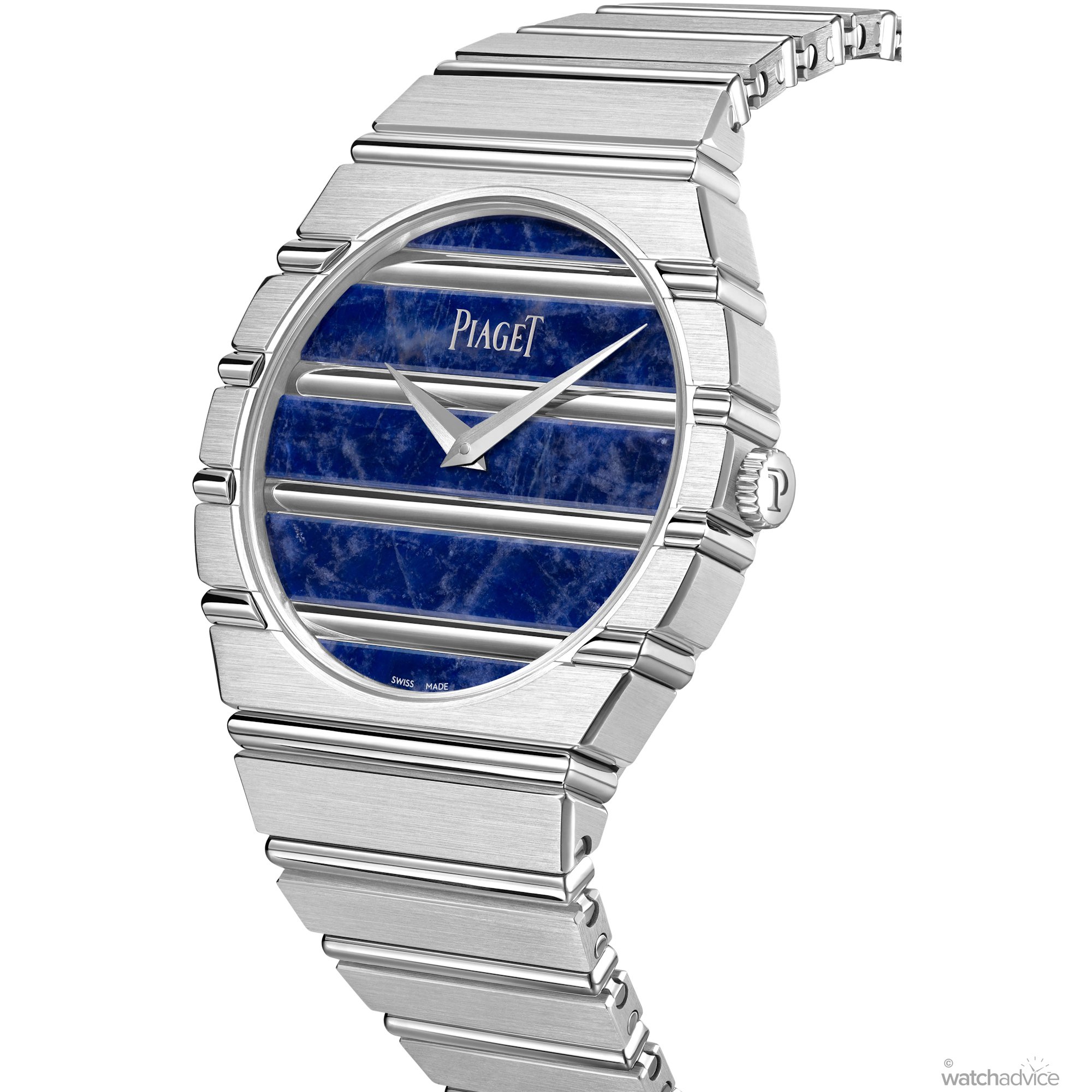
One of the interesting features, though, is of course the integrated bracelet design. Normally, with other timepieces that feature an integrated bracelet, you can still see where the case breaks off and connects to the bracelet itself. However, with the Polo 79, it is all just one seamless transition from bracelet to case, as the alternating gadroons and horizontal brushed surfaces continue effortlessly.
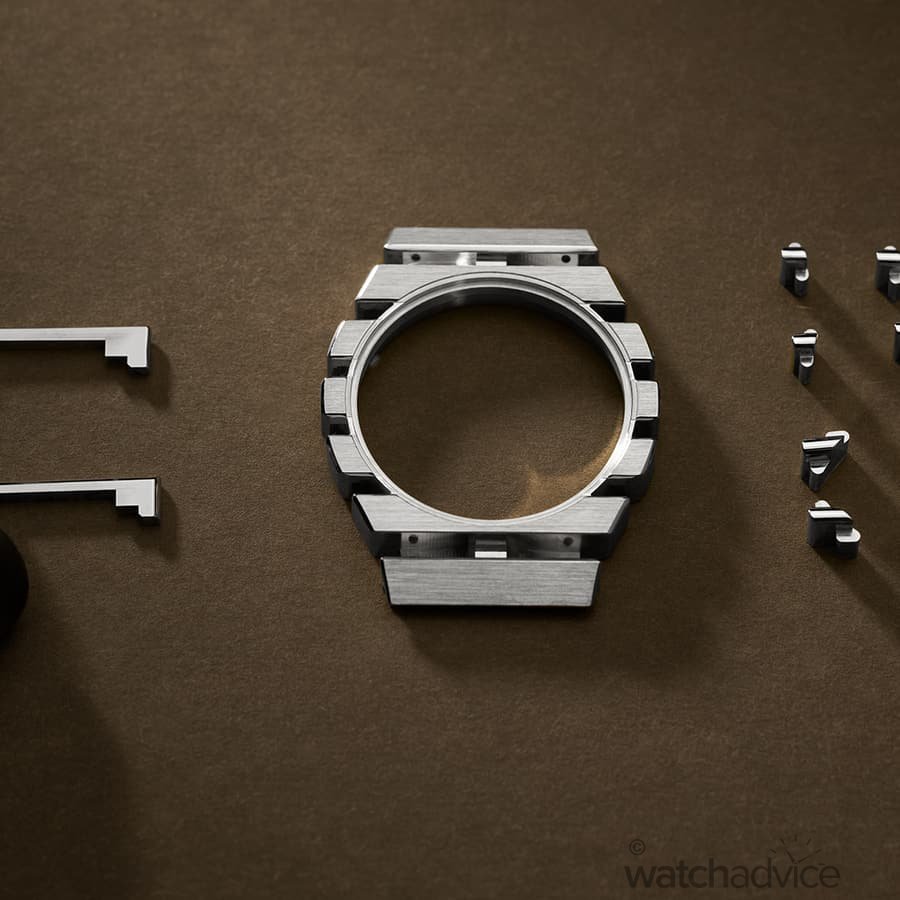
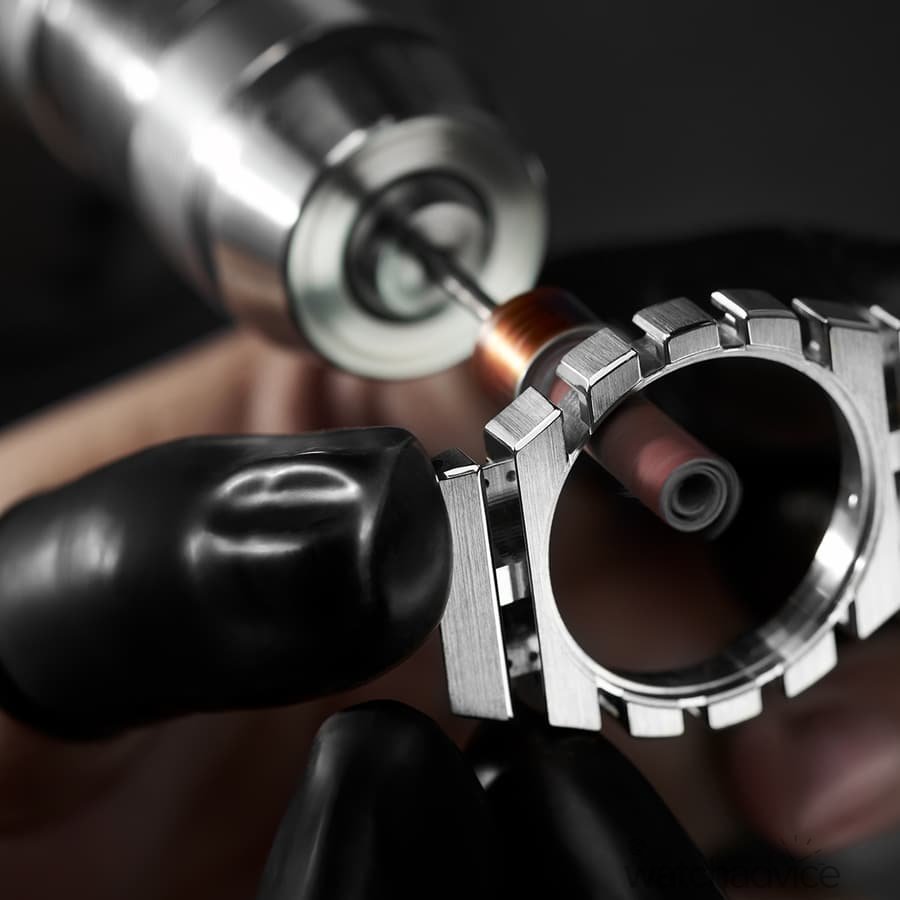
With this latest Piaget Polo 79 Sodalite watch, the 38mm case and bracelet are made from 18k white gold, with the polished gadroons contrasting beautifully against the satin-brushed white gold surfaces. With the case measuring just 38mm x 7.45mm, it is very much in line with modern watchmaking standards, and with a size that is easy to wear, it allows the watch to feel elegant, balanced, and effortlessly comfortable on the wrist.
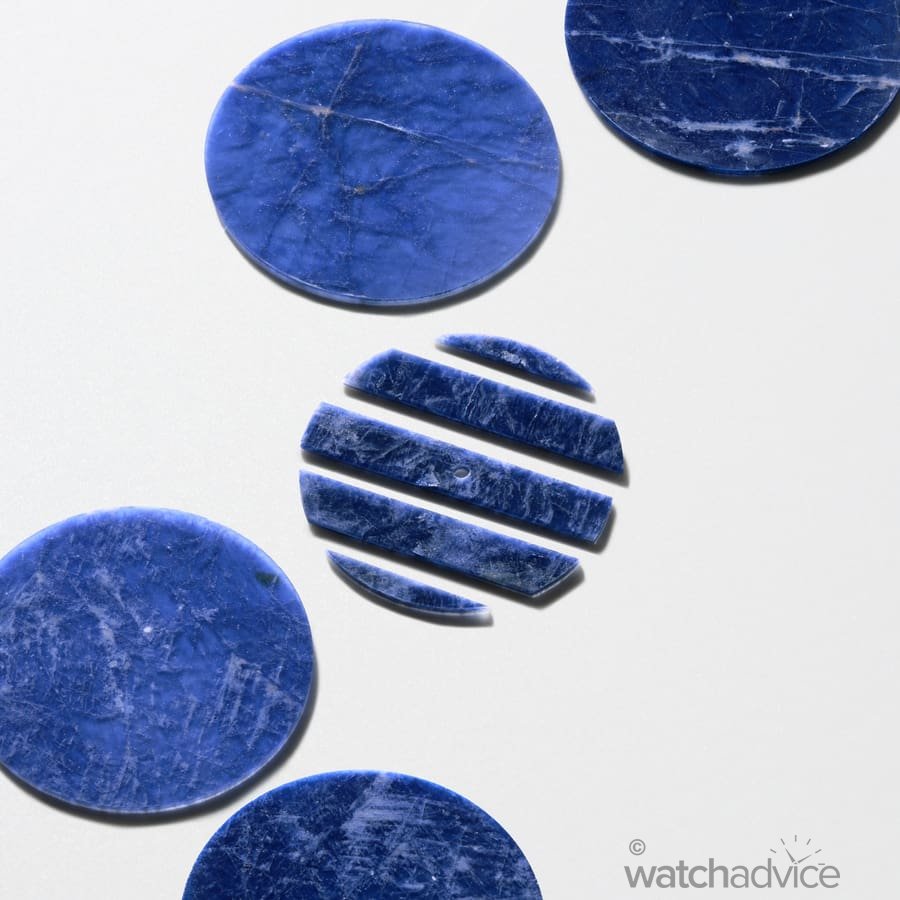
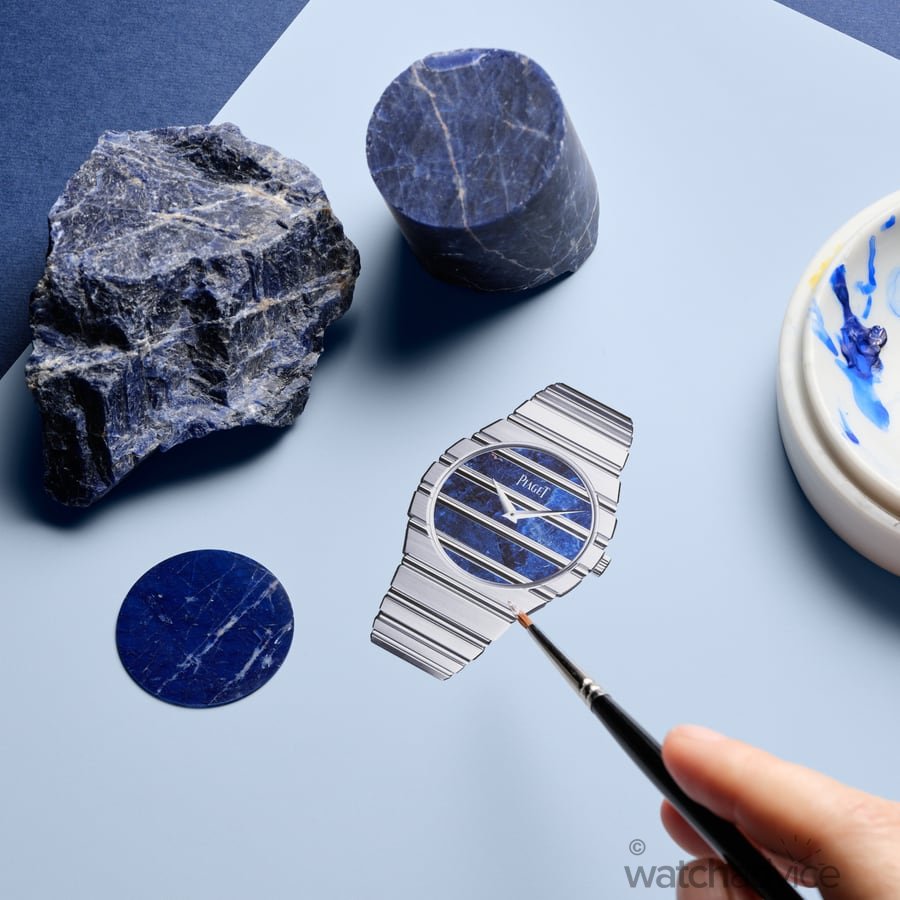
The Piaget Polo 79’s biggest update is, of course, the stone dial. This marks the first time that an ornamental stone has been used in the contemporary reinterpretation of this model. Rather than creating a full stone dial, Piaget has kept the Polo 79’s signature gadroons intact, and honestly, I think that makes the dial look far better than if it had been done entirely in stone. The white gold of the gadroons complements the deep blue tones of the sodalite beautifully, and the two elements work together to create a really eye-catching dial.
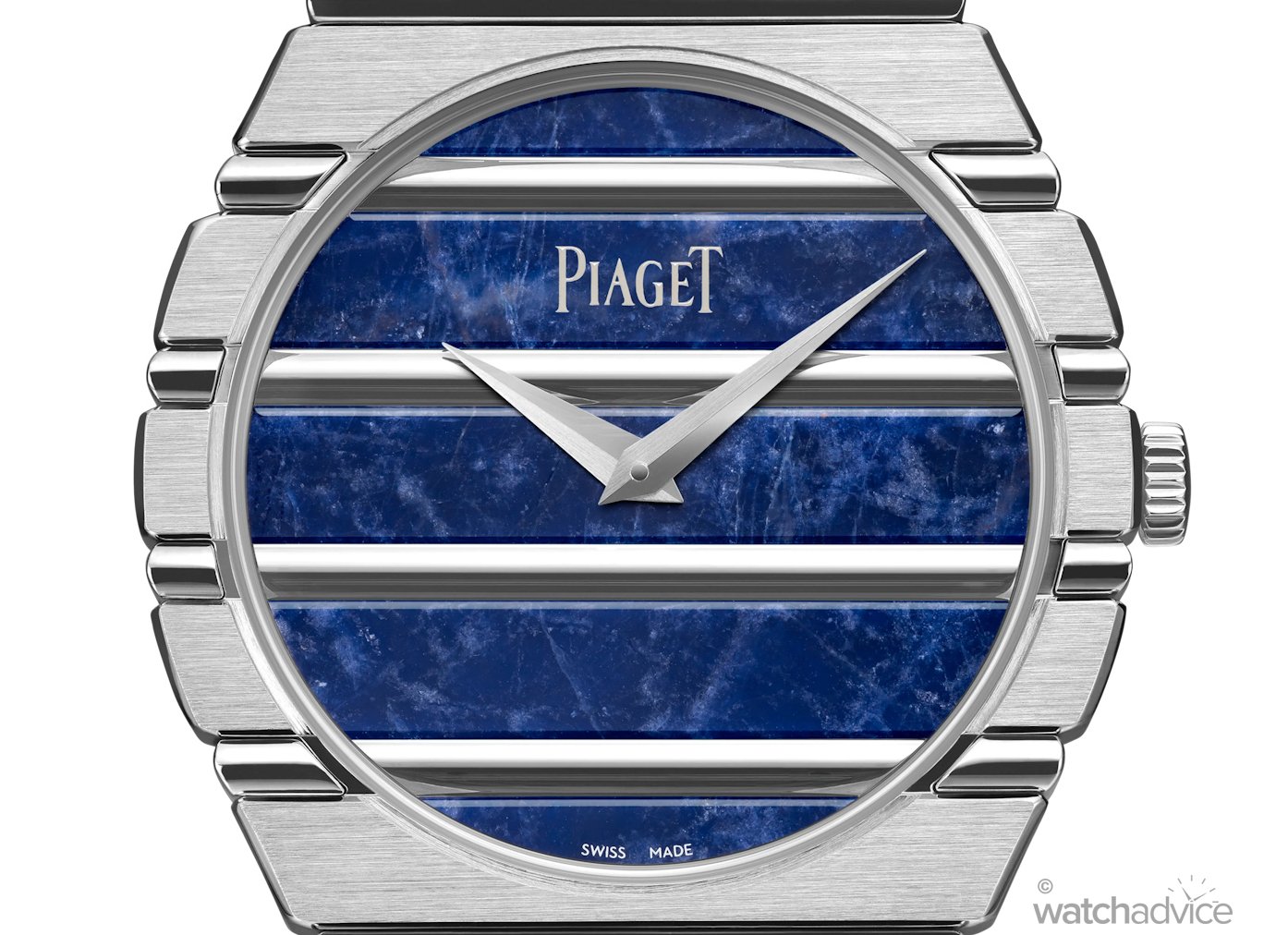
What makes the use of this sodalite stone so special for this model is that no two watches are exactly the same. This is because sodalite is a natural stone, and each dial carries its own unique veining, tonal variation, and character, which means that every Piaget Polo 79 has a slightly different personality. It gives the timepiece a much more individual feel and adds to the uniqueness factor of each watch.
Ultra-Thin Power Behind The Polo
Powering the Piaget Polo 79 in sodalite is the 1200P1, an ultra-thin self-winding movement that feels perfectly suited to the watch’s elegant and jewellery-like design. Piaget has a long and extensive history of producing ultra-thin movements, so it makes perfect sense for the brand to pair one of these calibres with the Polo 79, helping reduce the overall thickness and make it a much more wearable piece.
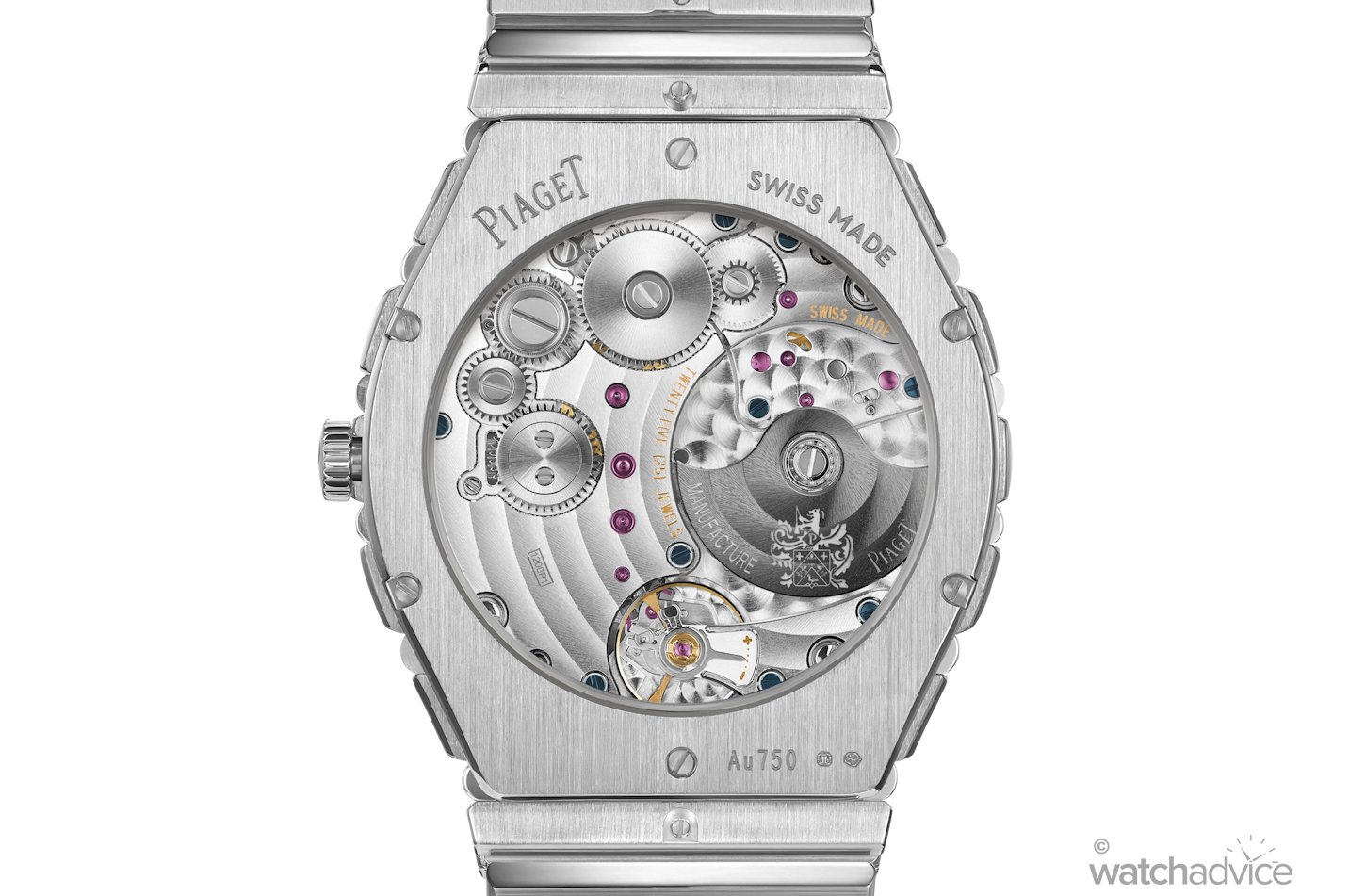
Operating at 3Hz, or 21,600 VpH, and with a power reserve of 44 hours, it quietly does its job in the background, allowing the design-led identity of the dial, case, and bracelet to take centre stage. This is, however, one area where I can see Piaget improving in the future. While the movement’s specs are perfectly fine for daily wear, a little more power reserve and stronger precision would help make this watch feel even more complete from a modern mechanical standpoint.
Initial Thoughts
I love what Piaget has done with this latest Polo 79 release. They have not reinvented the wheel here, nor did they need to. With such an iconic design on their hands, even subtle variations and tweaks can give the collection a completely refreshed look, and that is certainly the case with this latest sodalite edition.
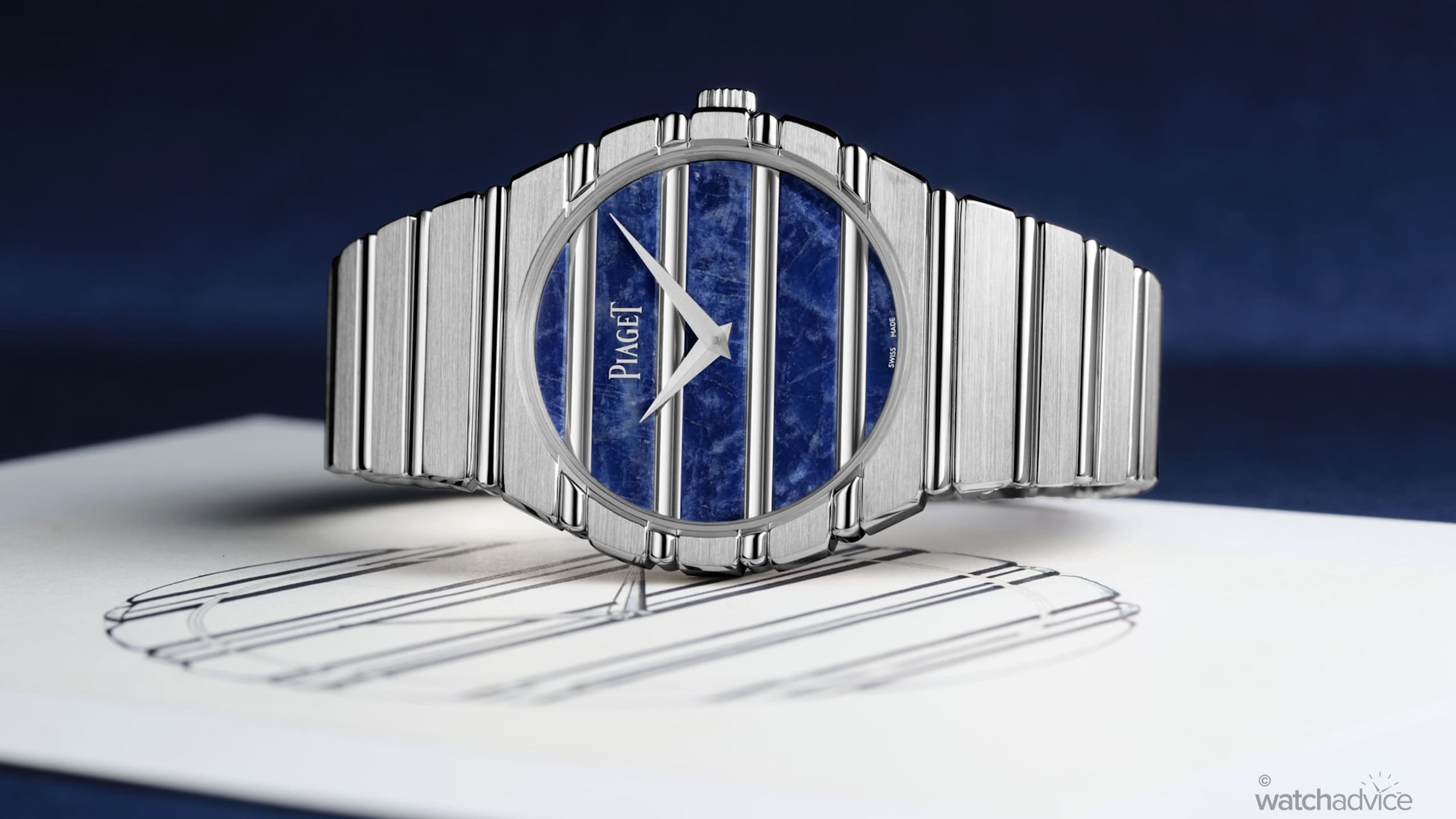
The seamless case and bracelet design still carries that unmistakable vintage Piaget charm, but the white gold case paired with the rich blue stone dial makes the watch feel more expressive and modern at the same time. I also love how the gadroons of the dial have been kept intact, with the polished white gold finish complementing the deep blue tones of the sodalite beautifully. This is a timepiece you really need to see in person, because I feel like the pictures do not fully capture just how beautiful the stone is, or how well the white gold complements it visually.
Because of the natural variation in the stone, no two dials are exactly the same, which gives the watch a stronger sense of exclusivity and individuality. Backing all of this up is Piaget’s ultra-thin movement expertise, which helps keep the Polo 79 elegant and true to its jewellery-watch spirit. For me, this is a very successful evolution of the modern Polo 79, as it respects the original while giving collectors something that feels fresh, luxurious, and full of character.
Piaget Polo 79 Watch – White Gold Sodalite
Reference & Specifications
| Feature | Specifications |
|---|---|
| Reference | GOA51151 |
| Dimensions | 38mm x 7.45mm thick |
| Case | 18K white gold with alternating polished gadroons and horizontal brushed surfaces |
| Crystal | Sapphire crystal with anti-reflective coating |
| Dial | Natural sodalite alternating with 18k white gold polished gadroons |
| Caseback | 18k white gold with a transparent sapphire crystal |
| Movement | Automatic 1200P1 calibre, beating at a frequency of 3Hz (21,600 VpH) |
| Functions | Hours & minutes |
| Power Reserve | Approx. 44 hours |
| Water Resistance | 50 metres (5 ATM) |
| Strap | 18K White gold with alternating polished gadroons and horizontal brushed surfaces |