

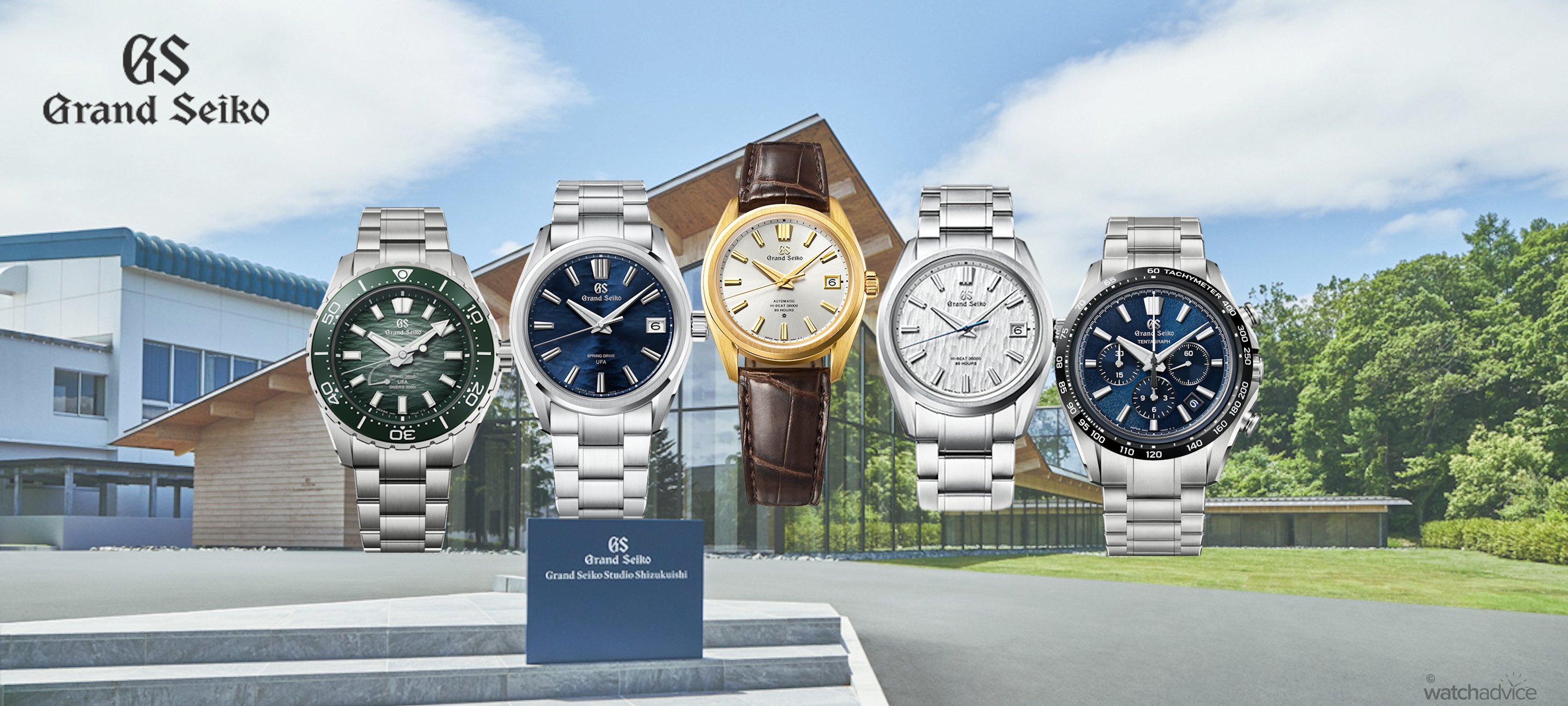
From the sharp lines of the 44GS to the stunning White Birch dial and the precision of Spring Drive U.F.A., I explore how Evolution 9 gave modern Grand Seiko a look and feel of its own.
Grand Seiko is firmly rooted in Japanese watchmaking and today is known for making some incredible dials. But where did it all start? To answer that, we have to go back to Japan in 1960, when Seiko first introduced Grand Seiko with the ambition of making an exceptionally accurate, dependable wristwatch.
For those who may not know the full story, Seiko was already an established watchmaker before Grand Seiko was introduced. It had ambitions to compete at the high end of the market, and Grand Seiko and King Seiko came out of that period. The two lines competed with each other, each bringing its own take on what a high-end Japanese watch could be.
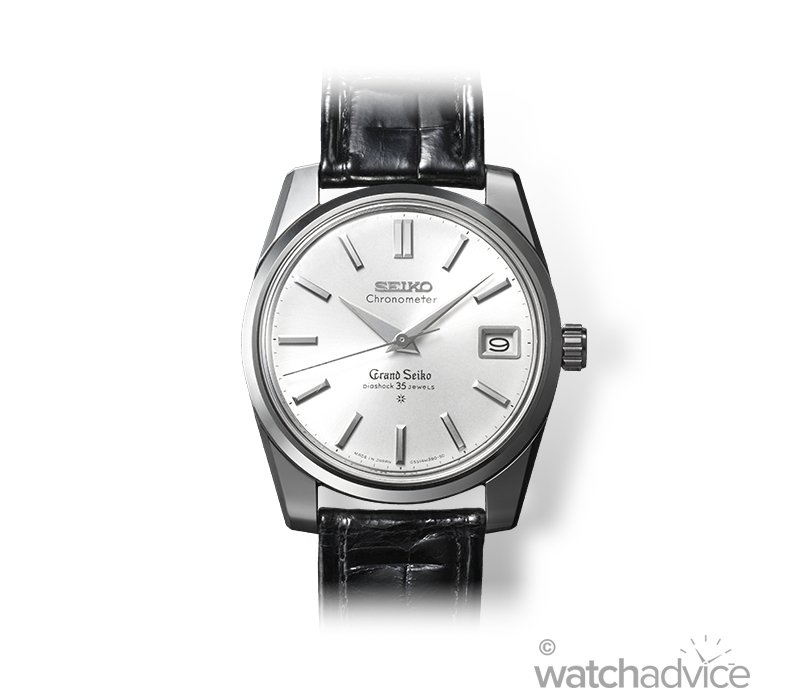
High precision was a big part of Grand Seiko’s ambition, along with making a watch that was easy to read and dependable enough to wear every day. As Grand Seiko developed, it started to establish a design identity of its own. You can see that taking shape in the clean lines of the cases and the way the hands and hour markers catch the light on early Grand Seiko models.
And it’s this attention to light that I find one of the most interesting parts of the Grand Seiko story. You can look at one of the brand’s watches indoors and see an entirely different side of it the moment you step outside into natural light. Granted, we can say this about plenty of luxury timepieces, but it’s the way Grand Seiko uses sharp lines and polished facets to catch the light that makes its watches stand out to me.
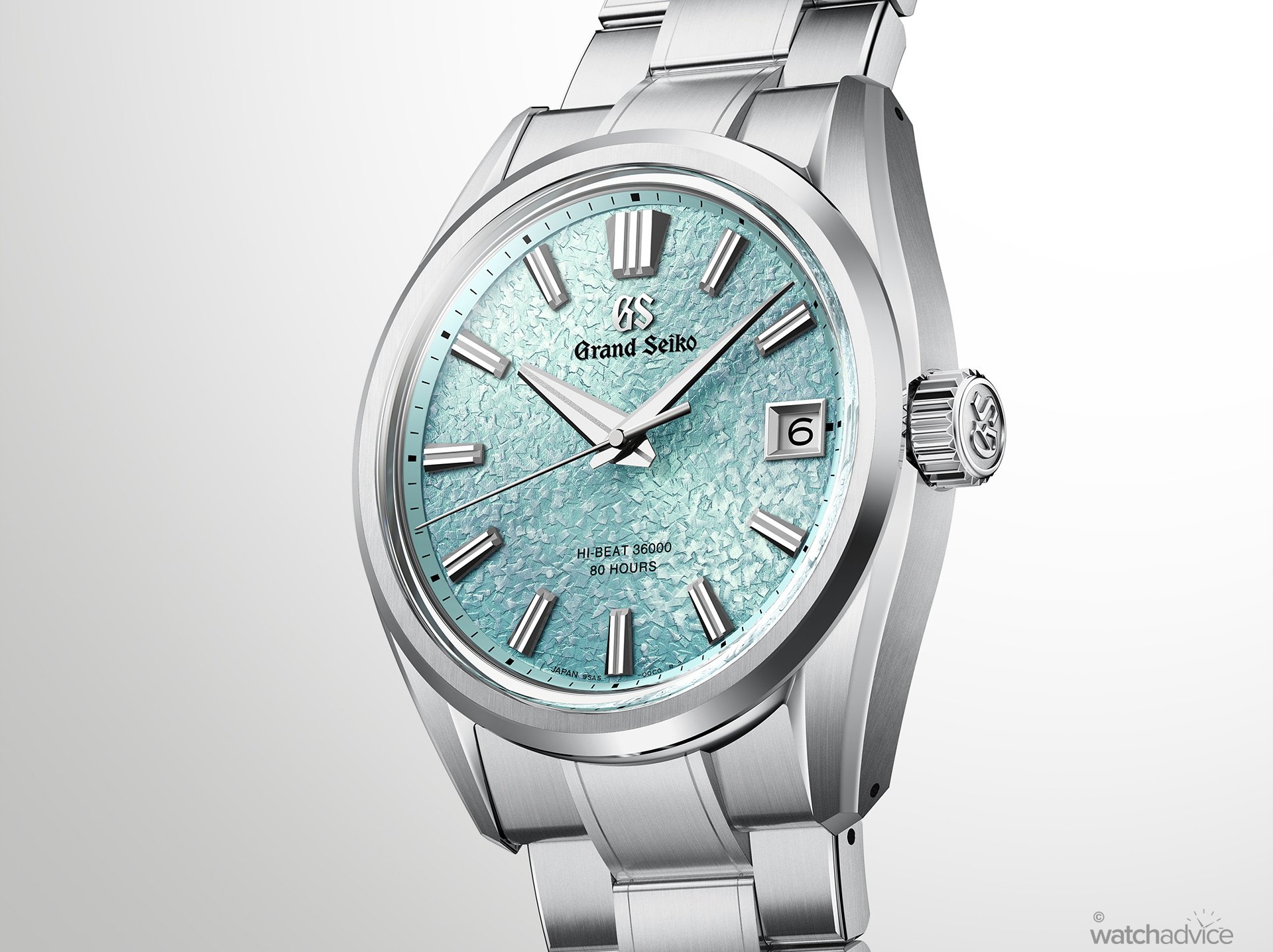
Then, of course, there are those distinctive textured dials. Grand Seiko has drawn inspiration from everything from tree bark and cherry blossoms to the way light moves across the surface of a lake. For me, those dials are a big part of what makes Grand Seiko so special. The accuracy, the way the watches wear, and those faceted cases are all part of the appeal, but it’s the dials I keep coming back to. When you see one up close, you start to appreciate how much work goes into creating that kind of depth while keeping the time easy to read.
Grand Seiko’s Evolution 9 collection is the perfect place to explore all of this because it brings so much of what the brand is known for into one collection. To see how Grand Seiko arrived at Evolution 9, though, it helps to go back to when the brand first began to define what one of its watches should look like.
The 44GS And The Original Grand Seiko Style
The first timepiece to give Grand Seiko its defining look, much like the Royal Oak did for Audemars Piguet or the Polo did for Piaget, was the 44GS, released in 1967, seven years after the brand’s first watch. This was the first Grand Seiko watch to be made by Daini Seikosha, one of Seiko’s two watchmaking operations at the time. The 44GS grew out of a set of design ideas developed by Seiko designer Taro Tanaka, who wanted the watches to have a distinctly Japanese sense of beauty. That focus on a Japanese aesthetic was already there decades before Evolution 9 came along.
The original 44GS featured a case with broad, flat surfaces polished to a mirror finish. Those surfaces met at sharp angles, giving the watch the faceted look Grand Seiko is still known for today. Tanaka used those angles to create contrast, so one face of the case could reflect light while the one beside it stayed dark.
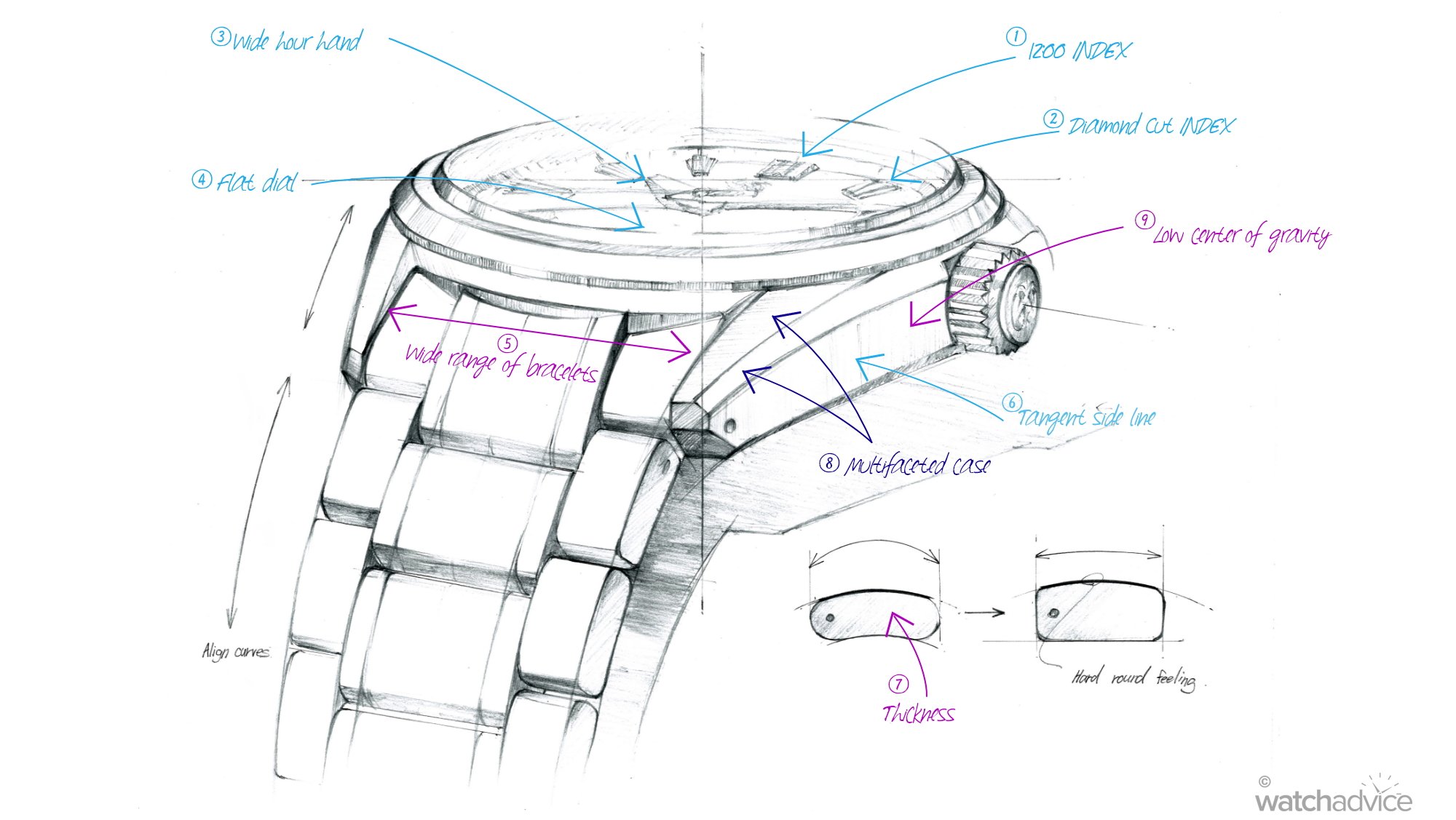
And that same attention to light carried over to the dial, where the faceted hour and minute hands, along with the hour markers, echoed the sharp angles of the case and caught the light in much the same way. Together, these details made the original 44GS the first watch to embody the nine design principles now known as the Grand Seiko Style.
Just a year after the original 44GS arrived, the brand introduced the 45GS in 1968. It shared much of the 44GS’s styling, but inside was the brand’s first hand-wound Hi-Beat movement, designed to improve stability and accuracy. The 44GS was eventually phased out, but the design principles it introduced lived on in later models and continued to shape what a Grand Seiko would look like.
Revisiting The 44GS For A New Generation
Grand Seiko brought the 44GS design back in 2013, nearly half a century after the original model was introduced. It kept the design principles that made the original so distinct, such as the broad polished surfaces and the sharp lines. In its modern reinterpretations, Grand Seiko also revisited the case proportions and sizing to suit how people wear their watches today.
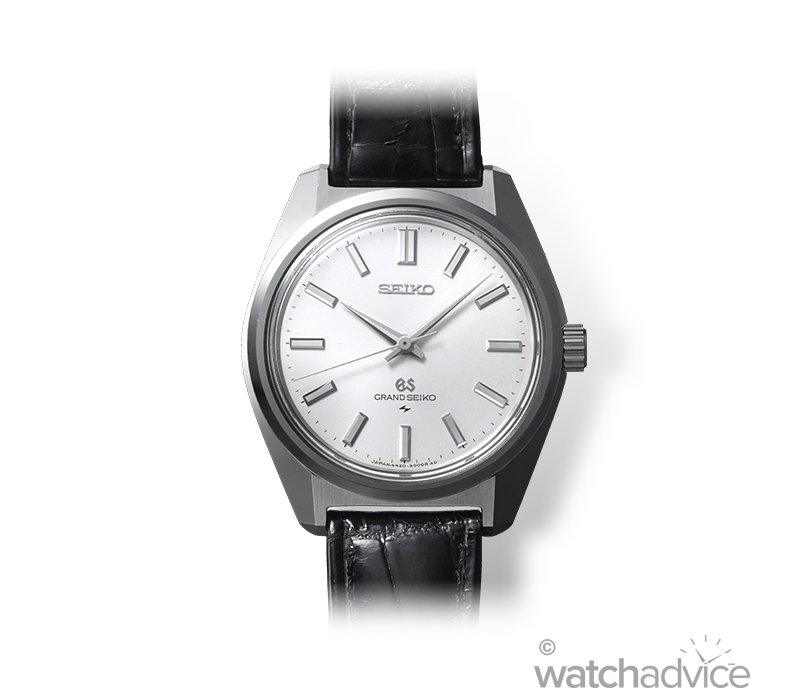
Four years later, in 2017, Grand Seiko began presenting itself as a standalone brand. That same year, designer Kiyotaka Sakai started work on what would become known as the Evolution 9 Style. He used the original 1967 44GS as a source of inspiration, while also looking to the very first Grand Seiko for cues on how to shape the hour and minute hands.
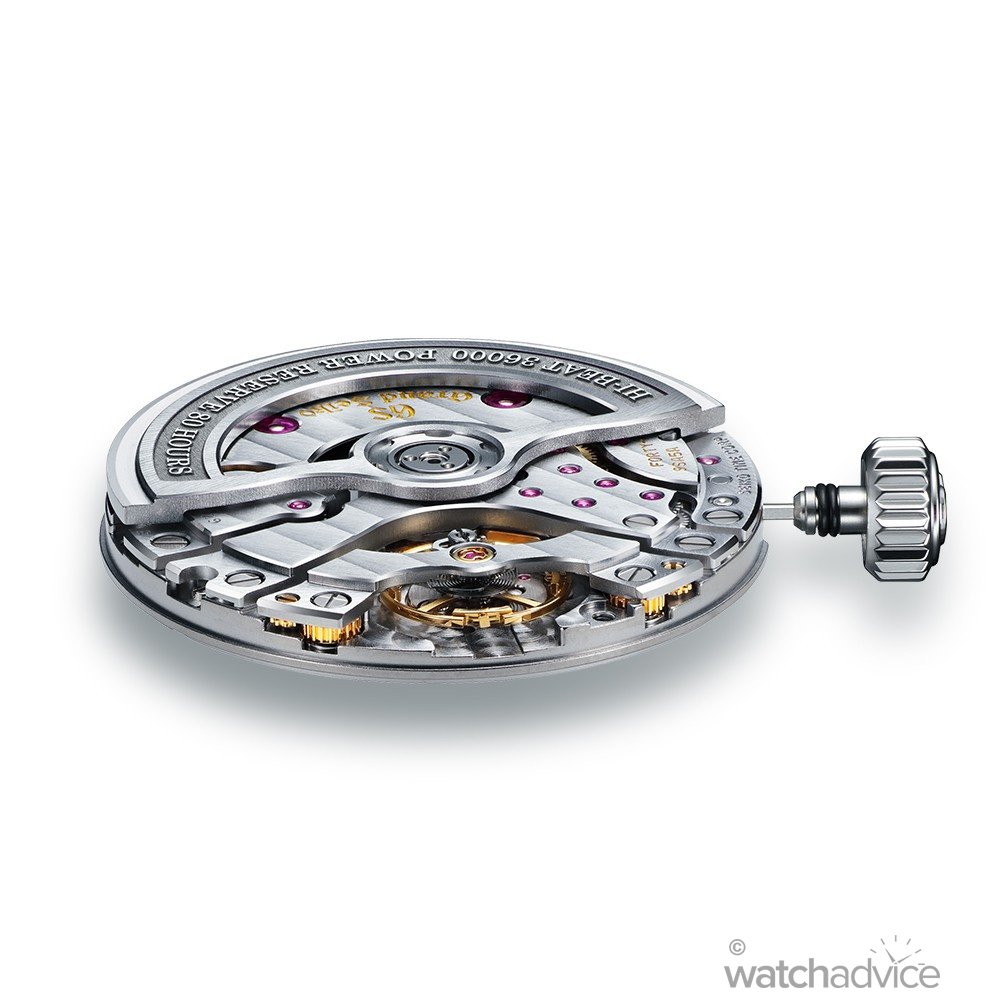
The Grand Seiko team was developing this new design around the upcoming 9SA5 movement, a thinner automatic Hi-Beat calibre that gave the watchmakers and designers more room to rethink how the case would sit on the wrist. That put wearing comfort alongside two established priorities for Grand Seiko: how the watch looked and how easily you could read it.
The 2020 Debut And the Rise Of The White Birch
In 2020, we got our first look at what would become the Evolution 9 Collection when Grand Seiko introduced the limited-edition gold SLGH002 to celebrate the brand’s 60th anniversary.
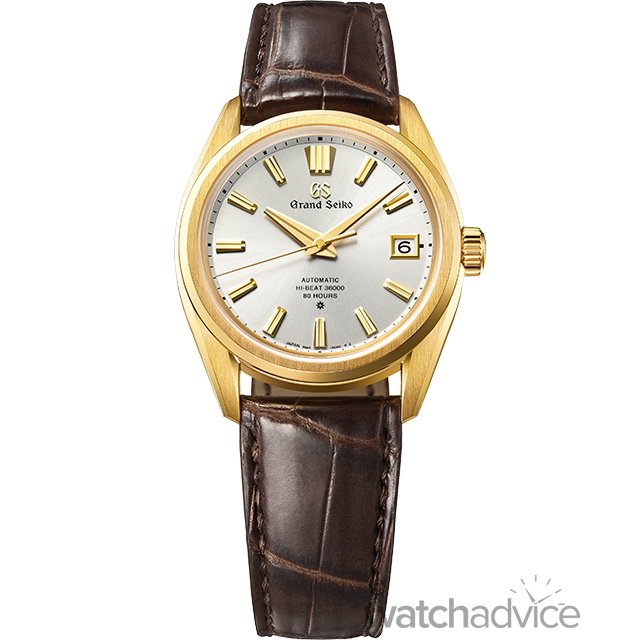
The SLGH002 debuted Kiyotaka Sakai’s new design, which, as mentioned previously, was developed around Grand Seiko’s new Calibre 9SA5.
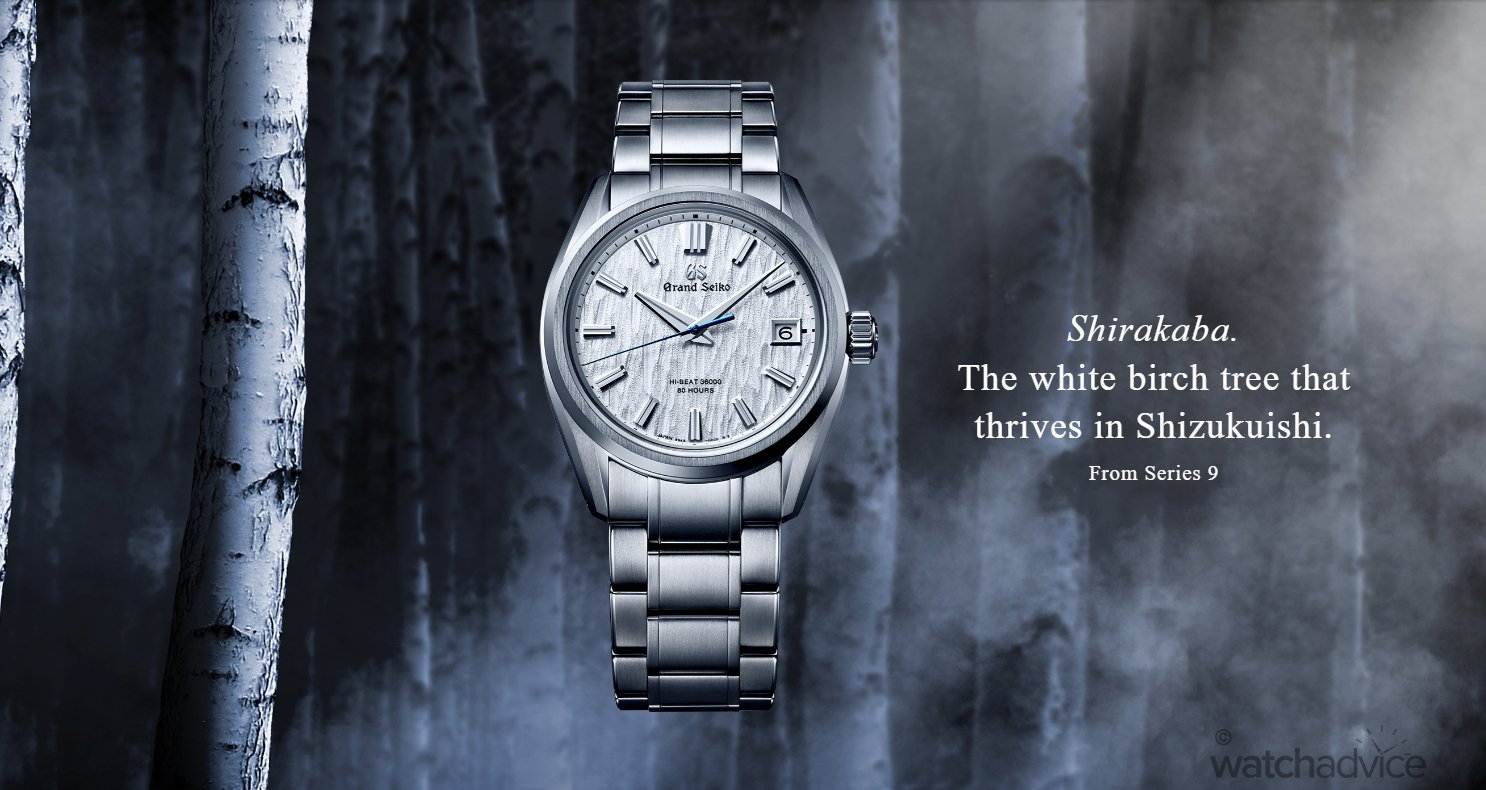
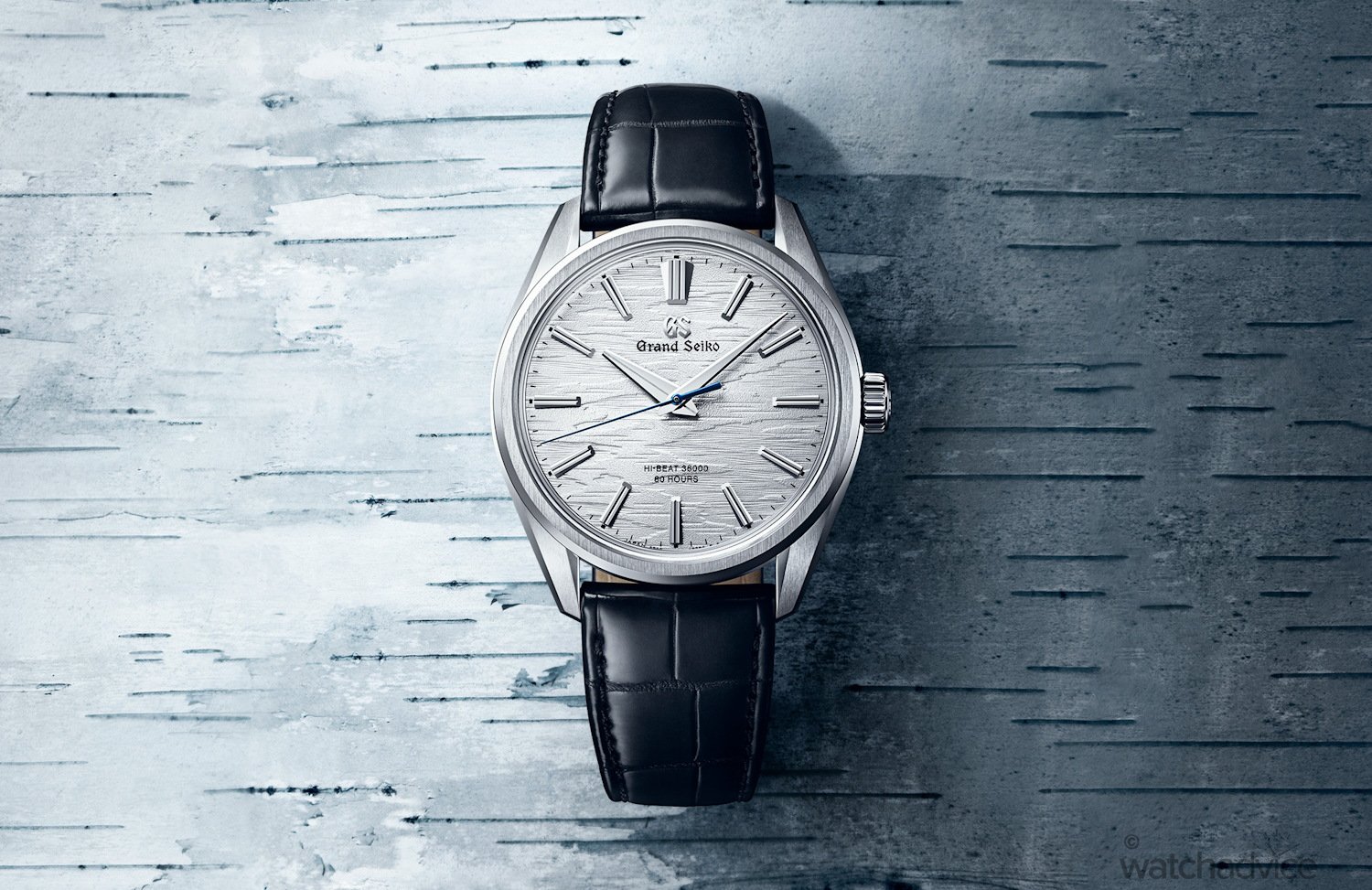
In March 2021, Grand Seiko gave the design a different look with a stainless steel case and a textured silver dial. This was the SLGH005, better known as the “White Birch”. The silver dial took inspiration from the white birch forests near Grand Seiko’s mechanical watchmaking studio in Shizukuishi. It was the first in a series of watches that would interpret Japan’s birch forests in different ways.

The watch went on to win the Men’s Watch Prize at the 2021 Grand Prix d’Horlogerie de Genève, giving the new design international recognition. By then, the White Birch had given Grand Seiko a recognisable face for the collection it would launch the following year.
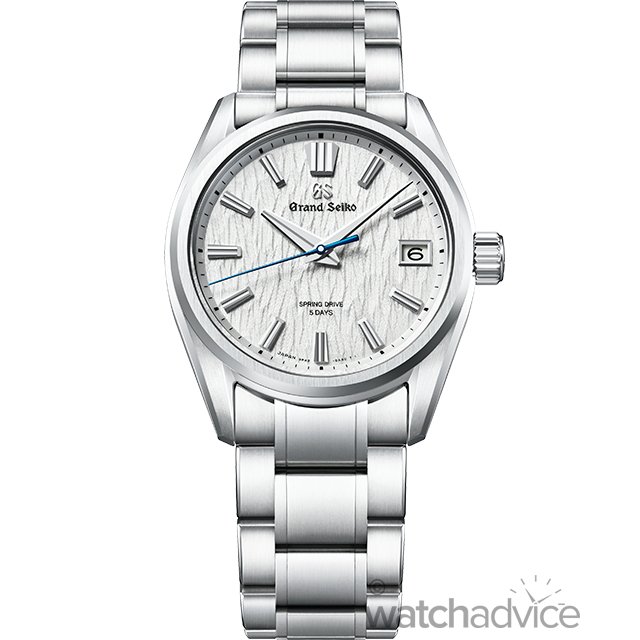
In February 2022, Grand Seiko formally launched the Evolution 9 Collection with two White Birch models, the existing Hi-Beat SLGH005 and the new Spring Drive SLGA009. Together, the two White Birch models offered the clearest expression of Grand Seiko’s new style, from the way Sakai’s case design catches the light to how easily you can read the time against those textured dials.
An Iconic Design – What Sets The Evolution 9 Apart?
So what actually changed when Grand Seiko introduced Evolution 9? As I mentioned earlier, Kiyotaka Sakai was the lead designer behind the collection, and for inspiration, he and his team went back to the original Grand Seiko Style to see what they could improve for a modern rendition.
The team focused on three key pillars: how the watch looked, how easily you could read the time and how comfortably it would sit on the wrist. These three priorities are reflected in nine design principles, which work together across the case, the dial and the bracelet design.
The Case And The Play Of Light And Shadow
The easiest way to determine what changed from the original 44GS to the modern Evolution 9 design is to compare the case designs. The 1967 44GS had broad, mirror-polished case surfaces that met at sharp and refined angles. With Evolution 9, however, Kiyotaka Sakai chose to keep the sharp, angular design while integrating an interplay of brushed and polished surfaces.
On the SLGH005 White Birch, for example, the brushed surfaces take up much more of the case than the polished surfaces. The polished facets are narrower, which helps them to stand out prominently against the brushed finishing. One of the reasons that Kiyotaka Sakai leaned towards this design was how the case would interact with light. While the original 44GS featured a prominent polished finish which would make the watch glimmer under light, the integration of two finishes in the modern Evolution 9 collection means that the case handles light differently.
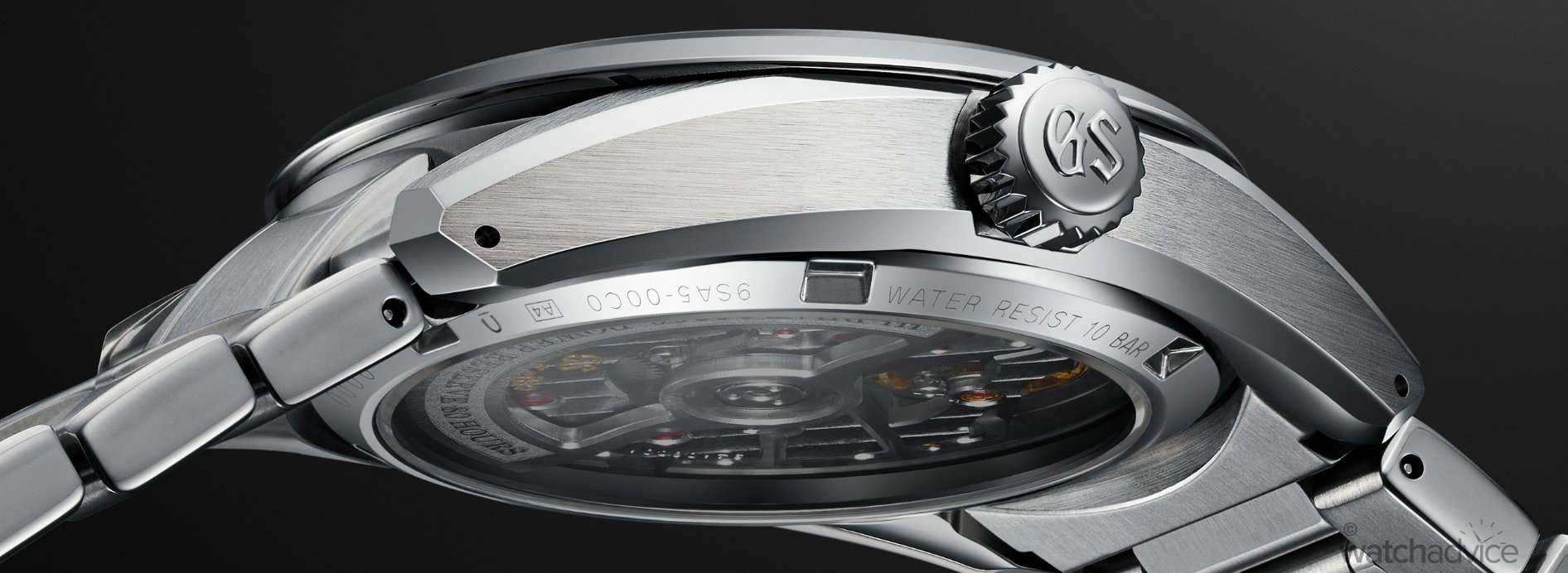
The brushed surfaces give a softer reflection, while the polished areas of the case give a sharper one. This contrast is what helps to define the sharp, angular design of the case, especially where different surfaces meet. The ends of the lugs are also cut quite sharply, which gives the case a more sculpted profile.
Hands, Hour Markers and Legibility
What makes the Evolution 9 Collection stand out is how easy it is to read the dial despite those beautifully textured patterns and dial colours. It starts with the hands. Kiyotaka Sakai looked back to the very first Grand Seiko from 1960 and analysed what made them so prominent on the dial.
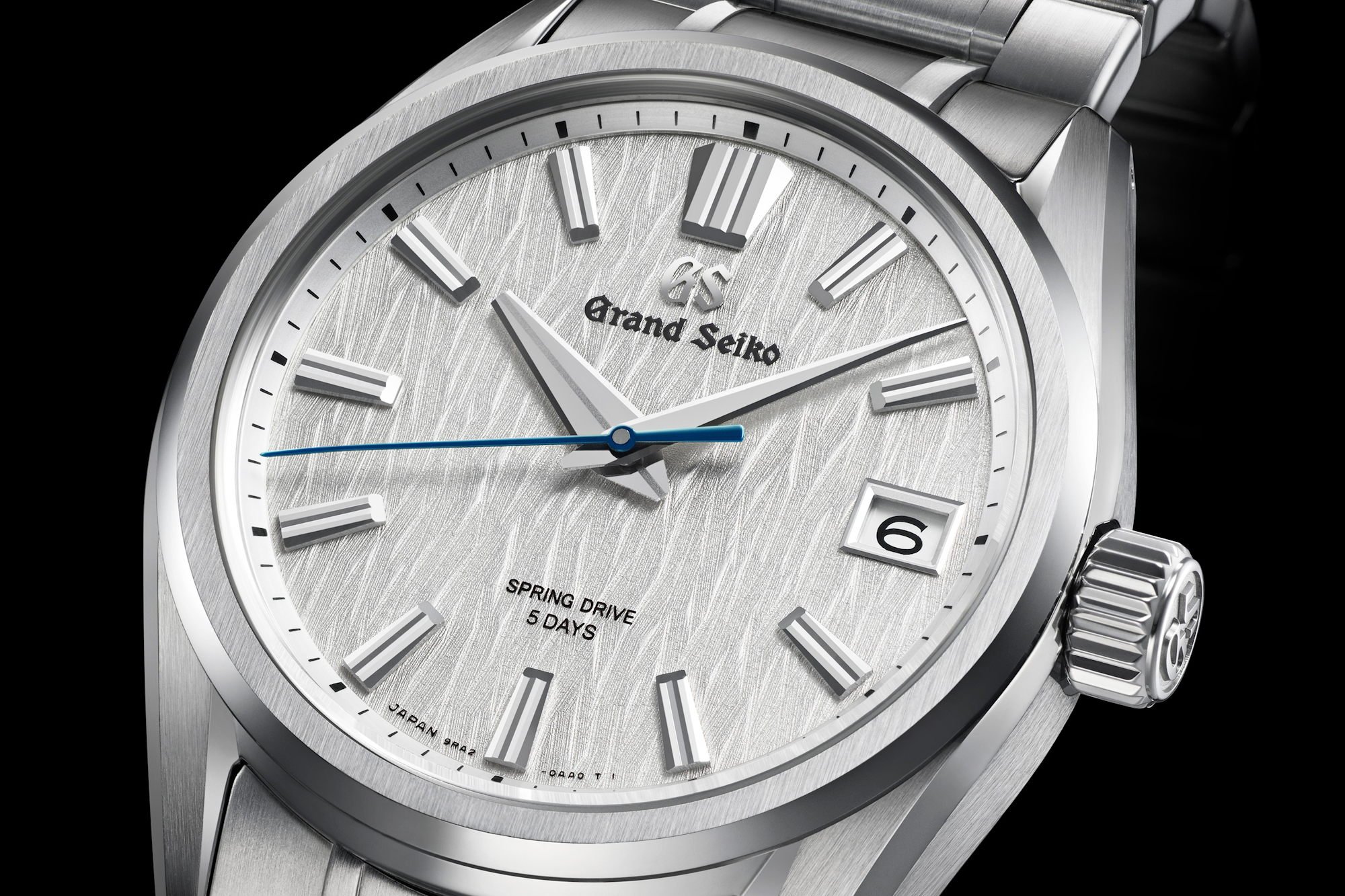
He took these design cues and integrated them into the White Birch, where the hour hand is broad and has a squared-off tip that lines up nicely with the hour markers. The minute hand features a slimmer design and reaches right out to the minute track so you can clearly see which minute marker it’s pointing to. The difference in shape between the two hands makes them easy to tell apart instantly when taking a quick glance down at the watch.
Then if you look at the hour markers, they have deep grooves through the middle. They work much like the case, with surfaces that catch the light from different angles. The 12 o’clock hour marker is also wider than the others, a signature detail of the Evolution 9 Collection that gives you a clear reference point as soon as you look at the dial.
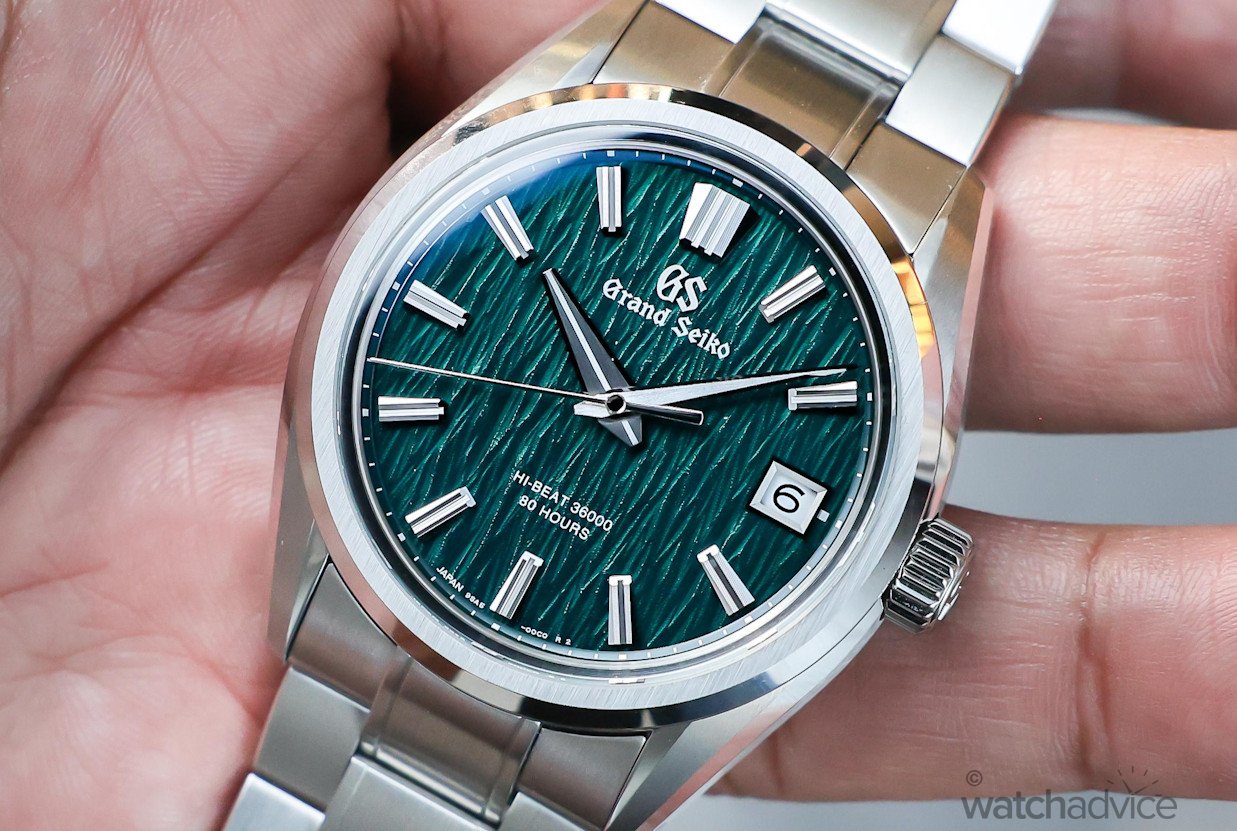
On the SLGH033 model that I reviewed last month, I was surprised by how easy it was to pick out the hands and markers against that deep green birch texture. The textured pattern on the dial certainly gives you plenty to look at, and Grand Seiko has managed to keep the dial easy to read by making the hands and markers stand out against it.
How Evolution 9 Changed The Way A Grand Seiko Wears
The wearability of the Evolution 9 Collection is where I think it differs the most from the original 44GS model. One of the most noticeable improvements is how much lower and more securely the case sits on the wrist. And this was actually possible thanks to the thinner 9SA5 movement, which gave the designers more room to work with and allowed them to lower the watch’s centre of gravity.
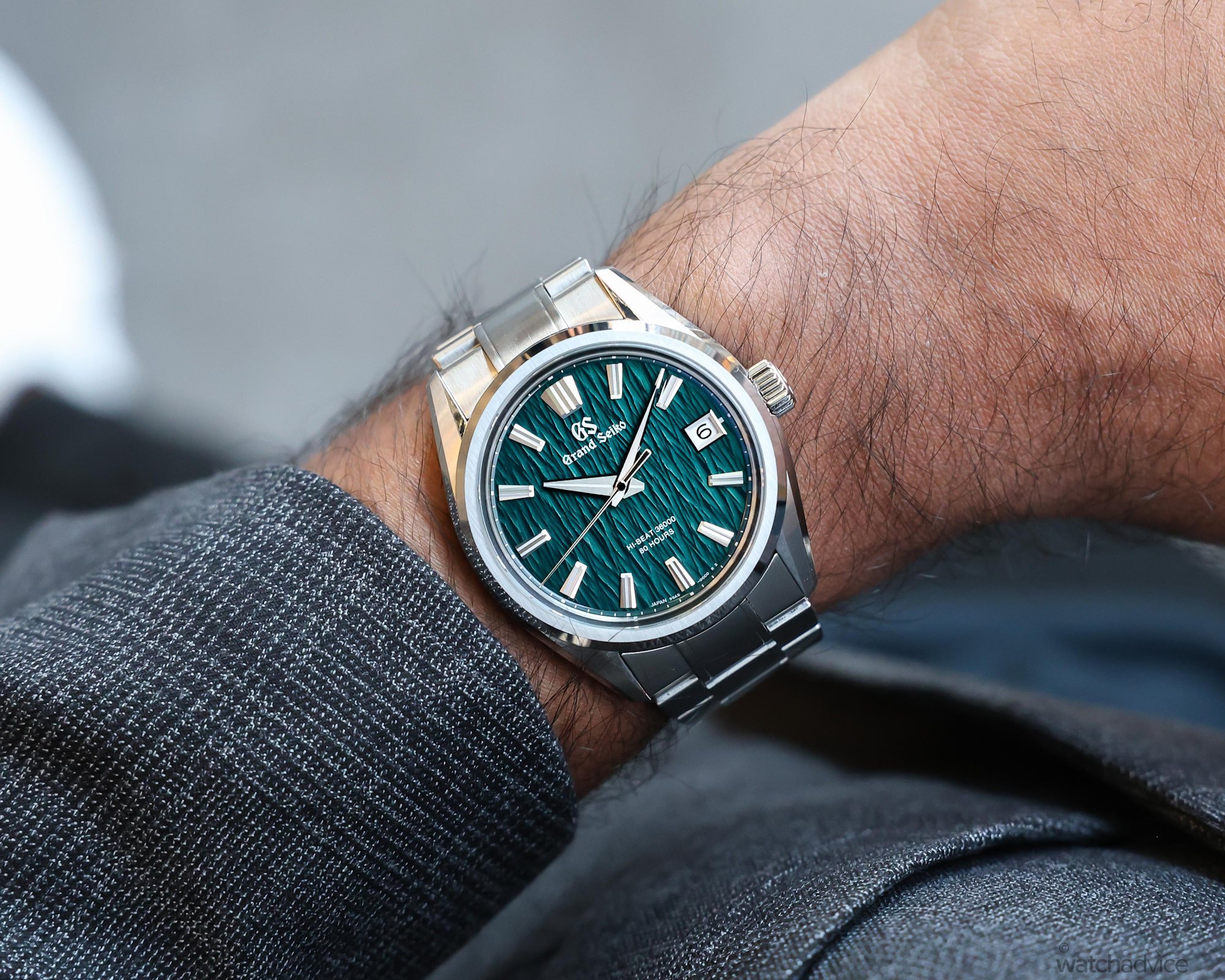
To put it simply, a lower centre of gravity helps the weight of the watch sit closer to the wrist, which means that the case is less inclined to tip from side to side. You’ll notice this difference on timepieces where the caseback holds the watch further off the wrist or more of the weight sits higher in the case.
Grand Seiko also widened the lugs so that the bracelet could give the case a broader base. The links of the bracelet were also redesigned, and you can see this on the original Hi-Beat White Birch, which was released in 2021. The individual bracelet links were shortened so that the bracelet could follow the natural curve of the wrist more closely.
When I wore the SLGH033 for review, I could see how that design translated to my 16 cm wrist. It still had the wrist presence of a sports watch. However, the case sat close to the wrist without feeling top-heavy. This Green Birch model was released in October 2026, which meant that it came with Evolution 9’s updated bracelet design.
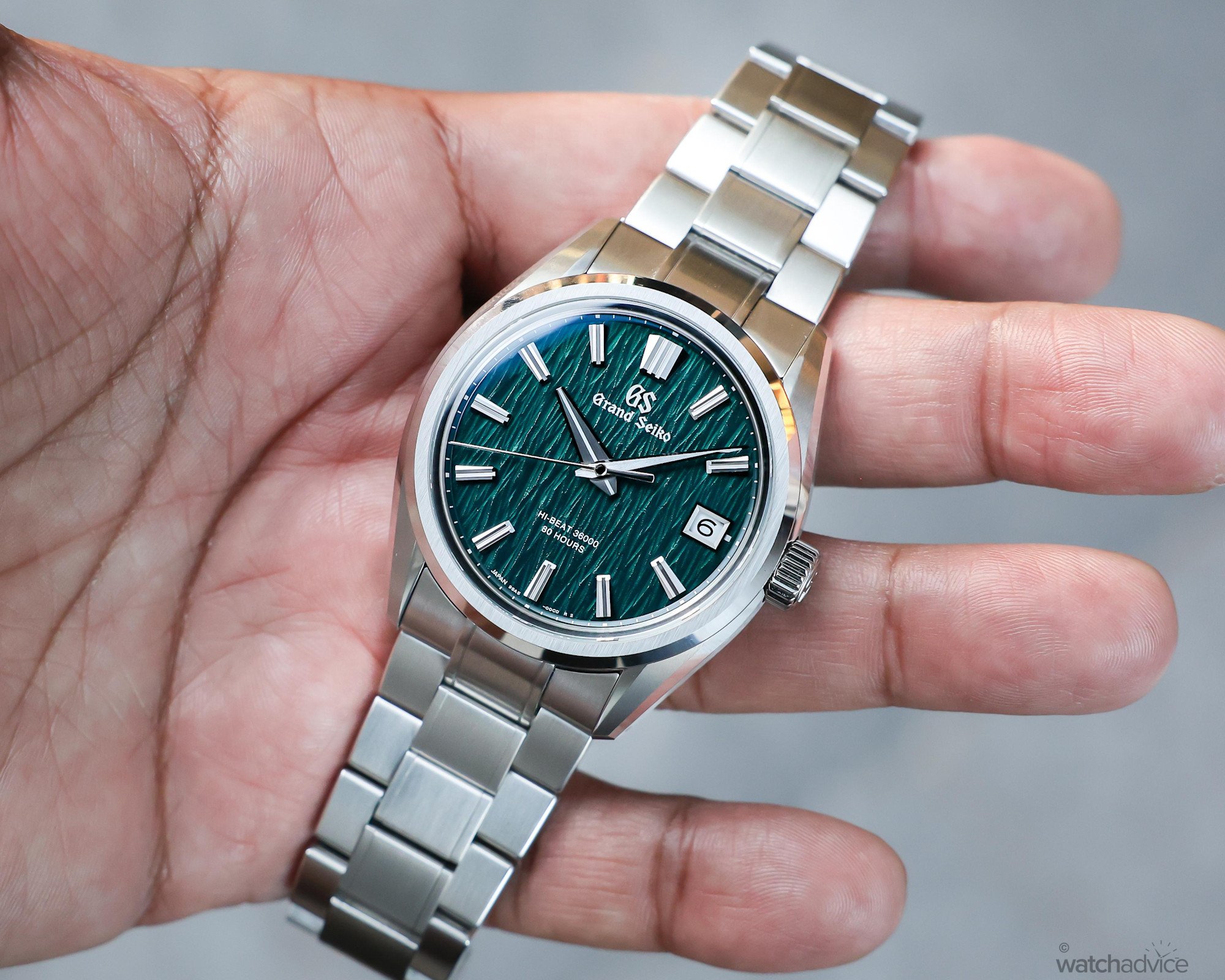
The new bracelet has a greater taper and a tool-free micro-adjustment clasp, which helps you adjust the fit on the go, especially when your wrist needs a little more room in warm weather. It also shows how Grand Seiko is still looking for ways to improve how these watches wear day to day.
Why Grand Seiko Looks To Nature For Its Dials
One of the things that stand out about the Grand Seiko Evolution 9 Collection for me is its dials and how often the inspiration comes from somewhere close to where the watches are manufactured. For example, the Hi-Beat White Birch, one of the earliest models to feature the Evolution 9 Style, takes its inspiration from the birch forests near the Grand Seiko Studio Shizukuishi, where the brand makes its mechanical watches.
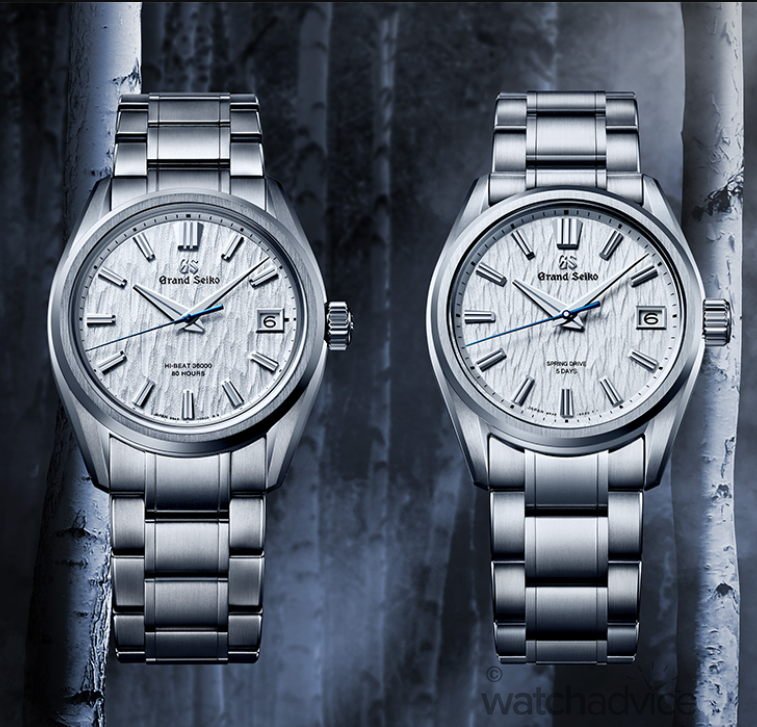
The Spring Drive White Birch, on the other hand, looks to forests near the Shinshu Watch Studio, giving Grand Seiko another way to reinterpret the same subject. Just looking at the images above, you can see how differently the textured dials of the two models capture the bark and the sense of depth between the trees.
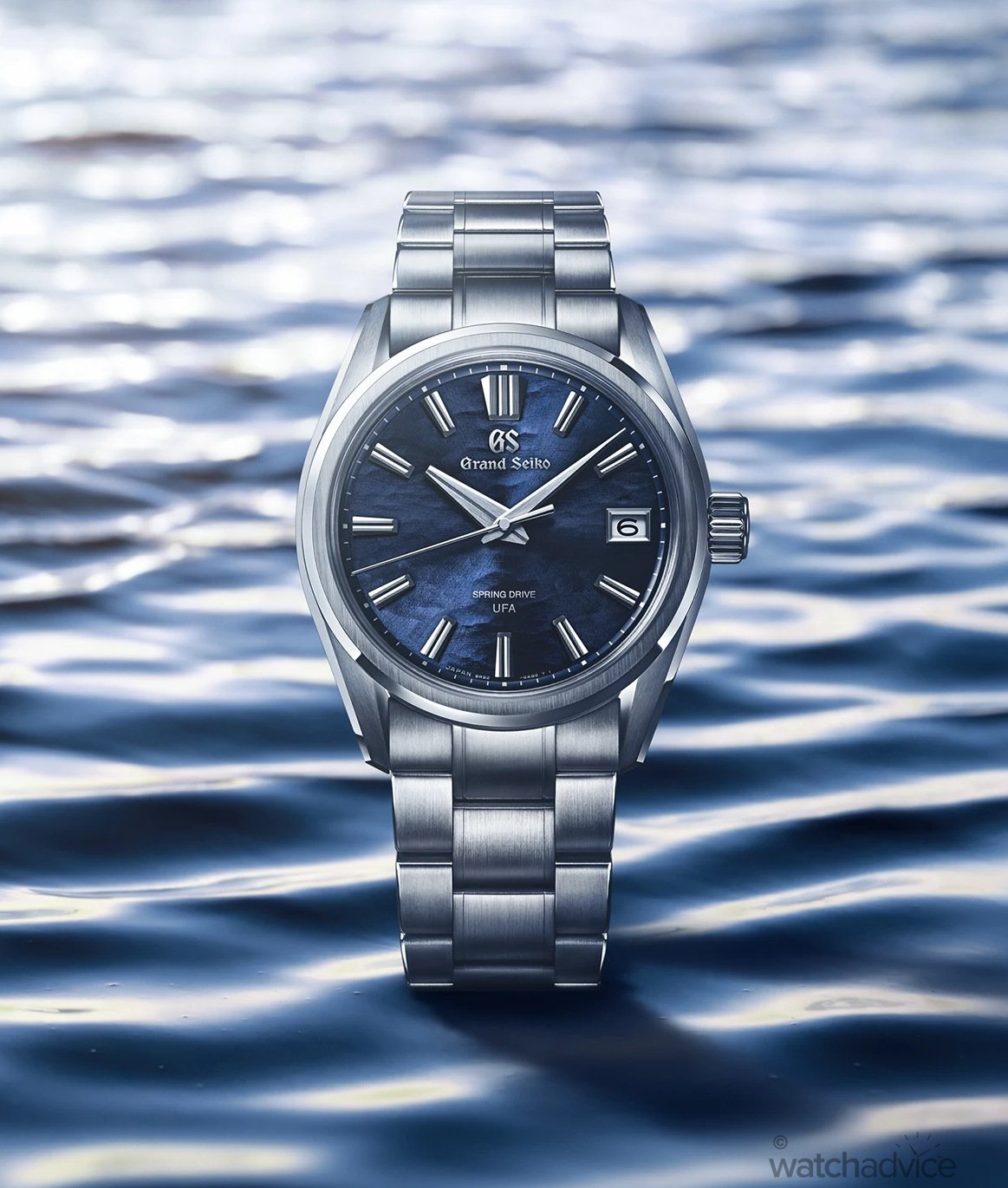
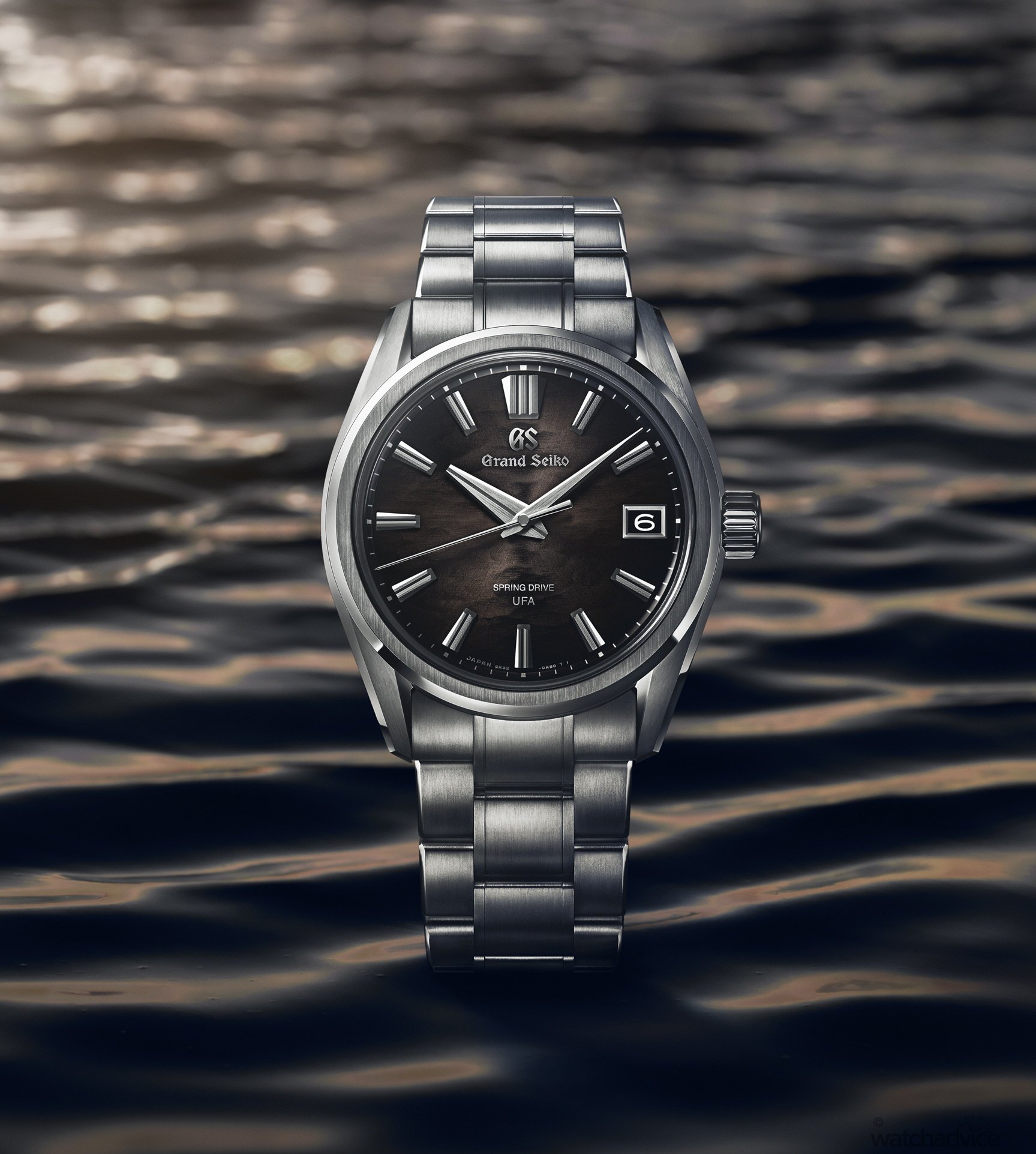
Lake Suwa, which sits near the Shinshu Watch Studio, where the brand makes its Spring Drive watches, has also inspired several Evolution 9 dials. This time, the textured dial catches the light in a way that recalls how it moves across the water. For example, the brand has used the same Lake Suwa motif to show the lake in morning sunlight on one watch and under moonlight on another, showing how different the same lake can look depending on the time of day.
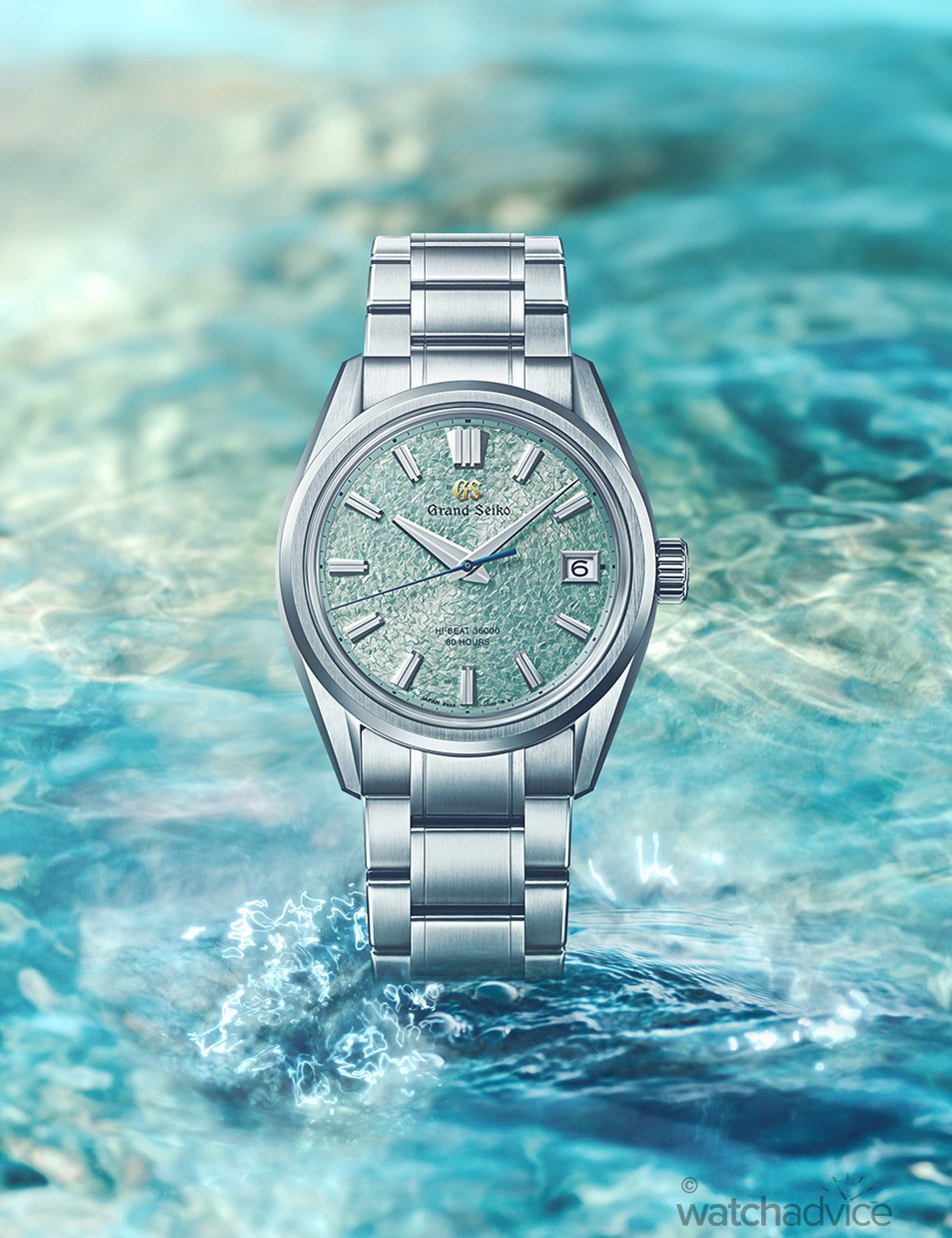
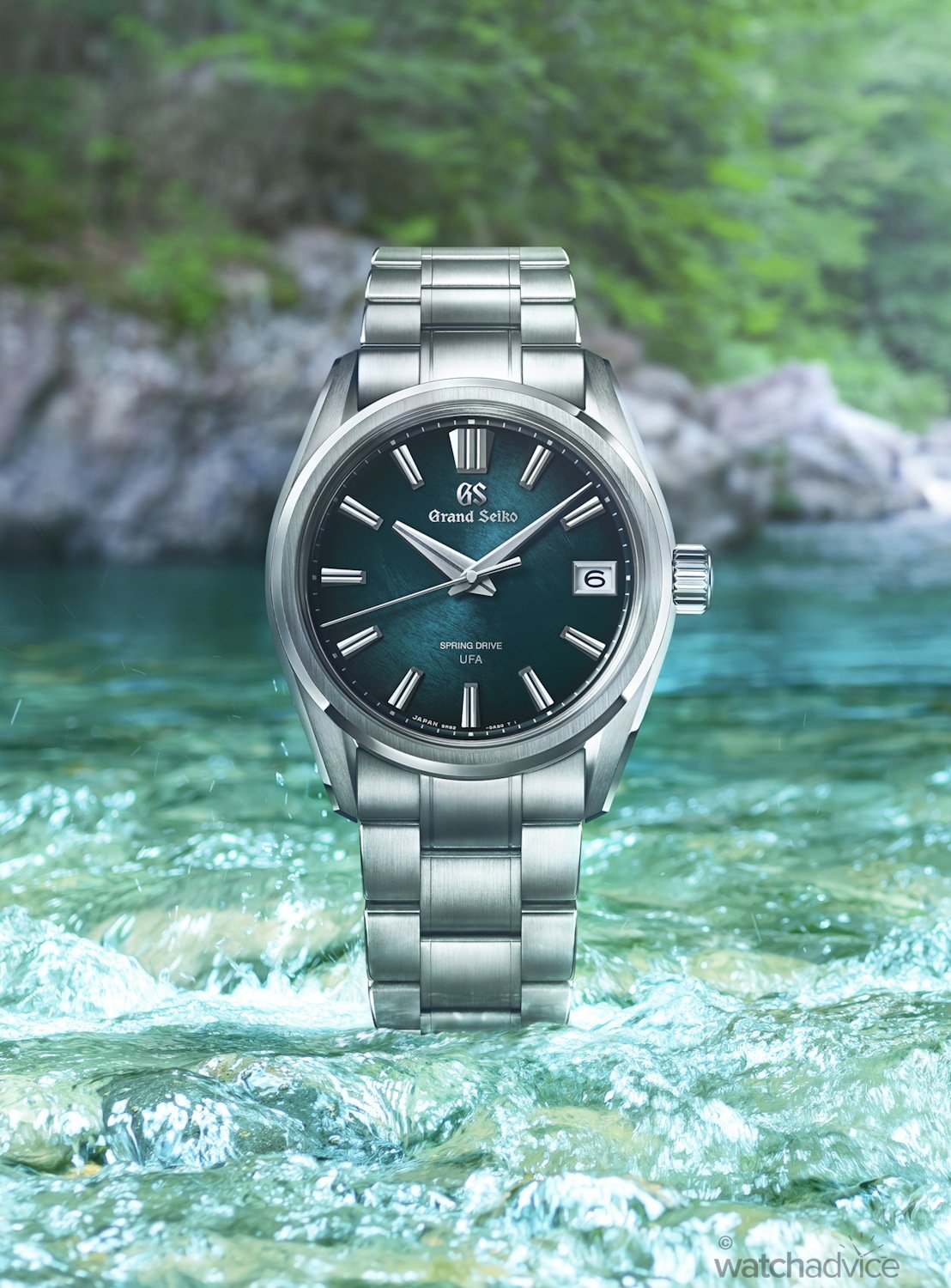
Then we have the Genbi Valley and Atera Valley models, which take this dial design philosophy even further. One dial draws on imagery of water flowing through rugged terrain, while the other shows the clarity and colour of the river.
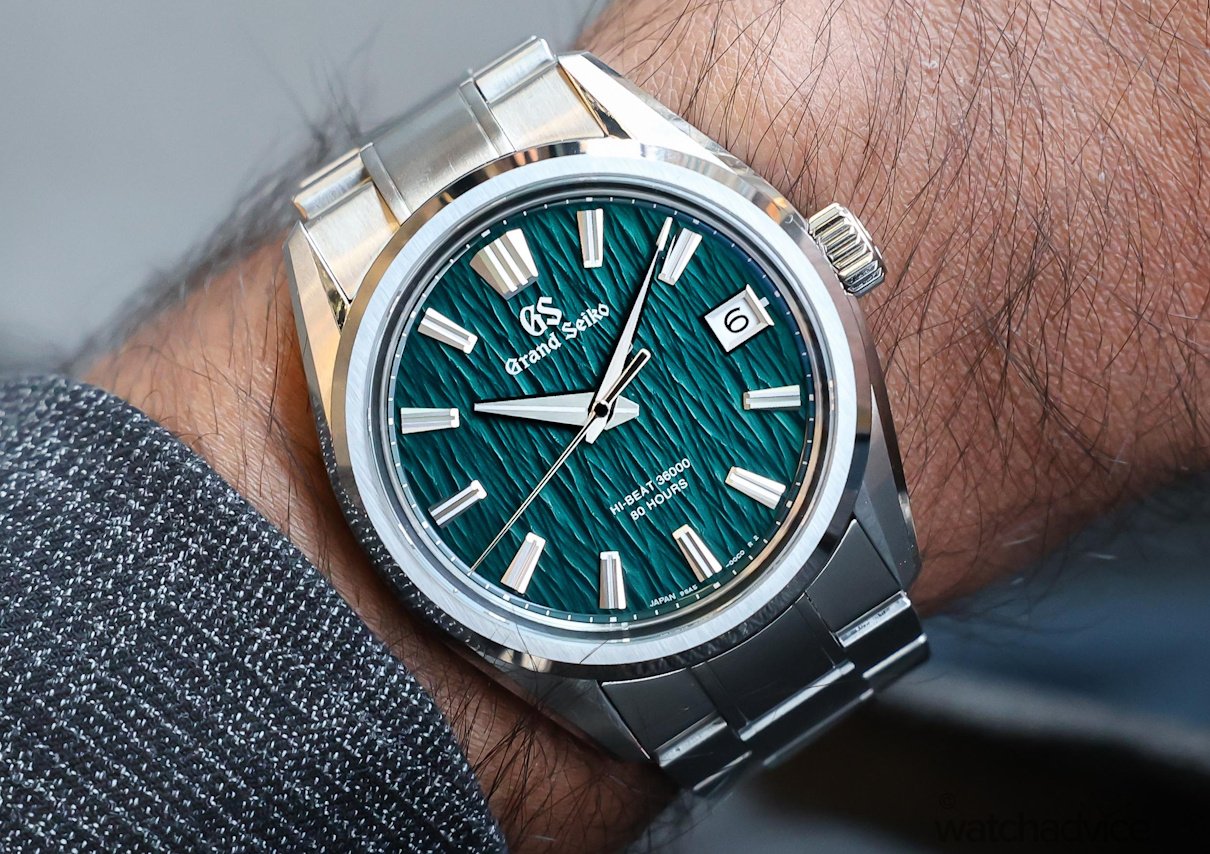
And then, of course, there is also the green SLGH033, which I had for review. Having spent time with this model in person, I can attest to how well the dial has been executed and how much the colour changes the way the texture looks in different lighting conditions. The dial can take on a deep forest green indoors, while out in the sunlight it’s a more vibrant green.
And this became a big part of the appeal of the watch. As someone who loves artistic dials, I like how the texture changes with the light, much like the landscape that inspired it. And once you see up close how deep the ridges and grooves look, you have a greater appreciation for the artisans working behind the scenes to make these dials happen.
The Movements That Shaped The Evolution 9
While the dials and case designs form a big part of the Evolution 9 story, it’s the hidden details that also govern some of the most important aspects of the timepieces in this collection. As we’ve already explored, a thinner movement gave Grand Seiko more room to rethink how the case sits on the wrist. By lowering the centre of gravity, Grand Seiko was able to design the case to sit lower on the wrist, providing a more comfortable fit.
As the Evolution 9 Collection naturally grew, the movements also helped shape the kinds of watches Grand Seiko could make, from a slim dress watch to a GMT, a chronograph and a diver. Across the collection, Grand Seiko has used ten different calibres, spanning Hi-Beat mechanical movements and Spring Drive. And then, of course, there’s Spring Drive U.F.A., a record-breaking movement rated to within ±20 seconds a year.
To see how much these movements helped shape the Evolution 9 Collection into what it is today, it makes sense to start with the one that helped set the design in motion, the automatic Calibre 9SA5.
Hi-Beat Mechanical
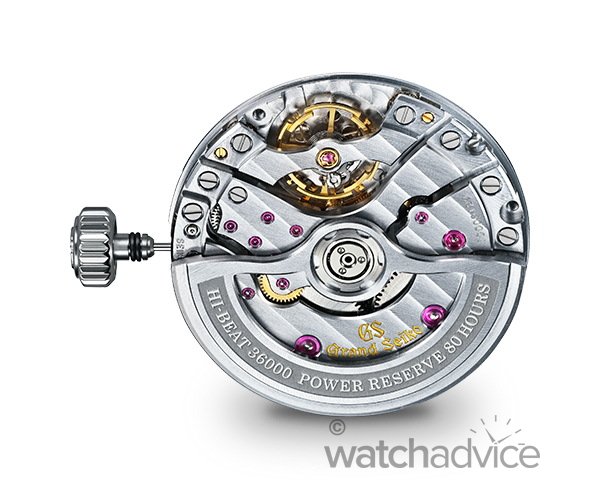
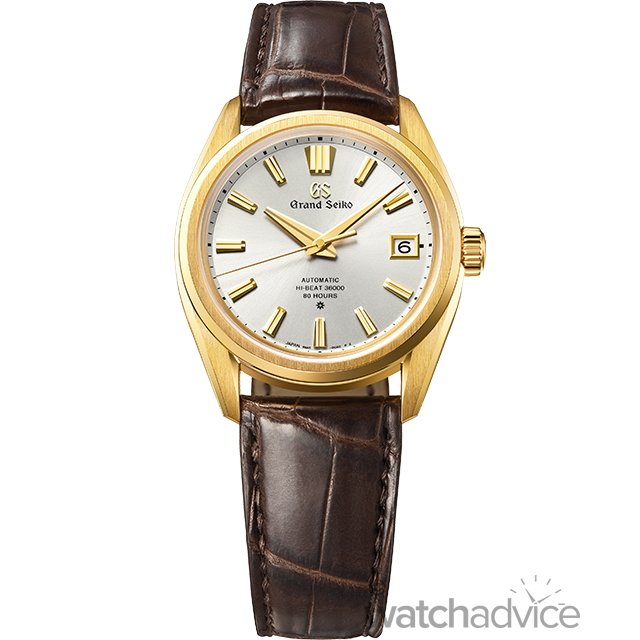
The story of Evolution 9 starts with the automatic Calibre 9SA5. The movement made its debut in the gold SLGH002 in 2020 before making its way into the SLGH005 White Birch. It beats at a high frequency of 5 Hz (36,000 vibrations per hour), a speciality of Grand Seiko, while delivering an 80-hour power reserve. Specs aside, one of the design team’s main priorities was keeping the movement thin.
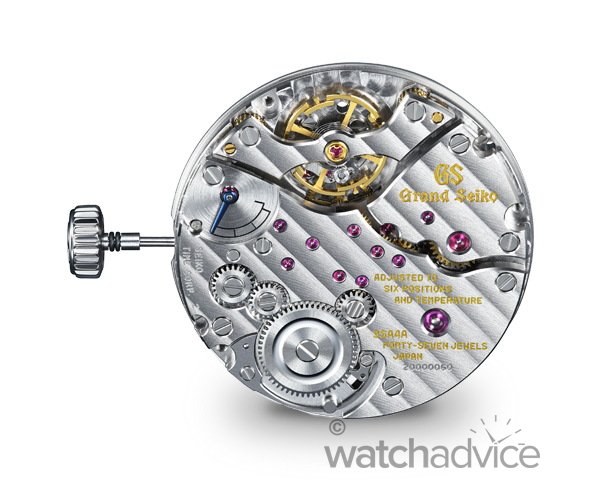
This gave Grand Seiko room to lower the case’s centre of gravity, which, as we explored above, helps the watch sit closer to the wrist for a more comfortable fit. Grand Seiko also introduced a hand-wound version of the Hi-Beat, the 9SA4, which took this idea even further with the SLGW003 Birch Bark. The 9SA4 kept the same frequency and power reserve, and removing the automatic winding rotor helped bring the case down to 9.95 mm thick, compared to 11.7 mm for the automatic SLGH005 White Birch.
Five Day Spring Drive
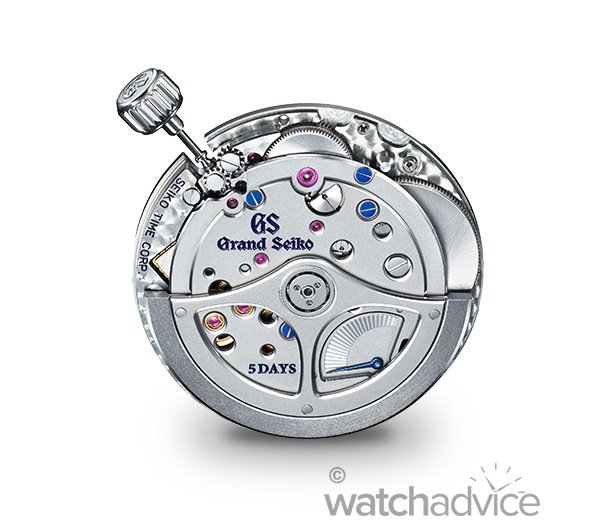
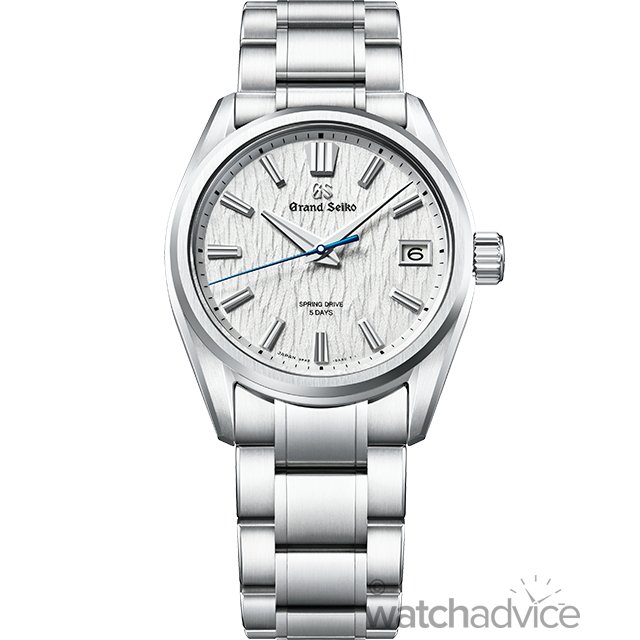
In 2022, Grand Seiko gave the White Birch a different character by introducing the Spring Drive SLGA009. The calibre inside was the 9RA2, which uses a mainspring to power the watch and a quartz reference to regulate it. It’s this Spring Drive system that gives the seconds hand its continuous glide across the dial. The movement also runs for up to five days when fully wound and is accurate to within ±10 seconds per month. Grand Seiko used the closely related 9RA5 in the SLGA015, showing how versatile its five-day Spring Drive technology could be, from the silver-dialled White Birch to a 200-metre titanium diver.
Spring Drive GMT
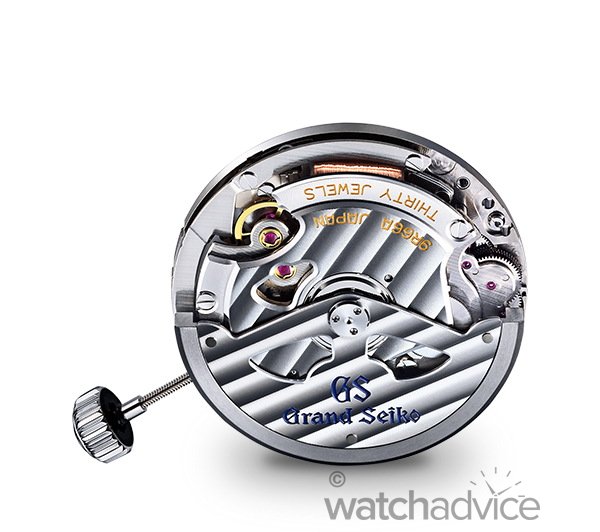
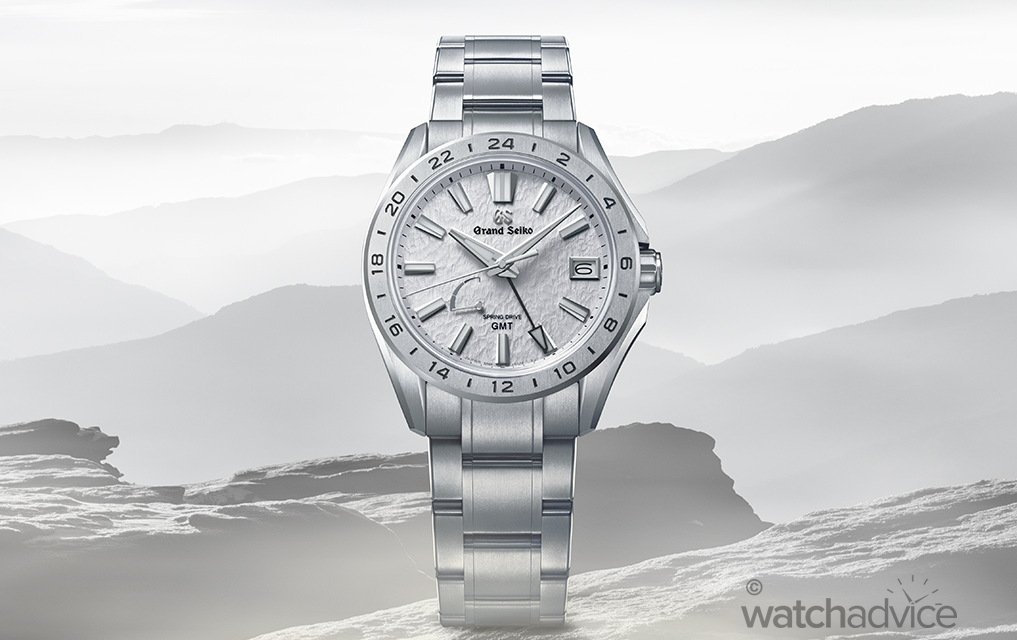
When the Evolution 9 Collection expanded into sports watches in 2022, the SBGE285 Mist Flake gave the collection a new direction as a watch built for travel. The model featured the Spring Drive Calibre 9R66 with a 72-hour power reserve and a separately adjustable local hour hand. Grand Seiko also fitted it with a fixed 24-hour bezel, which gives the extra hand its own scale and keeps the dial clear for local time.
Spring Drive Chronograph GMT
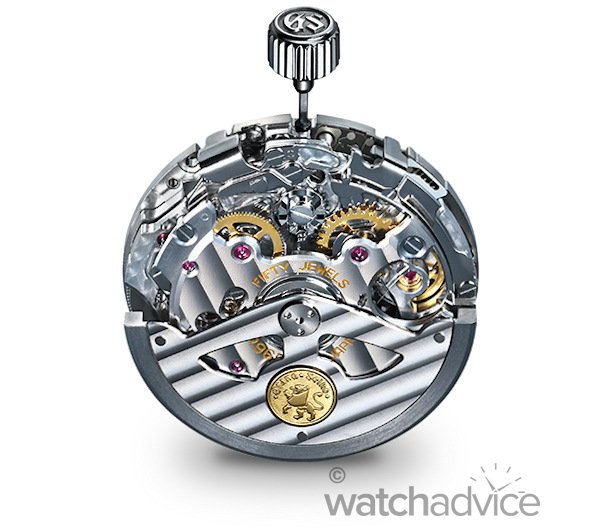
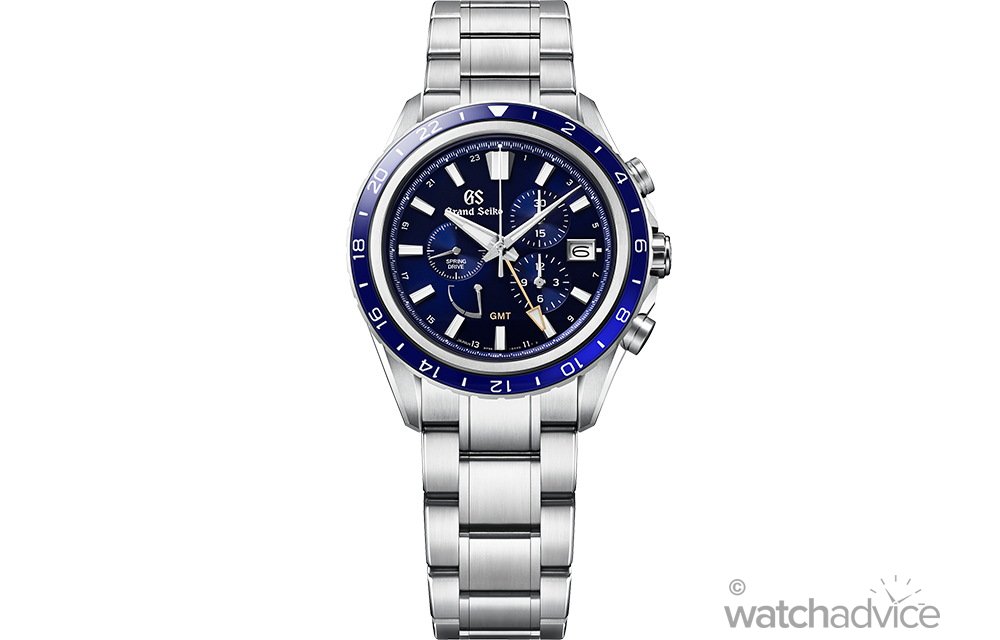
That same expansion also brought two Spring Drive chronographs into the Evolution 9 Collection. The SBGC251 used Calibre 9R86, while the limited-edition SBGC249 used Calibre 9R96. Both models could time up to 12 hours, display a second time zone and run for 72 hours when fully wound. The difference was in the accuracy rating. The 9R86 was rated to ±15 seconds per month, while the 9R96 was rated to a tighter ±10 seconds per month.
Automatic Hi-Beat Chronograph
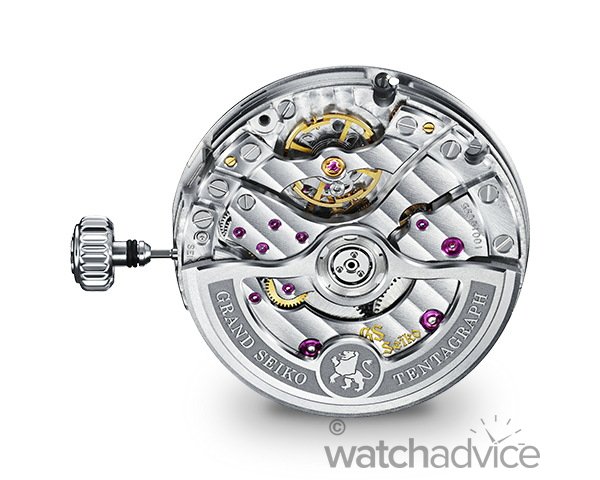
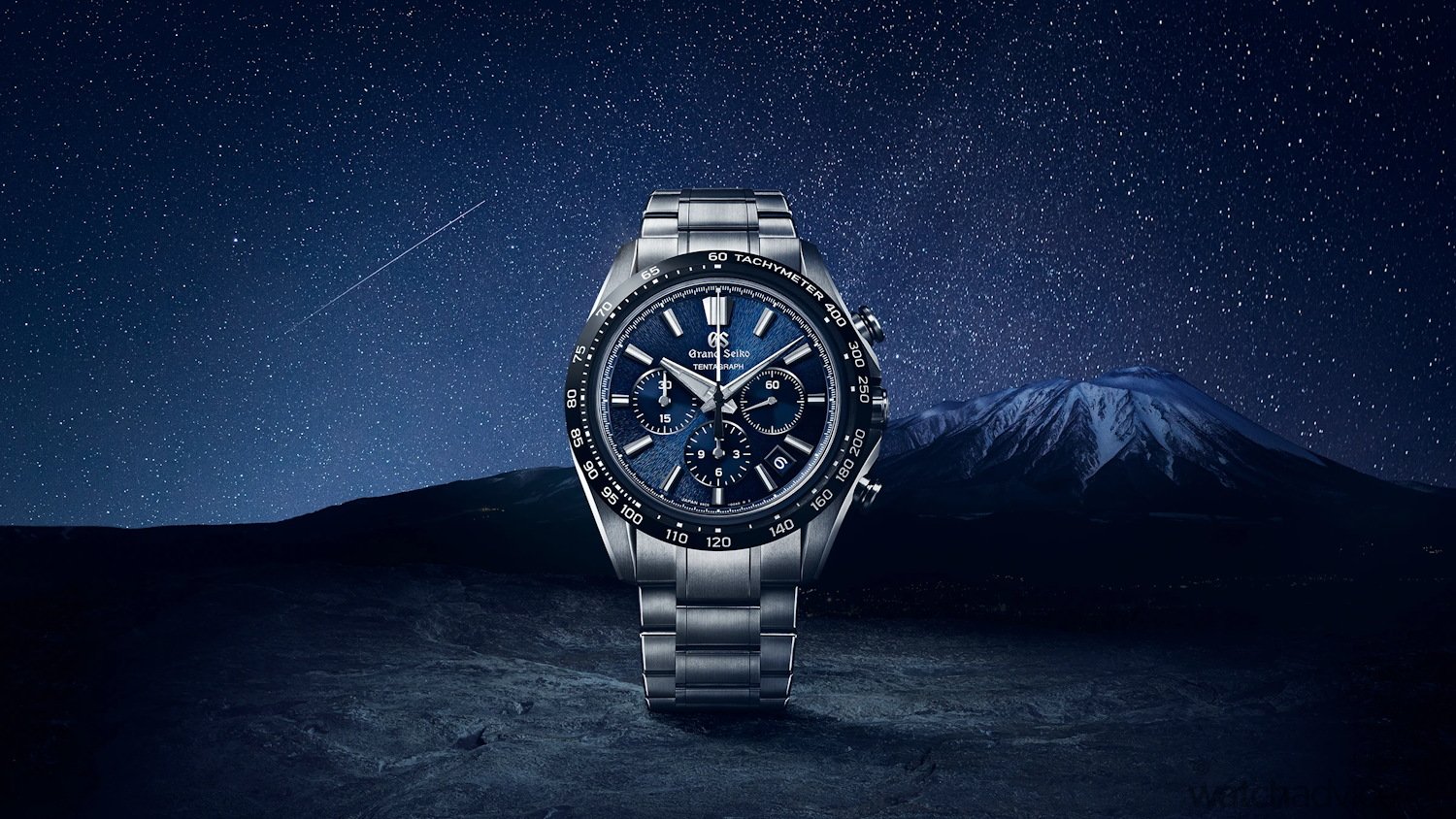
In 2023, Grand Seiko introduced the SLGC001 Tentagraph, which featured Calibre 9SC5. This was Grand Seiko’s first fully mechanical chronograph movement. It’s based on the architecture of the 9SA5 and runs at the same high frequency of 5 Hz (36,000 vibrations per hour), allowing the chronograph to measure elapsed time to a tenth of a second. On top of this, the automatic movement delivers an impressive three-day power reserve even with the chronograph running. Those details are where the Tentagraph gets its name.
Spring Drive U.F.A
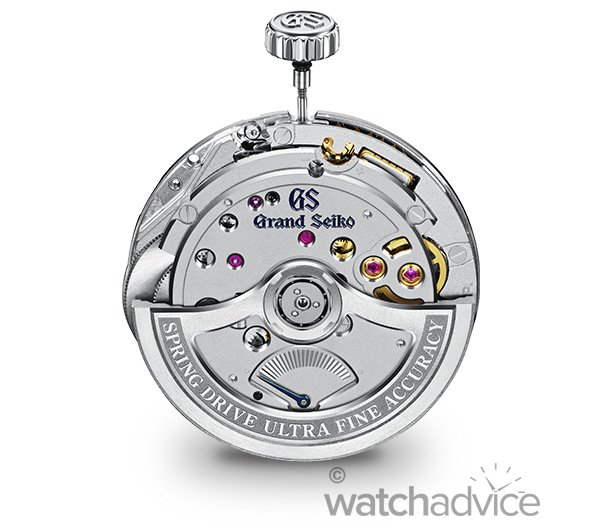
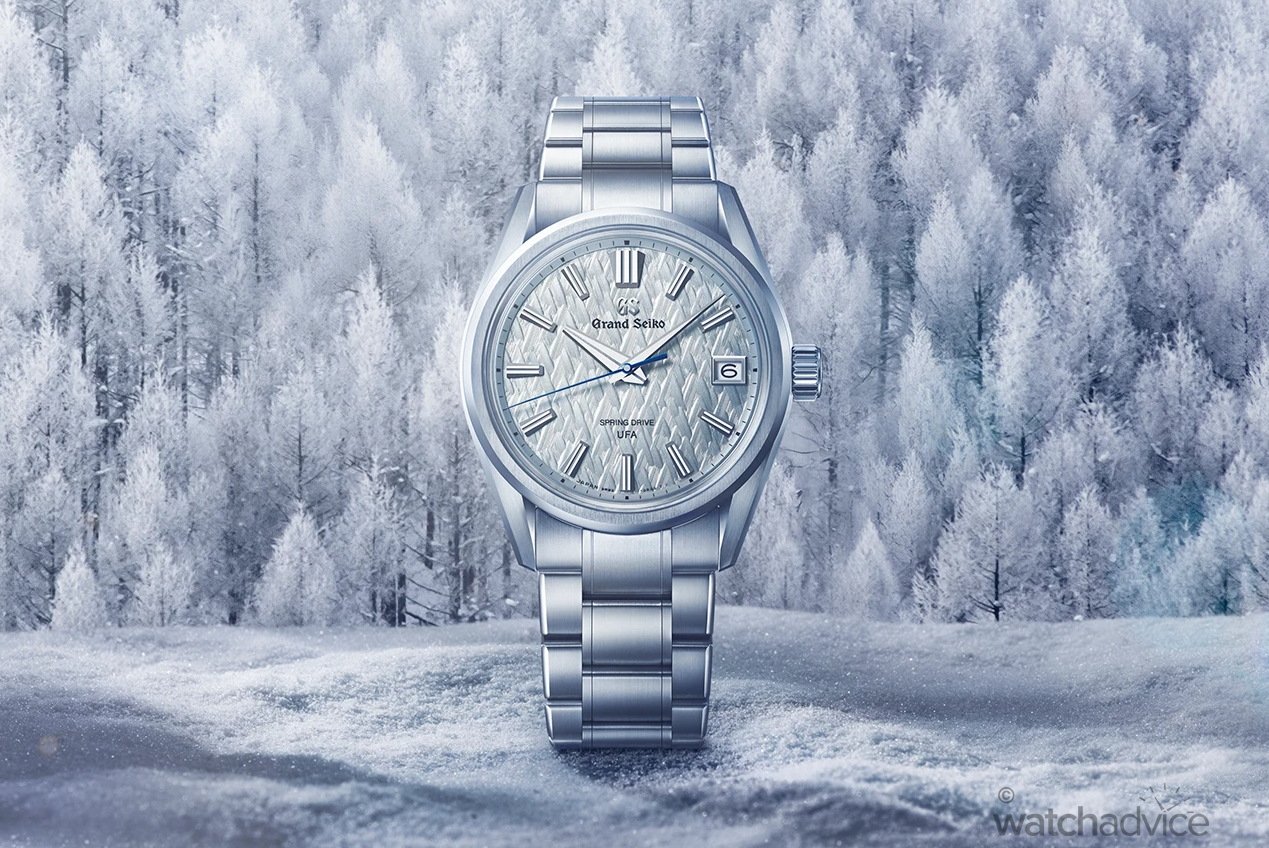
In 2025, Grand Seiko stunned the world of horology when they introduced the Spring Drive U.F.A. It came in the form of Calibre 9RB2 in the 37mm SLGB003 models. The initials stand for Ultra Fine Accuracy, and the figure that puts the name into perspective is ±20 seconds per year. At launch, Grand Seiko described the 9RB2 as the most accurate wristwatch movement powered by a mainspring. A year later, the brand brought that same annual accuracy rating to the Ushio 300 Diver with the closely related Calibre 9RB1, taking U.F.A. from a compact everyday watch to a purpose-built diver.
The Evolution 9 Timeline – The Defining Watches
Now that we’ve looked at the design and the movements behind the Evolution 9 Collection, we can explore how these elements translated into the timepieces themselves over the course of its history. It started with a gold anniversary model in 2020. And then, within a few years, the same design principles seen in that watch carried over to Evolution 9 models ranging from slim dress watches to chronographs and divers.
While there’s an extensive range in the Evolution 9 Collection, I’ve chosen a select few that I think represent it in the best light. Some of these watches stand out for how much they changed the shape of the collection, while others earn their place because of what Grand Seiko has done with the dial.
And what I find most interesting is how different some of these watches can look side by side, even when their dials share the same inspiration. You can still pick out familiar details in the case, the hands, or the hour markers.
To see how it all developed, let’s go back to the watch that gave us our first look at Evolution 9, the SLGH002!
2020 – SLGH002 – 60th Anniversary Limited Edition
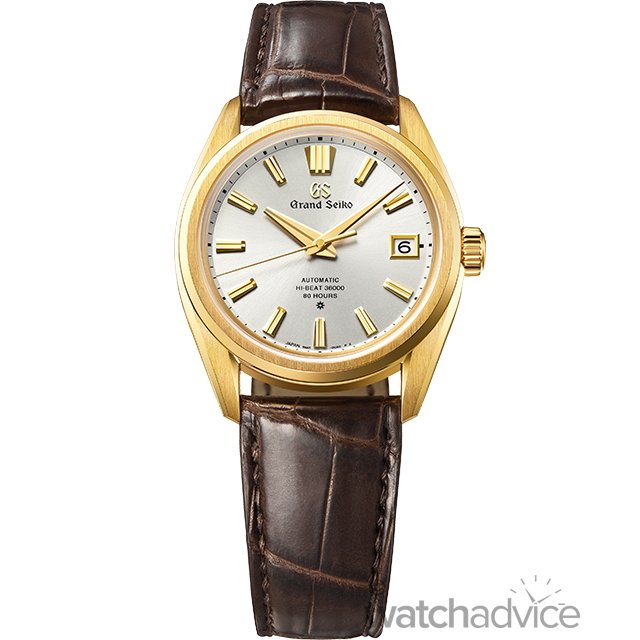
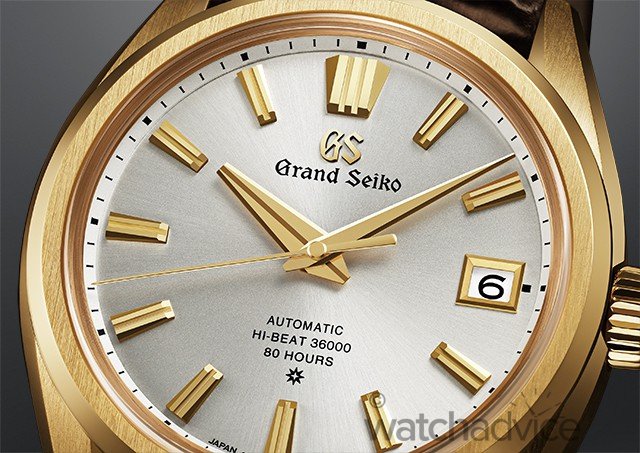
The first real glimpse of Evolution 9 came in a gold watch that celebrated Grand Seiko’s 60th anniversary. The SLGH002 already featured broad hands and pronounced hour markers, design details that originated with the very first Grand Seiko, as well as sharp transitions between the case surfaces, which would later become a familiar detail on Evolution 9 models. Looking back on the SLGH002 now, you can see how much of the Evolution 9 Collection’s identity was formed with this model.
2021 – SLGH005 – Hi-Beat White Birch
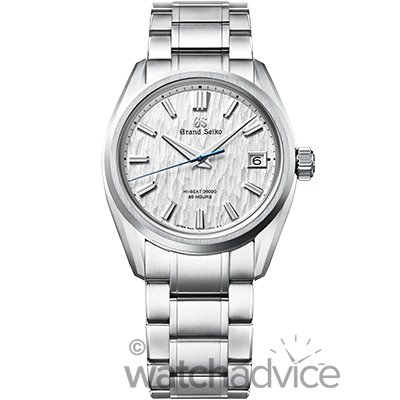
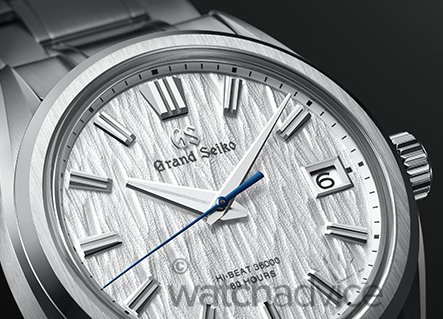
The SLGH005 White Birch was the watch that gave Evolution 9 its distinctive design and most recognisable face. The vertical textured pattern certainly dominates the dial, while the wide 12 o’clock marker gives the eye a place to land amidst all the detail surrounding it. It’s a noteworthy model in Evolution 9’s history, as it won the Men’s Watch Prize at the 2021 Grand Prix d’Horlogerie de Genève, before Evolution 9 had even launched as a collection.
2022 – SBGE285 – Mist Flake GMT
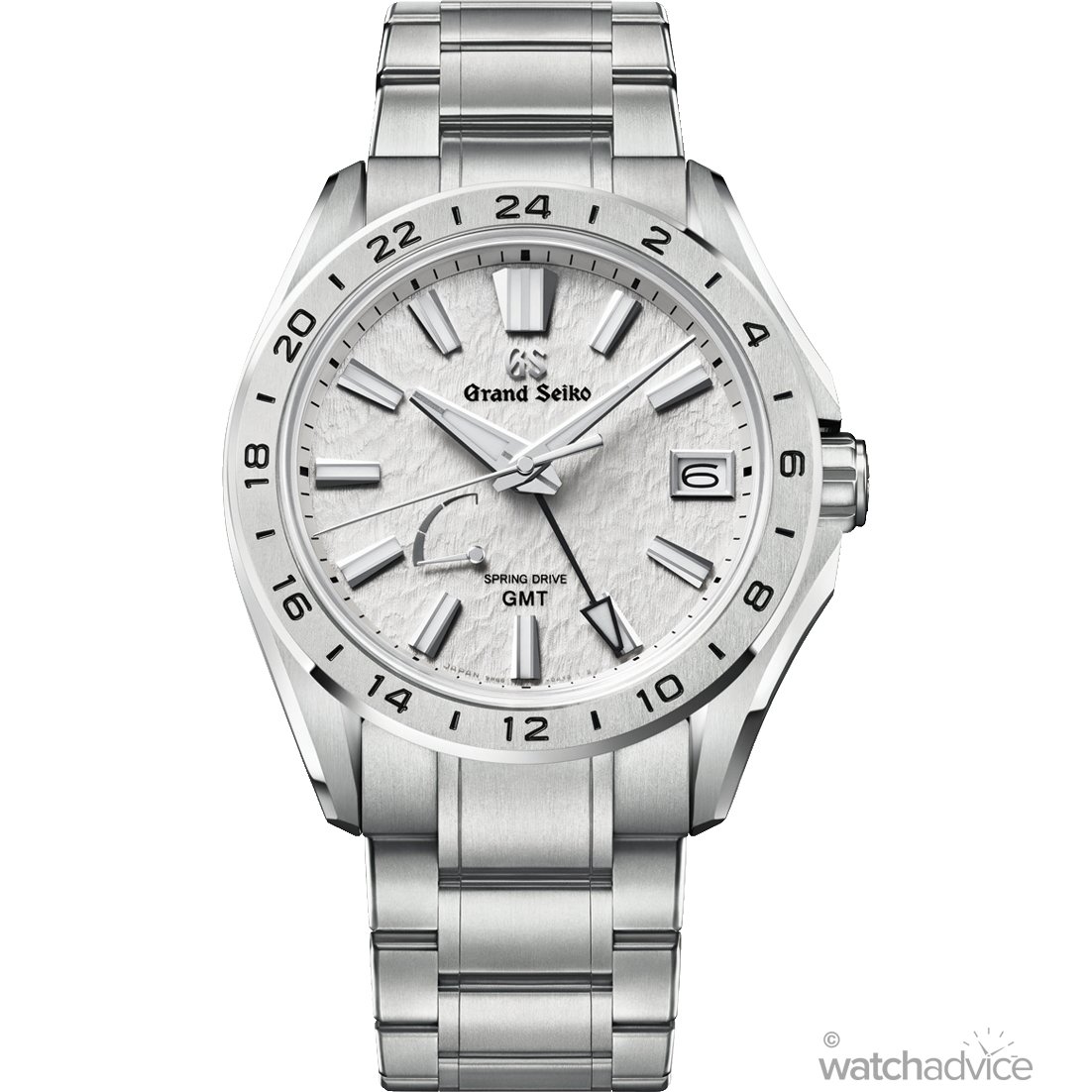
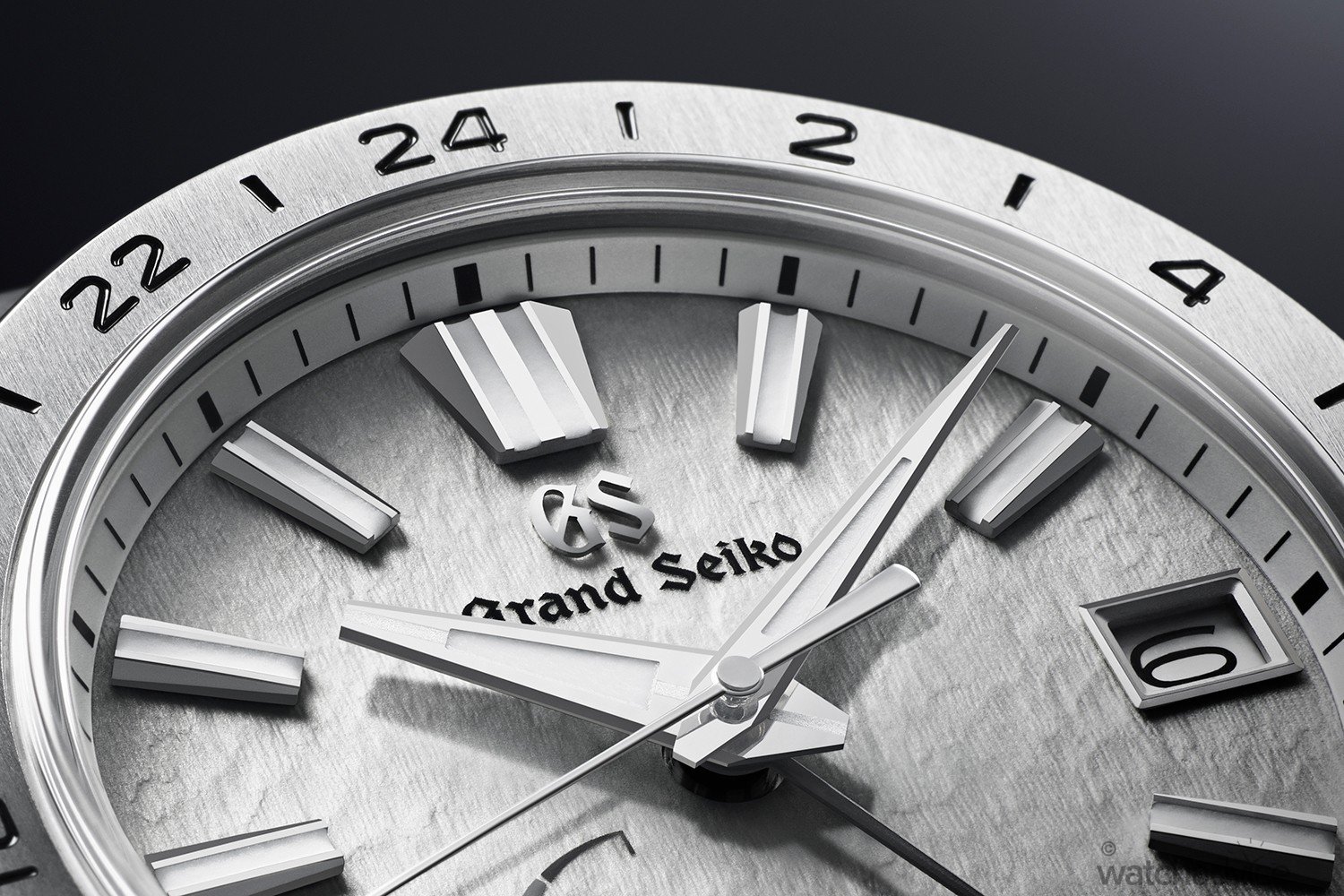
With the Evolution 9 Collection formally launching in February 2022, Grand Seiko almost immediately showed how the style could work on a sports watch. And this is where the SBGE285 Mist Flake showcases the design, pairing a pale, textured dial with a titanium case and bracelet. It had an understated aesthetic for a sports GMT, mainly because it was released alongside darker, more overtly technical watches.
2022 – SLGA015 – Black Stream Diver
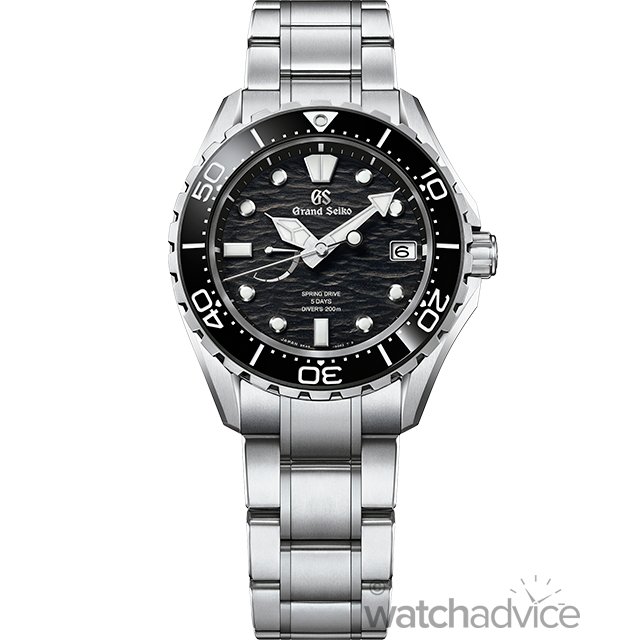
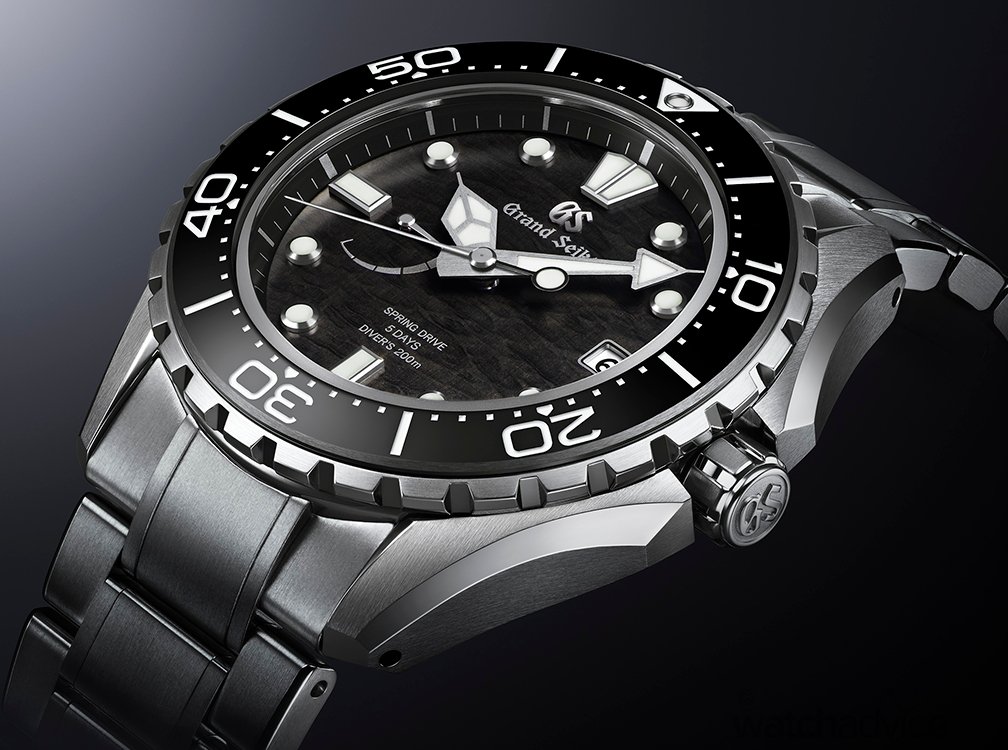
This is a unique timepiece, but one that once again takes its inspiration from Japanese scenery. The SLGA015 takes its name and dial inspiration from the Black Stream, an ocean current that flows along Japan’s coast. The dark textured pattern on the dial is subtle, which leaves plenty of contrast for the large luminous hands and hour markers. This is also one of the earliest examples of Grand Seiko bringing a nature-inspired dial into an Evolution 9 watch where legibility has a practical purpose underwater.
2023 – SLGA019 – Lake Suwa
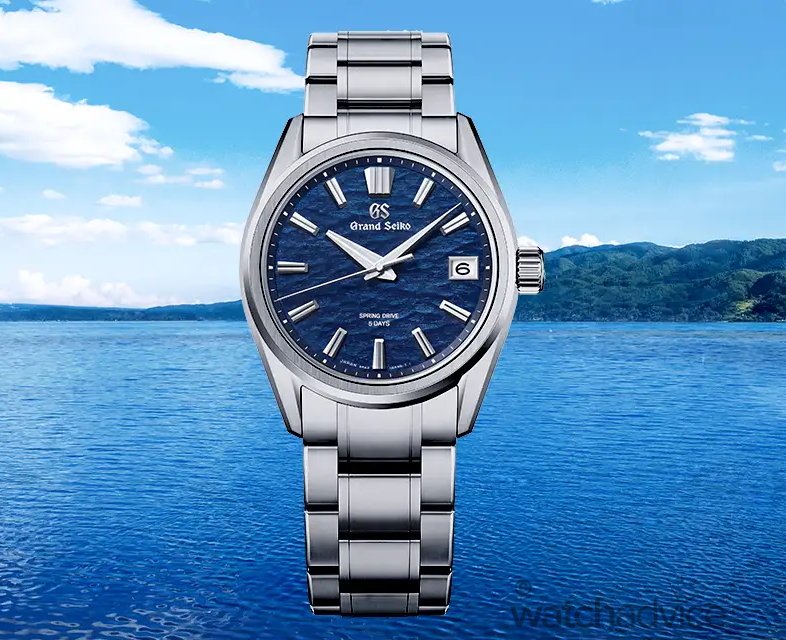
By 2023, the Lake Suwa-inspired design had found a home in the Evolution 9 Collection. Grand Seiko first referenced Lake Suwa in the dial design of its 2021 Heritage Collection edition. The SLGA019 captures the lake in the early morning, with a blue ripple pattern that picks up the light like wind moving across the water. Alongside the White Birch, it shows how differently Grand Seiko could use textured patterns, from the vertical grain of a forest to the movement of open water.
2023 – SLGC001 – Tentagraph
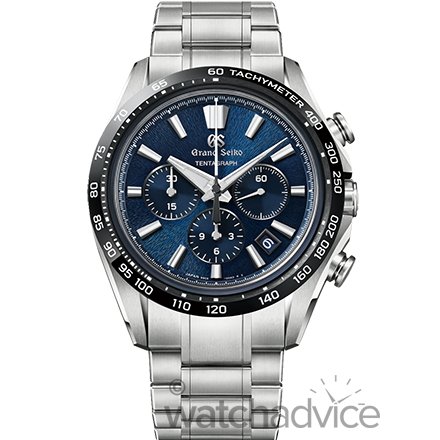
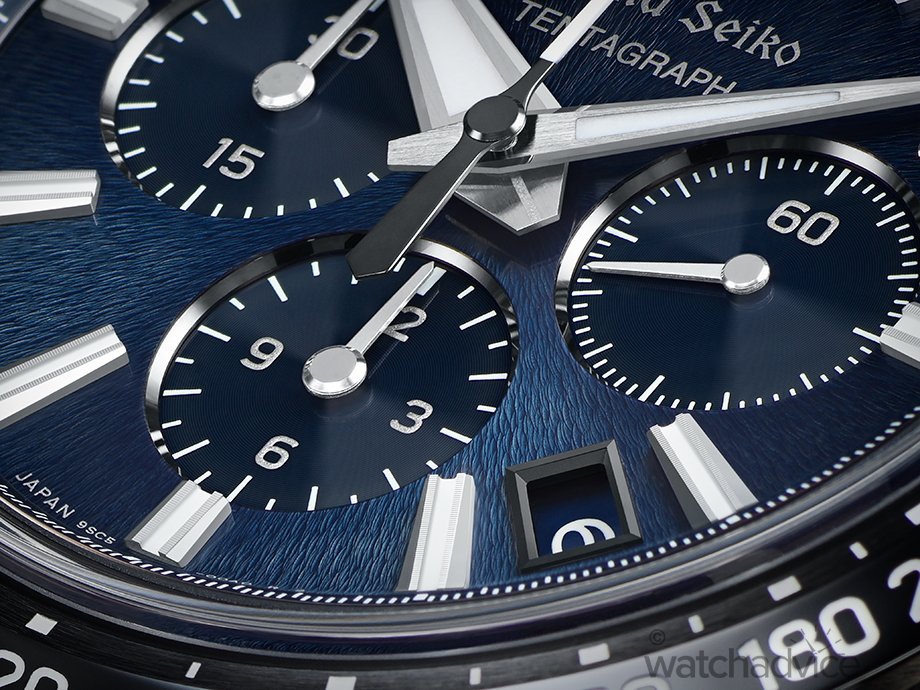
When the Tentagraph was released, it gave Evolution 9 a completely different look from what we’d been used to up to that point. It featured three recessed counters set into the blue textured dial, which was inspired by Mount Iwate. The familiar design language of the Evolution 9 Collection, however, remained in the broad central hands and prominent hour markers. The recessed counters helped break up the textured pattern a bit, giving it breathing room so that the beautifully patterned background and the timing displays are easy to distinguish. This was particularly important given that legibility is one of Grand Seiko’s design pillars.
2024 – SLGH021 – Genbi Valley
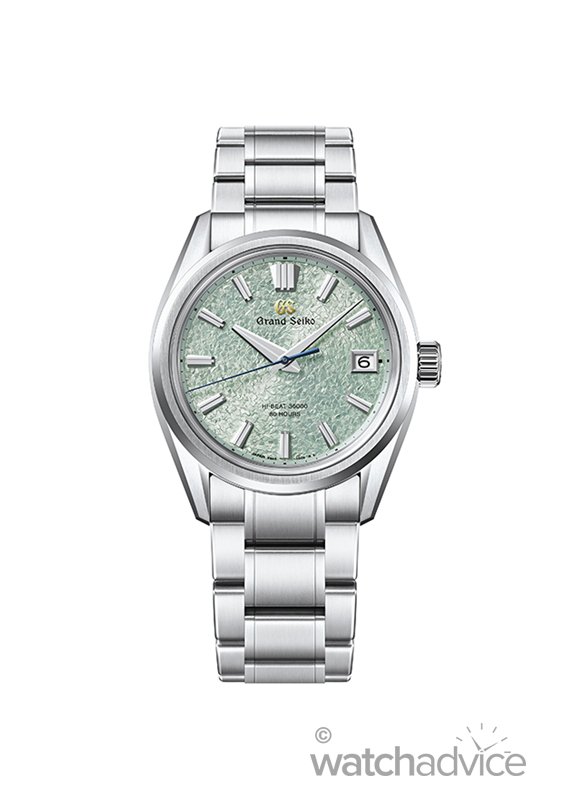
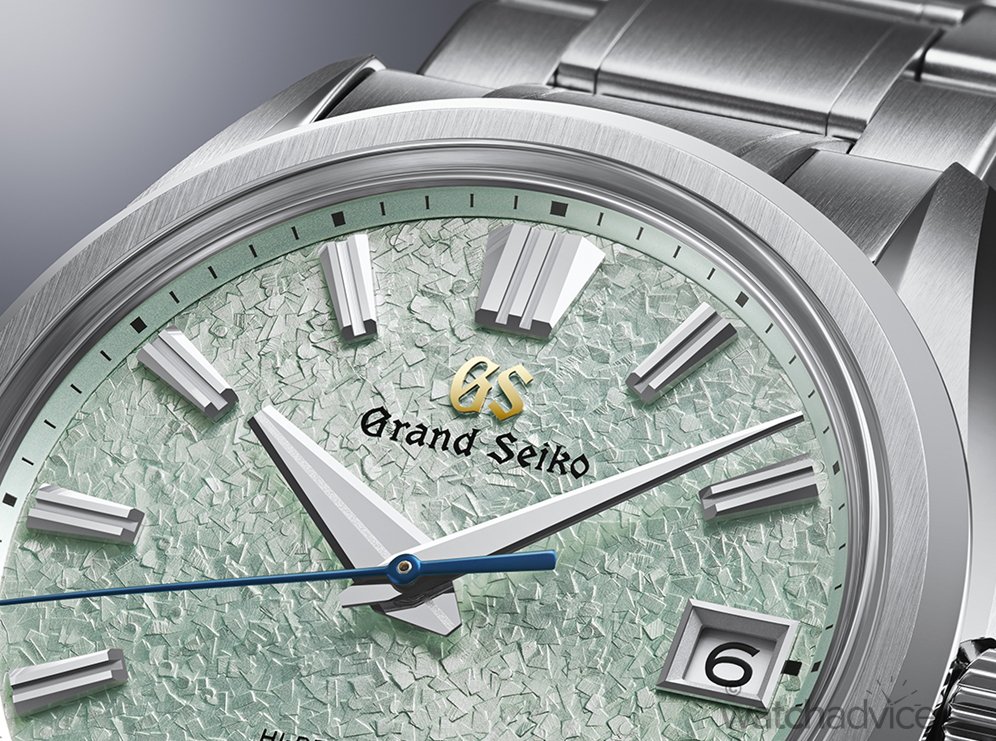
For the SLGH021, Grand Seiko looked to the Genbi Valley in Iwate, which offered something different from the birch forest-inspired dials of the Evolution 9 Collection. This model featured a new moulded dial pattern combined with a pale green finish, which evokes the rocky landscape carved by the Iwai River. Pair this with the familiar case, hands and hour markers, and it’s easy to see just how much of the watch’s character comes from the dial alone.
2024 – SLGW003 – Birch Bark
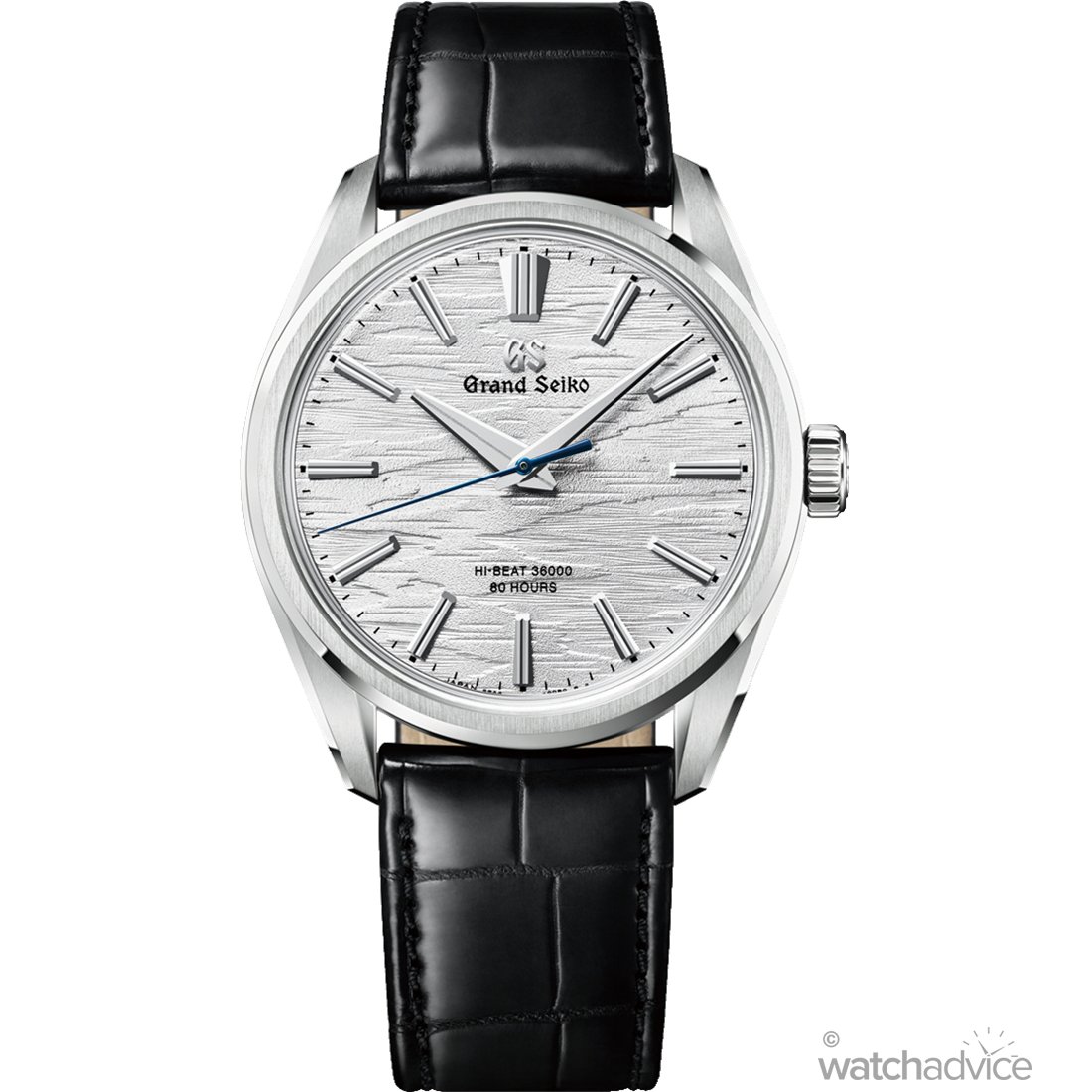
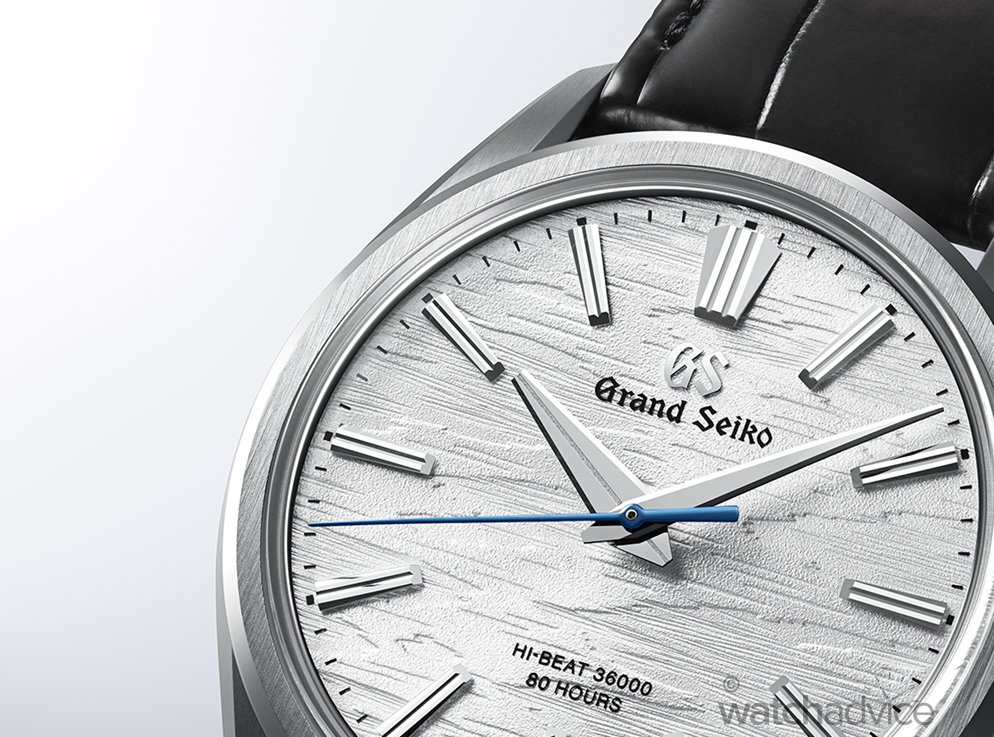
The SLGW003 revisits the birch forest, this time from a different angle, with a horizontal dial texture that evokes the marks across birch bark. Paired with a leather strap, this model has a much dressier character than the steel White Birch on its bracelet. It still retains its Evolution 9 identity through the broad hands and prominent hour markers.
2024 – SLGA025 – Atera Valley
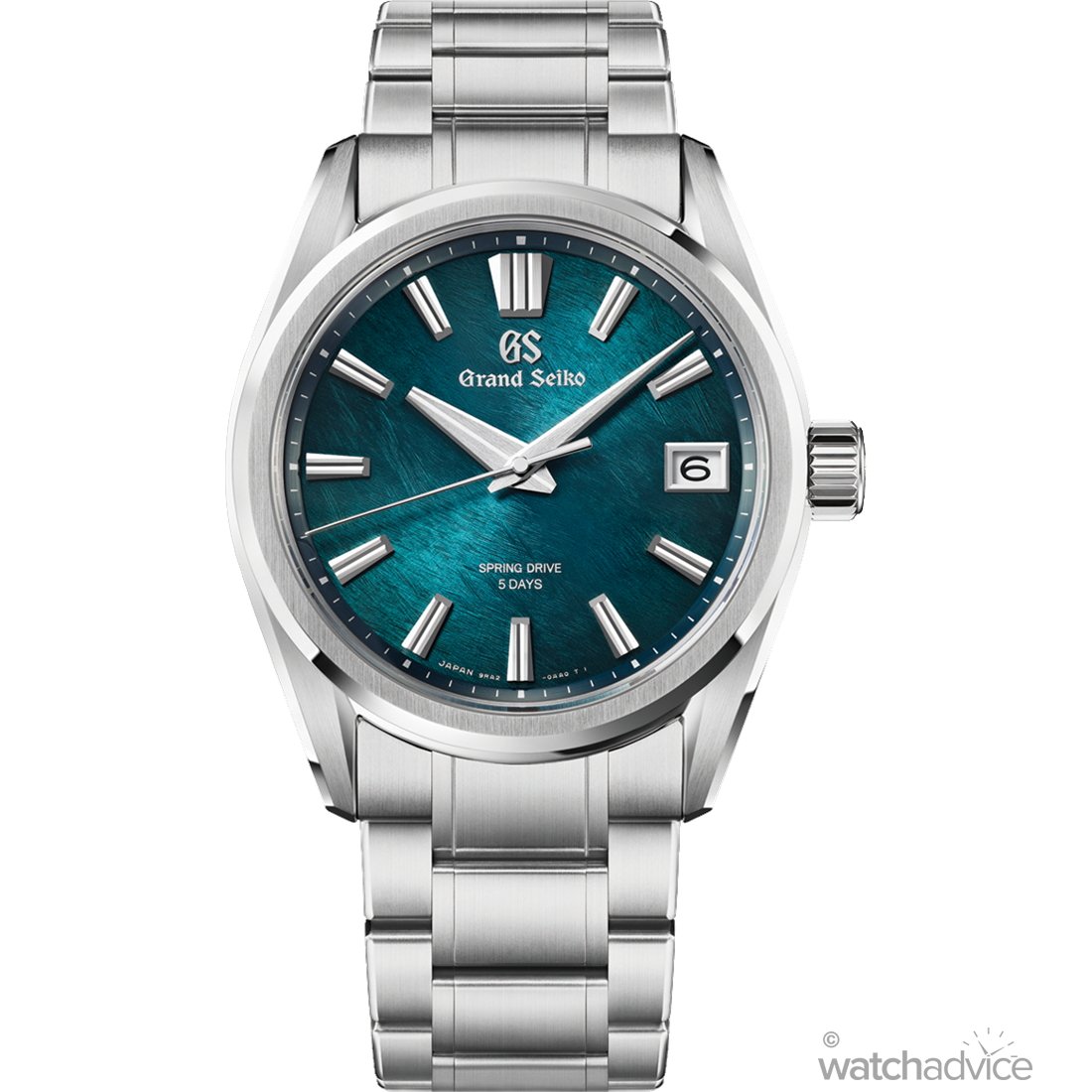
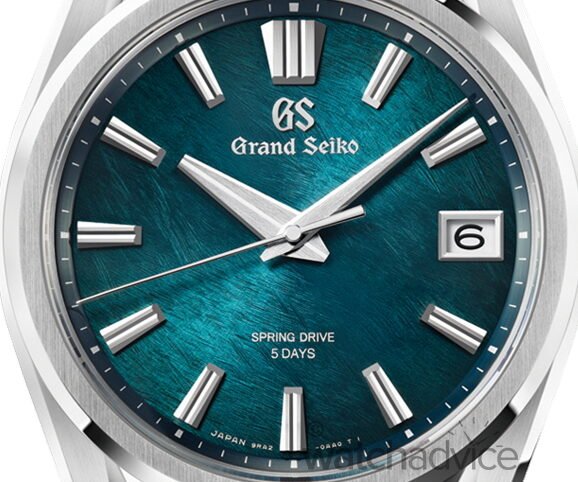
The SLGA025 takes its dial inspiration from the clear, emerald-green waters of the Atera River in Nagano. The finely textured dial evokes the view through the water to the riverbed, giving it a different look from the pale green Genbi Valley model. If you put the Atera Valley edition side by side with the Genbi Valley timepiece, you can see how Grand Seiko can showcase two rivers in a very different light.
2025 – SLGC009 – Tokyo Lion Tentagraph
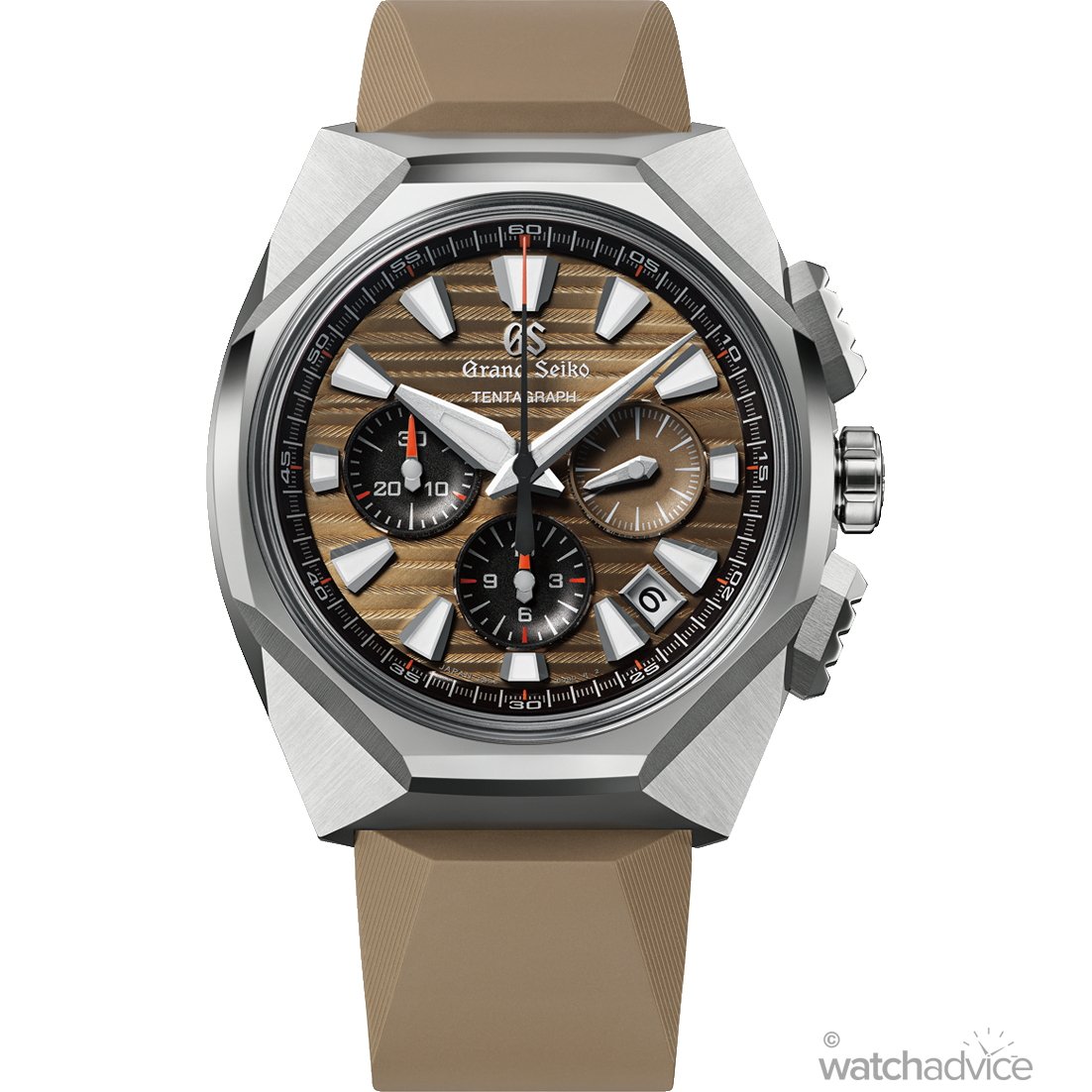
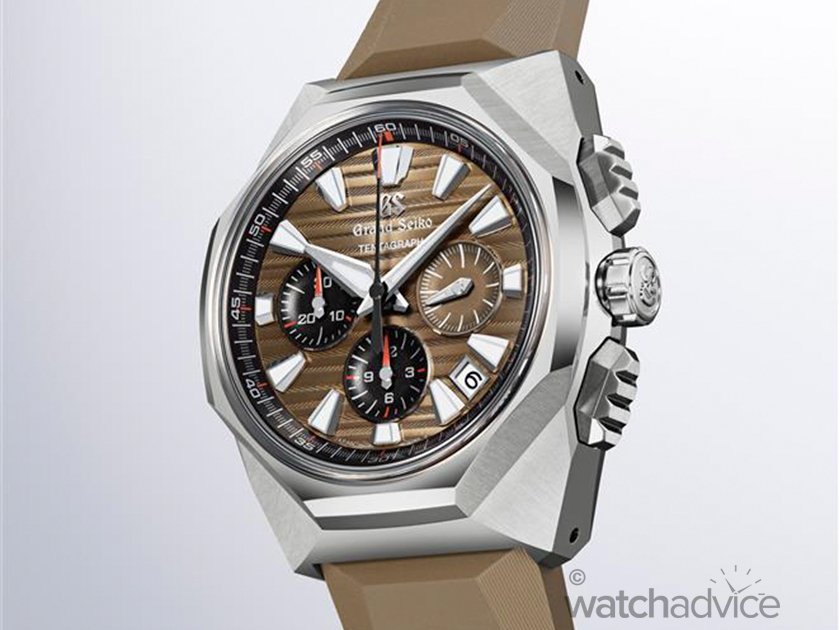
The Tokyo Lion Tentagraph takes the 2023 model in a much bolder direction, with a case design inspired by a lion. The angular lugs are shaped to evoke a lion’s claws, while the dial texture takes its cues from the mane itself. Next to the original 2023 Tentagraph, the most noticeable difference is the silhouette, where the lugs give the watch a character of its own well before you even get to the dial.
2026 – SLGB023 – Ushio 300 Diver
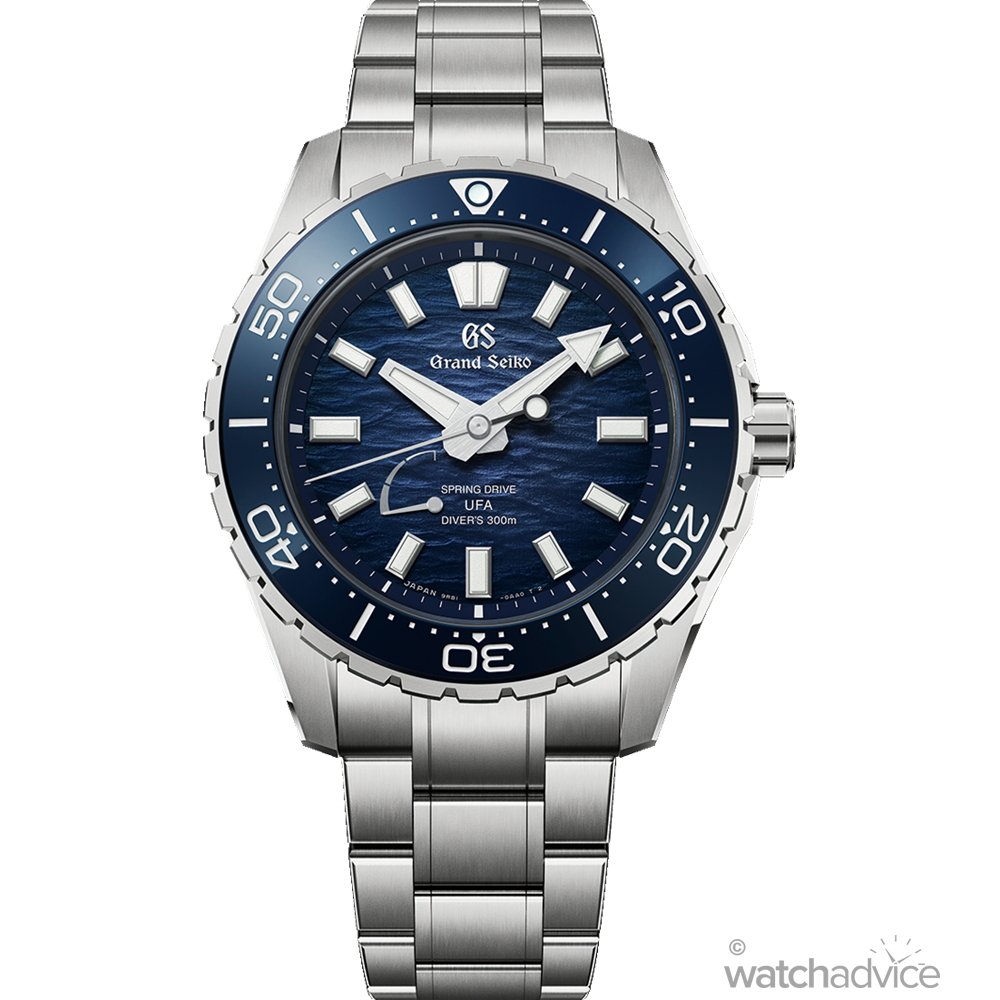
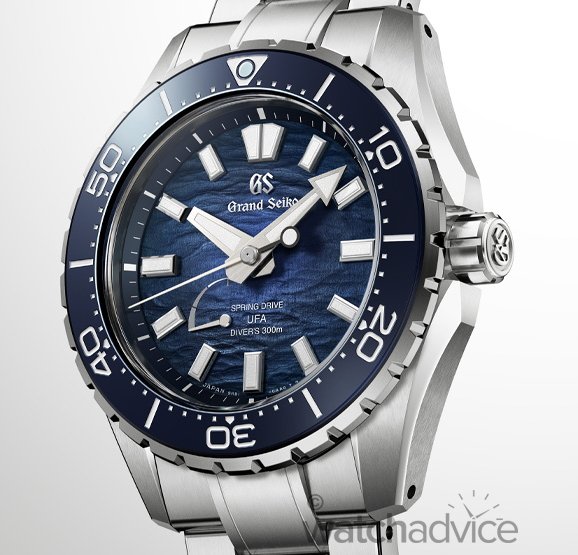
One of the most notable pieces in the Evolution 9 lineup has to be the Ushio 300 Diver. It gives us a second take on the Evolution 9 dive watch, but as I mentioned earlier, it’s what’s inside that makes this a milestone. It brings Grand Seiko’s incredible Spring Drive U.F.A. movement to one of its dive watches for the first time. The design has evolved from the previous Black Stream model as well. Where that edition had a dark, textured dial to evoke an ocean current, the Ushio 300 uses a blue gradient to capture the way light fades as it travels deeper into the sea.
2026 – SLGH033 – Green Birch
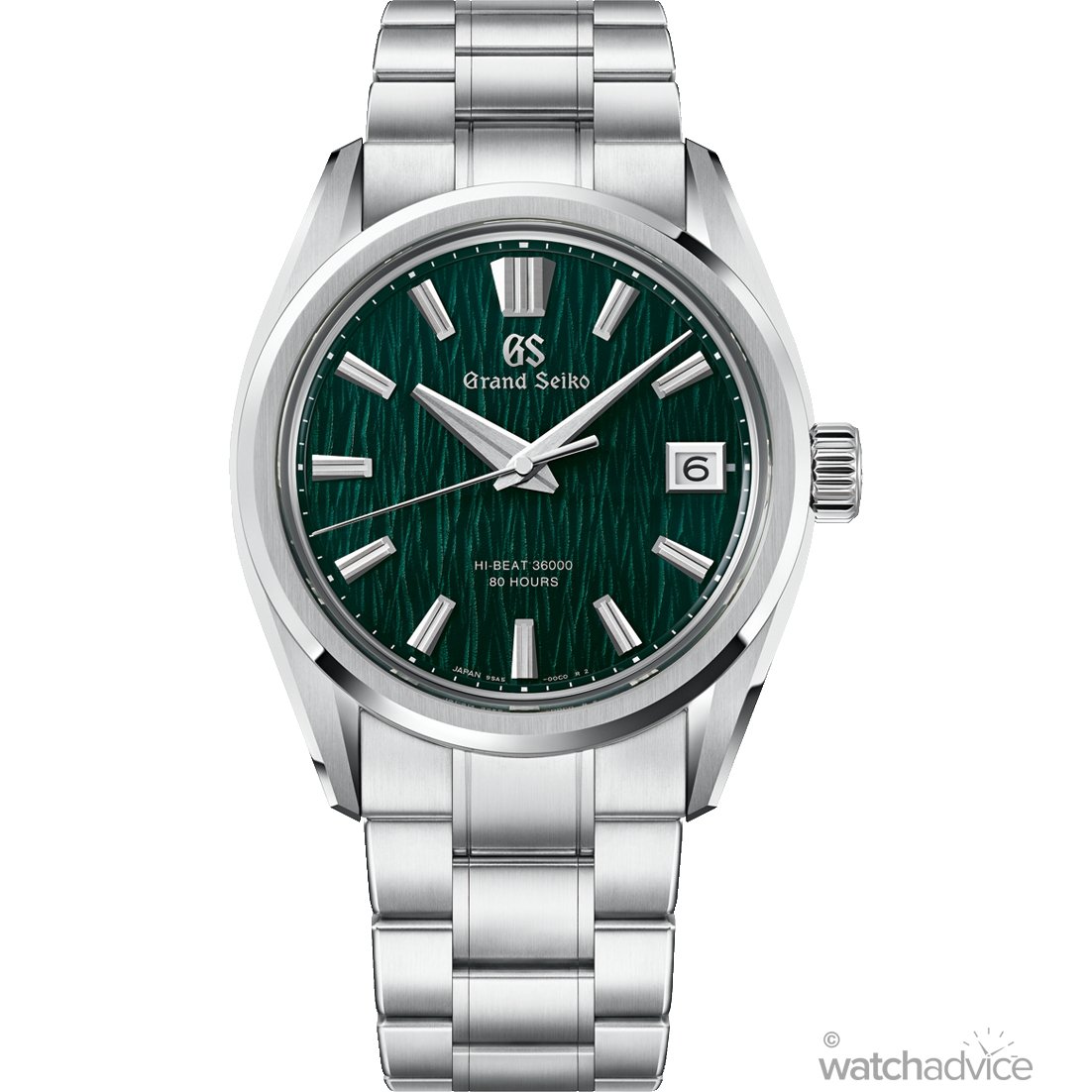
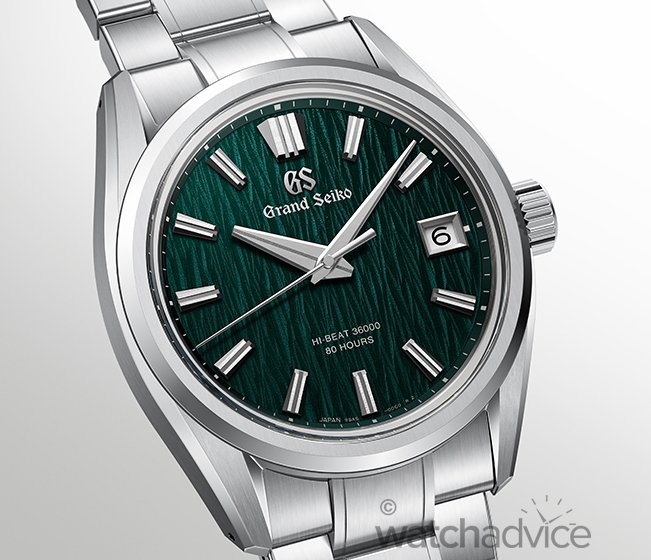
The Green Birch brings the Evolution 9 Collection back to the pattern that helped define it in the first place. This is also the model that I had for review, and one of my favourite things about wearing it was that it brought me back to what Grand Seiko had achieved with the original White Birch timepiece. A dial can certainly give a watch a very strong identity, and this is exactly the case with the Green Birch, where the light alone can give the watch two very different looks.
The Future Of The Evolution 9
Looking back at the original 44GS, it’s fairly easy to see where Grand Seiko got its inspiration for the Evolution 9 Collection, from the sharp case lines to the attention paid to how light moves across the watch. However, what makes Evolution 9 feel like a step forward is how much thought Grand Seiko has given to the way the watches wear on your wrist.
Having reviewed the Green Birch SLGH033, I think it’s a good example. It still has the presence you want from a sports watch, while the architectural case design and its proportions help it wear well even on smaller wrists. And then, of course, we have the adjustable clasp, which makes it comfortable to wear day in, day out.
There are certainly plenty of good sports watches with great dials. But when it comes to using texture to capture something specific about a place, whether it’s the bark of a birch tree or the light across a lake, Grand Seiko is second to none. This same attention to detail carries through to the hands, the hour markers, and the case, so there’s always something to appreciate beyond the dial’s beautiful texture. And for me, this is what makes the Evolution 9 Collection stand out. You get a watch you can spend time looking at and still read in a split second.
As we’ve already seen, it goes well beyond the dial and case design. If the White Birch showed what Evolution 9 could do with design, Spring Drive U.F.A. shows how Grand Seiko is still pushing precision, one of the core watchmaking principles the brand started with.
An accuracy rating of ±20 seconds a year is an achievement in its own right, but what makes it even more special is how quickly Grand Seiko found two very different uses for it. It first appeared in a compact 37 mm watch, and almost exactly a year later, Grand Seiko brought that same accuracy rating to the Ushio 300 Diver.
Looking ahead, I’d love to see what Grand Seiko does with more colours and textures on its divers, especially after seeing how the Ushio 300 captures the sea. And with Grand Seiko already showing that U.F.A. can work in two very different watches, there’s certainly room to explore where the movement could go next.
I’m looking forward to seeing what Grand Seiko can do now that it’s achieved that level of precision and its watchmakers, designers and artisans have another landscape, case shape or complication to work with. And knowing Grand Seiko, I doubt they’ll want to stop at ±20 seconds a year.