

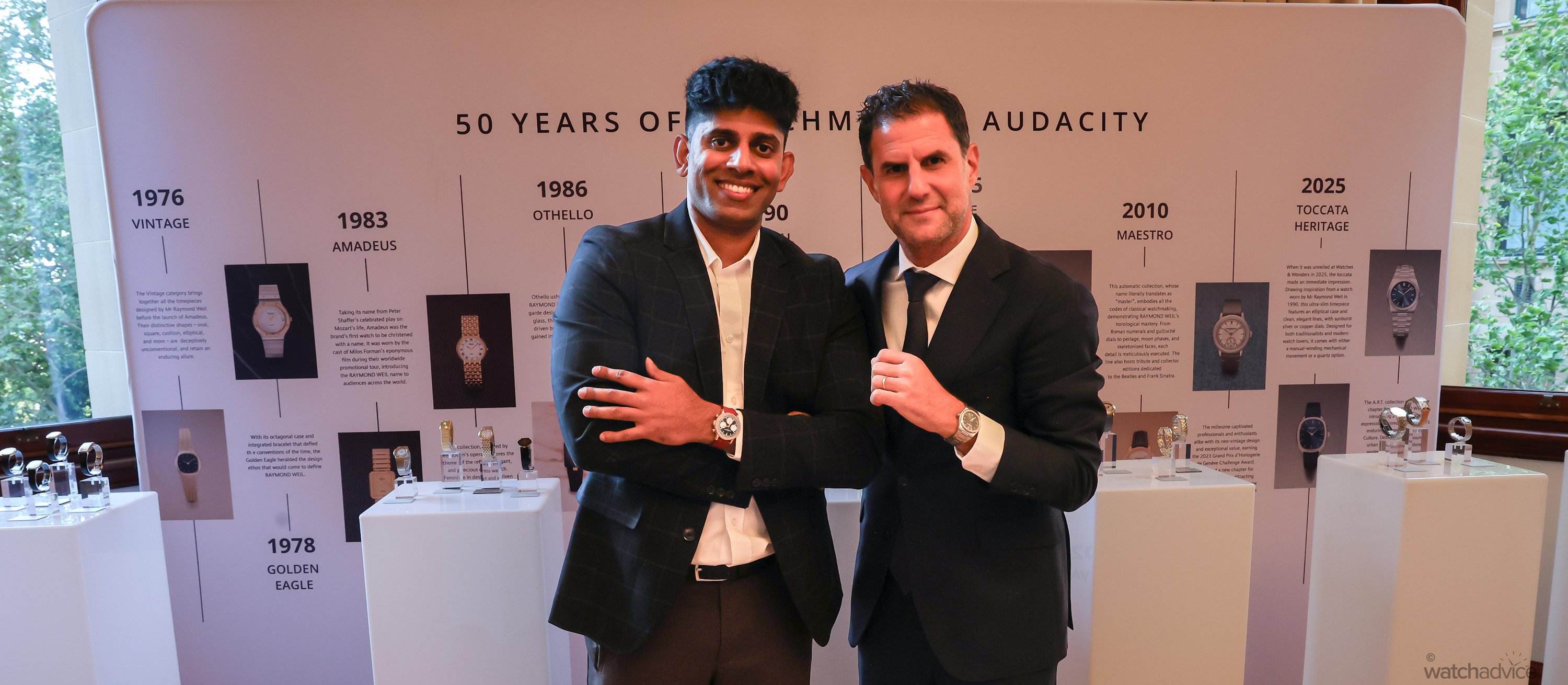
From five decades of watchmaking history to the Millésime and A.R.T., we celebrate Raymond Weil’s past while looking towards its future!
Two Days In Sydney With Raymond Weil
WatchAdvice recently had the chance to travel to Sydney for a very special two-day celebration with none other than Raymond Weil. The brand is celebrating a momentous occasion this year, with 2026 marking its 50th anniversary. As part of the celebrations, the Swiss watchmaker is undertaking its official Legacy Tour, a worldwide programme created specifically for Raymond Weil’s 50th anniversary.

As part of the Raymond Weil Legacy Tour, CEO Elie Bernheim is also travelling internationally, bringing with him a curated selection of iconic Raymond Weil watches representing 50 years of the brand’s history. Sydney is officially listed as the eighth stop of the Legacy Tour, with previous stops including Hong Kong, Tokyo, Abidjan, Geneva, Casablanca, London, and Istanbul.

There was really only one watch in my collection that was perfectly suited for this occasion: the Raymond Weil Millésime Tri-Compax Chronograph. I have owned this watch for about a year now, yet I still find joy every time I wear it, especially with how well the pink gold contrasts against the black and white dial. For this trip, however, I thought I’d do something different and paired the watch with two different straps, just to see over the course of the two days how visually different the watch could actually be.
For those who may not know, the Millésime collection represents an important part of the brand’s modern identity and direction, all while simultaneously drawing heavily on vintage design cues, an aspect of the timepiece that I personally love. Considering this, it seemed quite fitting to wear the Millésime Tri-Compax Chronograph to the brand’s 50th anniversary celebrations: a tribute to the past while looking forward to the future!
Sydney With A Millésime On The Wrist
The WatchAdvice team arrived early in Sydney ahead of Raymond Weil’s 50th anniversary celebrations, and one of the benefits of this for me was that I got to spend some time with the Millésime before the celebrations kicked off. While I have had this watch for a while now, it felt different this time, as I was wearing a watch that marked a special moment in the brand’s history, leading up to the celebrations.
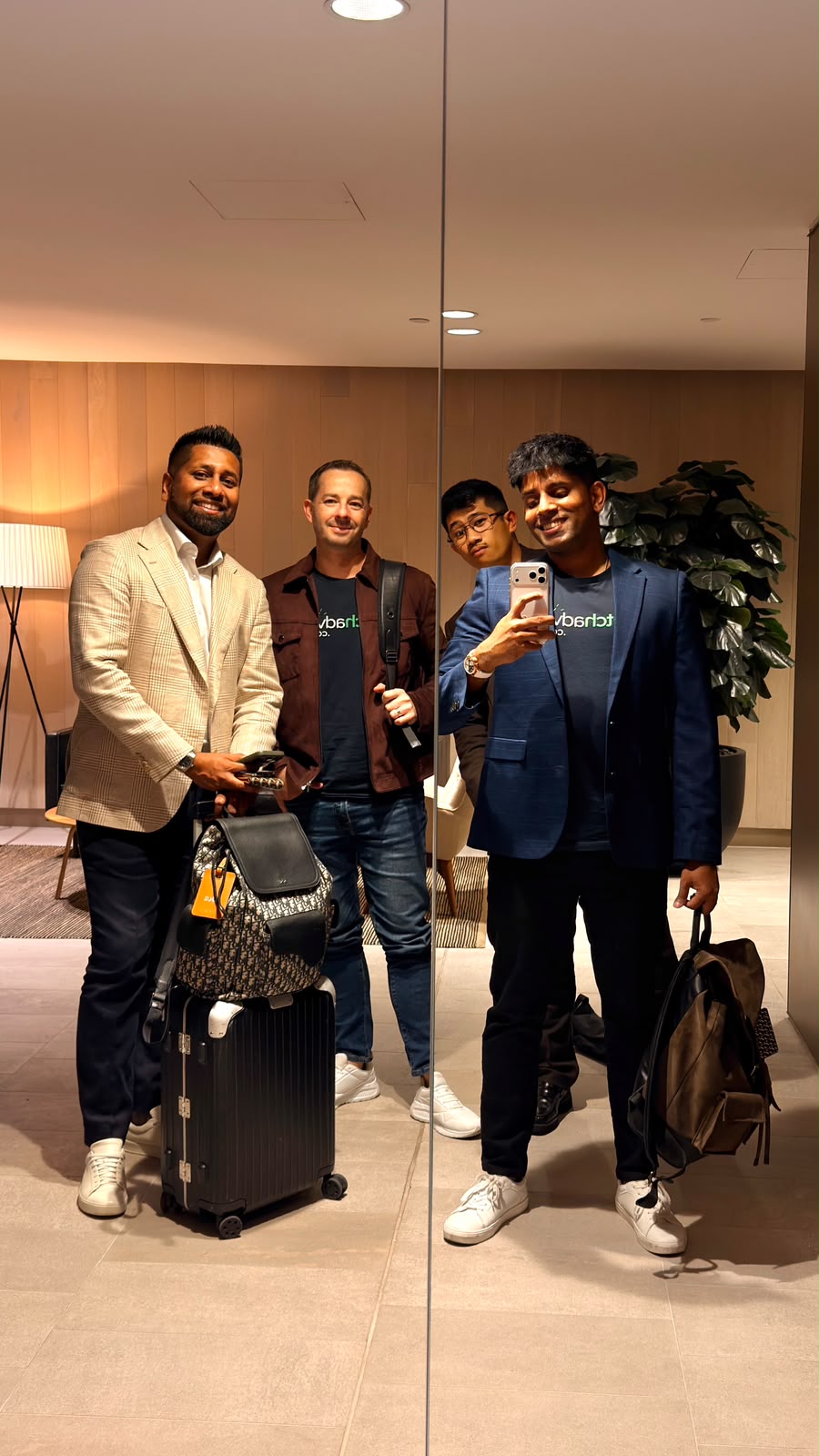
The Millésime collection itself represents an important chapter in the recent history of Raymond Weil. The collection was first introduced in 2023 with a distinctly neo-vintage approach to its design, and it quickly gained recognition when the Millésime Small Seconds won the Challenge Watch Prize at the 2023 Grand Prix d’Horlogerie de Genève. It is this design, especially when paired with the rose gold PVD case, that initially drew me to the watch.
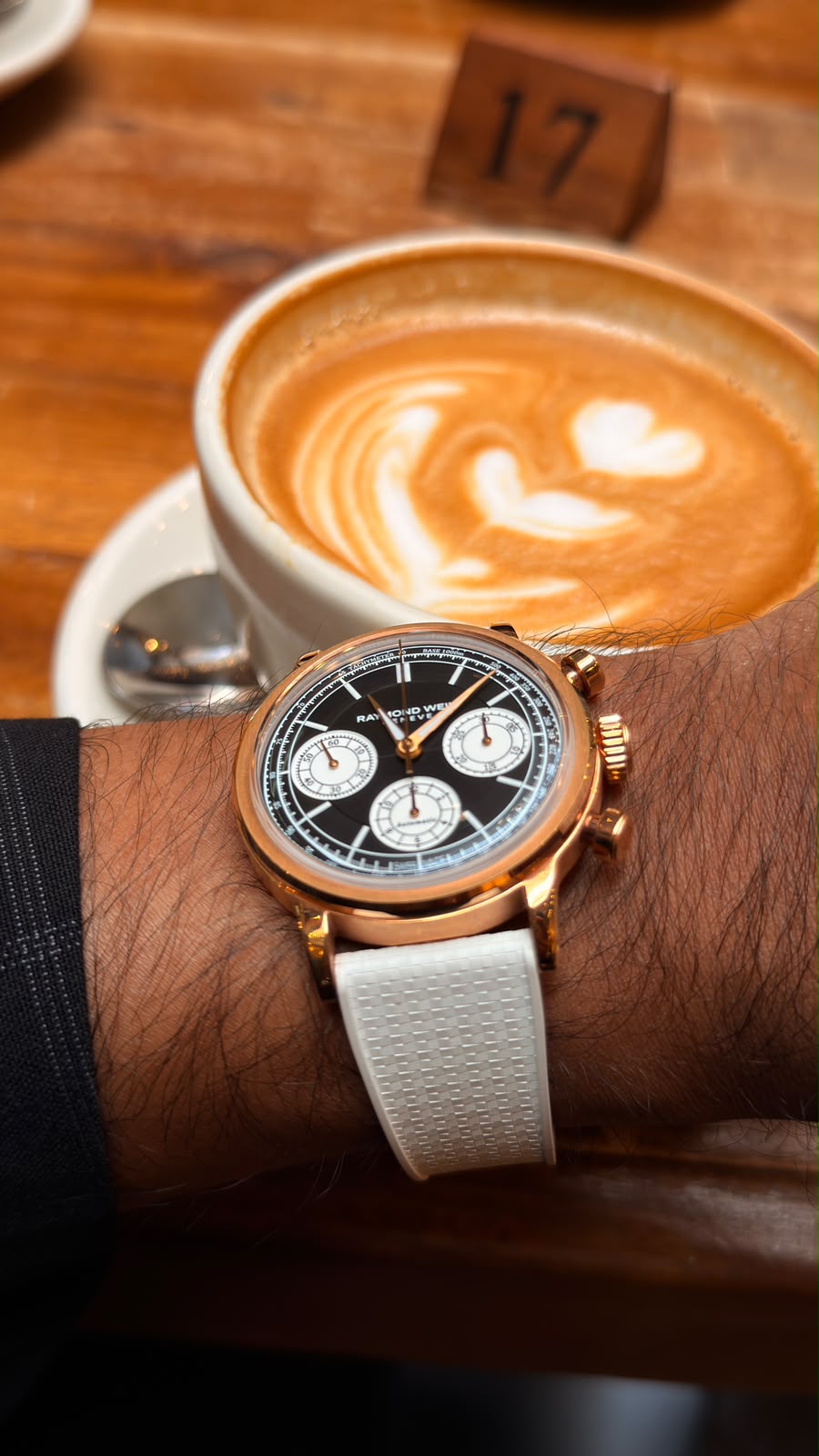
Naturally, one of the first stops after touching down in Sydney had to be for coffee. Sitting down at the café with the WatchAdvice team gave us a few moments to plan out the day, and in between this, I managed to grab a few shots of the Millésime Tri-Compax Chronograph. The team would be spending two days in Sydney, so I thought, why not bring along two straps and showcase the watch with two completely different aesthetics?
While the watch originally comes paired with a black leather strap, which gives it a dressier and more elegant character, I chose to bring along two rubber straps, one white and one red. For the first day, I paired the Millésime with the white rubber strap, which I must say completely changed the character of the watch. Against the rose gold PVD case, black dial and contrasting white chronograph counters, the white makes the watch “pop” so much more and is easily eye-catching.
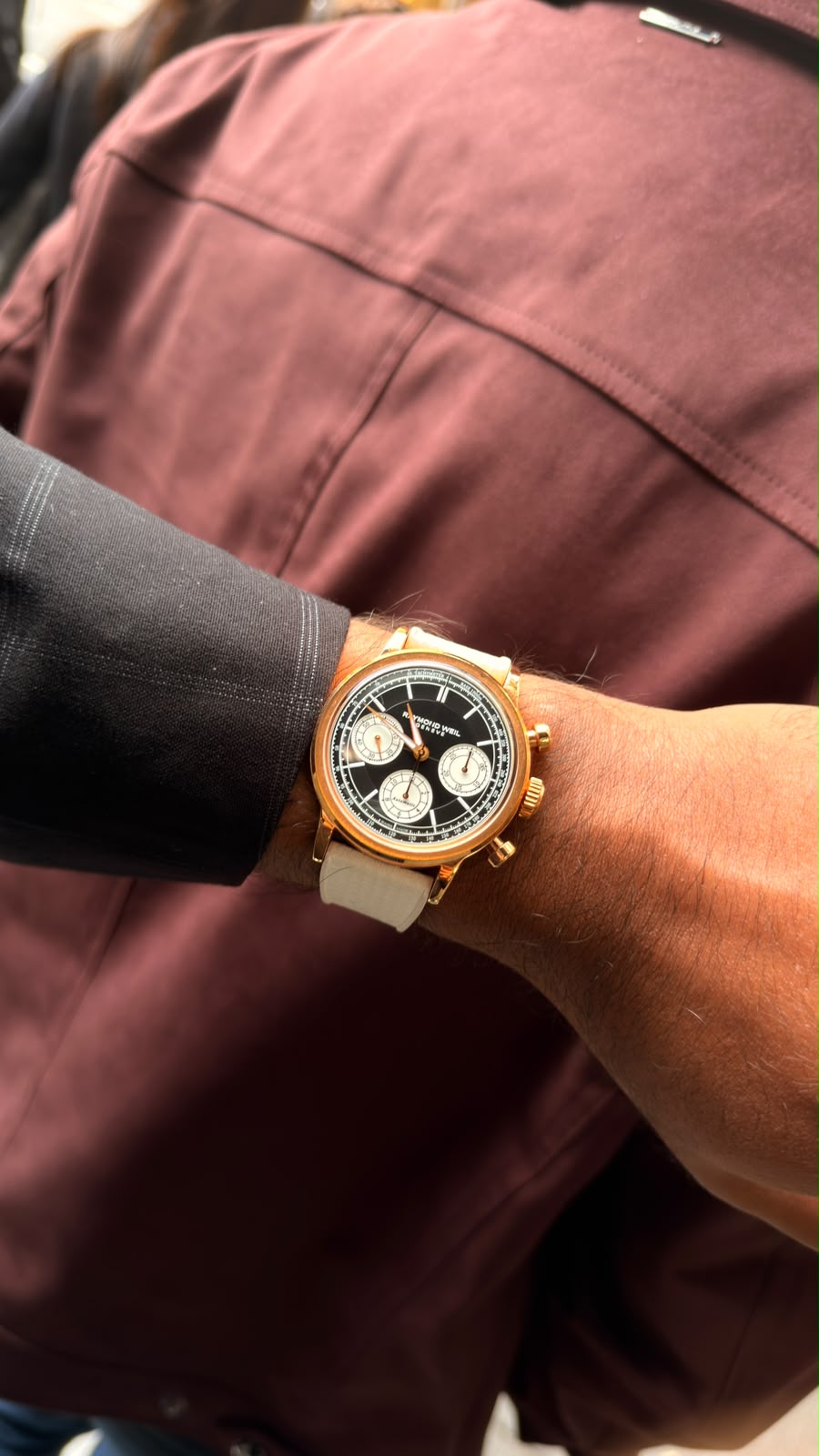
There were several times during the day in Sydney when other watch enthusiasts asked what I was wearing, and they were genuinely impressed by just how good the Millésime looked on the wrist. It was interesting and also pleasant to see that reaction first-hand, especially with how much the watch stands out on the wrist. For me, it was another reminder of just how far Raymond Weil has come with the Millésime collection, creating something that can genuinely grab the attention of watch enthusiasts.
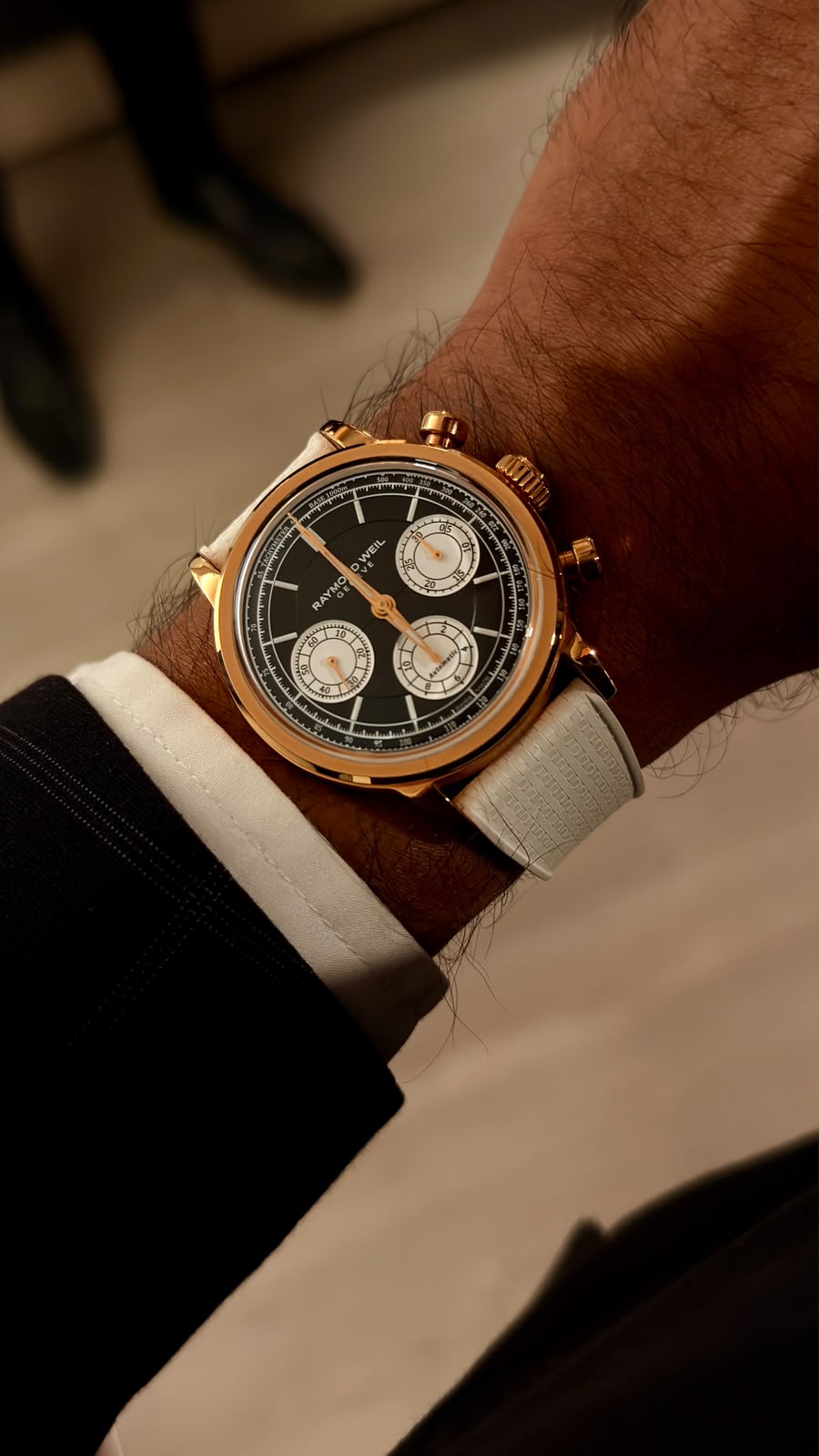
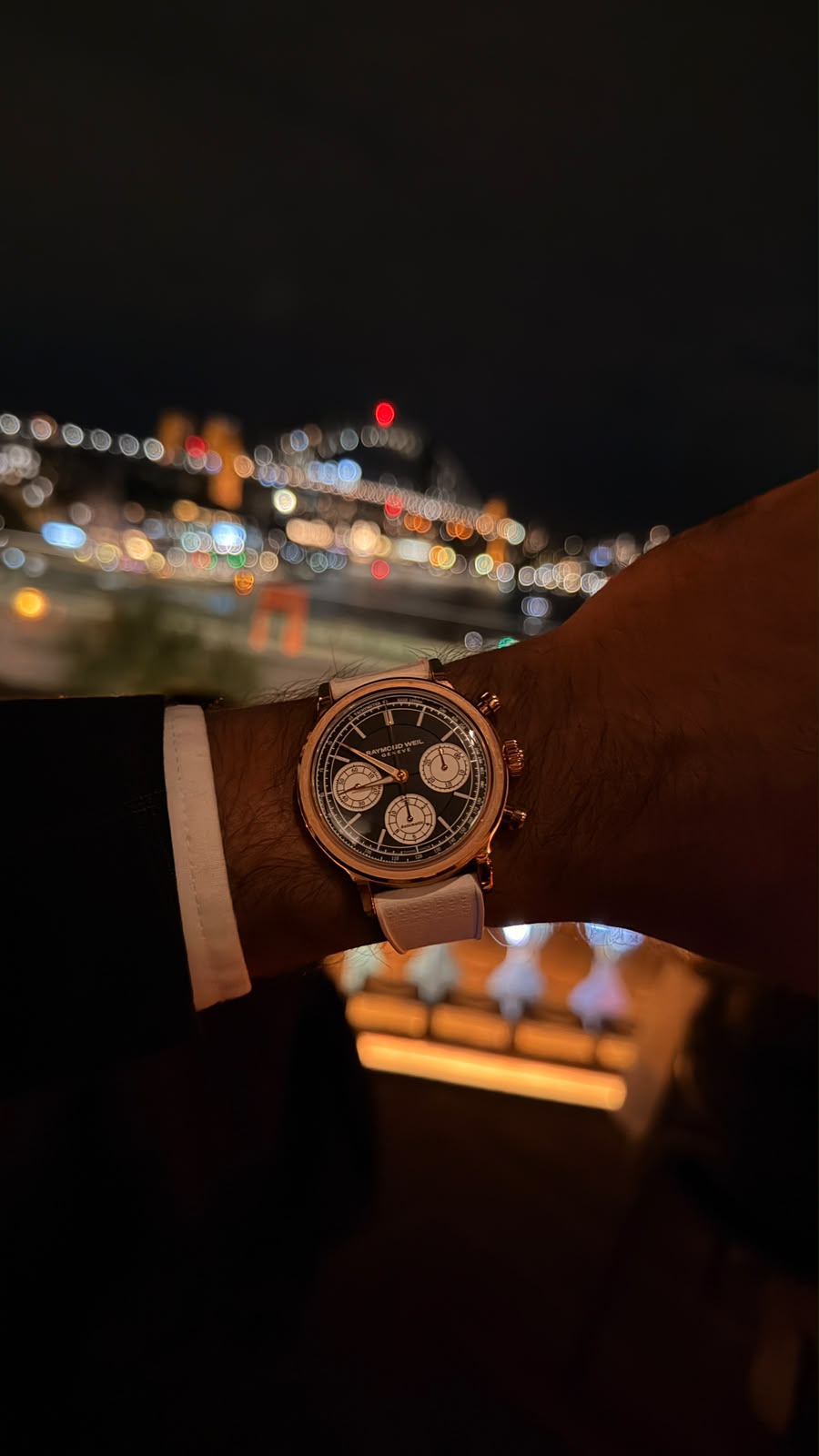
Later that afternoon, it was time to head back and get ready for the first official engagement of the trip. For Monday evening, I kept the Millésime on its white rubber strap, which, when combined with the pink gold PVD case, gave the watch a slightly more refined appearance once the suit went on. With the watch ready and Sydney Harbour providing the setting for the evening ahead, it was time to make the short journey across to dinner.
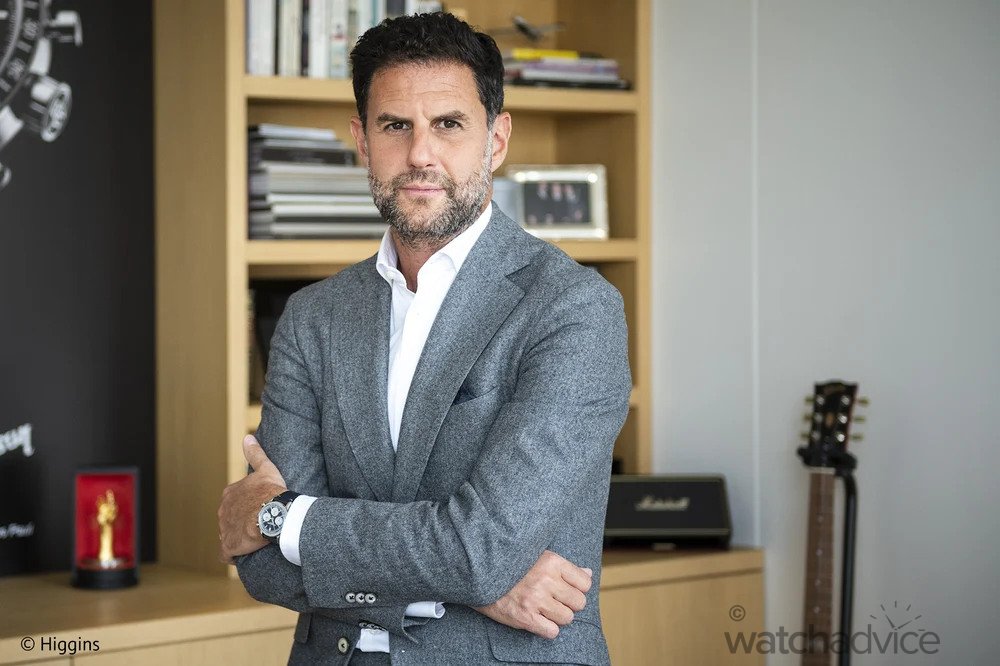
And this wasn’t to be just another dinner on the itinerary. That evening would provide the opportunity to sit down with Raymond Weil CEO Elie Bernheim, grandson of founder Raymond Weil and the third generation of the family to lead the independent Swiss watchmaker. As luck would have it, I found myself sitting directly beside him, which gave me an immense opportunity to discuss everything from growing up within the family-owned watch company to what independent watchmaking is like, the responsibilities and pressures of running the company, and its current modern direction.
Dinner With The Third Generation
It’s not every day that you get to sit down with the CEO of a company and pick his brain to understand what life is like, especially when leading an independent watchmaking company. The setting was quite perfect for the evening too. Dinner was held at Café Sydney inside Customs House, with views overlooking Sydney Harbour and the Harbour Bridge. This presented a very relaxed setting for a pleasant dinner before the main 50th anniversary event the following day.

I was fortunate enough to sit next to Elie Bernheim, and one thing I gathered almost immediately was how natural the conversation felt and how humble, approachable, and down-to-earth he was. For me, this was a moment that I’ll remember for a long time. Being a fan of Raymond Weil, I was able to have a broader conversation with Elie about the brand’s modern direction, what it is like to lead an independent watchmaking company, and also the more personal side, such as his family and what it was like to work with his father.
An interesting topic of conversation I had with Elie was how he reached the CEO position. Rather than simply stepping into the role because it was a family business, Elie’s father wanted him to properly understand Raymond Weil and the different elements required to run the company. Elie therefore had to work his way through the business from the bottom up, gaining experience rather than immediately stepping into a senior position of authority.
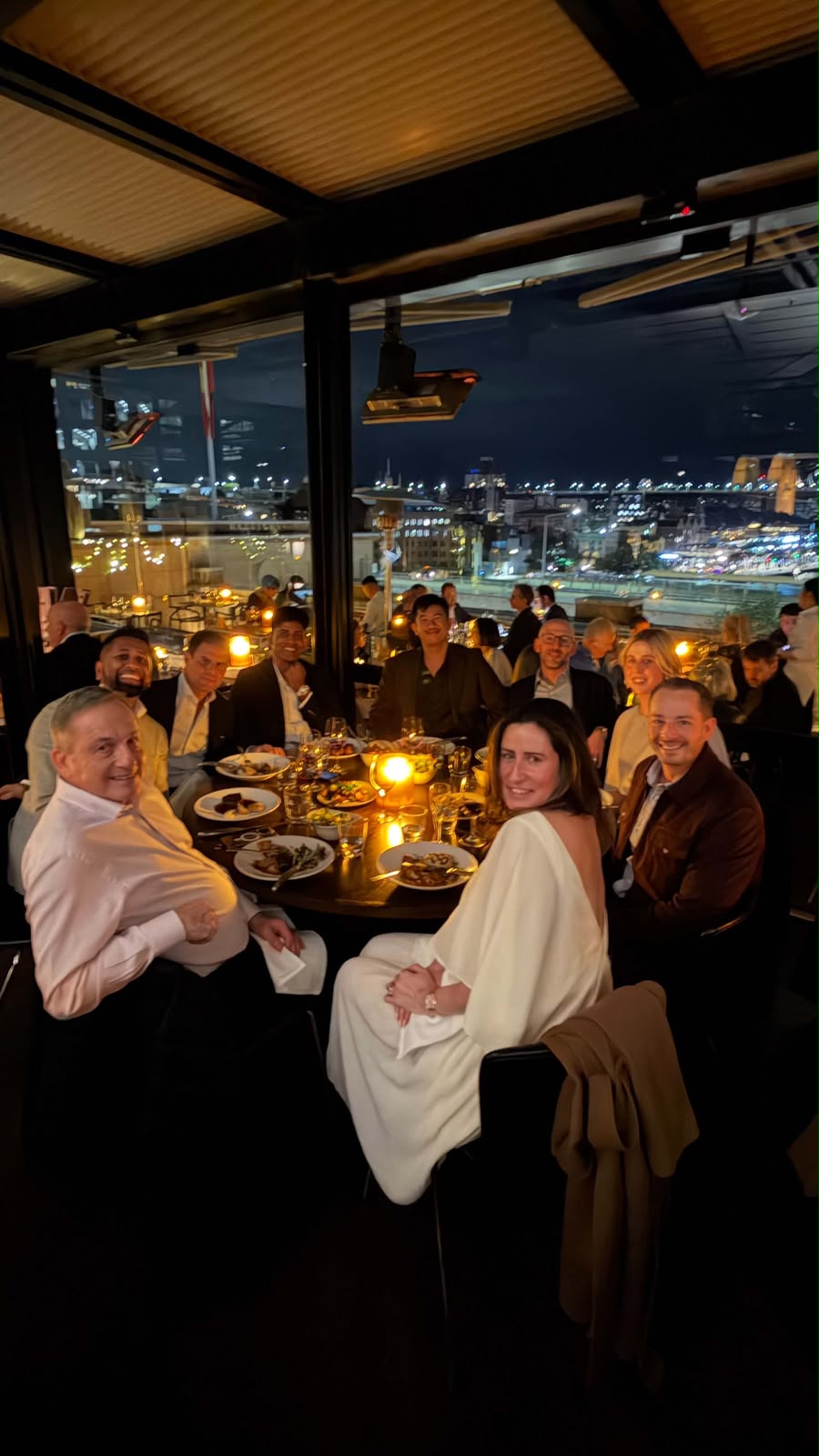
This gave him a lot of exposure to the inner workings of Raymond Weil, including both the business and product sides of the company. It also meant that he understood what works for the business and what doesn’t, along with the consequences of the decisions made within an independent watchmaking brand. And honestly, hearing this actually resonated with me as well.
In my past life, during my engineering days, while I loved the design and technical aspects of civil engineering, the CEO was adamant that I spend time on the manufacturing and project management side to see how those designs actually came to life and were built. This gave me a deeper understanding of what worked and what didn’t from a design perspective. While on a much broader and deeper scale, I could understand the reasoning behind what Elie Bernheim went through before ultimately leading Raymond Weil into a new generation.
Despite now being CEO himself, Elie spoke about still turning to his father, Olivier Bernheim, for insight and advice every now and then when making decisions within the company. While I won’t go into specifics here, it was great to know that Raymond Weil still remains family-oriented, with his father remaining someone Elie can discuss ideas and the direction of the company with. Even though Elie is now responsible for leading Raymond Weil into a new generation, the experience accumulated by the previous generation is still there for him to draw upon.
What makes this story interesting is that it isn’t simply three separate generations taking turns at running the company, each with their own visions and different directions. Rather, the knowledge from each generation has effectively been passed down, from Raymond Weil to Olivier Bernheim and now to Elie Bernheim.
A major part of our conversation revolved around what it means to be an independent, family-owned Swiss watchmaker. Compared to brands that operate within larger luxury groups, Raymond Weil has greater direct control over the decisions it makes going forward. This was a sentiment shared by Elie Bernheim, with fewer corporate layers meaning less bureaucracy and a quicker decision-making process, ultimately giving the company more freedom to experiment, change direction, and take calculated risks when opportunities arise.
But the thing with independence is that it also means the responsibility for those decisions ultimately stays much closer to the family running the company. For Elie, this adds an additional personal element, as he is making these decisions all while carrying 50 years of family history with him.
Elie Bernheim takes on the personal responsibility of deciding what the new generation of Raymond Weil will look like. Newer creations, such as the Millésime, are quite different from many of the models the brand has created in the past, and it was a risk that paid off. After the Millésime collection made its debut, the Millésime Automatic Small Seconds took home the Challenge Watch Prize at the 2023 GPHG.
Another example of Elie’s modern direction for Raymond Weil comes with the A.R.T. collection, which was introduced this year as part of the brand’s 50th anniversary celebrations. The A.R.T. collection is the brand’s first integrated-bracelet watch, making it a fitting introduction for its 50th anniversary. But in a broader sense, it also shows the forward-thinking approach of Elie Bernheim, while simultaneously contrasting nicely with the neo-vintage Millésime collection and showing two very different sides of Raymond Weil.
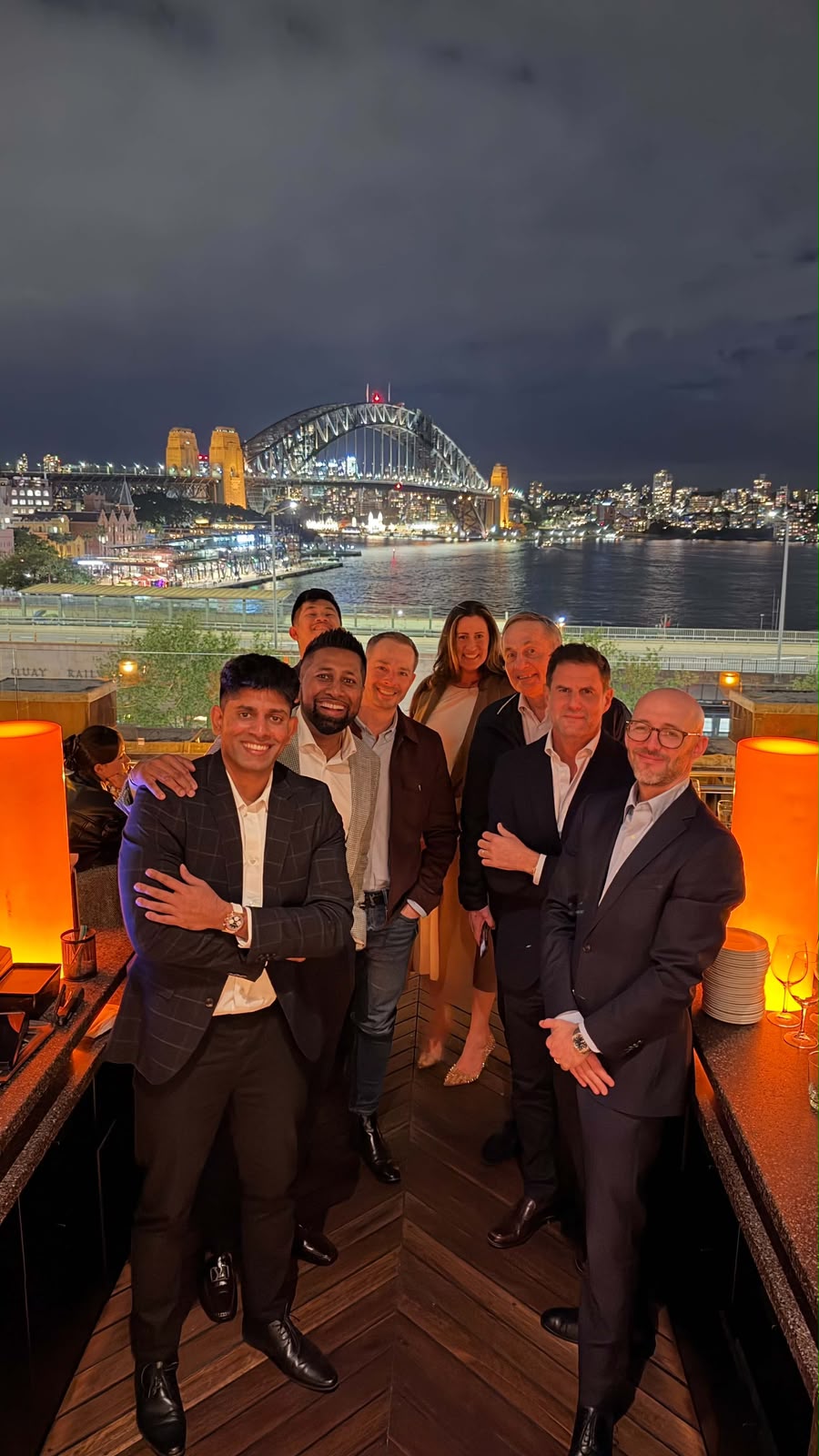
Elie’s responsibility isn’t simply to preserve what his father and grandfather built, but to decide what the next generation of Raymond Weil looks like, with collections such as the Millésime and A.R.T. beginning to shape his own chapter of the brand.
50 Years, All In One Room
I went into dinner the previous night expecting a pleasant brand get-together, but came away having spent several hours beside the third-generation CEO of Raymond Weil and having some fantastic conversations about family, independence, the pressures of running the company, and where he is taking it next.
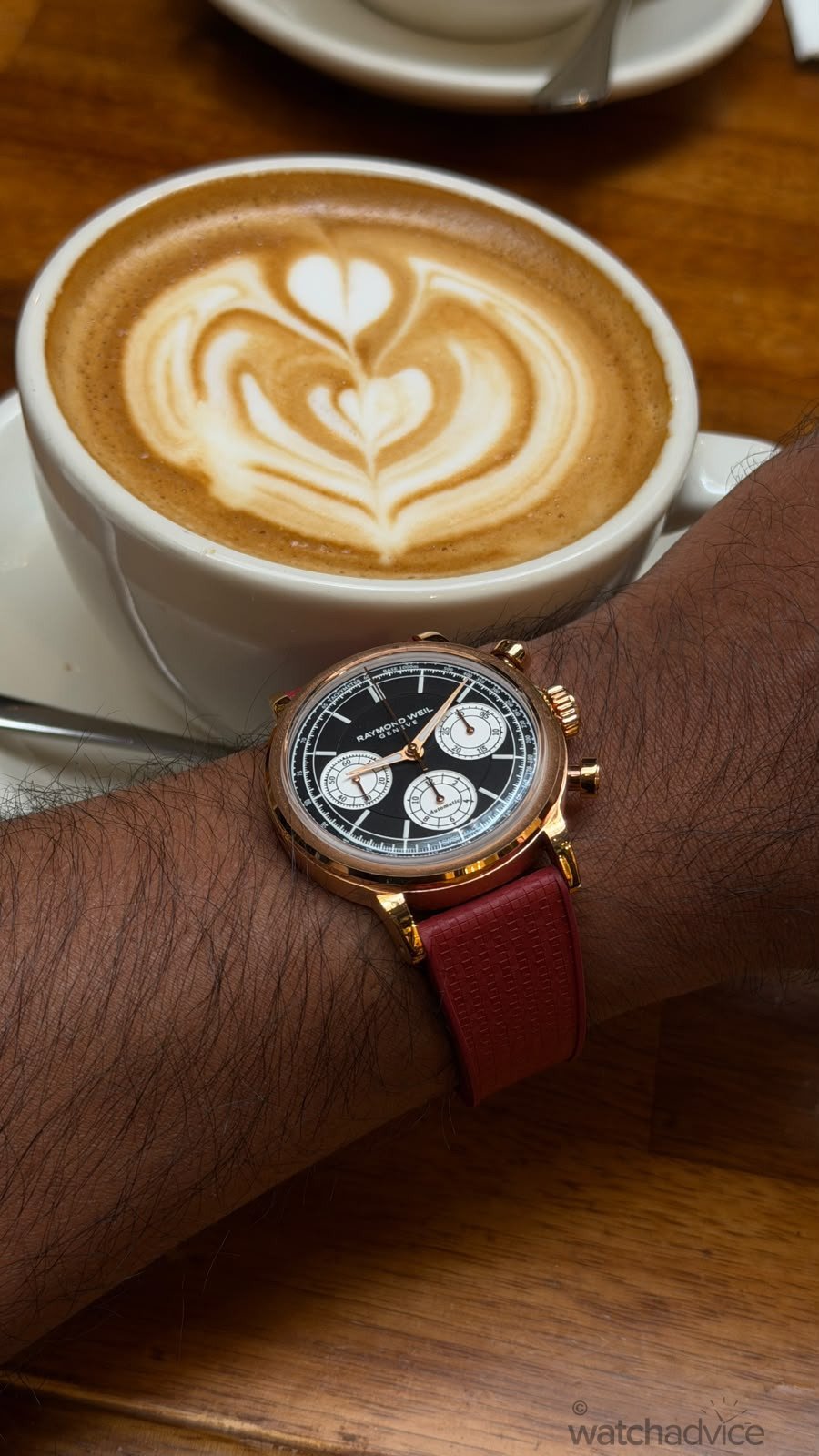
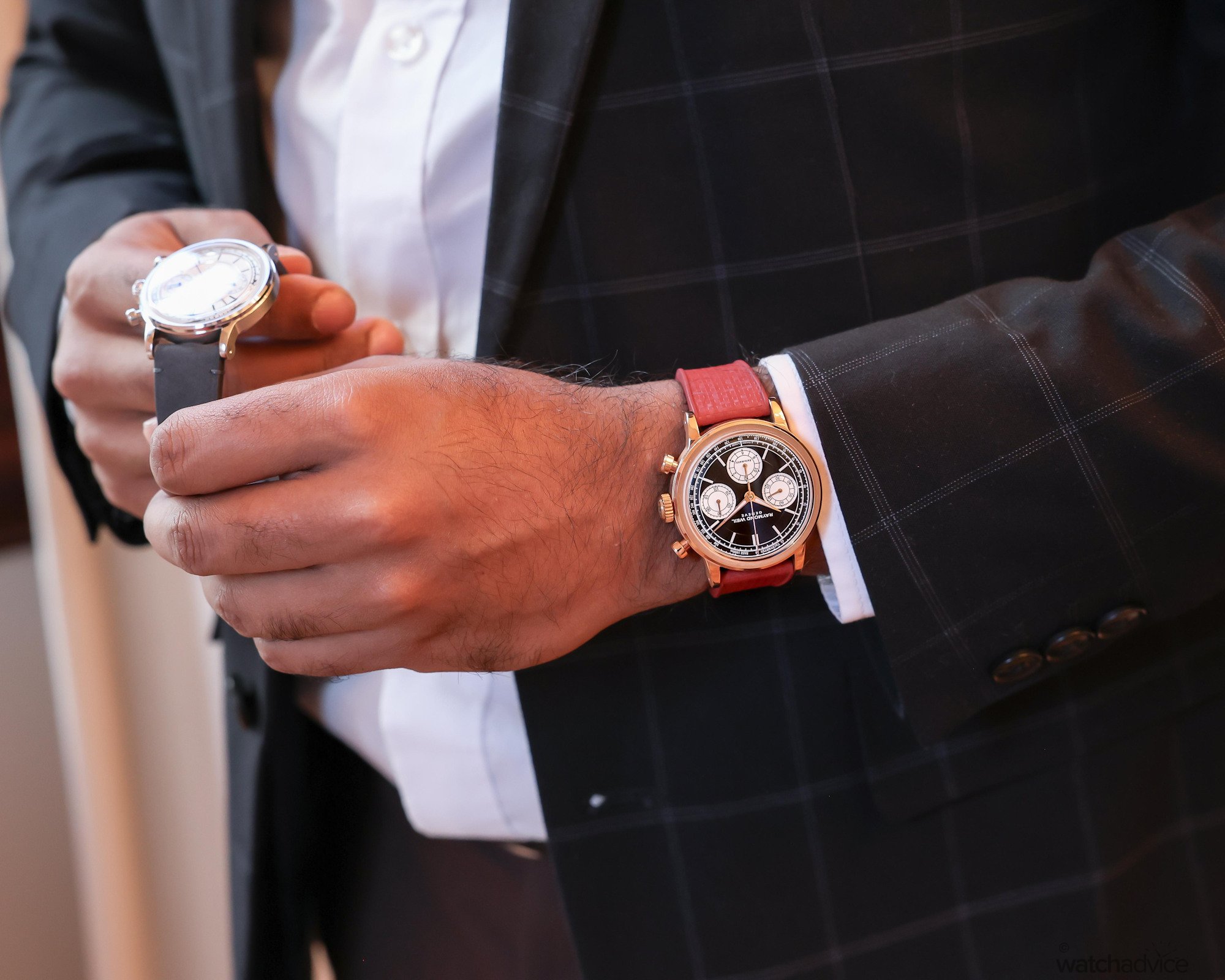
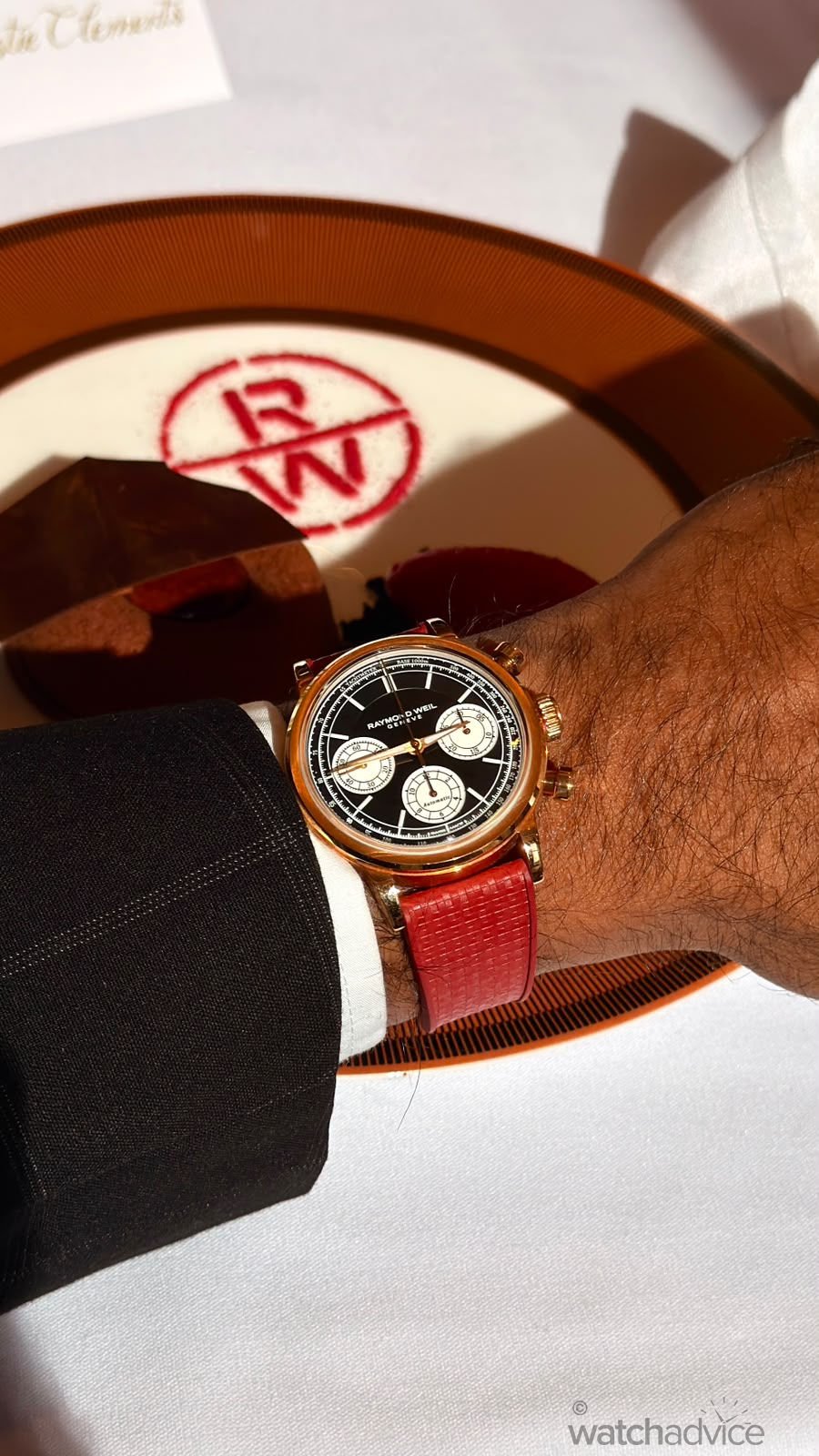
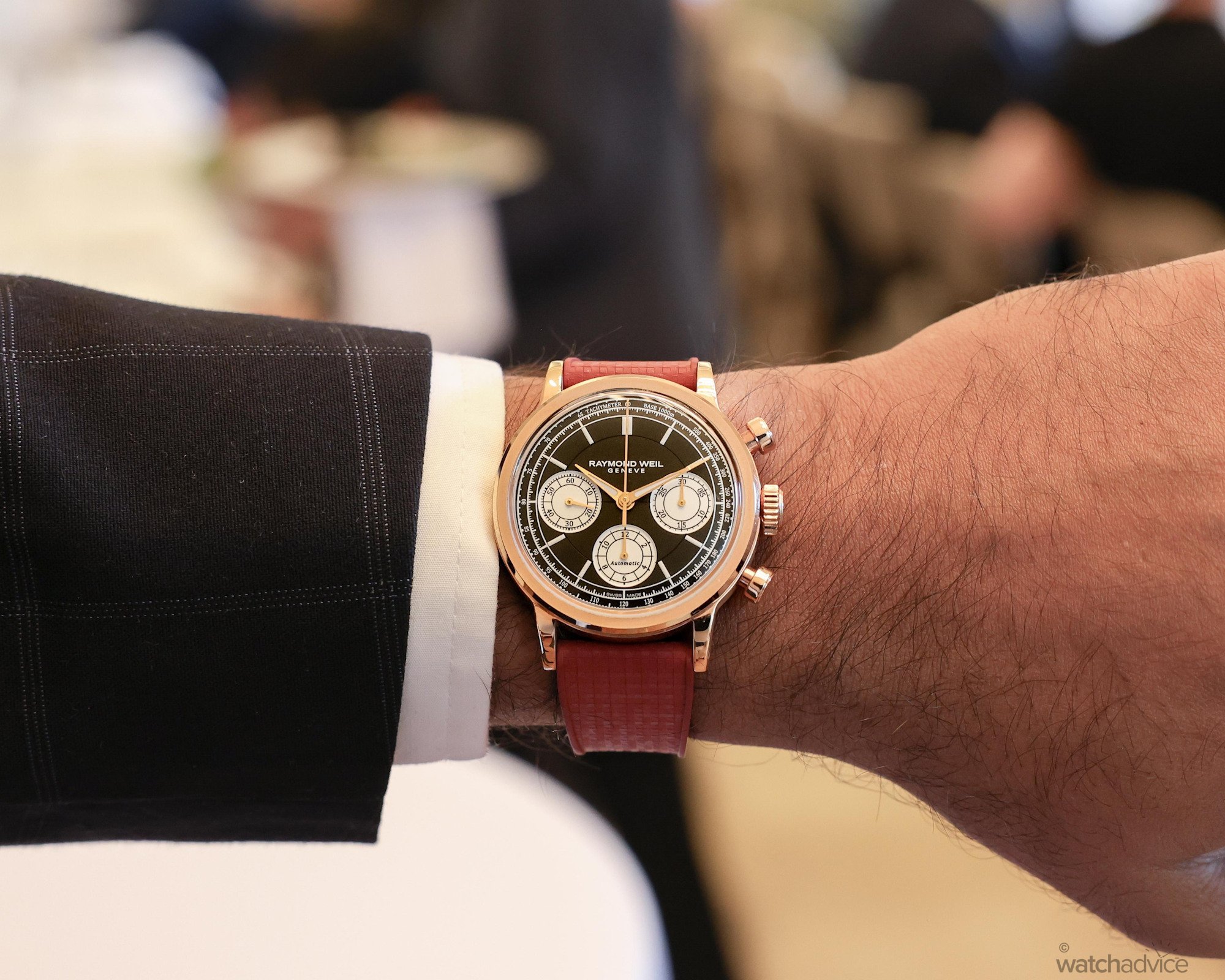
The next day was the big event, with Raymond Weil’s 50th anniversary celebrations taking place at Capella Sydney. Beforehand, however, the team decided to make a quick pit stop for breakfast and coffee. I decided to change up the look of my Millésime Tri-Compax Chronograph, this time donning it on the red rubber strap.
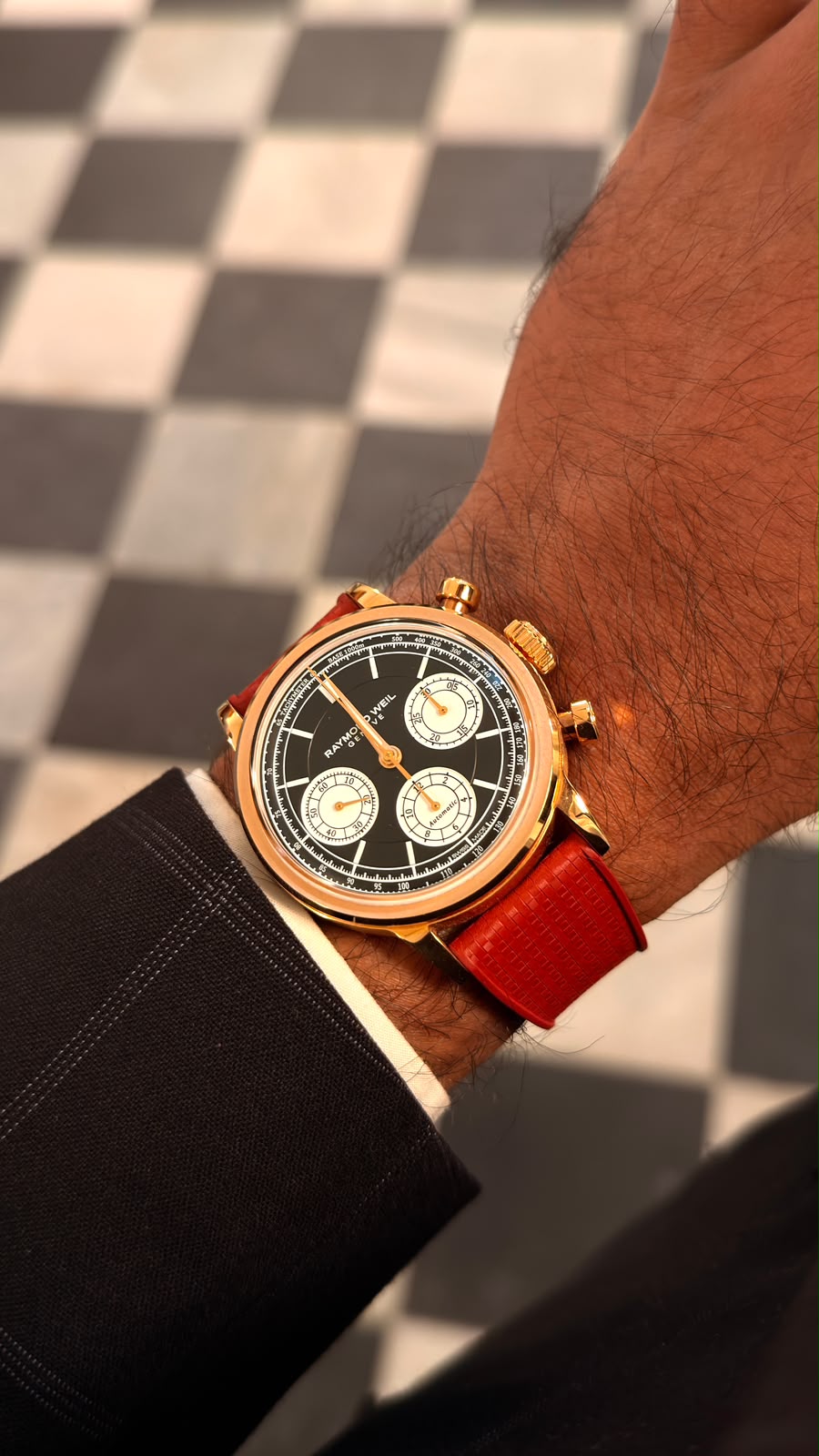
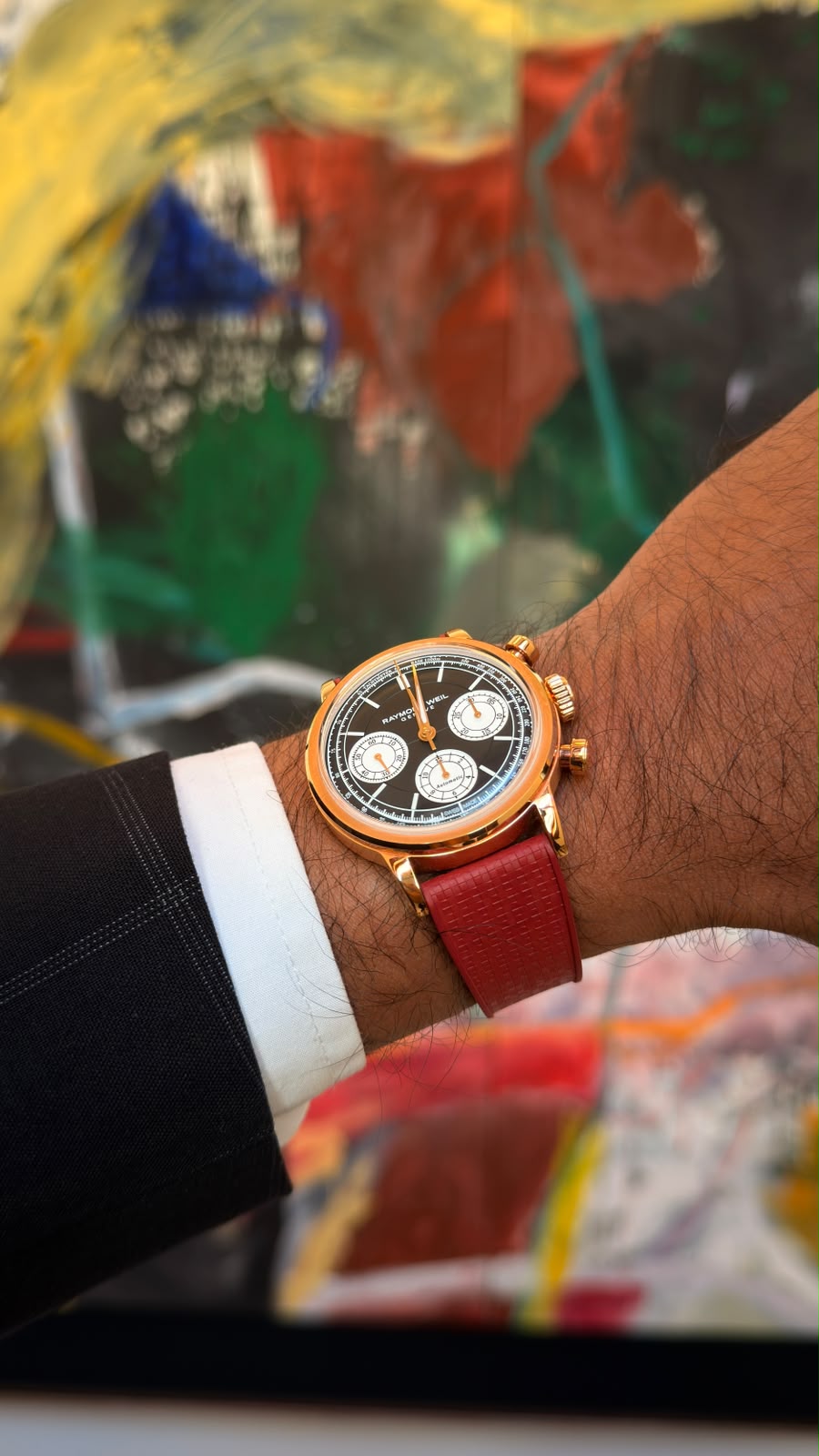
Honestly, I love how versatile this timepiece is. Simply changing the strap gives it a new look and keeps it feeling fresh within my own collection. I decided to keep the same black jacket on as well, making it easy to see just how well the different coloured straps work on this model!
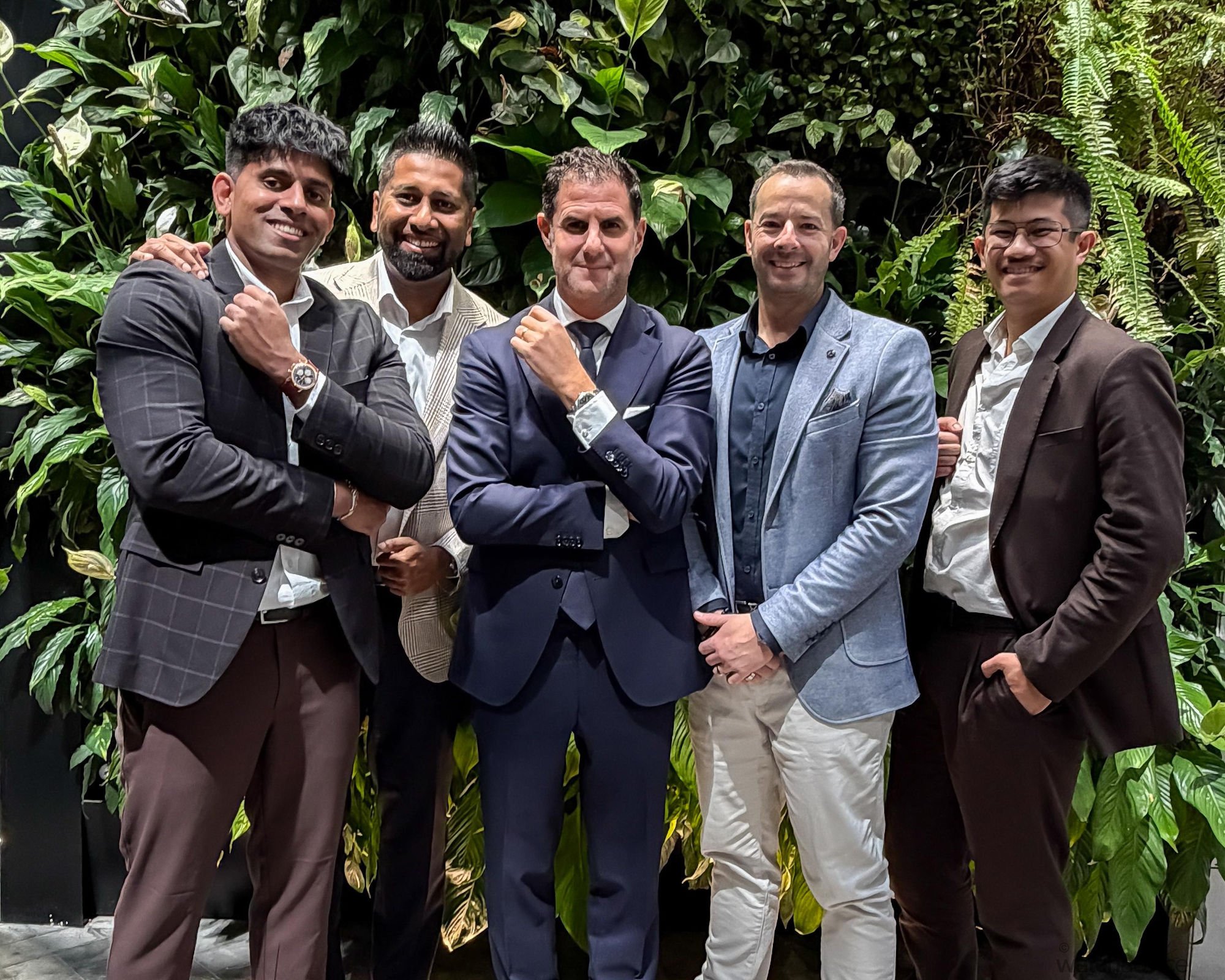
After the quieter start to the day, we headed to Capella Sydney, where Raymond Weil’s 50th anniversary celebrations would take place. The room was decorated beautifully in an elegant, heritage-style design that felt very much on brand with Raymond Weil. Two long tables were set for lunch, with Raymond Weil branding throughout the room and a historical exhibition running along one side.
The event brought together a who’s who of Australian watch media and the wider media, alongside Raymond Weil’s retail partners and guests. Before everyone sat down for lunch, the atmosphere was fairly relaxed, with canapés being served, people mingling, talking watches, and exploring the various displays.
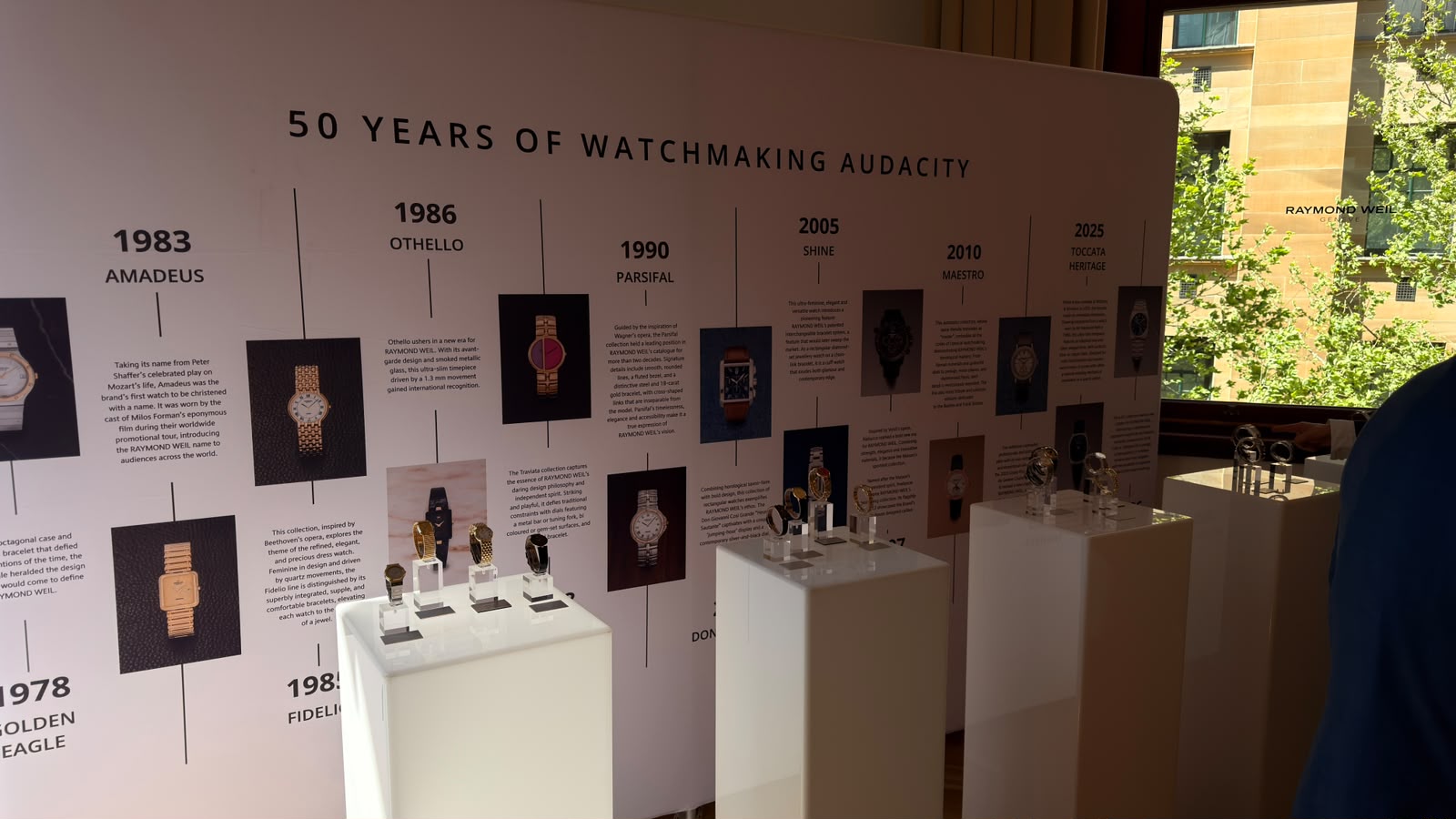
The centrepiece for me was the “50 Years of Watchmaking Audacity” historical exhibition. I loved seeing the brand’s various historical collections, with watches from different periods displayed against a chronological timeline and description. Starting with 1976, the year Raymond Weil was founded, there were iconic pieces such as the Golden Eagle, Amadeus, Othello, and Parsifal on show. Then, later models such as the Shine and Maestro showed how the brand evolved throughout the 2000s and 2010s.
What became obvious to me was that there was no one single “Raymond Weil” look. The case shapes across the different collections, bracelets, dial styles, and overall visual aesthetic changed throughout the eras. The night before, I had spoken to Elie about respecting the company’s history while creating something for the new generation. However, with the Millésime Tri-Compax Chronograph on my wrist, I could see both sides of the equation: the designs of the past and what the future now looks like.
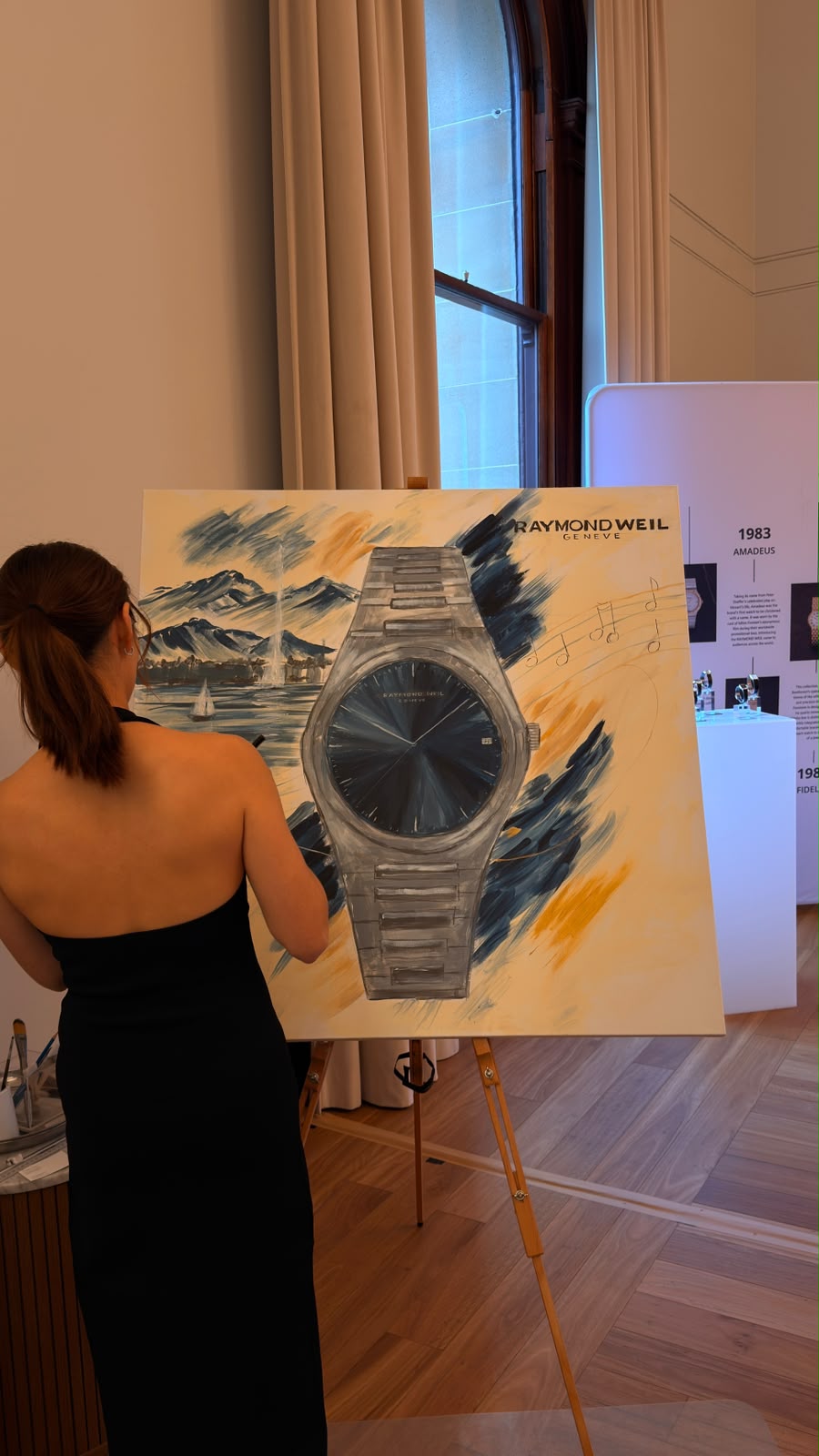
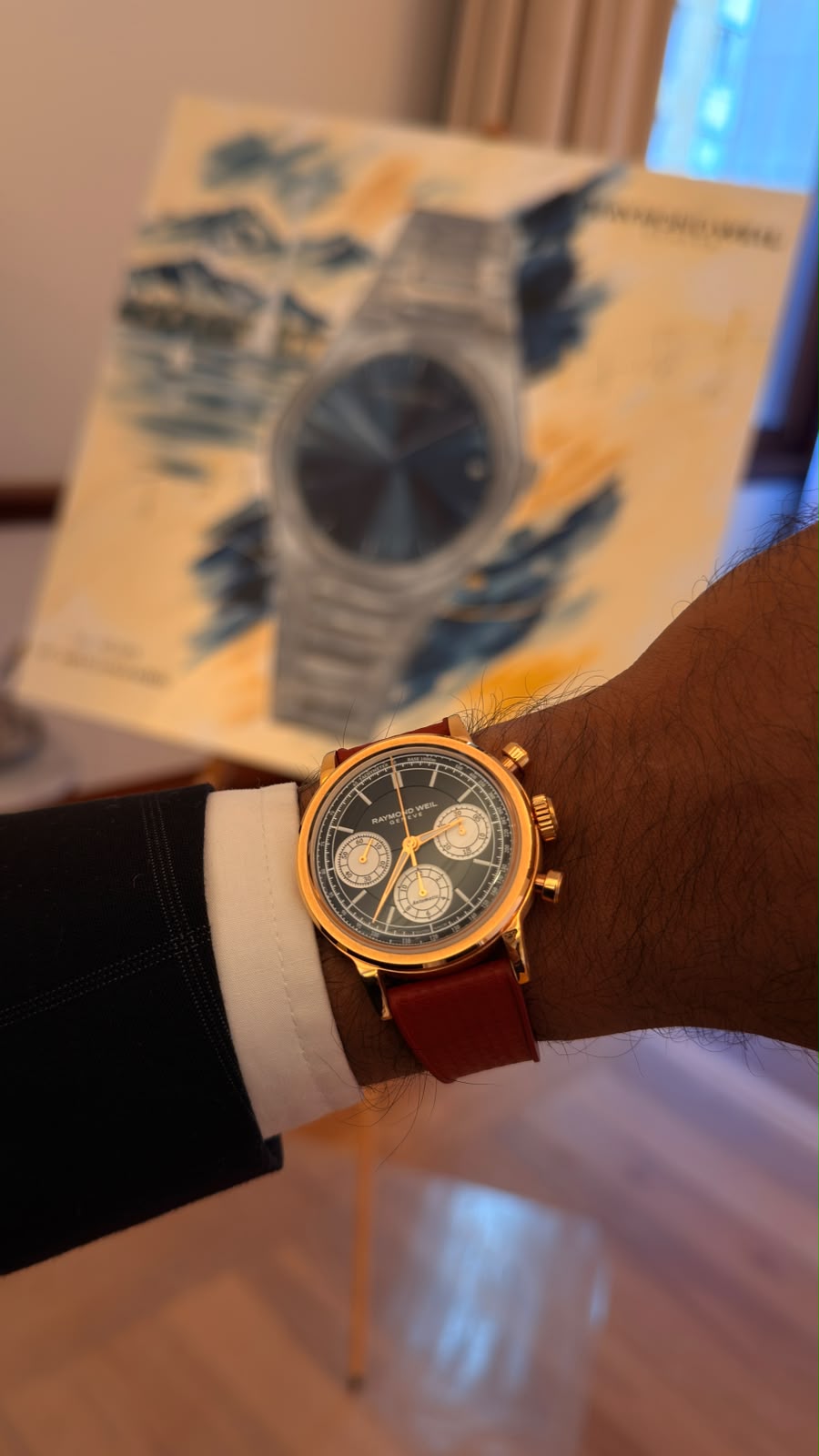
Alongside Raymond Weil’s historical display was something more contemporary: a live artist, Cai.Artist (Soystreet) on Instagram, working on a painting throughout the event. The centrepiece of the artwork was the new Raymond Weil A.R.T. integrated-bracelet watch. The painting developed as the event progressed rather than simply being displayed as a finished piece, which made it a lot more interesting as we got to see it come together live!
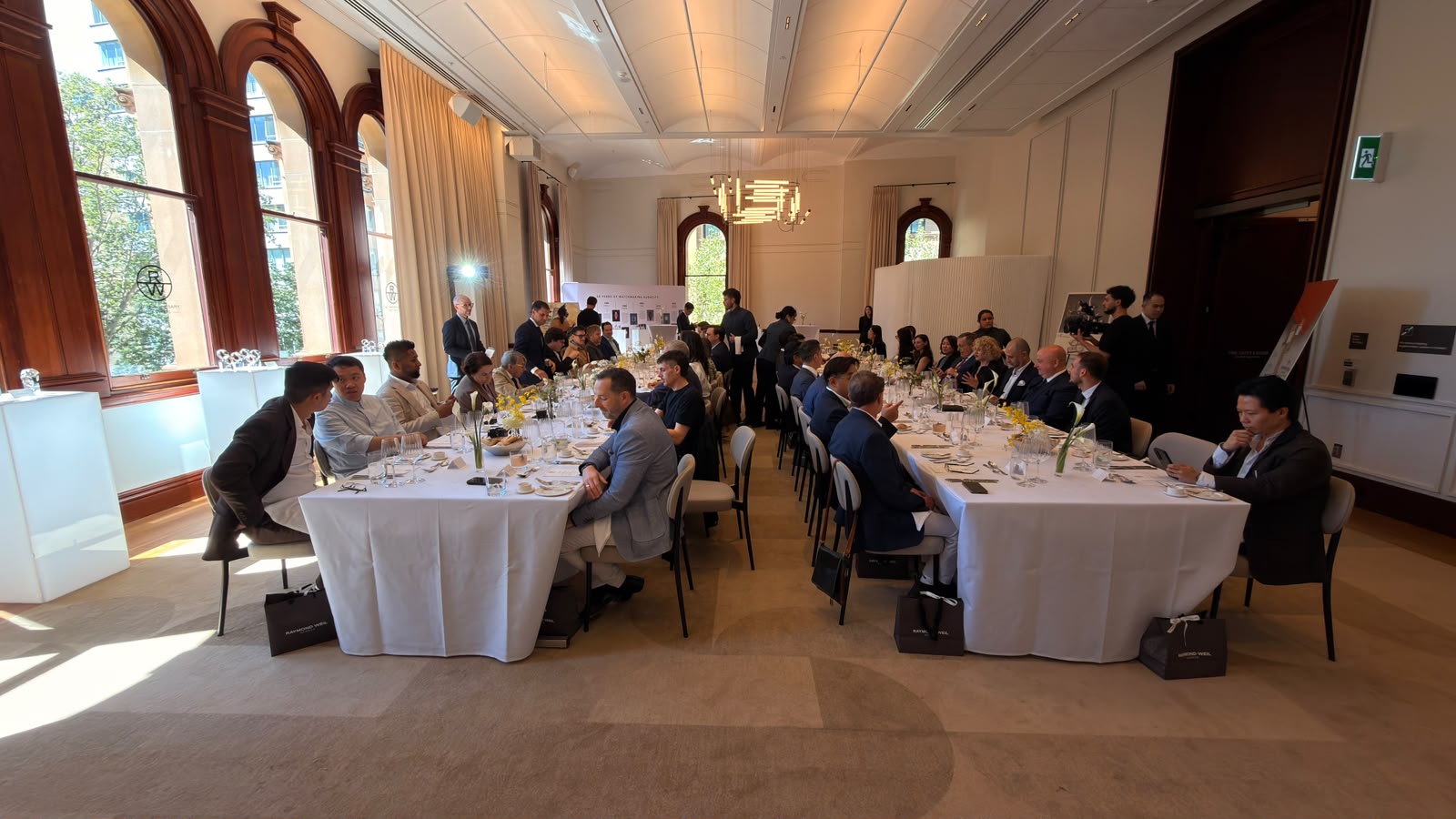
Eventually, everyone took their seats, and the formal part of the afternoon began. Mark from Avstev Group, Australasia’s largest privately owned luxury Swiss watch and fine jewellery distributor, opened proceedings before handing things over to Raymond Weil CEO Elie Bernheim. Elie reflected on the brand’s past and present, speaking about his position as the third generation of the family to lead Raymond Weil and the responsibility that comes with carrying 50 years of history. Having spoken with him at length the previous evening, it was interesting to hear many of those same themes now being shared with the wider room.
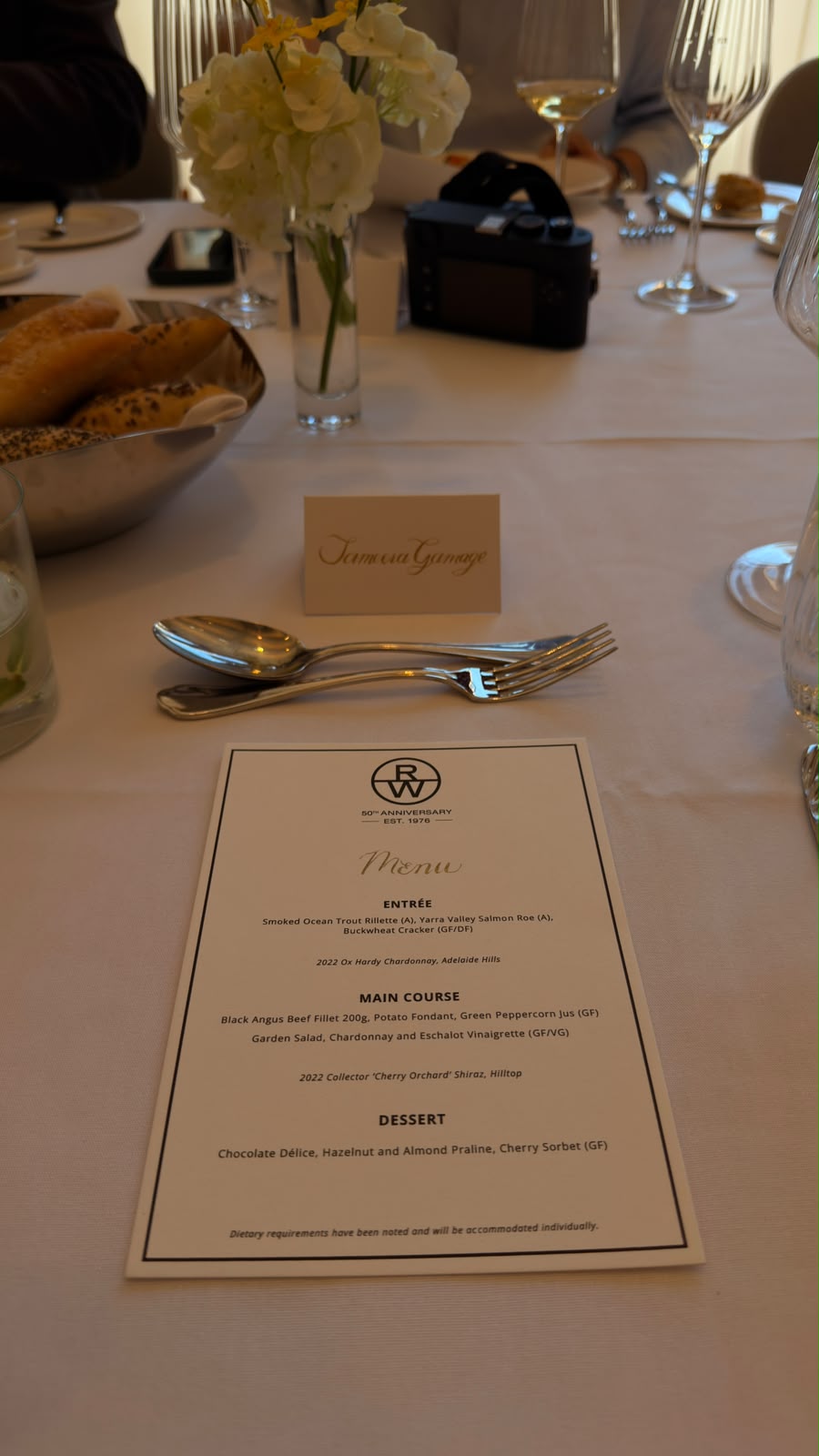
Lunch followed, with conversation flowing between media, retailers, and the Raymond Weil team, all discussing various aspects of the brand. For me in particular, the new A.R.T. and Millésime collections were a major talking point, and I’m looking forward to seeing how both continue to evolve in the future.
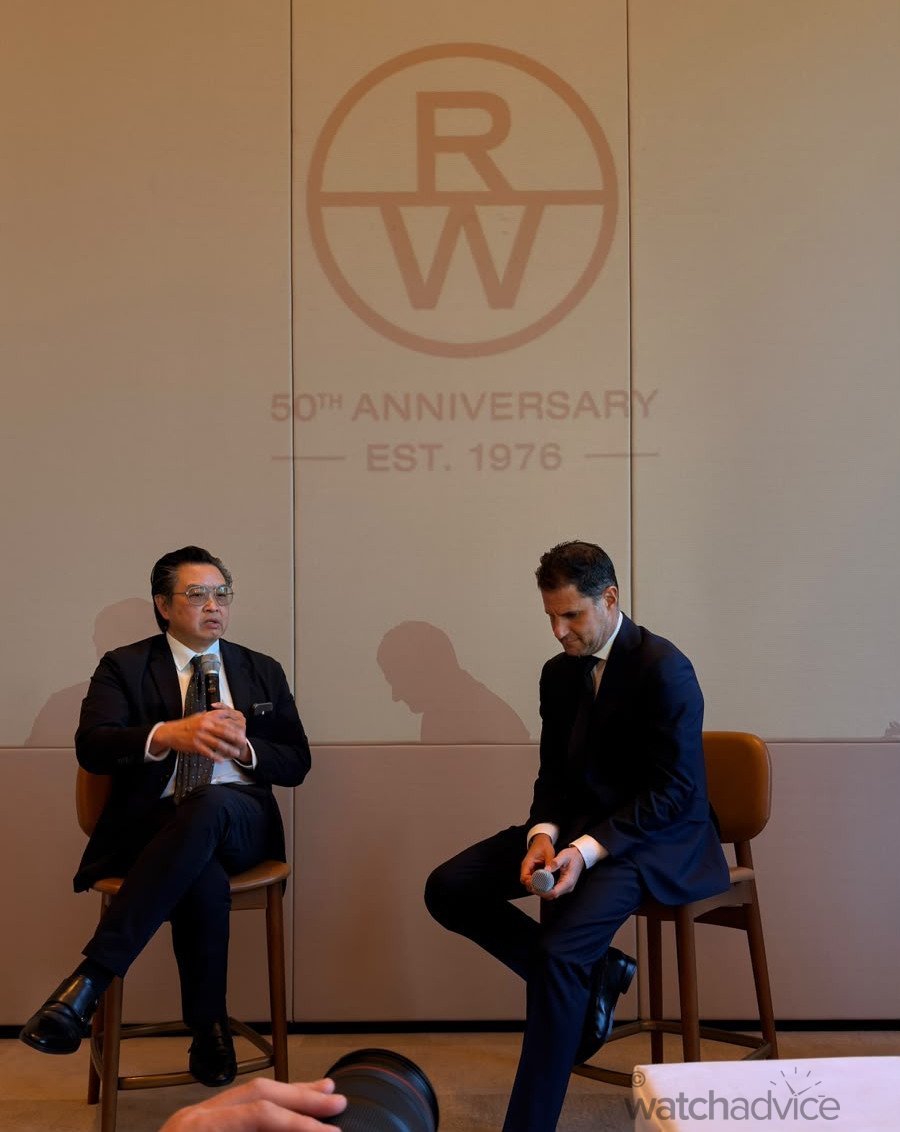
This was then followed by Paxton Wong, who took centre stage with Elie Bernheim for a one-on-one interview. They went into detail about Raymond Weil’s history, especially how music has inspired many of the brand’s timepieces and collections over the years. It was also a great opportunity for Elie to reflect on his family’s journey and the legacy left by the generations before him.
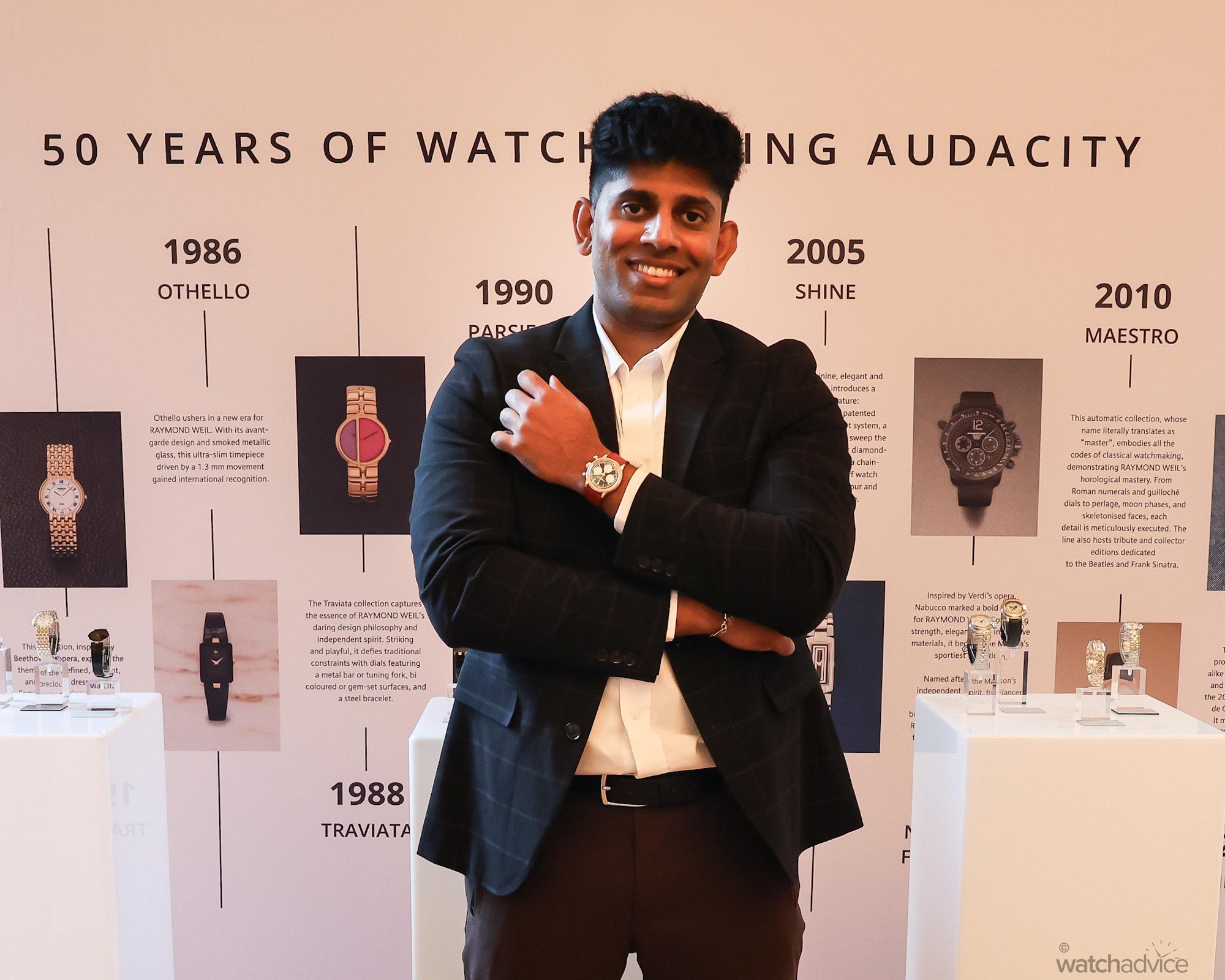
These two days certainly gave me a lot more perspective on Raymond Weil. The dinner gave me the personal story behind the company, while the 50th anniversary celebrations put the scale of the brand’s history physically in front of me. Seeing 50 years written on a backdrop is one thing, but having watches from across those five decades sitting in front of you gives you a completely different appreciation for just how much Raymond Weil has evolved.
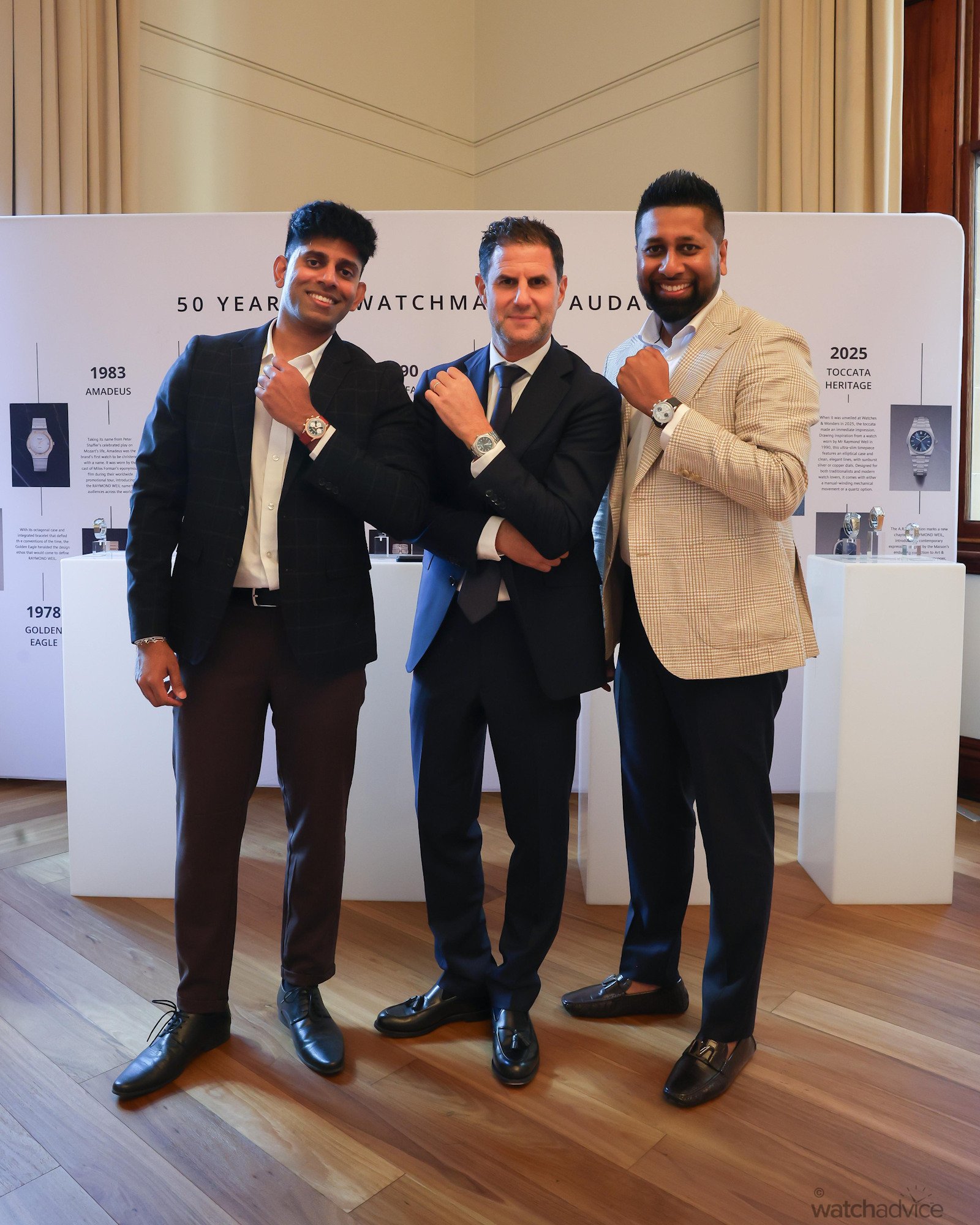
But it was also the personal conversations I had with Elie Bernheim that gave me a deeper appreciation for the brand. Hearing about the challenges the brand had faced and the risks Elie had taken, especially with its modern direction, showed me that this was a CEO who wasn’t just looking after what his father and grandfather had built before him, but rather someone determined to leave his own mark on Raymond Weil.
Looking Back, Moving Forward
Looking back over these two days in Sydney, what excited me the most was what comes next for Raymond Weil. With 50 years of history under its belt, creating collections that feature a range of designs, there is plenty from the brand’s past that can be translated into what its future may look like.
After speaking with Elie Bernheim and seeing the historical pieces alongside the brand’s newest creations, it feels like Raymond Weil is entering another strong chapter in its story. The history is certainly important, but collections such as the Millésime and A.R.T. show that the brand isn’t afraid to explore something new, either.
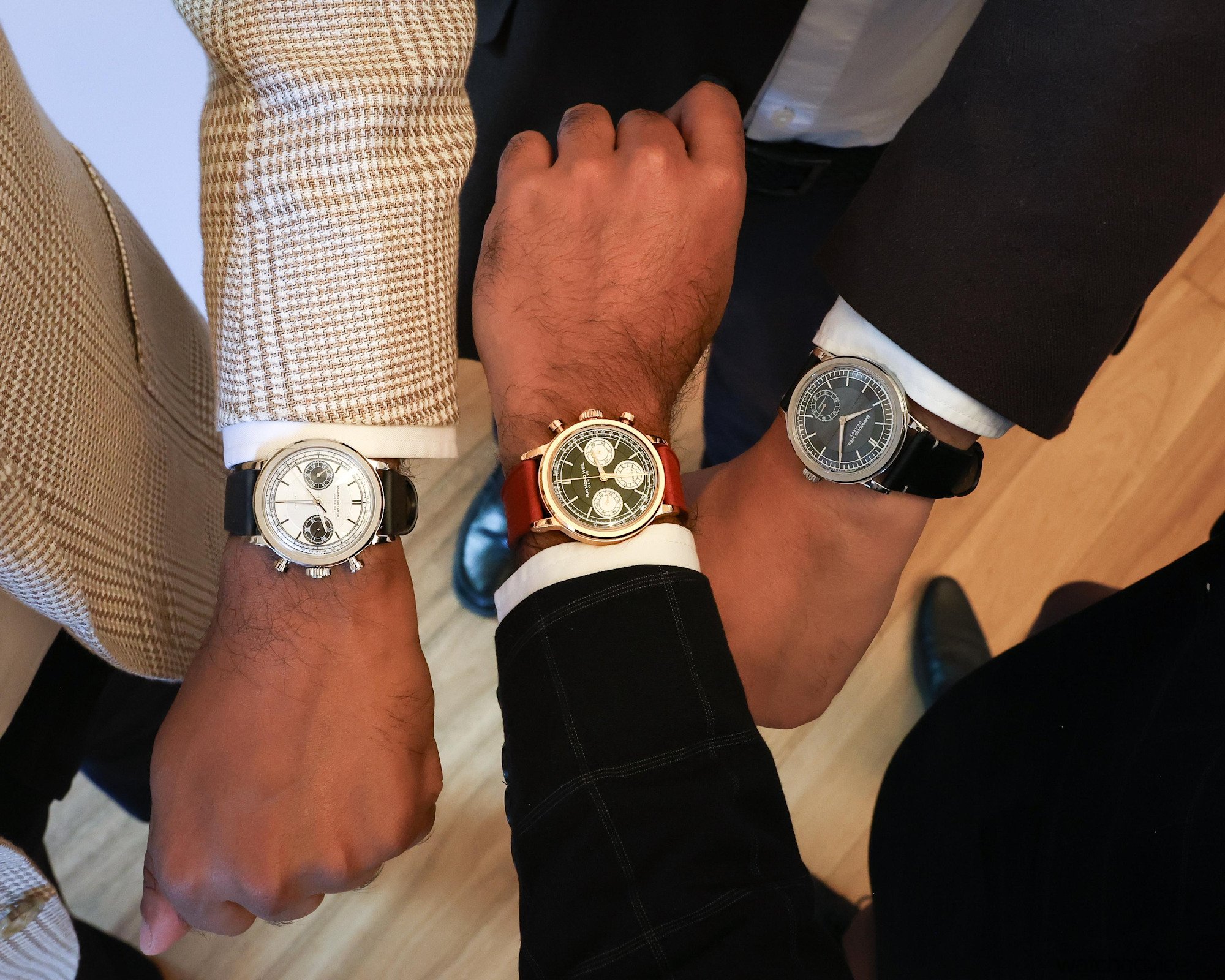
And this is personally what I’m looking forward to the most, seeing where Raymond Weil takes the Millésime collection next. We have already seen just how far the concept can be pushed with watches like “The Fifty”, which took the collection into more serious watchmaking territory with an original hand-wound Valjoux 23-6 chronograph movement from 1976. And then more recently, the Millésime Jubilee took some of the design inspiration from The Fifty and introduced a more accessible automatic chronograph. Yet, even with everything we have seen with the Millésime collection so far, I feel like the story is only just getting started.
The same can be said, perhaps even more strongly, about the brand’s new A.R.T collection. Being Raymond Weil’s first integrated-bracelet collection, it gives us a taste of what this platform could eventually become. The 38mm automatic models provide a strong foundation, but there is plenty of room to explore different materials, dial variations, and even complications in the future. I may have thrown a few suggestions Elie’s way over dinner as well, so now I’ll just patiently wait and see whether any of them actually make it past the CEO’s desk!
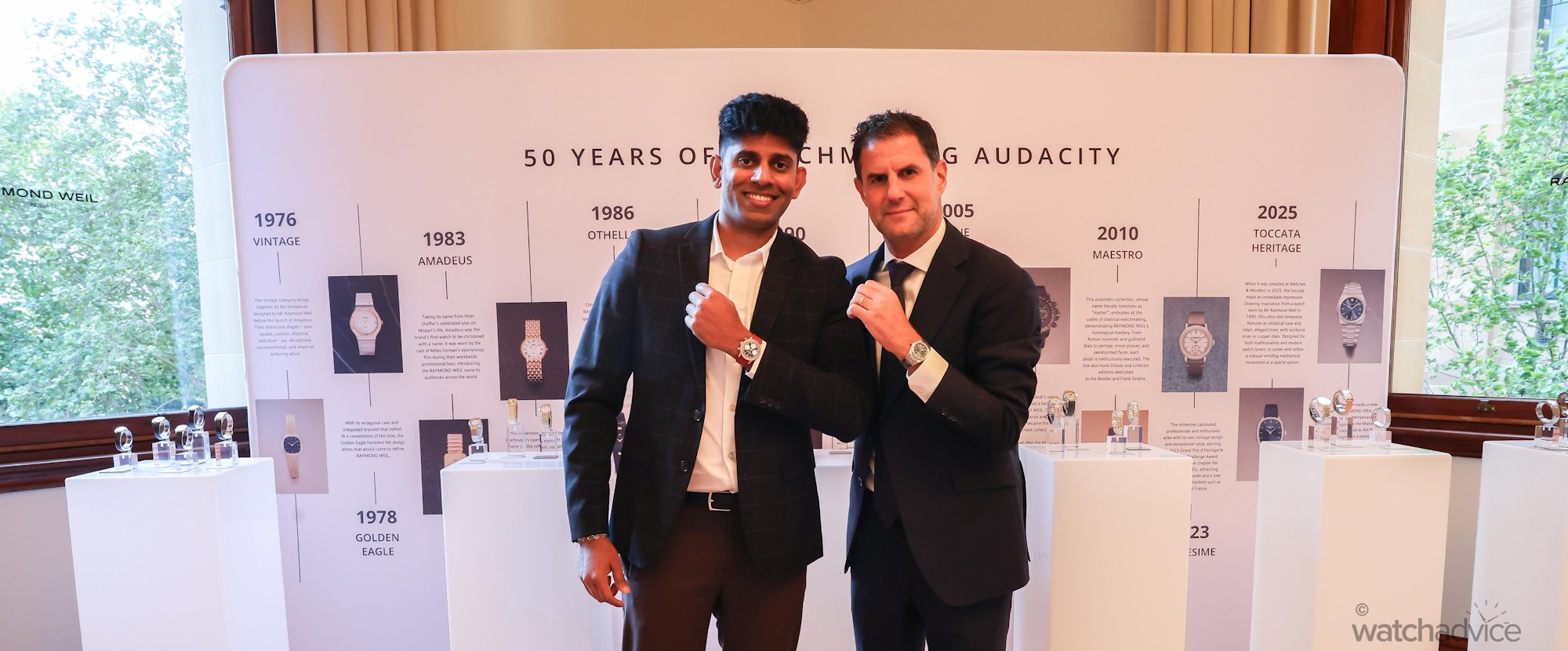
Perhaps this is what I took away most from my time with Raymond Weil in Sydney. Fifty years of history is certainly something worth celebrating, but this didn’t feel like a brand simply looking backwards and reminiscing about what it had already achieved. With Elie Bernheim now shaping his own chapter of the family business, the Millésime continuing to evolve, and A.R.T. only just beginning its journey, there is still plenty of this story left to be written. After spending two days looking back at where Raymond Weil has come from, I’m now even more interested and very much looking forward to seeing where it goes next!