

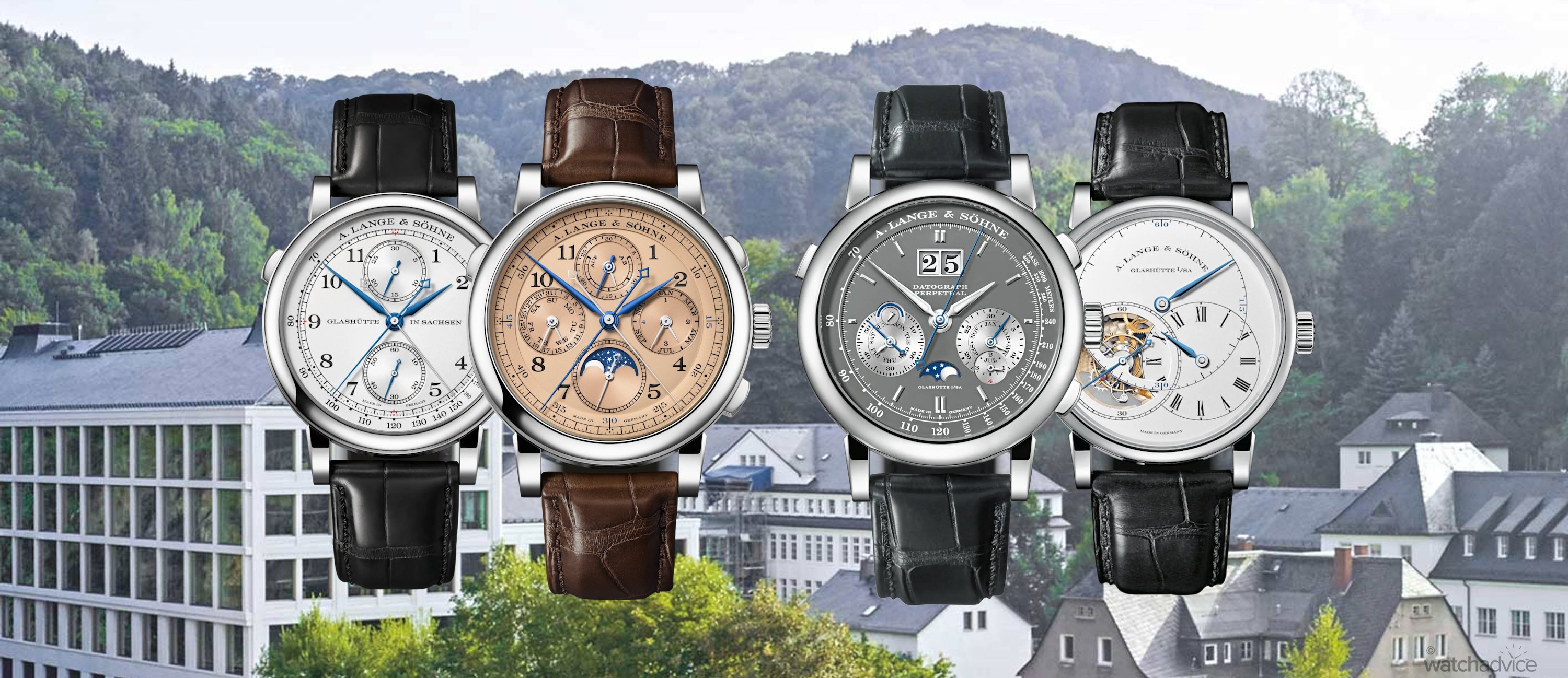
Four overlooked timepieces reveal the mechanical brilliance, exceptional craftsmanship, and uncompromising philosophy that define A. Lange & Söhne beyond its icons.
If you wanted to understand A. Lange & Söhne beyond its most recognisable icons, which watches would tell you the most? Well, this is exactly what we aim to uncover in “The Hidden Heroes of A. Lange & Söhne.” For many enthusiasts, the answer to this question would naturally begin with the Lange 1, Datograph, or Zeitwerk models. Each of these collections has its own instantly recognisable Lange features, whether through the design or a particular complication.
To truly appreciate and gain a full understanding of what A. Lange & Söhne is about, however, you need to look beyond the watches that receive the greatest attention. Some of the most exciting releases from A. Lange & Söhne sit deeper within its catalogue, where their significance can become more apparent upon closer inspection.
Chamath from Watchadvice gets a closer look at the 2026 Lange novelties.
A. Lange & Söhne occupies a very distinct place in the world of watchmaking. The brand’s reputation for creating exceptional timepieces has been built through mechanical brilliance, exceptional craftsmanship, and incredible attention to detail. It has never needed enormous production volumes or mass visibility to gain the respect, attention, and admiration of watch enthusiasts around the world.
With the brand’s modern history starting in 1990, A. Lange & Söhne has built an identity that can be recognised from both sides of the watch. The vintage-inspired case and dial aesthetic is matched equally by the unmistakable German movement architecture and mechanical prowess sitting inside.
The Story Behind Modern A. Lange & Söhne
Without getting too deeply into A. Lange & Söhne’s history, as this is not what the article is about (although we have covered it in the article below!), the brief synopsis is this: after the brand was founded in the town of Glashütte in 1845, the company was expropriated following the Second World War and absorbed into East Germany’s state-owned watchmaking industry, causing the A. Lange & Söhne name to disappear.
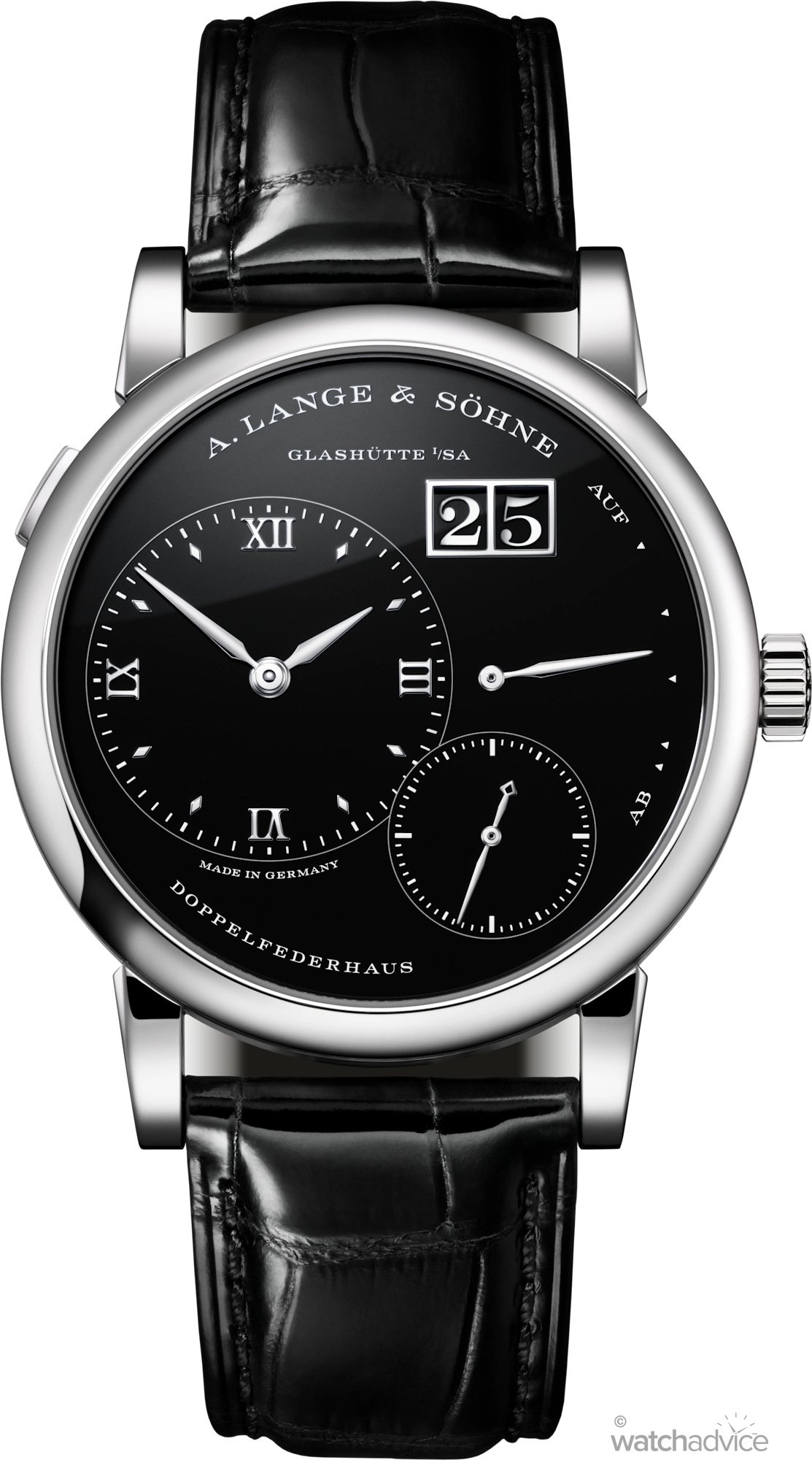
Then, on October 24, 1994, came the modern revival, which started with the presentation of four watches: the Lange 1, Saxonia, Arkade and Tourbillon “Pour le Mérite.” These watches would become some of the defining pillars of modern A. Lange & Söhne, with the Lange 1 arguably being one of the brand’s most recognisable timepieces.
There was good reason for it becoming so iconic, as the Lange 1 featured an asymmetrical dial, off-centre time displays, and the signature outsize date. These elements went against the traditional design concepts commonly associated with Swiss watchmaking at the time, making the Lange 1 stand out even more.
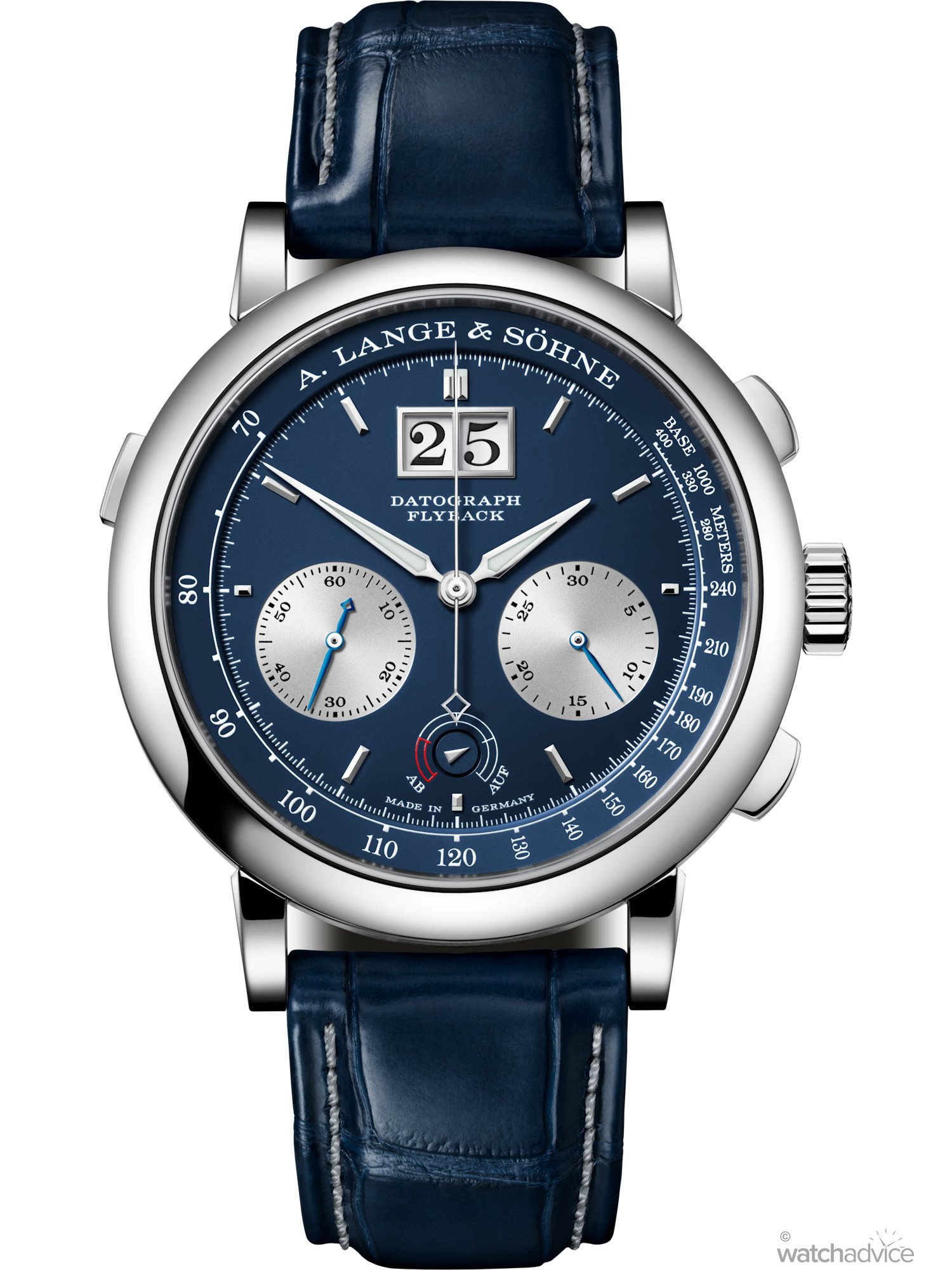
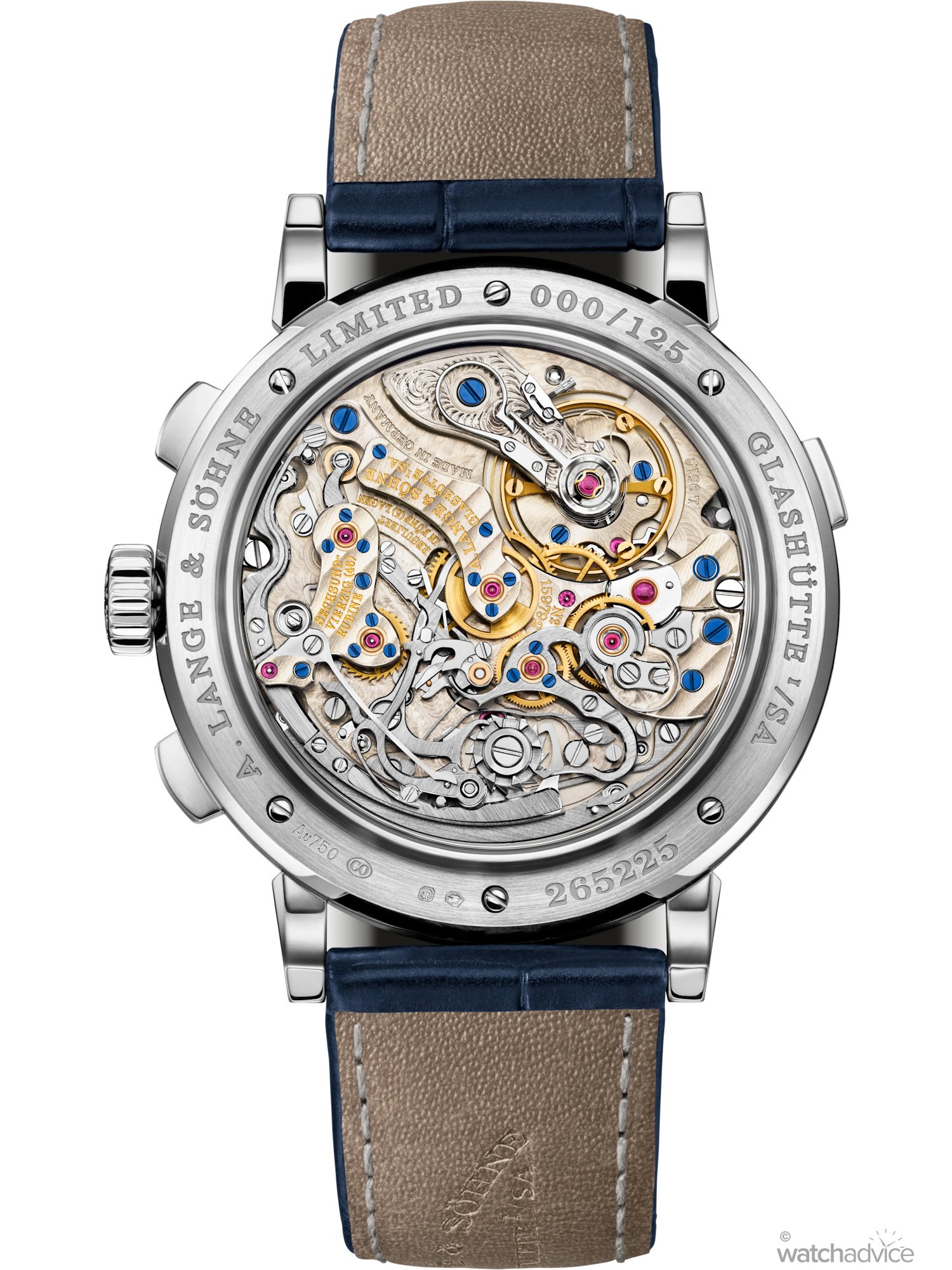
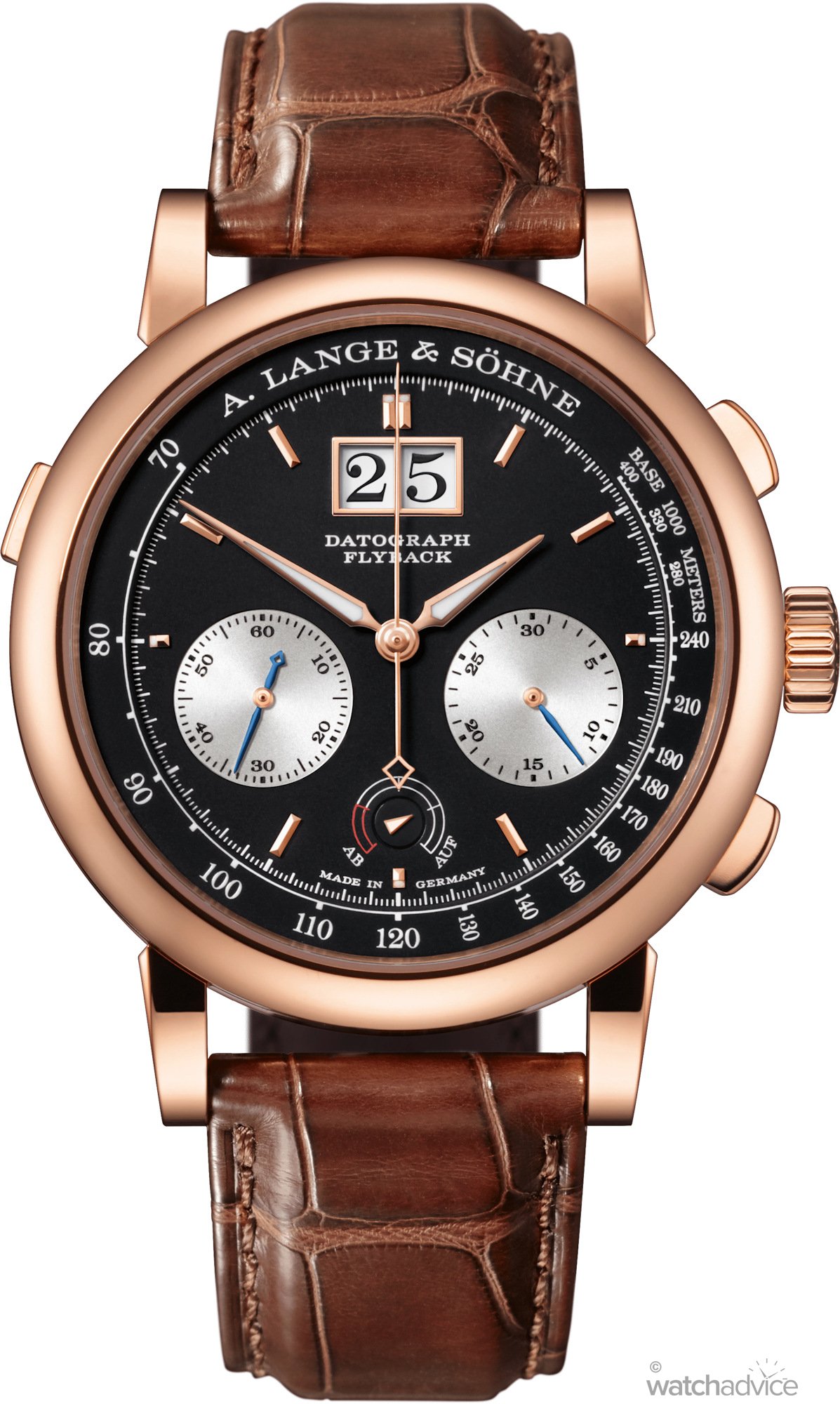
Then, five years later in 1999, Lange introduced the Datograph, a timepiece that showcased how A. Lange & Söhne’s design philosophy extended far beyond having an easily recognisable dial. Alongside this, the Datograph’s integrated manufacture flyback chronograph complication positioned modern A. Lange & Söhne as a brand with serious technical watchmaking ability.
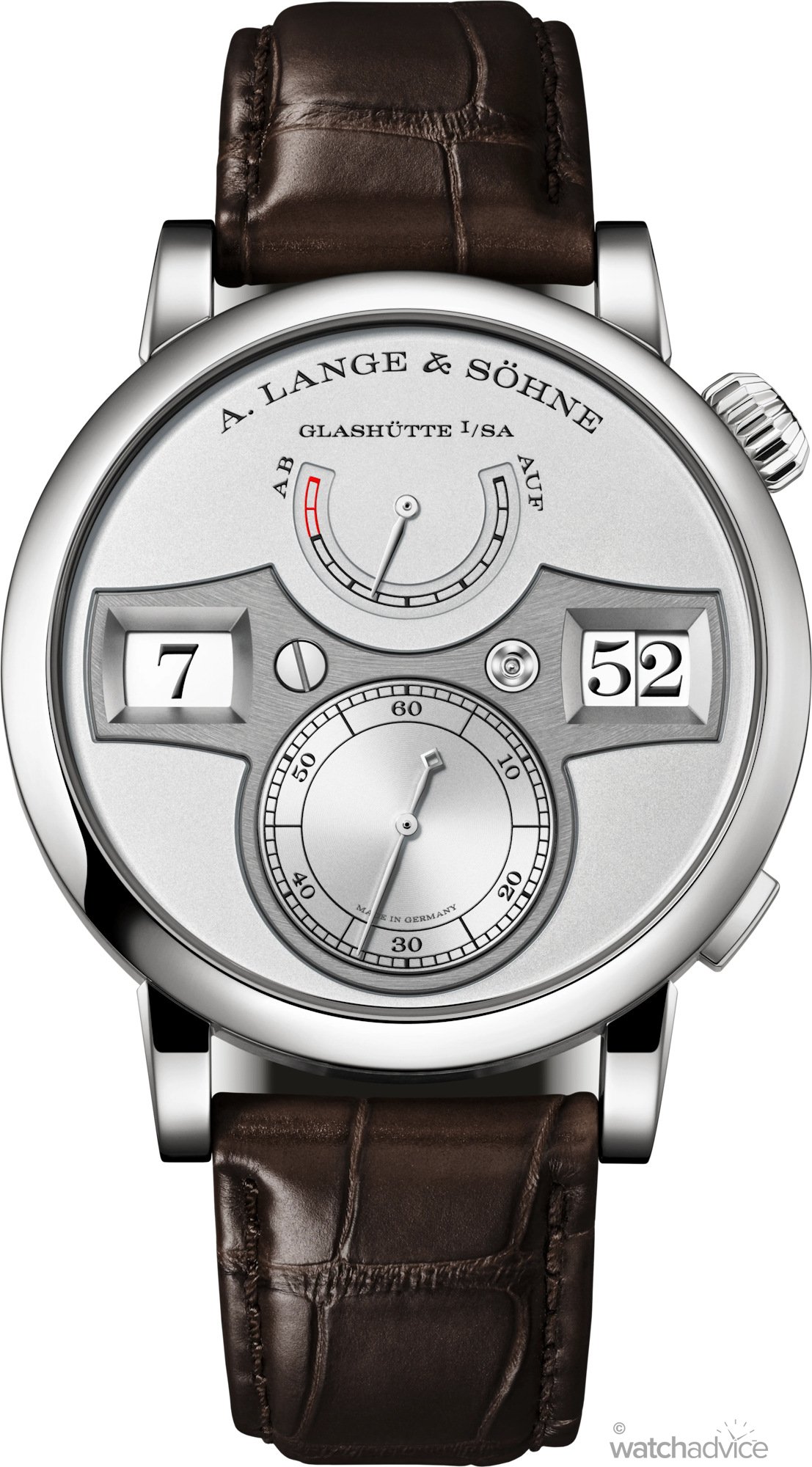
Over the years, the Lange 1, Datograph and Zeitwerk have become closely associated with the A. Lange & Söhne name. The beautiful part is that each model is distinctly different from the others, while simultaneously representing a part of the manufacture’s identity: unconventional design, chronograph expertise and mechanical innovation.
However, as we are about to discover in this article, the most popular timepieces do not always tell the complete story of a brand.
What Defines A. Lange & Söhne?
Before we delve into these watches, however, it is important to understand the inner workings of A. Lange & Söhne. Only then can we truly appreciate creations whose importance may be less immediately apparent, but whose technical depth and craftsmanship represent the pinnacle of the brand’s watchmaking.
Some of these Hidden Heroes of A. Lange & Söhne can only be fully appreciated by understanding the various philosophies applied across the brand’s entire catalogue. Whether creating a two-hand, time-only watch or a grand complication featuring multiple highly complex mechanisms, A. Lange & Söhne applies the same attention to detail to the movement’s construction and assembly, along with the overall finishing of the timepiece.
Every Lange timepiece houses a manufacture movement that has been developed and produced in-house, regardless of the movement’s complexity or its position within the collection. Quartz timepieces are not the way modern A. Lange & Söhne approaches watchmaking, and fans of the brand understand exactly why. It is this philosophy that separates A. Lange & Söhne from many other manufacturers within modern haute horlogerie.
Manufacture Movements Created for Individual Watches
One of the most remarkable achievements of this German watchmaker is that, since its modern revival in 1990, it has developed 75 manufacture calibres. This is an astonishing feat that demonstrates the depth of Lange’s movement manufacturing capabilities and should not be overlooked, as developing 75 movements in just over three decades is not something many manufacturers can boast about.
The reason behind the brand developing so many calibres is that, rather than using a small number of base movements and then adapting them to suit a new watch, A. Lange & Söhne creates new calibres around the requirements of each timepiece. Every movement is developed alongside the watch’s functions, proportions and display architecture, allowing the intricate mechanics and exterior design to work well together.
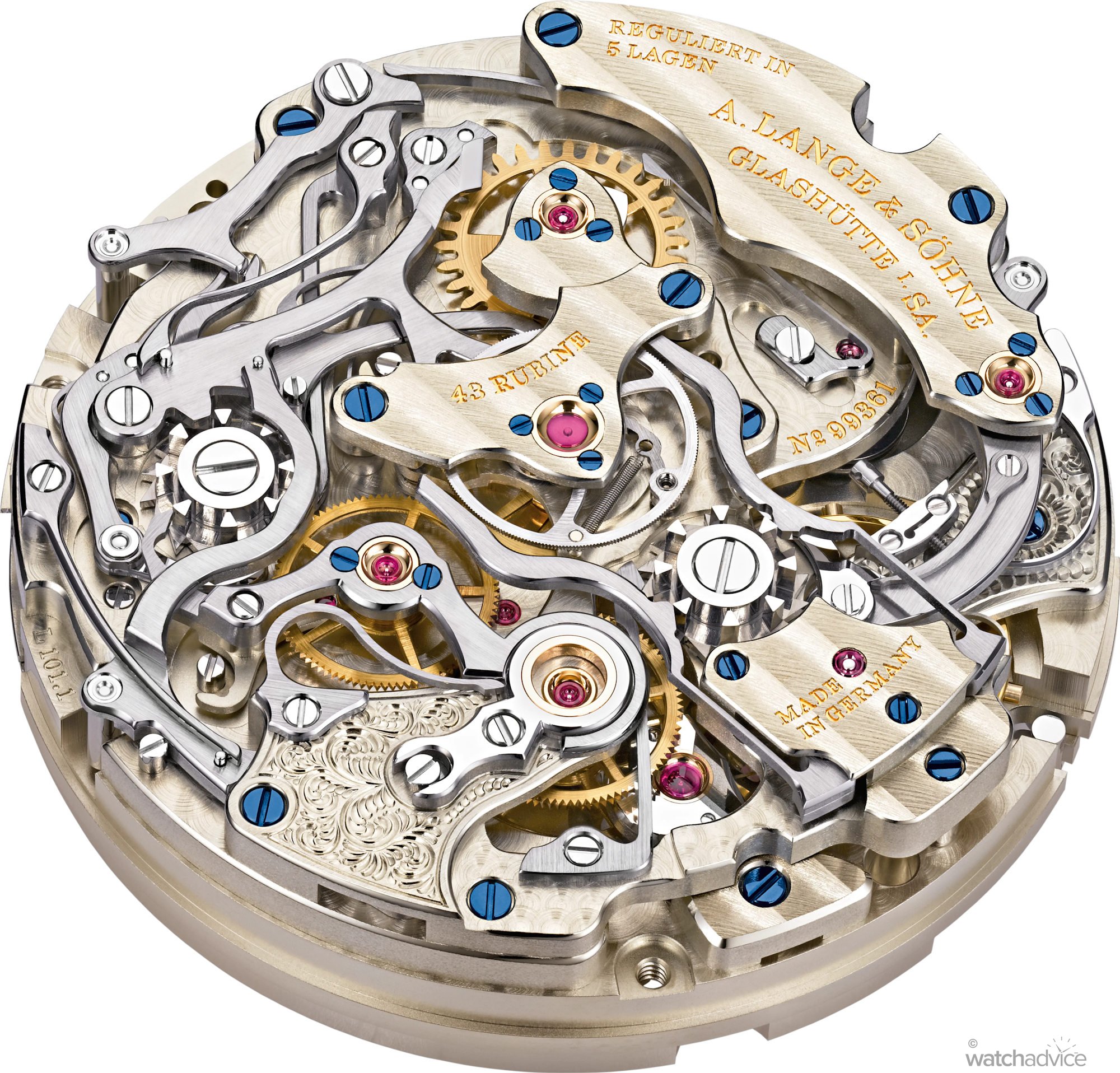
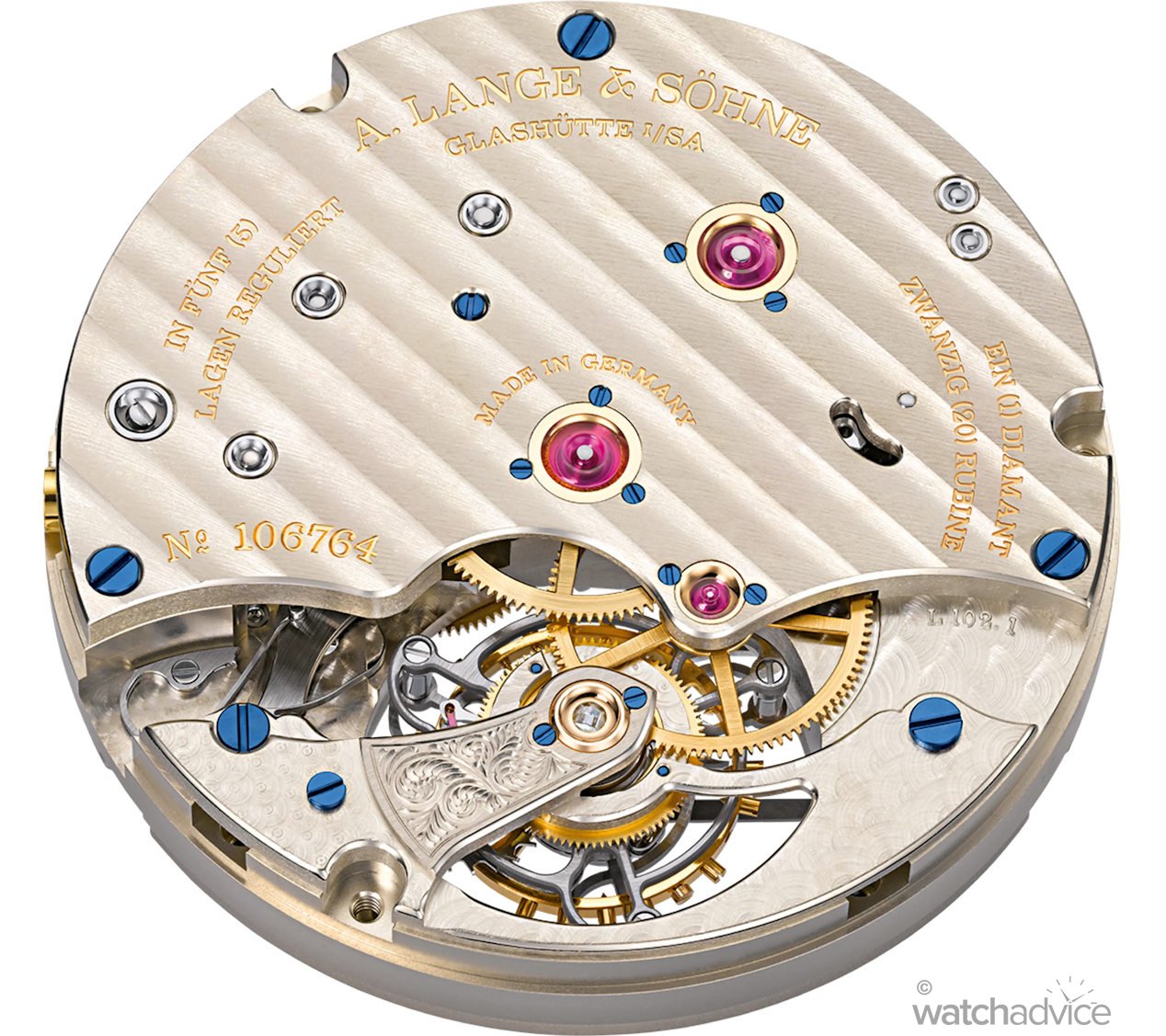
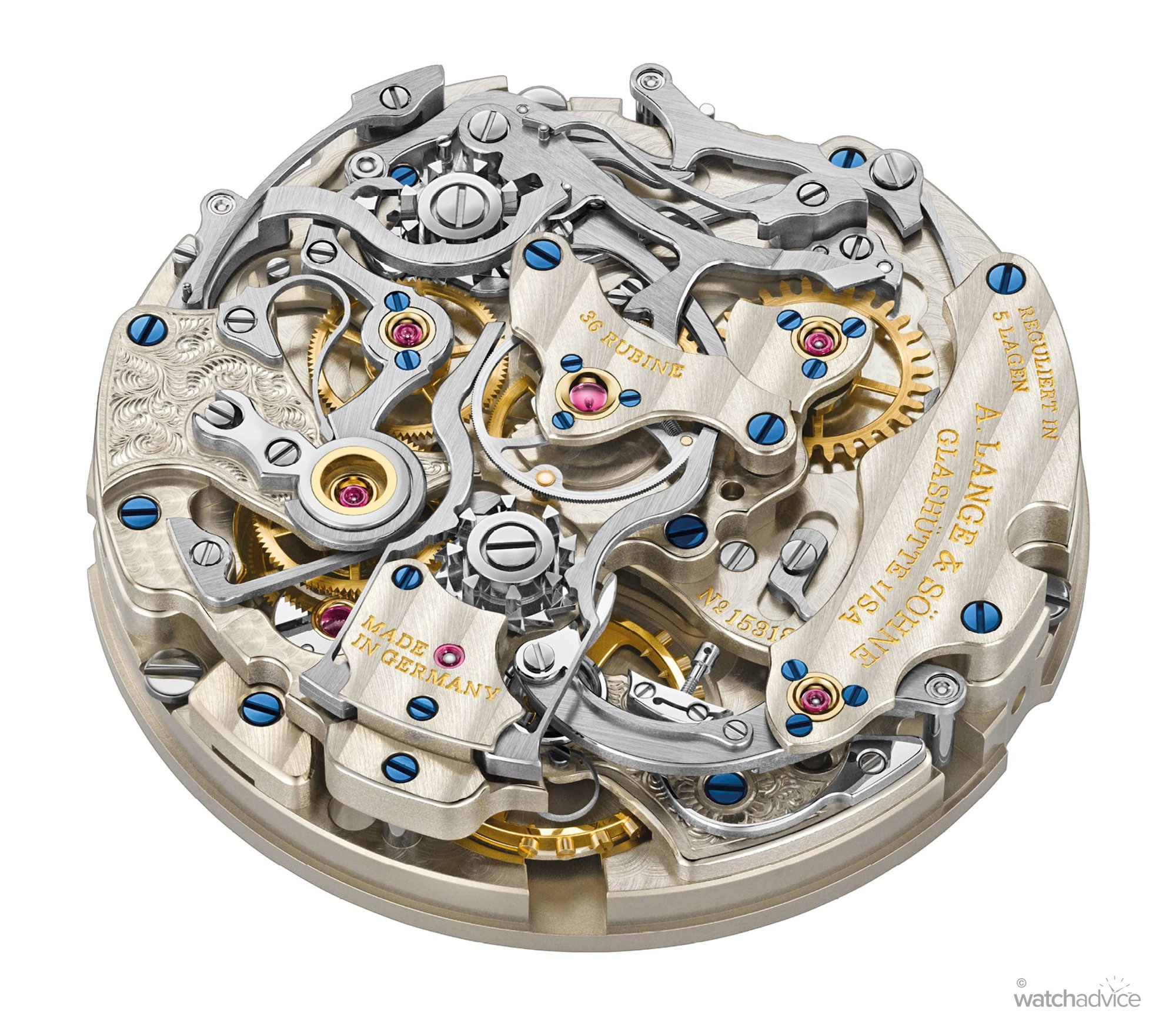
This becomes even more important when integrating different high complications, such as rattrapante chronographs, perpetual calendars and constant force systems, into the movement while accommodating different exterior designs. The movement then becomes an integral part of the identity of a new release, as you know it has been developed from the ground up, just like the design of the watch itself.
Double Assembly and Refusing The Easiest Solution
One of the manufacturing processes that allows Lange to stand out from the competition is the brand’s double assembly process (see our in-depth article on this process here!). Every Lange movement undergoes this process, irrespective of whether it is the simplest timepiece in the brand’s lineup or its most complicated watch. When you think about it, carrying out this process on the brand’s simpler timepieces may seem relatively straightforward compared to the daunting task of pulling apart a grand complication and then reassembling it.
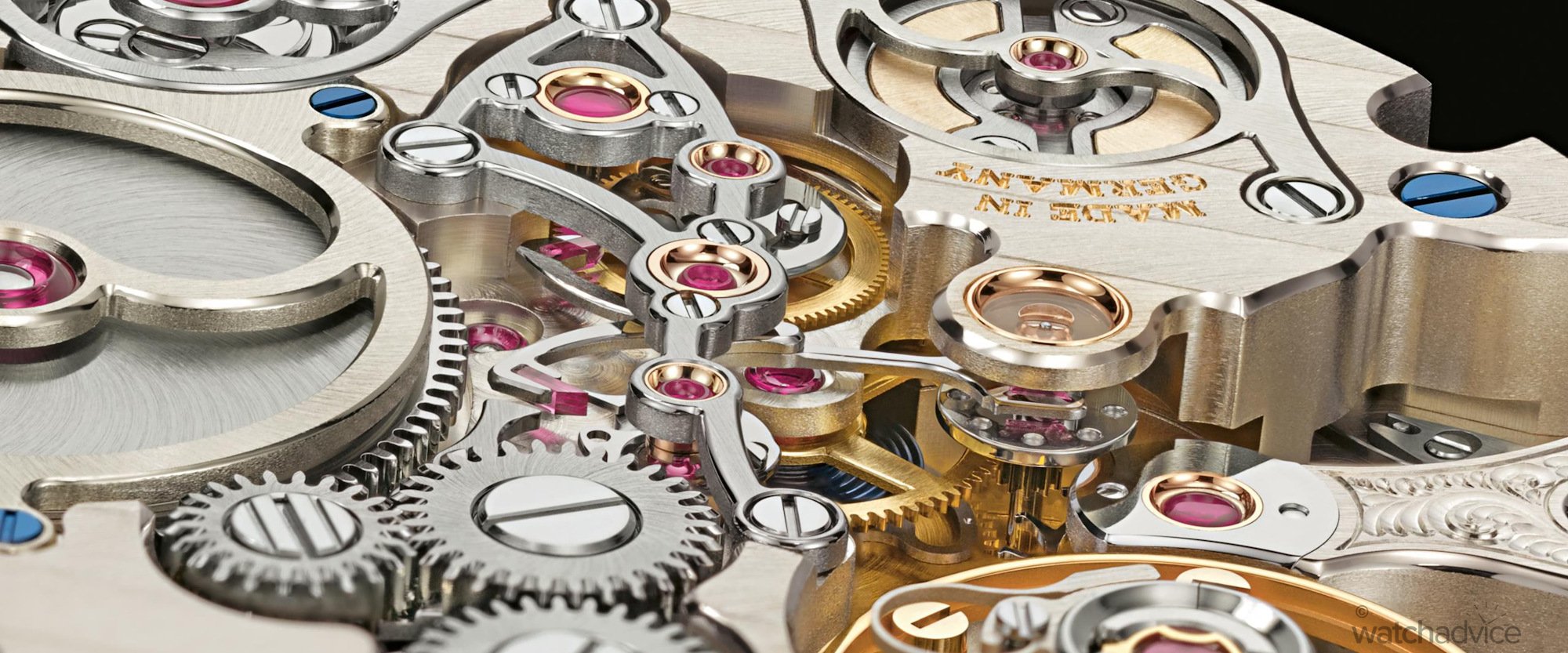
So, why have a double assembly process? I have covered this in greater detail in the article above, but to put it simply, during the first assembly, the watchmakers ensure that the components interact correctly before the movement is adjusted and tested. The movement is then completely dismantled so that the individual components can be cleaned, finished, and prepared for the final assembly.
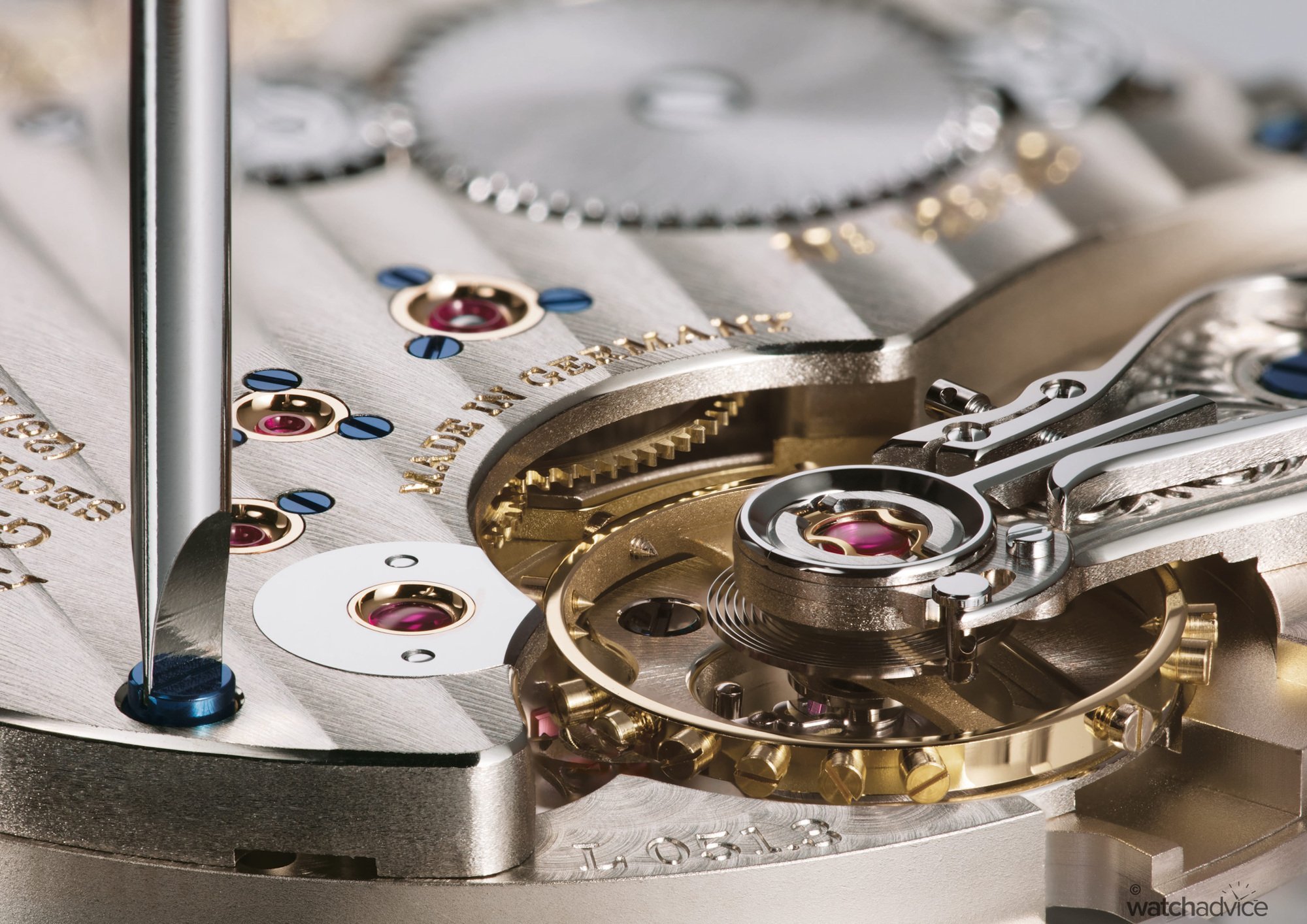
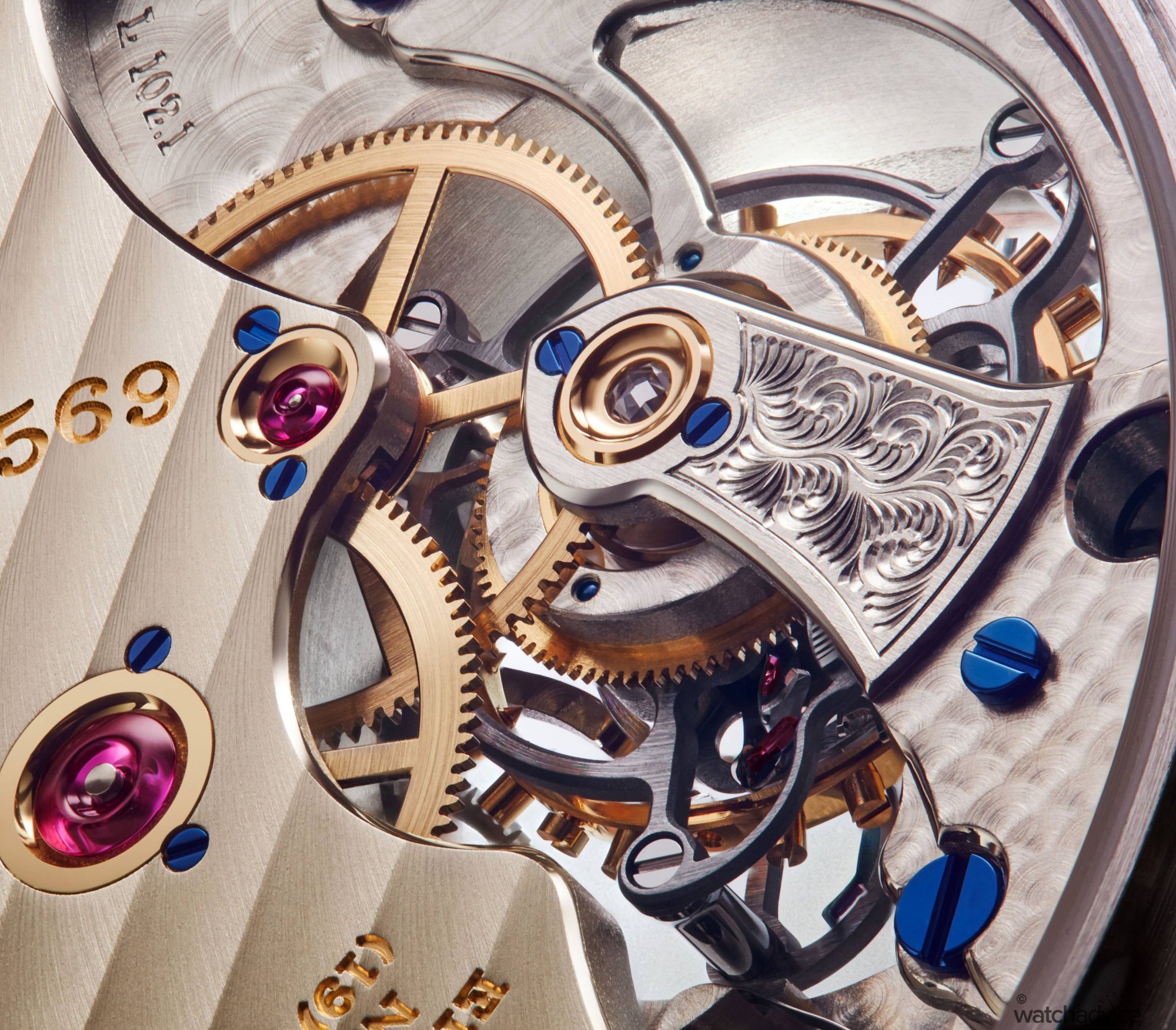
During the second assembly, the screws used the first time are replaced with thermally blued screws, while the components that have had finishing applied to them are handled with extreme care. As you may have guessed, this time-consuming process offers little benefit to the efficiency of manufacturing. Instead, it reflects Lange’s watchmaking philosophy that a timepiece should be made properly, not quickly.
Hand Finishing as Functional Craftsmanship
Alongside Lange’s double assembly process, another detail the brand takes pride in is the level of craftsmanship behind its timepieces, particularly in how the individual components are finished. Lange decorates its movement components by hand, including many parts that will be concealed once the movement is completed and the watch is fully cased.
These hand-executed finishing techniques include traditional decorations such as chamfered edges, black polishing, Glashütte ribbing, perlage, and the polishing of screws, levers, and other smaller components. As mentioned previously, A. Lange & Söhne also uses gold chatons, which are secured by thermally blued screws. This provides a beautiful visual connection to historic German pocket watches.
The Movement Signatures That Identify a Lange
From the points mentioned above, we can begin to see how a Lange movement can be easily identified. There are, however, two other distinctive elements present in every Lange calibre that make it much easier to identify a movement from A. Lange & Söhne. The first is the bridges and three-quarter plates, which are crafted from untreated German silver. Lange uses German silver because it provides greater stability and references the material used in historic Lange pocket watch movements.
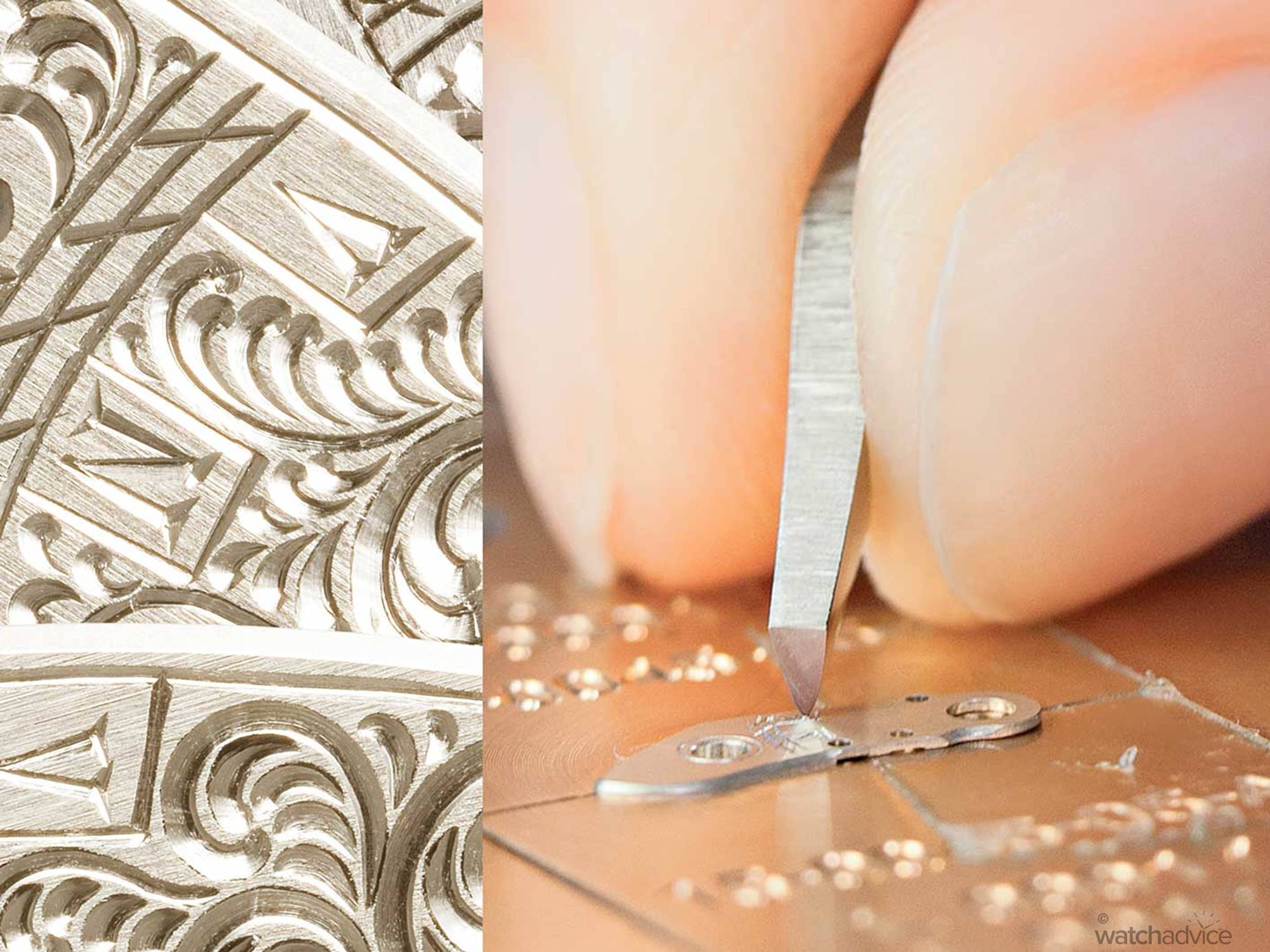
The other standout detail is the balance cock, which is engraved by hand with a floral pattern. This pattern and the nature of the engraving ensure that no two balance cocks will be completely identical. Together, these elements, alongside Lange’s exceptional hand-finished components, ensure that its watches can be identified by their movement architecture just as readily as by their dials.
Classical Design Rooted in Saxon Watchmaking
While movement construction and finishing have always been among the defining elements of A. Lange & Söhne timepieces, their exterior design has been equally vital in creating watches that stand out within modern haute horlogerie. What especially draws me to the brand’s pieces is their vintage styling. Many of Lange’s watches take inspiration from the precision pocket watches created by the original manufacture during the 19th century.
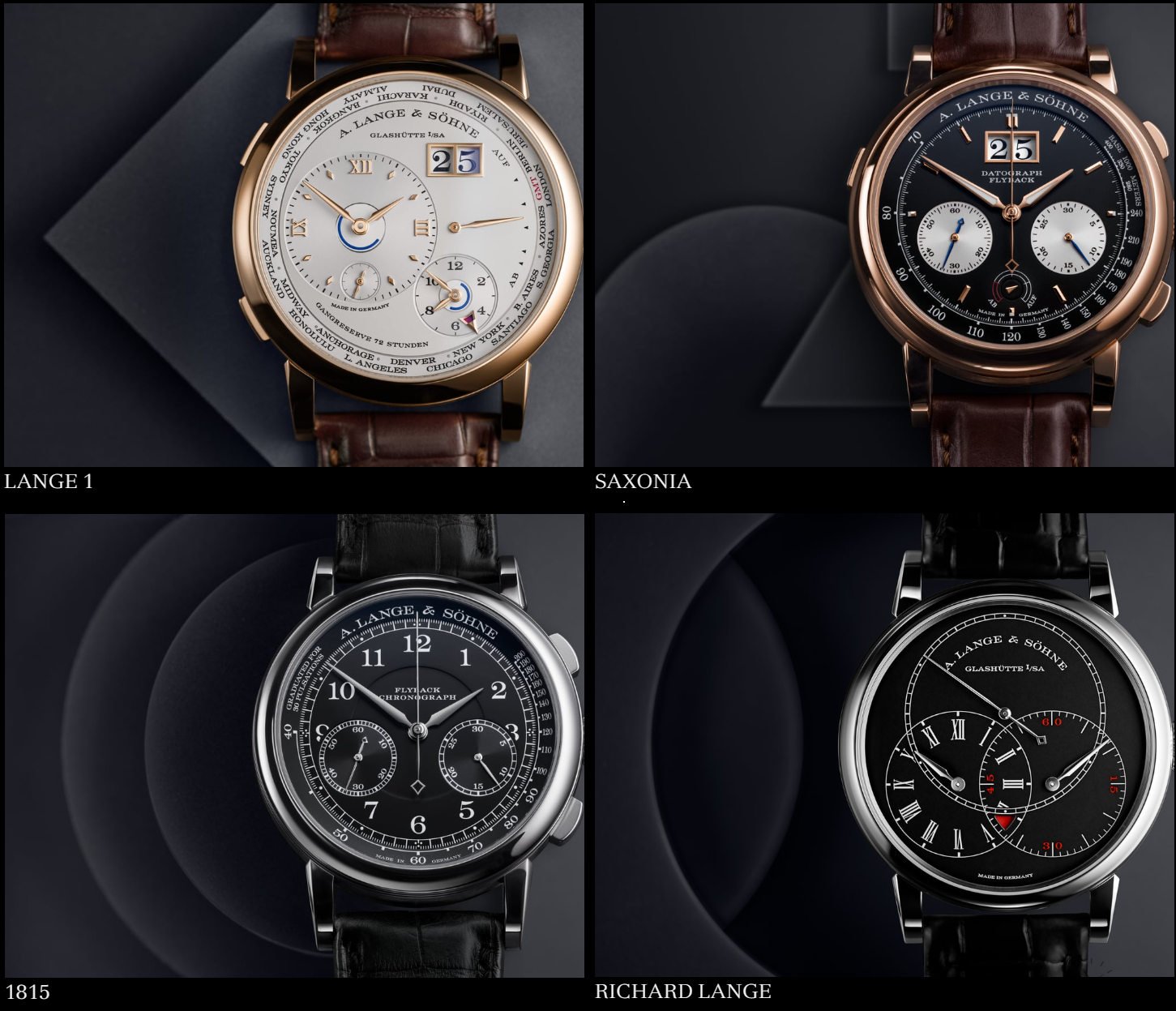
The majority of Lange’s collections feature circular case designs with smooth bezels. However, lines such as the Lange 1, Saxonia, 1815, and Richard Lange portray these pocket watch-inspired details more prominently. The railway track minute scales, Arabic numerals, and slender sword-shaped steel hands reinforce this connection further. Many of Lange’s dials also use strong geometry in their layouts, ensuring that complex indications remain balanced and easily legible.
This shows us that the identity of an A. Lange & Söhne timepiece begins with the exterior, where the brand brings the principles of traditional Saxon watchmaking into its distinctive modern timepieces.
The Evolution Of Lange’s Hidden Heroes
The A. Lange & Söhne watchmaking qualities explored above can be found throughout the brand’s catalogue, from its simplest time-only executions to highly complex pieces such as the 1815 Grand Complication. There are, however, certain creations that unite these qualities in remarkable ways, yet often do not receive the same wider recognition as Lange’s more popular models, such as the Lange 1, Zeitwerk or Datograph.
As explained throughout this article, it is not that these models are of lesser importance by any means, but rather that they have a quieter presence, often requiring a deeper understanding of the watch to be truly appreciated. Now that we have gained a better understanding of what makes a Lange a Lange, we can begin to explore the “Hidden Heroes of A. Lange & Söhne” and view these watches in a new light.
The models are listed in chronological order, as this plays a part in telling the story of how Lange expanded an established achievement, pursued greater precision, combined extraordinary complexity and eventually returned to mechanical purity. It begins in 2006 with the Datograph, or more accurately, the Datograph Perpetual, a watch built upon the foundations of the already celebrated chronograph.
2006 — Datograph Perpetual: Expanding a Modern Achievement
The story starts with the original Datograph, which debuted at Baselworld in 1999, nine years after A. Lange & Söhne reestablished itself in modern watchmaking. The Datograph was the first chronograph created by the revived manufacture and was developed under the direction of Günter Blümlein.
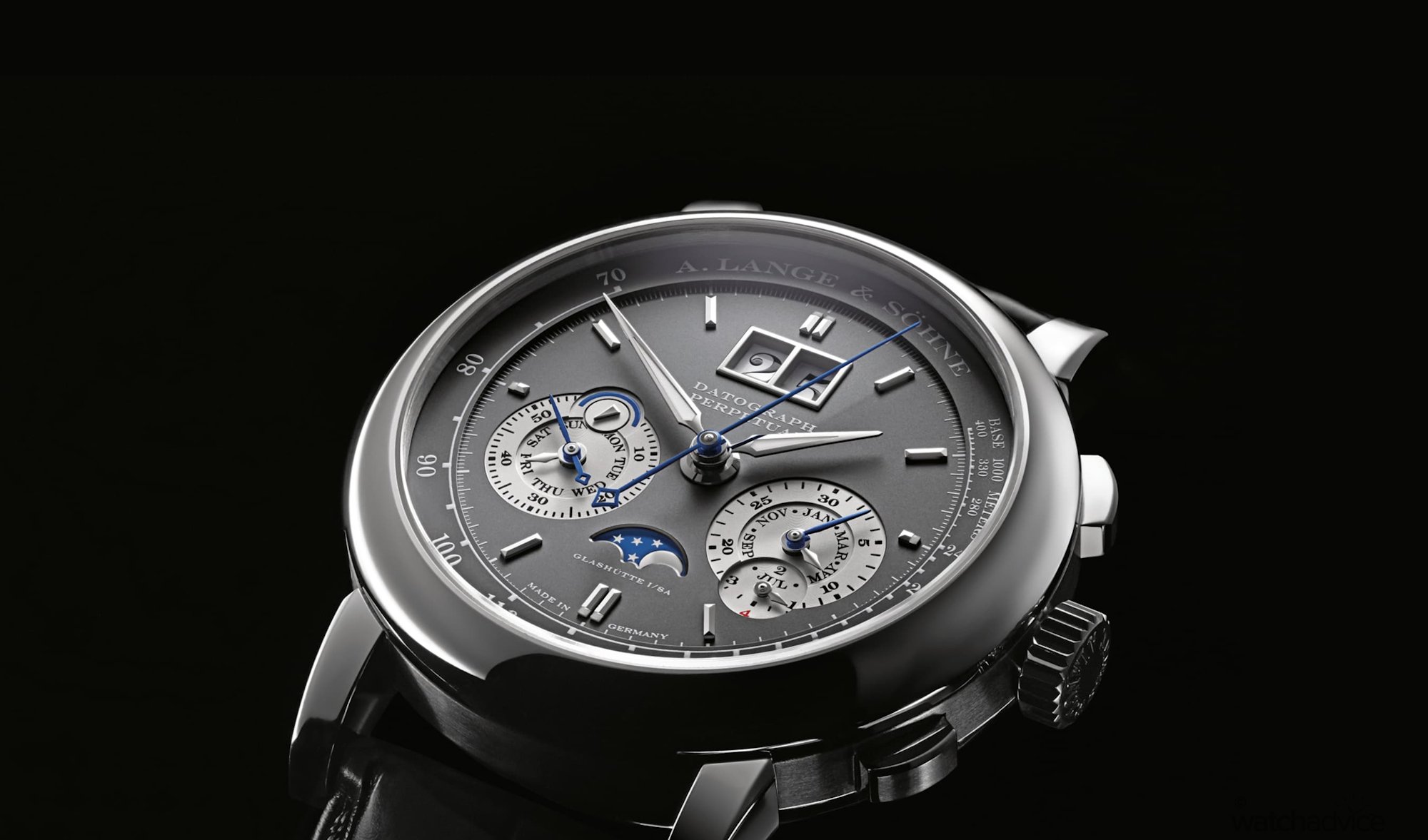
The standout feature of the Datograph was its flyback chronograph, which, as we know, could stop, reset and restart the chronograph with a single push, allowing consecutive timings without any delay. The movement also featured a column wheel design and incorporated a precisely jumping minute counter, which meant that the chronograph minute hand jumped accurately when the seconds hand completed its 60th second.
While the movement was technically advanced, A. Lange & Söhne also incorporated design features that made the timepiece uniquely Lange. From the pocket watch inspired case design and dual chronograph counters to the signature outsize date, this distinctive design quickly established the Datograph as a benchmark chronograph.
Then, in 2004, Lange expanded its chronograph expertise by introducing the Double Split. This was a record-breaking timepiece, as it was the first wristwatch to feature a double rattrapante chronograph mechanism capable of measuring comparative times for up to 30 minutes.
A. Lange & Söhne evolved the Datograph even further. However, this time, the brand wanted to take it in a different direction. Rather than continuing to expand the chronograph mechanism, Lange incorporated a perpetual calendar. Introduced in 2006, the Datograph Perpetual was the first timepiece in which the Saxon watchmaker combined a chronograph and perpetual calendar within one design.
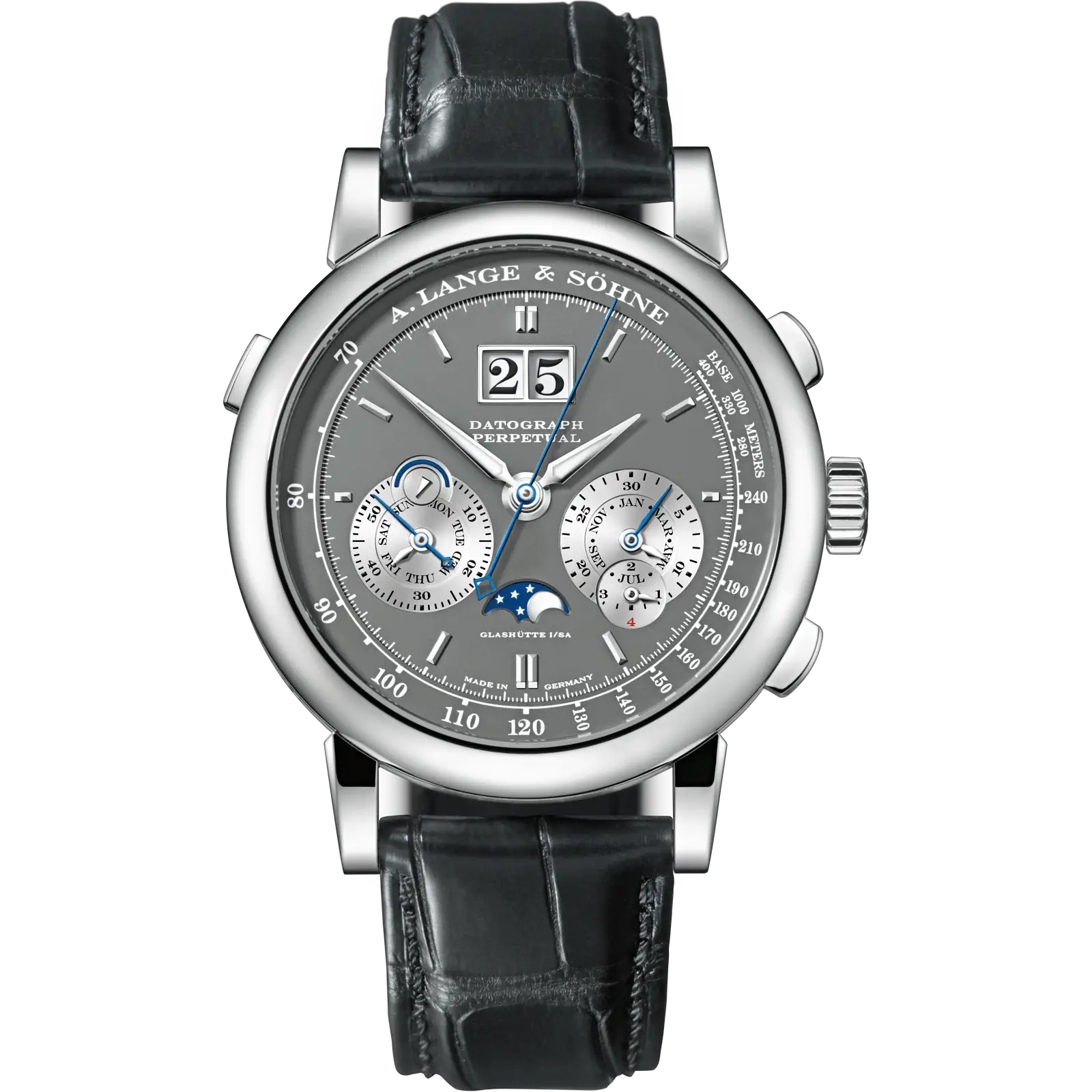
What made it special was that Lange built the timepiece upon its existing chronograph architecture. As explained previously, A. Lange & Söhne does not simply repeat its calibres. When constructing the Datograph Perpetual, Lange took the foundations of the original Datograph and created a new calibre in which the perpetual calendar was integrated with the flyback chronograph and precisely jumping minute counter. The Datograph Perpetual represents A. Lange & Söhne’s first attempt to expand its iconic chronograph into grand complication territory.
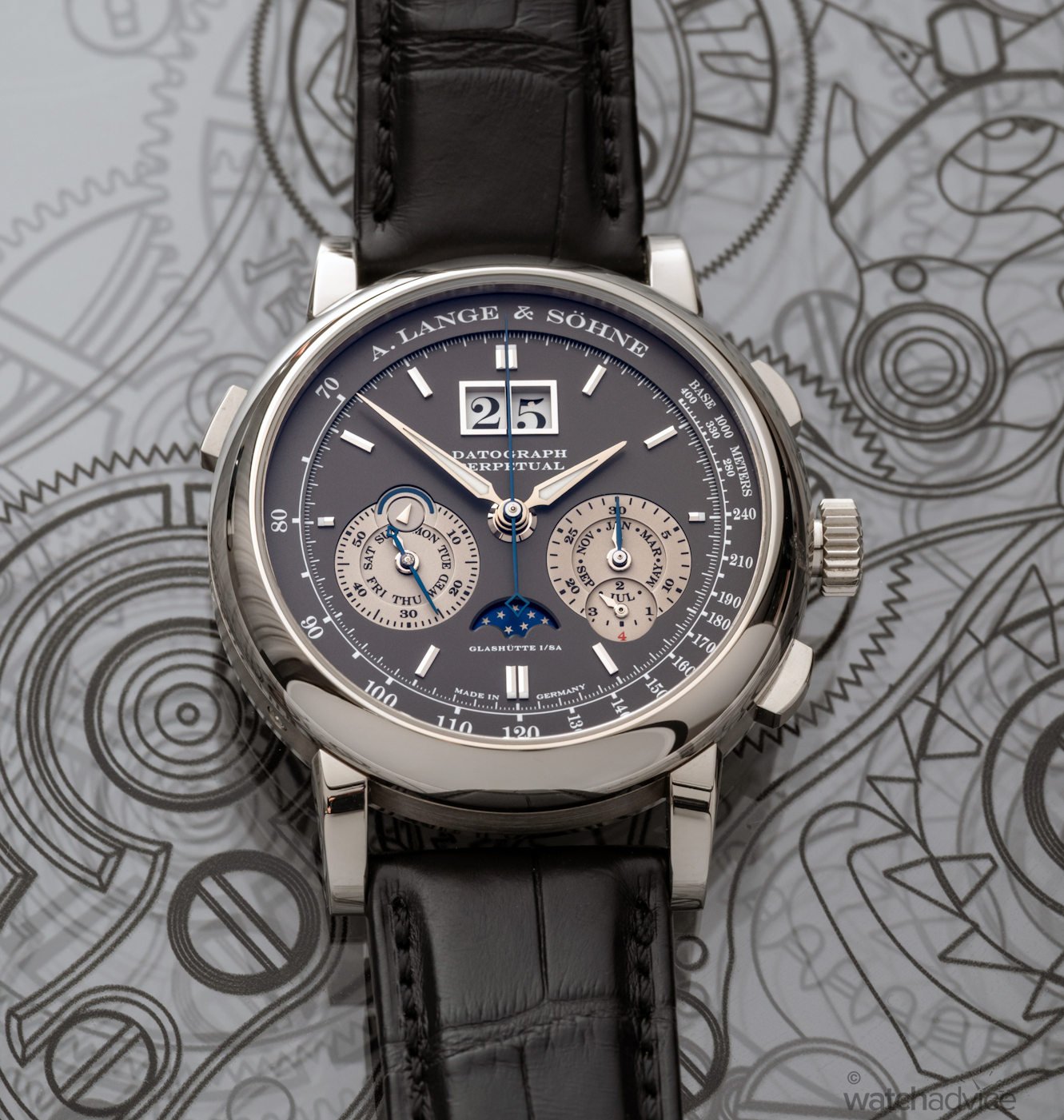
The design language of the Datograph Perpetual was executed brilliantly. Instead of incorporating new subdials into the signature Datograph design, Lange took a winning formula and integrated the perpetual calendar functions within the existing dual chronograph counter format. This is where the brilliance of its design lay.
The four o’clock subcounter featured an outer ring displaying the 30-minute chronograph timing, which was read by a blued hand. Within this subcounter was another display showing the month indication. At the bottom of the counter was a much smaller recessed display showing the leap year indication.
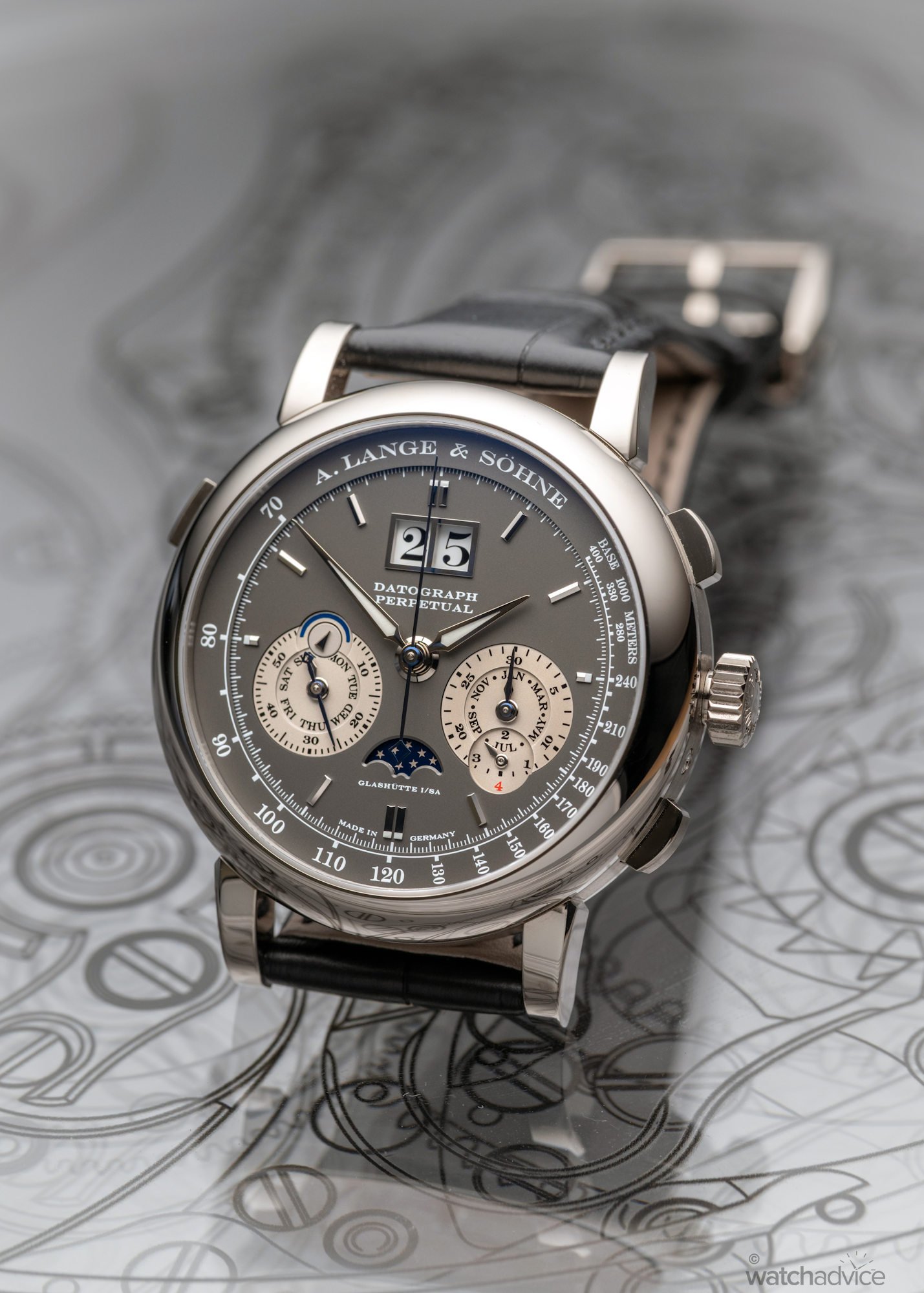
The eight o’clock subcounter followed the same format. It displayed the running seconds, while the inner subdial showed the day-of-the-week perpetual calendar indication. A small recessed circular cutout at the top of the subdial displayed the day and night indicator. Completing the design were the moon phase at six o’clock, the signature Datograph tachymeter scale around the dial’s periphery and the outsize date at 12 o’clock.
While the dial cleverly incorporated the perpetual calendar indications into the existing Datograph design, the manually wound manufacture calibre L952.1 was just as ingenious. The calibre contained 556 components and operated at a low frequency of 18,000 vph, or 2.5 Hz. This lower frequency was intentional, as it allowed the chronograph to record elapsed time to one fifth of a second.
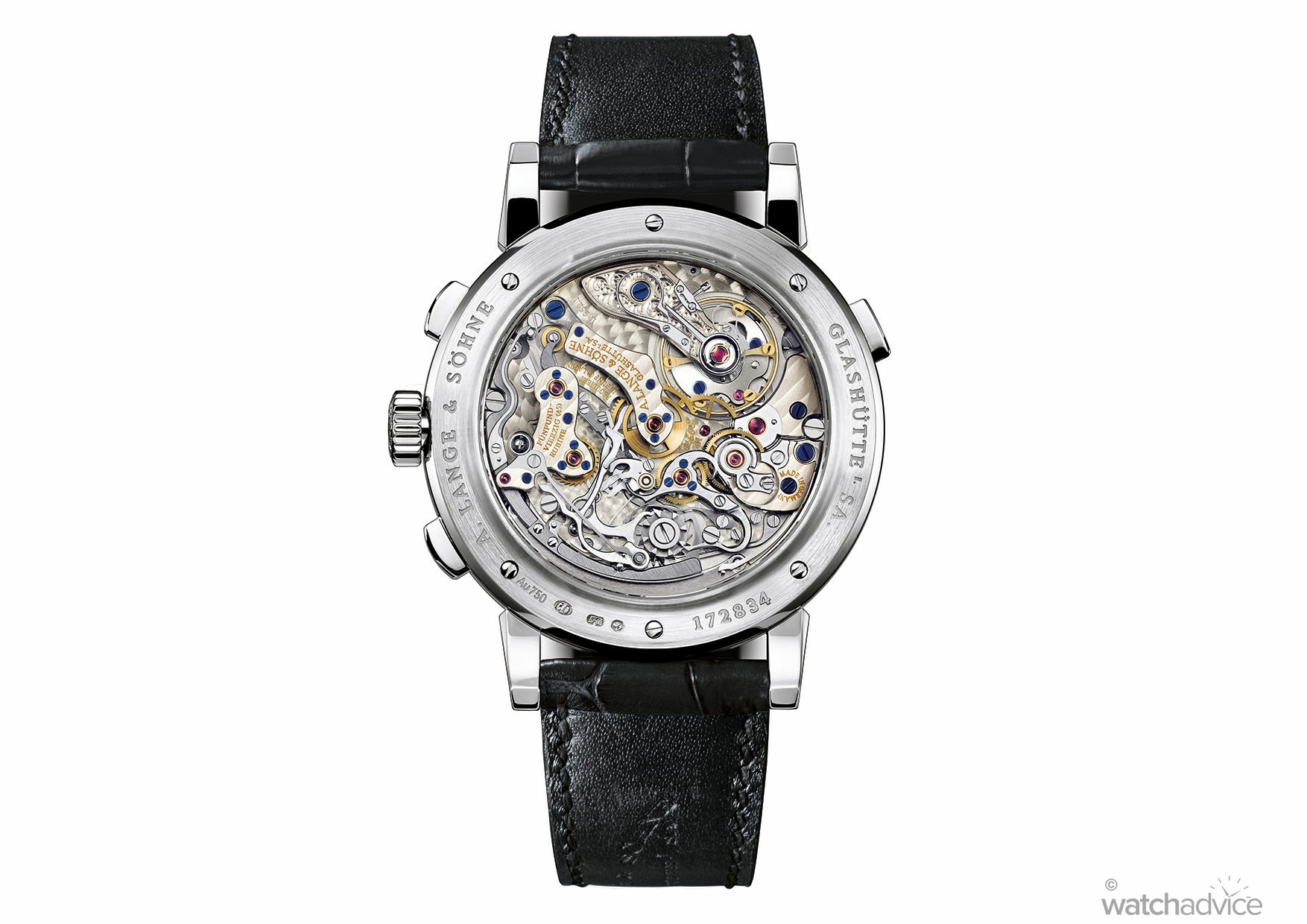
Of the calibre L952.1’s 556 components, 223 belong to the perpetual calendar mechanism alone. The calendar recognises months containing 30 or 31 days and mechanically accounts for February and the four-year leap year cycle, while also displaying the outsize date, day of the week, month, leap year, moon phase and day and night indication.
So, why is this piece considered a Hidden Hero of Lange? The Datograph Perpetual sits in the middle ground between the popular original Datograph and the later Datograph Perpetual Tourbillon. It also represents Lange’s first step towards grand complication territory for the Datograph. What I love about it, though, is how beautifully and neatly the perpetual calendar functions have been integrated into the original Datograph design without removing any of the timepiece’s visual appeal.
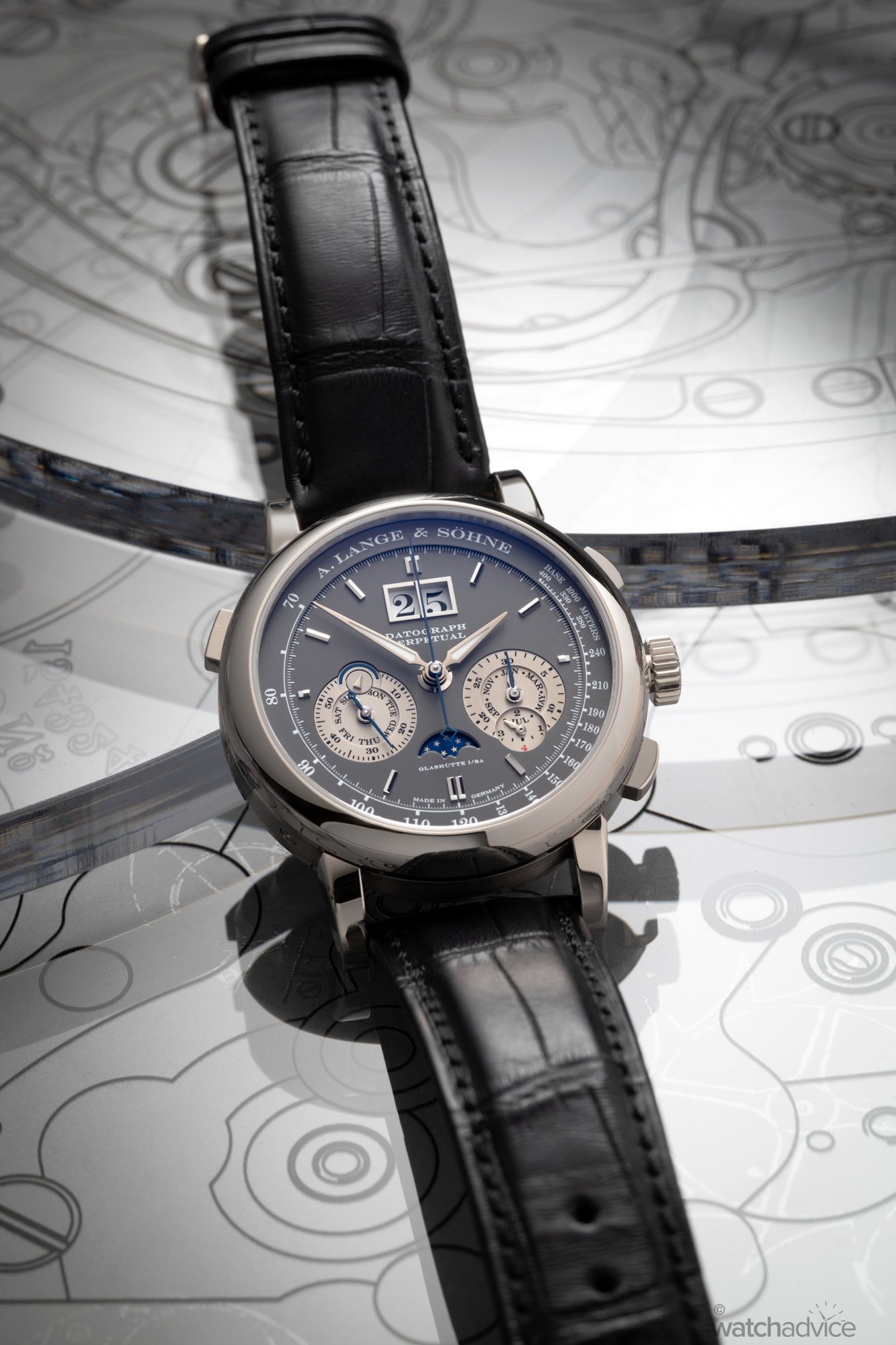
The Datograph Perpetual was Lange’s first timepiece to combine a flyback chronograph mechanism with a perpetual calendar complication. It did not simply add calendar displays to an existing dial; its 223-part calendar had to coexist with an already elaborate chronograph mechanism. These contrasting concepts make it one of the clearest expressions of Lange’s ability to master both short-term and long=term timekeeping.
This is exactly what makes the Datograph Perpetual a Hidden Hero, because it expanded one of modern watchmaking’s defining chronographs into new territory without ever sacrificing the qualities that made the original Datograph so special.
2011 — Richard Lange Tourbillon “Pour le Mérite”: The Pursuit of Precision
The Datograph Perpetual showcased Lange’s watchmaking ability by uniting short-term measurement with calendar functionality programmed decades into the future. Following the release of the Datograph Perpetual, A. Lange & Söhne placed greater focus on the fundamental purpose of a mechanical watch: keeping time accurately. Five years after the release of the Datograph Perpetual, Lange introduced the Richard Lange Tourbillon “Pour le Mérite.”
This was not a timepiece that offered a chronograph, calendar functionality, or any other practical complications on the surface. As the name suggests, what it did feature was a tourbillon mechanism alongside a fusée and chain transmission. This combination was perfectly in line with Lange’s focus on improving precision in timekeeping, which the Richard Lange Tourbillon “Pour le Mérite” captured beautifully.
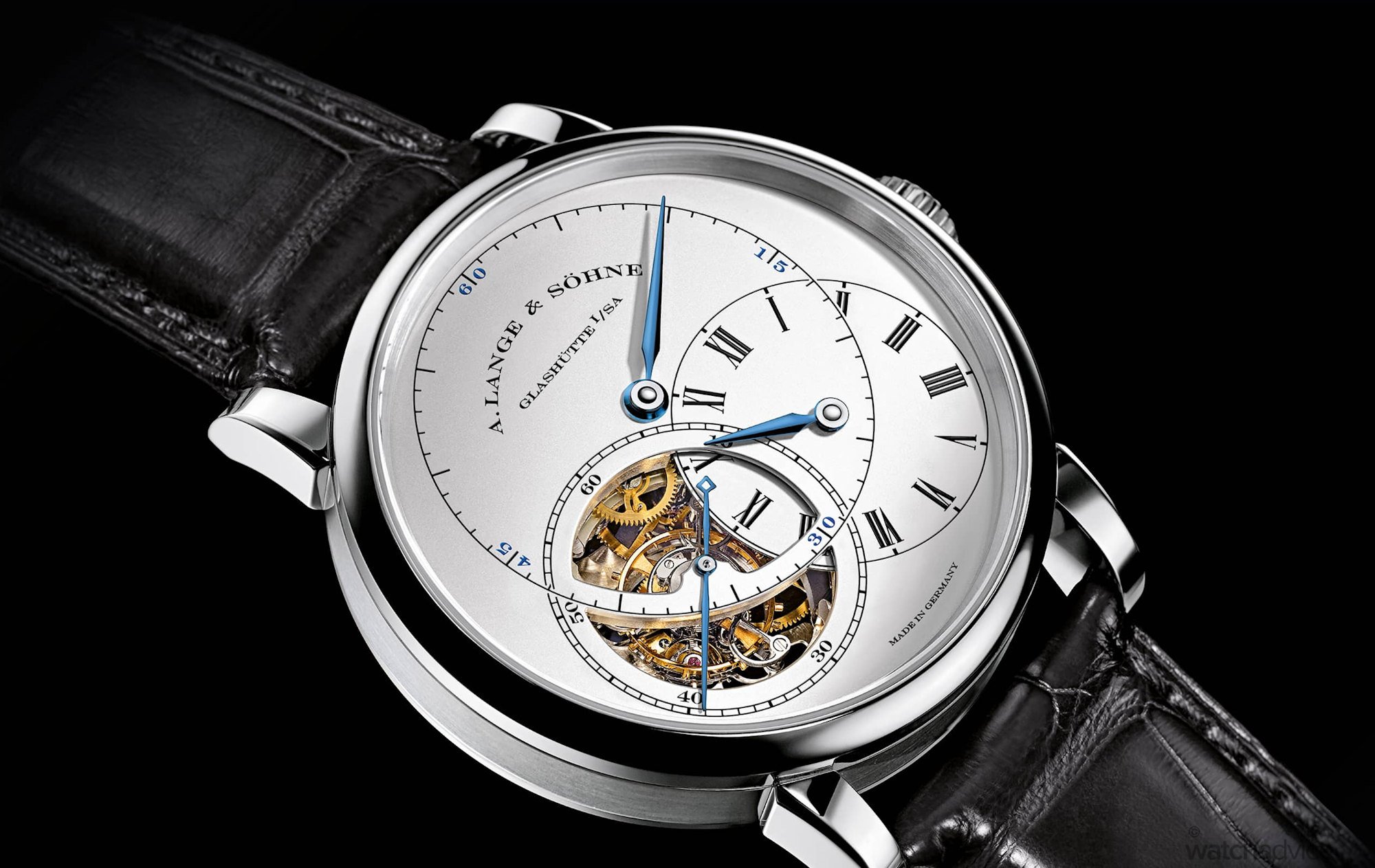
Unlike the previous Hidden Hero of A. Lange & Söhne, which featured two very different complications, this timepiece represented the brand’s technical expertise in serving one clearly defined objective: improving the accuracy of the watch. However, one question still remains. Why choose the Richard Lange collection to showcase the brand’s ability in high-precision watchmaking?
When the Richard Lange collection was first introduced in 2006, the line revived the scientific observation timepieces built around accuracy and legibility. For those who may not know, Richard Lange was Ferdinand Adolph Lange’s eldest son and, during his time managing the Saxon brand, filed 27 patent applications, many of which made important contributions to precision timekeeping.
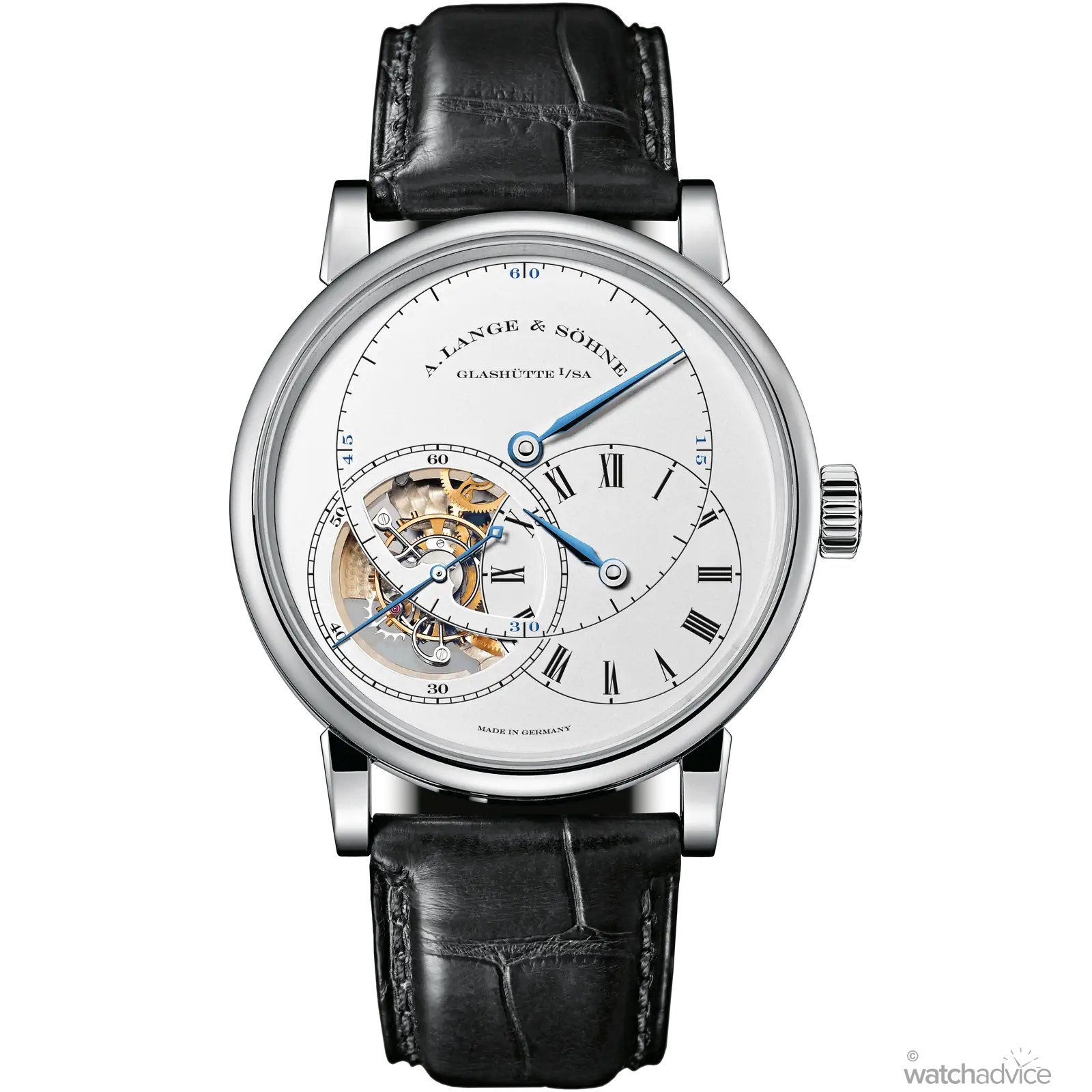
Just like all of A. Lange & Söhne’s creations, the aesthetic design of each timepiece is executed with purpose. In the case of the Richard Lange Tourbillon “Pour le Mérite,” the dial features a regulator layout directly inspired by Chronometer No. 93, created by eighteenth-century Saxon watchmaker Johann Heinrich Seyffert. Scientists such as Alexander von Humboldt used these chronometers to determine locations and conduct scientific measurements.
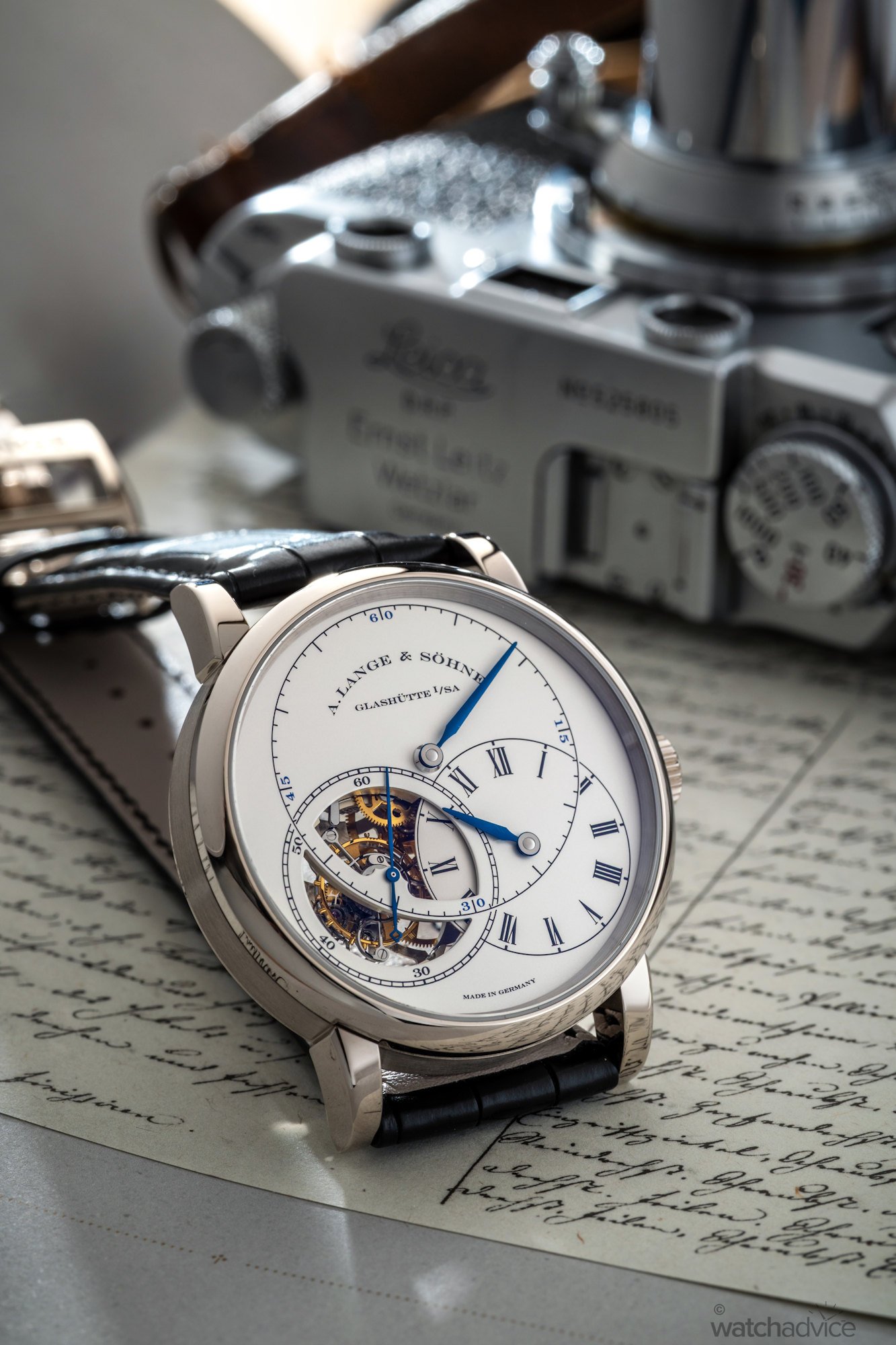
The regulator layout separates the hours, minutes and seconds into three intersecting circles, each with its own subdisplay. This allows each time indication to be read more easily and accurately. The most noticeable difference between this tourbillon edition and the original Richard Lange is the skeletonised seconds display. As this is a one-minute tourbillon, it acts as the perfect seconds display. Doing what Lange does best, the brand has incorporated these elements together.
The designation “Pour le Mérite” also holds a special place in Lange’s catalogue, having been carried by only five models. First introduced in 1994, the “Pour le Mérite” designation is reserved for exceptionally sophisticated watches equipped with a fusée and chain transmission, helping to establish this piece as a Hidden Hero of A. Lange & Söhne.
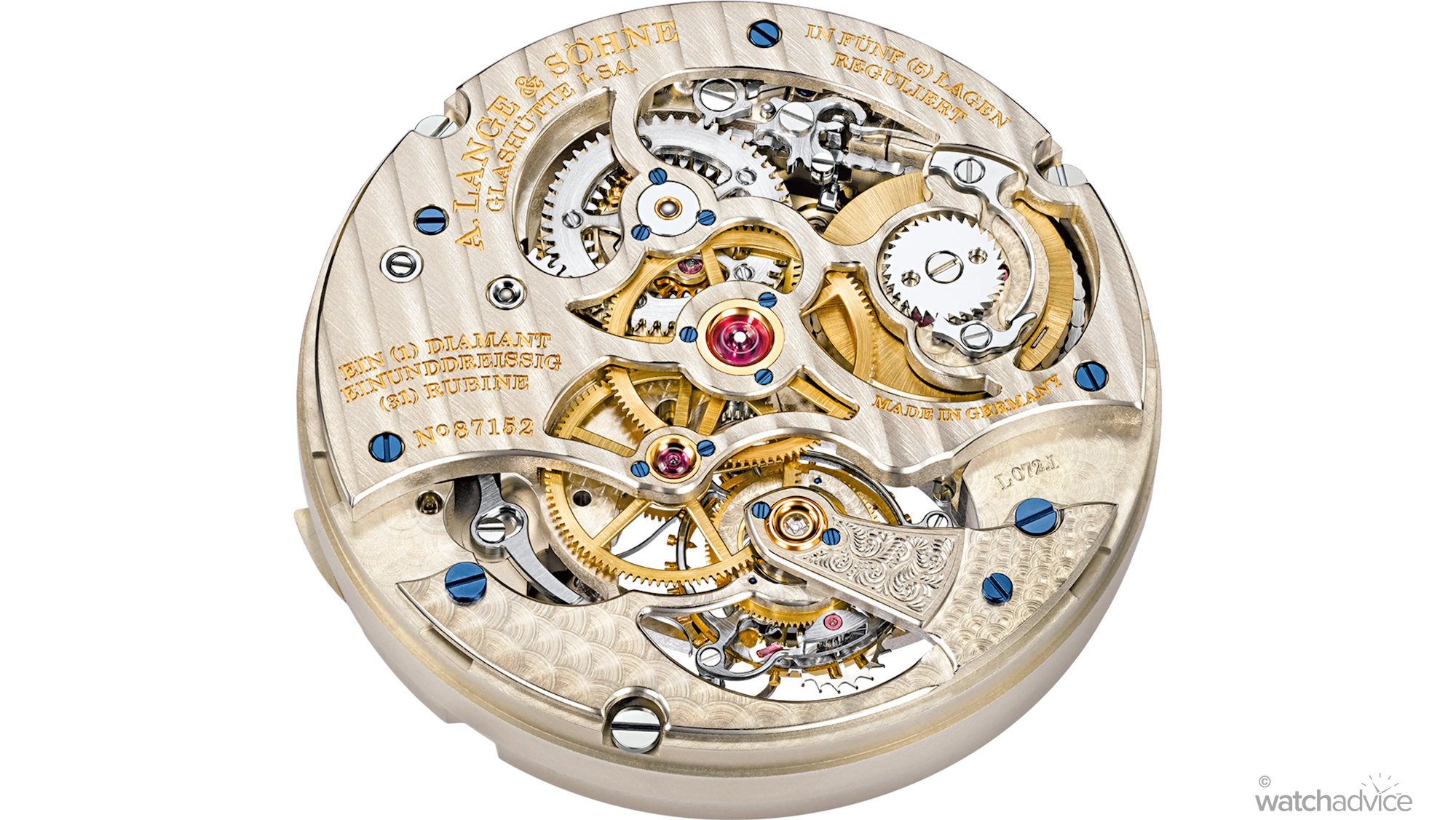
The designation is well deserved for this timepiece. While the fusée and chain transmission is the highlight, taking the total component count of the manually wound L072.1 calibre to an astonishing 987 parts, the patented tourbillon stop seconds mechanism elevates the watch into new territory. First introduced by Lange in 2008, the stop seconds mechanism allowed the wearer to stop the tourbillon and set the time precisely to the second. This was something tourbillons at the time simply could not do.
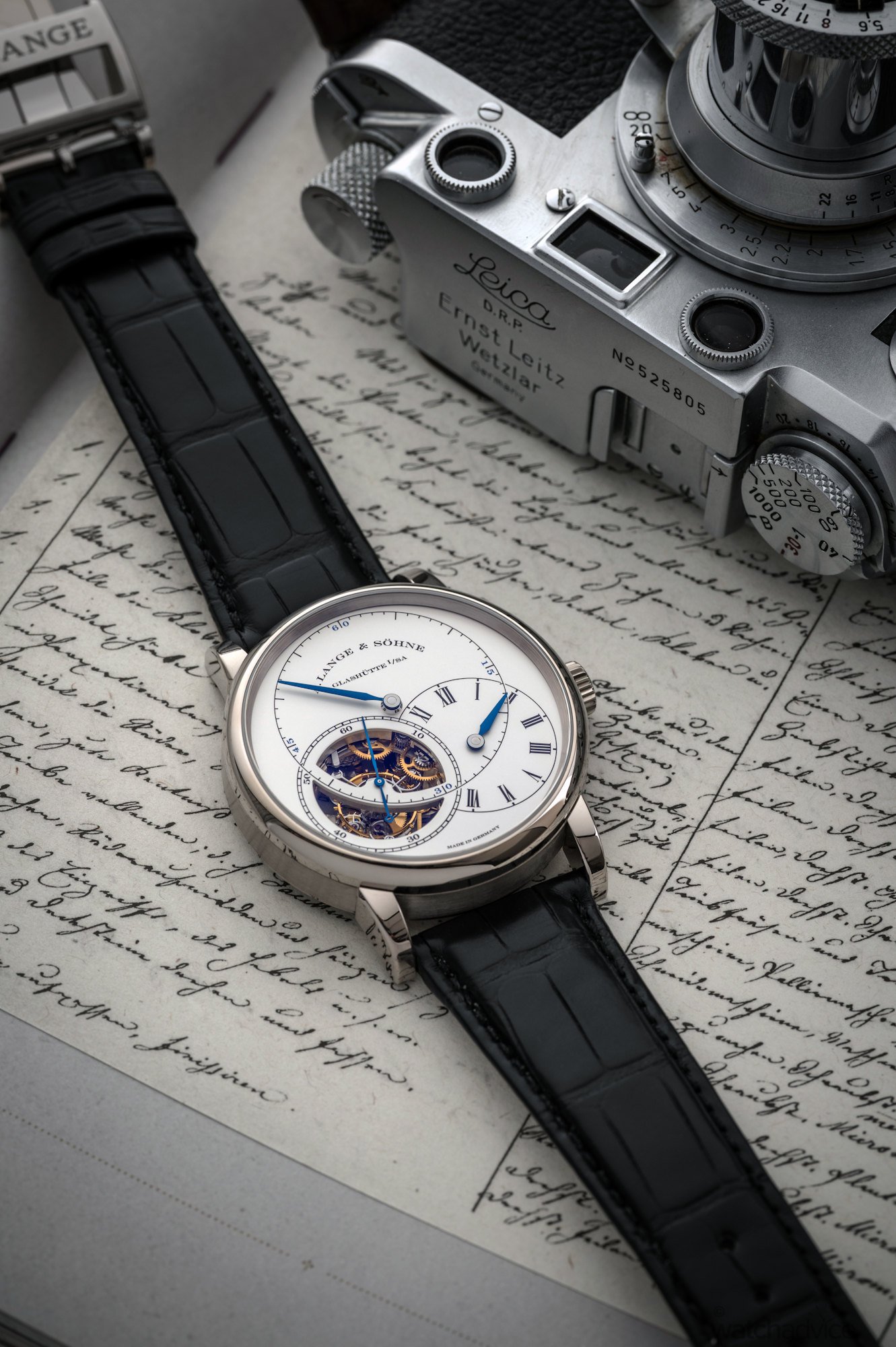
The reason the Richard Lange Tourbillon “Pour le Mérite” is a Hidden Hero is that the complexity of the timepiece serves accuracy and legibility rather than spectacle. The stop-seconds one-minute tourbillon averages positional errors, while the fusée and chain transmission address the changing torque produced by the mainspring. Combined with Richard Lange’s signature regulator style display, this makes the Richard Lange Tourbillon “Pour le Mérite” one of the purest expressions of the brand’s precision-based timekeeping.
2013 — 1815 Rattrapante Perpetual Calendar: Complexity Behind Classicism
The A. Lange & Söhne 1815 Rattrapante Perpetual Calendar is my all-time favourite timepiece from the manufacture and one of my top three watches. For me, it expresses Lange at the pinnacle of watchmaking, with a bold design that is purely Lange at heart.
It features the 1815 collection’s vintage styling while combining two of the most complex high complications: the rattrapante chronograph and perpetual calendar.
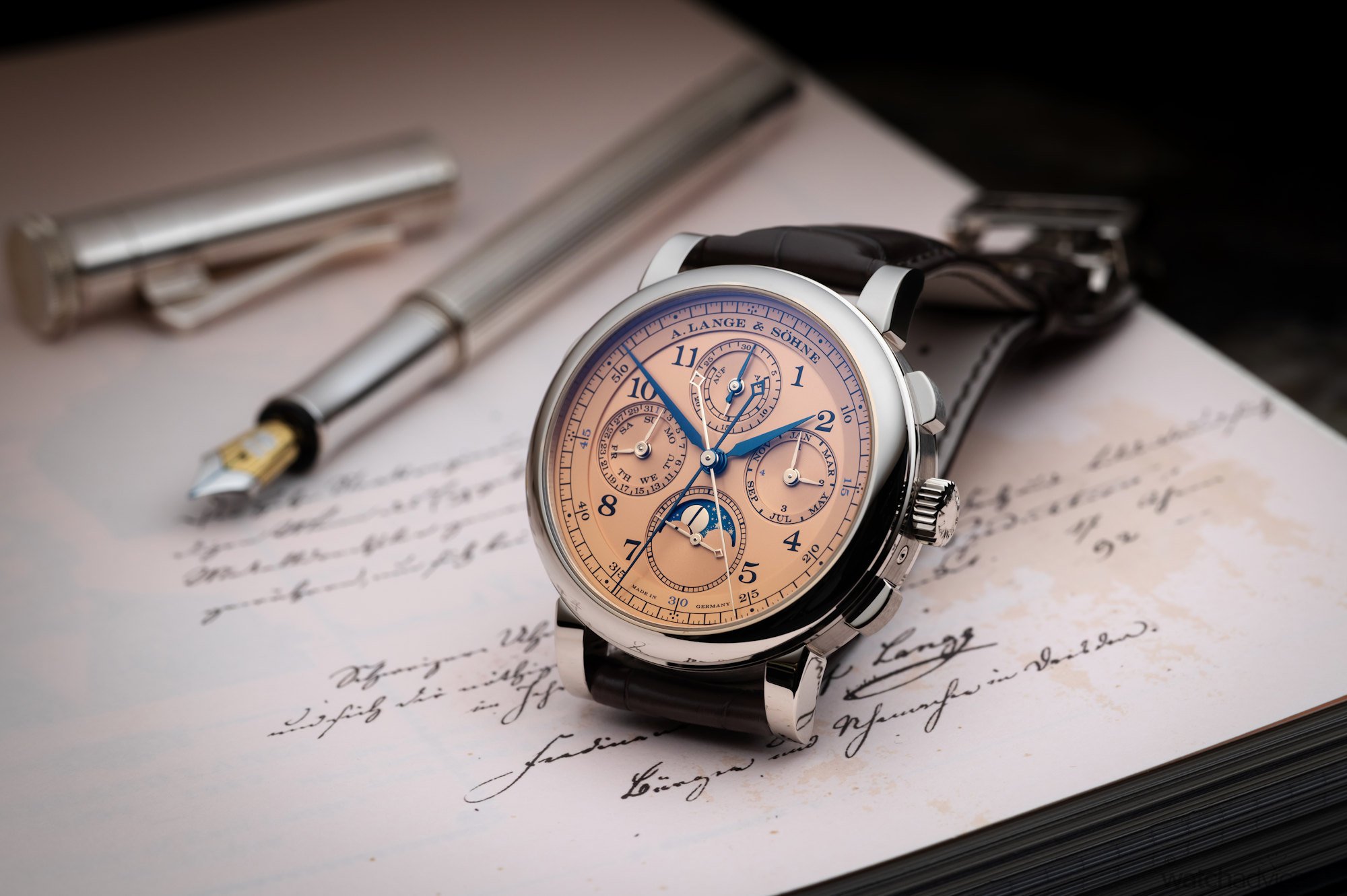
Lange first introduced the 1815 Rattrapante Perpetual Calendar in 2013. Before its release, the Saxon watchmaker had already produced seven chronograph calibres since 1990. This was important, as it gave the brand extensive knowledge, particularly in working with the rattrapante chronograph mechanism. Using this experience, Lange integrated its perpetual calendar mechanism with the rattrapante chronograph, creating the brand’s first model to combine the two complications.
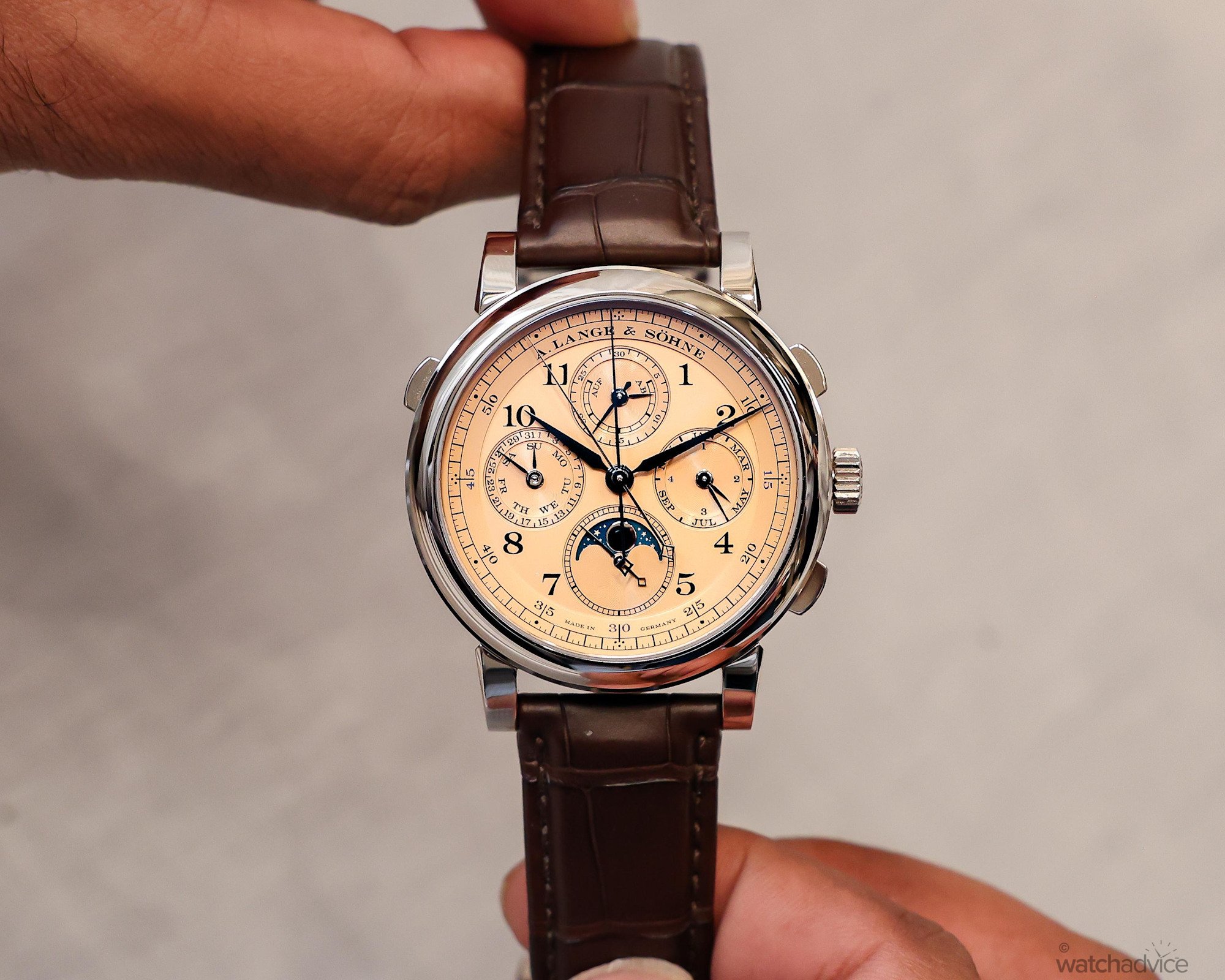
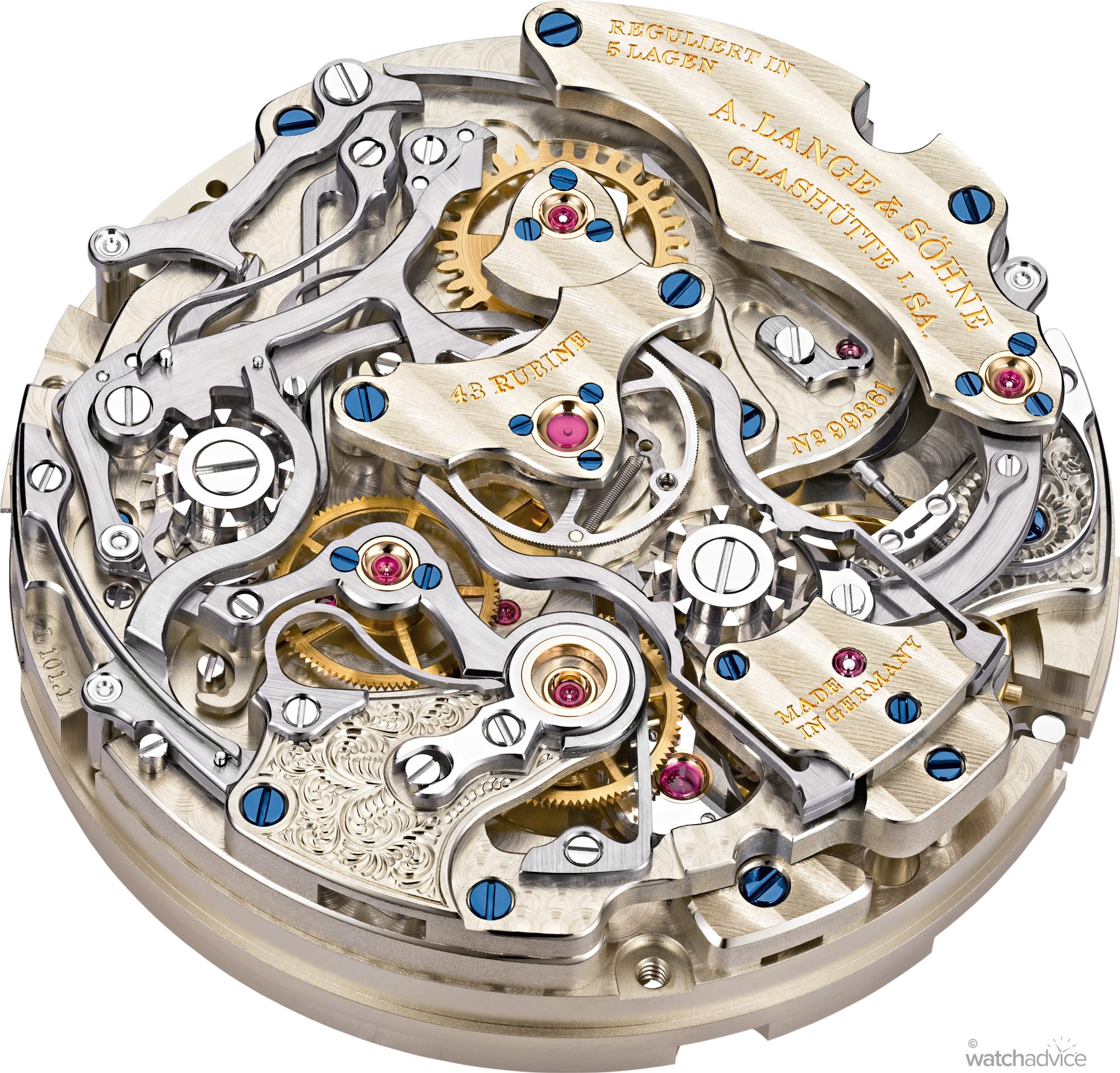
A. Lange & Söhne created a brand new movement specifically for this timepiece. The manually wound calibre L101.1 was extraordinary, as it brought together two of the most complicated mechanisms in watchmaking and presented them on the dial in one of the most elegant ways. Upon the release of the 1815 Rattrapante Perpetual Calendar, its importance was recognised almost immediately, with this exceptional timepiece winning both the Grand Complications category and the Public’s Choice Award at the 2013 Grand Prix d’Horlogerie de Genève.
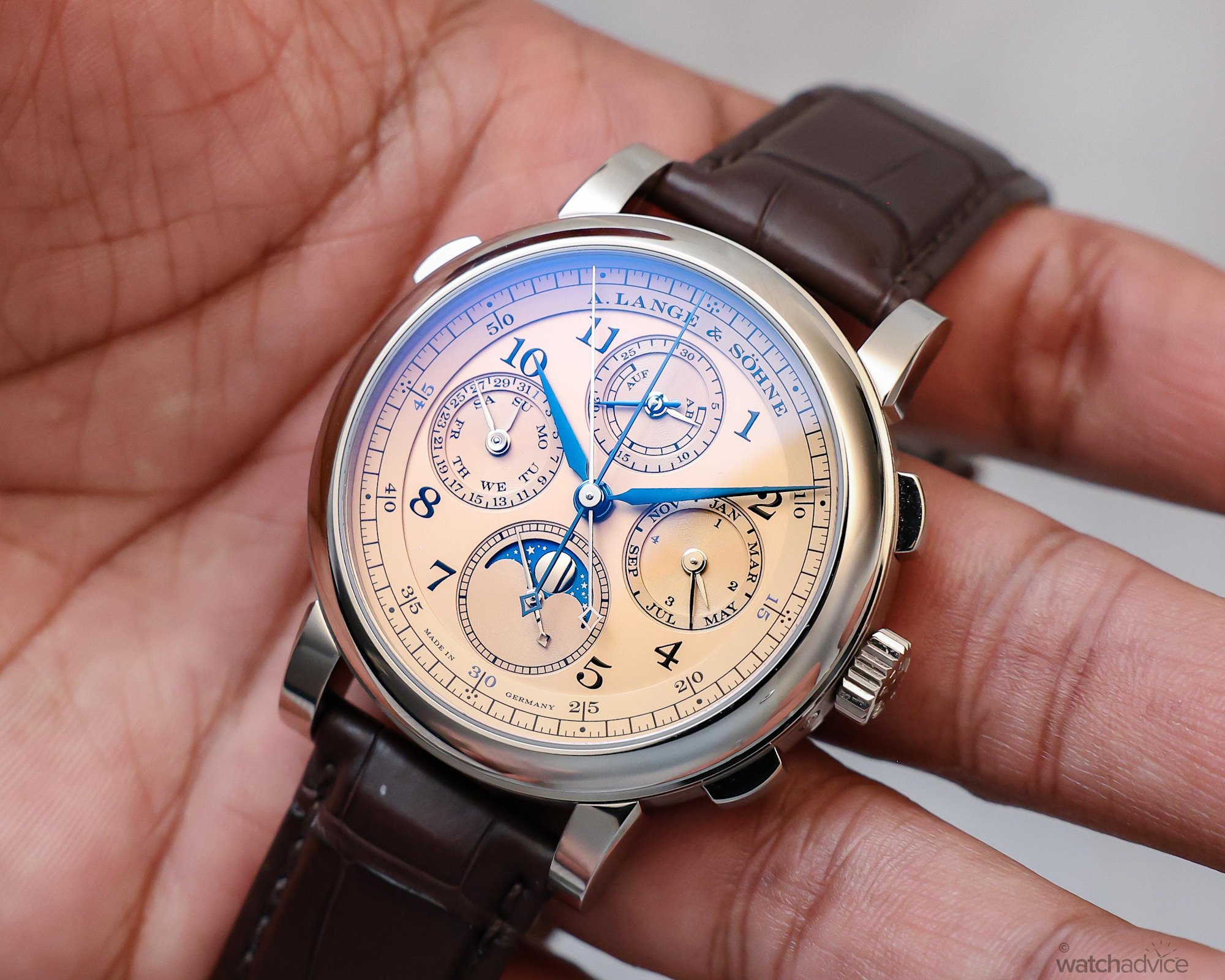
The 1815 Rattrapante Perpetual Calendar carries the defining features of the 1815 collection, from the vintage-inspired case and polished sloping bezel to the Arabic numerals and railway track scale. The design evokes historic Lange pocket watches rather than contemporary sports chronographs. What elevates this model into a timepiece of exceptional design and craftsmanship, however, is how the rattrapante chronograph and perpetual calendar are integrated into the dial.
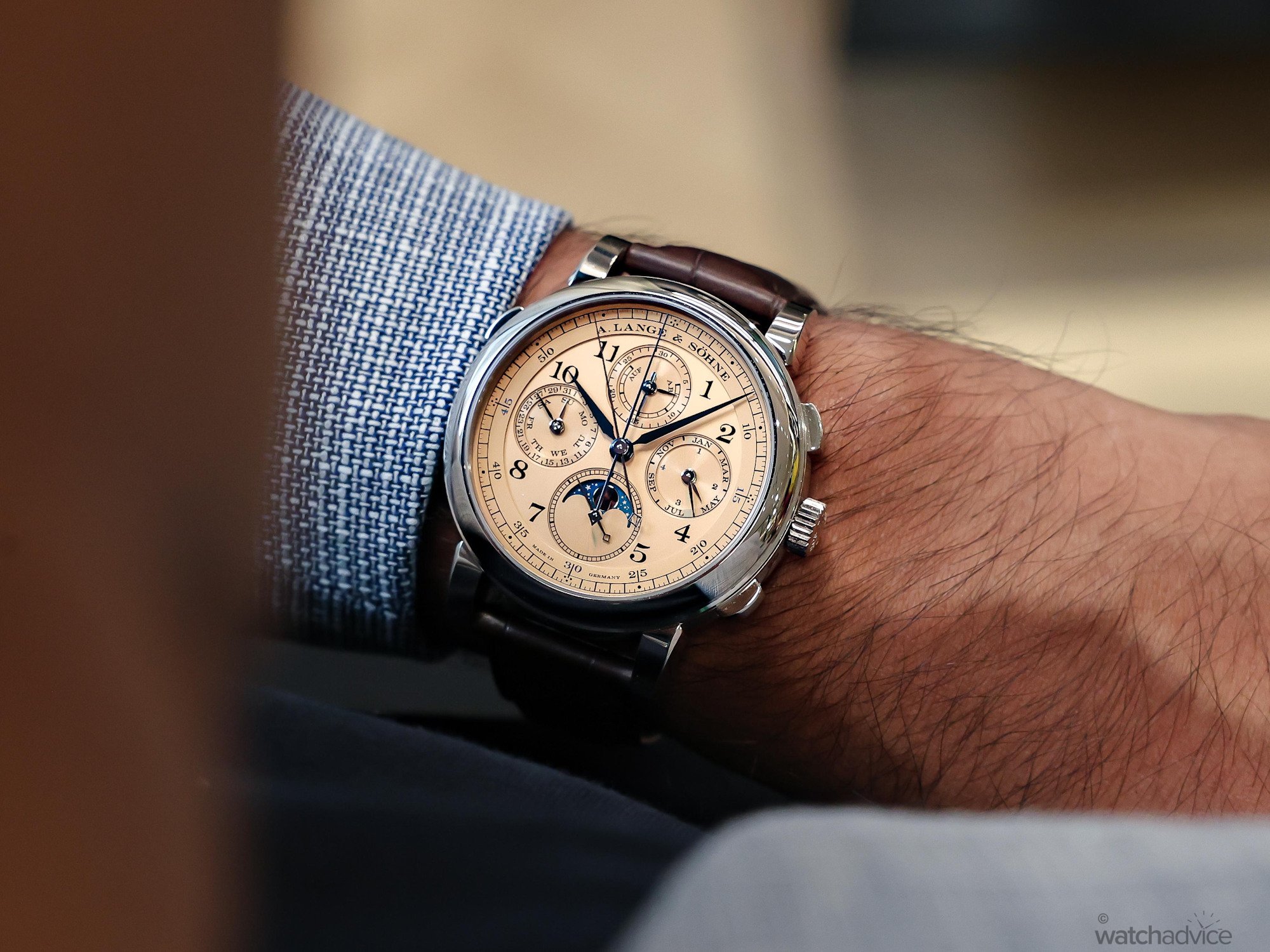
As we have already seen with A. Lange & Söhne, the brand is a master at using subdials to display multiple complications. This is certainly the case once again, as the subcounters at three and nine o’clock present the perpetual calendar indications for the month, leap year, day of the week, and date. The six o’clock subcounter displays the moon phase, with the running seconds overlaid on top.
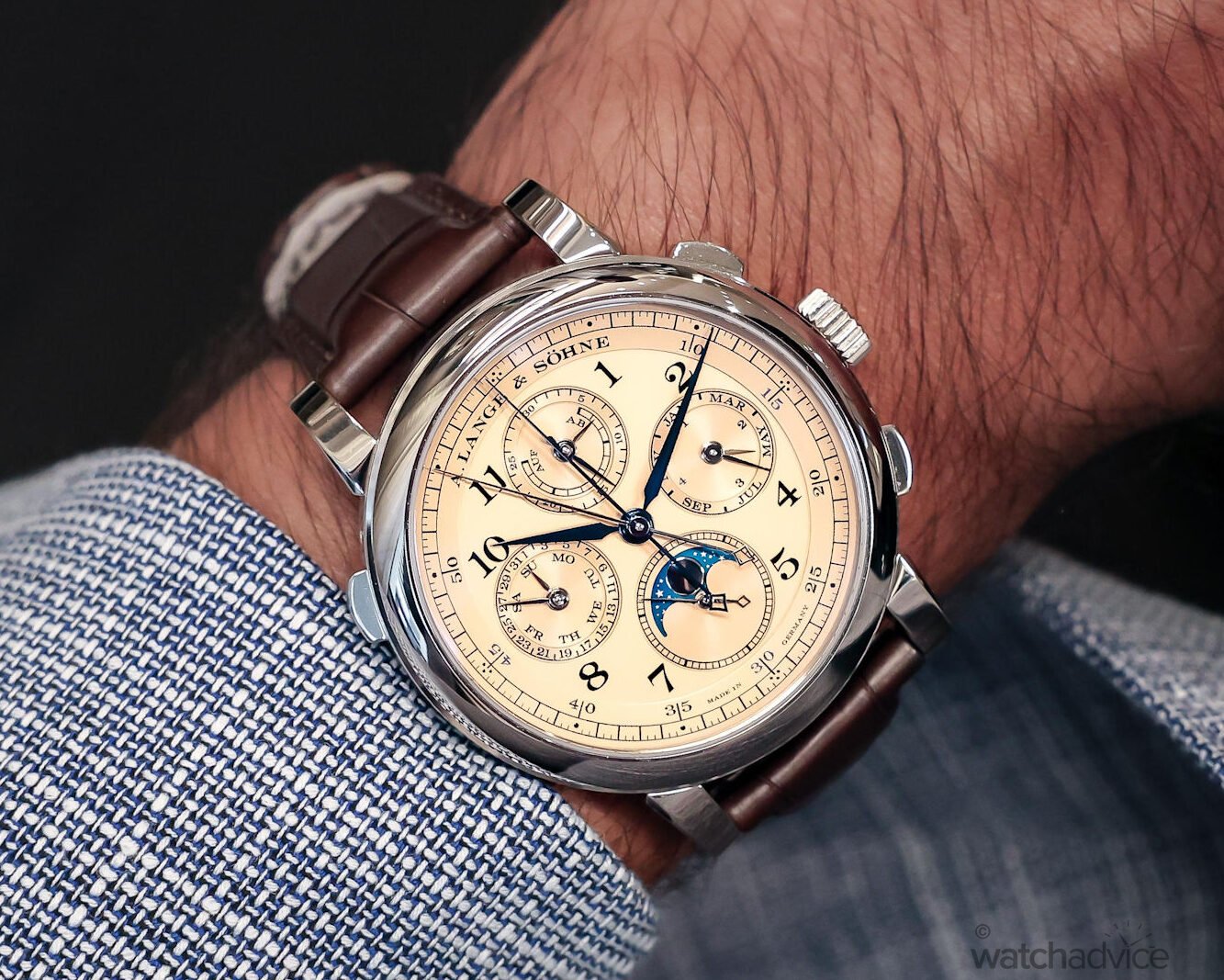
The 12 o’clock counter combines the 30-minute chronograph register with the UP/DOWN power reserve indicator. Meanwhile, the rattrapante function itself is displayed through the two superimposed central chronograph seconds hands. With all this functionality neatly integrated into the four subdials, the dial retains a beautifully balanced layout. When combined with the blued sword-like hands and rattrapante chronograph hands, it feels as though all of Lange’s characteristic design elements have come together in one timepiece.
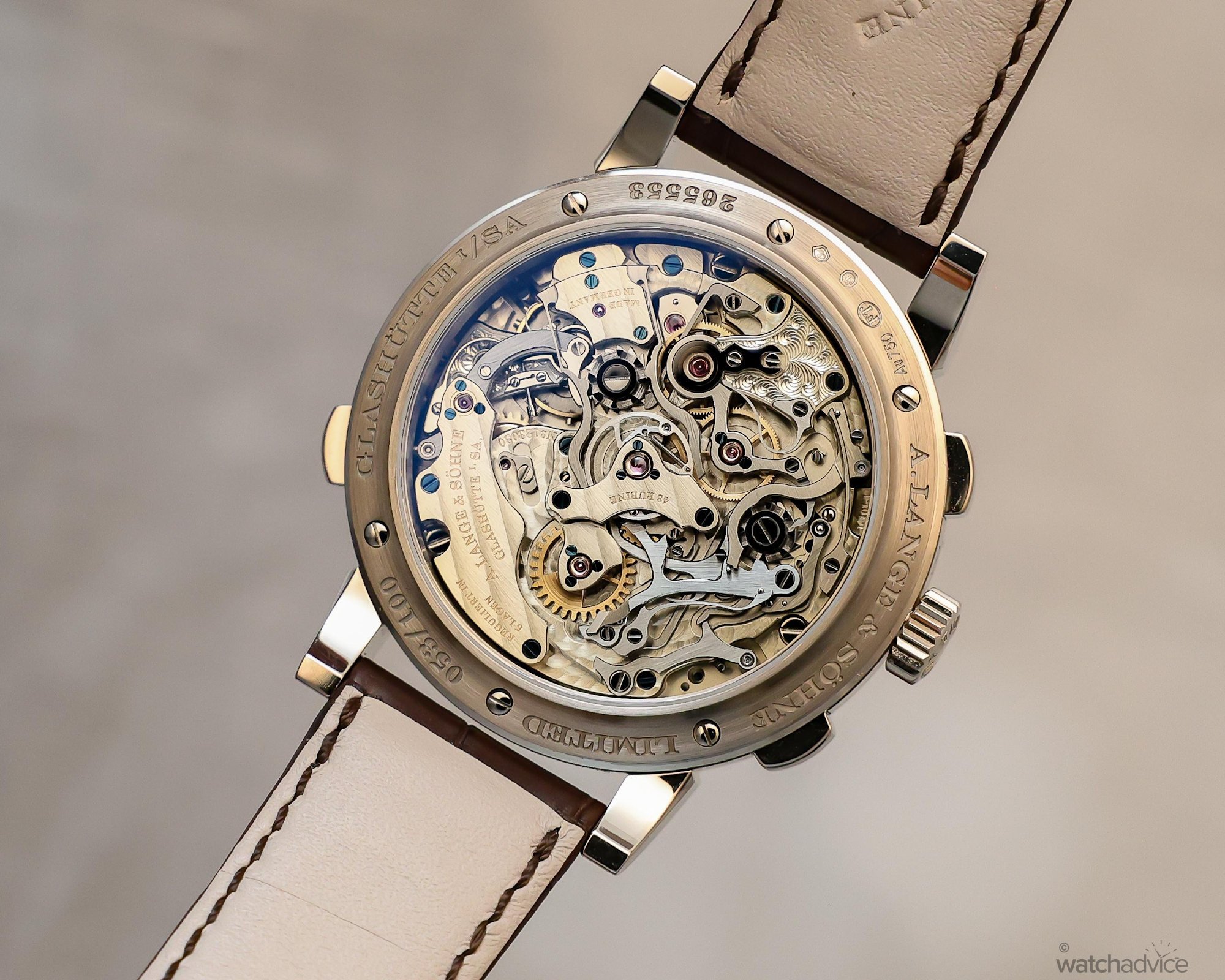
The L101.1 movement is just as impressive as the timepiece’s exterior design. The movement contains 631 components, of which 211 belong to the perpetual calendar and 206 to the rattrapante system. This means that 417 components are dedicated to the two complications alone. The calendar automatically accounts for months of different lengths and leap years, requiring only a one-day correction on 1 March 2100 because of the Gregorian calendar exception.
The moon phase, on the other hand, is calculated to remain accurate for 122.6 years before deviating by one day. Combine this with the rattrapante chronograph, which can measure intermediate and comparative times to one sixth of a second, and the watch demonstrates its ability to track both the astronomical passage of time and its most fleeting moments.
Aside from the fact that this was the first time Lange combined the rattrapante complication with a perpetual calendar, the watch gained major industry recognition yet never developed the public identity of the original Datograph. This is what makes the 1815 Rattrapante Perpetual Calendar a Hidden Hero.
This timepiece demonstrates that a highly complicated watch does not need to appear technical, futuristic or visually overwhelming. The pocket watch-inspired design is not just decorative. It connects the movement’s traditional complications with Lange’s own Saxon watchmaking heritage. When you then bring Lange’s exceptional craftsmanship, particularly the double assembly process, into such a technical calibre as the L101.1, it perhaps makes this the truest Hidden Hero so far.
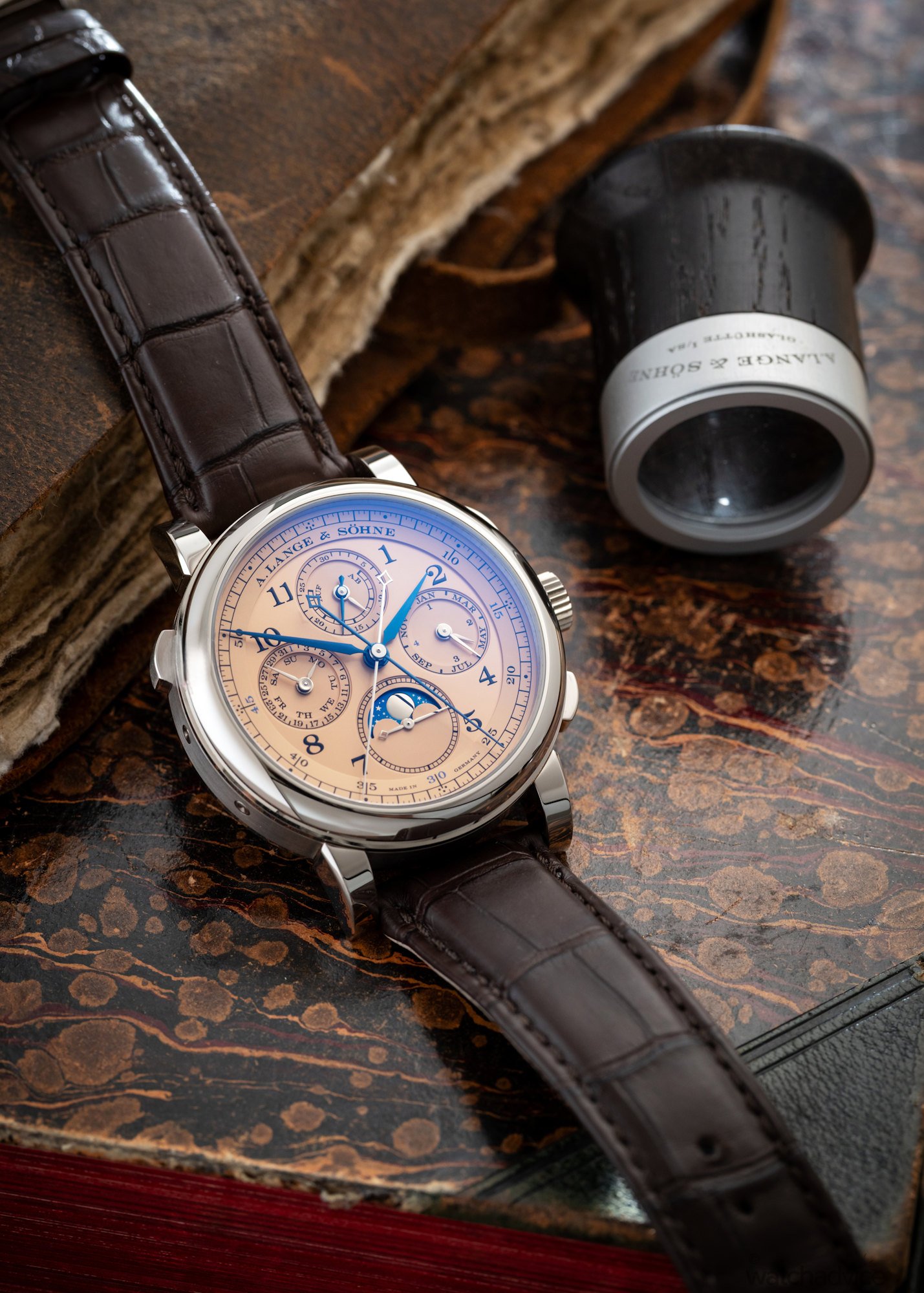
It contains some of Lange’s greatest watchmaking, yet carries itself with the quiet confidence of something that does not need everyone to notice.
2020 — 1815 Rattrapante: Returning to Mechanical Purity
Seven years after A. Lange & Söhne created the 1815 Rattrapante Perpetual Calendar, the Saxon watchmaker did something unexpected: it removed the perpetual calendar and allowed the rattrapante complication to stand entirely on its own within the 1815 family. What makes this progression so unusual is that we would normally expect the standalone complication to arrive first, before the manufacturer builds upon it with increasingly complex mechanisms.
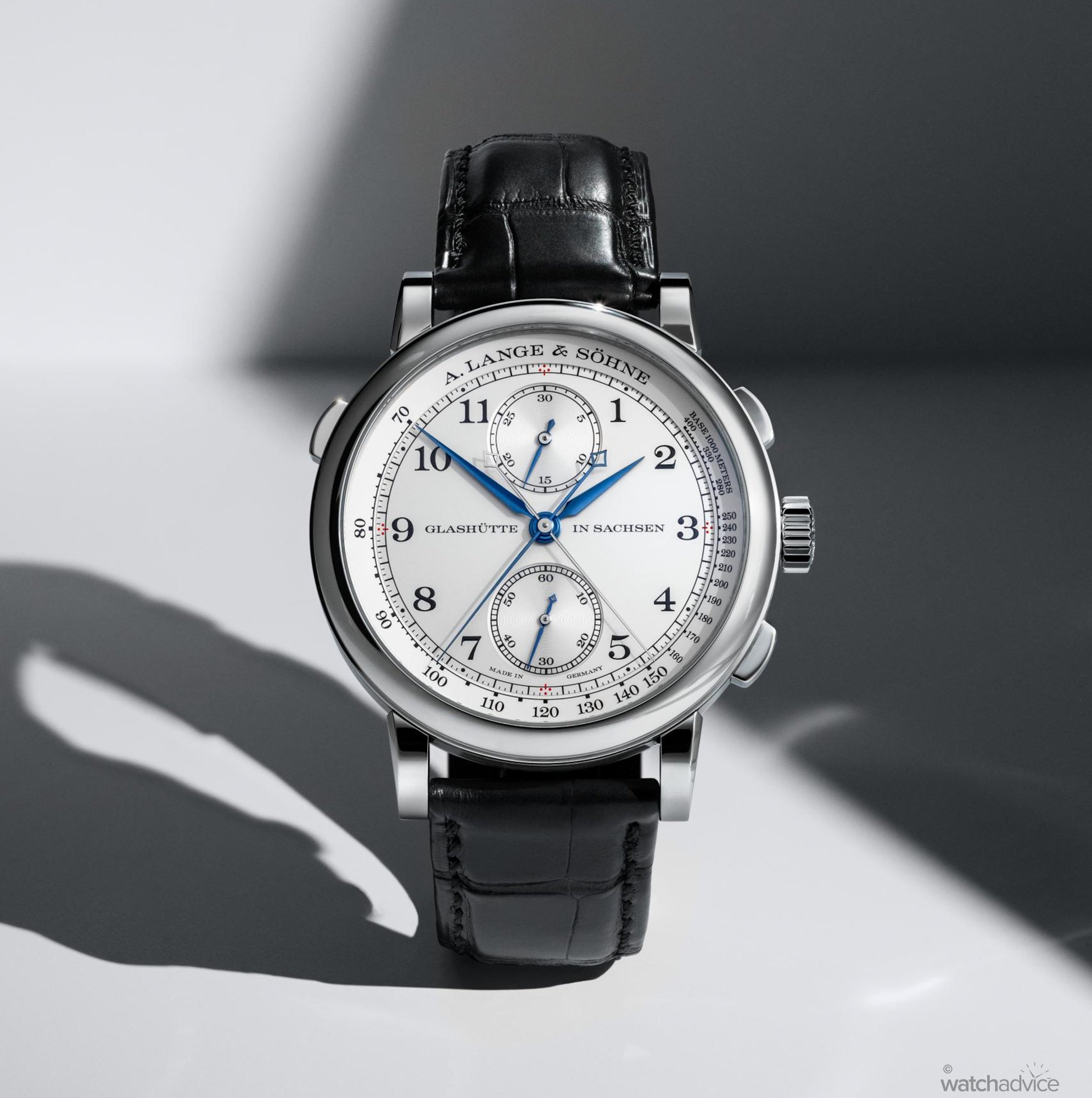
Lange, however, approached this story in reverse, first showcasing what the 1815 line could achieve before stripping it back to its purest form. The 2013 model demonstrated what Lange could accomplish by combining two of the most complex mechanisms in watchmaking. Then, in 2020, the brand reached the opposite conclusion, demonstrating that a single complication could be just as beautiful as an accumulation of them.
By removing the calendar from the equation, Lange gave the rattrapante chronograph more visual space on the dial. This not only allowed it to become the central highlight of the timepiece, but also created a simpler dial. However, this is not simplification in the mechanical sense, as the split-seconds chronograph remains one of the most difficult mechanisms to produce in the world of horology.
The 1815 Rattrapante belongs to an accomplished lineage of Lange split seconds watches that includes the Double Split, 1815 Rattrapante Perpetual Calendar and Triple Split. What makes the 1815 Rattrapante stand out, however, is its restraint. Whereas the Double Split extends comparative timing across seconds and minutes, and the Triple Split extends it across seconds, minutes, and hours for up to 12 hours, the 1815 Rattrapante does not include these additional functions.
Instead, it presents the split-seconds chronograph in its purest form. The comparative timing of the 1815 Rattrapante is limited to 60 seconds, while the regular chronograph can record elapsed times of up to 30 minutes.
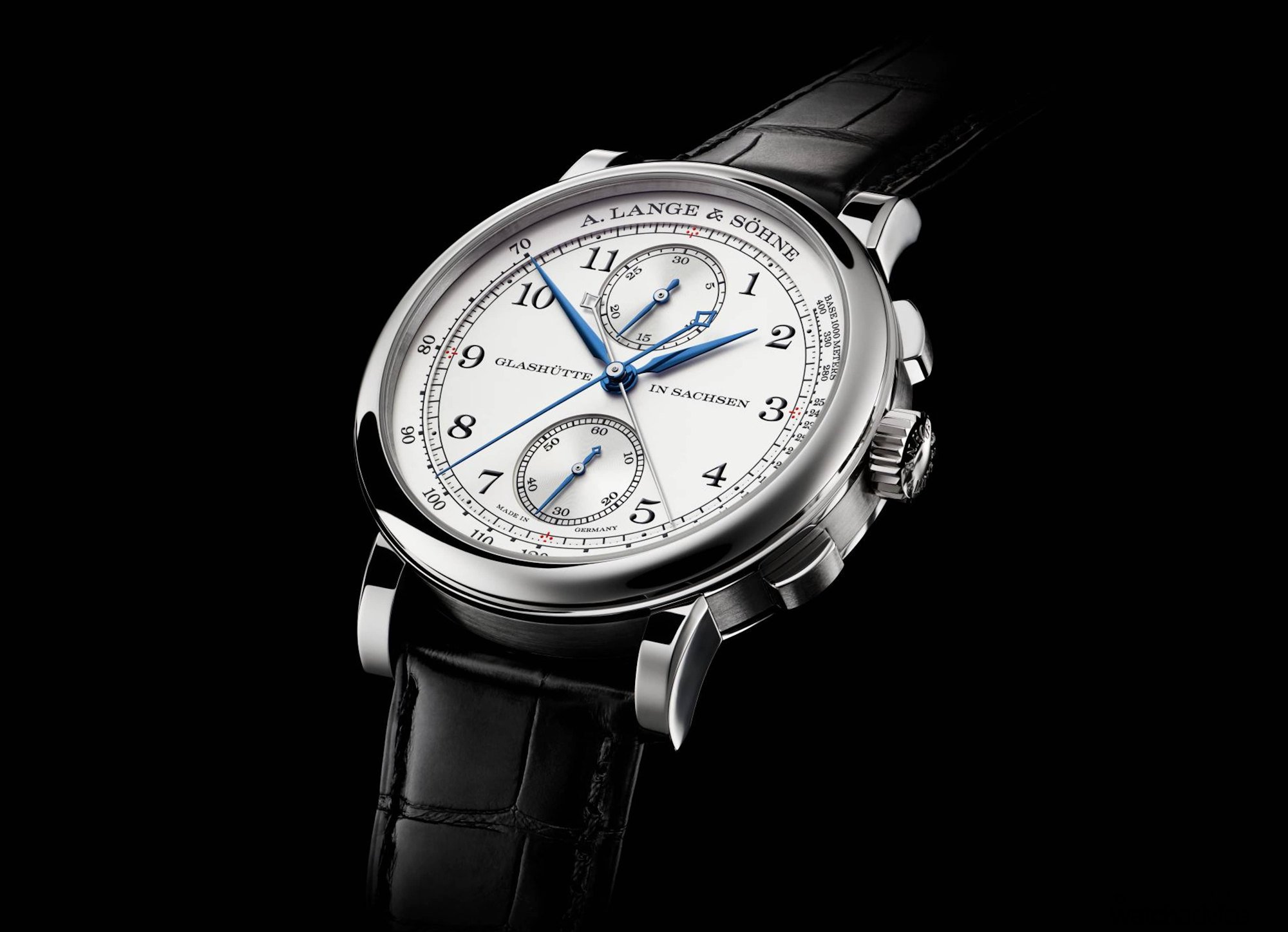
The watch carries all the familiar design cues of the 1815 line, such as the Arabic numerals and railway track scale, connecting it directly to the historic pocket watches that inspired the collection. Unlike the perpetual calendar edition, the dial features only two subcounters in a vertical layout, displaying the running seconds and 30-minute chronograph counter. A peripheral tachymeter scale allows average speed to be calculated while adding another layer of functional detail.
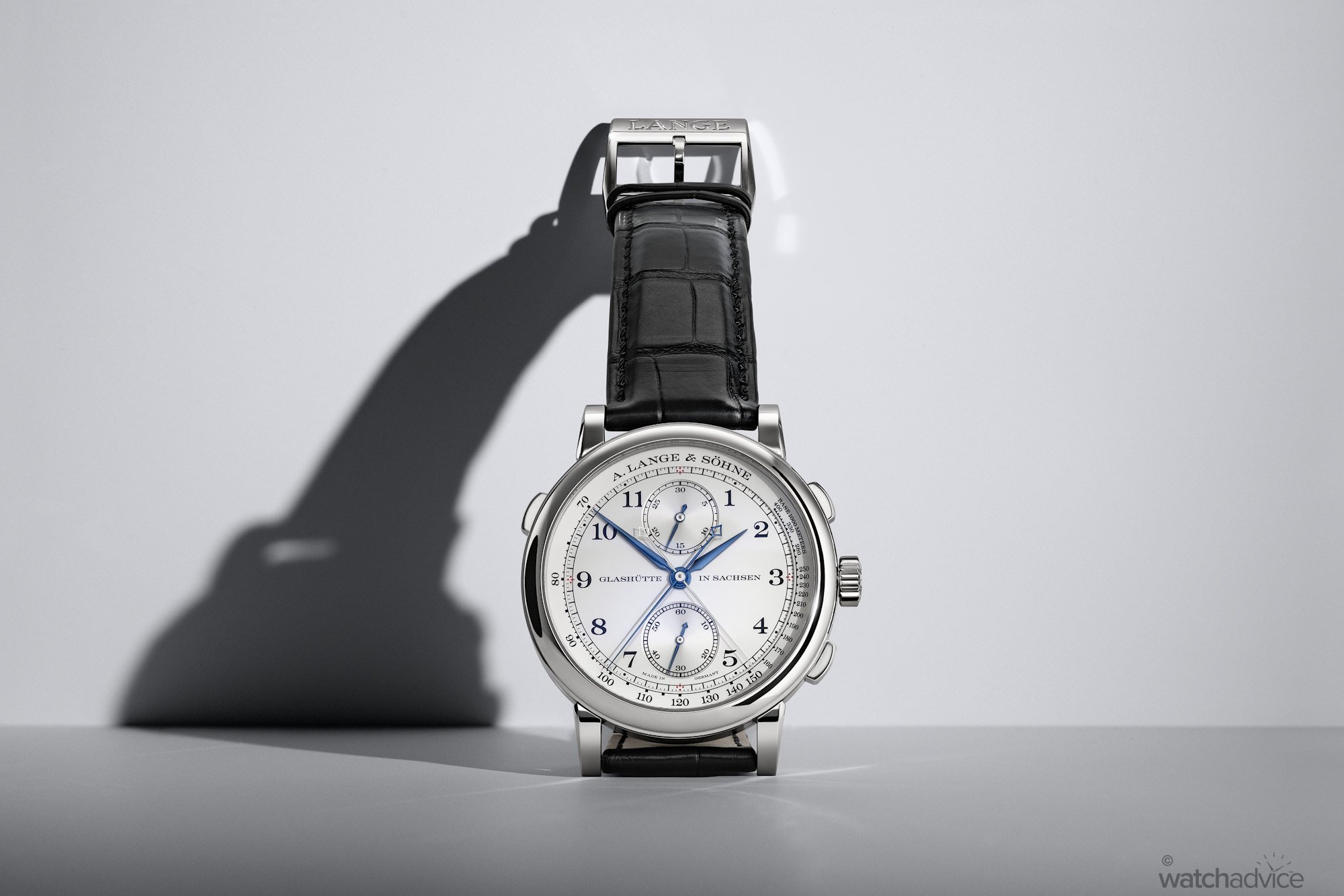
Lange created the calibre L101.2 to power the 1815 Rattrapante and, as expected, it shares its lineage with the calibre L101.1 used in the 1815 Rattrapante Perpetual Calendar. Featuring significantly fewer components, the movement includes two column wheels: one controls the chronograph, while the second manages the split-seconds mechanism. The horizontal coupling also makes the switching sequence visible, adding to the movement’s highly architectural aesthetic.
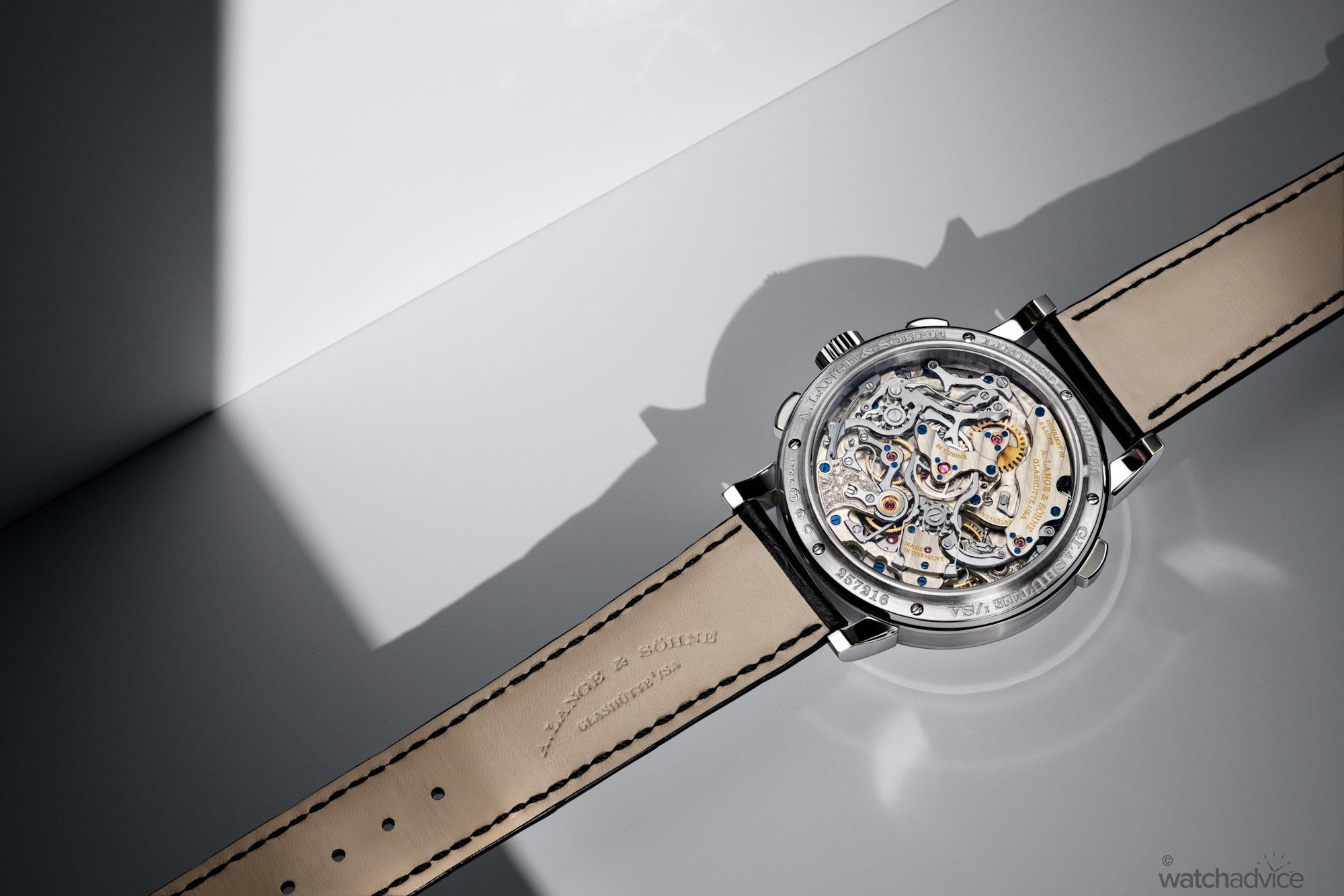
Removing the perpetual calendar mechanism from the equation has not only helped clean up the dial and return it to a pure chronograph format, but also increased the movement’s power reserve. The 1815 Rattrapante Perpetual Calendar featured a power reserve of 42 hours, understandably, with two complex complications consuming more energy, while this rattrapante-only edition provides 58 hours.
The fact that the 1815 Rattrapante flies under the radar compared to the Datograph, Double Split or Triple Split, which have been celebrated for breaking records, is exactly what makes it a Hidden Hero. The 1815 Rattrapante does not announce itself with an outsize date, perpetual calendar, tourbillon or numerous complications and subdials.
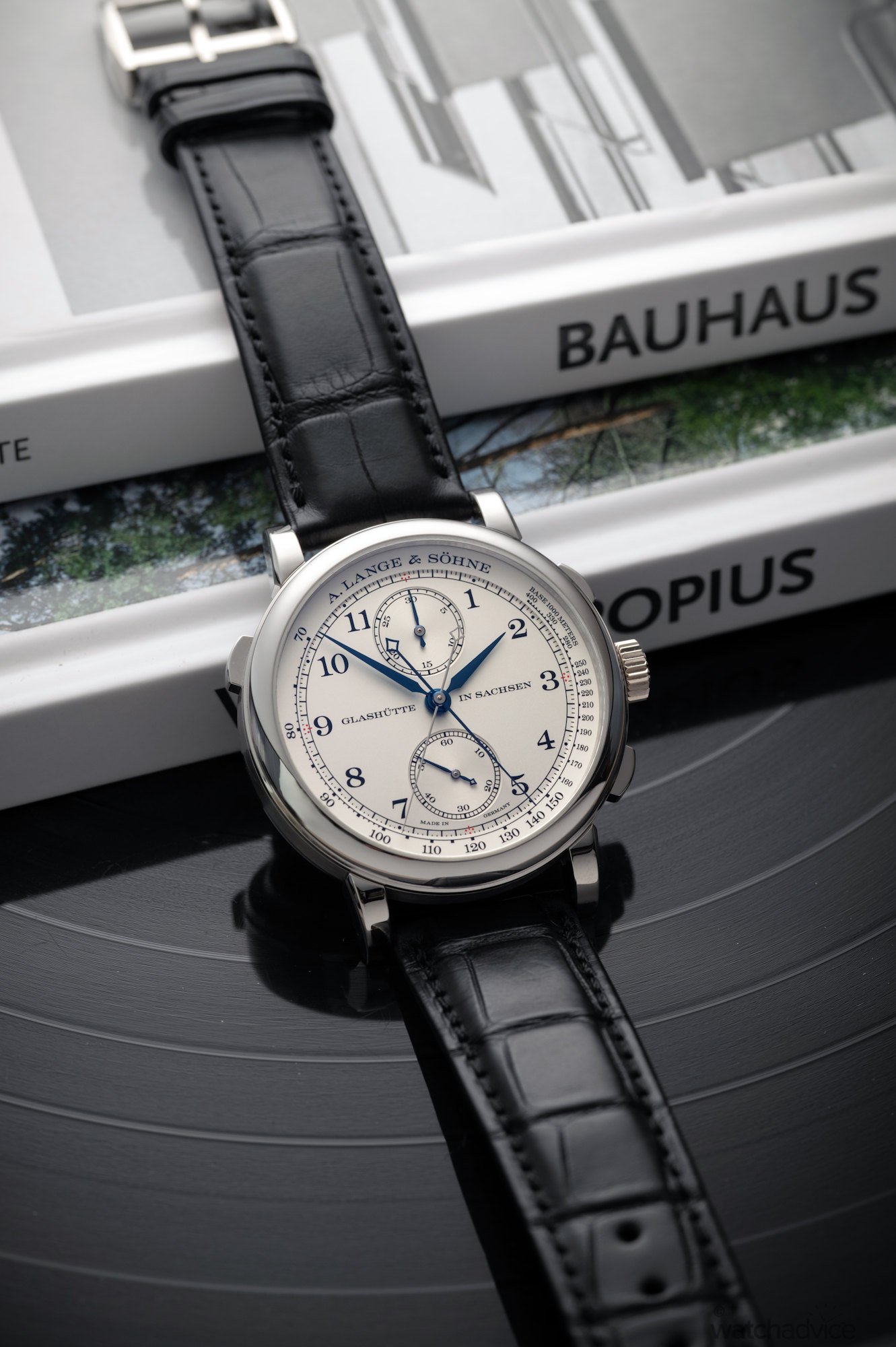
What makes the 1815 Rattrapante special is that, when its two central chronograph hands align on top of one another, the timepiece appears to be a conventional chronograph to the unassuming eye. Its defining complication is hidden in plain sight, revealing itself only when the pusher at 10 o’clock stops the rattrapante hand while the primary chronograph hand continues moving. This mechanical subtlety perfectly captures its status as a Hidden Hero: extraordinary complexity concealed behind classical simplicity.
The Quietest Watches Can Say The Most
These four Hidden Heroes show us that A. Lange & Söhne’s identity cannot be reduced to a single design or complication. The Datograph Perpetual expanded upon the brand’s foundational chronograph complication, while the Richard Lange Tourbillon “Pour le Mérite” pursued pure mechanical precision through the tourbillon and fusée and chain transmission.
Then came the 1815 Rattrapante Perpetual Calendar, which brought several grand complications together and won two major awards in doing so. The standalone 1815 Rattrapante that followed demonstrated what mechanical restraint looked like, hiding a complex mechanism in plain sight.
And even though each timepiece is different from one another, each timepiece shares all the values of Lange, from the bespoke movement development, traditional construction, double assembly, and uncompromising hand-finishing, all concepts that make a Lange a Lange.
That quiet confidence is ultimately what makes them the purest expressions of A. Lange & Söhne. If you wanted to understand Lange beyond its most recognisable icons, these Hidden Heroes may tell you more than the icons ever could!