

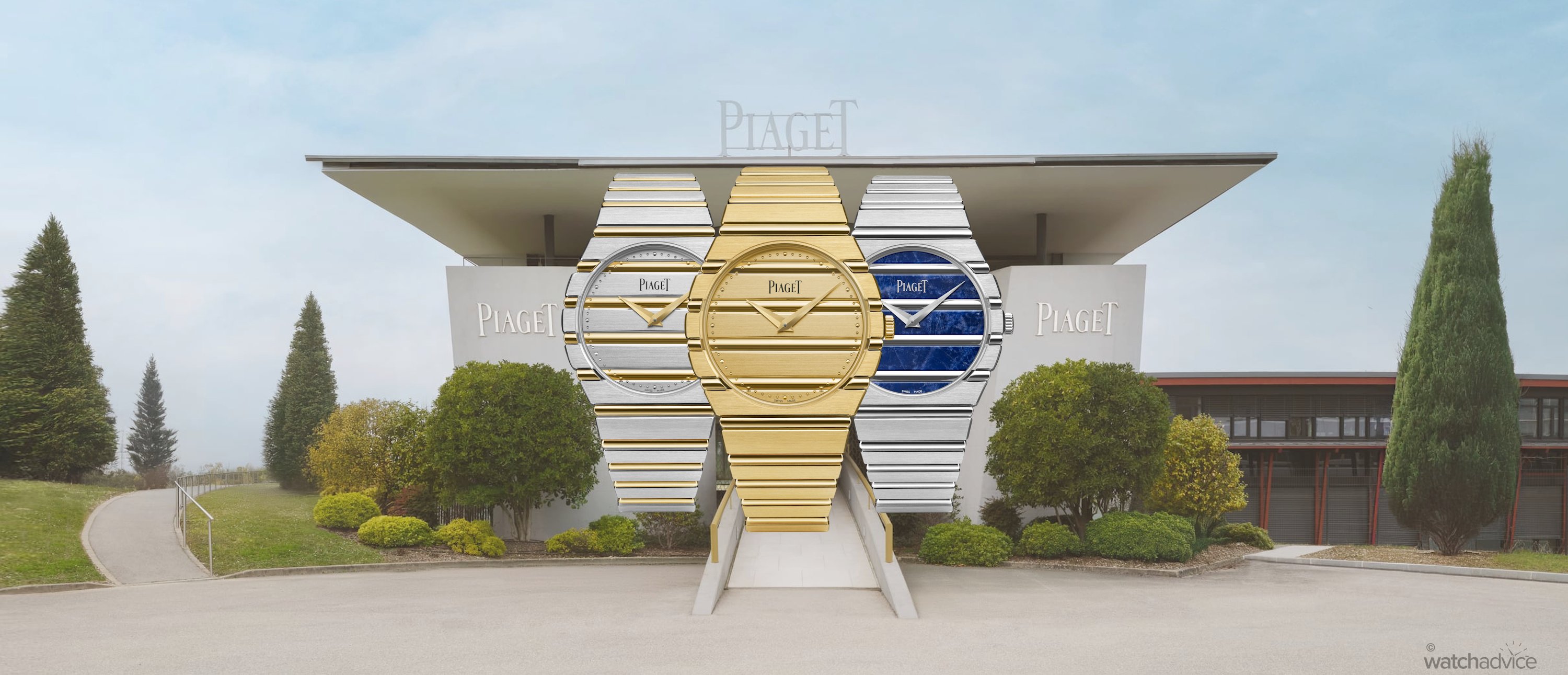
Piaget’s Polo brings together ultra-thin watchmaking, jewellery craftsmanship and one of the most daring integrated designs ever created.
The Piaget Polo may be recognised as one of the most iconic designs in watchmaking and one of Piaget’s defining creations. The development of this timepiece, however, was not an isolated event. The Polo emerged from decades of technical development and artistic experimentation at Piaget, which eventually transformed the Maison from a respected Swiss movement manufacturer into one of the defining names in luxury watchmaking.
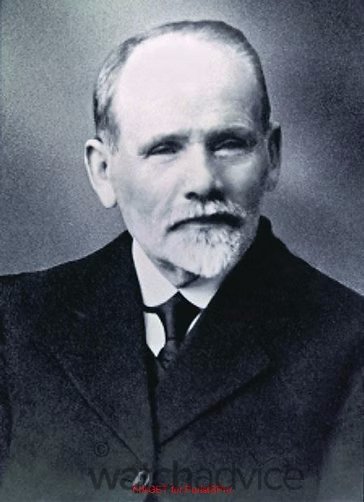
To understand how the Polo design came about, we must first look back at Piaget’s history and how the company’s evolution eventually led to the birth of one of watchmaking’s most iconic designs. Piaget’s story began in 1874, when Georges-Édouard Piaget established a workshop on his family farm in La Côte-aux-Fées, Switzerland.

The company initially specialised in producing movements and precision components for other watchmakers. This allowed Piaget to build a reputation for its technical expertise long before it became known for the extravagant gold watches and beautiful creations that define the Maison in the modern world of watchmaking.
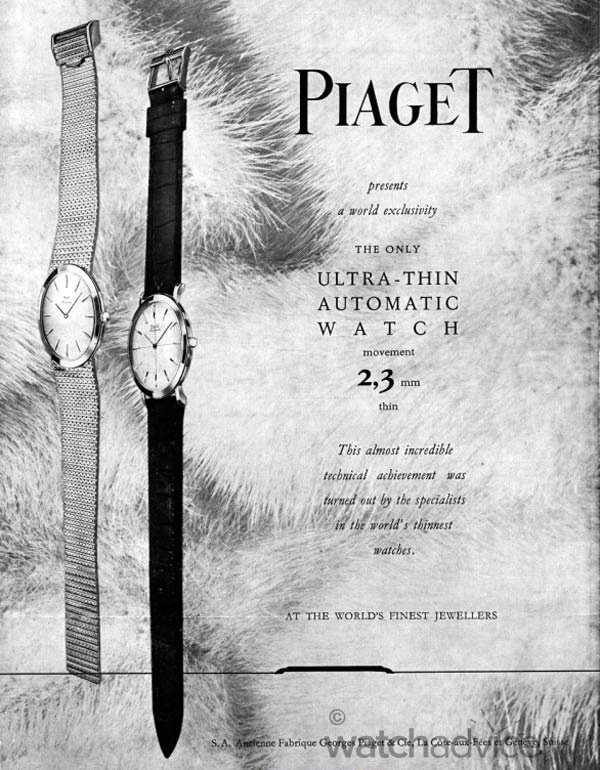
Piaget was one of the pioneers of ultra-thin watchmaking. However, the Maison did not pursue this purely as a technical competition against other watchmakers. Instead, Piaget wanted to reduce the amount of space occupied by the movement, allowing the remaining area of the watch to be treated almost like a canvas on which its designers could let their creativity run wild.
How Jewellery Influenced The Polo Design
Fast forward to the 1960s, and this is where Piaget’s technical watchmaking and jewellery expertise became increasingly interconnected. Instead of viewing the case, dial and bracelet as separate functional components, as you would with a traditional watch, Piaget began approaching the entire design as a single decorative object that could be shaped, textured and ultimately worn like jewellery.
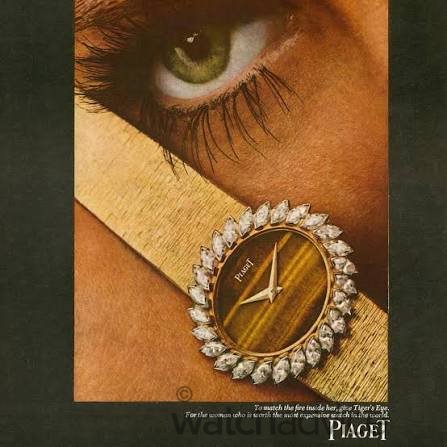
From a jewellery perspective, Piaget also began developing a particularly bold relationship with colour. From 1963, the Maison started incorporating ornamental stones such as lapis lazuli, malachite, tiger’s eye and turquoise into its dials. The natural variations within these stones made each individual dial feel unique and vibrant.
While Piaget continued to produce traditional round dress watches, the Maison also began moving beyond these conventional forms to create timepieces in which time could be expressed through art. These designs included sculpted bracelets, cuff watches, sautoirs and other creations that presented time in a highly creative and visually striking manner.
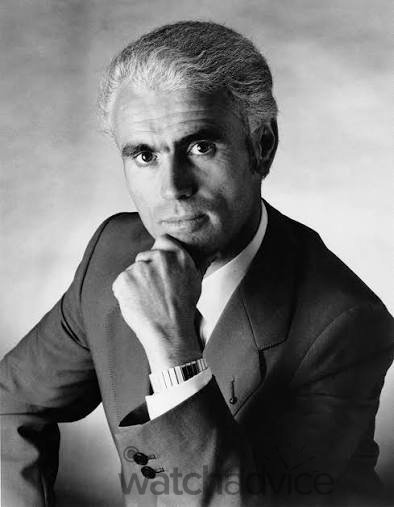
Under the influence of Yves Piaget, the Maison also developed a more glamorous and socially connected public identity. This social world included artists, musicians, actors, designers and members of the international leisure class, who came together to form a cultural circle that would become known as the Piaget Society.

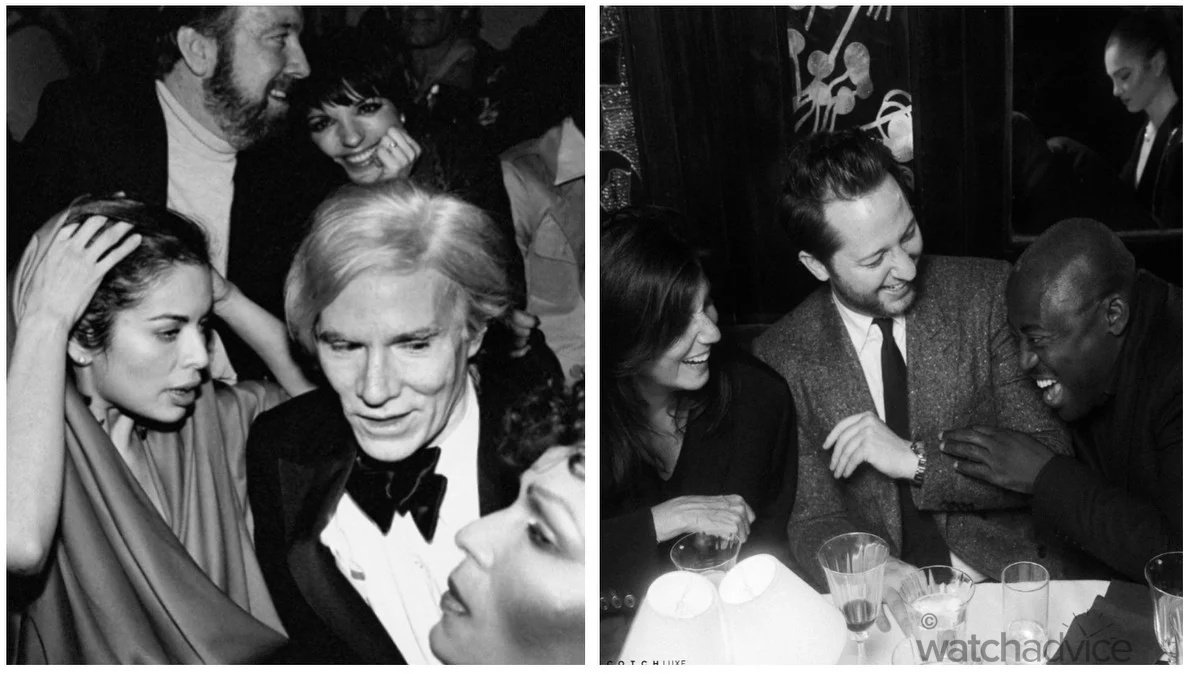
While traditional dress watches were still important during the 1970s, the clientele attending Piaget Society events wanted watches that could suit a more active lifestyle without abandoning elegant design, refinement or the precious materials expected from a Piaget watch.
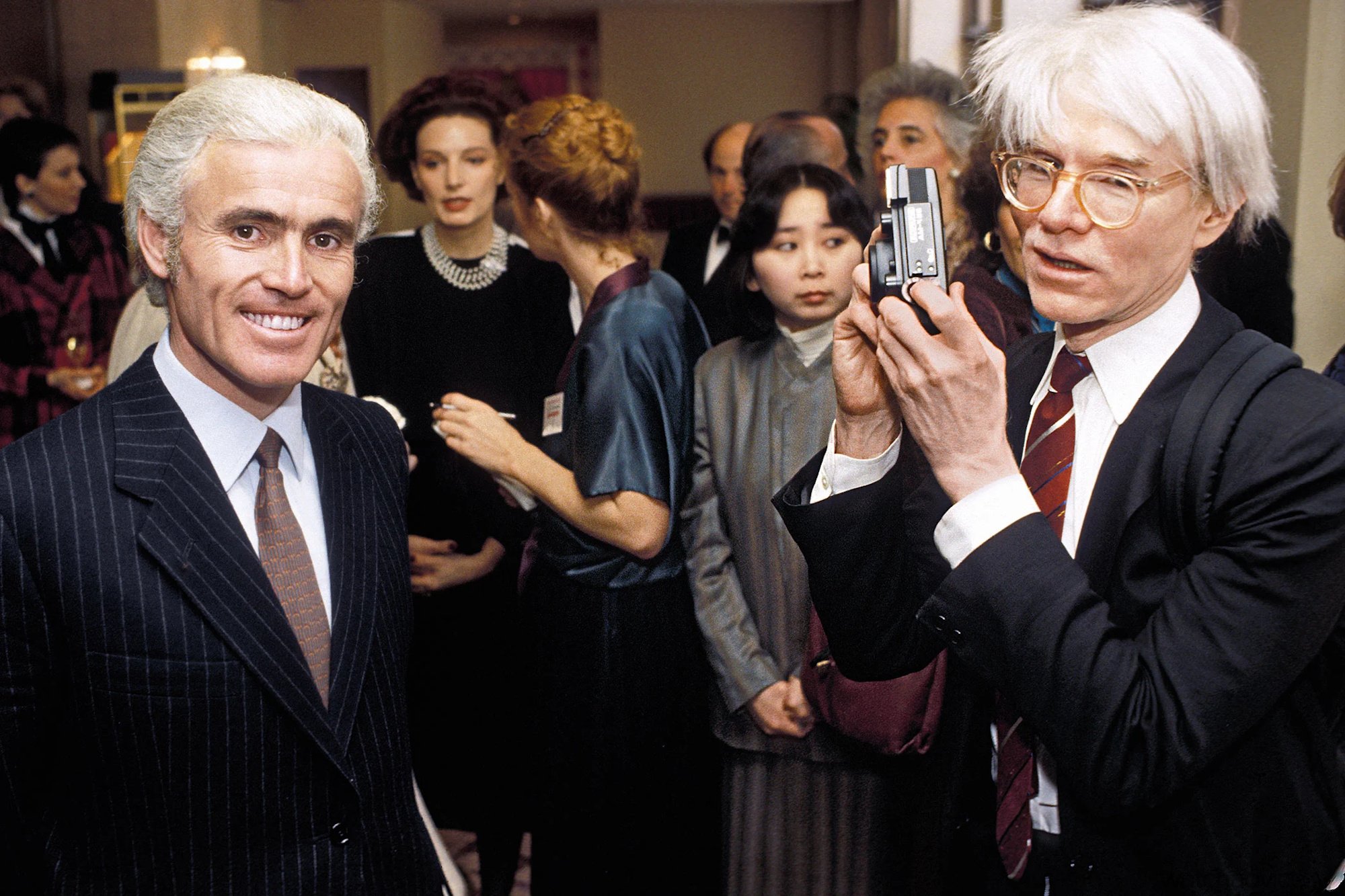
Yves Piaget created genuine relationships with these creative and influential figures, while the Maison’s dinners, parties, sporting occasions and cultural events helped position Piaget’s watches within a lifestyle built around art, class and, above all, luxury.
This led to the birth of the Piaget Polo, the Maison’s answer to the changing ideas of luxury. “Elegance was no longer reserved for formal dinners and evening wear; it had to move between sport, travel, nightlife and leisure.”
Born During The Golden Age Of The Luxury Sports Watch
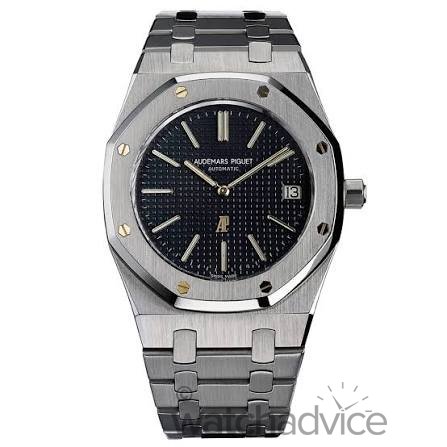
By the early 1970s, the luxury watch market was beginning to change. While traditional round dress watches still dominated the market, a new generation of integrated-bracelet sports watches was proving that luxury could also be casual, versatile and suited to an active lifestyle. One of watchmaking’s most iconic timepieces, the Audemars Piguet Royal Oak, arrived in 1972 and helped pave the way for this new luxury sports-watch category.
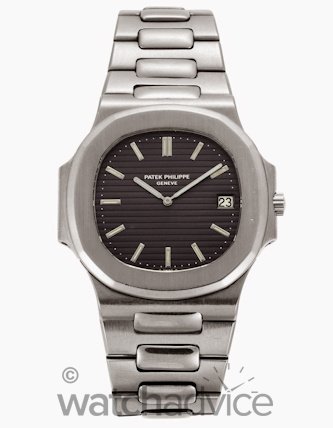
This was then followed by another watchmaking icon, the Patek Philippe Nautilus, which arrived in 1976 and further reinforced this signature design. Several other models also emerged during this period, including the IWC Schaffhausen Ingenieur, the Girard-Perregaux Laureato and the Vacheron Constantin 222, all cementing the fact that these watches could carry the craftsmanship, exclusivity and prestige traditionally associated with gold dress watches.
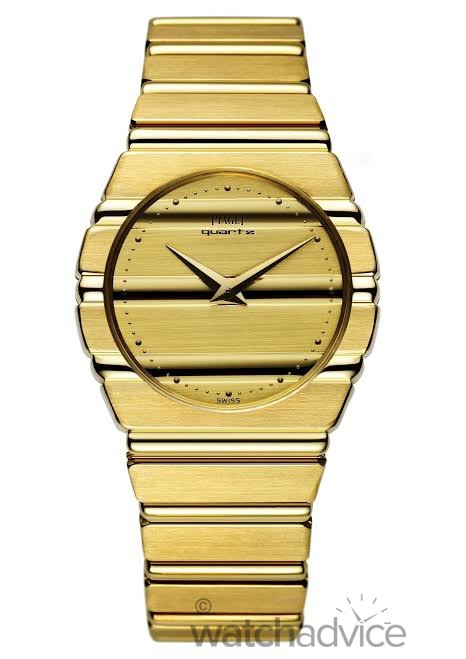
Then came the Piaget Polo in 1979. When it arrived, it had no interest in following the path laid out by its competitors. Rather than borrowing from a trending design that included industrial and conventional tool-watch aesthetics, Piaget carved out a niche for itself by creating an integrated design infused with the Maison’s expertise in jewellery watchmaking. The original Polo was crafted entirely from precious metal; however, its integrated construction and fluid bracelet allowed it to feel relaxed enough for everyday wear.
This was a sports watch created not for professional competition or extreme environments, but rather to cater to the Piaget Society’s clientele, who wished to move between leisure, travel, social events and elegant sporting occasions without ever having to abandon the glamour and refined design expected from Piaget. The name “Polo” was not chosen at random either, as the word had long been associated with royalty and international high society, all while carrying genuine sporting heritage.
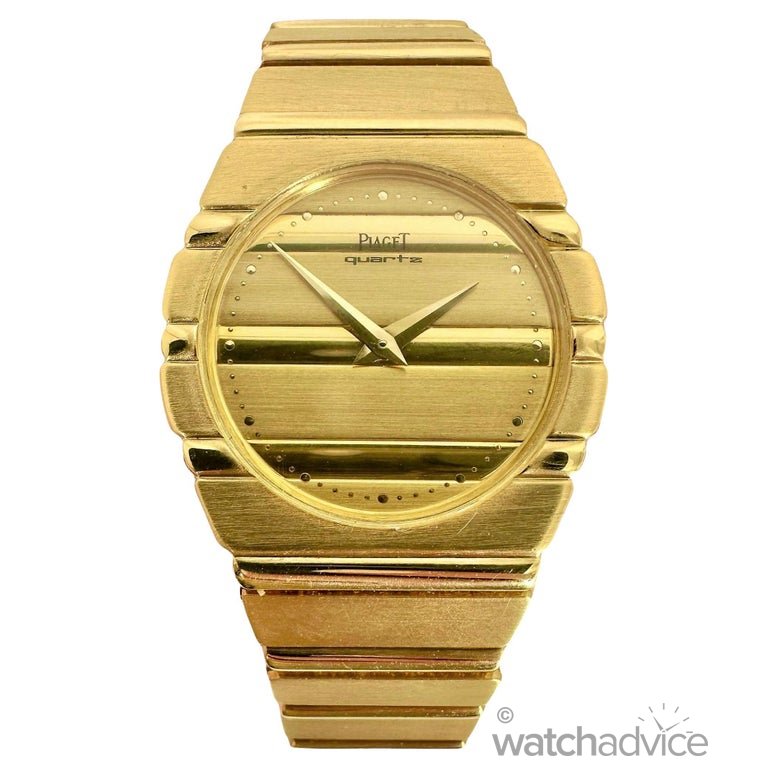
This was also one of the very first watches to be given an actual name by the Maison, as Piaget’s timepieces had previously been identified mainly by reference numbers or physical descriptions. Being the first named watch in Piaget’s catalogue was highly significant, as the Maison clearly did not view it as a one-off creation or an experimental concept. With its unique design, Piaget knew the Polo could establish a new identity for the brand, representing a more versatile form of luxury through a watch capable of appealing to a much broader audience.
The Polo was presented in two different shapes and sizes to cater to both men and women, rather than being divided into completely separate collections. The 34mm reference 7661 and 27mm reference 761, along with square and circular case shapes, were used to broaden its appeal, while the essential architecture, gold construction and jewellery-like identity remained consistent.
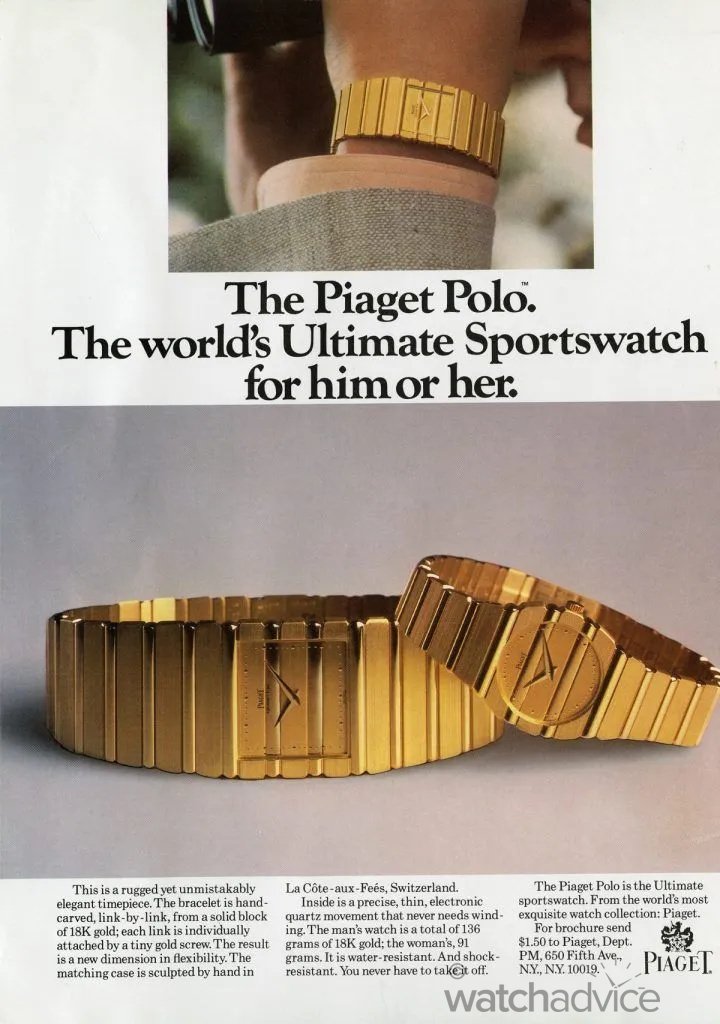
Looking at the broader market at the time, this was certainly a progressive approach. Most brands adapted the integrated sports-watch idea, but Piaget took it a step further, creating what the brand described as “the ultimate sports watch for him or her.”
The Disappearing Case
What made the Piaget Polo such a radical design for its time was that it was not simply an integrated-bracelet watch. The case almost seemed to disappear into the bracelet, much like a high-jewellery watch in which the bracelet and case become one. Rather than creating a separate watch head attached to two bracelet ends, Piaget conceived the Polo as one continuous gold object that flowed beautifully around the wrist.
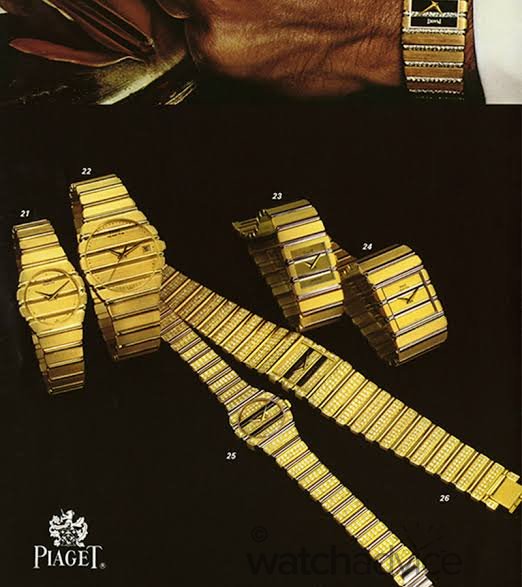
Yves Piaget captured the spirit of the Polo perfectly when he described it as a “bracelet watch” rather than a watch with a bracelet. This distinction was essential to the Polo’s design. The bracelet was not treated as an accessory that could be interchanged for customisation; instead, the entire watch was designed around it.
What made the design feel natural for Piaget was the Maison’s past experience creating similar gold bracelet and cuff watches throughout the 1960s and 1970s. Its artisans had already developed the ability to make solid gold feel articulated, supple and jewellery-like, so when it came time to design the Polo, it felt like a natural extension and evolution of what Piaget had created previously.
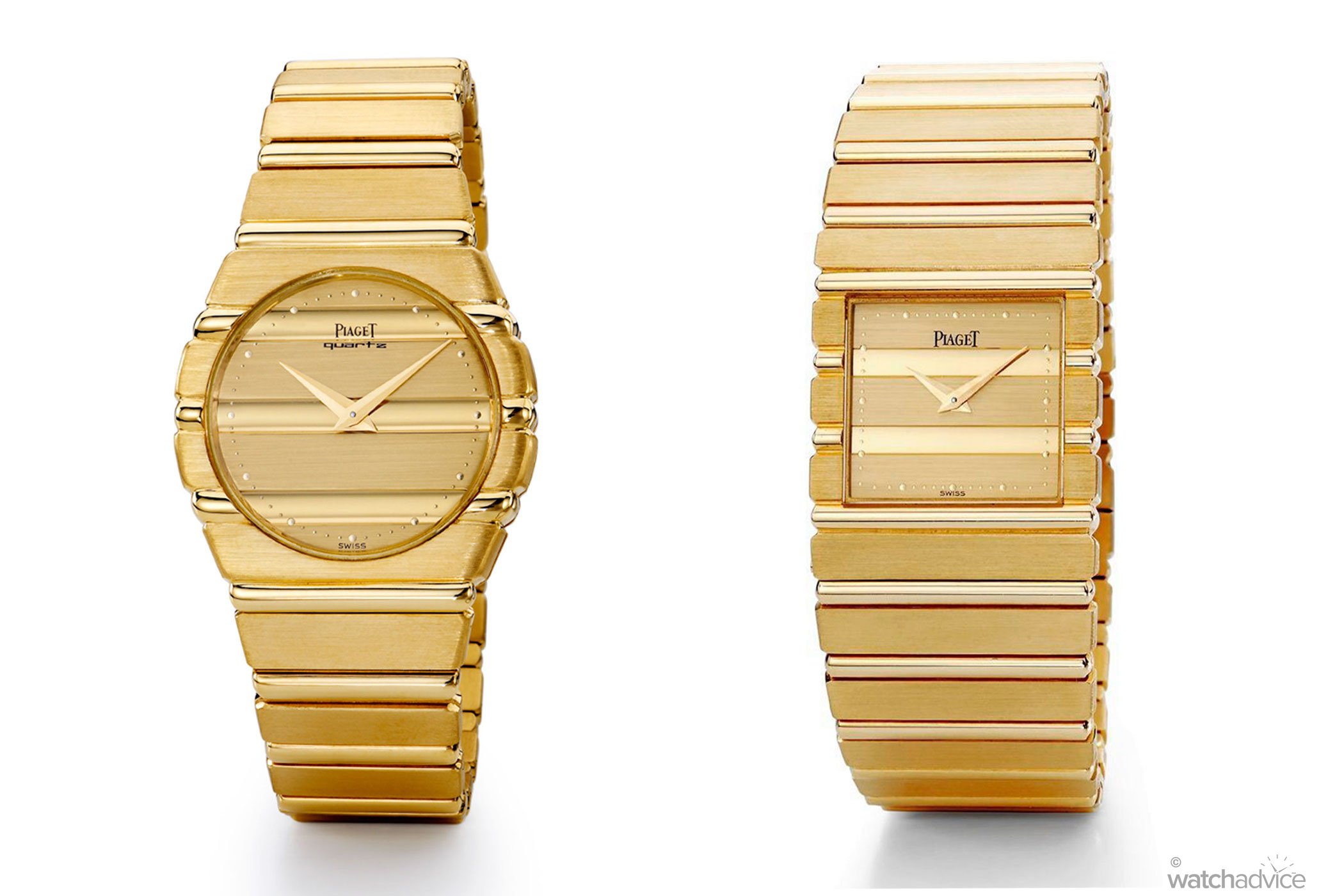
However, this unique design did not stop there. The designers at the Swiss Manufacture also wanted to include horizontal bands running across the watch, known as gadroons. This decorative motif was traditionally formed from repeated raised, rounded ridges. While the brand had explored this concept in earlier designs, the Polo brought it into a more streamlined and sportier form, making it one of the defining themes of the watch rather than a one-off detail confined to the bracelet.
Through these details, the Polo went further than any integrated sports watch unveiled during its time. While other designs had created a strong relationship between the bracelet and case, the Piaget Polo effectively blended the bracelet and watch head together, making the entire watch the centrepiece.
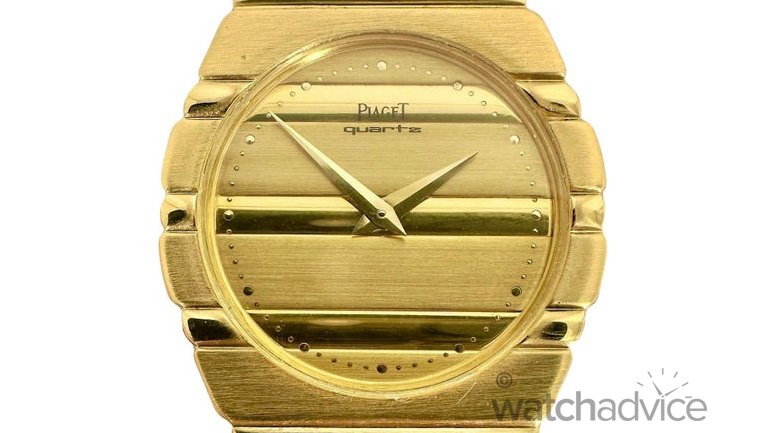
Even the watch’s dial continued the horizontal gadroons seen across the case and bracelet. While traditional watchmaking often gives the dial its own distinguishing features through colour, textured patterns or even skeletonisation, the Polo refused to play by those rules and instead integrated the same design language found across the bracelet and case. The horizontal gadroons continued onto the dial, creating one cohesive and memorable design that none of those traditional dial elements could have achieved on a watch of this calibre.
The result was a watch whose identity did not depend on a bezel, exposed screws, an unusually shaped case or a distinctive dial. The uniqueness of the Polo came from removing those divisions altogether: the gadroons became the central design language, the bracelet became the watch, and the case became one with the dial on which the time was displayed.
Light Becomes Part of The Design
One of the defining elements of the Piaget Polo’s identity is the way the surfaces of the watch interact with light. While the unique bracelet-to-case design and horizontal gadroons help shape its identity, the contrast between polished and satin-brushed gold gives the watch its visually standout appearance. Without these finishes, the timepiece would appear like one uninterrupted block of precious metal, losing much of the depth and structure that makes the design so distinctive.
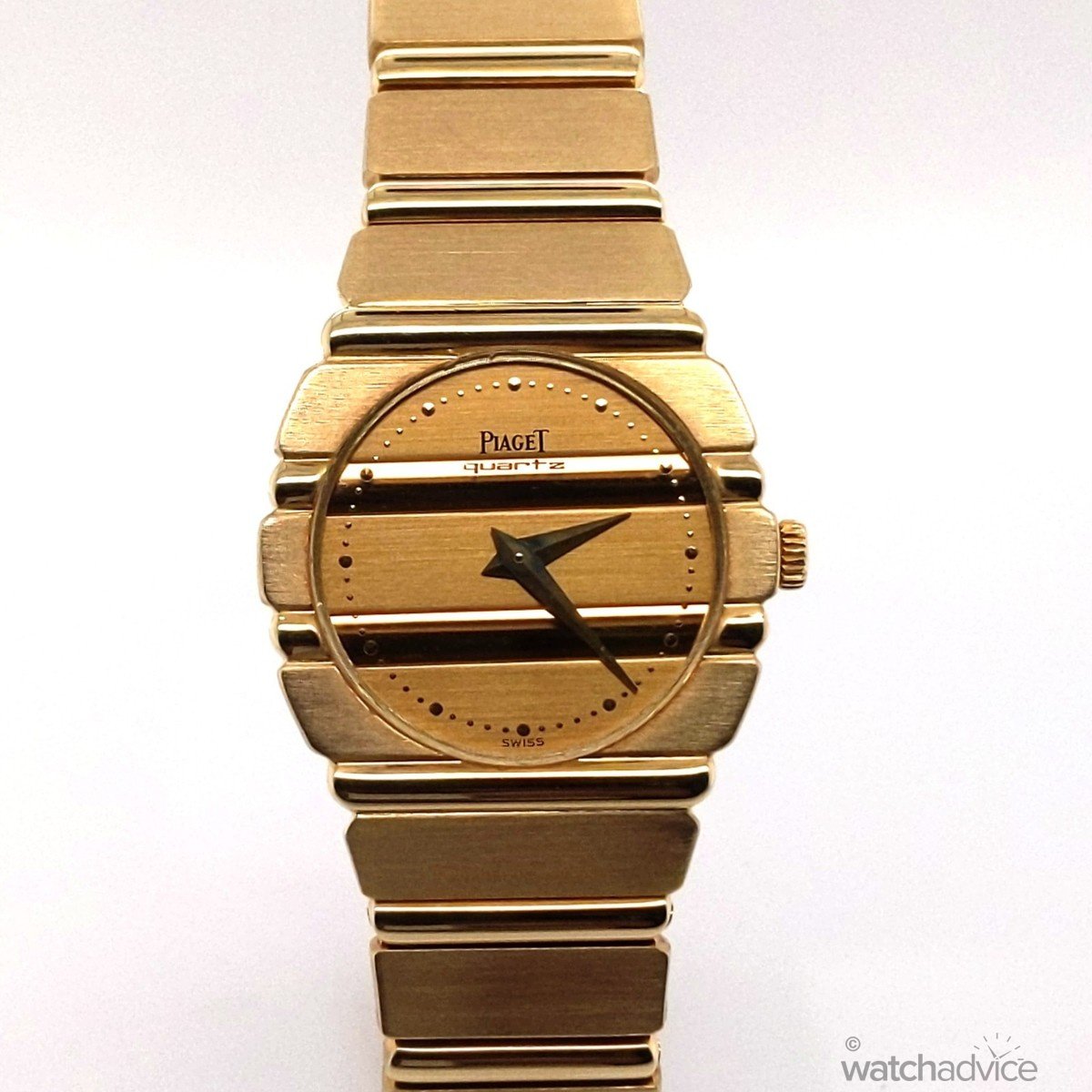
Piaget used polished and brushed finishing techniques to separate the watch visually without having to physically divide it, as you would with a traditional watch where the case and bracelet are different elements. The polished horizontal gadroons catch reflections sharply, while the brushed gold sections absorb and soften the light. This allows the eye to distinguish each of these different elements, even though the case, bracelet, and dial remain part of one continuous design.
The contrast in finishes gives the Polo a sense of rhythm and balance across the wrist. As the polished bands repeat from one link to the next, the light travels along the watch almost in sequence, making the entire structure feel animated rather than static. The polished gadroons act almost like highlights drawn across the surface of the watch. They define the bracelet links, frame the case and continue through the dial, creating the impression that light itself is outlining the architecture.
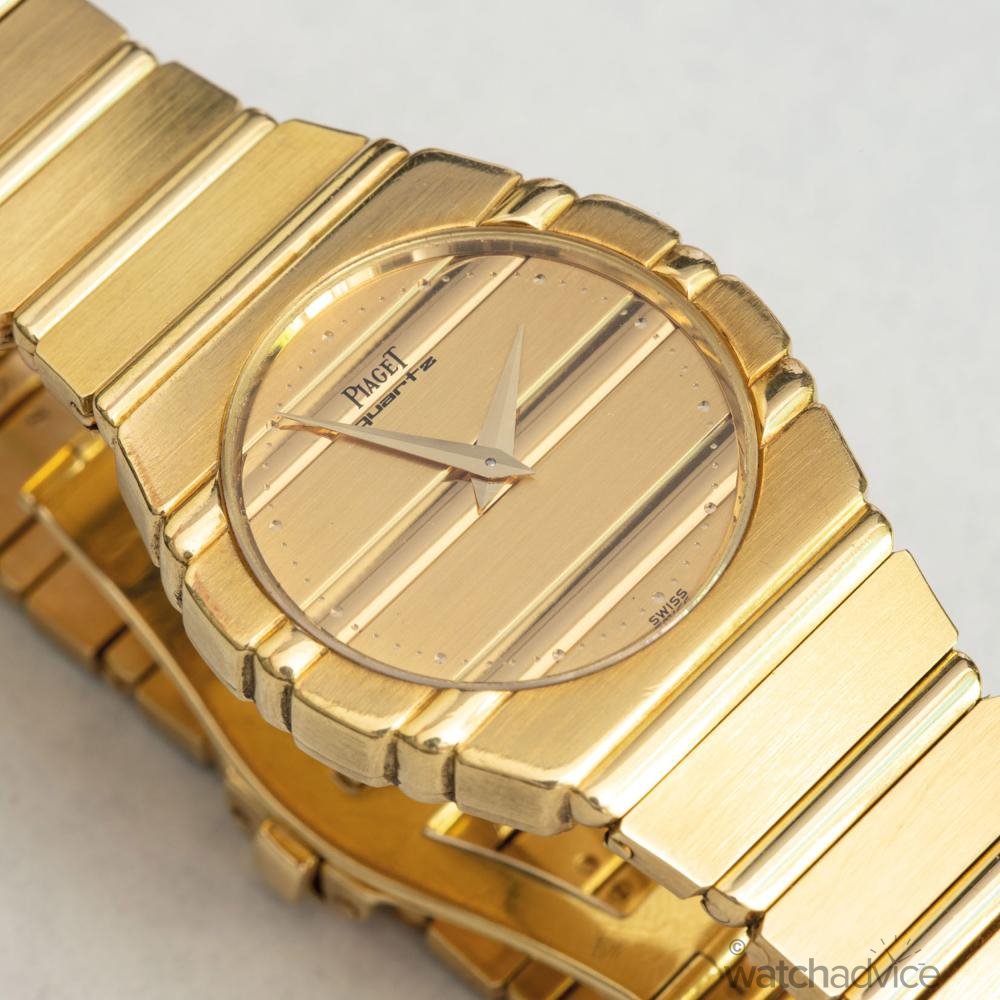
Ultimately, this balance of polished and satin finishing allows the Piaget Polo to feel both luxurious and extravagant, two defining qualities that make this integrated sports watch stand out from its competitors. The changing reflections across the original gold Polo prevent the full-gold construction from appearing flat or overwhelming, giving the design a sense of movement, depth and fluidity that continues to evolve with every turn of the wrist.
Piaget’s Identity In One Watch
The original Piaget Polo quickly evolved beyond the initial models introduced in 1979, developing into a broader design family throughout the 1980s. As the collection expanded, the Maison experimented with different sizes, round and rectangular forms, precious-metal combinations, gem-setting and increasingly elaborate executions, showing that the Polo was never meant to remain a single fixed design.
However, even through all these variations, the signature concept of the “bracelet watch” remained the same. Whether the case was circular or rectangular, Piaget kept the relationship between the case and bracelet intact, as this was the core concept that allowed the Polo to stand out from its integrated sports-watch competitors.
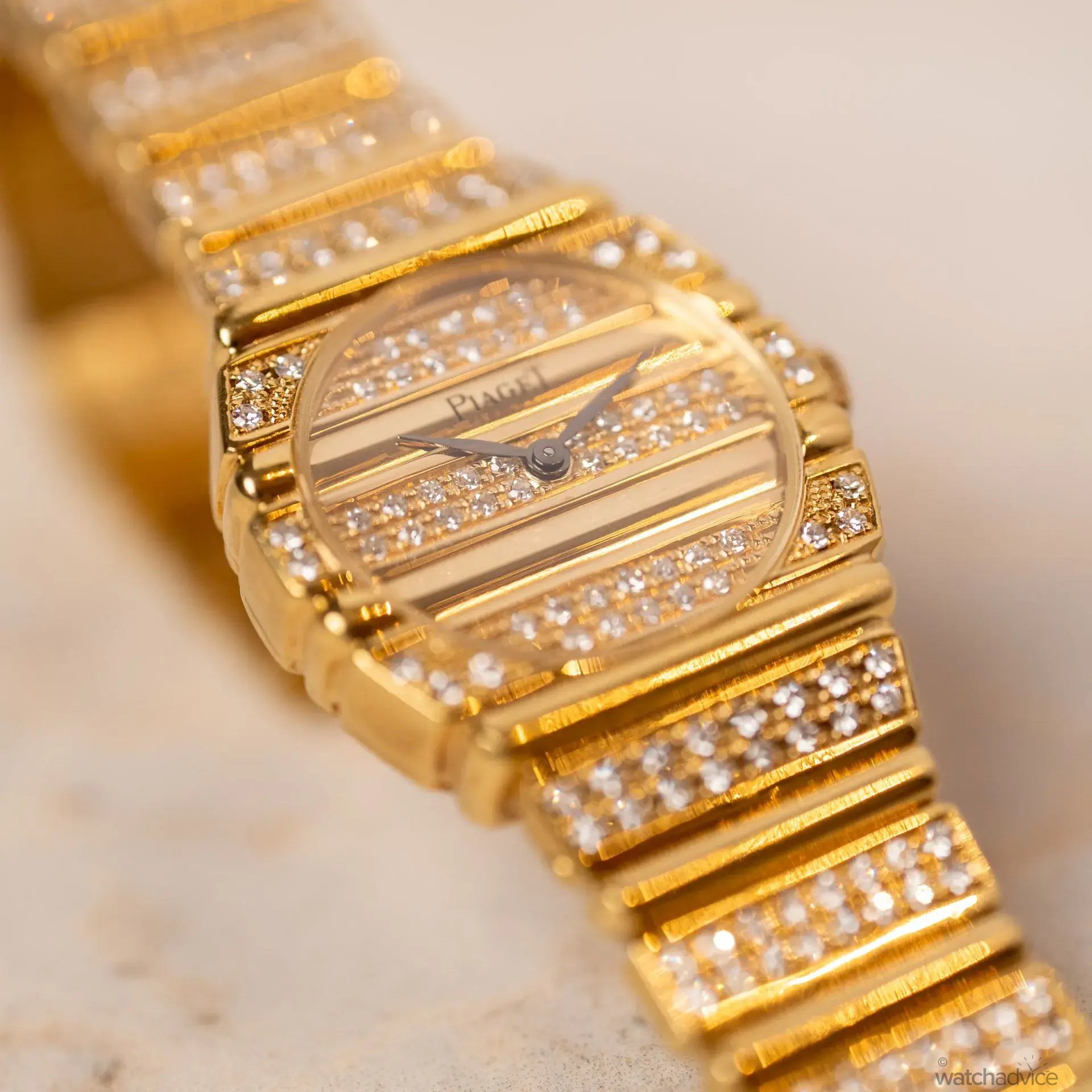
Over the years, Piaget also used the Polo as a canvas to showcase the Maison’s jewellery-making expertise. With the bracelet-watch design already possessing a jewellery-inspired element, it only made sense for Piaget to explore this further through diamond-set versions and ornamental-stone dials, bringing even more extravagance and colour into the watch.
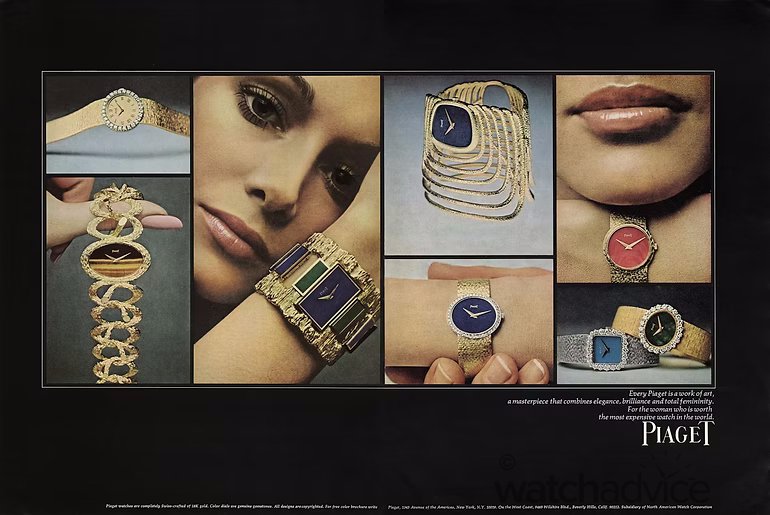
These early stone-dial models featured lapis lazuli, onyx, malachite and other ornamental materials. Stone dials were already a well-established design language for Piaget, having appeared in previous creations such as the 1969 cuff watches, the Swinging Sautoir watches and Reference 15102, also known as the Andy Warhol watch.
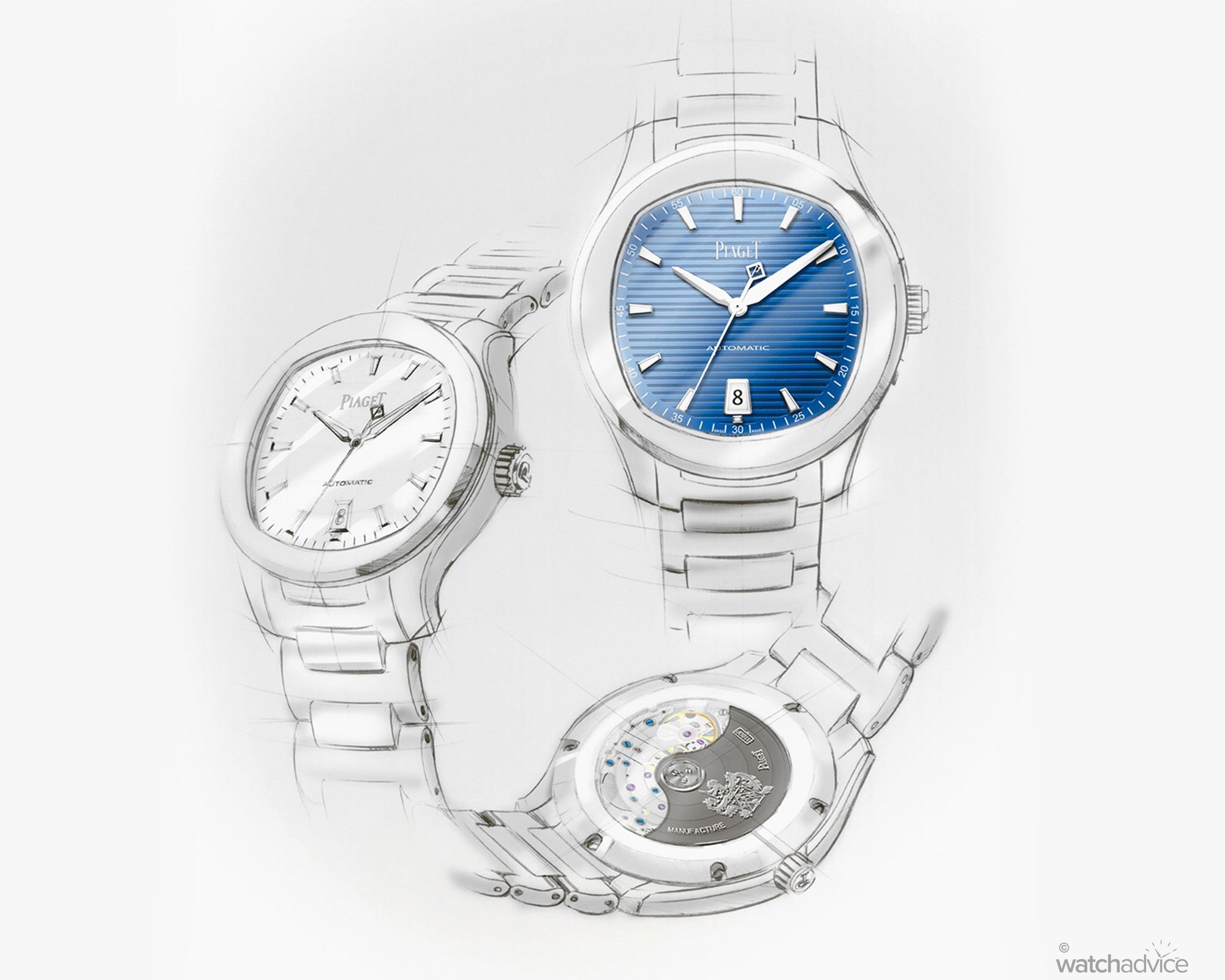
While the Piaget Polo’s design was unique and represented what the Piaget Society wanted from an integrated sports watch with elegance and luxury, the original design gradually disappeared from Piaget’s catalogue toward the end of the 20th century. The Polo name, however, remained in Piaget’s catalogue, with new generations carrying it into a more contemporary sports-watch line. This eventually led to the birth of the Piaget Polo family in 2016, with its iconic round case and cushion-shaped architecture.
While the modern Piaget Polo line retained the horizontal gadroons on the dial itself, the rest of the design moved away from the original 1979 creation, as it featured a cushion-shaped case with either an H-link bracelet or strap variations. This brought the once-unique Piaget Polo back into a more traditional watchmaking form, which made sense for the brand, as it appealed to a much broader market than the original Polo.
The Modern Revival: Polo 79
Then, in 2024, came the big Polo revival. Piaget celebrated its 150th anniversary by returning to the original Polo design with the introduction of the Polo 79. Aptly named after the year of the Polo’s birth, the Polo 79 took the watchmaking world by storm and became a highly sought-after model from the get-go. The first modern Polo 79 was crafted entirely from yellow gold, immediately restoring the warmth and unapologetic glamour of the original.
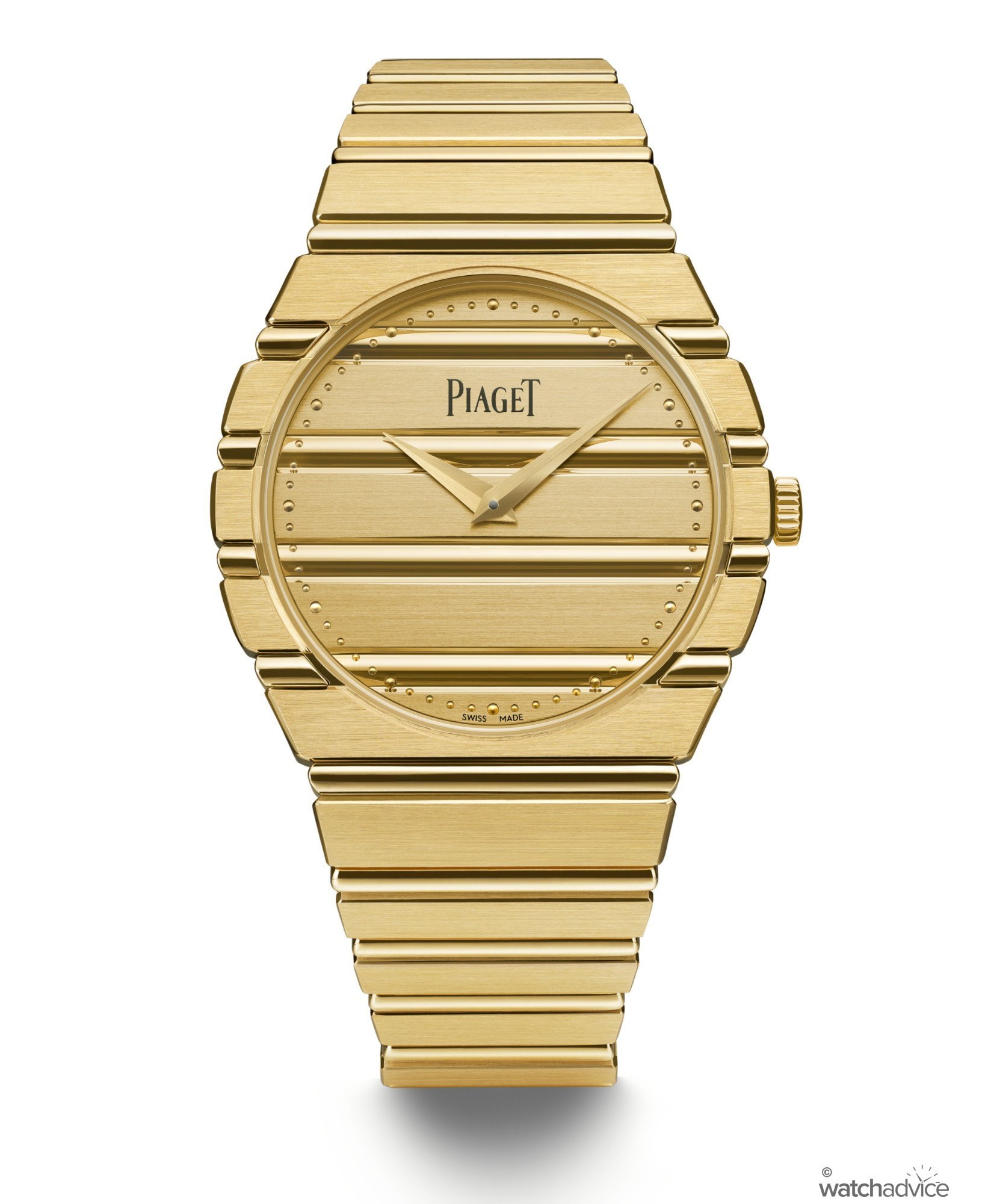
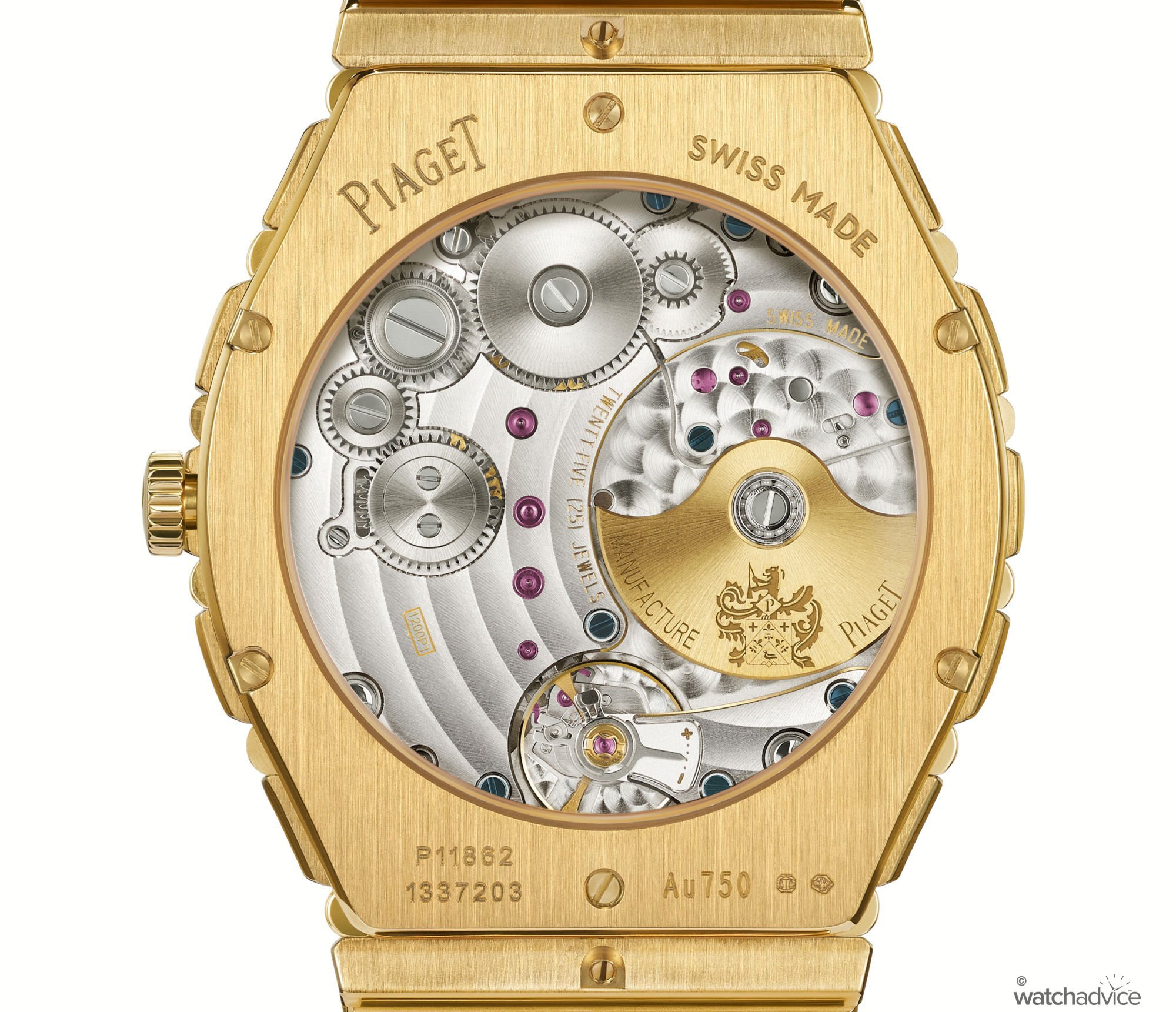
The 38mm case sizing of the Polo 79 modernised the proportions, making it a much more wearable model, but aside from that, the new edition remained faithful to the aesthetic design of the original. Inside, however, lay a different story. Where the historic Polo largely embraced ultra-thin quartz technology, the Polo 79 revival incorporated Piaget’s automatic Calibre 1200P1, a 2.35mm-thick micro-rotor movement. This allowed the case to retain a slender profile while also incorporating one of the Maison’s modern calibres.
And this is exactly why the Polo 79 feels like a complete summary of Piaget’s identity. It brings back one of the most iconic watches in horology, with its goldsmithing and jewellery architecture, while also integrating the Maison’s expertise in ultra-thin watchmaking.
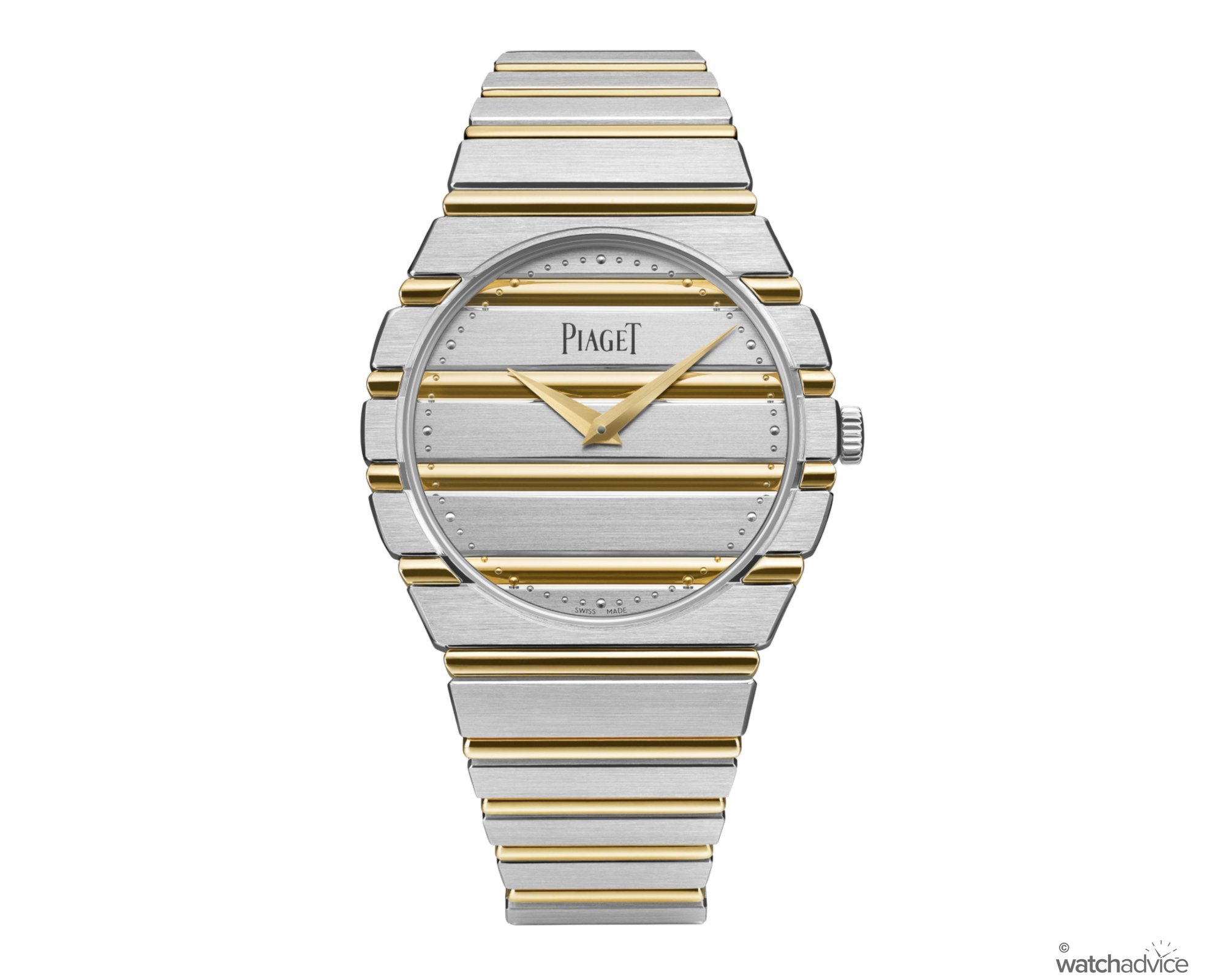
Piaget expanded the modern revival in 2025 by combining white gold with contrasting yellow-gold gadroons across the bracelet, case and dial. It was another brilliant execution, showing that a simple material change is all you need when the original design was already a winning product. Rather than adding colour through a conventional dial treatment, the use of different precious metals emphasised the horizontal structure, making the defining architecture of the Polo even more visible.
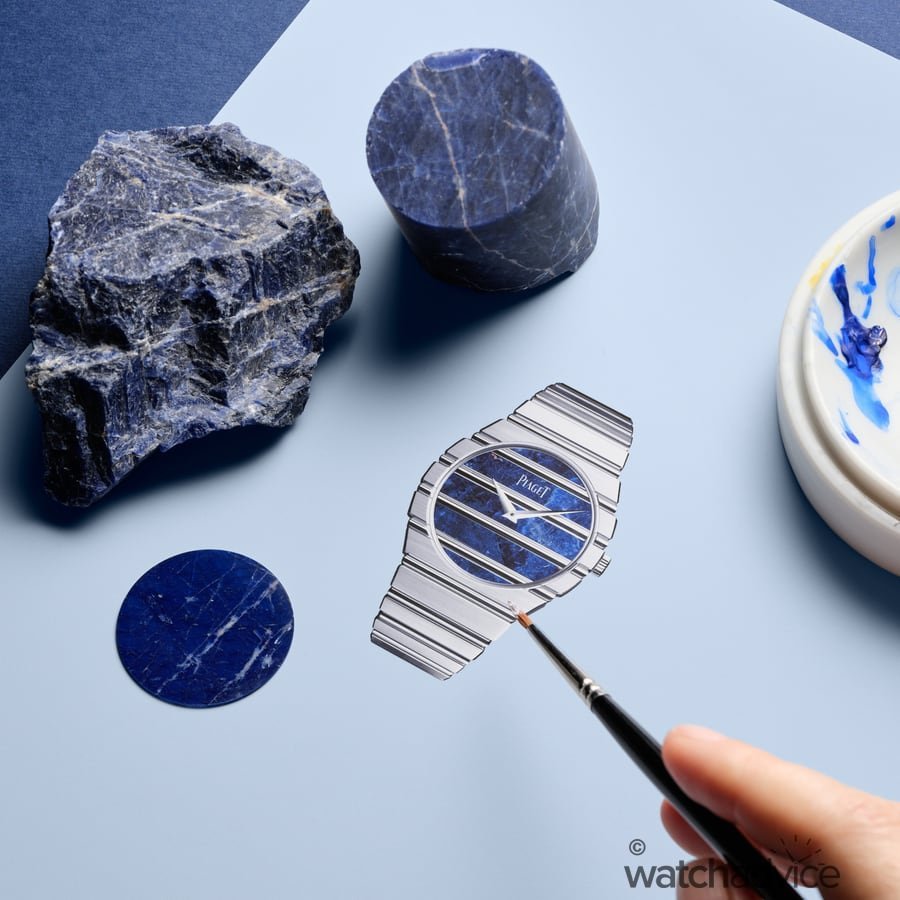
This is not to say that Piaget was going to shy away from coloured dials, however. In 2026 came one of the boldest versions of the Polo 79 to date. The Polo 79 with a sodalite dial is arguably one of the most important developments since the revival project began. Deep-blue stone panels are fitted between the white-gold gadroons, introducing natural colour and variation while preserving the unique beauty of the horizontal pattern.
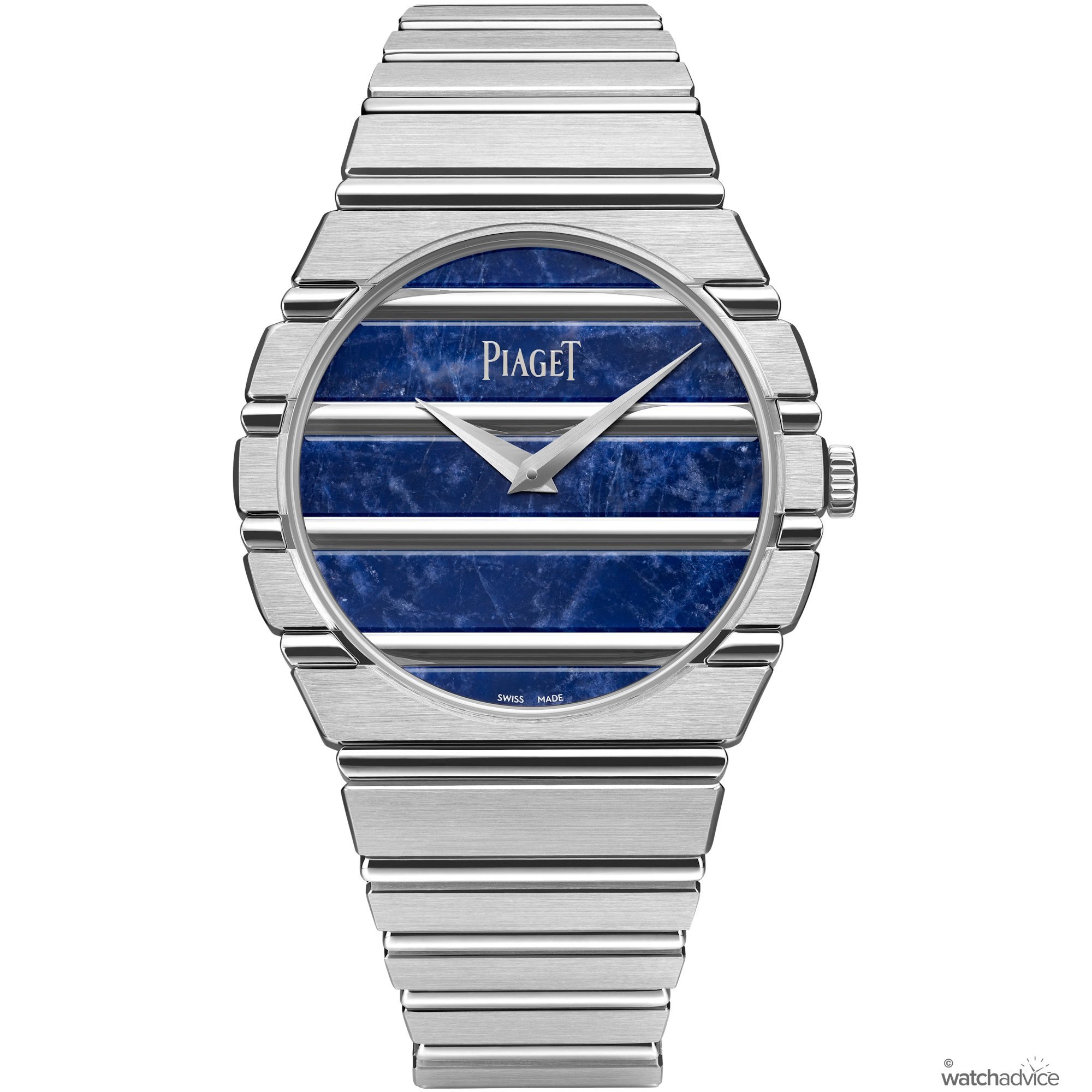
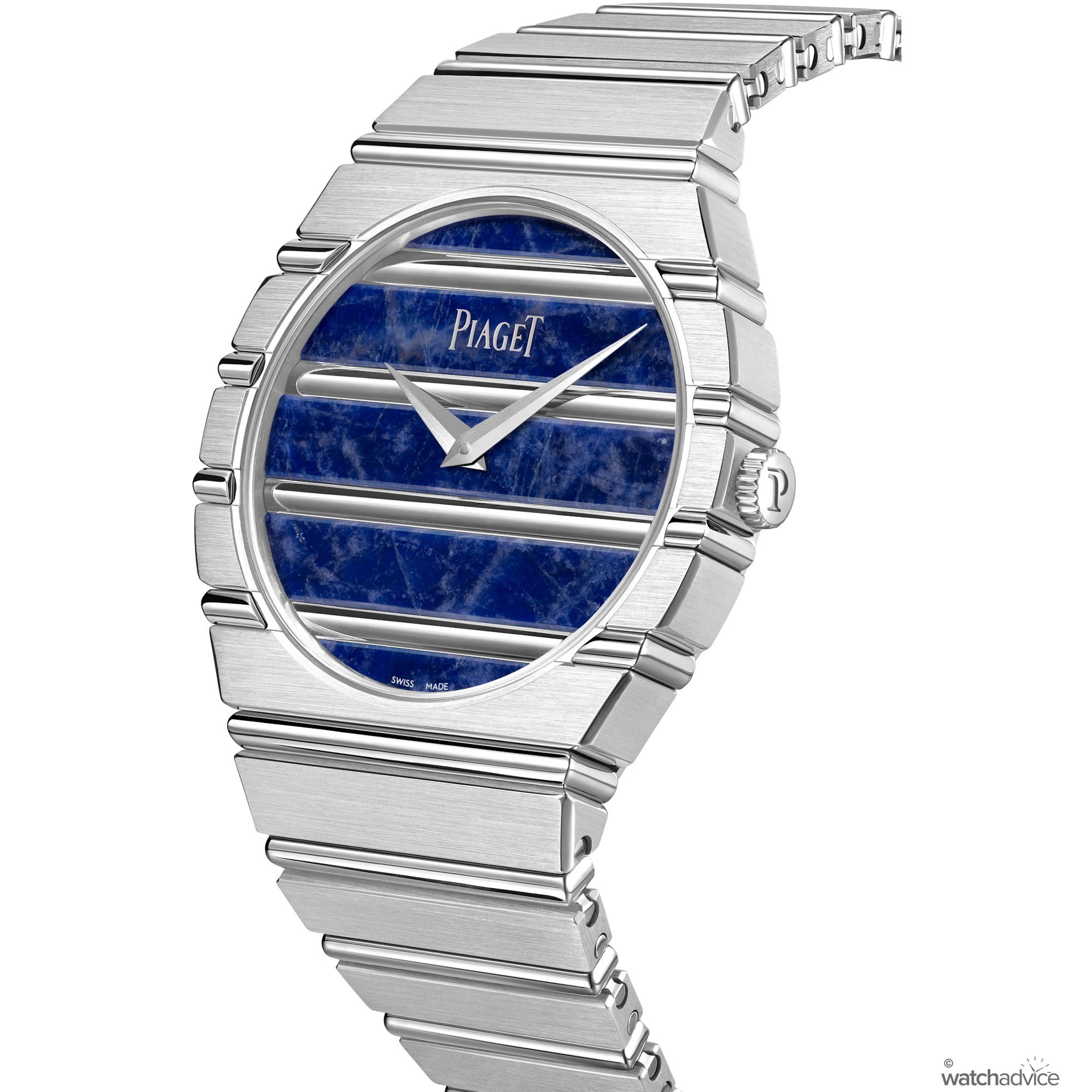
The use of stone dials always adds another layer of uniqueness to the watch. It is not simply another attractive colour or material, because every piece of sodalite used for these Polo 79 editions carries different veining and tonal variations, making each dial and timepiece individual in its design.
More than four decades after the creation of the original Polo, the Polo 79 continues the legacy of one of the most daring integrated sports watches ever created. This is Piaget’s identity distilled into a single timepiece. Its ultra-thin automatic movement showcases the Maison’s technical prowess, while the beautiful, fluid construction of the case, bracelet and dial highlights the brand’s jewellery expertise. Add stone dials to the mix, and the Polo 79 reconnects with one of the most expressive eras in Piaget’s watchmaking history.
The future of the Polo 79 may introduce new materials and personalities, but its greatest strength will always come from remaining unmistakably Piaget.