

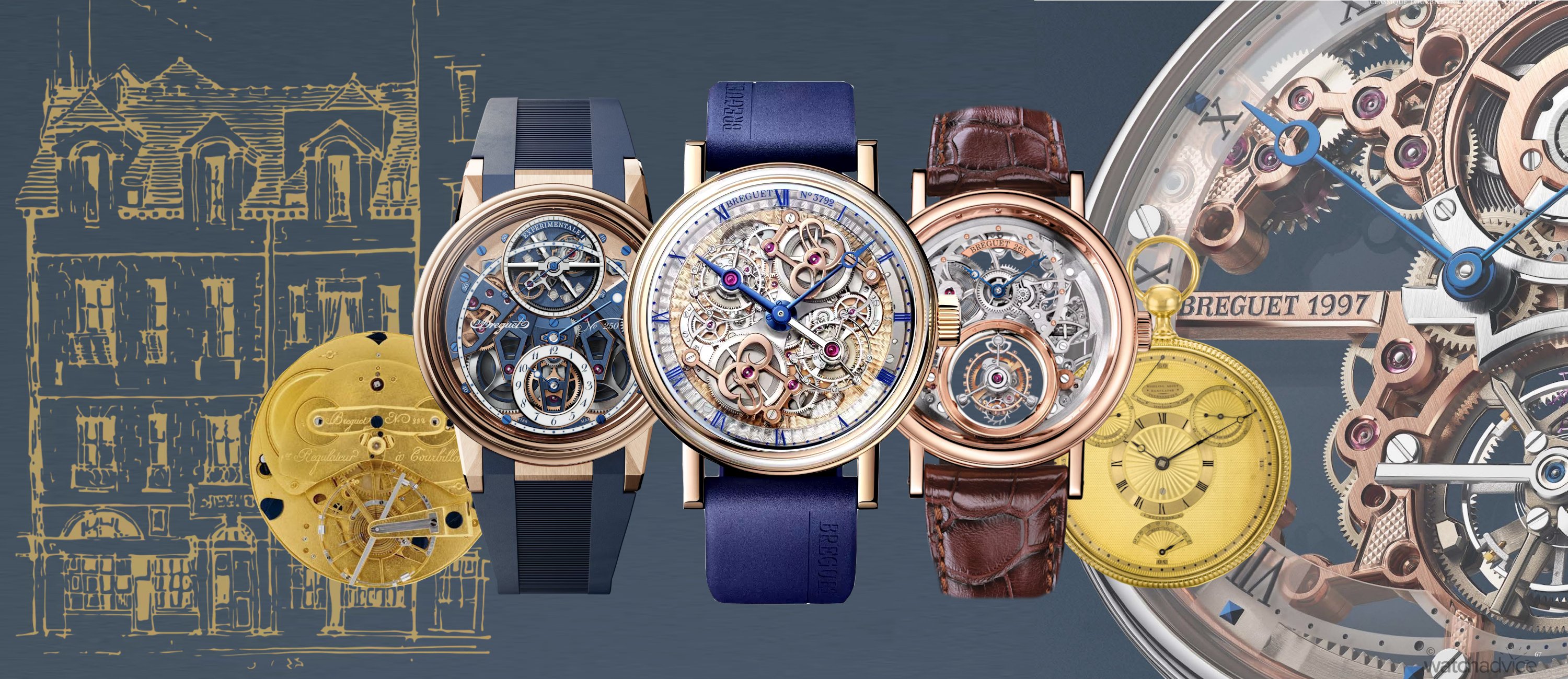
225 years after its invention, Breguet’s tourbillon still stands as a beautiful solution to one of timekeeping’s greatest problems.
I won’t beat around the bush here: Breguet is my favourite watchmaker. I feel every enthusiast has that one watch brand that makes them fall in love with this hobby, whether it is through the designs, the history, the collaborations, or even celebrity endorsements. Whatever it may be, there is always a personal story behind why we connect with certain brands and place them into our favourites category. For me, that brand is Breguet.
So at this stage, you may be asking: what makes them stand out for me?
Honestly, I wish I could give a straightforward answer, but it really comes down to the brand’s design language. Breguet has a way of displaying vintage-inspired aesthetics from the case to the dial, while also showcasing the movement and the mechanical artistry behind it. I have always admired vintage-inspired timepieces, and I also have a love for skeletonised dials, as they reveal the inner workings of the movement. So when you combine the two, it is like a match made in heaven for me.
But it doesn’t just stop there. The brand also has so much history in the world of watchmaking and is often referred to as one of the founding fathers of modern horology. And for good reason too, as Breguet has introduced so many complications and innovations that have helped move watchmaking forward as a whole.
Now, I could dive into the history of Breguet here and cover all the different innovations, but I don’t think I would do the brand justice unless it were a separate dedicated article, so stay tuned for that! The catalogue of innovations and complications that Breguet popularised to help move watchmaking forward is certainly a long one, and includes some major milestones such as the Perpétuelle in 1780, the spring gong in 1783, Breguet hands in 1783, the Breguet overcoil/balance spring in 1795, and even the first wristwatch, created for Caroline Murat, Queen of Naples, in 1810.
However, there is one other innovation from Breguet that stands out as a truly pioneering achievement in the world of watchmaking, and that is the invention of the tourbillon.
What Is A Tourbillon? The Problem Breguet Was Trying To Solve
We are so used to seeing more and more tourbillons in modern watchmaking, but that certainly was not the case when you rewind back almost a century or so. The tourbillon is a highly complex mechanism, one that brands have been able to refine and somewhat simplify over the decades, with the original goal of helping improve the accuracy of mechanical timepieces.
The tourbillon, at its core, is a mechanism designed to enhance the precision of mechanical watches by reducing the effect of gravity. In the late 18th century, pocket watches essentially spent most of their time in a vertical position inside waistcoat pockets. This meant that gravity could affect the balance wheel, balance spring and escapement differently depending on the watch’s orientation. As theorised, this positional error could then affect the accuracy of the movement, causing the watch to run slightly faster or slower.
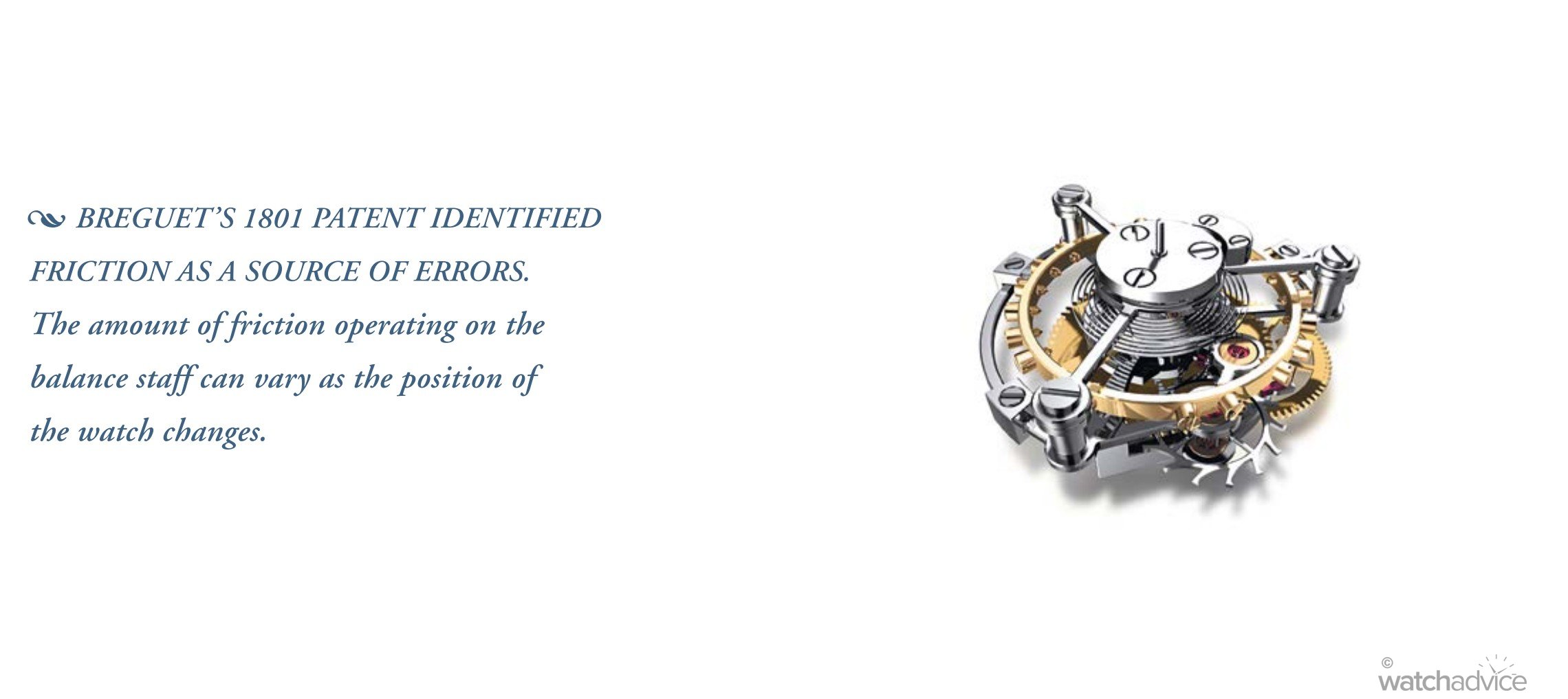
The solution to this positional error, which could lead to inaccurate timekeeping in pocket watches, was to place the key regulating components inside a rotating cage, also known as a tourbillon. Rather than allowing the balance wheel and escapement to remain fixed in one position, as seen in traditional watchmaking, this new tourbillon carriage would slowly rotate, most commonly completing one full rotation per minute.
The reason it completes a full rotation per minute is that it allows the regulating organ to pass through a complete 360-degree cycle and average out the effects of gravity. In simple terms, instead of gravity pulling on the movement from one consistent angle, the tourbillon allows those errors to be spread across multiple positions. The one-minute rotation also made practical sense, as the carriage could double as a small seconds display, turning this highly technical and complex solution into a simple, readable indication of time.
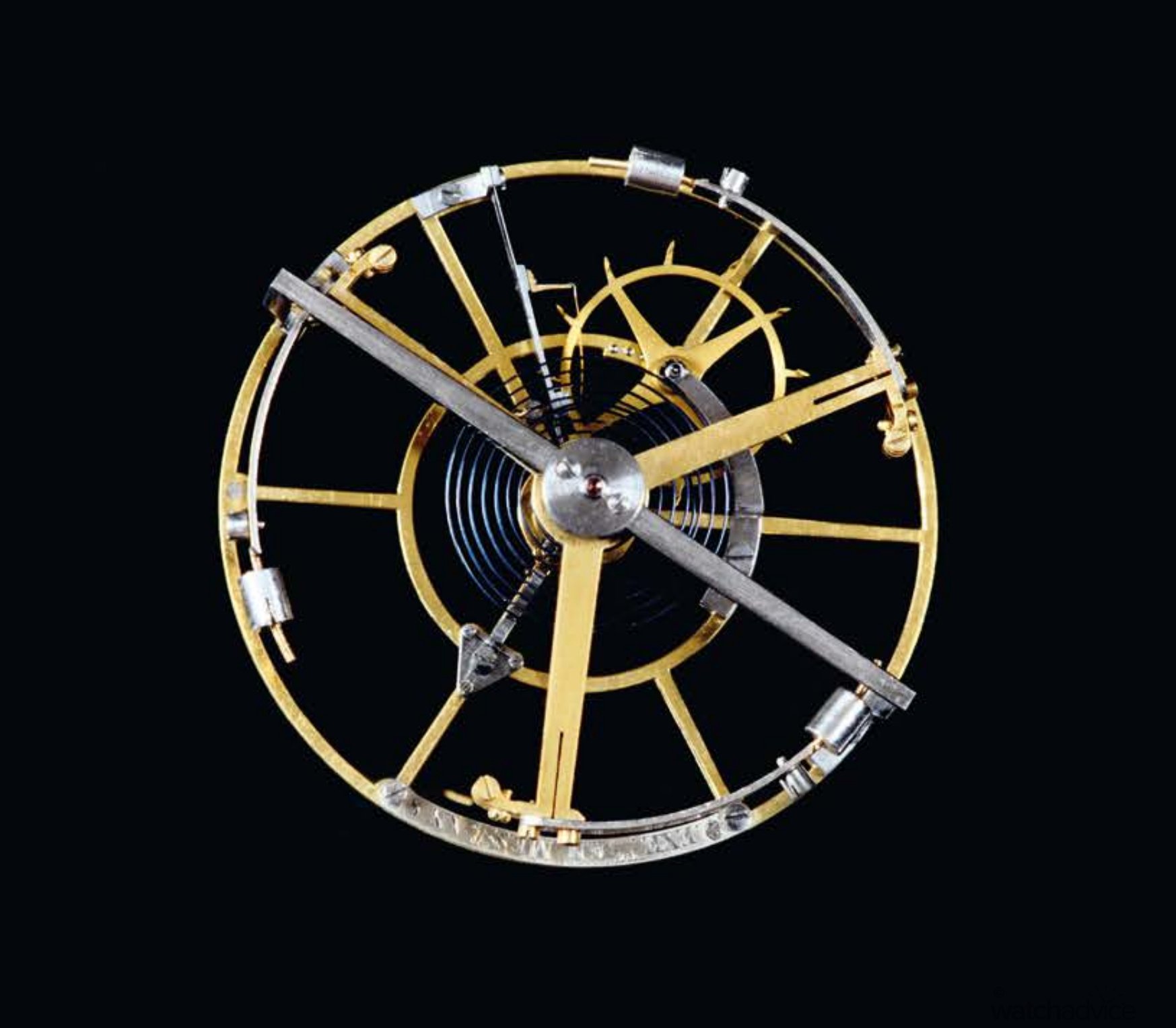
Now, as you may have gathered, from a technical perspective, this seems like a nightmare to construct. The rotating cage of the tourbillon has to carry some of the most delicate parts of the movement, including the escapement, balance wheel and balance spring, all while still being able to receive energy from the gear train to keep the mechanism moving.
It is not just about the parts coming together, either. Each component inside the tourbillon cage must be made as light and as precise as possible, as any unnecessary weight can affect the efficiency, power reserve and overall timekeeping stability of the movement.
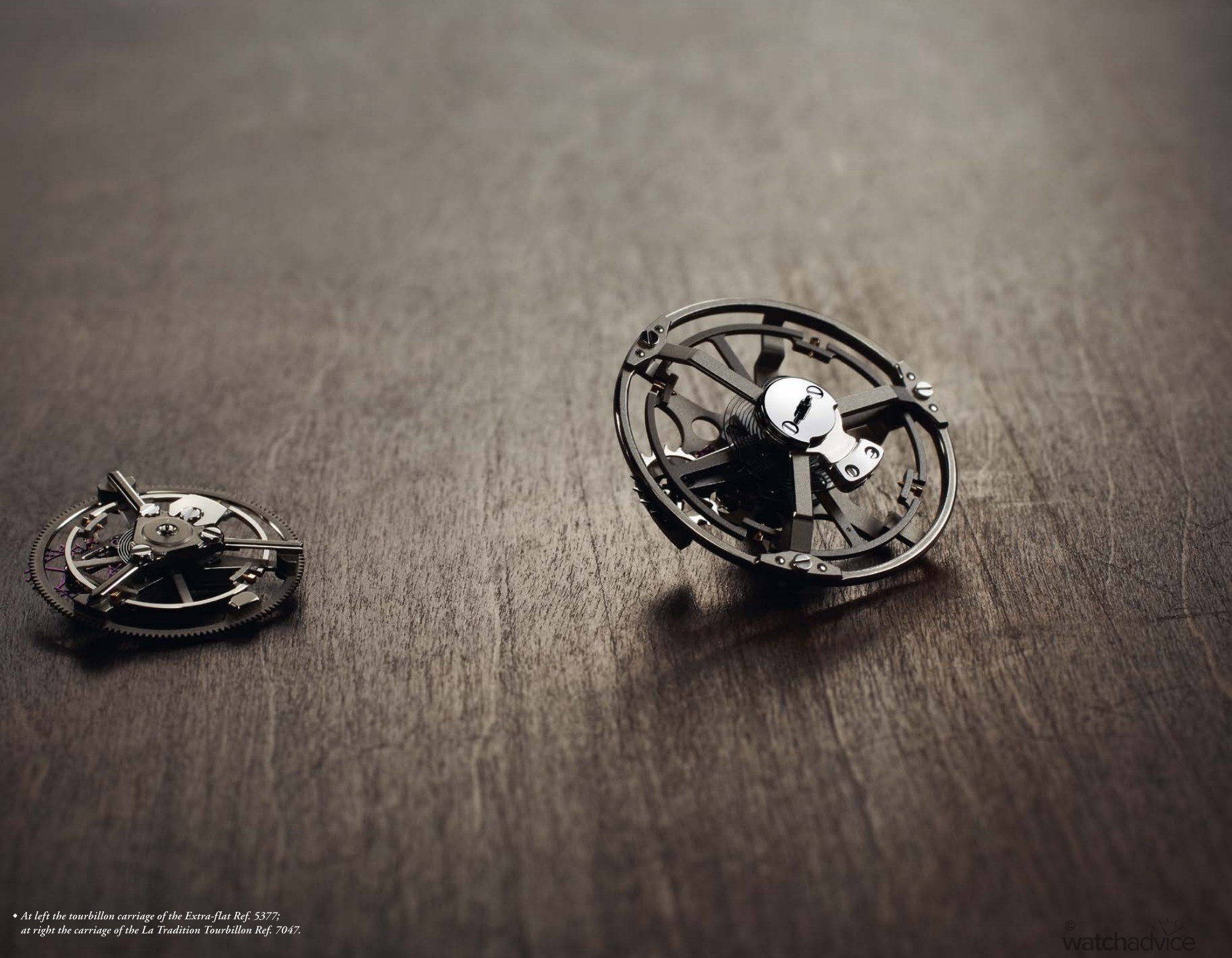
What makes the tourbillon complication so fascinating is that it was not created out of a need to make watches more “luxurious”, but rather to solve a real-world issue in mechanical timekeeping. It was also created during a time when accuracy in mechanical watchmaking was one of the highest ambitions, with many watchmakers and brands attempting to solve this very issue. The tourbillon remains one of the most beautiful demonstrations of what traditional watchmaking can achieve, and personally, I still see it as one of the clearest expressions of mechanical ingenuity.
Back To The Story – 1801: The Birth Of The Tourbillon
With the problem of gravity and positional accuracy in traditional pocket watch designs now understood, we can return to the story of the man who found a way to work around it. Abraham-Louis Breguet was not trying to defy gravity itself, because that would certainly be impossible, but rather, his ingenious solution was to tame its effect on timekeeping. Through many years of observation, study, and hands-on watchmaking experience, Abraham-Louis Breguet understood that the regulating organ of a pocket watch was vulnerable to the influence of position, friction, lubrication, and the natural limitations of the materials being used at the time.
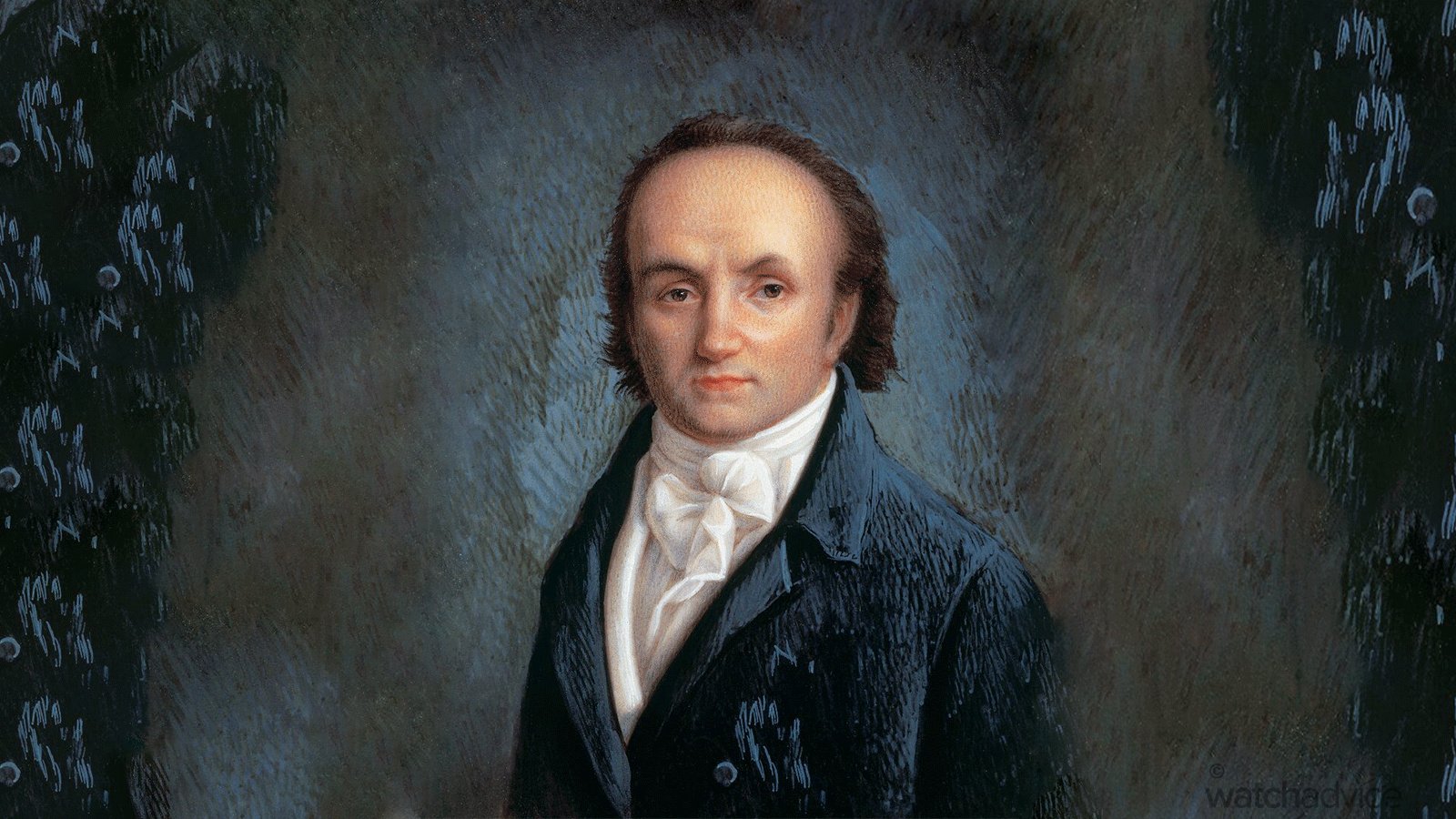
The tourbillon was not an invention that appeared overnight. According to Breguet’s archives, the idea started forming in Abraham-Louis Breguet’s mind during his time in Switzerland between 1793 and 1795, when he had fled the French Revolution and returned to his country of birth. This period was especially important for Breguet’s own growth, as he was able to exchange ideas with other Swiss watchmakers in Geneva, Neuchâtel and Le Locle. Then, when he finally returned to Paris in 1795, he was full of technical ideas and solutions, marking one of the most productive phases of his career and eventually leading to the birth of the tourbillon.
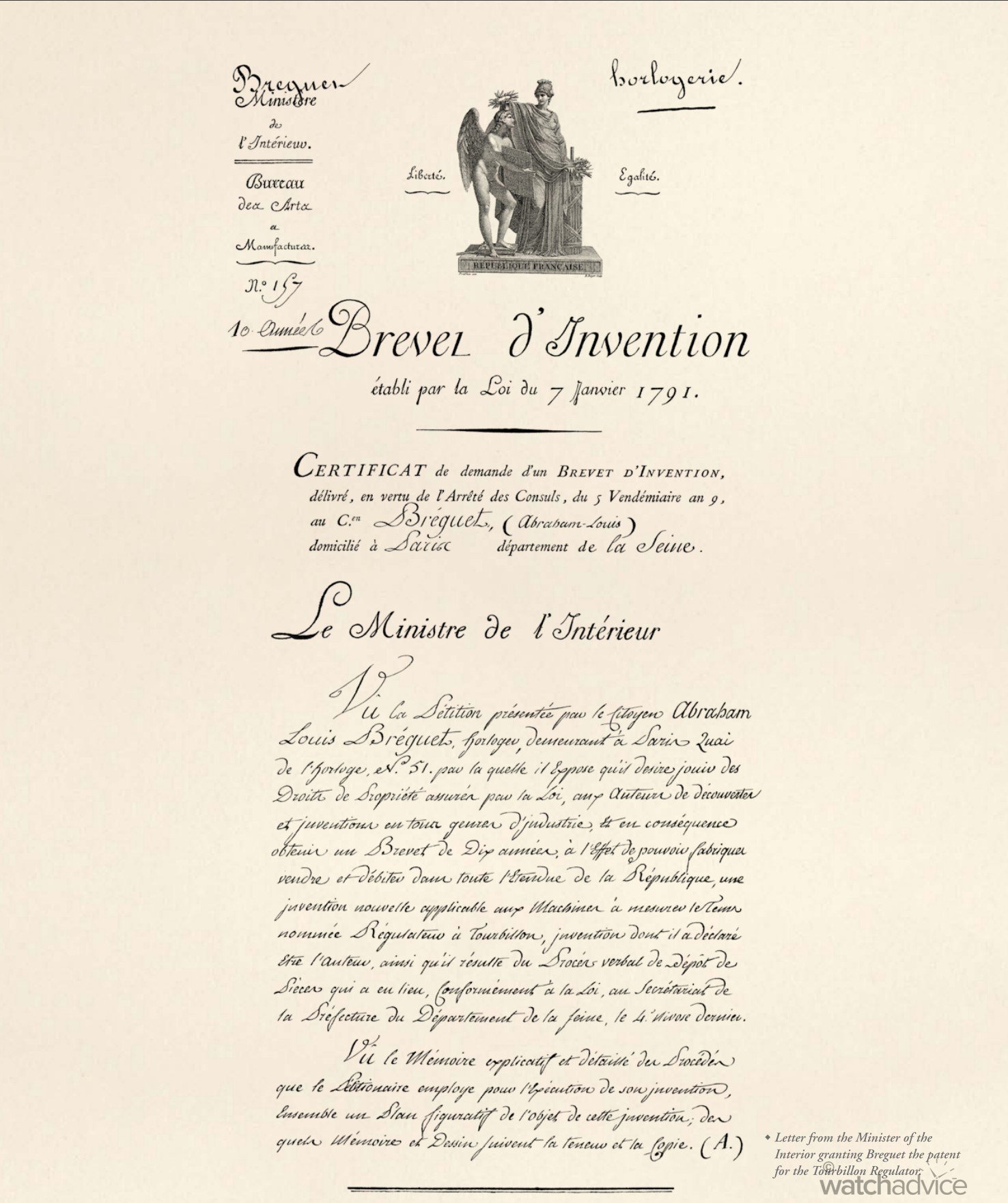
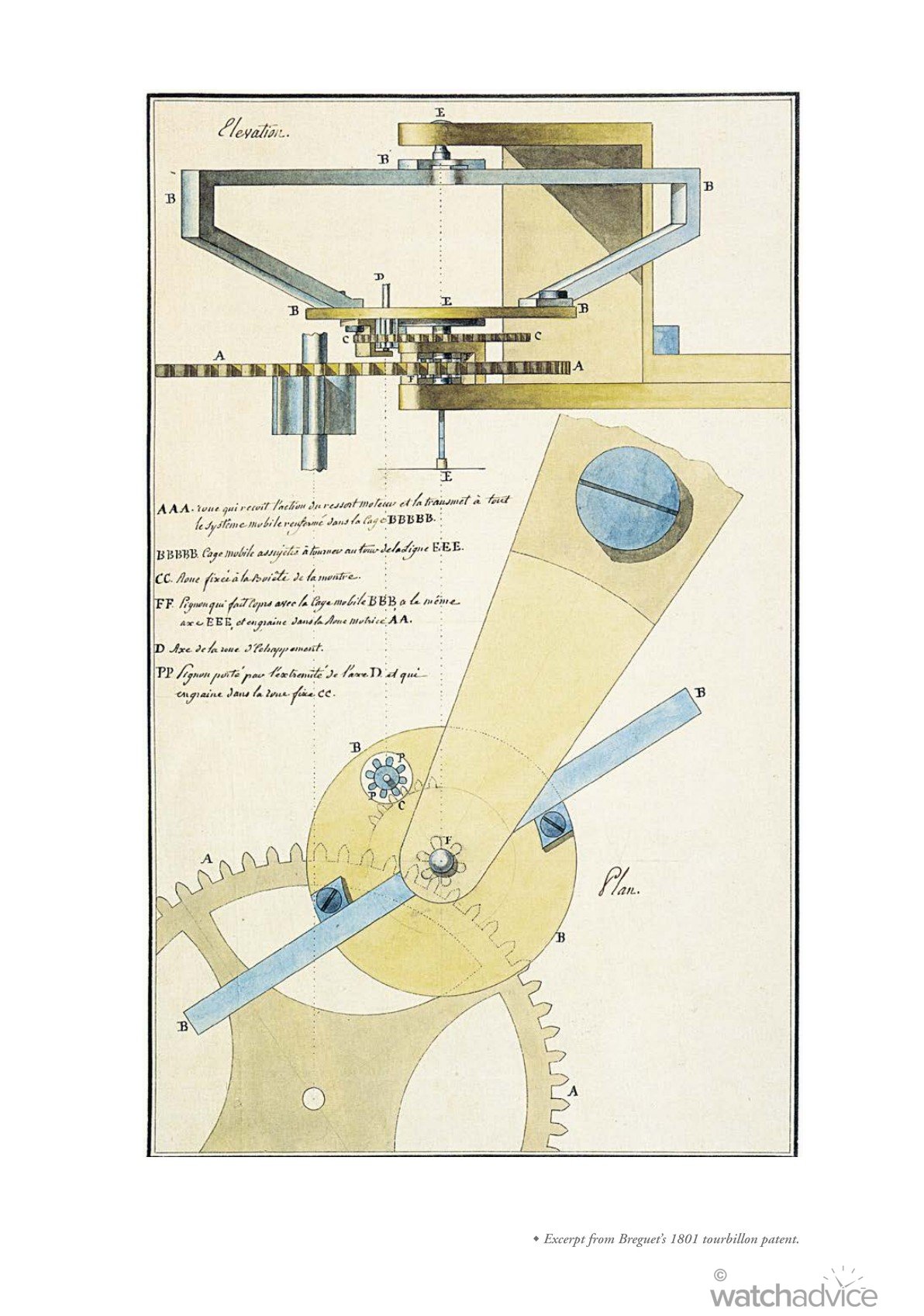
On June 26, 1801, Abraham-Louis Breguet officially obtained the patent for the tourbillon. At the time, however, France was using the post-revolutionary Republican calendar, which meant that the date was recorded as the “7th Messidor of the year IX”. According to Swatch archives, the patent was not easy to obtain either, as “in order to obtain his patent, Breguet had to overcome the hurdles posed by the application file, which had to include an illustrative watercolor plate and be prefixed by a letter to the Minister of the Interior.” In the official letter sent by Abraham-Louis Breguet (shown below), he introduced the invention with the words, “I call this device the Tourbillon Regulator.”
Citizen Minister
I have the honor of presenting to you a dissertation containing the description of a new invention for the use with time-measuring devices. I call this device the Tourbillon Regulator […]
By means of this invention, I have successfully compensated for the anomalies arising from the different positions of the centers of gravity caused by the regulator movement. I have also succeeded in distributing the friction over all areas of the circumference of the pivots of this regulator and the holes in which these pivots move. This is done in such a way as to ensure that the lubrication of all chafing parts should remain constant despite the thickening of oils. Lastly, I have eliminated many other errors that impair the precision of the movement […]
It is after due consideration of all these advantages, of the advanced means of production that I have at my disposal, and of the considerable expense I have incurred in procuring these means, that I have decided to claim the right of establishing the date of invention, thus ensuring compensation for my sacrifices.
Abraham-Louis Breguet
What was impressive about the letter was that Breguet clearly understood the purpose of his invention. In the letter above, he explained that he recognised the problem of inaccuracies in the regulator that arose from the different positions of its centre of gravity. He then went on to explain that his invention would “distribute friction over all the circumference of the pivots”, helping to maintain lubrication as the oils thickened over time. In other words, he did not just create an invention to compensate for inaccuracies in timekeeping caused by gravity, but also one that could improve mechanical consistency and make the mechanism more suitable for long-term use.
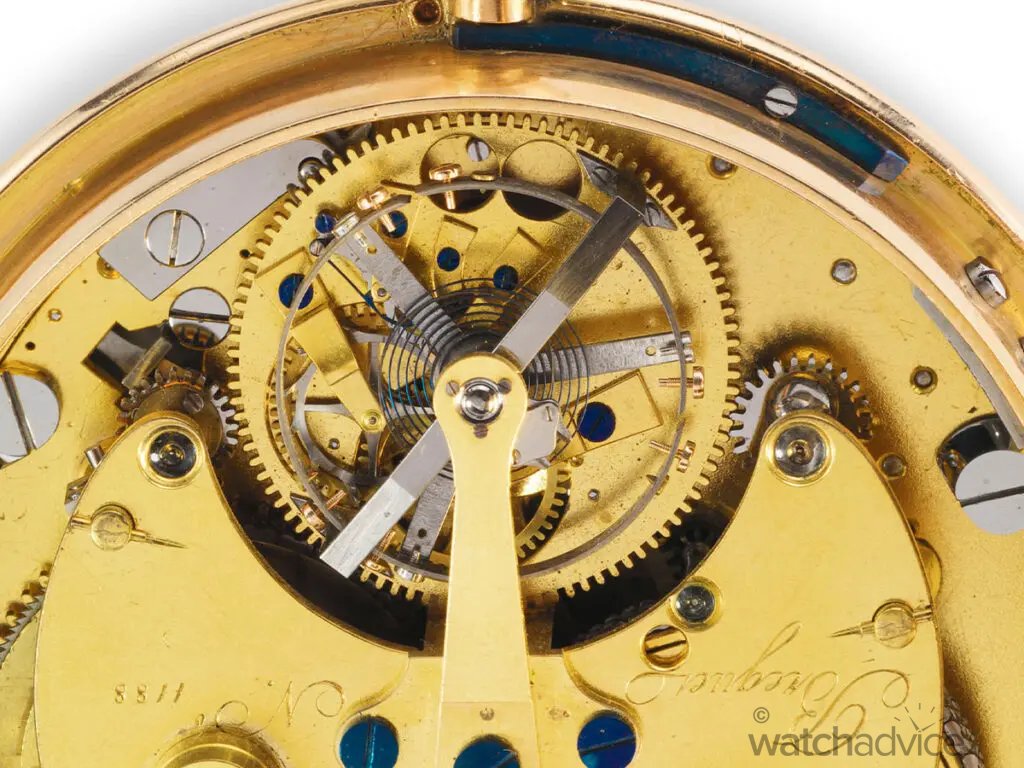
The word tourbillon itself carries a deeper meaning. Historically, its meaning was connected more closely to astronomy, planetary motion, and rotation around a single axis. This gives the complication a more poetic quality, as inside the watch, the escapement, balance and spring all rotate within the tourbillon cage, almost like a tiny mechanical planet moving with constant rhythm.
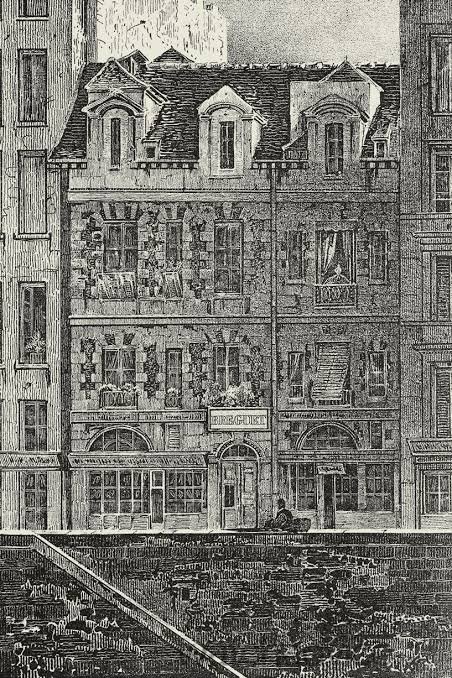
Even with the patent being granted to Abraham-Louis Breguet, the story of the tourbillon was only just beginning. The mechanism still remained incredibly difficult to fine-tune and produce. In fact, to put its complexity into context, it took Breguet more than ten years not only to develop the invention, but also to make it reliable and consistent. Between 1796 and 1829, Breguet and his workshop are said to have produced 40 tourbillons, showing just how demanding this mechanism was, even for one of the greatest watchmakers in history.
Why The Tourbillon Became A Symbol Of Mastery
Even after Breguet patented the tourbillon in 1801, the complication was not one that every watchmaker could simply copy and produce. As outlined above, the creation of the tourbillon mechanism required extreme precision, patience, and a deep understanding of regulating organs. After all, the tourbillon cage had to rotate smoothly while carrying the escapement, balance wheel, and balance spring. Due to the nature of its difficulty, the tourbillon became respected throughout the watchmaking world, making the sight of one inside a pocket watch truly special.
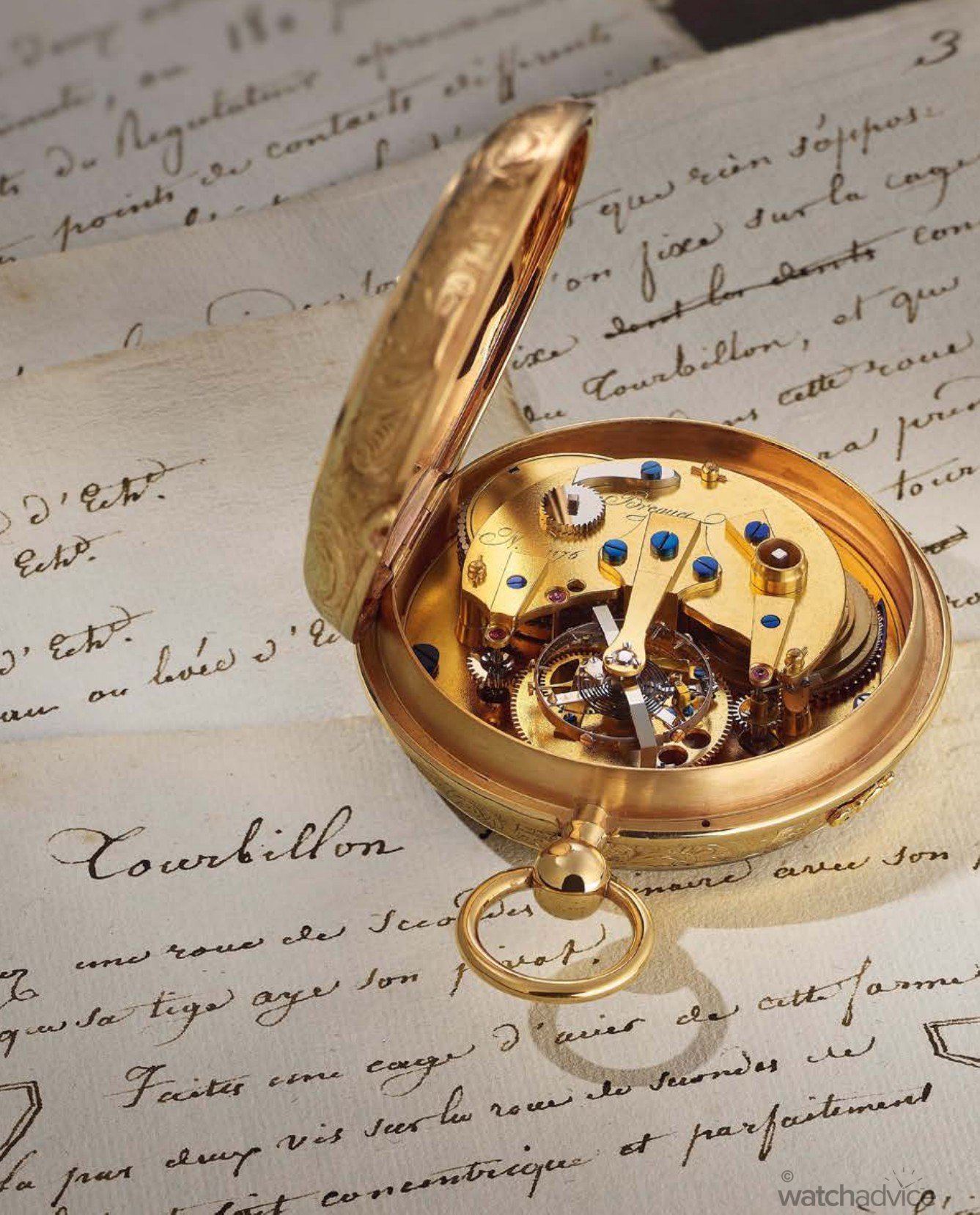
What makes the tourbillon a symbol of mastery for watchmakers is that it is not just one component. It brings together design, engineering, regulation, assembly, and finishing. The watchmaker has to be able to manage power delivery to a moving cage, while ensuring the regulating organ remains stable, even as it rotates.
The pivots, cage, escapement, and balance all need extremely fine tolerances as well, in order to operate with maximum efficiency. While the tourbillon is a lot more common today thanks to improvements in equipment, materials, and streamlined production processes, back then it became a sign that a brand or watchmaker had serious horological capability.
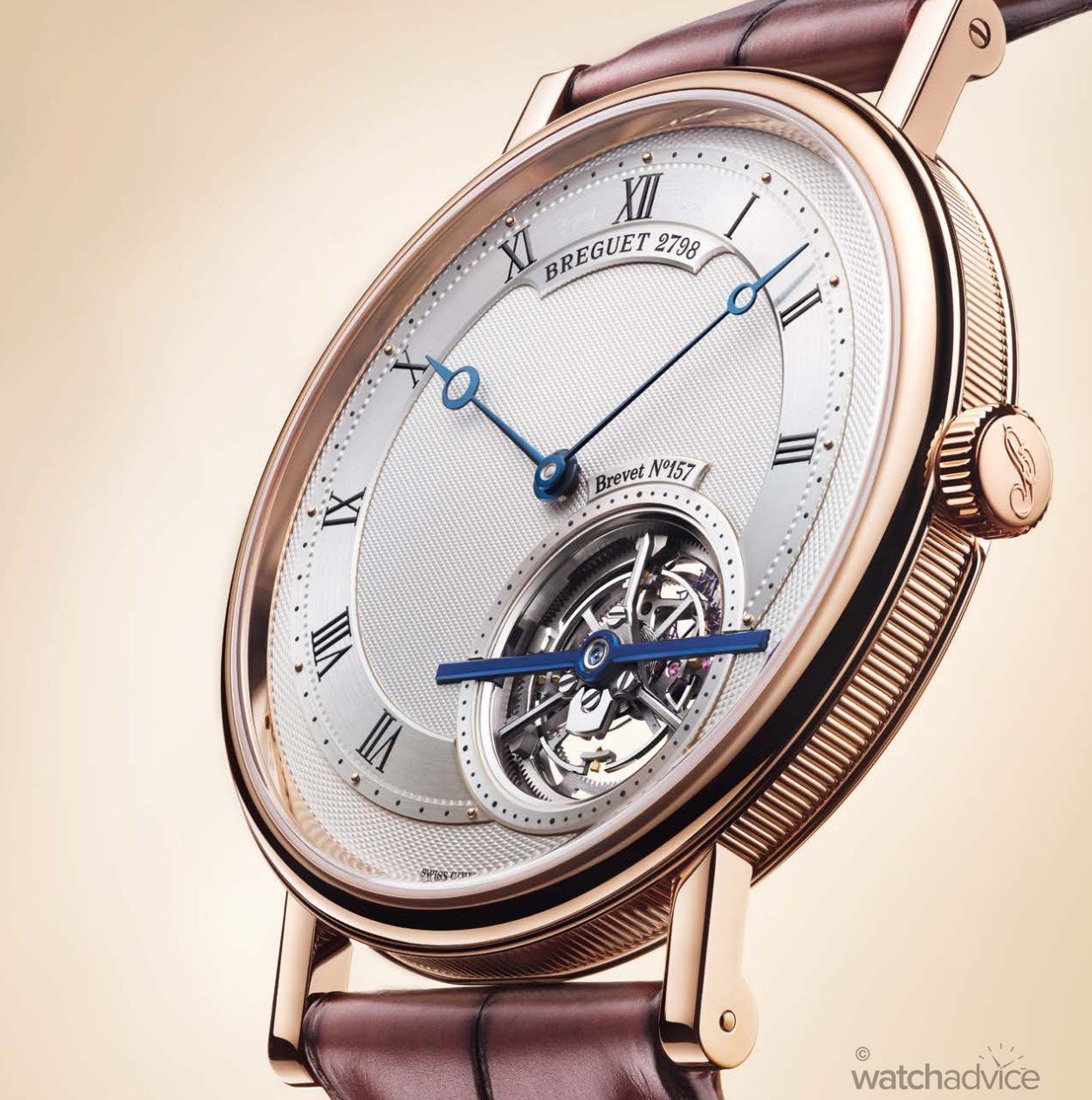
Over time, the tourbillon shifted from a precision tool to a symbol of prestige and mastery. Originally, the tourbillon was created for pocket watches, which naturally spent most of their time in a vertical position. However, in modern wristwatches, the practical accuracy benefit is often debated because the wrist naturally moves through different positions throughout the day. This does not mean the tourbillon cannot still enhance accuracy, but rather that its purpose has evolved beyond precision alone.
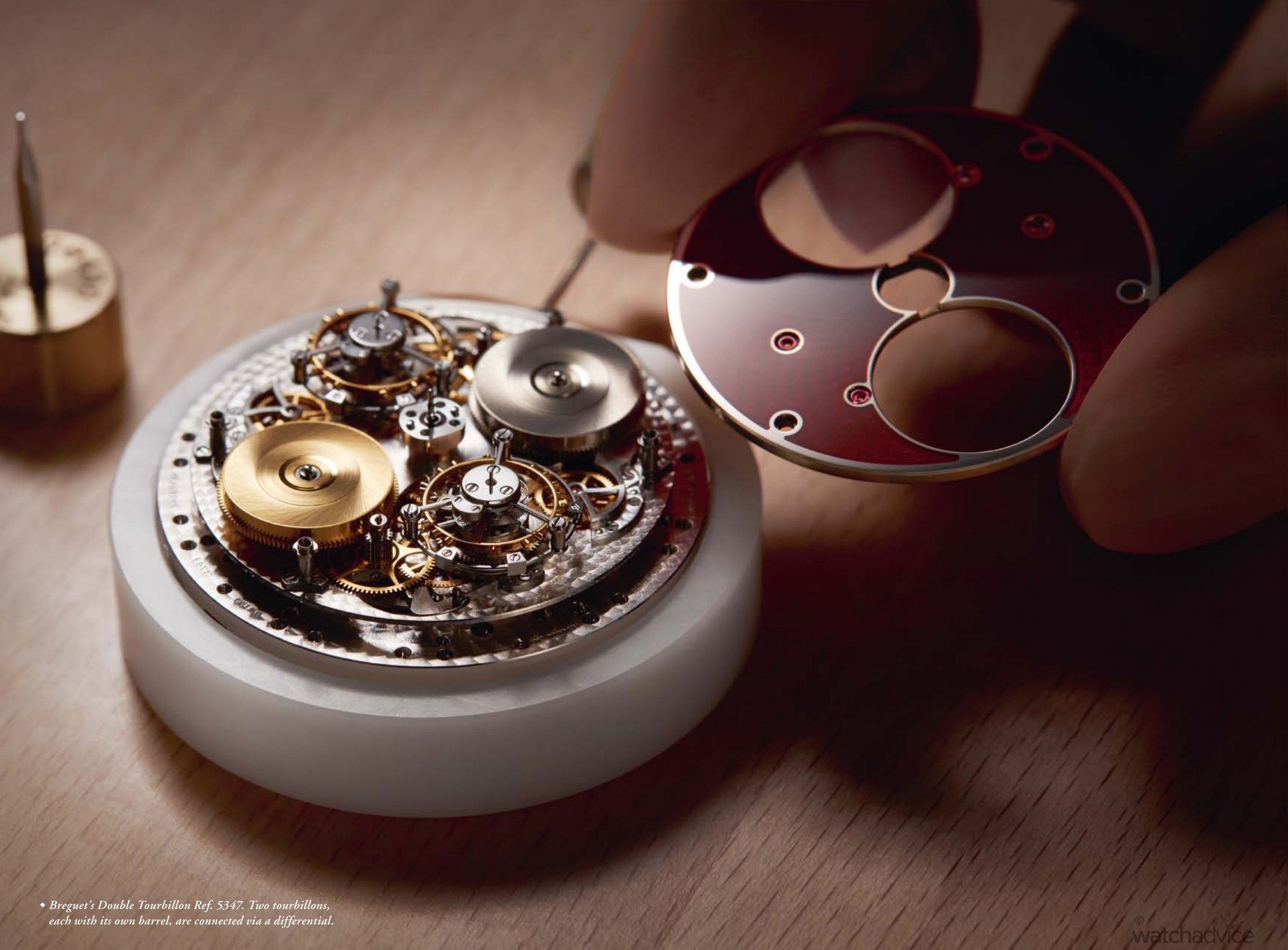
Today, the tourbillon stands as both a technical feat of engineering and a display of mechanical mastery, showing how a watchmaker can turn one of horology’s greatest challenges into something visually and mechanically beautiful!
From Pocket Watches To Wristwatches
To gain an understanding of the importance of the tourbillon, it is worth looking beyond the invention itself and into the watches that carried this incredible complication. The early Breguet timepieces show how the tourbillon moved from idea to patent to working precision instruments made for royalty, scientists, and serious collectors of horology. Outlined below are six key pocket watches that featured the tourbillon, each helping to tell the story of how one of watchmaking’s most important inventions became a symbol of precision, innovation and mechanical mastery.
1796 – Breguet Pocket Watch No. 282
Type: First prototype in the world to feature Abraham-Louis Breguet’s tourbillon
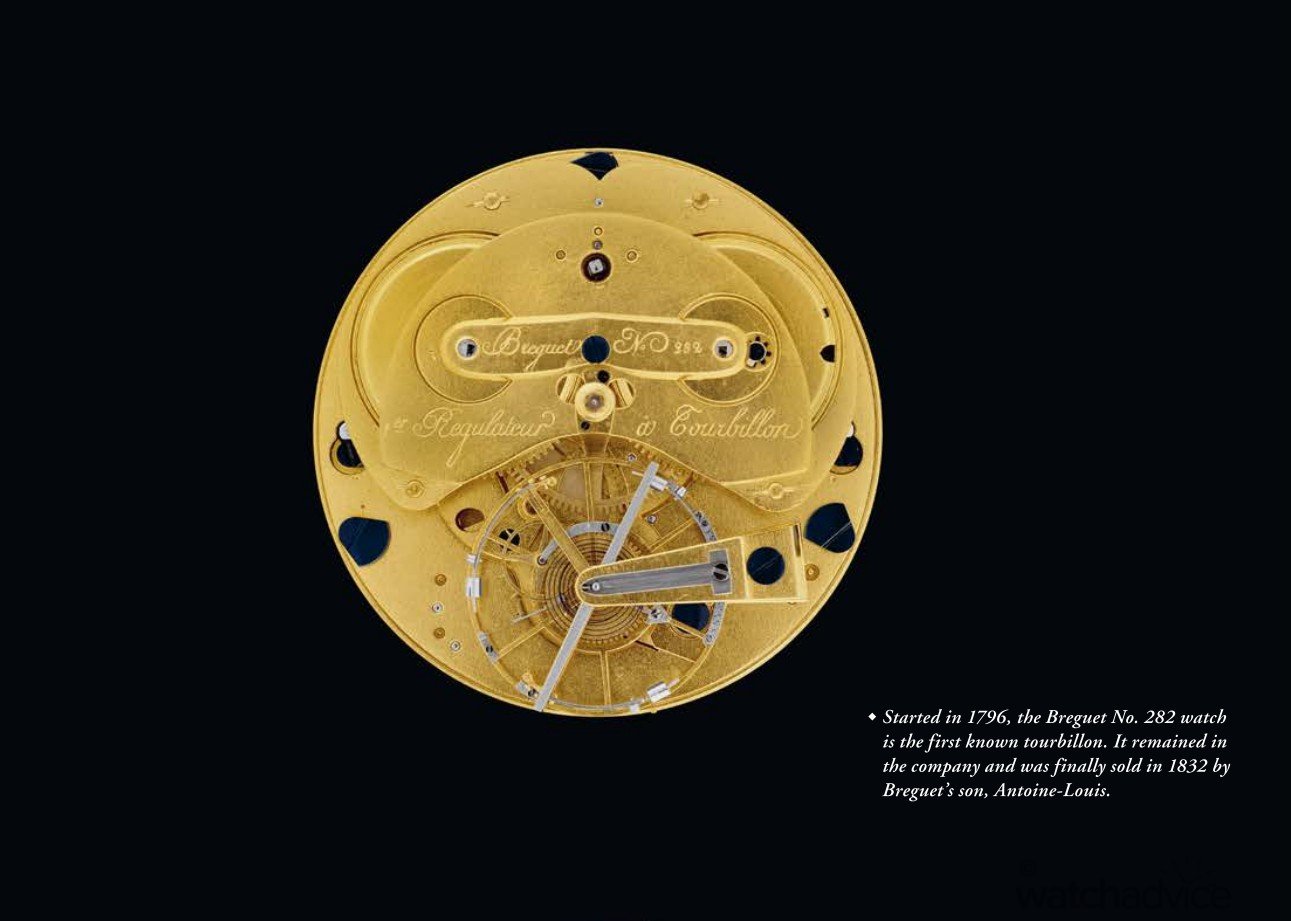
Before Abraham-Louis Breguet filed the patent for the tourbillon in 1801, he was already creating a prototype of the pocket watch. This would go on to be the first-ever pocket watch to feature the tourbillon complication in the world, known as Pocket Watch No. 282. Started in 1796, this piece can be seen as one of the earliest experimental steps in bringing the tourbillon concept to life, created during the period when Abraham-Louis Breguet was still refining the idea and proving that such a mechanism could work in practice.
However, what makes the Pocket Watch No. 282 so important is that it represents the tourbillon before it became a commercial object. The Pocket Watch No. 282 remained with the Maison for many years and was finally sold in 1832 to Breguet’s son, Antoine-Louis. This was most certainly a prototype creation that started the journey of the tourbillon and what we now see in modern watchmaking today.
1800 – Breguet No. 22 — First Tourbillon Watch (Non-Prototype)
Type: Pocket watch / early tourbillon prototype-production piece
The very first Breguet pocket watch to feature a tourbillon was the No. 22, created in the year 1800. This pocket watch was produced one year before Breguet filed the patent for his tourbillon mechanism, which is a testament to how groundbreaking and historically monumental No. 22 was. Not only that, but No. 22 shows that the tourbillon was already being physically realised before the official patent date. It emphasises that Breguet’s tourbillon invention was not a sudden creation, but rather the result of several years of experimentation and hard work, created as a solution to a real chronometric problem.
1808 – Breguet No. 169 — Tourbillon Homage To John Arnold
Type: Tourbillon pocket chronometer
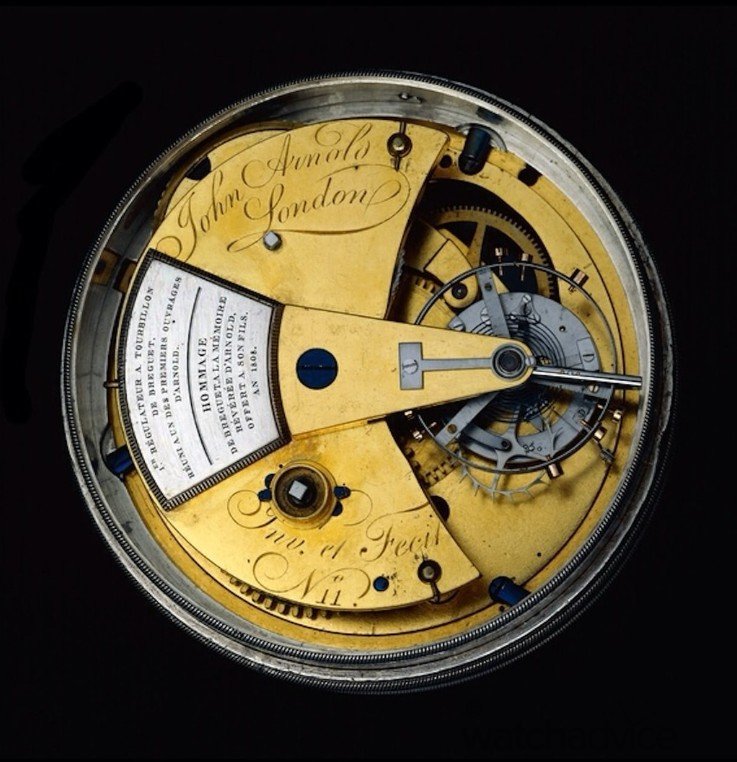
The No. 169 was Breguet’s second pocket watch to feature the tourbillon, and it was created in 1808, approximately seven years after Breguet filed the patent for the mechanism in 1801. There are a few things I find interesting about not only the pocket watch itself, but also the timeline. Firstly, No. 169 was designed for Abraham-Louis Breguet’s dear friend John Arnold, who was none other than the founder of Arnold & Son, another incredible name in watchmaking. It is said that while the pocket watch was created in 1808, it was not actually presented to John Arnold’s son, John Roger Arnold, until 30 April 1809. Both the No. 22 and No. 169 pocket watches used one-minute rotating carriages.
The second interesting fact is that while it may appear as though it took seven years to design Breguet pocket watch No. 169, this period was not solely dedicated to this one watch. As you will see below, Breguet developed multiple pocket watches with tourbillons during this period of time.
1808 – Breguet No. 1297 — Four-Minute Tourbillon For King George III
Type: Four-minute tourbillon pocket watch
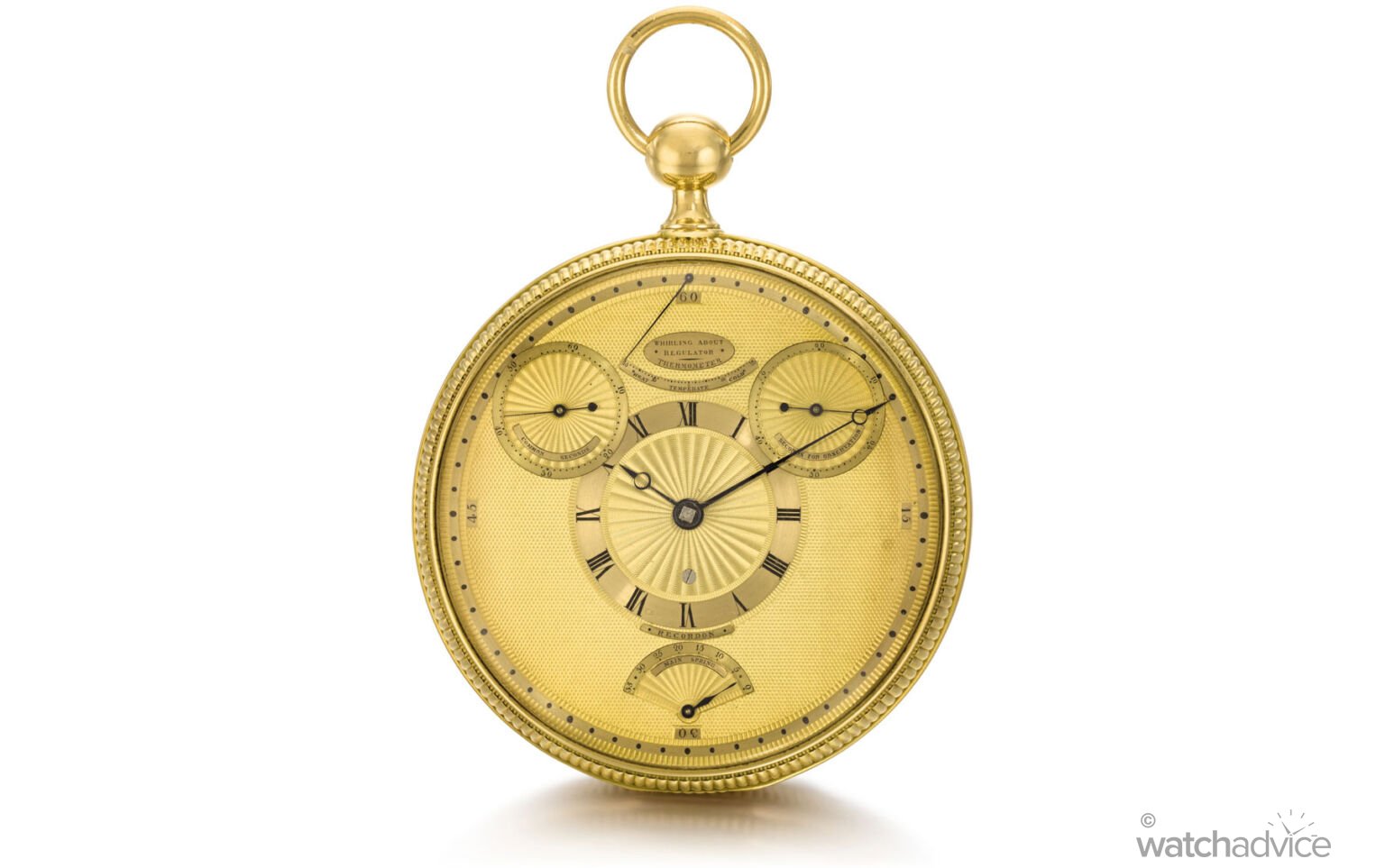
Continuing on from the story above, this is an extremely rare and historically significant gold pocket watch that featured the tourbillon mechanism, known as the four-minute tourbillon pocket watch No. 1297. It is arguably one of the most prominent watches created by Abraham-Louis Breguet at the time, featuring several complications alongside the tourbillon, including a Robin escapement, thermometer, and stop-seconds.
This may have been the first tourbillon ever sold commercially by Breguet, with the pocket watch being sent to Breguet’s London agent, Recordon, for King George III on 29 June 1808. Another interesting fact about this pocket watch is that, during this period, Britain and France were enemies in the Napoleonic Wars, so Breguet had the watch discreetly signed as Recordon rather than with his own manufacturer’s name. However, it just goes to show that even during war, Breguet’s technical reputation was powerful enough to cross political borders.
1808 – Breguet No. 1188 — Tourbillon For Don Antonio de Bourbon
Type: Tourbillon precision pocket watch
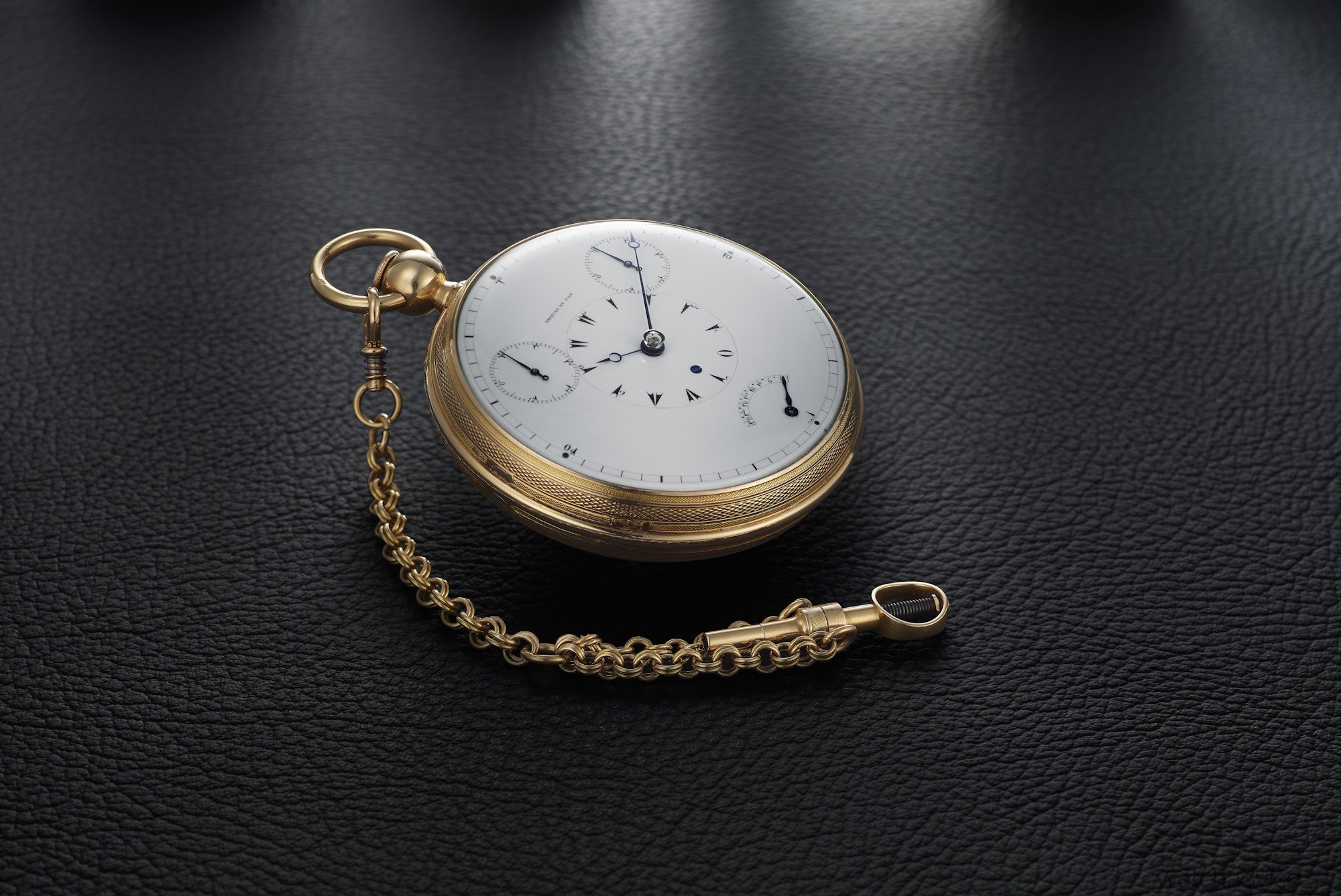
It seems that the year 1808 was a historic one for Breguet, as several different pocket watches with the tourbillon mechanism were officially introduced during this period. This particular pocket watch, the Breguet No. 1188, was sold to Don Antonio de Bourbon, the Infante of Spain, making it one of the earliest pocket watches with a tourbillon mechanism connected to a royal owner.
The Federation of the Swiss Watch Industry themselves describe the No. 1188 pocket watch as one of the most fascinating pieces in Breguet’s heritage. No. 1188 also helps reinforce the fact that early Breguet tourbillons were not mass-produced complications, but rare and highly specialised watches made for very specific clients. This pocket watch plays a large part in the brand’s history and can possibly be seen in the Breguet Zurich Boutique and Museum.
1809 – Breguet No. 1176 — Four-Minute Tourbillon For Count Potocki
Type: Four-minute tourbillon pocket watch
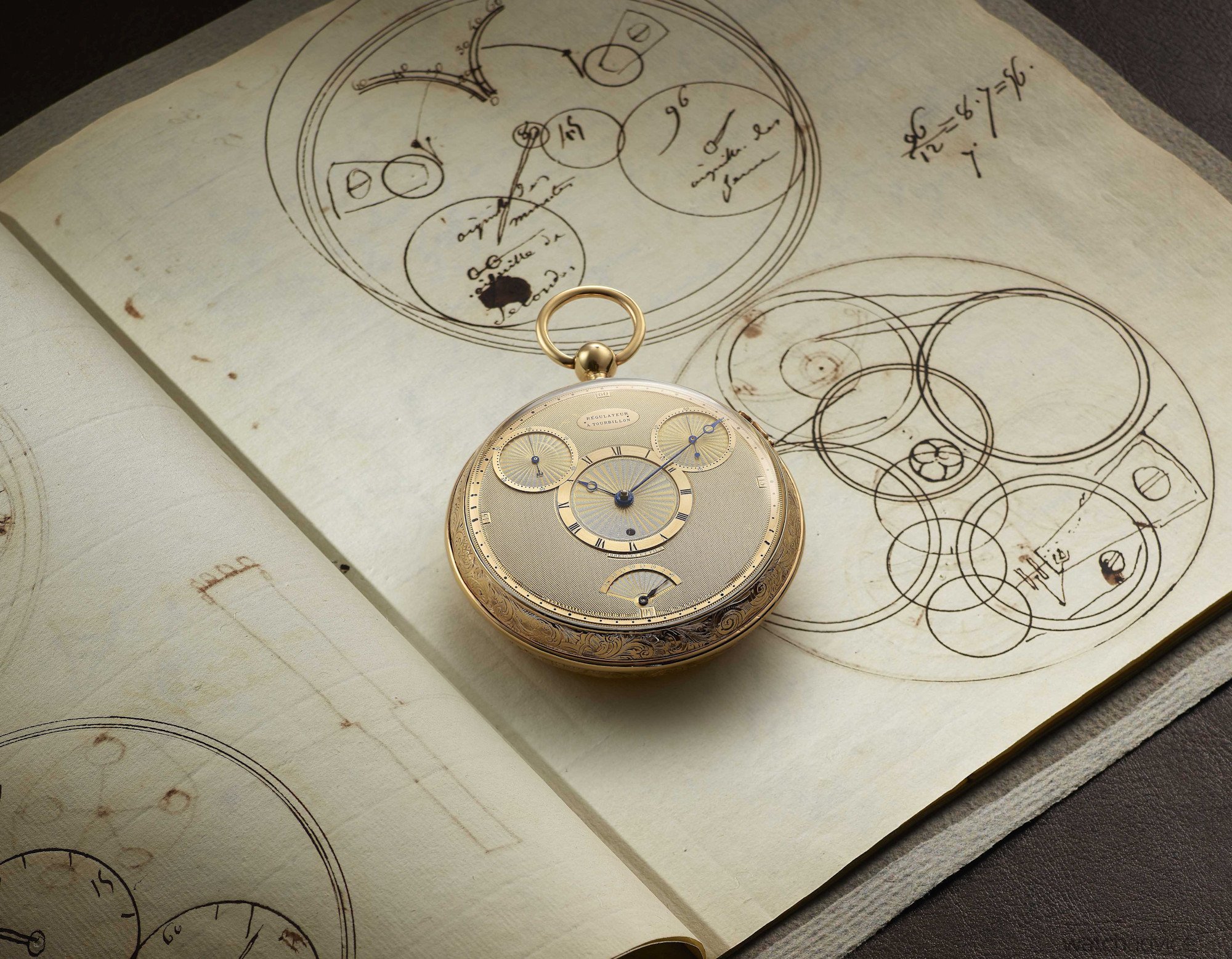
The Breguet No. 1176 was produced in 1802 and then officially sold in 1809 to Count Potocki, a Polish nobleman and scientist. This was not simply another luxury object being given as a gift, but rather a precision instrument made for someone with serious scientific interests.
This 64mm pocket watch featured a unique four-minute tourbillon, a reminder that not all early tourbillons followed the now well-known one-minute format. Instead, Breguet experimented with different rotational periods as he continued refining the complication’s ability to improve timekeeping. For this particular pocket watch, the tourbillon was part of a broader pursuit of precision.
1809 – Breguet No. 1890 – 18ct Gold Pocket Watch With Échappement Naturel
Type: Four-minute tourbillon
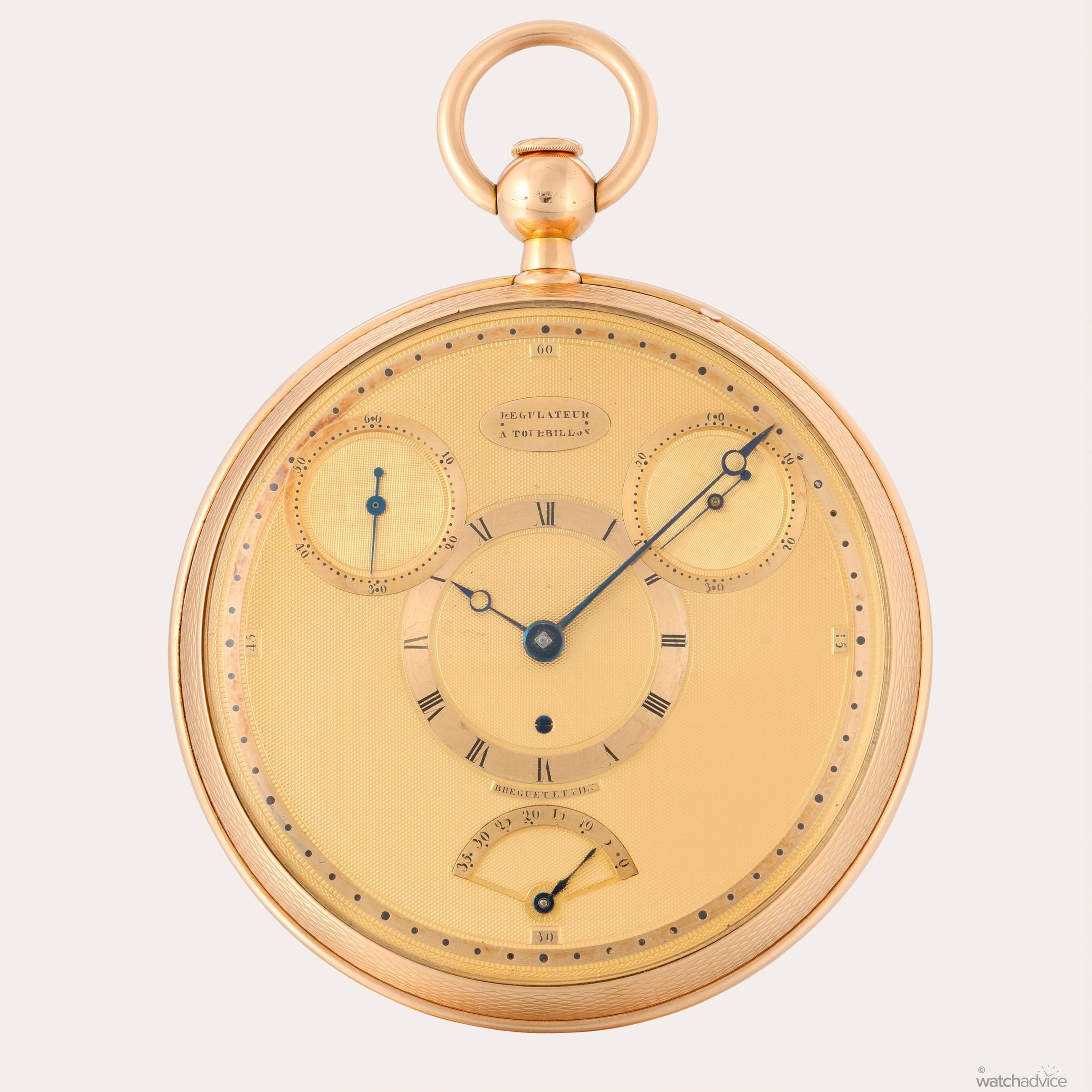
The Breguet Pocket Watch No. 1890 is another important piece in the brand’s history. Delivered in 1809 and sold to Count Alexis de Razoumoffsky, Minister under Tsar Alexander I, what made this pocket watch so significant was that it brought together two of Abraham-Louis Breguet’s major inventions: the tourbillon and the natural escapement. This made No. 1890 one of the most technically ambitious pocket watches of its time, showing just how far Breguet was pushing mechanical accuracy and efficiency.
Last year, the importance of this pocket watch was once again brought into the spotlight when it appeared at Sotheby’s during a sale celebrating Breguet’s 250th anniversary. Estimated at CHF 350,000 to 700,000, it ultimately sold for CHF 1,880,000 and was acquired by François-Paul Journe for the future F.P.Journe Le Patrimoine museum. This shows the highly regarded importance No. 1890 carries, as almost 200 years after its creation, one of the greatest modern-day independent watchmakers sought to bring the pocket watch into his own historical collection.
1812 – Breguet No. 2567 — One-Minute Tourbillon Hunting-Cased Pocket Watch
Type: One-minute tourbillon pocket watch
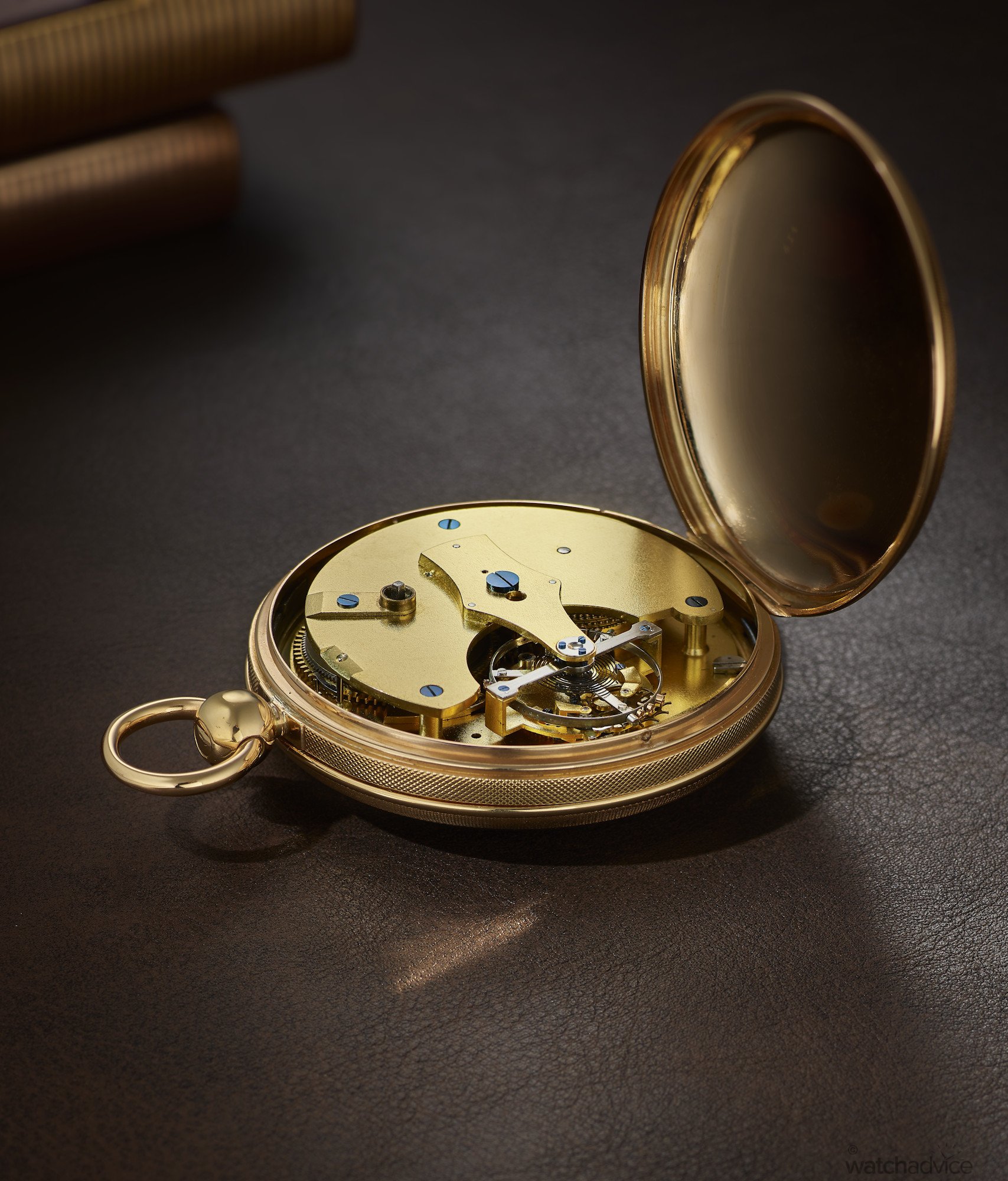
The Breguet No. 2567 was sold to Armand-Pierre Le Bigot on 21 March 1812. As the name suggests, the pocket watch featured a unique 18k gold hunting-cased design, meaning it had a protective case cover. The mechanism was a one-minute tourbillon, bringing it back to the familiar format we often associate with the complication today. It also creates a nice contrast with the previous Breguet No. 1176 tourbillon, showing that Abraham-Louis Breguet was willing to experiment with different rotational configurations.
It is noted that the pocket watch was later repurchased by Breguet in 1820 from Mr Bigot’s heir, Mr Aristide Guilhem, for approximately 1,000 francs, giving the piece a second chapter within Breguet’s own records. Breguet No. 2567 closes this pocket-watch timeline by showing how the tourbillon had matured into a refined, practical and, as we know, highly precise instrument.
This was most certainly not the last pocket watch to feature the tourbillon mechanism, but rather a fitting closing point for this article. No. 2567 helps capture the direction the mechanism was taking during Breguet’s lifetime: technically ambitious, sober in execution and still focused first and foremost on improving timekeeping.
1816 – Breguet. No. 2574
Type: Six-minute tourbillon sold to General Thomas Brisbane
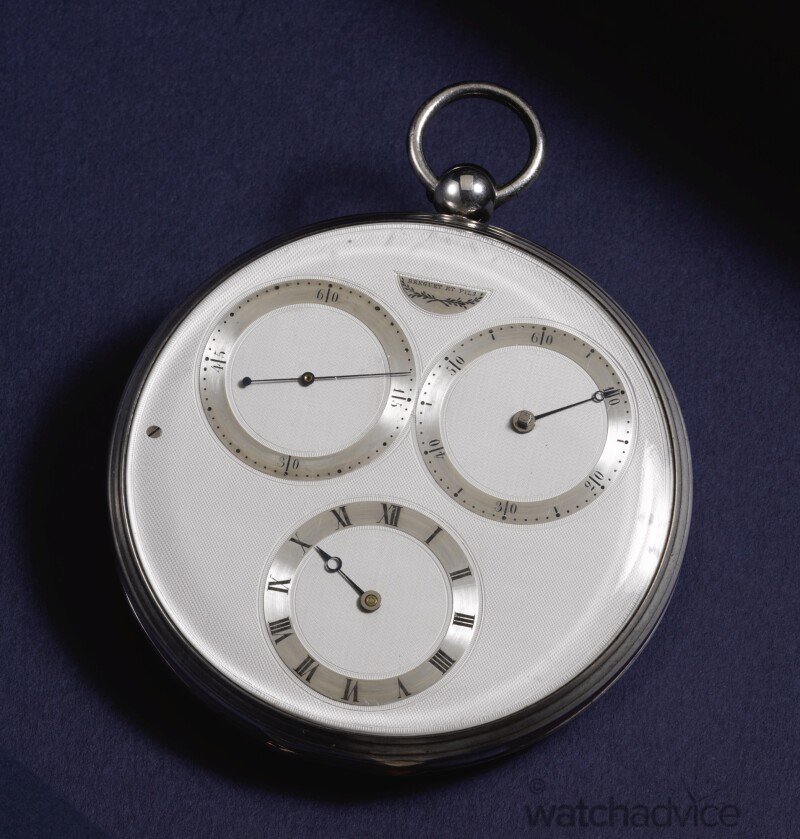
I was ready to close off the pocket-watch era of the tourbillon with Breguet No. 2567, but after learning about Breguet No. 2574, it would have been criminal not to include this one, figuratively speaking, of course. Breguet No. 2574 was a six-minute tourbillon sold in 1816 to General Thomas Brisbane. Now, that last name might sound familiar, and just as you may have guessed, he was a Scottish soldier, astronomer, and future Governor of New South Wales, after whom the city of Brisbane would later be named.
For our Australian watch community, this gives Breguet’s early tourbillon story a beautiful and unexpected local connection. And for me personally, being based in Brisbane, it makes the story even more special. It goes to show how Breguet’s invention reached not only European royalty and collectors but also scientific figures whose names would eventually become part of Australian history.
Breguet’s Modern Relationship With The Tourbillon
With the tourbillon complication now moving from pocket watches to wristwatches, Breguet’s relationship with the mechanism entered a brand-new chapter. The tourbillon was no longer created purely as a precision-focused solution for pocket watches, due to the nature of them being worn vertically. Instead, it became a way for Breguet to showcase its heritage, technical ambition and mechanical artistry in modern watchmaking.
While I couldn’t cover every single modern Breguet tourbillon timepiece, I chose to showcase the best of the best: a timeline of modern Breguet tourbillons that honour, reinterpret and evolve Abraham-Louis Breguet’s most famous invention. This timeline begins in 1988, a pivotal moment when Breguet’s tourbillon wristwatches began to take on a new life, with the Maison going on to produce one horological masterpiece after another.
1988 – Breguet Classique Tourbillon Ref. 3350
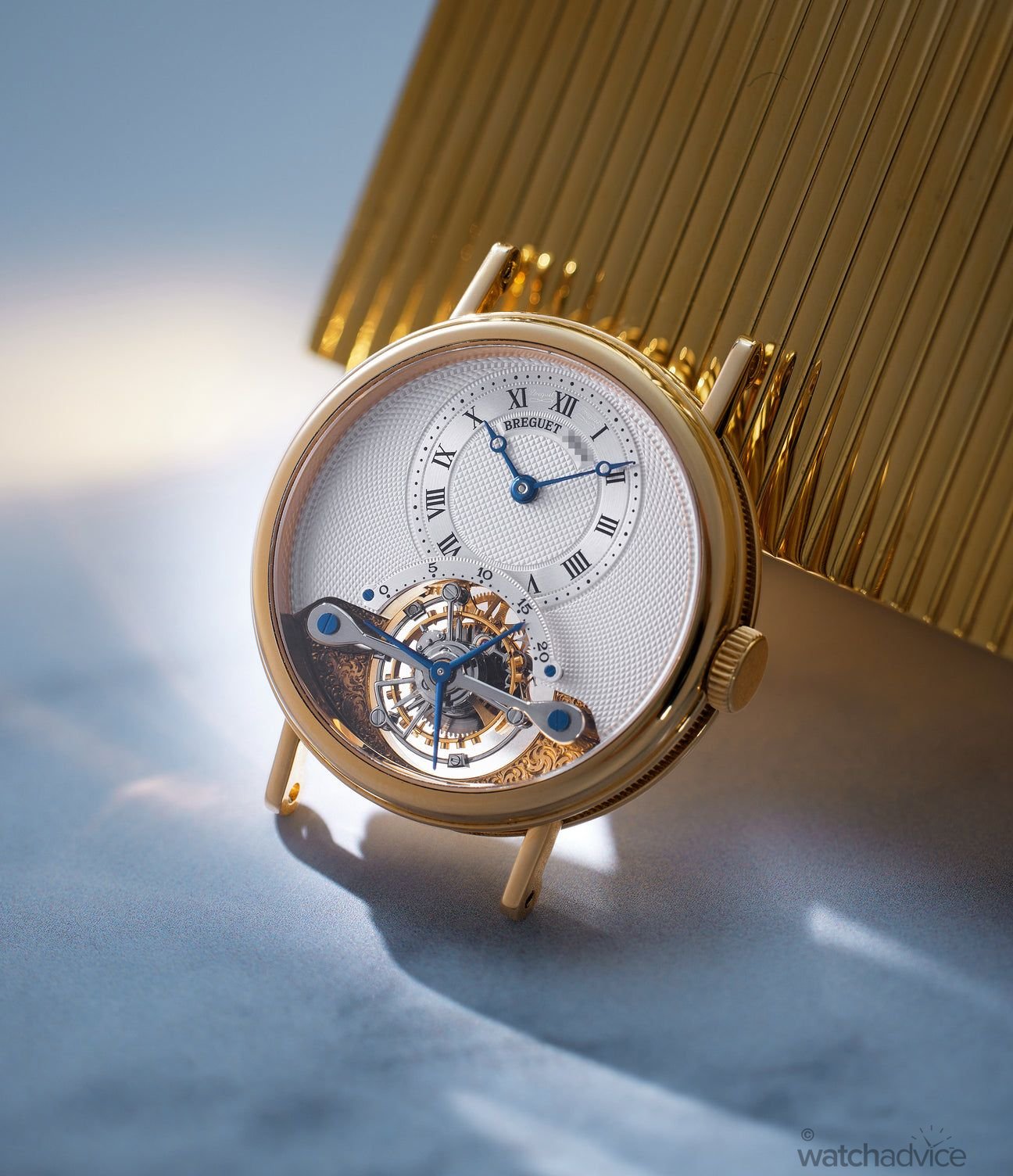
The Breguet Classique Tourbillon Ref. 3350 is where the modern chapter of the brand’s tourbillon story really begins. Released in 1988, the Ref. 3350 is widely regarded as the first tourbillon wristwatch produced under the historic Breguet name. This makes it one of the most historically important timepieces for the brand, as it represents an important step in the evolution of what was started by Abraham-Louis Breguet. Unlike the more theatrical tourbillon timepieces we see in modern watchmaking today, the Ref. 3350 was restrained in its design.
The Breguet Classique Tourbillon Ref. 3350 was powered by the manually wound Calibre 558, a movement that has been linked to Nouvelle Lemania and the work of Daniel Roth during Breguet’s revival era. The design of the Calibre 558 placed the tourbillon exactly at 6 o’clock, a layout that has since become a signature design element in modern tourbillon timepieces. While the technical innovation was the focal point of this watch, it never strayed from Breguet’s signature design language, with the Ref. 3350 featuring a classical dial layout, Roman numerals and Breguet-style hands.
2006 – Breguet Classique Double Tourbillon Ref. 5347
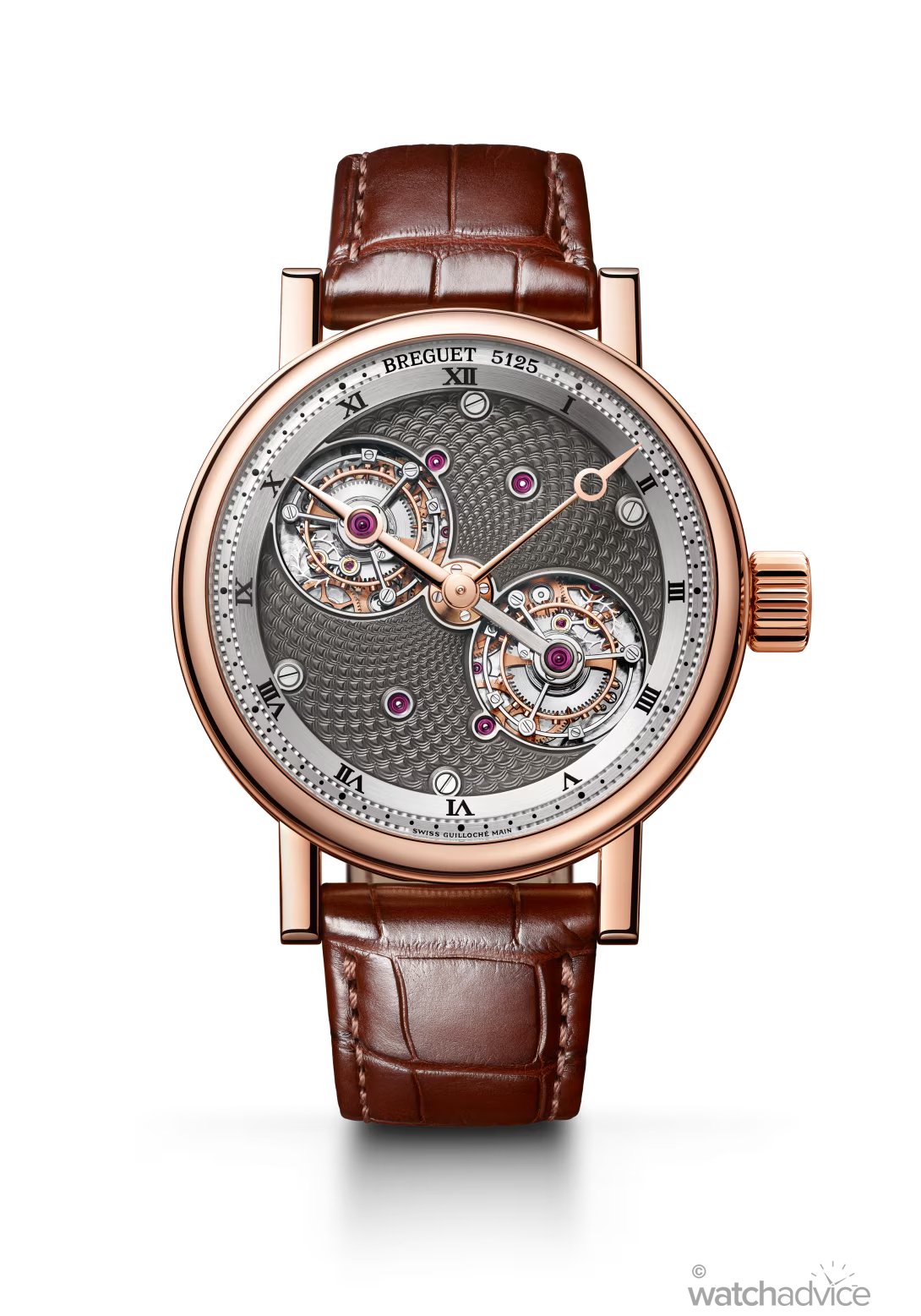
From the first Breguet wristwatch to feature a tourbillon, the Ref. 3350, to almost 18 years later, the Maison would do the unthinkable: incorporate two tourbillons into a single timepiece. Can you imagine what Abraham-Louis Breguet would have thought seeing this? I like to think his reaction would have been one of astonishment and pride, knowing that the brand carrying his name had not rested on its laurels, but continued to push his greatest invention forward.
The Breguet Classique Double Tourbillon Ref. 5347 was not just about one tourbillon regulating time, but two tourbillons working together within a spectacular orbital architecture. This timepiece also sets the stage for one of my all-time favourite Breguet creations, the Ref. 5345, as it shows Breguet flexing its creative muscles and proving that the tourbillon could be more than a historical tribute. It could become a platform for architectural experimentation.
Technically, this timepiece is truly fascinating. Two independent tourbillons, each with its own gear train and barrel, are mounted on a rotating central platform. This entire assembly completes one full rotation every 12 hours, with the tourbillon bridge effectively acting as the hour hand. In my opinion, this has to be one of the coolest mechanisms ever placed inside a wristwatch.
2007 – Breguet Classique Tourbillon Messidor Ref. 5335
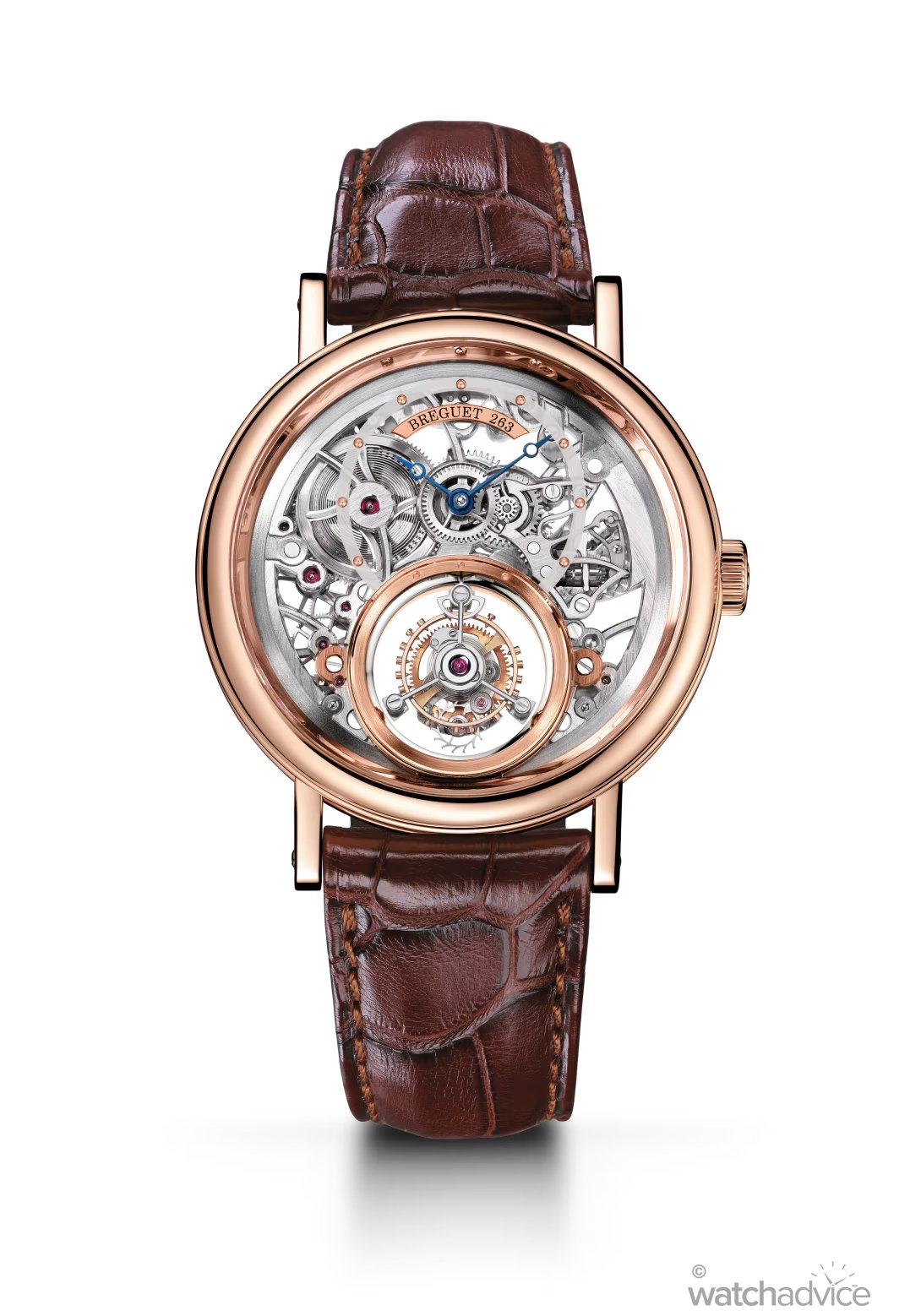
Breguet’s Classique Tourbillon Messidor Ref. 5335 is one of the more poetic modern renditions of the tourbillon from the brand. This watch was introduced during Baselworld 2007, with the timepiece taking its name from “Messidor”, the month in the French Republican calendar in which Breguet received the patent for the tourbillon. This name gives the watch a direct historical link to the original patent that started it all.
The Messidor uses a hand-wound tourbillon movement with a transparent sapphire dial and an ‘invisible’ tourbillon bridge, which creates the illusion that the tourbillon is actually floating inside the movement. And it’s this mechanical theatre that places more importance on the tourbillon.
2010 – Breguet Tradition Tourbillon Fusée Ref. 7047
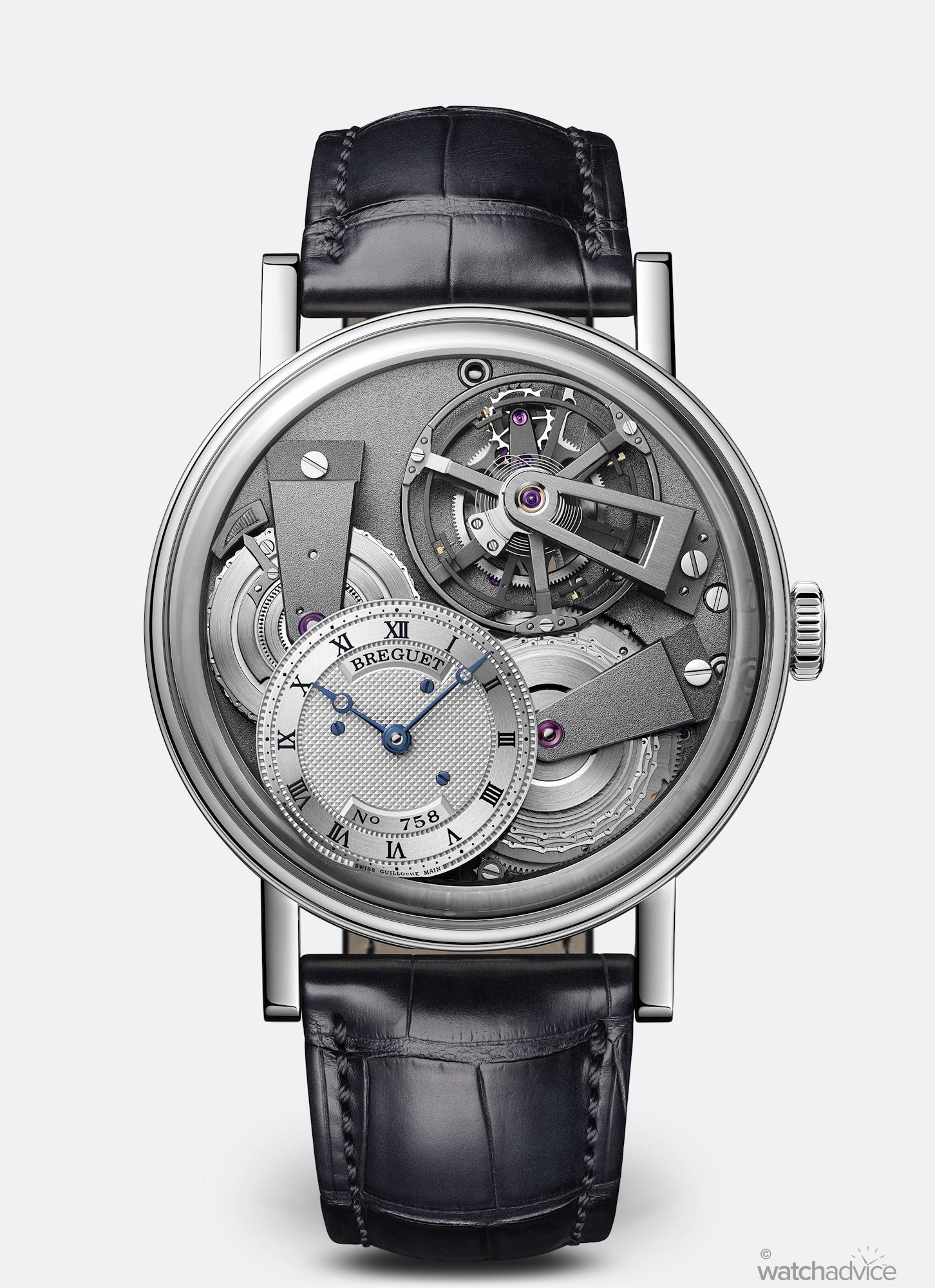
One of the more unique tourbillon designs in Breguet’s modern watchmaking is the Tradition Tourbillon Fusée Ref. 7047. This timepiece plays an important role in Breguet’s history, as it connects the tourbillon with another old-school chronometric idea: the fusée-and-chain transmission. As the name suggests, this watch belongs to Breguet’s Tradition collection and draws design inspiration from the exposed architecture of early Breguet subscription and tact models. For me, this is one of the coolest watches from Breguet, as it does exceptionally well what the brand is known for: bringing mechanical complexity to the dial.
Technically, the Ref. 7047 combines a tourbillon regulator with a fusée-and-chain system, designed to help deliver more consistent torque as the mainspring unwinds. It is one of those watches where the tourbillon is not simply placed on the dial for effect but rather part of a broader precision-focused architecture that feels directly connected to Abraham-Louis Breguet’s original problem-solving solution.
2013 – Breguet Classique Tourbillon Extra-Plat Automatique Ref. 5377
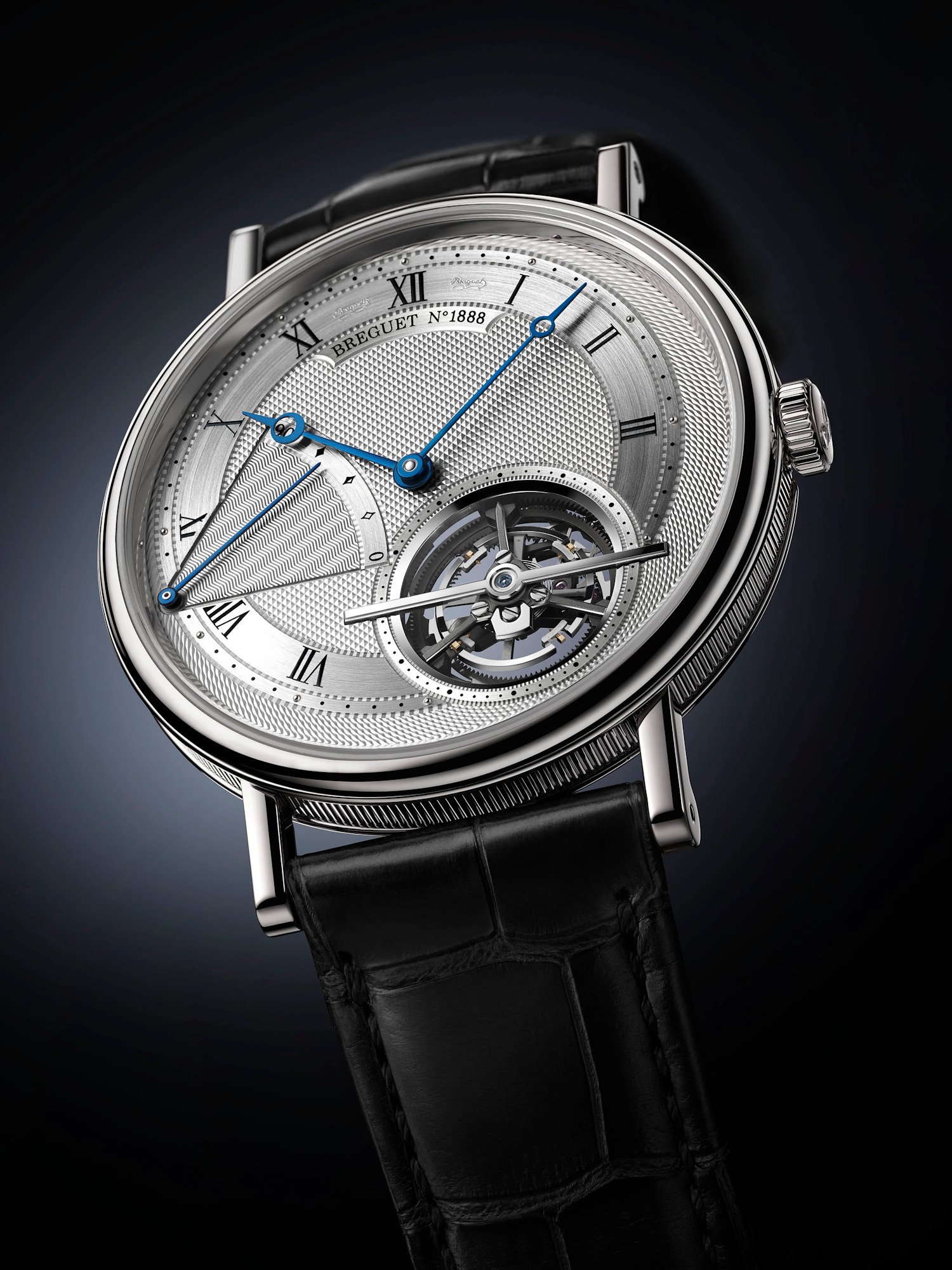
Launched in 2013, the Breguet Classique Tourbillon Extra-Plat Automatique Ref. 5377 marked another important milestone in the brand’s modern tourbillon story. This watch showed that the tourbillon could be made not only spectacular, but also elegant, slim and wearable. While many tourbillon timepieces can be bulky, Breguet chose to create a refined automatic tourbillon that could also be worn daily, and not just as a “special occasion” timepiece.
What made this timepiece so “thin” was the Calibre 581DR sitting inside. This was an extra-thin automatic tourbillon movement measuring just 3mm thick. To keep both the movement and case thin, Breguet used a peripheral platinum oscillating weight instead of a conventional central rotor. The movement also featured an advanced design, with a titanium tourbillon carriage, silicon balance spring, specially developed escapement, 4Hz frequency and a long power reserve, showing how Breguet was modernising the tourbillon.
2017 – Breguet Marine Tourbillon Équation Marchante Ref. 5887
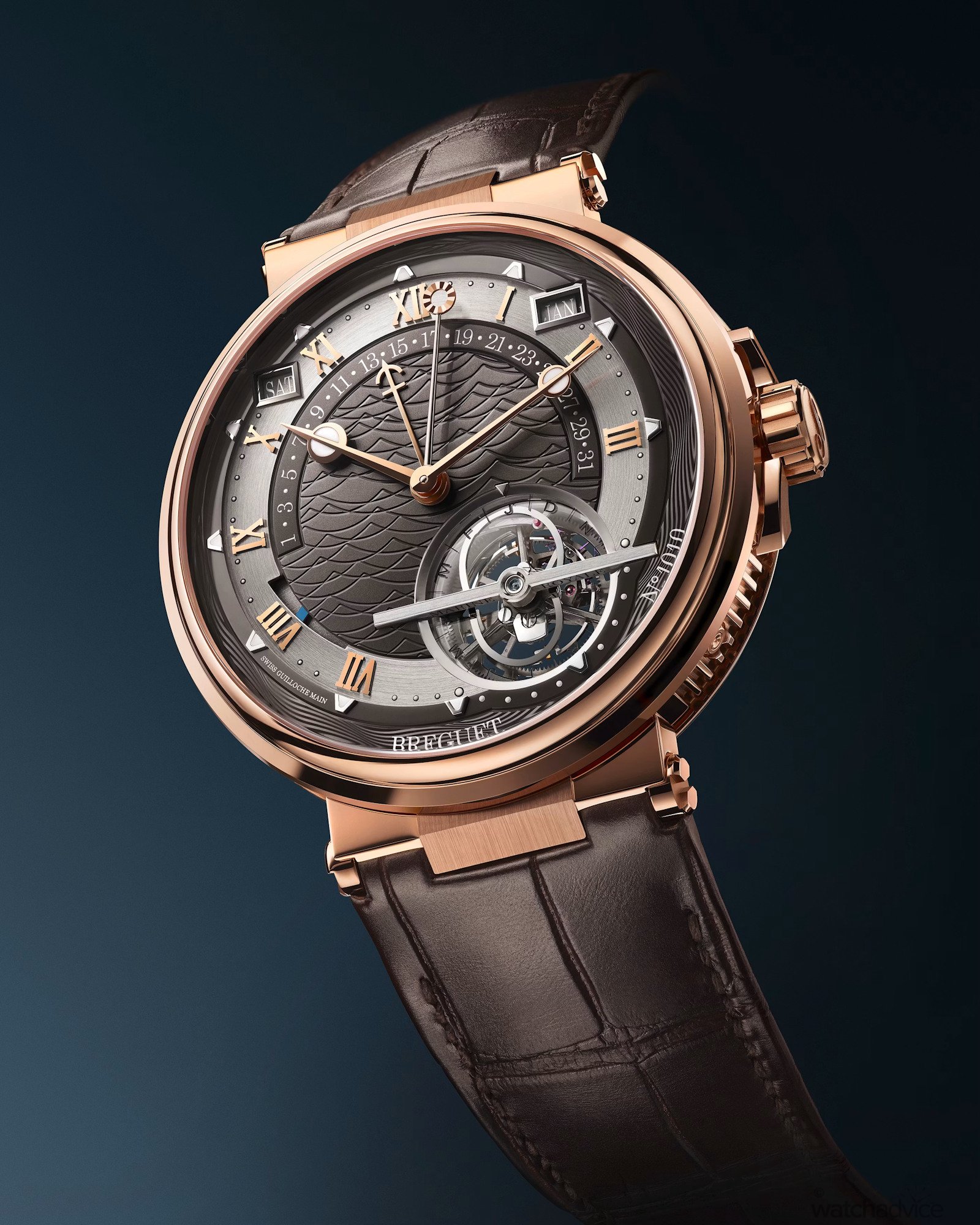
In 2017, Breguet featured the tourbillon in one of the brand’s most complicated timepieces. The Marine Tourbillon Équation Marchante Ref. 5887 combined the Maison’s marine chronometer heritage with one of its greatest inventions, creating a watch that was both technically impressive and visually appealing.
The Breguet Marine Tourbillon Équation Marchante Ref. 5887 was a serious grand complication. It featured the tourbillon, a perpetual calendar and a running equation of time. This running equation of time is especially important, as it displays the difference between civil time and true solar time, making the watch a beautiful blend of astronomy, navigation, and high watchmaking.
2019 – Breguet Classique Tourbillon Extra-Plat Squelette Ref. 5395
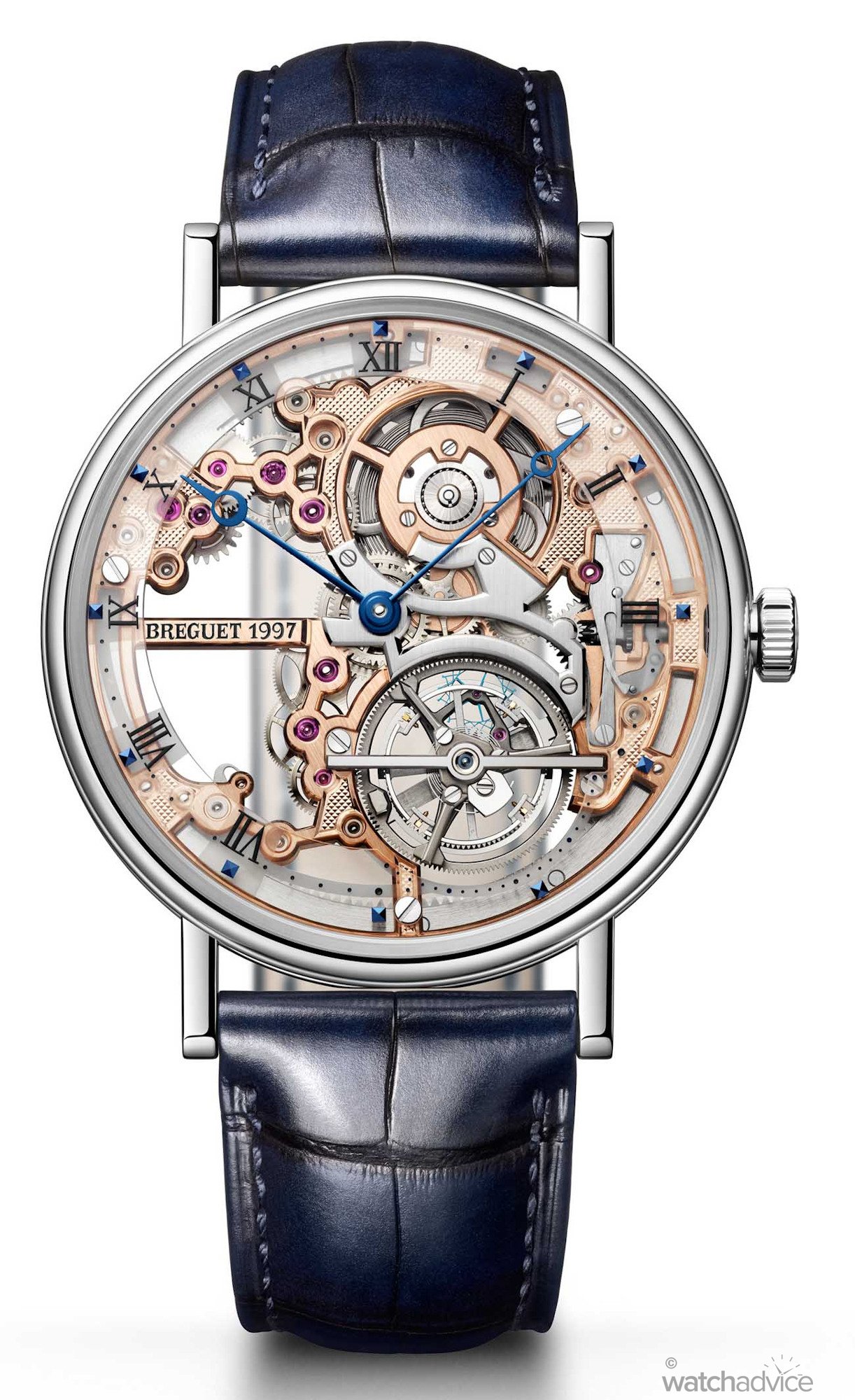
A simplistic yet visual masterpiece, the Classique Tourbillon Extra-Plat Squelette Ref. 5395 took the ultra-thin tourbillon idea and stripped it back to its mechanical bones. Released in 2019, it transformed what a modern-day Breguet tourbillon could look like, taking the architecture of the Breguet Classique Tourbillon Extra-Plat and turning it into a skeletonised rendition with a fully openworked dial. This is a perfect example of Breguet moving the tourbillon from precision instrument to mechanical sculpture.
Derived from Breguet’s extra-thin automatic tourbillon architecture from the 2013 Classique Tourbillon Extra-Plat Automatique Ref. 5377, the movement is only 3mm thick and sits inside a 41mm case. Breguet removed a significant amount of material from the bridges and plates to reveal the gear train, barrel and tourbillon construction. And it is not just a visual masterpiece; it is also technically refined, with an automatic movement, a peripheral rotor and an impressive 80-hour power reserve.
2020 – Breguet Classique Double Tourbillon Quai de l’Horloge Ref. 5345
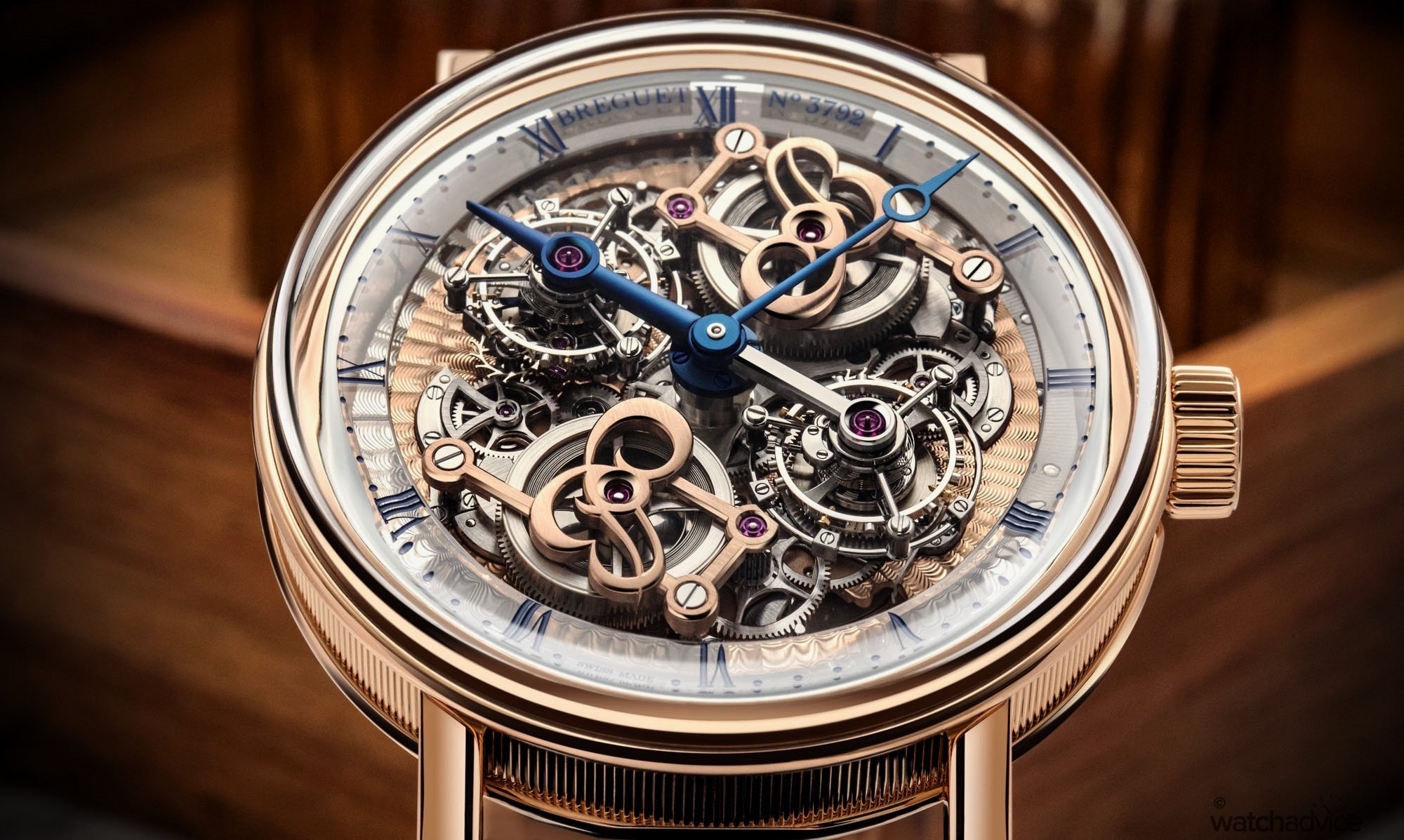
One of my favourite creations from Breguet is the Classique Double Tourbillon Quai de l’Horloge Ref. 5345. This takes Breguet’s double tourbillon design to a whole other level and is one of the brand’s most extraordinary modern tourbillon creations. Breguet gave the double tourbillon an artistic touch by turning the design into a tribute to the Maison’s historic address at 39 Quai de l’Horloge in Paris. If the 5347 was already architectural, the 5345 turns that architecture into a full mechanical cityscape, making it one of the most visually spectacular pieces in the modern Breguet catalogue.
The Classique Double Tourbillon Quai de l’Horloge Ref. 5345 uses the same broad double-tourbillon principle, with two tourbillons mounted on a rotating plate that completes one revolution every 12 hours. The difference, however, lies in the execution. The movement is openworked and heavily hand-engraved, with the back of the watch depicting the original Breguet workshop on the Quai de l’Horloge. This is a timepiece that showcases the brand’s technical mastery of the tourbillon, its heritage, and also handcraftsmanship.
2025 – Breguet Expérimentale 1
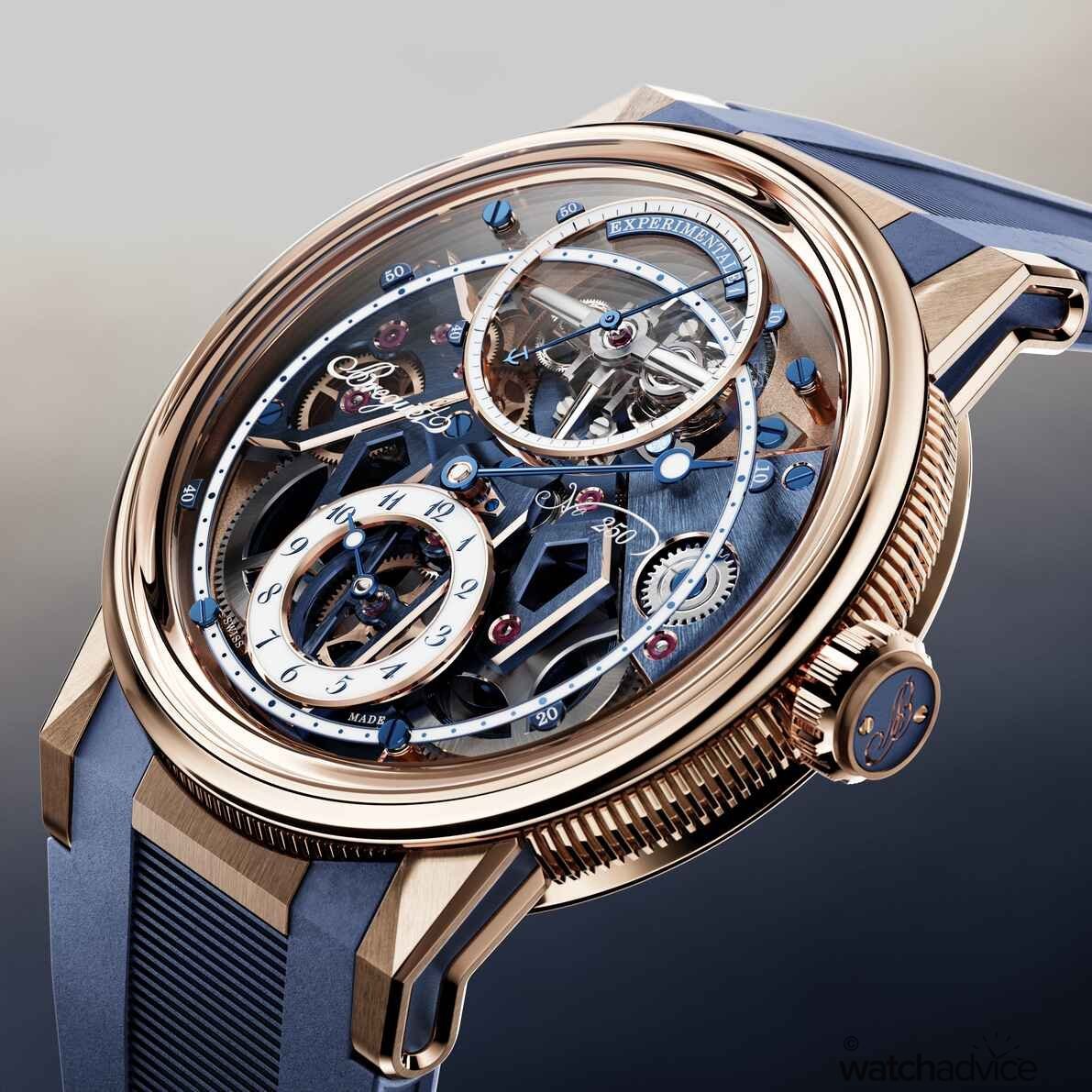
Moving into more recent times, Breguet celebrated its 250th anniversary in 2025, releasing a host of timepieces to mark the momentous occasion. Towards the end of the celebrations, the brand left a mark on its own history and the wider world of watchmaking by releasing the Expérimentale 1. Not only was this a timepiece that showcased Breguet’s mastery of the tourbillon, but it also set up a platform for the future. The Expérimentale 1 marked the beginning of a new experimental “division” within Breguet, focused on research, development and innovation to push watchmaking forward, just as the Maison has done since 1775.
The Expérimentale 1 is a major statement piece. It features Breguet’s first high-frequency 10Hz tourbillon with a magnetic escapement and constant-force delivery to the balance. This is the perfect example of a story coming full circle. The Expérimentale 1 takes Abraham-Louis Breguet’s original problem-solving mentality and applies it through modern materials, modern research and modern chronometry.
2026 Releases: Celebrating 225 Years Of The Tourbillon
Breguet Tradition Tourbillon 7047
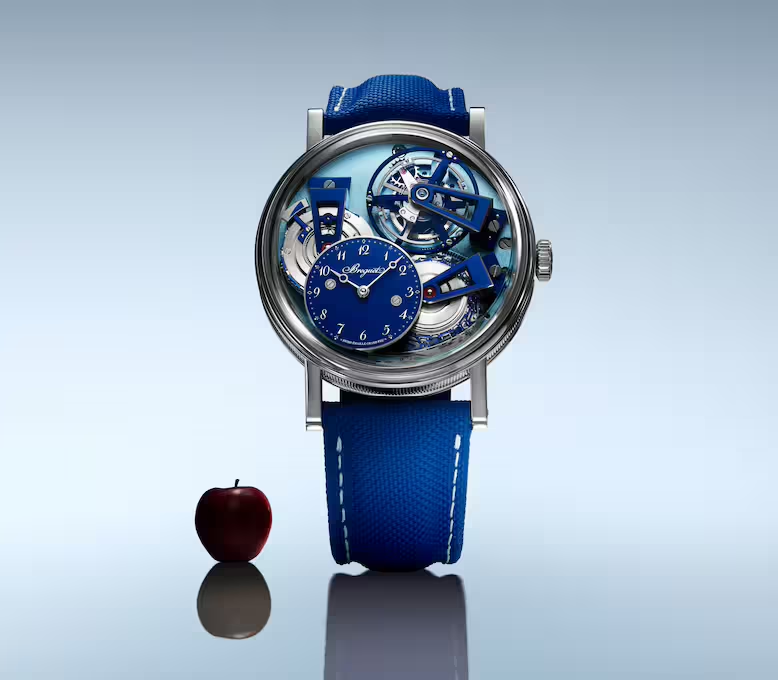
To celebrate the 225th anniversary of the tourbillon, Breguet has unveiled a variety of watches to mark the occasion. One of those pieces is the Tradition Tourbillon 7047, perhaps the most mechanically expressive of the models released so far. It puts the technicality front and centre on the dial, showcasing a deep connection to Abraham-Louis Breguet’s original spirit and blueprint for tourbillon timekeeping.
The Tradition Tourbillon 7047 pairs the tourbillon with a fusée-chain transmission, a system designed to improve rate regularity by helping deliver more constant torque as the mainspring unwinds. In this platinum edition, the 41mm case is paired with a blue Grand Feu enamel dial, while the power reserve indicator at 10 o’clock uses a patented reducer differential displayed directly on the barrel drum.
Breguet Classique Tourbillon 7357
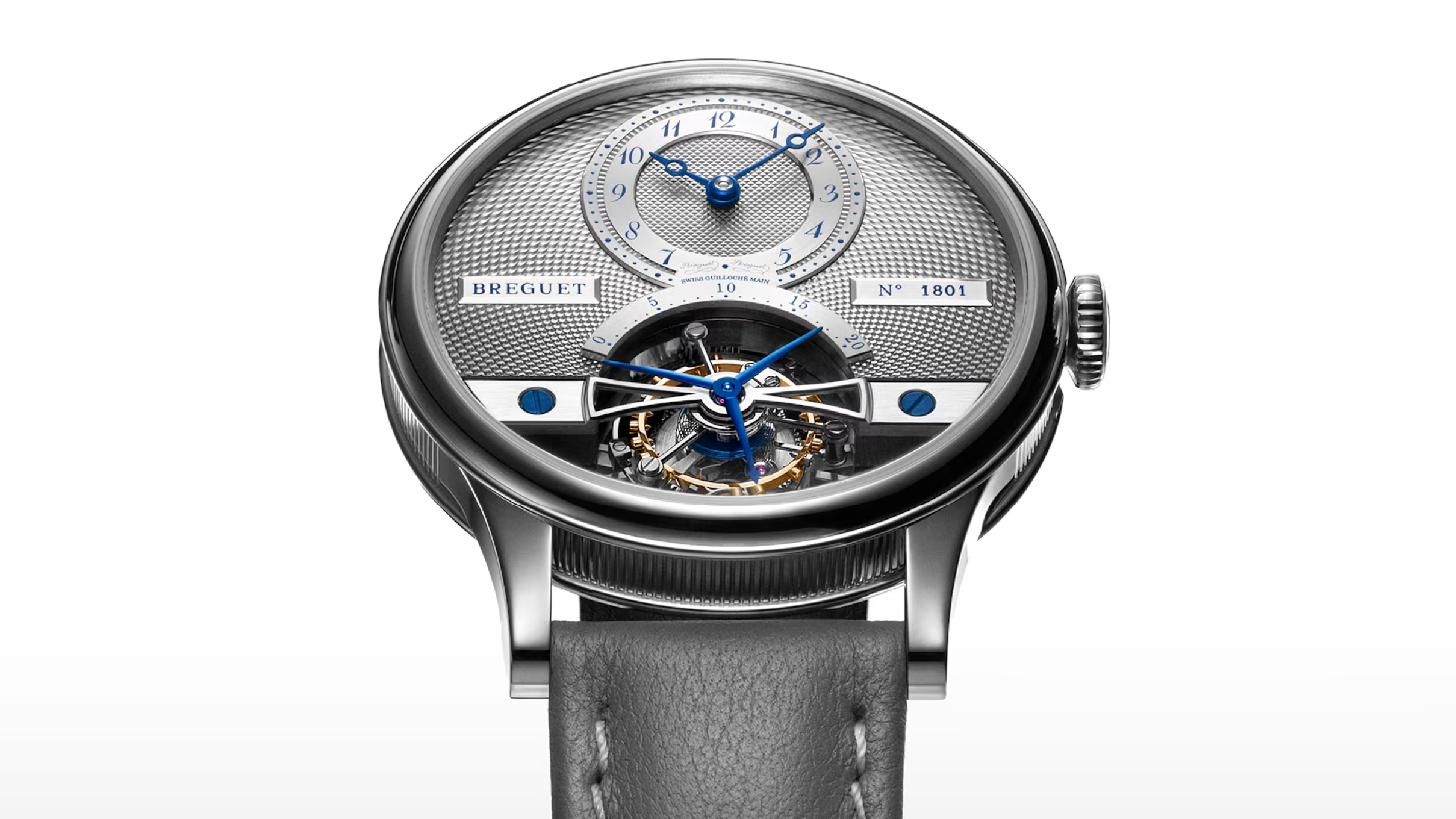
The Classique Tourbillon 7357 is arguably the most historically faithful of the four releases, as it feels like a direct continuation of Breguet’s classic wristwatch design. The 7357 takes a look back at the design and spirit of Ref. 3350, and then reinteprets it for modern-day watchmaking, with a more compact and elegant execution.
Inside sits the manually wound calibre 187B, which is described by Breguet as an optimised version of the famous Calibre 558. The movement is made from 190 components, offers a 60-hour power reserve, beats at 2.5Hz and uses a Breguet Nivachron™ balance spring. This is a watch that is traditional in its design, while being quitely serious, two traits that make it so appealing.
Breguet Classique Tourbillon Sidéral 7255
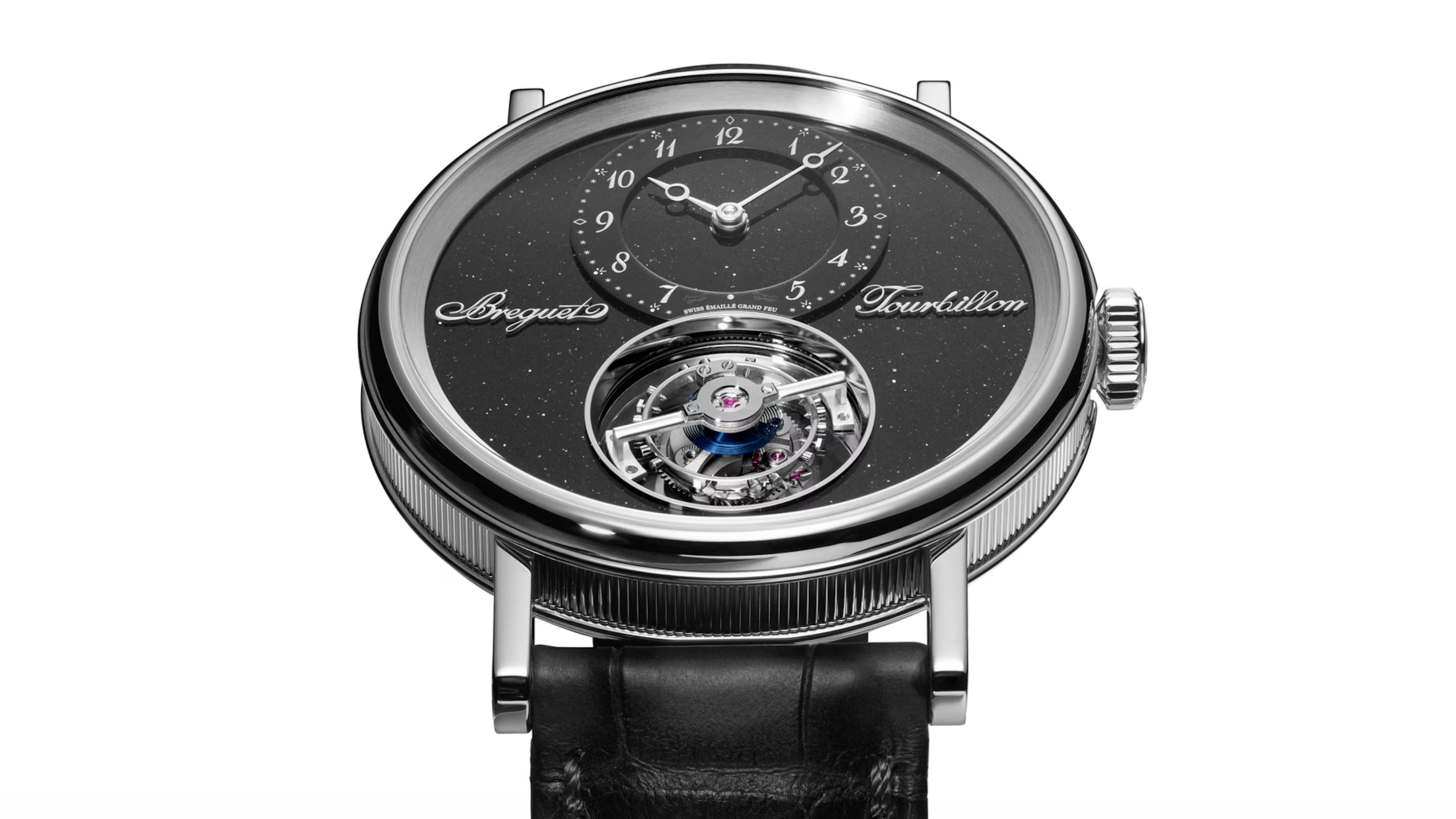
The Classique Tourbillon Sidéral 7255 is arguably the most poetic of these new tourbillon releases, and also one of the most visually bold. For the very first time, Breguet introduces its own version of the flying tourbillon; however, the Maison goes a step further by making it both flying and mysterious. The result is a tourbillon that appears to float within the watch, set against a celestial-style dial that gives the entire piece a sense of theatre, depth and astronomy.
The watch measures 38mm in diameter and is offered in platinum or Breguet gold, with the platinum version featuring an aventurine Grand Feu enamel dial. The off-centred hour chapter is crafted in gold and features Breguet Arabic numerals, while the flying tourbillon becomes the visual centrepiece at 6 o’clock. For a complication whose name has historical links to motion, rotation and the heavens, the Sidéral feels like a beautifully fitting expression.
Breguet Marine Tourbillon Équation Marchante 5887
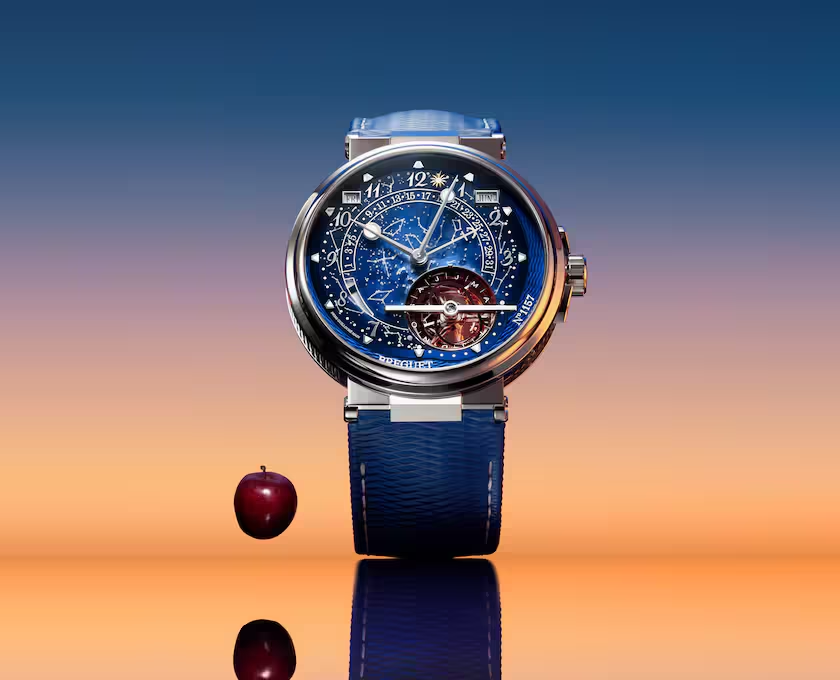
The Breguet Marine Tourbillon Équation Marchante 5887 is the most complex and grand-complication-like of the new releases. While the Classique and Tradition pieces lean into Breguet’s classical and historical identity, the Marine 5887 connects the tourbillon to the Maison’s chronometric and maritime heritage. This model is the technical flagship of the Marine collection, combining the tourbillon with some of the most poetic complications in watchmaking.
The Marine Tourbillon Équation Marchante 5887 combines a 60-second tourbillon, perpetual calendar, power reserve indication and running equation of time. The equation of time displays the difference between mean civil time and true solar time, with the equation cam visible on the tourbillon axis and the solar minutes indicated by a dedicated hand tipped with a faceted golden sun.
Why Breguet’s Tourbillon Still Matters Today
What started as a brilliant idea to work around the effects of Isaac Newton’s Law of Universal Gravitation turned into one of the most important and complex mechanisms in watchmaking. Abraham-Louis Breguet originally created the tourbillon as a technical solution for pocket watches, with the mechanism designed to improve precision at a time when positional errors could affect the accuracy of the movement.
Over more than two centuries, however, this pocket watch mechanism has grown into something far greater than the invention itself. It became a universal symbol in watchmaking for patience, technical mastery, and visual spectacle on the wrist. From pocket watches made for royalty, scientists and important patrons of horology, to modern-day timepieces that place the tourbillon front and centre on display, Breguet has continued to evolve the complication while still keeping Abraham-Louis Breguet’s original spirit of design and innovation intact.
In modern-day watchmaking, timepieces like the Expérimentale 1 show that Breguet is not simply protecting the tourbillon’s legacy but actively carrying it into the future. The watch, with all its technicality and innovation, shows us that the brand still sees the tourbillon as a platform for progress. As a big fan of the brand, I find this is exactly what makes the future so exciting.
And with the latest 2026 releases already showing the fruits of this ongoing work, it feels like Breguet is entering another exciting chapter with its greatest invention. If this is where the story stands today, I cannot wait to see what comes next from the founding father of the tourbillon.