

In celebration of Art Basel 2026, Watch Advice presents a new Métiers D’Arts article tracing the fine art of guilloché, one of horology’s most precise crafts.
This week signals the beginning of Art Basel 2026, an annual marquee event in Switzerland showcasing thousands of artworks from around the world. With 290 galleries, representing 43 countries across the 20th and 21st centuries, it’s one of the largest celebrations of artistic prowess there is. So, in the spirit of honouring all things art, we at Watch Advice are doing the same with our Métiers d’arts week.
Métiers d’art translates to “art professions” and has been an integral part of watchmaking since its inception. From the era when watches were purely functional tools to their evolution as symbols of luxury and status, métiers d’art has embodied the artistic expression, techniques and craftsmanship present in nearly every timepiece.
With interest in watchmaking now greater than ever, preserving and continuing these traditional crafts has become vital to understanding the true beauty of watchmaking. But where should you start? Well, that’s where we come in: to help you appreciate the beauty of such métiers d’arts as they appear in the industry.
Today, we turn our focus to guilloché, one of the most popular forms of horological finishing. So, how is it made? Where did it come from? And what does its future look like? Read on, and find out.
What Is Guilloché?
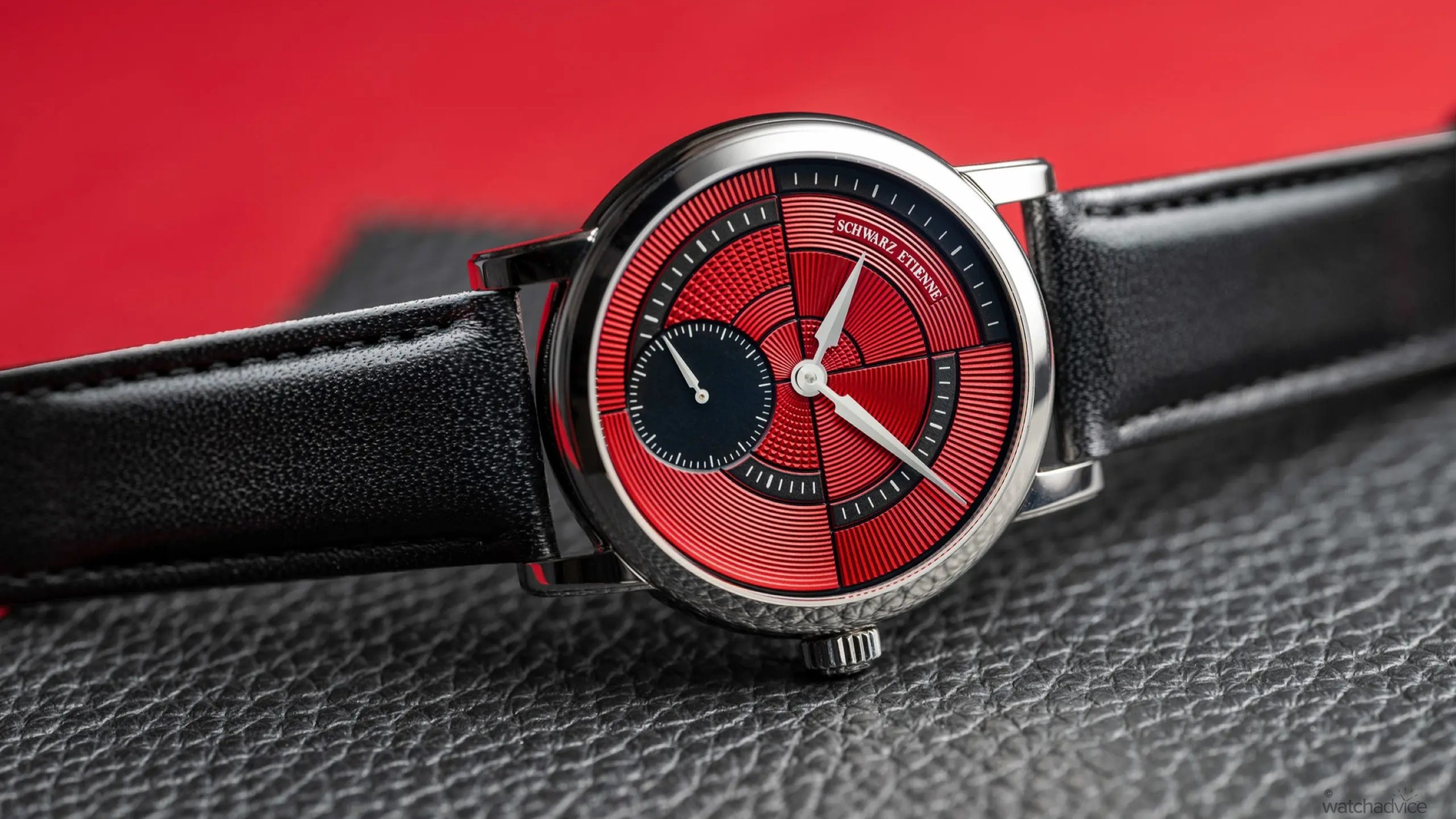
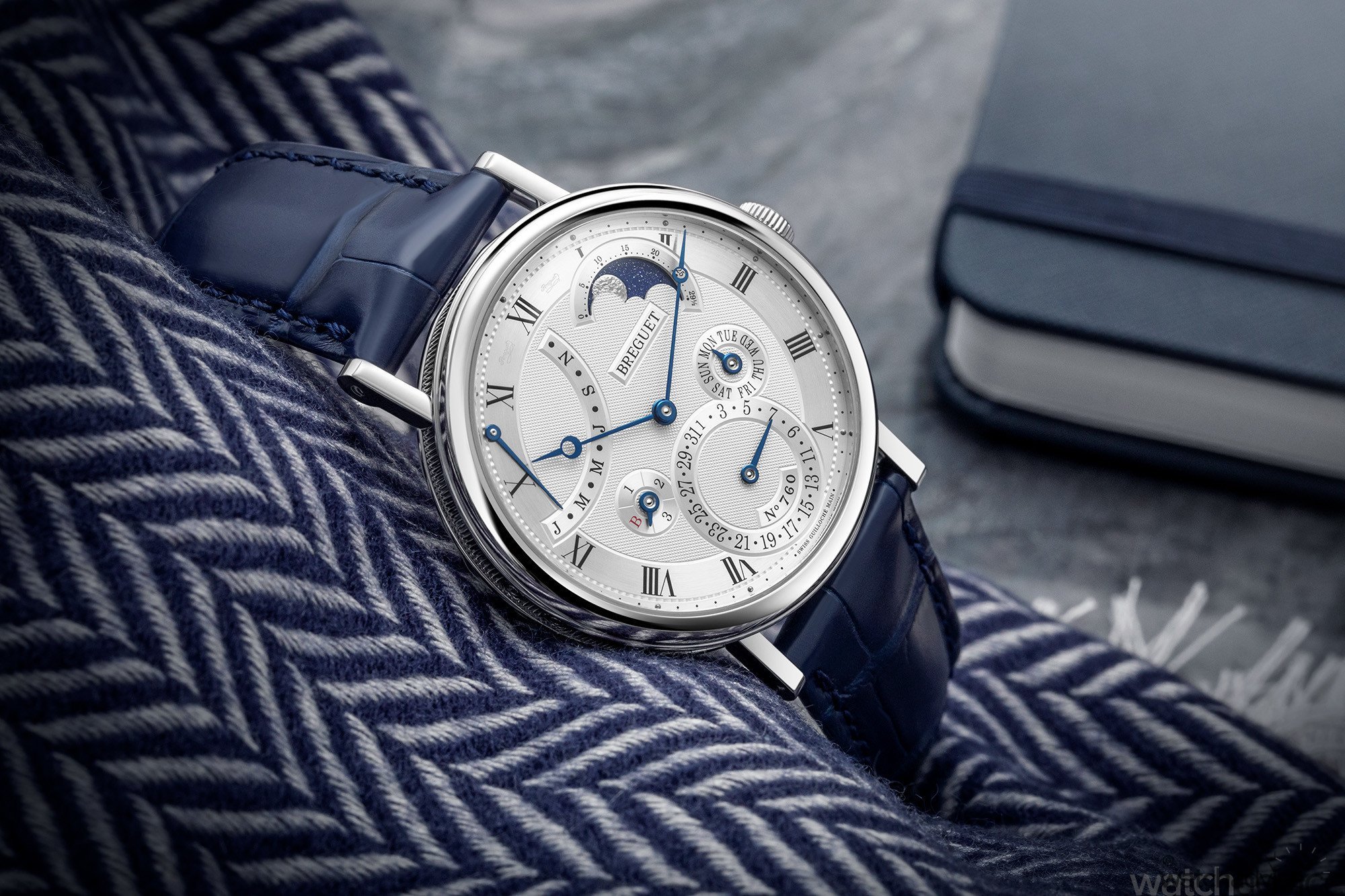
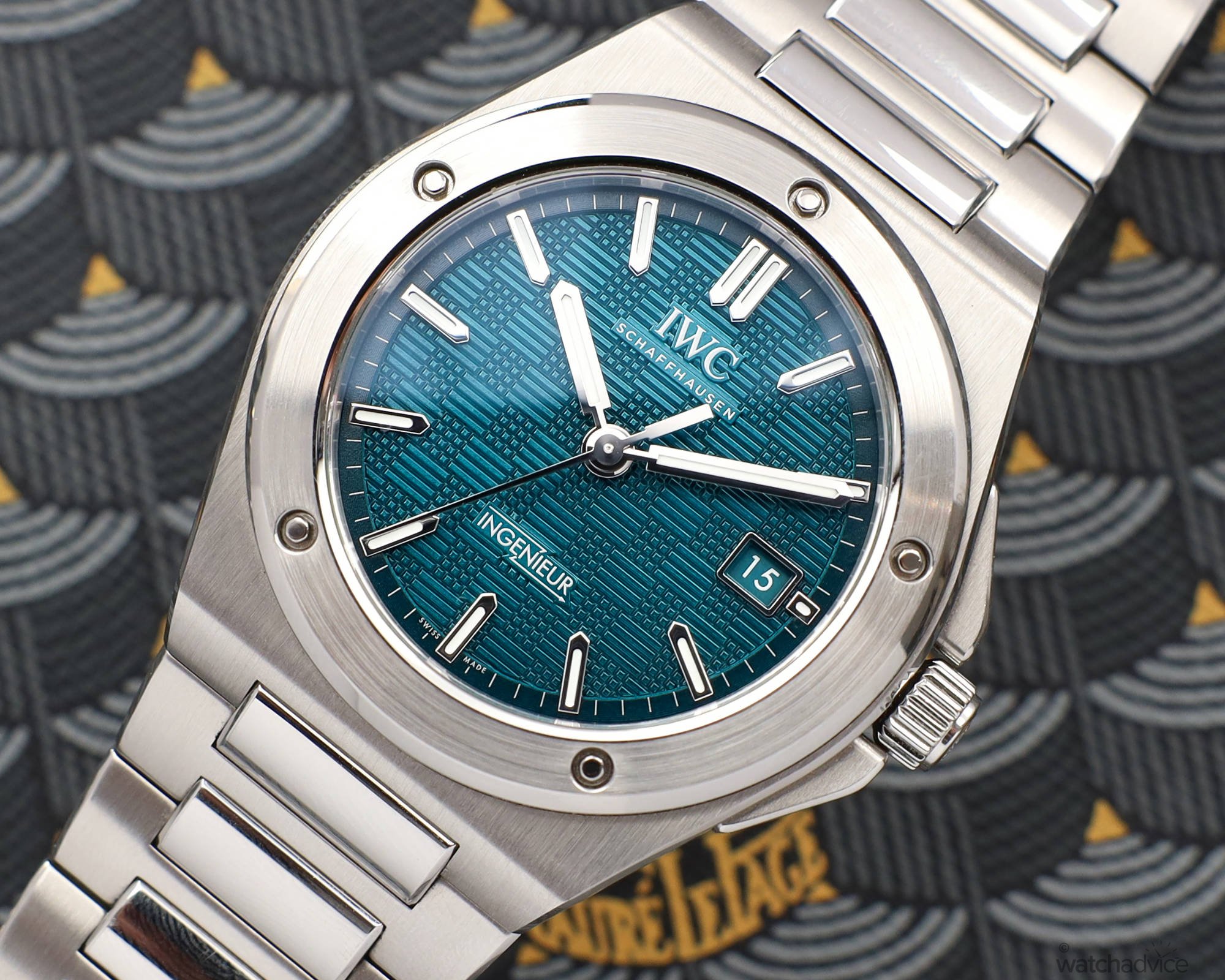
If you’re new to watches, or even relatively seasoned, you may be scratching your head as to what guilloché actually is. Simply put, it is a finishing technique that engraves intricate, repeated patterns into a hard surface. In the watch world, this is typically applied to watch dials, but it can also extend to movements.
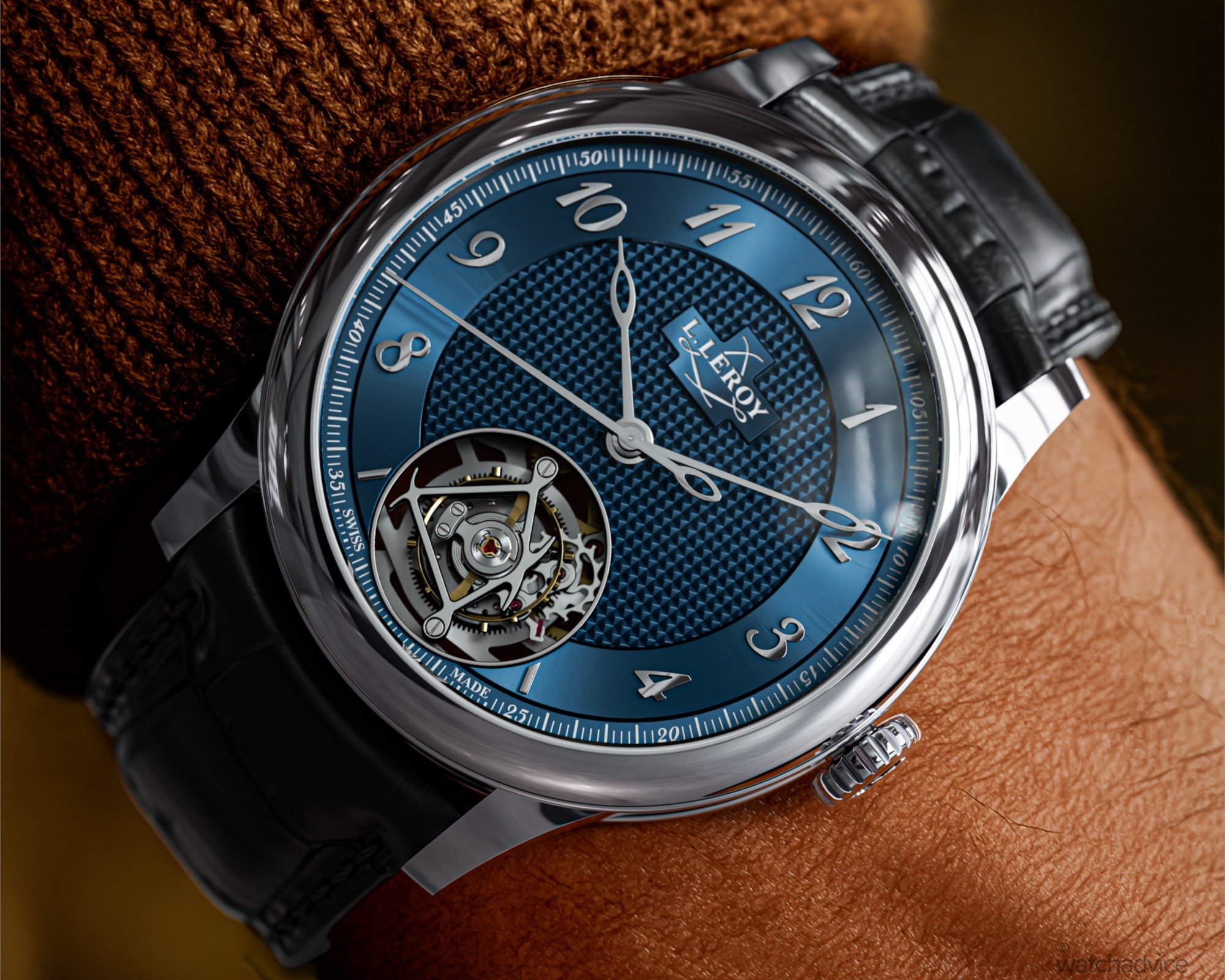
The technique transforms surfaces into a dazzling display, giving dials an unparalleled level of depth and texture. Interestingly, guilloché is not only used for aesthetic purposes. It can also serve a practical role by refracting light to reduce dial glare and helping to protect the surface from scratches and wear.
Unlike engraving, the cutter does not move; instead, the machine does. Allow me to explain. The primary method is typically done by hand: A master craftsman, called a guillocheur, uses a specialised machine to cut the pattern into the dial.
These are called engine-turning machines and are generally classified as rose or straight-line engines. The rose engine is used mostly for concentric, curving motifs, while the straight-line engine is used to create uniform, geometric patterns. At the heart of each machine is a cam, or template, that dictates the desired pattern.
While “hand made by machines” might sound like an oxymoron, these engine-turning machines are hand-cranked and require an intense amount of precision to operate. Even with mechanical assistance, the guillocheur still decides how deep, how spaced out and how consistent each cut is.
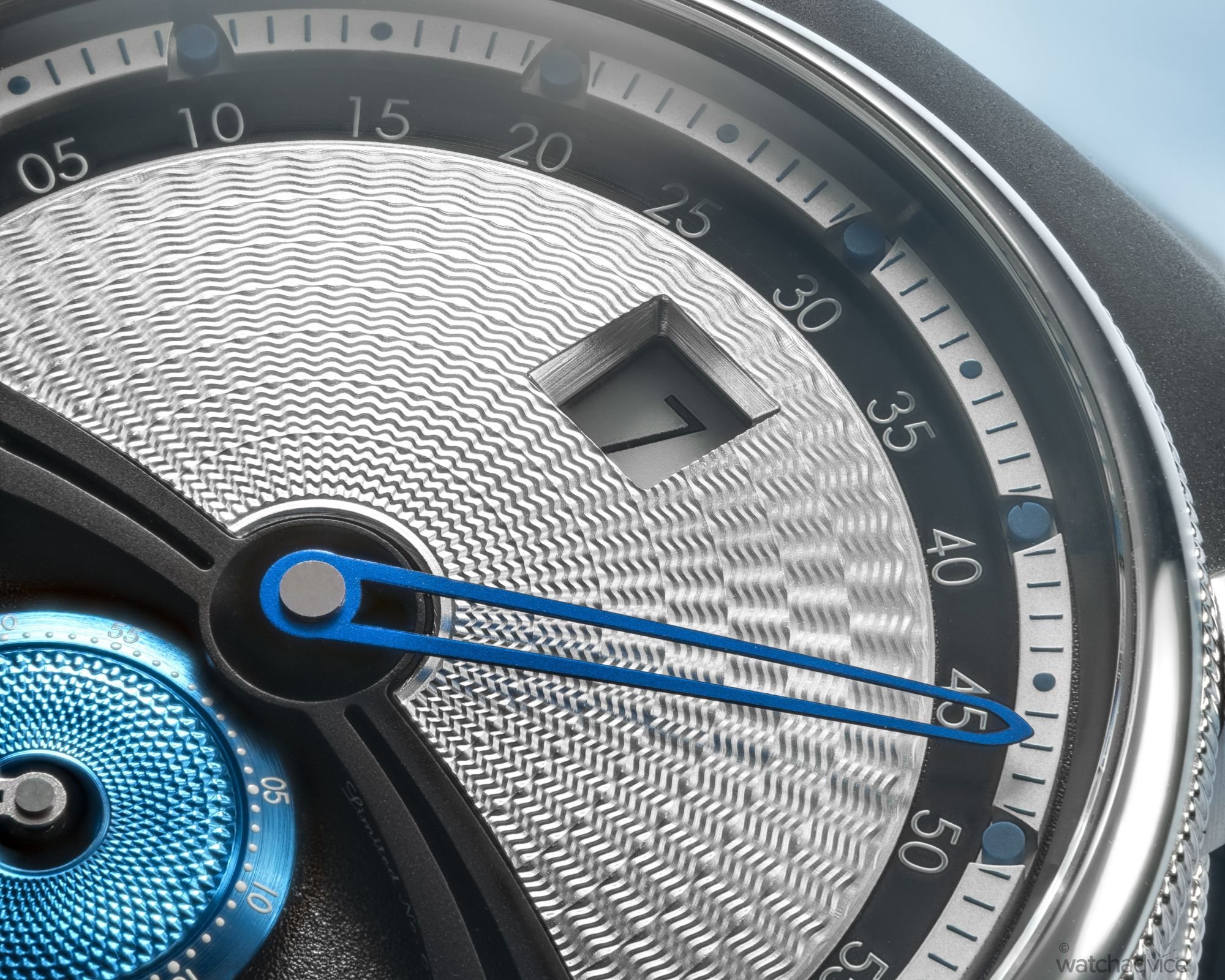
As you might expect, a craft like this has a very high failure rate: one slip, one lapse in concentration, and the entire dial may need to be scrapped and restarted from the beginning.
Once finished, it is up to the watch brand’s discretion to decide the next steps, whether that involves additional finishing or more complex techniques such as enamelling. In the end, it is a highly precise and remarkable métier d’art, one that can elevate any watch on its own.
The History of Guilloché
Given its name, you would not be remiss in assuming that guilloché originated in France. According to popular belief, a Frenchman known only as Guillot invented the first machine for the technique in the 1770s, enabling the precise and repetitive engraving of intricate patterns. However, this story remains highly debated; For good reason, as no historical records of Guillot exist in any French or global archives.
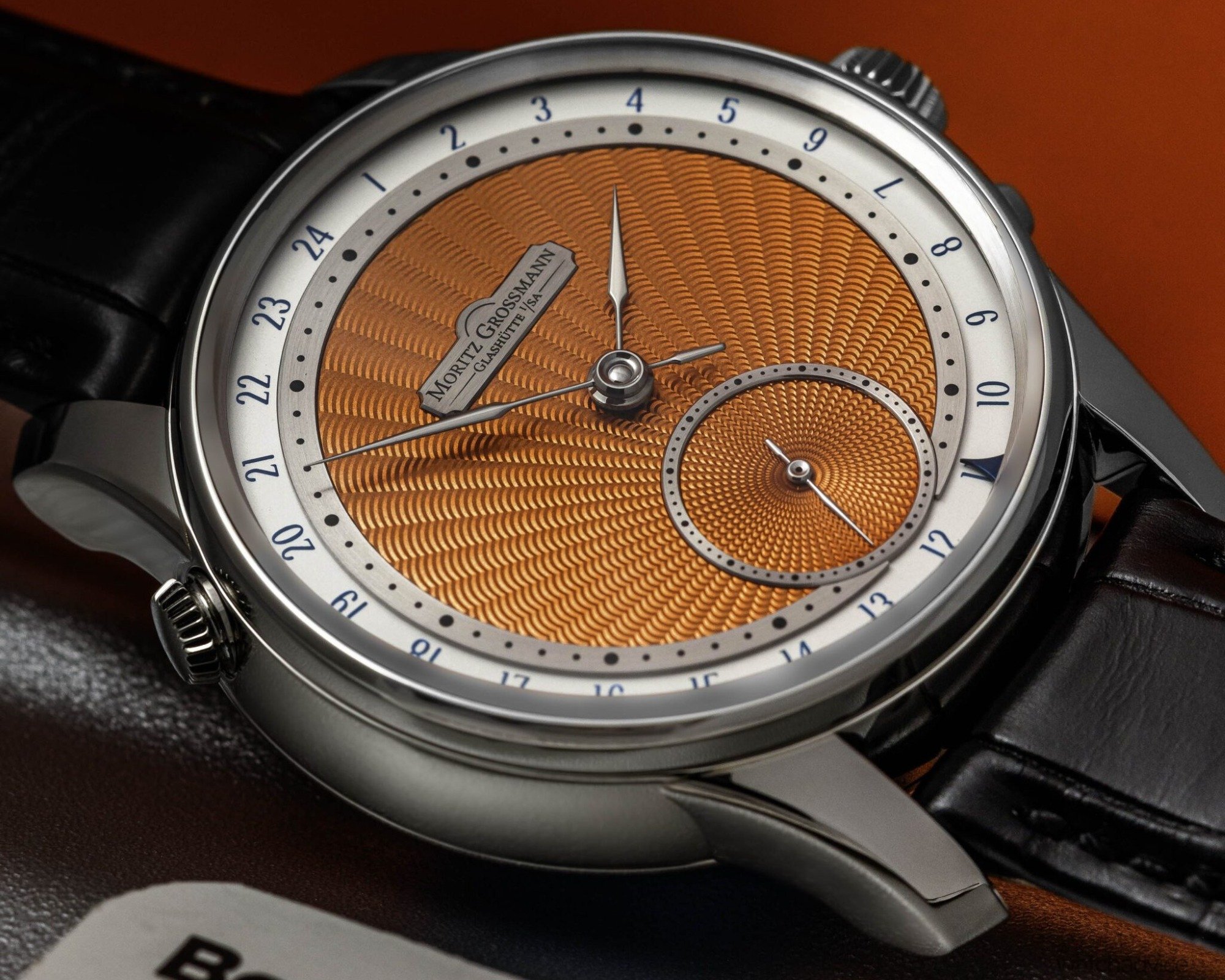
Many skeptics instead attribute the invention of guilloché to Hans Schwanhardt, a German glassmaker from the Schwanhardt glassmaking dynasty in Nuremberg. These sources claim Schwanhardt developed the first guilloché machine in the 1620s, around 150 years before Guillot, using it to engrave decorative patterns onto glass.
In reality, the origins of guilloché stretch even further back. Similar engraving techniques have been traced to ancient civilisations, including the Romans, Greeks, Assyrians and even certain Andean cultures in South America.
The true origins of guilloché, it seems, may be far more complex than most realise. Perhaps the truth has already been lost to time, but what is largely agreed upon is that the term comes from the French “guillocher”, meaning to decorate with intersecting curved lines.
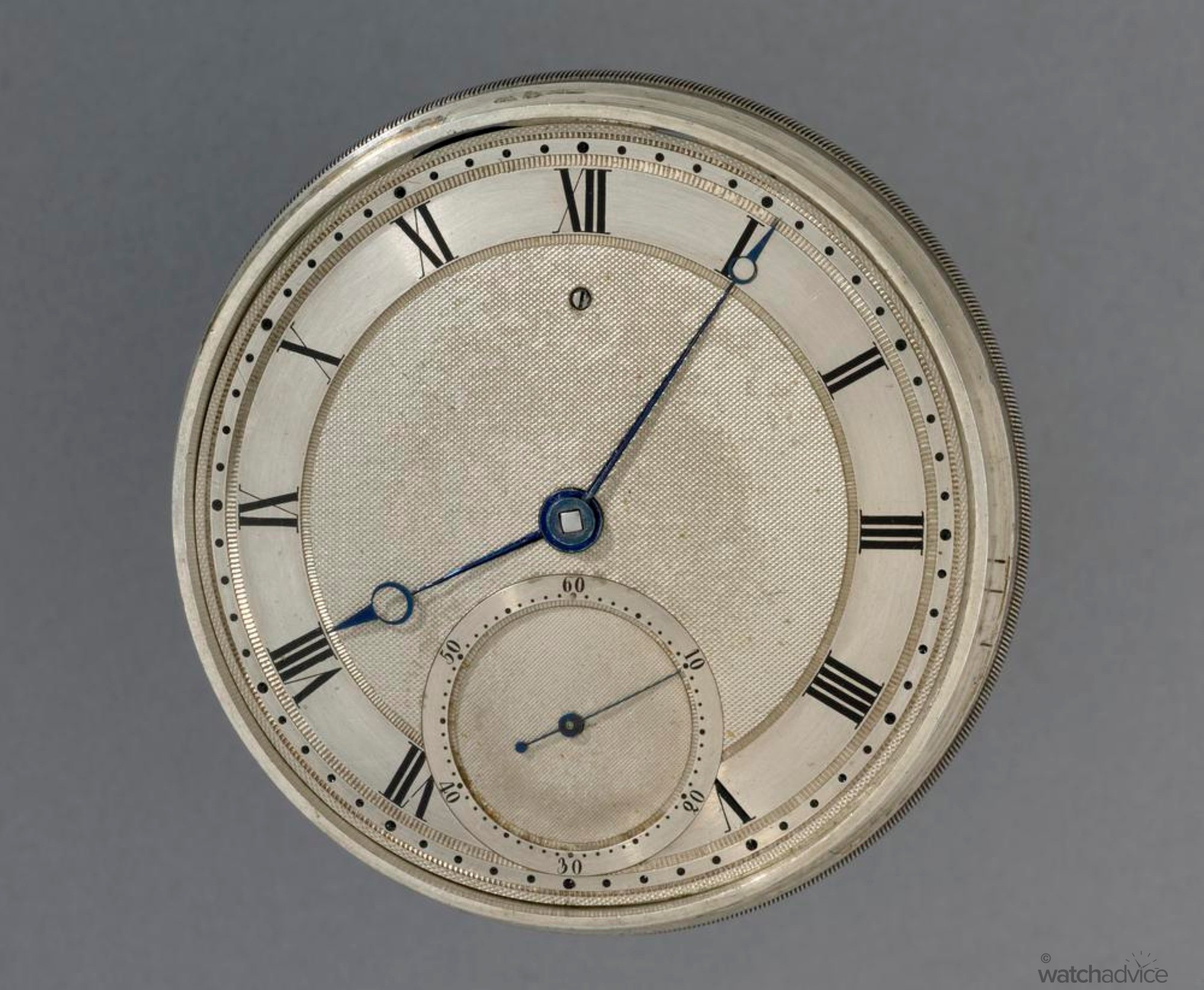
What is not lost, however, is guilloché’s entry into the world of watchmaking. It was none other than Abraham-Louis Breguet, founder of the eponymous brand, who helped elevate the art form.
In 1786, he began incorporating guilloché into watchmaking, marking some of the earliest recorded instances of the technique on timepieces. Inspired by his travels to London, Breguet likely encountered guilloché applied to wooden furniture, suggesting that the British also played a role in shaping the craft as we know it today.
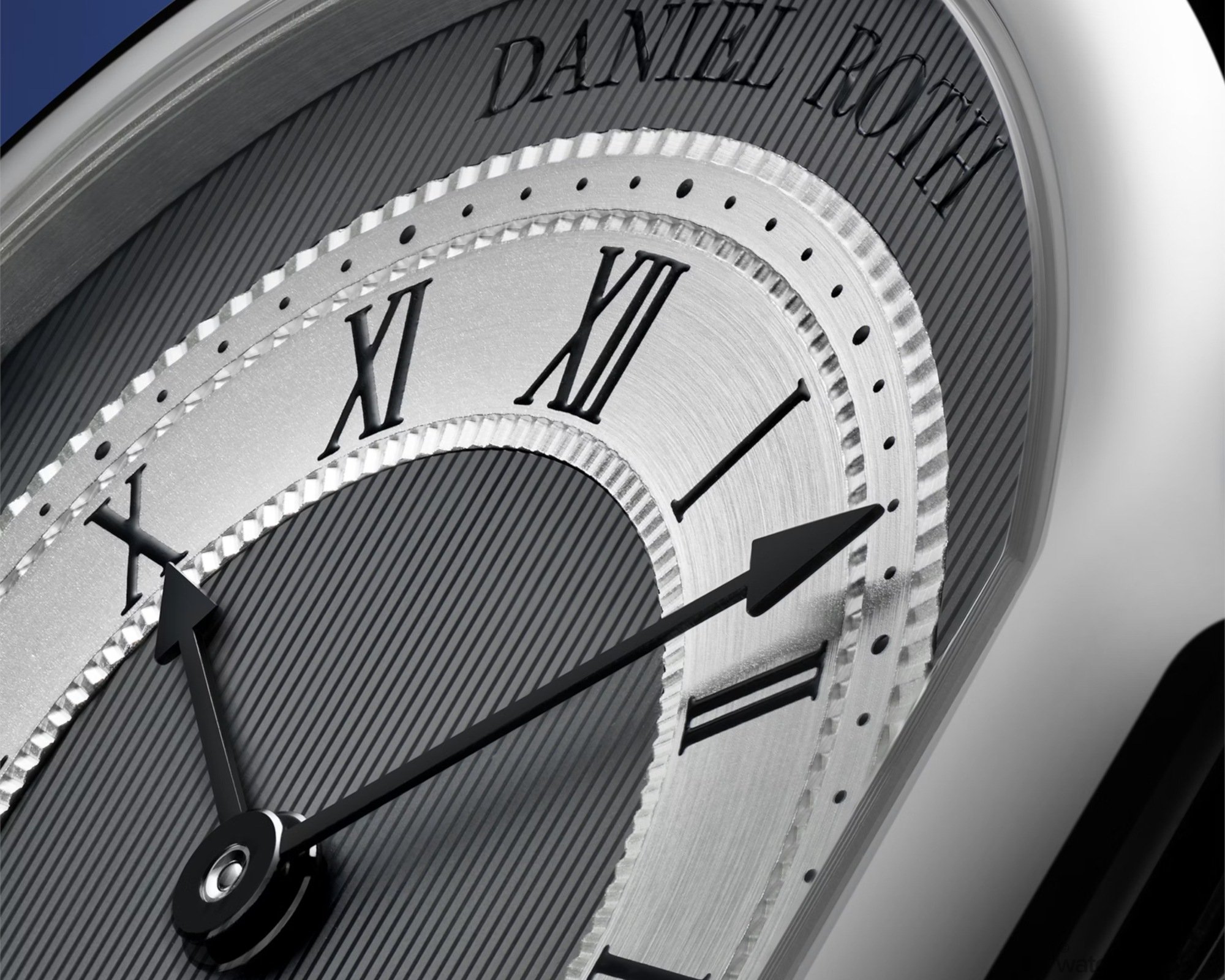
But Breguet was not the only dominant force in the guilloché world. The “Big Three” of Vacheron Constantin, Audemars Piguet and Patek Philippe also helped pioneer its use over the years. Several standout individuals, including George Daniels, Derek Pratt, Kari Voutilainen, and Daniel Roth, have also done their part in upholding the art form.
The Future of Guilloché
Speaking of today, guilloché has still managed to hold its place in the modern era. Throughout the years of change in the watch industry, including the introduction of the wristwatch, the quartz crisis and the rise of the smartwatch, guilloché and its application have largely remained unchanged. Brands such as J.N. Shapiro, Sartory Billard and even microbrands like Awake continue to use the technique to produce stunning examples of dial artistry.
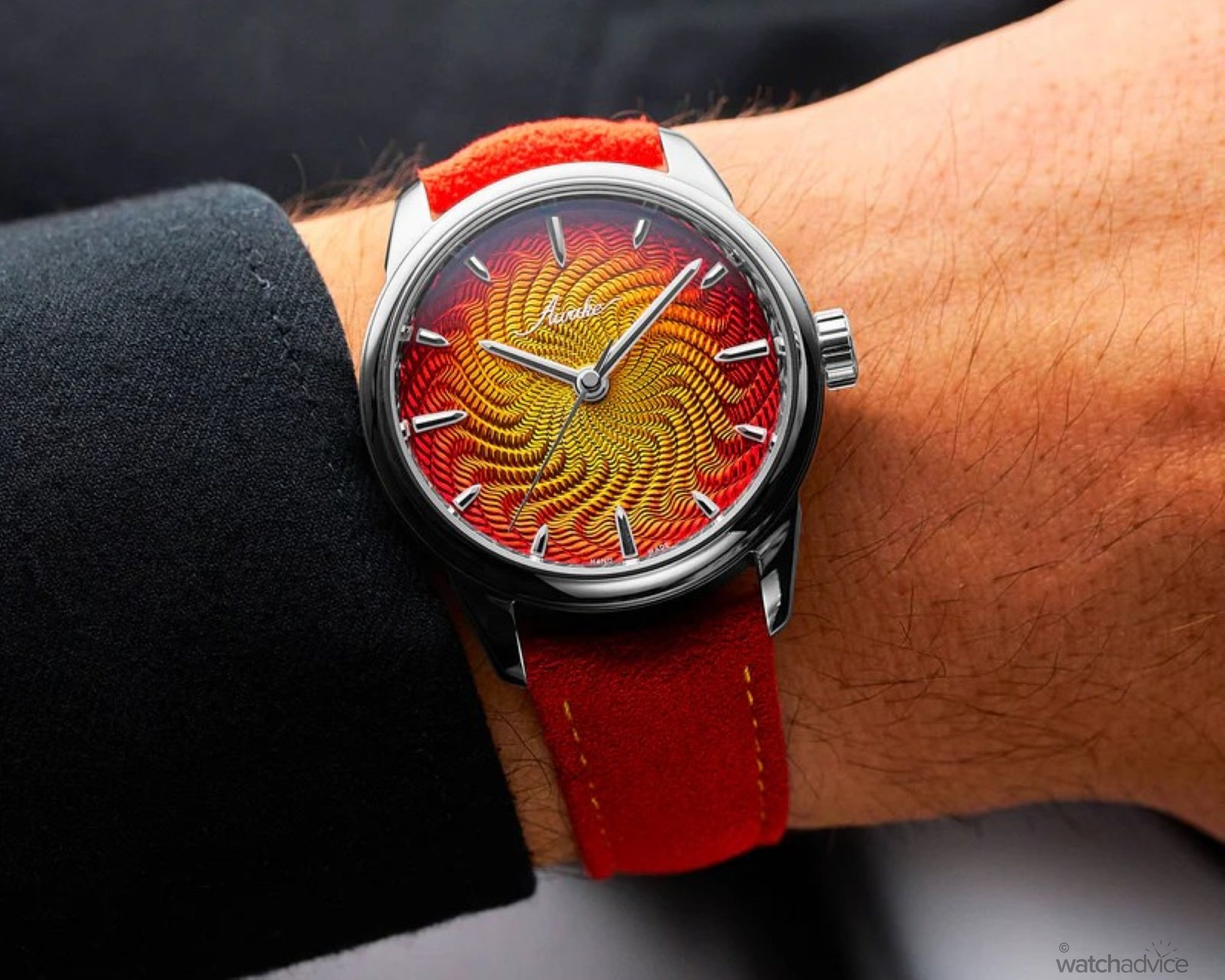
Yet this handcraft culture has begun experiencing its own shift. Advances in CNC engraving, stamping, laser etching and other hybrid techniques have made it possible to reproduce similar patterns at scale. This raises an interesting question of what exactly will remain of guilloché in the future: its method or its result.

It is a terrifying precedent within the context: could one of watchmaking’s last consistently running traditions also be replaced in the age of digitisation? Perhaps, but at the moment it seems to be a resounding “no”.
Don’t get me wrong. Stamped, CNC-milled and laser-cut dials certainly bring their benefits, such as hyper-accurate machining, lower cost and faster production. Yet there is something about the art of guilloché that cannot be replaced.
Where these industrially produced patterns are always precise, hand-cut guilloché dials catch the light in a way nothing else can. There is only one reason for this: the judge of quality, its greatest critic, is the naked human eye.

Perhaps the reason guilloché is so revered is because it is so inherently human. While its creation is mechanically assisted, everything else about the dial is still decided by the eye and hand, centuries after the art was first developed.
The character of each dial is carefully crafted, both by intention and by subtle variation, so that no two are ever exactly alike. Some might call it imperfection, but it gives the dial, and the watch, an all-important human touch.
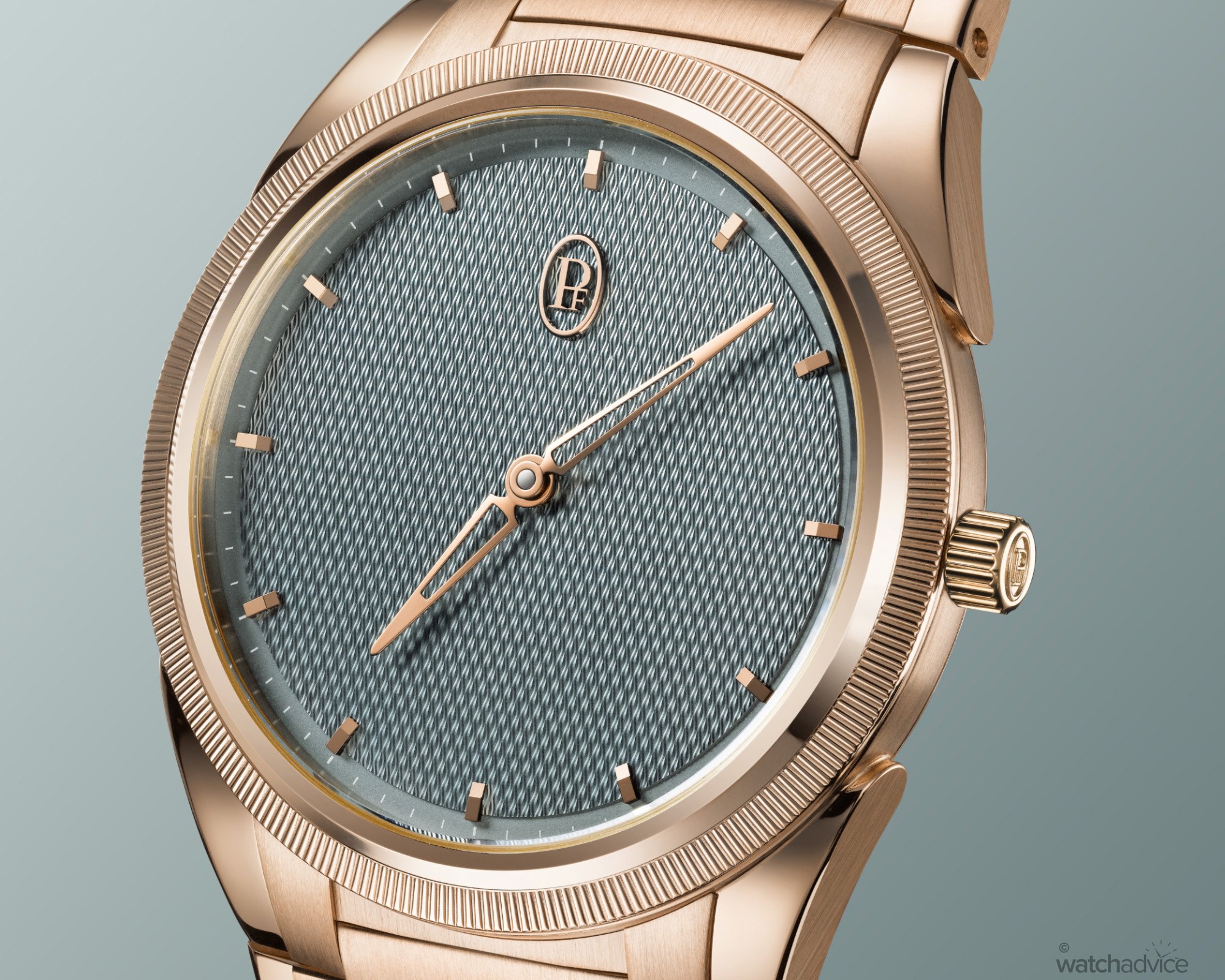
So in that respect, guilloché remains, and for now continues to remain, a staple métier d’art in the world of horology. Honed, improved and upheld over the centuries, it turns the watch dial into a spectacular dance of light and texture.
While technology has done well to keep up, it still has a long way to go before it can replicate the art’s true beauty; then again, perhaps it can’t. But in the end, the precise art of guilloché still makes its mark as a cornerstone of luxury watch design.