

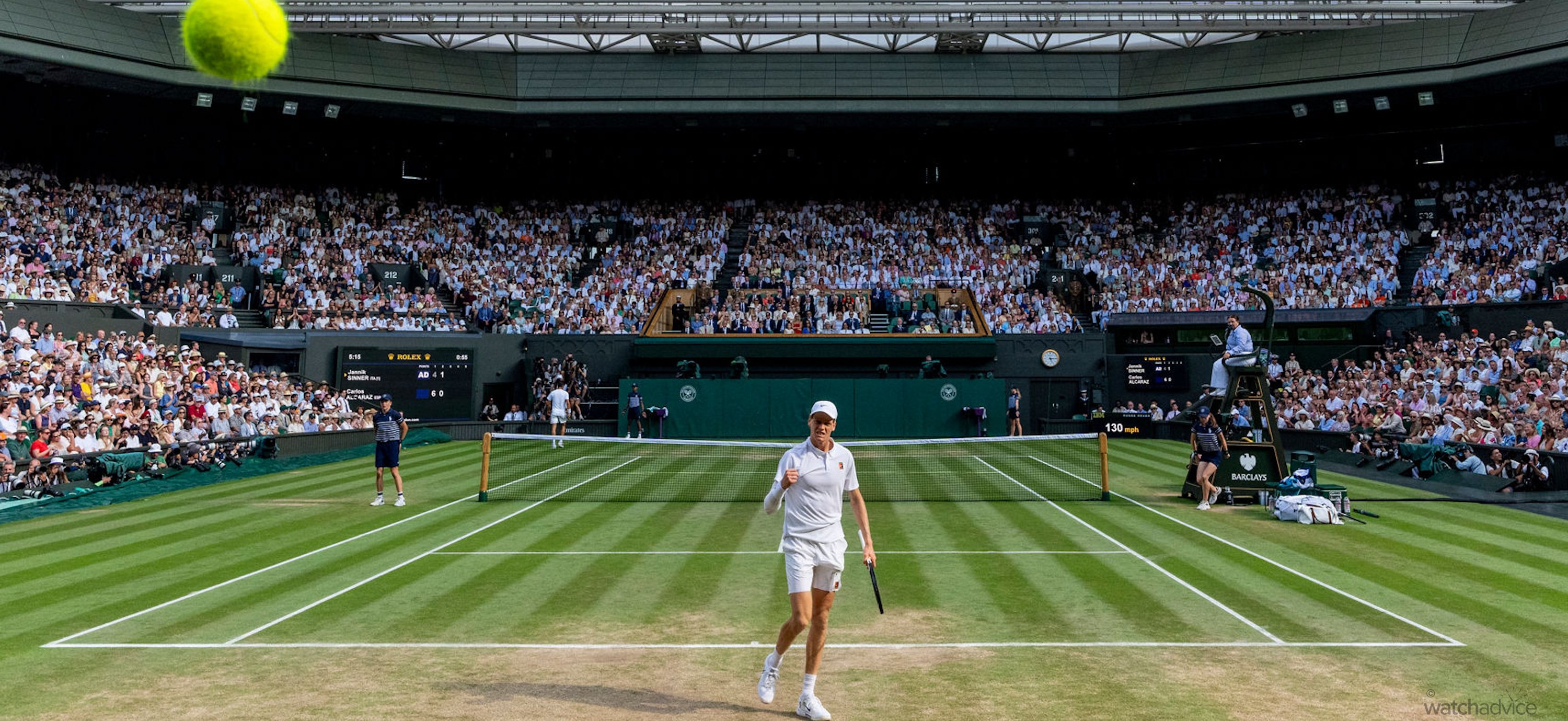
Rolex’s partnership with Wimbledon is a timeless meeting of precision, tradition and sporting excellence on tennis’ most prestigious stage.
Those familiar with Rolex would know that the brand does more than just make watches. It is involved in a wide range of conservation efforts through its Perpetual Initiatives, which are essentially about working towards the future of the planet. Rolex is also heavily involved in sport through its “Commitment to Excellence,” spanning fields such as golf, yachting, motorsport and equestrianism, along with arguably one of its most famous sporting partnerships of all: tennis.
Rolex’s connection with sport is not just about sponsorship. It is about connecting the iconic Crown to disciplines built around precision, endurance and legacy. This works especially well for the brand, as these same values translate directly into its watchmaking, with timepieces that are technically reliable, elegant in design and enduring by nature. Rolex’s partnerships with various sporting organisations are rarely short-term stints. They are usually long-standing relationships that eventually become part of the event’s identity over time.
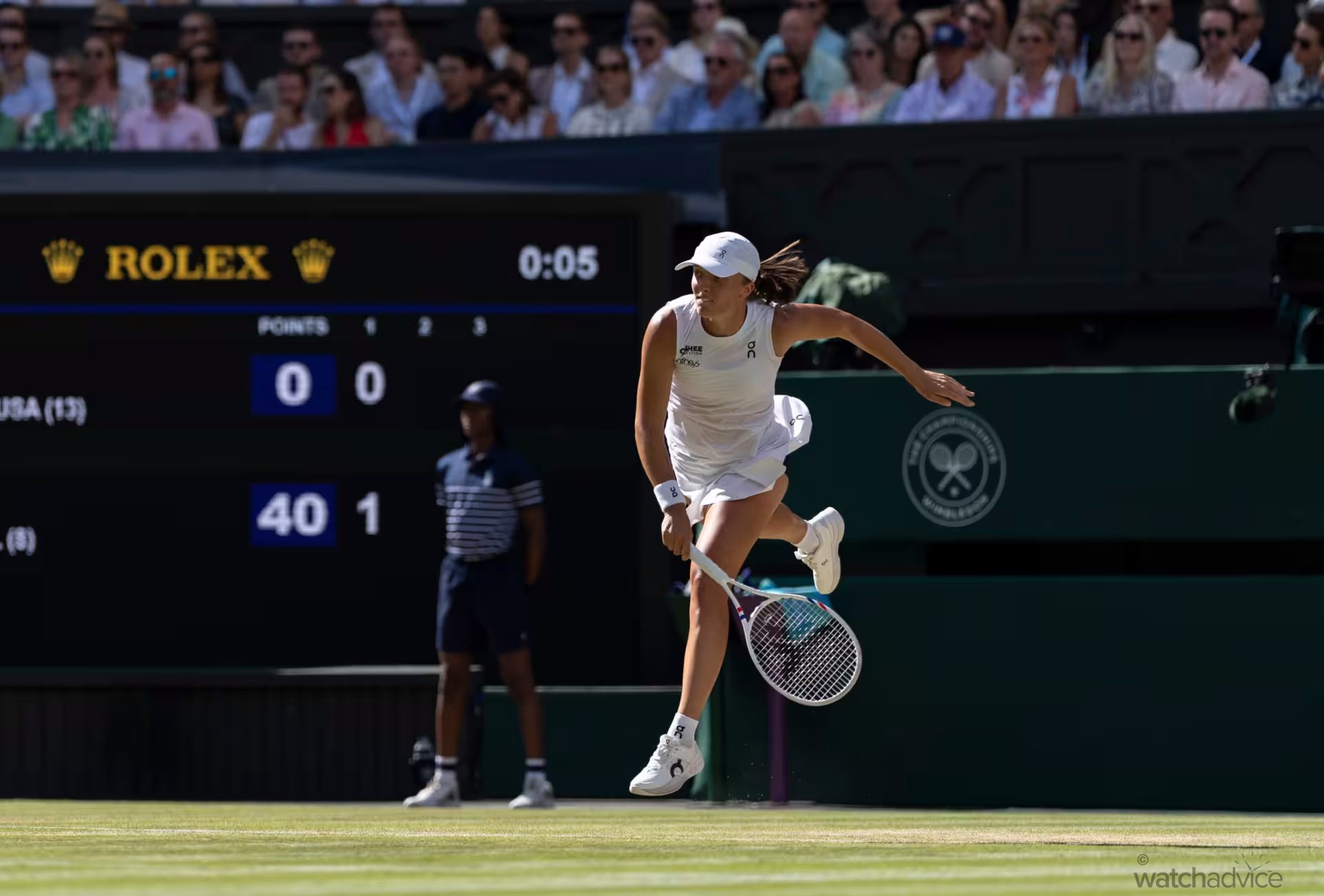
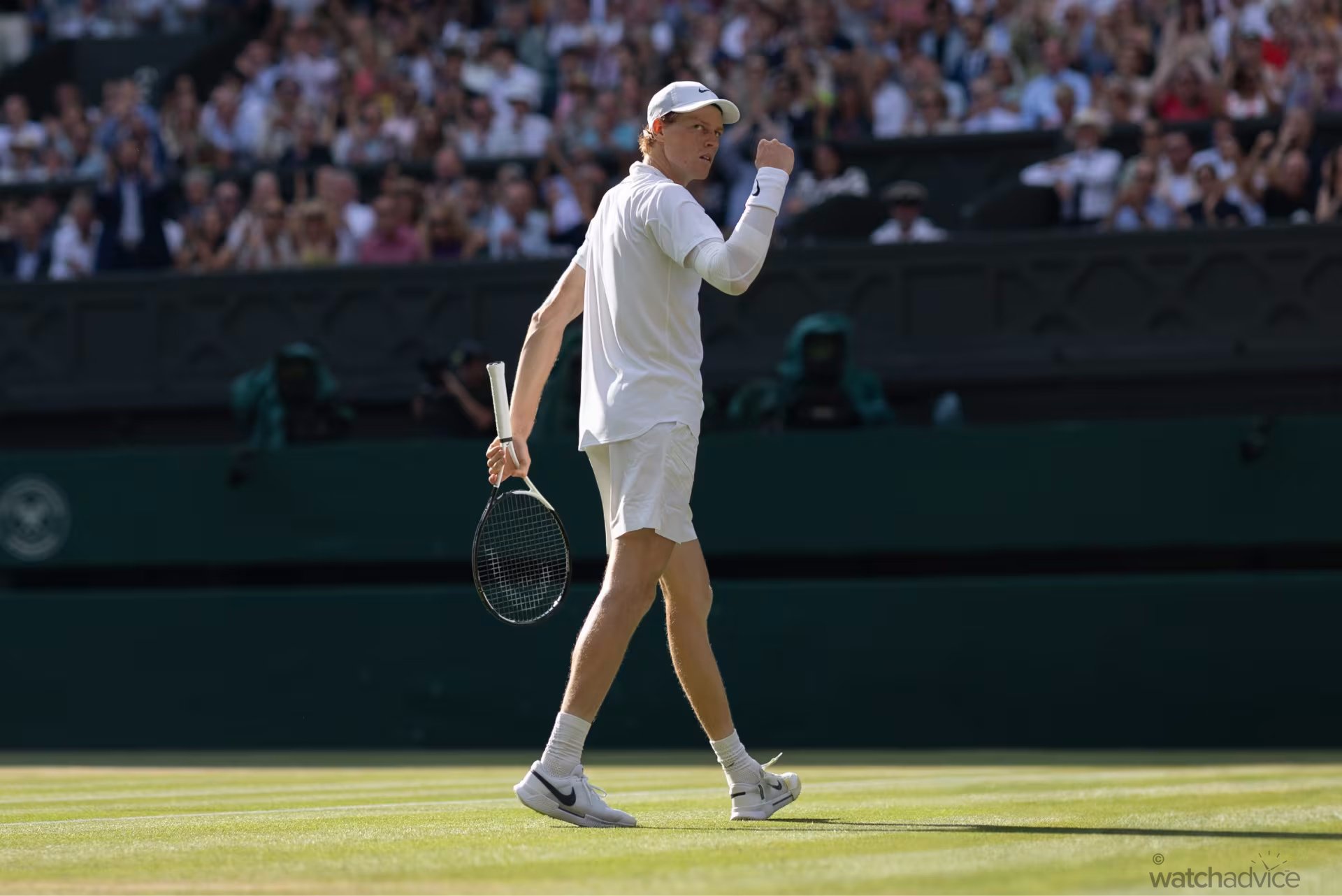
Out of all the various sports that Rolex is part of, I would say tennis is the most natural fit for the brand. That is not to say the other disciplines are not, but tennis is built around timing, control, rigorous training, discipline, and composure under pressure. The sport also carries a strong sense of etiquette, long-standing tradition and personal excellence, all of which line up perfectly with Rolex’s brand image.
Rolex’s Long-Standing Connection With Tennis
Rolex’s history with tennis first started in 1978, when the brand partnered with The Championships, Wimbledon. This played a significant role in Rolex’s relationship with the sport, as Wimbledon is not just another tennis tournament. It is the oldest tennis tournament in the world, with the first edition held in 1877, and it remains the only Grand Slam still played on grass. Rolex’s choice of Wimbledon as its entry into tennis perfectly aligns with the brand’s own values of heritage, precision, elegance and high performance.
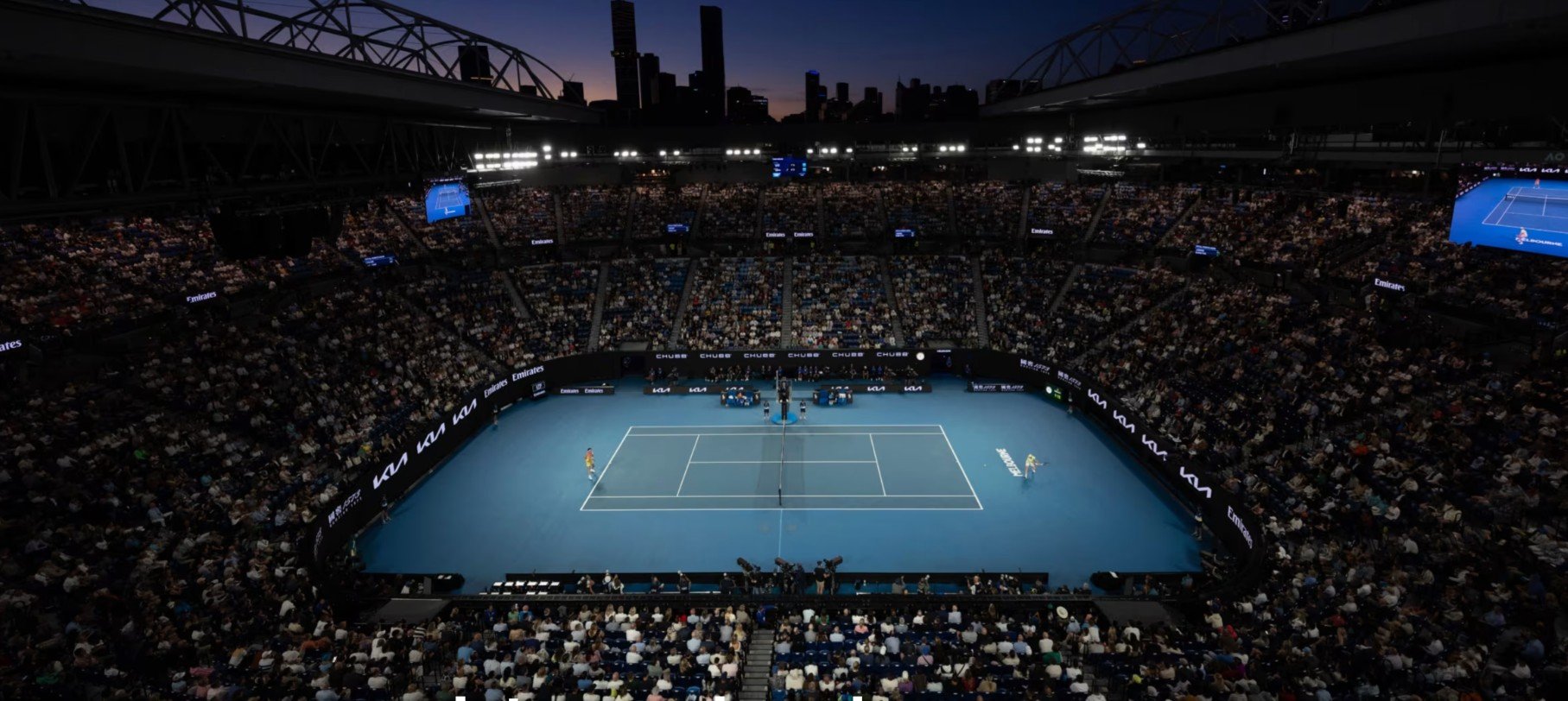
While Rolex’s history with tennis started with Wimbledon, its involvement with the sport has since grown to become so much more. Over the years, the Swiss watchmaker has become the Official Timekeeper of all four Grand Slam tournaments: the Australian Open, Roland-Garros, Wimbledon and the US Open.
It does not stop there either. Rolex is also heavily involved in multiple other tournaments and organisations, including the ATP and WTA, Masters 1000 and WTA 1000 events, the Nitto ATP Finals, WTA Finals, Laver Cup, Davis Cup Finals and Billie Jean King Cup Finals.
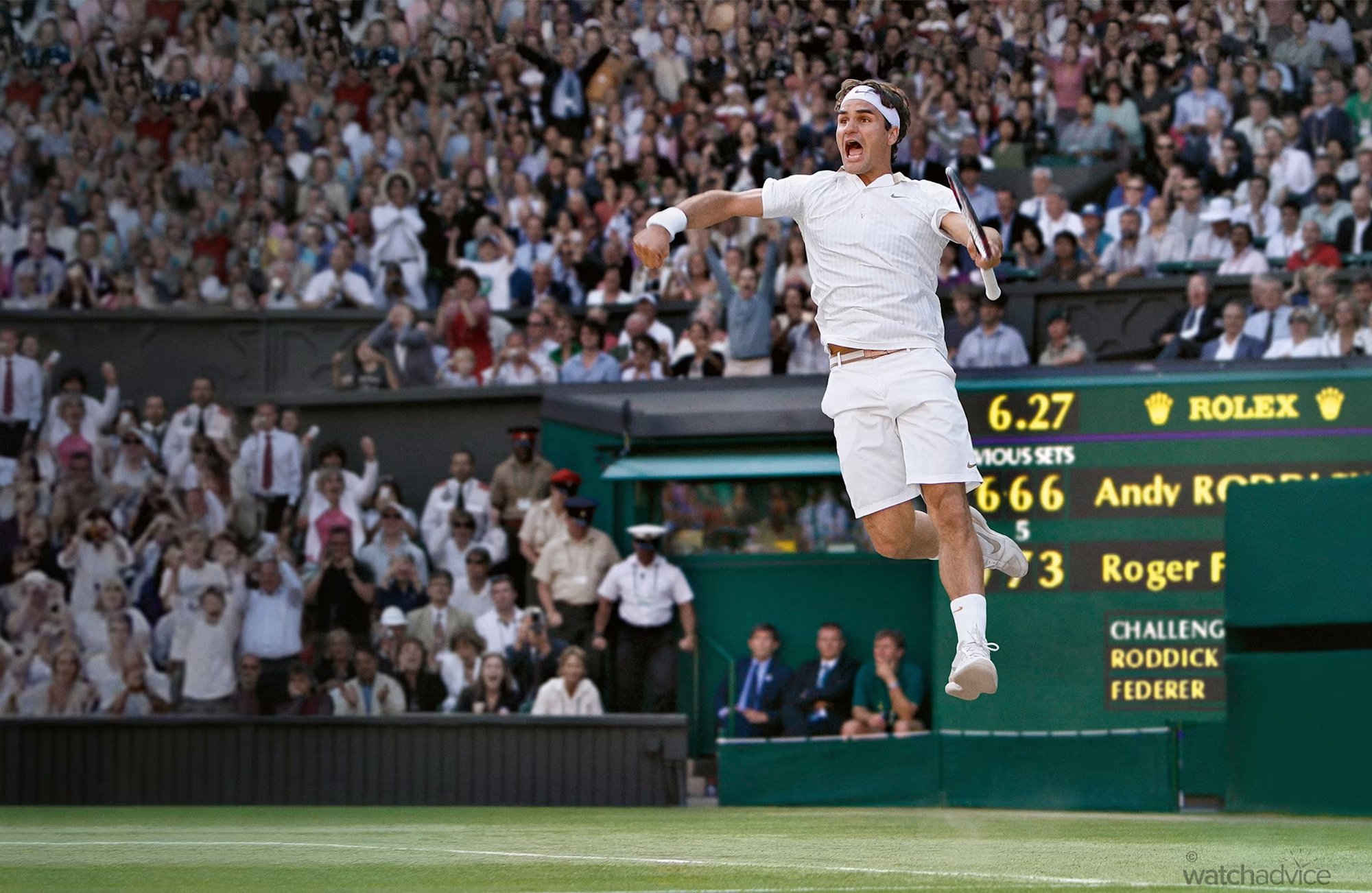
Outside of being the Official Timekeeper and having a presence across various tournaments, Rolex also works closely with the players themselves, building the brand’s identity in the world of tennis through legends as much as through the events. Legendary players such as Roger Federer, Rod Laver, Björn Borg and Chris Evert, as well as modern icons such as Carlos Alcaraz, Coco Gauff, Jannik Sinner and Iga Świątek, are some of the names that form part of the Rolex tennis family.
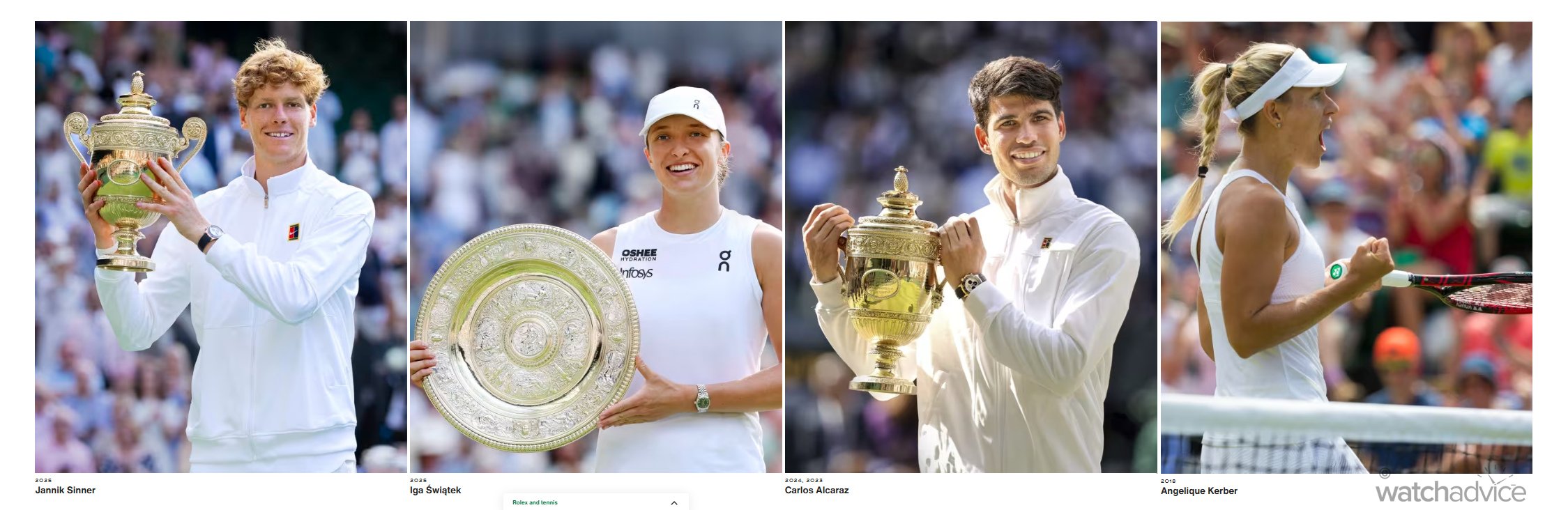
This goes to show that Rolex’s link to the sport is not just about the Crown being present on courtside clocks, but also about being there for the moments when players become part of tennis history.
Rolex And Wimbledon: The Crown On Centre Court
While Rolex is involved throughout various tournaments in modern-day tennis, Wimbledon remains the most significant stage in the brand’s relationship with the sport. Rolex has been part of Wimbledon since 1978 as Official Timekeeper and Official Timepiece, making it the foundation of the Swiss watchmaker’s long-standing connection to tennis.
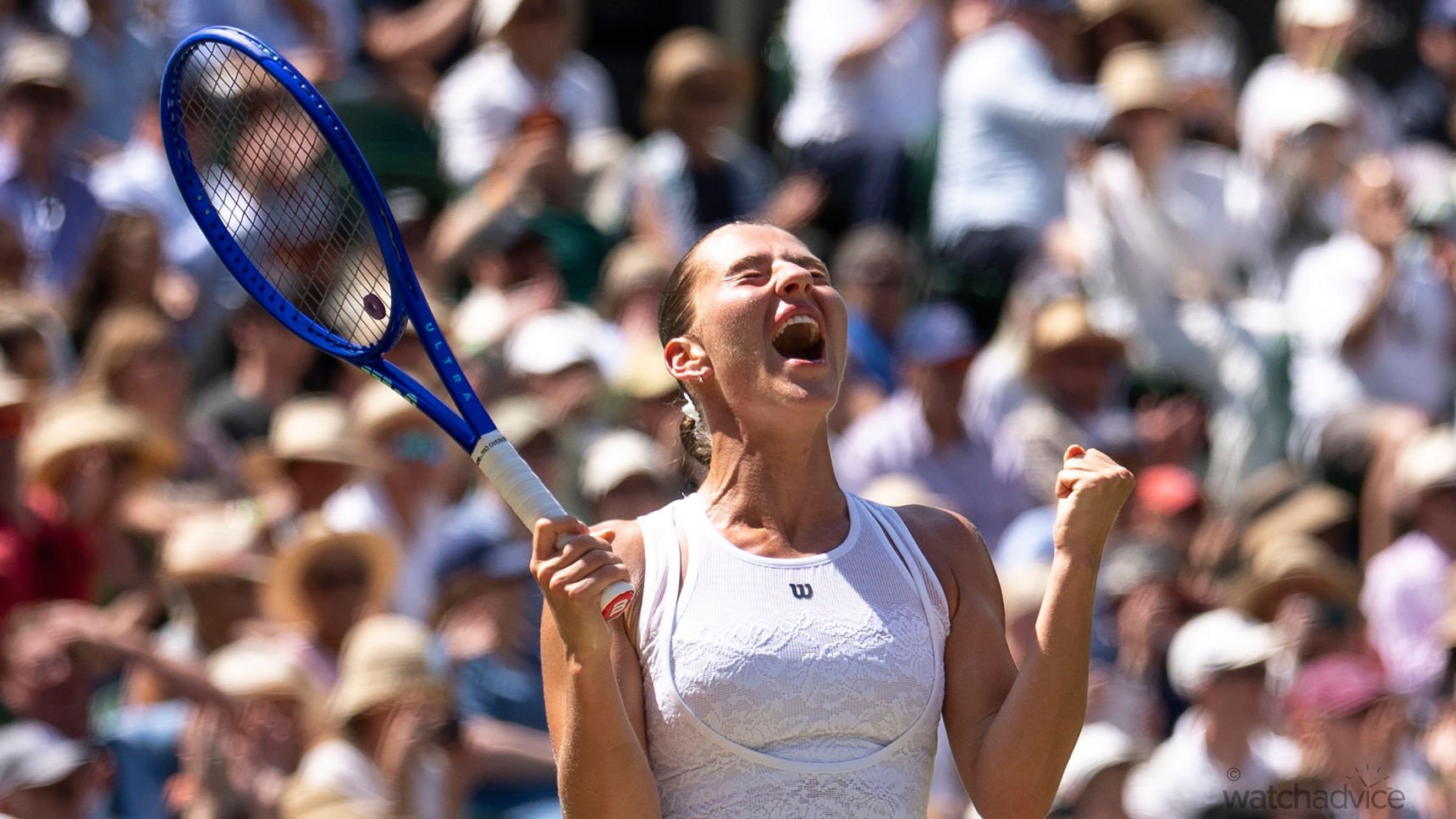
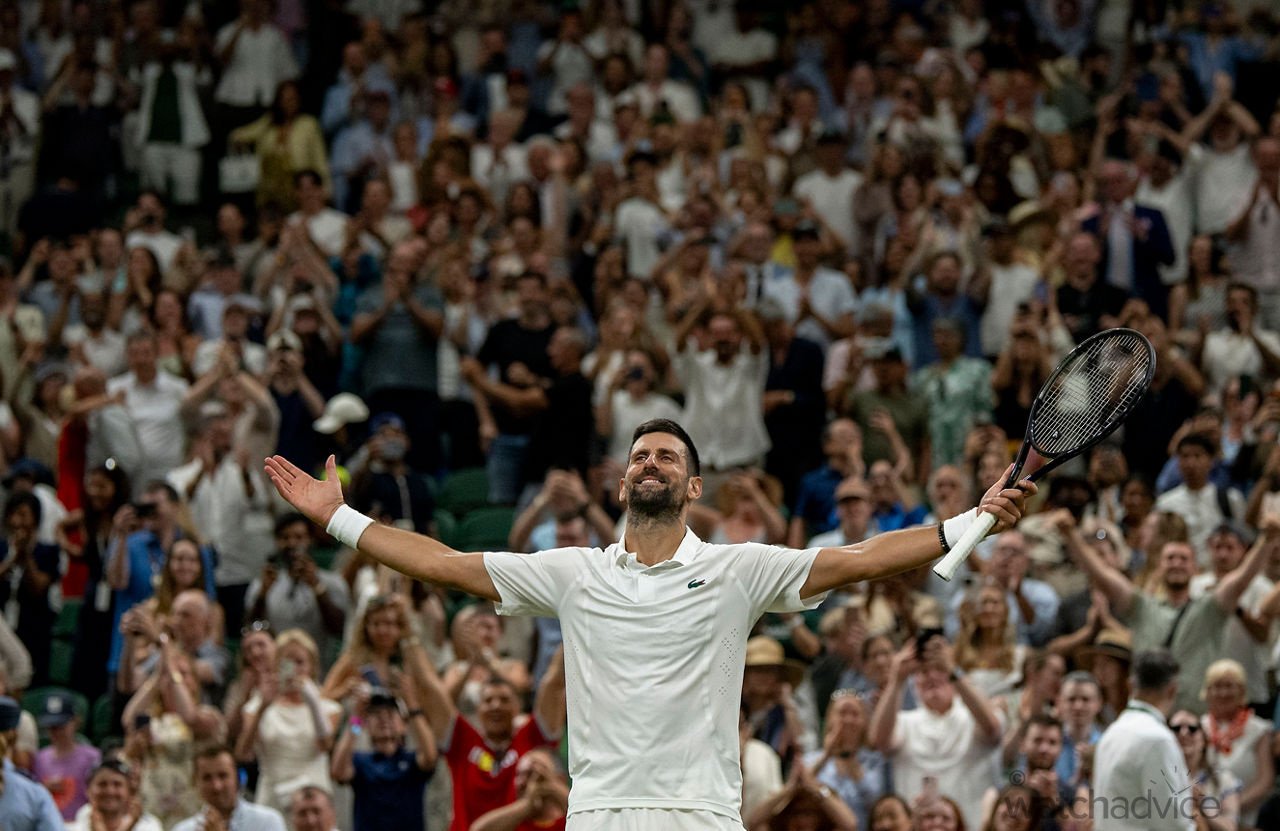
What makes Wimbledon so special is that it is unlike any other Grand Slam tournament. From the all-white dress code to the manicured grass courts, the Royal Box, Centre Court, and the quiet intensity before each serve is delivered, there is certainly a sense of ceremony that surrounds the event. This is why Rolex works so well with Wimbledon. It fits seamlessly into the tournament, not as a presence trying to take attention away from it, but rather one that works alongside it, reinforcing order, timing, prestige and class.
As one might expect, this connection to the sport has also found its way into the brand’s watchmaking identity. This can notably be seen through the Datejust models, with certain configurations being referred to by collectors as the “Wimbledon” dial.
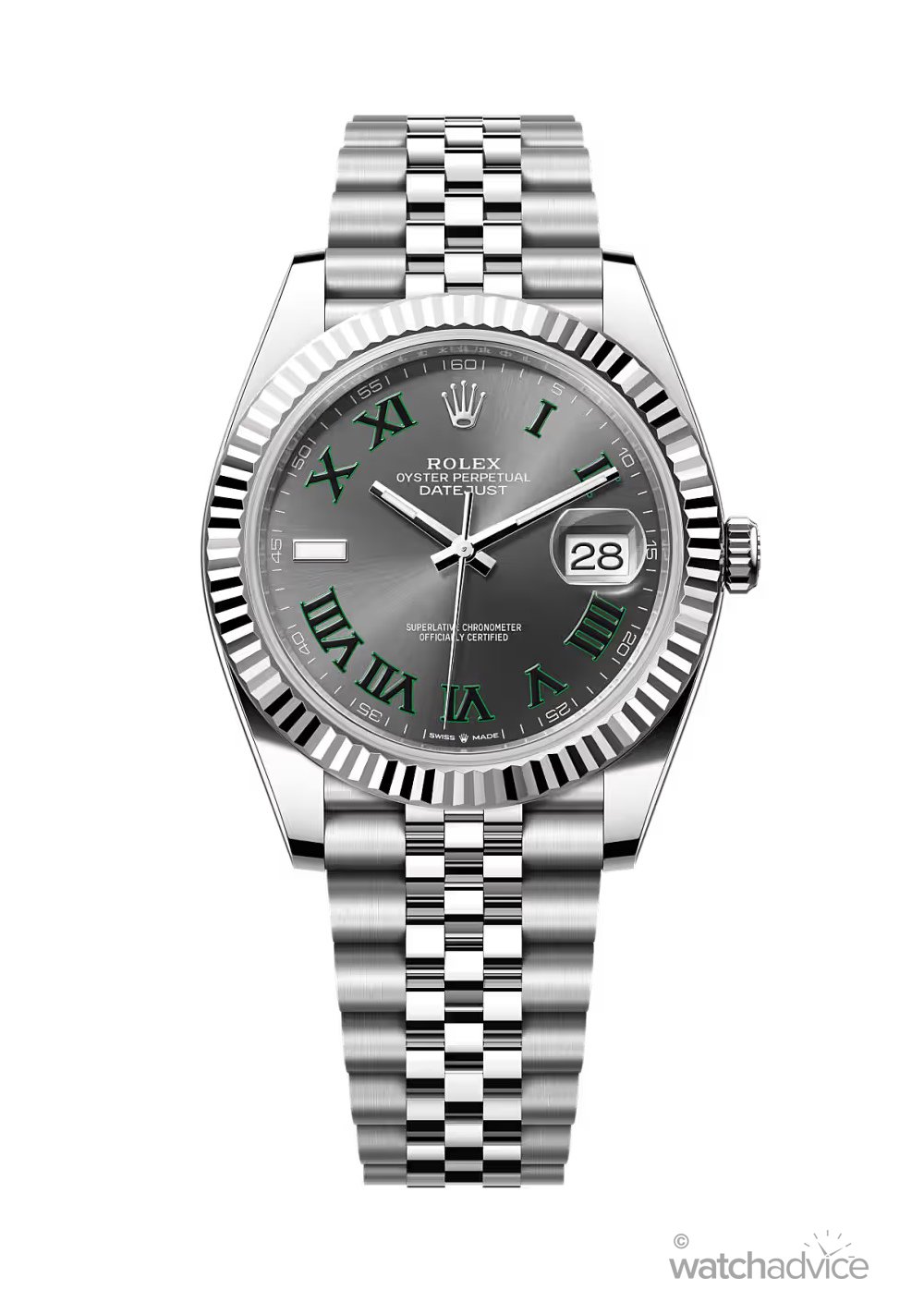
While this is not an official Wimbledon limited-edition release, the nickname has become widely recognised thanks to the slate-grey dial, green-outlined Roman numerals and unmistakable association with the tournament’s colours. Today, the Datejust remains the Rolex model most closely connected with Wimbledon, offering the same balance of elegance, versatility and timelessness that defines the tournament itself.
Ultimately, Rolex’s partnership with Wimbledon is not just about timing matches or placing clocks around the grounds. It is about two institutions that understand the value of legacy. For Rolex, Wimbledon represents everything the brand continues to stand for in sport: excellence, tradition, precision and the pursuit of defining moments that last far beyond the final point.