

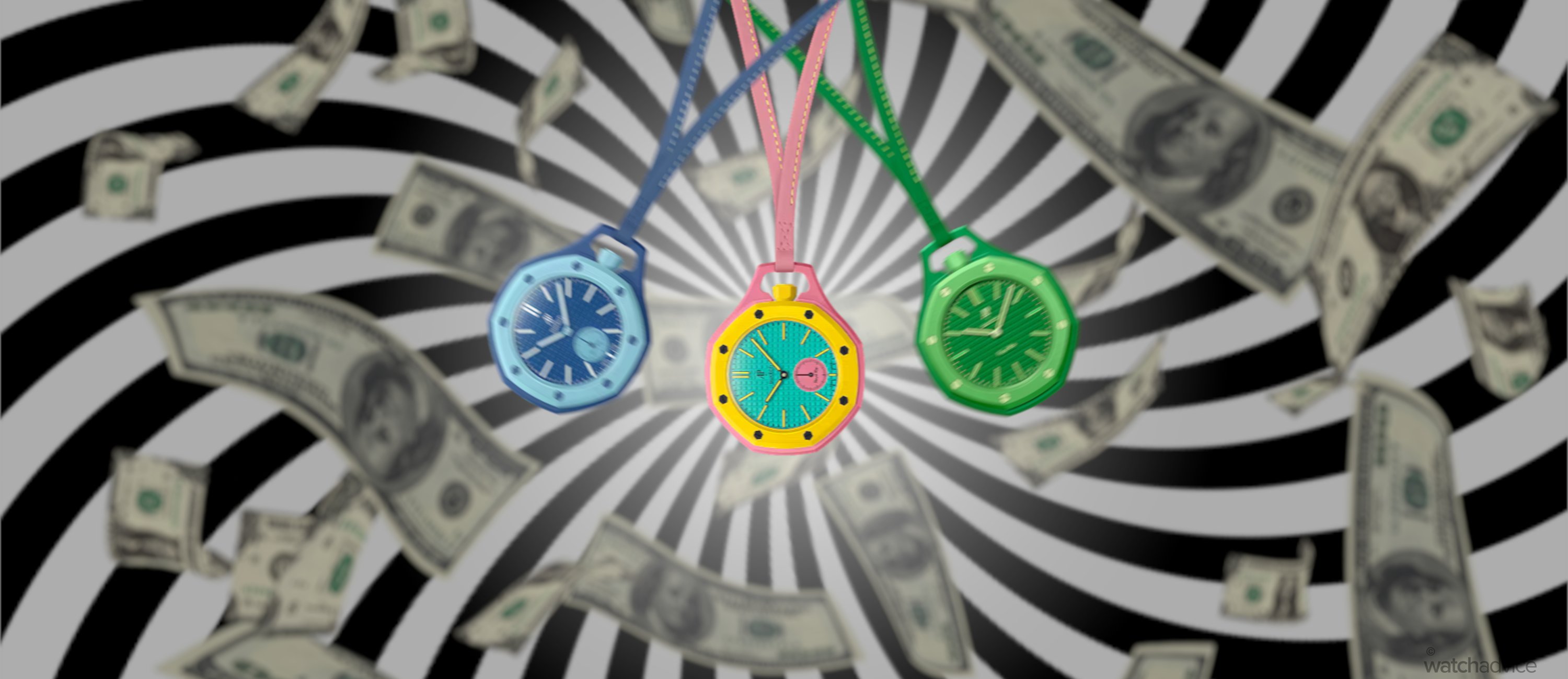
In the aftermath of Swatch’s latest collaboration with Audemars Piguet, how beneficial has the mainstream attention been for the industry?
It’s been about two weeks since Swatch rocked the watch world once again. Coming off its other blockbuster collaborations with Omega and Blancpain, the brand took on its most ambitious team-up yet alongside “Big Three” brand Audemars Piguet.
The result was the Royal Pop line, which will undoubtedly go down as the most polarising watch release of 2026. From the queues outside stores to the ensuing reseller pandemonium, it’s received far more coverage than anyone expected.
In that, the unexpected collaboration has brought a whole lot of new eyes to the industry. But has entering the cultural zeitgeist been a benefit for watchmaking, or have Swatch and Audemars Piguet opened a Pandora’s box the horological world may struggle to close?
Swatch Out
As a chronically online, mid-20s Gen Z kid, I often find myself doomscrolling late into the night on social media. Granted, you might know me as @chronomario on Instagram, but I’m often on my personal account, where the algorithm is shaped far more by my other interests beyond watches.
Despite this, my For You page was flooded by the humdrum surrounding the Royal Pop’s release. Friends, non-watch enthusiast family members, and mainstream media were all starting conversations about it. It was truly spectacular; When was the last time you remember watches making headlines on the Today Show, NBC, or BBC?
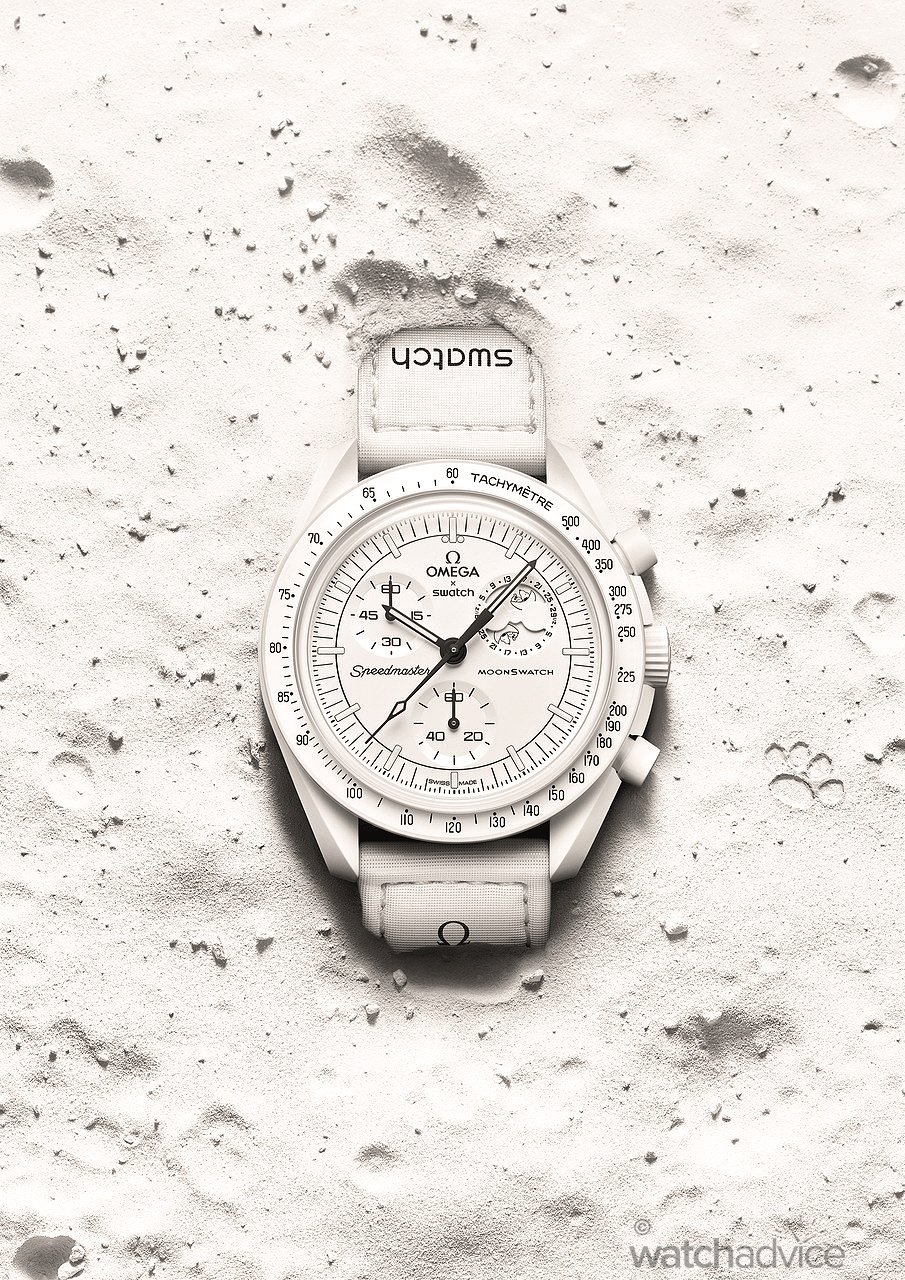
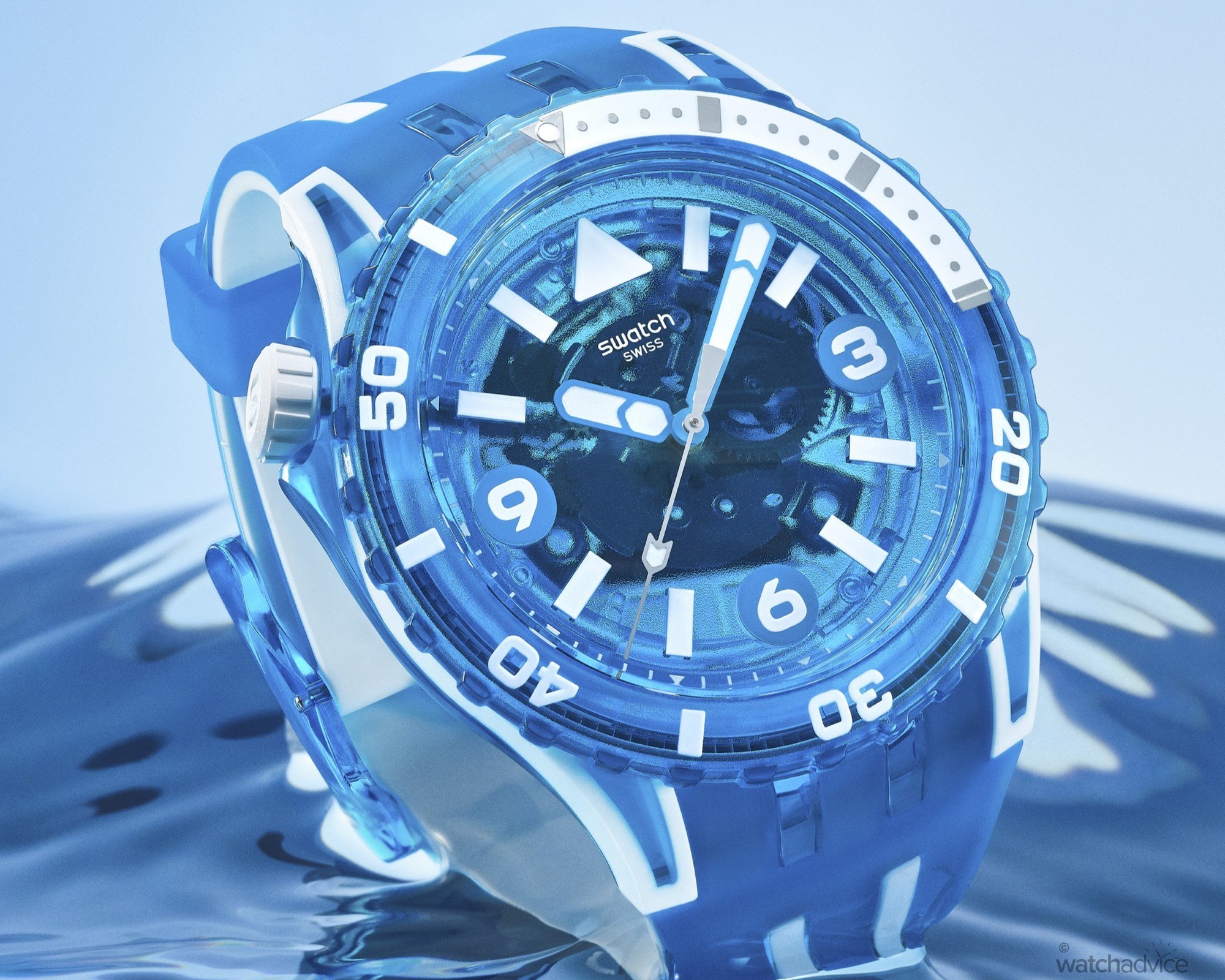
On that basis alone, Swatch and Audemars Piguet have tapped into something genuinely special. From Swatch’s standpoint, it’s a logical play, pulling people back into stores. Even if customers don’t walk away with a Royal Pop, they’re still within reach of a MoonSwatch, a Scuba Fifty Fathoms, or something closer to their taste.
More importantly, the collaboration has achieved what few watch brands manage today: breaking into popular culture. It echoes the effect of the original MoonSwatch moment in 2022, but on a more amplified stage.

Younger audiences who might not distinguish between an Apple and an Audemars Piguet are suddenly part of the conversation, and with that visibility comes curiosity.
Whether they buy or not, they’ve been exposed to the heritage behind one of watchmaking’s most recognisable design languages. In an industry often dismissed as an “old man’s game,” especially in its upper echelons, that’s what matters most.
First Impressions Are Everything
That said, this visibility hasn’t come without complications. While mainstream attention is positive in theory, much of it has centred on everything surrounding the watches rather than the watches themselves.
From Instagram to Seven News, coverage has leaned heavily into the spectacle: queues outside stores, resale markups, and even straight-up fights.
The Royal Pop’s release quickly became less about design and horology, and more about chaos and hype. For some, this is now the first impression of both brands; The narrative of craftsmanship and heritage marred by the overhyped spectacle.
For the most part, though, the sheer global reach of the Royal Pop has undeniably sparked new conversations about watches in the modern world, albeit through a more controversial lens. Whether this level of attention was fully anticipated is uncertain.
But even the biggest players in watchmaking can feel cultural shifts occur. Swatch and Audemars Piguet are no exception. Ultimately, the Royal Pop delivered everything that comes with stepping into the cultural zeitgeist: excitement, noise, speculation — and the uncomfortable reality of opportunistic consumerism.
Swaths Of Swatches
If anything can be learned from the Swatch x Audemars Piguet collaboration, it’s that the principle is somewhat scalable. While we may have already seen evidence of this with both Omega and Blancpain, both brands sit within the wider Swatch Group.
Inter-brand collaborations, especially within a conglomerate, are therefore less surprising. Getting an independent brand like Audemars Piguet on board, however, carries far more weight.
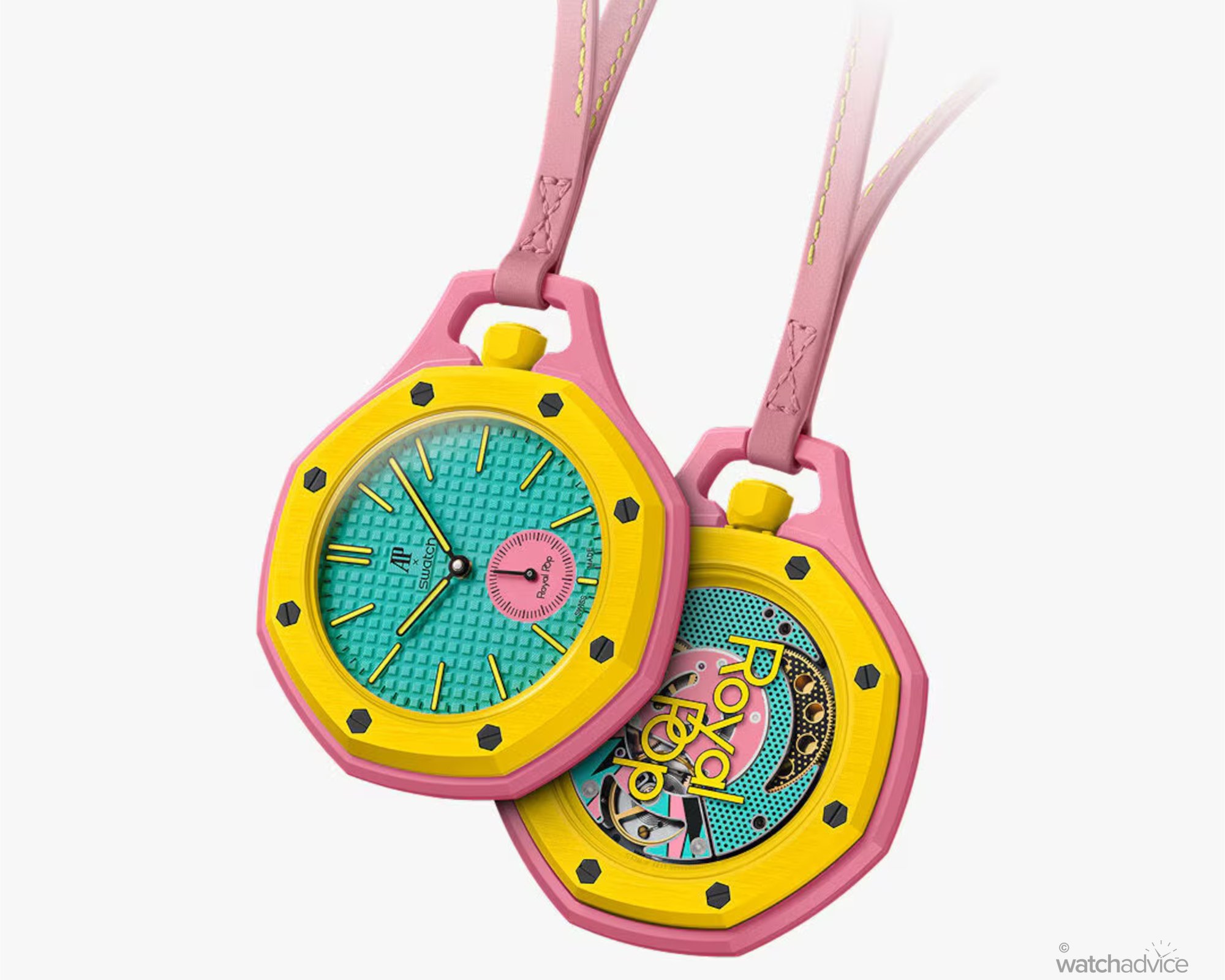
Regardless, Swatch has turned the timepiece into an accessible spectacle, not just in terms of price point, but through a combination of storied heritage and inventive fun.
That said, the metric of success depends entirely on the brand in question. Not every watch carries the same cultural weight as a Speedmaster or a Royal Oak, so models need to be selected for their mainstream recognition rather than purely horological significance.
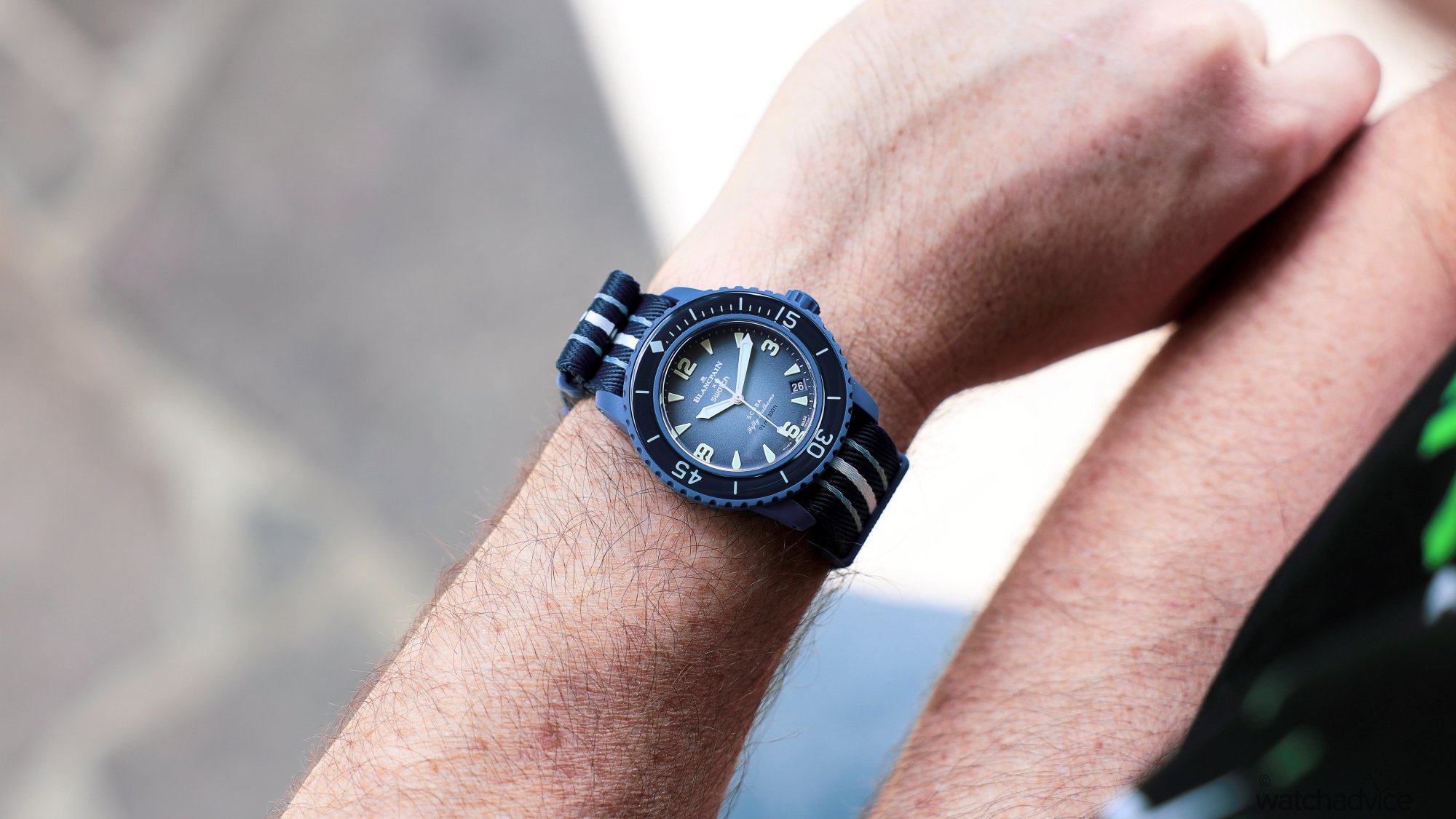
Take the Scuba Fifty Fathoms, for example: it still generated buzz, but not nearly at the same scale as the MoonSwatch or Royal Pop. In that sense, Swatch needs to be careful with its next execution so as not to turn a cultural moment into a commodity.
Regardless, Swatch has shown how powerful these collaborations can be when executed at the right scale, which opens the door to a world of possibilities.
Final Thoughts
So who could possibly be next? That’s entirely up for speculation, and there’s plenty of it online. Not all of it is particularly good either; I still shudder at AI-generated concepts, let alone the Swatch-ified versions of Cartier, Breguet, Jaeger-LeCoultre Reversos, or even a version of the Lange 1 I found.
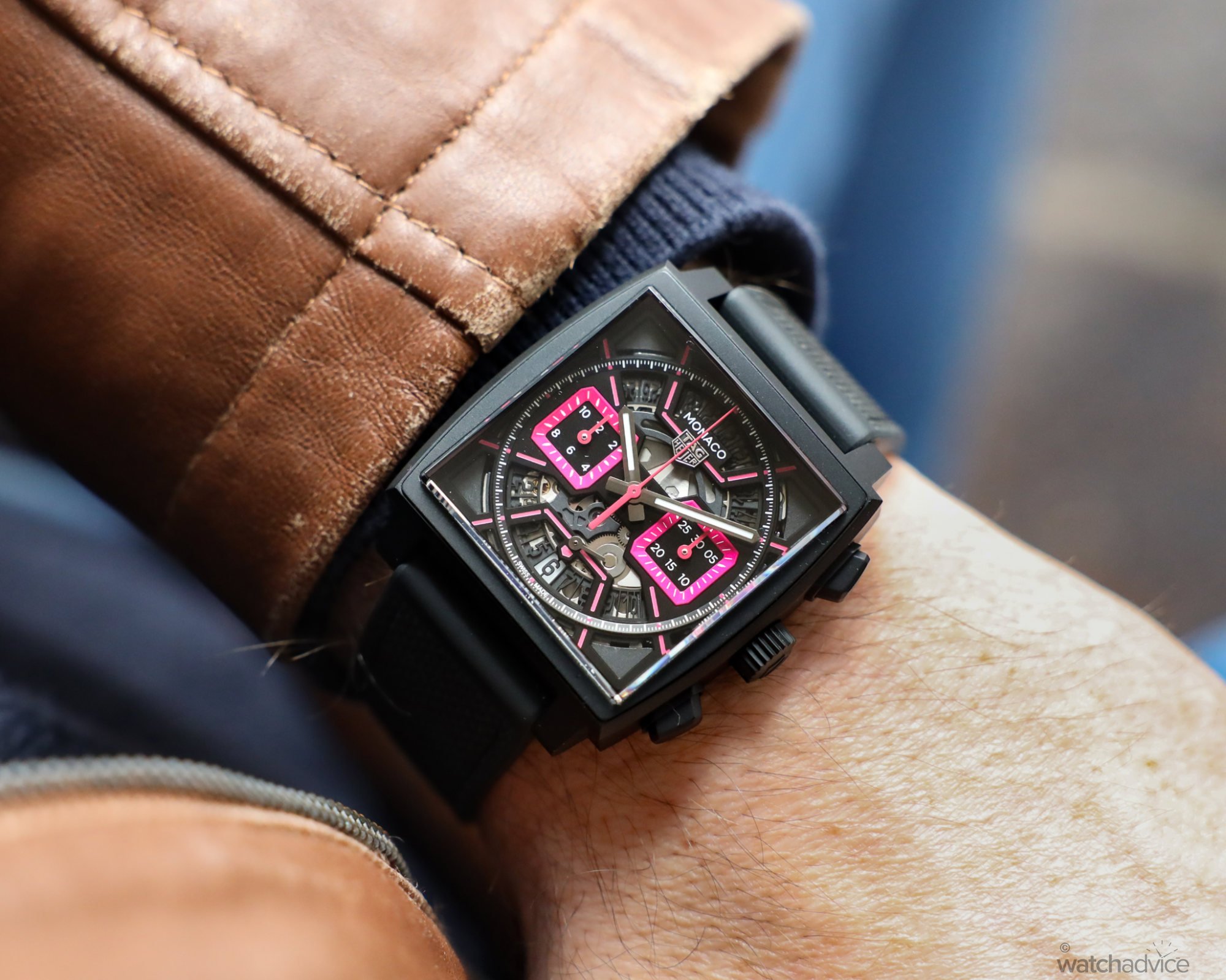
But without delving too deeply into the hypotheticals, there’s a chance it could work with certain brands. I could see a TAG Heuer of some kind making its way into the Australian market. Maybe they go back to the well with Omega and produce a Swatch Seamaster.
I suppose, though, with the number of legacy brands and recognisable timepieces out there, it’s not a matter of if they run out, but when the watch world loses interest.
But if Swatch can maintain proper spacing between releases and select models that generate the right amount of hype, I doubt that Audemars Piguet will be the last luxury brand we see go down this road.