

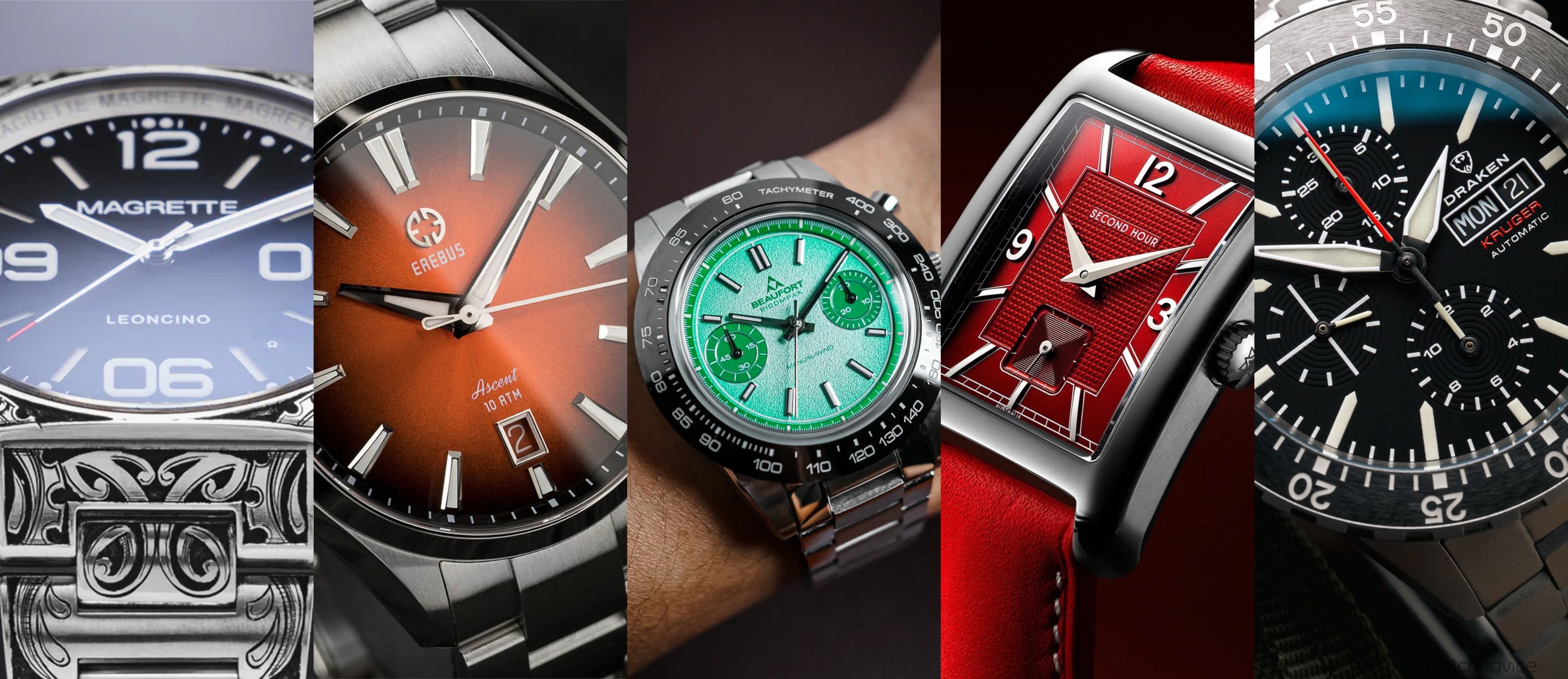
In the spirit of commemoration, we highlight some of Australia & New Zealand’s best microbrands to celebrate our united identities.
When we talk about the watch industry, we tend to look outward. We look often to Switzerland, Germany and Japan; the established centres of gravity. It’s easy to get caught up in the pull of those traditions and the way they’ve shaped what watchmaking is supposed to look like. While there’s still something undeniably compelling about that, inspiration can become unintentionally insular.
Countries like China are beginning to rise to the occasion, and many more aren’t far behind. On our side of the world, Australia and New Zealand have developed a small cluster of microbrands that have come to define the region’s watchmaking capabilities. Informed by our own environments, needs, and cultures, these brands have begun to carve out a unique space for themselves within the conventions of horology.
So, with Aussies and New Zealanders having recently come together to commemorate ANZAC Day, read on to discover how our local watch brands have established themselves in three distinct ways.
Where We Come From
Magrette
Australia and New Zealand possess relatively limited heritage in a horological context. As such, expressions of watchmaking from the region are often tied less to long-established brand lineage, and more to place itself. In that sense, the watches being created are not only designed to be technically and aesthetically considered, but also to communicate cultural identity to an industry that may not yet know about it. In this context, New Zealand’s Magrette and Australia’s Bausele approach the same idea from different directions.
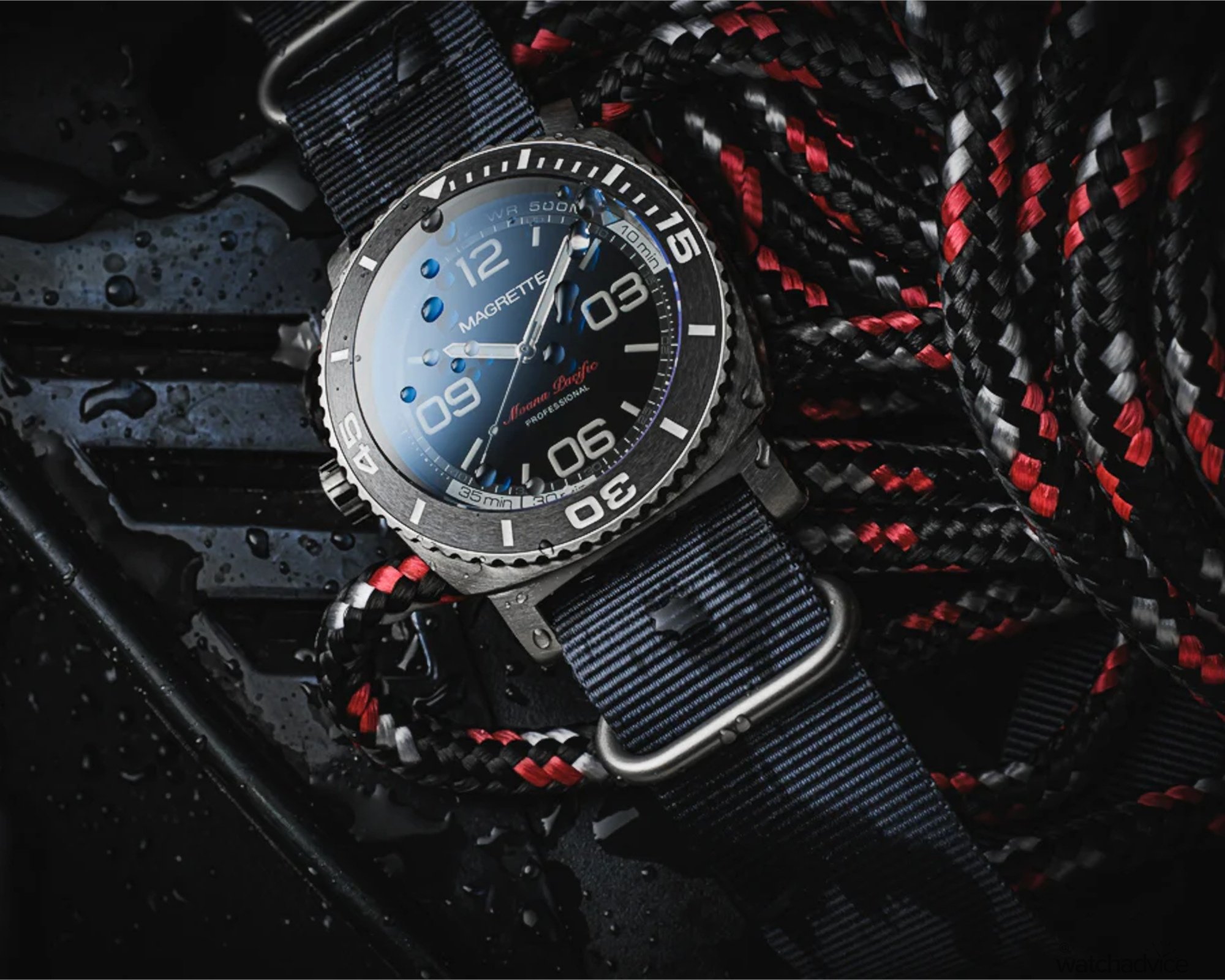
Founded in Auckland in 2007 by Dion Wynyard McAsey, Magrette produces bold, robust timepieces that draw heavily on New Zealand cultural reference points. This is most clearly expressed through its koru logo — a Māori symbol depicting an unfurling silver fern frond, representing growth, strength, peace, and perpetuity. It is a distinctive cultural marker, but one that sits comfortably within the mechanical language of watchmaking, particularly in relation to automatic movements and their sense of continuity.
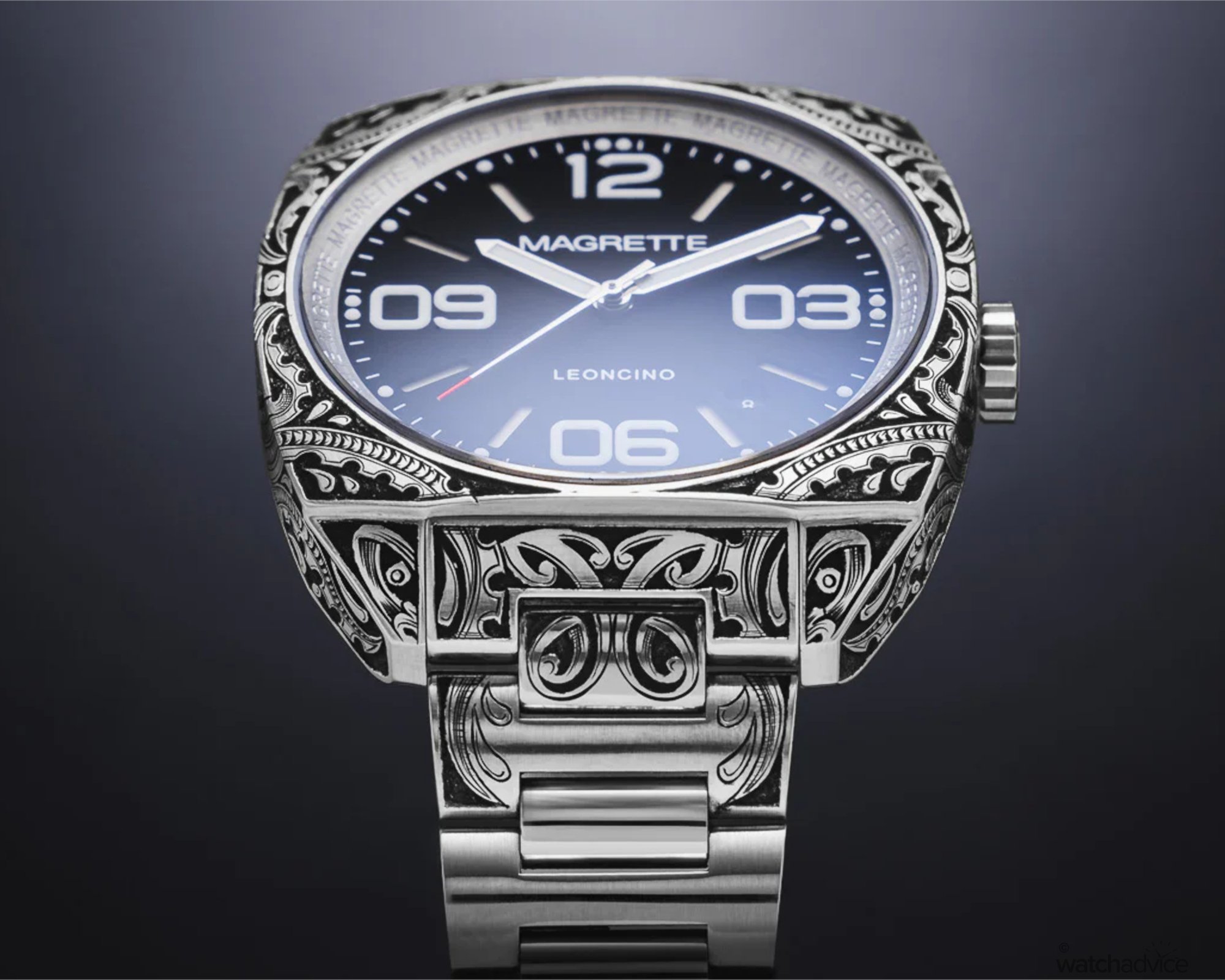
Beyond symbolism, Magrette’s watches often function as narrative objects. Not in the sense of traditional Swiss horological heritage, but through stories grounded in Māori culture and interpretation. The Leoncino Wheke, for example, hand-engraved by Magrette engraver Andrew Biggs, combines the utilitarian foundation of the Leoncino dive watch with the cultural significance of the wheke (octopus in Māori mythology). The result is a piece that operates on both a functional and symbolic level.
Discover more about this brand online at Magrette.com
Bausele
Bausele, by contrast, draws its identity from lived experience within the Australian environment. Founded in 2011 by Swiss-Australian Christophe Hoppé, the Sydney-based brand focuses on purpose-driven timepieces with a distinctly local character. Through partnerships that span the Bathurst 12 Hour, the Royal Australian Air Force, and even the ANZAC legacy itself, Bausele has positioned itself as a recognisable name within Australian watchmaking.
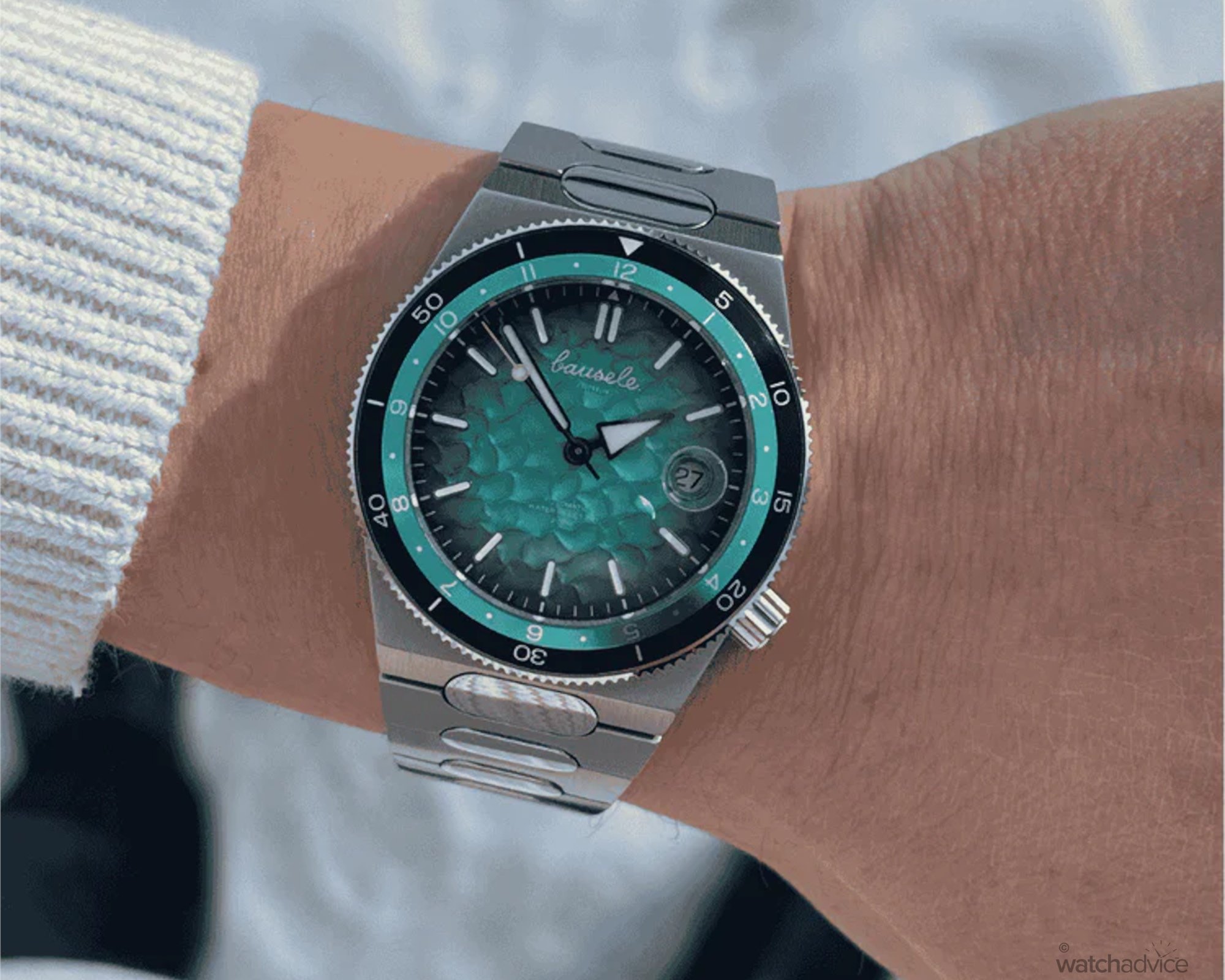
But its identity is not built on collaboration alone. A defining feature of Bausele’s design language is its material connection to place. Each watch contains a small capsule of Australian soil or material within the crown. The Elemental collection incorporates sand from Manly Beach, while other iterations have included Kimberley red dirt, fragments of Sydney Opera House tiles, and even sand from Gallipoli. Here, the culture is literally present in the watch, evoking a brand identity that is unique to the Australian watch industry.
Discover more about this brand online at Bausele.com
Show Me How
Second Hour
Of course, it’s not just about how a watch conveys identity. Inevitably, all timepieces are judged on their fitness for purpose. Whether diver, dress watch, or all-round GADA piece, brands from Australia and New Zealand must also respond to the environments they’re built for. That’s not to say practical watches can’t also be expressive.
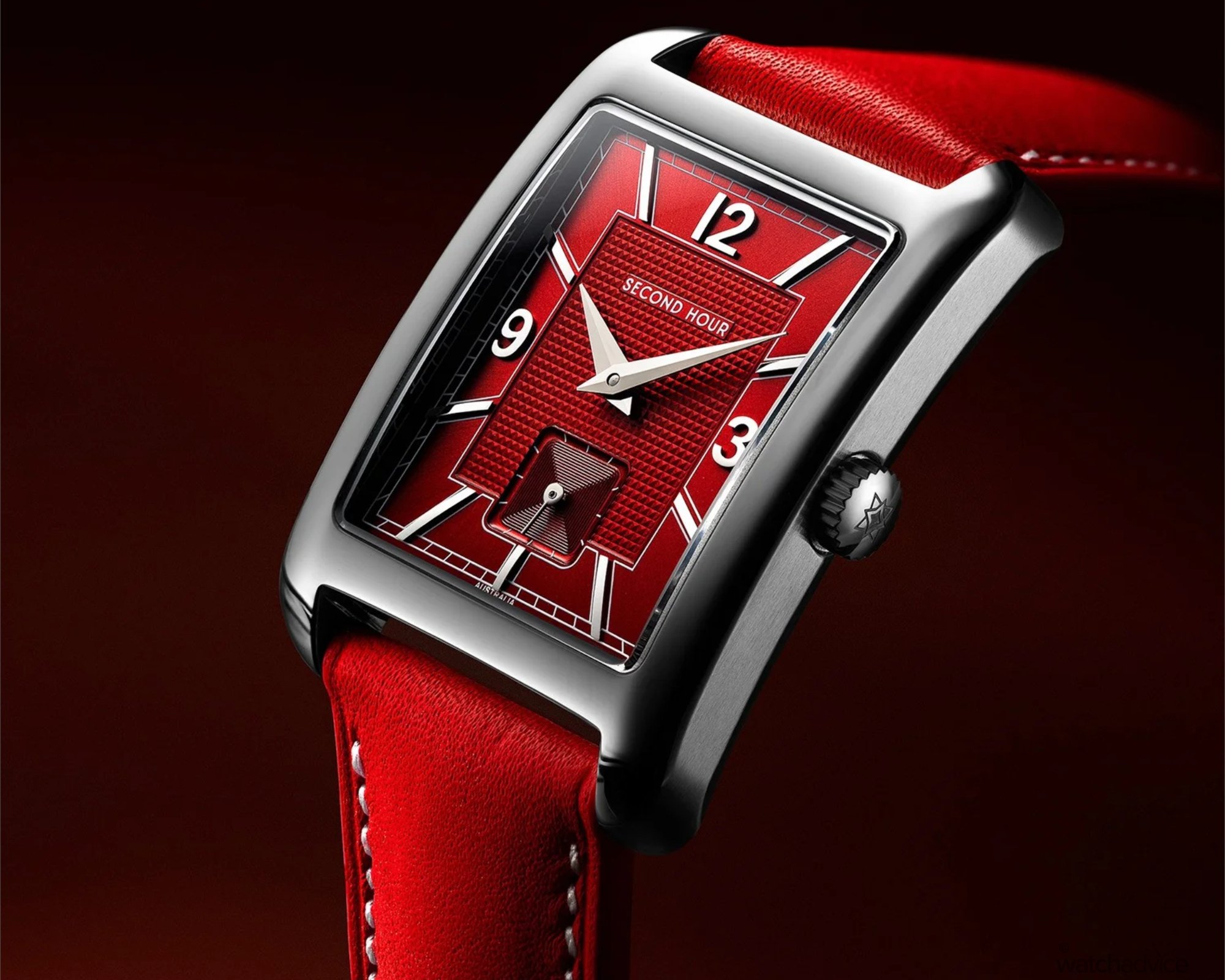
In Australia, Second Hour offers a useful example of this balance, producing considered, technically capable timepieces without leaning on unnecessary restraint or excess. Established in Melbourne in 2019, the brand is defined by a commitment to endurance, but also by a willingness to stretch what “tool watch” design can look like.
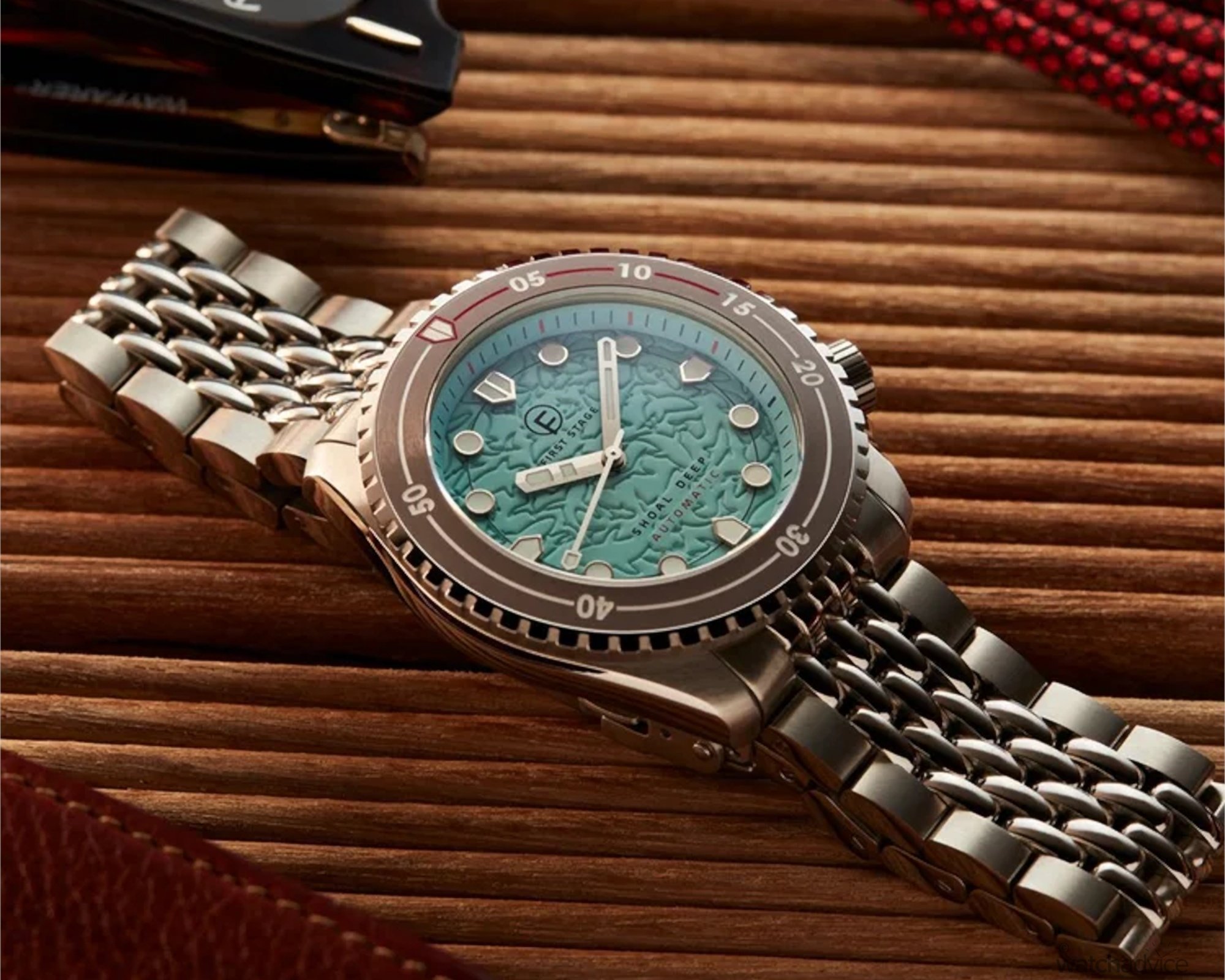
Each collection is distinct, yet clearly iterative — built by expanding on established expectations rather than rejecting them. The Shoal Deep, for instance, functions as a purpose-built dive watch with the expected robustness and legibility, but introduces a more expressive dial design featuring aquatic motifs. The Memoir, by contrast, takes on the role of a dress watch, drawing from Art Deco influences while still incorporating modern specifications such as a hardened steel case rated to 800 Vickers and 50 metres of water resistance. Neither choice is strictly necessary, but both reflect a design culture that resists strict categorisation.
Discover more about this brand online at SecondHour.com.au
Draken
Where Second Hour builds outward, Draken takes a more reductive approach. Founded in 2019 by South African–New Zealander Michael Blythe, Draken is named after the Drakensberg mountain range, a nod to the founder’s heritage rather than a defining design constraint. Instead of adding layers of complexity, the brand’s philosophy is built around subtraction: removing anything that does not serve a clear purpose.
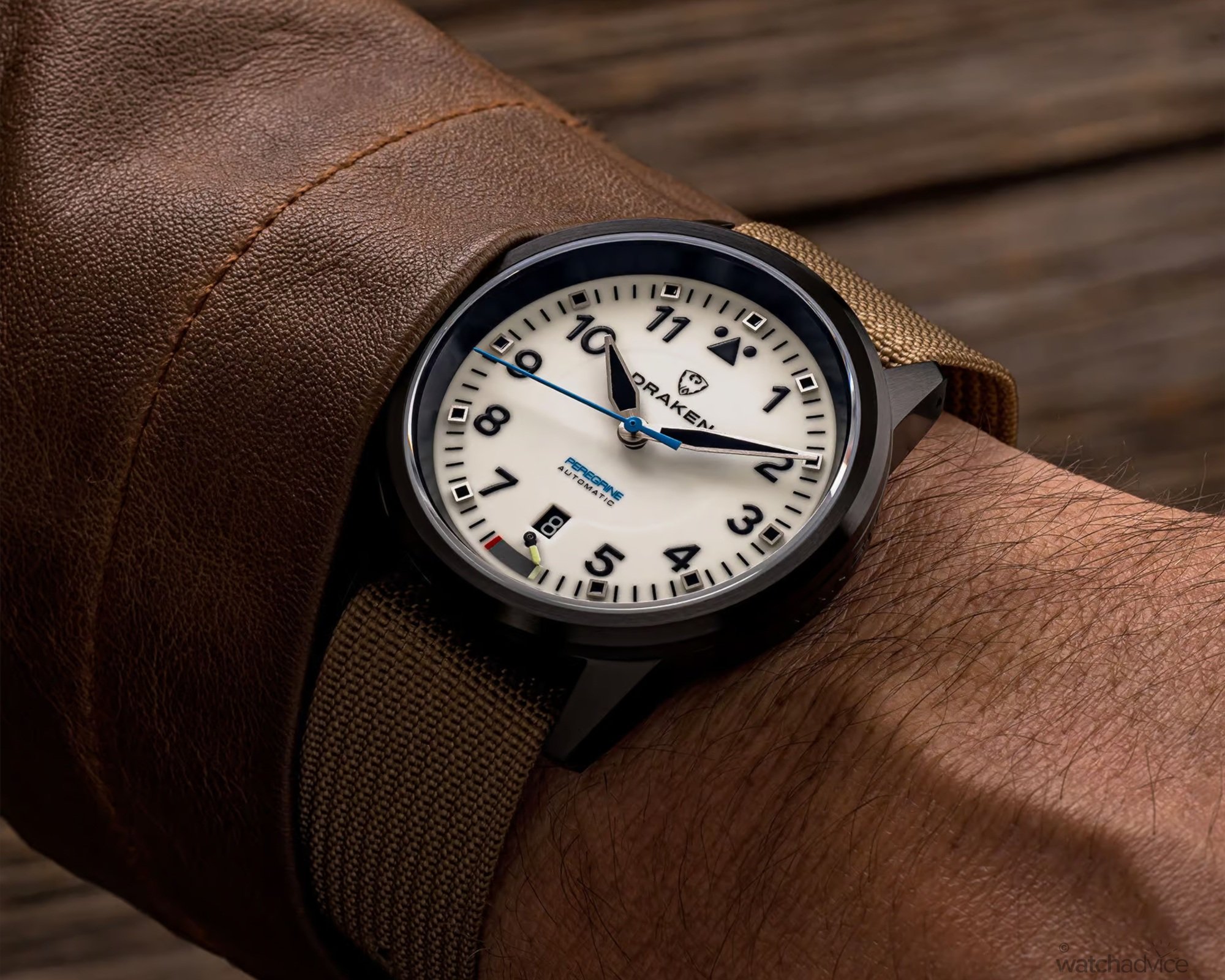
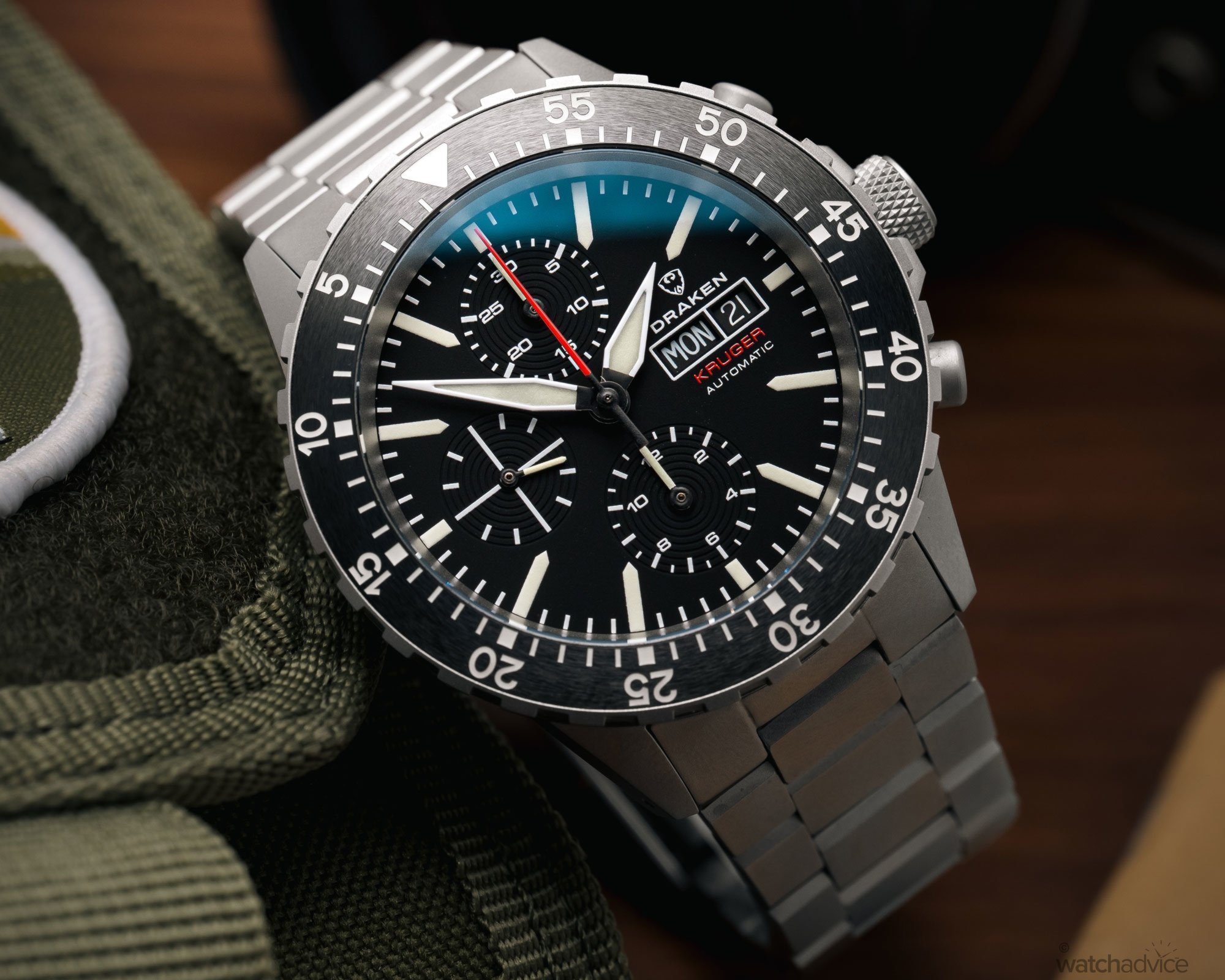
Across its field, aviation, and dive-inspired collections, the emphasis remains consistent: function first. Yet within that restraint, Draken still establishes a distinct identity. The Kruger line leans into high-contrast, utilitarian design language reminiscent of established tool watch makers such as Sinn. The Peregrine collection, meanwhile, introduces subtle variation through multiple dial configurations and a power reserve indicator positioned at six o’clock. It’s an inspired design element that’s both functional and shapes the collection’s design identity.
Discover more about this brand online at DrakenWatches.com
Express Yourself
Beaufort
A watch’s identity is often tied to one of two things: the heritage of the brand, or that of the industry itself. Australia and New Zealand, by comparison, have relatively little of either. What might seem like a limitation has instead become a point of distinction. Without a deep archive to draw from, microbrands from the region have had to define themselves in the present.
Rather than looking back, they move forward; building identities not from precedent, but from perspective. The result is a body of work conceived beyond convention rather than inherited. Within that space, both Beaufort and Erebus operate in distinctly different ways.
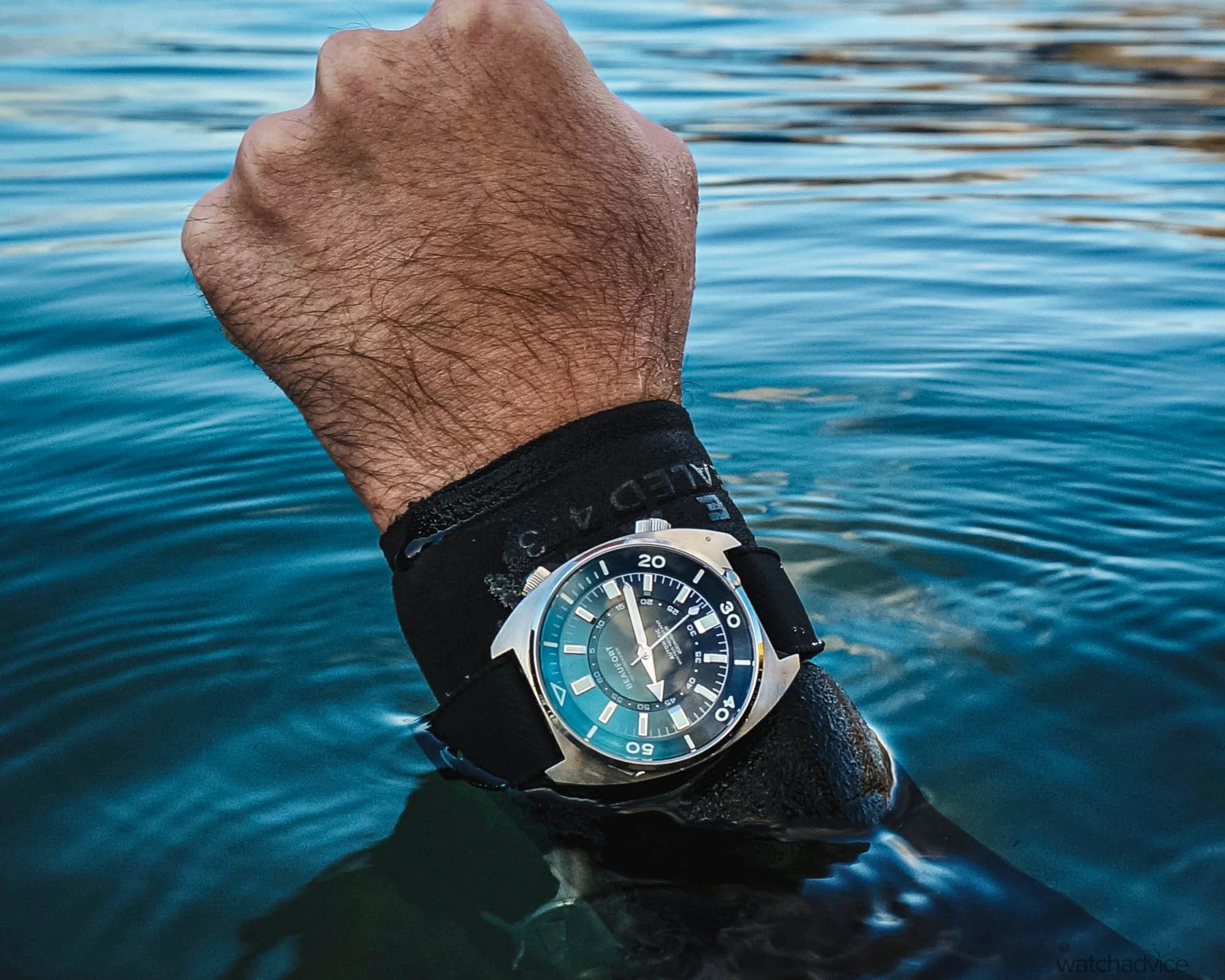
Of the two, Auckland’s Beaufort approaches design through measured restraint. Like Draken in the previous section, it works by refining established ideas rather than reinventing them outright. The result is a contemporary aesthetic shaped by control and attention to detail. Since its founding in 2018 by Robert Kwok, this philosophy has been consistent, beginning with the Aerotimer. The collection used the historically familiar California dial layout, but reinterprets it through a balanced case design and softer, pastel colour palettes that shift it firmly into a modern context.
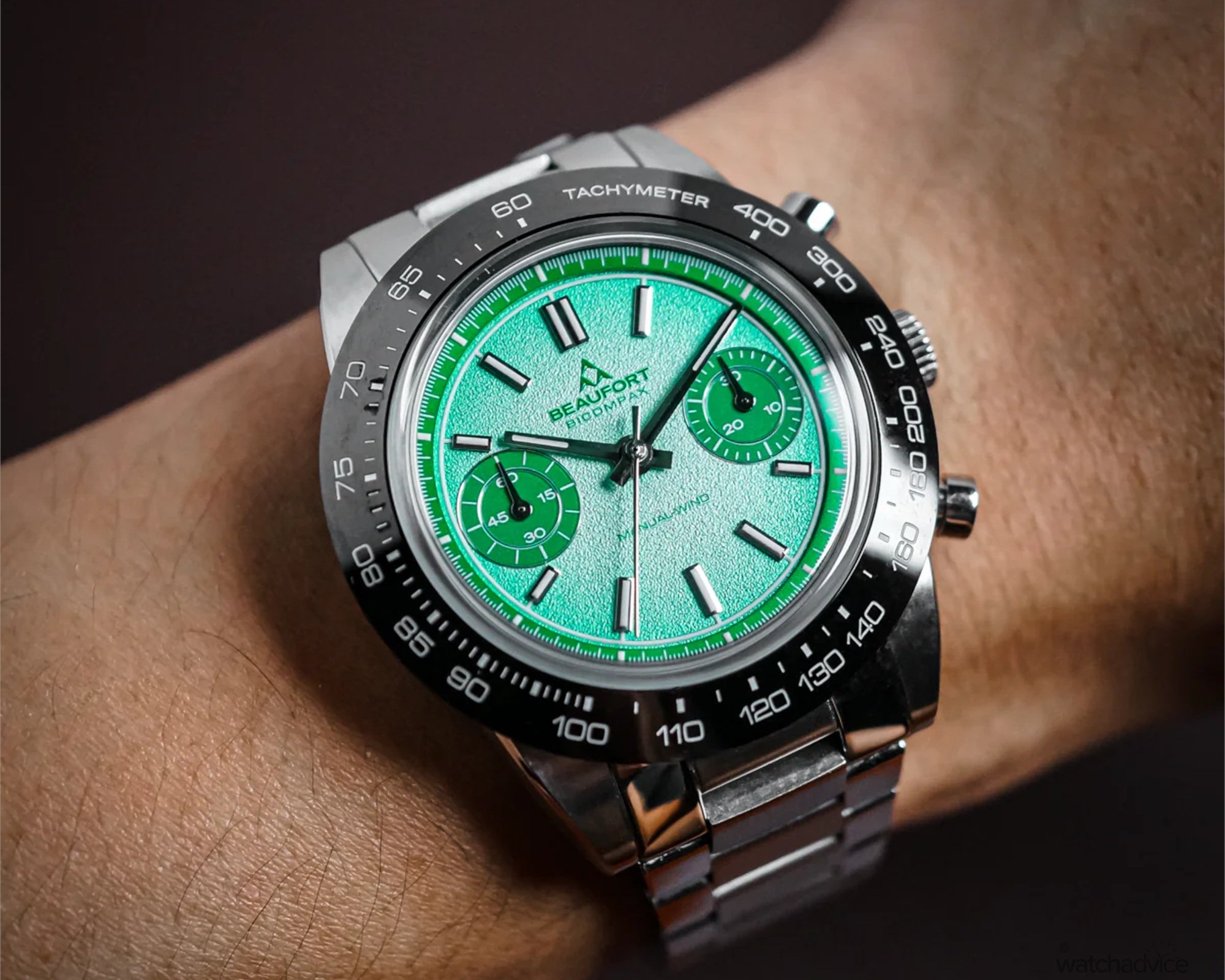
That same approach continues through the Seatrekker and Bicompax collections. The Seatrekker draws from the super compressor dive watches of the 1970s, yet updates the formula through details such as a dégradé dial and on-the-fly micro-adjustment, keeping the design rooted in present-day usability. The Bicompax takes a more classical chronograph layout and reworks it through textured dial finishing and unconventional colourways such as Slipstream Green and Atlantic Salmon. In both cases, the heritage of watchmaking is used as a roadmap for further change.
Discover more about this brand online at Beaufort-Watches.com
Erebus
Erebus, by contrast, operates without reference to heritage as a guiding framework. Instead, it leans directly into a contemporary design language, using present-day tastes as its foundation rather than reinterpretation. Across its core model lines, the brand, founded by Jody “Just One More Watch” Musgrove and Steven “Mr. P” Parker, focuses on expanding the range of what modern enthusiast watches can look like, rather than anchoring itself to historical precedent.
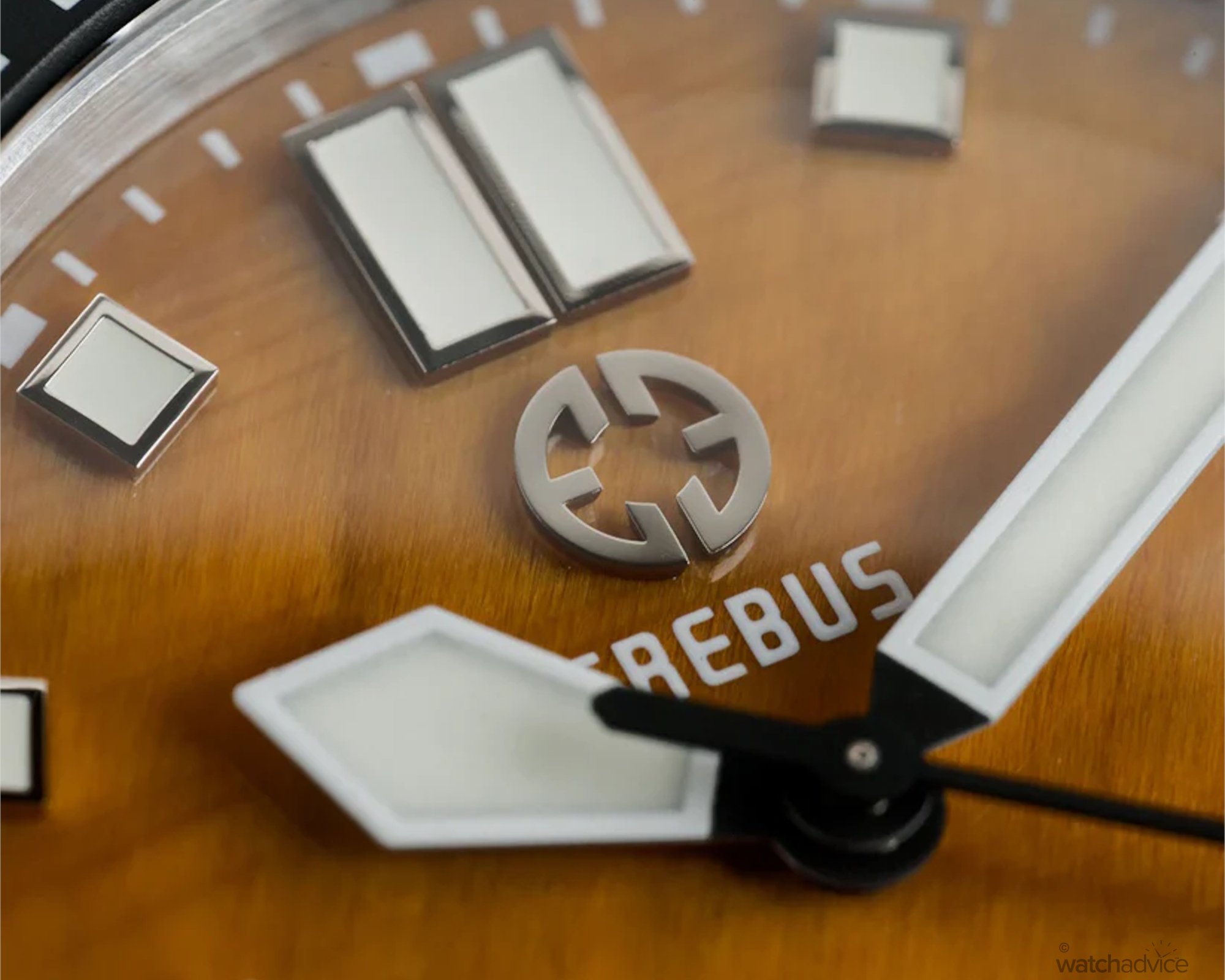
While they’re not about to be making any grand complications, Erebus compensates in variation. A plethora of dial colours are available, with options ranging from subdued neutrals to pink, purple, and orange. Dial finishes, like Erebus’ iconic Helix, mother-of-pearl, meteorite, and stone dials further extend that range. Erebus, like other Australian brands, may lack in heritage. However, it’s replaced by sheer diversity – a convenience that even established brands struggle to match.
Discover more about this brand online at ErebusWatches.com
Final Thoughts
Australia and New Zealand share more than just proximity, or the commemorative lens of ANZAC Day. They share cultural traits, values, and a certain outlook that runs through both societies. The spirit of mateship, endurance, and ingenuity – so often associated with the region – has shaped everything from food and music to fashion and, of course, watchmaking.
Neither country possesses the deep horological archive of the industry’s traditional powerhouses. Yet brands from both have shown that such heritage, while influential, is not essential to creating compelling timepieces. In its absence, something else has emerged: the ability to define identity on its own terms.
That freedom has allowed Australian and New Zealand microbrands to create beyond convention. They can tell stories without leaning on “storytelling,” create purpose-built watches without pretence, and explore design without excess. In doing so, they offer a distinct perspective on what a modern watch can be, in form, feel, and function.
Taken together, they form not a unified school of design, but a shared approach shaped by place rather than precedent. And as time goes on, the region will only evolve further, perhaps opening it up to the wider language of global watchmaking.