

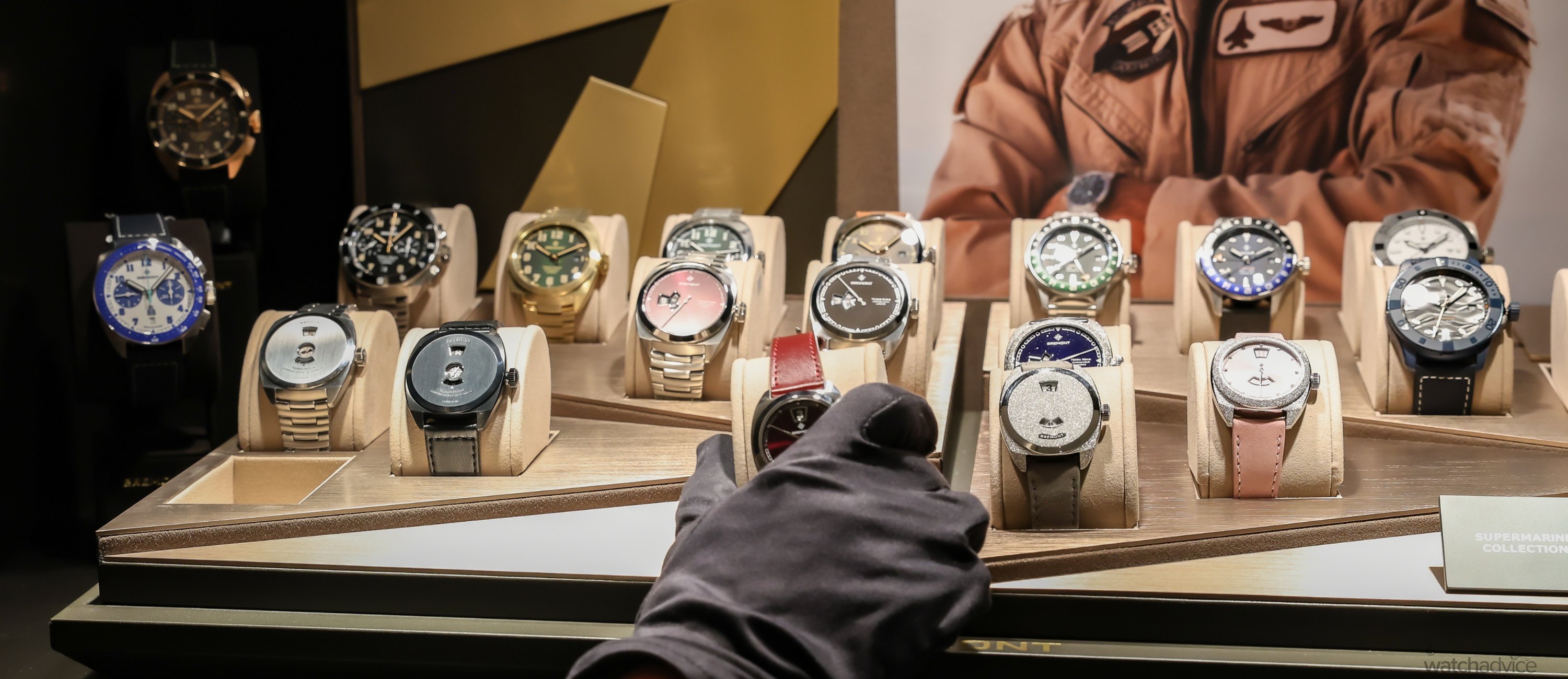
With today’s fast-paced lifestyle, it seems there are more watch releases than ever, and it raises the question: Are we enthusiasts expecting too much from watch brands?
What came first, the chicken or the egg? Now, I’m not going to delve into a philosophical question that I’m not even sure has an answer. But in the world of watches, this question becomes a little more relevant.
When you think about what is driving the number of watch releases we are seeing on the market today, are we, as enthusiasts, the driving force behind this, or are brands simply trying to overdeliver with more and more releases?
Now, it’s not the most straightforward question, but it’s something that’s been lingering in my head for a while. Especially when you hear from fellow collectors and enthusiasts, both in person and online, that watch brands are releasing too many models over a short period of time. And it seems that this momentum is picking up speed.
The criticism here is that watch brands aren’t doing enough to innovate. A lot of the time, we see releases that are purely colour changes to existing dials, perhaps a new-sized model, either larger or smaller, or some other seemingly simple change.
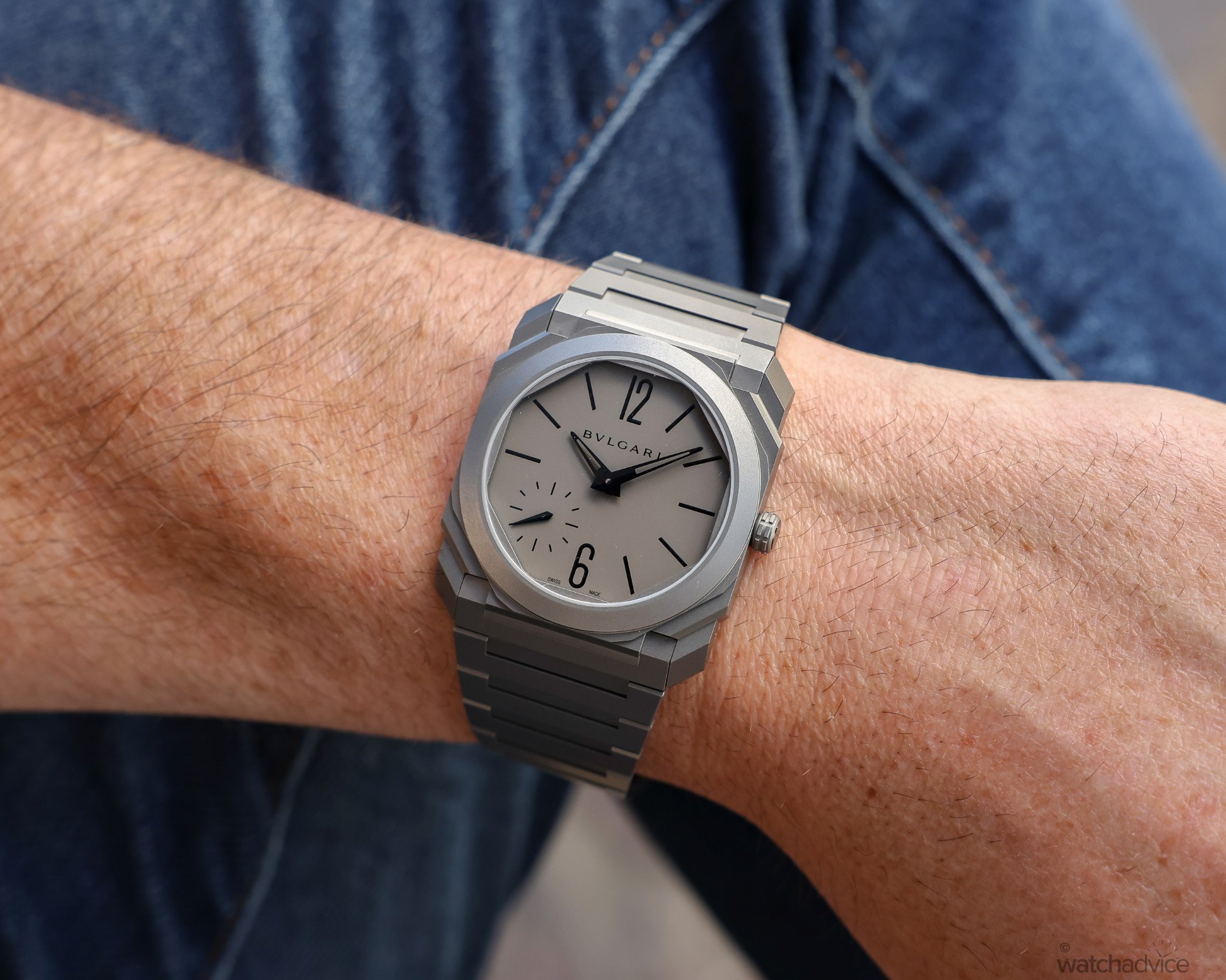
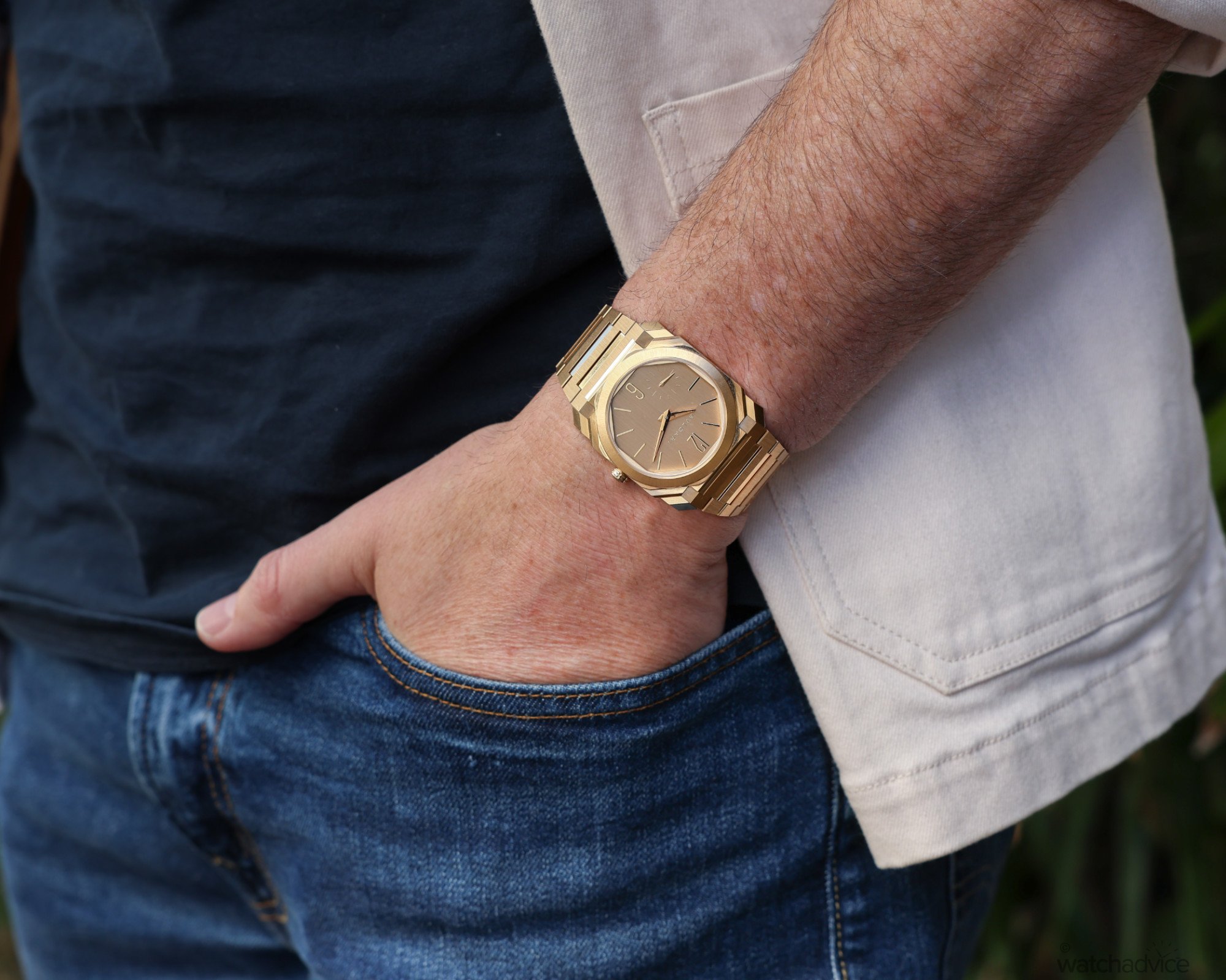
Many watch enthusiasts argue that this isn’t really a new watch. It’s just a simple change to extend an existing model line. So, what’s the point? But I would counter that argument with several points.
The first being that a simple colour or size change does make sense. People like variety, and everyone has different wrist sizes. Secondly, innovation in the watch world isn’t as easy as coming up with a concept and putting it to market six months later.
The second is that, in many cases, it takes years of research, development, prototyping and testing before a new complication or model can make it to market. And this equates to millions of dollars. Which brings me back to the title of this article. Are we, as watch enthusiasts, expecting too much from watch brands these days?
The Perennial Dilemma
Sam wrote an article back in October: Are We Expecting Too Much From Watch Fairs?, questioning whether we’re expecting too much from brands at these events, and whether we even need the sheer number of watch fairs now appearing on the global and local calendars.
After reading his article and talking to him about his opinions and the points he raised, both for and against, it got me thinking that the natural extension of this discussion would be: if there are too many watch fairs in local and global markets, are there really too many watch releases from brands?
But is this being driven by the brands, or is it being driven by us, the collectors?
As more and more people get into watches, I feel there is room in the market for many brands and models to exist simultaneously. Everybody’s tastes are different and ever-changing. I, for one, like variety. And I guess this is reflected in how I choose to purchase watches these days, as it is for many people.

Some days, I may want a robust dive watch on my wrist. Other days, I may want something a little more dressy and elegant. And on other days, I might just want something that sits somewhere in between. But being a watch lover, I also appreciate complications and finishing in watches too.
Having recently been to IAMWATCH in Singapore, which showcases a range of amazingly talented independent watchmakers and their watches, some of whom only create three to five watches a year, it gives you a completely new appreciation for the art of watchmaking.
And I call it the art of watchmaking because, in many of these cases, there is an artistic element to the watches. From the finishing on the movement, the design of the case, to the layout of the dial, these pieces are more works of art than mechanical instruments on the wrist.
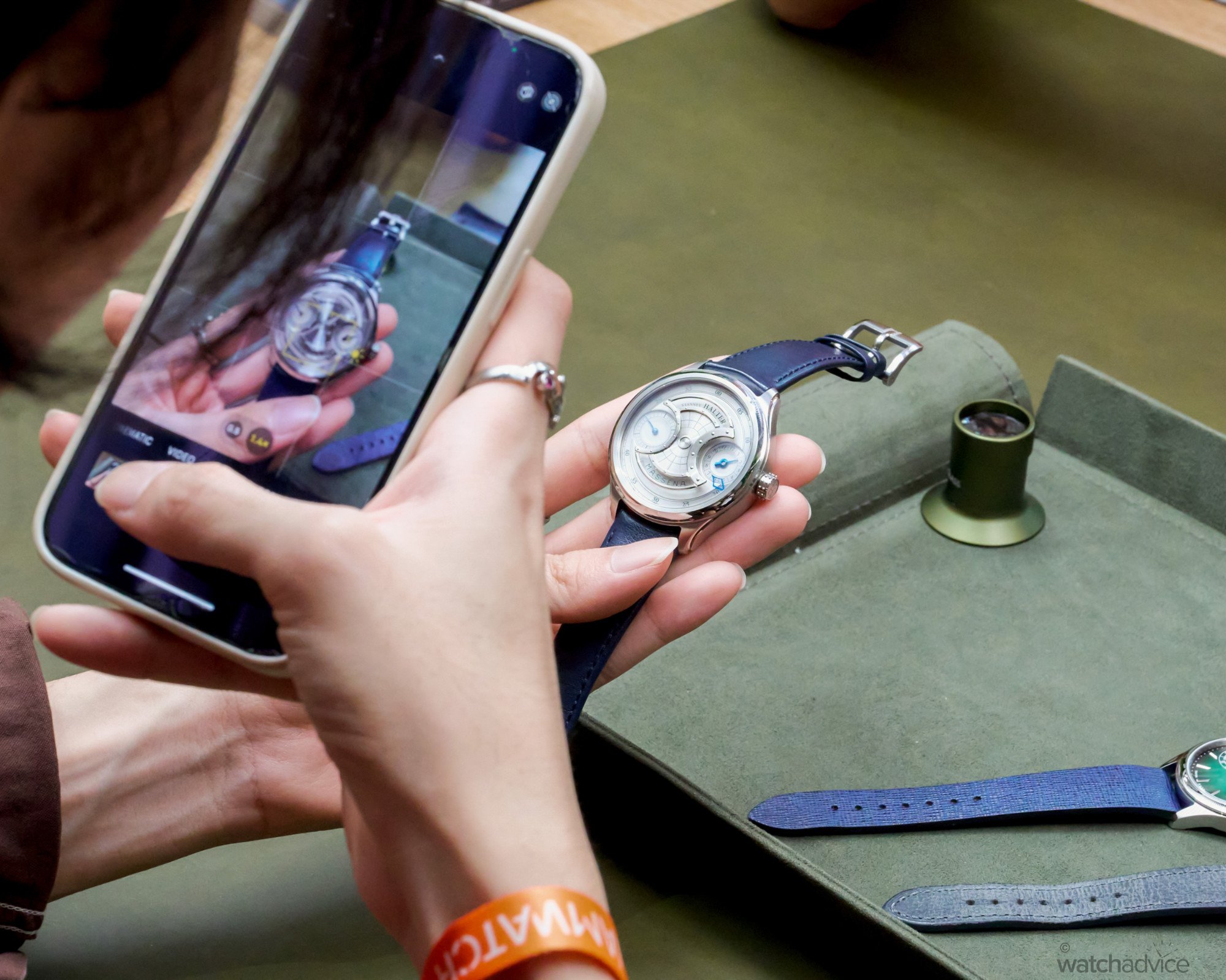
Do all watches need to have this? In my humble opinion, the short answer is no.
There is something to be said about the humble time-only daily watch that you wear day in, day out, and love to death. Conversely, would I love to have a beautiful high-end piece from a watchmaker like R.W. Smith on my wrist? Most certainly.
But a piece like that takes a lot of patience, as well as a lot of money. Both of which I am probably in a little short supply of these days at this stage of my life. So, having variety is, in my opinion, a good thing.
Innovation Versus Iteration
As mentioned, innovation isn’t easy. It requires a lot of time and effort, a lot of brainpower and, subsequently, money to bring that innovation to market.
Each year, we go to Watches and Wonders, and each year I am blown away by the sheer number of watches on display from all the brands. But I’m also amazed by how many of these brands innovate and bring high complications to life in their watches.
However, it also seems that every year, you hear people talking to colleagues and others in the watch industry at the Palexpo in Geneva about how a particular brand wasn’t very innovative, or how all that Brand X did was bring out a new variation or colour variant. Usually followed by the comment that it was a rather boring release.
And in some cases, I find myself in agreement with this. But I also have to pause and think: is that fair on those brands?

If a watch comes in three colours, perhaps white, blue and black dials, and the trend in the industry is moving towards wearing more colour, would it not make sense for that brand to bring out a couple of colour variations of a dial in a tried-and-true watch that people love to wear? Or, like we are seeing at the moment, smaller watches are coming into vogue, so a slimmed-down version of an existing popular model makes total sense.
There is also a commercial reality to watchmaking that I think sometimes gets overlooked. Watch brands are businesses, and they need to keep selling watches. Developing a completely new movement, complication, or collection takes considerable time and investment, whereas introducing a new dial colour or case size can give an existing model a fresh lease of life.
It also gives brands an opportunity to reach a different audience without having to reinvent an entire watch. Someone who wouldn’t necessarily consider a black-dial sports watch might be drawn to a green, pink or blue version of the same model. And if that gets more people interested in watches, surely that’s a good thing?
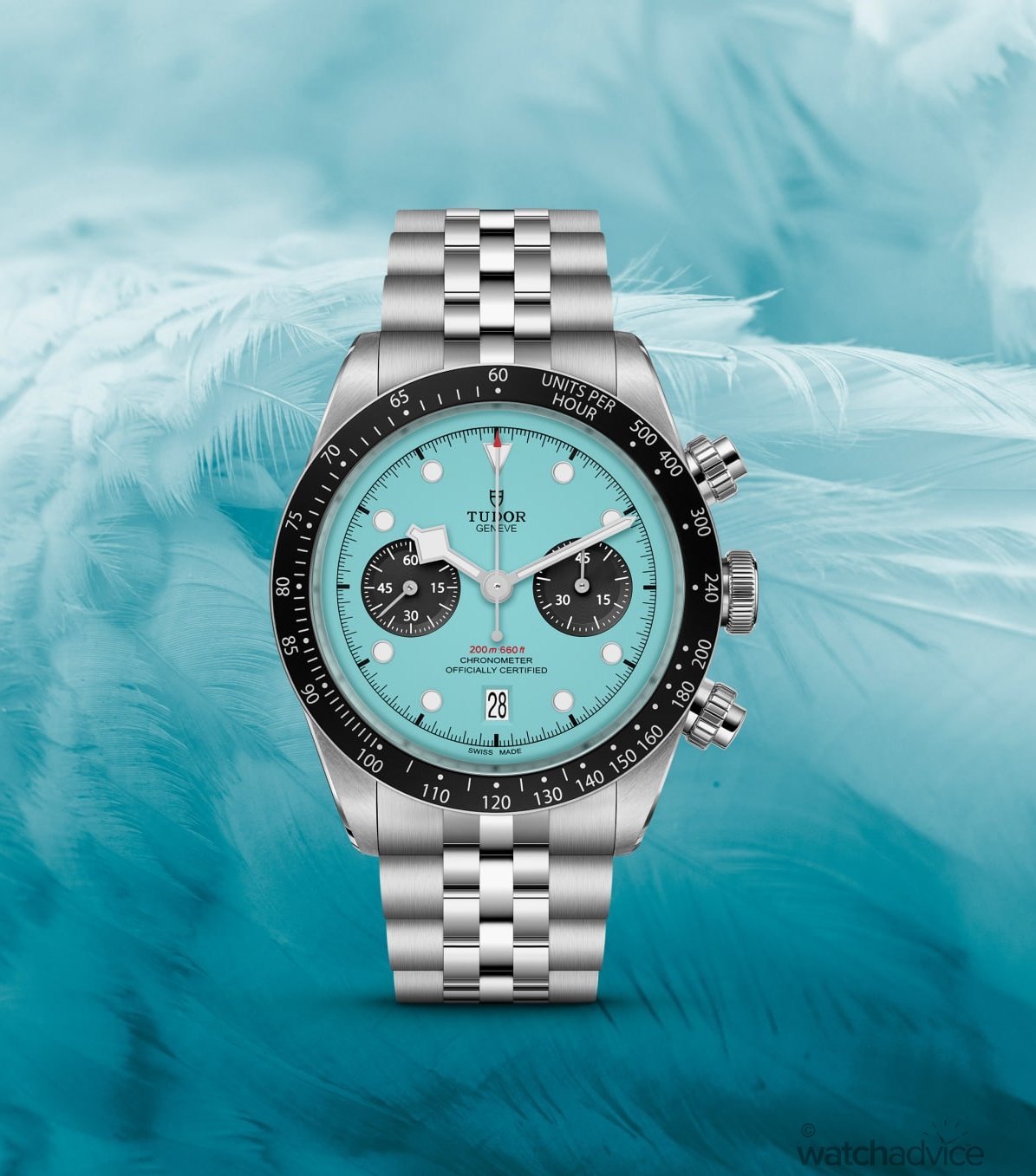
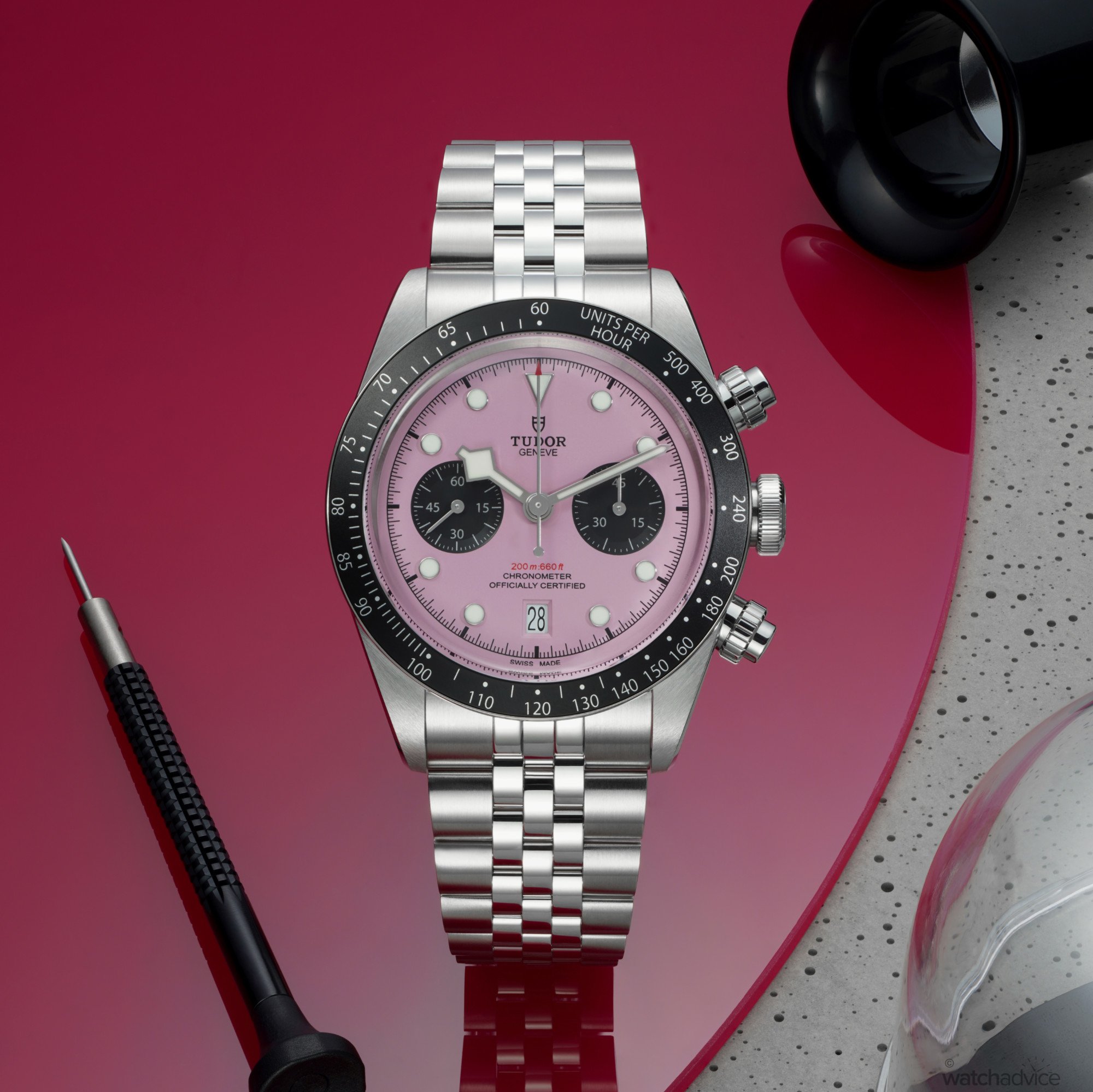
A great example of this would be Tudor, bringing out colour dials in its Black Bay and Black Bay Chronograph collections. Those vibrant colours, specifically the pink, yellow and blue, were highly sought after and, from my understanding, weren’t made in massive quantities compared to the black, dark blue and white dial versions. And Tudor isn’t necessarily a brand whose appeal is built around constant technical reinvention. Its strength lies in producing robust, accessible sports watches, and introducing a new dial colour to an established model makes complete commercial sense

I also think we need to look at our own behaviour as collectors. Social media has changed the way we consume watches and, more importantly, how quickly we form opinions about them. A new release can be celebrated one day and criticised the next, depending on what the online community thinks.
We often ask brands to give us something different, but then when they do, we question whether it’s necessary or whether it’s different enough. At the same time, when a brand releases a new variation of an existing model, we can be just as quick to jump on it.
Perhaps we’re contributing to the very release cycle that we’re now criticising. Brands are watching what we buy, what we talk about and what generates interest. If a particular model or colour sells well, it makes commercial sense for them to explore that further.
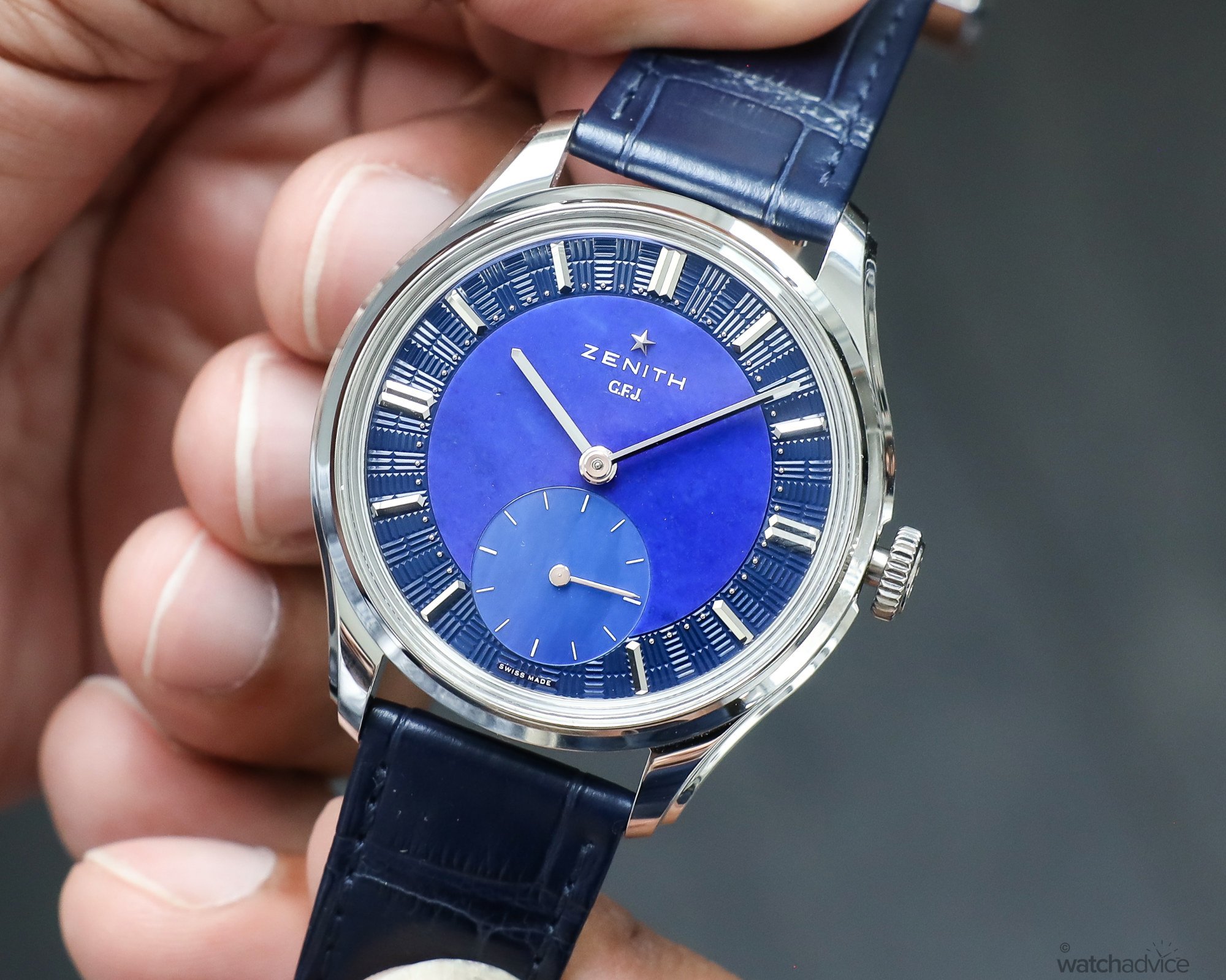
However, the expectations change when we move into the higher end of the watch market. If you think of other brands, such as A. Lange & Söhne, Vacheron Constantin or Jaeger-LeCoultre, we seem to think that a simple dial colour change isn’t enough for a brand like this, even though the same complexities around innovation exist for these brands as they do for others.
Finding the Balance
I think this is where we need to look at the bigger picture. Not every watch brand operates in the same way, has the same resources or caters to the same audience. What we expect from a brand like Tudor is very different from what we expect from A. Lange & Söhne or Vacheron Constantin.
Perhaps that’s where some of the criticism comes from. Sometimes we hold certain brands to different standards, while at other times we apply the same expectations to everyone. In reality, they all have different business models, different customers and different expectations to meet. A prime example of this would be Rolex
When it released the Land-Dweller in 2025, it was super innovative for Rolex, a brand that is notoriously slow to innovate. With 32 individual pending patents on the watch, 18 of which are exclusive to the Land-Dweller and 16 concerning the movement alone, it represented a significant technical step for Rolex.

But it seems people skipped over this and went straight to the look and comparing it to other models on the market. We complain when Rolex brings out a new colour, new dial material, or a gem-set model, but also don’t give a lot of credence to when the brand does actually innovate.
That said, I don’t think the criticism is entirely unfounded. Sometimes there are releases that leave me scratching my head.
There are times when brands probably do release too many variations of the same watch. When you have multiple limited editions, special editions, and dial variations appearing within a relatively short period, it can become difficult to keep track of what is actually important. It can also take away some of the excitement from a genuinely new release. There are occasions when I would much rather see a brand spend another year or so developing something genuinely new rather than releasing another variation of an existing model.
I think there is a fine line between giving collectors choice and overwhelming them with options. And perhaps this is where some brands could be a little more considered with their release strategy.
But I also understand that watch brands are businesses. They need to sell watches, attract new customers and give existing collectors a reason to come back. If a new dial colour or a slightly different case size helps achieve that, then I don’t really see a problem with it.
At the same time, I don’t think brands should use this as an excuse to become complacent. There is still an expectation, particularly at the higher end of the market, that brands continue to push boundaries, develop new movements and introduce watches that get us excited about what is possible in mechanical watchmaking. Even when this normally pushes the price up, I feel it is needed to keep the industry and the brands moving forward.
Some Final Thoughts
Ultimately, I think we need both sides of the equation. We need the groundbreaking watches that push the industry forward, but we also need the everyday watches, the different colours, the different sizes and the familiar models that people simply love wearing.
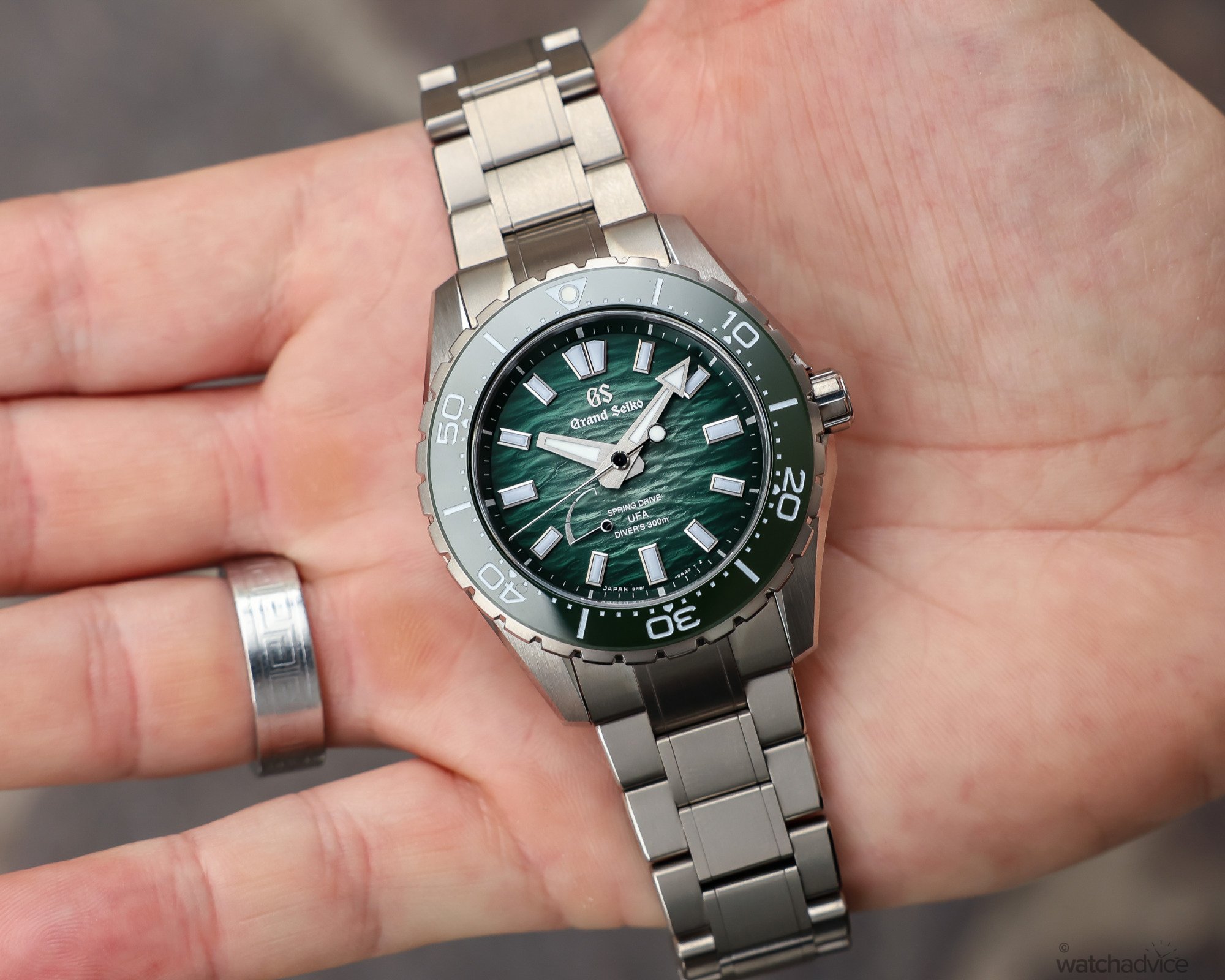
I also think we sometimes get caught up in the idea that innovation has to mean a new complication or some incredible mechanical achievement. But innovation can come in many different forms. It could be a new material, a different approach to case construction, improvements in finishing or even something as simple as making a watch more comfortable to wear.

And the reality is that not every collector is looking for the next big thing in watchmaking. Some people simply want a watch they love, with a movement they trust and a design that works for them. Others want to explore the latest developments in mechanical watchmaking. There is room for both, and I think that’s something we sometimes overlook when criticising new releases.
Perhaps we, as enthusiasts, also need to be a little more realistic about what we expect from brands. We can’t demand constant innovation while also expecting new releases every few months. At the same time, brands need to understand that releasing more watches doesn’t automatically mean they’re giving collectors more reasons to get excited.
So, going back to my original question: what came first, the chicken or the egg?
Perhaps the answer is that both play a part. Brands respond to what collectors want, while collectors are influenced by what brands put in front of them. It’s a relationship that goes both ways, and I suspect neither side is entirely responsible for the release cycle we’re seeing today.
As someone who loves watches, I would much rather see a healthy industry with plenty of choice, different approaches to watchmaking and a mix of genuinely innovative pieces alongside familiar favourites. After all, we don’t all want to wear the same watch; how boring! And I think that’s something worth celebrating.