

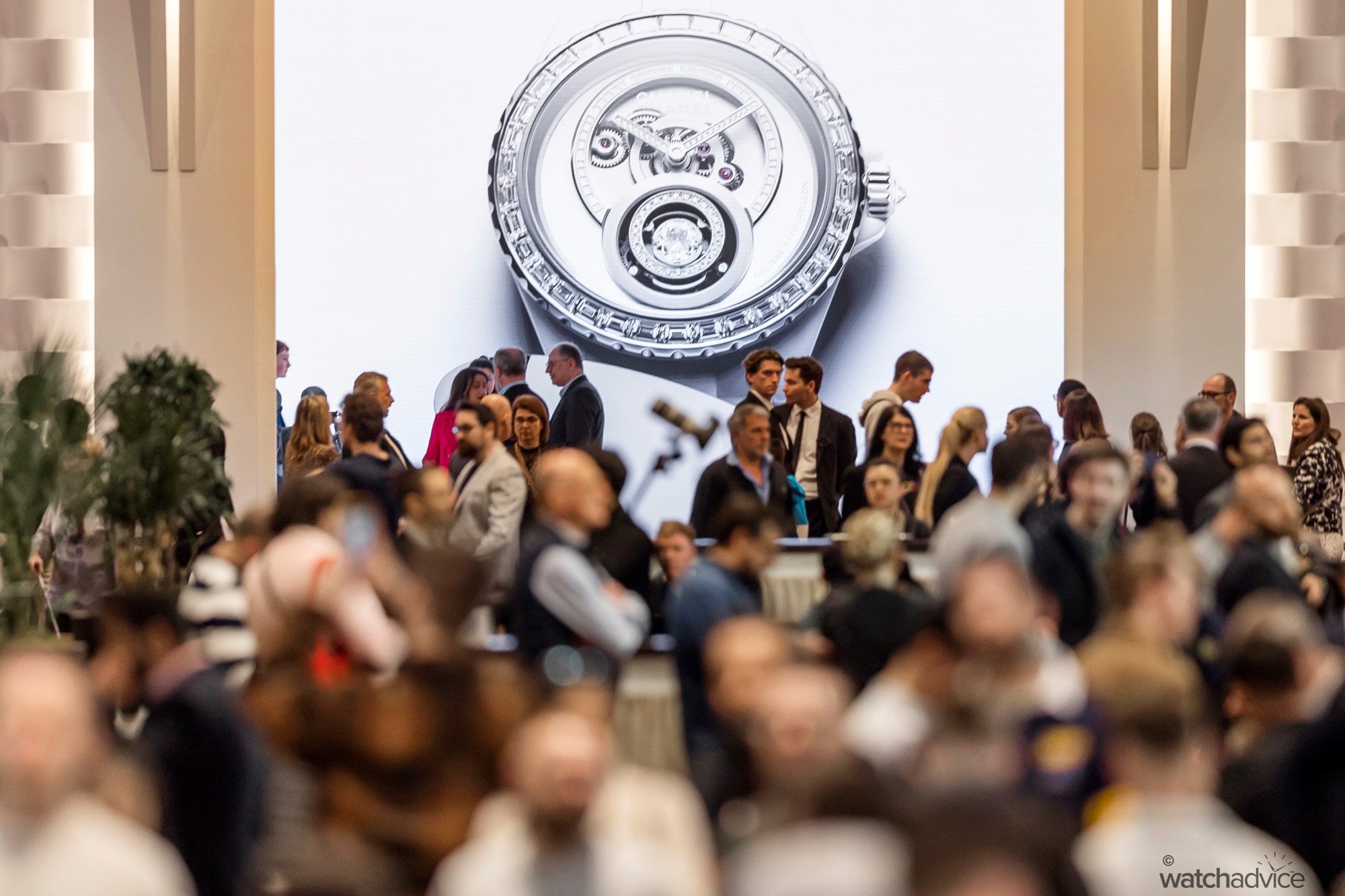
With more watch fairs than ever before, are we expecting too much from brands, or have we forgotten that these events are about more than just new releases?
Are There Too Many Watch Fairs?
It seems that every time the watch industry finishes one major event, another is already waiting just around the corner! Now, more than ever, there are more and more watch fairs happening every year. And while this is not a bad thing, have we started expecting too much from watchmakers every time another major event comes around?
The watch industry has always relied on major exhibitions to showcase its latest creations, connect with enthusiasts and collectors, bring manufacturers together and, in the case of fairs like Watches and Wonders, allow watchmakers to do business with retailers and suppliers. Watches and Wonders in Geneva remains the biggest event on the horological calendar, with many of the leading watchmakers around the world using it to introduce their most significant releases of the year.
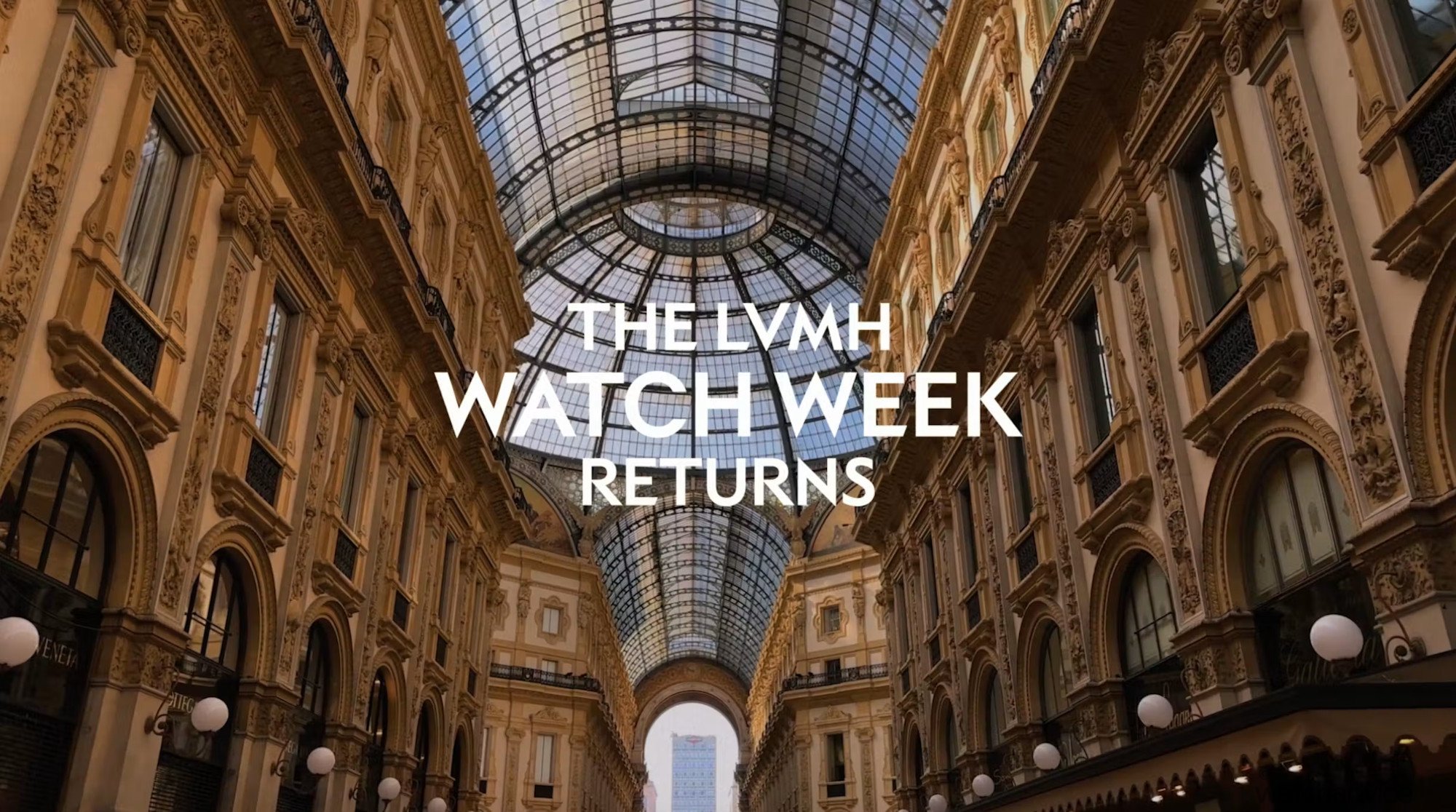
However, it is no longer the only gathering attracting international attention throughout the calendar year. LVMH Watch Week, which takes place in January, is the first major event of the year and, as you can tell from the name, is mainly restricted to LVMH brands like Hublot, Zenith, TAG Heuer and Bulgari, to name a few.
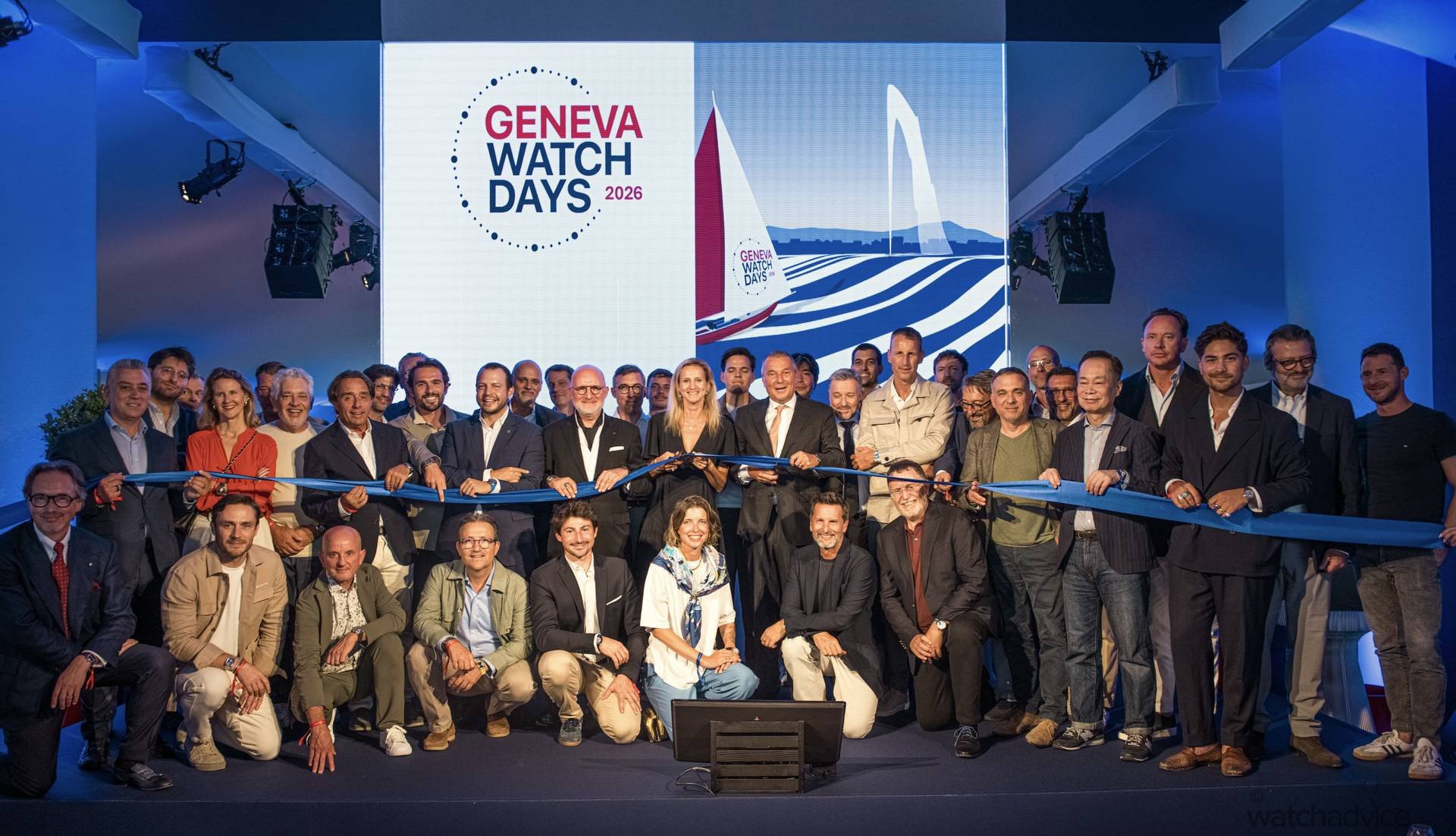
Then, of course, we have one of my personal favourite watch fairs, Geneva Watch Days, which takes place around September. Geneva Watch Days, however, is quite different from the other fairs, as it gives mainly independent brands that don’t always get the spotlight at other events an opportunity to showcase their latest creations to enthusiasts and media alike.
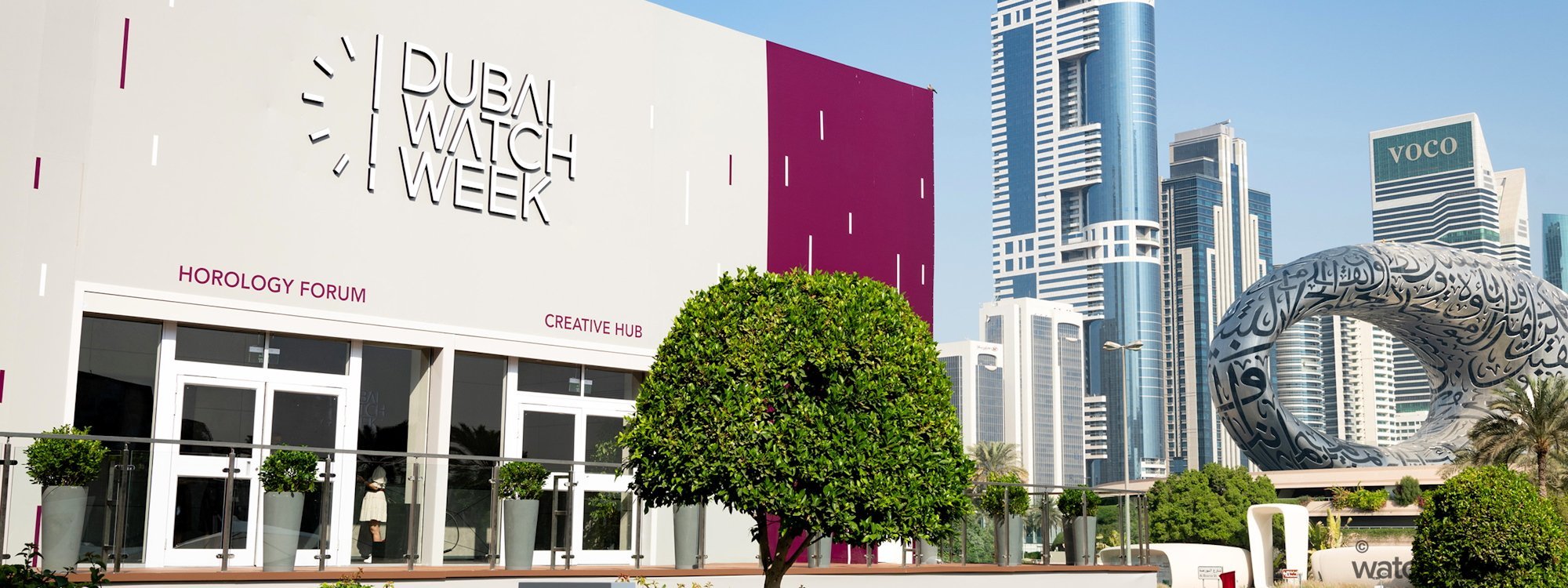
Alongside these well-established events, we also have Dubai Watch Week, a biennial event, and IAMWATCH, both catering to enthusiasts who are able to get up close and personal with the brands themselves. Then we have regional gatherings across markets such as New York and Japan, as well as other major cities, which provide further opportunities for brands to engage with their audiences.
While these events have different purposes and don’t always take place in the same calendar year, they collectively contribute to an increasingly busy international watch calendar. Now, I’m not saying that this is necessarily a bad thing, as cities hosting their own watch fairs can attract more enthusiasts and potential clientele to the market, while also providing a way for enthusiasts to celebrate this hobby on a more grandiose scale.
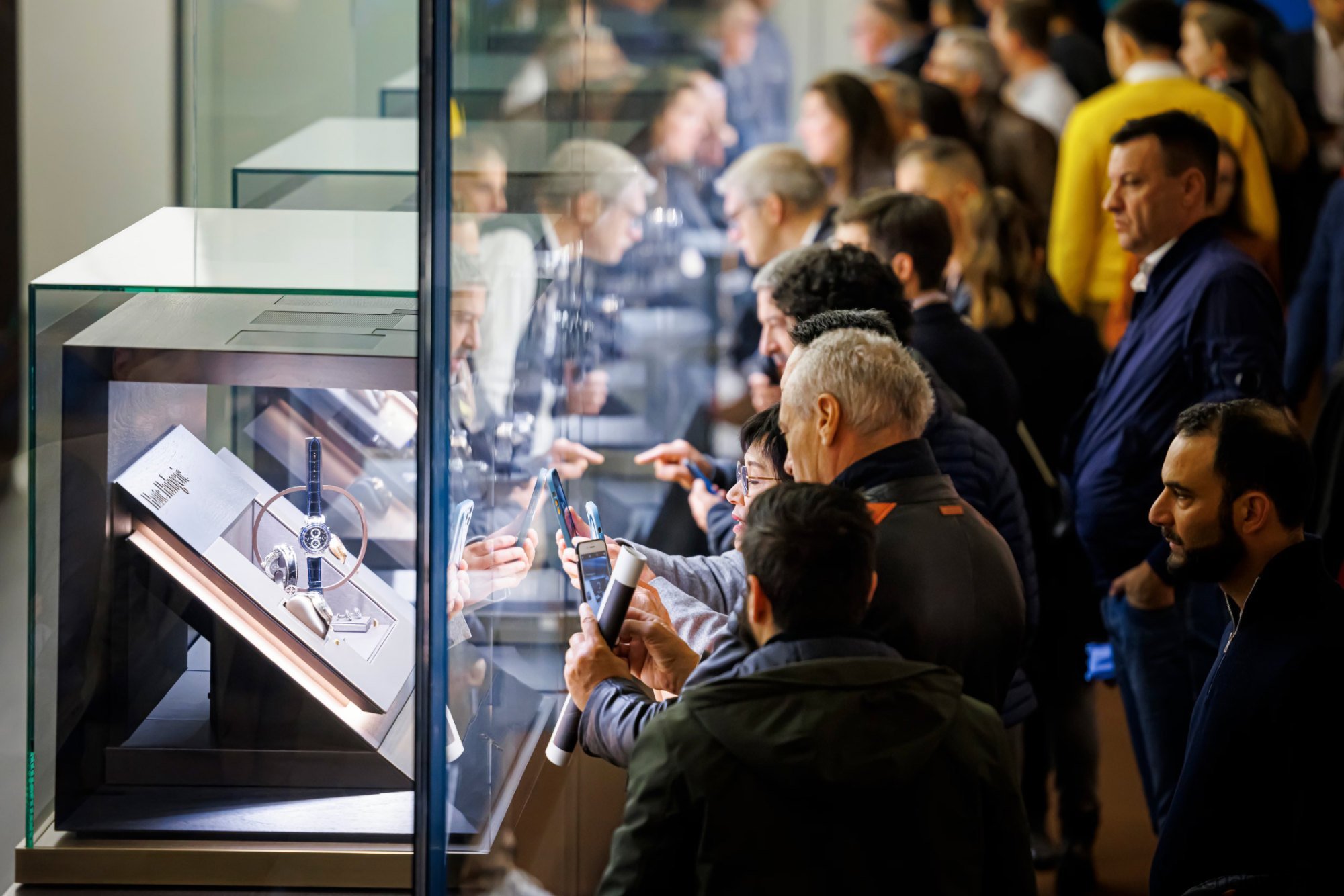
For enthusiasts and journalists, this equates to a steady stream of presentations and announcements, but also opportunities to discover new timepieces up close throughout the year. While on the surface this sounds great for all parties involved and a positive development for the world of horology, it also raises an interesting question: is the industry becoming too focused on constantly having something new to showcase?
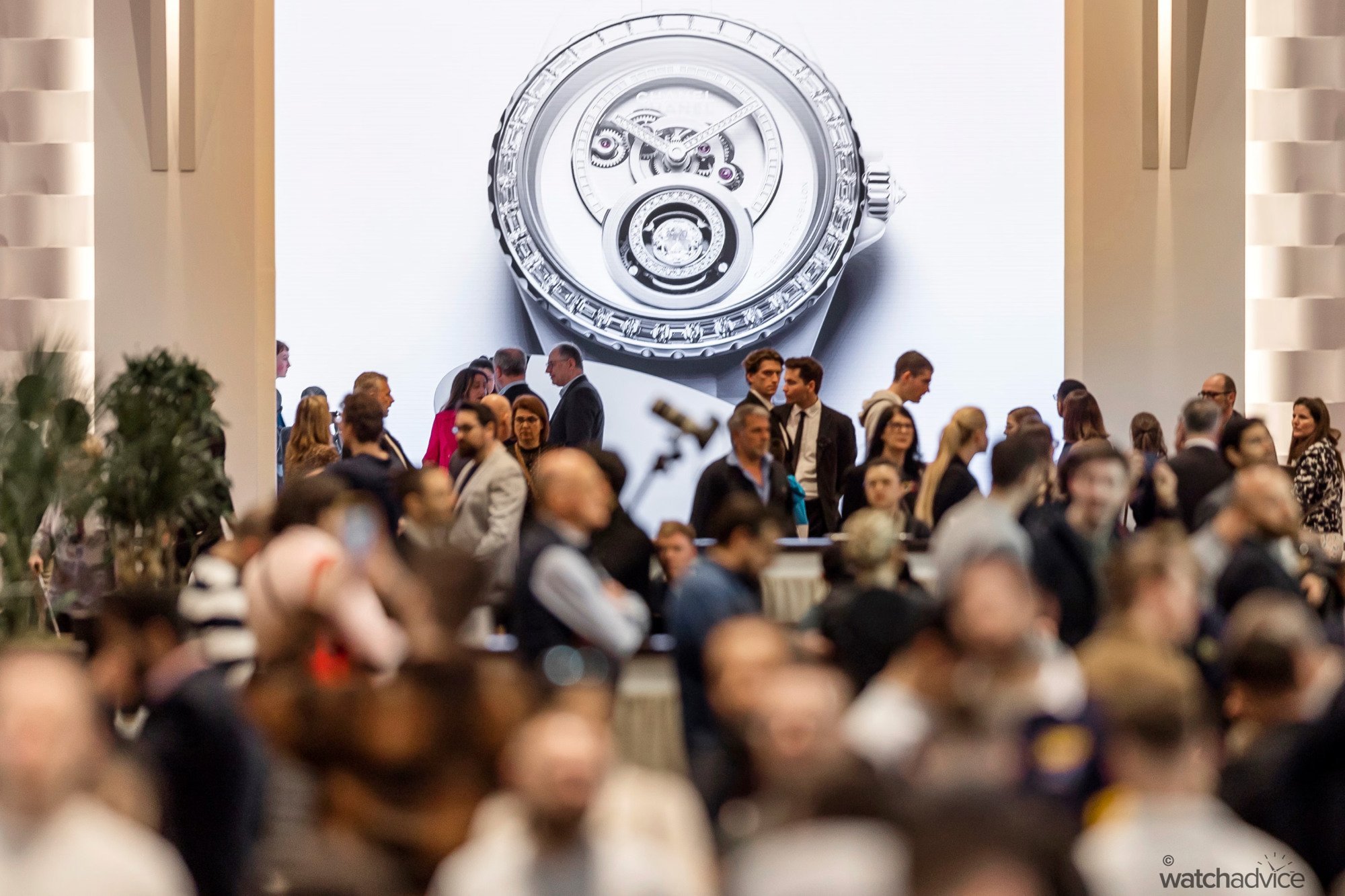
With more events taking place throughout the year, this essentially gives watchmakers more opportunities to showcase their latest creations to collectors, retailers, and the media. However, increased opportunities may not necessarily be a good thing, as greater exposure can also create expectations that participating brands will arrive with something new or exciting to reveal.
Does Every Fair Need Something New?
Being a watchmaker in the modern age involves more than just creating a timepiece, as when and where it is unveiled can be just as important. Major events such as Watches and Wonders offer significant international exposure, which certainly makes them attractive platforms for unveiling updated movements, new designs, or entirely new collections.
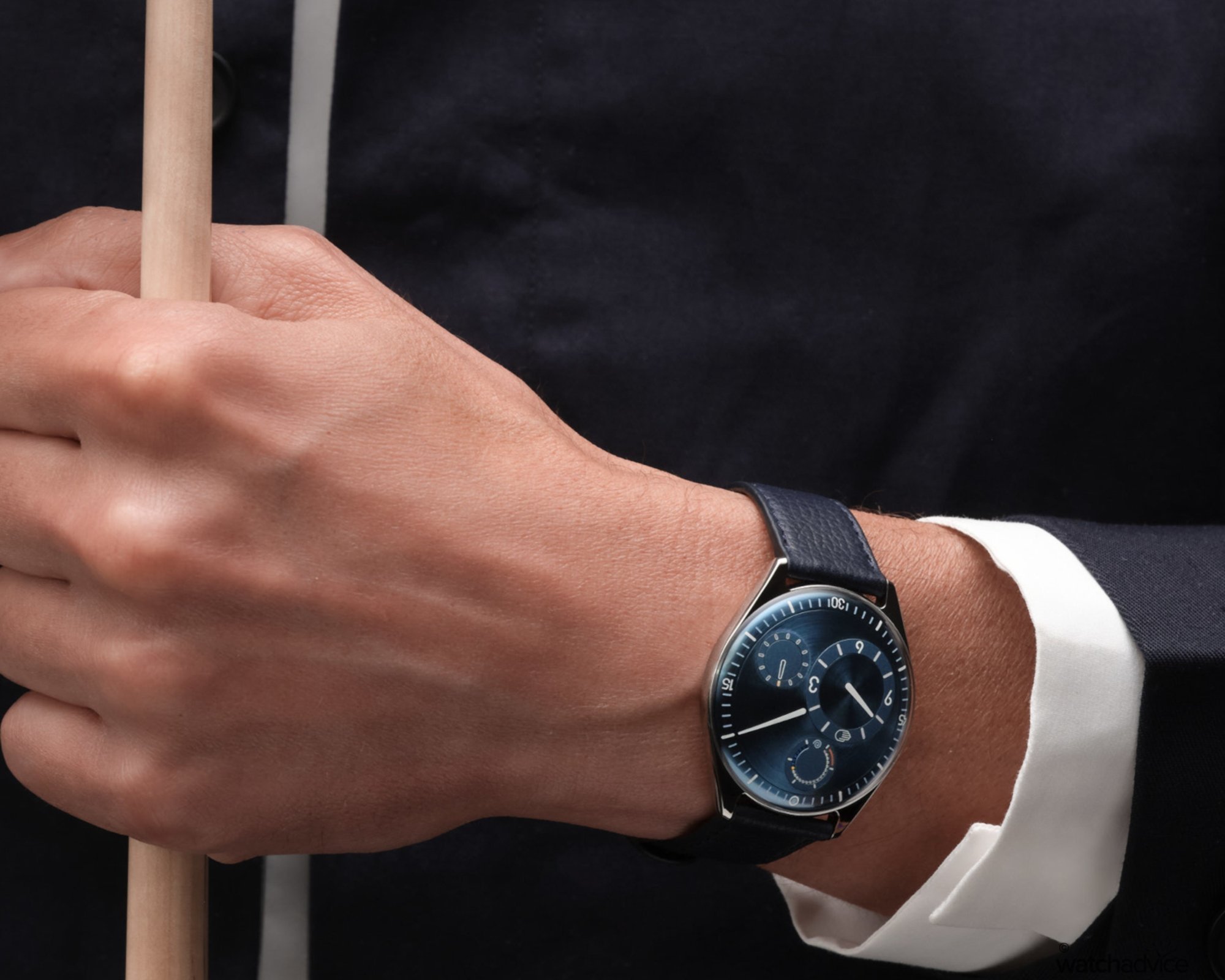
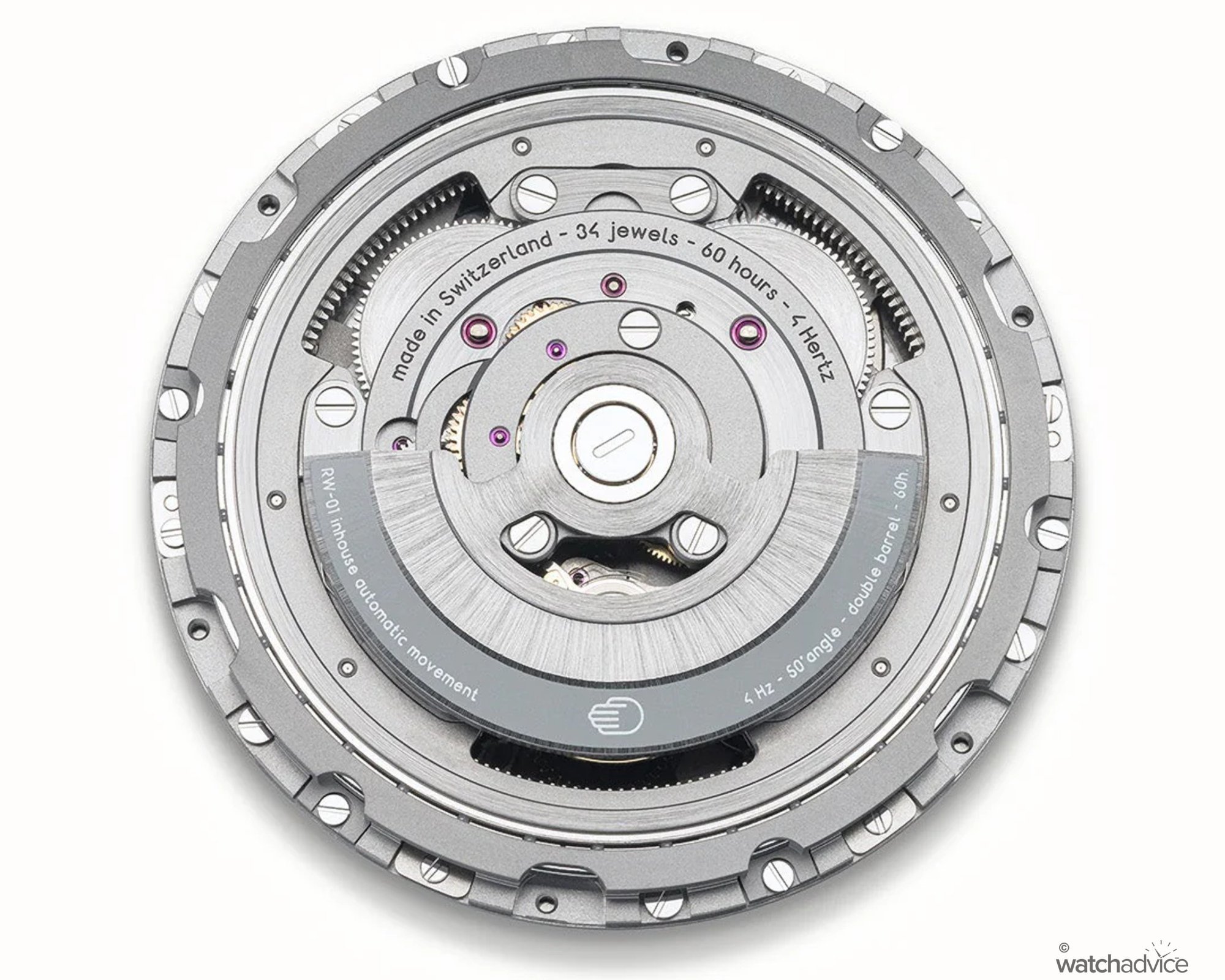
It would make a lot of sense for watchmakers to concentrate some of their most significant developments around these events to maximise attention. However, once these releases have been presented, the calendar doesn’t stop, with other watch fairs and industry gatherings still taking place throughout the year.
For brands that attend several events throughout the year, this presents an interesting challenge: how do they maintain excitement around their collections without necessarily having another major development ready?
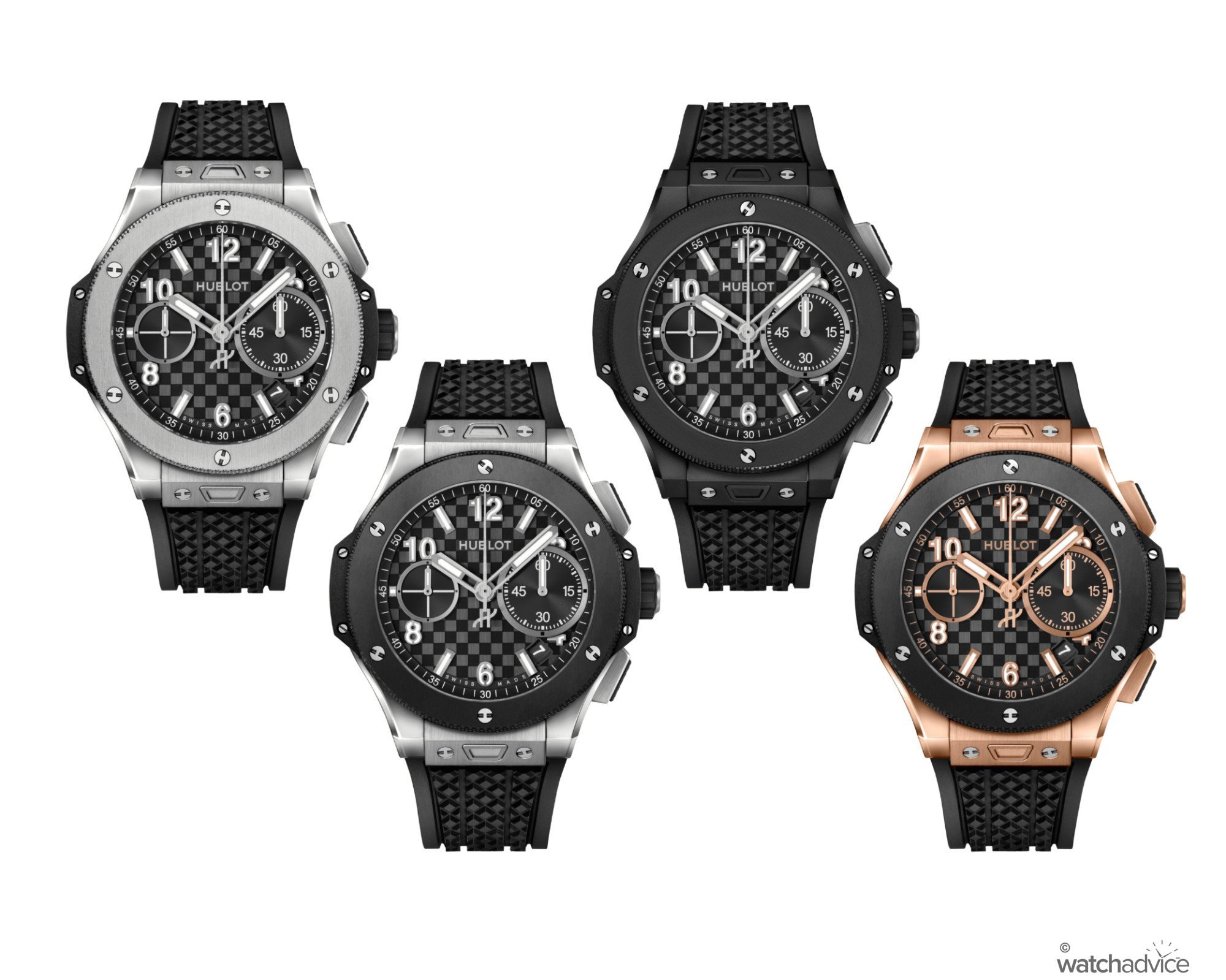
They can showcase previously released timepieces or, on a more superficial level, introduce colour and material variations of existing models. Neither of these approaches is necessarily wrong, but what they do highlight is the challenge of balancing product development with the industry’s increasingly active event calendar.
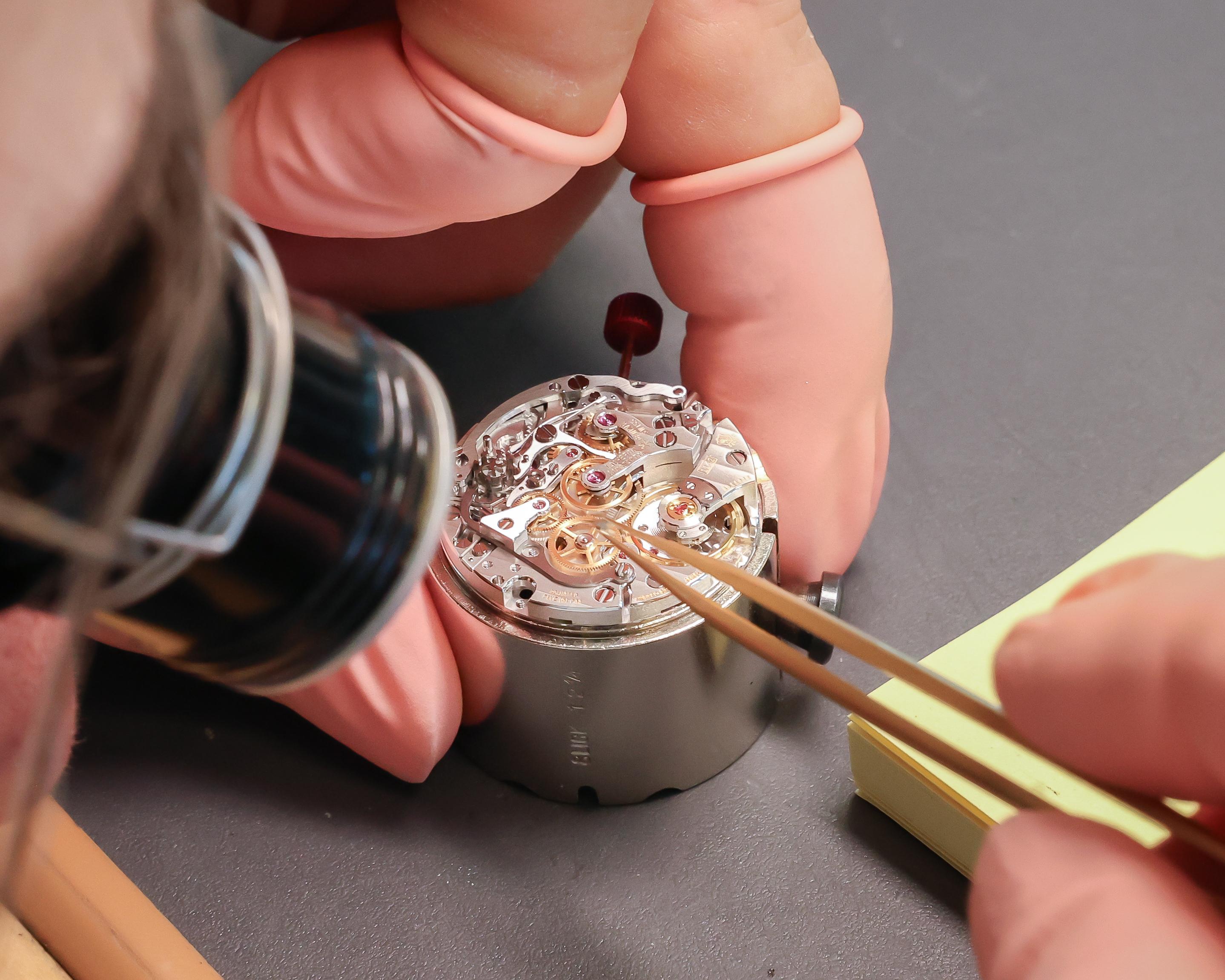
While it can sometimes be overlooked, one of the most important factors to consider when a brand creates a new movement, adds a complication to an existing movement, or creates an entirely new collection is the amount of time and resources that go into the research and development process.
This also ties into a separate topic, one that Matt covered in his article, “How Much Does It Cost to Produce a Luxury Watch?” Essentially, continued development and innovation require significant investment, and brands must find ways to recover those costs, which can eventually lead to price increases across collections or individual timepieces. While this certainly isn’t the case every time, it does paint a picture of how continuous development can take a toll on a brand’s financial resources, particularly when there’s growing pressure to introduce something new throughout the year.
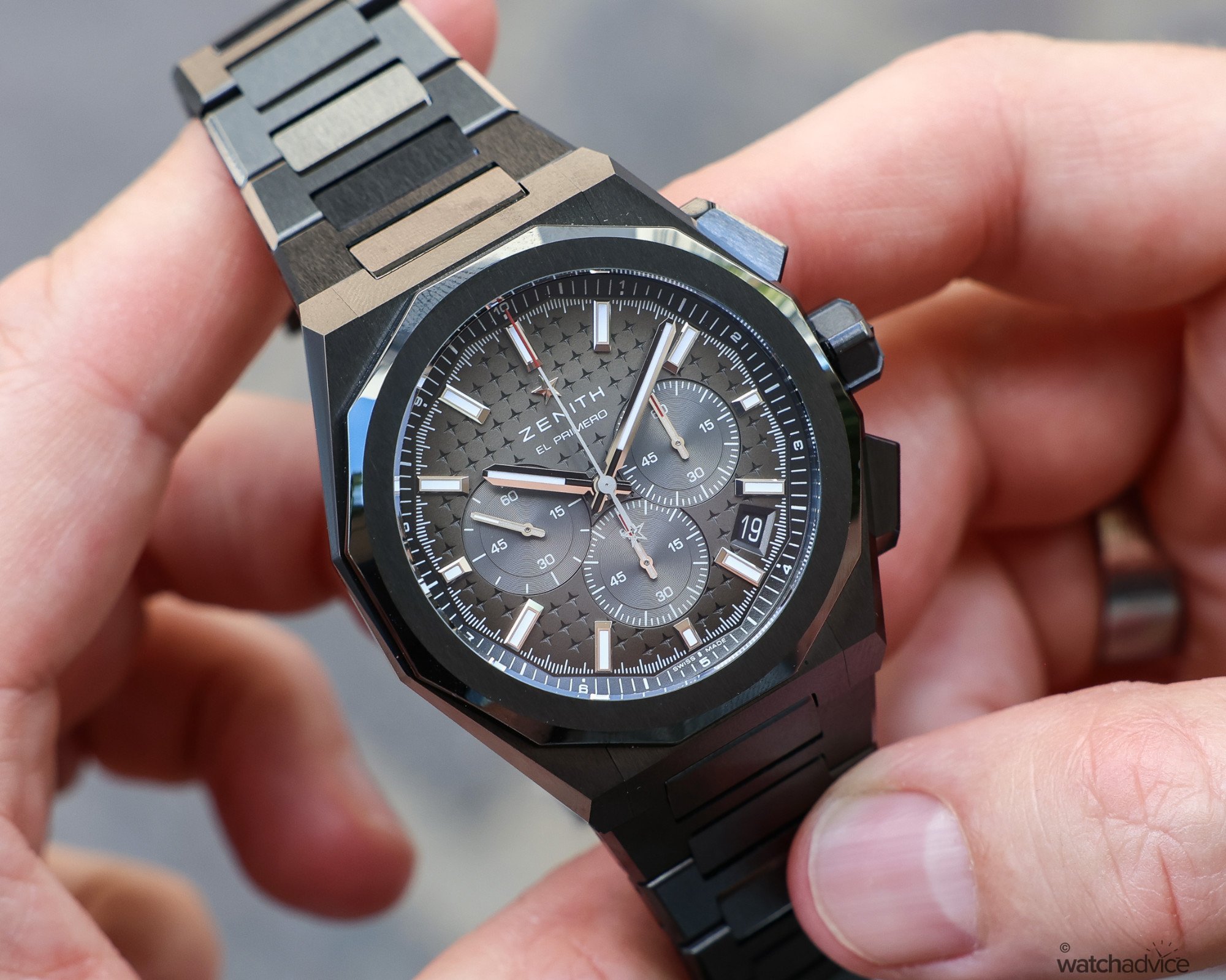
Even seemingly straightforward changes, whether it be to the case, movement, water resistance, or even bracelet design, can introduce technical difficulties that affect the reliability and wearability of the timepiece. This is why expecting a manufacturer to produce a genuinely innovative timepiece for every major event it attends is not only unrealistic, but can also place a significant financial burden on the brand.
We Complain About Dial Colours and Material Changes, But What Do We Expect?
Being in the media space, one of the most common reactions I see to a new watch announcement is criticism that it’s simply another dial colour, case material, or variation of an existing model. While yes, sometimes this criticism can be justified, the majority of the time it raises the question of whether we’ve become too quick to dismiss a release simply because it doesn’t introduce something groundbreaking.
After all, a new dial colour or material can completely change the character of a watch, and I can certainly attest to this. Going back to my own personal collection, I remember that before I first bought the Millicene Tri-Compax Chronograph in Rose Gold PVD, I was still on the borderline of whether I was going to buy it or not. I still loved the collection because it introduced not only something new for the brand, but also a design that I’m personally fond of, which is that vintage-inspired aesthetic.
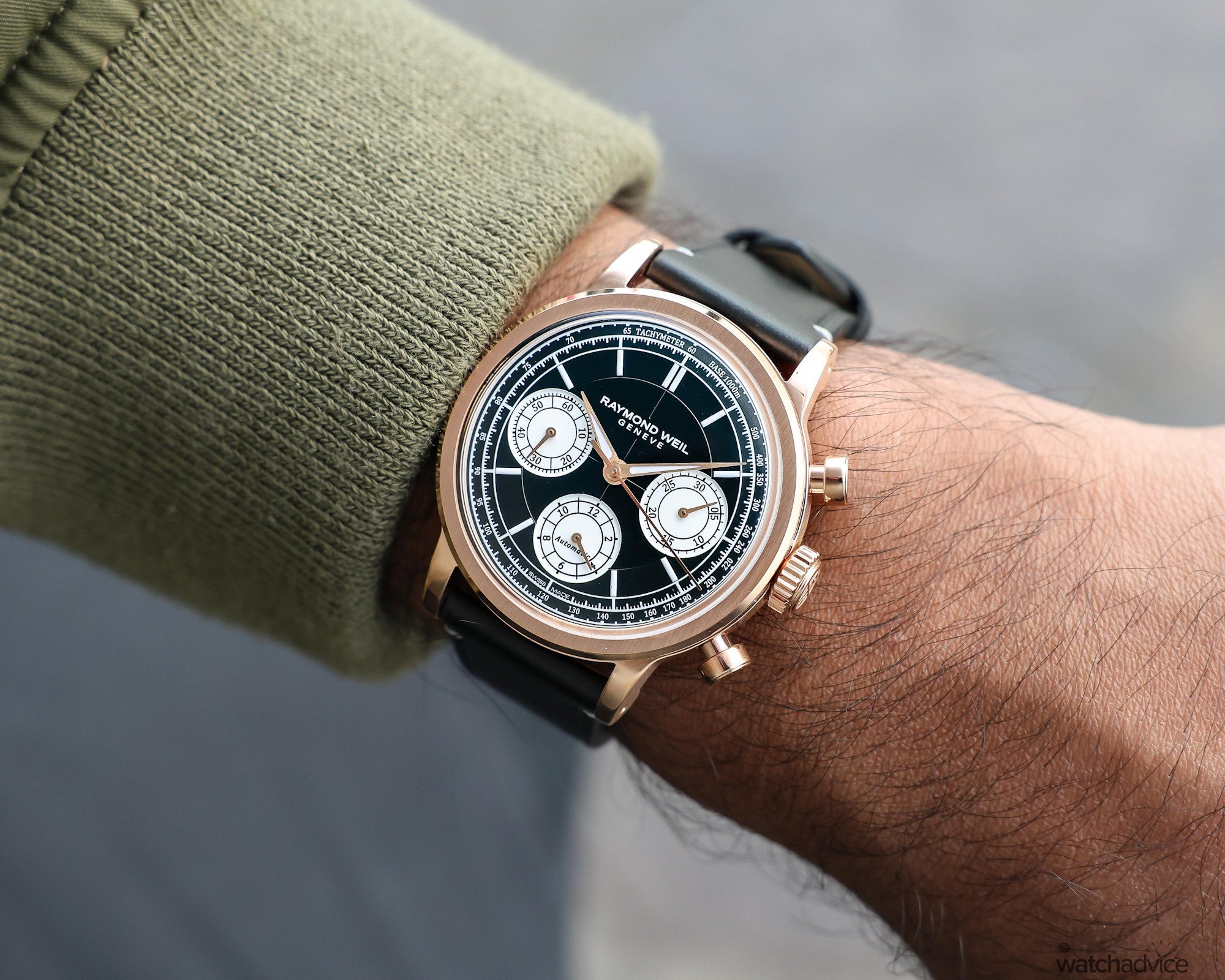
But being brutally honest, I personally felt like there was just something missing about the timepiece. Then, when they released the Rose Gold PVD edition at Watches and Wonders 2025, it completely changed how I saw the Tri-Compax collection. Within 30 minutes of seeing the model in person and having it for review, I put an order in. And this just goes to show that a simple change in colour, whether it be the material or dial, can completely change how you view a watch.
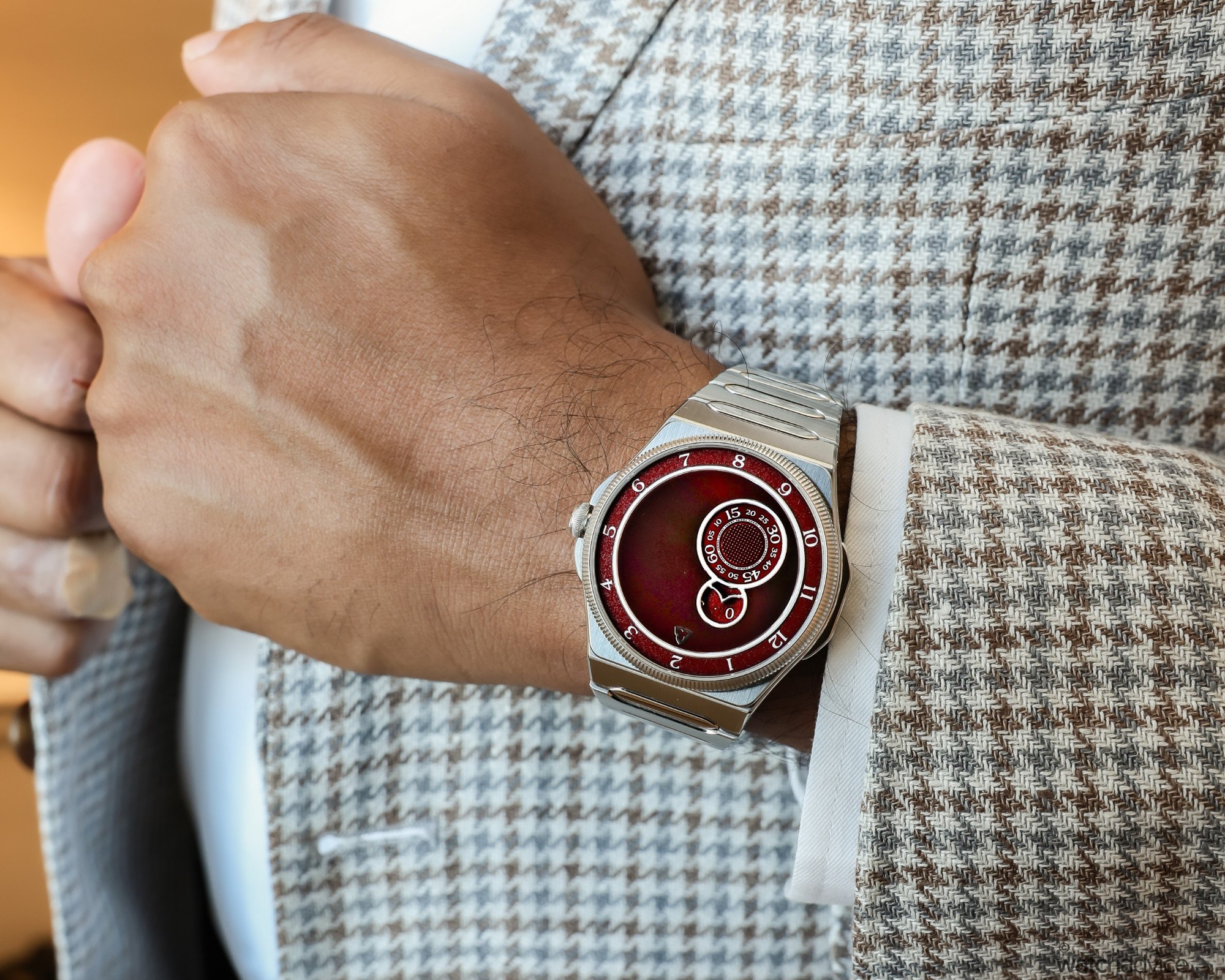
So perhaps the problem lies in the fact that we’ve started treating every announcement as though it needs to represent a significant step forward for the brand, and that simply changing the aesthetics of an existing timepiece is no longer enough to generate excitement. But then, should every new release really be judged on how much it has changed within its existing collection, or how much innovation it brings to the table?
There is also another piece to the puzzle that needs to be addressed, and that is whether we’ve become addicted to the next announcement. Just like when we were young and became excited at the thought of unwrapping presents, whether under the Christmas tree or for birthdays, a similar level of excitement comes with anticipating the next watch release. And this leads to the next question of how quickly we move on from one release to the next.
A brand may introduce an exceptional timepiece that generates considerable excitement, but before collectors have even had the opportunity to appreciate that creation, attention can quickly shift towards another brand’s announcement or the next major watch event. While this is almost inevitable in the industry we’re in, given the sheer number of watchmakers operating worldwide and brands introducing their creations throughout the year, it does mean that even some of the most impressive releases may not receive the undivided attention they truly deserve.
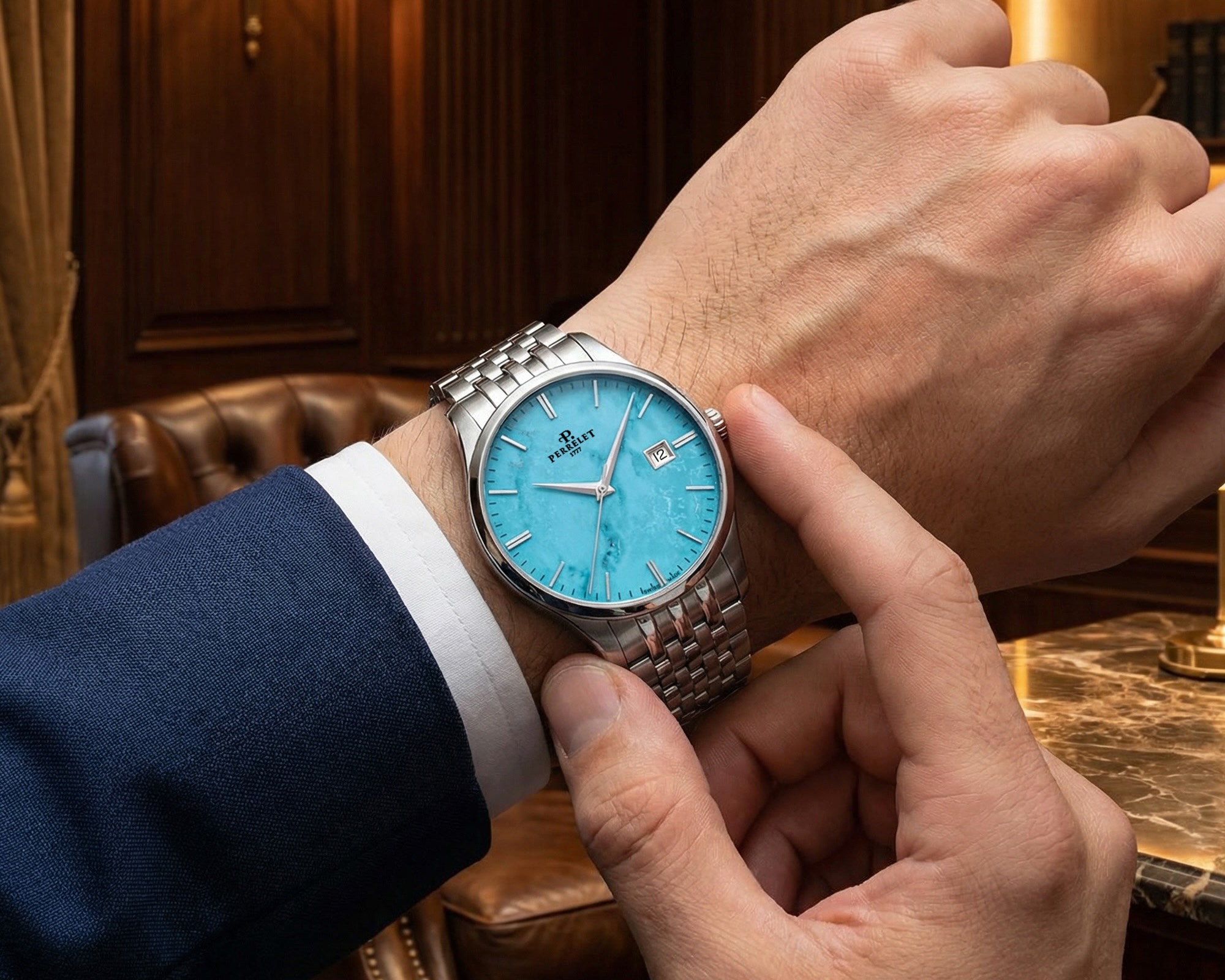
And this applies to us journalists and enthusiasts more so than anyone else, as we’re heavily invested in the industry, constantly looking towards what’s coming next rather than spending more time discussing and appreciating what’s already here. What this ultimately paints a picture of is that it might not necessarily mean there are fewer innovations than before, but rather that our attention struggles to remain focused on individual releases for as long as it once did.
This then brings us back to our original argument: is the increasing number of watch fairs putting unnecessary pressure on manufacturers to continually innovate, or have we simply developed unrealistic expectations about what brands should be unveiling at each event?
Watch Fairs Are About More Than New Releases
While on the surface, watch fairs are about showcasing the latest releases, they serve a much greater purpose. Such fairs have the ability to bring together watchmakers, retailers, journalists, collectors, and enthusiasts all in one space, who might otherwise have limited opportunities to interact. This in itself presents a great opportunity for the media, enthusiasts, and collectors to get closer to the brands and have discussions on a much more personal level.
The fairs also allow brands to showcase their craftsmanship and existing collections up close. When you visit boutiques and retailers, you might not get to see all the exclusive pieces a brand has to offer, especially its latest releases, but this is where watch fairs can provide a great opportunity to do so. With such a large gathering, it’s much easier for brands to showcase their exclusive and exceptional creations to thousands of people in one setting.
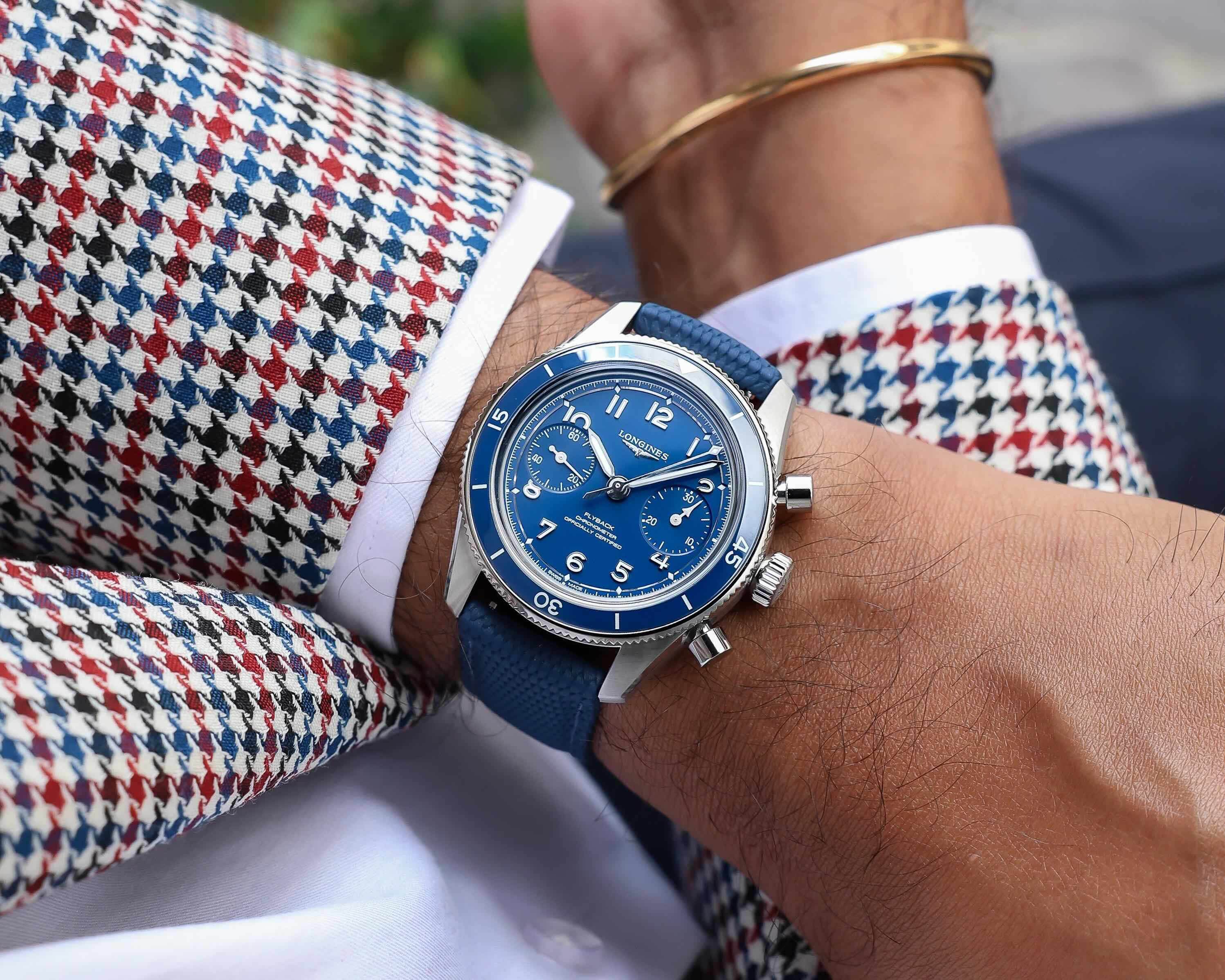
And for us collectors and enthusiasts, seeing a timepiece in person is most certainly a different experience from viewing photographs or reading specifications online. This is something we’ve reiterated through our hands-on reviews, as online pictures don’t always tell the full story, especially under artificial lighting, which is why we place such importance on natural-light photography. But getting back to the point, it reiterates why seeing these timepieces in person is so important, and what better way than at a watch fair, where you have the opportunity to see multiple brands at once?
These fairs and events also create opportunities for the media, enthusiasts, and collectors to speak directly with watchmakers, designers, and even brand CEOs, to get a better understanding of the work behind their creations and the direction the brand is currently heading. And importantly, these discussions can genuinely create excitement and enthusiasm within the industry, all without ever having to release a completely new watch.
Smaller fairs like Geneva Watch Days, although I would argue it’s not so small anymore, Dubai Watch Week, and IAMWATCH matter a lot, especially for independent watchmakers. For some of these independent watchmakers, it may not be viable to present at fairs like Watches and Wonders due to the associated costs of setting up a booth and the potential returns from doing so.
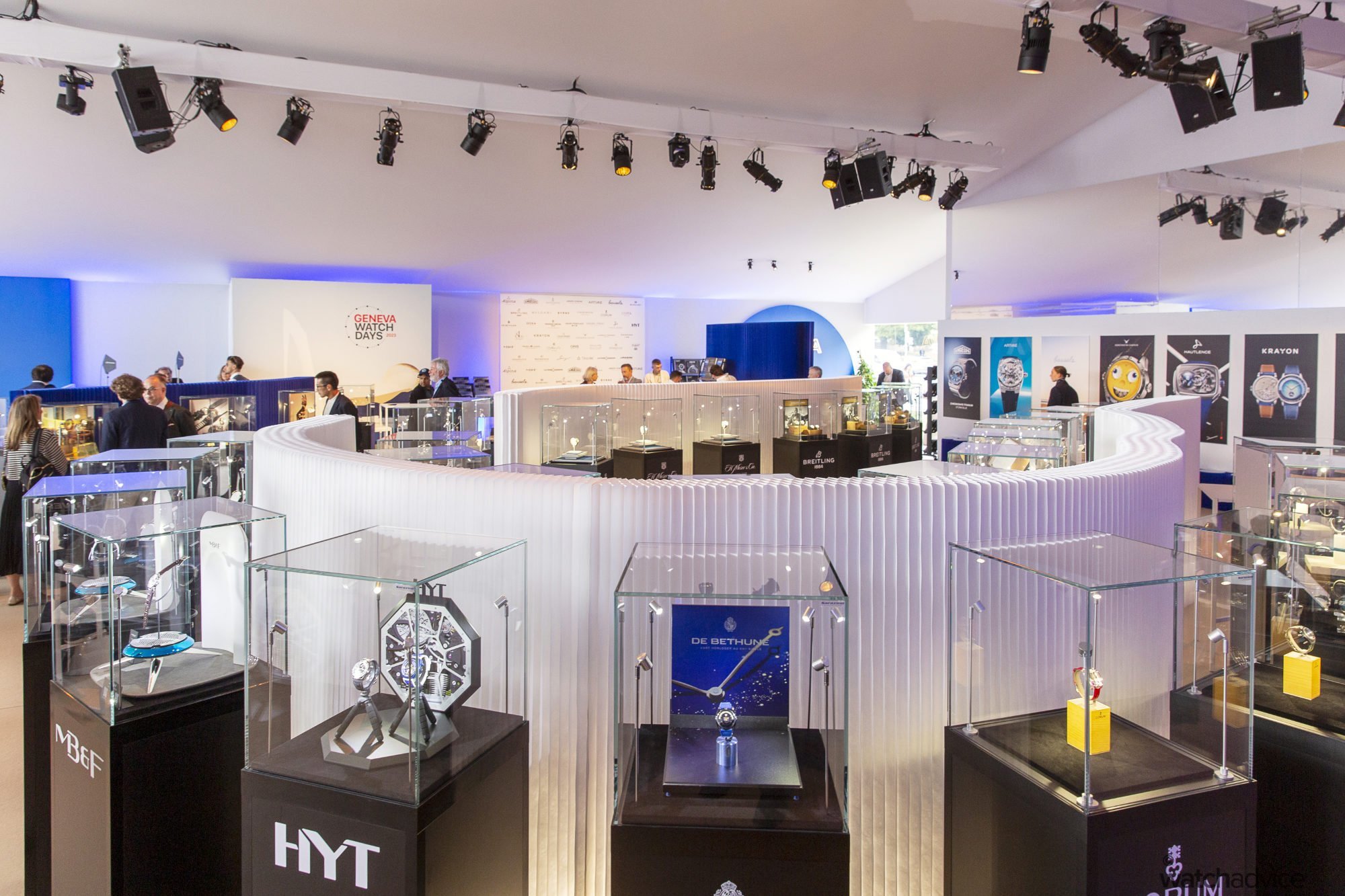
This is where the other aforementioned fairs can play a vital role in helping independent watchmakers gain exposure within the industry. While established manufacturers already have considerable international recognition, smaller independent watchmakers face a far greater challenge in reaching potential customers. Having been to Geneva Watch Days a few times already, I can safely say that it presents a much more relaxed and casual environment compared to Watches and Wonders.
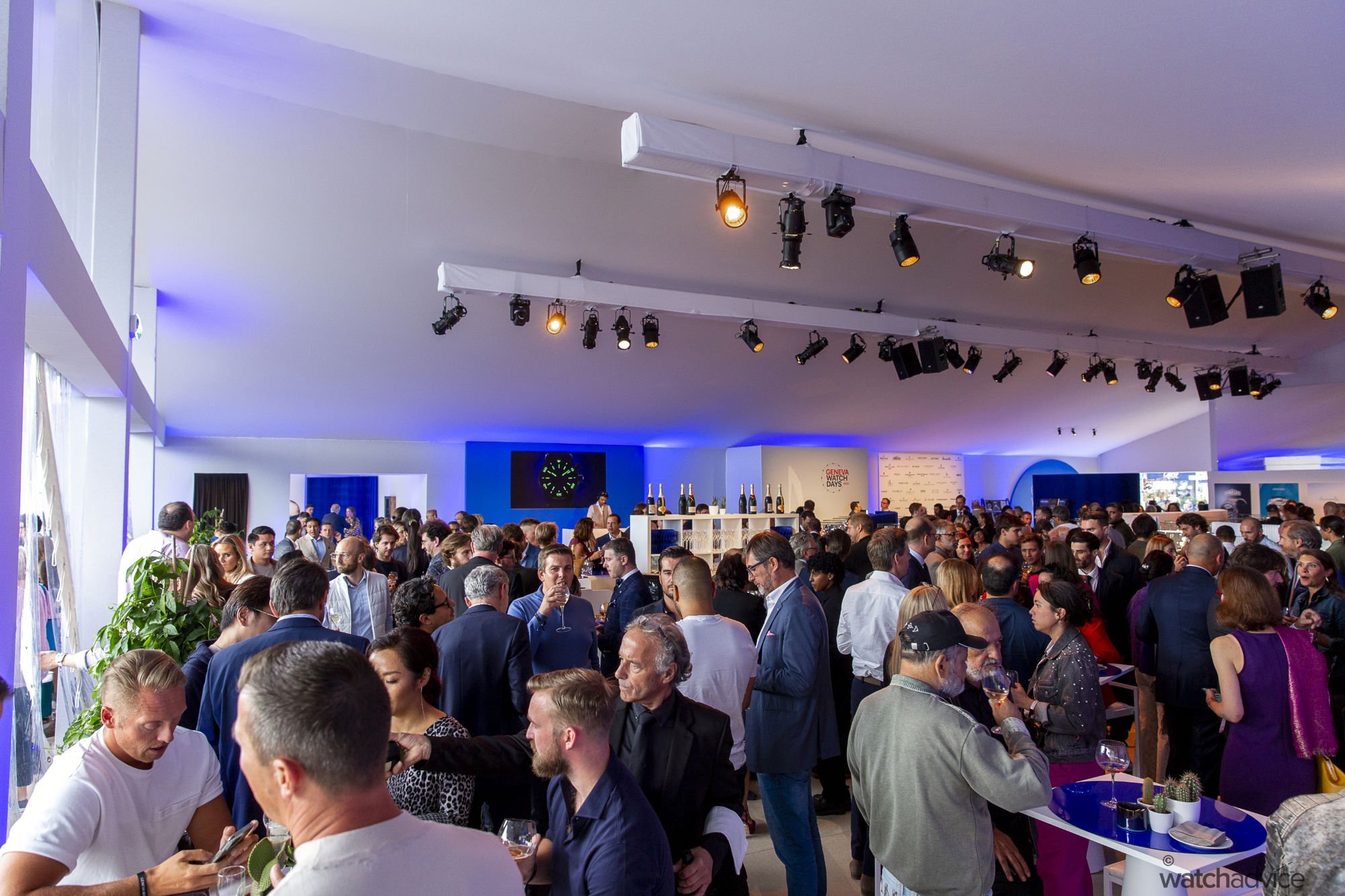
These events are critical for independent watchmakers and smaller manufacturers, as not only do they give them a chance to showcase newer models, but they also encourage more personal interactions with the watch community and media alike. From my own personal experience, I’ve had the chance to meet the people behind the brands and really understand their products on a deeper level, which ultimately gives me a much greater appreciation for the watchmakers themselves.
Perhaps We Need To Slow Down?
Ultimately, the growing number of watch fairs isn’t necessarily a problem, especially when considering the vast number of opportunities they create for watchmakers and the watch community alike, allowing us to connect with brands on a personal level while simultaneously being able to view multiple brands and their timepieces at once.
What is worth considering, however, is our expectations surrounding these watch fairs, and if a brand doesn’t deliver new timepieces or innovation per se, then we need to be a bit more mindful of what goes on behind closed doors. That’s not to say that brands should rest on their laurels and not continue to evolve, but rather, if Watches and Wonders is the major focal point where most of the significant releases can be introduced, we should be a bit more appreciative of minor changes to collections and timepieces at the events in between.
In other words, a watch fair can still be successful without introducing an entirely new movement, complication or timepiece. A new dial colour or case material shouldn’t automatically be dismissed simply because it doesn’t represent a major technical achievement.
So perhaps the question isn’t whether there are too many watch fairs, but whether we’ve come to expect too much innovation, new designs, new movements or even new collections from every watch fair!