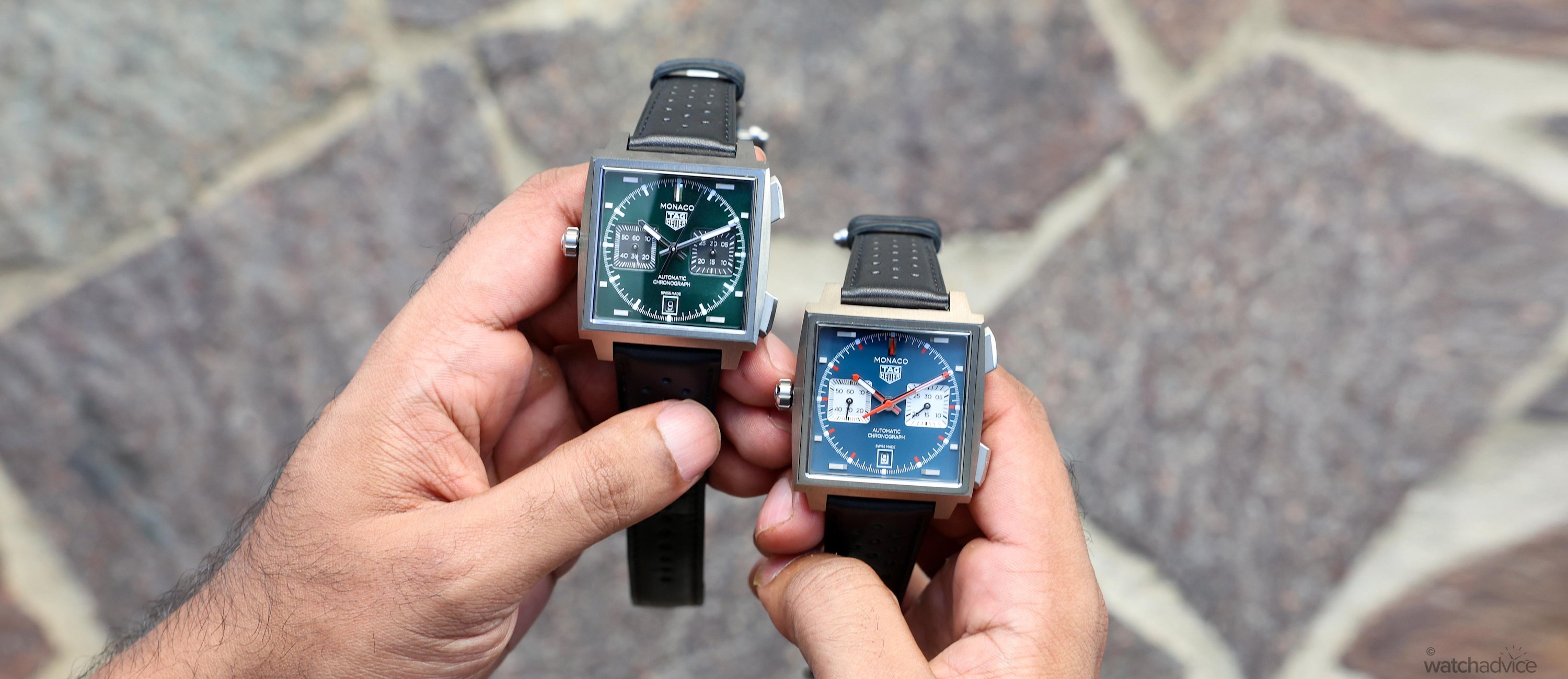

I take the new TAG Heuer Monaco Chronographs in blue and green for a hands-on review to see how this watchmaking icon has evolved for a new generation!
What We Love:
- Improved ergonomics for slimmer wrists
- Distinctive dial colours with different personalities
- Substantially upgraded TH20-11 movement
What We Don’t:
- Limited strap options
- Square case still wears large
- 13.9mm thickness remains noticeable
Overall Rating: 8.7/10
- Value for Money: 8.8/10
- Wearability: 8.5/10
- Design: 8.7/10
- Build Quality: 8.7/10
Few watches in the world of horology are as instantly recognisable as the TAG Heuer Monaco. Even more than five decades after its introduction, the iconic timepiece’s square silhouette remains one of its most distinctive features. If you aren’t familiar with the story of the Monaco, it was first introduced in 1969—and it has quite the story behind it.
The Monaco arrived during one of watchmaking’s most defining technical contests: the development of the first automatic chronograph. The birth of the Monaco was closely linked to the Calibre 11 movement, which was developed through a collaborative effort between Heuer, Breitling, Hamilton-Büren and chronograph specialist Dubois-Dépraz. The Calibre 11 was essentially part of a movement “race” against Zenith’s El Primero Calibre 3019 PHC and Seiko’s Calibre 6139.
Jack Heuer, who was one of the driving forces behind the Calibre 11 movement, didn’t want just any ordinary design to house this innovation. As a result, the Monaco arrived with an unconventional square case, a left-side crown and two contrasting horizontal registers. It was certainly a unique design for its time, but one that perfectly suited the highly technical movement sitting inside.
In the years following its release, the Monaco became inseparable from motorsport culture, especially after Steve McQueen wore reference 1133B while portraying racing driver Michael Delaney in the 1971 film Le Mans. This arguably became one of the most iconic Monaco editions in the world of horology and helped transform the initially unconventional chronograph into one of TAG Heuer’s most recognisable and culturally significant modern-day collections.
As the Monaco collection gained popularity, TAG Heuer progressively evolved it through various colourways, different movements and even skeletonised versions. Regardless of these changes, what remained true to each Monaco was its iconic square shape and dual chronograph counters.
The most radical change to the Monaco’s design came in 2023, when TAG Heuer released the first skeleton-dial version within the core collection. It combined a Grade 2 titanium case with an openworked display showcasing the brand’s signature Heuer 02 chronograph movement.
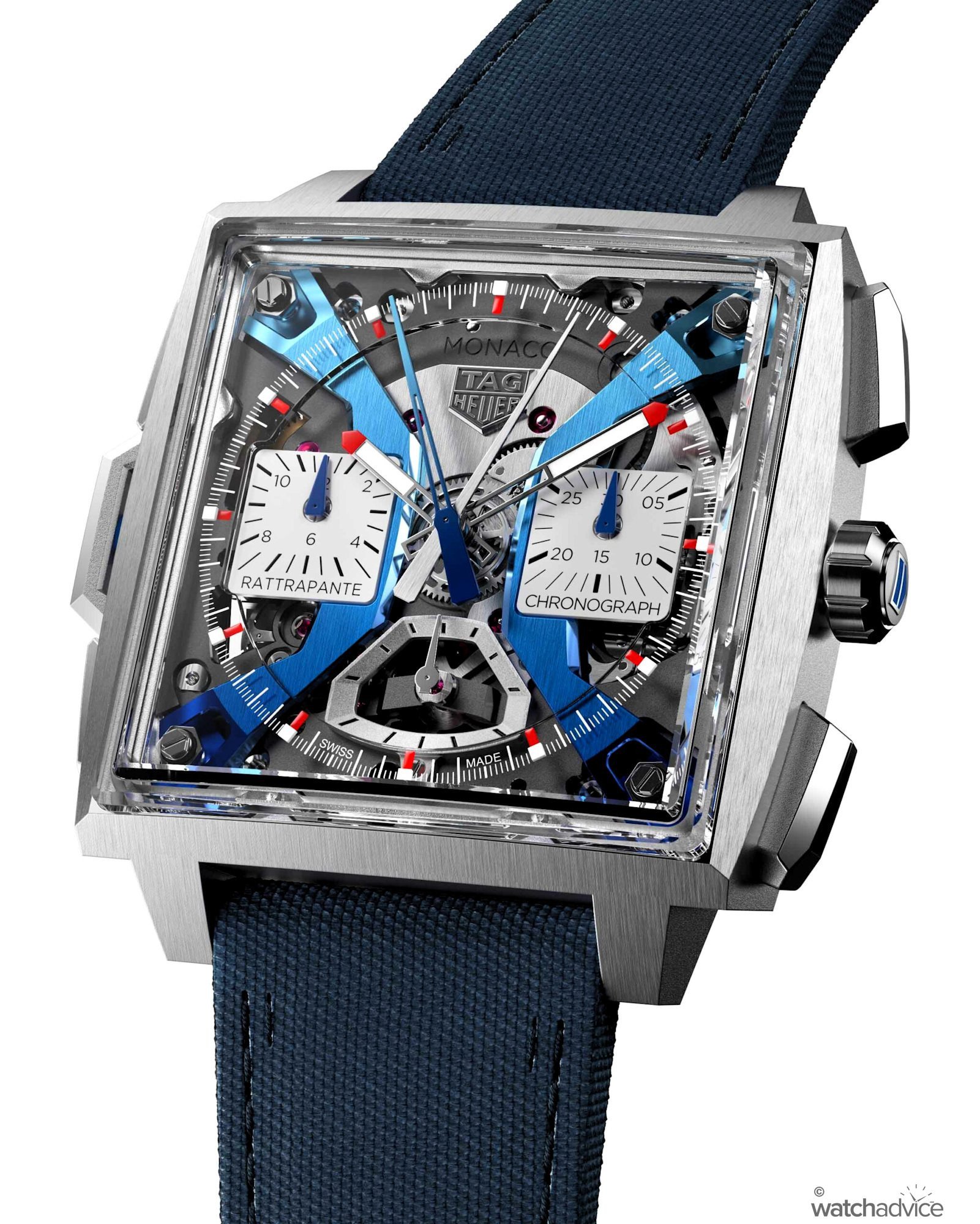
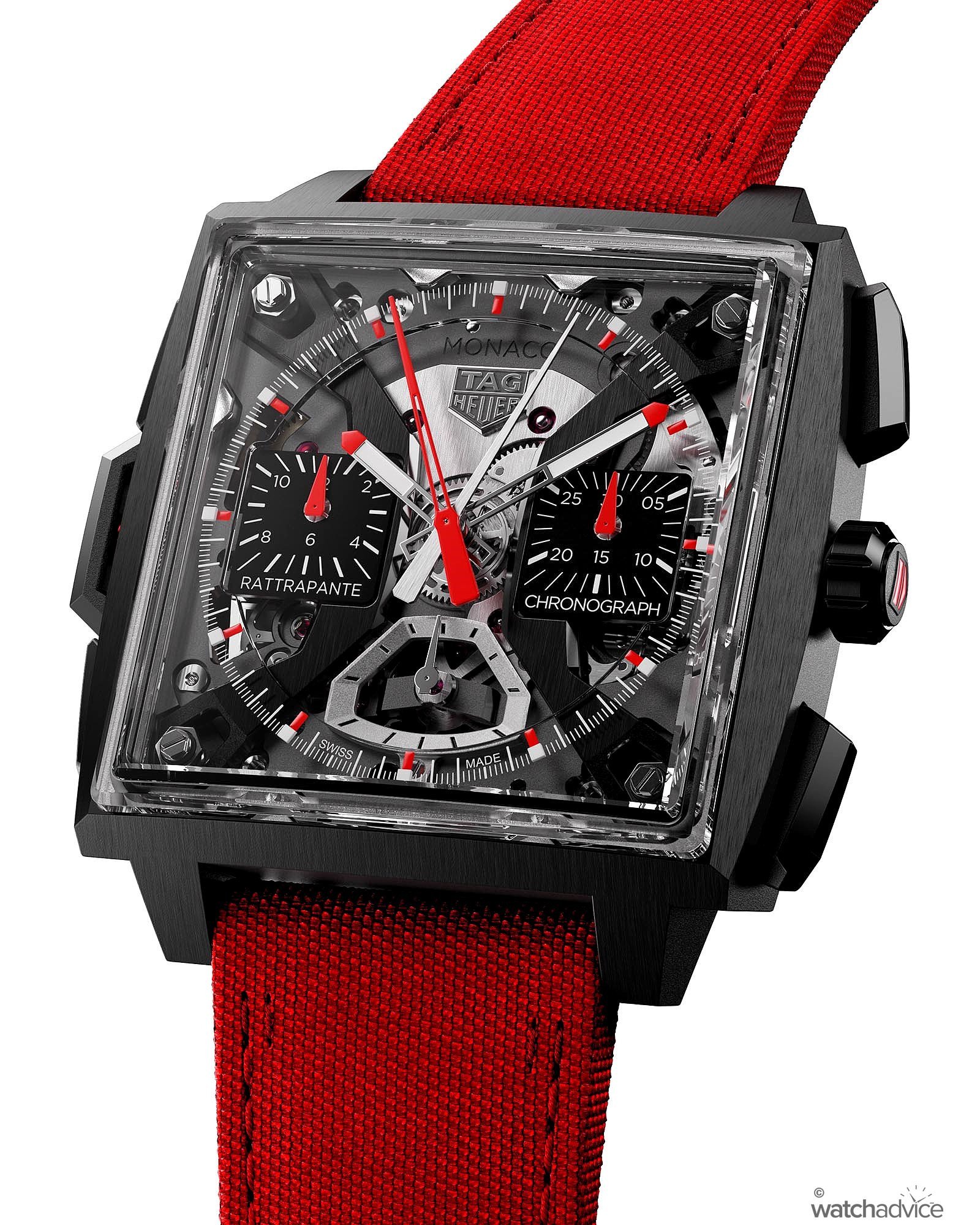
Then, in 2024, the collection evolved into one of the boldest expressions ever seen within the Monaco family. TAG Heuer introduced the Monaco Split-Seconds Chronograph, pairing a redesigned titanium and sapphire case with one of the brand’s most technically advanced chronograph movements: the TH81-00 rattrapante calibre.
This release effectively transformed the Monaco into a playground where TAG Heuer could experiment with innovation, highly technical calibres and different case materials, all while retaining that iconic Monaco silhouette.
While the modern-day Monaco was heading down this highly technical and innovative path, TAG Heuer wanted to reel it back and create a collection that once again remembered the Monaco for what it truly was: an everyday sports timepiece with a look like no other.
In 2026, the brand did just that, unveiling a modern Monaco at Watches and Wonders that remained true to the design of the original reference 1133B from 1969. While the design still adopts the sharper edges and slimmer profile explored through the brand’s more innovative Monaco Split-Seconds family, this new generation of the standard Monaco returns to the collection’s much more familiar and beloved format.
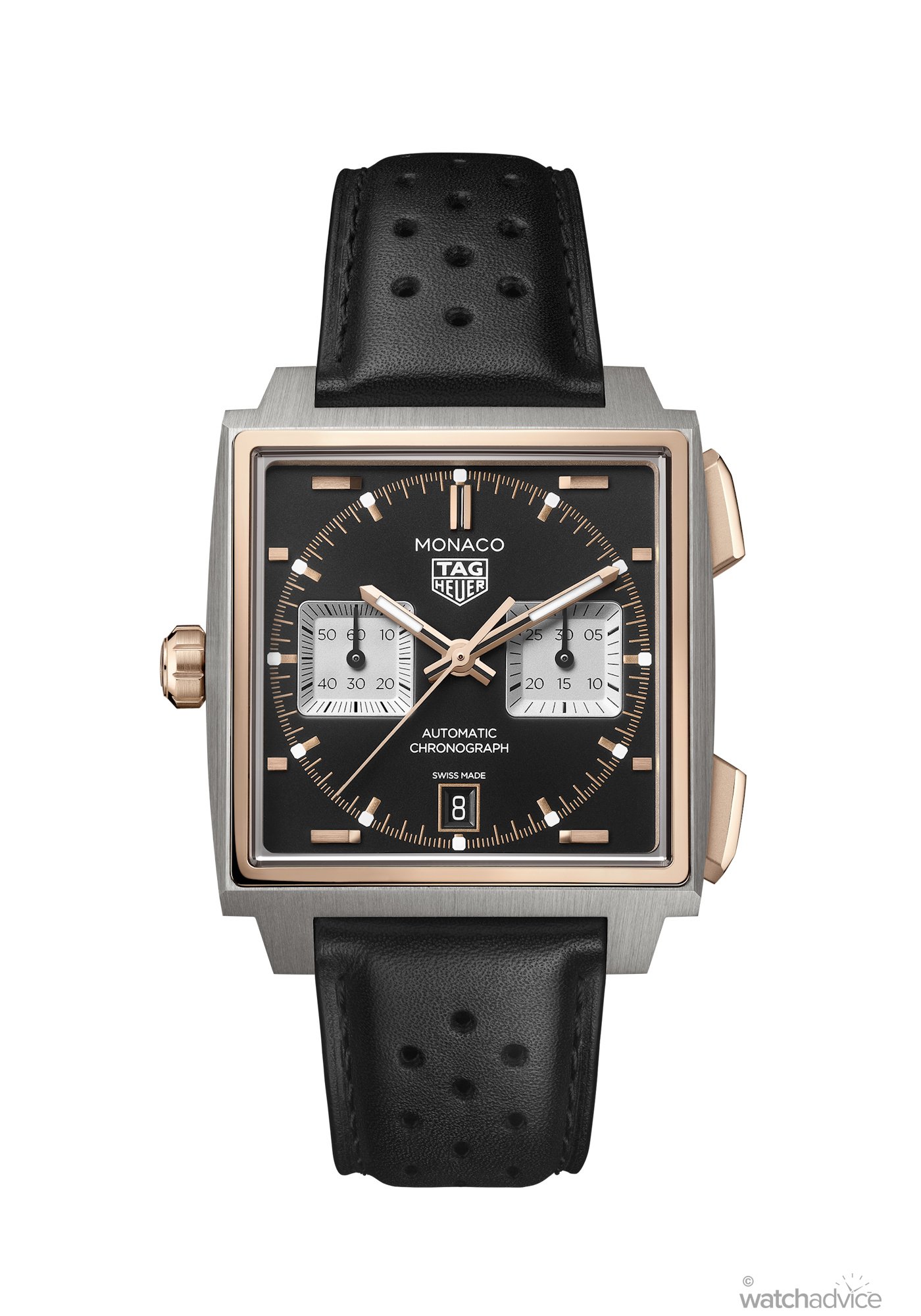
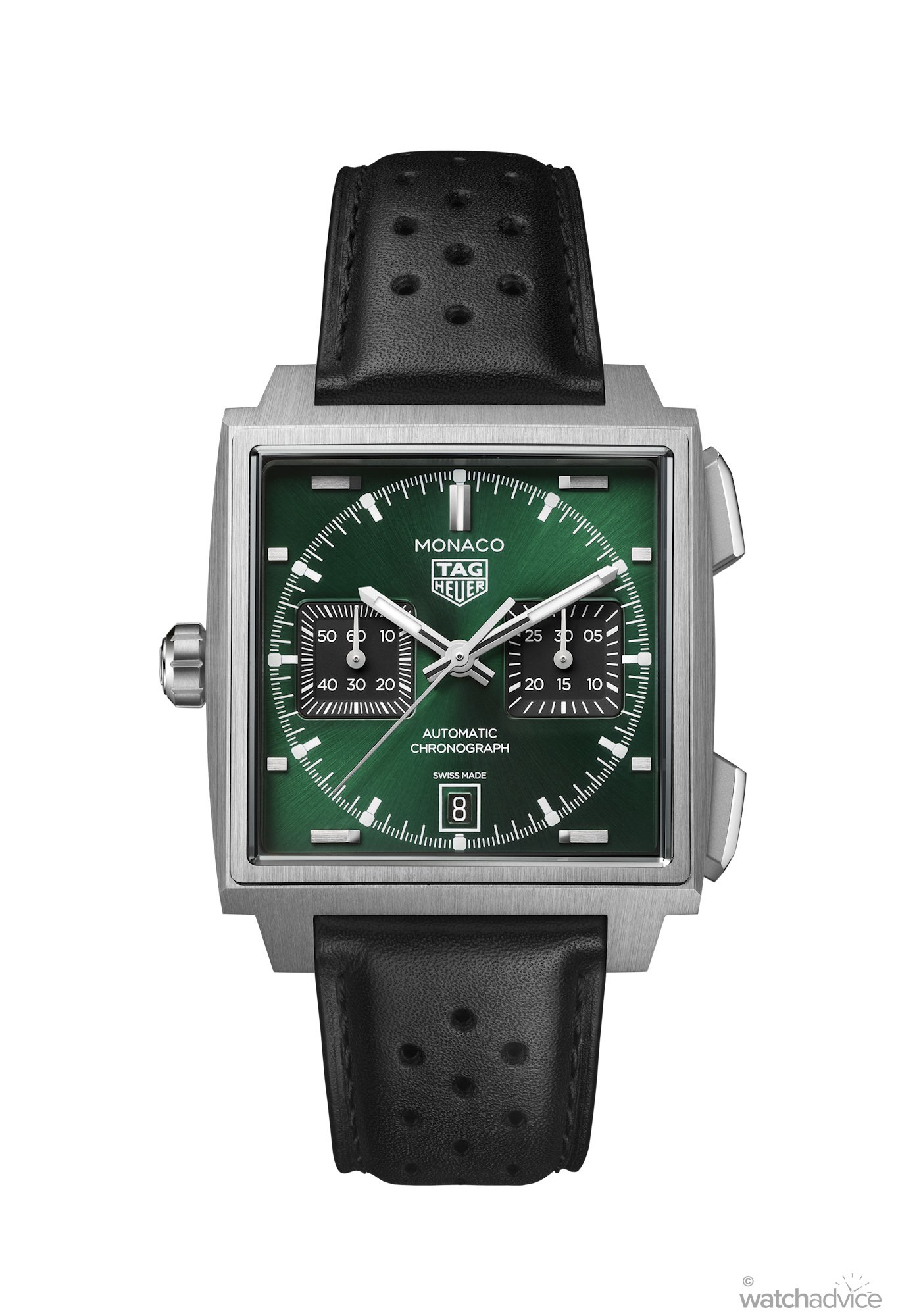
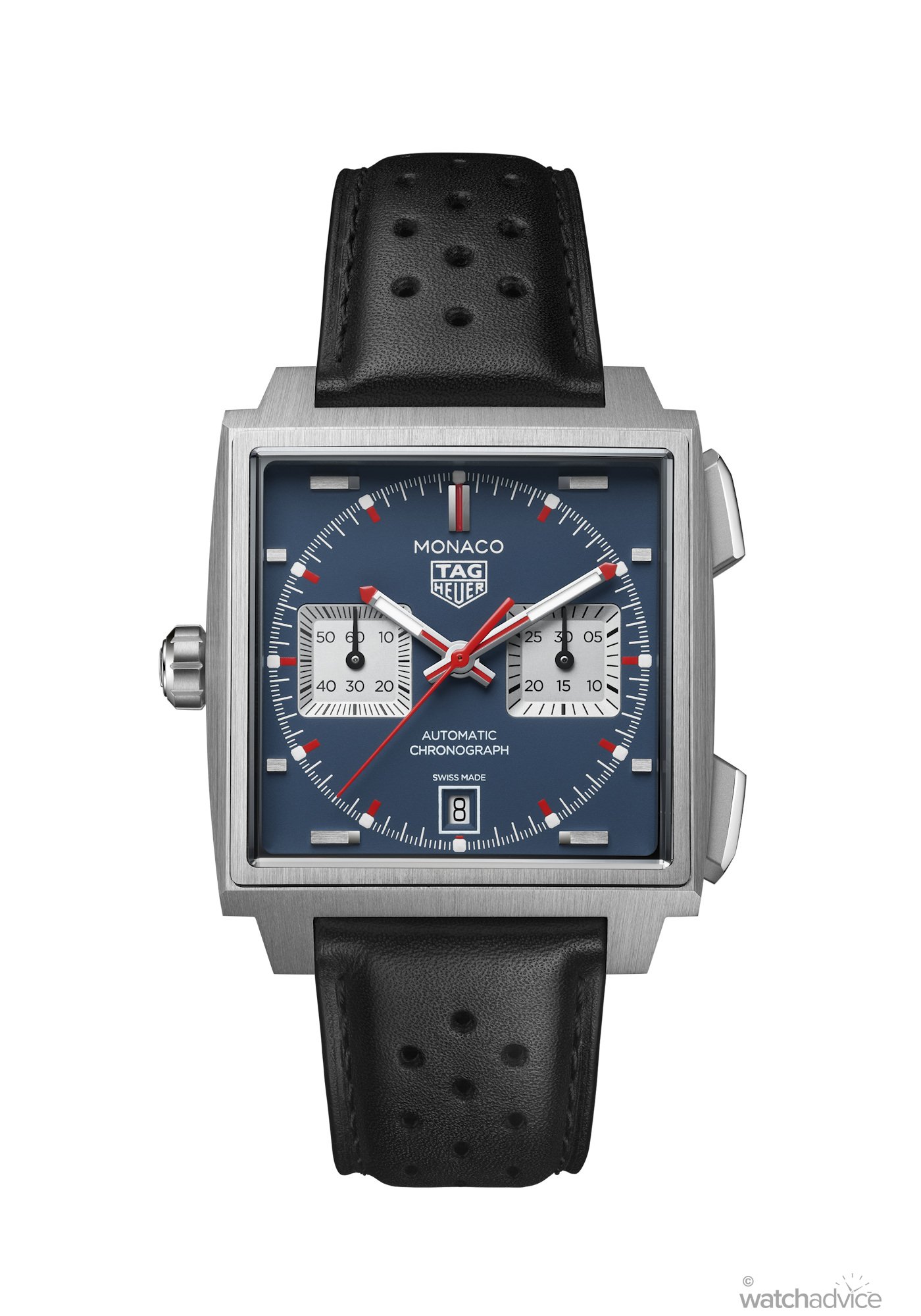
The brand introduced three variations of this latest-generation Monaco: a two-tone titanium and 18K 5N rose gold edition, a titanium model with a sunray-brushed green dial, and perhaps the Monaco’s most iconic configuration, featuring a blue opaline dial with contrasting white counters. Fortunately, I was able to spend time with both the green and blue editions to see whether this latest generation of the Monaco truly is the modern-day version of the original.
Initial Thoughts
I have always been a fan of the TAG Heuer Monaco, as there are so many different aspects to love about this watch. Firstly, there is the Monaco’s standout appearance. There’s no denying that this timepiece has wrist presence, with its square-shaped, angular case architecture, the circle-within-a-square dial, and the dual chronograph counters. All these details come together to create a visually eye-catching timepiece.
One of my favourite Monaco editions, arguably of all time, was the Monaco Chronograph x Gulf released last year. I firmly believe that a large part of watch collecting and falling in love with watches comes down to personal emotion. Sometimes, a standard edition may look great, but presenting it in new colours can paint the watch in an entirely new light. This is exactly what the Monaco x Gulf Edition did for me. The only downside, however, was that the model sat slightly too large on my 16cm wrist.
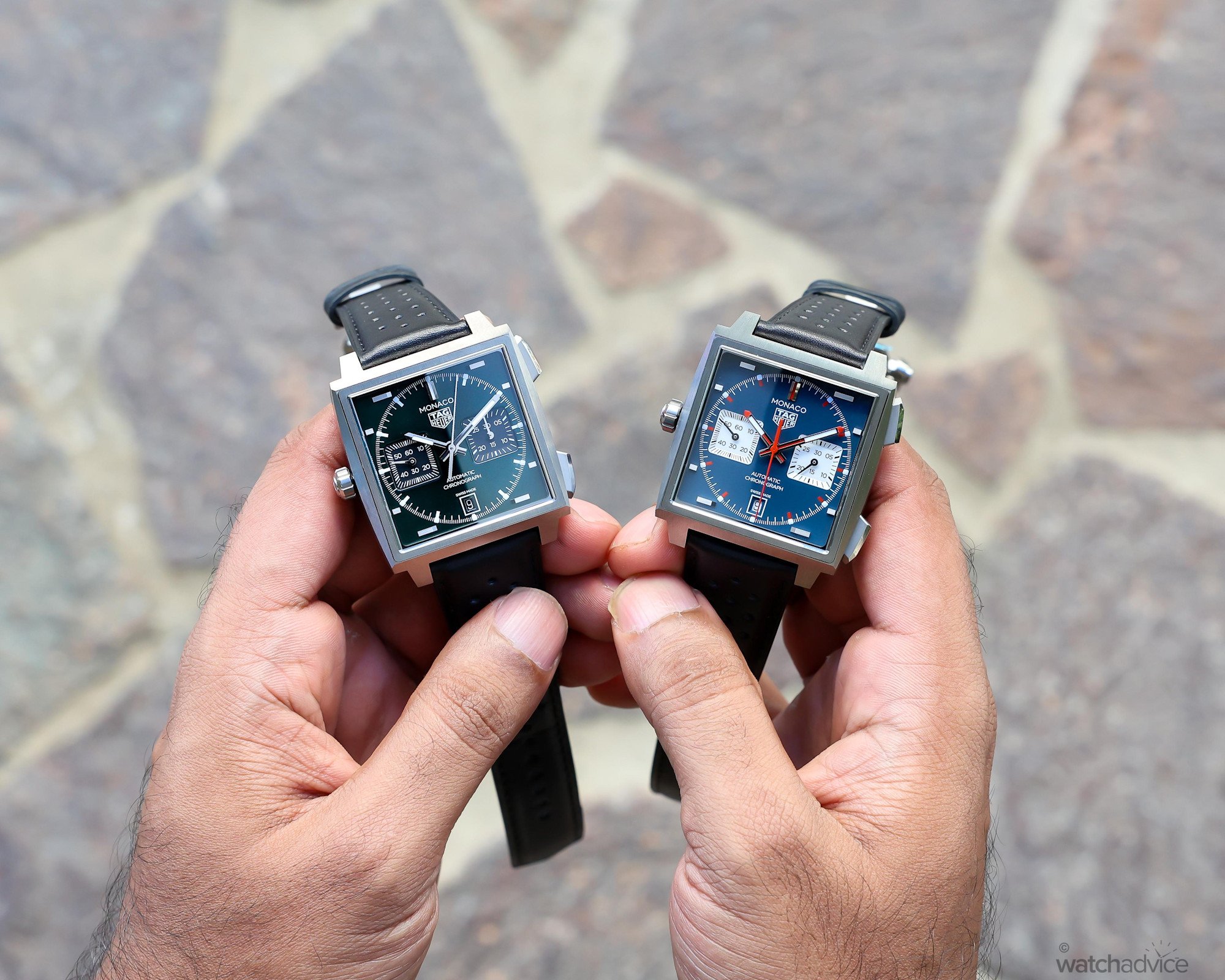
This is where I was hoping the new generation of Monacos, with its newly proportioned case and slightly slimmer profile, would sit better on my wrist. The different colours within the core collection also offer distinct personalities, which is exactly what you want when catering to a wider audience.
A Familiar Square, Sharpened For A New Generation
The case of the new-generation Monaco measures 39.4mm by 39.4mm and 13.9mm thick. Compared with the Calibre 11 edition released in 2015, it is slightly larger by 0.4mm, but approximately 1mm slimmer. More importantly, TAG Heuer has redesigned the architecture of the new-generation Monaco rather than simply integrating a new movement and the original 1969 dial inspiration into a pre-existing case, as seen with the 2015 Calibre 11 edition.
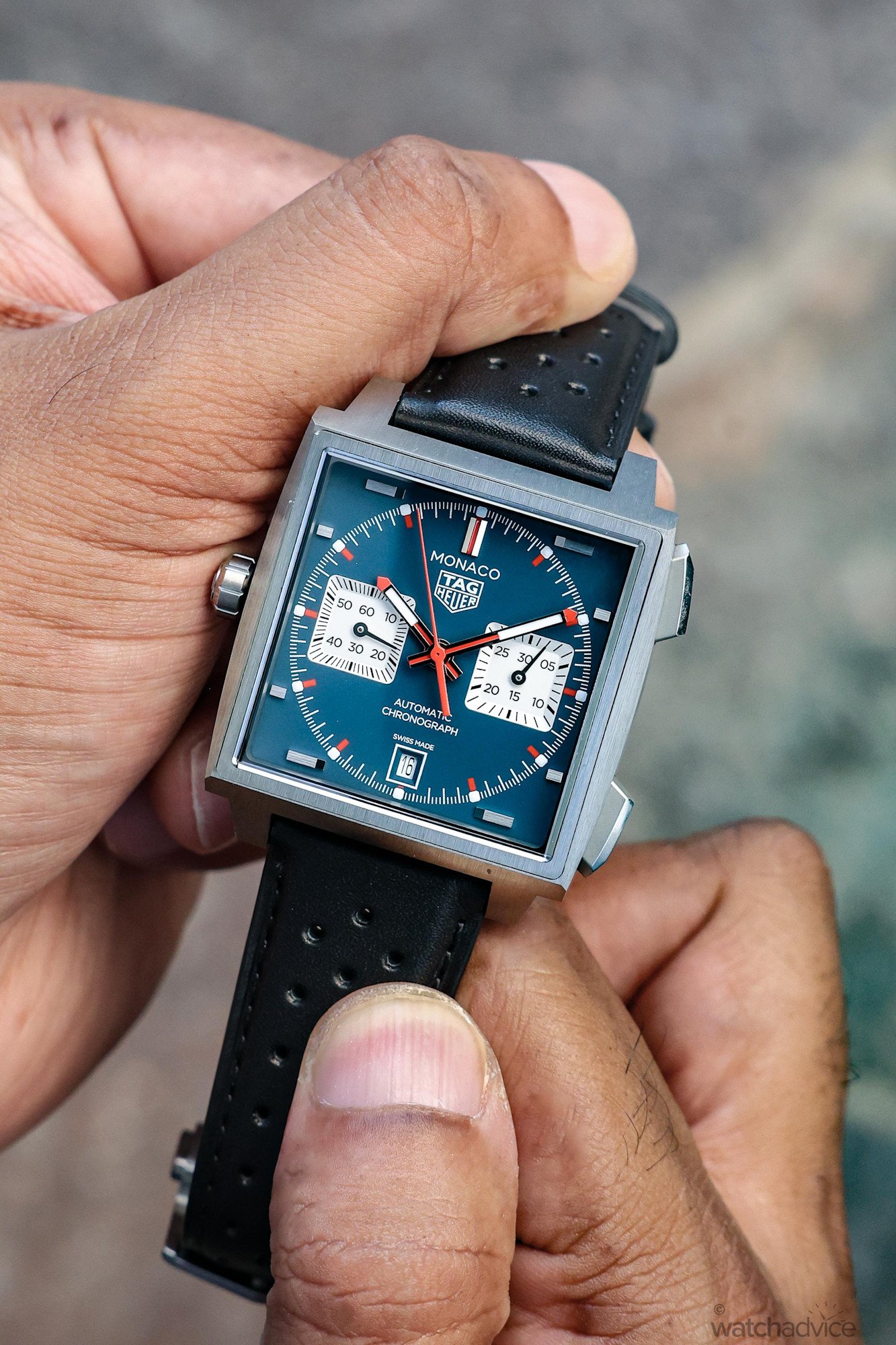
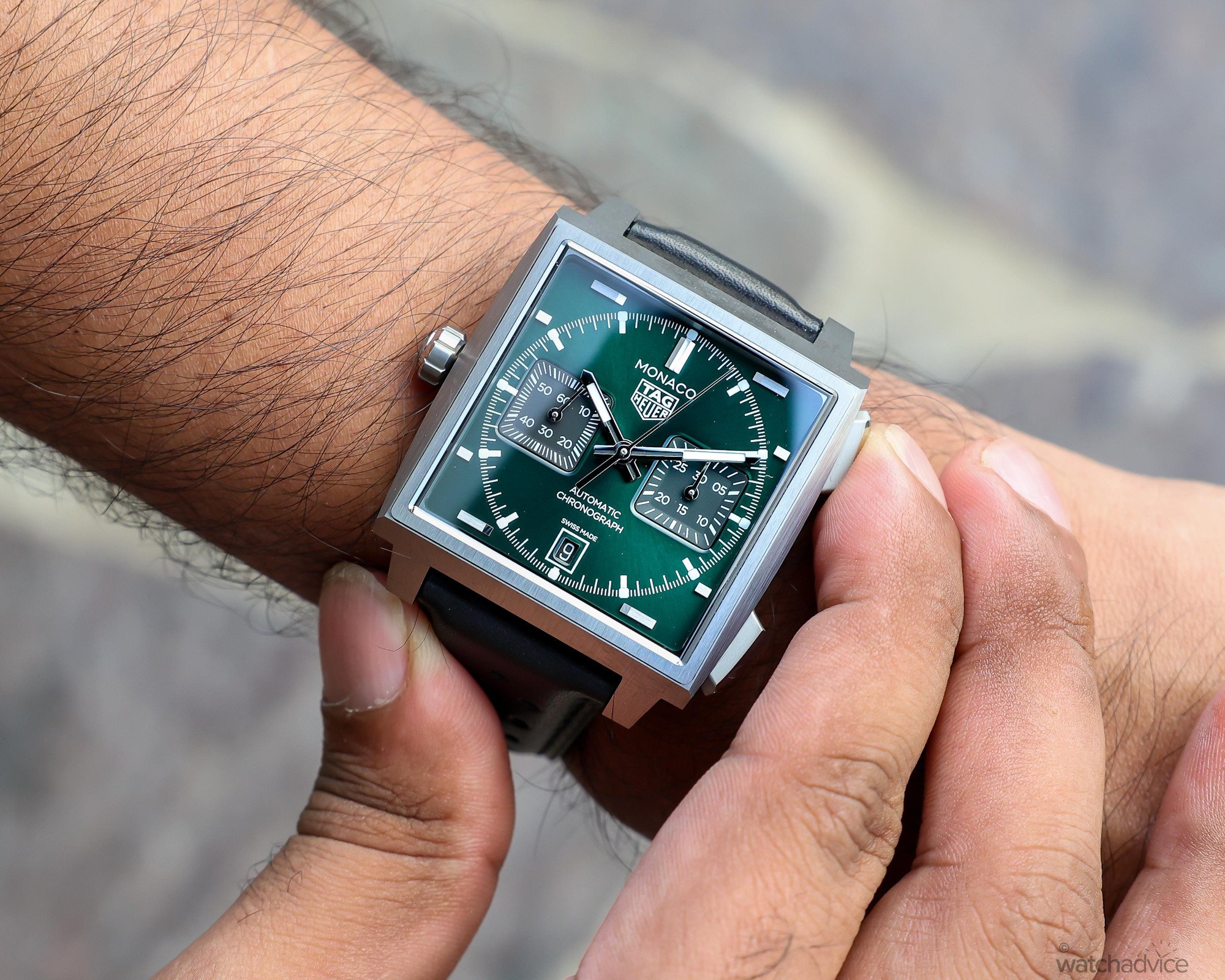
The case features sharper edges and more clearly defined surfaces than the previous generation. This was done specifically to create a more direct connection to the original Monaco reference 1133B. While the case architecture references the original design, TAG Heuer has still incorporated elements from the more recent high-end Split-Seconds models to give it an overall contemporary appearance.
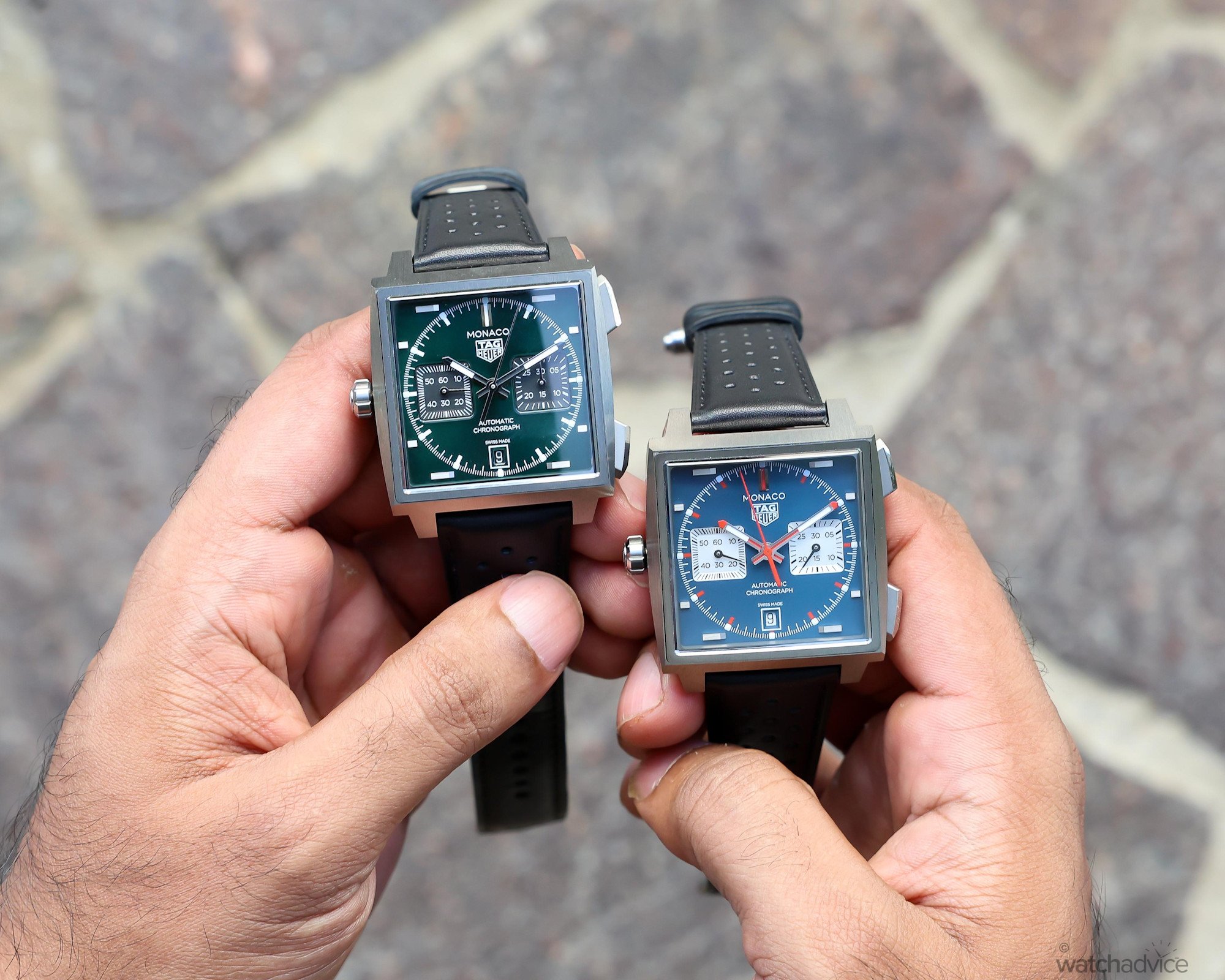
For the first time, TAG Heuer has also used Grade 5 titanium across the serial-production Monaco, whereas the previous generation was presented in stainless steel. While stainless steel offers a more polished and refined appearance, titanium gives the model a more tool-like character. When you consider that this timepiece is synonymous with motorsport, I think it is quite fitting to have this material as standard across the new generation of Monacos. Not only that, but Grade 5 titanium also provides strength and lightness, enhancing the overall wearability of the model.
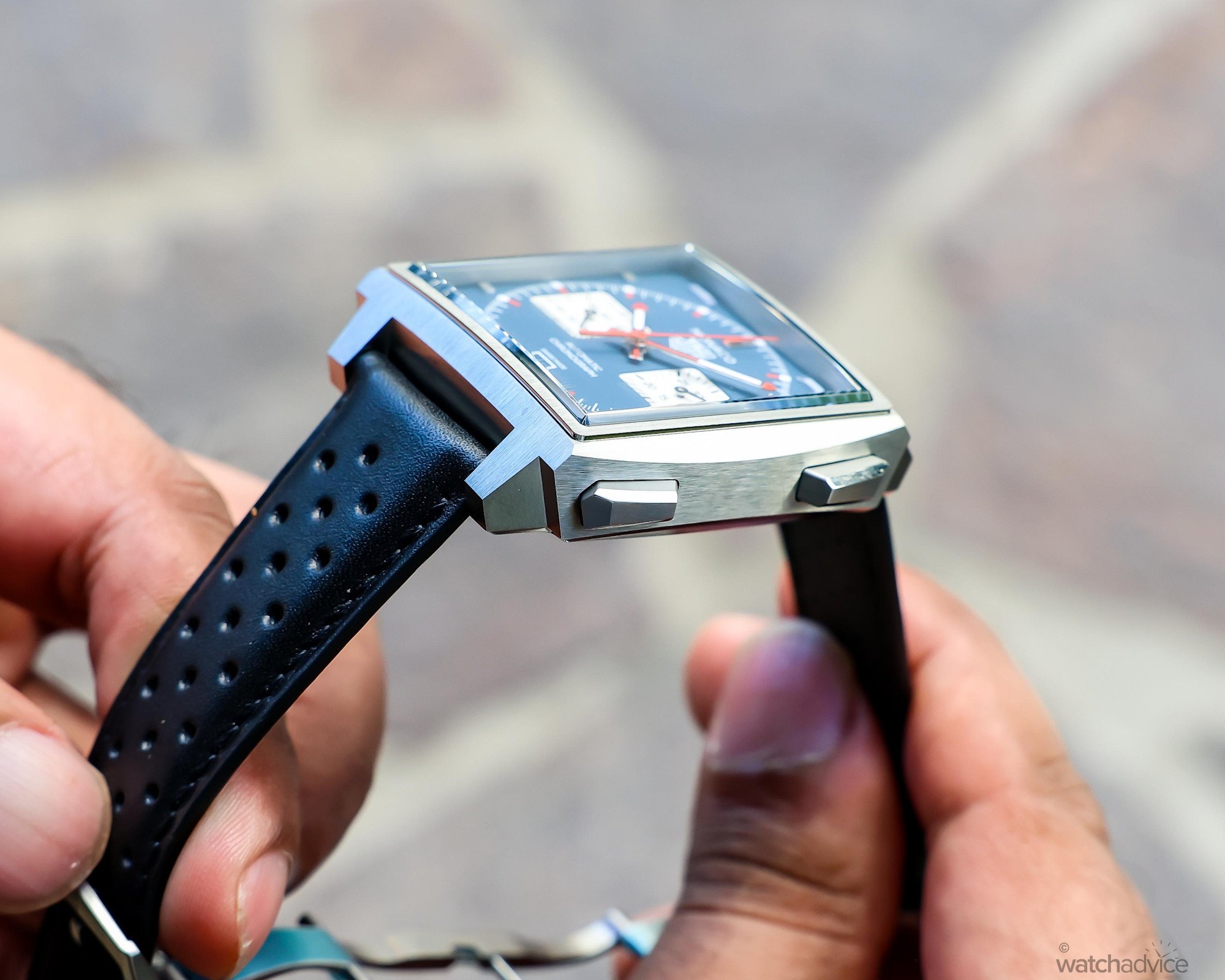
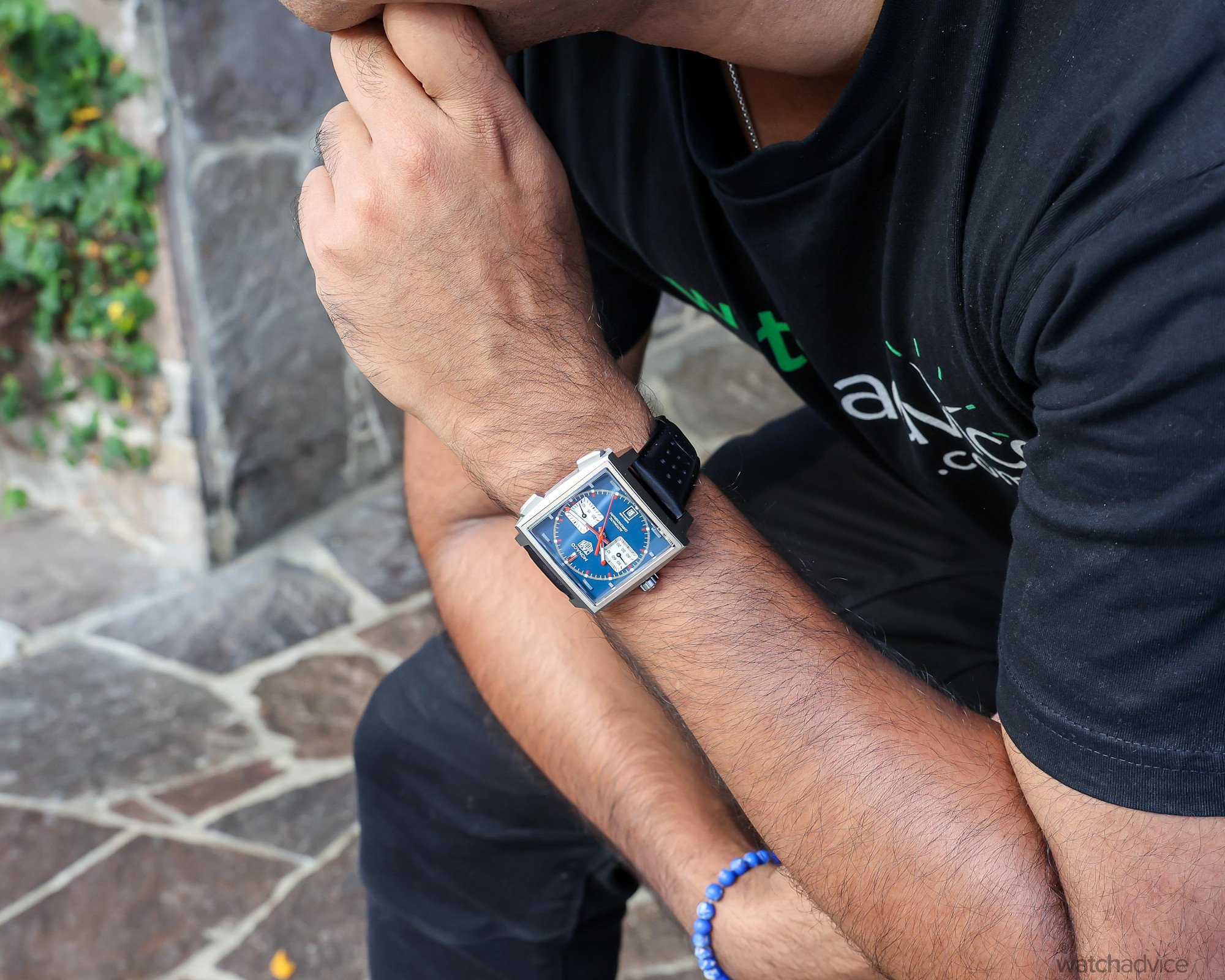
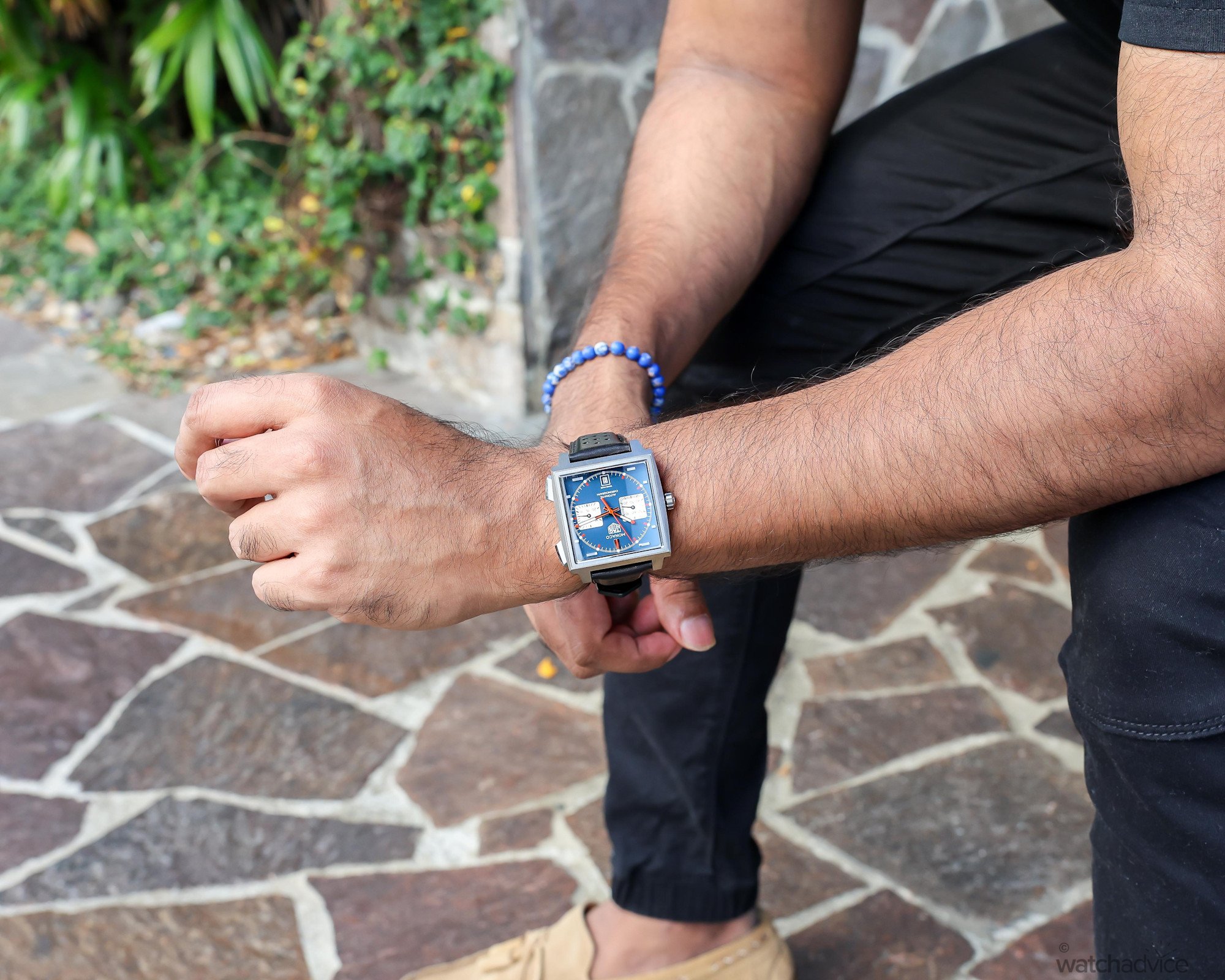
The watch does come with a substantial profile, which has always been one of the Monaco’s defining characteristics. This is one area where I would like to see the collection continue evolving. As you can see from the photos, the case only just fits on my wrist, helped by its sloping sides and narrower bezel. However, with a thickness of 13.9mm, it certainly has wrist presence and feels like a proper racing chronograph born from the world of motorsport.
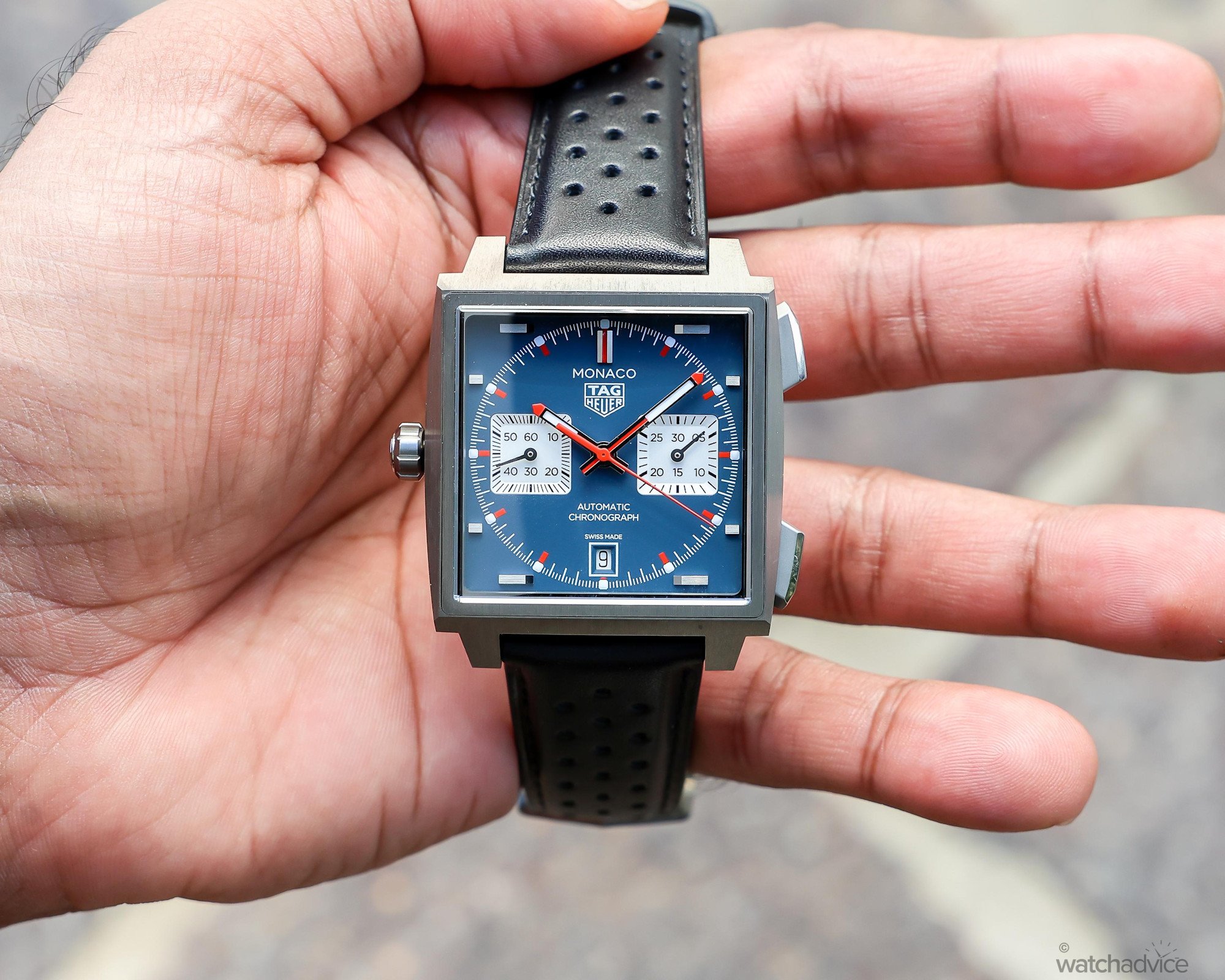
The crown and chronograph layout remain faithful to the signature design of this icon. The crown’s position on the left side is no longer technically necessary, as the newly integrated TH20-11 movement does not require this unique arrangement. However, TAG Heuer has refined these elements with subtle details, creating a cohesive appearance that complements the new-generation Monaco’s angular case design. I particularly like how the chronograph pushers on the right-hand side have been executed with multiple faceted and angular surfaces, mirroring the sharp design of the Monaco.
Two Colours, Two Distinct Personalities
The new Monaco collection is offered in three different dial colours. The two-tone titanium and 18K 5N rose gold edition features a black dial with contrasting white chronograph counters and gold elements throughout. The two editions I have for review present a more colourful and, in my opinion, more visually engaging aesthetic.
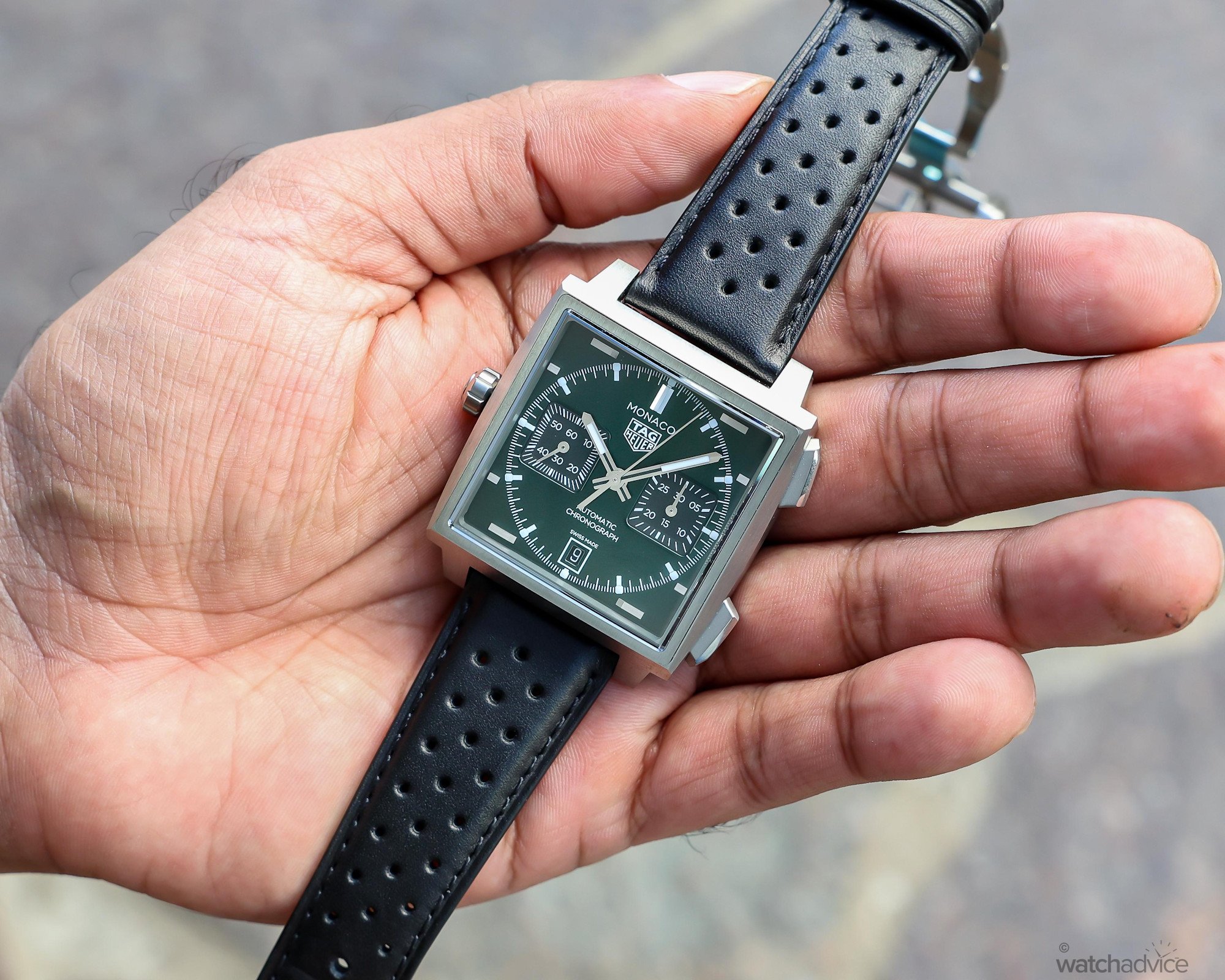
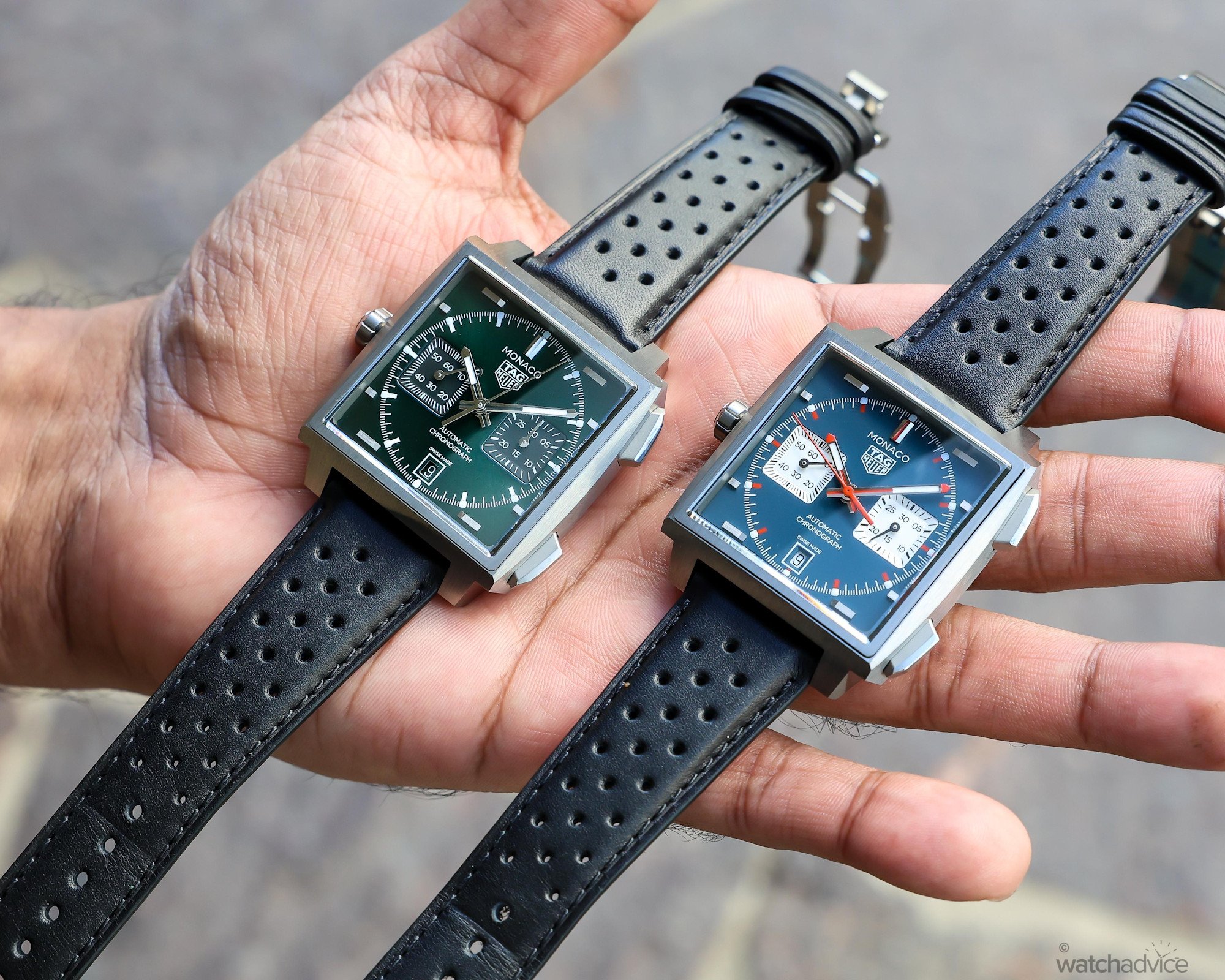
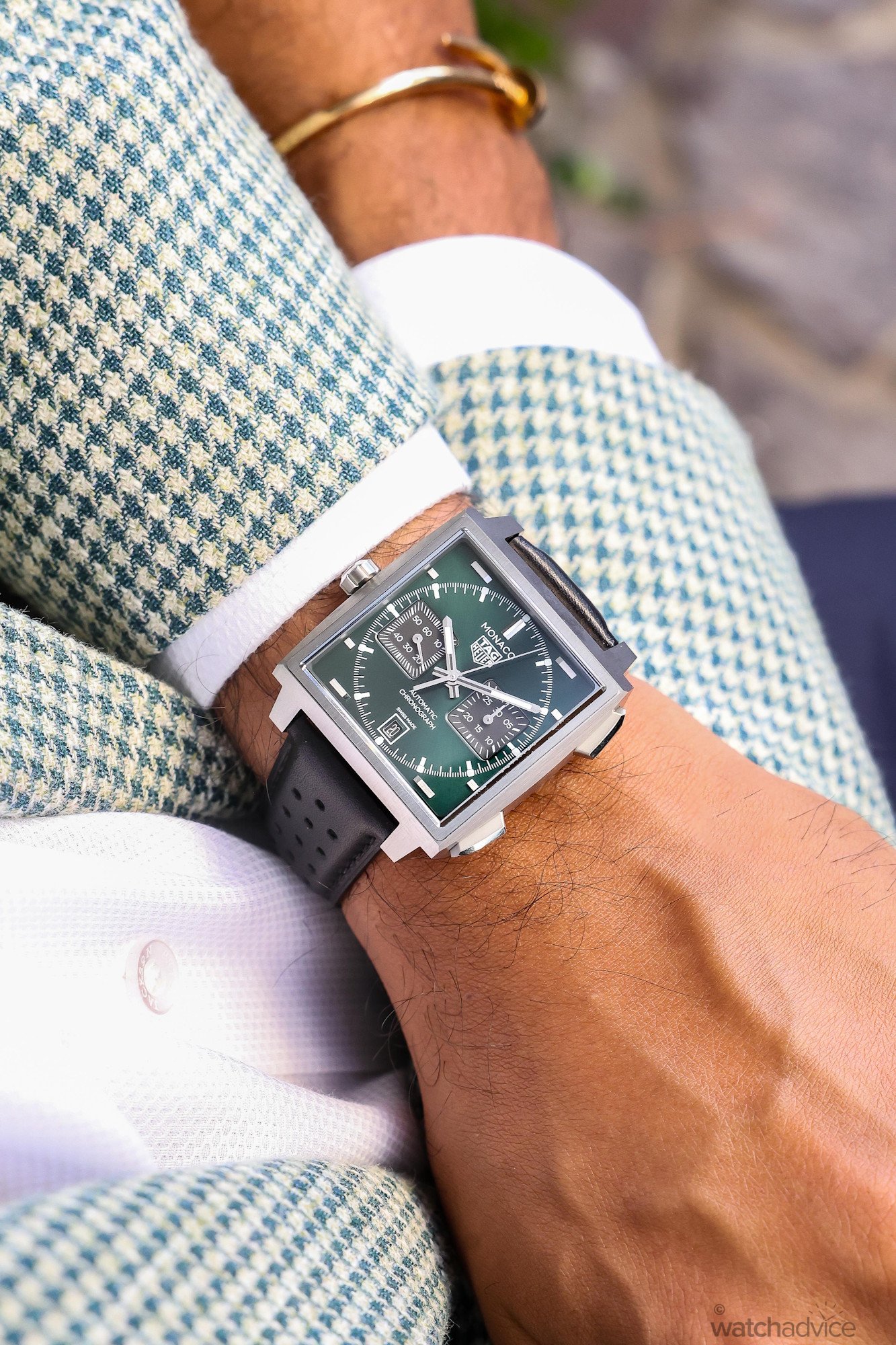
Of the blue and green editions, I feel that the green is the more subdued version. It features sunray brushing beneath its lacquered surface, with the colour appearing darker and more restrained than the conventional bright-green finishes used across many modern timepieces. The restrained character of the green-dial Monaco makes it the most understated choice of the three new editions.
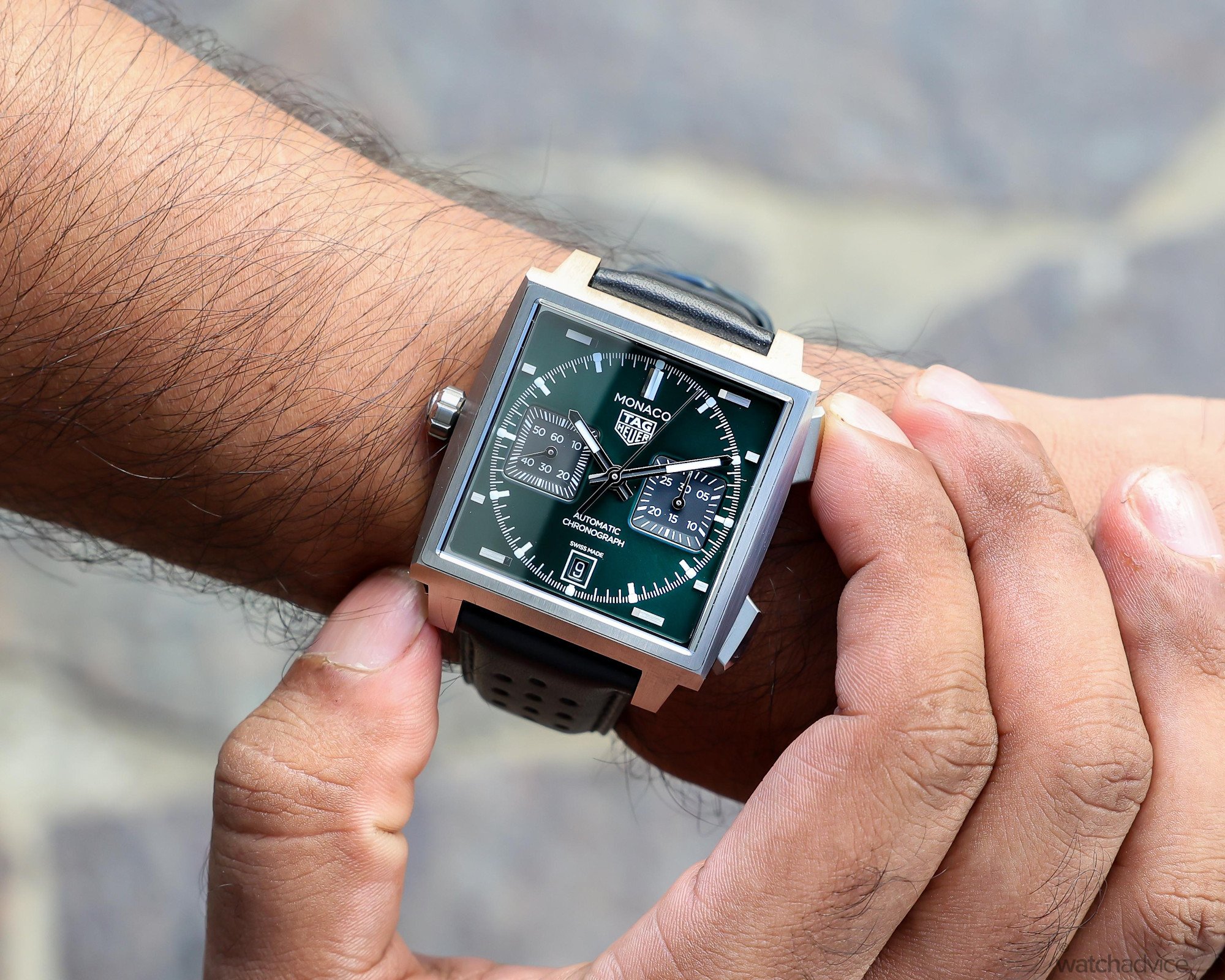
It is an ideal choice for someone who wants the latest-generation design without the bold and easily recognisable blue configuration. In softer, indirect lighting, the dial settles into a deep forest-green shade, allowing the Monaco’s case architecture to become just as much of a highlight as the dial itself. This is also the only Monaco in the new generation that does not feature white chronograph counters, with their grey appearance adding to the more subtle aesthetic this model is trying to achieve.
However, the green edition takes on a completely different identity under sunlight, revealing brighter green tones that radiate outward as the light moves across the dial. The colour shifts from a deep forest green to a lighter, more vibrant shade that can be difficult to appreciate in photographs. This is certainly something you need to experience in person.
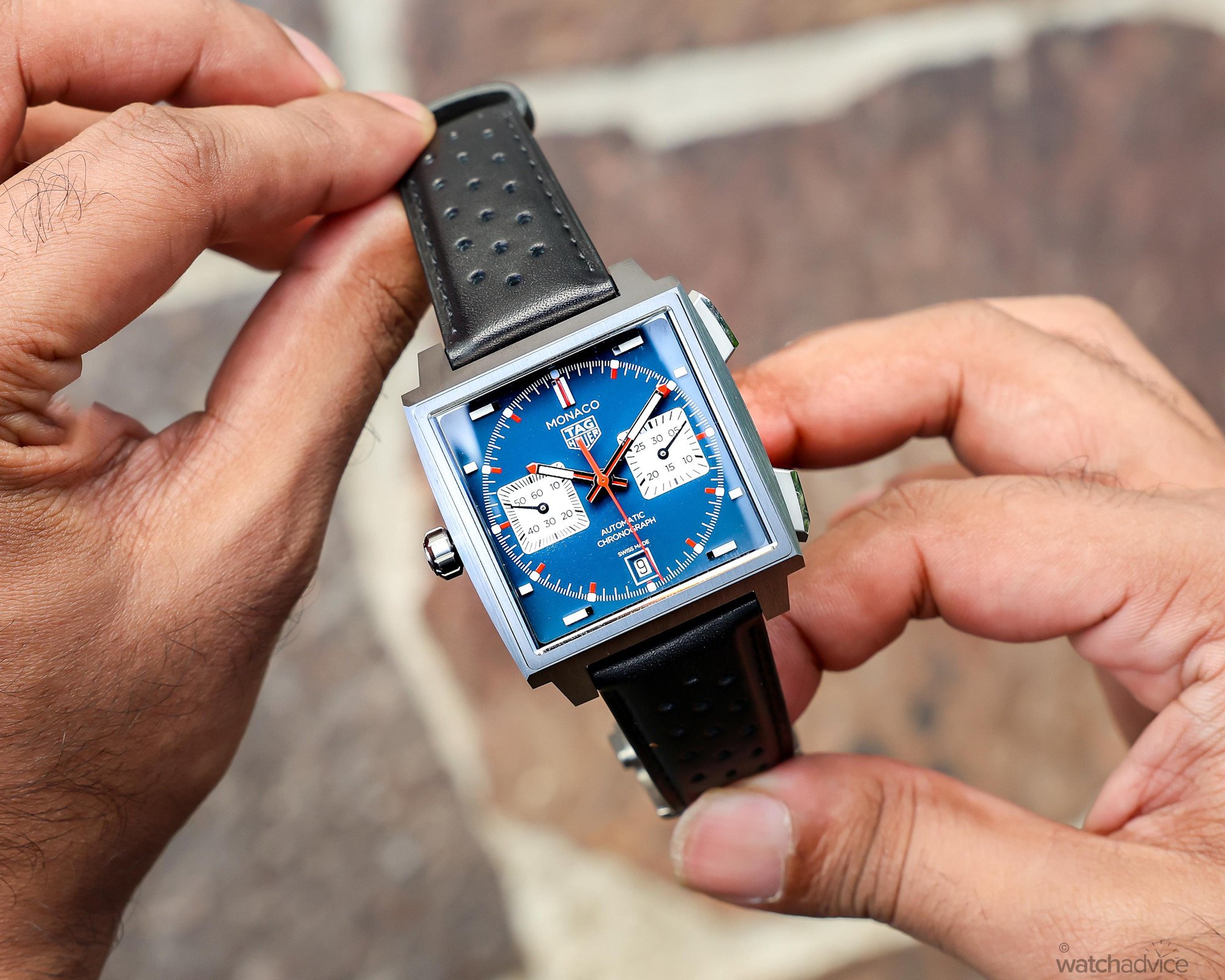
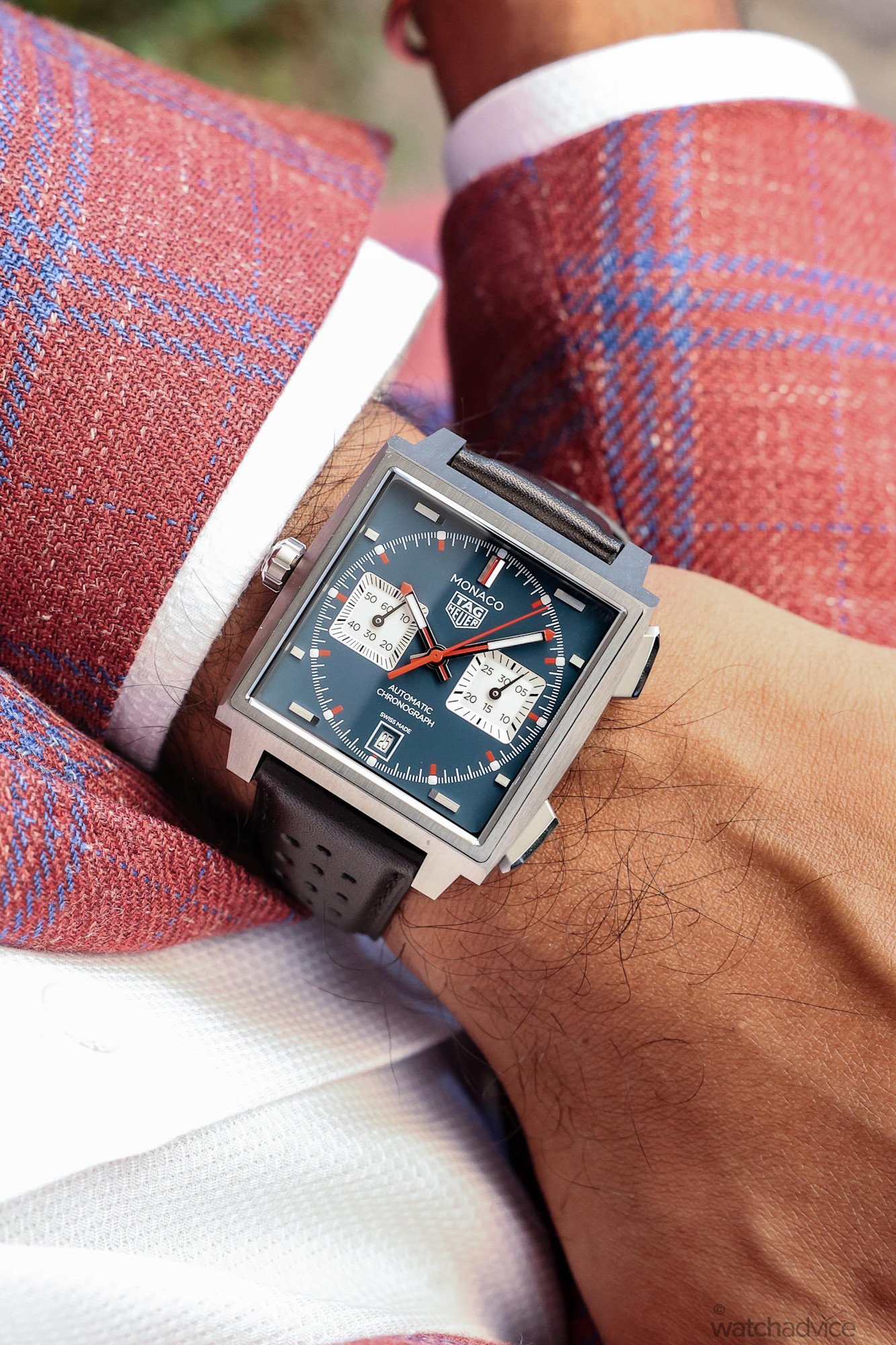
The blue edition, however, is hands down my favourite of the new releases. It delivers a more vivid and immediately recognisable appearance than the restrained green model and the darker, more luxurious aesthetic of the black and gold edition.
Although the blue opaline dial has a more matte finish and lacks the sunburst effect of the green edition, it shows that the two models take very different approaches to their design. The saturated blue of this Monaco provides the perfect backdrop and enough visual energy to make the watch stand out beautifully without requiring any additional finishing touches.
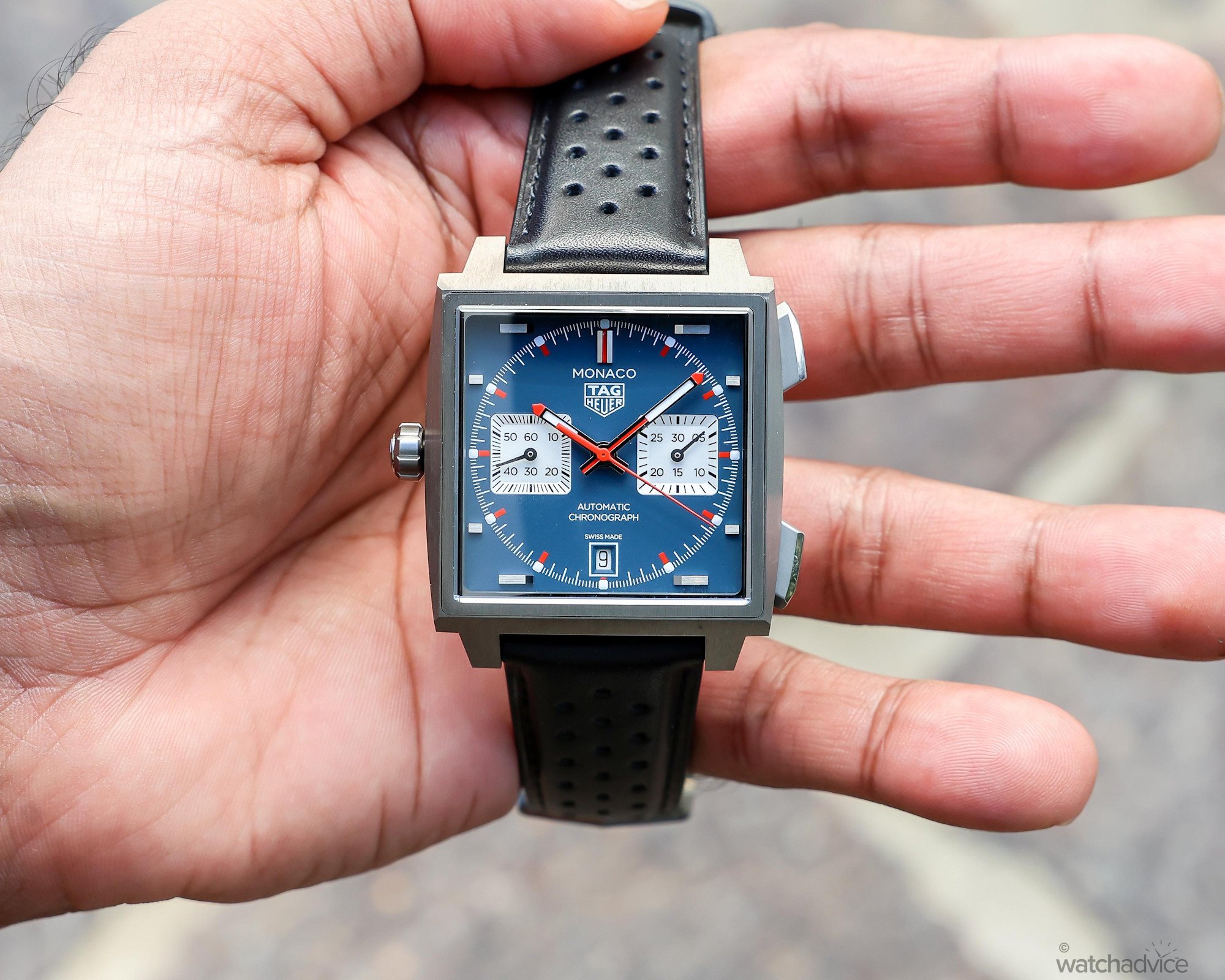
More importantly, however, the blue dial and contrasting white counters reference the Monaco worn by Steve McQueen in Le Mans. This creates a beautiful connection between the latest-generation Monaco and one of the most iconic timepieces in the world of watchmaking.
Even if you set aside the historical significance and view this as a standalone design, it still works beautifully. Blue and white is one of my favourite colour combinations because the two contrast so well while remaining aesthetically pleasing to the eye. On this Monaco, the blue backdrop and white counters work together to create a visually balanced design in which neither colour feels excessive or distracting.
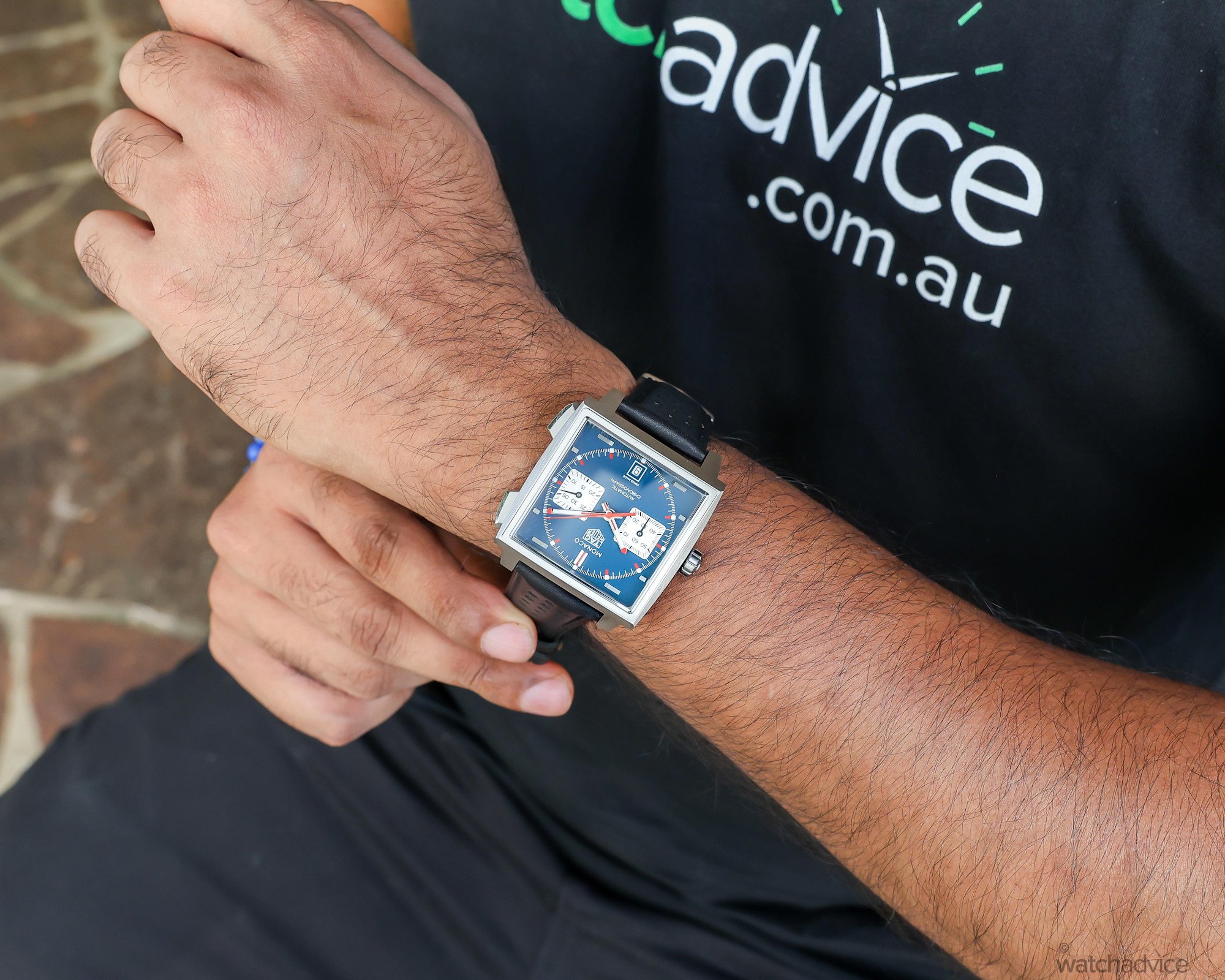
The white counters, hands and markings, along with the white Super-LumiNova details, provide strong separation against the blue surface. This makes the time and chronograph displays, as well as the date indication at 6 o’clock, crisp and simple to read. This blue-and-white contrast also makes the model incredibly eye-catching, helping it stand out from a distance. It communicates the familiar reverse-panda appearance associated with the iconic Steve McQueen Monaco.
However, it is not just the blue and white that work so well on this dial. Although the red elements have been kept to a minimum, they have been used to perfection, adding just the right amount of colour without overpowering the blue-and-white design. The red accents on the central chronograph hand, subdial hand and hour markers break up the dominant palette without overwhelming the broader composition.
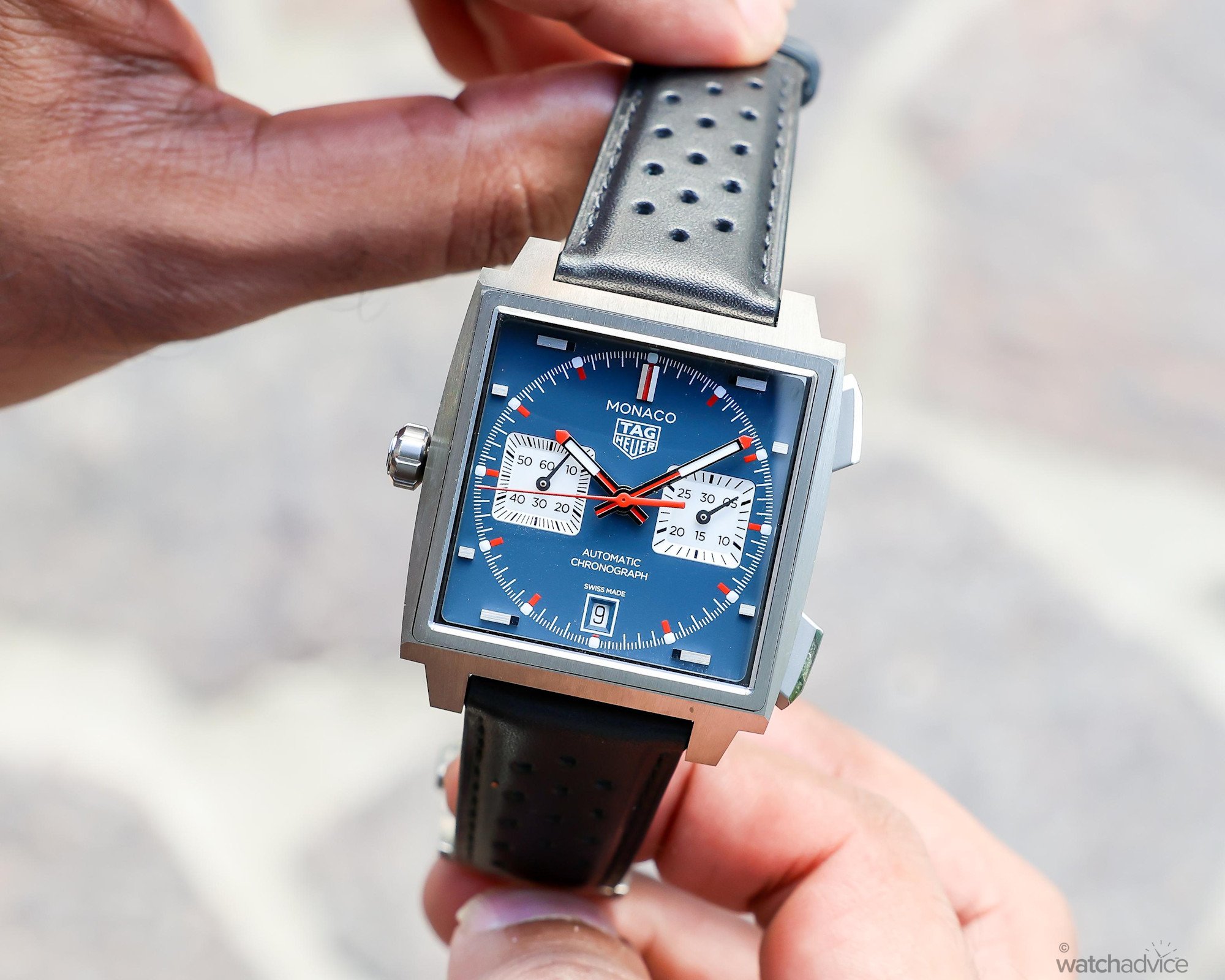
What these red elements also do is tie the watch back to the world of motorsport. While the Monaco was not originally designed to be associated with motorsport, its presence within racing culture eventually made the two synonymous. Red has long been associated with motorsport through warning signals, instrument-panel indicators and the redline on a racing car’s tachometer. These details give the Monaco that final finishing touch, creating an artistic-looking timepiece that also reinforces TAG Heuer’s and the Monaco’s connection with racing and motorsport.
The New TH20-11 Moves The Monaco Beyond The Calibre 11
The engine sitting inside this latest generation of TAG Heuer Monacos is the brand’s in-house TH20-11 movement. While the external design has been changed to represent the original 1969 Monaco with a contemporary edge, the movement represents the most significant technical change the Monaco has seen in decades, finally moving beyond the modular architecture associated with the Calibre 11 name.
The original 1969 Calibre 11 combined a Buren micro-rotor base movement with a Dubois-Dépraz chronograph module, while later iterations used a Sellita SW300 base with another Dubois-Dépraz module. Although the Calibre 11 and its evolved counterparts preserved the famous left-side crown and twin-register display, the new-generation TH20-11 recreates these historic Monaco characteristics through a fully integrated manufacture chronograph architecture.
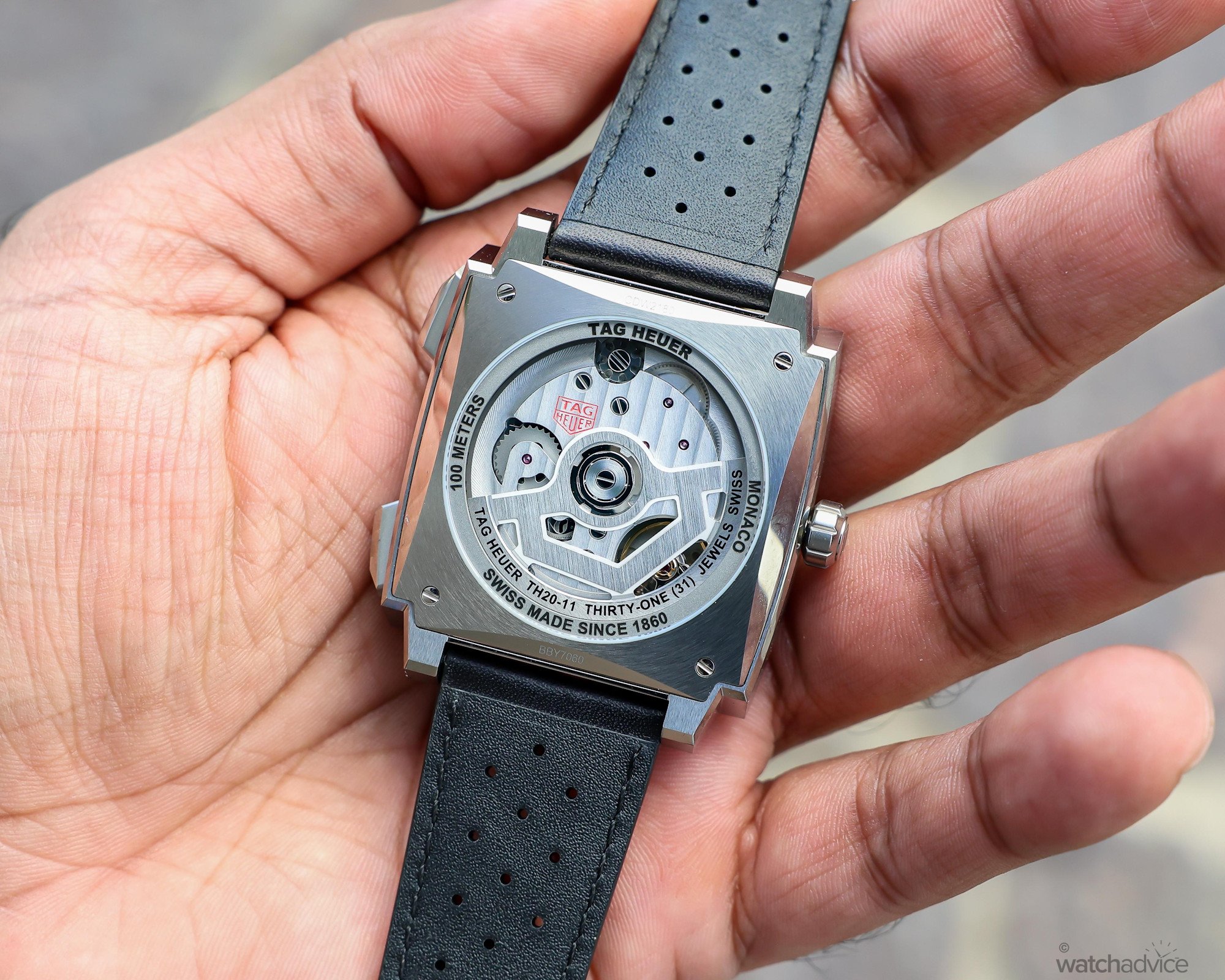
The TH20-11 movement was developed specifically for this generation of the Monaco and is derived from TAG Heuer’s TH20-00 chronograph calibre. The movement required several years of development to rework its architecture around the Monaco’s distinctive design language. The TH20-11 integrates a column wheel and vertical clutch, delivering smoother operation and cleaner chronograph engagement.
Operating at a frequency of 4Hz (28,800vph), the biggest upgrade to the Monaco’s movement is its 80-hour power reserve, providing approximately twice the autonomy associated with the Calibre 11 models. The movement is also visible through the exhibition caseback, where Geneva stripes and a skeletonised TAG Heuer shield-shaped winding rotor take centre stage.
How Do These New Monacos Wear?
The Monaco’s case measures 39mm by 39mm, which on paper appears to be a great size that suits modern-day watch proportions. However, this is one of those instances where the watch wears larger than its dimensions suggest, purely because it is not a traditional 39mm round watch.
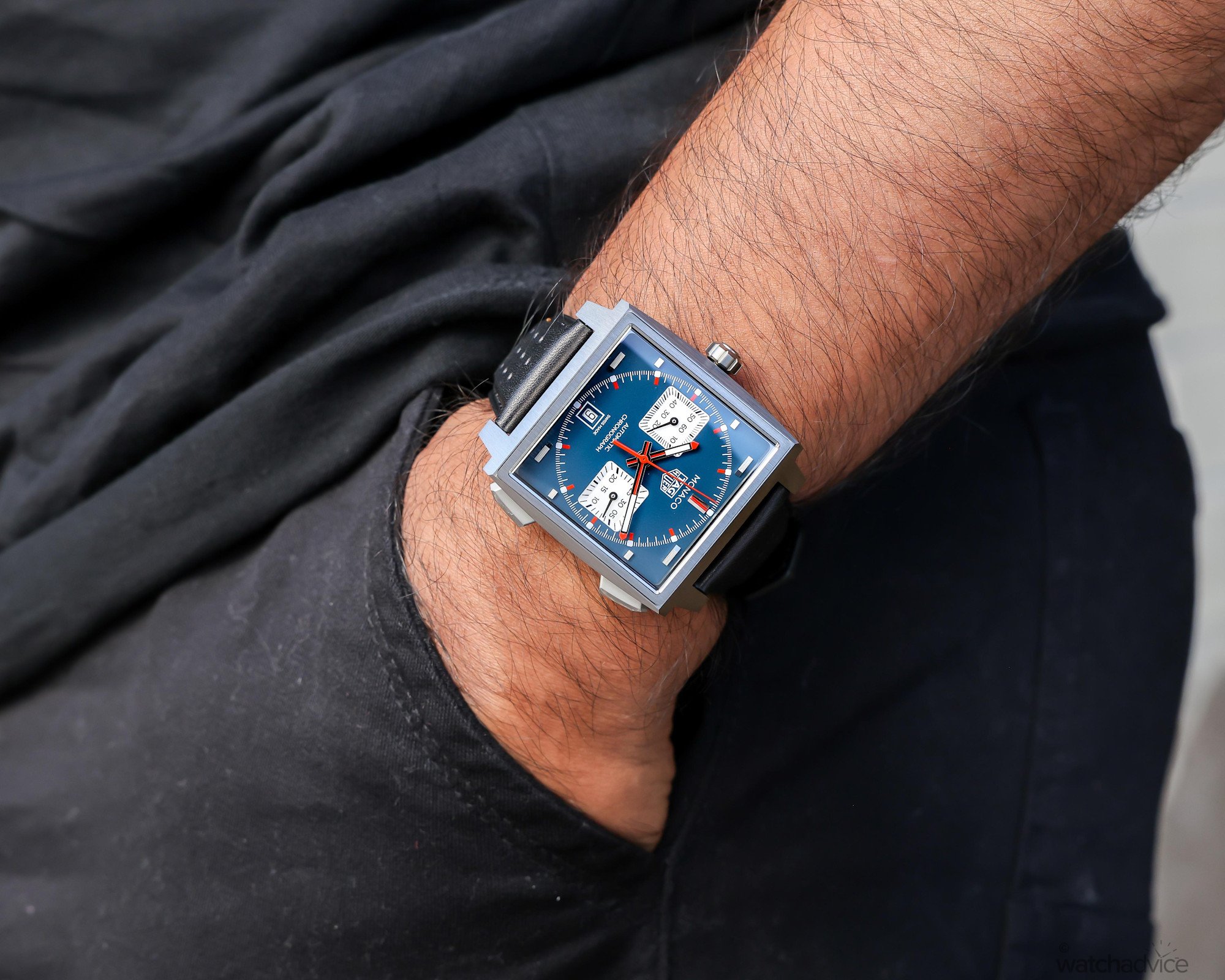
The square shape of the Monaco creates a considerably larger surface area than a conventional round watch, giving it a strong wrist presence. However, it also means the Monaco will sit slightly larger on the wrist than its dimensions might suggest.
On my 16cm wrist, the 13.9mm-thick case sits well without feeling overly bulky or extending beyond the wrist. This is thanks to the redesigned lugs, which have a much steeper downward angle than previous Monaco editions.
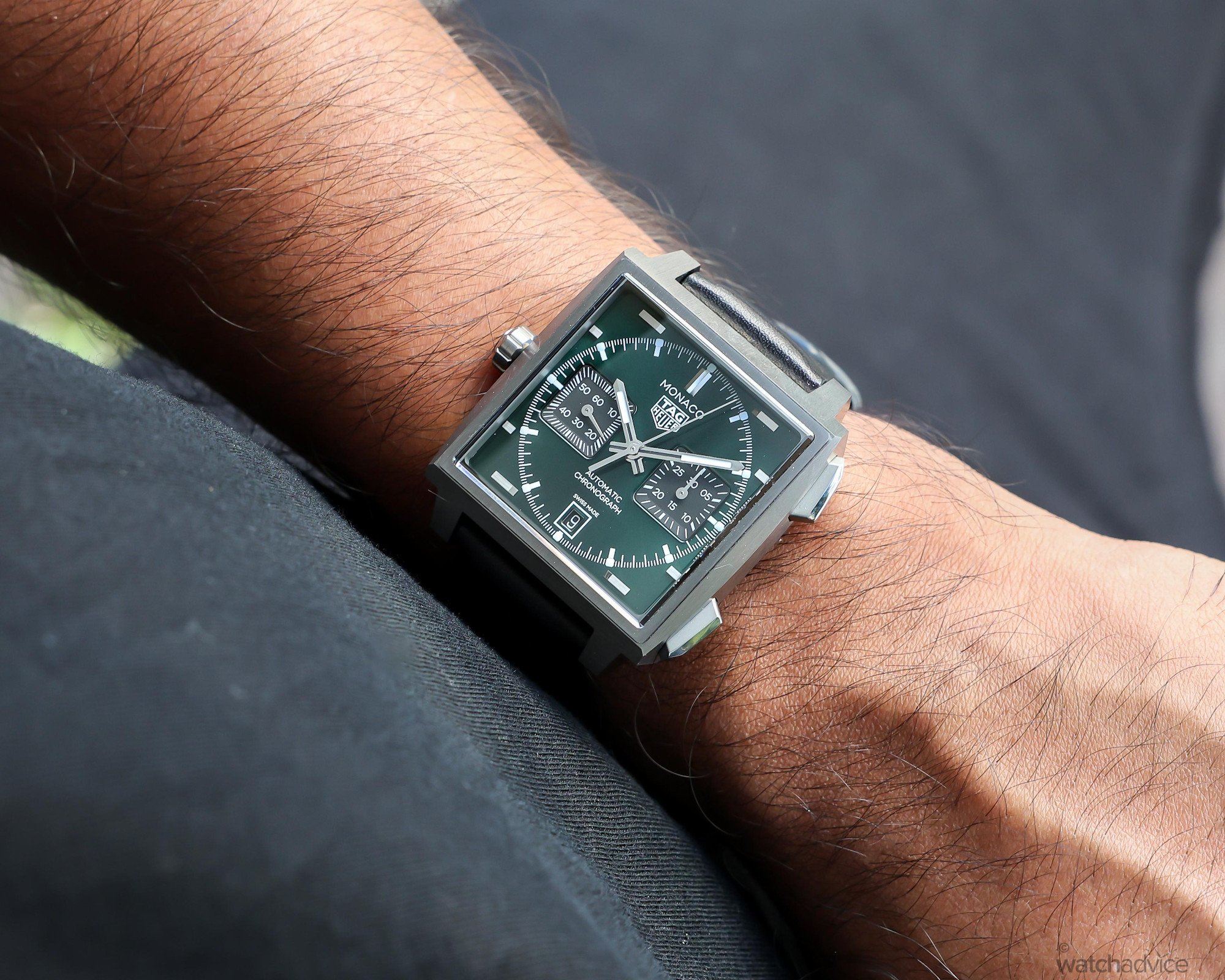
The case geometry of this Monaco makes the watch appear broader and certainly more purposeful. However, its compact dimensions and slightly slimmer profile compared with previous-generation Monacos prevent the case from feeling unnecessarily oversized, which was one of the main issues I experienced when trying on earlier editions.
I also personally like that these Monacos are offered in Grade 5 titanium. As I mentioned earlier, while stainless steel gives the Monaco a more luxurious aesthetic, titanium is the right choice here. It complements the watch’s sporty personality, while the material’s lightweight, sturdy, and robust properties enhance the overall wearing experience.
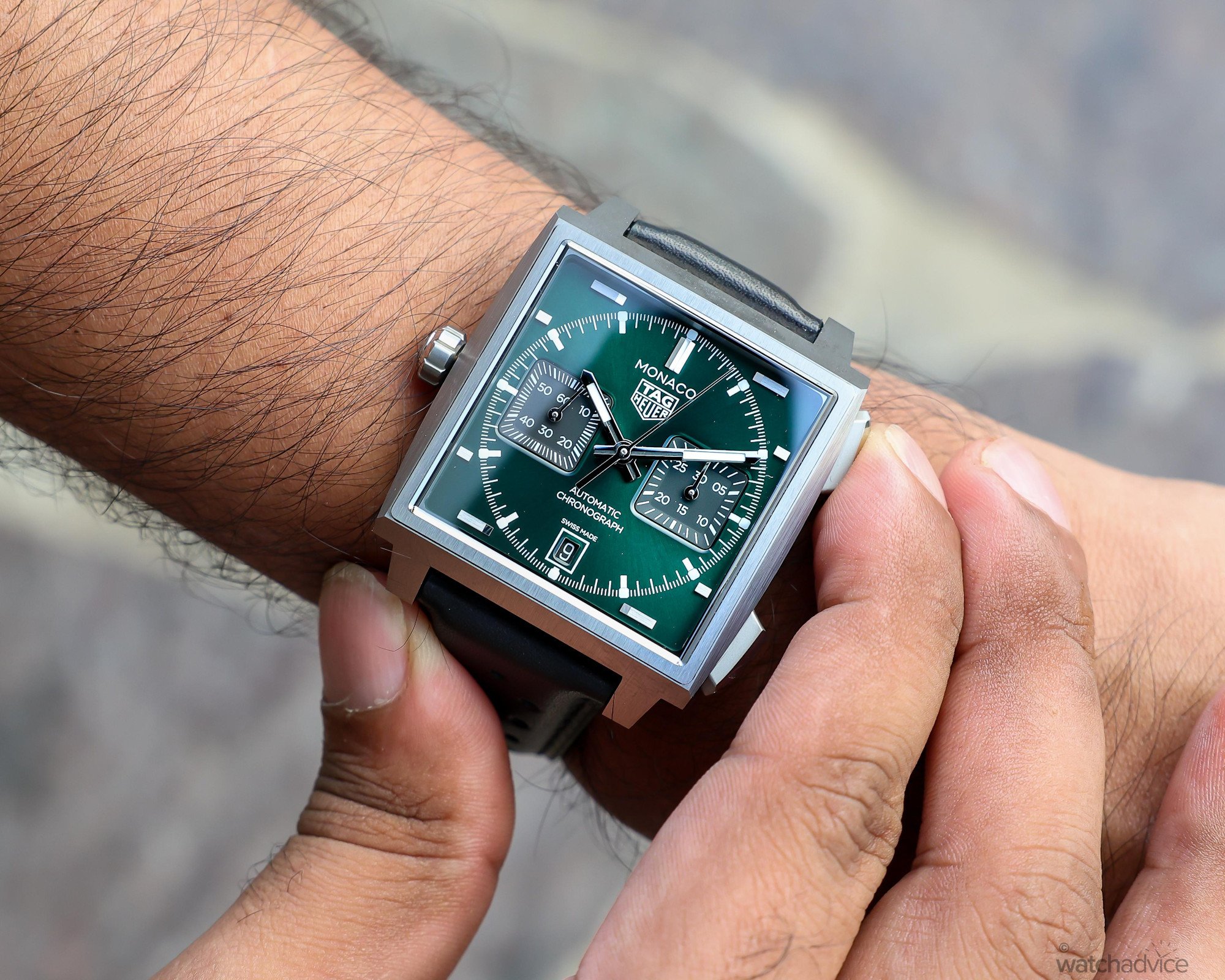
When it came to my wearing experience with the two models, I immediately noticed the difference after strapping them onto my wrist. As mentioned, the green presents a much more restrained and subdued aesthetic, but it comes to life under different lighting conditions, especially sunlight. This is where the dial truly shines in its best form, changing from a darker forest-green shade to a much lighter green.
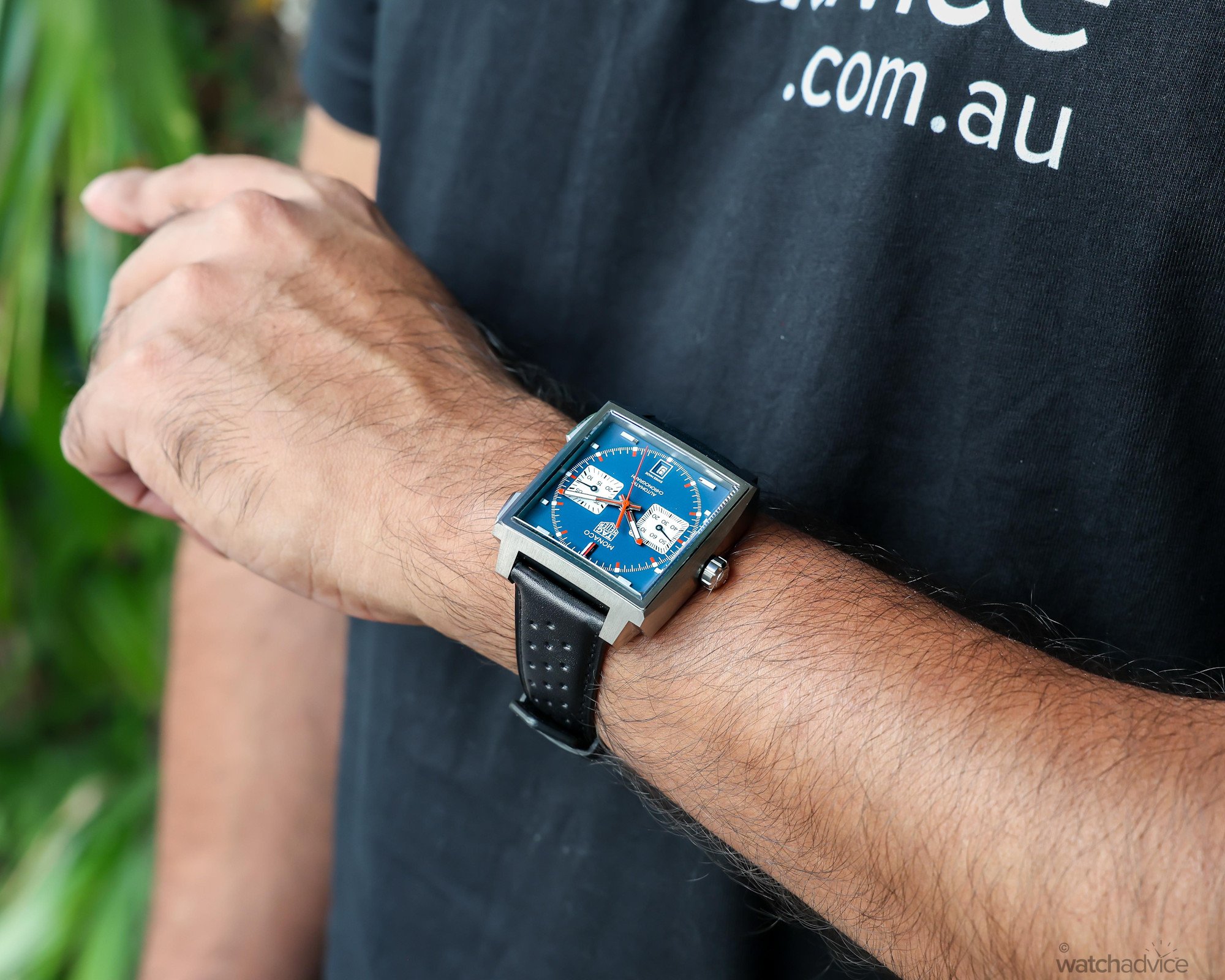
The blue dial, however, does not play with the light as dramatically as the green. What it offers instead is a colourful personality that remains vivid and engaging regardless of the lighting conditions or surrounding environment.
I personally loved how all three colours work together on this model to create a coherent and visually engaging dial, while the titanium case improves wearability through the lightness of the material. To top it all off, you have one of TAG Heuer’s modern chronograph calibres in the TH20-11, delivering strong performance that further enhances the everyday wearability of this timepiece.
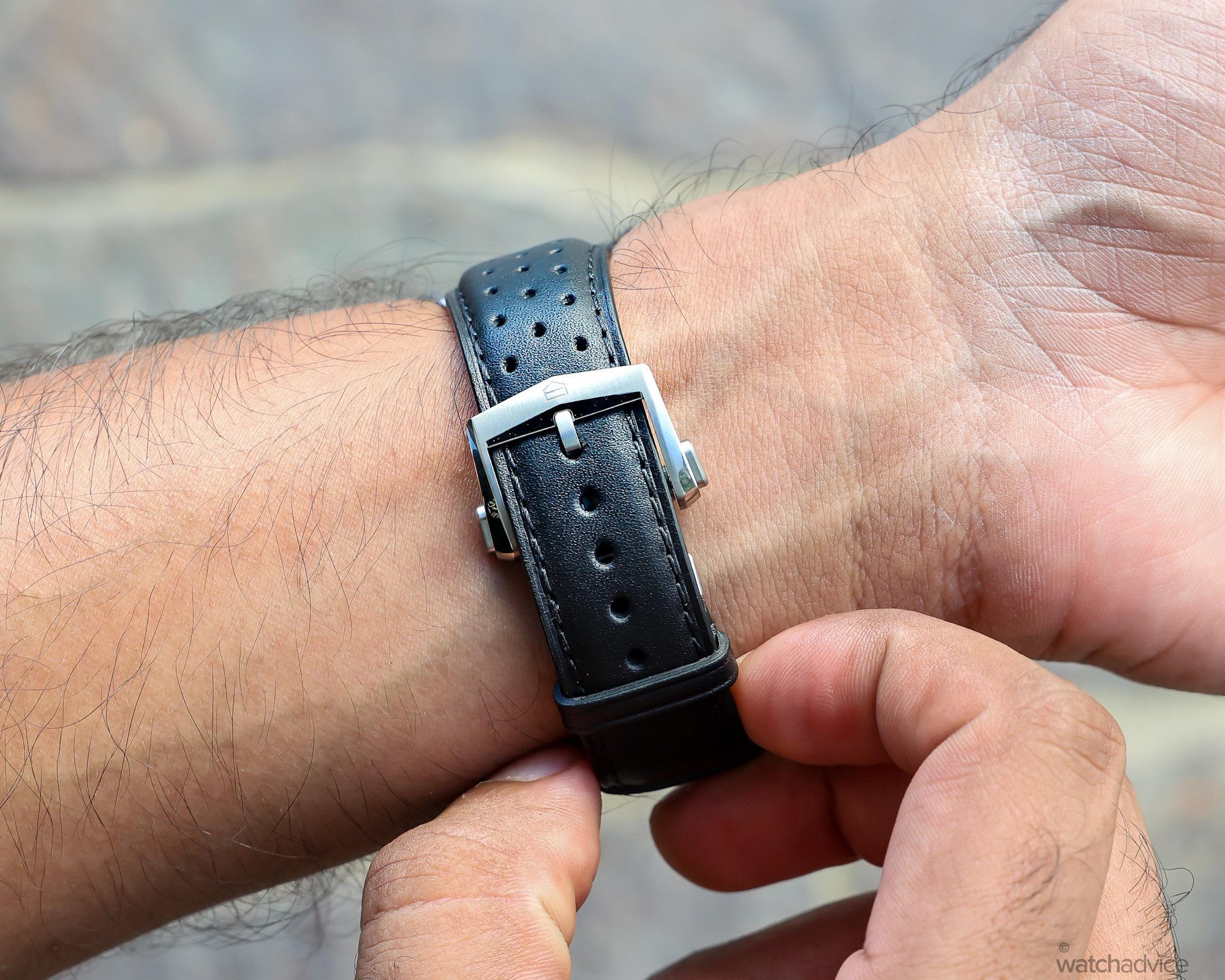
Both models are presented on a black perforated leather strap, which complements the racing spirit of the timepiece nicely. It also allows the watch to hug the wrist well while remaining soft and comfortable enough for extended everyday wear. For a watch of these proportions, a leather or rubber strap is the ideal choice, as it prevents the already substantial case from feeling overly bulky or heavy on the wrist.

If I were to have one criticism, it would be that I wish the case were slightly slimmer. For wrist sizes of 16.5cm and above, the proportions of this new-generation Monaco would not really be an issue. However, on a slimmer wrist like mine, I still found that the 39mm case bordered on being too large. That said, the reduced thickness certainly helps the watch sit better on the wrist.
Final Thoughts
TAG Heuer’s latest Monaco represents a genuine new generation of a watchmaking icon rather than simply another aesthetic update. The redesigned titanium case reflects the original Monaco’s design with a contemporary edge, while the TH20-11 movement improves the collection’s overall technical performance.
By returning to the very characteristics that defined the 1969 Monaco reference 1133B, TAG Heuer has preserved the watch’s identity while still making it feel thoroughly modern. For me, this is one of the best interpretations of the Monaco to date, bringing together its unmistakable heritage with the performance and technicality derived from TAG Heuer’s modern and more extravagant chronographs.
So, it begs the question: green or blue? The green edition offers a more understated interpretation of this new-generation Monaco, with its darker appearance remaining relatively under the radar until the sunray-brushed dial comes alive, especially in sunlight. However, I think it may have been obvious throughout this review which model I preferred. The blue edition’s vivid dial, contrasting white counters and red accents also tie into the watch’s motorsport connection, giving it a much stronger and more immediately recognisable presence.
The historical connection of this stunning blue Monaco is simply the icing on the cake. It effectively takes the most celebrated elements for which the original Monaco was renowned and combines them with an entirely new and modern technical foundation. If this represents the starting point for the new generation of the Monaco, I cannot wait to see where TAG Heuer takes the collection over the next few years as it continues to evolve!
TAG Heuer Formula Monaco Chronograph
Reference & Specifications
| Feature | Specification |
|---|---|
| Reference | CDW2180.FC8360 (Green Dial) & CDW2181.FC8360 (Blue Dial) |
| Dimensions | 39mm x 39mm square case diameter x 13.9mm thickness |
| Case | Grade 5 Titanium with fine-brushed/polished/sand-blasted surfaces |
| Dial | Sunburst green dial with black chronograph sub-counters and applied indices, or blue dial with white chronograph sub-counters with red elements for hands and applied indices. Date window at 6 o’clock. |
| Crystal | Sapphire with anti-reflective coating |
| Caseback | Sapphire with anti-reflective coating. |
| Movement | TH20-11 automatic calibre |
| Power Reserve | 80 hours |
| Beat Rate | 4Hz (28,800 VpH) |
| Water Resistance | 100m / 10bar |
| Strap/Bracelet | Black perforated leather strap with fine-brushed/polished grade 5 titanium Pin buckle folding clasp with push-buttons. |
Australian Retail Price: AUD $14,050 (both models)
Availability: Available through TAG Heuer boutiques and authorised retailers, or head online to TAGHeuer.com
Full Image Gallery: