


From an 1820s quarter repeater to a yellow gold Jumbo 222, Vacheron Constantin’s inaugural Concours d’Élégance Horlogère brings 34 watches from private collections into public view!
Vacheron Constantin is putting on a very special exhibition in Geneva from 4 to 8 November 2026, showcasing the finalists of its Concours d’Élégance Horlogère! The exhibition celebrates Vacheron Constantin’s watchmaking and gives collectors a rare opportunity to share their passion for the Maison’s creations. Vacheron Constantin launched the competition at the initiative of Phillips in association with Bacs & Russo.
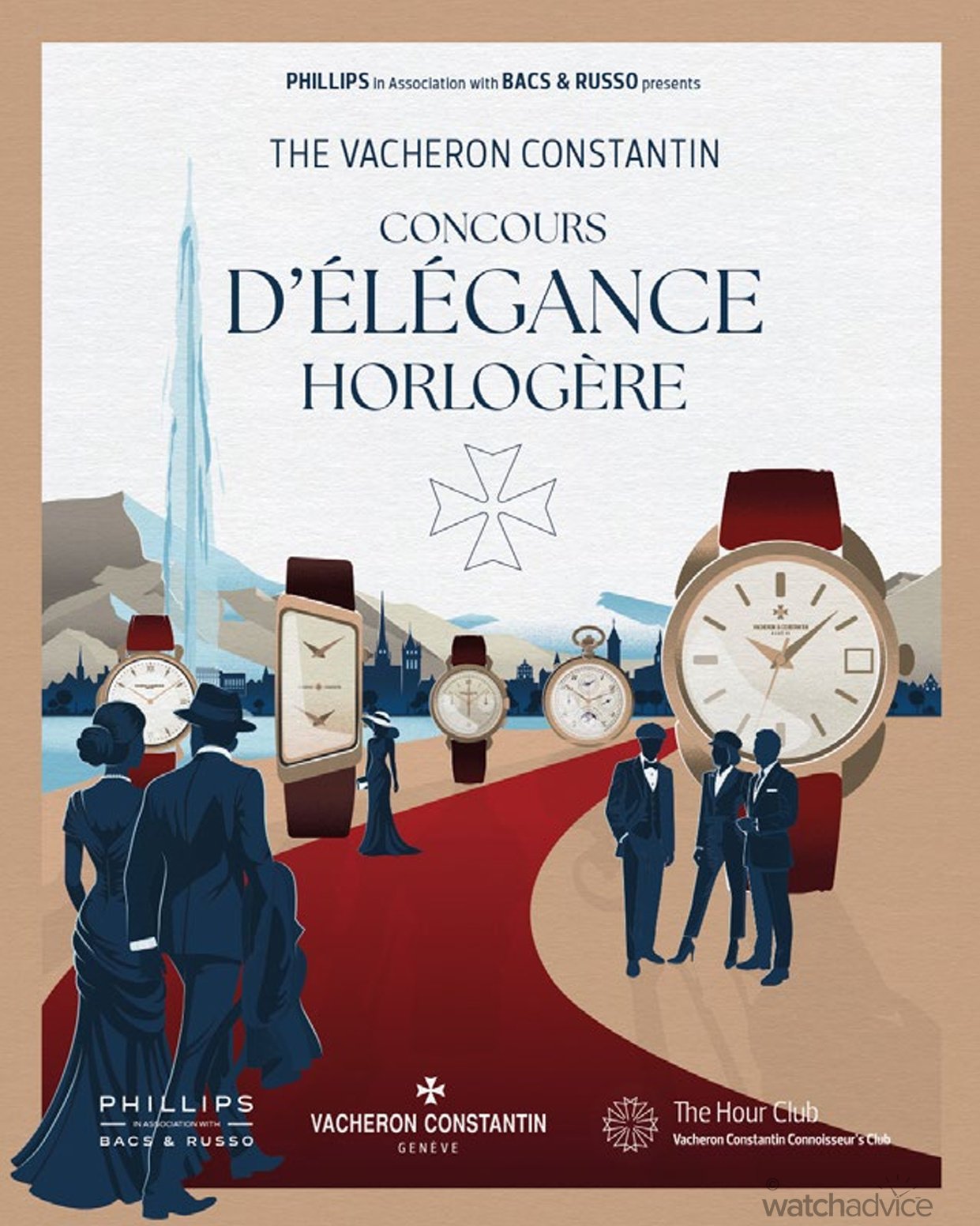
The competition also recognises collectors and enthusiasts who have helped preserve and share Vacheron Constantin’s watchmaking history. Private collectors from around the world submitted more than 550 timepieces, and 34 made the shortlist. These include both pocket watches and wristwatches, ranging from pieces with distinctive case shapes to watches that combine several complications.
The judges will be assessing the watches against nine criteria, including authenticity, rarity, provenance and state of preservation. The exhibition is open to the public at the Hôtel Président Wilson in Geneva. The awards ceremony will take place on 10 November, when one winner will be announced in each of the seven categories: Design, Chiming Mechanisms, Chronomètre Royal, Multiple Complications, Astronomical Complications, Métiers d’Art and Chronographs. The jury may also present a separate “Best in Show” award.
Design Category
Vacheron Constantin defines the “Design Category” around two central aspects: the design of the case and the way the watch displays the time. On the case side, this can mean an unusual shape, sculpted lugs or an integrated bracelet that flows smoothly from the case, as it does on the iconic 1979 Vacheron Constantin Jumbo 222.
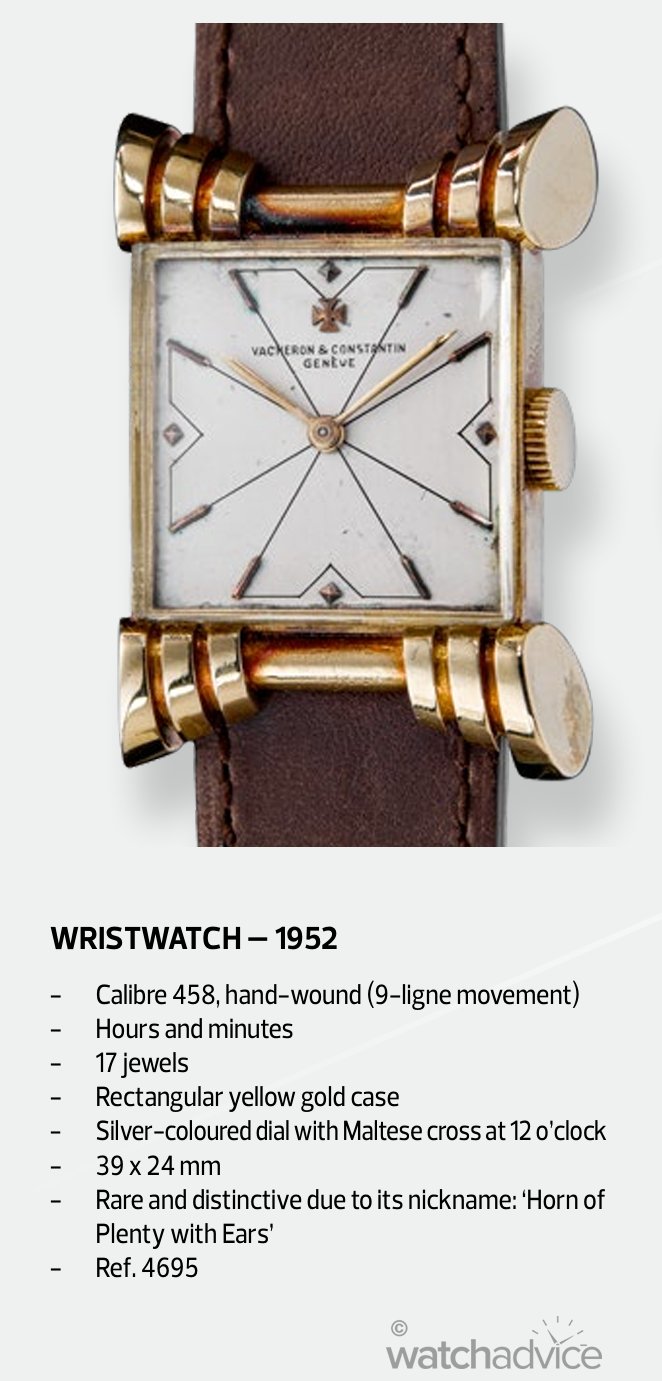
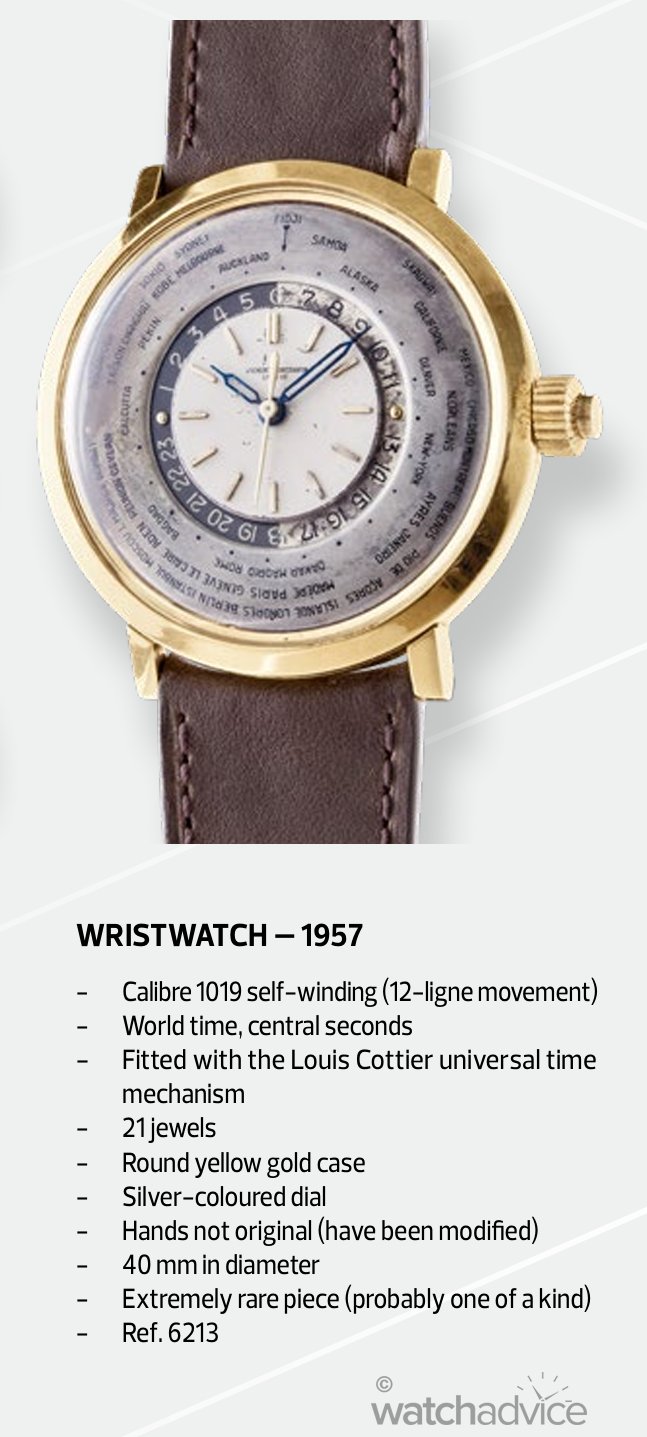
The way a dial displays the time can be just as intriguing as the case design and give the watch just as much character. Vacheron Constantin looks at different ways of presenting time for this category, such as retrograde displays, jumping hours and world-time complications. A more minimalist dial can also give a conventional time display a character of its own.
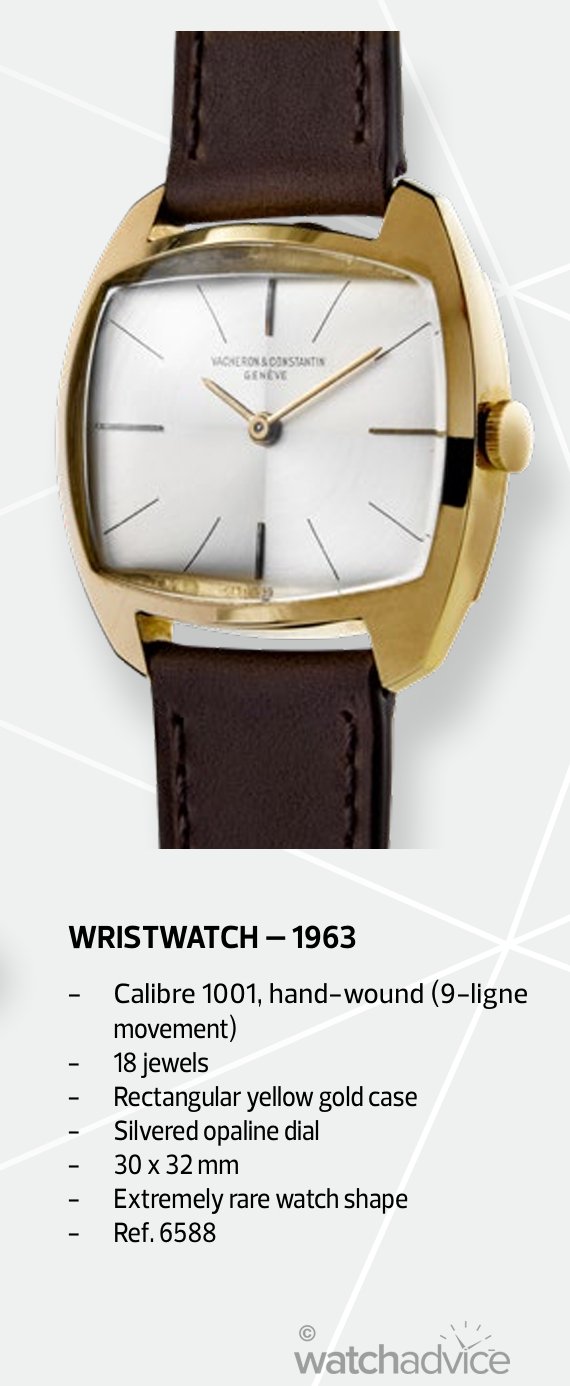
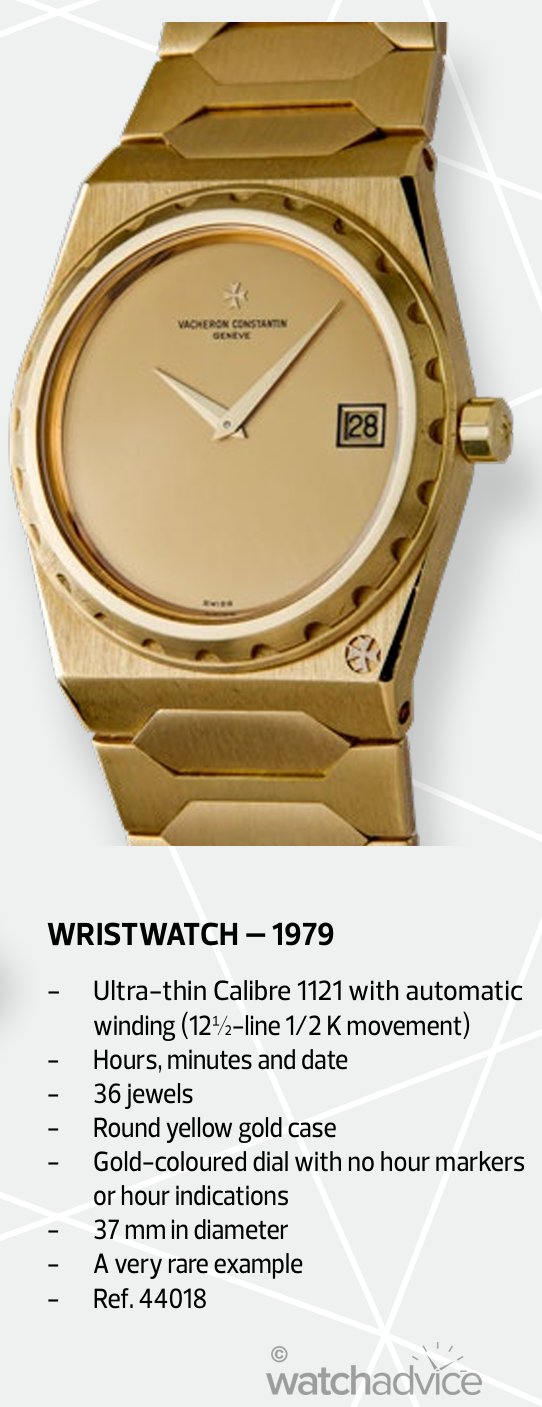
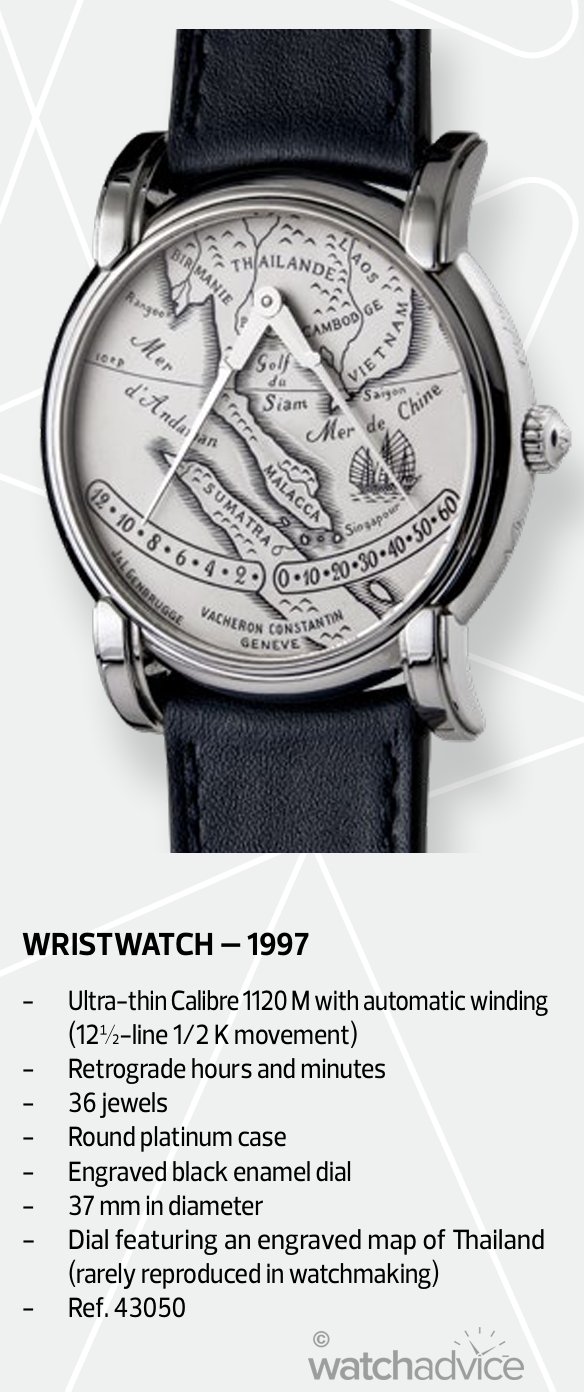
You can see this range across the five finalists: the 1952 “Horn of Plenty with Ears” with its distinctive case, the 1957 world timer, the 1963 rectangular wristwatch, the 1997 double retrograde with an engraved map of Thailand, and the iconic 1979 Jumbo 222.
Chiming Mechanisms Category
The Chiming Mechanisms category features some of the most complex and poetic complications in watchmaking. Telling time through sound is no easy feat, but it’s something Vacheron Constantin has mastered over its more than 270 years of watchmaking. The category is open to both pocket watches and wristwatches whose sole complication is a chiming mechanism. The eligible mechanisms are quarter repeaters, half-quarter repeaters, minute repeaters, and grandes sonneries.
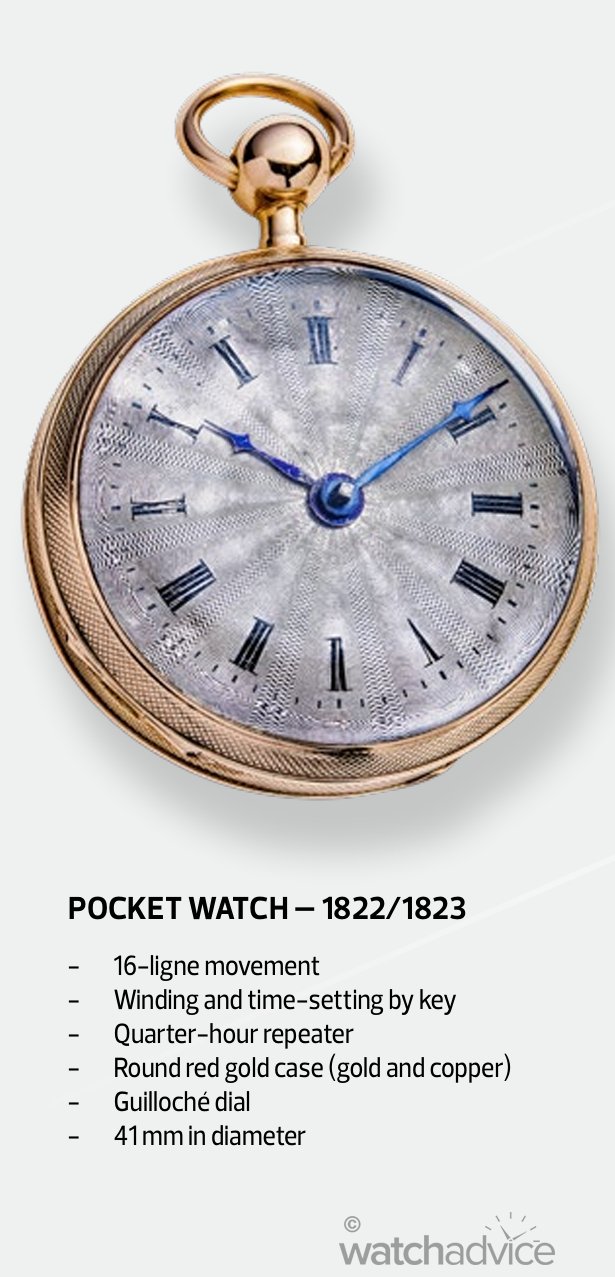
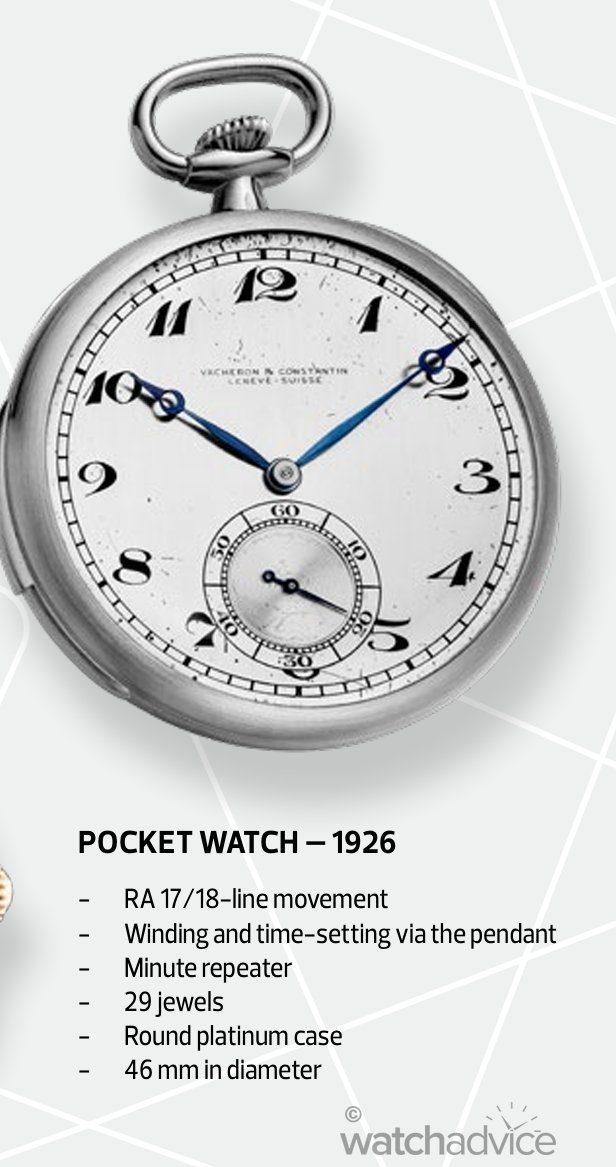
A repeater sounds the time on demand. A grande sonnerie, one of the most complex chiming mechanisms, strikes the hours and quarters automatically as they pass. A quarter repeater tells you the hour and how many full quarters have elapsed. A minute repeater goes further by sounding the remaining minutes after the last quarter.
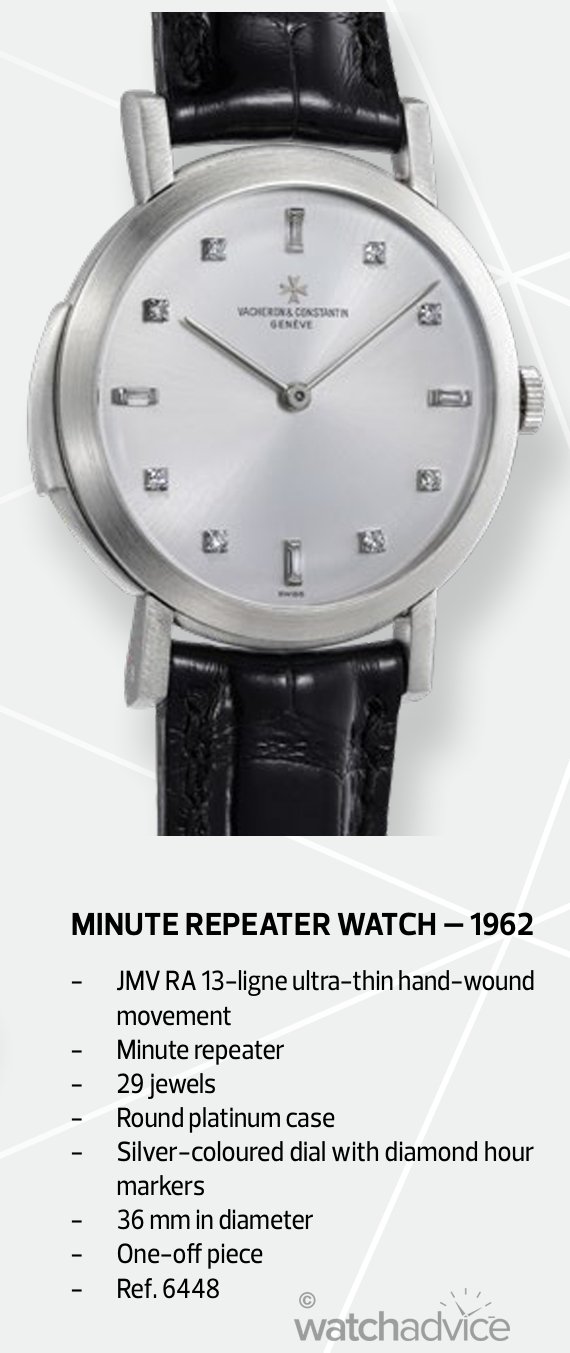
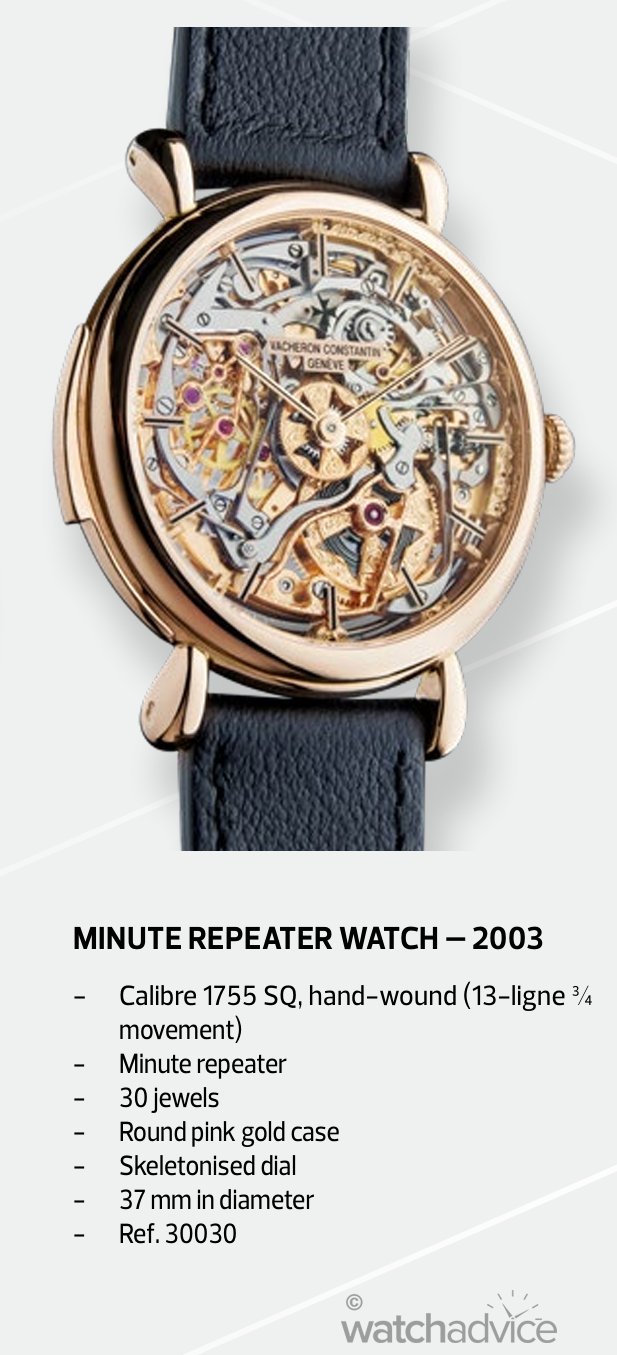
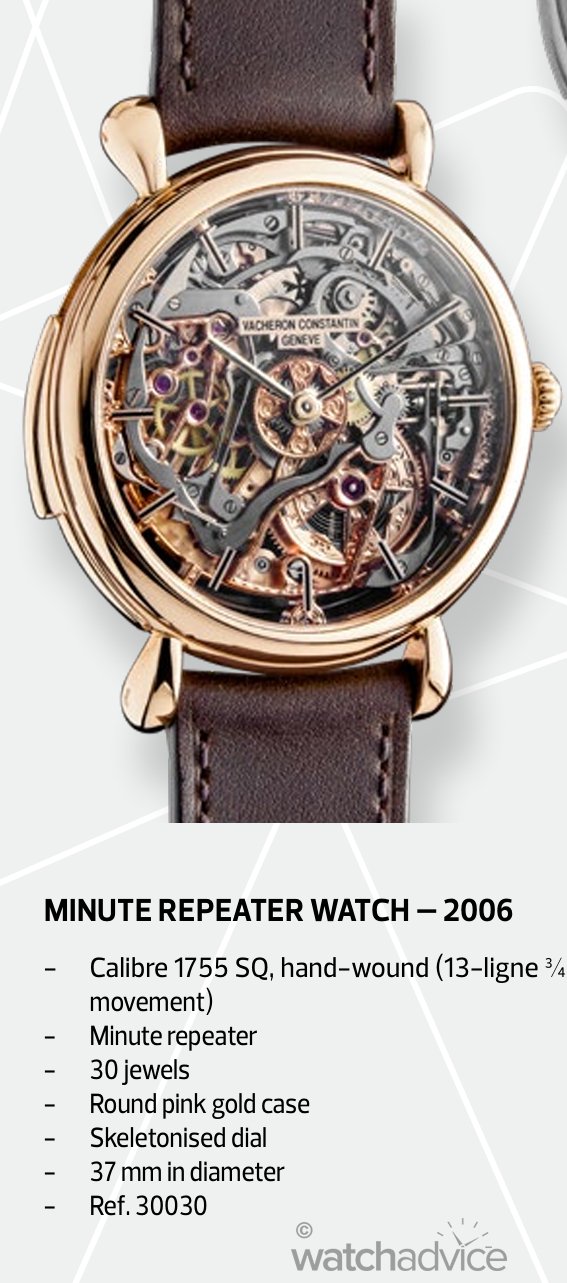
The five finalists are the 1822/1823 quarter-repeater pocket watch with its stunning guilloché dial, the 1926 minute-repeater pocket watch, the more understated 1962 minute-repeater wristwatch, the 2003 skeletonised minute repeater with its stunning openworked dial, and the 2006 skeletonised minute repeater, which shares the same design as the 2003 edition.
Chronomètre Royal Category
The Chronomètre Royal category is reserved for Vacheron Constantin pocket watches and wristwatches that bear the official Chronomètre Royal designation, which dates back to 1907. The designation is associated with precision watchmaking and reflects how accurately a watch keeps time.
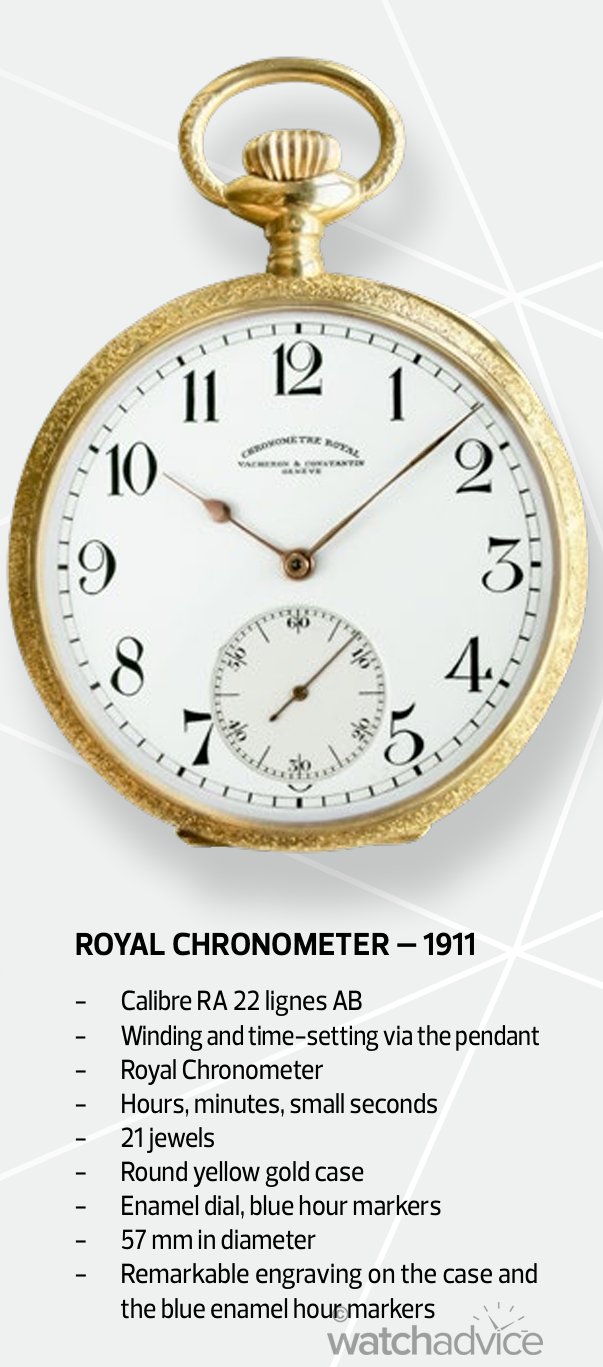
For Vacheron Constantin, the Chronomètre Royal made precision a defining feature of the watch. A beautifully finished movement shows the skill of the watchmaker and the craftsmanship behind the brand, while its timekeeping gives the manufacture something it can measure. The aim was to ensure that the movement kept a consistent rate so the owner could rely on it day after day.
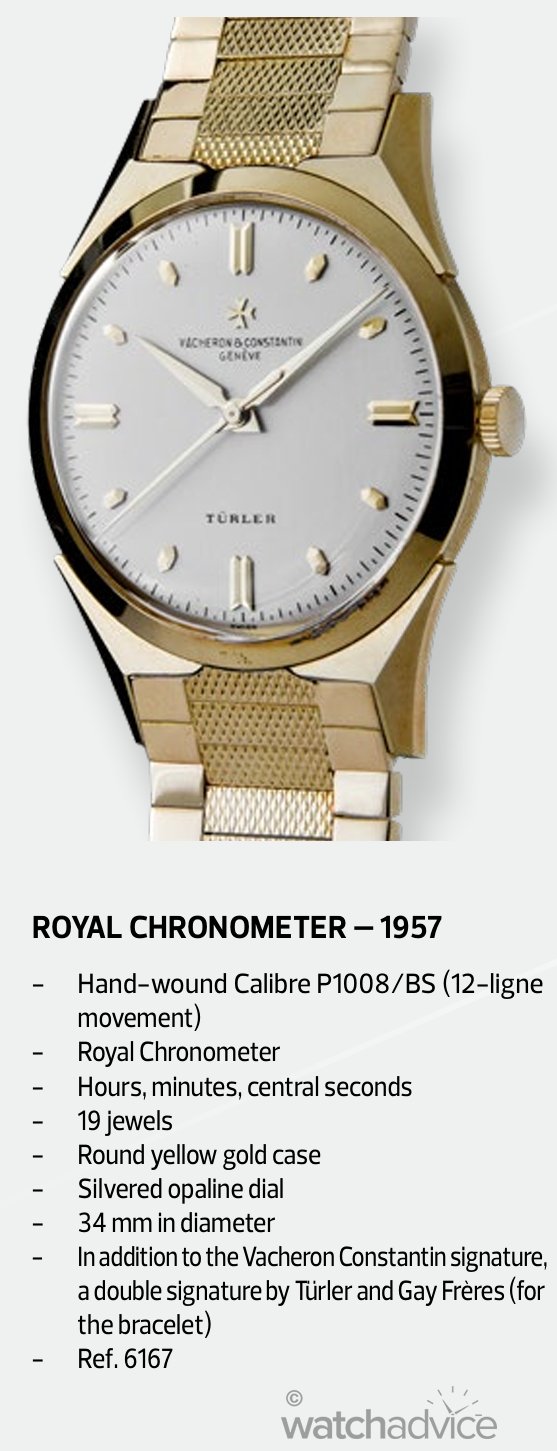
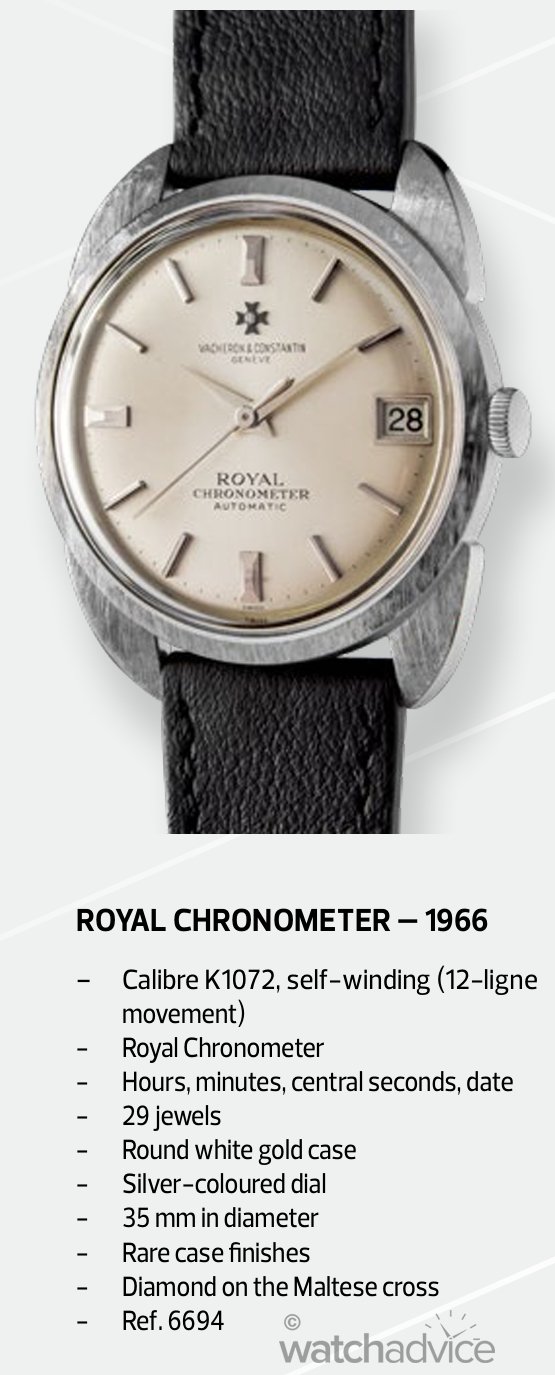
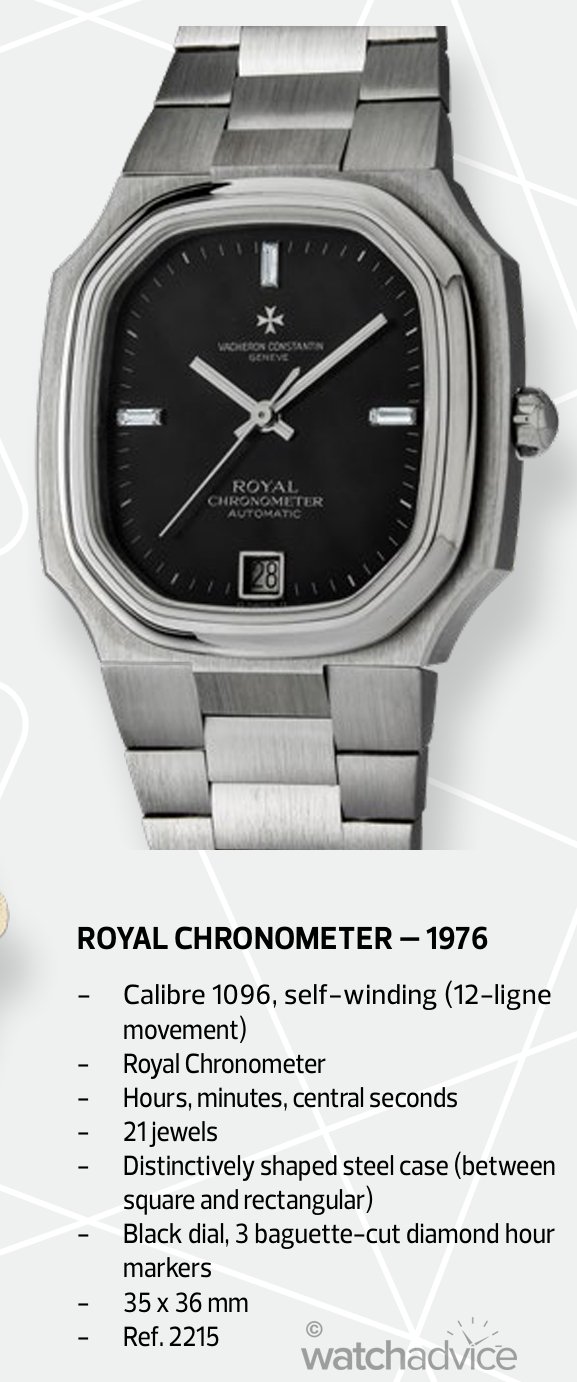
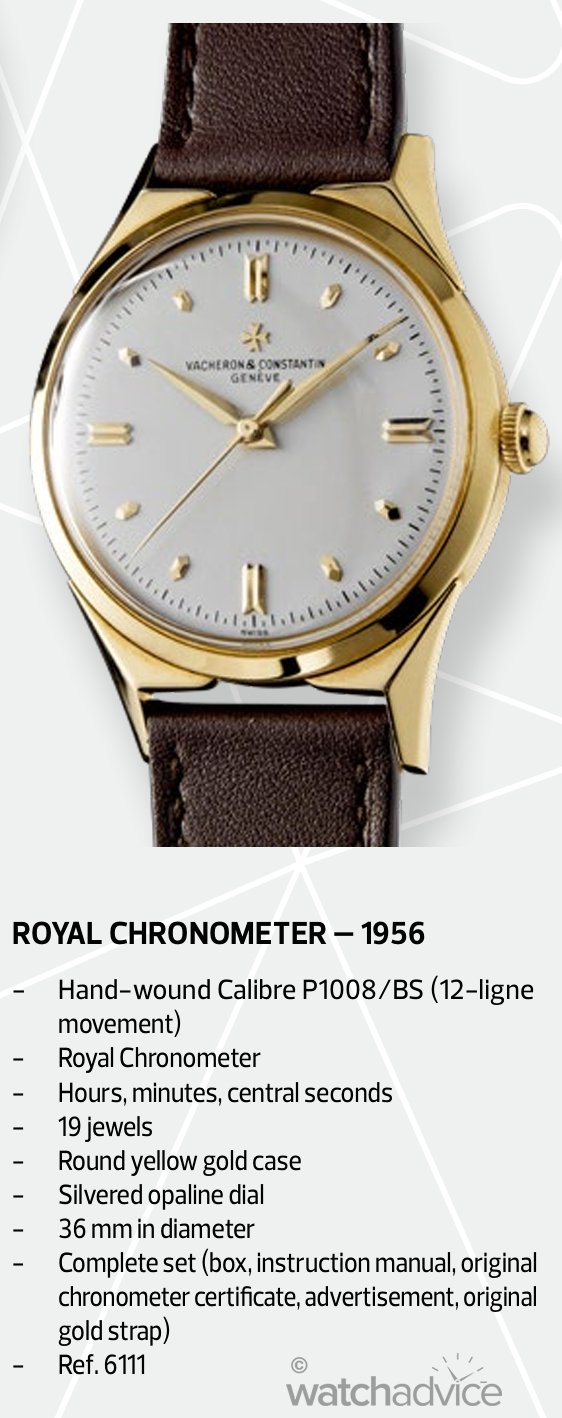
The five finalists in this category span 65 years, from the 1911 Chronomètre Royal pocket watch with its engraved yellow gold case to the 1976 steel ref. 2215 with its integrated bracelet. In between are the 1956 ref. 6111, which still has its original chronometer certificate, the 1957 ref. 6167 with its Türler-signed dial and Gay Frères bracelet, and the 1966 white gold ref. 6694 with a diamond set into its Maltese cross.
Multiple Complications Category
My personal favourite, the Multiple Complications category, brings together pocket watches and wristwatches that combine at least two complications. It showcases Vacheron Constantin’s high watchmaking expertise throughout the brand’s history, with the finalists ranging from watches that pair minute repeaters with calendars to pieces that combine a split-seconds chronograph with a chiming mechanism.
What makes this category so interesting to me is the challenge of fitting multiple complications into one movement. A calendar can add several indications to the dial, while a chronograph measures elapsed time and a minute repeater lets you hear the time on demand. How these functions are displayed or operated can be just as impressive as the number of complications inside.
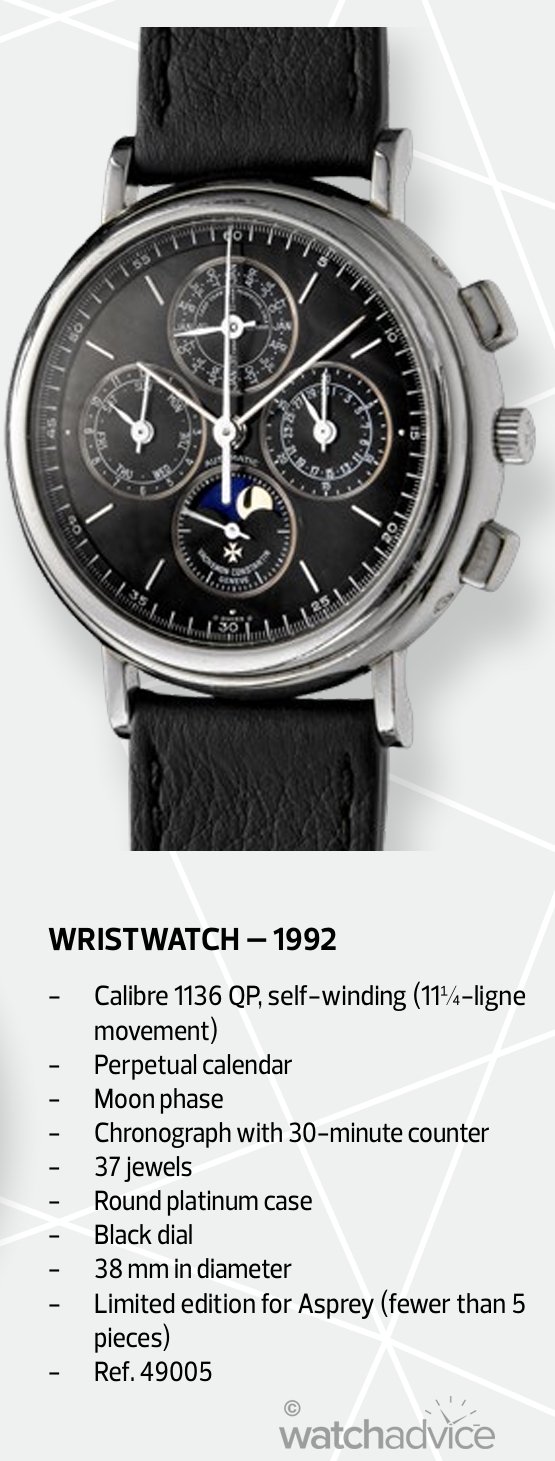
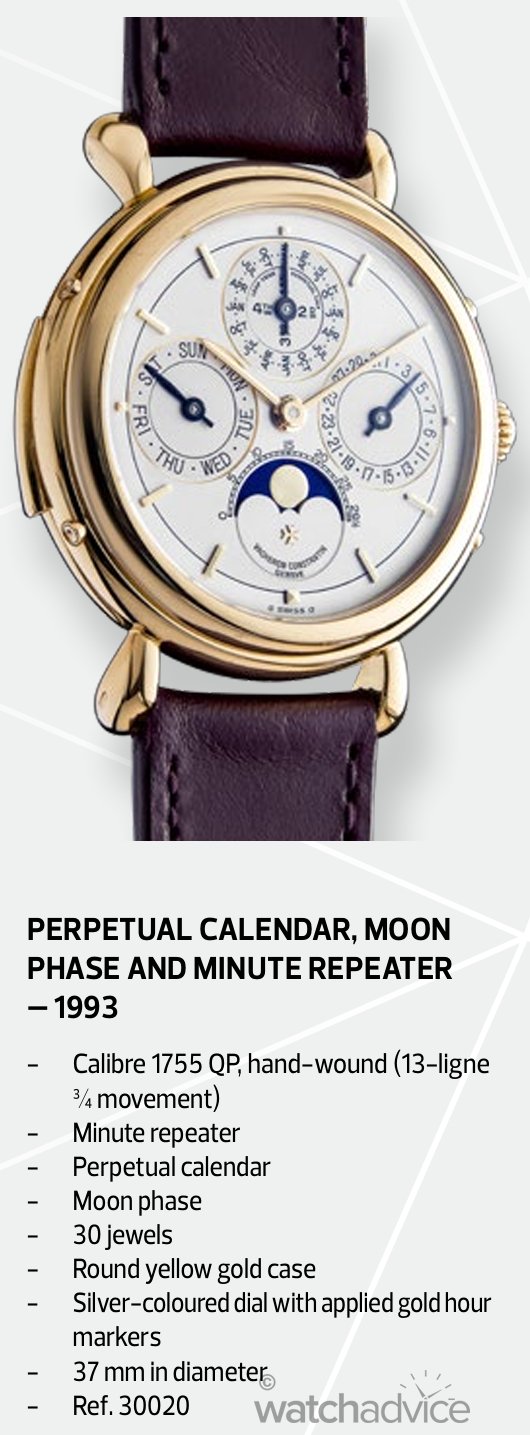
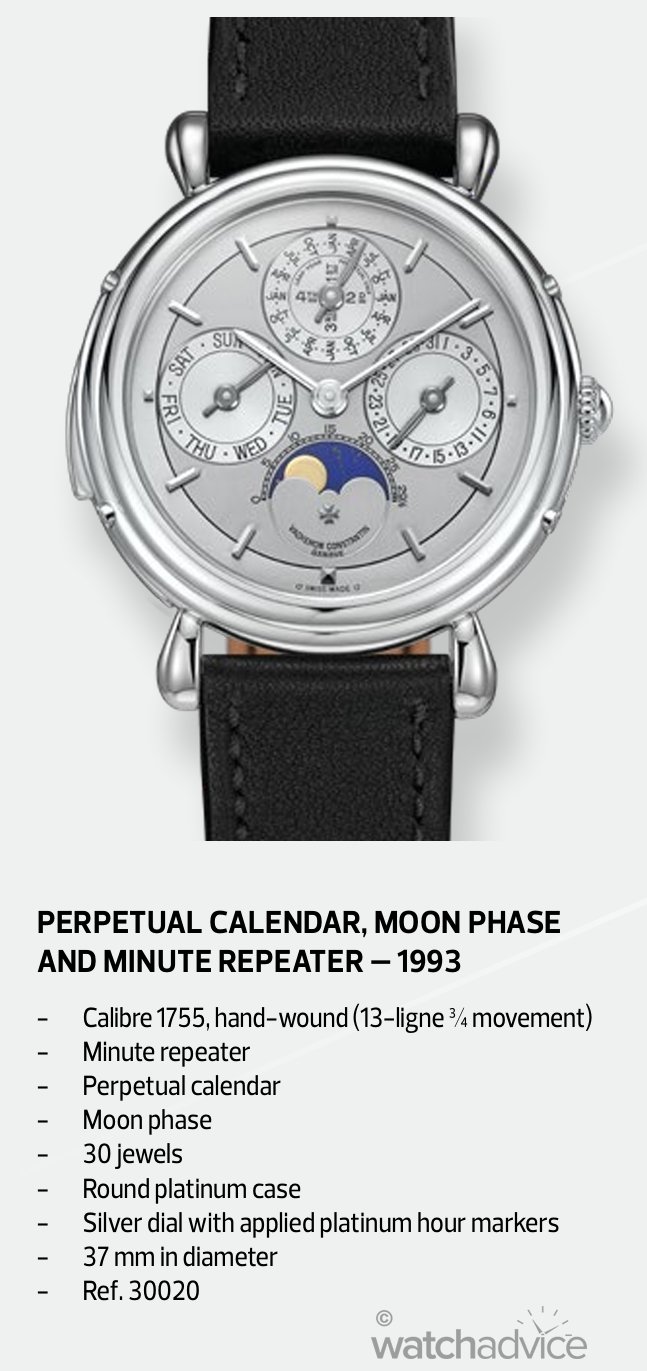
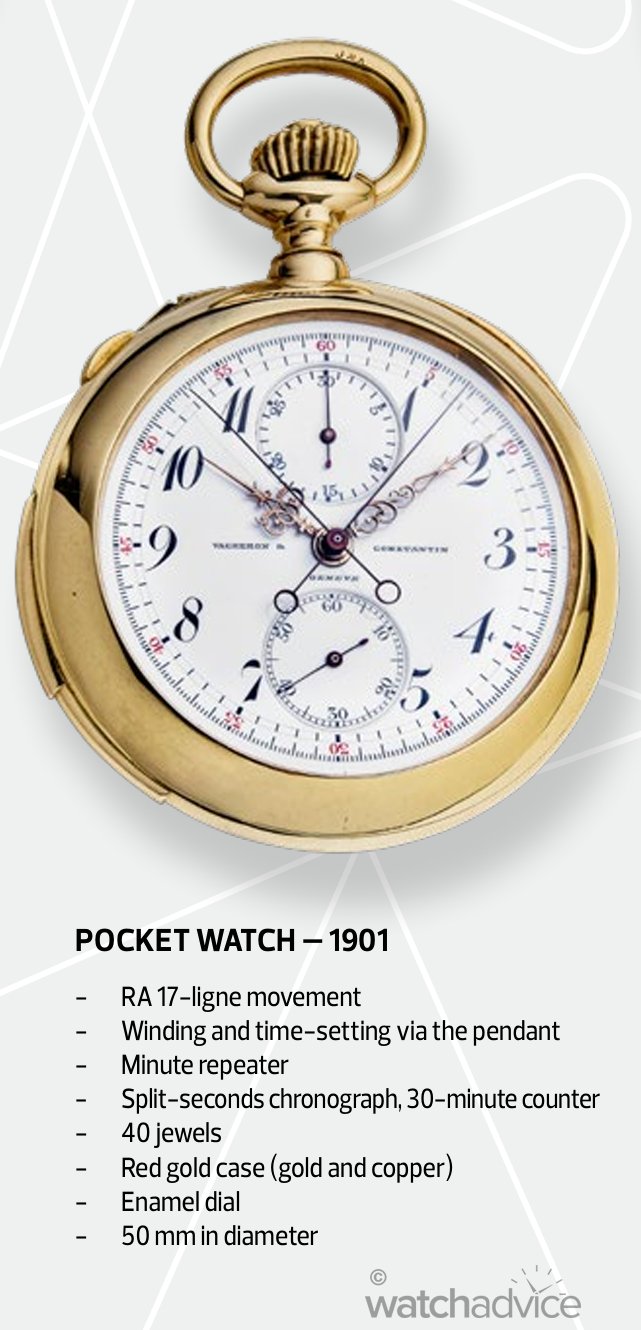
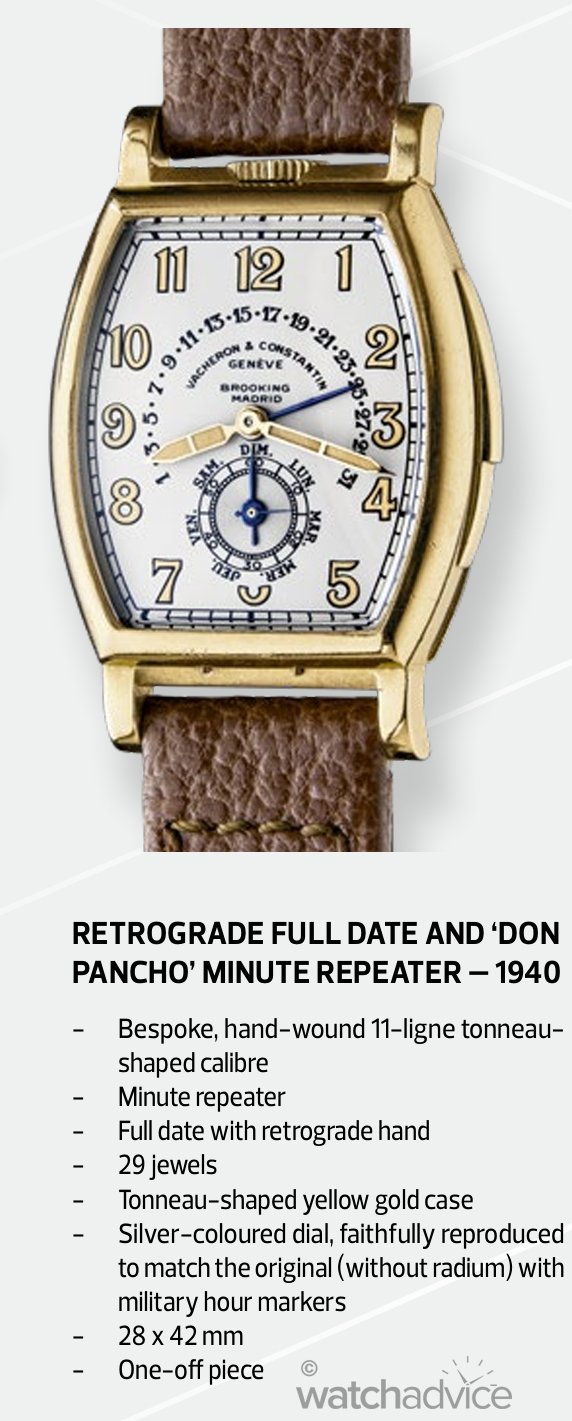
The five finalists include a 1901 pocket watch that pairs a minute repeater with a split-seconds chronograph, and the one-off 1940 ‘Don Pancho’, which combines a minute repeater with a full calendar and retrograde date. Then there’s the 1992 Asprey ref. 49005, which pairs a chronograph with a perpetual calendar and moon phase, alongside two models from 1993 that both combine a perpetual calendar, moon phase, and minute repeater.
Astronomical Complications Category
As the name suggests, the Astronomical Complications category is for pocket watches and wristwatches equipped with triple, complete or perpetual calendars. All five finalists also display the moon phase, bringing the lunar cycle to the dial alongside the calendar indications.
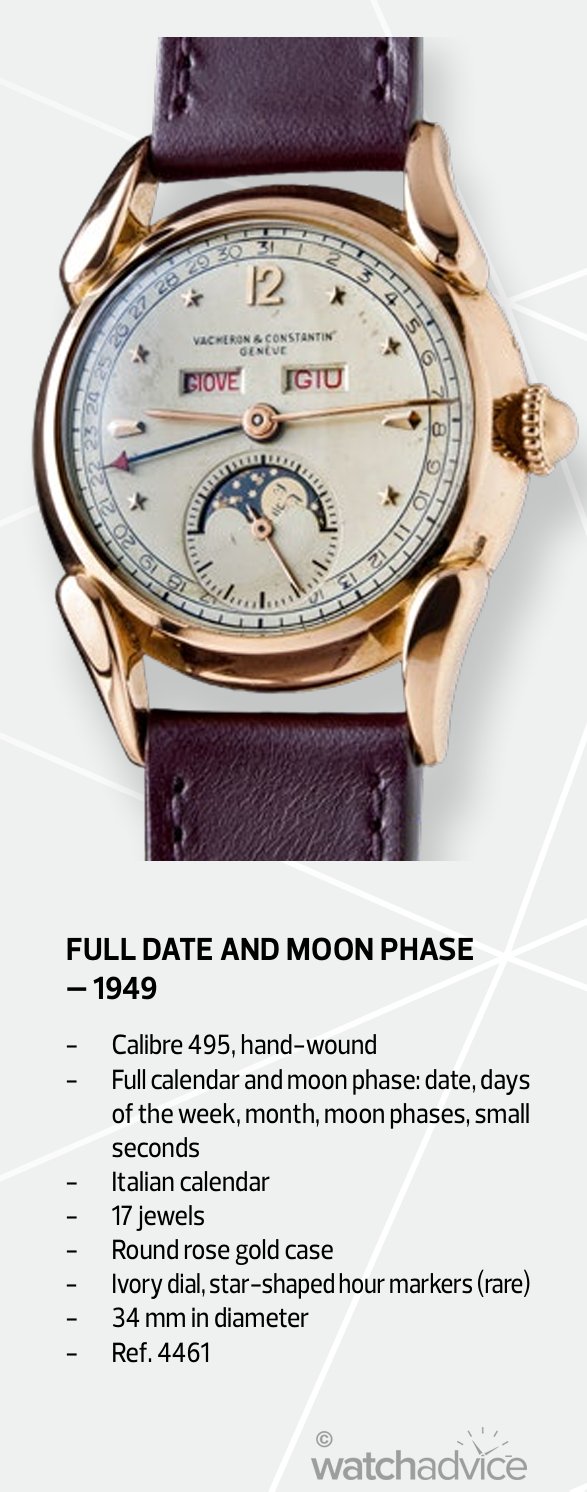
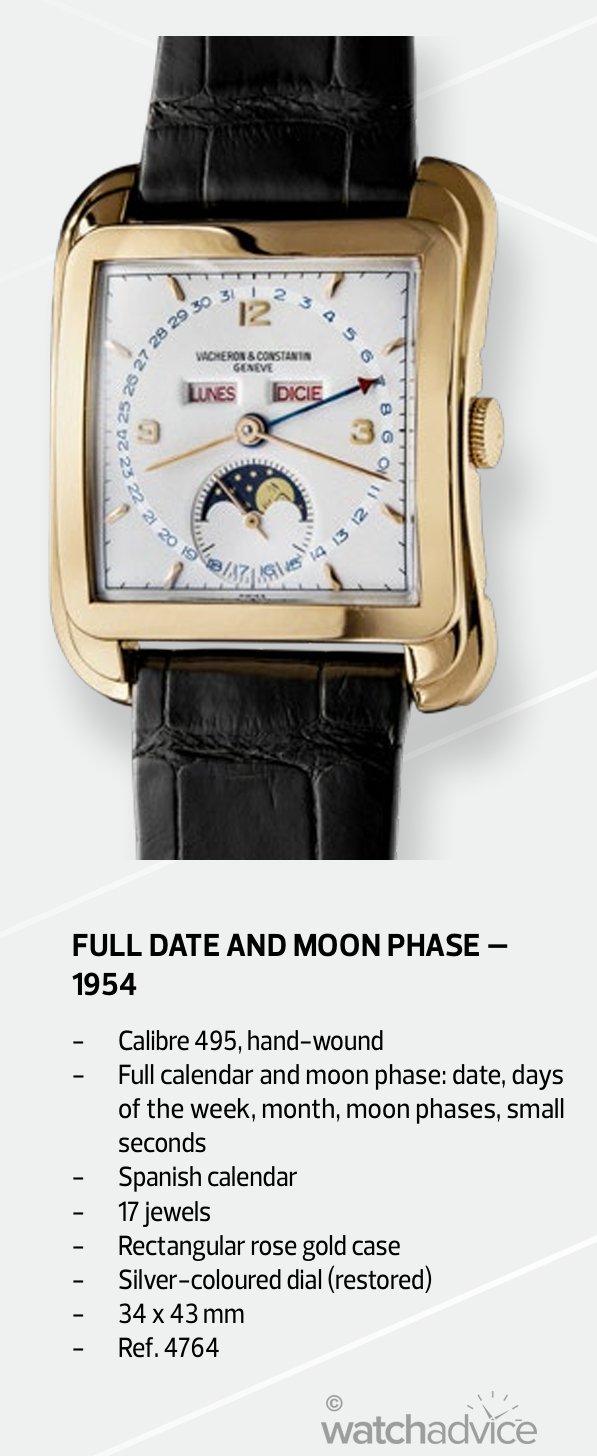
A complete calendar shows the day, date, and month, but needs a manual correction after months with fewer than 31 days. A perpetual calendar accounts for different month lengths as well as leap years, so it can take you from 28 February to 1 March in a common year without a correction.
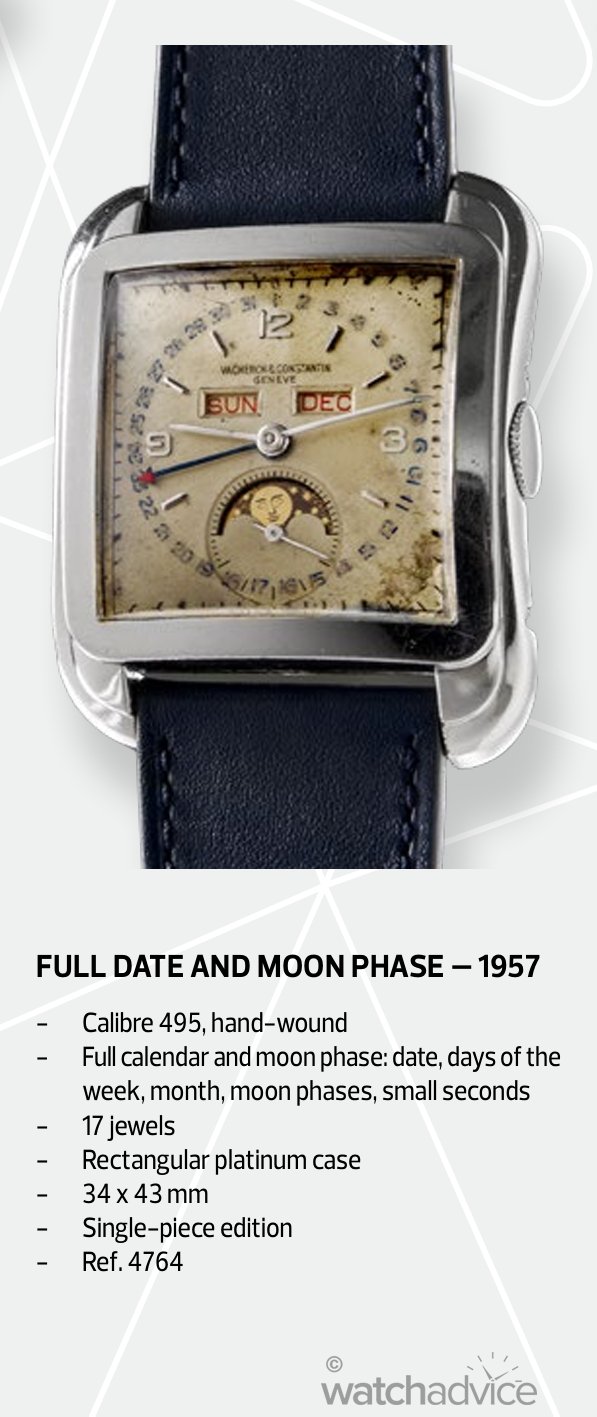
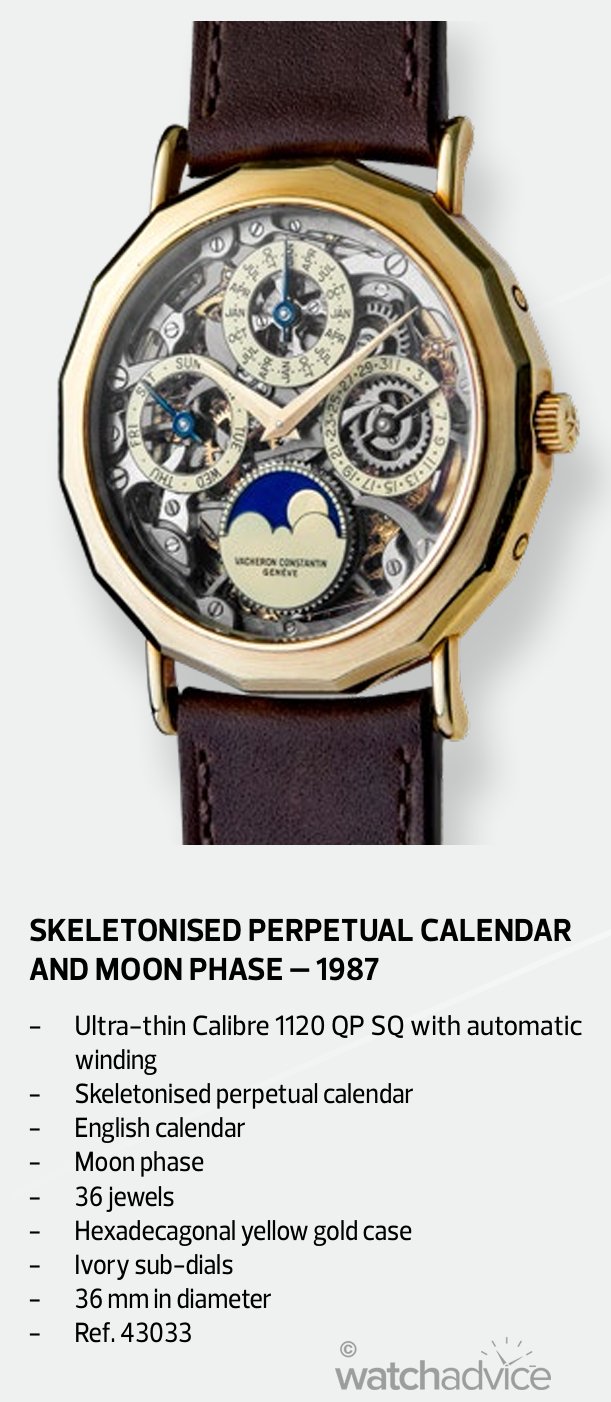
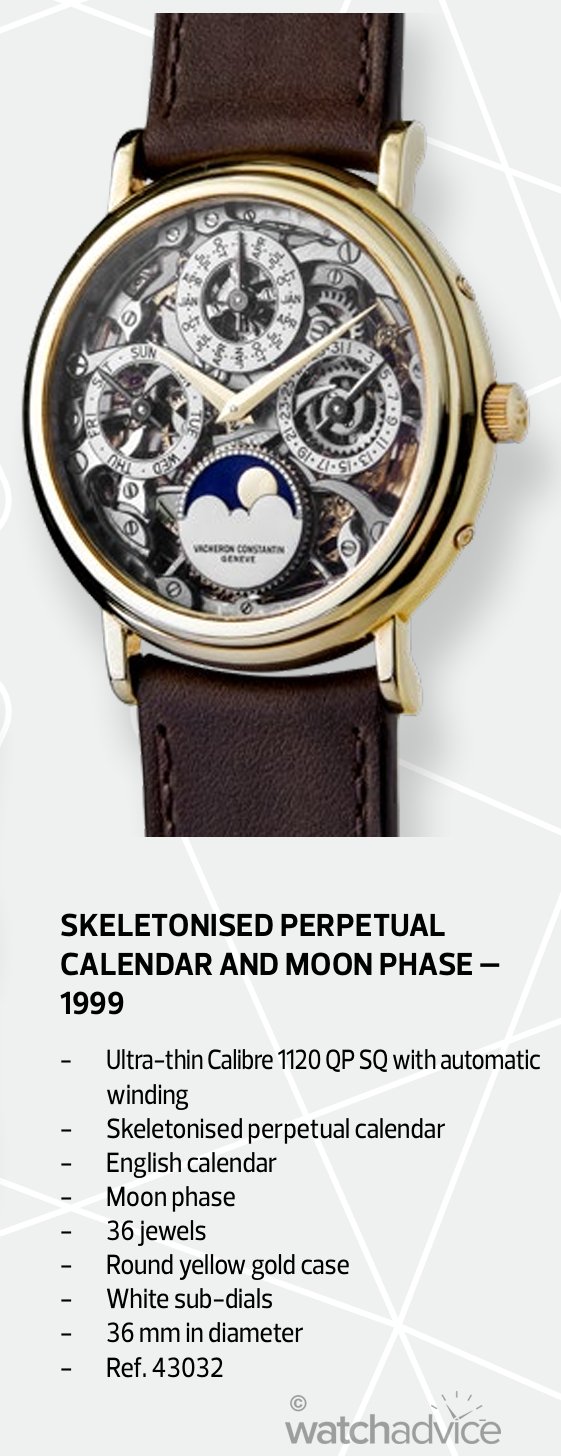
The five finalists include three complete calendars with moon phase displays: the 1949 rose gold ref. 4461 with an Italian calendar, the 1954 rose gold ref. 4764 with a Spanish calendar, and the one-off platinum ref. 4764 from 1957. Then we have two skeletonised perpetual calendars with moon phase indications at 6 o’clock: the 1987 ref. 43033 with its distinctive 16-sided case and the 1999 ref. 43032 with its more elegant round yellow gold case.
Métiers d’Art Category
Another favourite watchmaking category of mine is Métiers d’Art! This category celebrates the decorative details that give a watch character beyond its design and mechanical complexity. It’s open to pocket watches and wristwatches featuring métiers d’art techniques such as engraving, enamelling, gem-setting and guilloché. Vacheron Constantin excludes skeletonised watches from this category, keeping the focus on the decorative crafts.
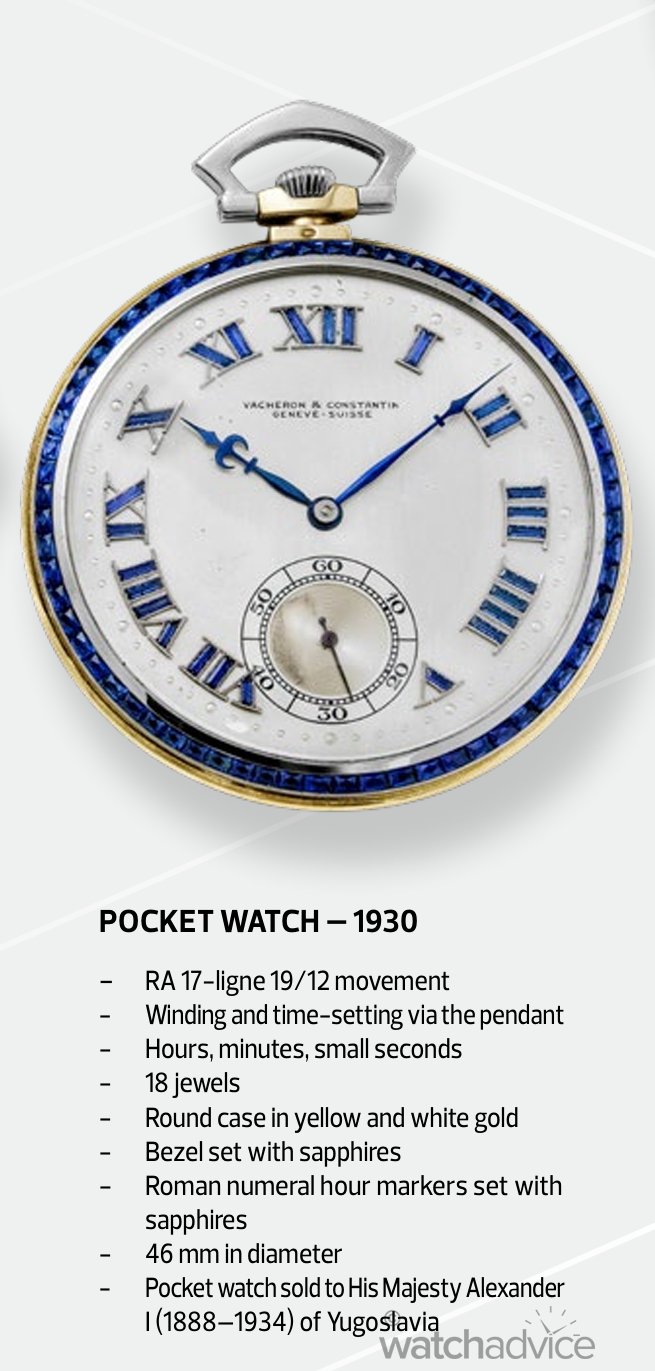
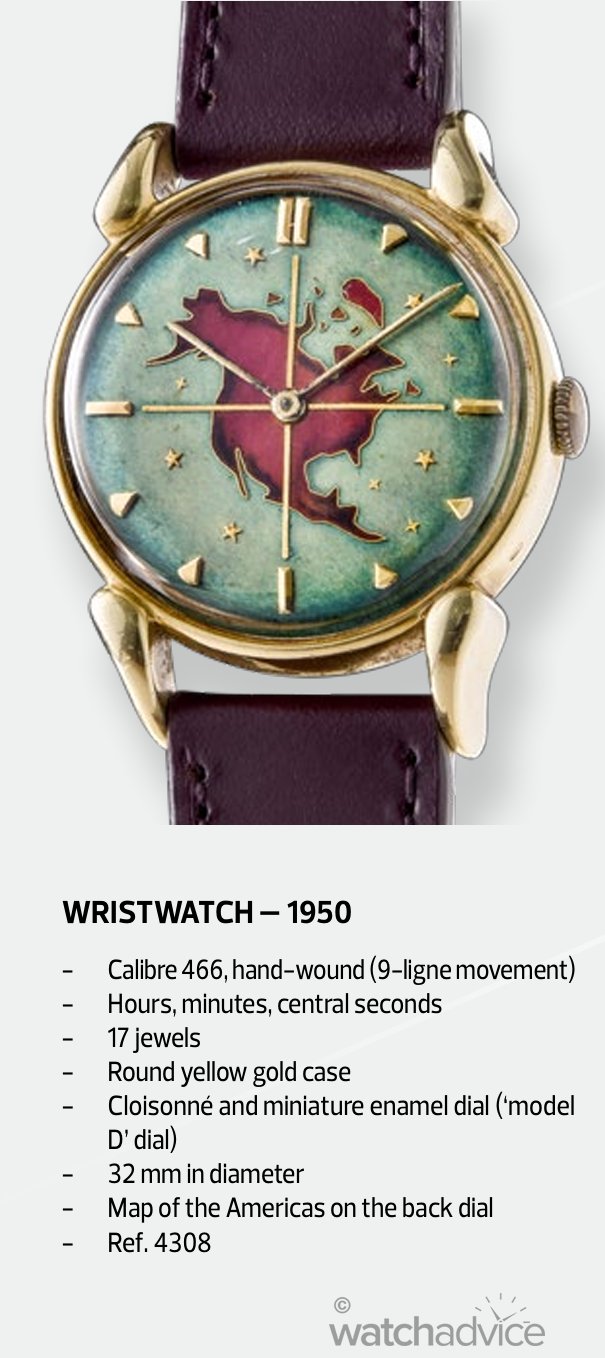
Enamelling is a great example of how different techniques can produce very different results. Cloisonné enamelling uses fine metal wires to outline the design and create compartments for different enamel colours. Champlevé enamelling, on the other hand, uses recesses cut into the metal to hold the enamel. Miniature enamel painting allows artisans to add finer details, bringing something as intricate as a map or drawing to life on the dial.
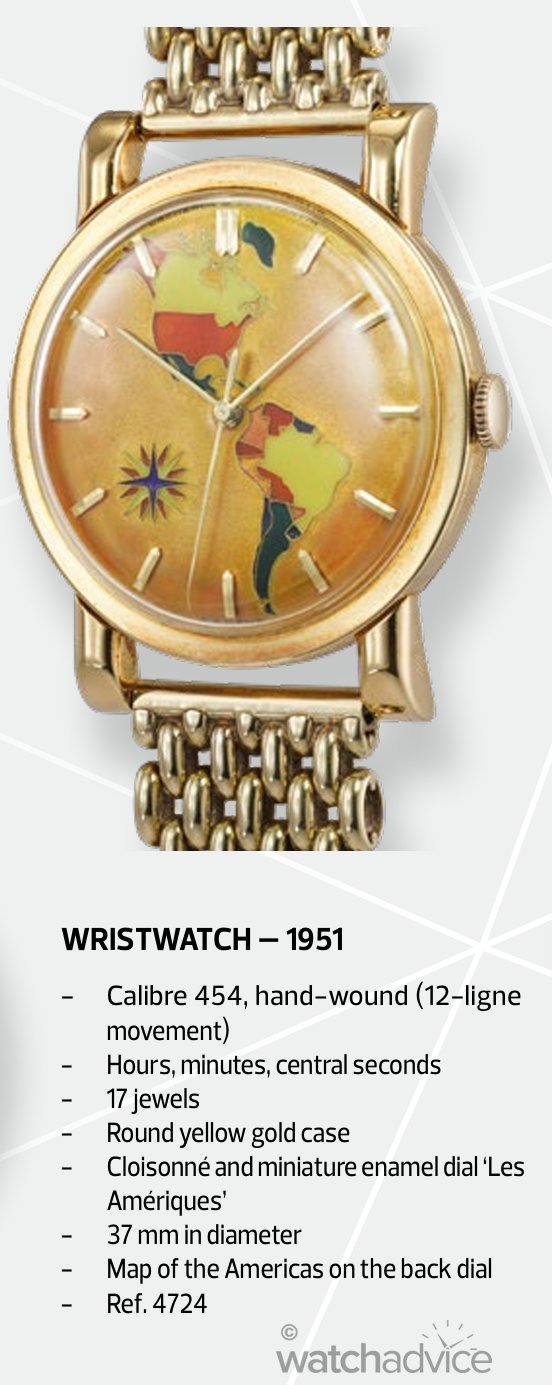
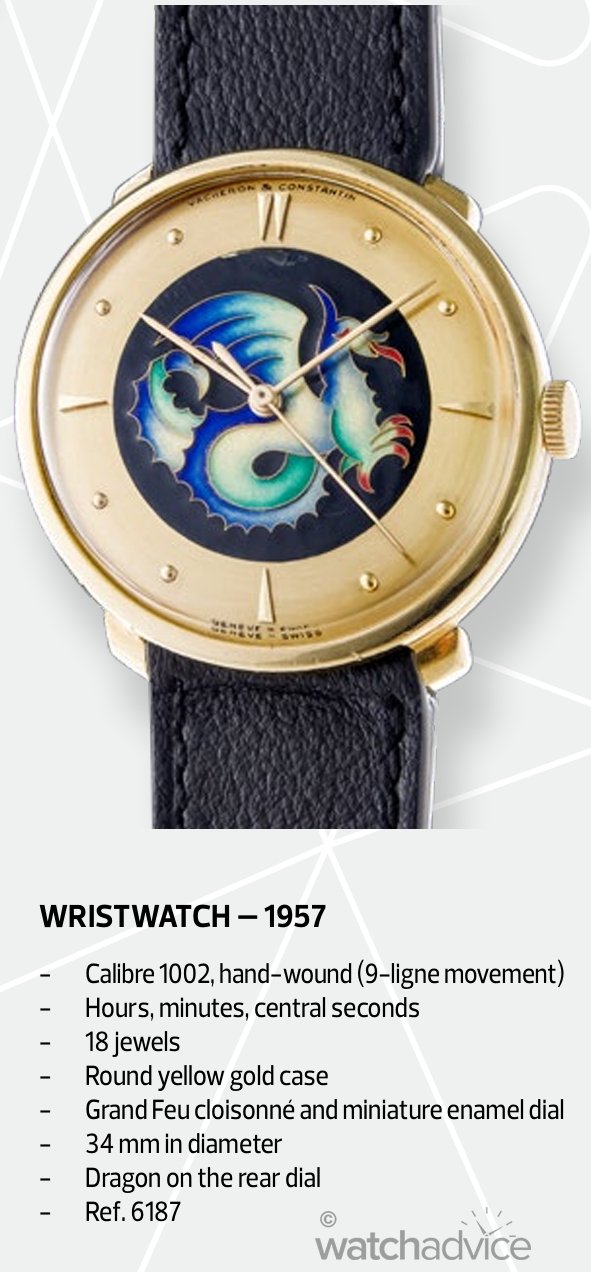
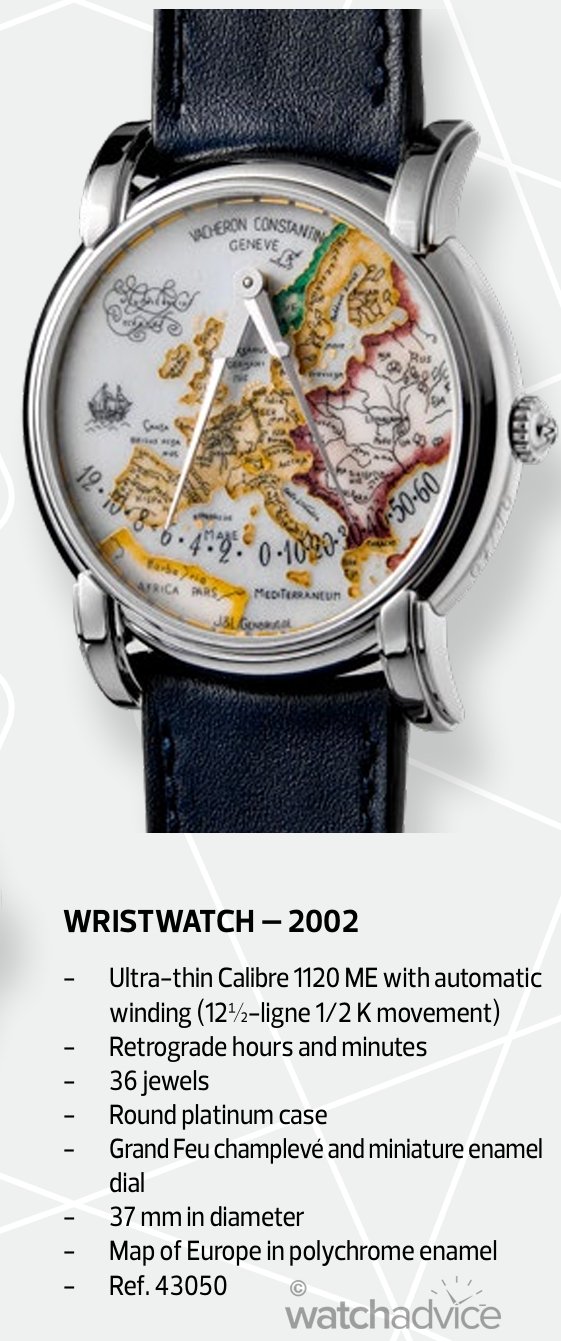
The five finalists include a 1930 pocket watch with sapphires set into its bezel and Roman numerals, which was sold to King Alexander I of Yugoslavia. The 1950 ref. 4308 and the 1951 ‘Les Amériques’ ref. 4724 feature beautifully enamelled maps of the Americas, while the 1957 ref. 6187 features an enamel dragon. Finally, the 2002 ref. 43050 pairs a multicoloured enamel map of Europe with retrograde hours and minutes.
Chronographs Category
The Chronographs category brings together Vacheron Constantin pocket watches and wristwatches that feature one of the most common complications in watchmaking: the ability to measure elapsed time. The category spans a variety of chronographs, including two- and three-counter designs, single-pusher chronographs, and split-seconds mechanisms.
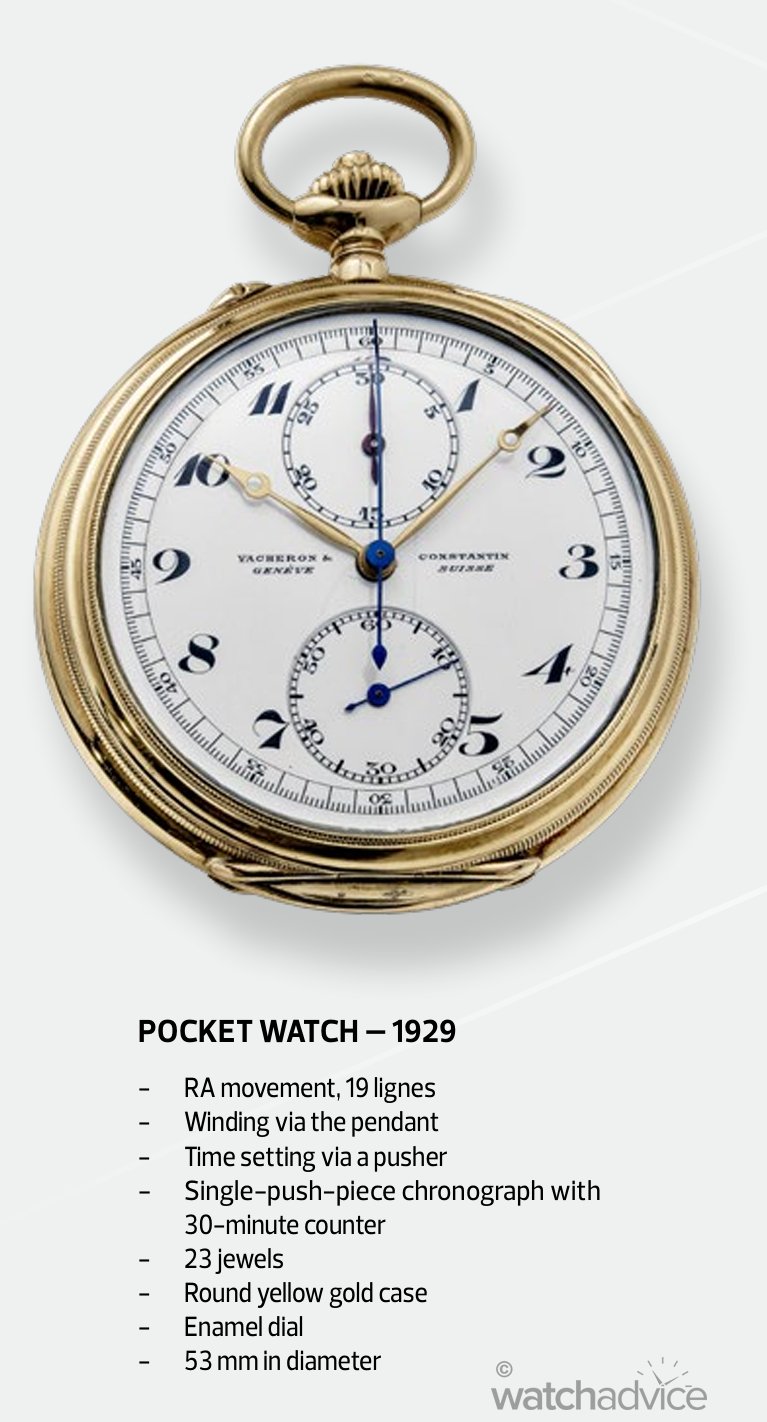
The format we’re most accustomed to is the two-pusher design. A single-pusher chronograph, also known as a monopusher, uses the same button to start, stop, and reset the timer. The split-seconds chronograph is where things get more complicated, as it lets you record an intermediate time without interrupting the main measurement.
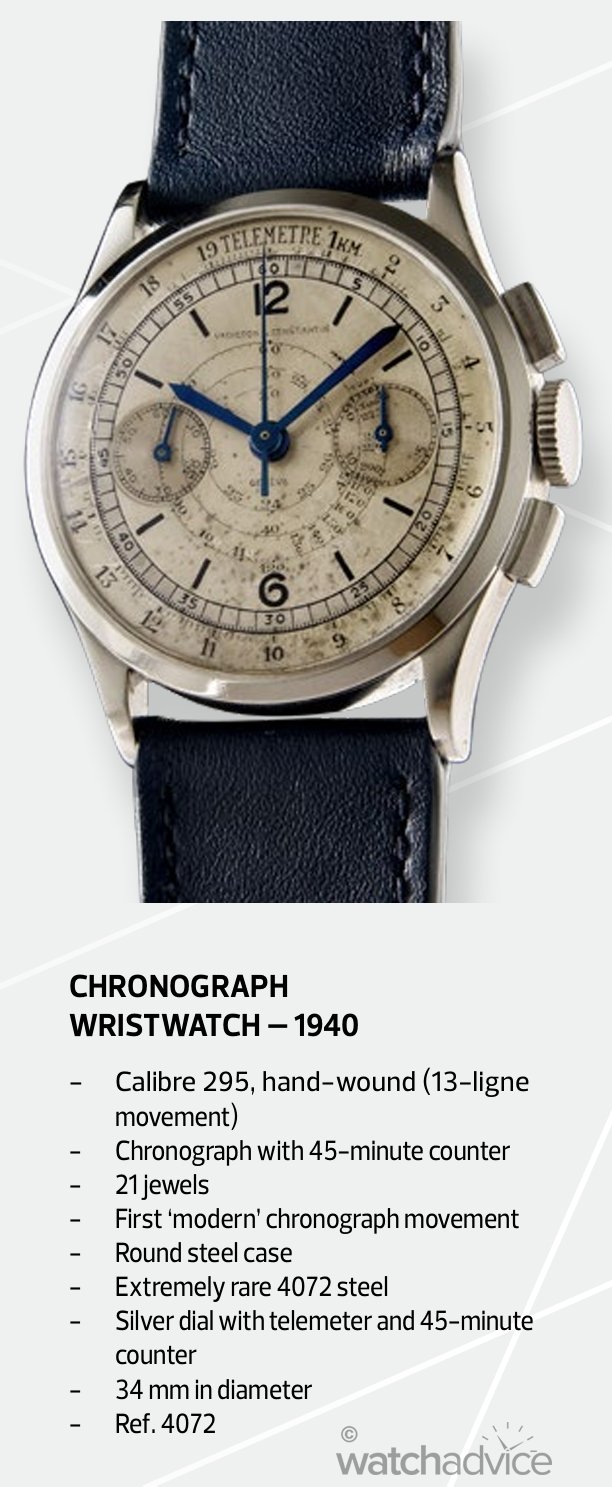
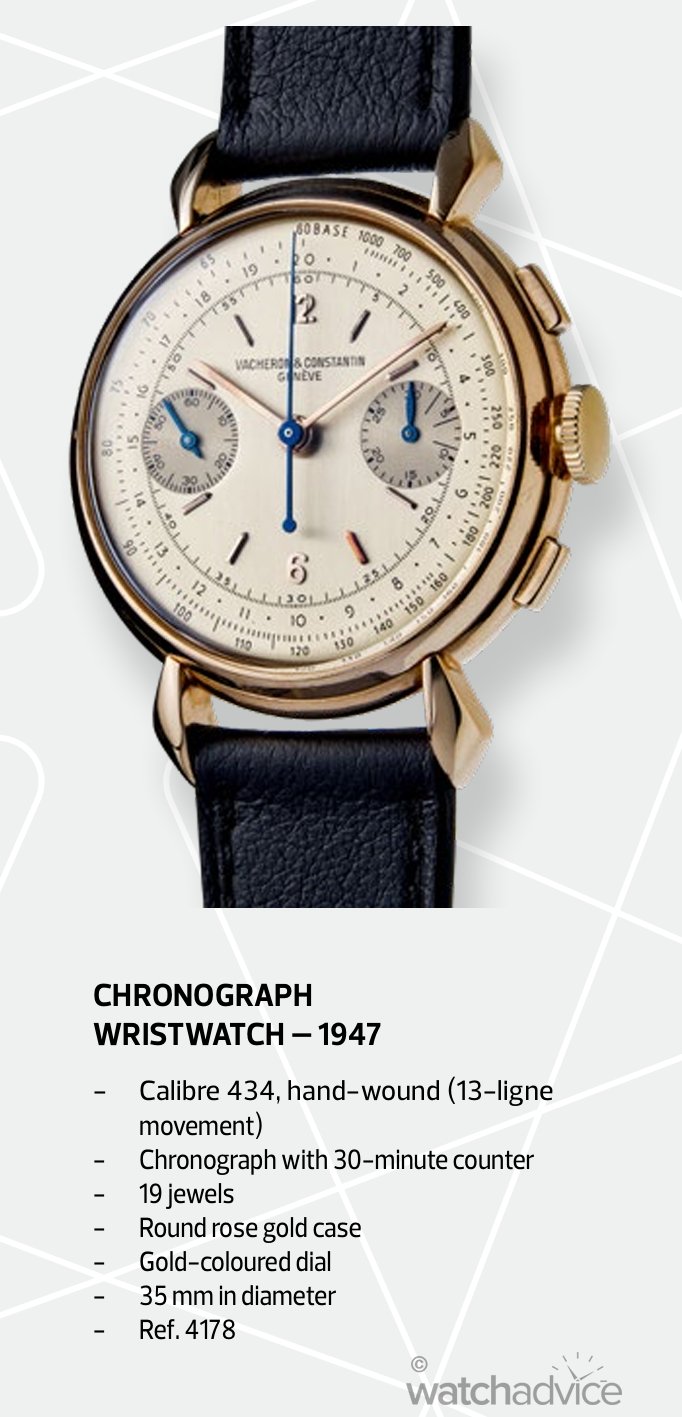
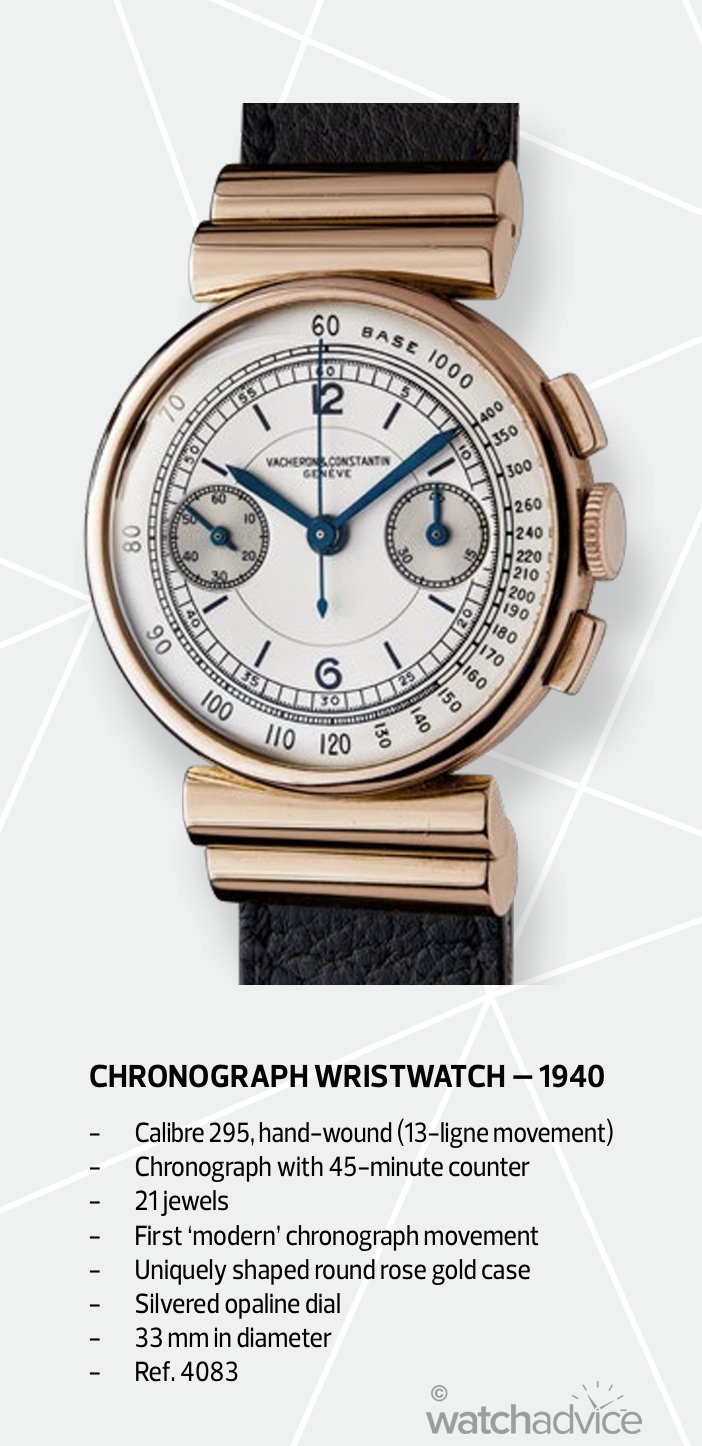
The four finalists start with a 1929 yellow gold single-pusher pocket watch with an enamel dial. Then we have two wristwatches from 1940 that share the same calibre 295 but take different approaches to design: the rare steel ref. 4072 features a telemeter scale, while the rose gold ref. 4083 features a tachymeter scale. The final watch in this category is the 1947 rose gold ref. 4178, with a more contemporary case design and a two-counter chronograph layout.
What makes this Concours d’Élégance Horlogère from Vacheron Constantin and Phillips in association with Bacs & Russo so special is the rare chance to see so many historic watches from the brand in one place, including some one-off creations. There’ll be a winner in each category, but I think half the fun is seeing which pieces you’d pick for yourself!