

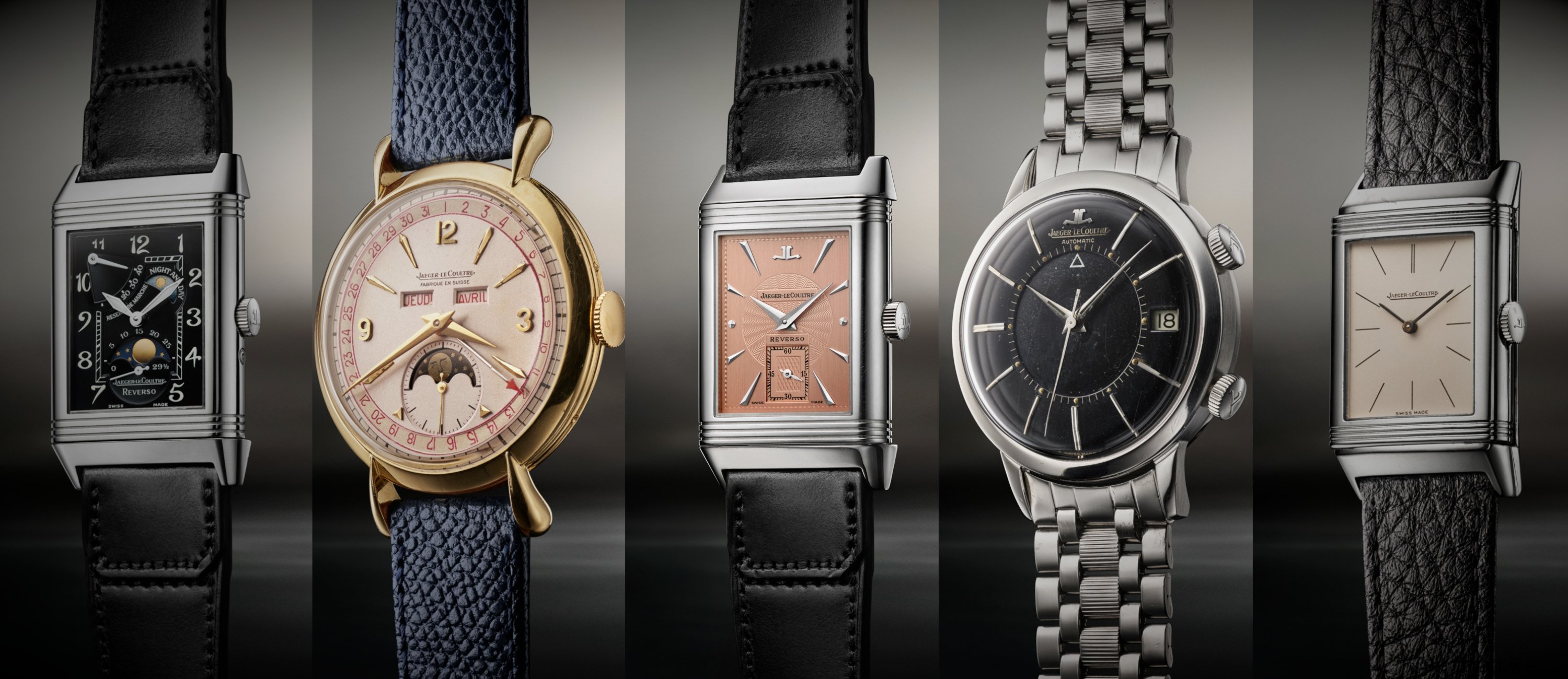
Jaeger-LeCoultre presents the sixth capsule of the Collectibles in London, curating a series of historically significant pieces and restoring them for purchase.
If you’ve been around the watch world long enough, you’ve probably heard of the pre-owned watch market. This isn’t a new term by any stretch of the imagination; it refers to the sale of second-hand timepieces by any party.
In that respect, you’ll also have heard of Certified Pre-Owned programs, where second-hand pieces are authenticated and resold by the brands themselves. Swiss watchmaker Jaeger-LeCoultre is one of the brands that participates in such a program, but the way it approaches the concept is entirely unique.
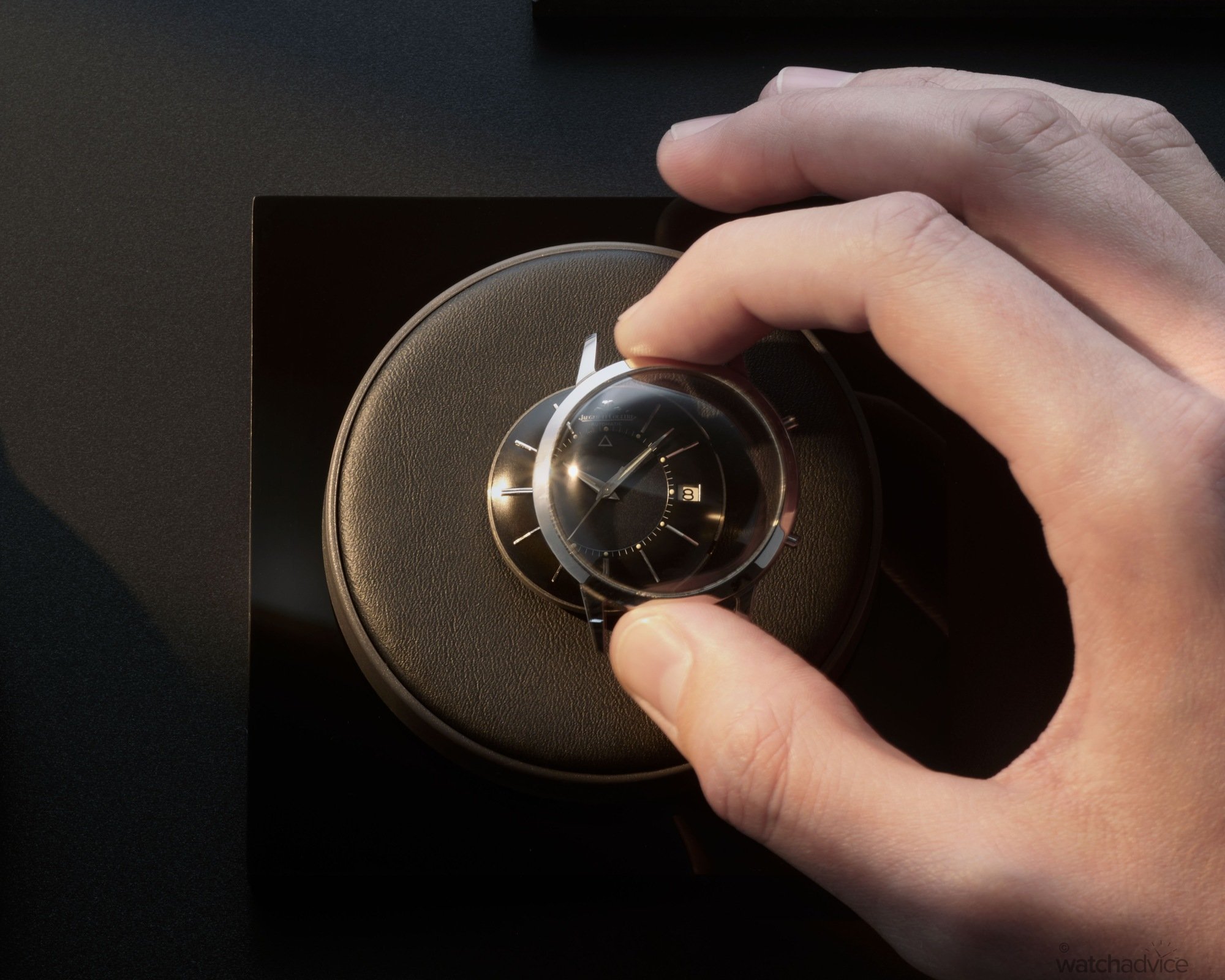
Rather than sourcing any old watches from the wild and reselling them, Jaeger-LeCoultre operates what it calls “The Collectibles” programme. Through this initiative, the brand meticulously curates and restores timepieces produced between the 1920s and the 2000s.
Not only are the watches authenticated, but their significance to the brand’s heritage is also carefully assessed. Once vetted, these watches undergo extensive restoration using Jaeger-LeCoultre’s archival blueprints, master craftspeople, and heritage stock of components.
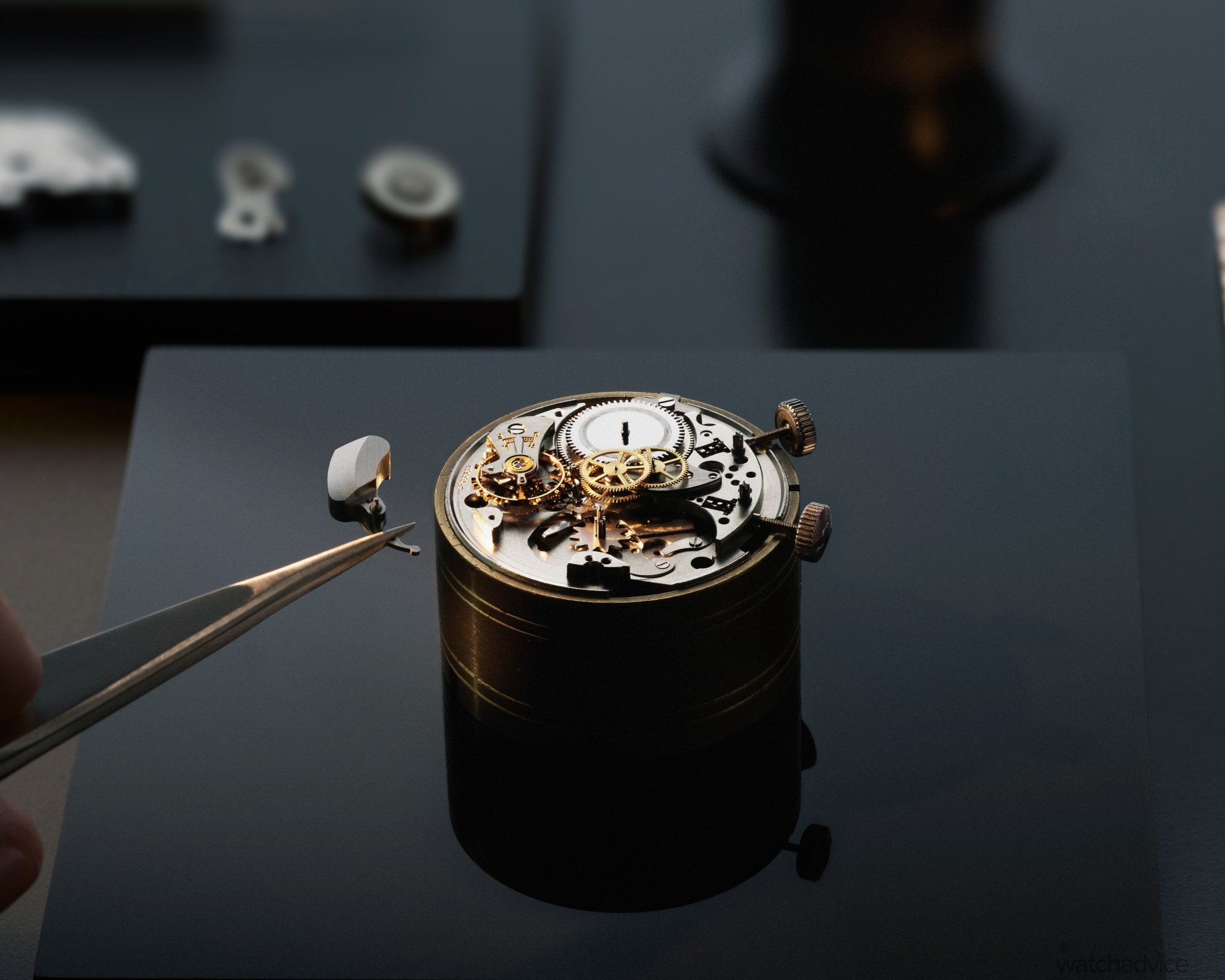
The only thing that doesn’t change is the watch’s character. Patina and other signs of age are preserved, as they now form part of each piece’s unique story. On 15 June, Jaeger-LeCoultre unveiled its latest capsule collection of 12 unique watches that exemplify the rich history of the brand.
Housed at its London flagship boutique, but available to collectors worldwide, these pieces represent some of the finest examples of Jaeger-LeCoultre’s past successes. Let’s take a closer look, shall we?
Jaeger-LeCoultre Duoplan Coulissante, 1956
The Duoplan collection represents a unique and groundbreaking method of compacting watch movements. First conceived by Henri Rodanet, Jaeger-LeCoultre’s Duoplan relied on a movement with two levels of architecture, miniaturising it without compromising performance. In short, it split the functions of the watch into two separate levels, allowing for a more robust, accurate, and much smaller movement.
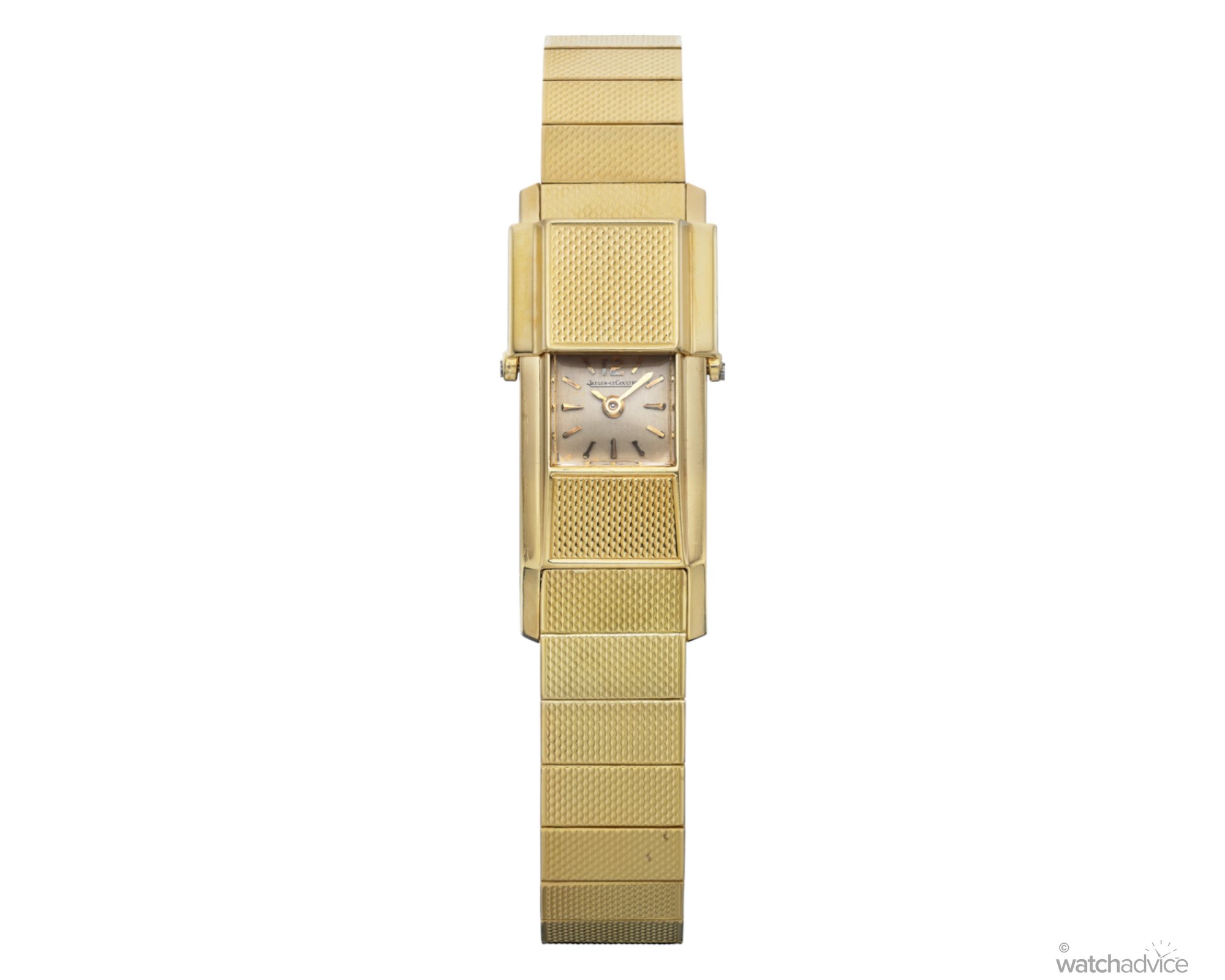
This example is the Duoplan Coulissante, made in 1956. French for “sliding”, it is a mid-century example of the “secret watch”, subtly blending horology and jewellery into one. Built with an 18K yellow gold case and bracelet, it has been finished with a wavy, textured pattern reminiscent of Clous de Paris decoration.
Jaeger-LeCoultre Geomatic E560, 1970
An extremely rare reference in the brand’s catalogue, the Geomatic E560 sounds more like a Jaguar model name than a Jaeger-LeCoultre watch. Produced over four years in an estimated run of around 200 pieces, the watch is powered by the Cal. K883S; the “S” denotes “stop seconds”.
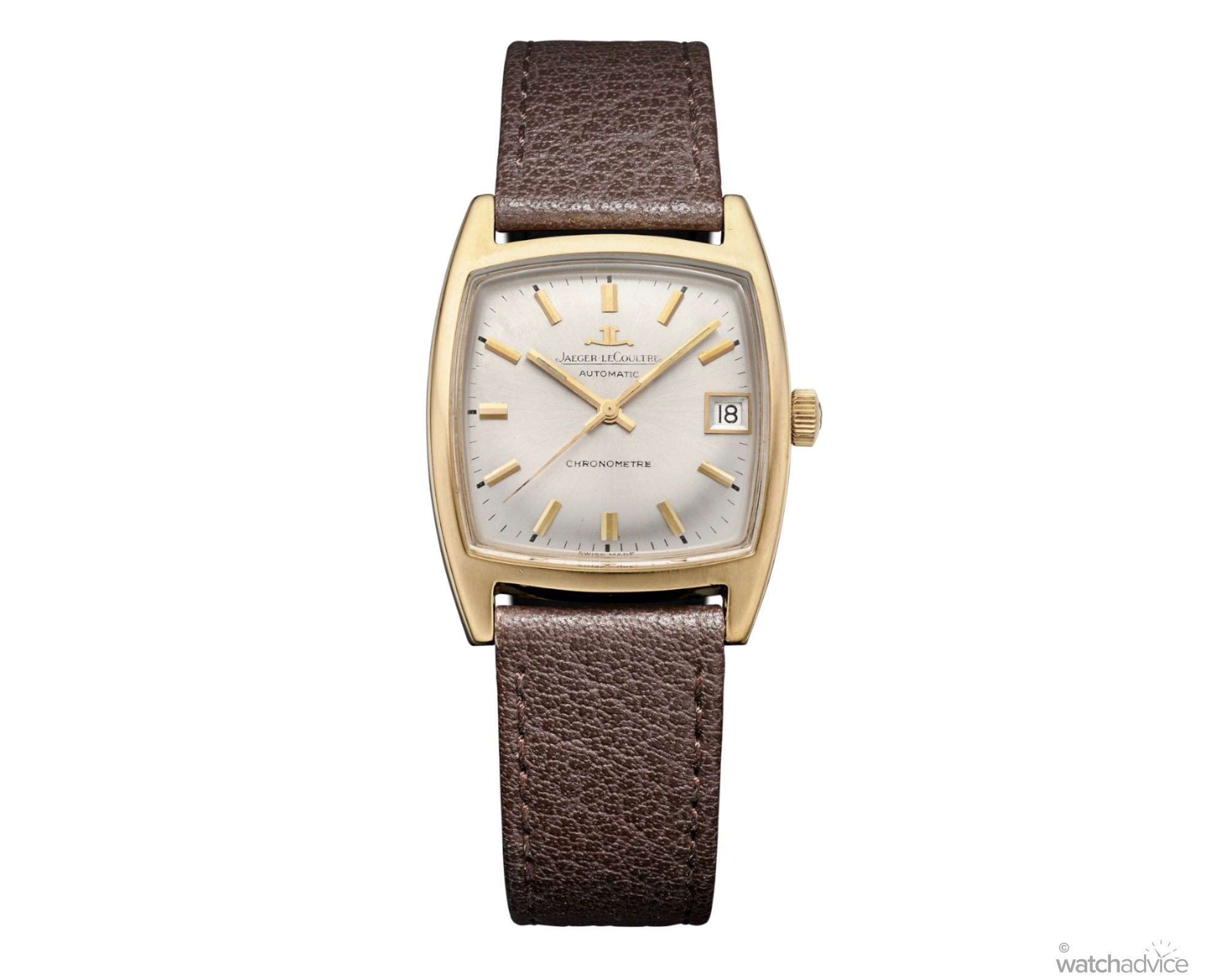
Featuring a tonneau-cushion hybrid case in 18K yellow gold, it also includes a quick-set date mechanism as well as chronometer certification. While the original certification has likely long since expired, Jaeger-LeCoultre’s craftsmen could bring it back up to standard.
Jaeger-LeCoultre Reverso Two-Tone, 1941
The first Reverso model of the capsule, with plenty more to come, I assure you, is this two-tone model circa 1941. This is especially significant considering the assumed introduction of two-tone watches is often attributed to Cartier in the late 1970s. This model demonstrates how far ahead of the curve Jaeger-LeCoultre was, creating the bi-metal design long before it hit the mainstream.
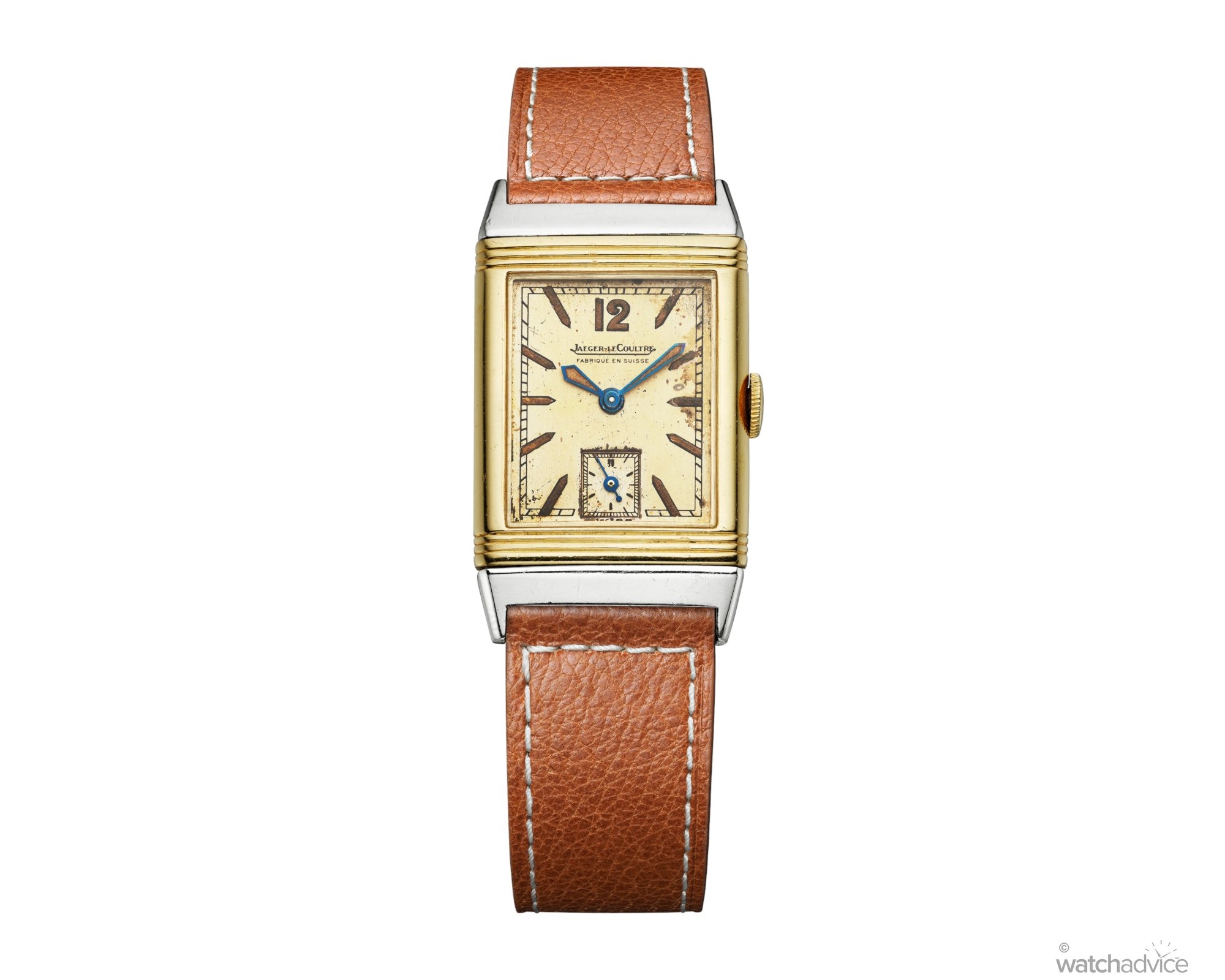
Featuring an 18K yellow gold case set in a steel cradle, it is powered by the Cal. 438 with a small seconds complication, a feature that has since become emblematic of modern Reverso design.
Jaeger-LeCoultre Triple Calendar Moonphase, 1946
Okay, this might be my favourite of the entire bunch. Jaeger-LeCoultre introduced the triple calendar to their repertoire in 1942, specifically to appeal to the burgeoning wristwatch industry of the time. It highlights the practical advantages of wearing a wristwatch, with the date, day, and moonphase all readable at a glance.
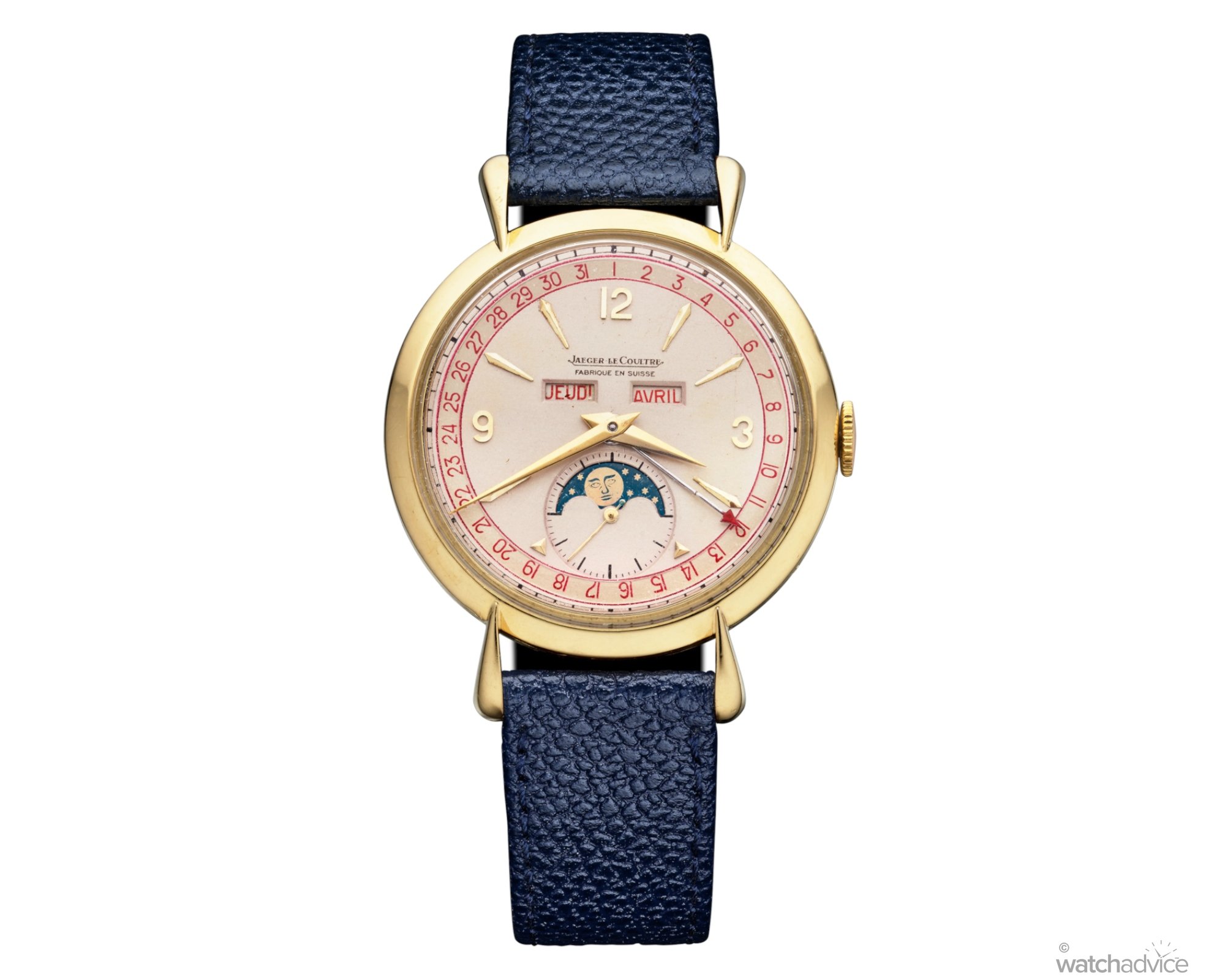
Featuring teardrop-style lugs and Dauphine hands, the watch is powered by the Cal. 494, which operates all the associated complications. You might have to brush up on your French for this one, though, as it was made exclusively for the French market.
Jaeger-LeCoultre Reverso, 1931
This watch, list-wise, marks the start of the ensuing Reverso gauntlet, but that doesn’t make this model any less significant. Made in 1931, it is in fact one of the very first Reversos ever produced. With its all-black dial, it made the watch both intimidating and distinctly period-specific, as early wristwatches mostly relied on silver and white dials instead.
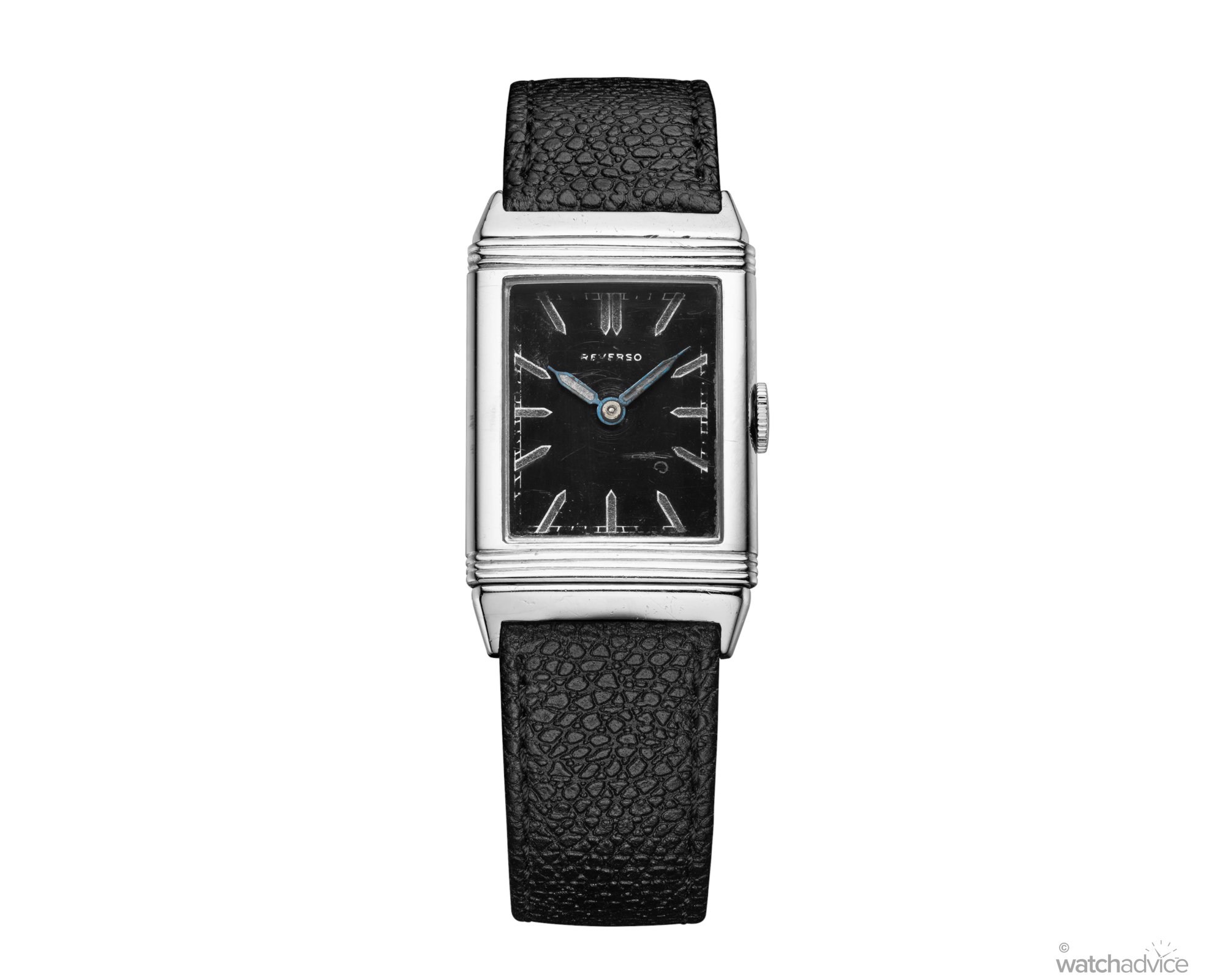
You may notice that the early details of the Reverso differ slightly from the ones you know. For instance, the blue syringe hands were used instead of the sword or Dauphine hands that came later. This watch is also powered not by a manufacture movement, but the Tavannes Cal. 063. Jaeger-LeCoultre would go on to develop its own movements two years after this piece was made.
Jaeger-LeCoultre Reverso Dame, 1931
Another Tavannes-era watch, this Reverso Dame was also made in 1931. Though it was originally conceived for sporting purposes, models like these show just how quickly the Reverso was adopted by tastemakers and luxury audiences. The sword hands make their appearance here, while the minute track has been replaced by curved bracket markers to enhance its Art Deco character. It is a recognisable and timeless feature that even appears in the modern Reverso One women’s collection.
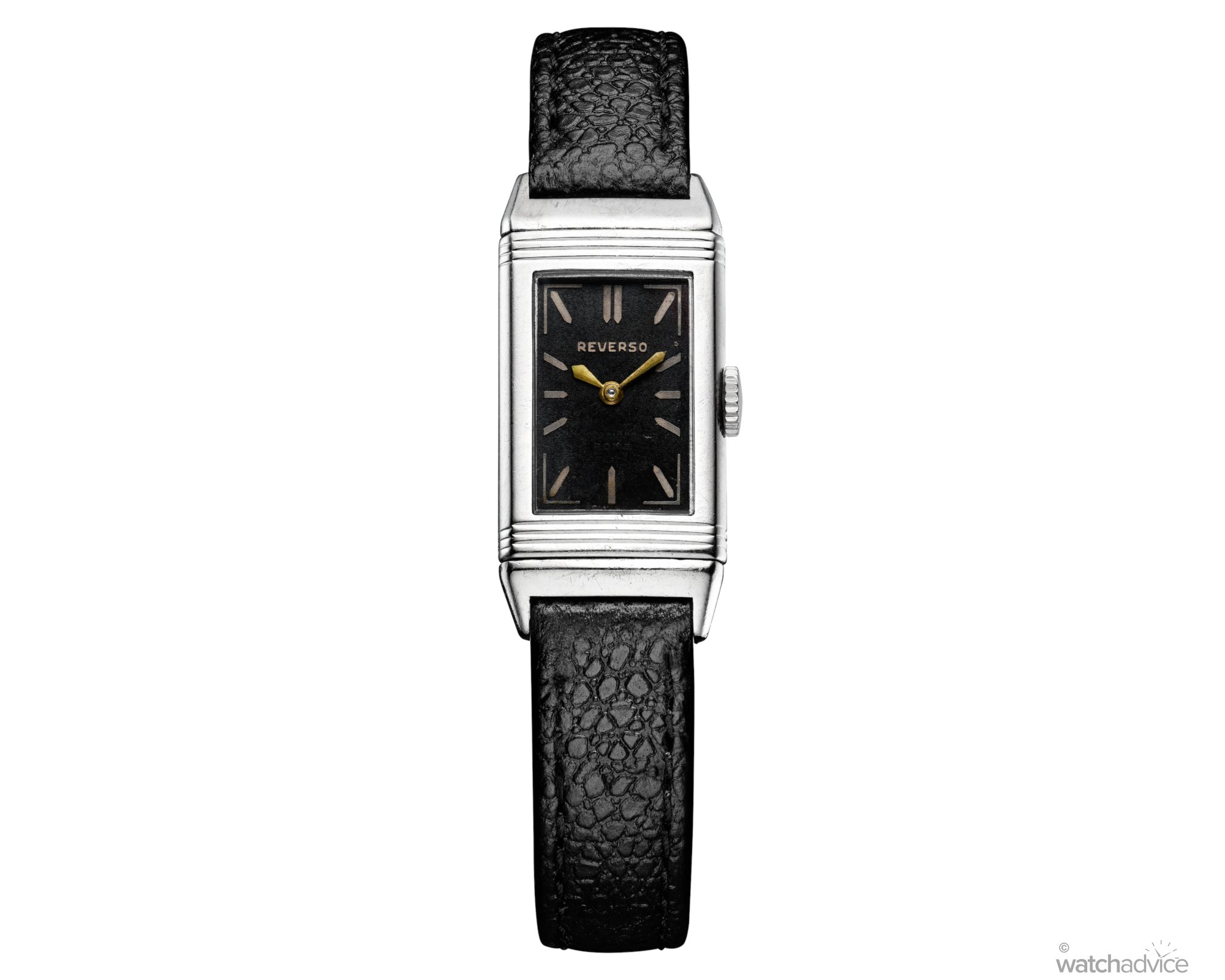
Powered by the Tavannes Cal. 051, it served as the quintessential, distinctly feminine counterpart to the previous model, hence the name Reverso Dame.
Jaeger-LeCoultre Reverso Central Seconds, 1938
Nicknamed the “Doctor’s Reverso”, this version of the Reverso was introduced by Jaeger-LeCoultre in 1938 for medical professionals. By this time, the brand was using its own movements within the collection, with the Cal. 411 serving as the beating heart of this model.
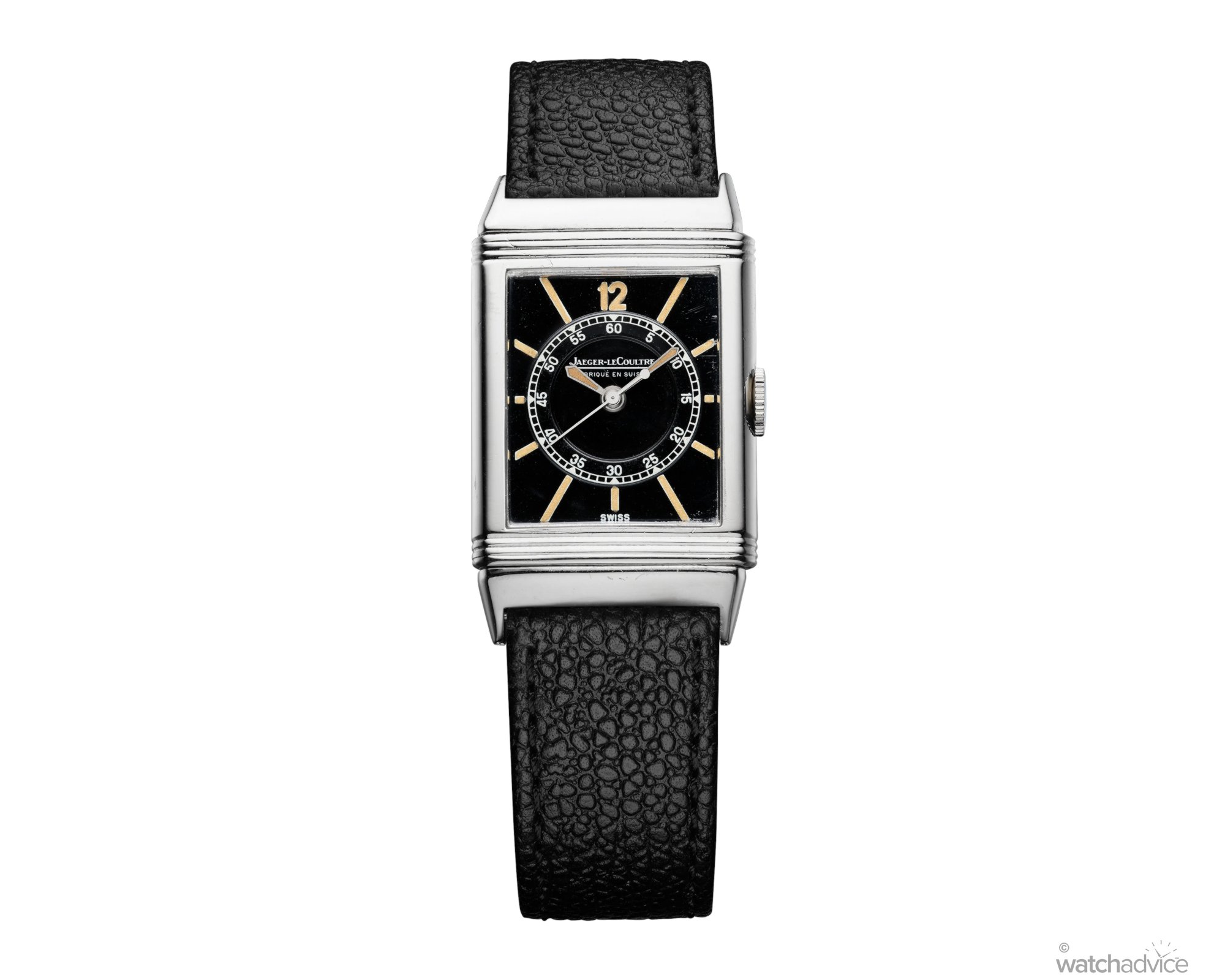
With a central seconds hand and associated scale, it allowed doctors to carefully and accurately track a patient’s pulse. It is remarkable how medical professionals once managed without such dedicated tools, as the absence of a pulsometer meant they had to calculate a patient’s heartbeat manually. This watch is perhaps one of the earlier examples of the Reverso shifting away from its purely elegant identity towards a more practical, function-driven purpose.
Jaeger-LeCoultre MemoVox Parking, 1958
Moving off the Reverso momentarily, I have to apologise: I lied. This is actually my true favourite of the entire capsule. It won’t happen again, I promise, but the Memovox Parking is such a unique touchstone in the history of timekeeping.
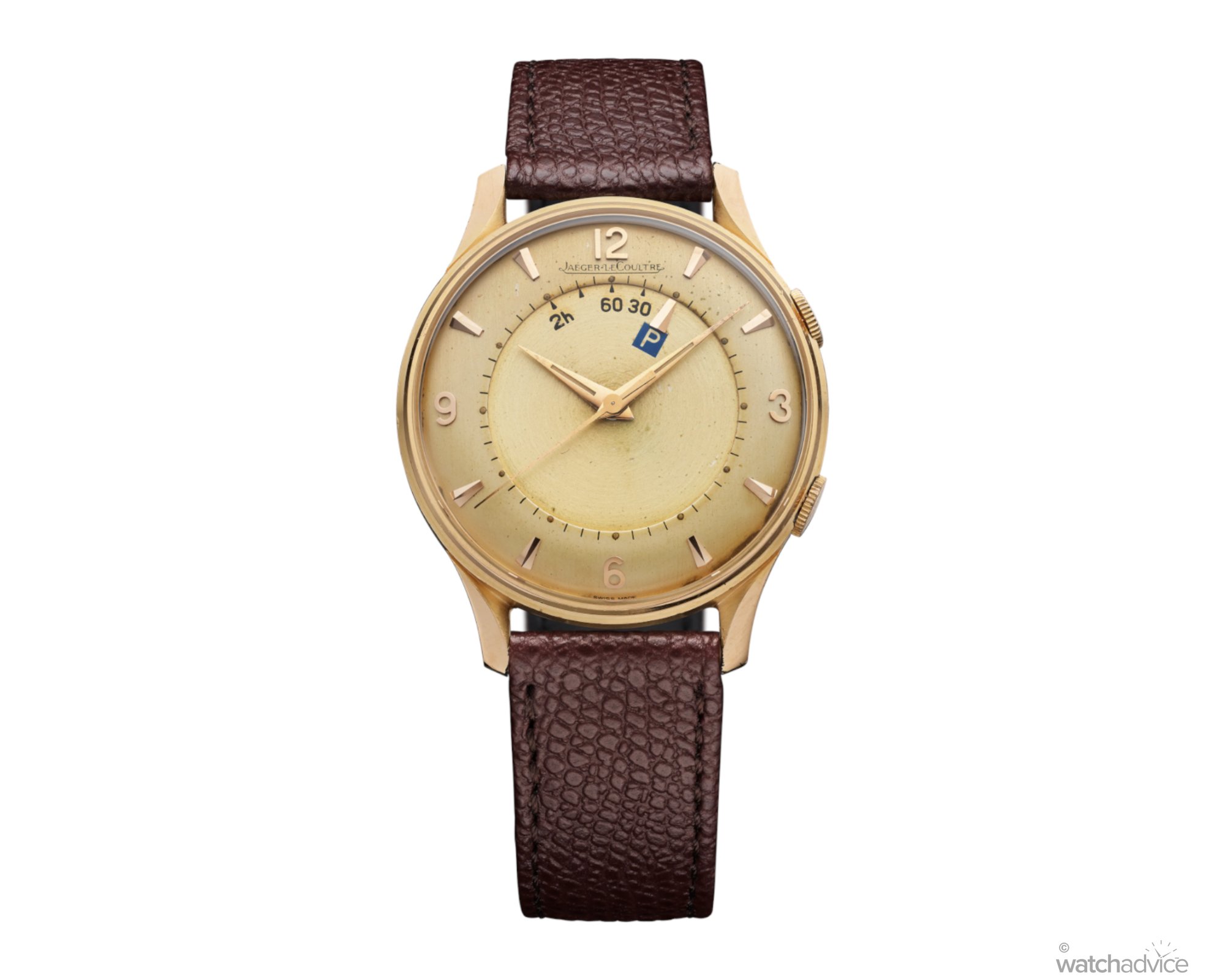
For the brand’s 125th anniversary in 1958, Jaeger-LeCoultre introduced this model to serve a very specific purpose: avoiding parking tickets. It is still an elegant watch, encased in 18K yellow gold with a gold-toned dial, but at its centre lies the blue-and-white pictogram of the parking symbol. Around it, four markings denote set parking intervals.
Powered by the Cal. 814, the Memovox’s alarm can be set anywhere from 30 minutes up to two hours, sounding when it is time to pay your parking fee or move the car before anyone notices.
Jaeger-LeCoultre Reverso Corvo, 1972
Another 70s-era Reverso, the Corvo is an interesting, minimalist interpretation of the collection created by Italian designer Giorgio Corvo. Post-war horology, compounded by the quartz crisis, demanded watches with practicality at the forefront, and the Corvo’s dial layout stripped the Reverso of most of the flourishes emblematic of Jaeger-LeCoultre.
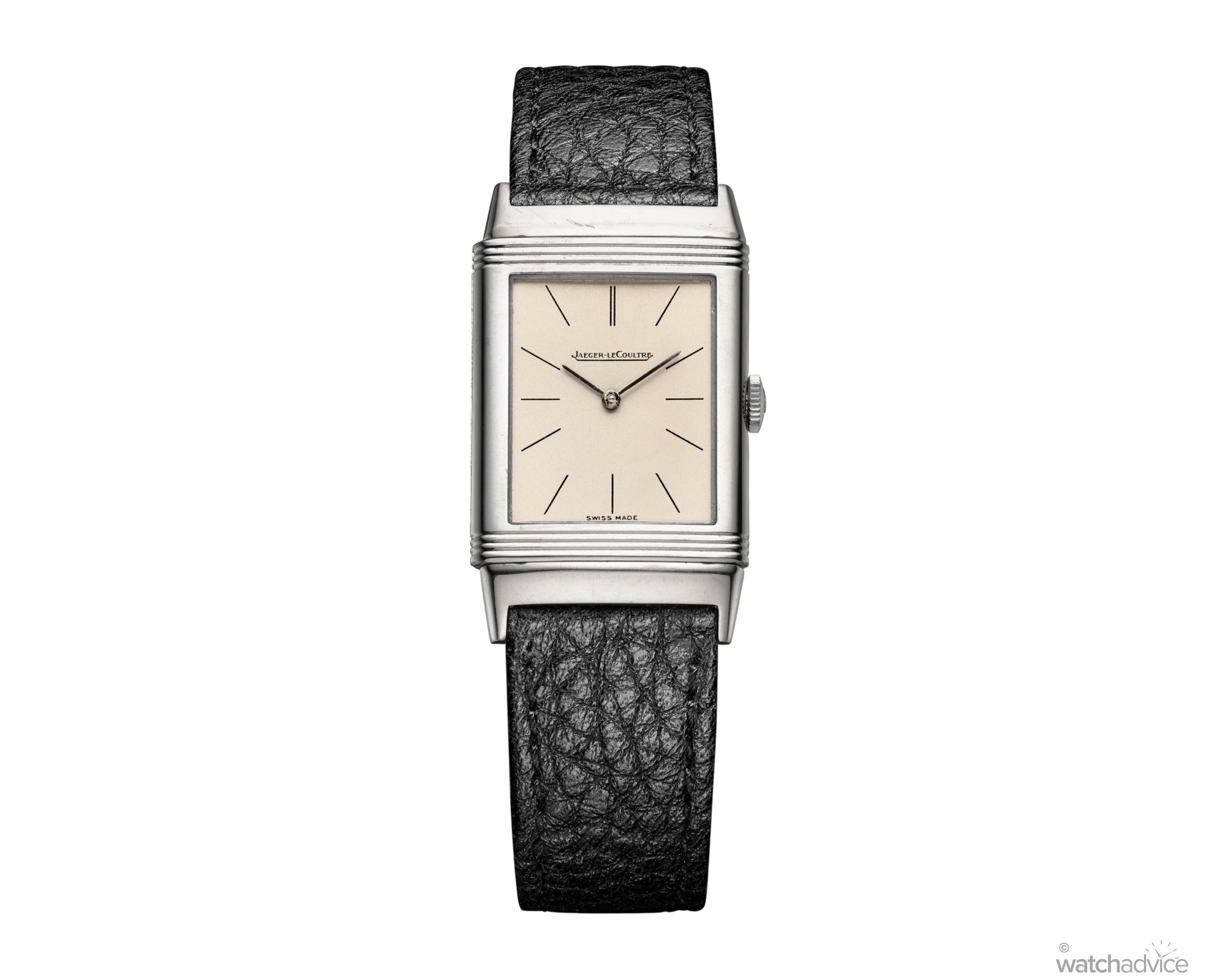
Acquiring 200 unused Reverso cases, Corvo repurposed them with his own dial design and the Cal. 840 to power it. Said to have been offered exclusively to Italian clients, the entire line was reportedly sold out in a single month. If only it were that easy these days…
Jaeger-LeCoultre Reverso Sun Moon, 2000
One of two models made in the 2000s, the Reverso Sun Moon represents a contemporary turn in the collection’s design language. Catching the first of several waves of renewed enthusiasm, the Reverso Sun Moon introduced the world to more complex Jaeger-LeCoultre calibres, with sapphire crystal casebacks to show them off.
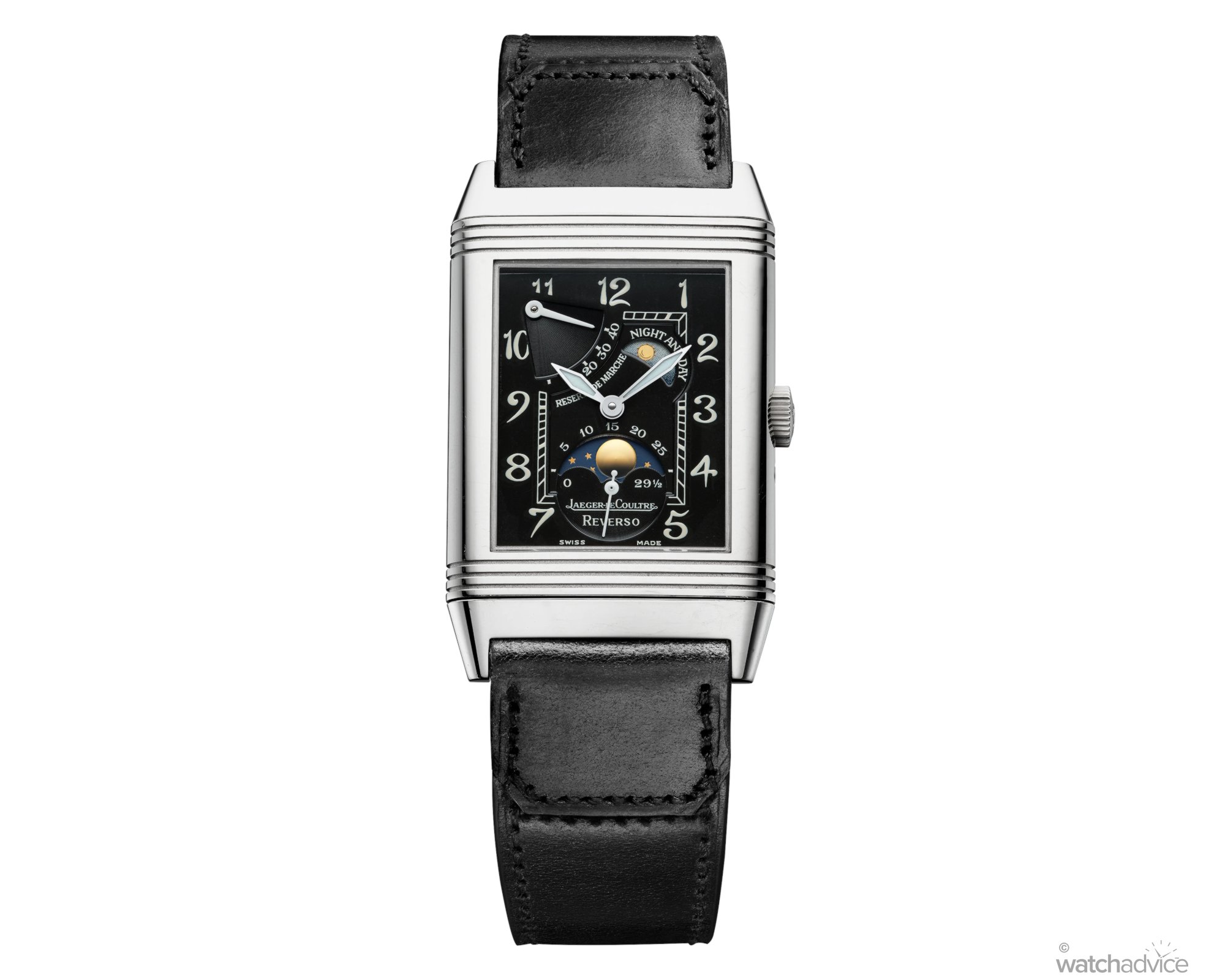
With a 24-hour indication via a sun and moon disc, a power reserve indicator, and a moonphase display, the Cal. 823 reignited Jaeger-LeCoultre’s passion for elegance through complexity.
Jaeger-LeCoultre MemoVox Automatic Calendar, 1969
At the peak of the golden era of watchmaking came this Jaeger-LeCoultre Memovox Automatic Calendar, introduced just before the turn of the decade in 1969. It marked a major milestone in the brand’s mechanical innovation, combining the practicality of automatic winding with an alarm complication.
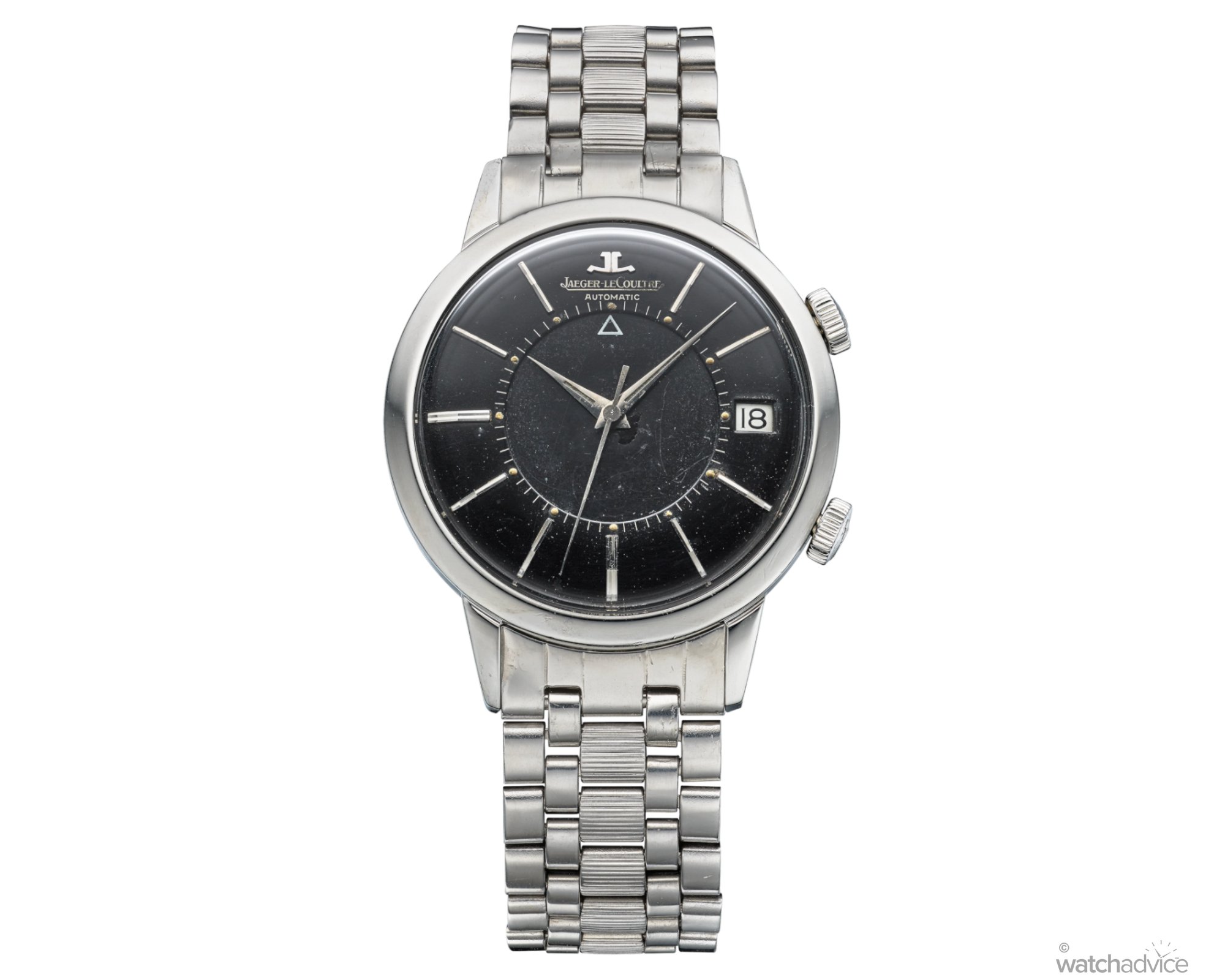
Together, these functions made the Memovox Automatic Calendar a highly functional watch and a reliable daily companion. Presented with a classic black dial, it is powered by the Cal. 825, the movement responsible for its complexity, though it remains visually understated in line with its more pragmatic design philosophy.
Jaeger-LeCoultre Reverso Art Deco, 2003
Finally, we come to the youngest of the entire capsule. Made in 2003, the Reverso Art Deco further capitalised on the 2000s reignition of interest in fine watchmaking. Perhaps most emblematic of the modern Reversos you see in the current roster, this dial features a hand-guilloché barleycorn pattern atop a salmon dial.
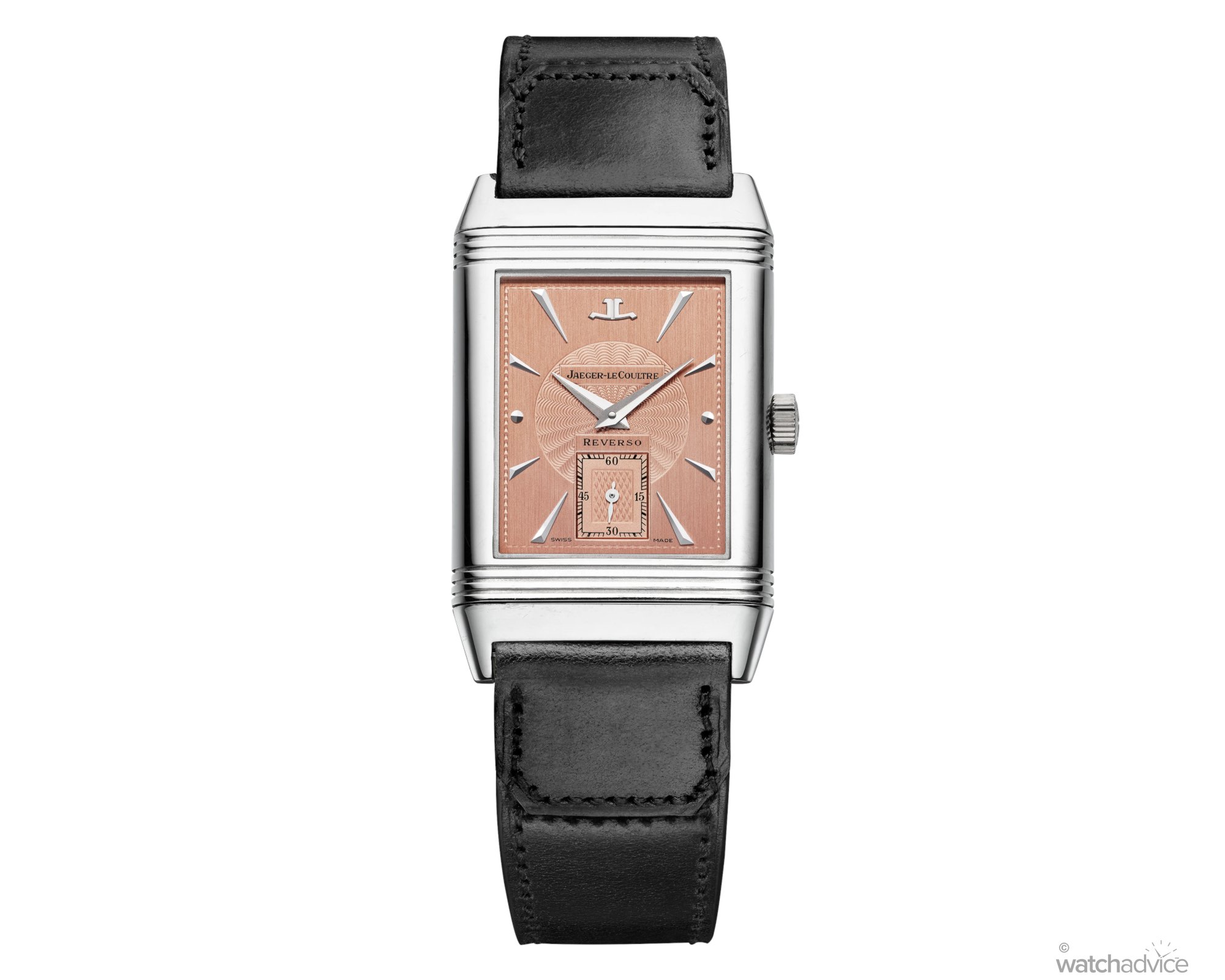
Both elements would become extremely popular in the current era, as guilloché and salmon dials remain a staple in luxury watchmaking. Encased in 18K white gold and powered by the Cal. 822, it was a unicorn piece, with no more than ten pieces produced per month during its run.
Final Thoughts
The Collectibles Programme is perhaps one of the more fascinating approaches a watch brand has taken to the concept of certified pre-owned. By converting it from a grey-market concept into a celebration of watchmaking heritage, Jaeger-LeCoultre demonstrates that it is not short of history or watches, to highlight.
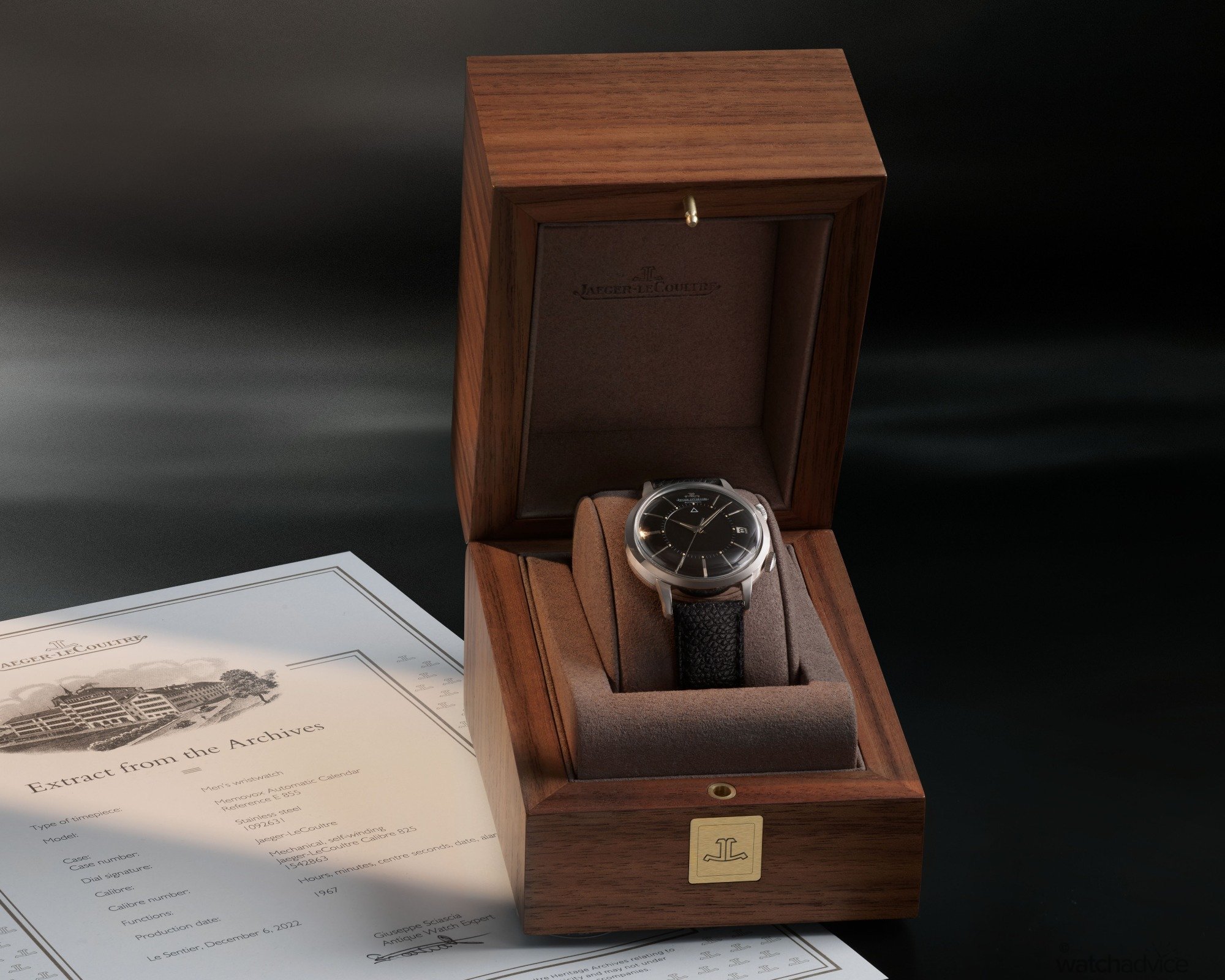
Now entering its sixth iteration, The Collectibles shows no signs of slowing down. In my opinion, it really shouldn’t. By combining Jaeger-LeCoultre’s rich archives with its penchant for fine craftsmanship, it gives extremely rare watches a second chance at life, and us a second chance at owning them, that is, if the brand deems them significant enough to restore.