

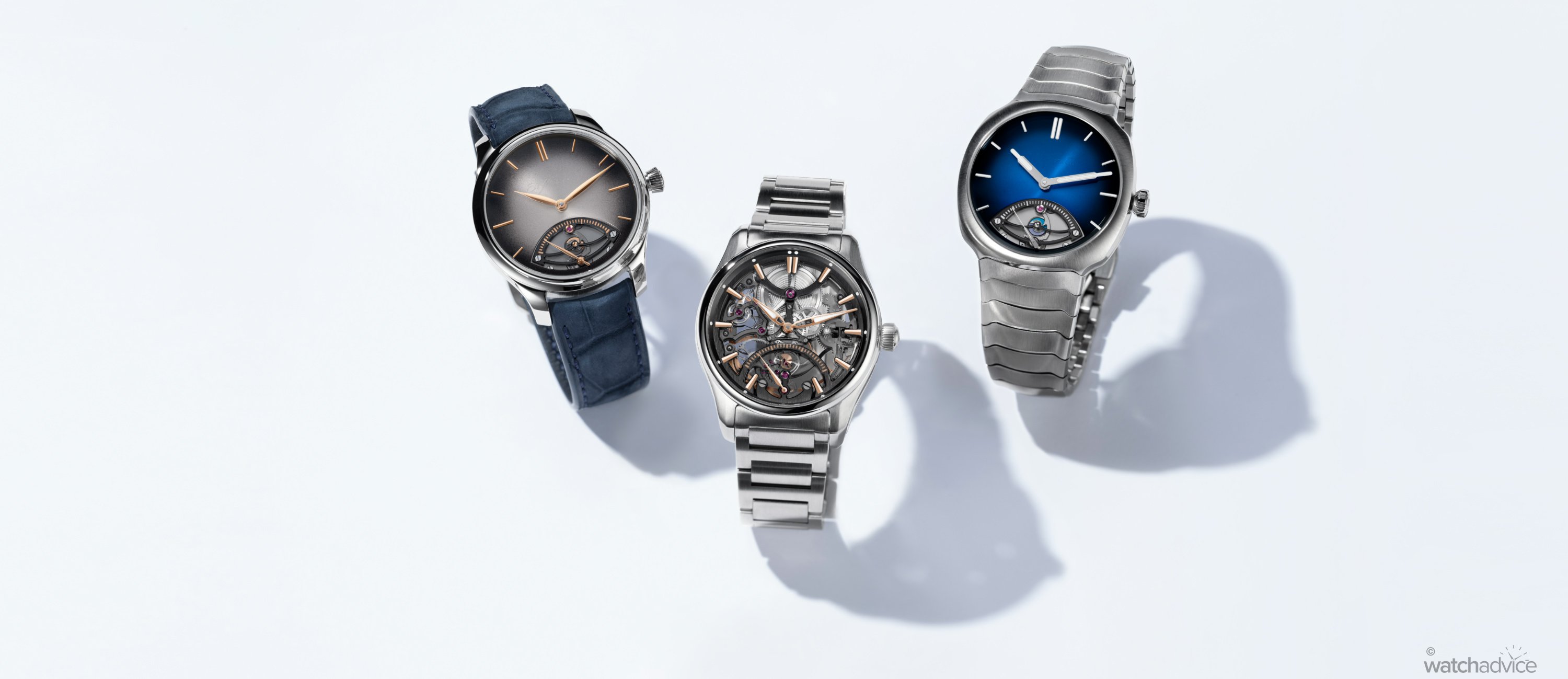
H. Moser & Cie. gives the Streamliner, Pioneer & Endeavour the retrograde seconds treatment, and we’re liking it!
When H. Moser & Cie. released the Pioneer Retrograde Seconds in 2024, it was a watch I was keen to get my hands on and see in person. Why? As much as I’d like to give a technical answer that was nuanced and well thought through, the simple answer was that I thought it was a really cool-looking watch. Nothing more, nothing less.

The retrograde seconds count up to 30 and then snap back to do it all again, which means you have some theatre on the wrist each and every time you look at the watch. The use of the Pioneer case is a mix of sporty and elegant, and the blue fumé dial with an almost invisible logo topped it off.
Now, H. Moser & Cie. takes this complication, two years later, I may add, and delivers it across three collections: Streamliner, Endeavour and, of course, the Pioneer again. However, Moser hasn’t just made the same watch in three models; each model has been crafted to bring out each of its hallmarks we’ve come to know.
Pioneer Skeleton Retrograde Seconds
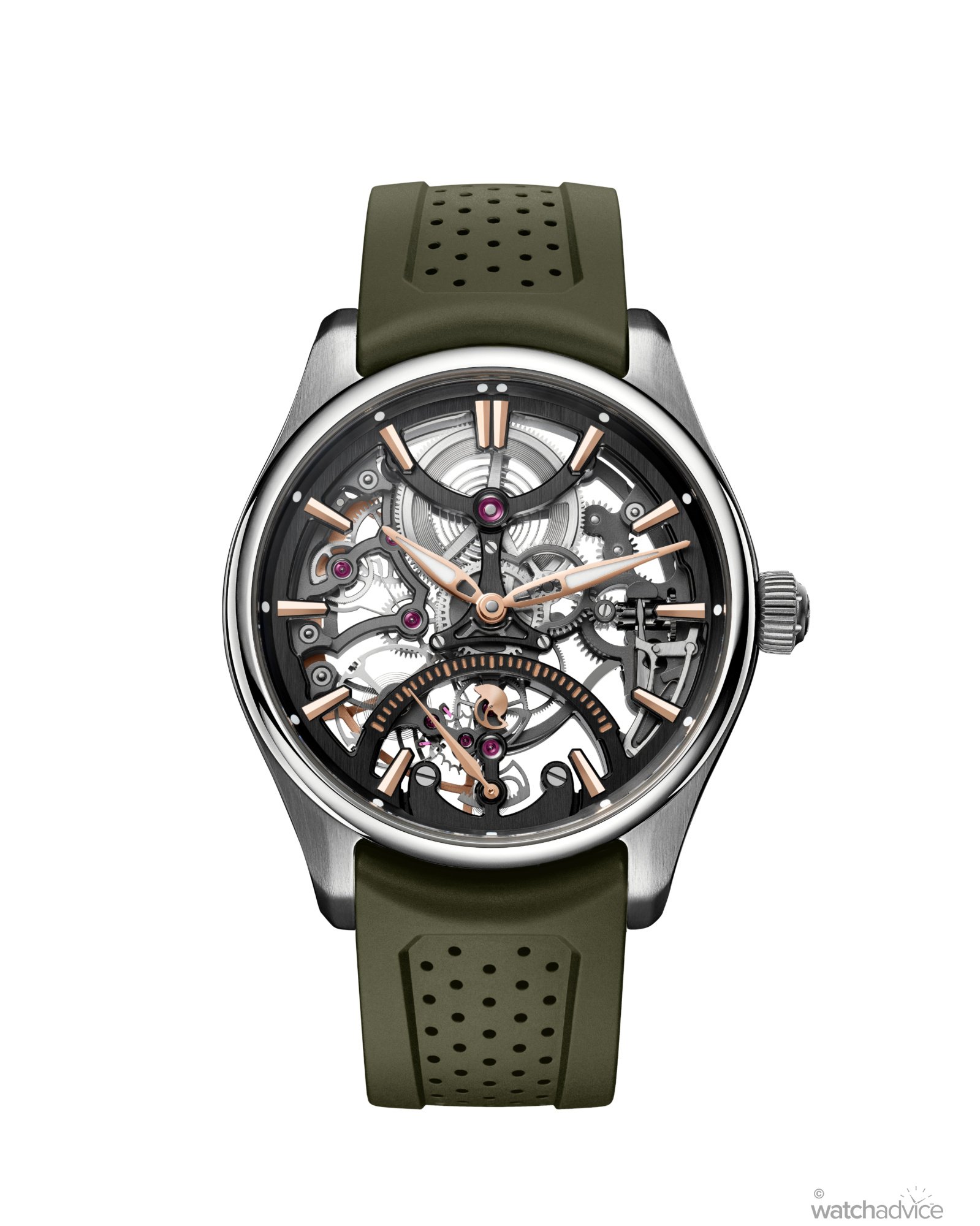
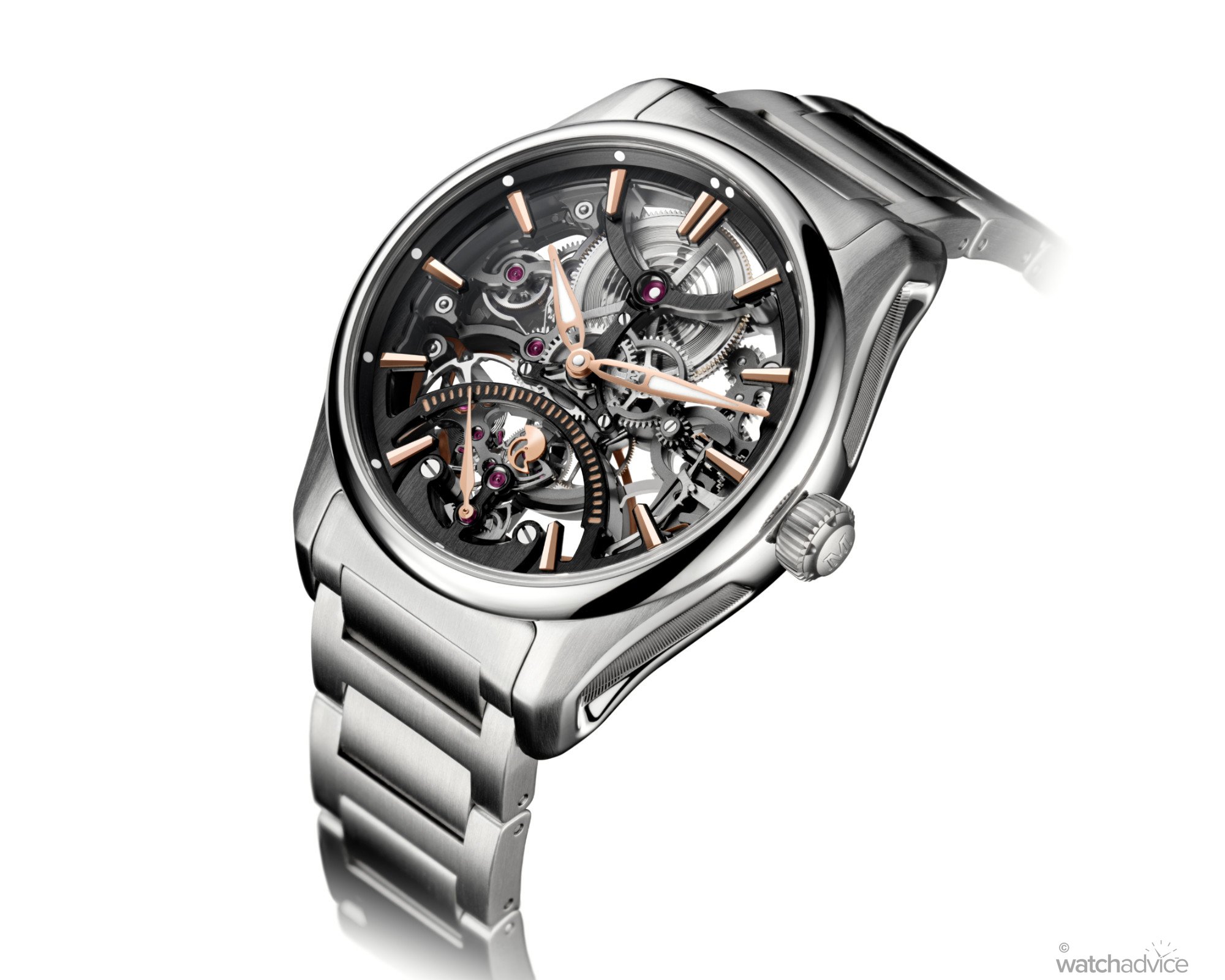
Starting with the Pioneer Skeleton Retrograde Seconds, Moser has taken the original concept and given it a very different look by skeletonising the dial and movement. Where the original Pioneer Retrograde Seconds had that blue fumé dial, the new model is all about showing off the mechanics, with the anthracite-finished bridges and wheels creating a layered look inside the 40mm stainless steel case.
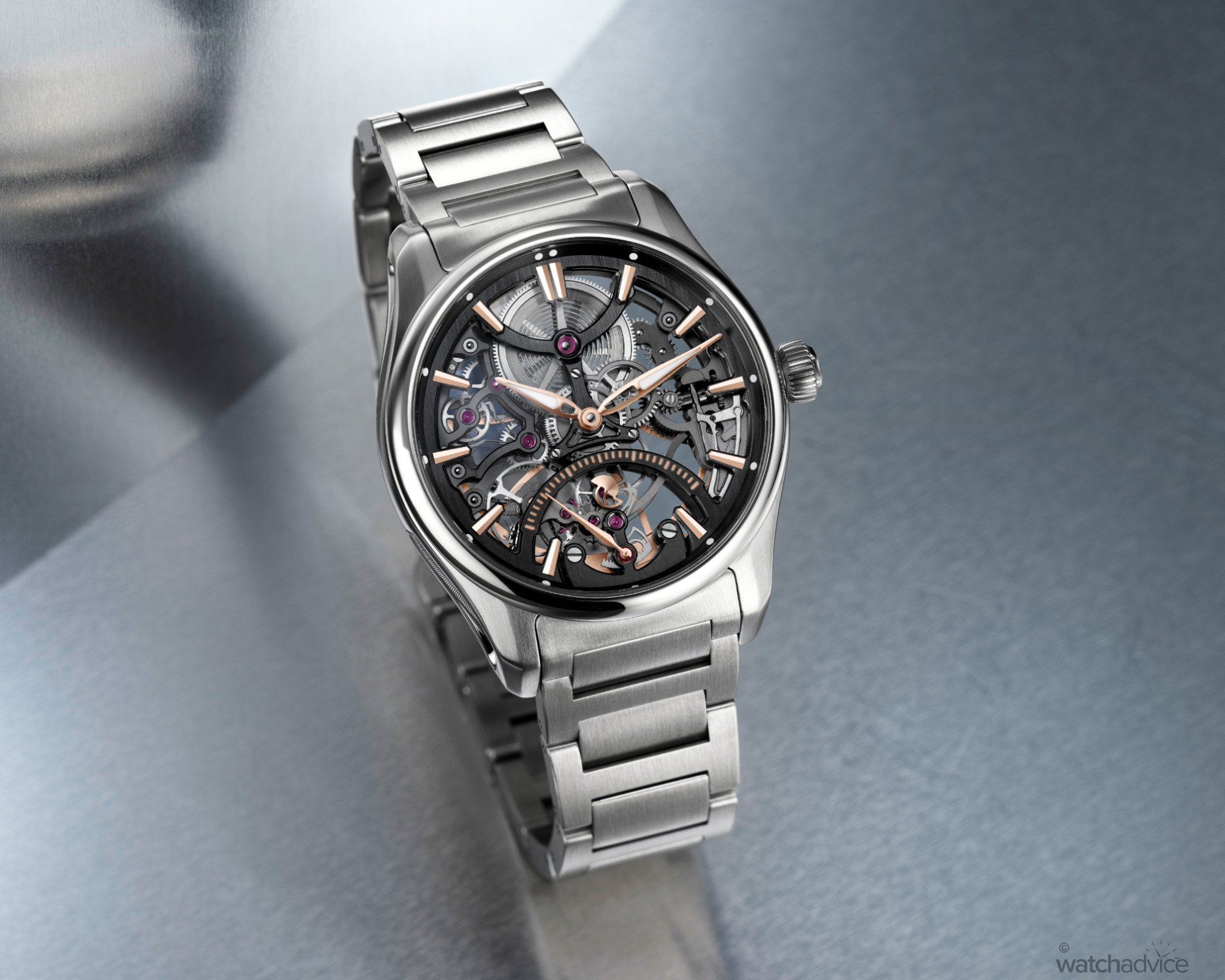
The gold-coloured hands and hour markers provide a nice contrast against the darker movement, while the retrograde seconds display remains at 6 o’clock. As the hand moves across its 30-second arc and snaps back to zero, you can see the mechanism doing its thing, and being skeletonised, there is even more on show when compared to the other two models.
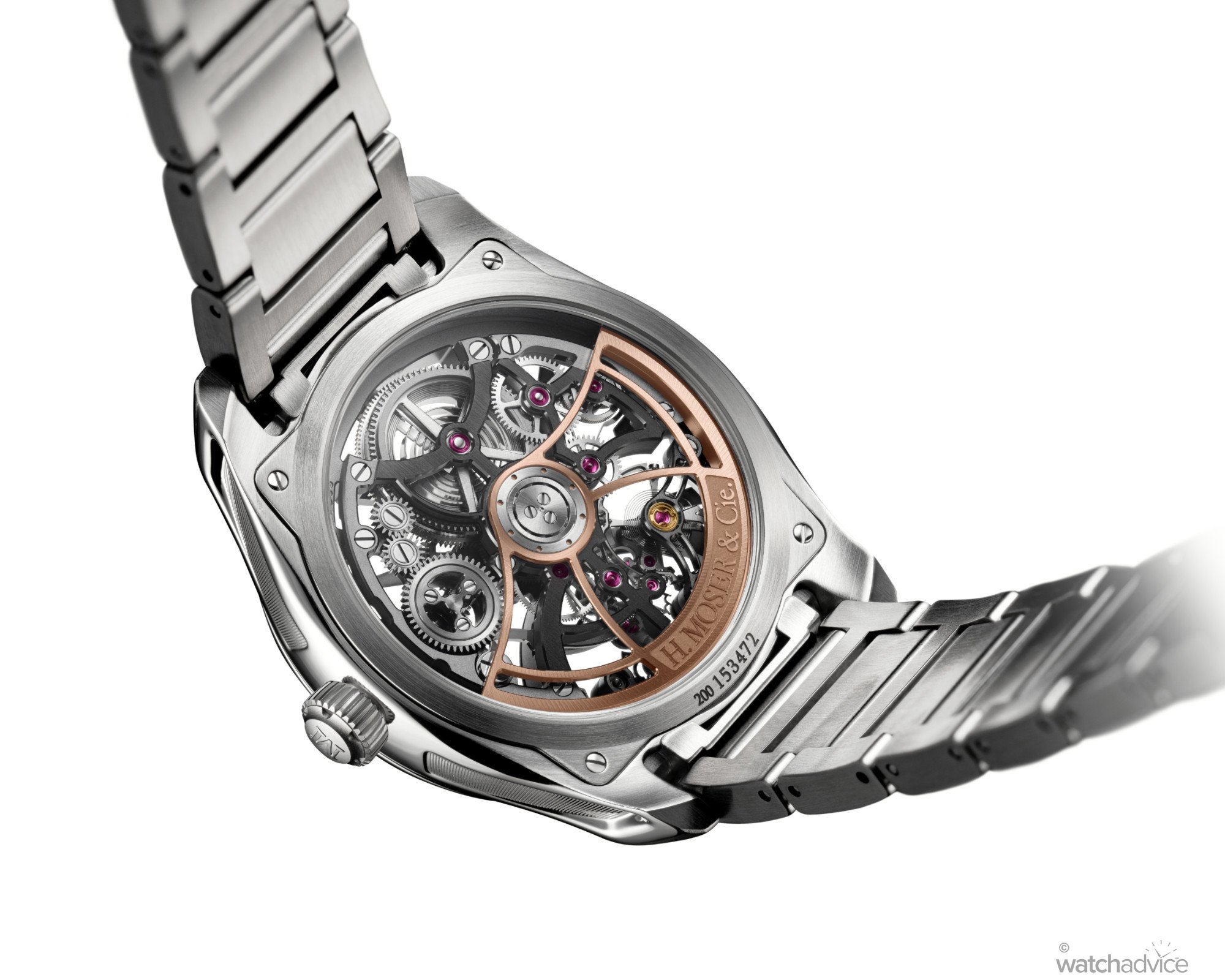
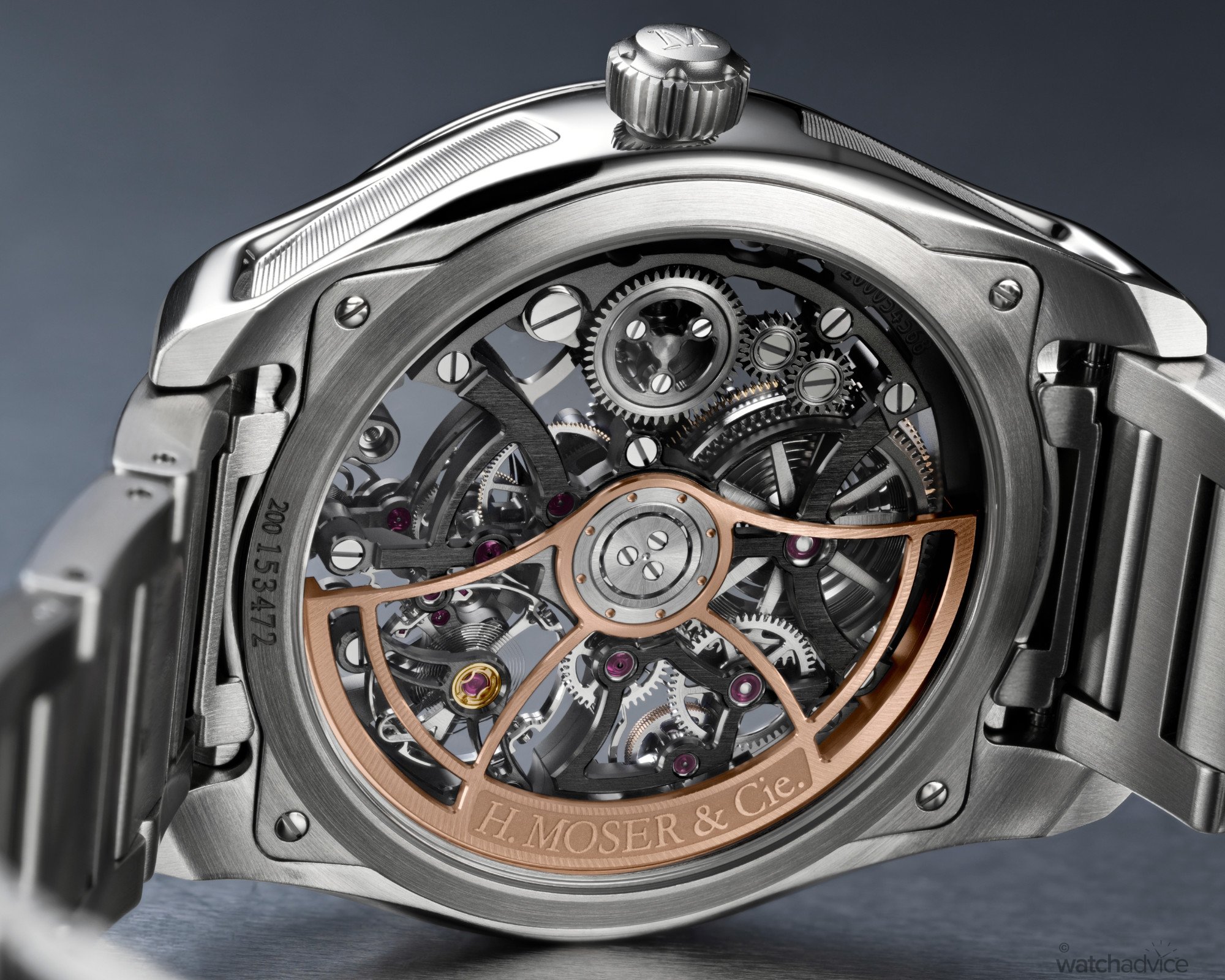
Inside is the HMC 251 Manufacture automatic calibre, a fully skeletonised movement developed by Moser with its 30-second retrograde complication. The skeletonised gold rotor provides contrast against the anthracite movement, which is finished to a high standard as you would expect from a brand such as Moser. The movement beats at 21,600 vibrations per hour and has a power reserve of 72 hours / 3 days.
The case keeps the typical Pioneer shape and dimensions, coming in at 40mm in diameter and 12mm thick, including the sapphire crystal, and, being a sports watch, is 120m water resistant. The way Moser has designed this case style, it does fit well on the wrist, especially on a rubber strap. In this instance, the Pioneer Skeleton Retrograde Seconds comes on a steel bracelet, but thankfully Moser has also included a khaki rubber strap, giving you the option to change things up depending on how you want to wear it.
Streamliner Retrograde Seconds
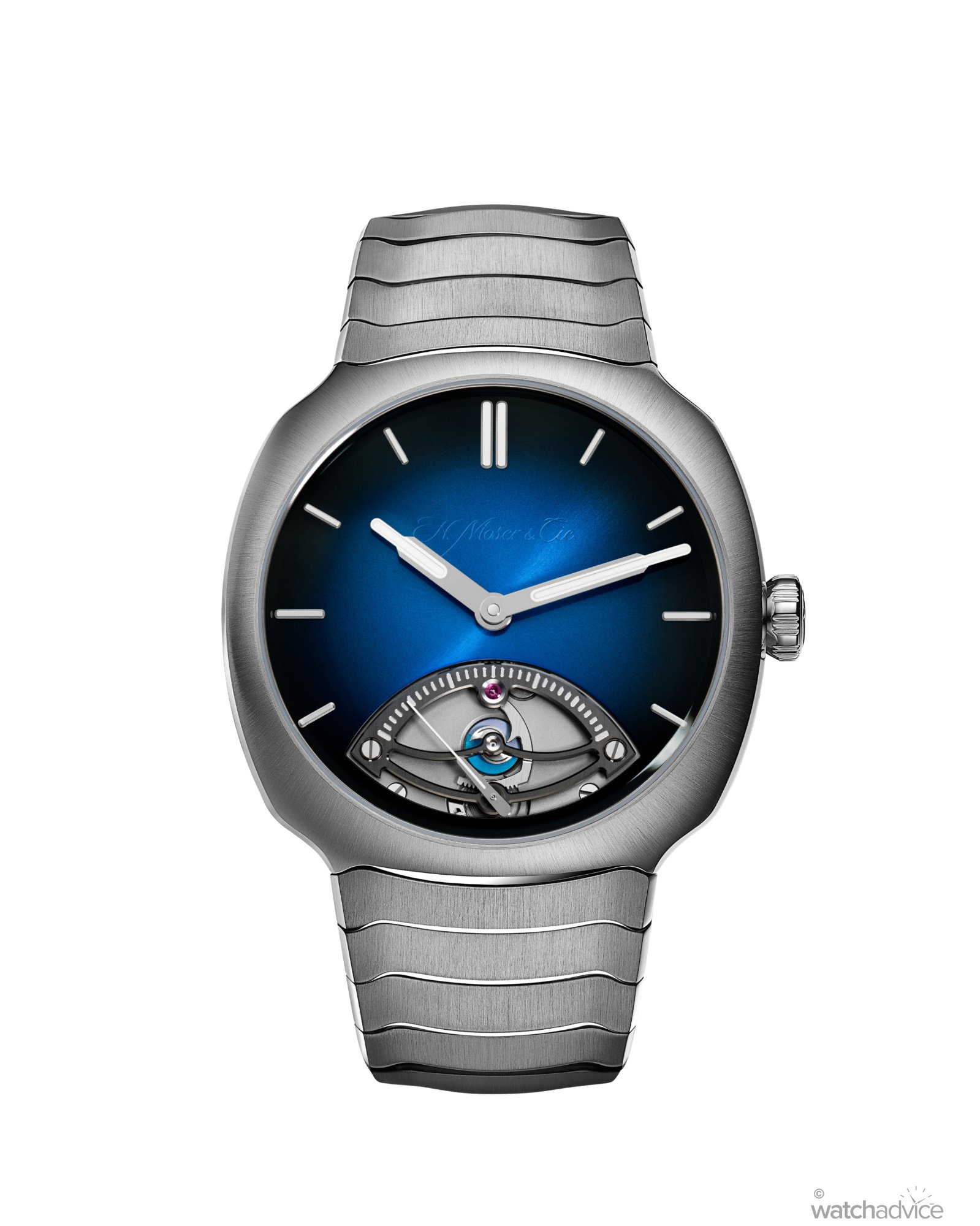
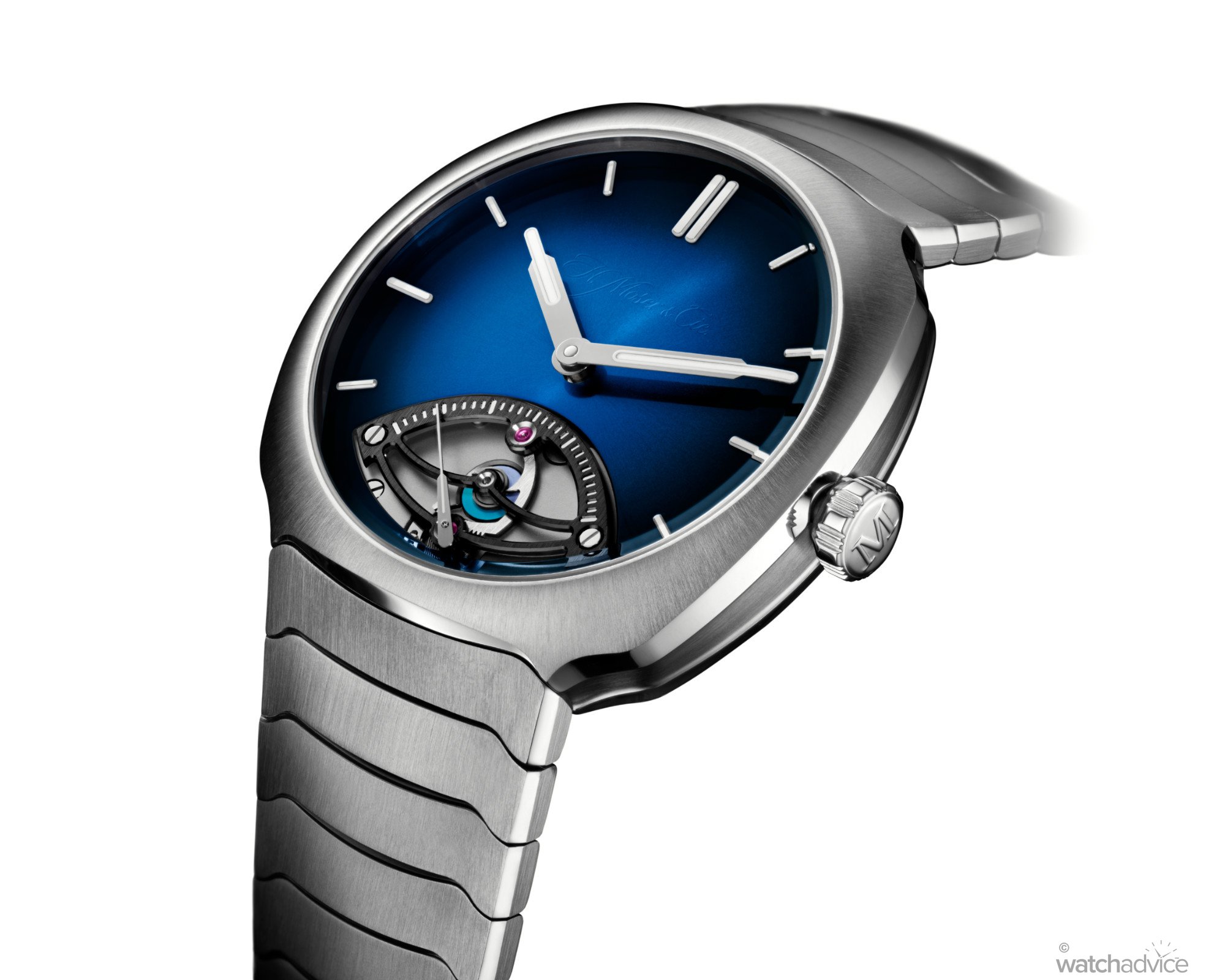
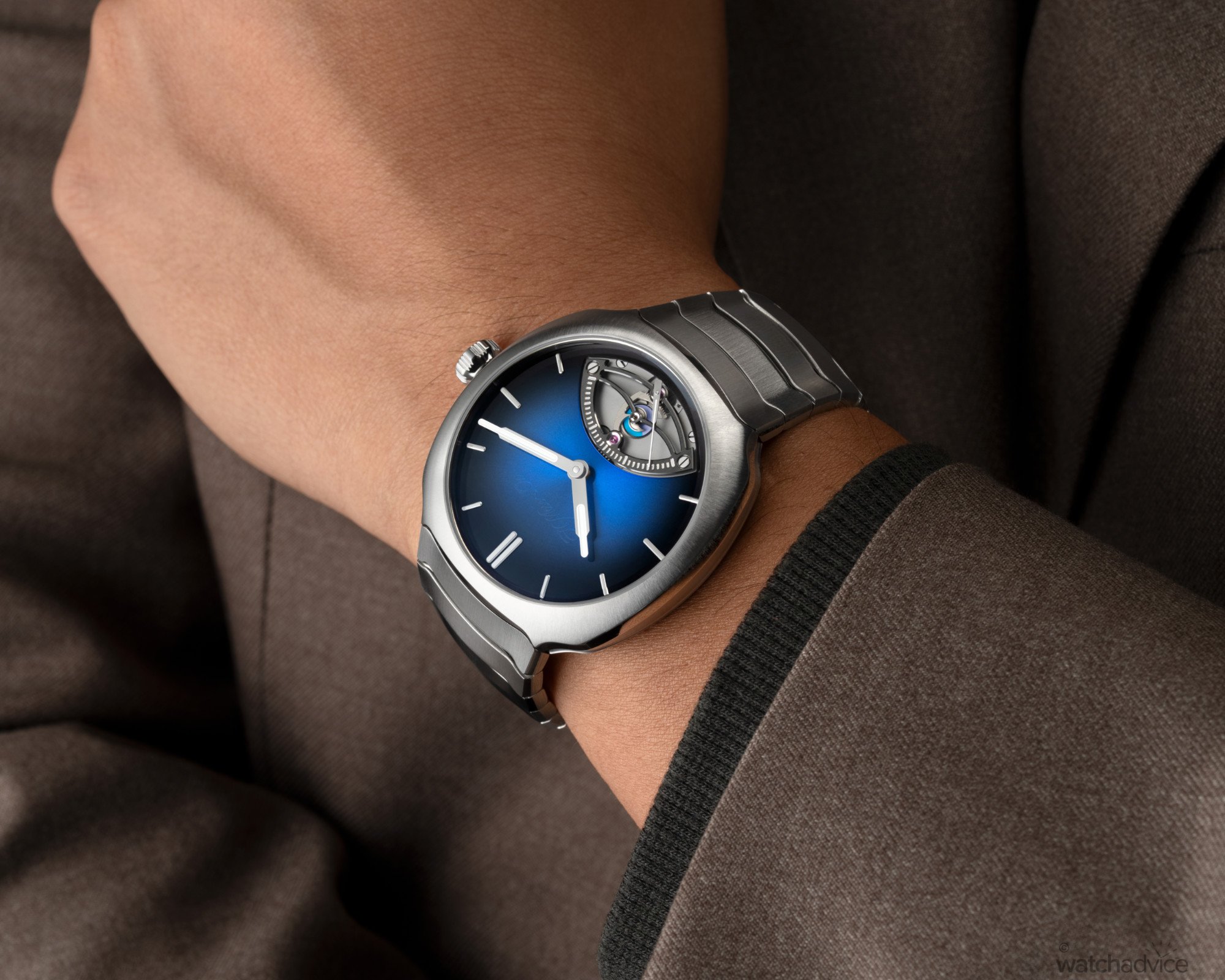
Moving over to the Streamliner Retrograde Seconds, we see a bit of a different character coming through for the Retrograde Seconds. Made in a 40mm stainless steel case, at 12.1mm thick, it has a water resistance of 120 metres, and as you’d expect from the Streamliner, it comes on an integrated steel bracelet that helps give it the unique Streamliner look. The addition of the retrograde seconds display gives the dial something a little different from what we’re used to seeing on the Streamliner, but without changing the overall design and look too much.
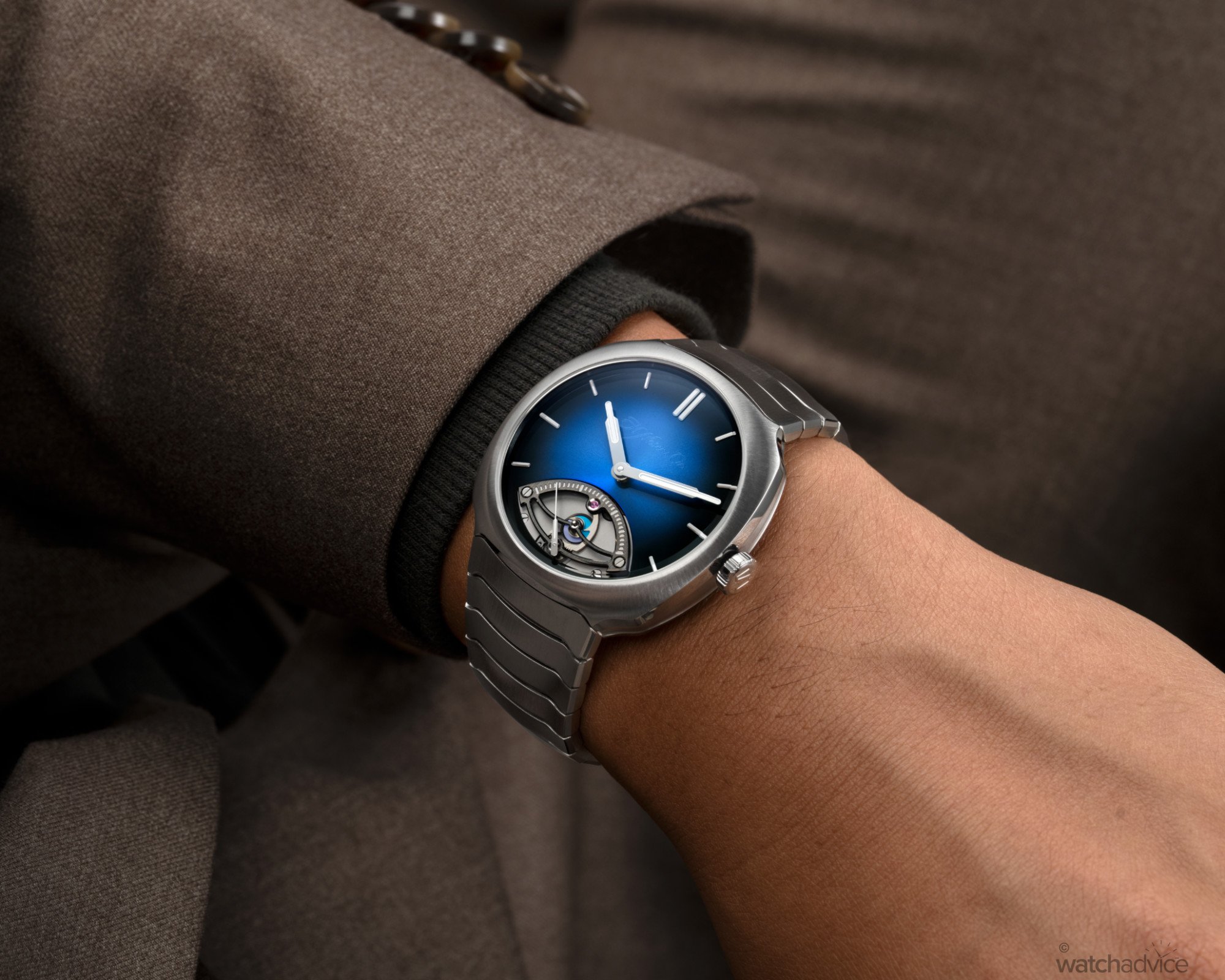
The dial is finished in Midnight Blue fumé with a sunburst pattern, while the logo is applied in transparent lacquer, keeping it almost invisible against the dial. As I’ve mentioned previously, H. Moser & Cie. go to great lengths to create both complex and simple dials, something I spoke to Bertrand Meylan about a couple of years ago when I caught up with him in Sydney. Moser makes simple-looking dials, but when you look closer, the complexity and details are anything but.
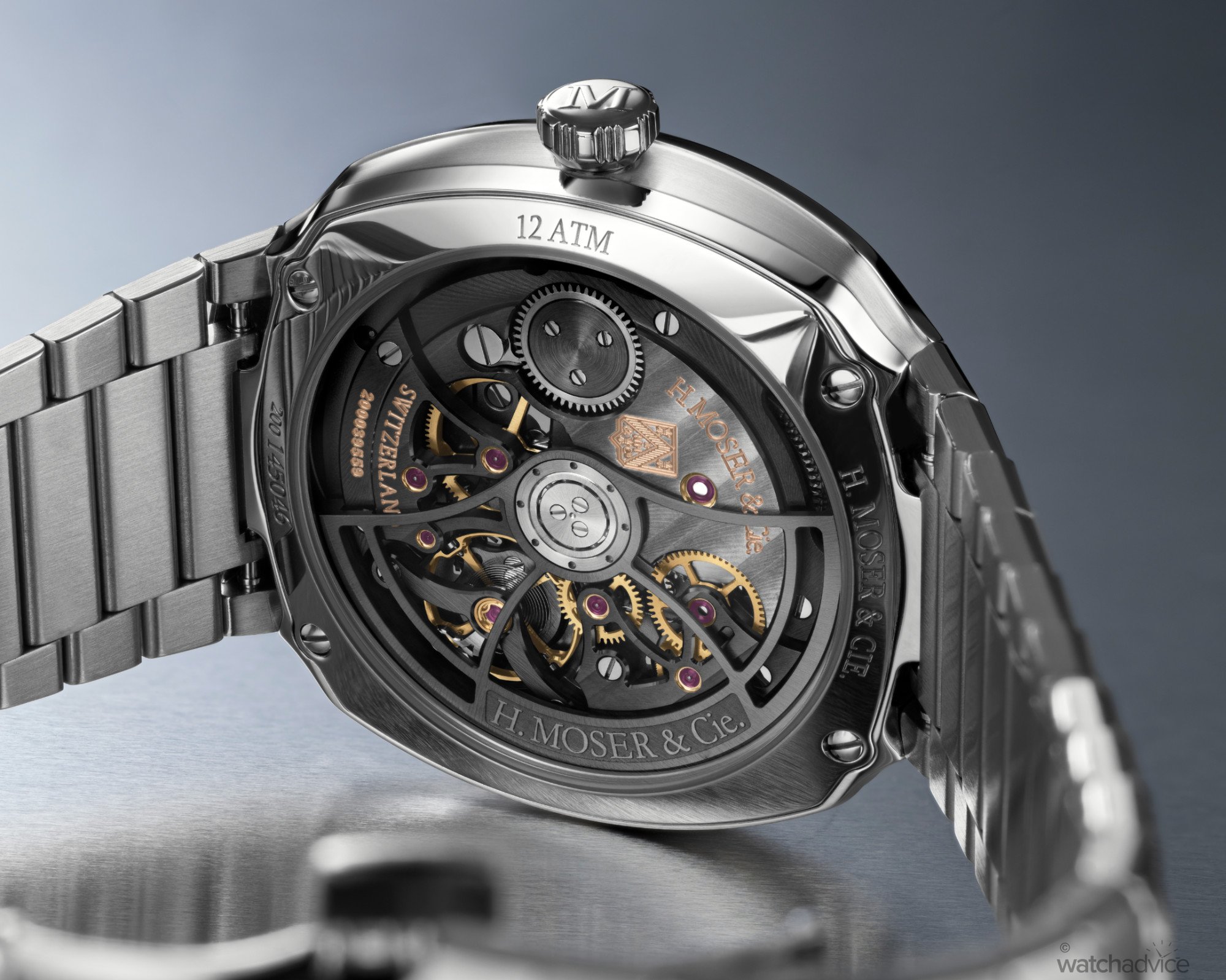
In a slightly different move to the Pioneer model, the Streamliner uses the HMC 252 Manufacture automatic calibre. This calibre has partially skeletonised bridges, with the anthracite finish and Moser’s double stripes visible through the sapphire case-back. It also features an engraved oscillating weight, an original Straumann hairspring and, like its siblings, includes a 72-hour power reserve.
Endeavour Retrograde Seconds
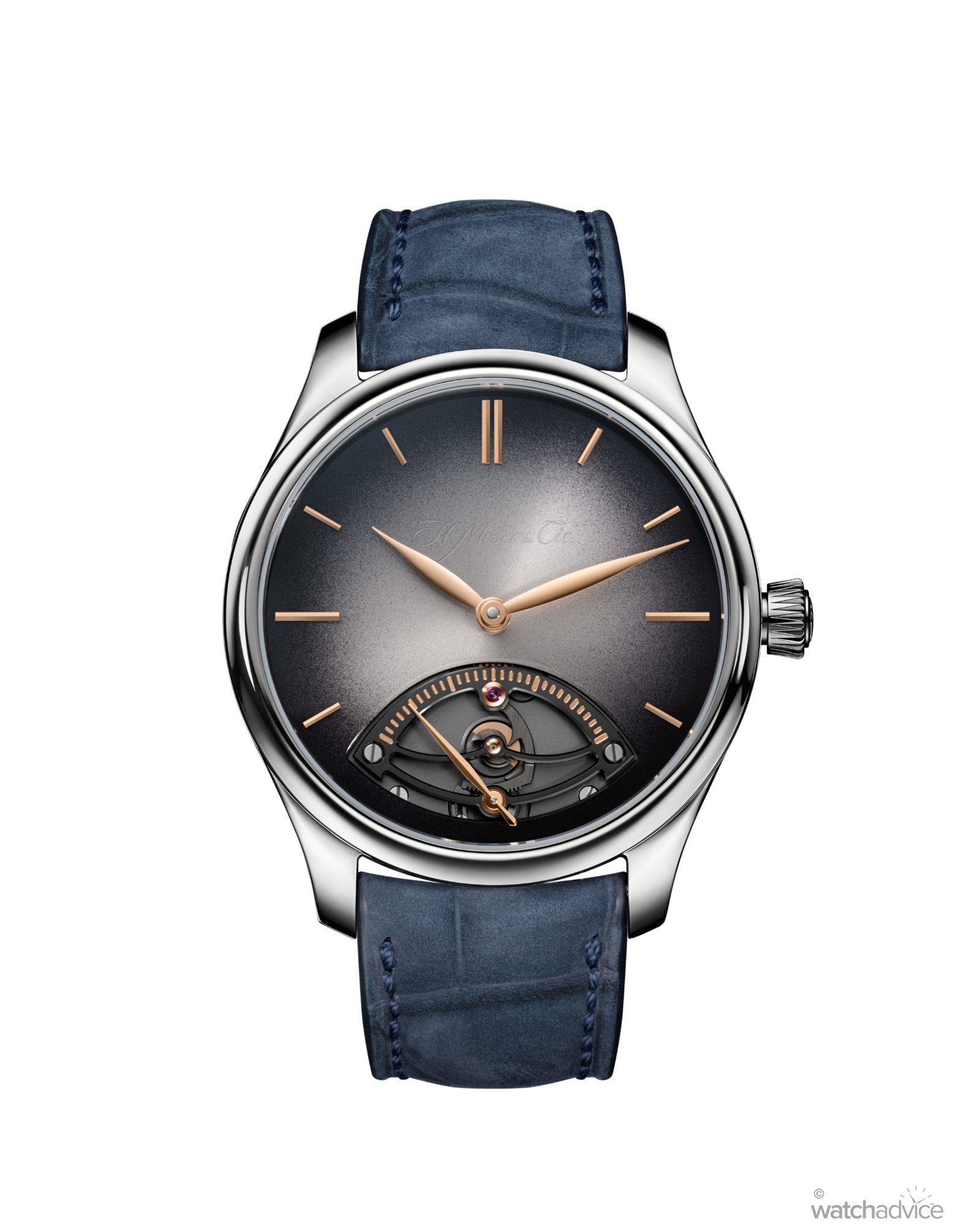
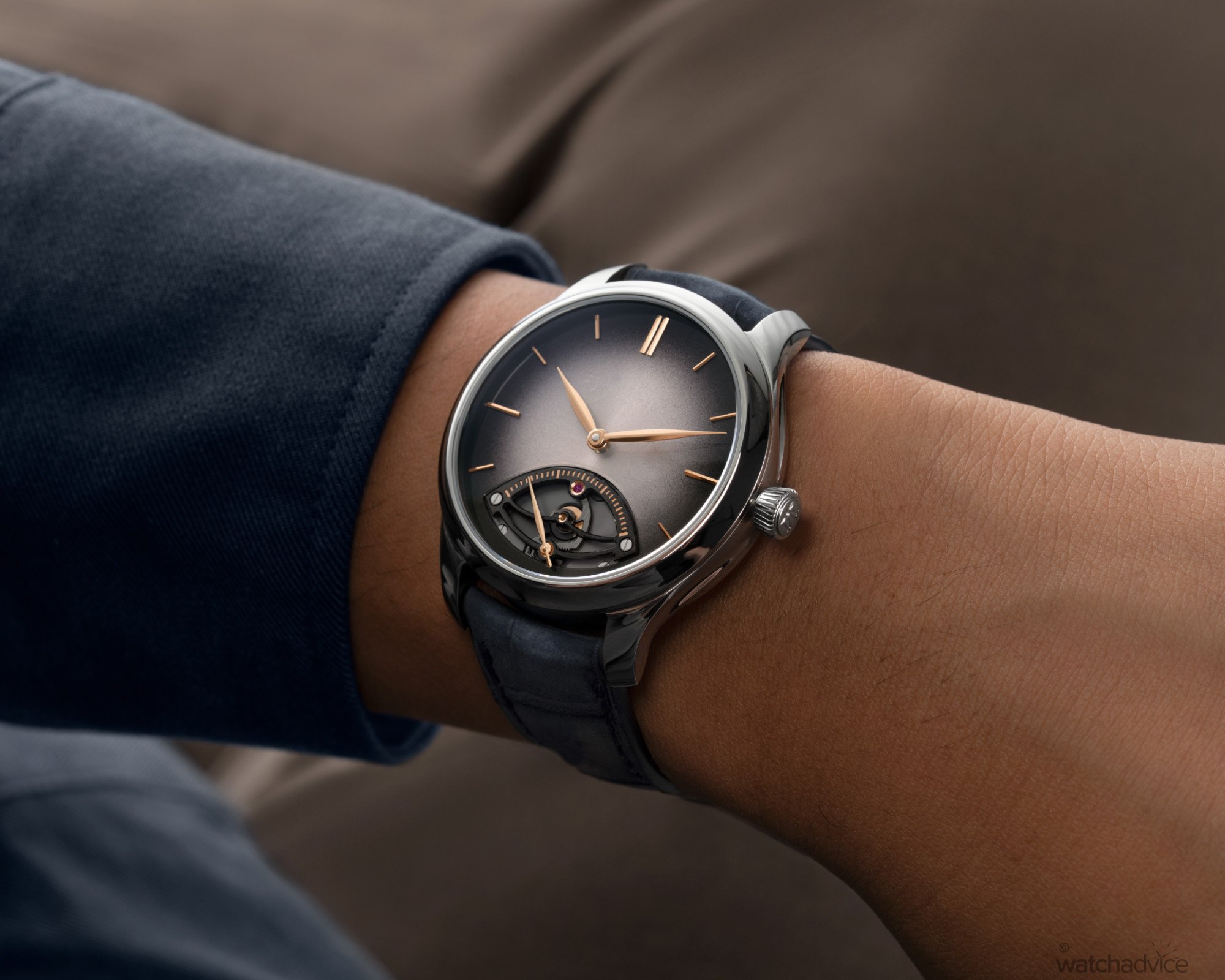
Finally, we have the Endeavour Retrograde Seconds, which takes a more understated approach to the complication. In a 40mm x 11.2mm thick steel case, which has some similarities to the Pioneer case, it is the slimmest of the three and water resistance drops to 30 metres, as this is Moser’s least sporty watch. As a result, the watch is fitted with a night-blue nubuck alligator leather strap, which works well with the darker dial and gives it a slightly dressier look than the other two models.
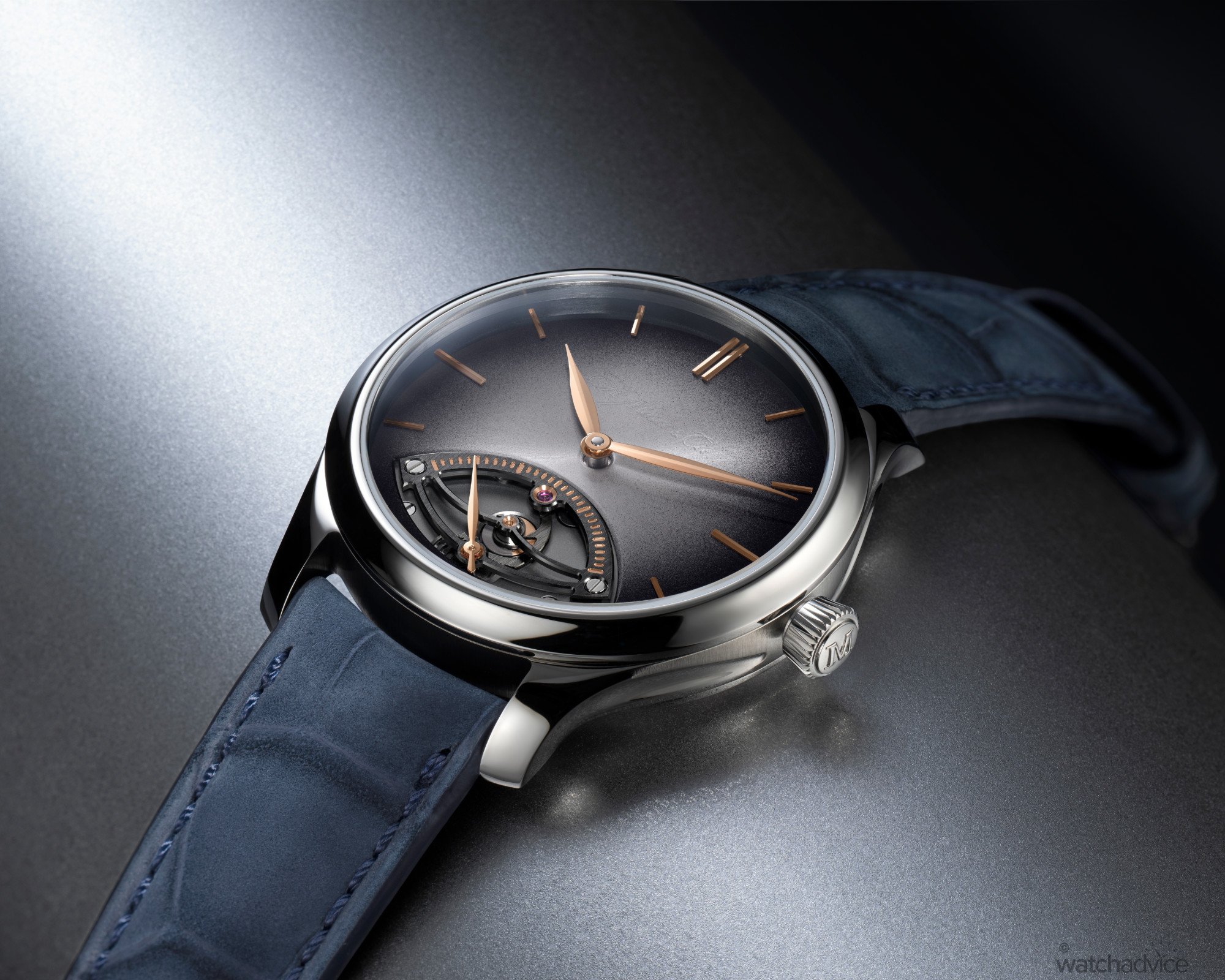
Moser has given the Endeavour a Blackor fumé dial featuring a sunburst finish, with leaf-shaped hour and minute hands and faceted applied indices. The smoky effect on the dial is perhaps my favourite out of the three, as it gives the watch such a subtle and more understated look. And of course, the retrograde seconds with the gold leaf hand does steal the show here.
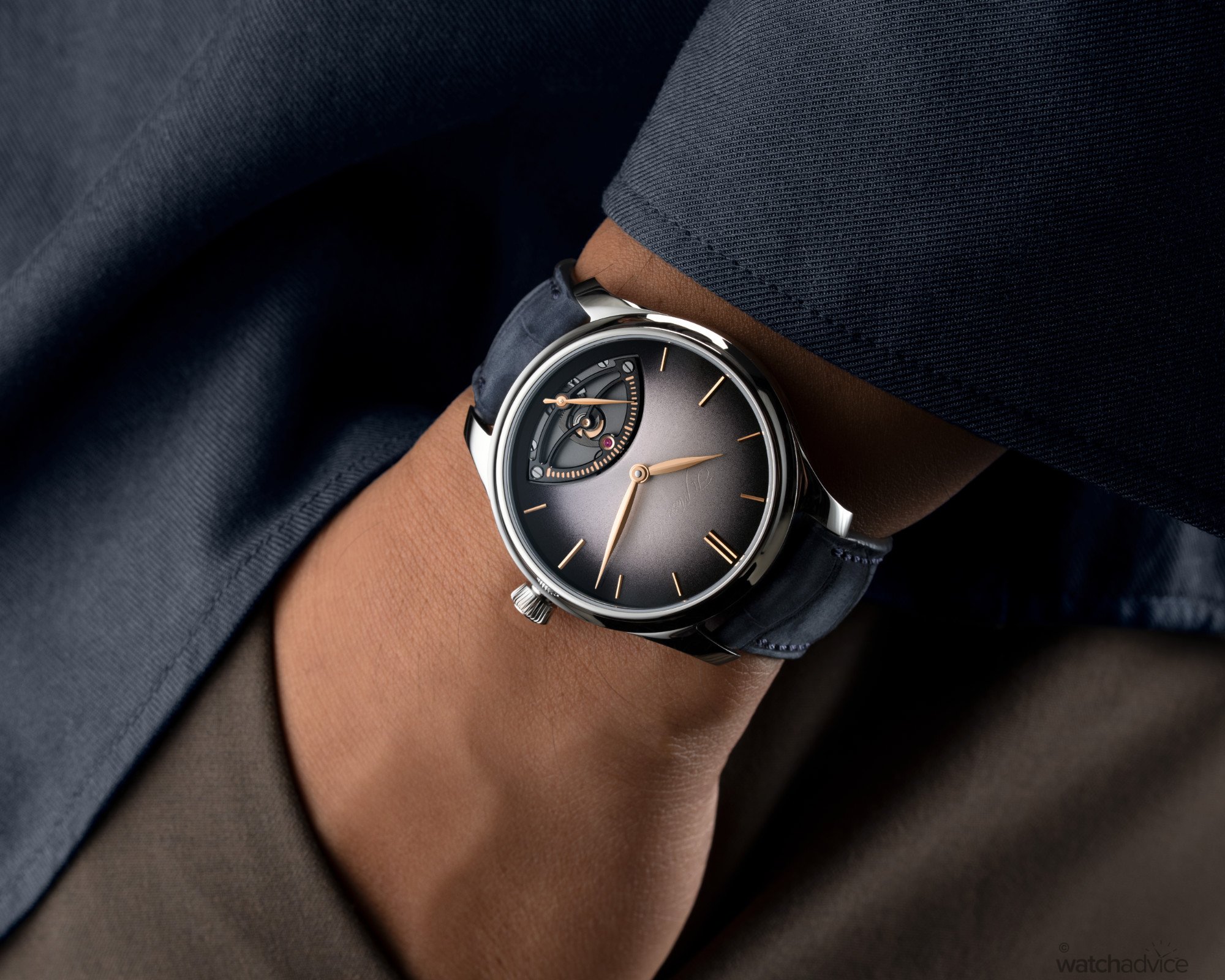
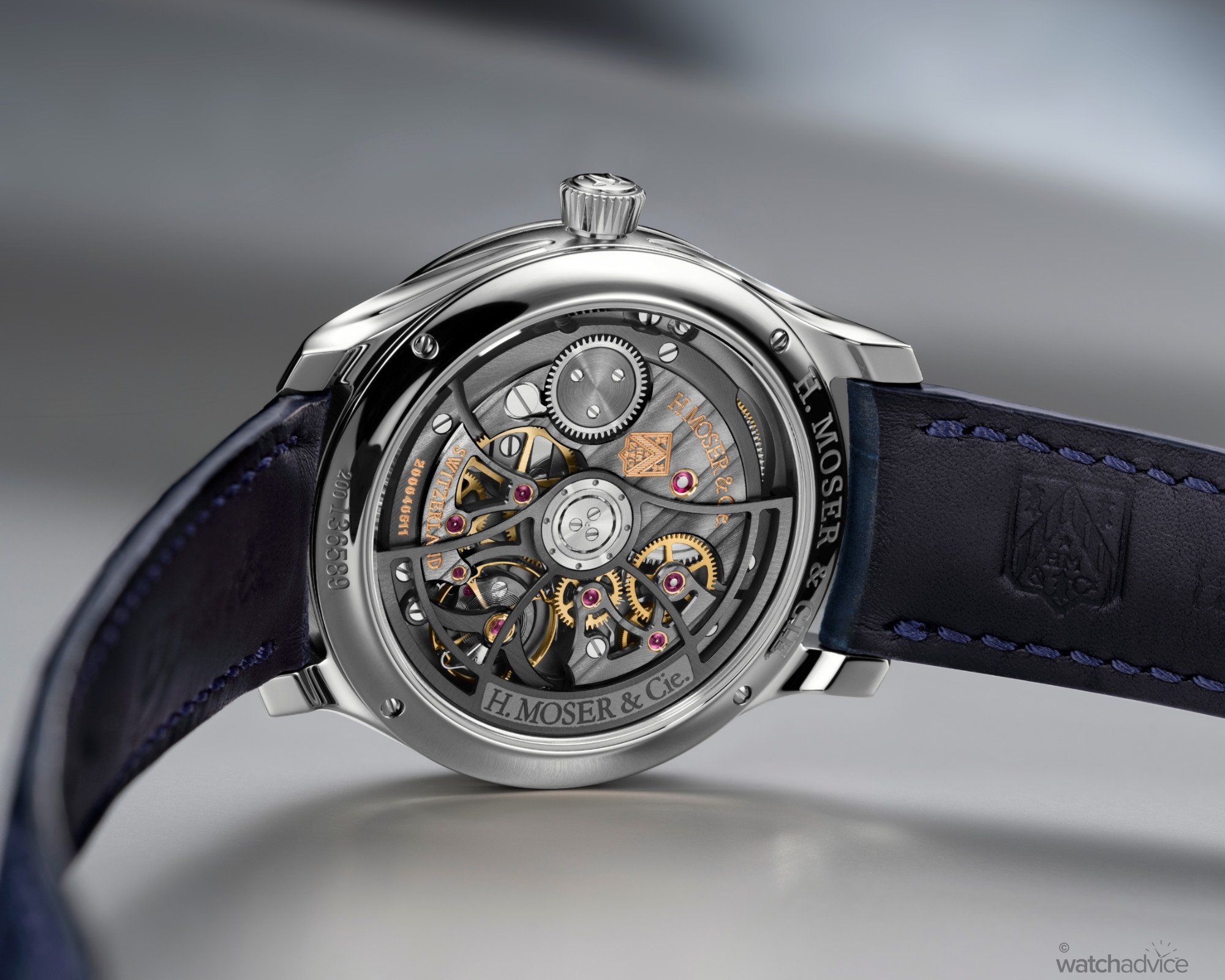
Like the Streamliner, the Endeavour is powered by the HMC 252 Manufacture automatic calibre, with the 30-second retrograde module developed by Agenhor SA. The movement features an engraved tungsten rotor that is skeletonised with the typical Moser finishing on the anthracite coloured movement and powers the watch with the aforementioned 72-hour power reserve.
Getting Deeper Into The Movement
Each watch is essentially different, but the movements behind them are similar, with the HMC 251 and 252 calibres made from the same architecture, but the HMC 251 uses a fully skeletonised movement that changes the entire look and feel of the watch. So, how does Moser achieve this? Let me explain.
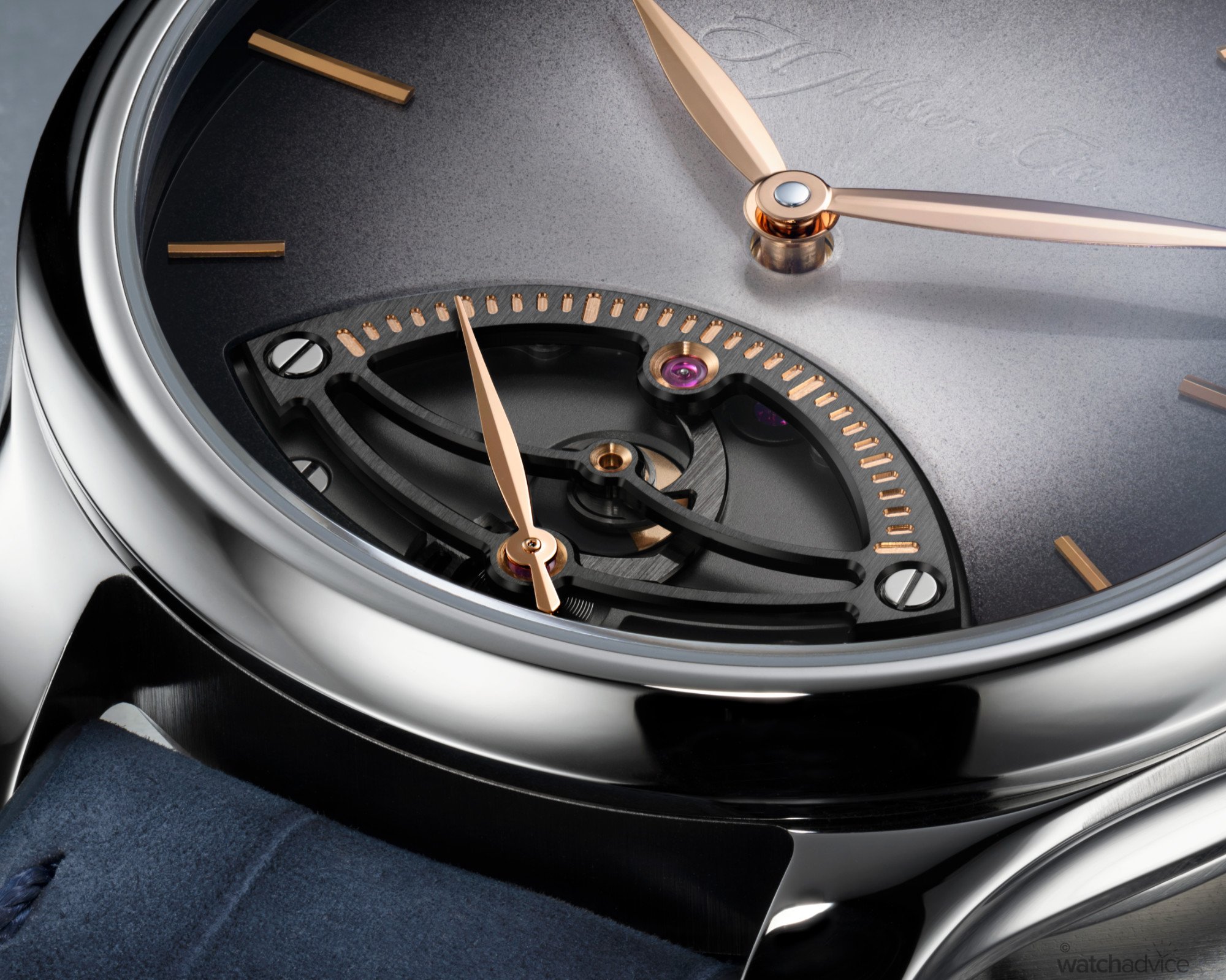
The retrograde seconds hand travels across a 30-second arc before jumping back to its starting point, with a double snail cam controlling its movement, which you can see in the middle of the retrograde seconds window. At the end of each cycle, the mechanism releases energy stored in a hairspring beneath the seconds hand axis, allowing the hand to return to zero and start again.
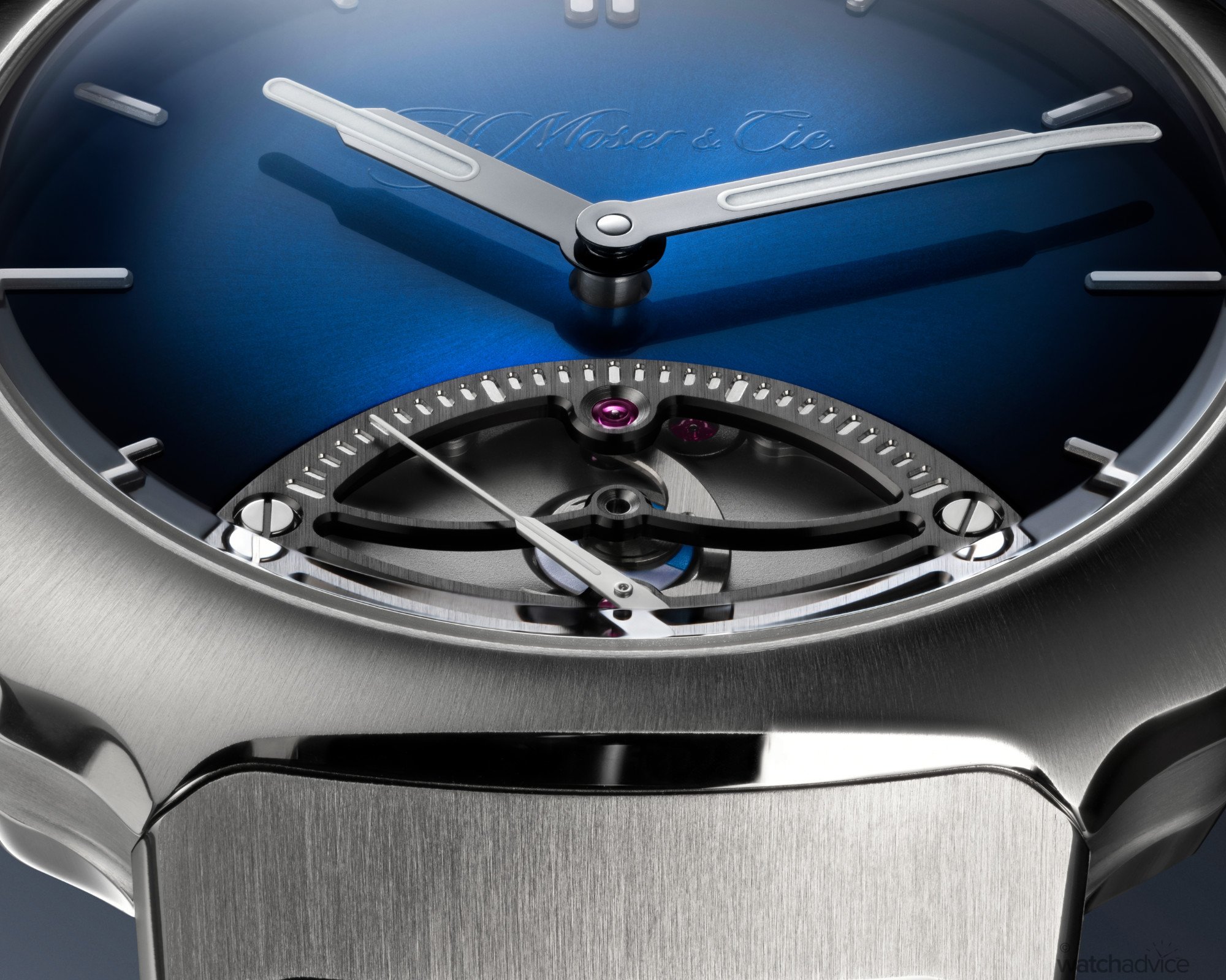
A rack positioned beneath the retrograde seconds bridge guides the hand along its path, while a two-tone disc beneath the snail indicates whether the watch is in the first or second 30-second period. It’s a clever bit of watchmaking, and having the mechanism visible on the dial means you can actually see it working in plain sight, which is the main appeal of these watches in the first place.
Initial Thoughts
With the Pioneer Skeleton, Streamliner and Endeavour, H. Moser & Cie. has taken the same complication and given it three different personalities. Personally, I still like the idea of having a seconds display that does something a little out of the ordinary, and the original Pioneer was a good example of that.
These new models take the concept further, whether you prefer the exposed mechanics of the skeletonised Pioneer, the integrated design of the Streamliner, or the more restrained style of the Endeavour. In any case, you are still getting a watch that puts time at the heart of the watch (ironically so), and the attention to detail that H. Moser & Cie. is known for.
If I had my pick, it would be a coin flip between the Pioneer Skeleton, as Moser has fully skeletonised the movement and dial, not just openworked it, and it looks great on the khaki rubber strap, or the Endeavour, as the Blackor fumé dial with the rose gold hands and indices is a stand-out for me. But if you’re more of a blue dial person, then the Streamliner will tick a few boxes, I’m sure.
References & Specifications
Pioneer Skeleton Retrograde Seconds
| Feature | Specifications |
|---|---|
| Reference | REF. 3251-1200 |
| Dimensions | 40mm x 12mm thick (Including sapphire) |
| Case Material | Brushed & polished steel |
| Dial | Fully skeletonised dial with leaf hands with Super-LumiNova and faceted applied indices |
| Crystal | Domed sapphire crystal |
| Movement | HMC 251 automatic calibre beating at 3Hz / 21,600 VpH |
| Power Reserve | 72 hours |
| Functions | Hours, minutes, retrograde seconds |
| Water Resistance | 120 metres (12 bar) |
| Strap/Bracelet | Steel bracelet with folding clasp and khaki rubber strap with pin buckle |
| Price | CHF 35,000 + VAT |
Streamliner Retrograde Seconds
| Feature | Specifications |
|---|---|
| Reference | REF. 6252-1200 |
| Dimensions | 40mm x 12.1mm thick (Including sapphire) |
| Case Material | Brushed & polished steel |
| Dial | Midnight blue fumé with sunburst pattern, logo in transparent lacquer and applied indices. Hands filled with Super-LumiNova |
| Crystal | Domed sapphire crystal |
| Movement | HMC 252 automatic calibre beating at 3Hz / 21,600 VpH |
| Power Reserve | 72 hours |
| Functions | Hours, minutes, retrograde seconds |
| Water Resistance | 120 metres (12 bar) |
| Strap/Bracelet | Steel integrated bracelet with folding clasp |
| Price | CHF 29,900 + VAT |
Endeavour Retrograde Seconds
| Feature | Specifications |
|---|---|
| Reference | REF. 1252-1200 |
| Dimensions | 40mm x 11.2mm thick (Including sapphire) |
| Case Material | Brushed & polished steel |
| Dial | Blackor fumé with sunburst pattern, leaf hands with Super-LumiNova and faceted applied indices with logo in transparent lacquer |
| Crystal | Domed sapphire crystal |
| Movement | HMC 252 automatic calibre beating at 3Hz / 21,600 VpH |
| Power Reserve | 72 hours |
| Functions | Hours, minutes, retrograde seconds |
| Water Resistance | 30 metres (3 bar) |
| Strap/Bracelet | Night blue nubuck alligator strap with pin buckle |
| Price | CHF 27,900 + VAT |