

When a mechanical watch asks absolutely nothing of you, can beauty and enjoyment still be found in wearing one?
Mechanical watchmaking has always been in pursuit of innovation. And I’m not just talking about the aesthetic, artistic ways of changing how time is displayed, or turning it into an eyegasmic masterpiece. Brands big and small have looked to improve on certain aspects that have always drawn enthusiasts’ ire.
The resulting designs are what I like to call ‘foolproof’ watches: timepieces engineered so soundly that even the most careless owner needn’t worry too much. While I’ve largely praised progress in foolproof watchmaking, the devil’s advocate in me just can’t shake the feeling that the industry may be reaching a critical point.
I say that extremely lightly; it’s not an apocalyptic scenario by any stretch. But it does beg the question: in the horological world, does ultimate convenience equate to an ultimate experience?
Flaws Make It Flawless
The only watch I’ve ever bought second-hand was one of my favourite models from TAG Heuer. It wasn’t a Carrera, a Monaco, or even a Formula 1. It was a Kirium, a late-nineties gem that I ordered online, where it had languished in some Japanese vintage dealer across the ocean in Ginza.
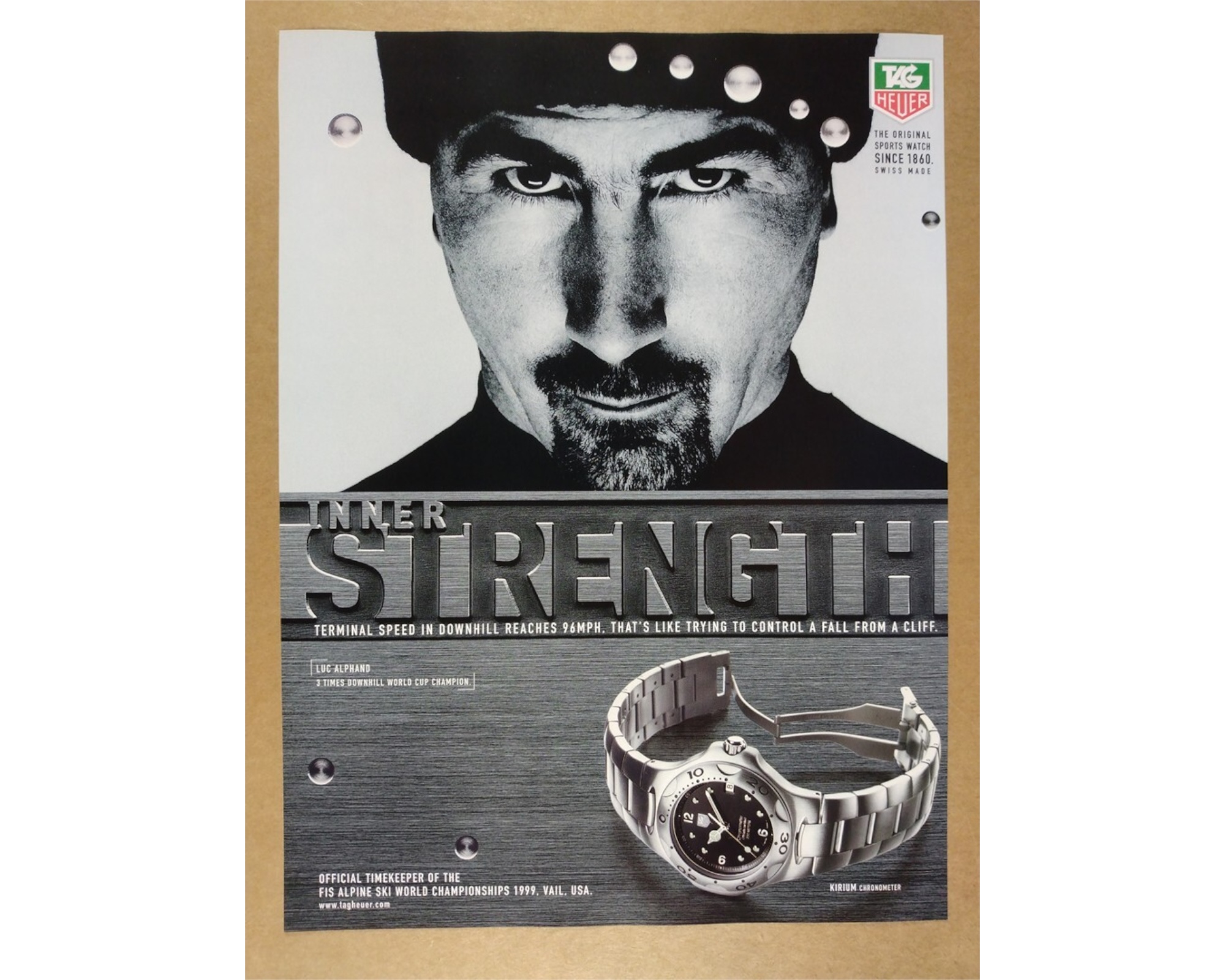
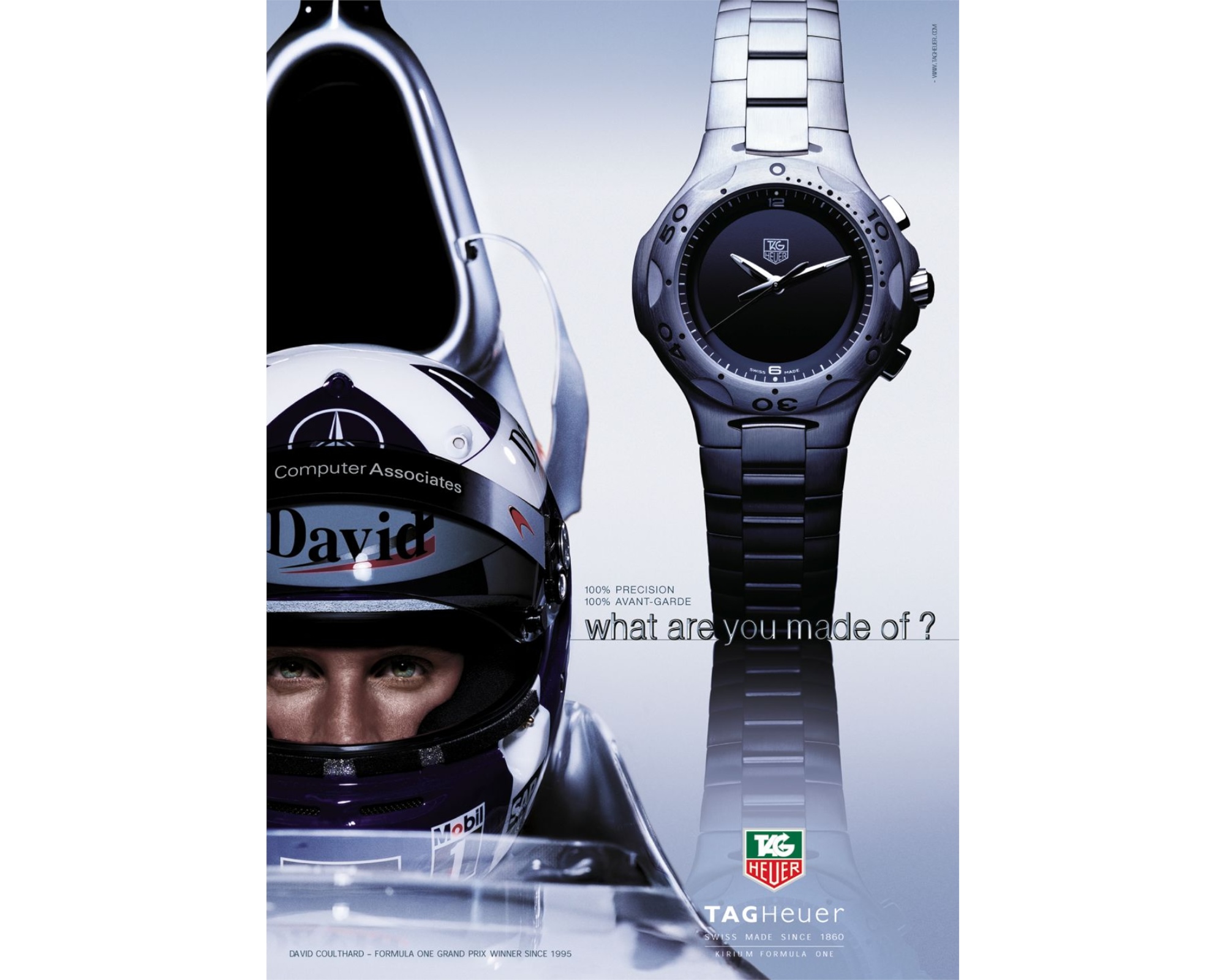
I’ve never had it repaired, or even taken it to a watchmaker, yet I’ve worn it basically anywhere and everywhere. I’ve worn it around cities in Australia, the old towns of Europe, nightclubs and bars in goodness-knows-where, and even rock climbing – the last place most watches want to end up. The crown is too small, the bezel is too slippery, the power reserve is fading, and so is the accuracy. Overall, the old Kirium is a handful to own. And yet, after three years of ownership, I wouldn’t have it any other way.
But why is that? Is it just my general apathy and neglect for servicing it? Perhaps, but I believe it goes deeper than that. I think some of the beauty in owning a watch is in its demands. I choose to own the Kirium, despite all my misgivings with it. I choose to operate and wind it, and wear it on my wrist, though there are a myriad of fresher, more advanced options still waiting in the boutique windows I pass. Though we don’t always see eye-to-dial, the magic of ownership occurs when we do.
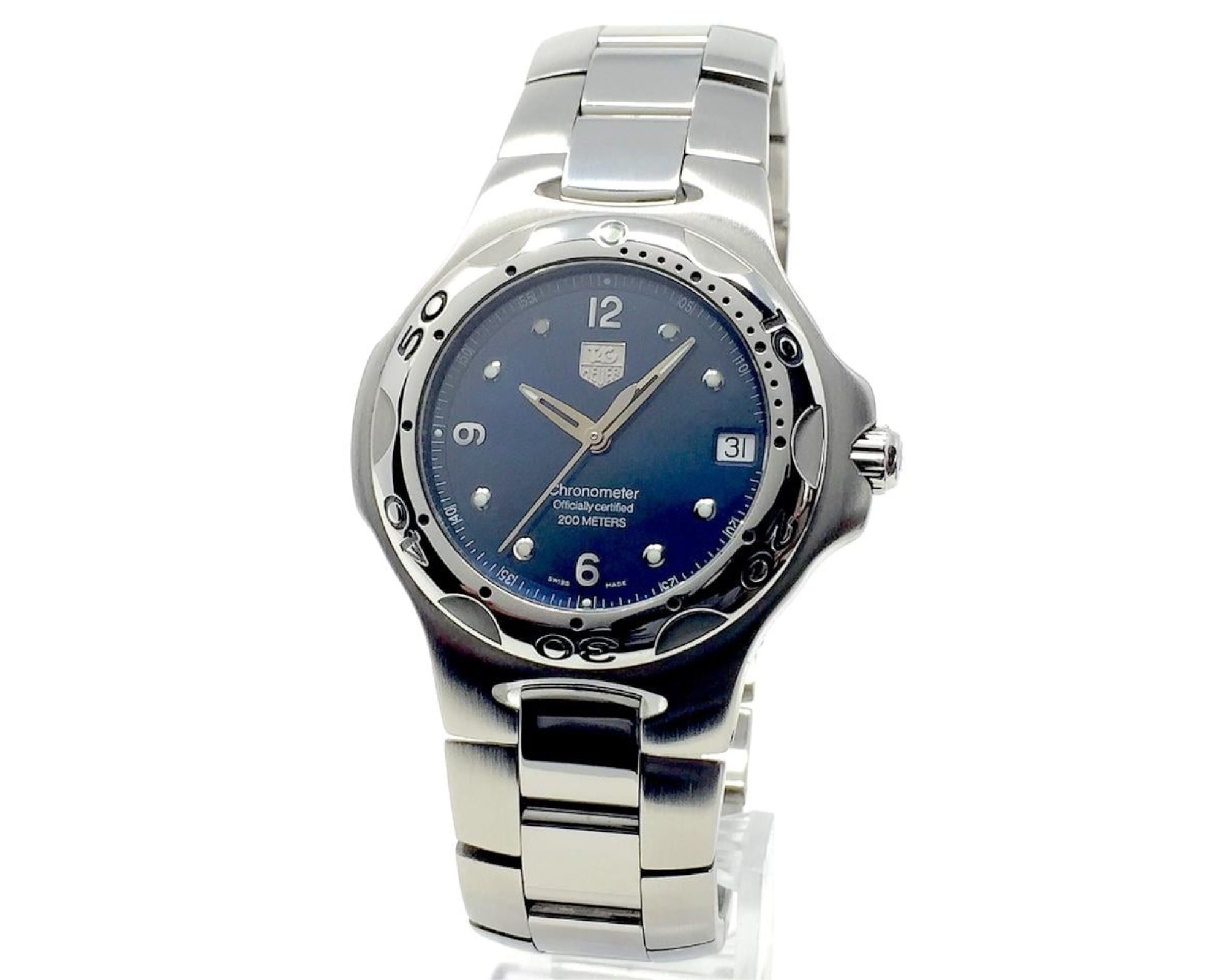
I don’t think I would have taken it on such memorable trips, voyages, romps, or otherwise if I didn’t enjoy its company for what it was. Manipulating the slippery bezel, wrestling with the small crown, and living with its variable accuracy have become small rituals I’ve developed around the Kirium. With those rituals comes investment, not tangible, monetary investment, but intrinsic emotional investment. Such rituals of interaction make it harder to move on to something else, even if that something was easier to use. It just wouldn’t feel the same.
Getting Engaged
But my Kirium is just one oversimplified case in a world full of subjectivity. It doesn’t take into account that a watch can be redesigned, re-engineered into something greater. In this case, though, disregarding such an argument feels justifiable; I don’t think a new edition of the Kirium is anywhere on the horizon. But when you widen the scope, I wholeheartedly believe that watches should not be intentionally made annoying to use.
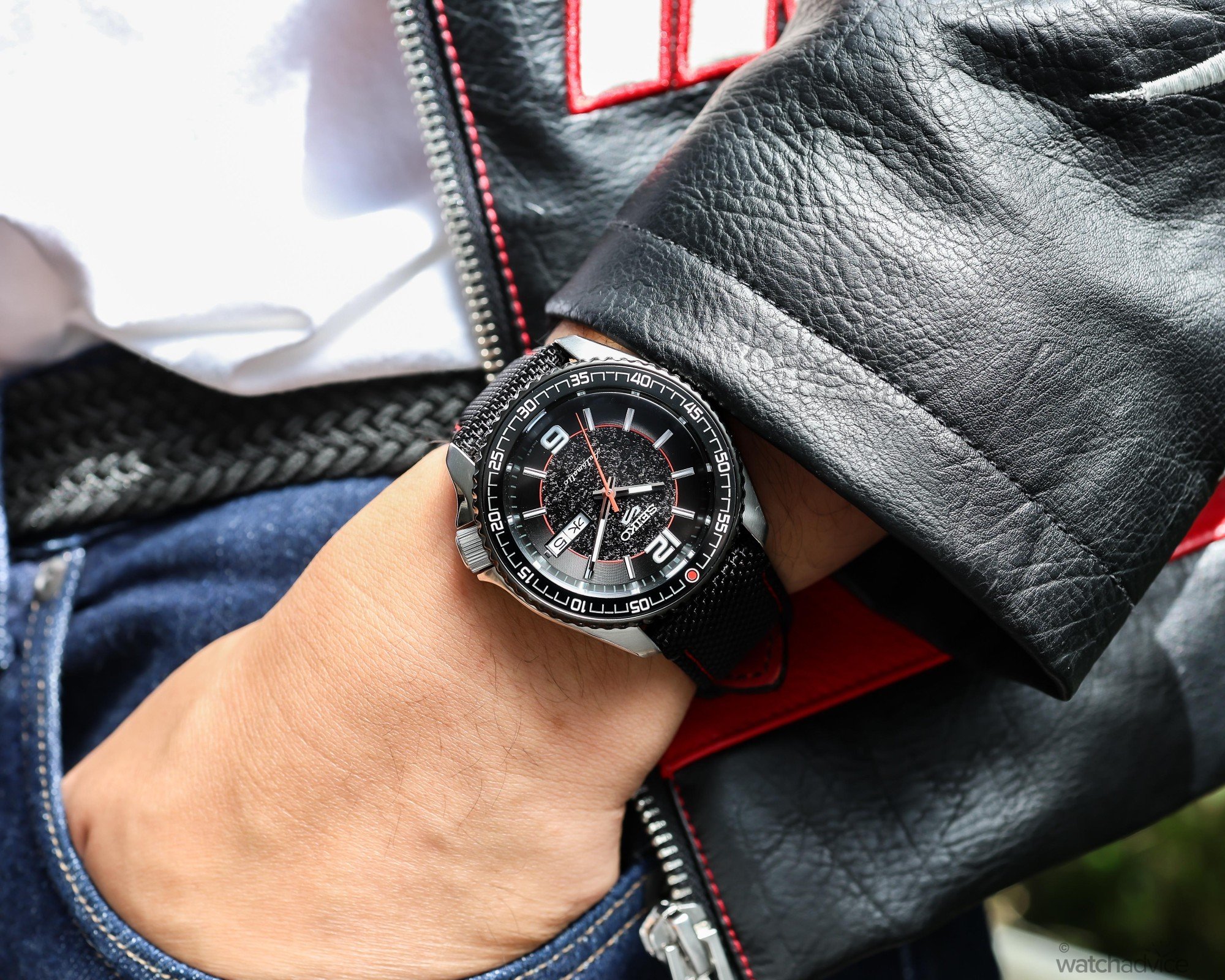
There is a difference between engaging and frustrating design. It wasn’t too long ago that the ‘Seiko Shuffle’ swept the entry-level industry. While it was later embraced as part of the identity of older Seiko, the idea of having to shake your watch around to get it working may not have initially sat well with buyers who wanted a grab-and-go.
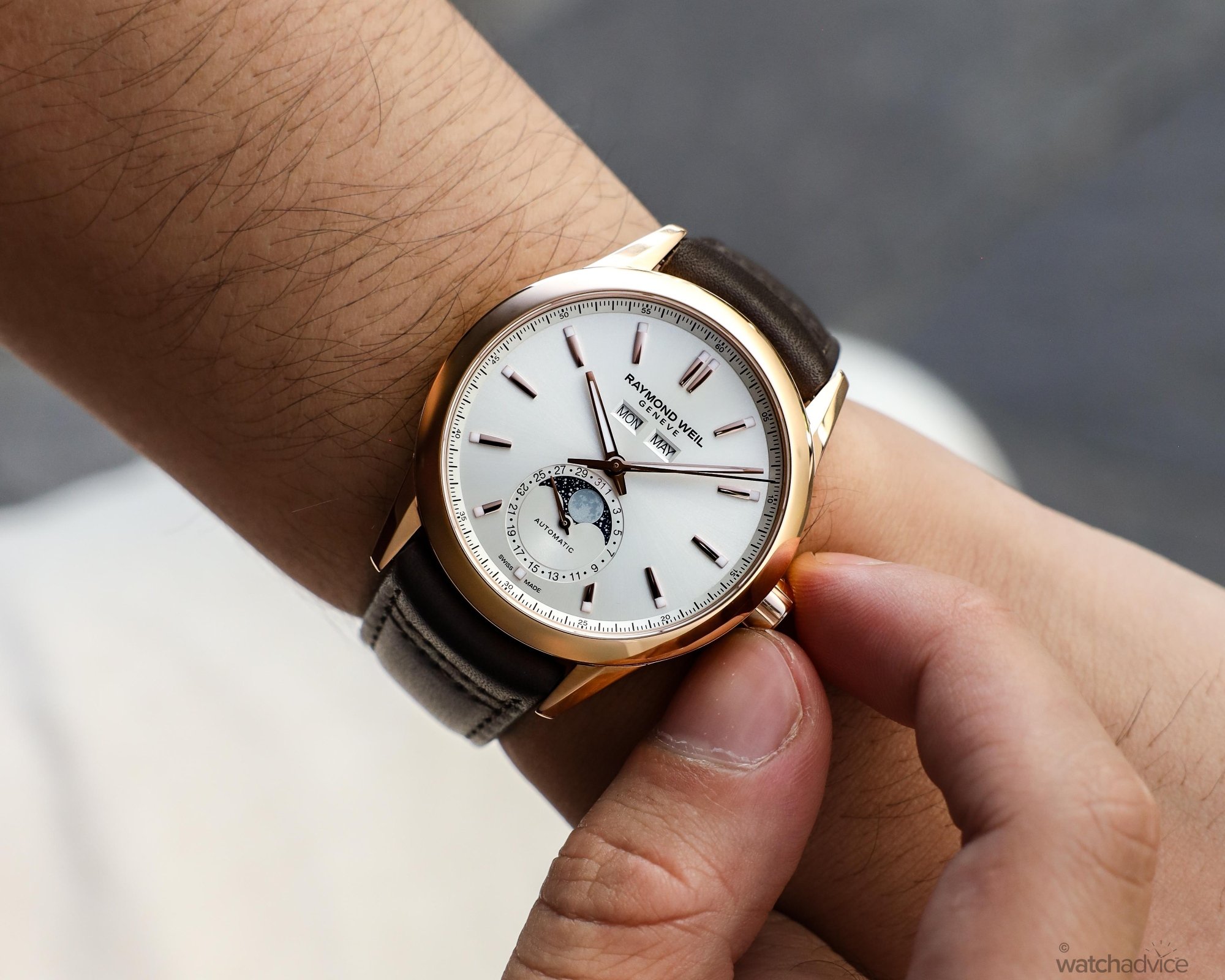
Yet there are still plenty of examples of engaging design that, similarly, aren’t entirely seamless. A manual-wind Grand Seiko Spring Drive might require your labour to wind up, but the result is a level of accuracy unparalleled in the industry. The Raymond Weil Freelancer Complete Calendar might need several calendar adjustments if left for too long, but inset pushers make it a more tactile, rewarding experience. Small additions like these make them easier to use without making it easier to ignore. At the end of the day, watches like these reward active interaction.
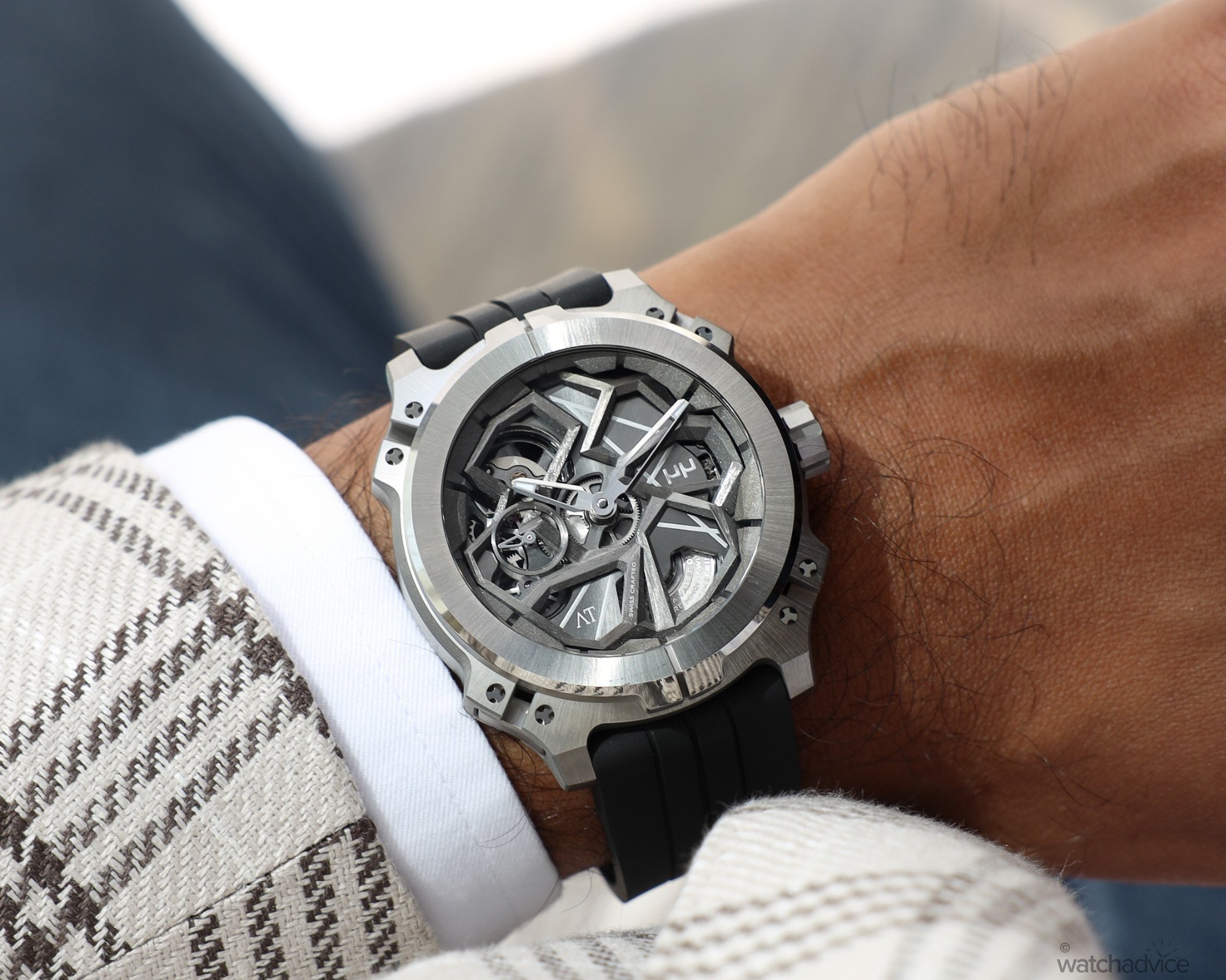
But foolproofing a watch isn’t automatically the bane of interaction. In fact, passive foolproofing can pre-empt issues and protect said interactions. Leave the crown out underwater? Mauron Musy’s nO-Ring saves you from potential disaster. Prone to slipping and dropping it? Next to nothing will get past the IWC Big Pilot’s Watch Shock Absorber XPL. Though they don’t require as much input, these watches save you from yourself. They preserve the rewarding tactility the watch provides while making a potential worry completely irrelevant. There is still friction there, but only the good kind: winding, setting, and so forth. But what happens when there is nothing left for you to do?
We Belong Together
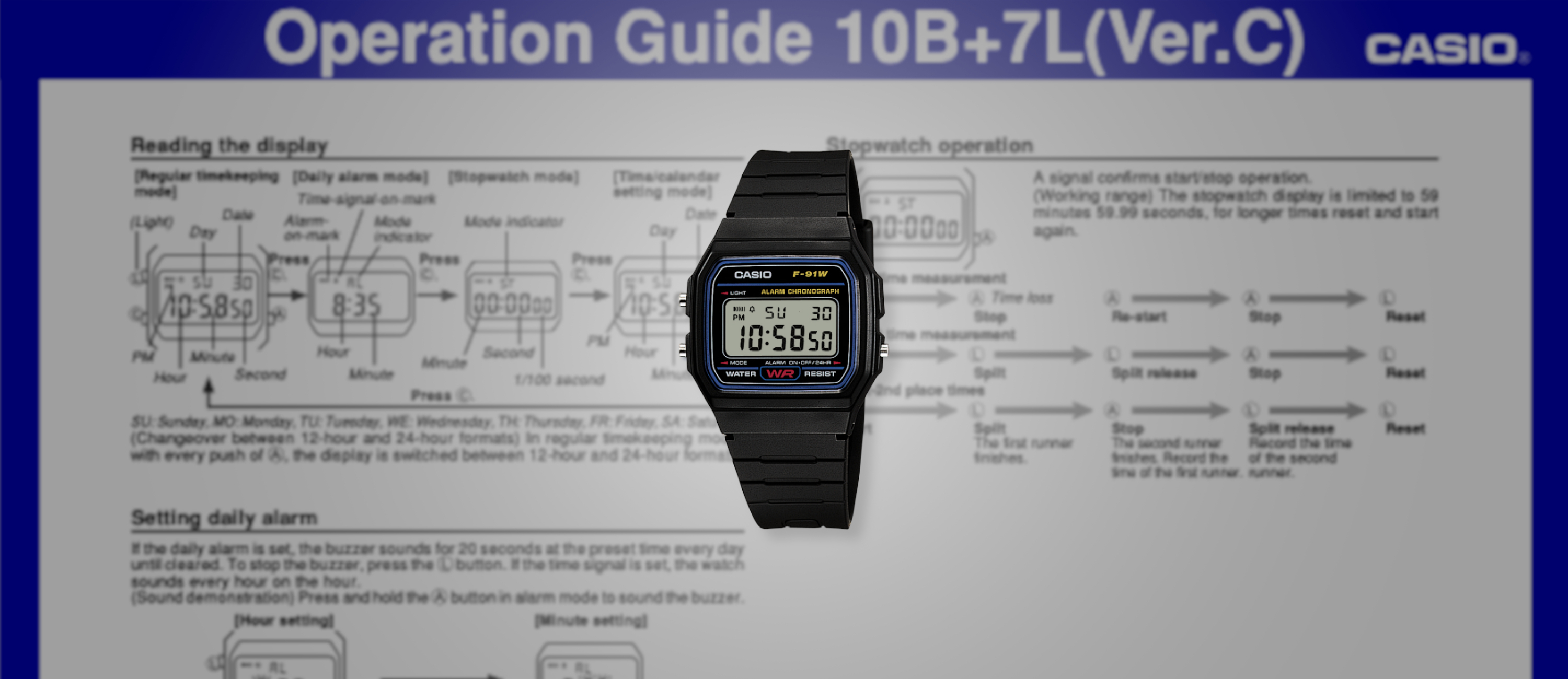
I want you to imagine that for a second: the objectively perfect watch. Winding? Don’t need it. Accuracy? Extreme. Seamless operation? You got it. Indestructible? Just about. While it sounds like a thought experiment, there is a correct answer, because the watch has already been made. Would you buy one? If so, congrats! You’re now the proud owner of a Casio F-91W.
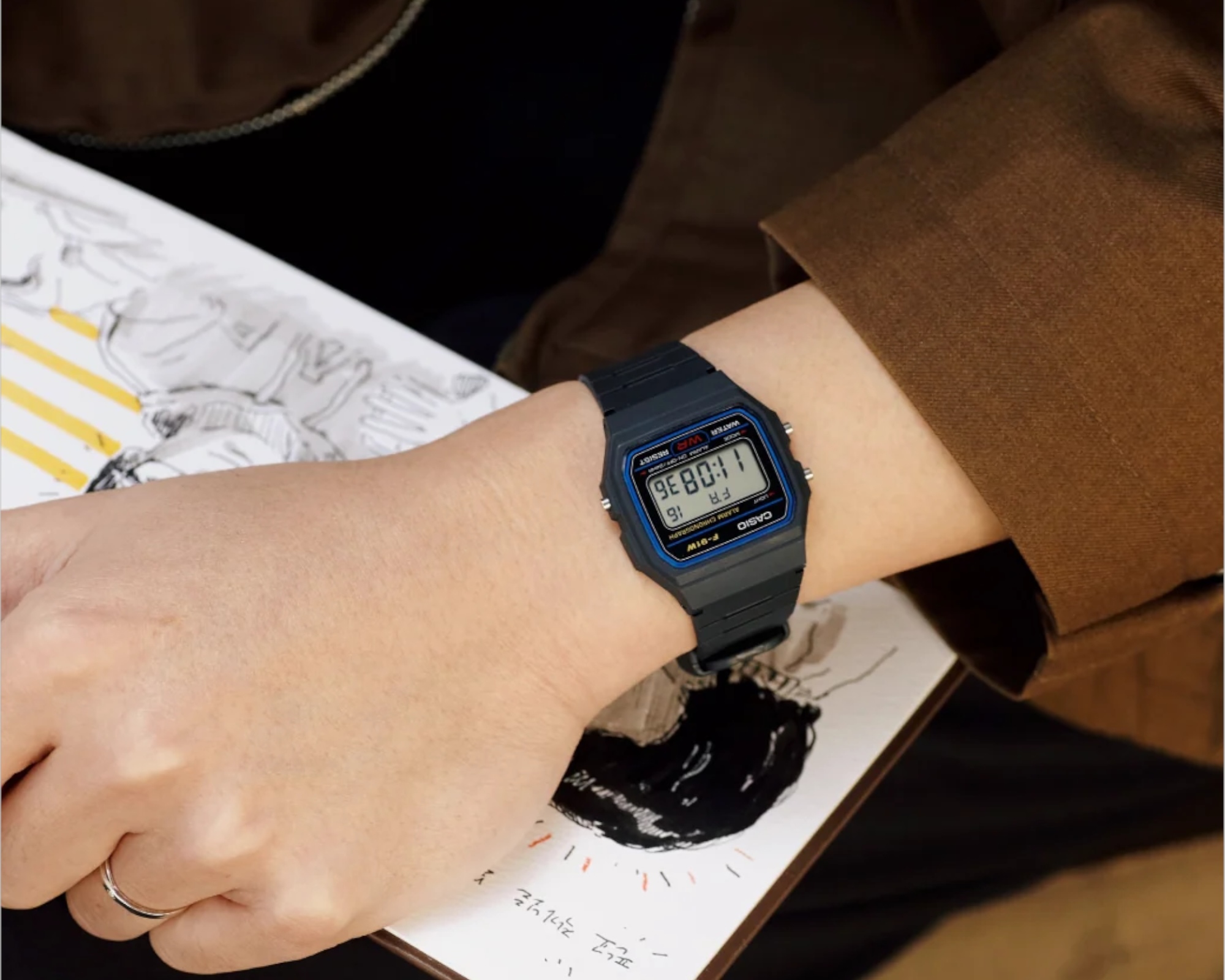
There’s nothing inherently wrong with it, mind you; the F-91W is emblematic of ‘good’ design. It removes almost every point of friction one could possibly encounter in a watch. But in doing so, it also removes many of the meaningful points of interaction as well. That’s where the beauty in mechanical watchmaking lies: not so much in solving every problem, but in the relationship between the wrist and the watch.
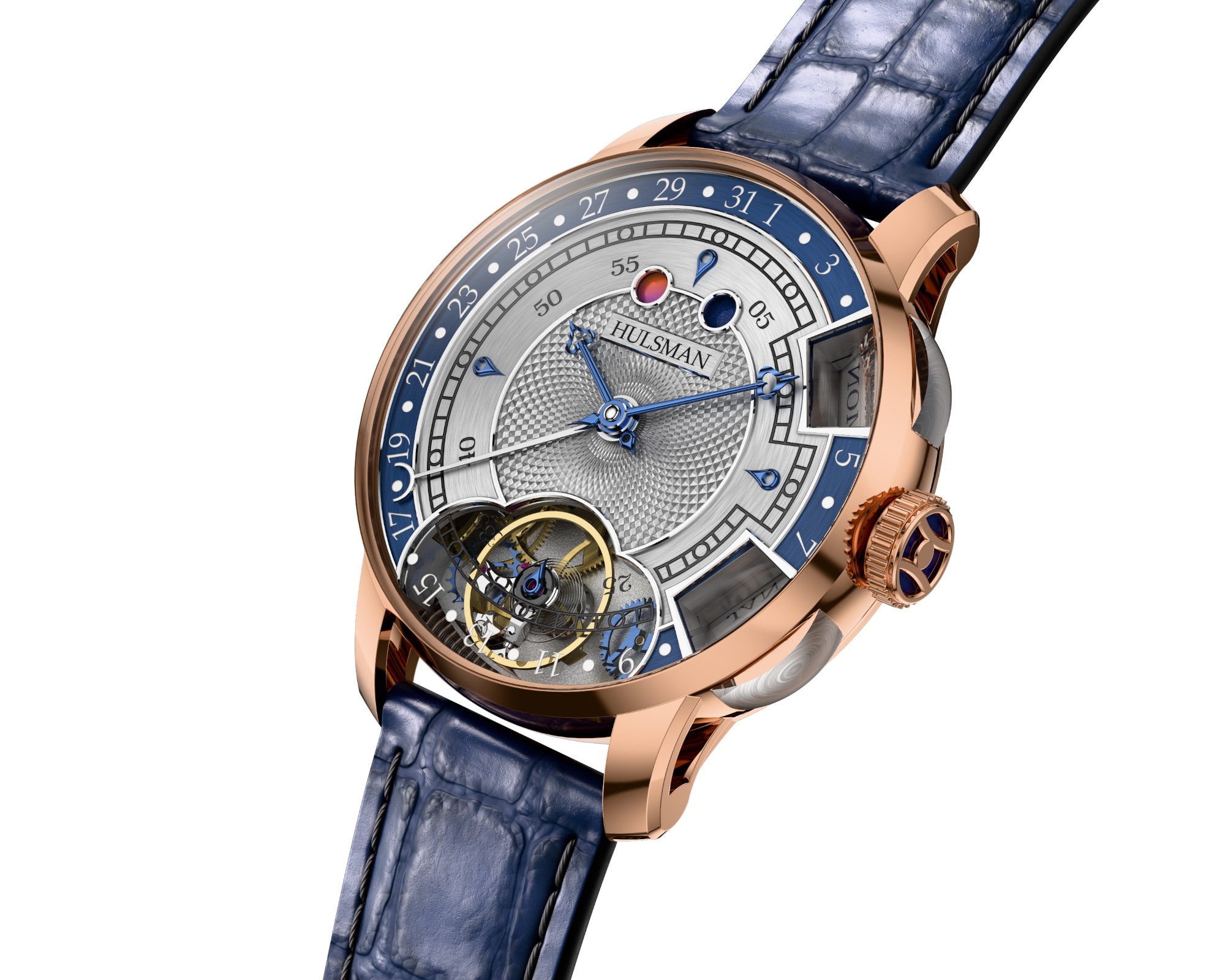
A Casio F-91W is an effective tool, but it doesn’t need you to make it so. For a mechanical watch to meet similar criteria, the relationship must be reciprocal. I need my Kirium to tell the time as much as it needs me to wind and set it. A Hulsman Easy Perpetual, despite foolproofing the perpetual calendar, still needs a person to wind and set it. A Rolex Perpetual Padellone Annual Calendar will still need someone to use the inset pushers if it ever stops.
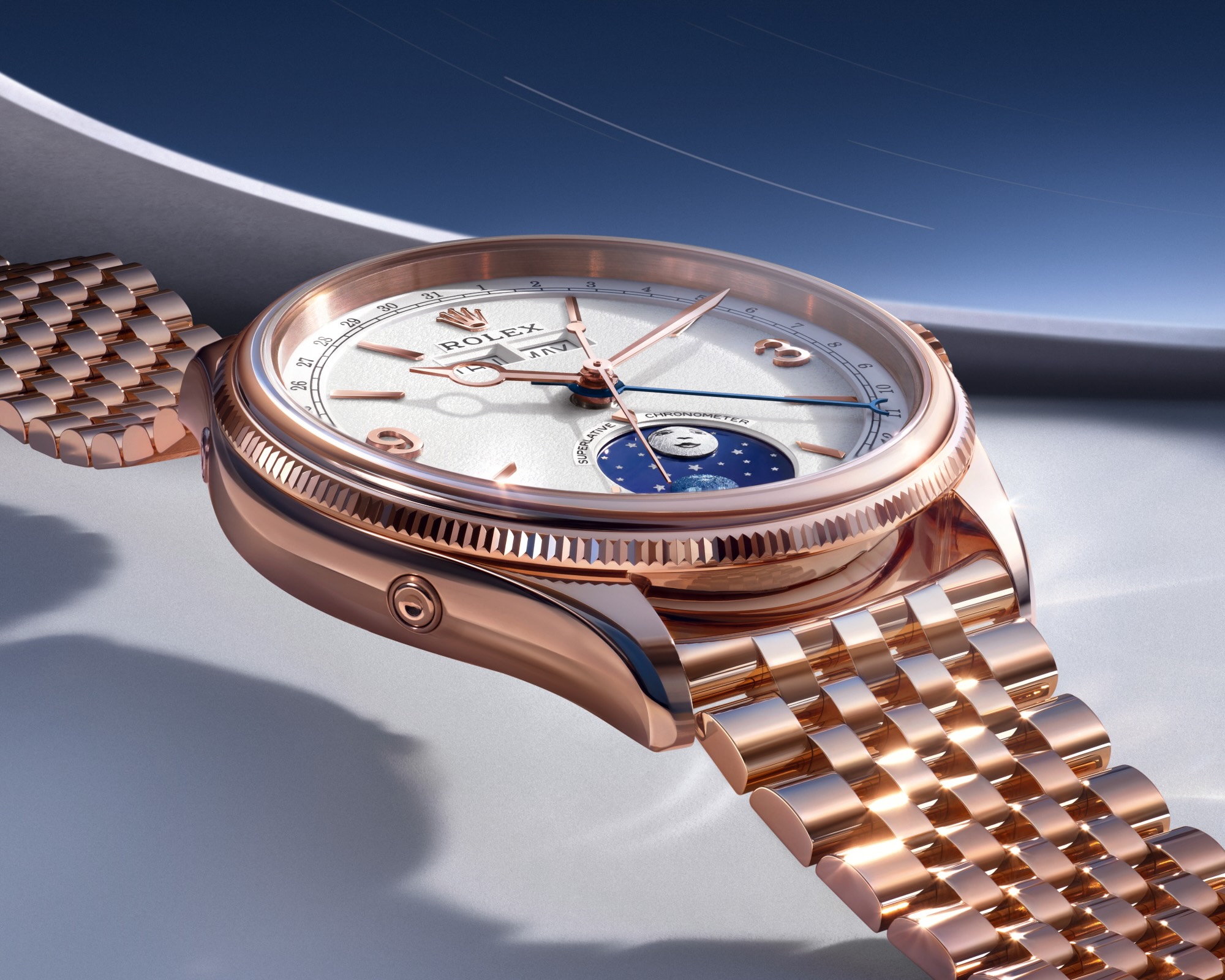
The watch that asks its wearer to understand it is, by all accounts, far more interesting than one that has all the answers. It’s paradoxical to what is objectively ‘good’ design, as seen in the F-91W, but perhaps that’s precisely what causes us to fall in love with watches.
More widely, it’s what makes us fall in love with other objects that might otherwise be considered technologically obsolete: the shift and roar of a manual sports car where an EV might be more efficient; the scratch of a vinyl record before the song instead of an instant-play MP3; or turning the page in a paperback novel instead of tapping an e-reader.
Mechanical watchmaking should not reach a design ultimatum between convenience and inconvenience. Instead, it should pursue designs that appeal to our base desires: to contribute, to feel impactful, to feel needed.
Final Thoughts
Technological advancements are becoming wilder and more fantastical than ever. It’s hard to believe we’re not living in a world of science fiction. Incredible innovations in AI and robotics promise to become ultimate conveniences, while other far-flung concepts like flying cars and affordable housing remain works in progress. But with all the wonders that technology brings, it’s important that the horological industry distinguishes which conveniences add to the mechanical wristwatch experience and which take away from it.
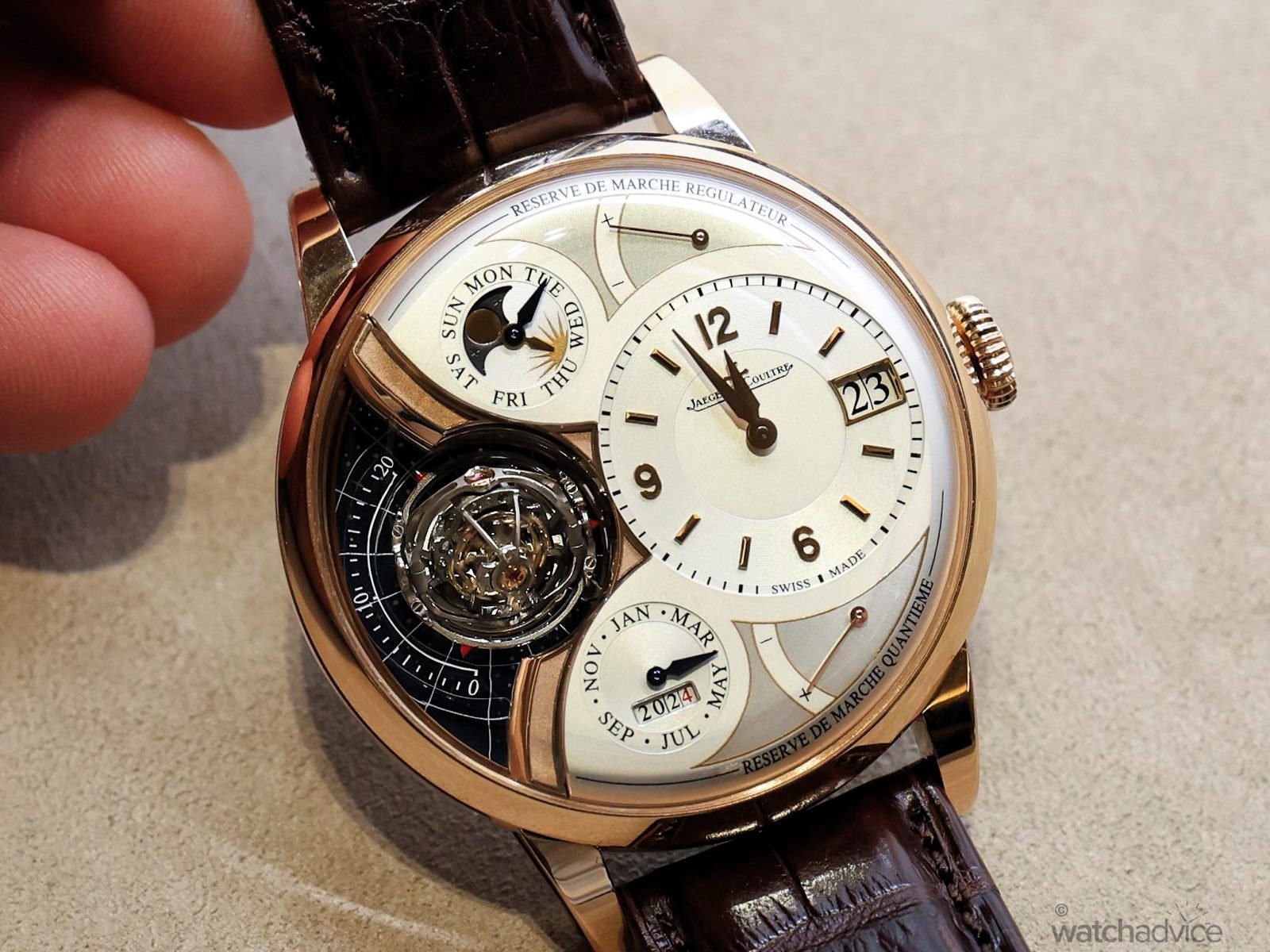
More specifically, horological innovation should never be pursued simply because it can be. It should be pursued because it should be. The existence of the mechanical watch will always remain a technological anachronism; designing one that tries to convince its wearer otherwise would be folly. Instead, watchmakers should focus on what makes the experience rewarding, and what makes the wearer think and feel rather than simply do.