

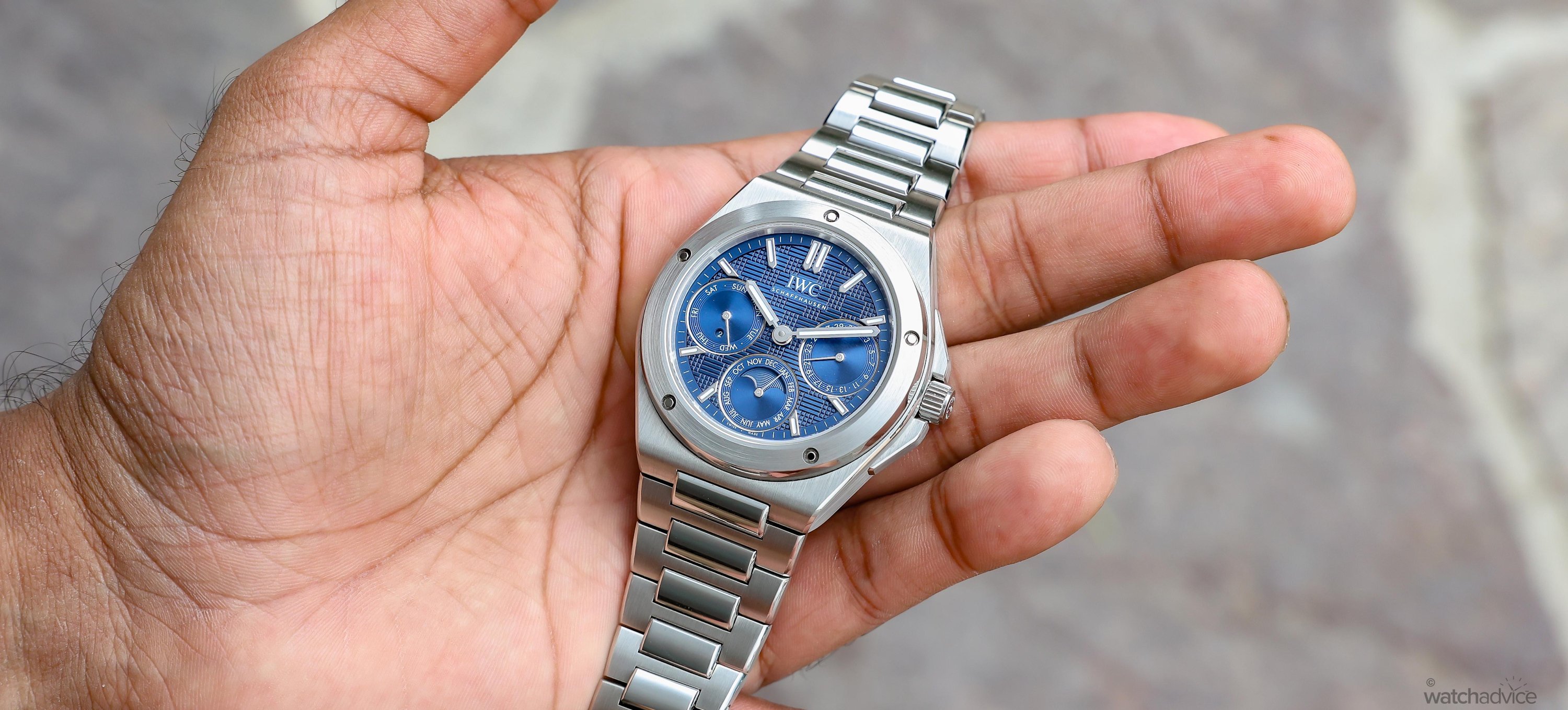
The IWC Ingenieur Perpetual Calendar brings one of the brand’s most celebrated complications into its modern integrated sports watch design for the very first time. I take a closer look at what makes this latest evolution of the Ingenieur such a compelling release.
What We Love:
- Compact proportions for a sports watch with Kurt-Klaus’s perpetual calendar design
- Beautifully executed case and dial finishing
- Stainless steel makes it more wearable and accessible
What We Don’t:
- No micro-adjustment system on the bracelet clasp
- Limited strap versatility due to the integrated bracelet design
- No precious metal option at launch for those wanting a more luxurious take
Overall Rating: 8.8/10
- Value for Money: 8.5/10
- Wearability: 8.5/10
- Design: 9/10
- Build Quality: 9/10
The Ingenieur has always been one of IWC’s most compelling designs, blending Gérald Genta’s signature aesthetic codes with the brand’s own sporty heritage and technical edge. I’ve been fortunate enough to review quite a few models from the Ingenieur range, which gives a good sense of how the overall collection sits across various sizes and complications.
During Watches & Wonders 2025, arguably, one of the biggest shifts to the Ingenieur collection in modern times. The Swiss luxury watch manufacturer presented the Ingenieur in a 41.6mm case, with none other than a perpetual calendar complication sitting inside.
A truly special release for this collection, this is the first time a Kurt Klaus design (crown-operated perpetual calendar) has been integrated into the modern Ingenieur. I would’ve expected the brand to present the model in a precious material, but instead, they have opted to begin this new chapter with a stainless steel case and bracelet, and honestly, it is a great choice as it makes the watch feel more accessible, more wearable, and far more in line with the sporty DNA that defines the Ingenieur collection.
Iconic Ingenieur Design
As mentioned earlier, this IWC Ingenieur Perpetual Calendar is truly special for the collection, as it is the first stainless steel Ingenieur to combine the modern Gérald Genta-inspired design with Kurt Klaus’ brilliant perpetual calendar system. Compared to the other sports models in IWC’s range, this new Ingenieur Perpetual Calendar comes in as the smallest in size. While yes, the Portofino Perpetual Calendar exists in a 40mm case size, it is also considered a dress watch, so naturally, it would be slimmer in its proportions.
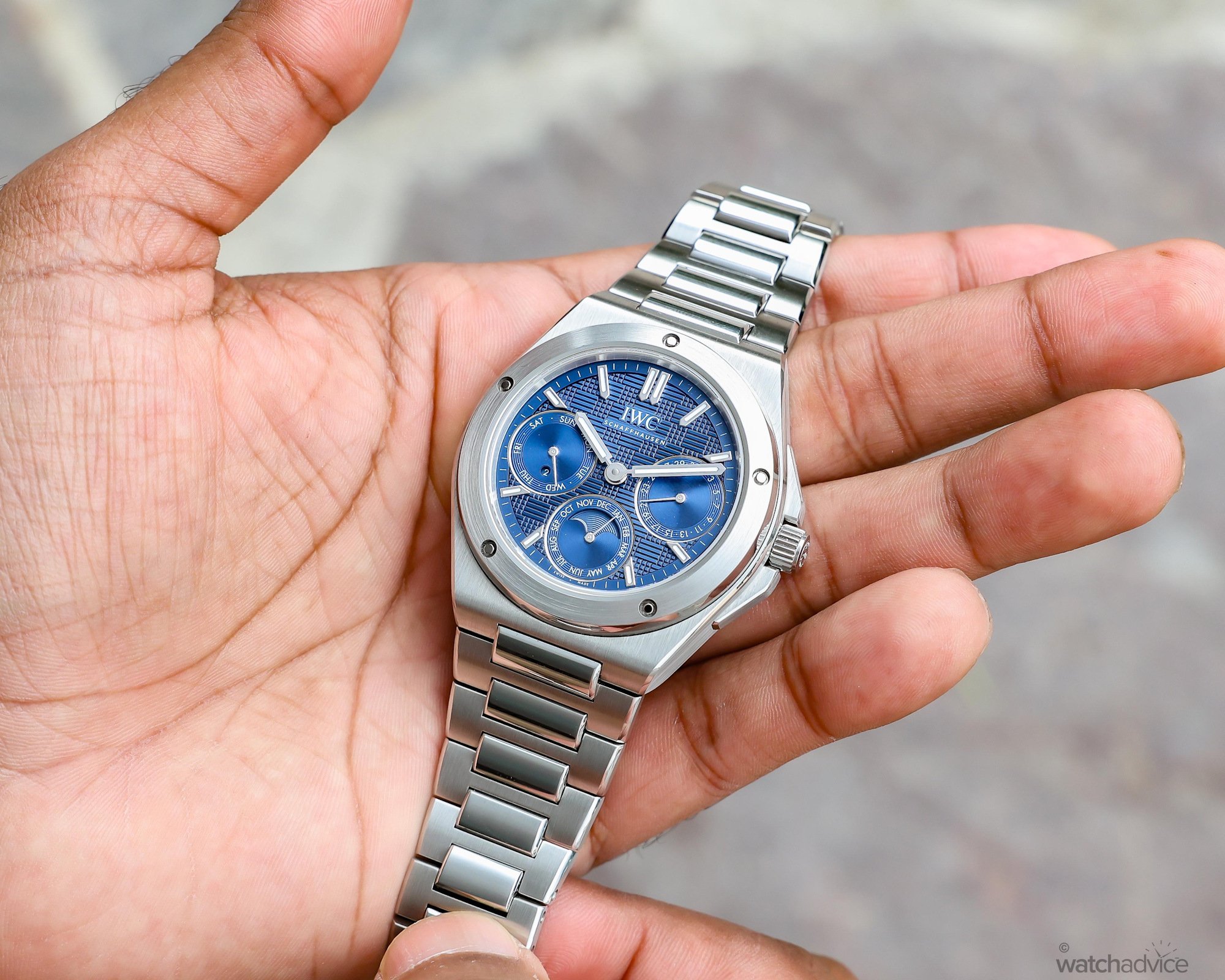
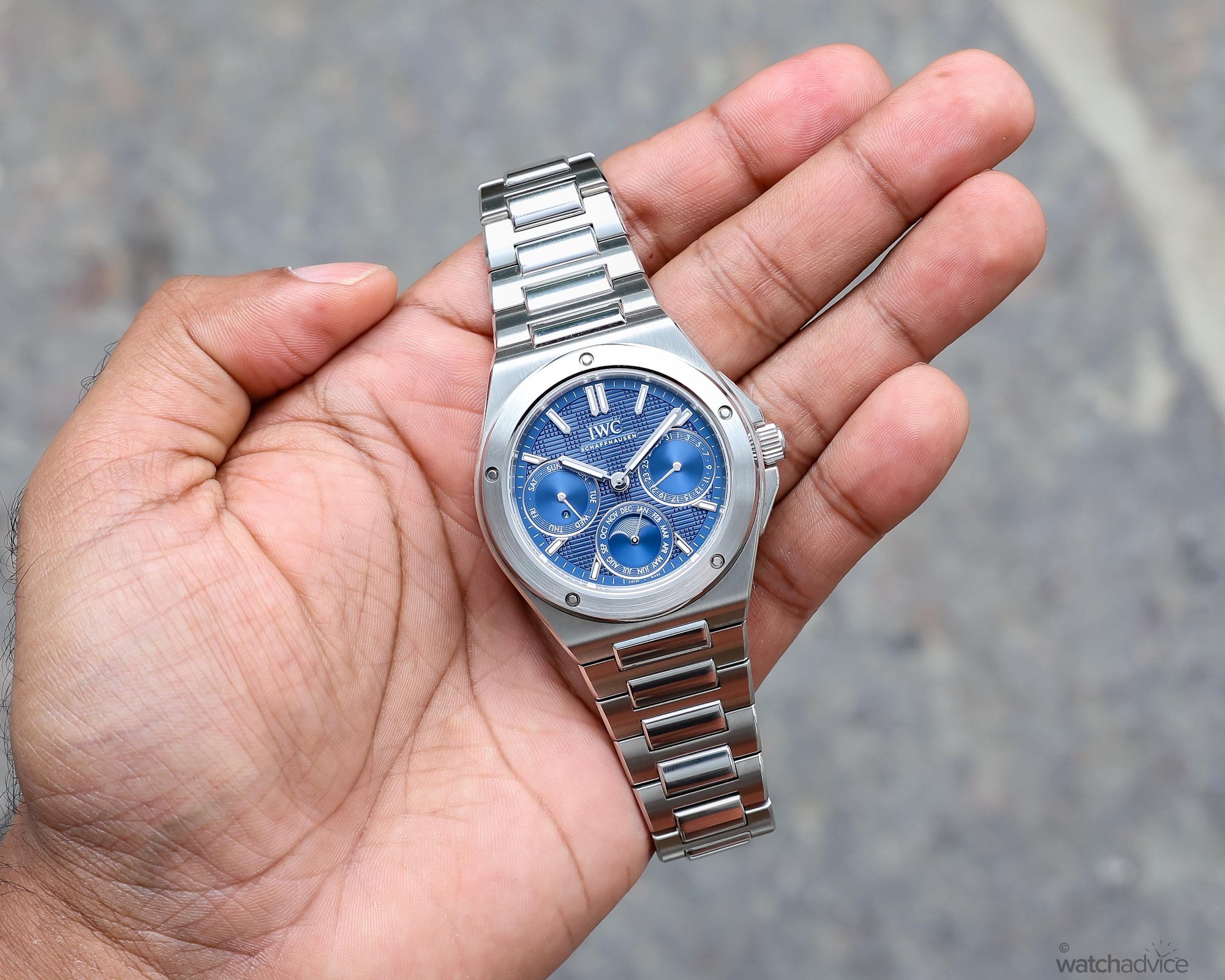
IWC has specifically reworked the 41.6mm x 13.4mm case size to accommodate the perpetual calendar movement, all the while maintaining good ergonomic design. For me, this is what makes the case design special. Rather than simply dropping a perpetual calendar complication into the existing iconic Gérald Genta design, the Swiss maison has ensured that it remains perfectly wearable as a daily timepiece, just as the modern, refined Ingenieur was designed to be.
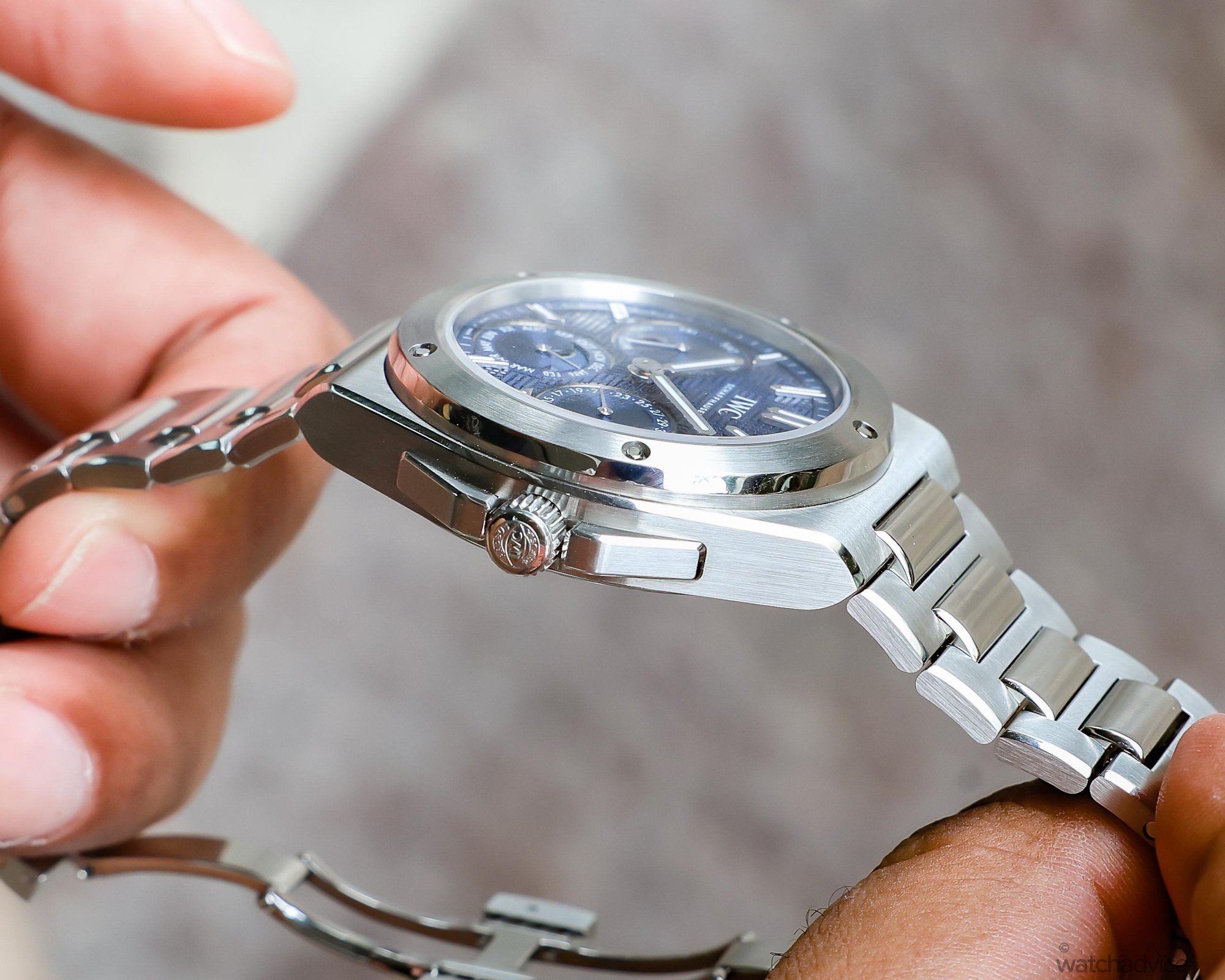
When you compare it to the current Ingenieur Automatic 40, this Perpetual Calendar is only marginally beefier, which, when you think about it, is truly an extraordinary achievement given the intricate piece of engineering going on inside. All of Gérald Genta’s iconic design cues for the Ingenieur remain faithfully intact, such as the signature round bezel with five functional screws, the refined and sharply executed crown guards, and the curves of the case that seamlessly transition into the Ingenieur’s iconic bracelet.
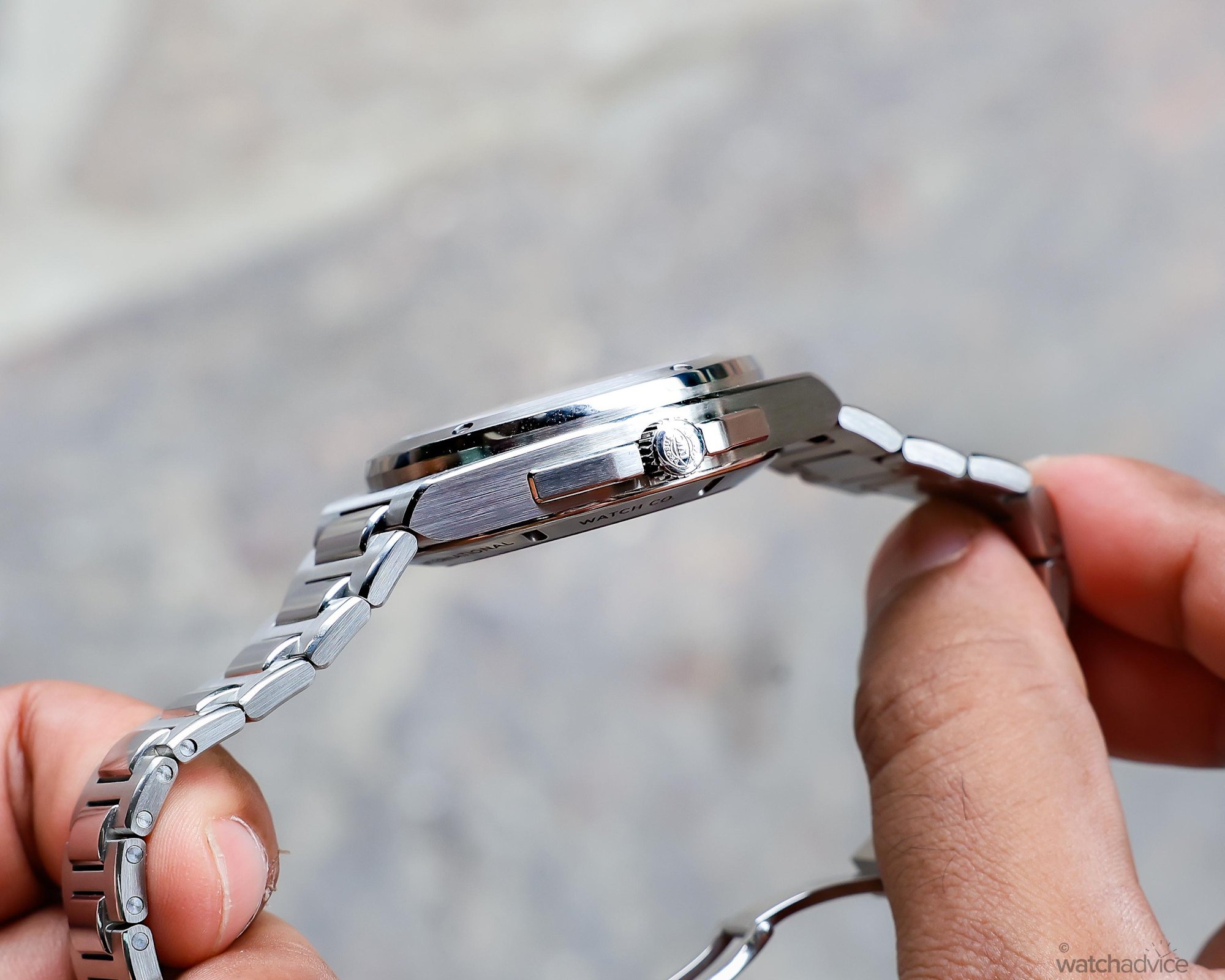
While the Ingenieur is marketed as a sporty steel model, it certainly has a whole lot of elegance and luxury aesthetics about it. The case, for example, features both satin-brushed and polished surfaces. The brushed finishes also alternate in varying directions, such as horizontal brushing on the sides of the case, vertical brushing on the top surface, and a circular brushed finish on the bezel. This alternating finishing adds to the watch’s character and elevates it from being a one-dimensional piece.
As with all Ingenieur models, the polished surfaces bring this iconic case design to life, especially at different lighting angles or out in the sun, where it reflects light beautifully. This also adds to the watch’s versatility, in that even though it is a sports model, you can certainly wear it to outdoor functions and even more so to the office. Whether you want to flex on your co-workers, though, with a perpetual calendar on your wrist is an entirely different question!
A Complex Grid Structure Dial
In my opinion, the Ingenieur Perpetual Calendar 41’s dial is executed brilliantly, and perhaps even feels more refined than the timepiece’s signature case design. IWC has managed to incorporate the perpetual calendar complication and the collection’s signature grid-style design while still keeping the dial visually simple and appealing to the eye.
The beautifully layered blue dial shows just how well IWC has integrated a full perpetual calendar complication without losing the Ingenieur’s signature visual identity.
What I mean by this is, if you take a look at the other perpetual calendar complication timepieces in IWC’s lineup, such as the Portugieser Perpetual Calendar, it features a four-subdial layout with multiple indications also set within some of those subdials. While the Portugieser’s design is without question elegant and stunning, it can present a more complex look. IWC has refined this complication for the Ingenieur so that not only do all of Gérald Genta’s signature design details remain unchanged, but none of the necessary indications are sacrificed either.
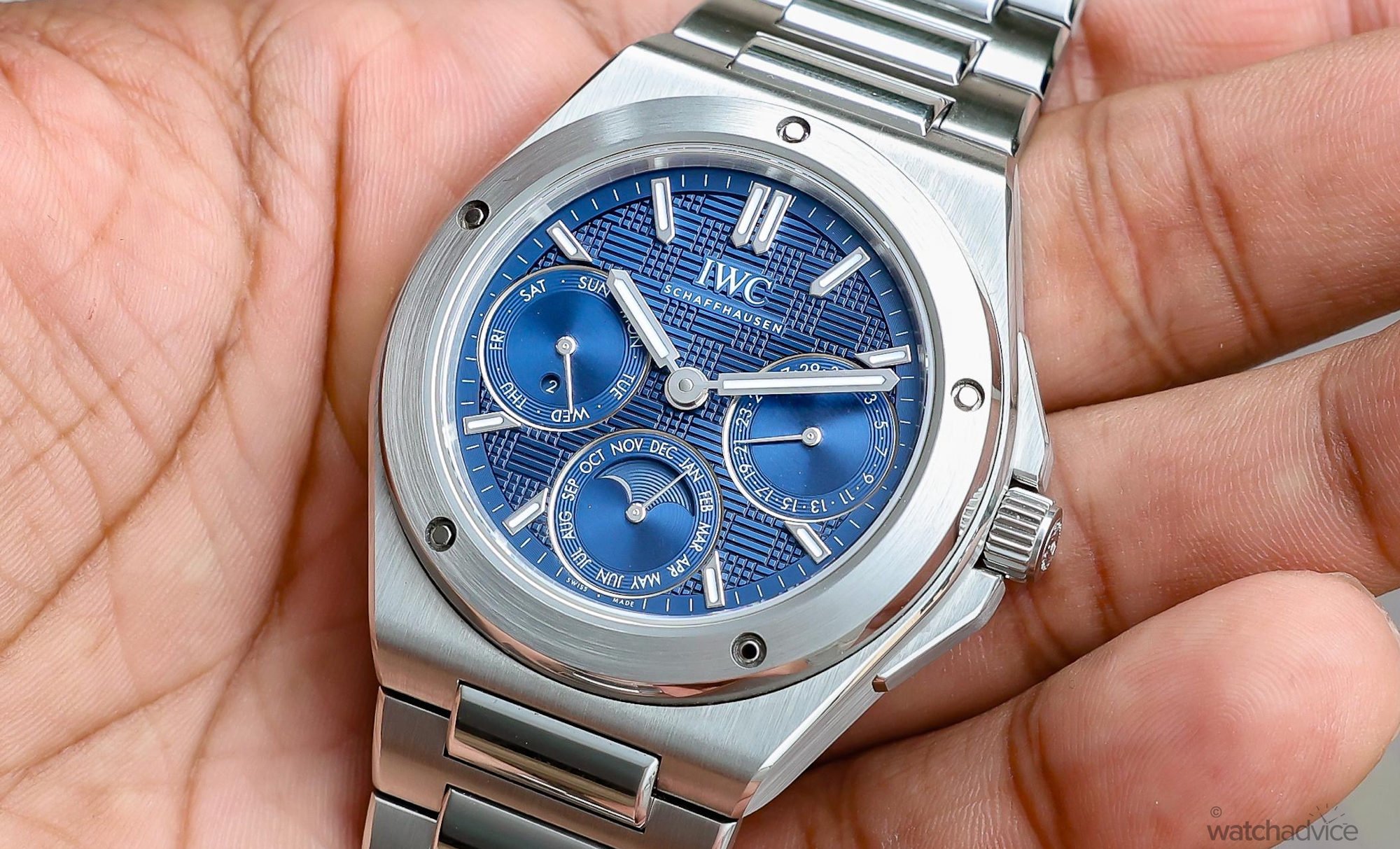
For example, the 3 o’clock subdial indicates the date, while the 6 o’clock subdial features the month indication alongside the moon phase within the subdial. This moon phase indication would normally have its own separate counter, so by integrating it within the month subdial, it frees up a lot of space on the dial and allows more of the beautifully structured grid pattern to be seen. Lastly, the 9 o’clock subdial showcases the day of the week, along with a small circular cut-out within the subdial to indicate the leap year.
Each counter has its own finishing treatment as well. The subdials receive a sunray finish, while their outer edges feature azurage. In this stunning blue shade, the subdials really pop with colour, with the sunray finishing playing beautifully with the light. This sunray finish also works well against the grid-pattern layout, as it helps break up the design.
The grid structure itself is not just decorative either. Drawing from the Ingenieur’s Gérald Genta-inspired design language, IWC states that the small lines and squares add extra depth and help the dial reflect light more dynamically, which gives the watch more visual life in person. The result is a dial that feels far more alive on the wrist, helping to balance the technical nature of the perpetual calendar with the sporty character the Ingenieur is known for.
A High Precision Perpetual Calendar
At the heart of this high-precision instrument lies the IWC-manufactured 82600 calibre. One of the most notable features of this movement is IWC’s Pellaton winding system, which plays a big role in making the calibre interesting beyond just the perpetual calendar complication itself. The Pellaton system winds in both directions of the rotor’s movement, meaning the watch is designed to convert wrist motion efficiently into stored energy for the mainspring. This is a great design for real-world use, as it allows the movement to be wound efficiently regardless of wrist motion.
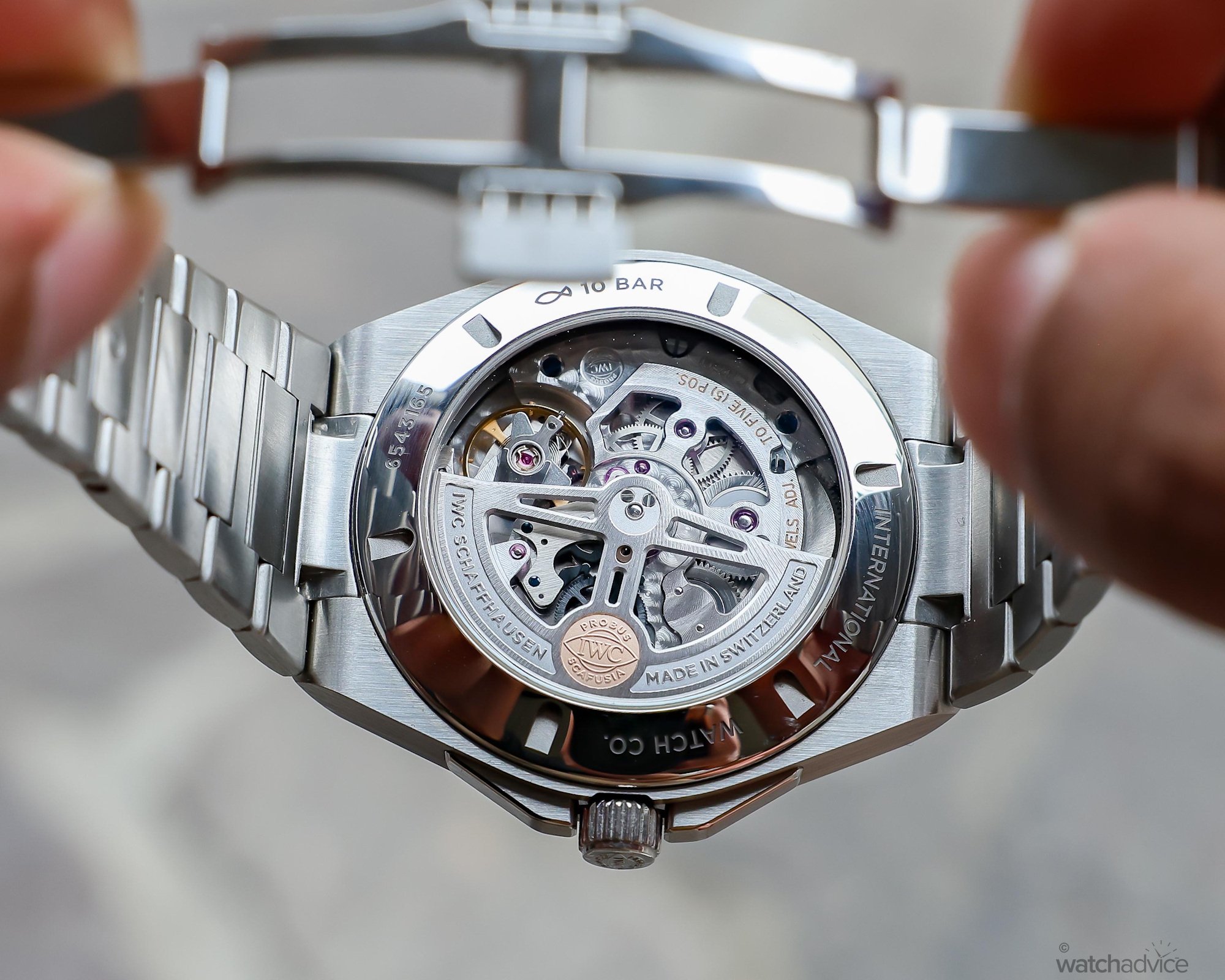
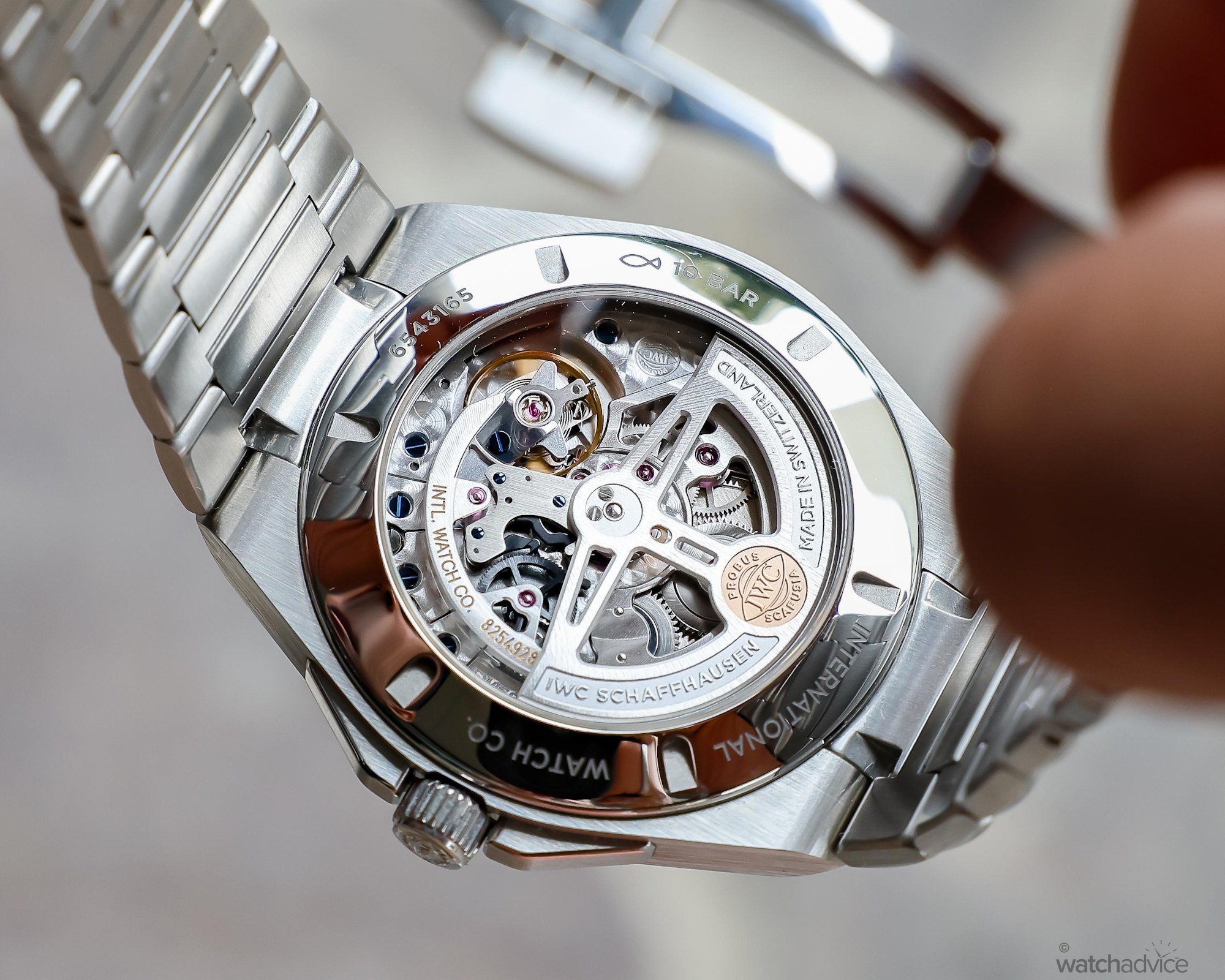
The winding system has also been strengthened in this calibre, with ceramic components used in high-stress areas to improve the movement’s long-term durability and reliability. More specifically, the automatic wheel and the clicks are made from black zirconium oxide ceramic, while the rotor bearing is crafted from white ceramic. IWC states that these components are “virtually wear-free”, especially considering that zirconium oxide ceramic is one of the hardest materials on earth.
The movement also operates at a modern frequency of 4Hz (28,800 VpH) while delivering a substantial power reserve of 60 hours. This in itself is quite impressive, as the perpetual calendar indications no doubt eat into the movement’s overall power reserve.
“Thanks to a reduction gear train using two intermediate wheels, the moon phase display will only deviate by one day after 577.5 years. In addition to showing the day of the week, the subdial at 9 o’clock features a small leap year indicator, which counts down the years to the next leap year. In case of a leap year, the calendar will automatically insert a 29th day at the end of February. All these displays are perfectly synchronised with each other and can be advanced simply by turning the crown.”
IWC Schaffhausen on the Ingenieur Perpetual Calendar 41
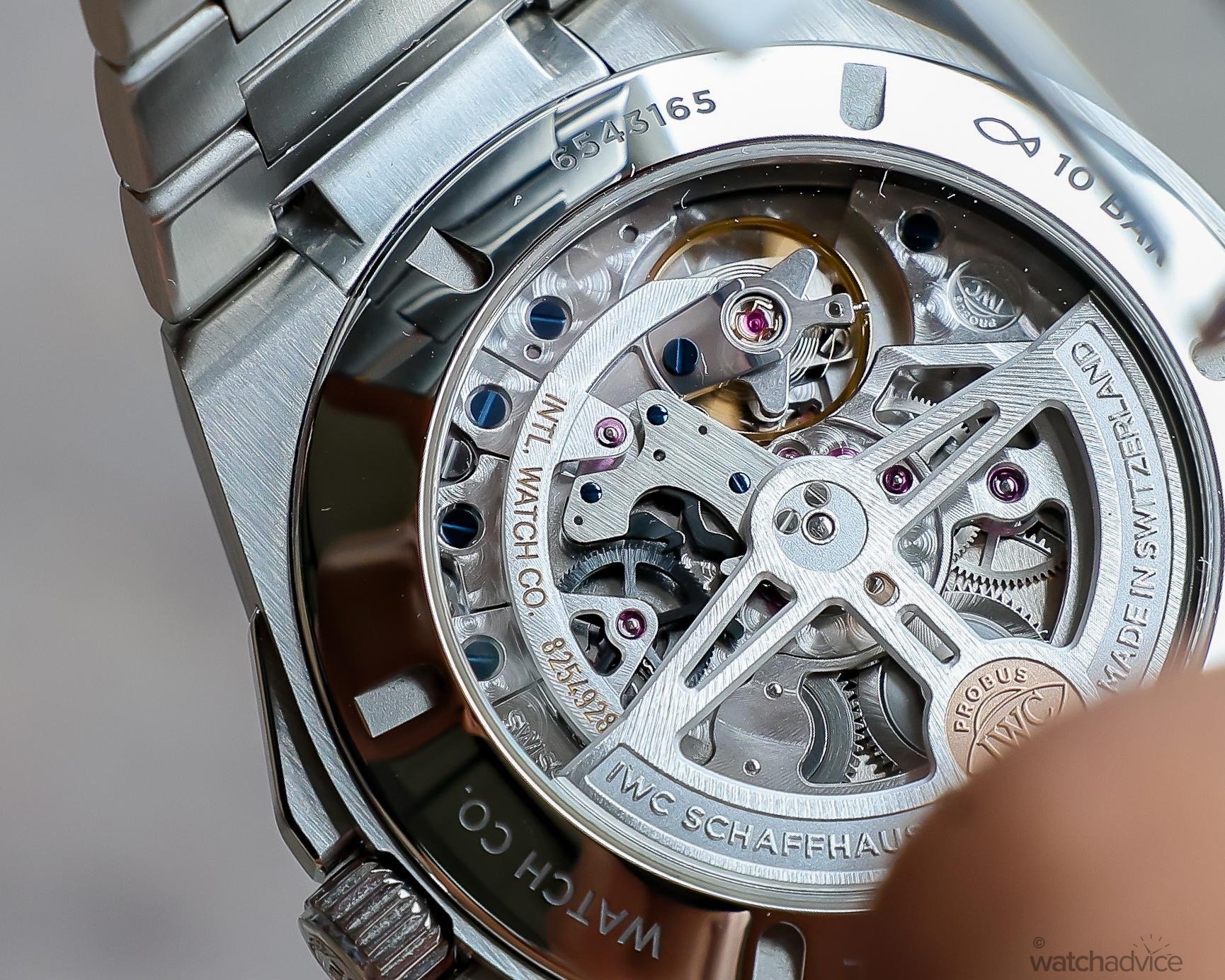
The 82600 calibre feels especially well-suited to this watch because it powers Kurt Klaus’ crown-operated perpetual calendar system, one of IWC’s most practical complications. Instead of requiring extra correctors built into the case, the date, day, month, moon phase, and leap-year indications are all linked and can be adjusted simply through the crown, making the overall experience far more user-friendly.
How Does It Wear?
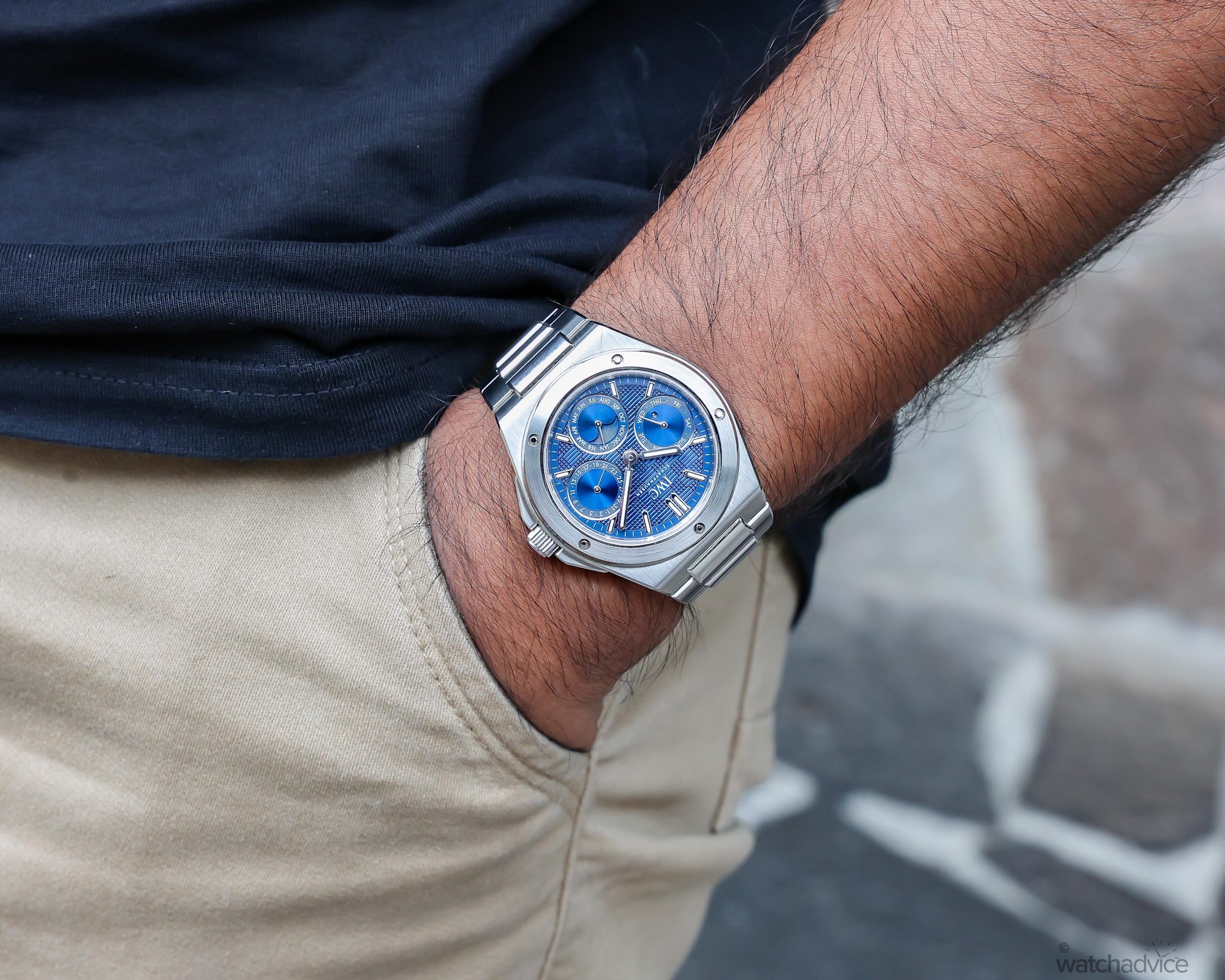
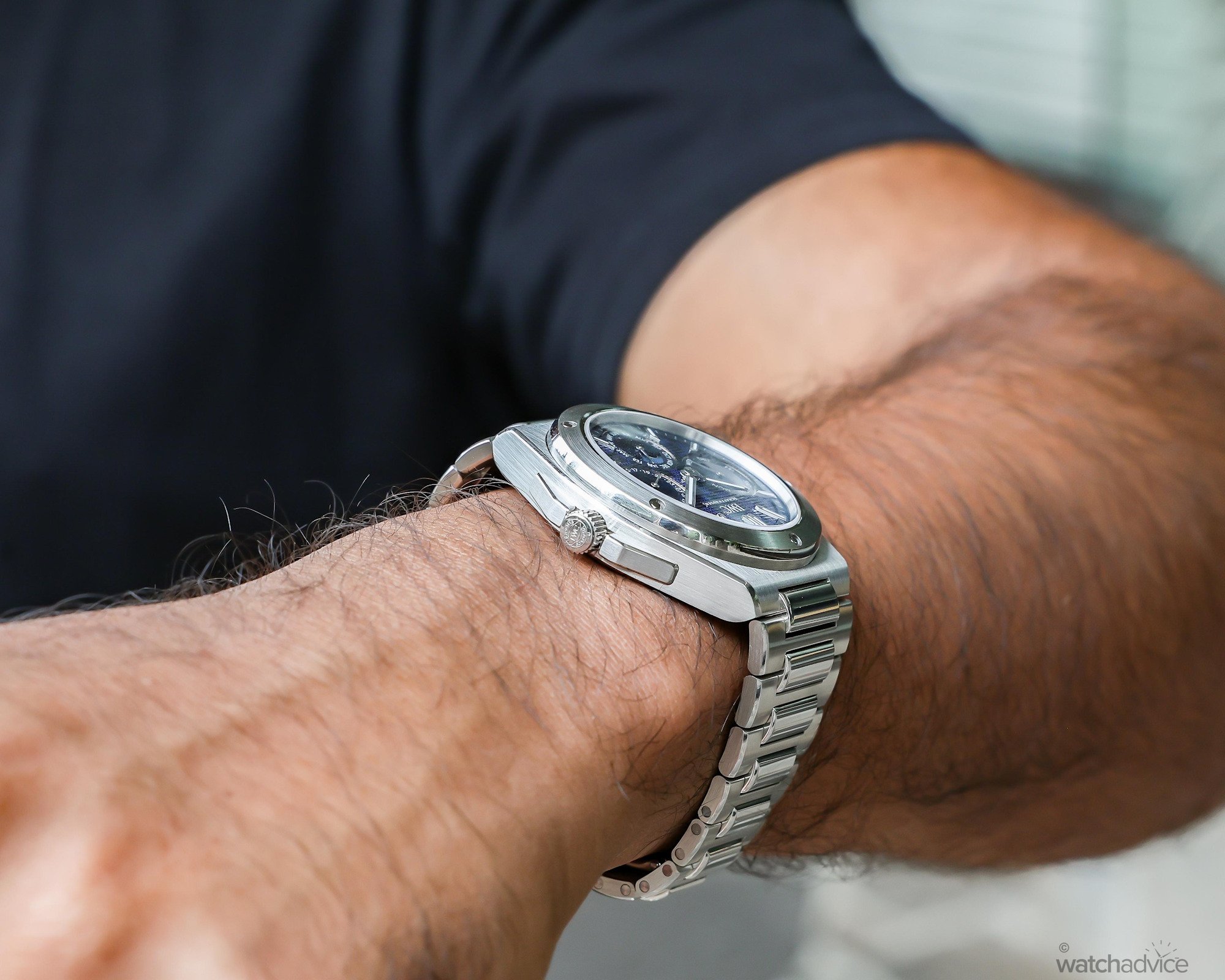
With a 41.6mm case size, I genuinely enjoyed my time with the IWC Ingenieur Perpetual Calendar, as it was proportioned nicely for my slim 16cm wrist. Although I think 39-40mm would be the perfect range, considering the movement inside and the fact that this is a sporty integrated timepiece, this new 41.6mm size is a well-judged compromise.

The timepiece offers plenty of wrist presence to suit the Ingenieur’s sporty integrated-bracelet design, while still remaining compact by perpetual calendar standards. At 41.6mm, it comes across as relatively compact for an IWC perpetual calendar, especially when placed next to the current Portugieser Perpetual Calendar models at 42mm and 44mm, and the Big Pilot’s Watch Perpetual Calendar at 43mm and 46mm. Visually, that immediately makes it feel tighter, neater, and less imposing on the wrist.
Compared to the Portugieser Perpetual Calendar, the Ingenieur reads as more modern and more compact in design. The Portugieser is a timeless instrument dress watch, whereas the Ingenieur feels more contemporary and, of course, more integrated in its overall design.
It is this integrated H-link bracelet that also allows the watch to sit better on the wrist. With its smooth, flowing, and tapered design, the bracelet hugs the wrist nicely while also keeping the proper luxury sports watch silhouette intact. IWC has also paid close attention to the bracelet finishing, with the H-links receiving a satin-brushed finish and polished outer edges, while the centre links are fully polished. This helps the case and bracelet work together visually rather than feeling like separate elements.
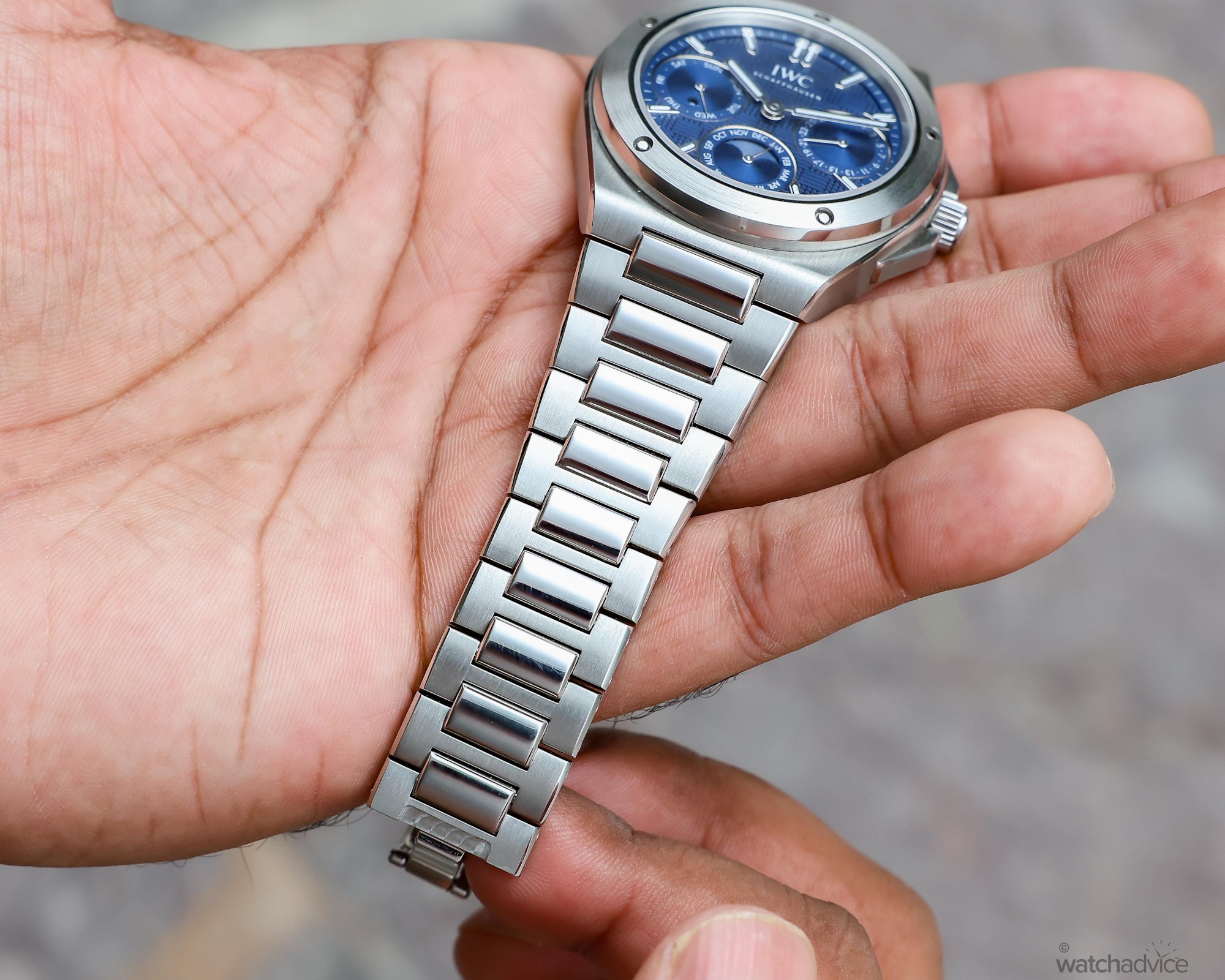
The integrated H-link bracelet flows directly into the case via a middle-link attachment, which helps the watch wear more cohesively and keeps that proper luxury sports watch silhouette intact. IWC has also put just as much thought into the bracelet finishing, with the H-links receiving a satin-brushed surface and polished outer edges, while the centre links are fully polished. This helps create a seamless flow between the case and bracelet, rather than making them feel like two separate components.
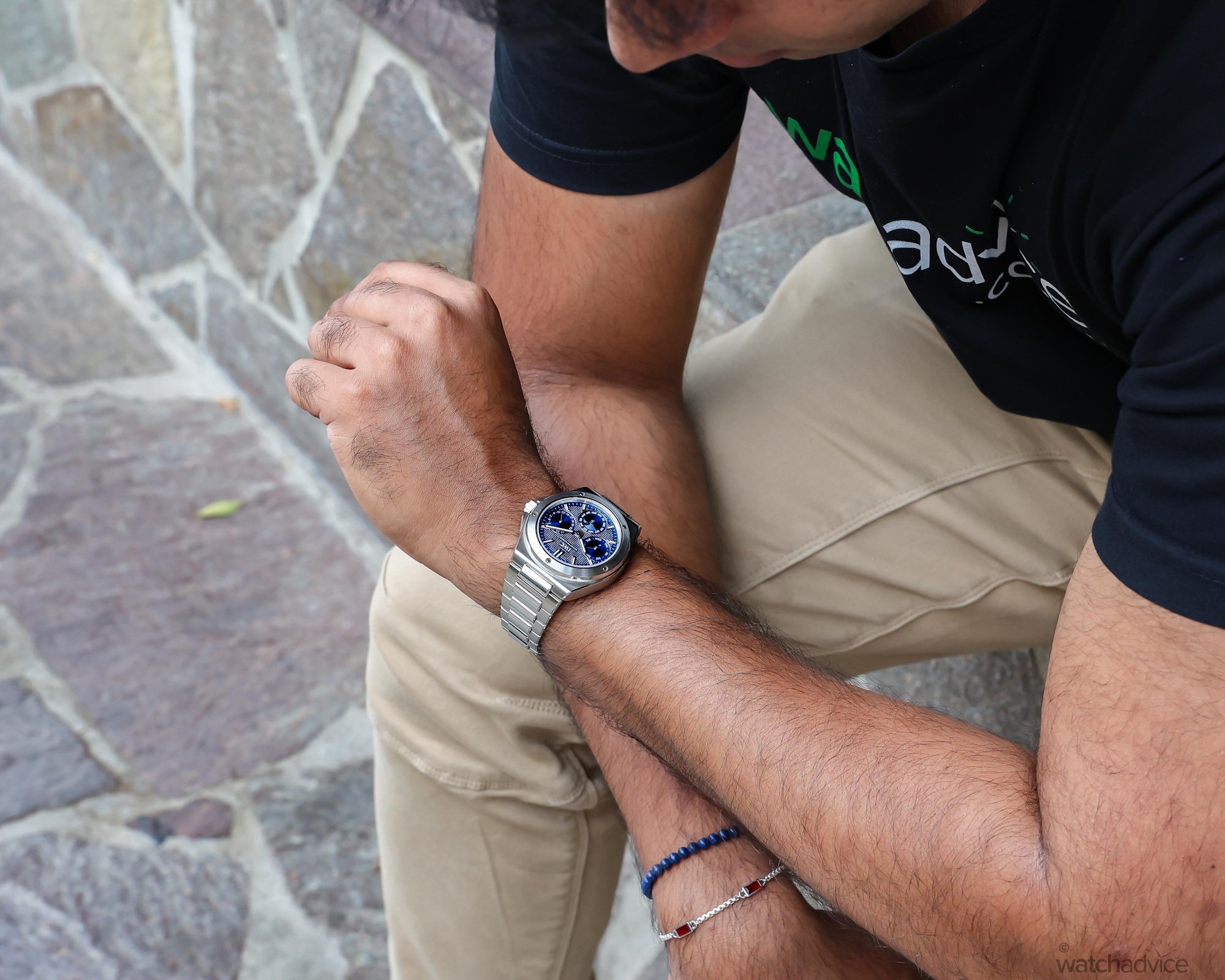
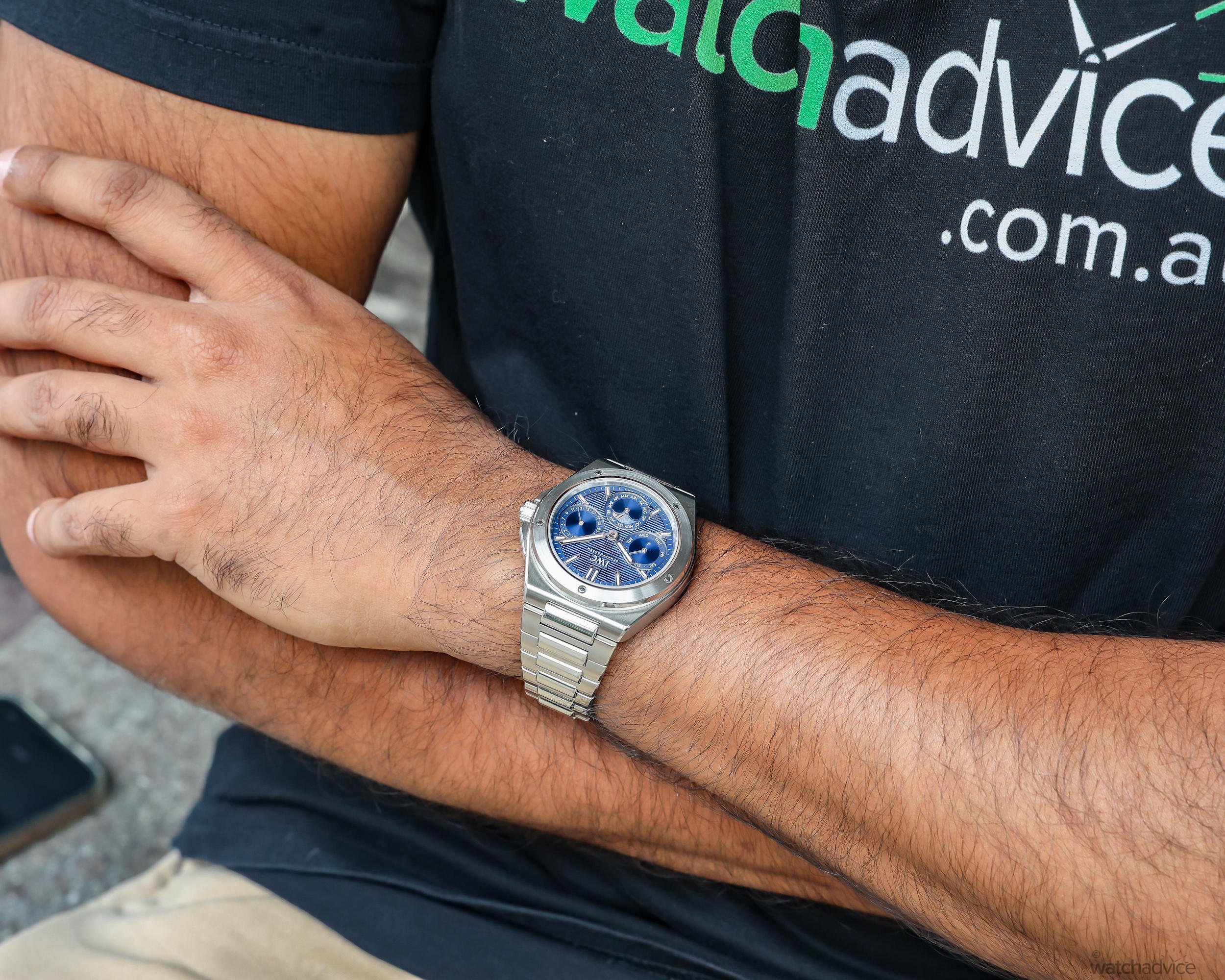
Where this design could be improved, however, is through the addition of micro-adjustments on the clasp of the integrated bracelet. Having this feature would go a long way in improving the timepiece’s overall wearability, as even minor things such as temperature fluctuations can cause the wrist to expand or contract. Being able to adjust the bracelet size on the fly would therefore lead to a far more comfortable wearing experience overall.
Final Thoughts
The latest IWC Ingenieur Perpetual Calendar is a great example of how a high complication can be integrated into an iconic design without detracting from what made it great in the first place. It is a timepiece that feels very much modern, retains its sporty character, and, regardless of the added complication, is still comfortable enough for daily use. What IWC has done well here is preserve everything that makes the Ingenieur so appealing, from the Gérald Genta-inspired case design to the integrated bracelet and textured grid dial, while successfully incorporating one of the brand’s most celebrated complications.
The IWC Ingenieur Perpetual Calendar on Chamath’s wrist (~17cm).
What I also like about this watch is its subtlety. Yes, it has wrist presence, but when compared to IWC’s other perpetual calendar timepieces, the Ingenieur Perpetual Calendar feels far more restrained in its visual impact. It doesn’t scream for attention, but instead delivers a quieter, more refined take on the complication, which in many ways makes it even more appealing. And while this may not matter to some, the Ingenieur also features 100 metres of water resistance, which is the highest rating among the brand’s perpetual calendar timepieces. It certainly offers peace of mind, especially if you plan to wear this timepiece daily.
This is a timepiece that certainly left an impression on me. I’ve always had a soft spot for IWC’s Ingenieur design, especially after reviewing the gold Ingenieur 35mm only a few weeks ago, another IWC creation I found incredibly hard to take off the wrist. The Ingenieur Perpetual Calendar is perfect for those wanting a high-complication timepiece without stepping too far into traditional dress-watch territory. And with the watch being presented in steel, it also becomes a more accessible option compared to IWC’s precious metal perpetual calendar models.
Reference & Specifications
IWC Schaffhausen Ingenieur Perpetual Calendar 41
| Feature | Specification |
|---|---|
| Reference | IW344903 |
| Dimensions | 41.6mm x 13.4mm thick |
| Case Material | Stainless steel with brushed and polished surfaces |
| Case Back | Stainless steel with transparent synthetic sapphire crystal |
| Dial | Deep blue dial with Gérald Genta designed grid structure. Perpetual calendar indications presented in 3 sub-dials |
| Crystal | Sapphire, with anti-reflective coating |
| Movement | Automatic Calibre 82600 operating at a frequency of 4Hz (28,800 VpH) |
| Functions | Hours, minutes, date indication, month indication, day-of-the-week indication, leap year, and moon phase. |
| Power Reserve | 60 hours |
| Water Resistance | 100 meters (10 bar) |
| Strap Option | Stainless steel H-link bracelet with vertical brushed finishing and polished finishing for central links. |