


How does the watchmaking world fight the trend of nostalgia fatigue, designing pieces that complement heritage without feeling contrived?
Every watch has its own story. Sometimes, when that story is compelling or long enough, it becomes a selling point in itself. The watches sell because the story sells.
But like any story told too often, they eventually lose their power with little exception. Even in an industry as slow-moving as watchmaking, nostalgia fatigue is real. The retelling of old stories can only carry a brand so far, no matter how hard the industry tries to extract value from it.
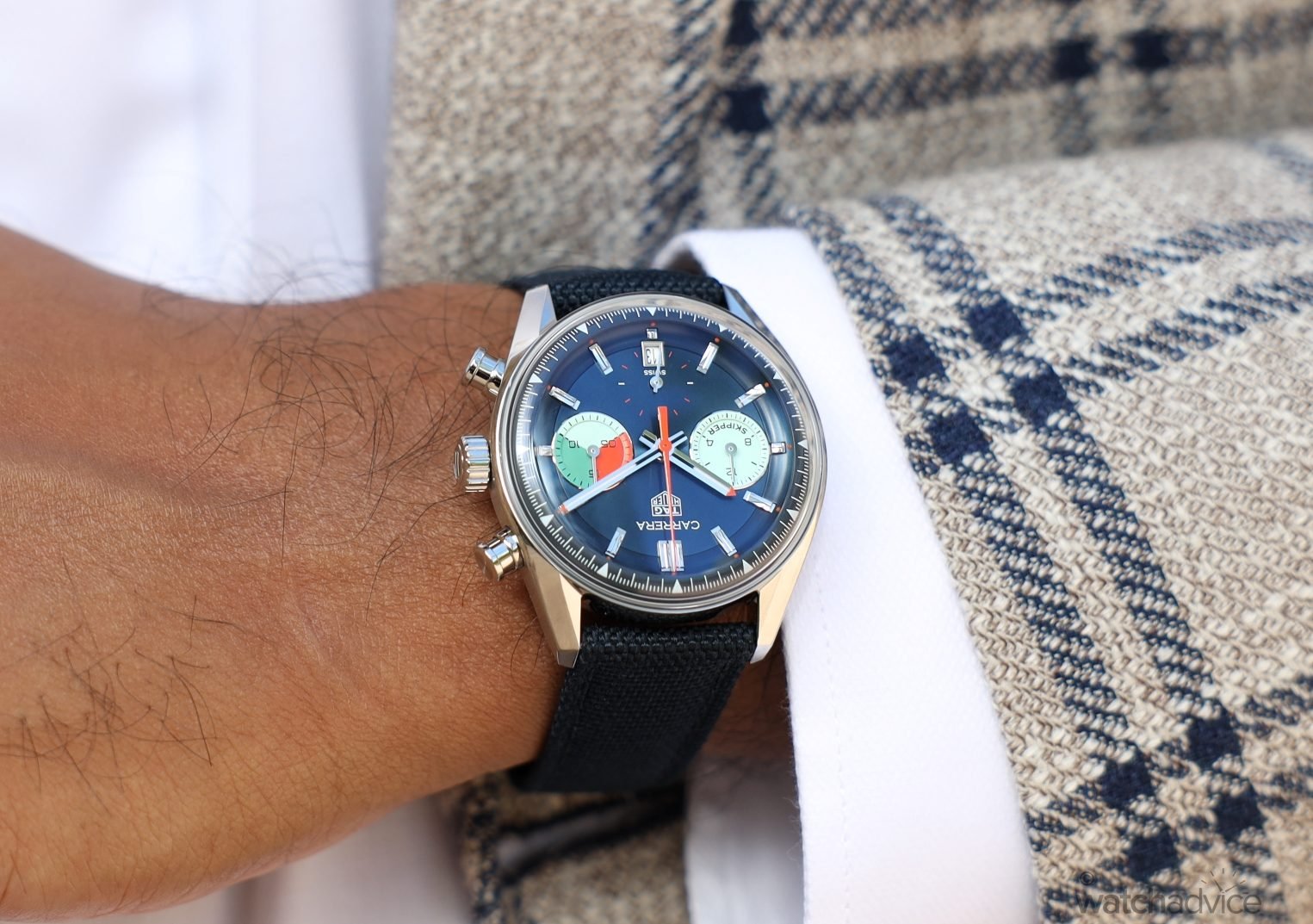
Fortunately, there’s a way out of that loop. Anti-nostalgia watchmaking isn’t about rejecting heritage, but instead refusing to let it sit untouched. With that in mind, here are three brands approaching the problem from very different and deliberate directions.
Add To The Story: Singer Reimagined
To add to the heritage of watchmaking takes more than simply bringing back a fan-favourite design. It means studying the watches of the past closely and refreshing them for the modern day. In that respect, Singer Reimagined takes perhaps the most direct route in combating horology’s nostalgia fatigue.
With aesthetics inspired by mid-century automotive design, the brand draws on decades of motorsport history, paying respect to both mechanical industries at once. For gearheads, this connection feels particularly natural: Singer Reimagined was founded by Marco Borraccino and Rob Dickinson, the latter also responsible for the celebrated Singer Vehicle Design.

Founded in 2017, Singer Reimagined has no direct archival catalogue to mine, and therefore enjoys the freedom to interpret the past as it sees fit. The brand’s watches look entirely their own, drawing on familiar inspirations that are often merely duplicated elsewhere in the industry. The 1969 Collection, for instance, captures that spirit well, offering a chronograph that stands apart in the often crowded world of motorsport-inspired watch design.
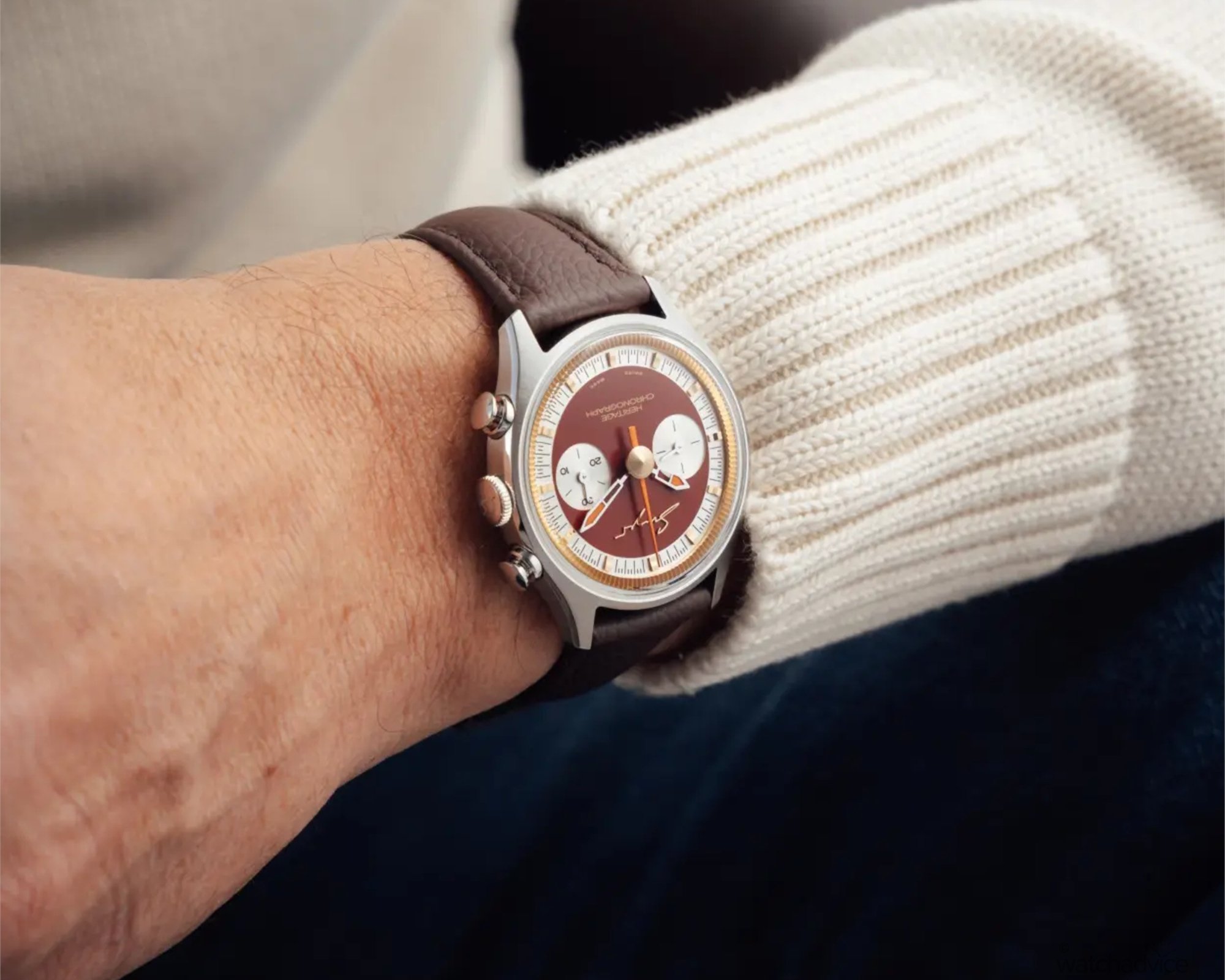
Where Singer Reimagined’s philosophy truly shines, however, is through its Heritage Collection. Here, the brand’s approach mirrors that of Singer Vehicle Design almost exactly. The chronographs in this line use the manual-wind Valjoux 236, a calibre first produced in 1974. At first glance, using such a movement in a modern watch might seem counterintuitive.
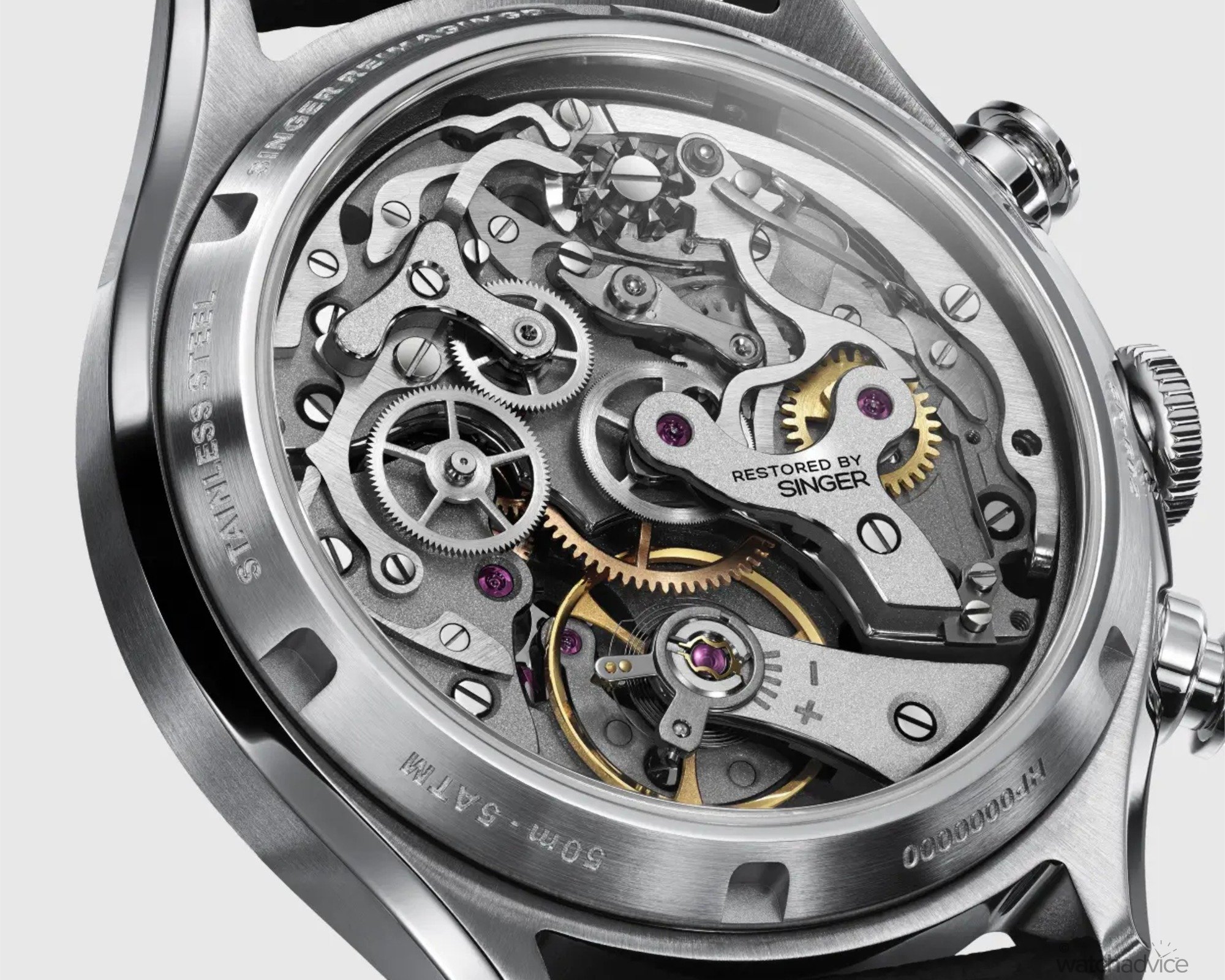
Yet, Singer Reimagined carefully restores and reworks these calibres to meet contemporary standards. In doing so, the brand has quite literally added to the story of the Valjoux 236. Refreshing it for the present day, they have opened a new chapter for a movement that might otherwise have been forgotten.
Discover more about the brand online at SingerReimagined.com
Challenge The Story: Ressence
While Singer Reimagined builds upon the heritage of watchmaking beyond nostalgia, Belgium’s Ressence takes a very different approach: it challenges that heritage outright. Time and again, people encounter the brand and wonder exactly what they’re looking at. Not because Ressence makes bad watches, but because it makes watches unlike anything else in the industry.
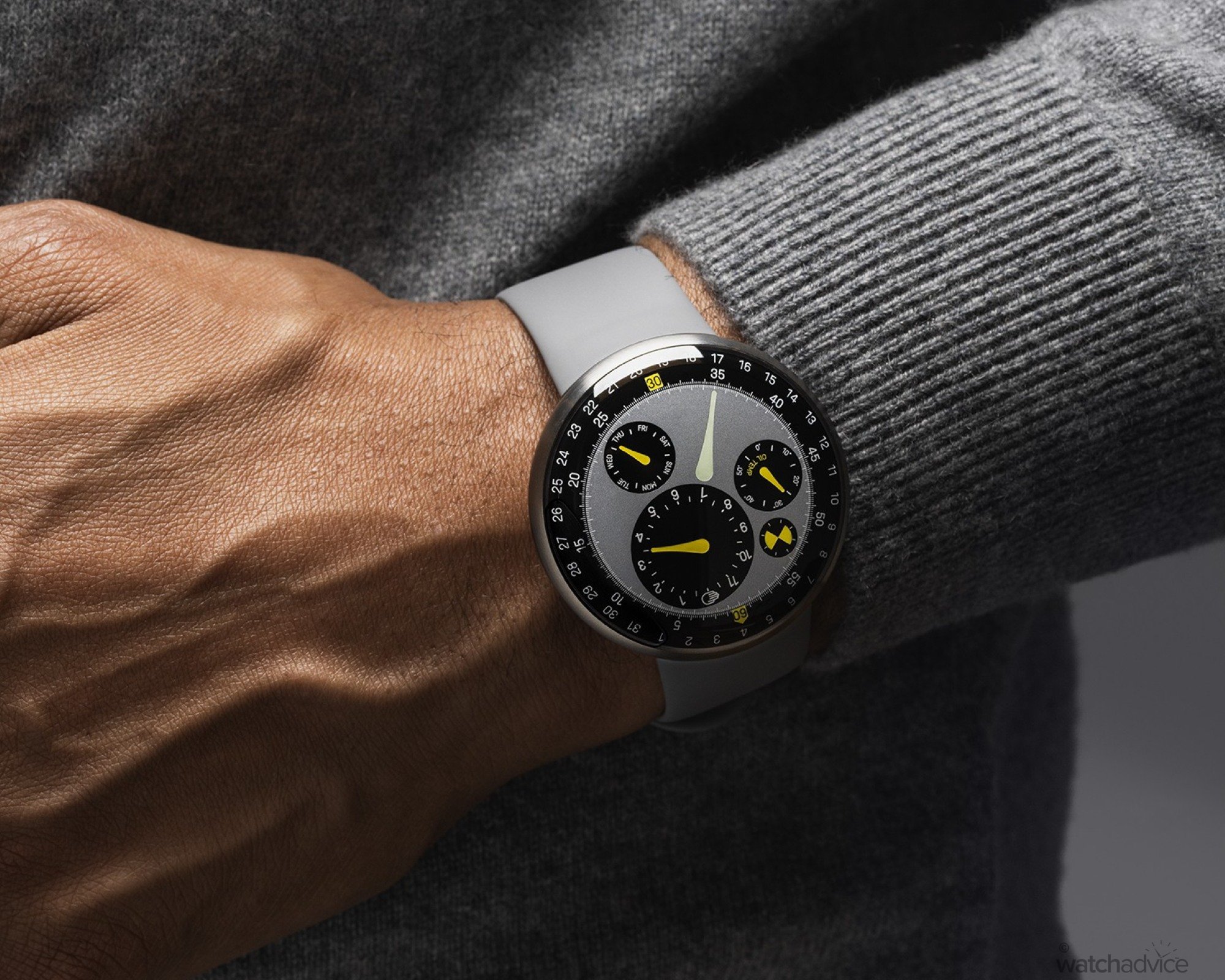
In an age dominated by smartwatches and AI-driven technology, Ressence has carved out a unique place within contemporary mechanical watchmaking. Its watches combine a futuristic design language with traditional mechanical engineering, challenging many of the assumptions that have defined the wristwatch for generations.
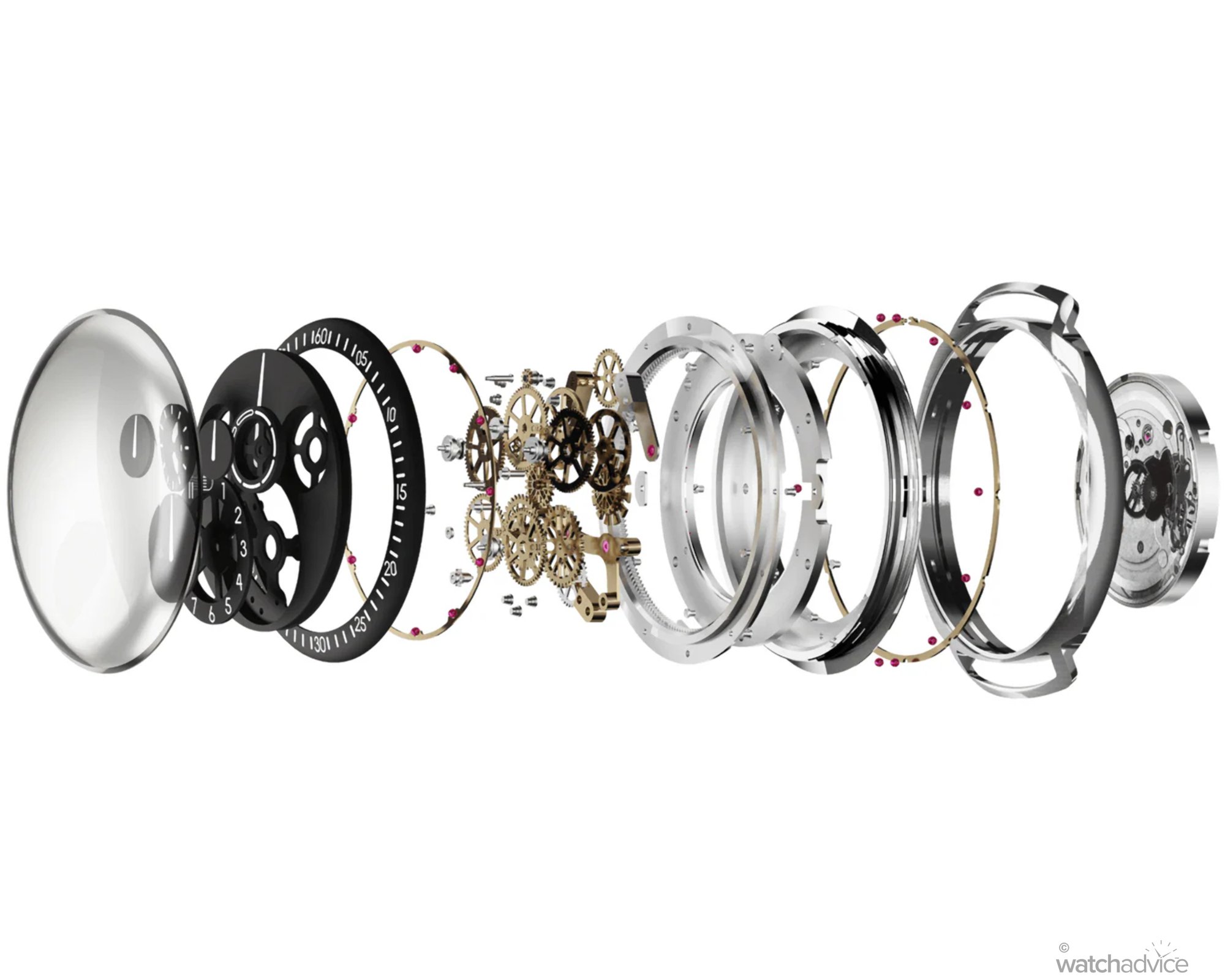
How? By removing almost all of the familiar elements of watch design. Most notably, no Ressence watch has a crown. Instead, the wearer winds and sets the watch using the caseback. Traditional hands are replaced by rotating discs, with printed indicators orbiting across a minimal dial surface. Even the boundary between dial and crystal disappears.
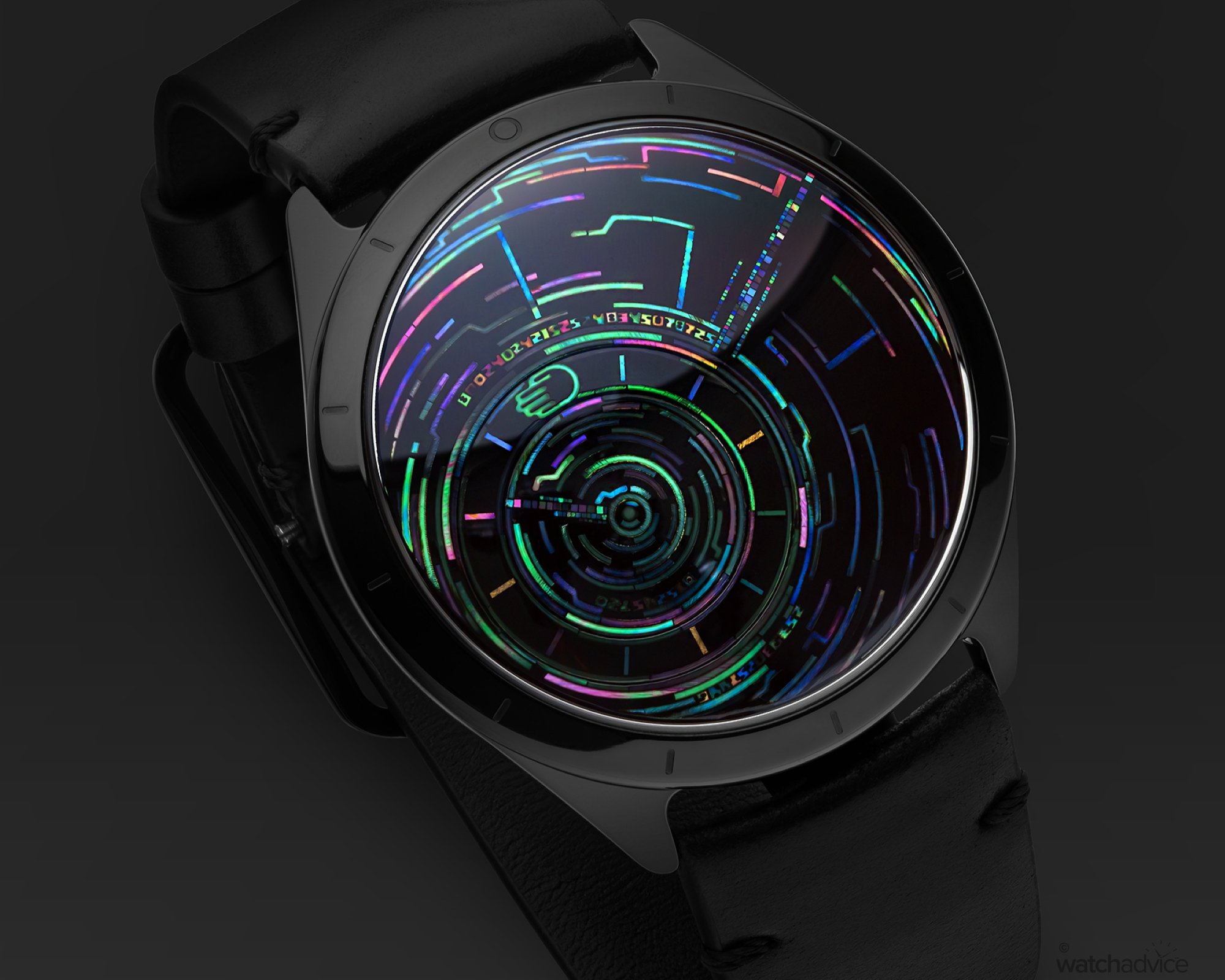
This effect is achieved through Ressence’s oil-filled display system, which eliminates light distortion and makes the indications appear as if they are printed directly onto the glass. The result is a viewing experience more reminiscent of a touchscreen than a conventional mechanical watch.
Taken together, these design choices strip away much of the visual language that has defined watchmaking for centuries. Yet, in challenging so many conventions, Ressence ultimately circles back to the core purpose of the mechanical watch itself: clear, intuitive timekeeping.
Discover more about the brand online at RessenceWatches.com
Make A New Story: Albishorn
In an industry often defined by its reliance on heritage storytelling, it can be difficult for a young brand to escape nostalgic reissues. Singer Reimagined builds onto that story, while Ressence challenges it. Albishorn, however, has chosen a different path entirely: simply writing its own.
That idea may roll some eyes at first — the watch world has no shortage of brands with an “Our Story” page filled with platitudes and borrowed credibility. But Albishorn’s approach to storytelling isn’t just about separating itself from the pack. Instead, the brand specialises in what it calls “Imaginary Vintage.”
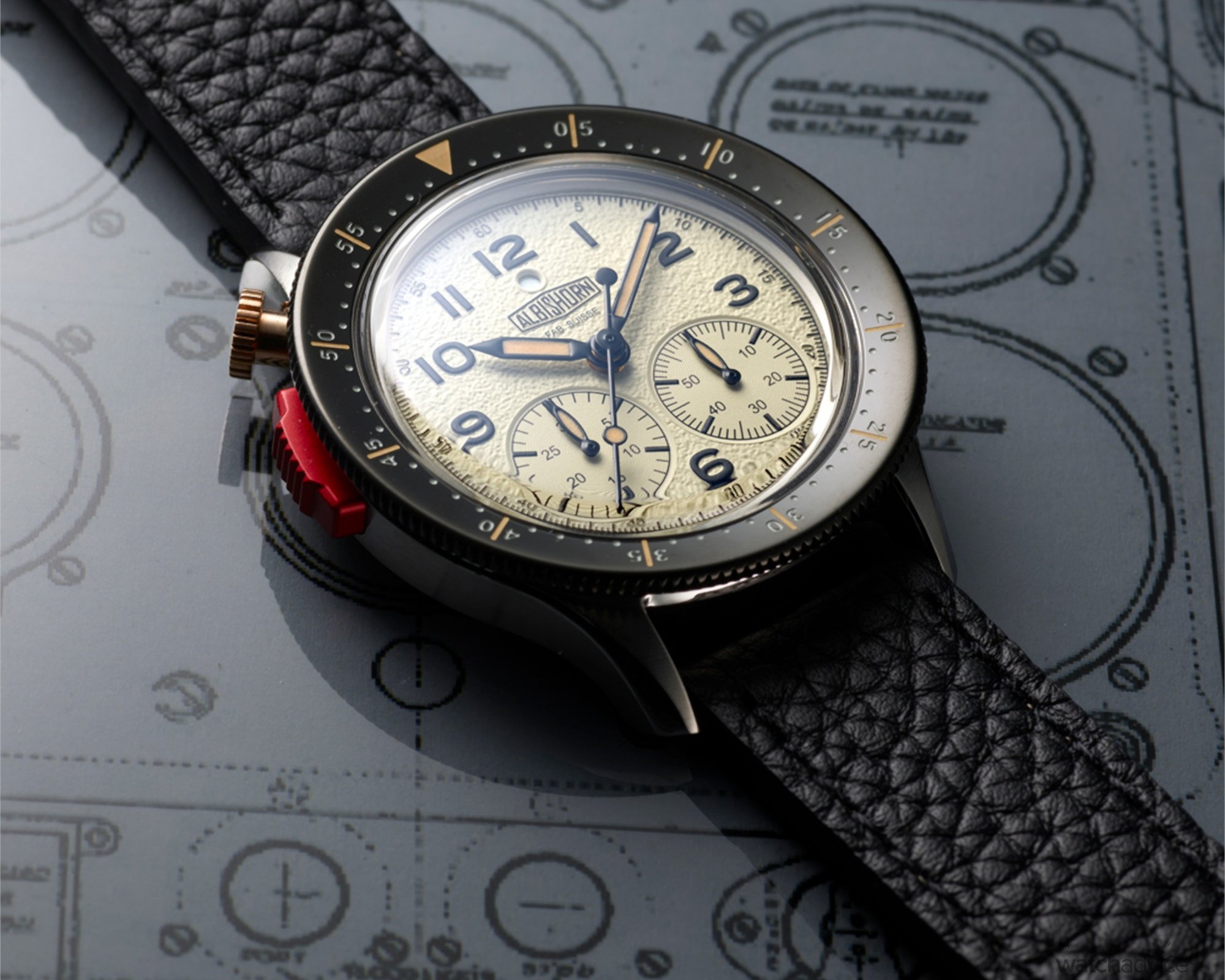
Rather than mining archives or resurrecting historical references, Albishorn creates what might be described as the missing links of watchmaking history: timepieces that feel perfectly at home in a particular era, yet never actually existed.
Where the 1950s-era Type 20 chronograph became an icon of aviation watch design, Albishorn imagines an earlier predecessor — the Type 10, hypothetically introduced in 1948. Likewise, while regatta timer watches only gained widespread recognition in the 1960s, Albishorn presents the Marinagraph, theoretically launched in 1958. Positioned just on the edge of real history, these watches feel plausible, familiar, and entirely original all at once.
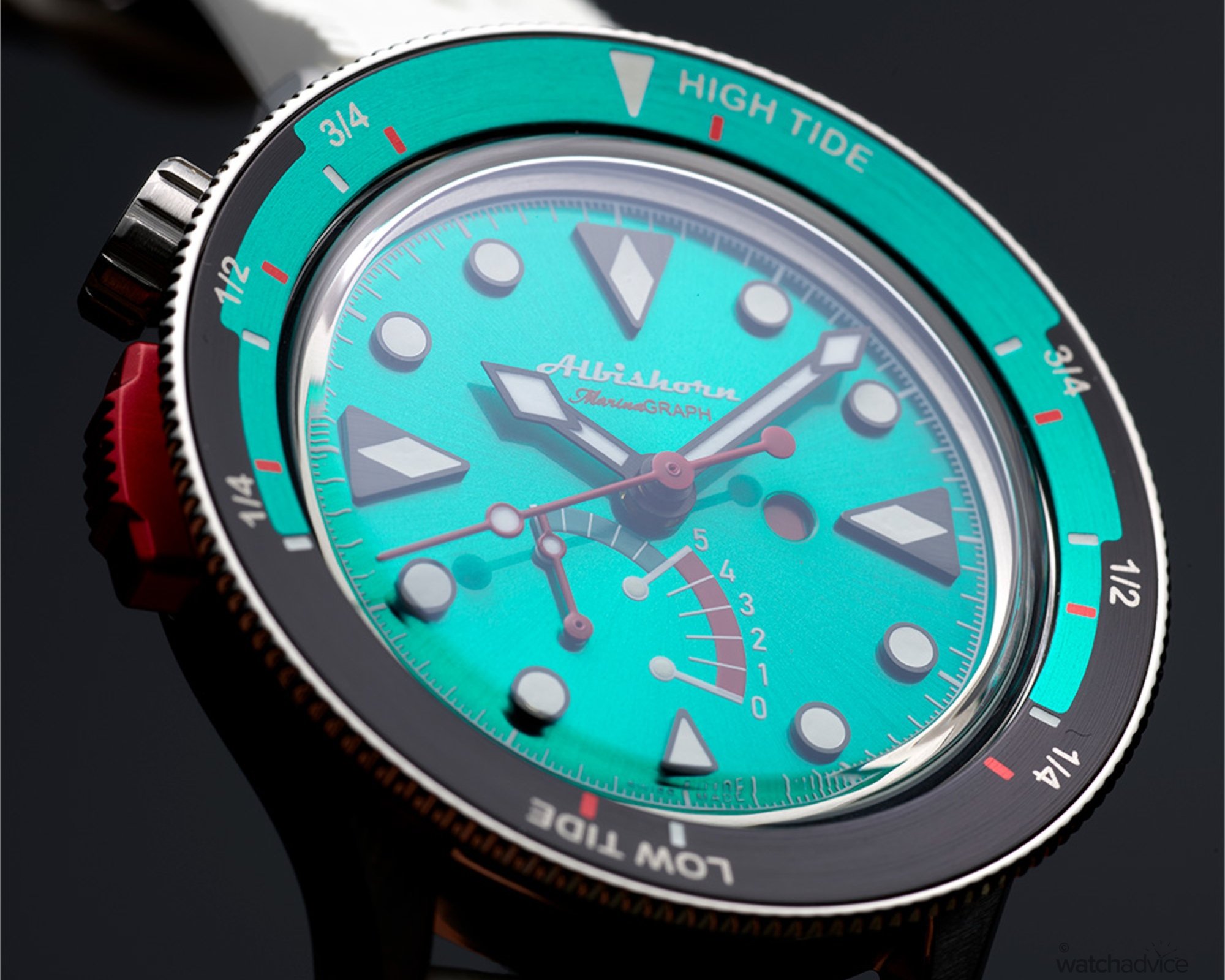
And while Albishorn’s designs communicate this philosophy clearly, the mechanics behind them reinforce the illusion just as effectively. Rather than relying on overtly modern technology, the brand reworks established movement architectures into forms more appropriate to its imagined eras. The Type 10’s ALB02 M calibre, for example, is derived from the architecture of the Valjoux/ETA 7750.

Yet instead of the standard automatic, dual-pusher chronograph configuration, Albishorn transforms it into a manually wound monopusher chronograph with a distinctive crown placement at 10:30. Albishorn’s take on watchmaking heritage may be fictional, but the craft behind it is anything but. By approaching history as something to imagine rather than simply replicate, the brand manages to make thoroughly modern watches feel convincingly, authentically vintage.
Discover more about the brand online at Albishorn-Watches.ch
Final Thoughts
It’s all too easy for watch brands to become trapped in a loop of manufactured nostalgia. While the appeal of a legendary story is understandable, relying on it too heavily risks overlooking a simple truth: new stories can still be written.
That’s why brands like Singer Reimagined, Ressence, and Albishorn are so important to the industry. Among many others, they demonstrate what becomes possible when heritage is used thoughtfully rather than passively. Instead of releasing sequel after sequel, watch brands can find new ways to expand the book of watchmaking.

Singer Reimagined adds new chapters to familiar stories; Ressence annotates and challenges them; And Albishorn crafts new tales altogether. Different approaches, perhaps, but the lesson remains the same: horological heritage was never meant to be an instruction manual, but a source of inspiration.
The great names of watchmaking have already written much of the craft’s history, but that doesn’t mean the story is finished. After all, learning from history isn’t about repeating it. It’s about doing something with it, and pushing watchmaking forward into the future.