

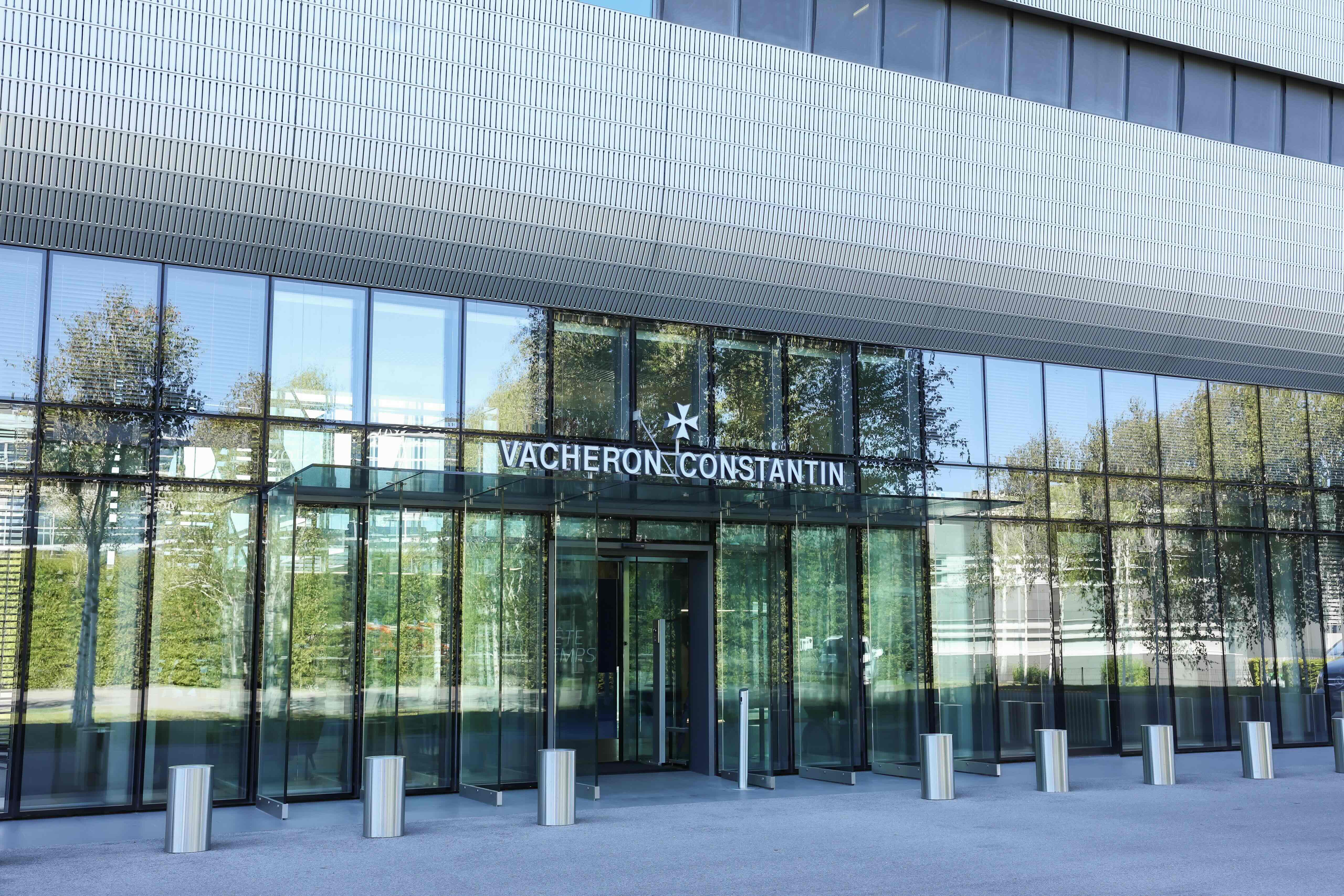
Watch Advice took an exclusive look behind the scenes at Vacheron Constantin’s Geneva Manufacture to see what makes it one of the best brands in the world.
In the watch world, heritage is easy to replicate, but nearly impossible to duplicate. Allow me to explain: there are a plethora of watch brands in the industry that claim they were founded centuries ago. It’s easy enough to justify; business records of their founders or thorough archival research can serve as sufficient proof.
In reality, that’s only half the battle. It’s one thing to secure a founding year that implies heritage and craftsmanship. Keeping to the same traditions and standards as the founders, however, is a different beast entirely.
Vacheron Constantin may truly be “one of not many” in this regard, as it can lay claim to a completely unbroken line of heritage since 1755. For what is, at the time of writing, now 271 years, the brand has defined itself not by its place in the colloquial ‘Big Three’, but by creating exacting timepieces of exceptional craftsmanship without interruption. To see and experience so much, an abundance of world-defining historical events, and yet remain true to the creative and technical vision of Jean-Marc Vacheron and François Constantin is incredible to behold.
But to achieve such a thing is more than just a matter of time, and the credit belongs not to the company, but to the people who work within it. Few get to have a peek behind the curtain of what makes Vacheron Constantin tick, but we at Watch Advice, back in September, were privileged to do so.
Visiting the brand’s manufacture in the Plan-les-Ouates district of Geneva, the entire team was able to get a glimpse into the world behind the Maltese Cross. Here, we discovered how its watchmaking serves as both the backbone and blueprint for its prevailing horological identity.
A Grounded First Impression
Amidst all the chaos of this year’s Geneva Watch Days, we are thankfully able to set aside some time to head over to Plan-les-Ouates. This region of Geneva, in recent times, has become famous for the sheer density of watch manufactures. As we were driven towards Vacheron Constantin, the manufactures of countless other brands passed us by.
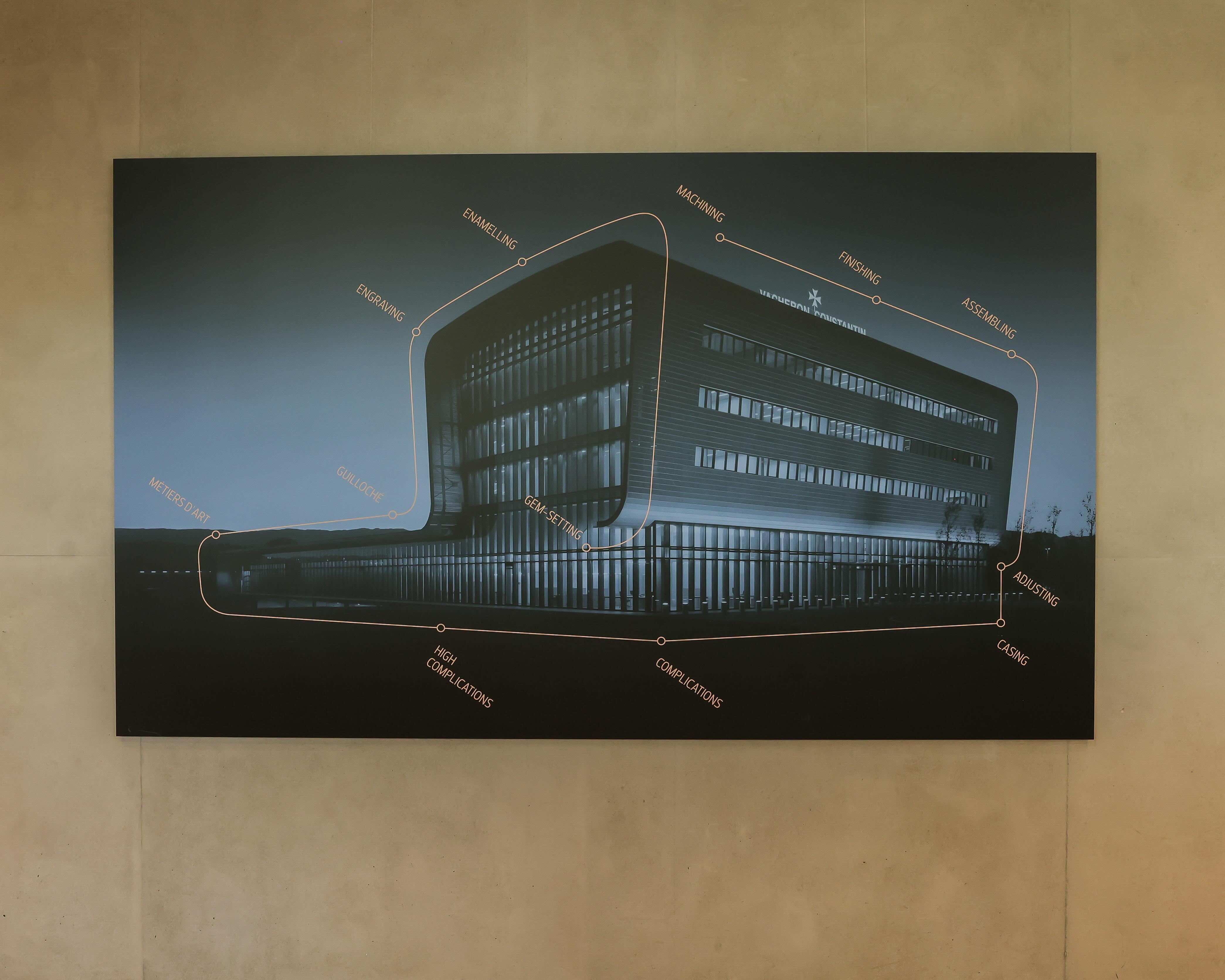
At first, I was surprised how much the Vacheron Constantin manufacture towered over the landscape. Designed by Bernard Tschumi in 2004 and expanded in 2014, the building stretched upwards and outwards, with beautiful, rounded details and plenty of windows. It almost reminded me of a superyacht or a modern mansion from the exterior. But I did recognise that the building’s primary inspiration was Vacheron Constantin’s Maltese Cross logo; the main site is shaped like one of the cross’s wings.

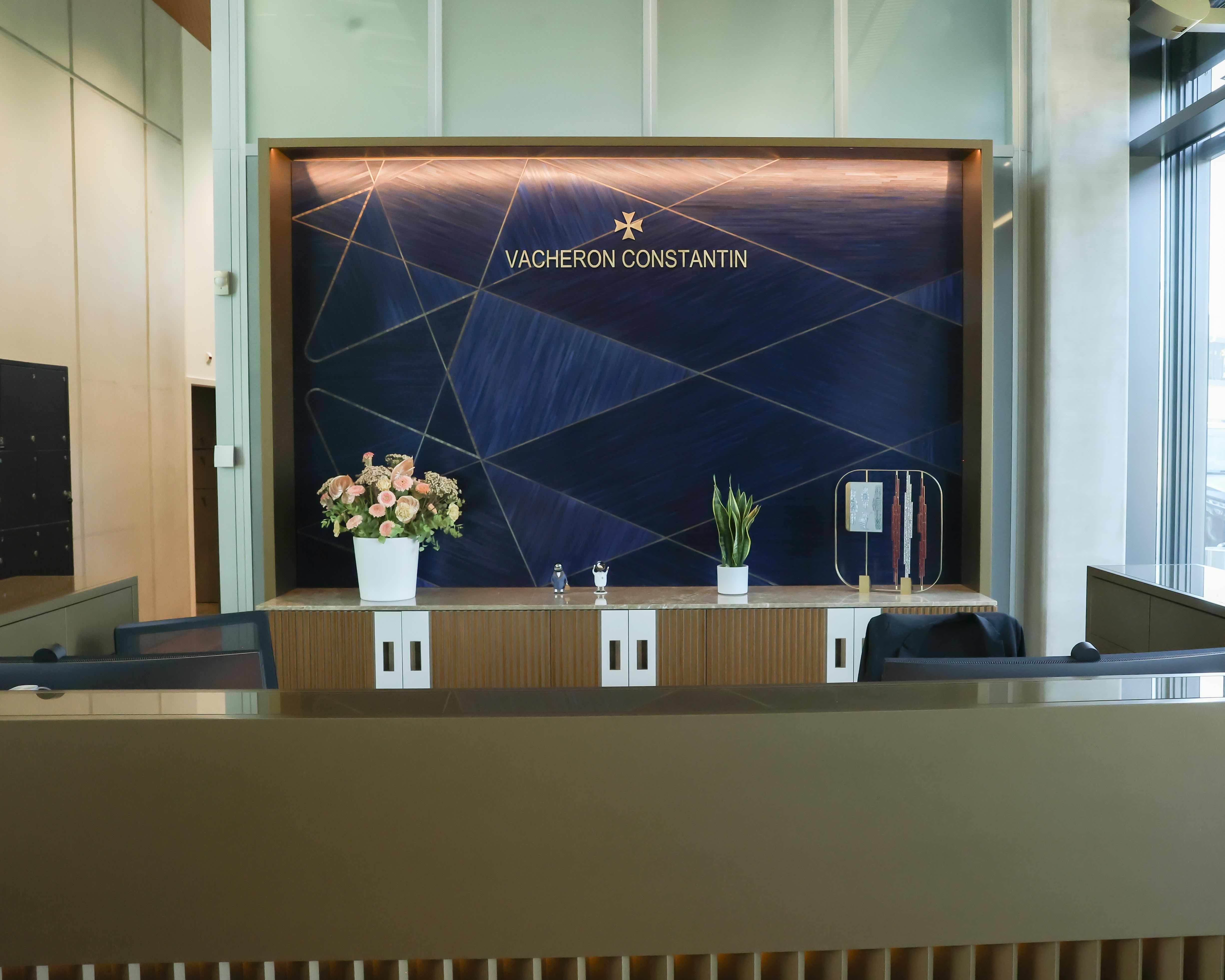
The site was elegant and flowing, and the reception area felt the same. The interplay between the wood, glass railings and zig-zagging stairs was almost kaleidoscopic in nature without feeling overboard. What would soon become a recurring observation was the openness and quietness of the space, which perhaps made it ideal for the calibre of work undertaken within the facility’s walls.
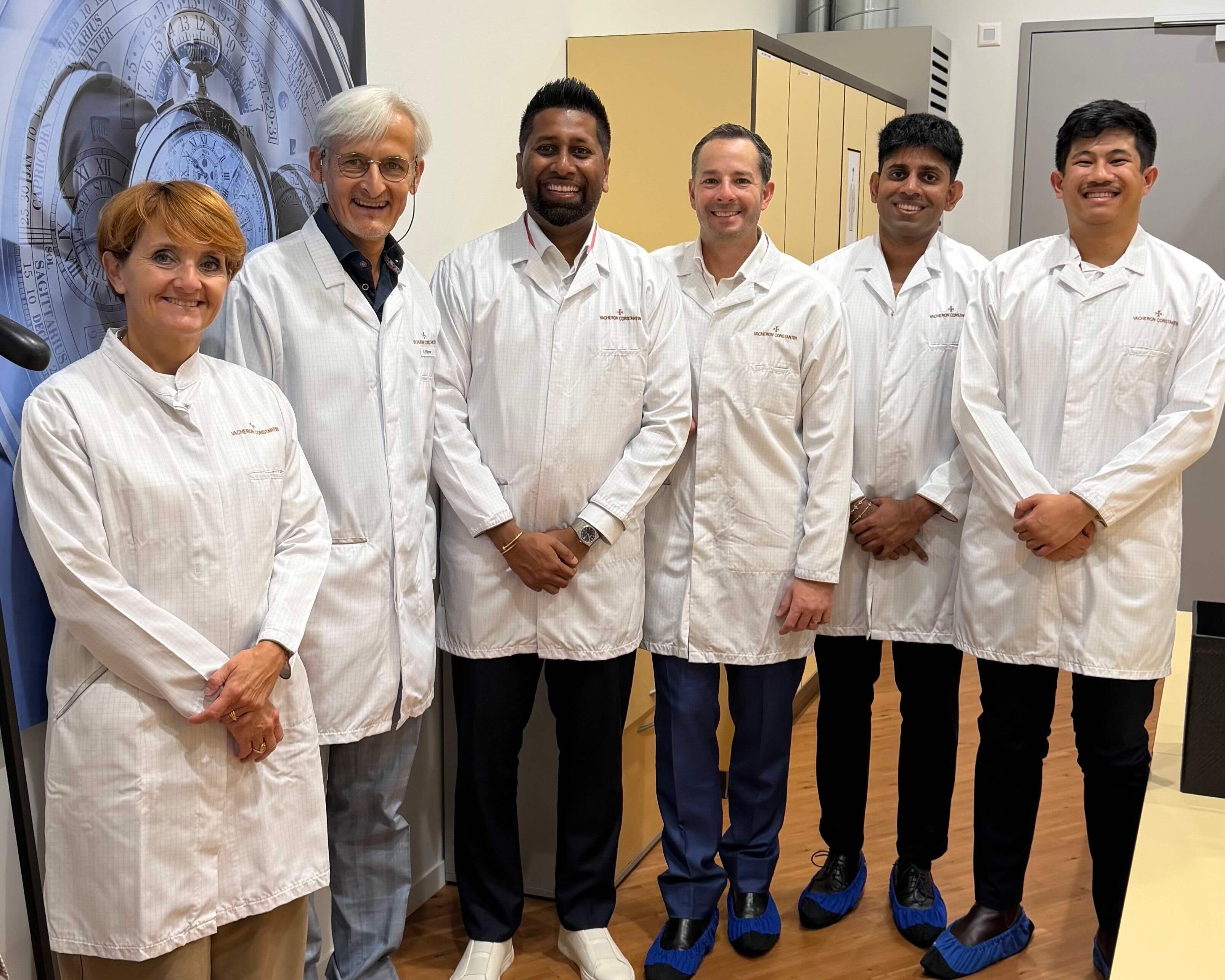
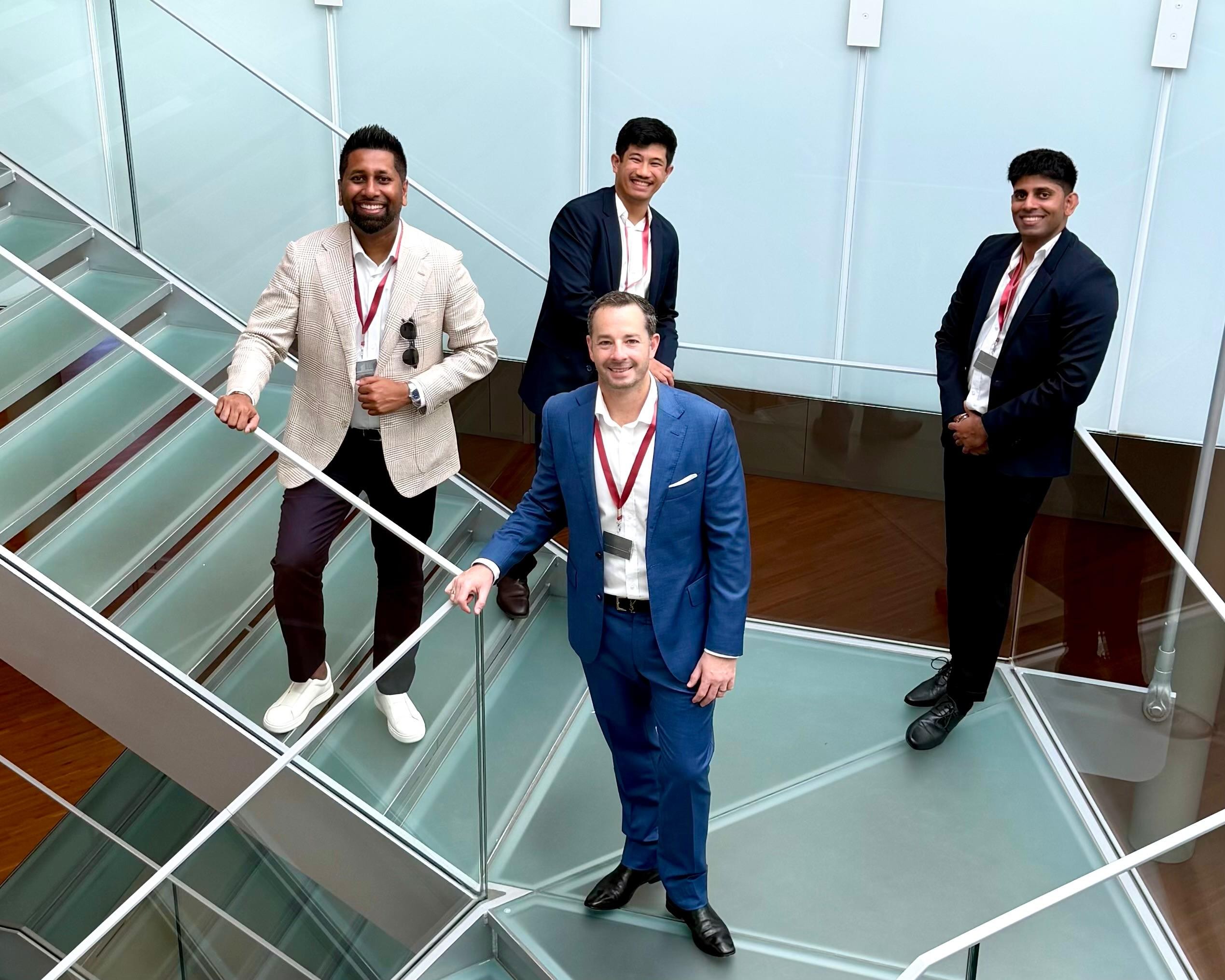
Prior to the tour, we were also joined by two of Vacheron Constantin’s top executives. First was Boris Barboni, Chief Marketing Officer, and soon CEO Laurent Perves joined us. As soon as they sat down, it became clear that both Barboni and Perves were both affable and incredibly down-to-earth. They engaged us in conversation about our thoughts on the brand, its legacy and its direction.
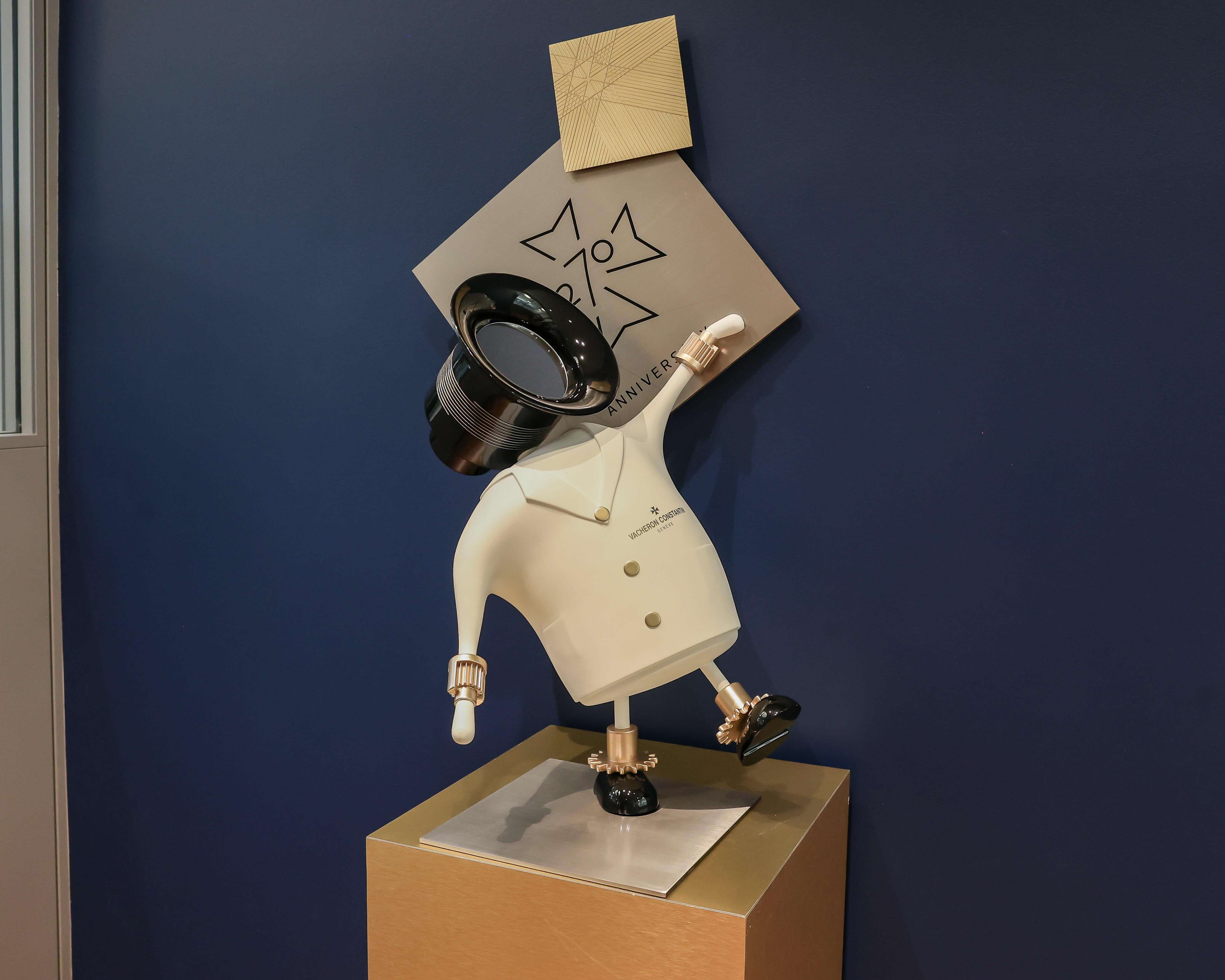
It was a surprising experience; I had always admired Vacheron Constantin from afar, but the air of sophistication and seriousness reflected in their watchmaking made it challenging to know how to approach the brand, let alone its executives. Yet, Barboni and Perves were eager to clear their schedules to talk to us on equal ground, and at length about not just Vacheron Constantin, but us, who we are and our mutual love of watches.
Perfect Synthesis
Nearly three centuries of unbroken tradition might immediately spark certain imagery to mind. Perhaps one might imagine the stereotypical watchmaker’s facility, with wizened old men gathered around convoluted mechanical tools, and a complete rejection of modern manufacturing in favour of the handmade.
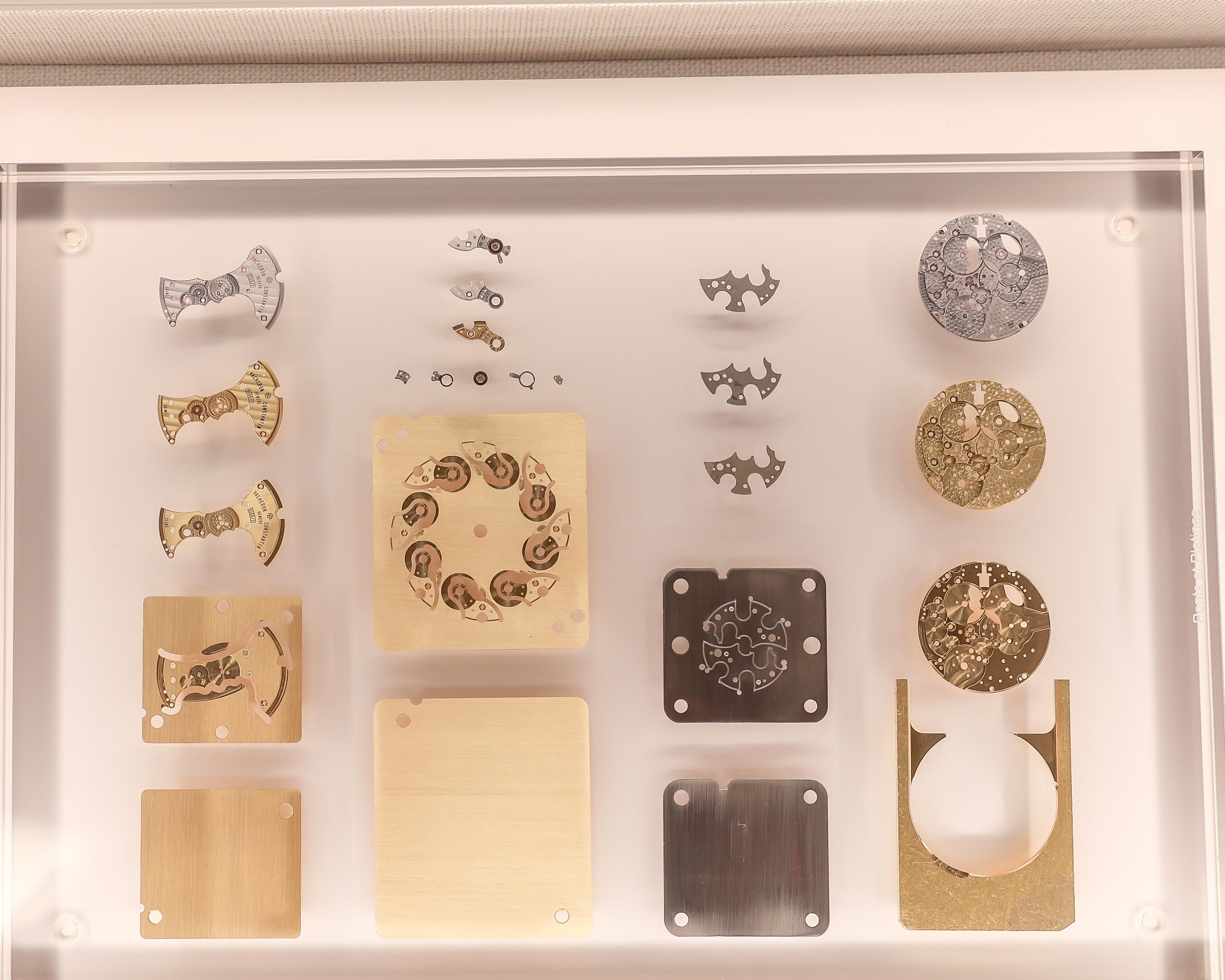
And while some watch brands certainly benefit from such practices, any notion that Vacheron Constantin was the same instantly shattered with the hum and rumble of CNC and spark-erosion machines on the first floor. This is the beginning of the manufacturing department, which, interestingly, shares the same room as the finishing department. Rows of heavy machinery fill the first half of the room, programmed to produce any of the components required for a watch, whether they be a base plate or an impossibly small screw.
Another aspect I instantly noticed on the manufacturing and finishing floor was the relative youth of those involved. One of the CNC machinists I saw had to have been around my age, in his mid-twenties, and gave me a greeting nod as we proceeded onto the floor.
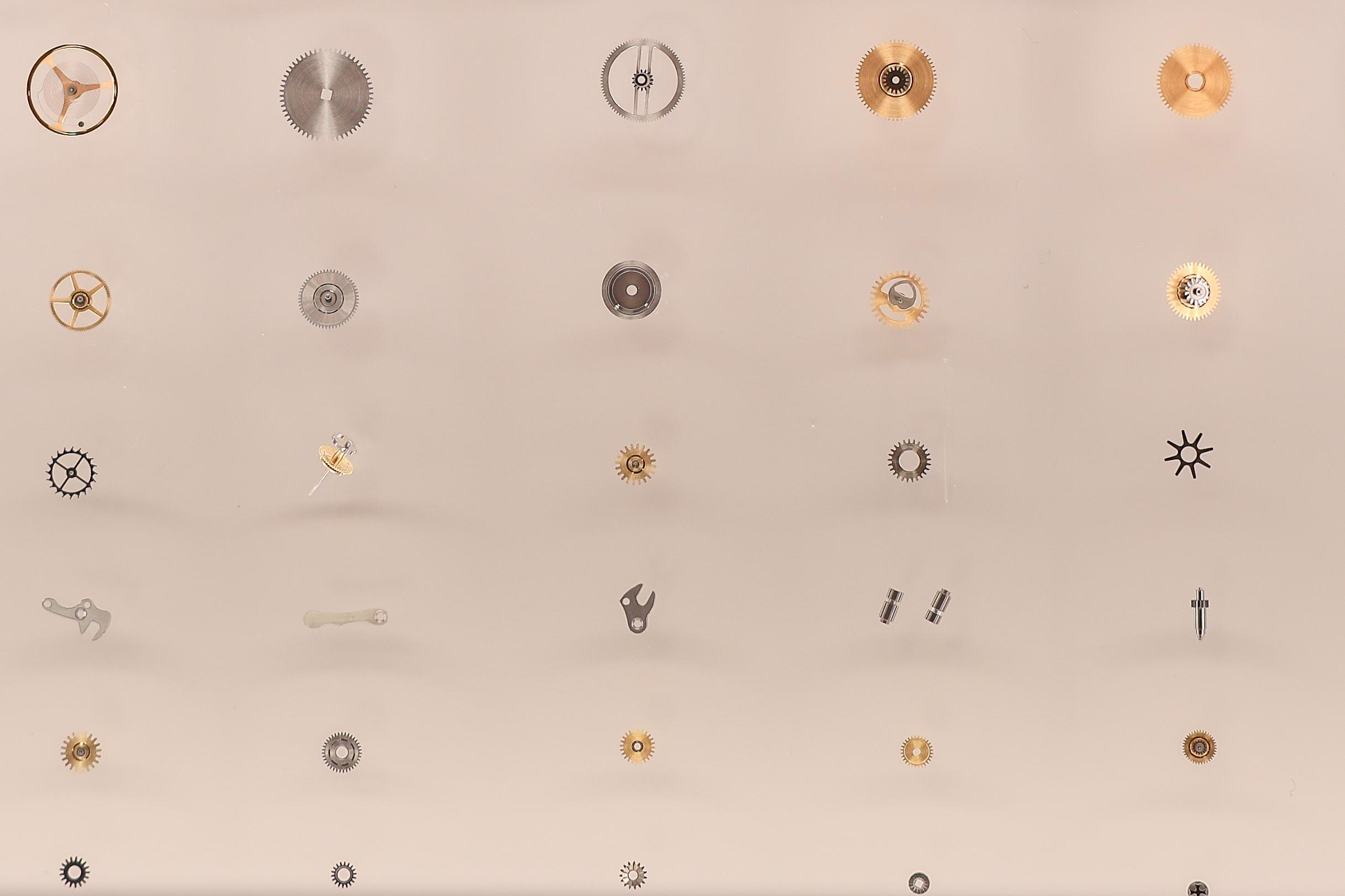
Such industrial manufacturing practices might not sound like the Vacheron Constantin you imagined. Yet, the addition of these machines to the manufacturing process is not incongruous with the brand’s horological mindset. Instead, they serve as an indicator of how the brand has managed to survive for so long.
Rather than fighting technological advancement or fully surrendering to it, Vacheron Constantin’s response has been synthesis. The brand recognises that technology can expedite its methods while acknowledging that the elements that truly define its craftsmanship still require a human touch.
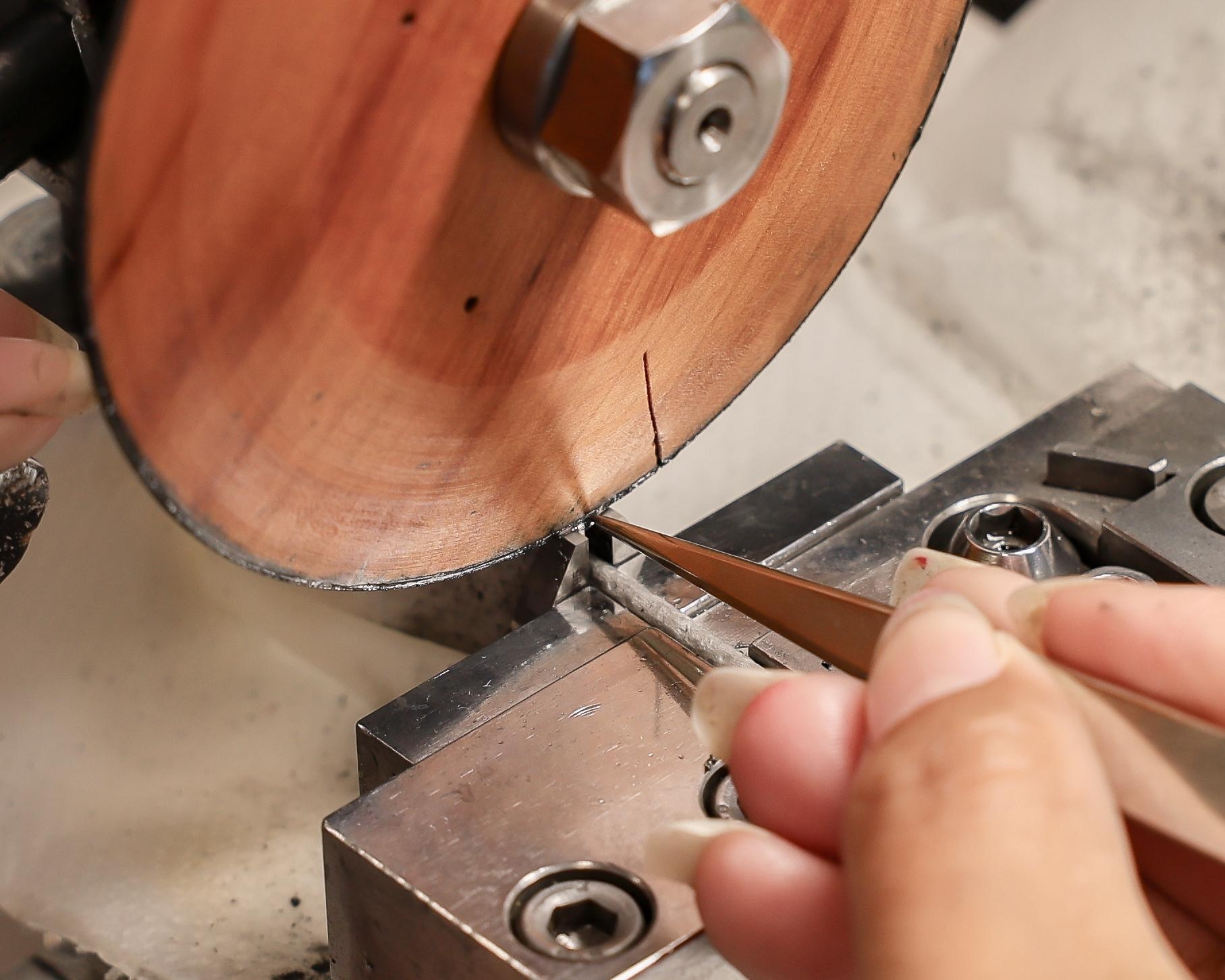
That’s perhaps why the finishing department occupies the exact same room as manufacturing. Craftspeople receive the parts as soon as they are cut, allowing them to inspect and quality-control them almost immediately. This constant feedback loop minimises errors between the two departments, ensuring that only the best and most precisely machined parts make it to the finishing table. Under microscopes, bridges, base plates and other components are meticulously finished using a combination of modern and traditional tools held by hand, furthering the prevailing theme of synthesis on the floor.
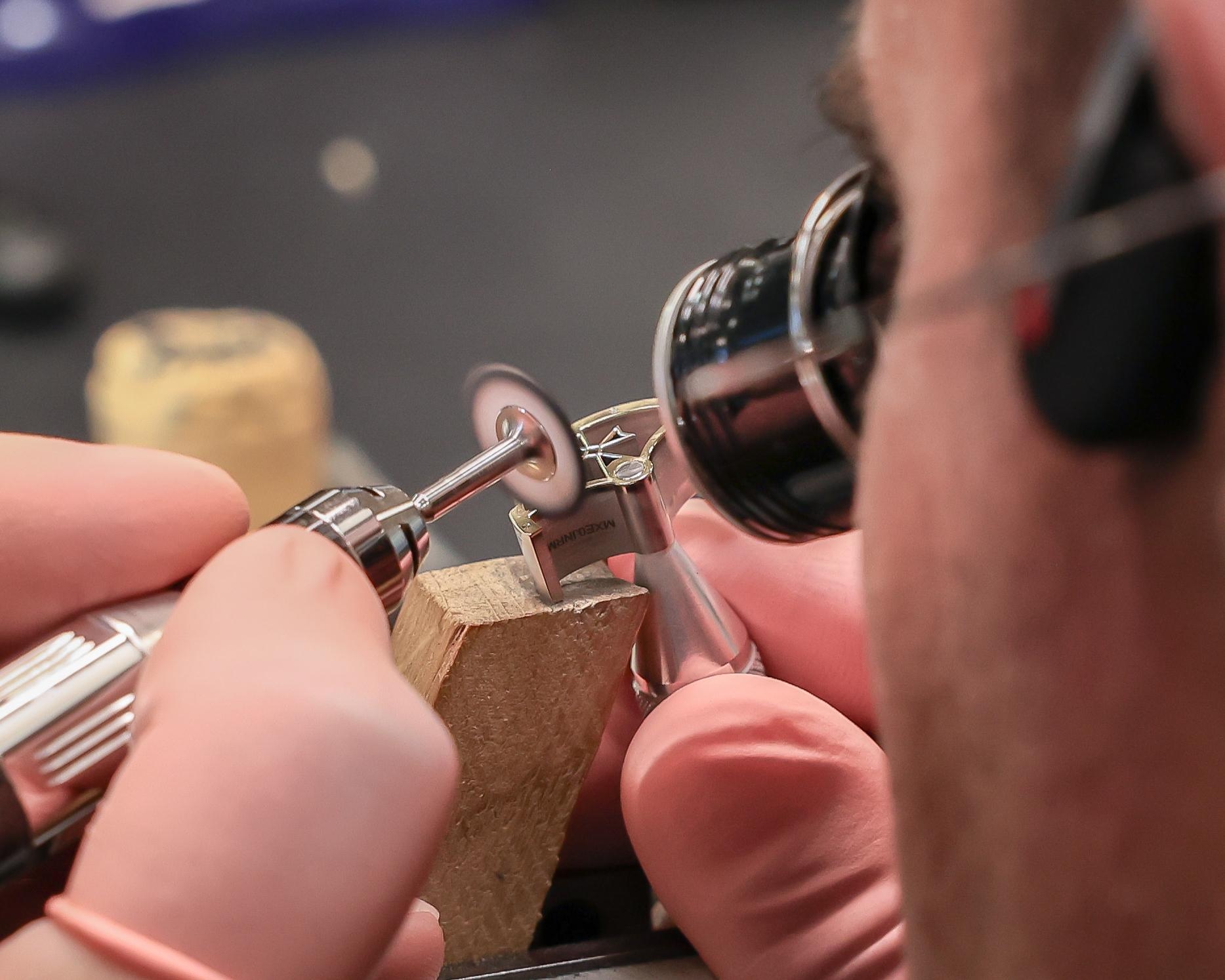
Together, the manufacturing and finishing departments exemplify the very best qualities of modern industrialism and traditional handcraft working in harmony. Vacheron Constantin’s ethos is therefore not to preserve every traditional technique for tradition’s sake, but to preserve the reasoning and standards behind them.
The storied know-how of the brand gives it the ability to distinguish what should be retained, what can be improved and where modern technology can help bridge the two. The result is a manufacture where machinery provides the precision and efficiency that modern watchmaking demands, while craftspeople provide the judgement and human touch that machinery cannot replicate alone.
Down To The Wire
But while the duality of manufacturing and finishing champions the synthesis of tradition and technology, it’s the escapement that serves as a case study for how Vacheron Constantin upholds tradition through modernity. This can be seen in two major components of the escapement that are produced in-house: the hairspring and the pallet fork.
What makes the hairspring particularly interesting is that it is made entirely from a metal alloy. It’s a curious decision, especially with the rise of silicon components in the modern industry. Even one of Vacheron Constantin’s most prized hallmarks, the Poinçon de Genève, has accepted watches with silicon components since 2013. So why stay the course with a metal hairspring when alternatives offer their own material advantages?
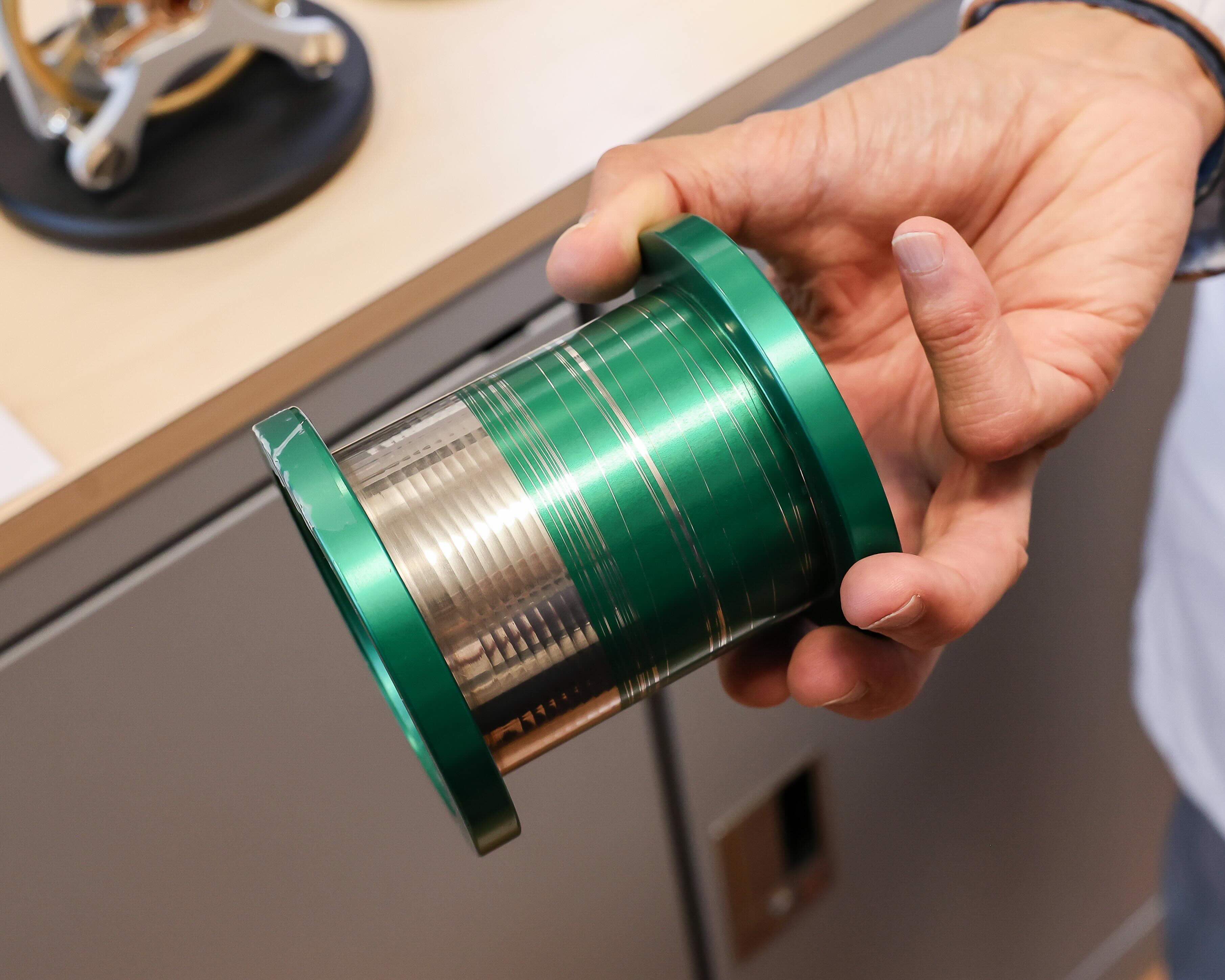
The answer lies partly in Vacheron Constantin’s ability to manufacture it themselves. With many watch brands still relying on high-volume suppliers for such components, developing and assembling hairsprings in-house requires a high degree of skill and specialised equipment.
Vacheron Constantin has both, permitting it to produce its own hairsprings under the same roof as almost every other component. More than just bragging rights, this gives the brand complete control over one of the most fundamental parts of a movement. Attaining and preserving such knowledge in-house allows the hairspring to evolve alongside Vacheron Constantin’s movements, rather than forcing the brand to develop around a third-party component.
Generational Confidence
Aside from the hairspring, the assembly of the pallet fork was also indicative of such craftsmanship. Watching one of the craftspeople set synthetic rubies by hand with a microscope was equal parts fascinating and awe-inspiring. For them, such an action was merely second nature; For us, it would have taken an entire day to do what the craftsperson had managed to do in little more than 30 seconds.
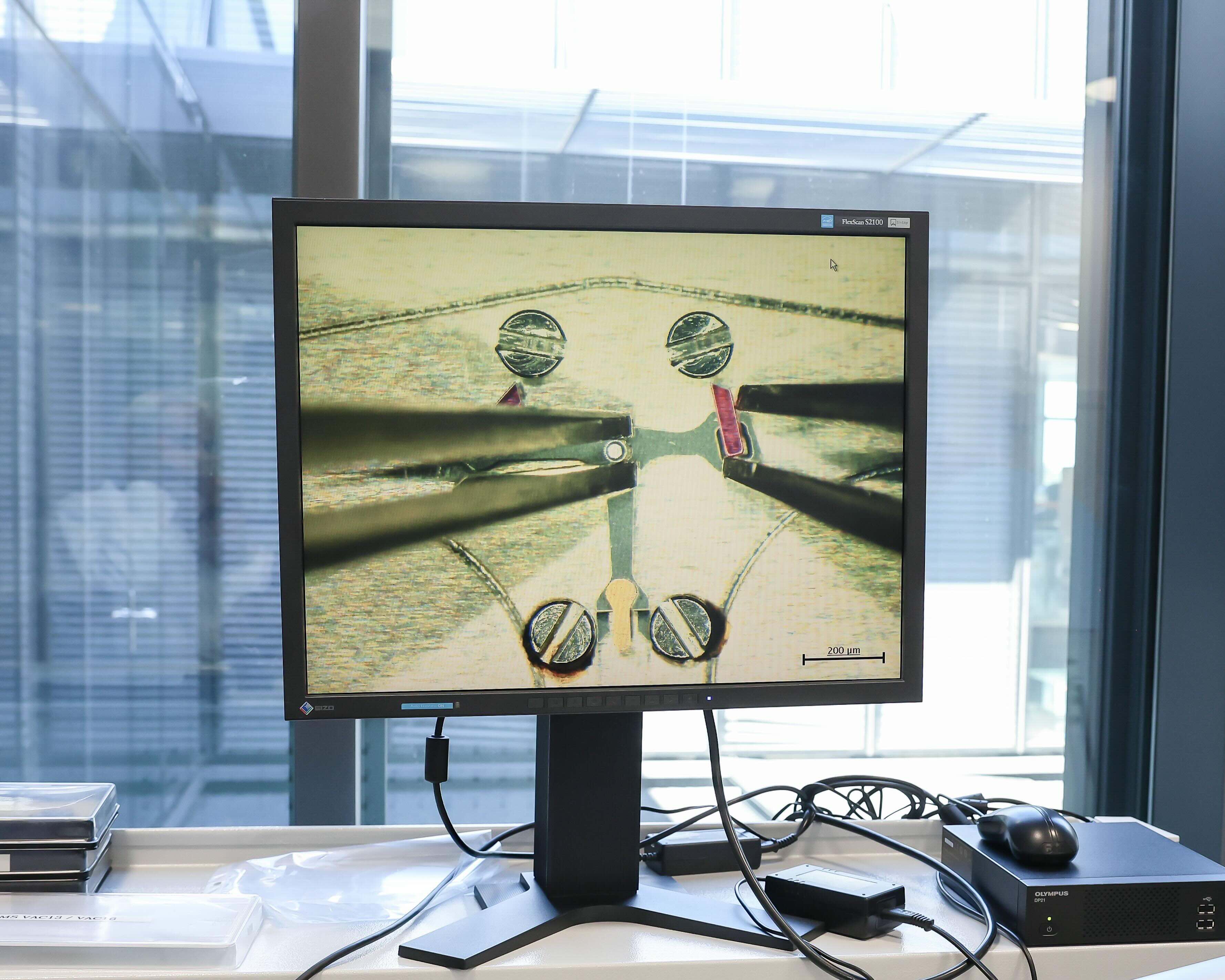
As opposed to the technological synthesis of the greater manufacturing and finishing floor, the setting demonstration was indicative of how some elements of watchmaking are simply impossible to automate. Advanced machinery can still be used to help cut or finish certain components, but putting the pallet fork together requires a great deal of technique, dexterity, and skill. Such skill can only be taught and honed through repetition.
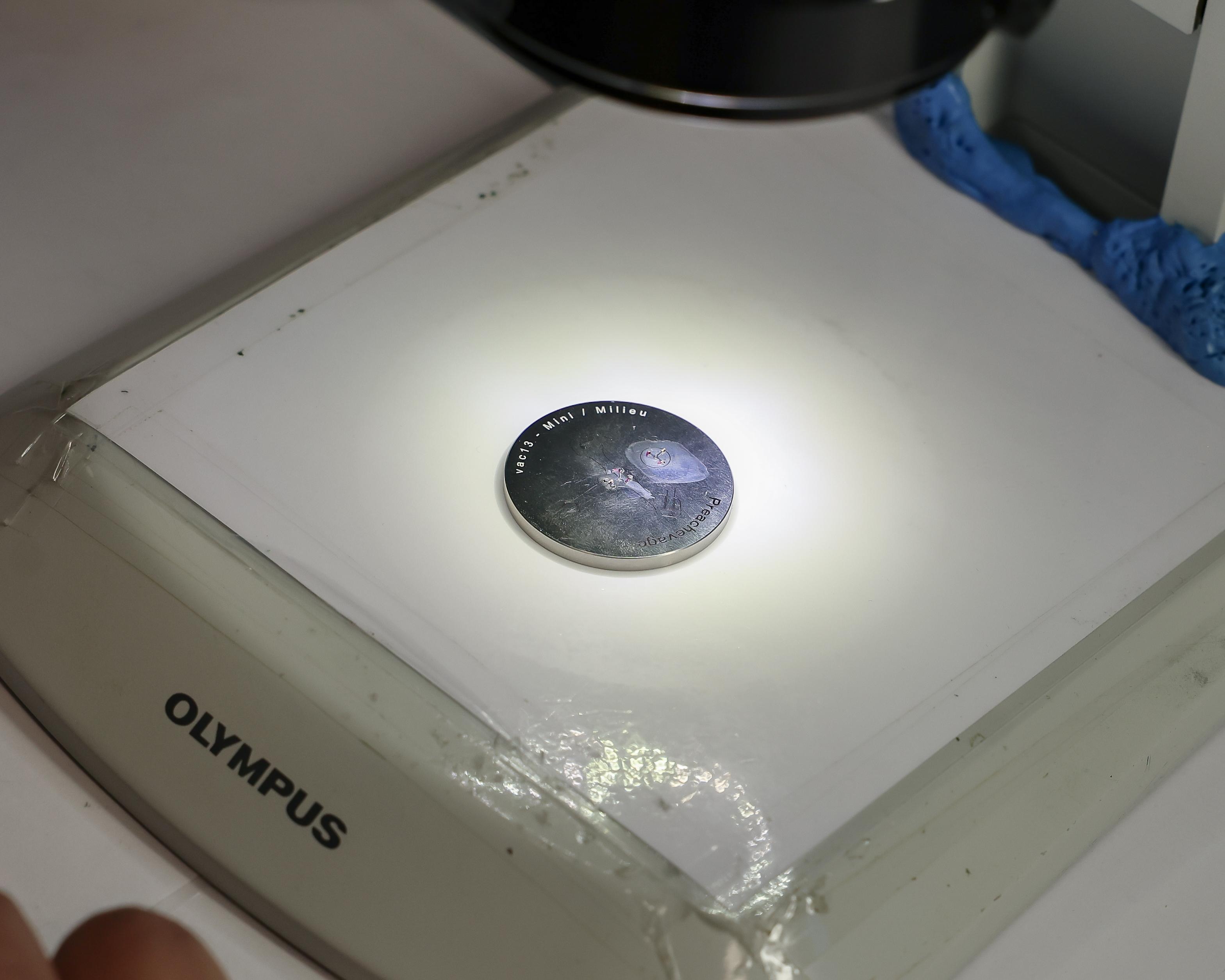
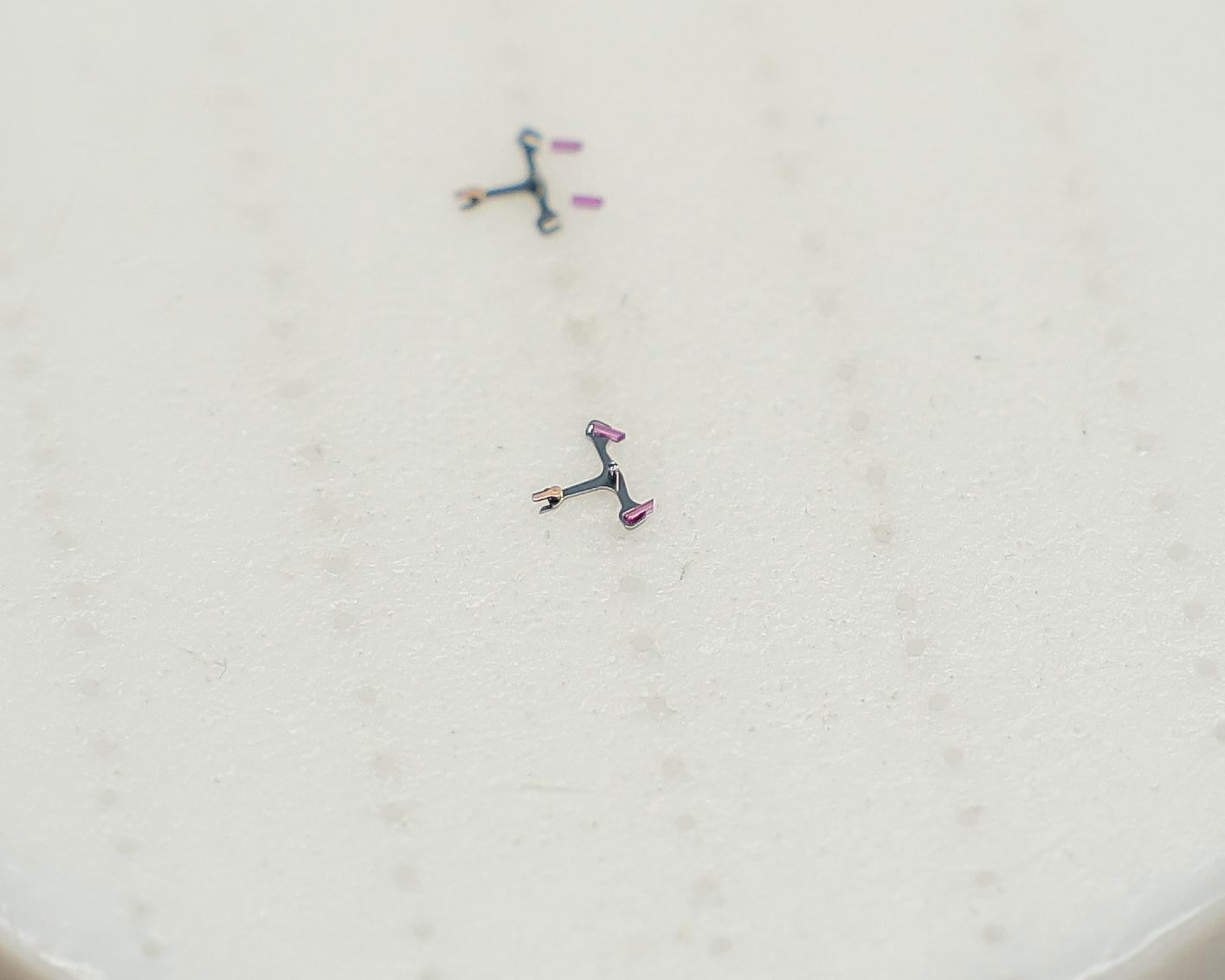
Simply put, the development of the escapement is the accumulated knowledge of Vacheron Constantin repeatedly put into practice. Where the development of the hairspring keeps the know-how within the manufacture’s walls, the skills needed for components like the pallet fork are inherited and implemented by the craftspeople.
It’s All Coming Together
But a watch is only as good as the sum of its parts, and that sum is meaningful if those parts are carefully assembled. If the first floor of the Vacheron Constantin manufacture was indicative of the development and refinement of each individual component, the next level represents their literal convergence into a functional timepiece.
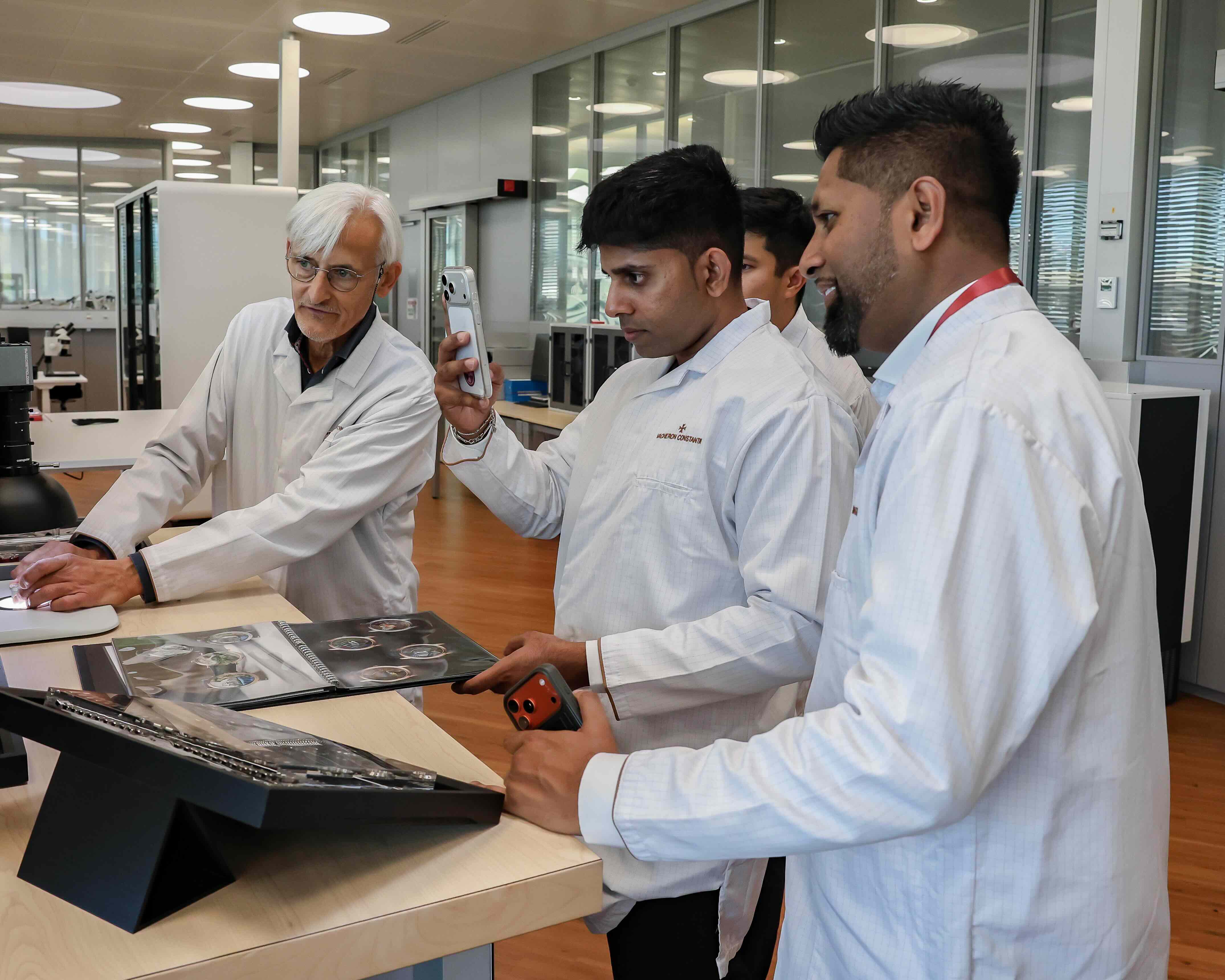
Such convergence is immediately apparent in Vacheron Constantin’s strict attention to assembly. Before even setting foot in the second-floor department, everyone must pass through an antechamber and don a dust-free lab coat and shoe covers. It might seem excessive at first, but such caution is necessary at this level of watchmaking; Even a speck of dust can compromise the performance of a timepiece.
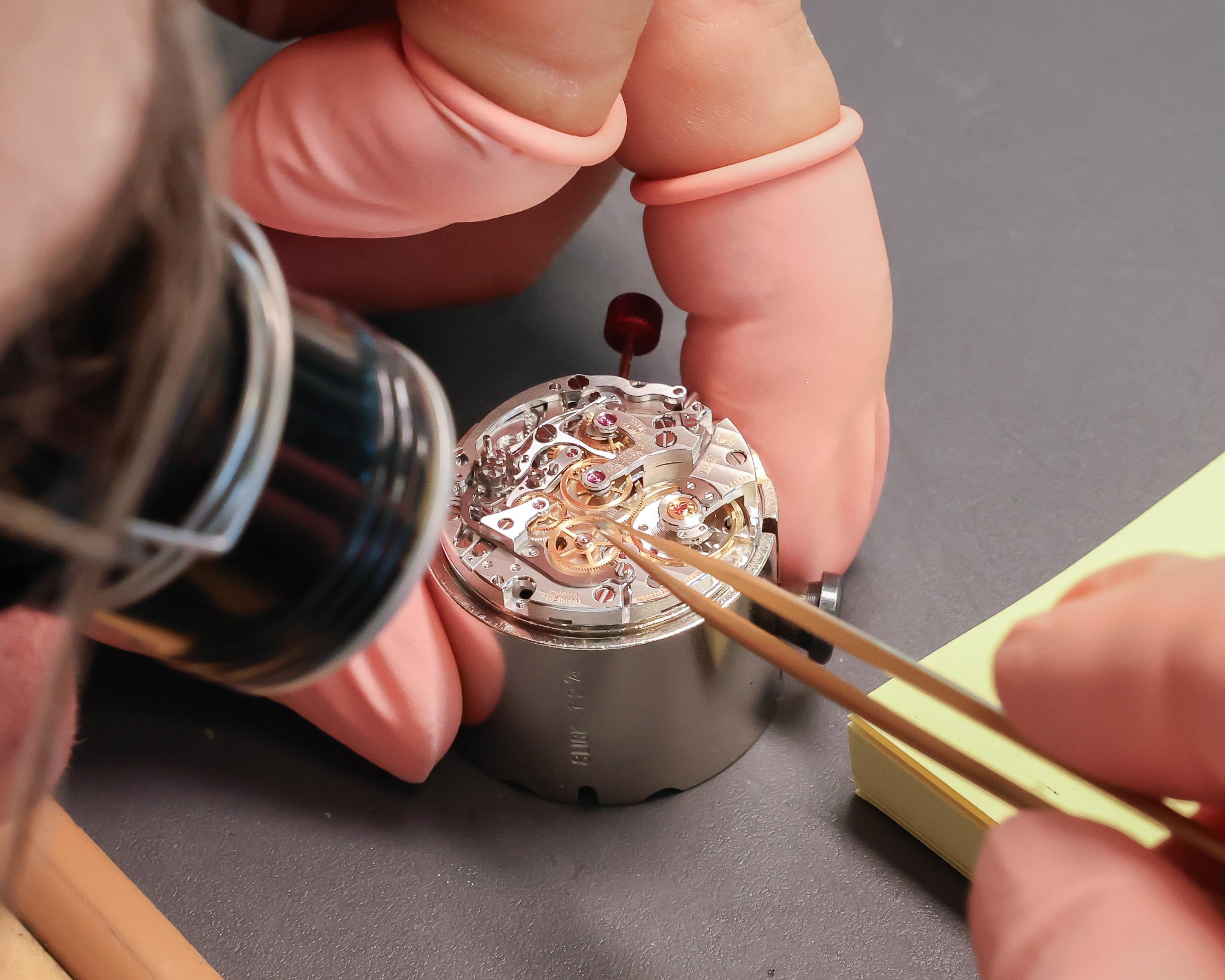
Free from the din of the machinery on the manufacturing floor, rows of watchmakers worked through various movements, each at their own stage of construction. The deliberate, almost meditative nature of assembly was reflected in an atmosphere that felt more concentrated than tense, even tuning out the breathtaking mountains seen out the windows. Pictures of absolute focus, there was no sense of drama or theatricality in how the movements were handled. Instead, each watchmaker treated their movements with the utmost care, approaching them as working objects rather than museum pieces.
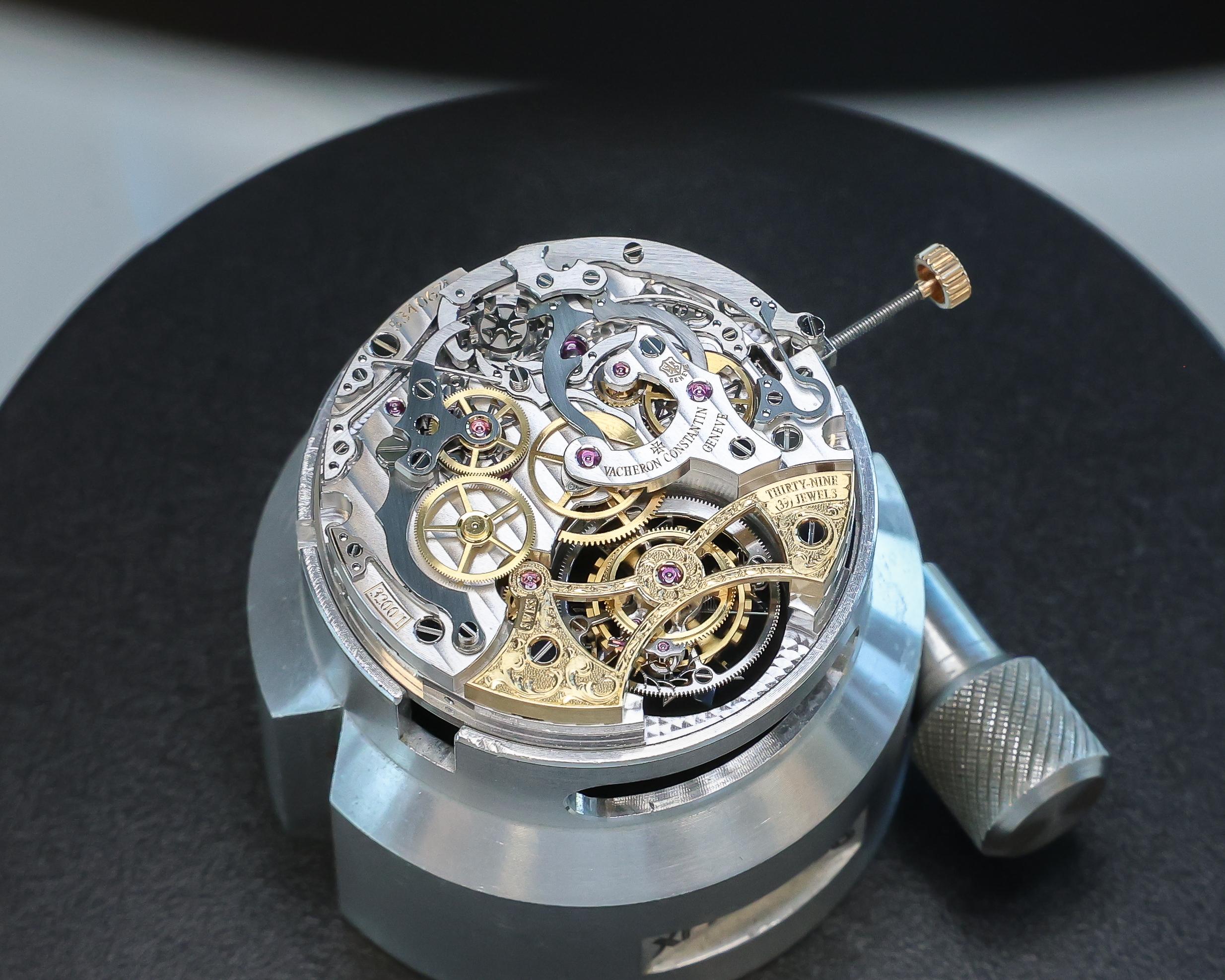
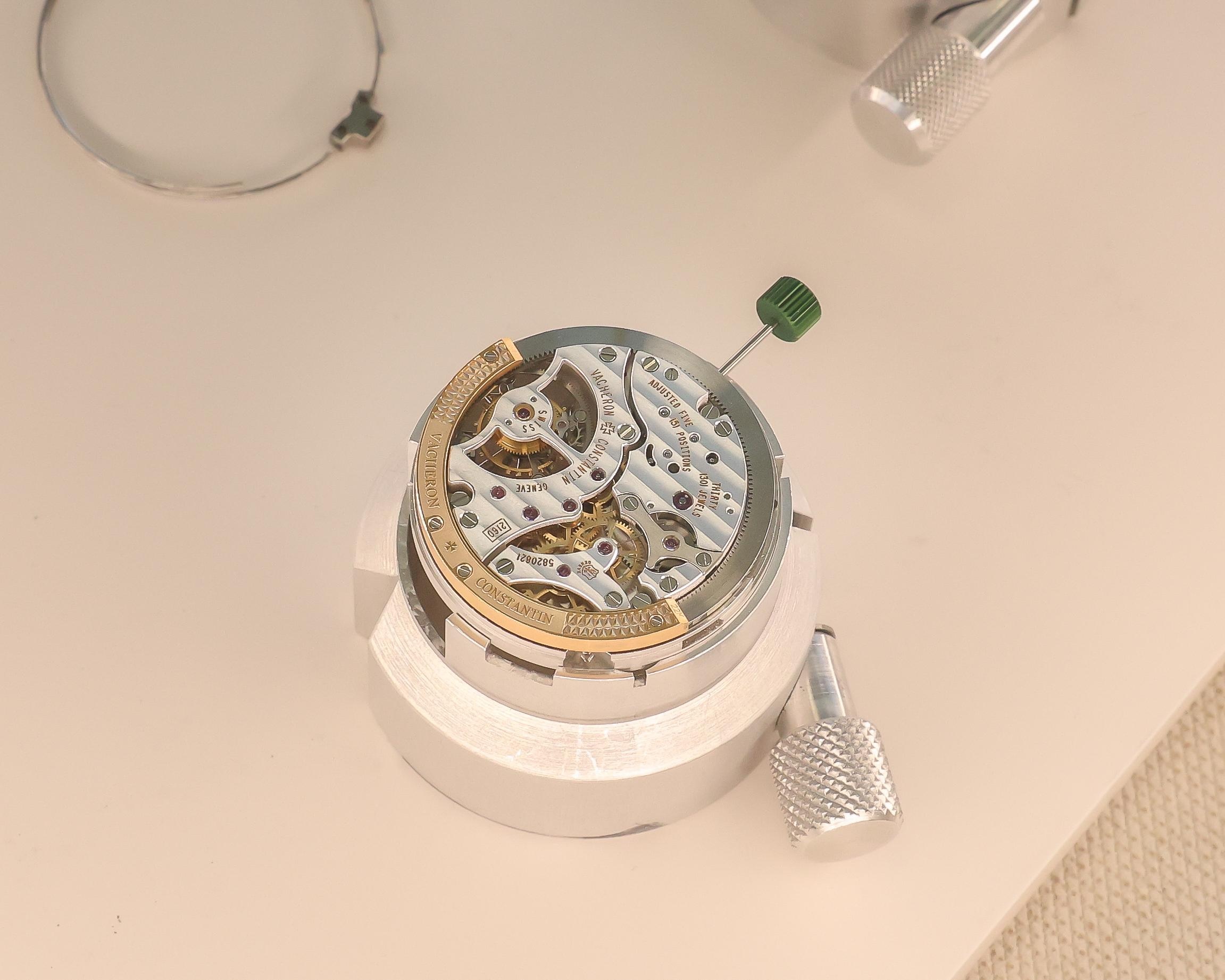
Where this floor differs from the first is that the results are markedly more tangible. Fully assembled speciality movements, including the Cal. 3200/1 and ultra-thin Cal. 2160 with its peripheral rotor, can be seen and appreciated in full.
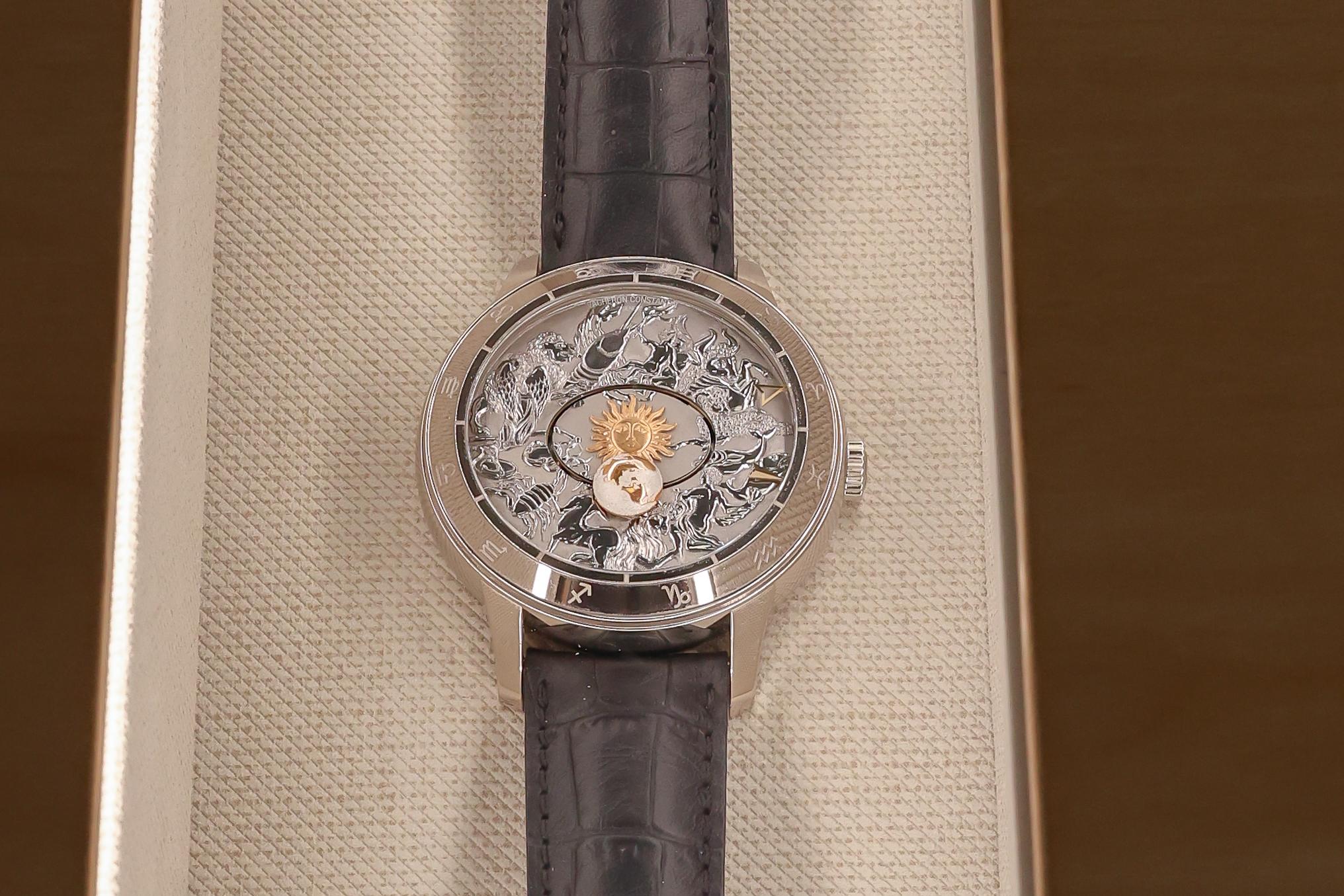
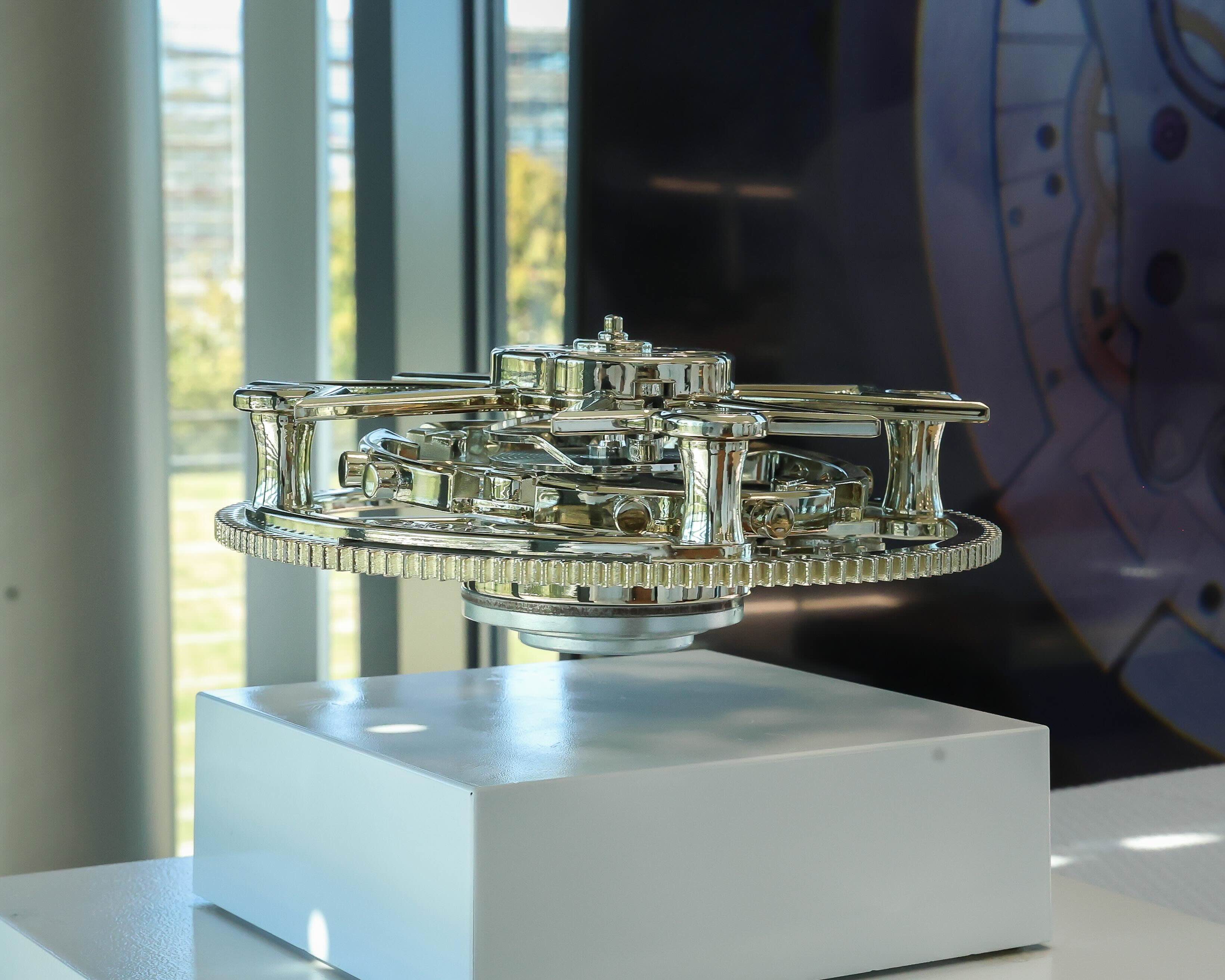
Probably the most interesting movement among them, though, was the Cal. 1126 AT, used in the 60-piece Métiers d’Art Tribute to Great Explorers: Fernand de Magellan Expedition. We were given a demonstration of how the movement uses rotating Maltese Cross appendages to create a satellite-hours display, an unconventional complication accompanied by a historical map tracing Magellan’s route.
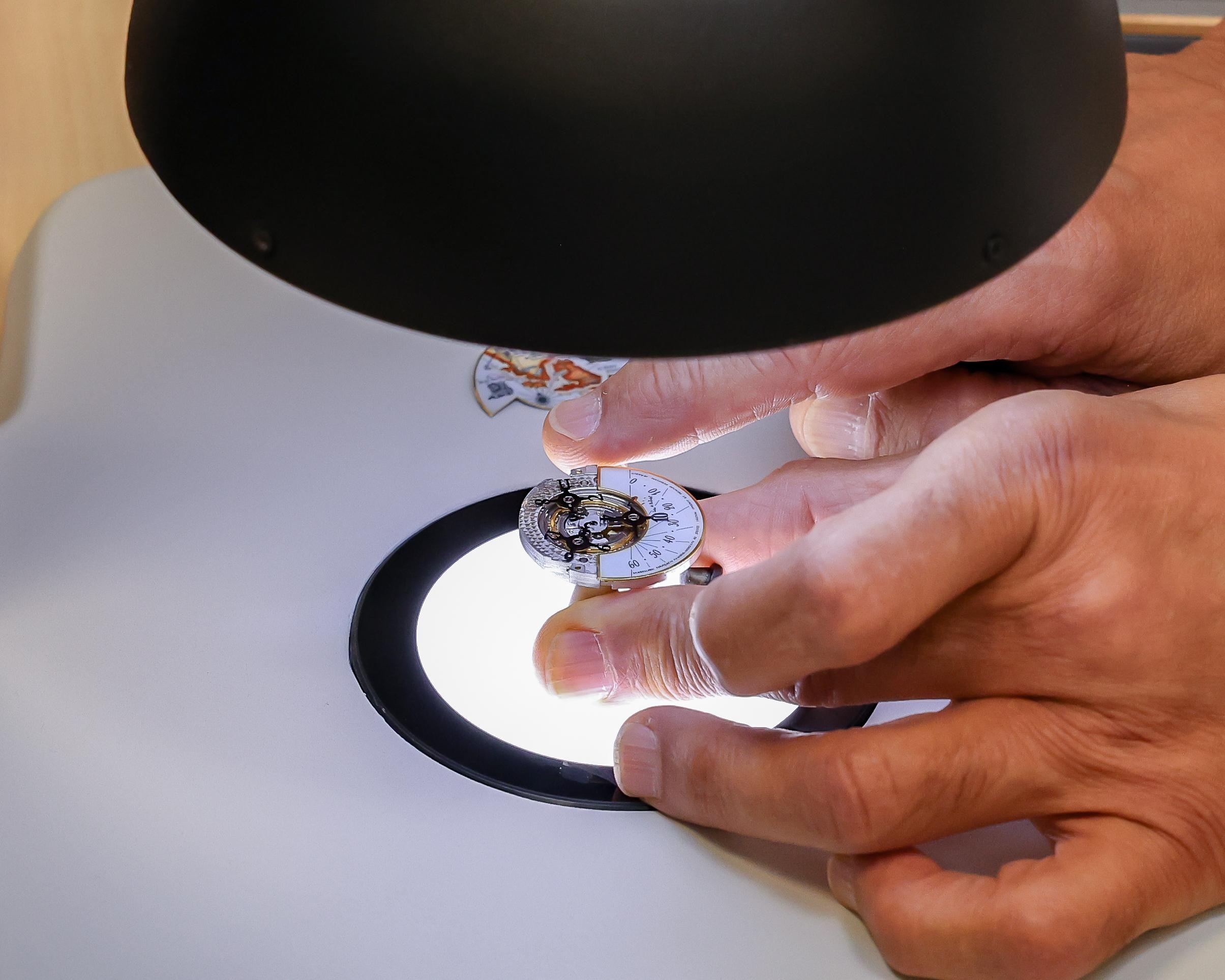
The significance of the assembly process, however, lies beyond the complexity of any individual movement. Every component must arrive at this stage with the precision, finishing and knowledge accumulated throughout the manufacture, before being brought together by another layer of expertise at the bench. Like the escapement, such a level of consideration can only be achieved through expertise that is repeatable, refined and accumulated over time.
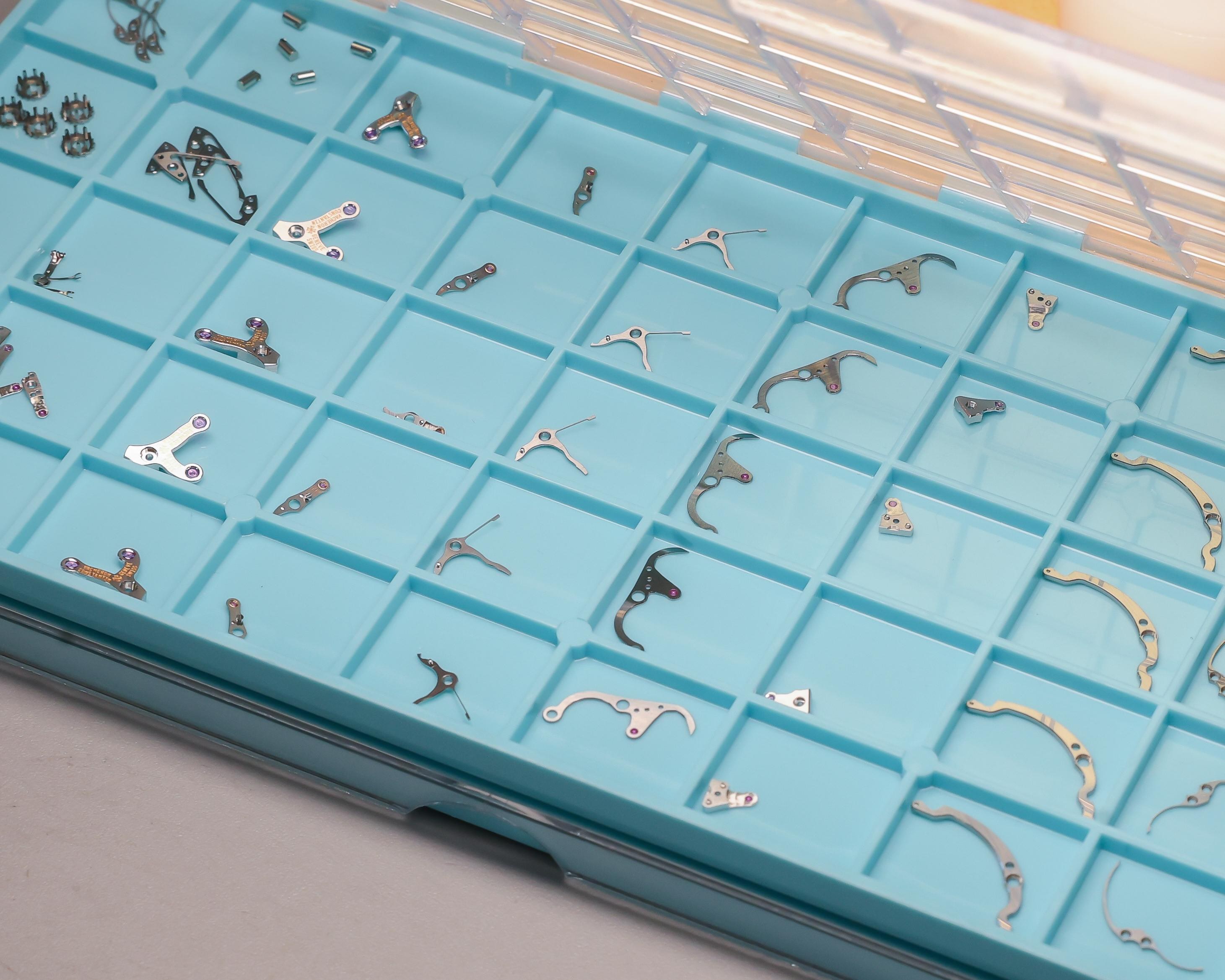
This is ultimately where Vacheron Constantin’s vast knowledge amasses. Years of experience and knowledge are not simply preserved in archives or ascribed to singular components. Instead, they’re translated into processes that can be repeated, taught and refined, with each passing generation improving upon what came before. As a result, the finished movement is where it all comes together: ruthlessly precise machining, traditional finishing, and human dexterity all working as one.
The Artist’s Laboratory
However, on the same floor as the assembly department is the Métiers d’Art wing, which takes an entirely different approach to the brand’s vast expertise. If assembly represents the cumulative technical knowledge of the manufacture, then Métiers d’Art represents its creative freedom and expression.
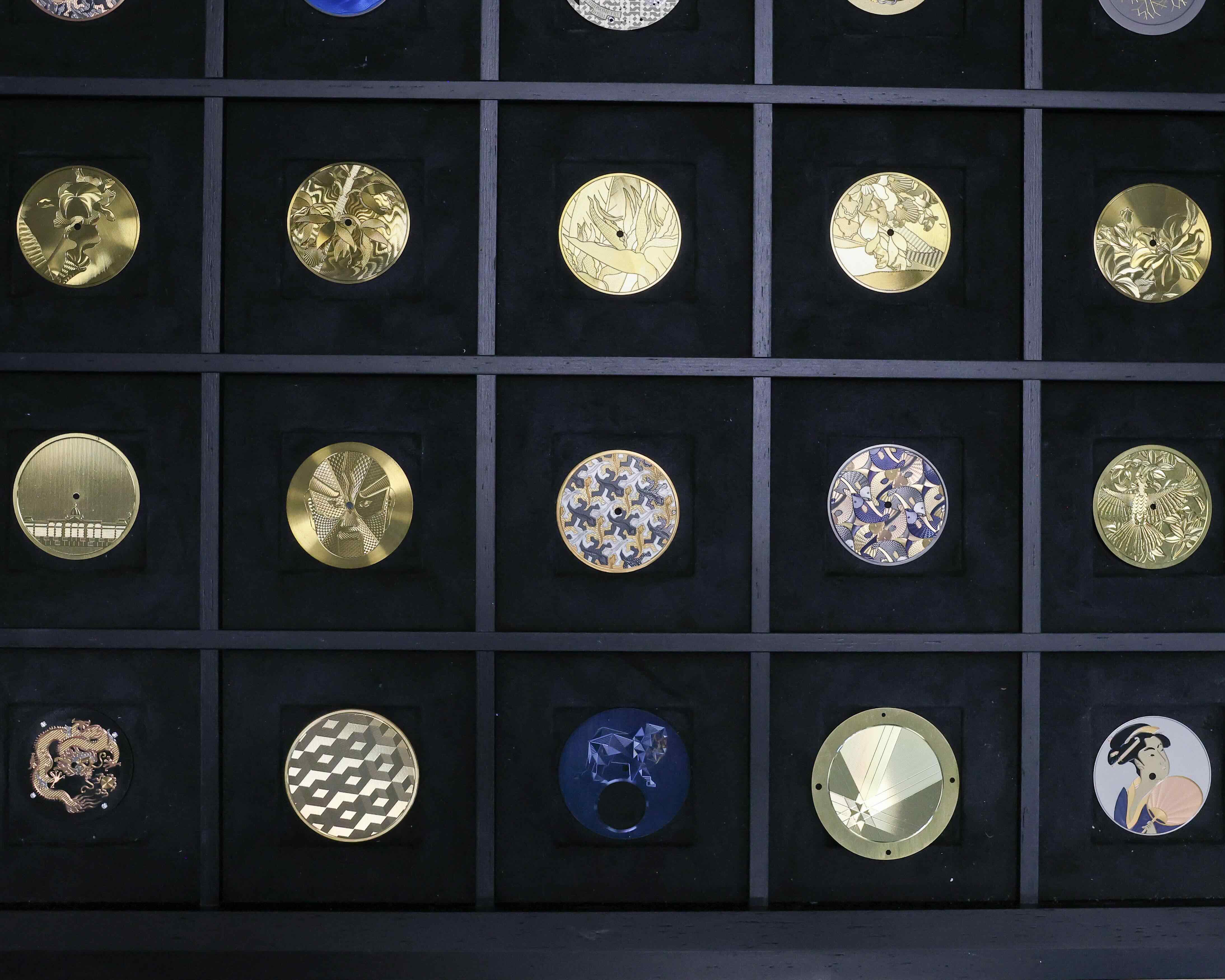
Here, the department is something of an oxymoron, with explicitly traditional methods and machinery being used to explore the future of the brand’s artistic vision. Though many of the works within the department were upcoming and therefore could not be captured on camera, what we were able to photograph should still be indicative of the level of craftsmanship practised within.
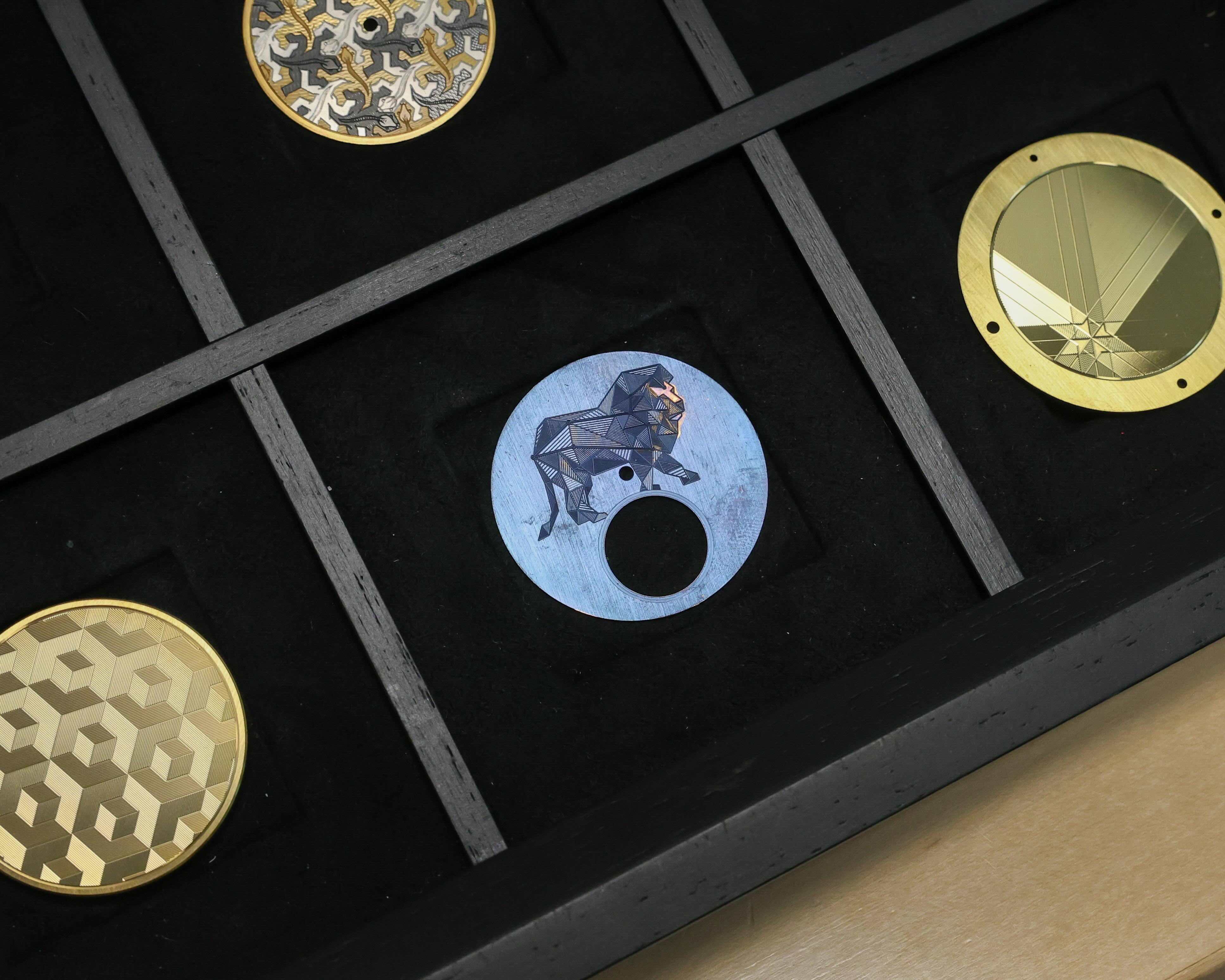
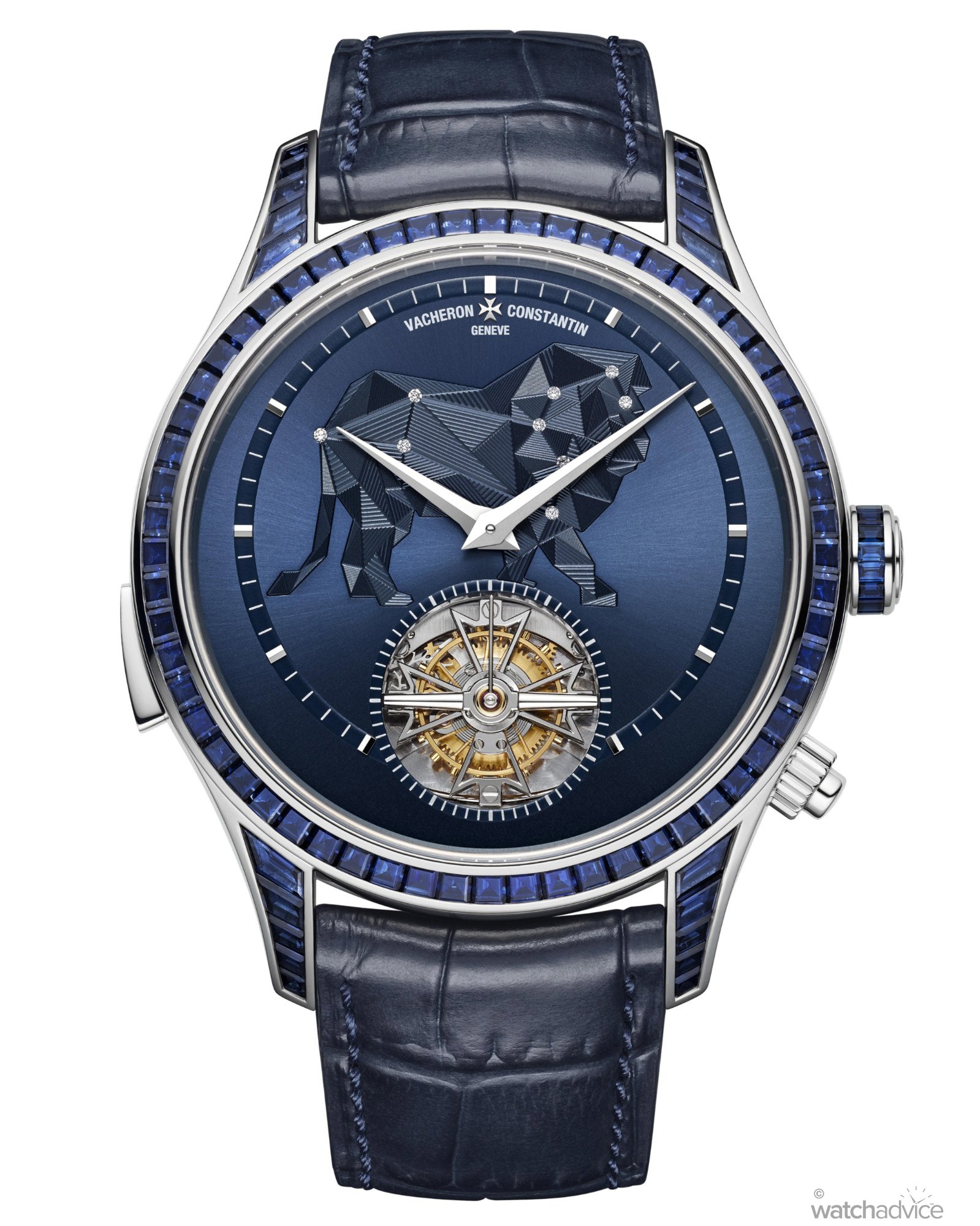
Many of Vacheron Constantin’s most specialised disciplines are united here. Guillochage, enamelling, gem-setting and engraving, among other techniques, are all executed using methods that have changed remarkably little over the centuries.
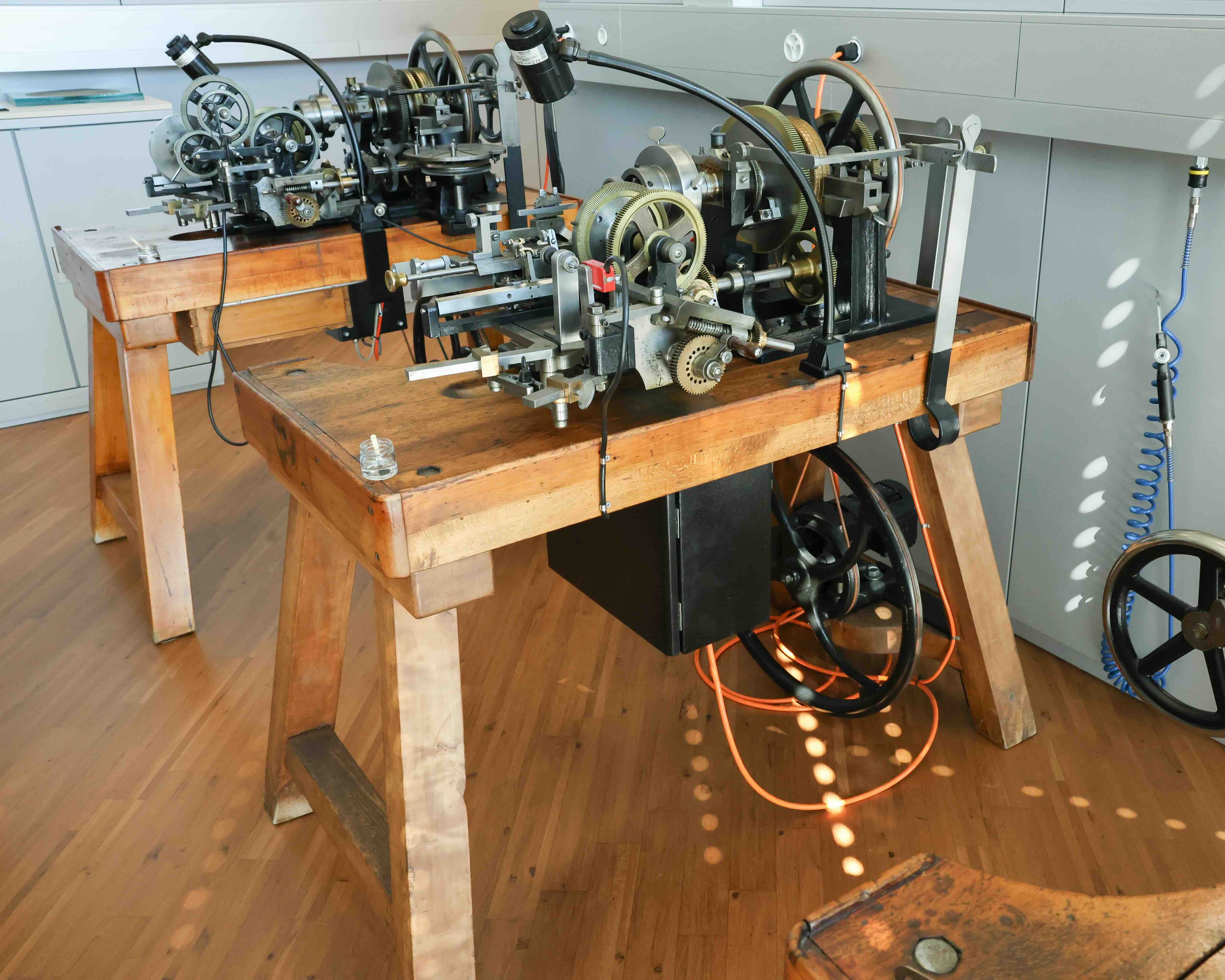
In some cases, they still use equipment that would be recognisable to craftspeople from generations ago. In direct contrast with the manufacturing area, where the floor was filled with computer-programmed machines, Métiers d’Art felt like a capsule in time with rows of lathes and other traditional tools lining the floor.
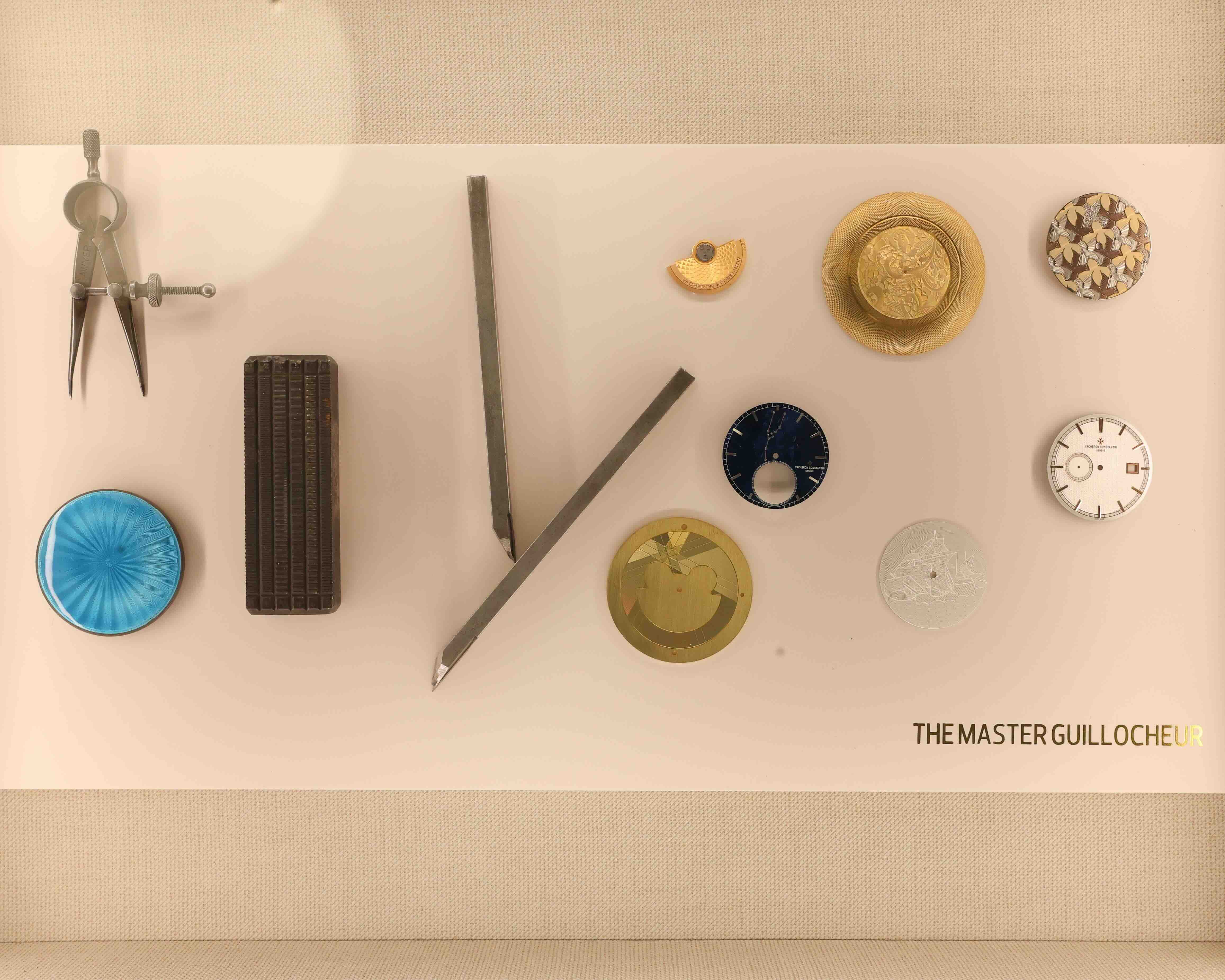
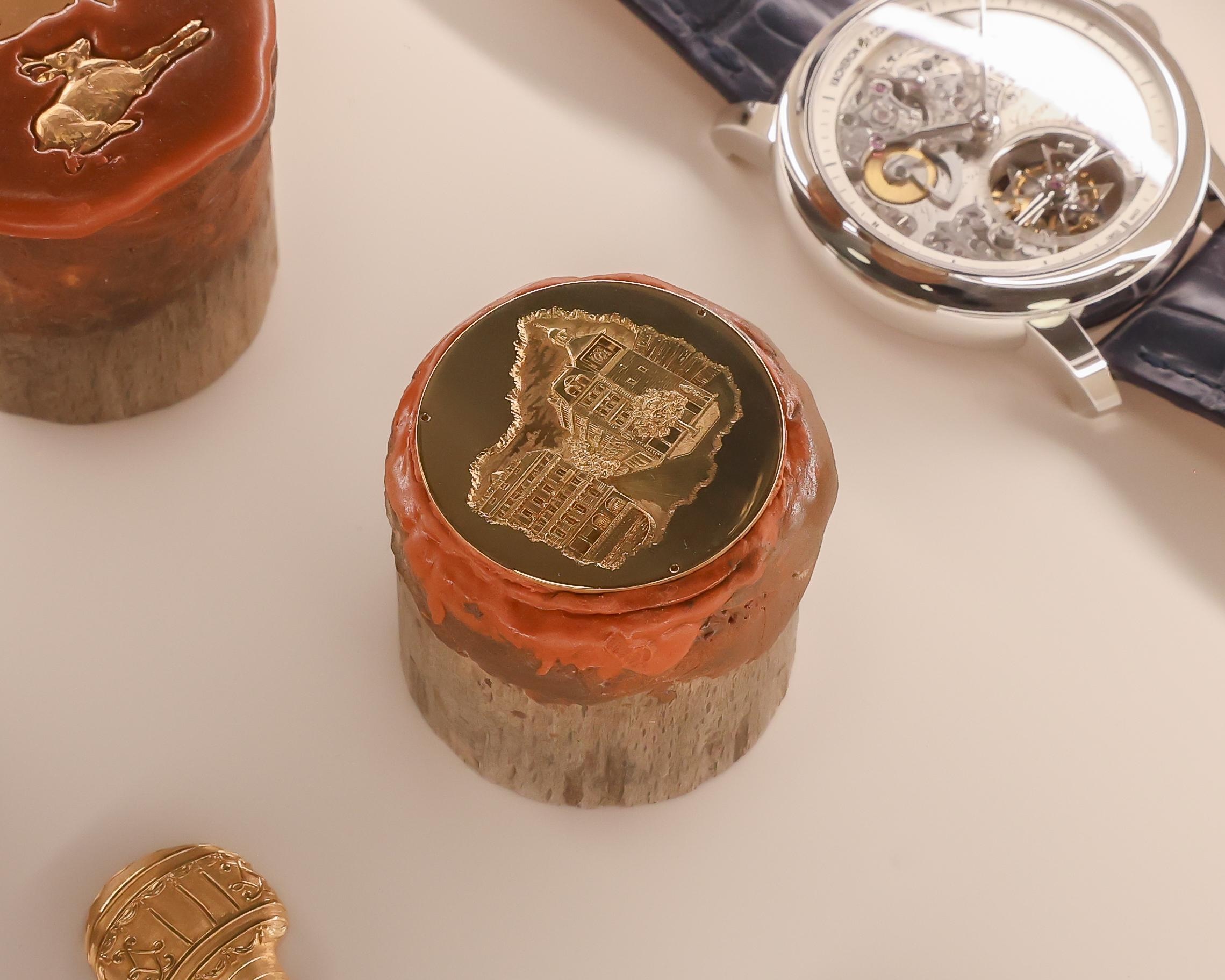
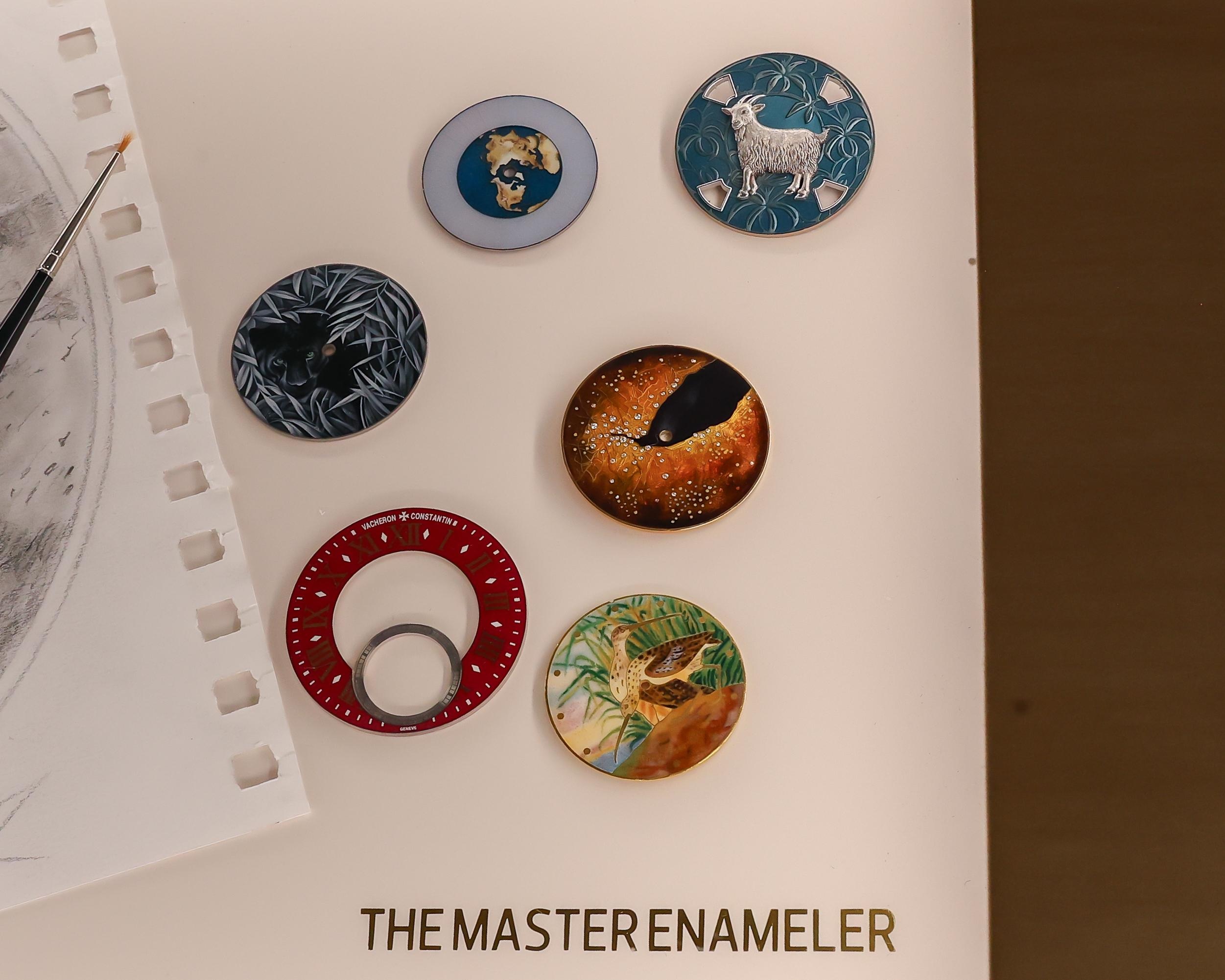
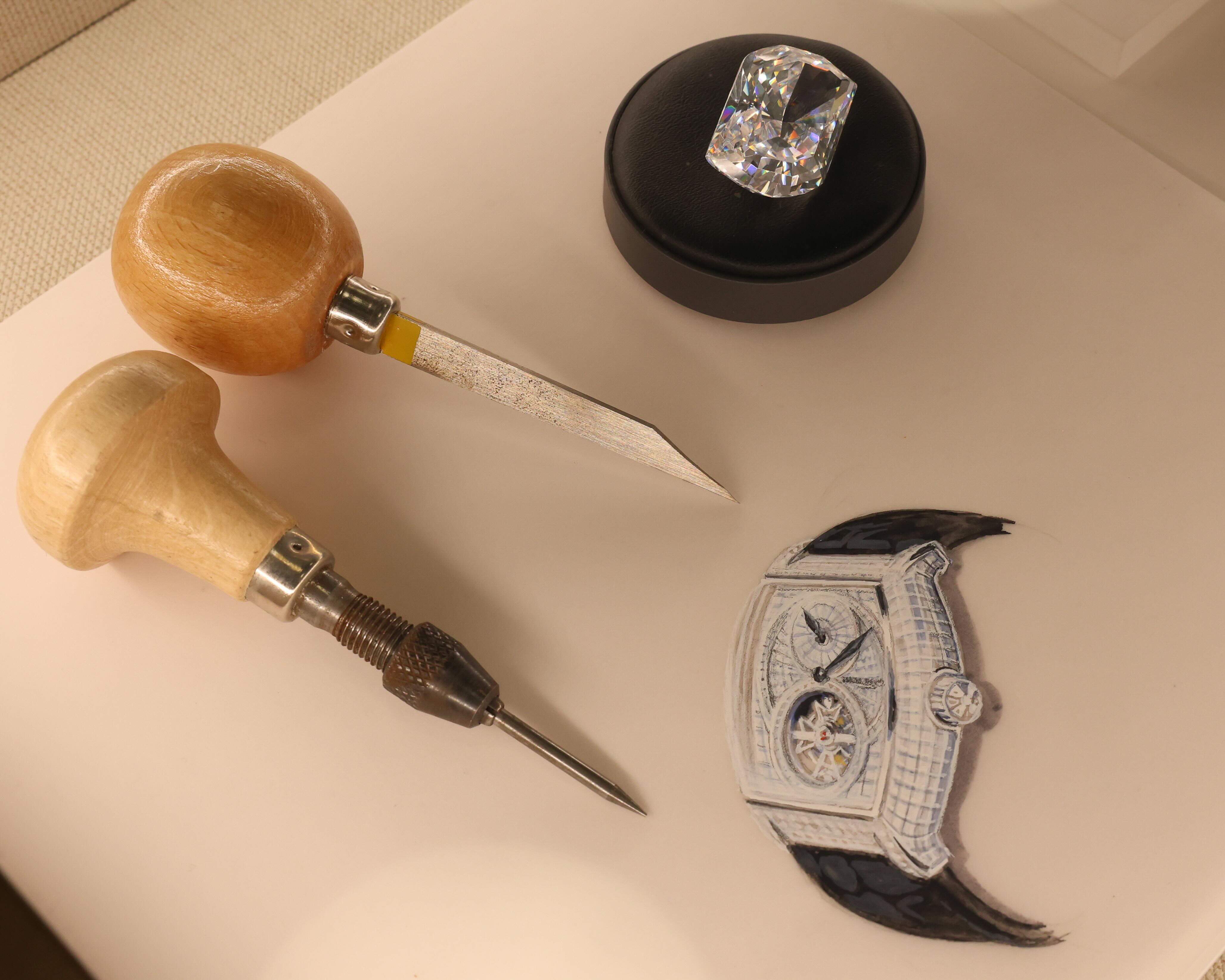
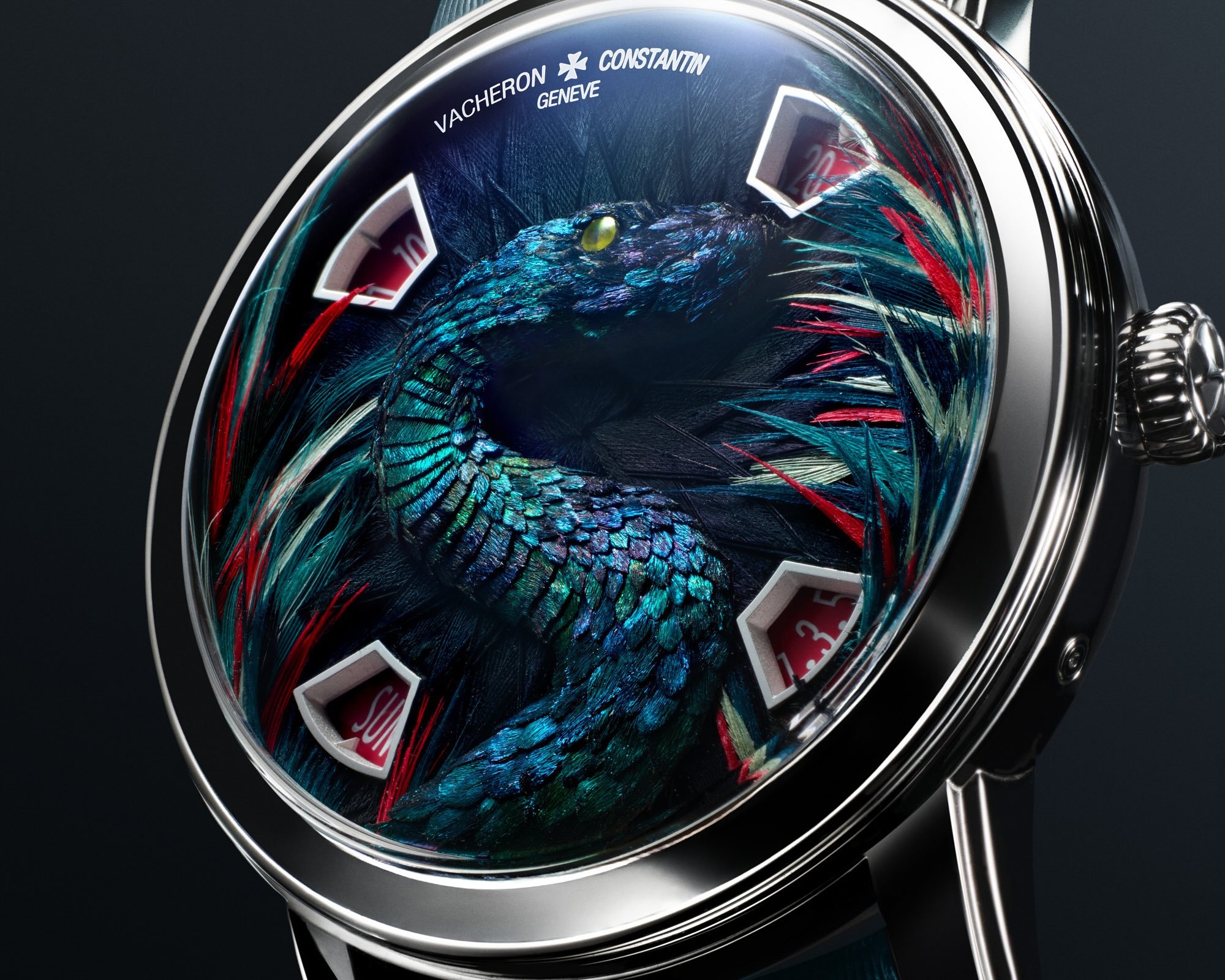
Yet, Vacheron Constantin’s own craftspeople continue to dispute the caricature of the artisan performing such fine craftsmanship. Vacheron Constantin has consistently looked to challenge such notions, both to bring watchmaking to new audiences and to push the art form beyond its traditional boundaries. This can perhaps be seen in the recently released Tribute to the Animal Kingdom collection. Each unique piece was created in collaboration with an individual artisan who had no formal prior association with the watch world.
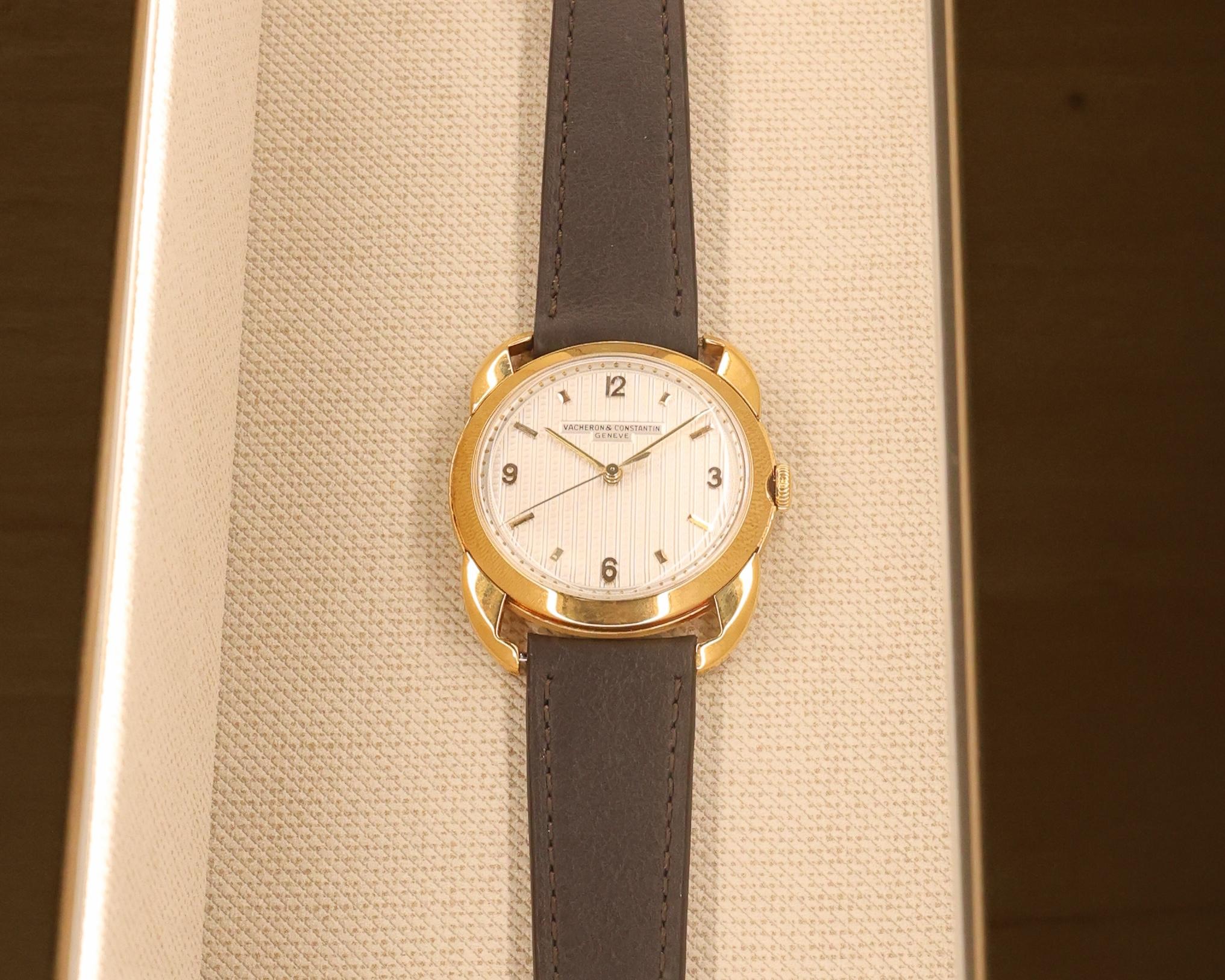
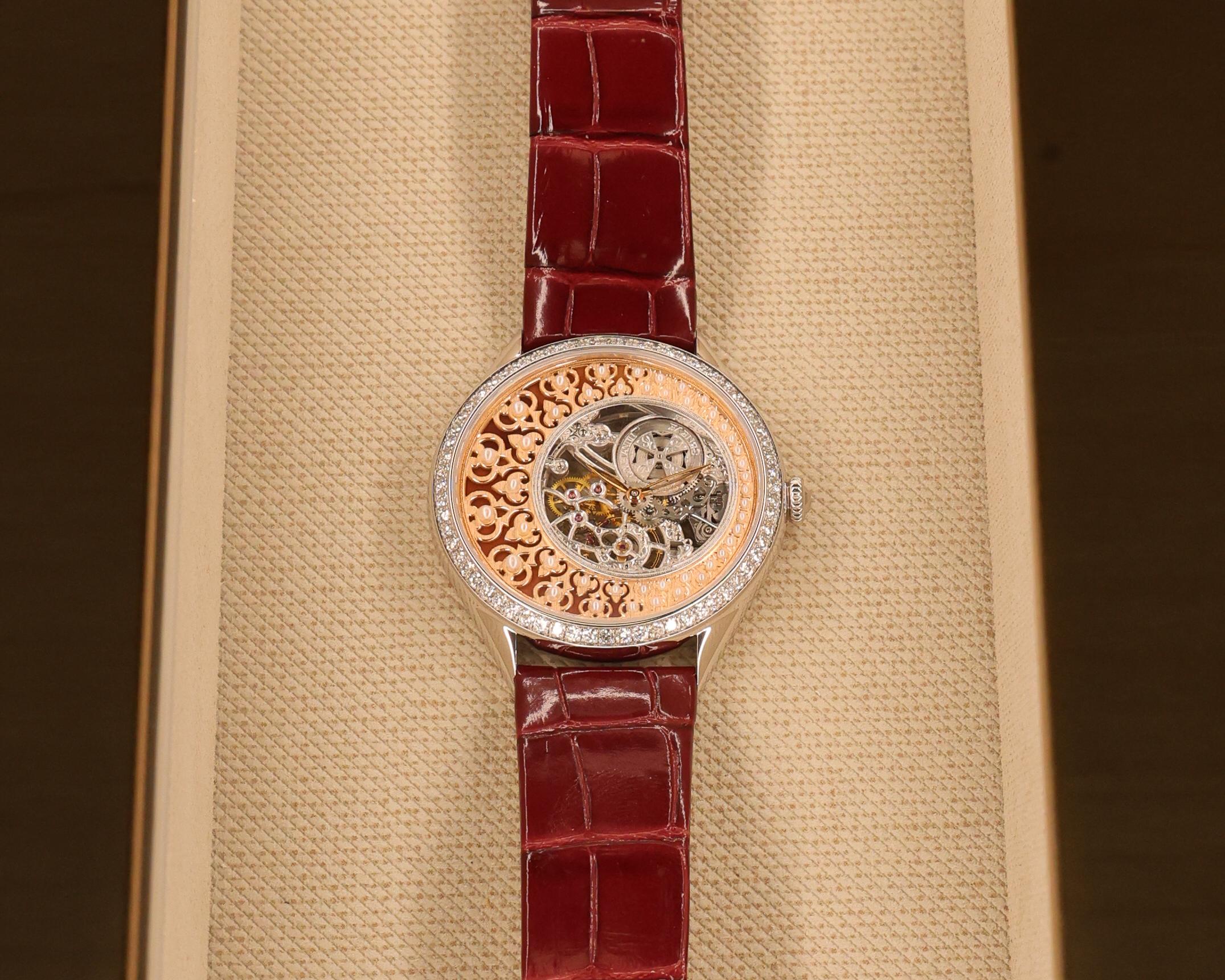
This challenge extends to the craftspeople we met within the manufacture. One of them was a young woman working diligently on a fil d’or dial, using fine gold wire to create a pattern that, to our astonishment, still had countless hours of work ahead of it. Some of her previous work was also displayed proudly just outside the door, indicative of the dizzying standard at which she typically operates.
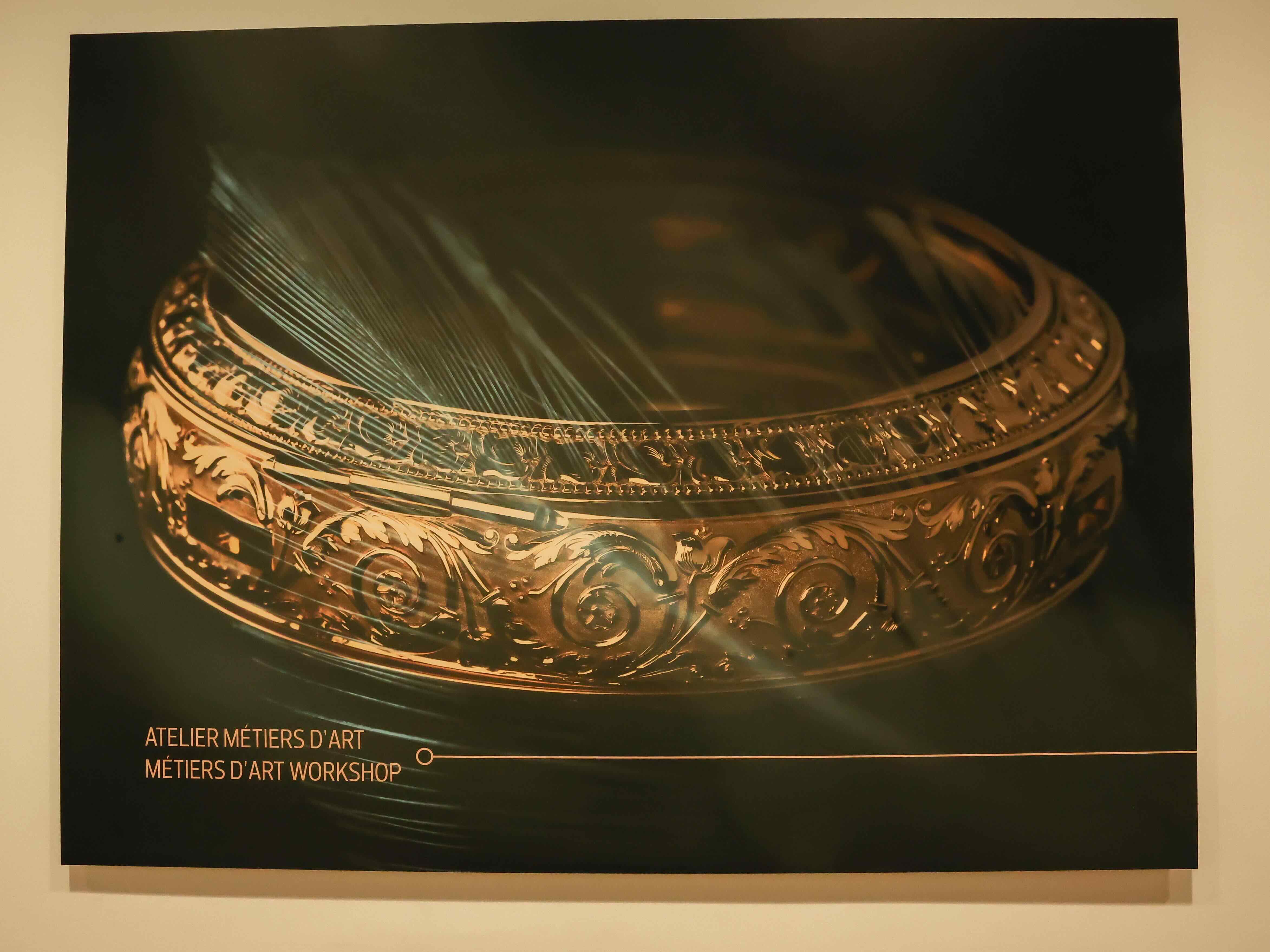
What makes this department so compelling is that its traditional techniques aren’t preserved for no reason. Instead, their preservation is due to what such traditions still have to offer: the capability of creating dials with a depth and refinement that modern technology still cannot replicate. Within the Métiers d’Arts department, Vacheron Constantin unites innovative artistic expression with the tools of its predecessors, permitting complete creative freedom without the compromise of craftsmanship.
Leaving A Lasting Impression
Vacheron Constantin’s ability to not only uphold but advance its legacy within the watch industry is nothing short of spectacular. Not only has it managed to remain continuously operational for what is nearly three centuries, but it has done so while simultaneously retaining its DNA and pushing watchmaking to its absolute limits.
The Watch Advice team knew of Vacheron Constantin’s reputation long before we walked through the door. But after seeing it happen in real time, it became abundantly clear that the brand’s heritage constantly informs how they operate today.
The synergy between high-tech machinery and human finishing, the unity of all parts together in assembly, and the complete freedom of expression through traditional tools in the Métiers d’Arts department all demonstrated Vacheron Constantin’s accumulated knowledge in different ways. But what stood out to me most remains the hairspring and pallet fork. Seeing both components as part of the production and assembly demonstrated how the brand’s heritage of craftsmanship exists, both within the building and its people.
And I think this is where the brand succeeds. The art of watchmaking can take brands ages to harness, and longer still to master. But Vacheron Constantin has had 271 years of opportunities to improve its craftsmanship. With such an illustrious, storied and, most importantly, unbroken streak of horological talent, they have identified what traditions are worth maintaining, and which ones are worth advancing. Such an ambition has allowed the brand to bring even its most painstakingly crafted pieces down to an efficient science.
That is how they maintain excellence: Not by brand cachet, or through marketing, but by never considering excellence enough. Though “One of Not Many” encapsulates the level at which Vacheron Constantin operates, perhaps even more emblematic of its manufacturing ethos is a philosophy first coined by François Constantin in 1819: “Do better if possible, and that is always possible.”