

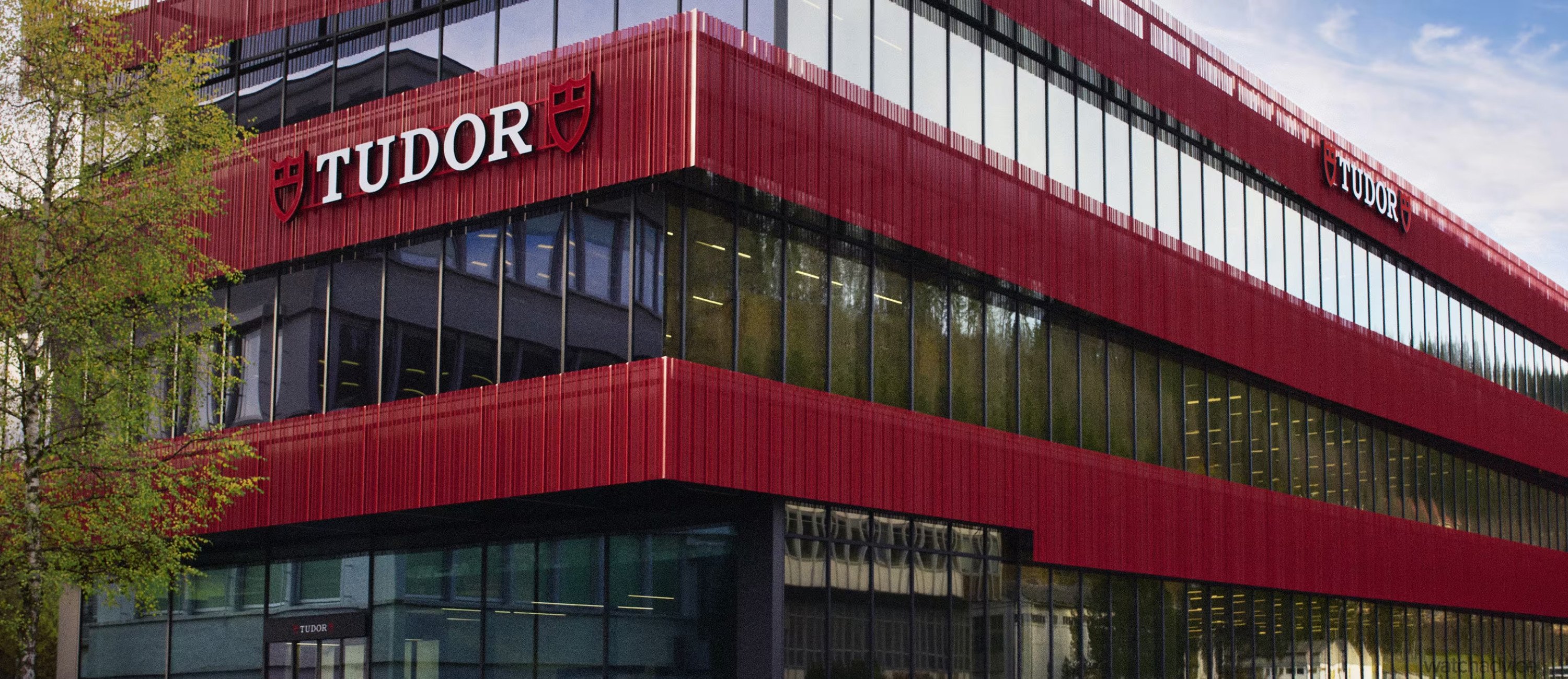
Tudor is one of the best bang-for-buck watches currently on the market, so we went to Le Locle to see how their watches are made.
Tudor, a little like its sister company, Rolex, remained somewhat of an enigma for many years. Up until the last few years, that is. In recent times, Tudor, along with its movement manufacturer, Kenissi, has been opening up to the industry and letting us peek behind the scenes of the Shield that protects the Crown. So when Watch Advice was invited to visit, we naturally said, yes!
A Modern Manufacture
The Tudor manufacture is located in Le Locle, just outside of La Chaux-de-Fonds, where many Swiss watch brands are located, such as Cartier, TAG Heuer, & Breitling, to name a few. Neuchâtel and Le Locle are home to quite a few brands as well, and Tudor, along with the likes of Zenith and Bvlgari, calls them home. If you get a chance to visit, I can highly recommend it – it is a beautiful part of the world, and every time we travel there, it makes you want to stay for a lot longer.
Tudor’s Manufacture is one of the newer Manufactures and a state-of-the-art facility, with construction of the building starting in 2018 and completion in 2021. It is actually located next to the old Rolex Manufacture, and Le Locle was chosen due to its proximity to all of Tudor’s suppliers in the Swiss Jura, making it quicker and easier for the brand to produce watches when compared to the old facility in Geneva.
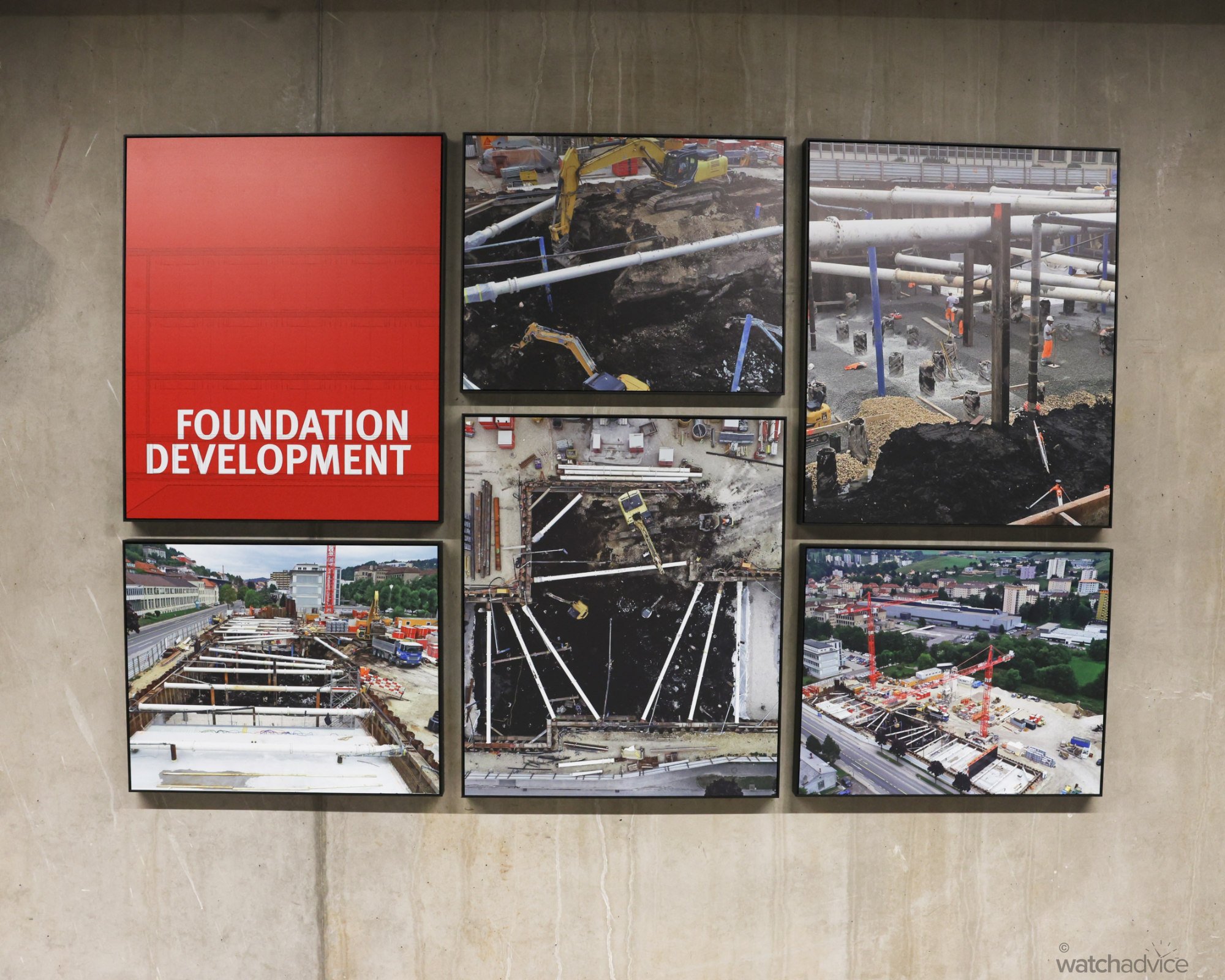
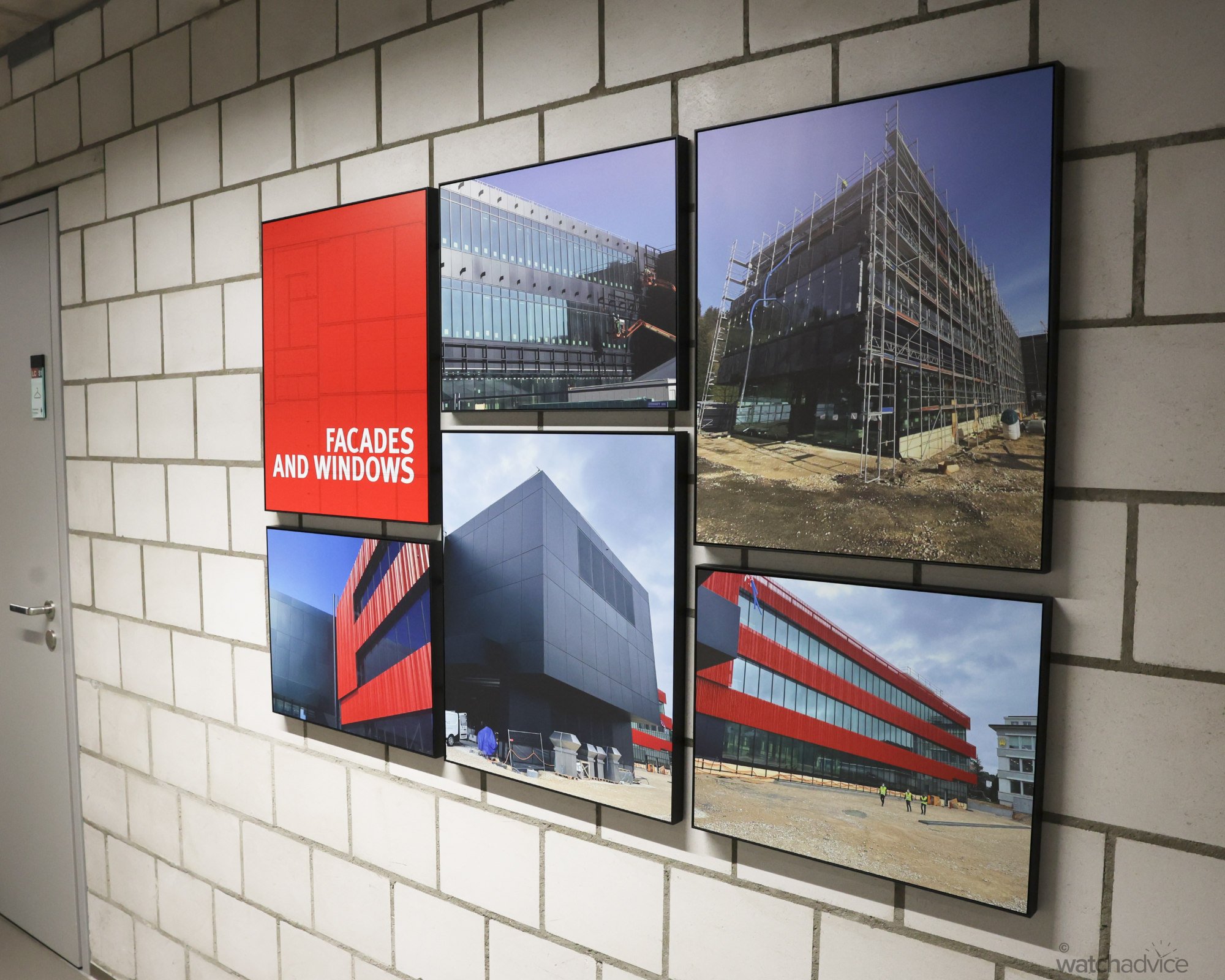
Being a new manufacture, Tudor and Kenissi are built to be environmentally friendly and lower the brand’s environmental footprint. One example is electrochromic glazed glass, which automatically adjusts the amount of light transmitted based on the level of natural light, darkening or lightening as needed. The system is energy efficient, using light transmission to help regulate energy consumption.
And, if you looked down on the Tudor manufacture from the air, you can see the roof across both halves is full of solar panels – 442 to be exact, to help generate as much power as possible, with the remainder coming from the Swiss power grid, Tudor choosing to have much of this from renewable energy sources.
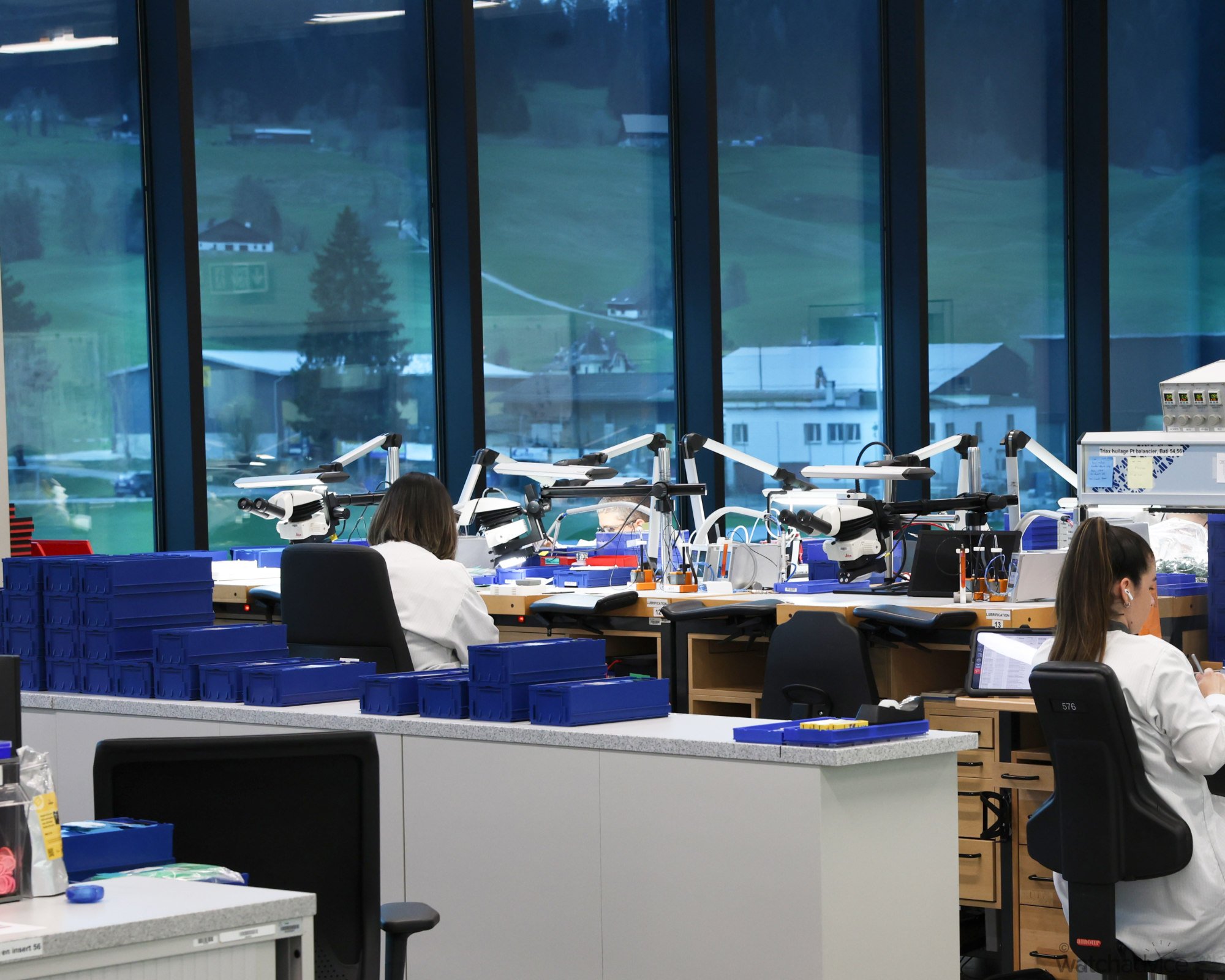
On top of this, the other thing that stands out is the way the building itself regulates its own environment. Via the building’s HVAC system, the air in the workshops changes and recycles every 3.5 hours, with continuous airflow from floor to ceiling in order to manage any dust particles. The air is permanently monitored to keep a consistent temperature and humidity level, which is optimal for keeping all the components at the highest quality.
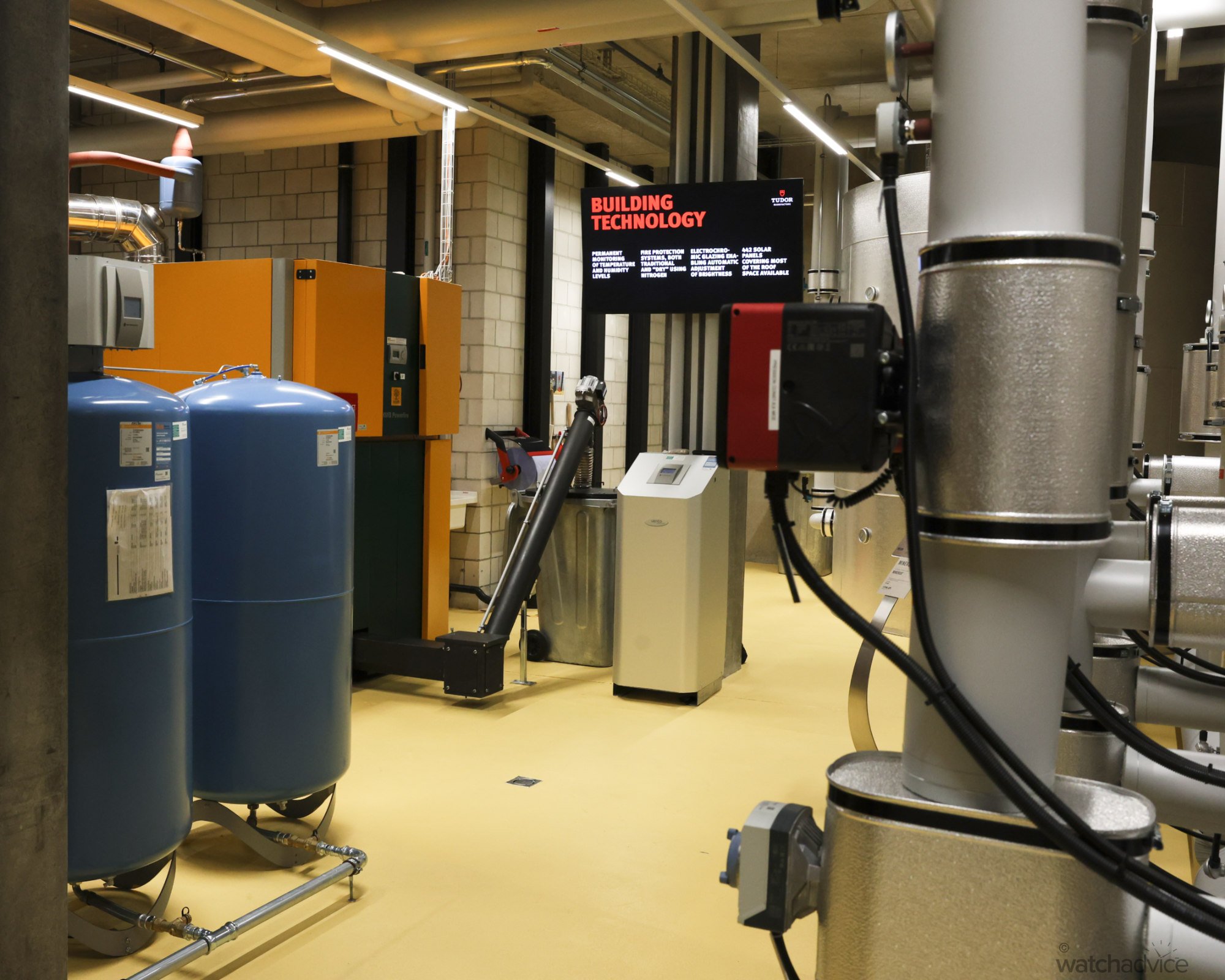
What stood out to us is that the Tudor and Kenissi manufactures are not your traditional workshops built over hundreds of years. Yes, Tudor has history, but this new facility is about Tudor moving with the times and ahead into the future, with modern machines and processes. It is an approach that fuses human watchmaking with modern industrial processes to create great watches.
The Tudor / Kenissi Relationship
There is still some misunderstanding around Tudor and Kenissi. The history of Kenissi is actually relatively recent, which is part of what makes it interesting. Unlike traditional Swiss manufactures that date back more than a century, Kenissi is very much a modern industrial answer to the changing watch industry, which started with the phasing out of ETA movements, something many brands have done over the years as supply concerns grew, as ETA started to limit production for external brands.
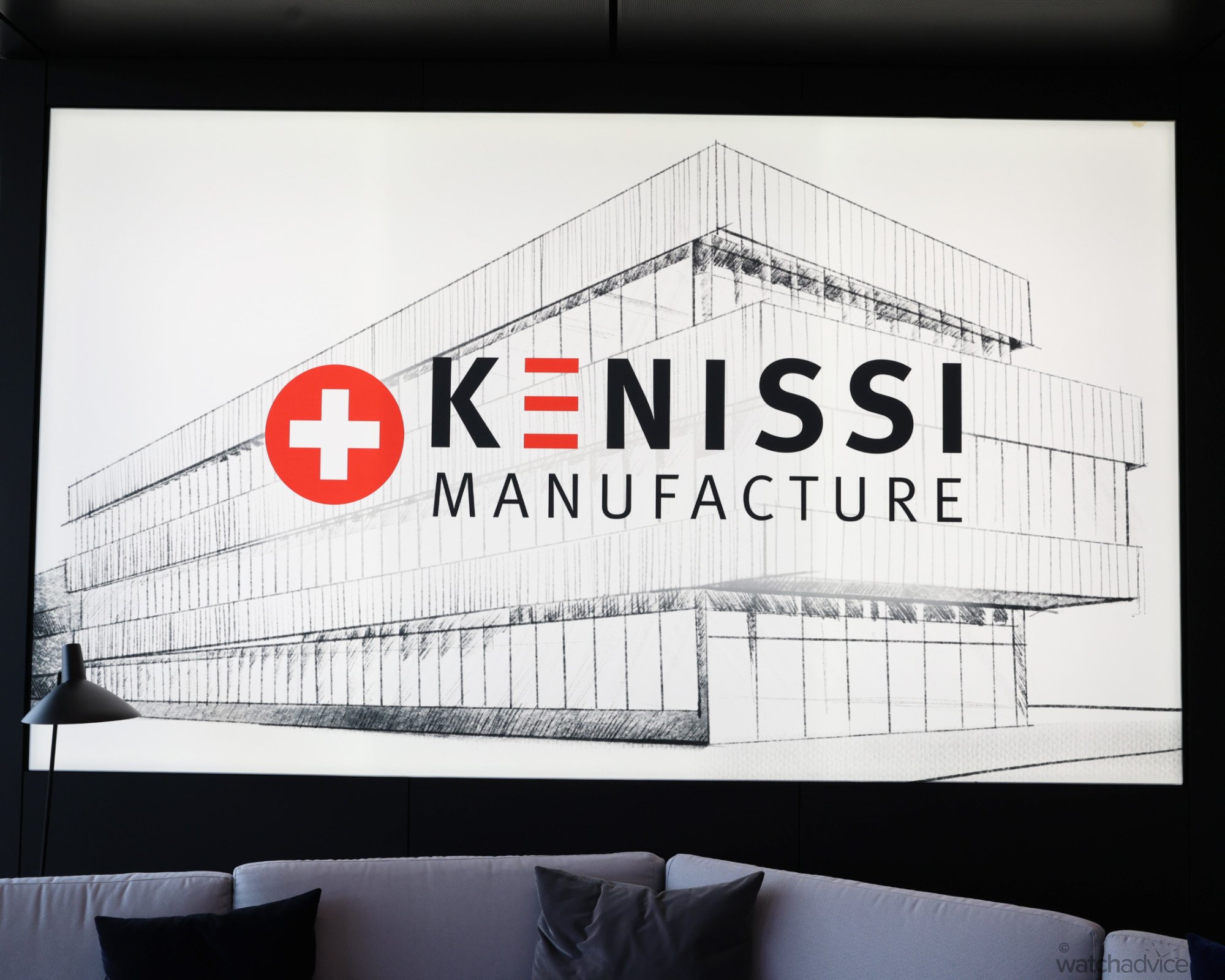
Kenissi was set out to be Tudor’s solution to an in-house movement. Once the wheels of ETA being phased out were set in motion, Tudor assembled a specialist team to begin developing its own in-house movement platform, culminating in the release of its first manufacture calibre at Baselworld 2015 — the MT5621, launched in the North Flag.
In 2016, Tudor formalised the operation by creating Kenissi, a dedicated movement manufacturer designed not only to oversee Tudor’s calibre development and production, but also to supply movements to third-party brands. The name “Kenissi” is derived from the Greek word “kinesis,” meaning movement. Yes, it’s a fitting reference for a company focused entirely on mechanical calibre production.
As it expanded, so did its client list. One of its first major industrial partnerships came with Breitling, followed by a significant alliance with Chanel in 2018. Chanel later acquired a 20% stake in the company, with Kenissi producing the Calibre 12.1 used in the updated J12 collection.
Today, the manufacture produces robust COSC-certified automatic calibres for a growing list of brands, including NORQAIN, Bell & Ross, Fortis, and TAG Heuer, alongside Tudor and Chanel, and still produces movements for Breitling, with the favour returned by Breitling making the chronograph movements for Tudor. And this is seen as you walk through the manufacture, with movement development and assembly happening within the Kenissi building, before the movements are sent across to Tudor to be fitted and finalised in the watches themselves.
The inception of Kenissi has enabled Tudor to make watches at scale, without compromising on quality, thanks to the efficiency of the production itself. It also helps to future-proof Tudor to an extent, as it gives the brand another arm that not only drives a different source of income, but also, supplementary to this, keeps Tudor (Kenissi) at the forefront of production and innovation when it comes to movement manufacturing.
Where Man Meets Machine
Today’s modern watch manufactures are quickly becoming a mix of automation, machines and humans. It’s no longer possible to create watches at scale, at the quality we expect in the hundreds of thousands of units, without modernising the production process. Tudor understands this and has created a facility where it can create COSC and METAS-certified movements for both Tudor and other brands, and create the watches Tudor is known for today at scale.
This is one reason Tudor can price the watches they produce at a certain price point and keep the quality at the highest level. Through production efficiencies that combine automation and people, a smart assembly line process, and a tight network of suppliers in and around La Chaux-de-Fonds, not to mention supplying external brands, Tudor can make great watches that are COSC and METAS-Certified – at a reasonable price. In today’s luxury watch world, Tudor still remains one of the best value propositions out there.
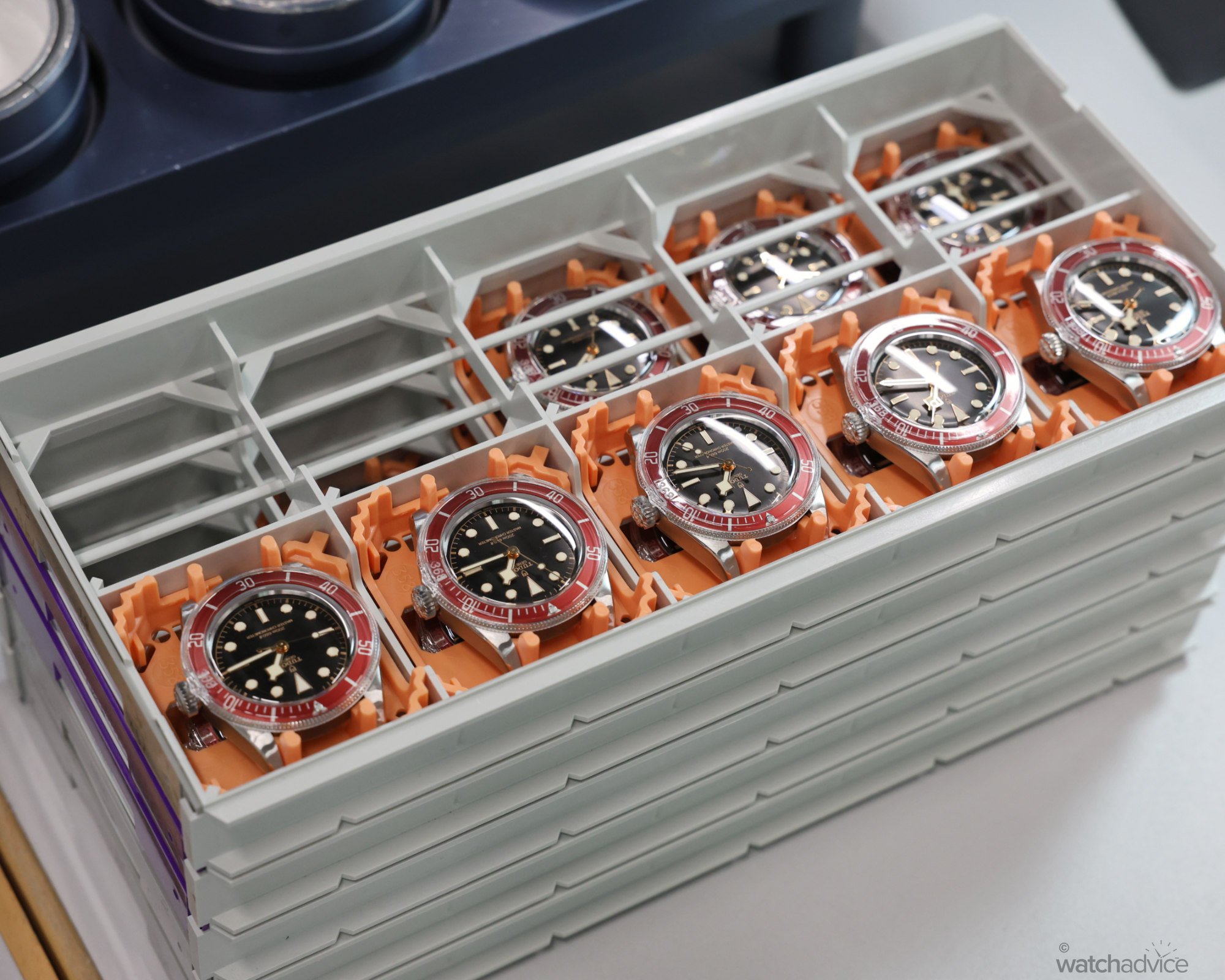
One of the ways that Tudor achieves this is via the production line. In traditional watch manufacturing, parts have to be moved from point A, to point B, to point C by hand. This takes longer, creates inefficiencies, and as a result, slows down the whole system internally, which leads to higher costs. Tudor and Kenissi have circumvented much of this via robots and automated delivery systems, meaning the humans can work on the watches without delay, and do what they do best. Watchmakers are great at making watches, not taking trays of movements from one workstation to another.
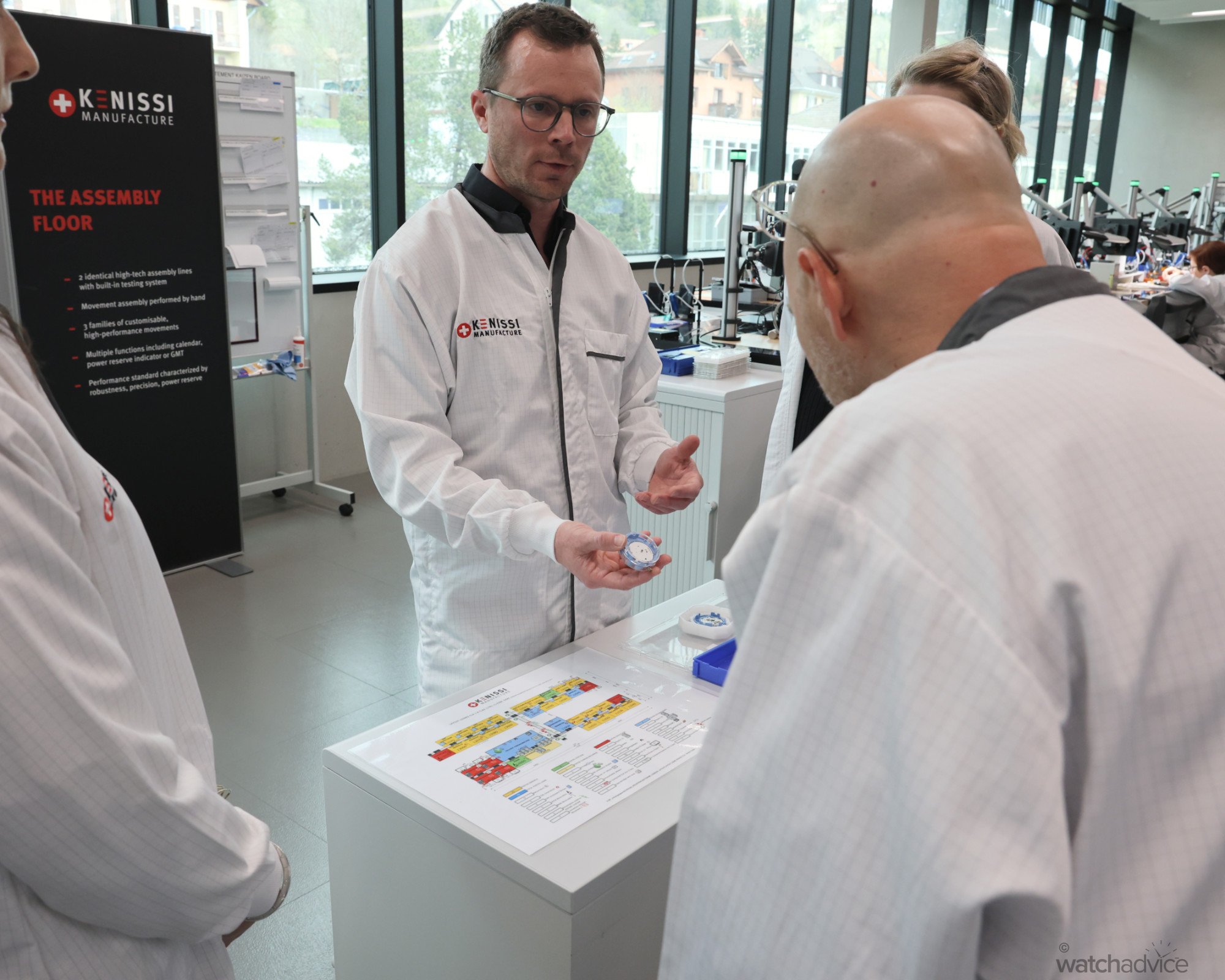
On the Kenissi side, where many of the movements are assembled, the workshops are created for efficiency, with two identical assembly lines on either side of the workshop. The movements travel from one station to another via a conveyor belt-style system. This allows each movement to make its way from one watchmaker to the next without delay, and is set up for the watchmaker to immediately start working on their specialist area.
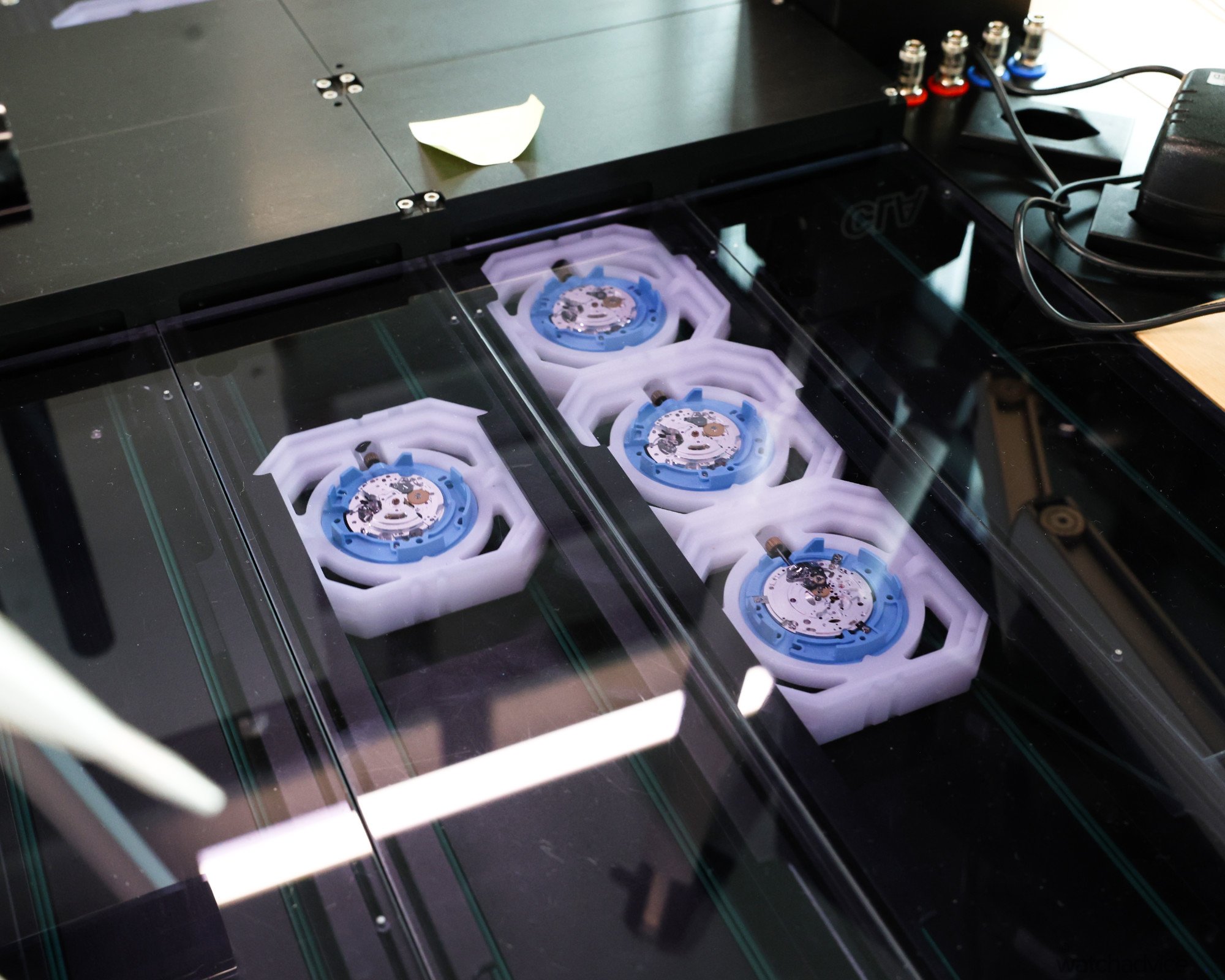
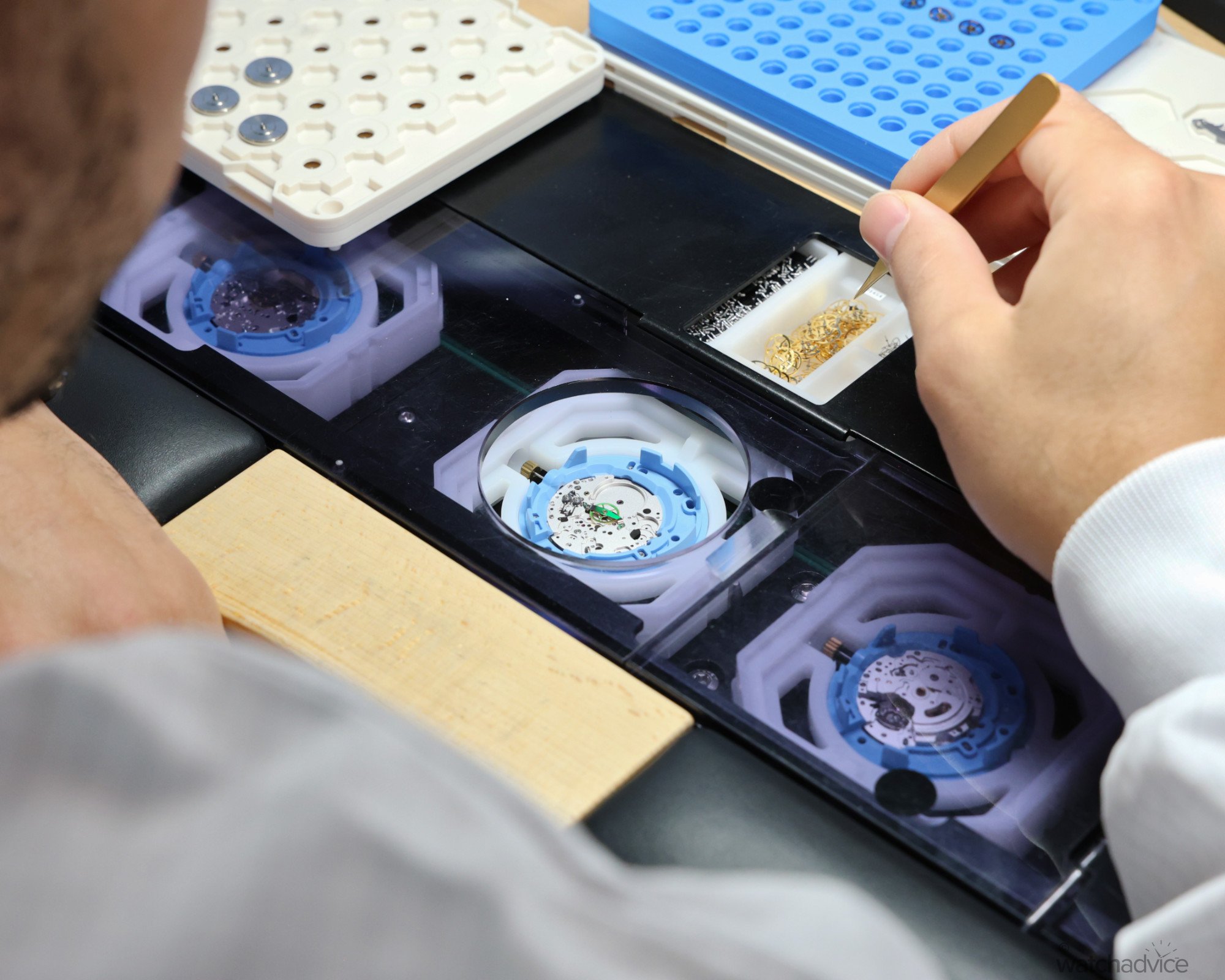
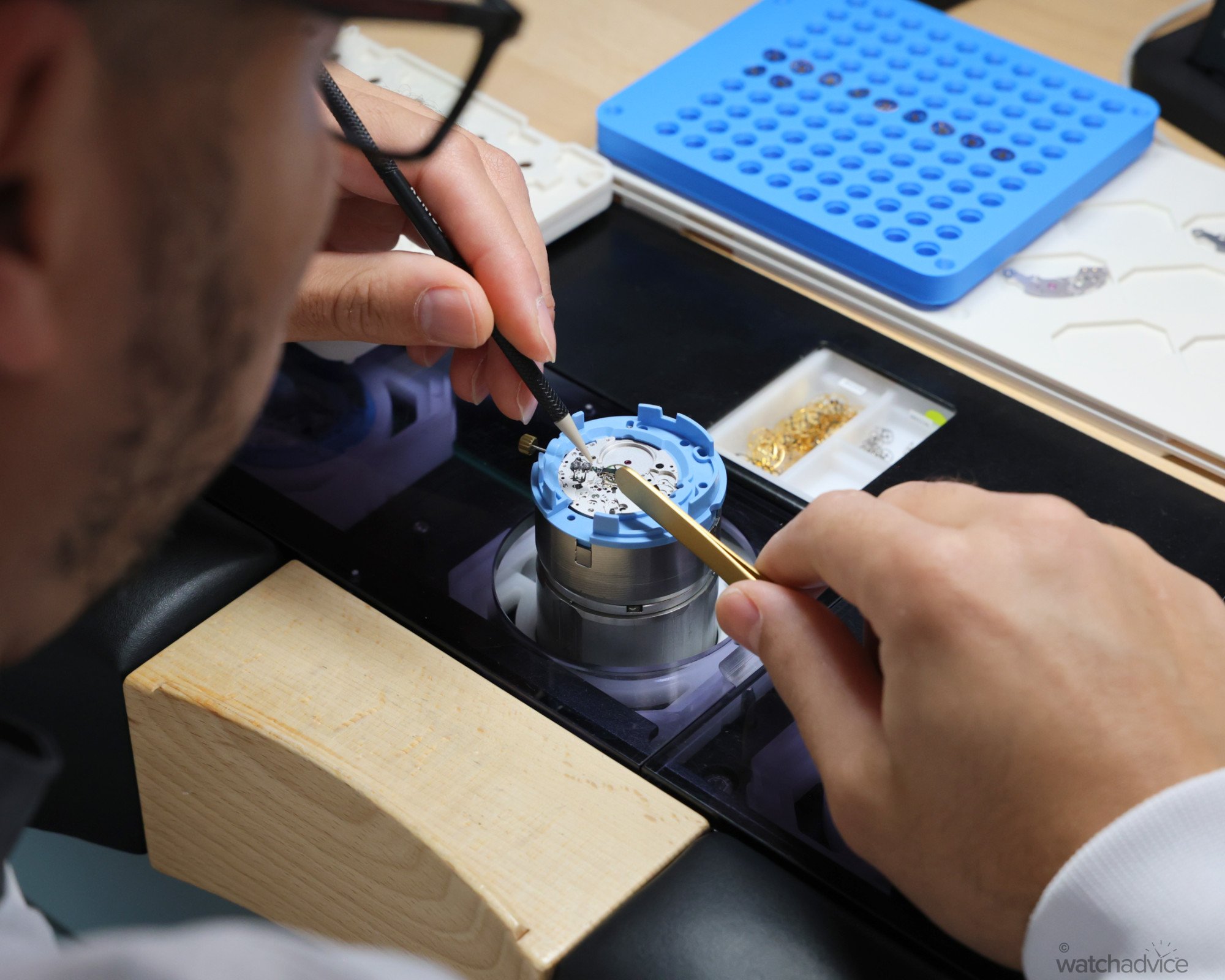
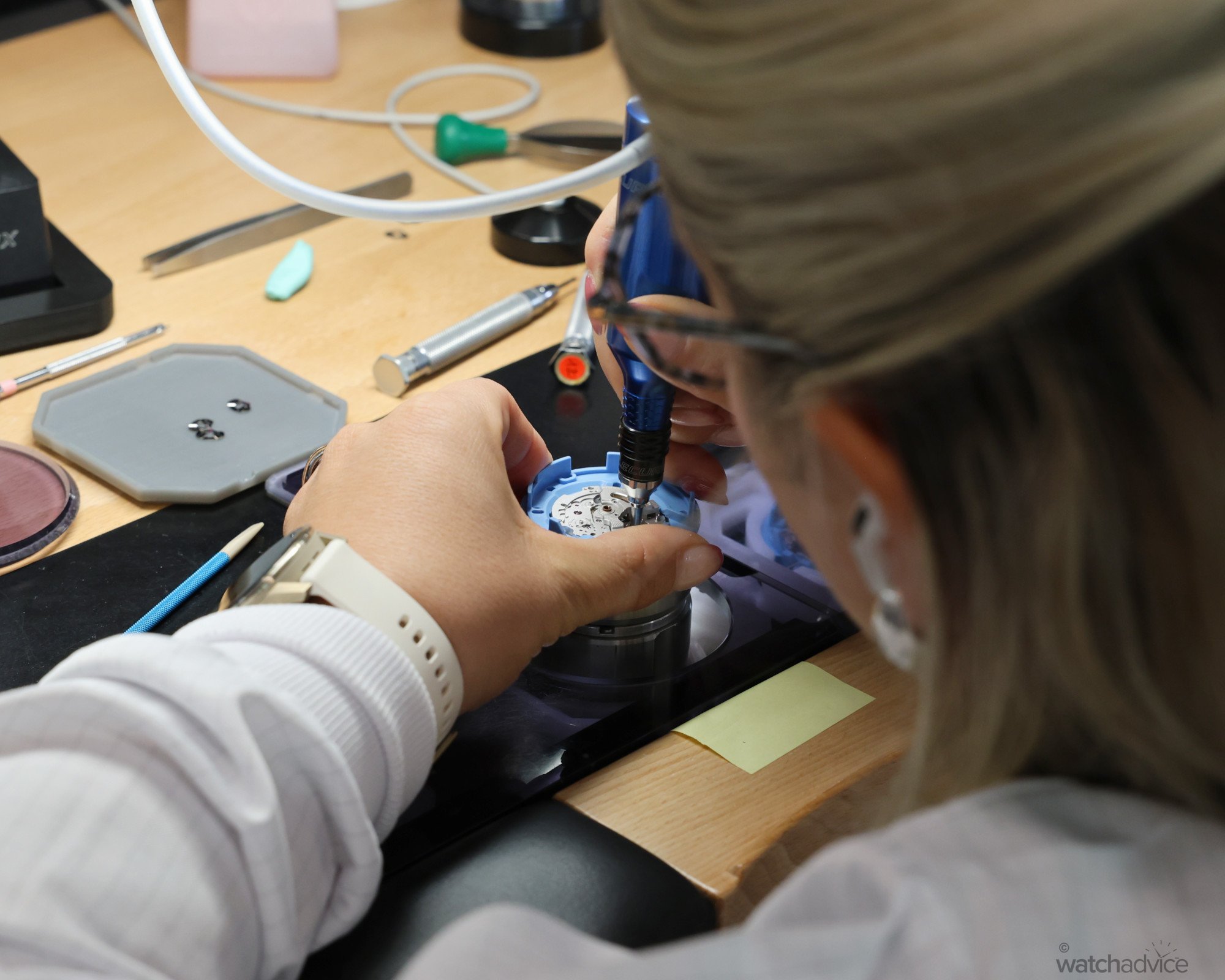
This allows for each section of the movement to be assembled by a person who does this day in and out, meaning a higher level of expertise, which leads to greater quality. Less time is taken for them to get from point A to point B, and the system is also able to keep track of the number of units worked on and completed across the day, which can assist with managing the overall production process.
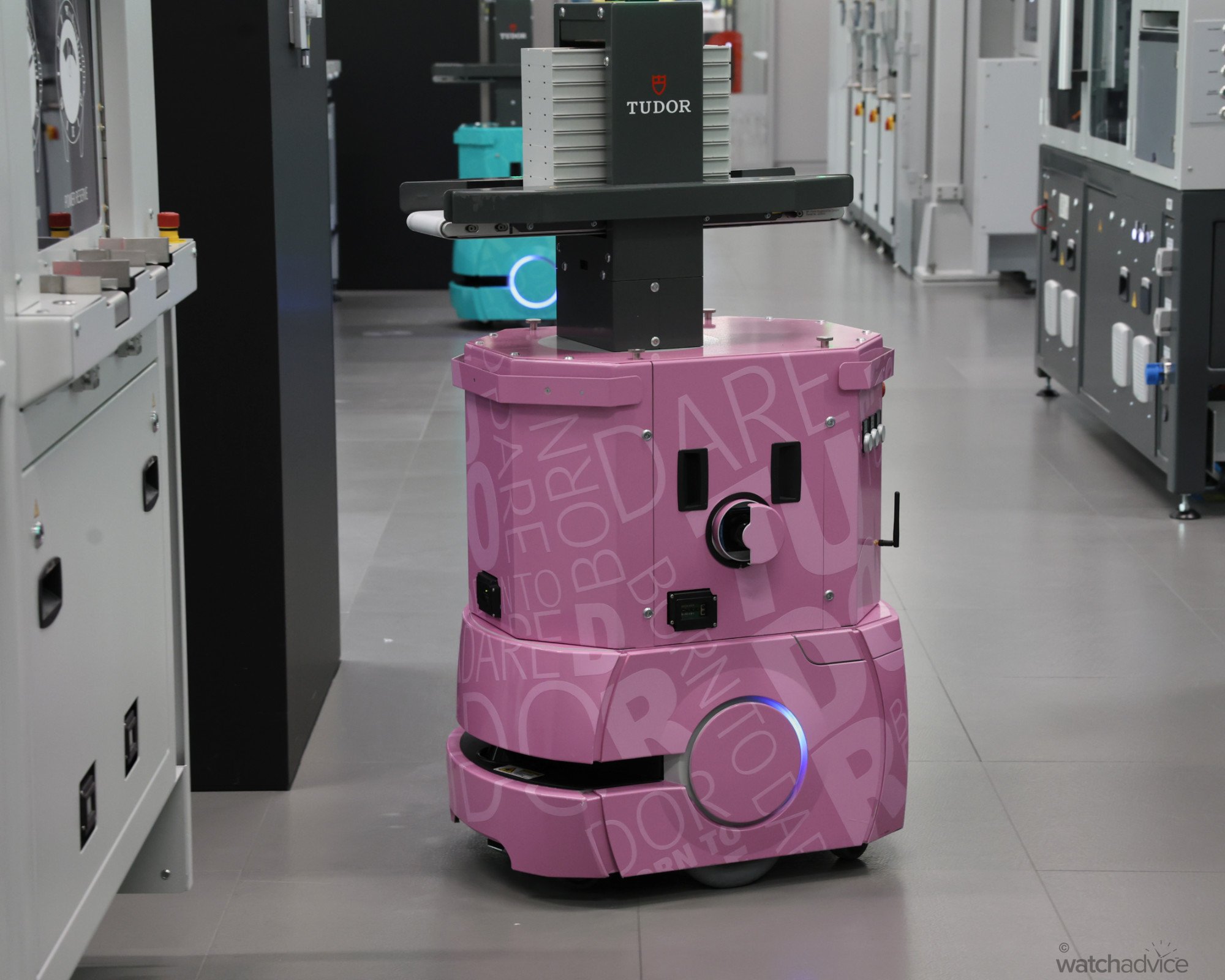
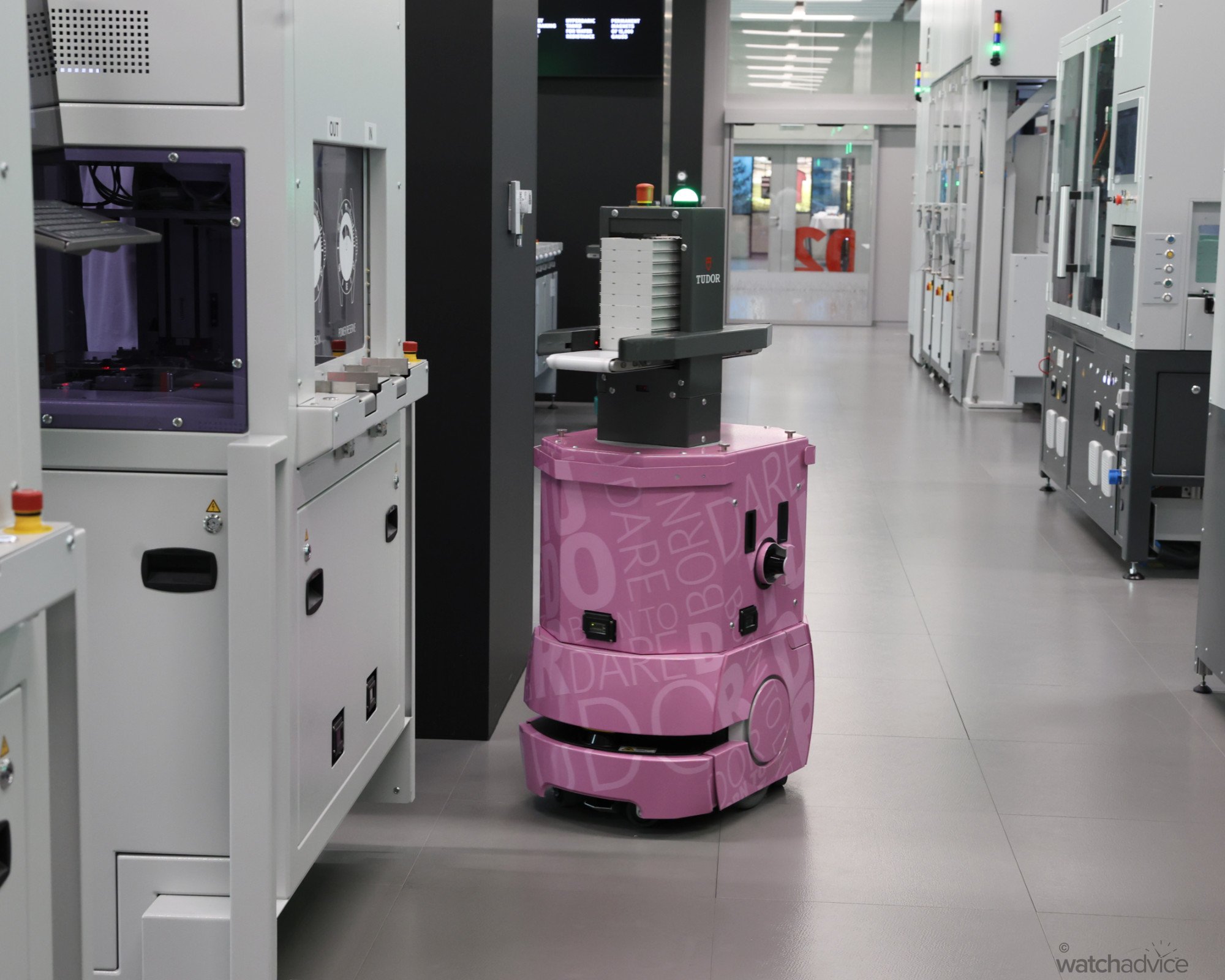
Over on the Tudor side, robots move back and forth to ferry the movements and watches between areas, especially the testing facility, where Tudor tests all their watches on site. It’s a bit of a surreal sight to see the robots moving around the floor, but this ensures the timely delivery of each batch to be tested without delays.
In-House Testing, Well, Sort Of…
As I’ve just alluded to, all of Tudor’s watches are tested and comply with either COSC and/or METAS. While the movements need to go offsite for COSC, as do all COSC-certified movements, Tudor is one of the very few Manufactures that has an on-site METAS (Swiss Federal Institute of Metrology) department adjacent to the test area. While it is in the manufacture itself, it is actually classified as government, and the only people allowed into the METAS department are those Swiss officials. It is off-limits to Tudor employees.
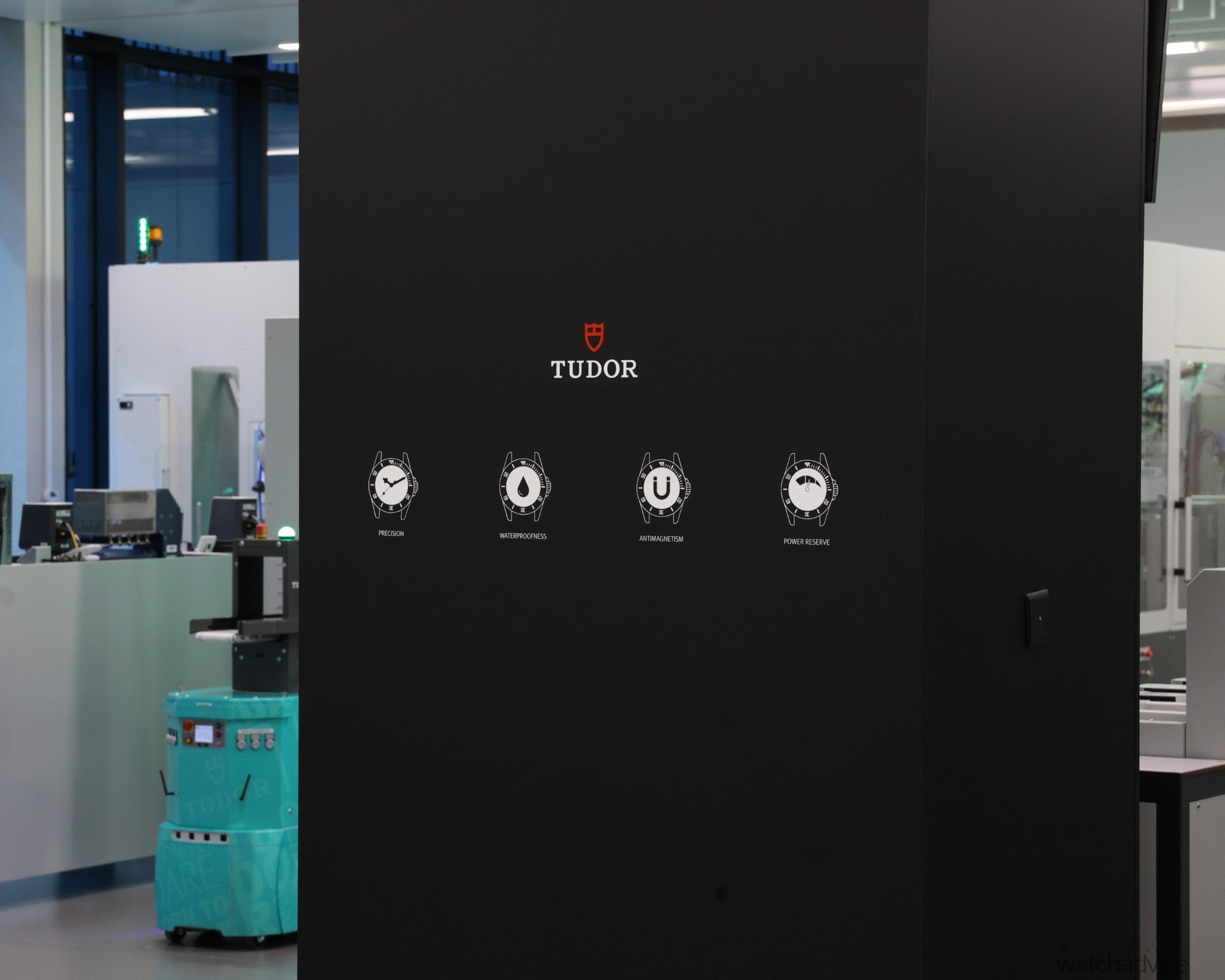
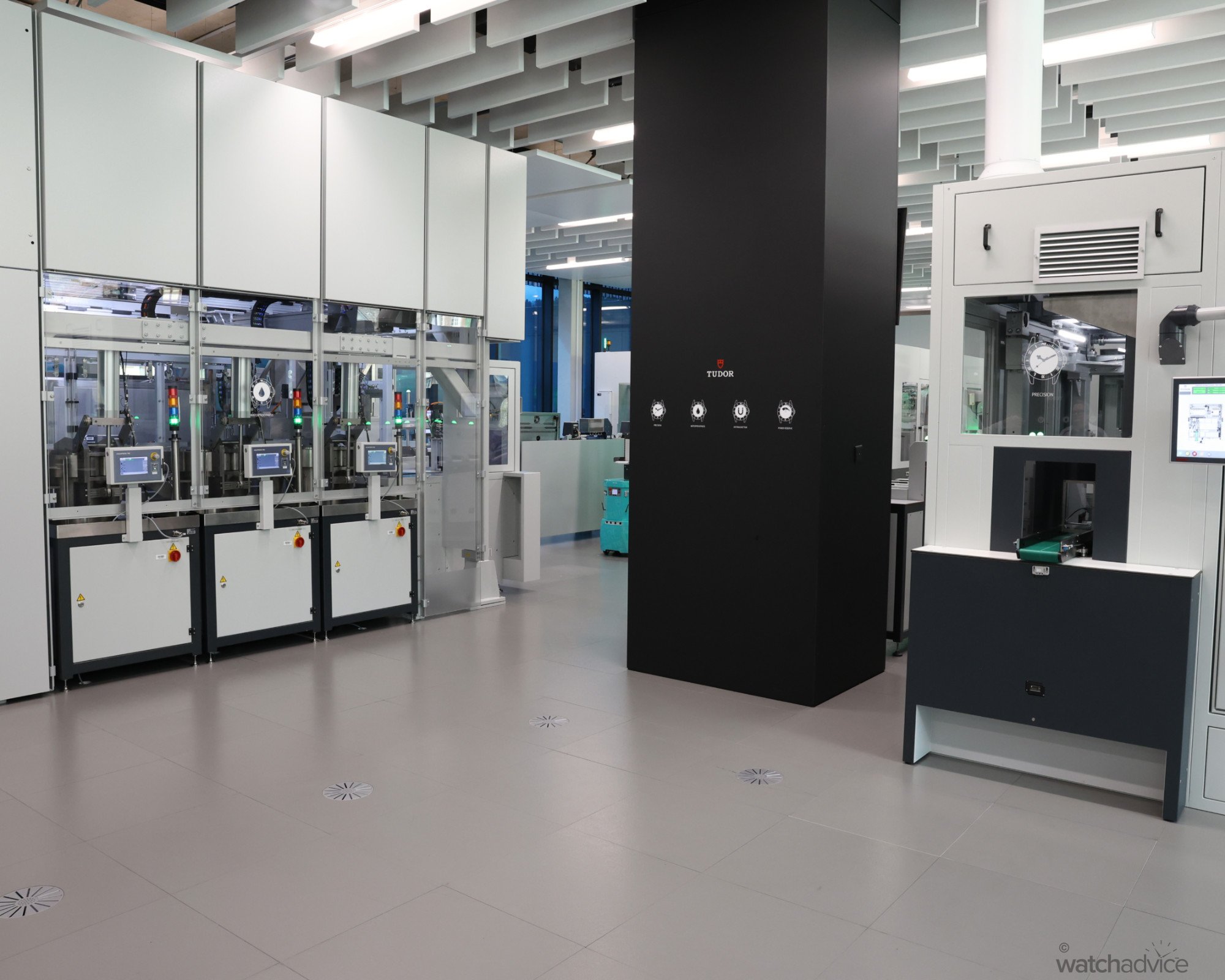
Now, we can’t show the METAS office as it is a government department; however, if you look at the images above, it was directly behind where I was standing when I took these photos. METAS officials will come out and randomly sample the movements at various stages to ensure they are adhering to METAS certification.
For the watches to be COSC, they must pass strict standards via the COSC; however, Tudor goes that step further with METAS. For Tudor watches that are Master Chronometer certified, like the new Black Bays, they must adhere to COSC as the base, then the extensive METAS certification, with movements assessed in six positions, across two temperatures, and at both 100% and 33% of their power reserve.
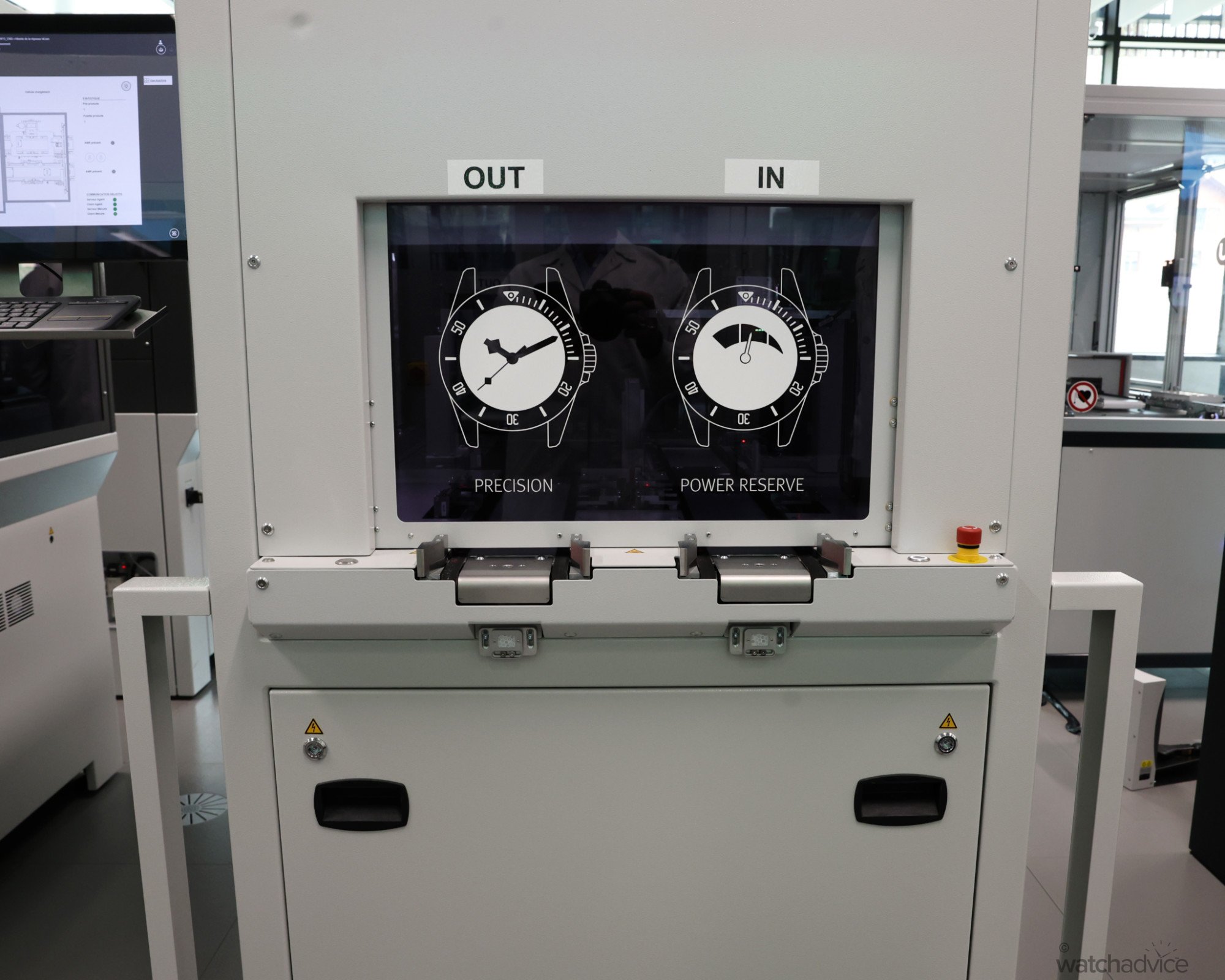
Also, to qualify, the watch must operate within a daily variance of 0 to +5 seconds (whereas COSC is -4/+6 seconds) while also meeting the manufacturer’s stated power reserve. Also, the watches need to withstand magnetic resistance, with Master Chronometer watches required to continue operating after exposure to magnetic fields of up to 15,000 gauss — roughly equivalent to the strength of magnets used in MRI machines. Tudor’s will pretty much handle most things thrown at them.
The Watches We Know And Love
Tudor has a bit of a unique philosophy when it comes to watch production. Called the “No stock approach”, Tudor only makes watches when they are ready to buy, a little like the Just In Time (JIT) production system Japanese manufacturers devised a century or so ago to solve inventory holding cost issues. Tudor only produces the watches in the quantity needed based on the demand from retailers and boutiques. So, there are no large holding costs to speak of, no wasted inventory.
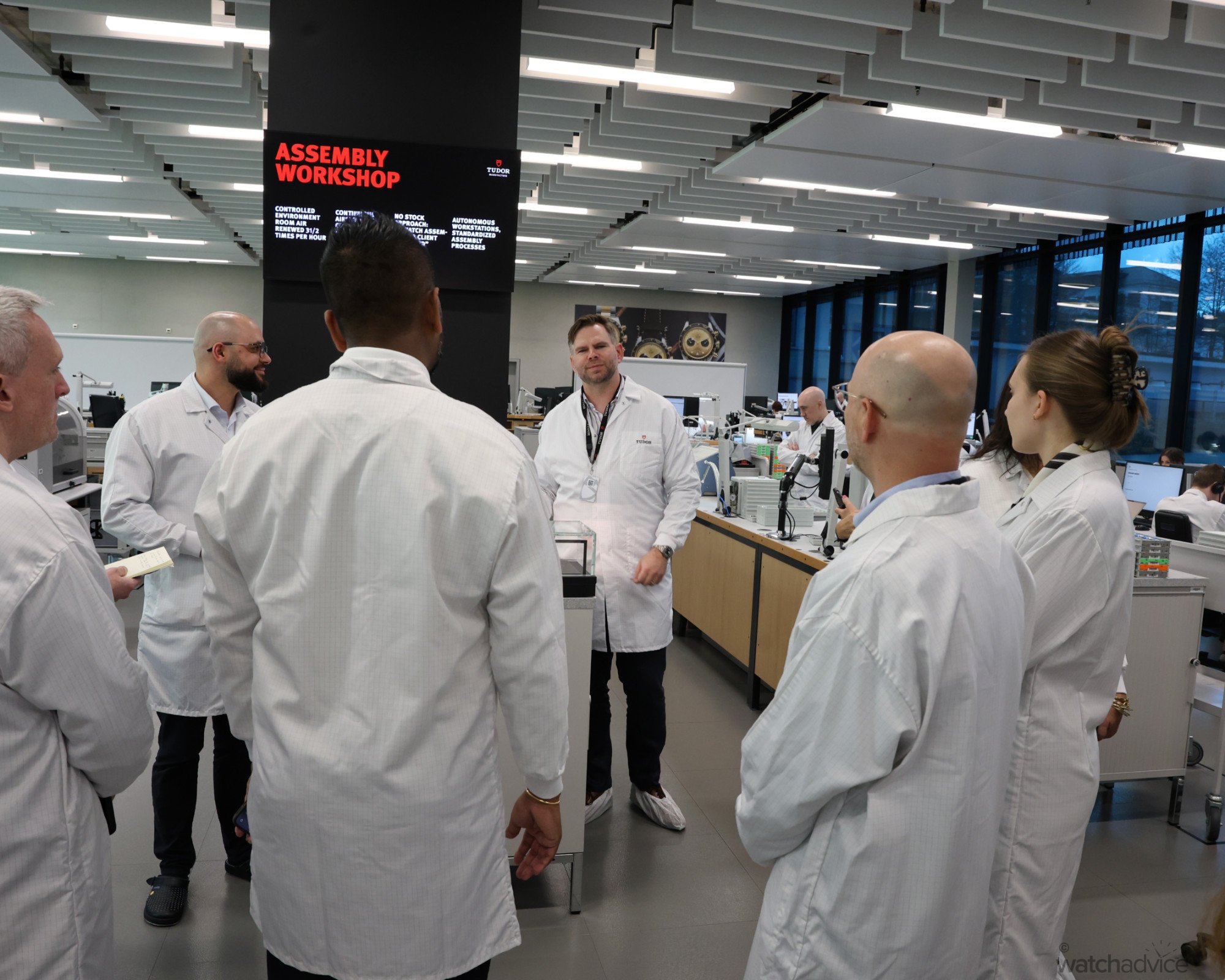
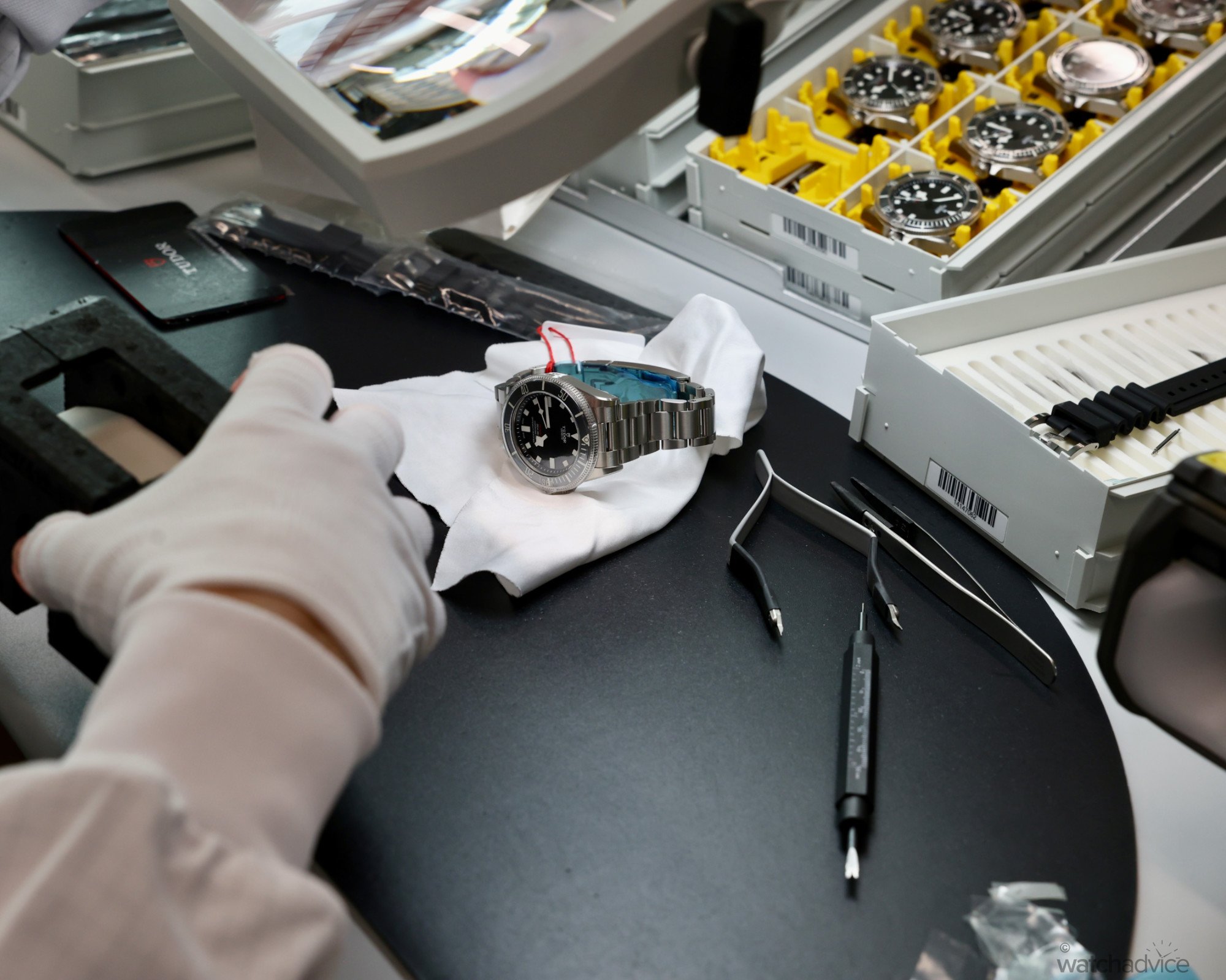
And, all of this leads to the watches that we all know and love, the Black Bay, Pelagos, Ranger, Royal and now, the Monarch, being assembled in Tudor’s side of the manufacture. Dials, cases, and bracelets are all done here, before the watches are sent out the door.
Where Kenissi focuses on the movements, Tudor focuses on the finishing touches. Again, utilising expertise to create efficiencies and little to no waste, the watch makers at Tudor are pro’s when it comes to finishing and casing the watches.
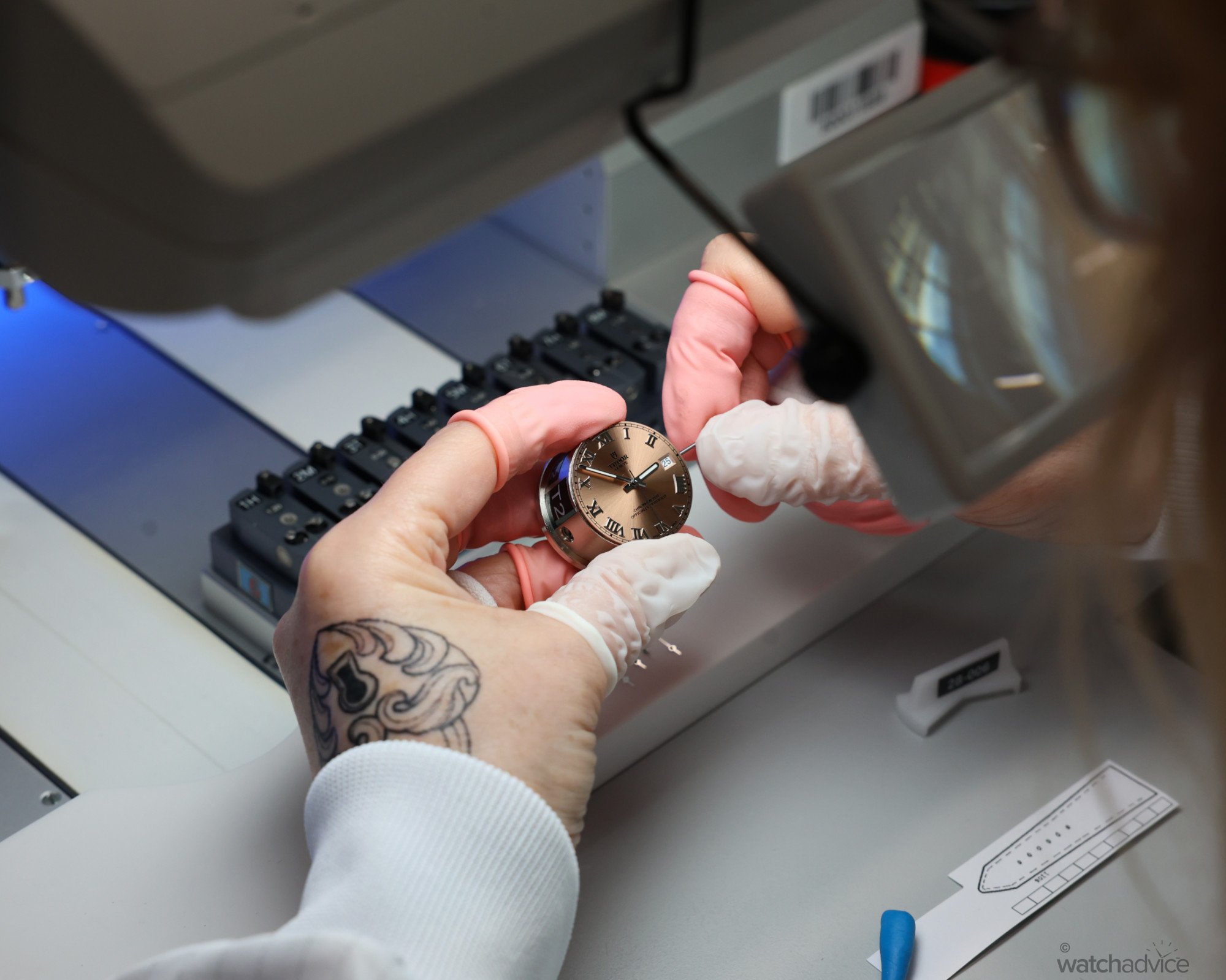
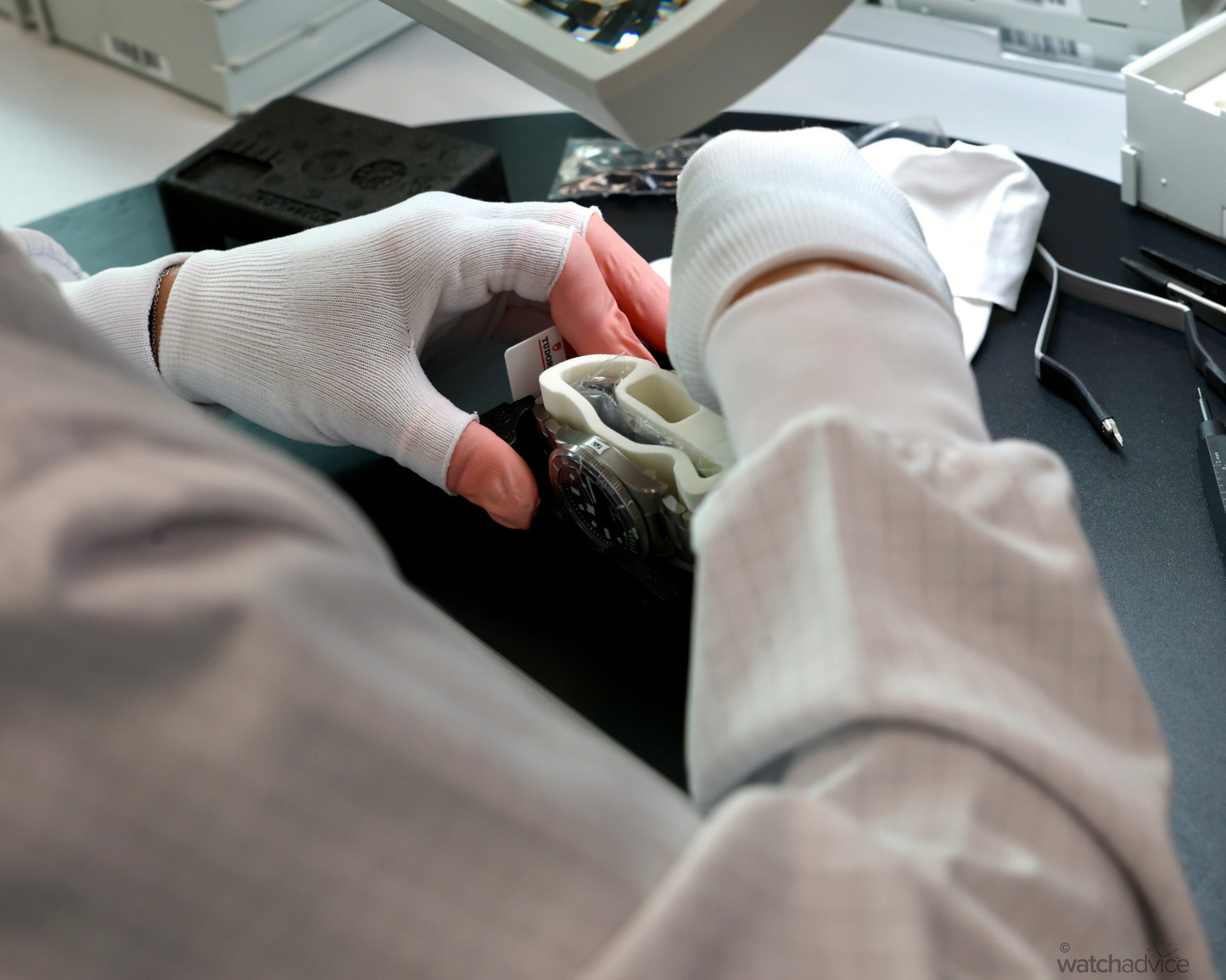
Dials and hands are assembled onto the movements, and the watchmakers test these to ensure the movements are working as they should, the crown and crown stem function as they should, and the hands move freely. If all checks out, then the movements are placed into their respective watch cases, making them look a little more familiar.
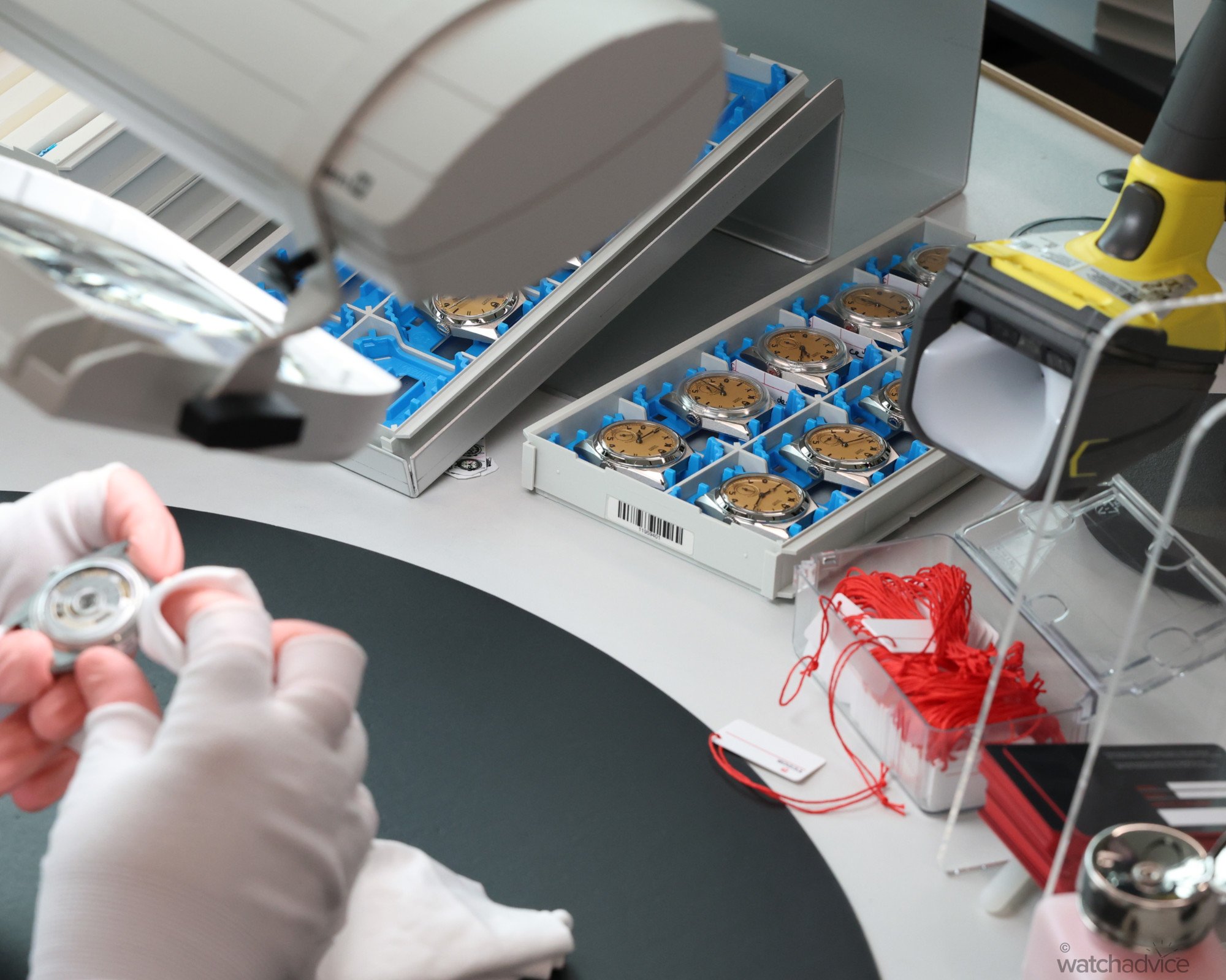
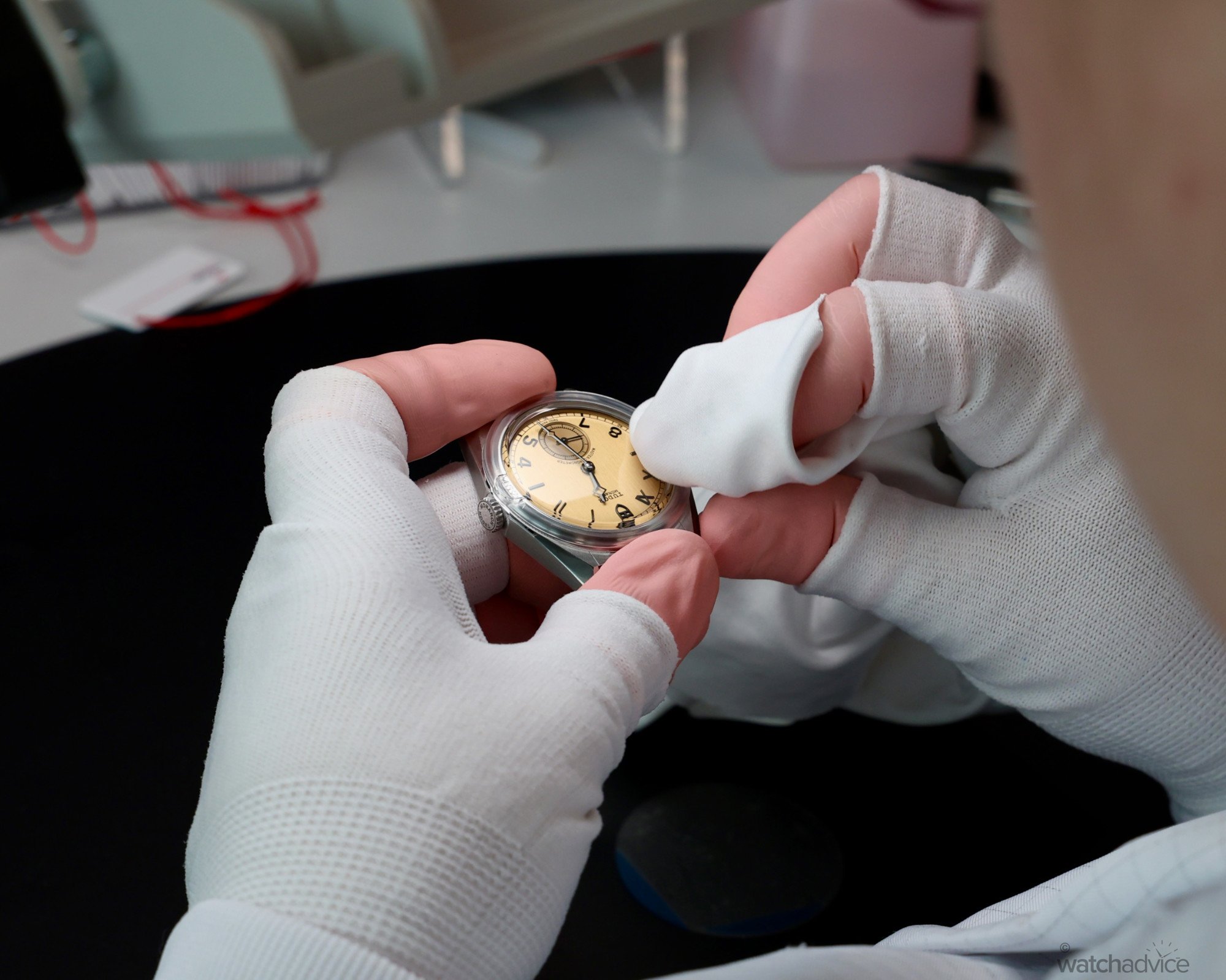
Here, the watches receive the correct bracelet or strap for the watch, and these are then stickered and boxed up ready for shipping. All this is done by the women and men at Tudor to, once again, ensure the highest quality of product to hit the shelves.
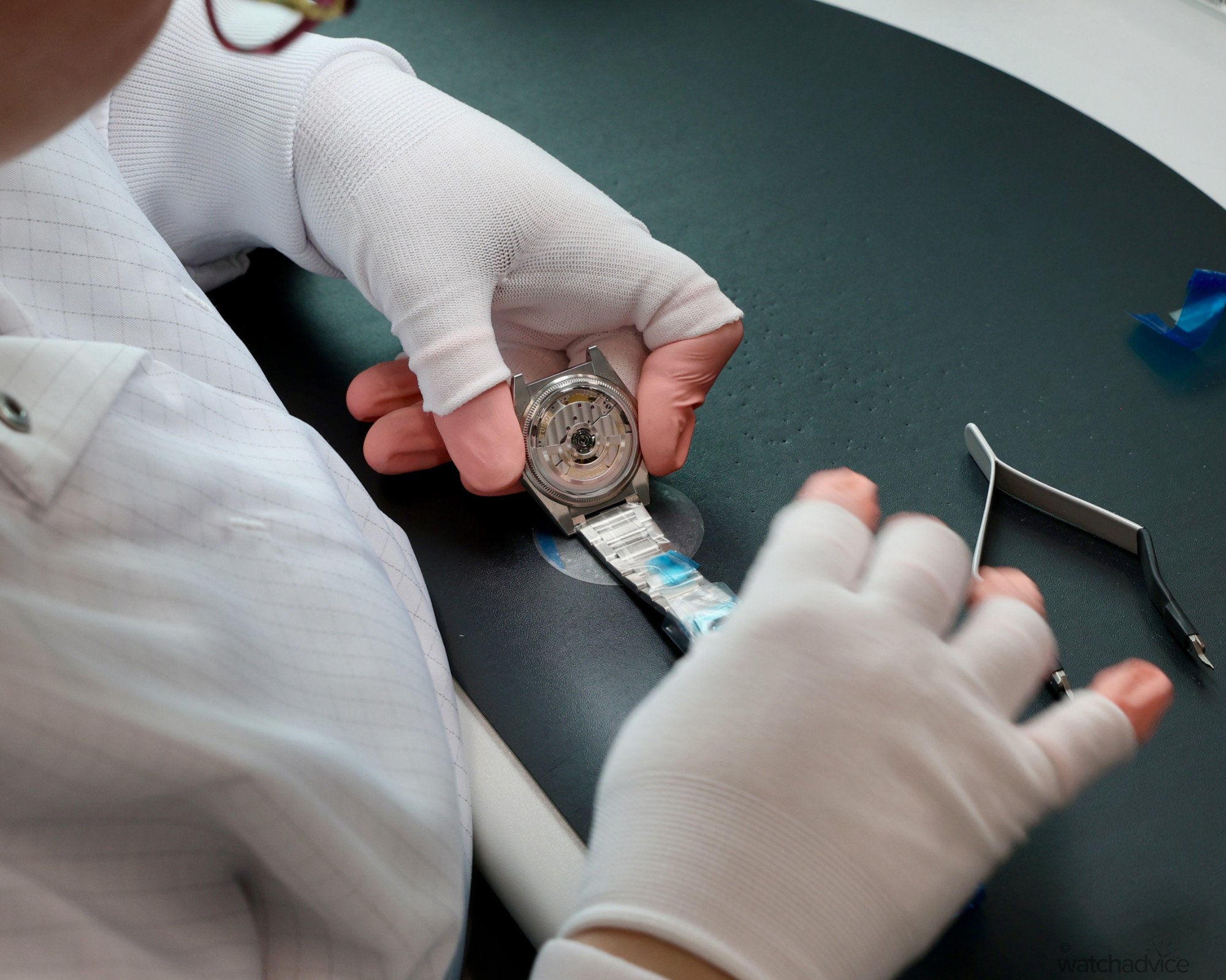
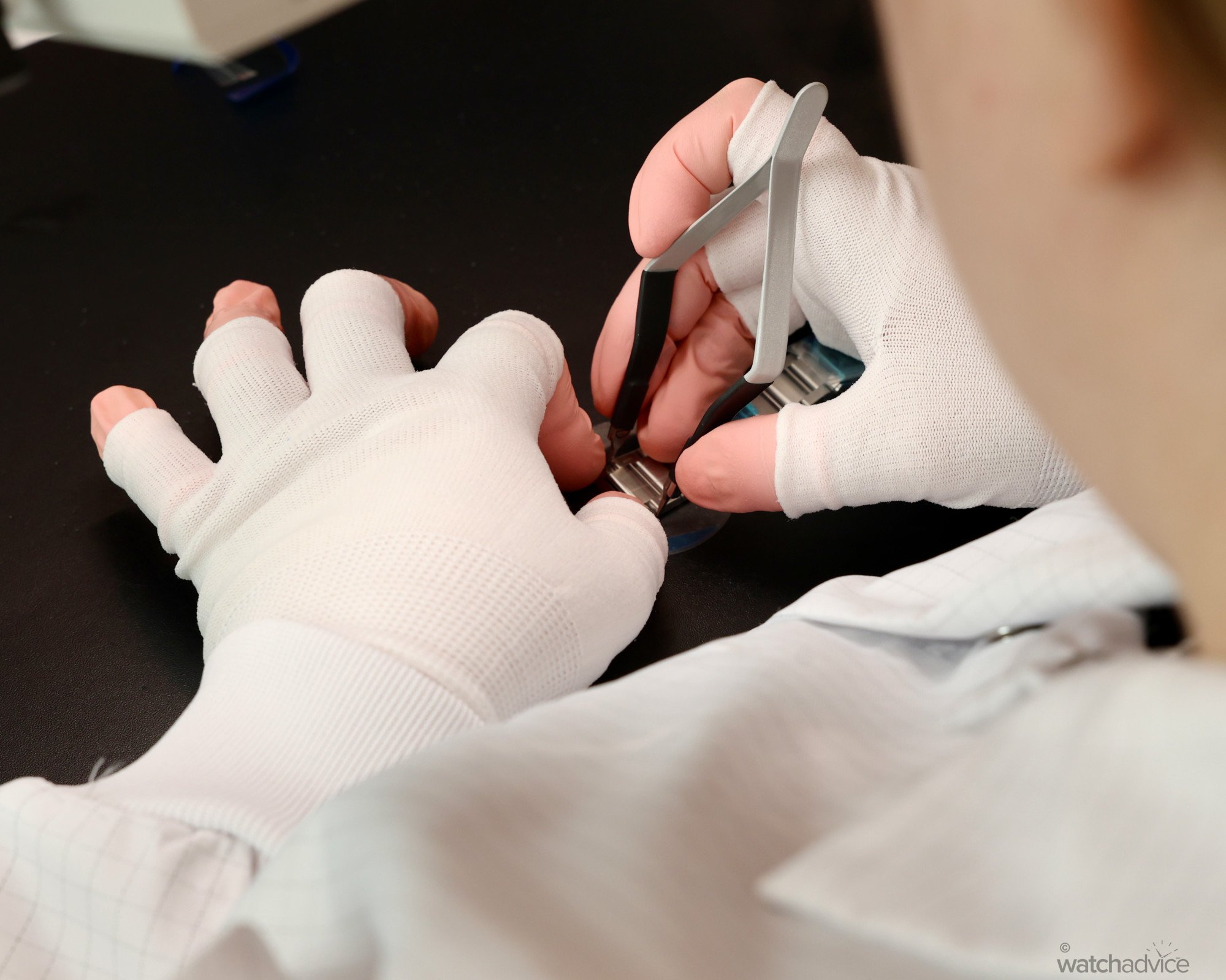
Because the watchmakers are doing this day in, day out, over and over, the pace at which they work is phenomenal, and it is easy to see why people in this industry haven’t and won’t for a very long time, be replaced by machines when it comes to watch assembly.
What Stood Out To Us
When I compare Tudor to any of the many other Manufactures Watch Advice has visited, what struck me was less the watch making, and more the focus on how Tudor is progressing modern watchmaking. Some brands focus on tradition and history, others focus on craftsmanship, and some on engineering and technology.

How I see Tudor is this: focusing on the modern watch buyer and producing a great, value-driven watch that still punches above its price point through a modern industrial approach to production. Adding to this, Tudor, along with Kenissi, focuses on and doubles down on core movements, with a base architecture built and scaled across multiple movements. Why is this good? It ensures a certain level of quality across the entire range, especially with COSC and METAS certifications.
Doing this, the brand has been able to design a facility that leans into this, and through smart processes combined with automation to save time and create efficiencies, coupled with the human touch of movement assembly and the “No Stock Approach”, it means Tudor can produce great watches that are still well within the mid-level luxury tier.
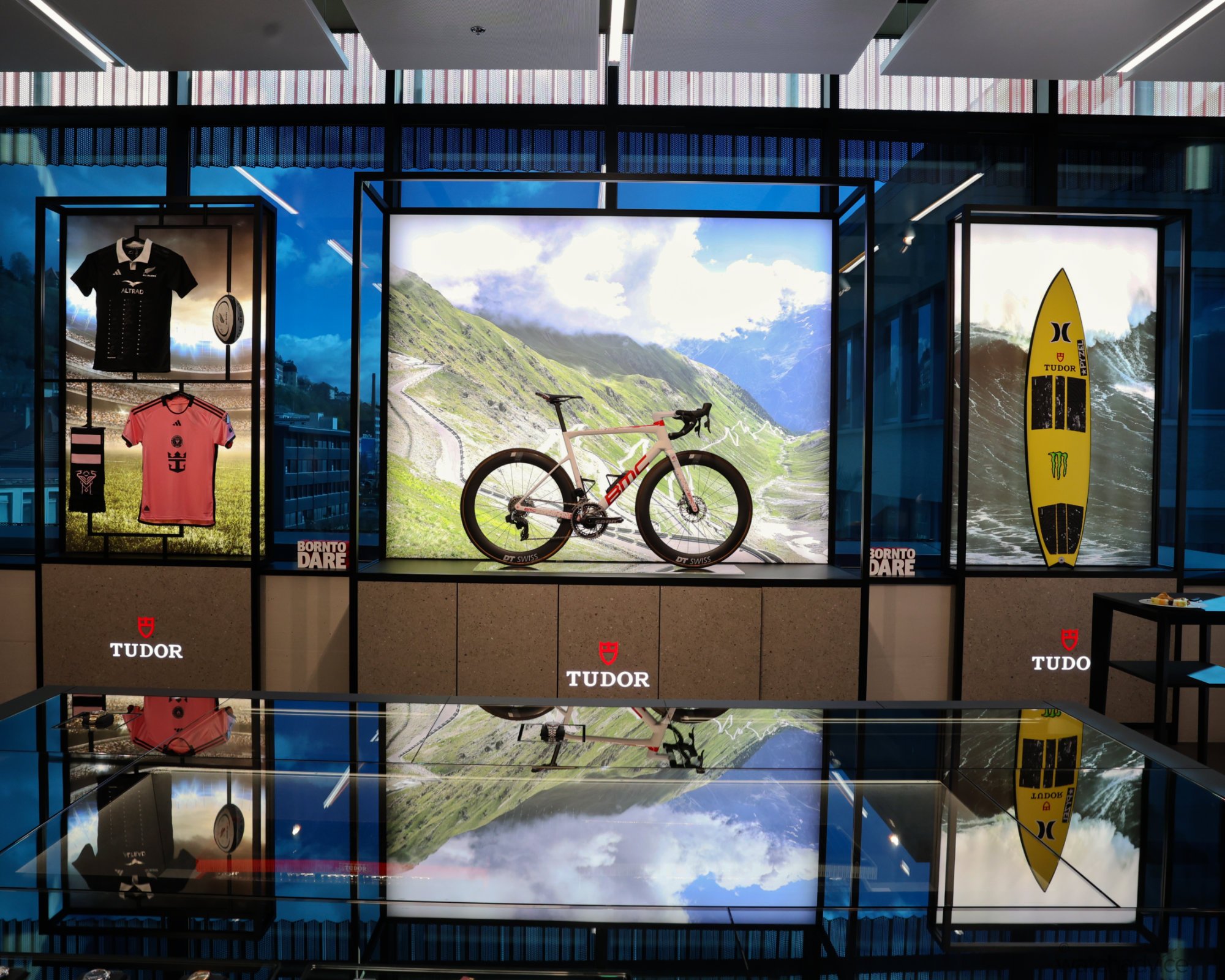
Tudor does have heritage, and while the manufacture is built for the future to produce watches at scale at the highest quality, Tudor still looks back at its history to draw inspiration. With this, the brand then taps into the active lifestyle, as these are watches designed for daily wear, no matter what people’s pursuits are. The Black Bay is a prime example of this – a vintage-style dive watch that references both Rolex and Tudor models from the 1950s and 1960s, but is designed for today.
I’ve had three Tudors over the years, and they have all been great watches. They have all been Black Bays as well, like my Black Bay Burgundy that was released a few years ago. The perfect everyday watch that is both modern in construction and vintage styled.
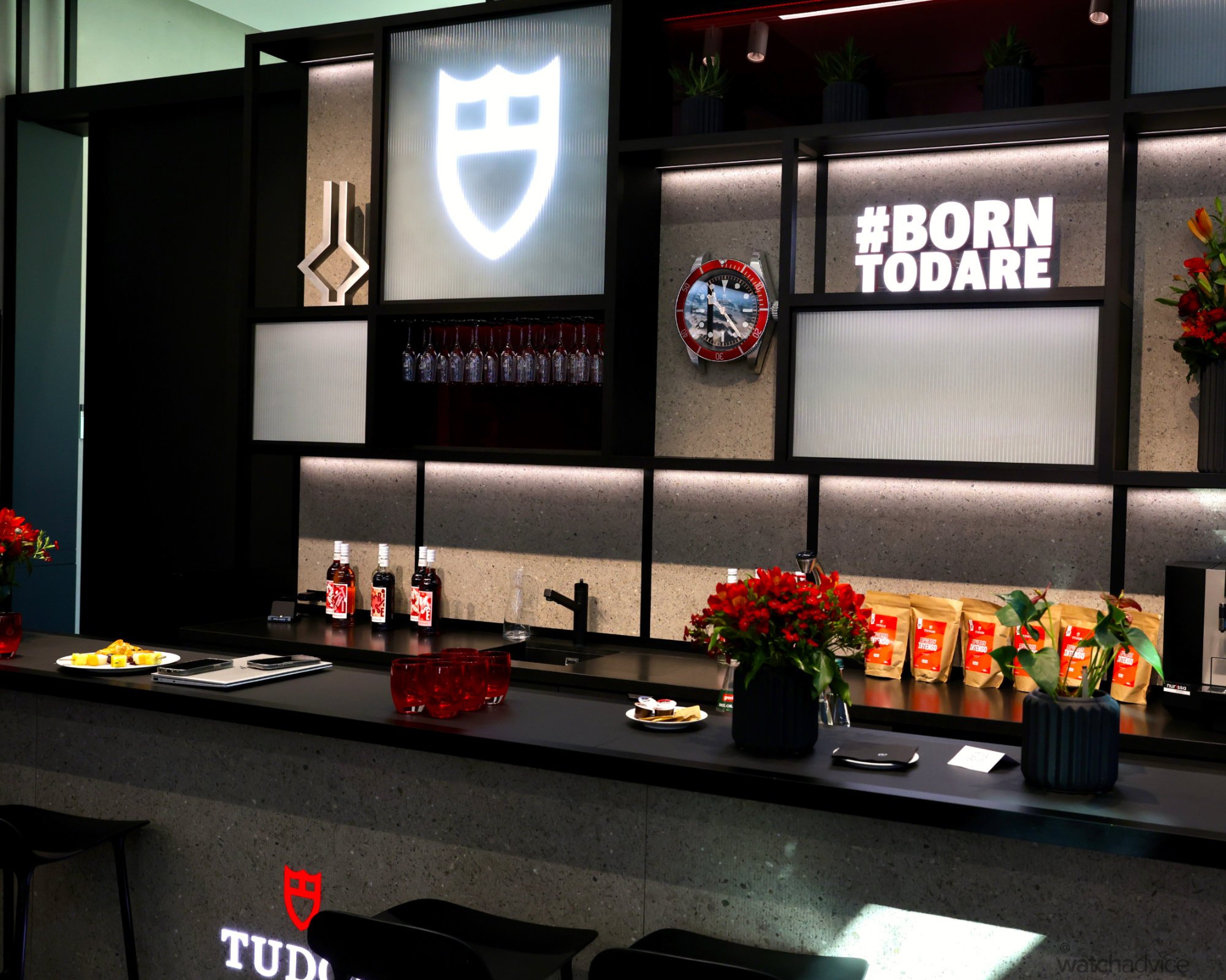
On that note, we say goodbye to Tudor, coming away with a lot more appreciation for the brand. Watch Advice would like to extend a massive thank you to the Tudor team here in Australia and Switzerland for organising, and to Cole Pennington for being our guide for the day.