

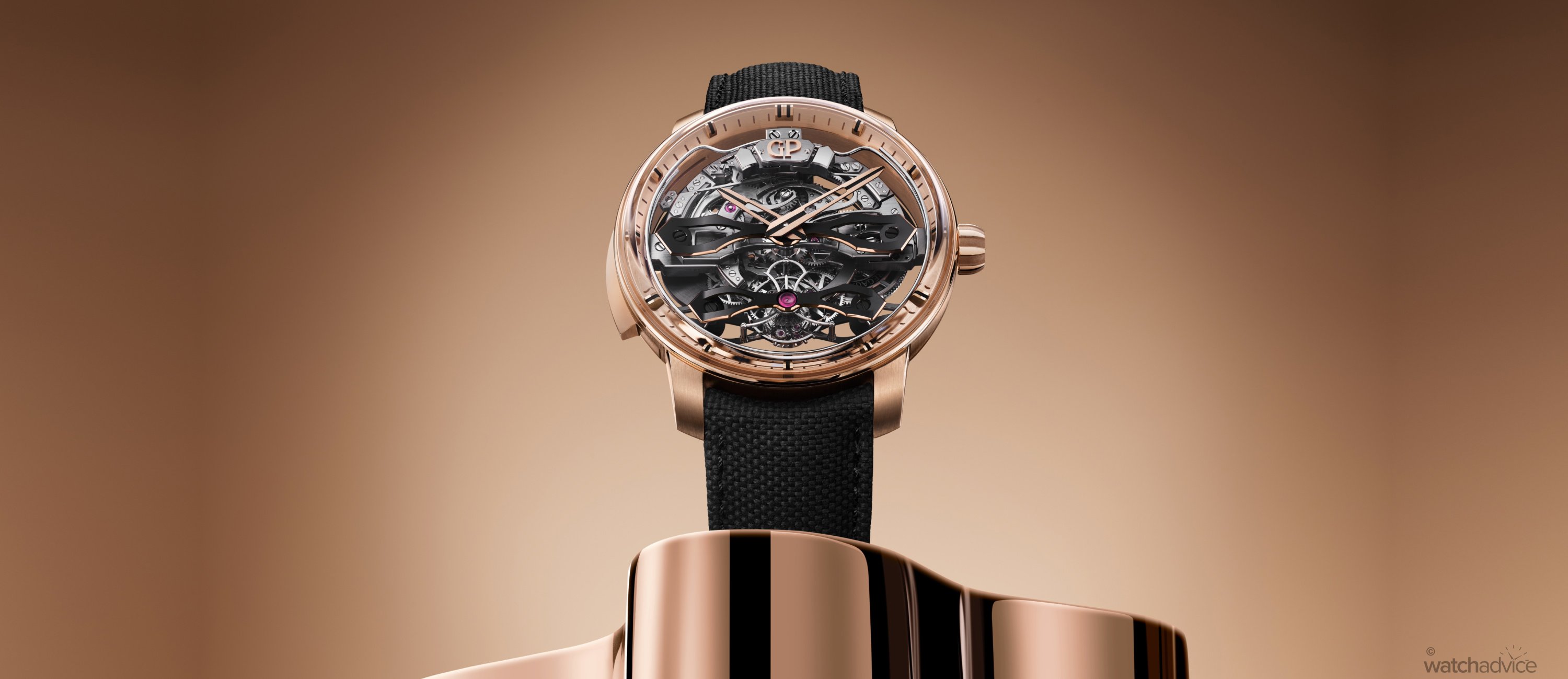
Girard-Perregaux introduces the Minute Repeater Flying Bridges, powered by the new GP9530 calibre, combining a minute repeater, tourbillon and micro-rotor.
Girard-Perregaux has expanded its portfolio of high complications with the launch of the Minute Repeater Flying Bridges, a new timepiece built around the Manufacture’s latest calibre, the Girard‑Perregaux Calibre GP9530.
The release marks the third new benchmark movement introduced by the brand in less than six months, reinforcing the manufacture’s continued focus on high-end mechanical watchmaking. Combining a minute repeater, a tourbillon and a newly developed self-winding system, the movement brings together multiple complications in an architecture that highlights both sound and symmetry.
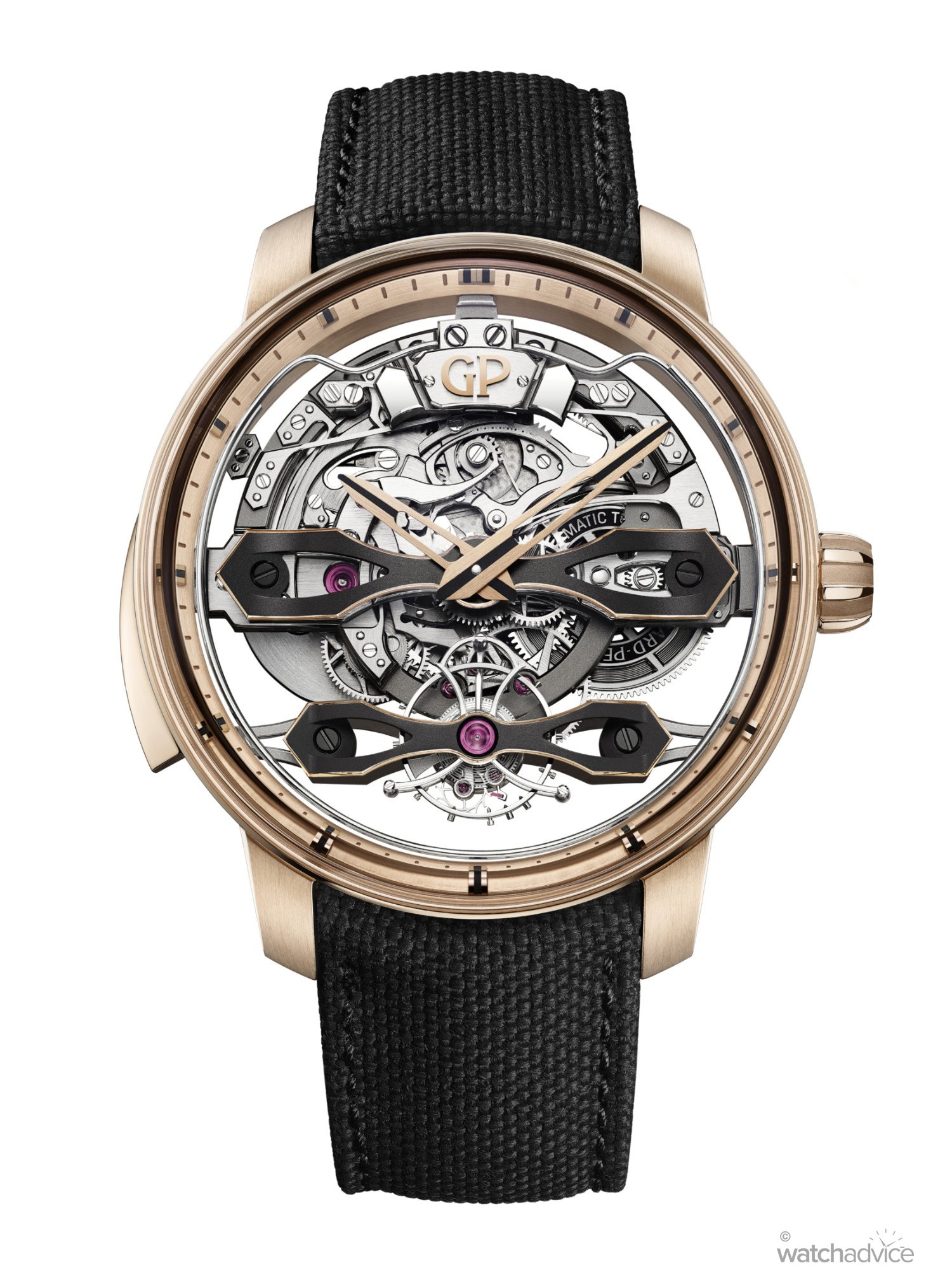
Girard-Perregaux’s longstanding design signature – the Three Bridges – is reinterpreted here through the brand’s modern Flying Bridges concept.
At its core, the watch focuses on the minute repeater, one of the most traditional and technically demanding complications in watchmaking. The mechanism allows the wearer to “listen” to the time on demand, chiming the hours, quarter-hours, and minutes using a series of hammers that strike gongs wrapped around the movement.
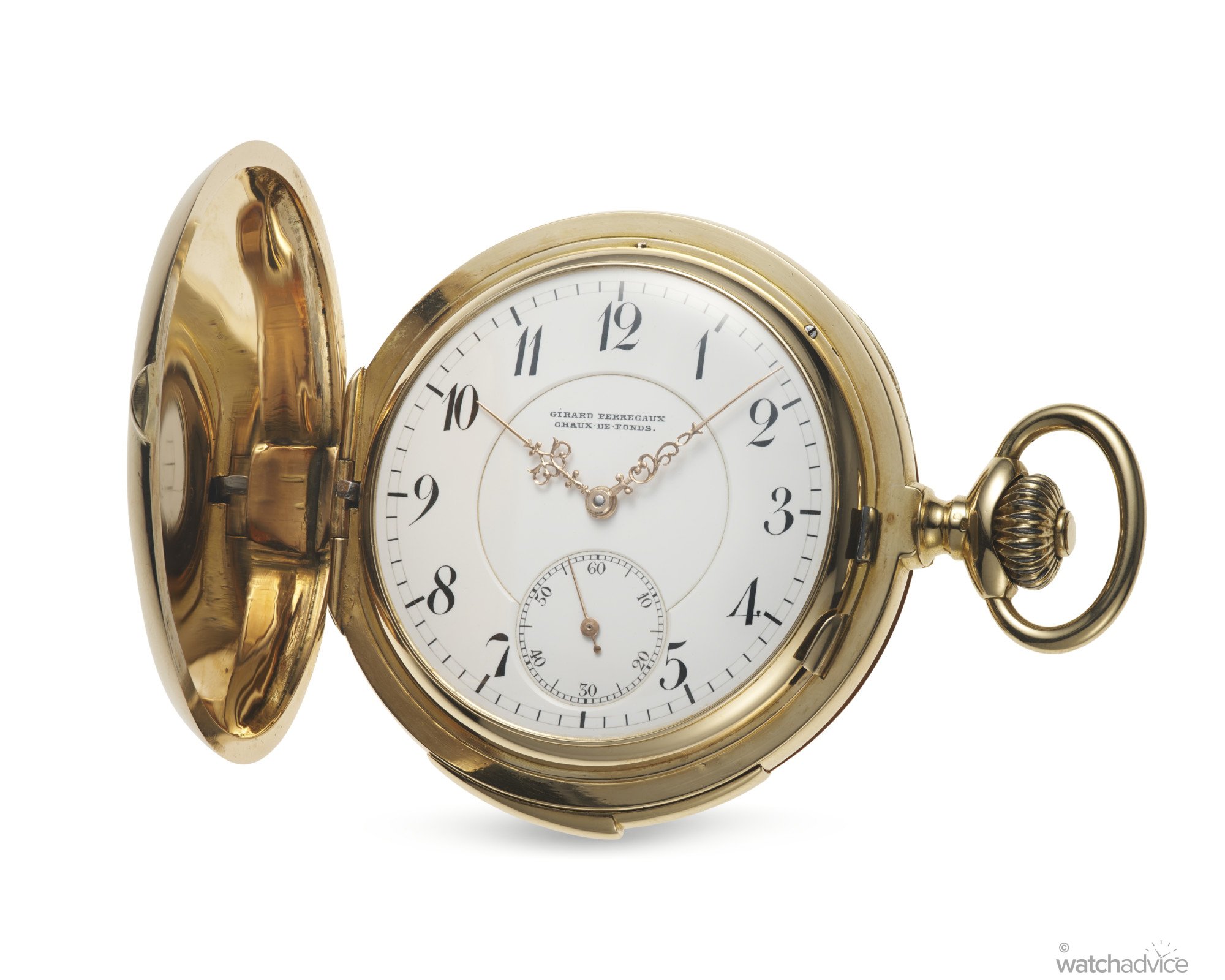
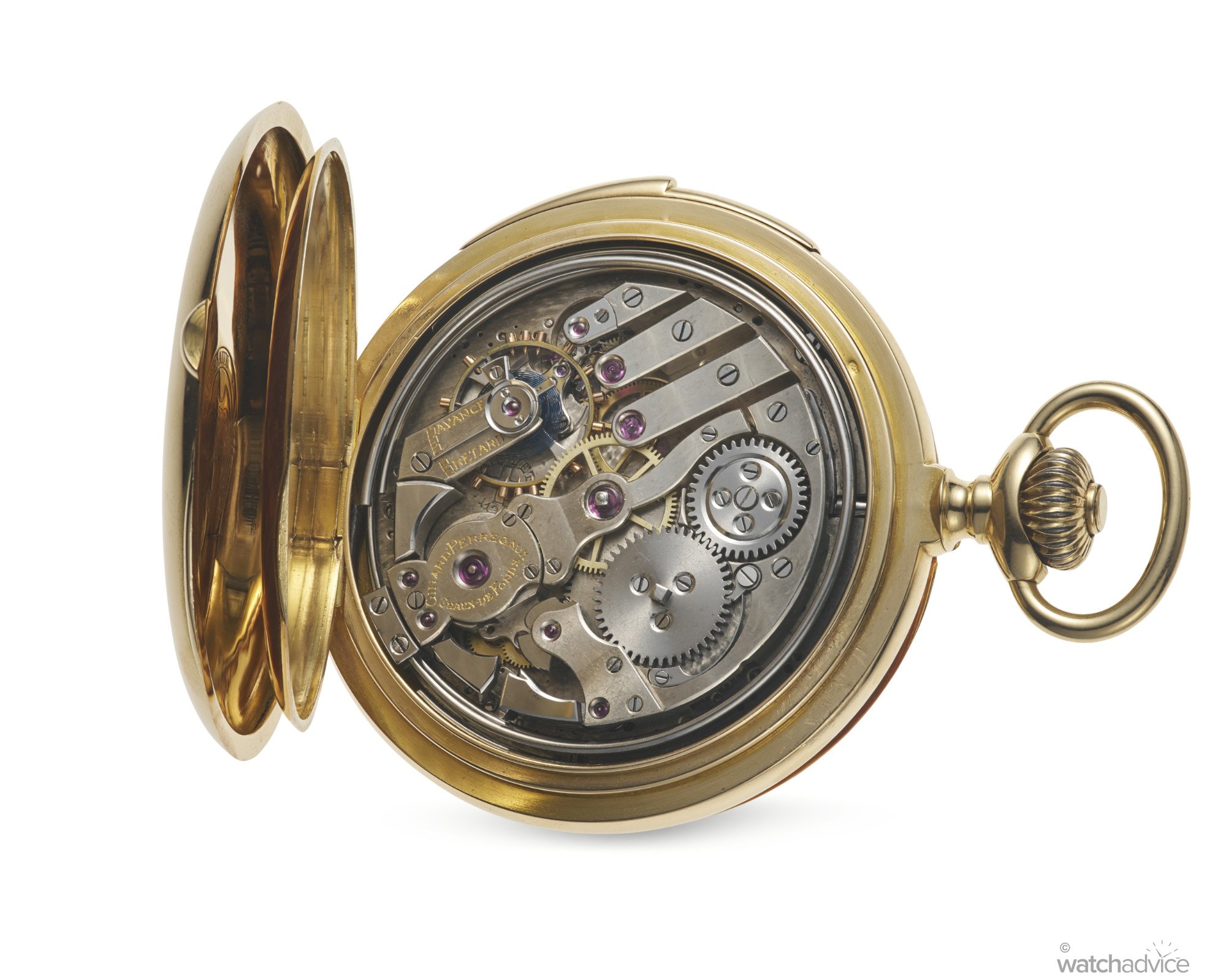
While the concept dates back centuries, Girard-Perregaux has been refining this complication for generations, with roots in the early work of Geneva watchmaker Jean‑François Bautte in the late 18th and early 19th centuries.
A New Movement Focused on Sound
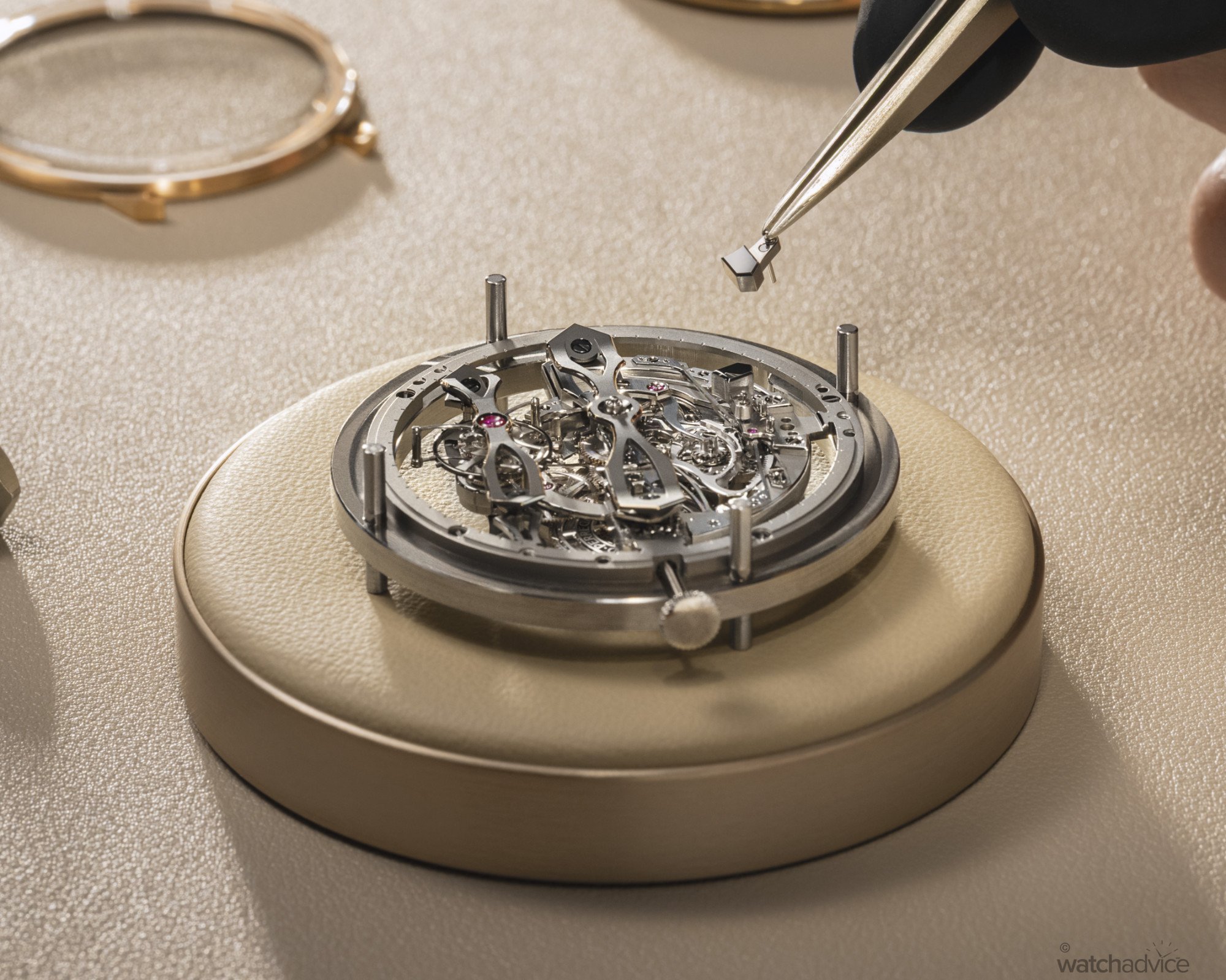
The new Calibre GP9530 from Girard-Perregaux is the centrepiece of the watch and a significant technical development for the manufacture. Entirely designed, produced and assembled in-house, the movement consists of 475 components and requires around 440 hours of assembly and finishing.
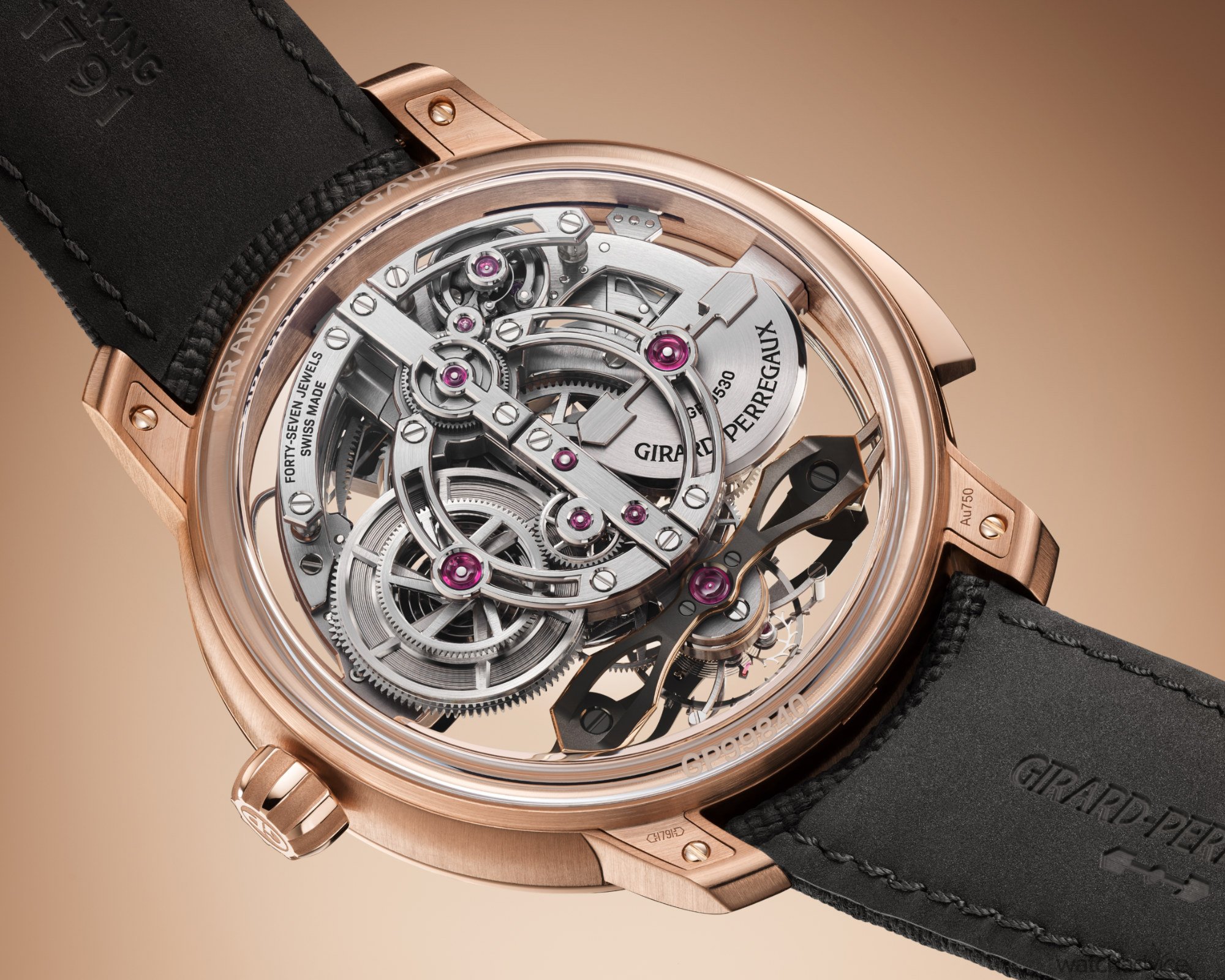
From the outset, the movement was developed with acoustics in mind. Achieving a clear and balanced sound in a wristwatch-sized minute repeater requires careful attention to materials, case construction and movement layout. To help maximise resonance, Girard-Perregaux has used titanium for the mainplate and bridges, a material chosen for its combination of lightness, rigidity, and acoustics. This helps vibrations travel efficiently through the movement and into the case, improving the clarity of the chime.
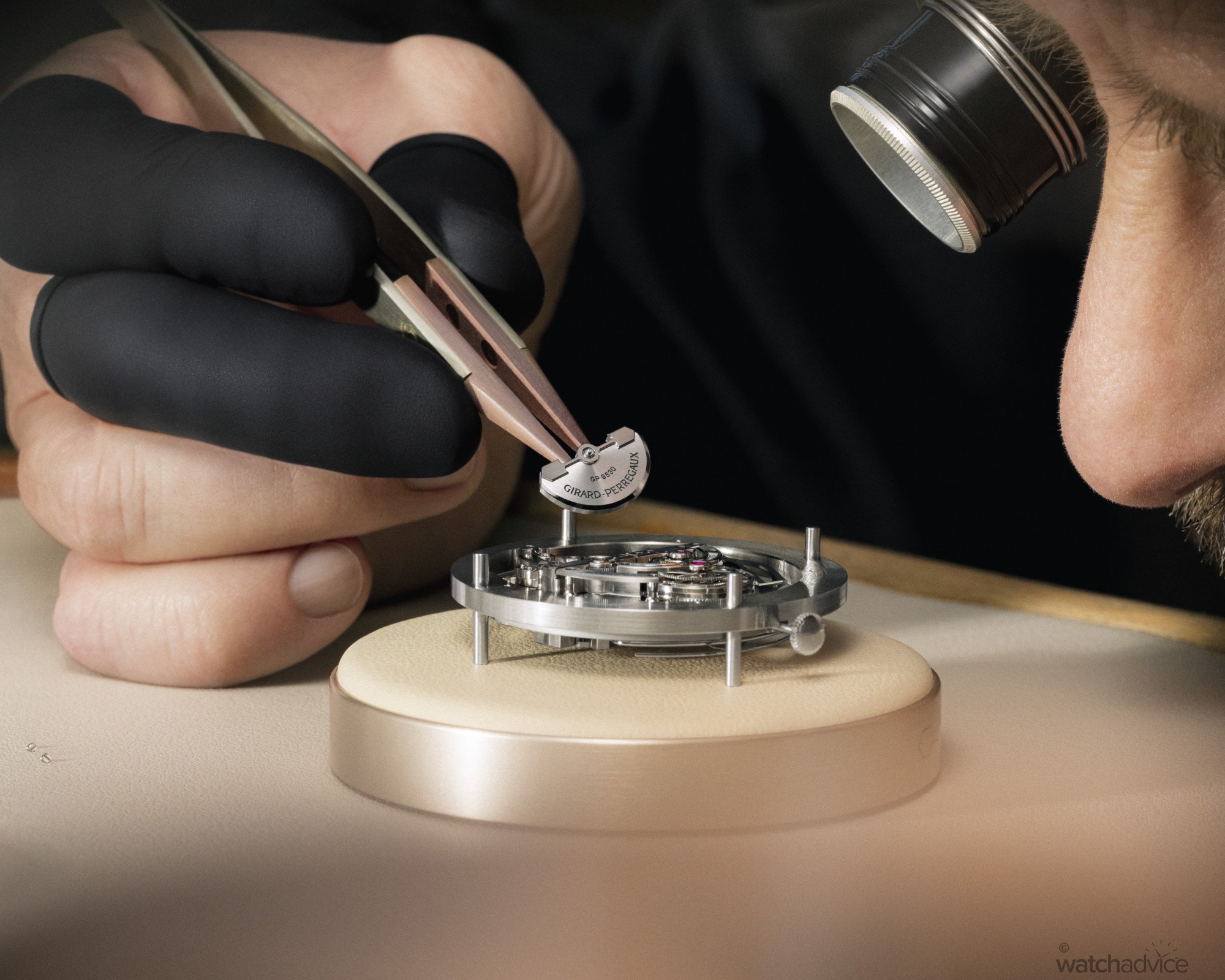
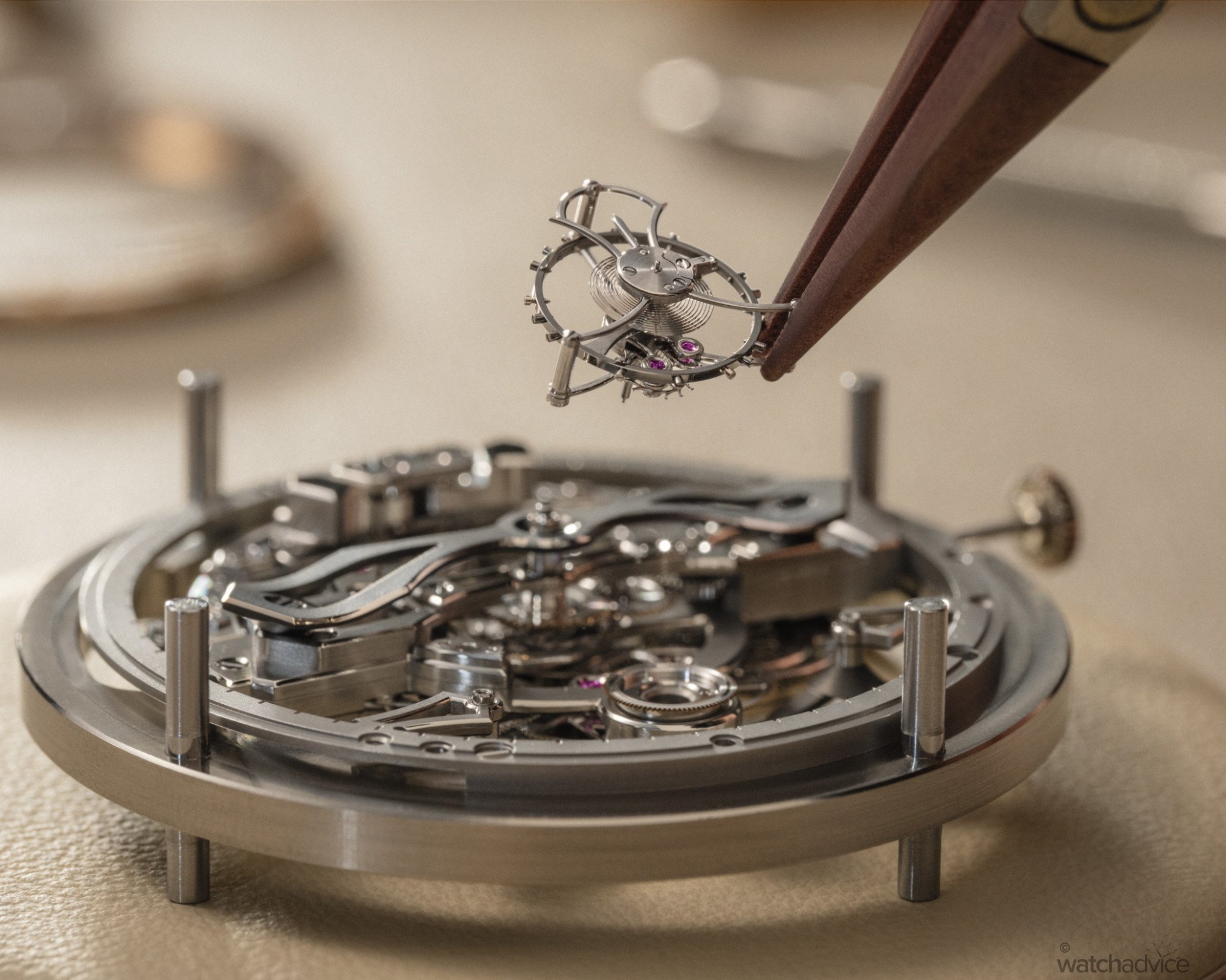
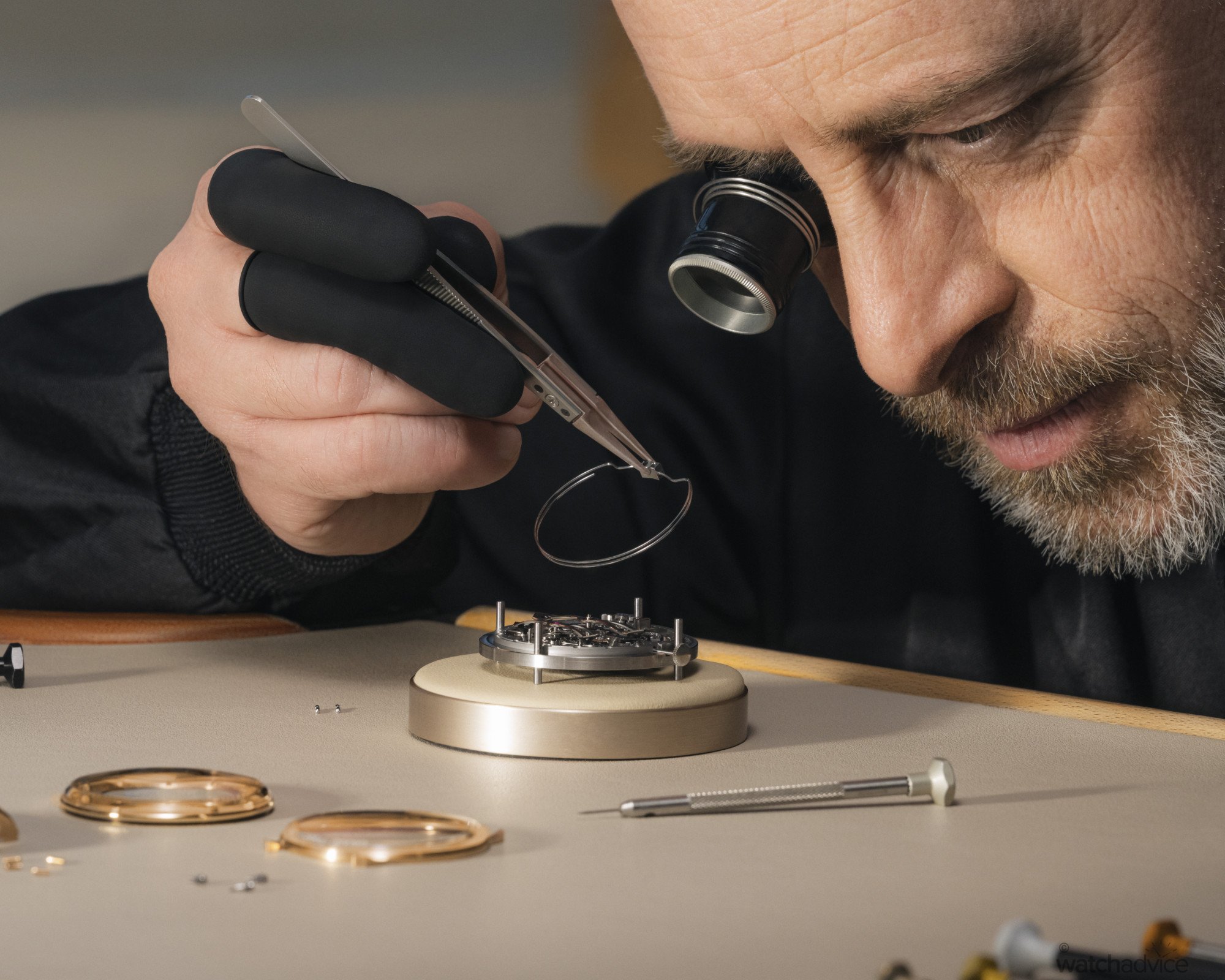
The movement architecture is also designed to minimise unwanted noise. The gongs and their supporting stud are crafted from a single piece of metal, which helps ensure a consistent tone when struck by the hammers. Meanwhile, the centrifugal regulator that controls the tempo of the chiming sequence has been positioned on the reverse side of the movement, reducing interference with the sound.
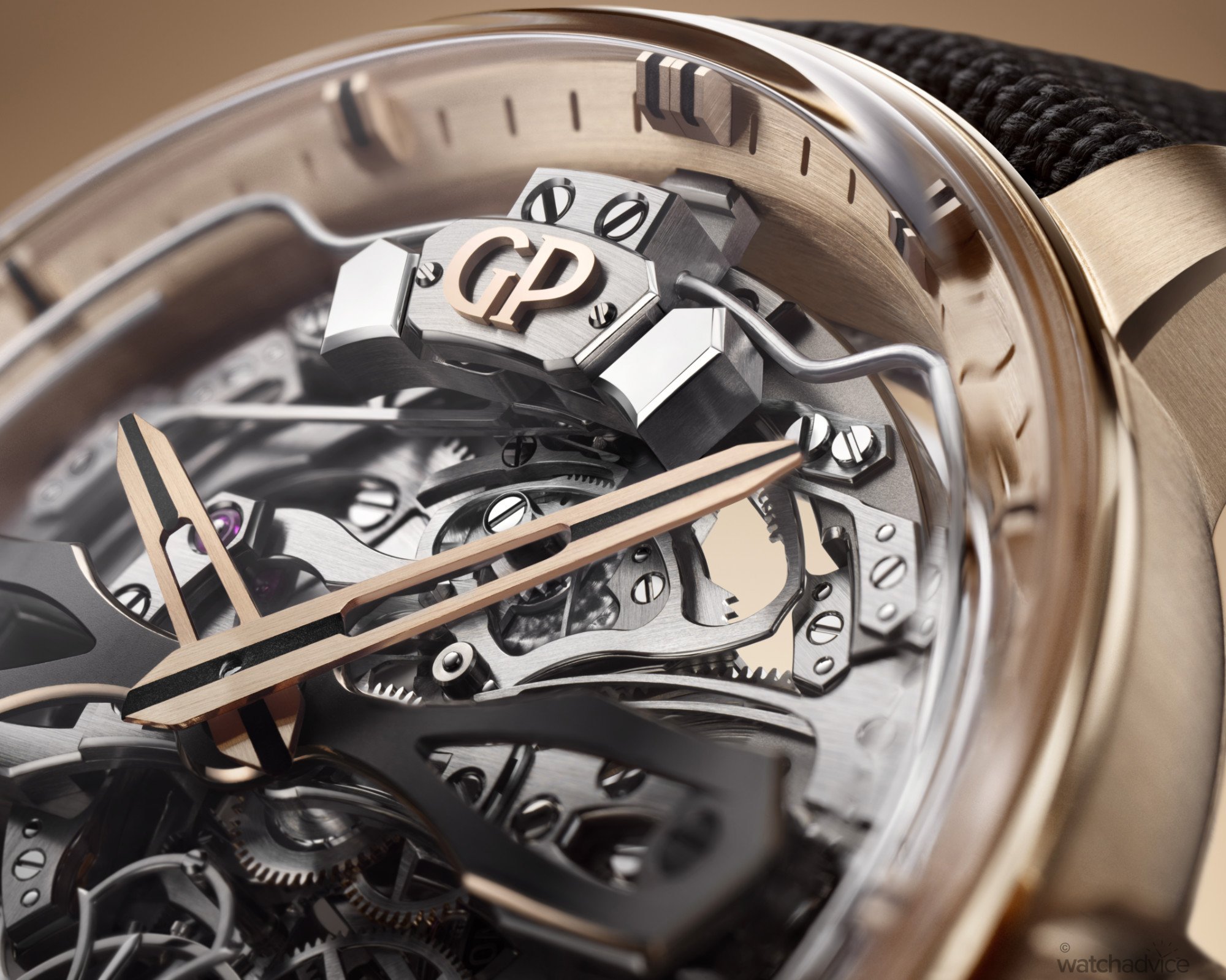
Another key feature is the micro-rotor self-winding system, which keeps the watch wound while remaining compact enough to preserve the openworked architecture. Made from white gold and fitted with jewels, the micro-rotor is engineered to operate silently, ensuring it does not interfere with the acoustic performance of the repeater.
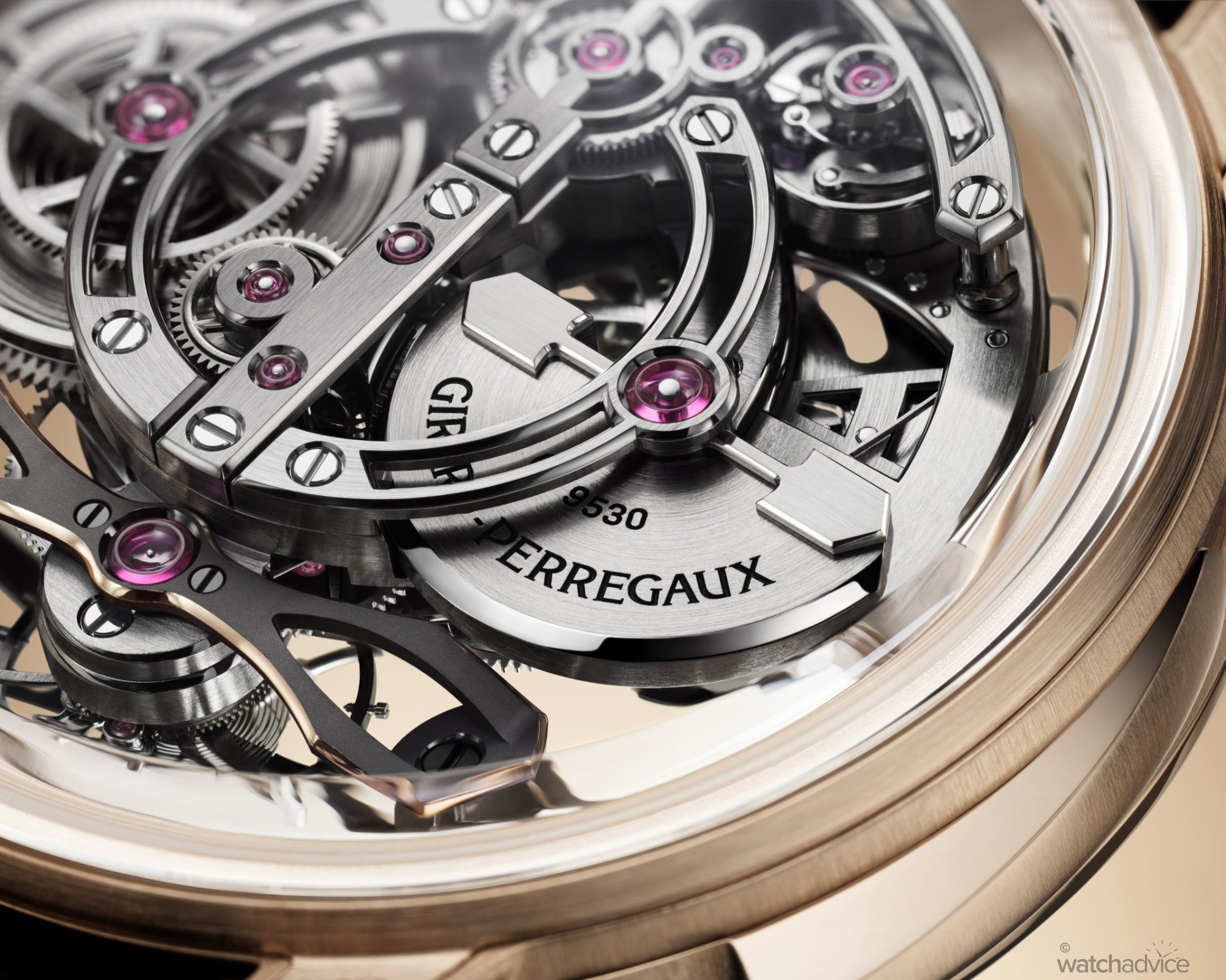
Operating at 21,600 vibrations per hour (3 Hz) and offering a minimum 60-hour power reserve, the movement also integrates a tourbillon at 6 o’clock. The tourbillon cage follows Girard-Perregaux’s traditional lyre-shaped design, a signature element of the brand for over a century. Here it doubles as a small seconds display, with its own dedicated hand.
The Flying Bridges Architecture
Visually, the watch builds on Girard-Perregaux’s long association with the Three Bridges design. First introduced in the 19th century with the famous Girard‑Perregaux Tourbillon with Three Gold Bridges, the architecture was revolutionary, turning the movement’s functional elements into the visual centrepiece of the watch.
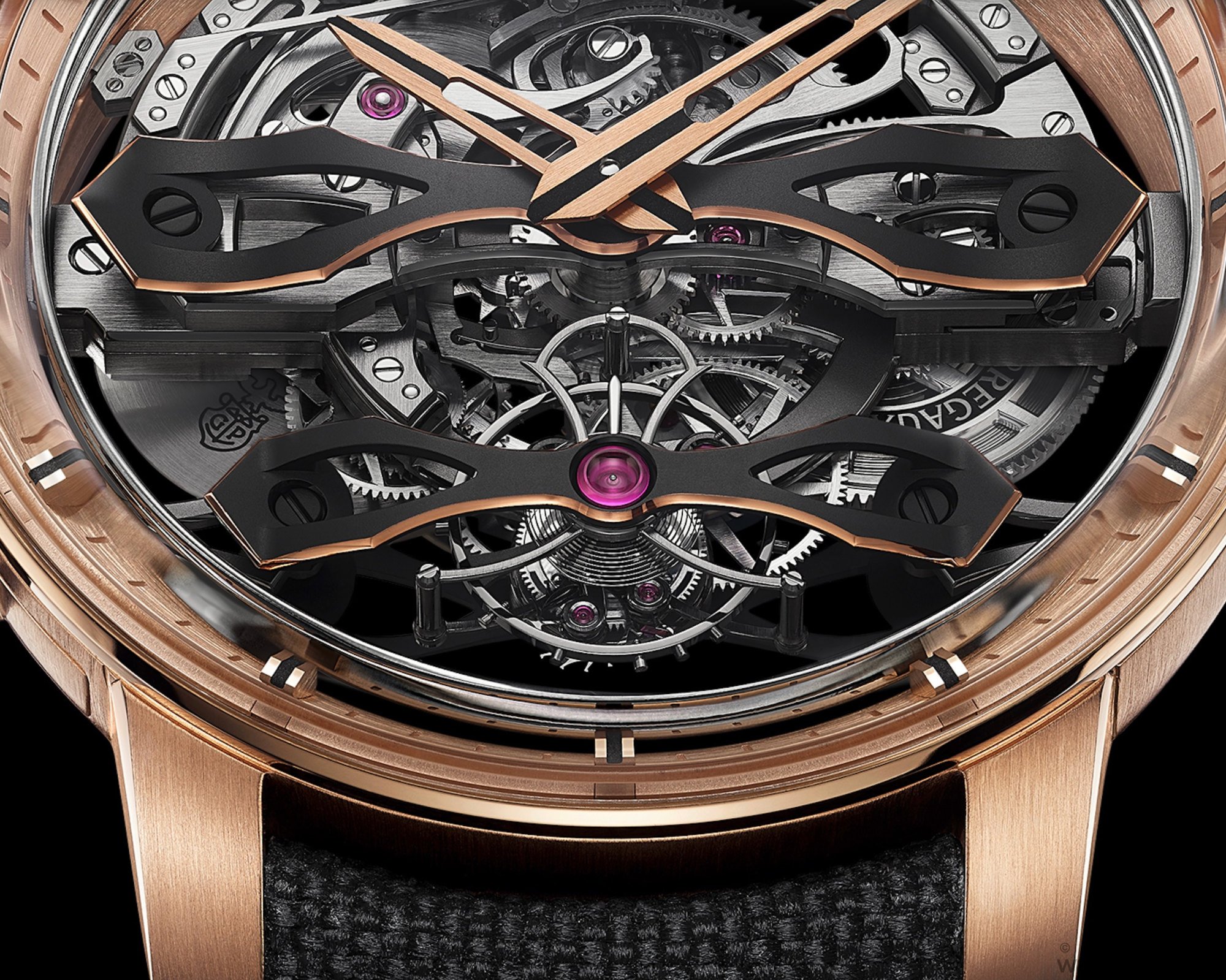
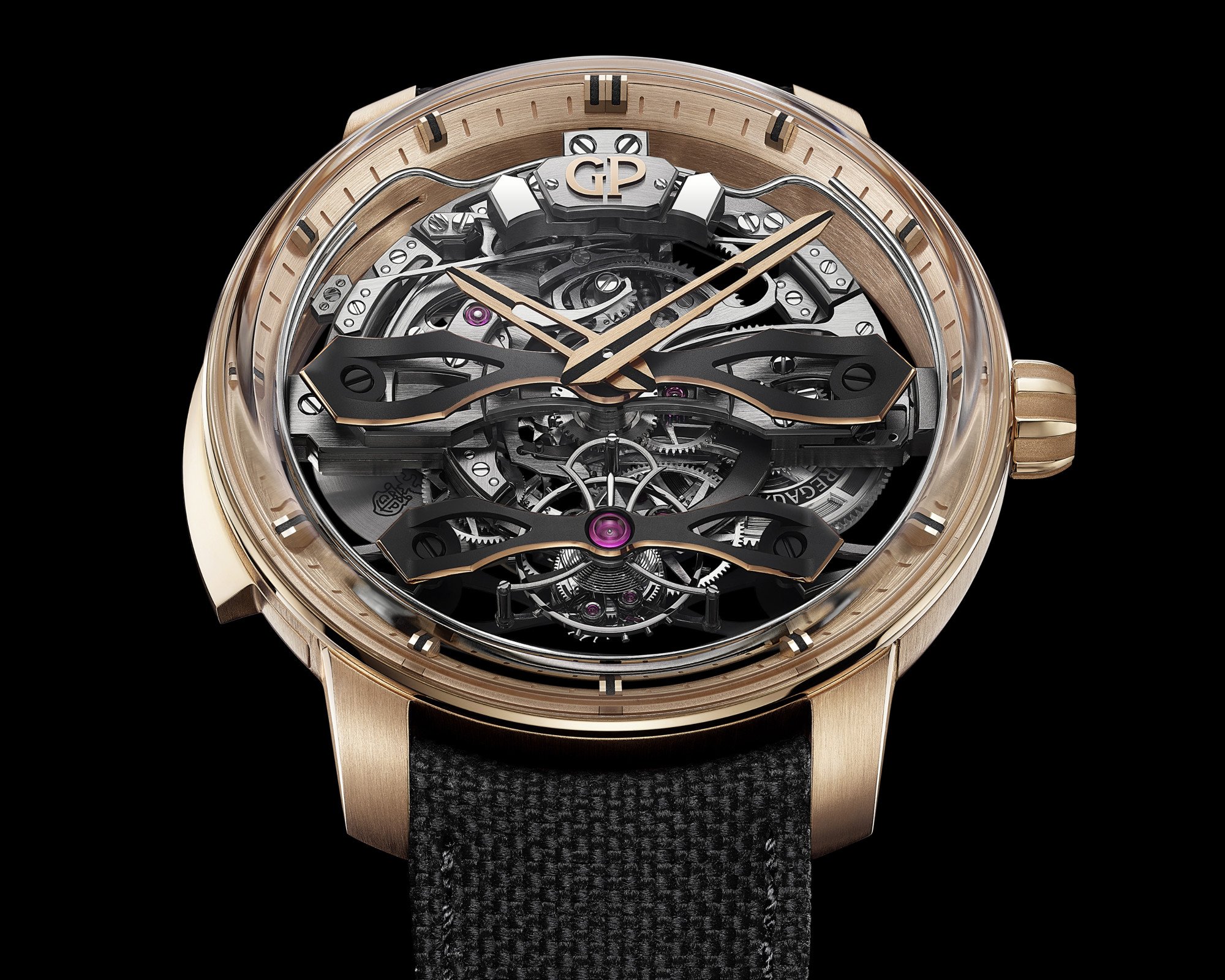
In the Minute Repeater Flying Bridges, this concept is revisited in a contemporary openworked form. Two of the pink gold bridges appear to float above the movement, supporting key components including the barrel, gear train and tourbillon. In this modern interpretation, the third bridge is positioned on the back of the movement rather than on the dial side, preserving symmetry while allowing the chiming mechanism to take centre stage.
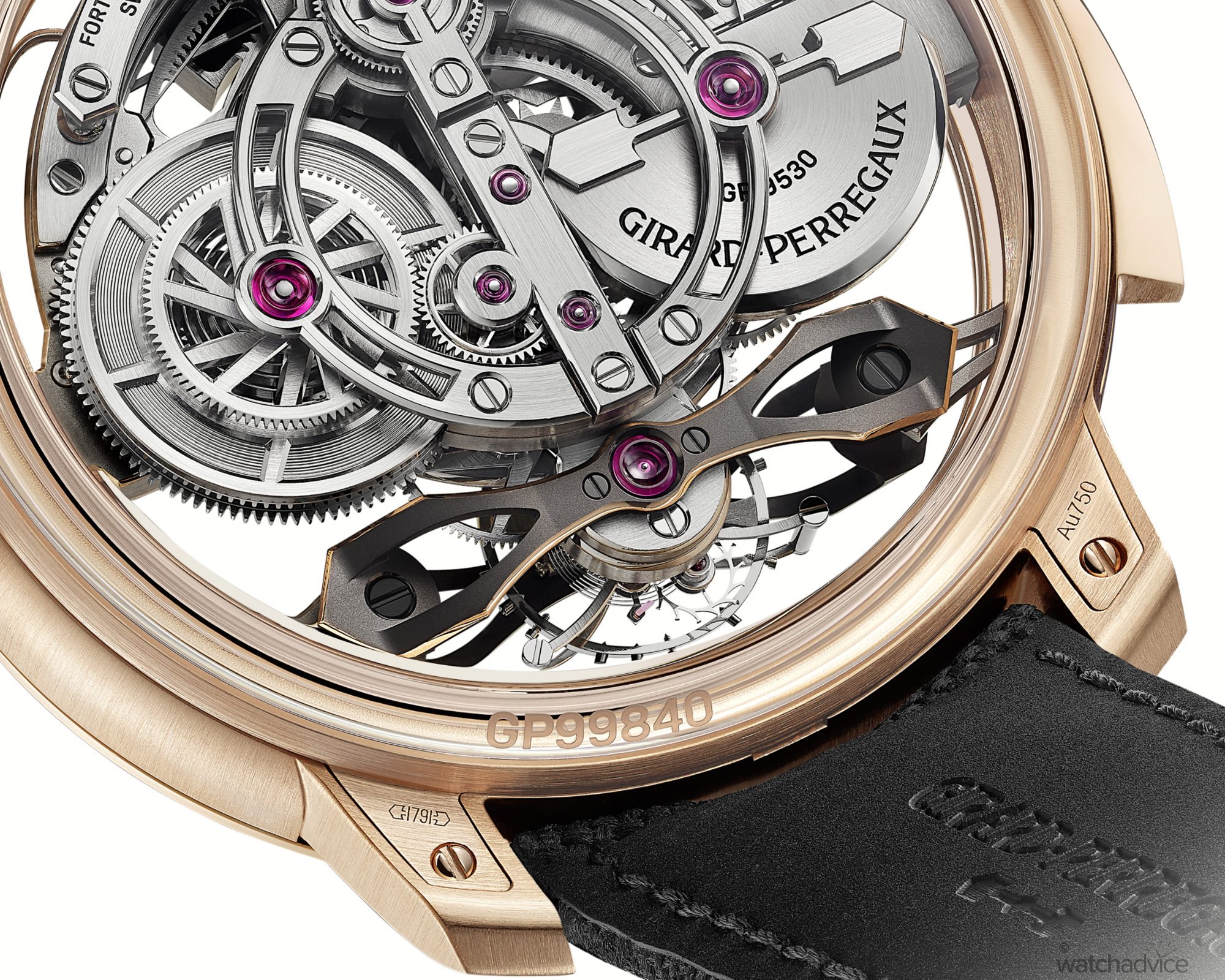
The arrow-shaped bridge design remains a defining detail. It is evident throughout the watch, appearing not only in the bridges themselves but also in the shape of the repeater hammers, springs, and even the slide piece that activates the chiming mechanism.
Case Construction and Acoustics
The watch is housed in a 46mm pink gold case, 17.9mm thick – dimensions that accommodate both the complex movement and the acoustic requirements of the minute repeater. However, as you can see from the image below, much of that thickness is taken up by the double box-shaped sapphire crystals on both the front and back. These amplify the resonance of the gongs within the case and enhance the sound while providing an unobstructed view of the openworked movement.
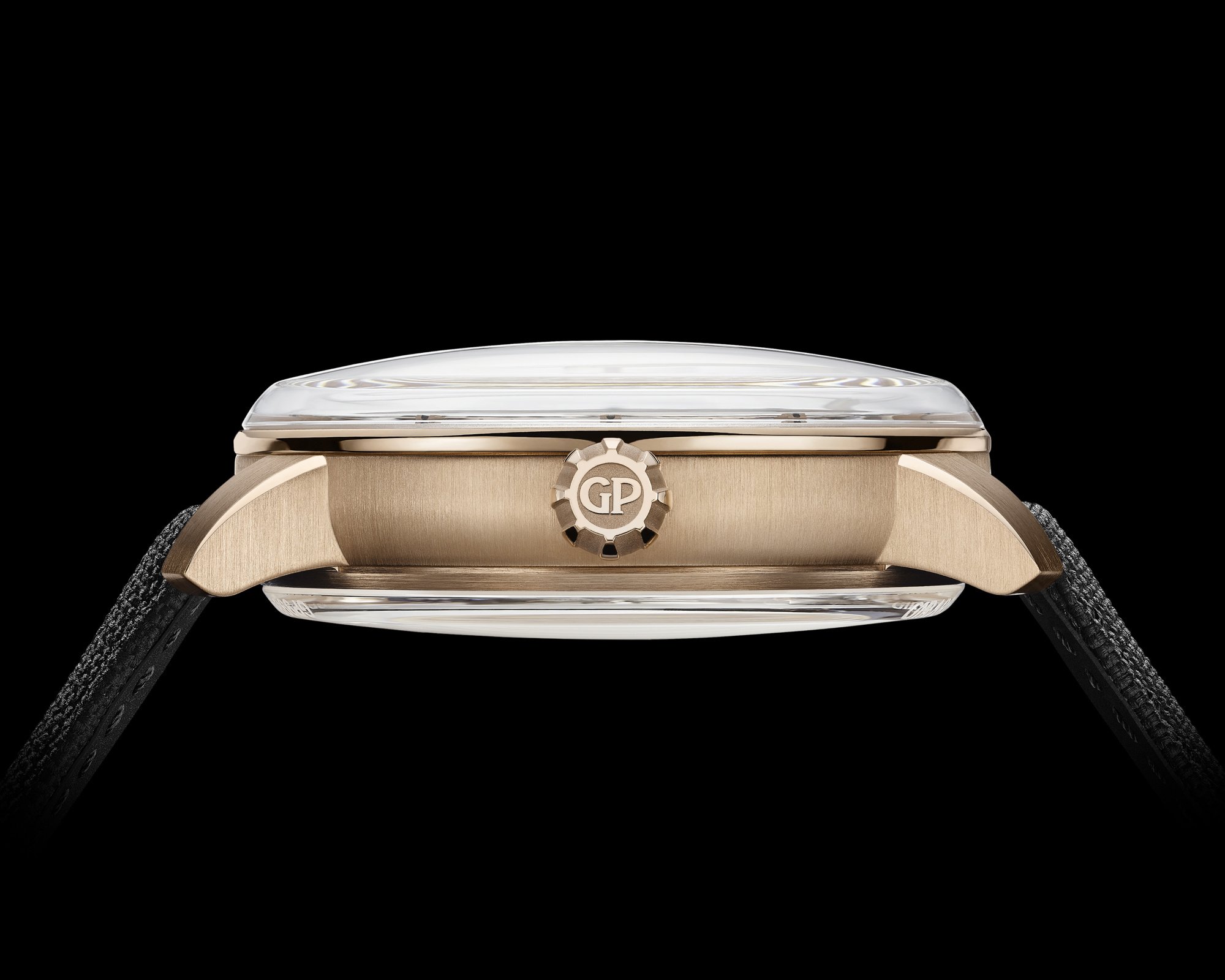
The repeater is activated via a newly developed arrow-shaped slide piece integrated into the monobloc case middle. Beyond triggering the chiming mechanism, this system also contributes to the watch’s 30-metre water resistance, an uncommon feature for such a complex chiming watch.
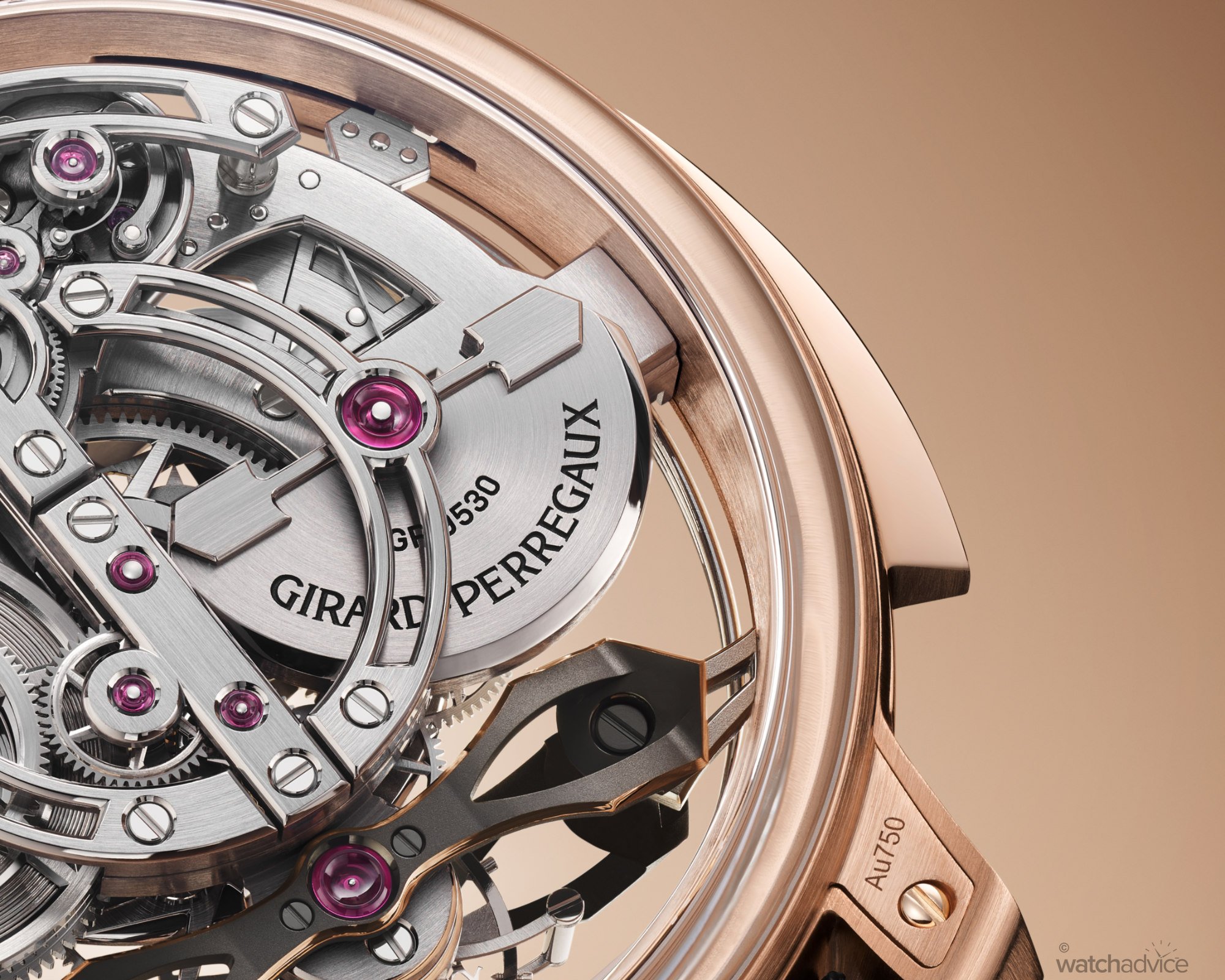
Inside the case, the movement plate is directly secured to the case itself. This design allows vibrations generated by the gongs to travel efficiently from the movement to the case, improving both projection and clarity of the chime.
Finishing and Craftsmanship
Beyond the technical complexity, the Minute Repeater Flying Bridges showcases a high level of finishing across the movement. The openworked calibre features 1,340 hand-polished chamfers, including 295 interior angles, a detail that highlights the extensive manual work involved in producing the Calibre GP9530.
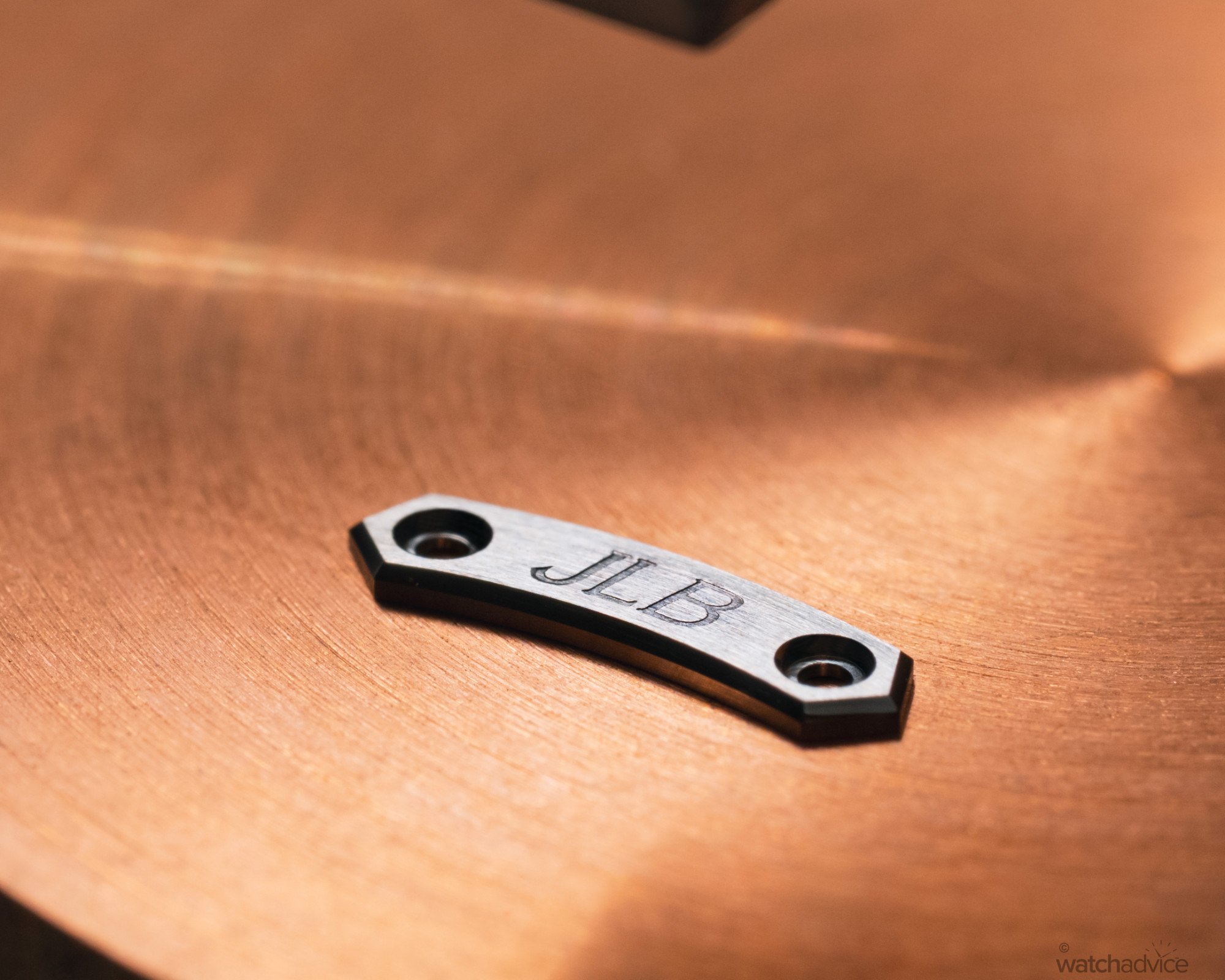
Each watch is assembled by a single master watchmaker, whose initials are discreetly engraved on a small plate integrated within the skeletonised movement. It’s a subtle but meaningful nod to the craftsmanship involved in building a watch of this level.
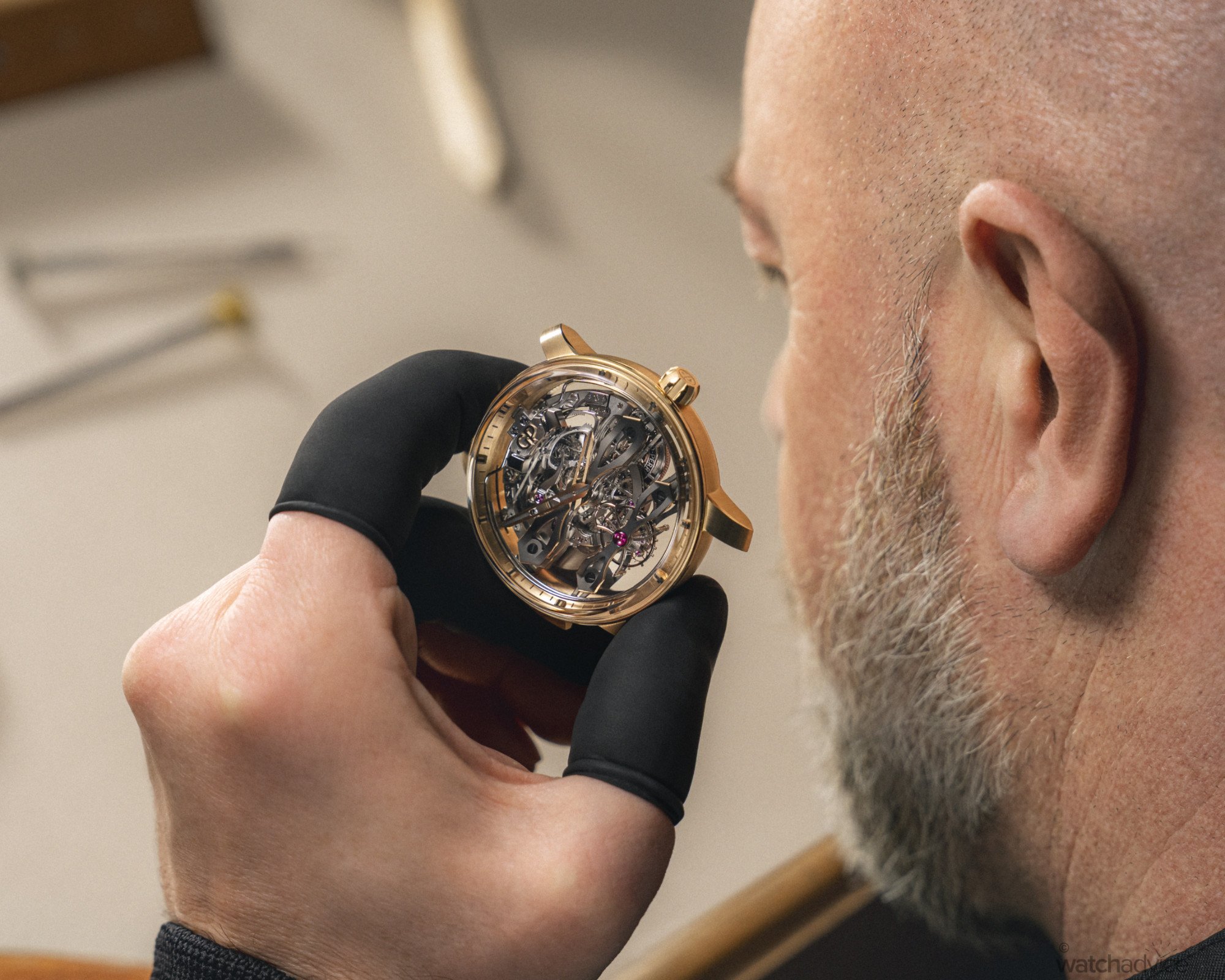
The dial side remains largely open, with a pink gold inner bezel ring and applied hour markers coated with blue-emission luminescent material. Matching pink gold openworked hands ensure legibility while maintaining the watch’s overall transparency, and the gongs can be seen wrapping around the outer part of the dial.
Initial Thoughts
It is not often these days that you see a watch and say, “Wow!” But I can safely say, the Girard-Perregaux Minute Repeater Flying Bridges is one of those watches. While I have not seen this in person (yet), I’ve had the pleasure of trying on other Girard-Perregaux Three Bridges in the past, and they always leave an impression on me, such as the Aston Martin Neo Bridges from a few years ago.
The Laureato often takes up much of Girard-Perregaux’s limelight, but the Three Bridges collection is remarkable, and the watches wear better on the wrist than the specs would have you believe. Yes, they’re larger watches, but they don’t feel it for the most part. Girard-Perregaux may not be as hyped as some other brands and, as a result, can be overlooked by collectors. But the brand has a rich history and incredible watchmaking, as we can see here.
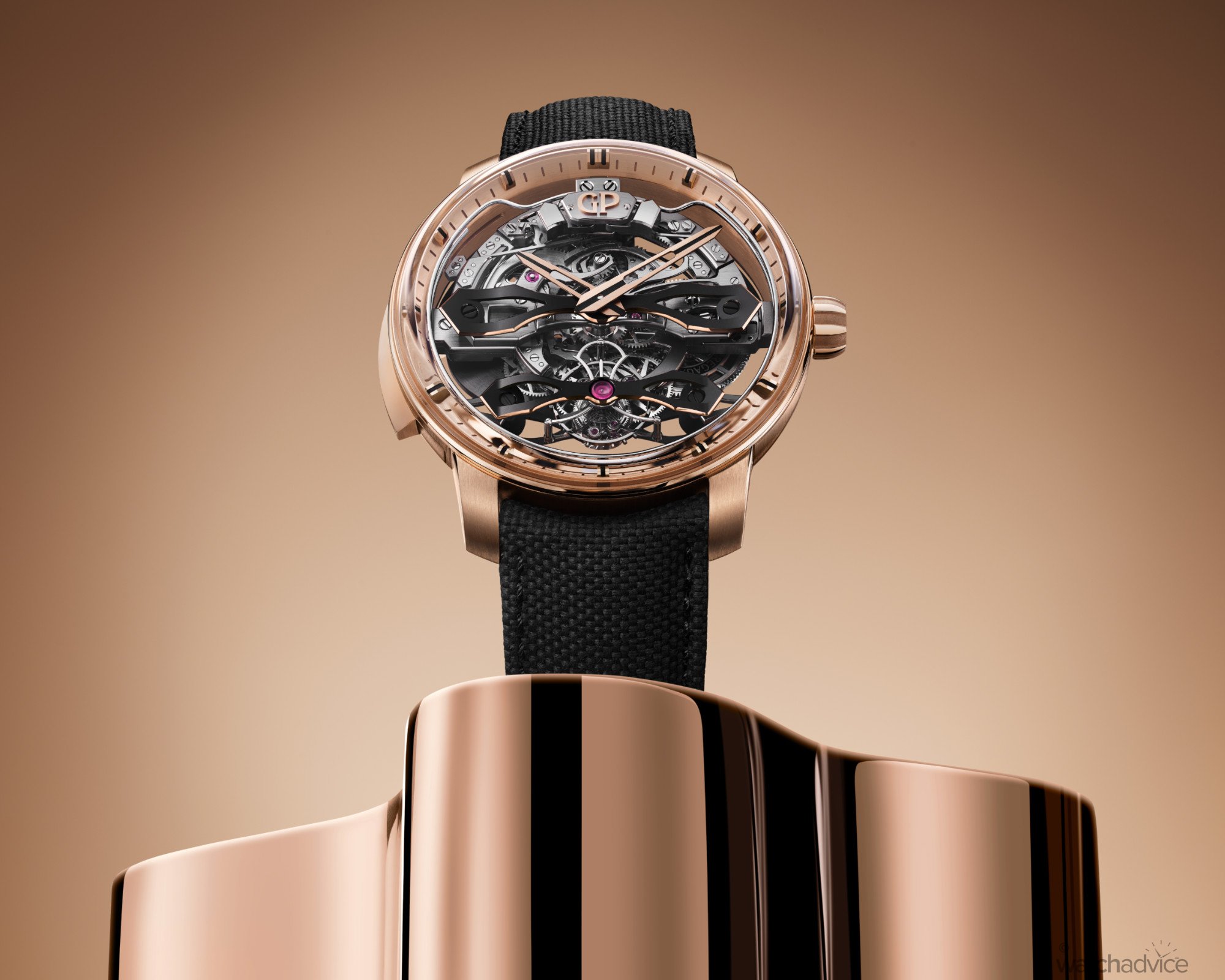
With the introduction of the Minute Repeater Flying Bridges, Girard-Perregaux continues to build on that rich history of high complications. By combining a minute repeater, tourbillon and automatic winding system within a contemporary Flying Bridges architecture, the new Calibre GP9530 showcases the manufacture’s ongoing focus on both technical development and movement design. it is engineering and art on the wrist.
Reference: 99840-52-2013-5CC
Specifications:
| Feature | Specification |
|---|---|
| Dimensions | 46.00 mm x 17.90mm thick |
| Case | 18k Pink Gold, bushed & polished |
| Crystal | Box-type glare-proofed sapphire crystal |
| Dial | Openworked with pink gold inner bezel ring, pink gold openworked hands and applied hour markers with blue-emission luminescence |
| Caseback | Box-type glare-proofed sapphire crystal |
| Movement | In-house Calibre GP9530 Self-winding movement with white gold micro-rotor – 475 components, 47 jewels & beating at 3Hz / 21,600 VpH |
| Functions | Minute repeater, tourbillon, hours, minutes, small seconds (tourbillon) |
| Power Reserve | Minimum 60 hours |
| Water Resistance | 30 metres (3 ATM) |
| Strap | Black rubber with fabric effect & 18k pink gold triple folding clasp |