

In the world of watch media, there are thousands of reviews, but are they actually helpful in the long run, or just another reworded release with studio shots?
Watch reviews are everywhere — but how many of them actually help someone decide whether to buy a watch?
This might sound like an odd question coming from someone who reviews watches for a living. But I’m writing this as a watch enthusiast first and a reviewer second — and after thousands of hours consuming watch content, one question keeps resurfacing:
Why do so many reviews feel less like reviews and more like descriptive articles about watches?
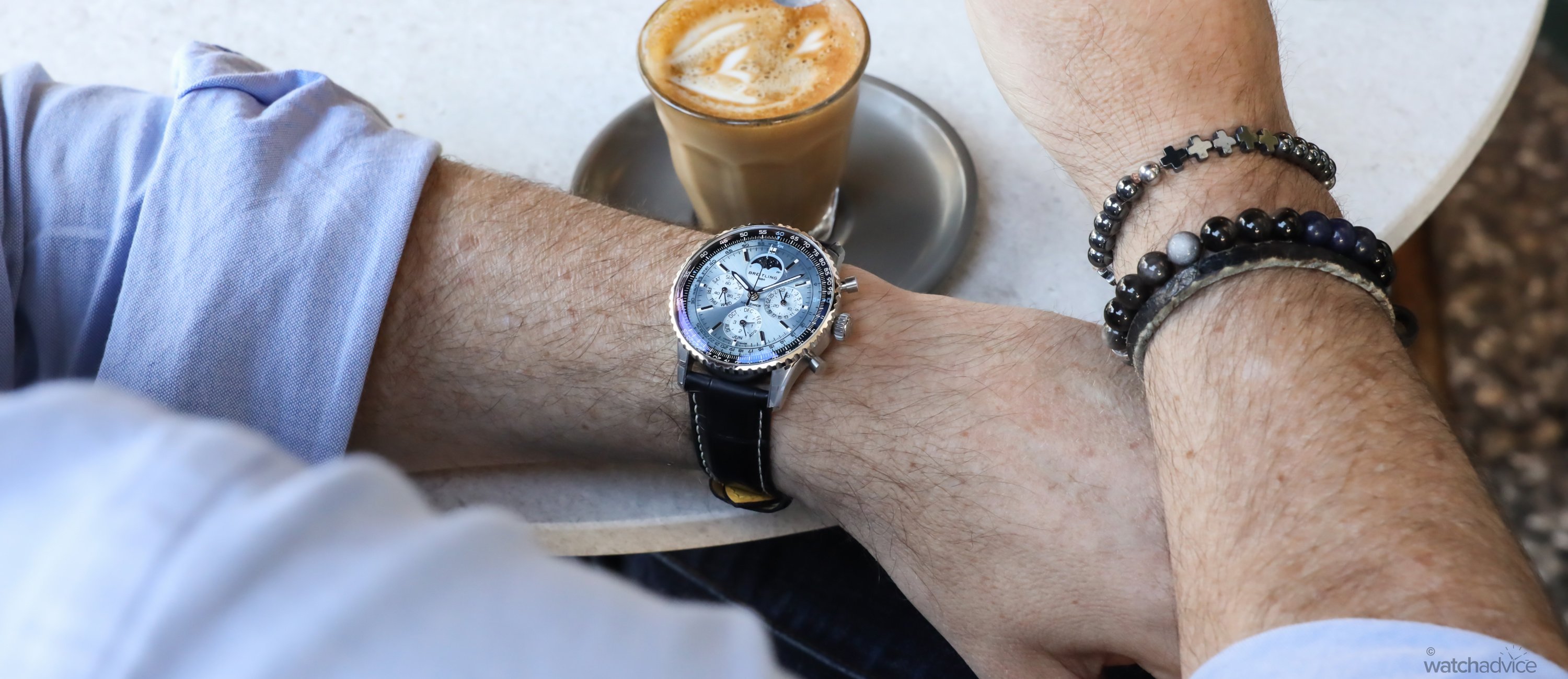
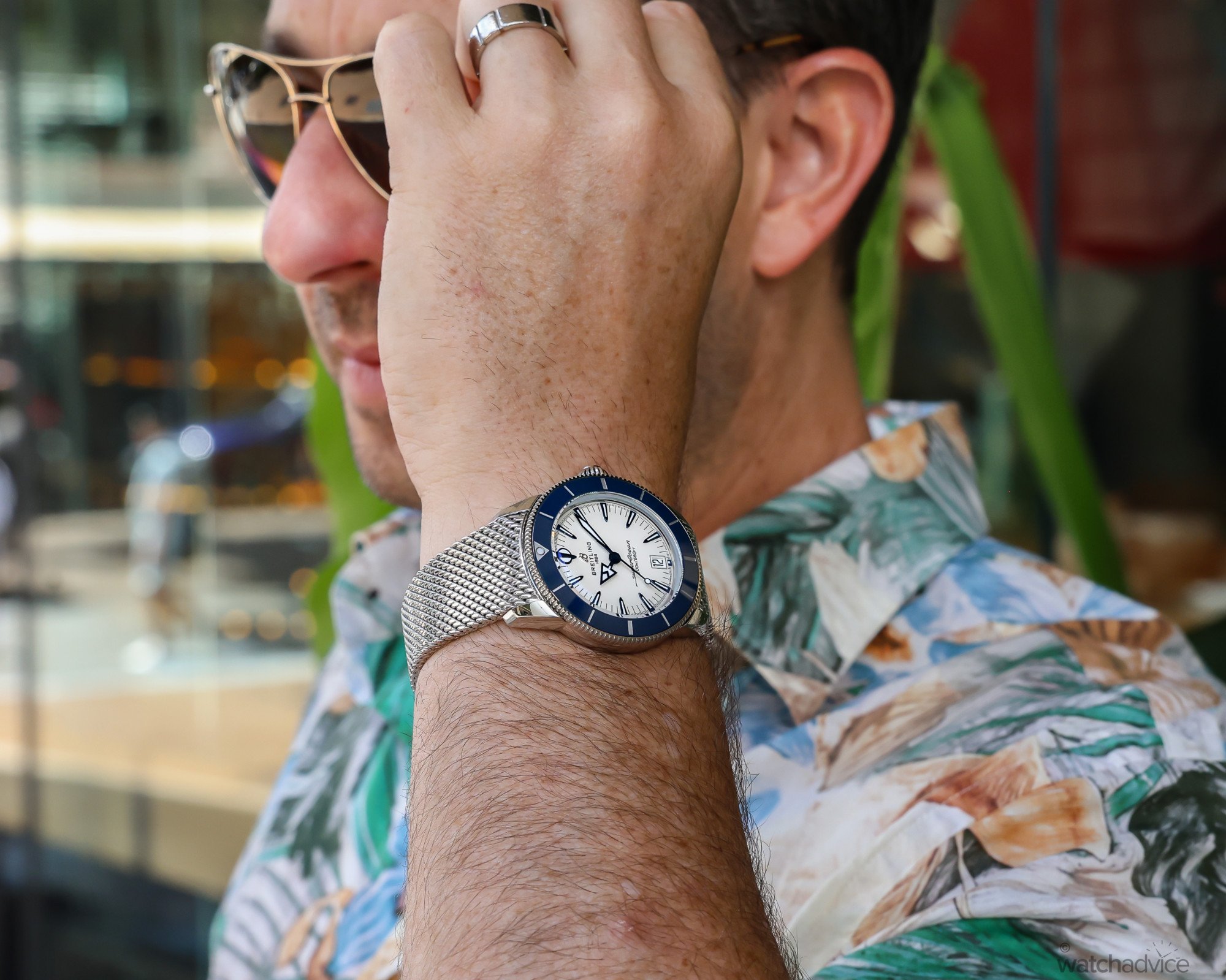
Watch Advice was built around a simple goal: reviews that reflect ownership, not just observation. The aim was to explore not only what a watch is, but what it is like to live with — how it wears, how it feels, and how it actually looks on the wrist in everyday life.
Rather than pointing at specific examples, it’s worth examining the broader structure of modern watch reviews. What makes a much better and more informed review of a timepiece? Is it that reviewers are bad? No. It is more a case that the format across the industry has gone in a certain direction due to a range of factors, and we, like many other people in other industries, have moved in a certain direction along with it.
Specs vs Reality
Specifications tell you what a watch is. They rarely tell you what a watch feels like. In the reviews we write here at Watch Advice, the main point that we try to get across is that what is written on the specifications doesn’t always translate into the way a watch feels on the wrist.
This applies to everything – case size, finishing, materials, and design. Most reviews will look into each of these and talk about them on their own merits, which they should, but few actually translate these into what it means in real life.
On paper, a 42mm watch that is 13.5mm thick could sound like a thicker and larger watch (depending on your tastes and wrist sizes), but the design of the case, lugs, crystal and case back, also what it is made from, makes all the difference to how it looks and is perceived visually on the wrist.

Wearing it in this instance matters. A slab-sided case will feel thicker than a case with stepped edges and facetting, as will a watch that has some of the size in a domed crystal vs one that is flush with the bezel.
Finishing is another area often described but rarely analysed from an ownership perspective. Different surfaces react very differently to wear. A fully polished watch may look stunning when new, but after a few months, hairlines and fingerprints become part of the daily experience.
These are the realities of ownership — not brief hands-on impressions.
The wearing experience matters most, yet the factors that shape ownership are rarely technical. Like a car driven only briefly before purchase around the block vs testing it for a weekend, a watch reveals its true character over time, during long days, repetitive wear, and ordinary routines.
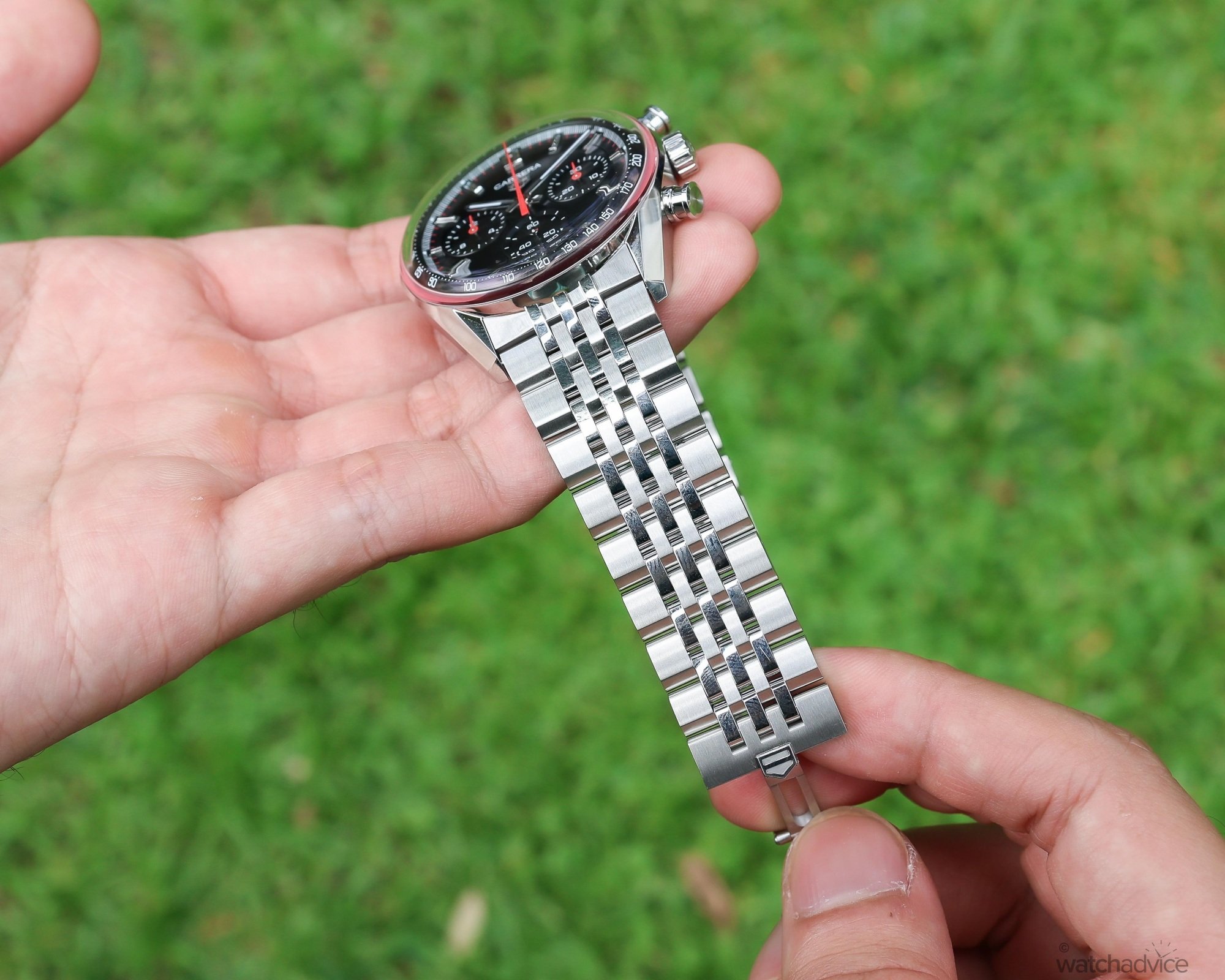
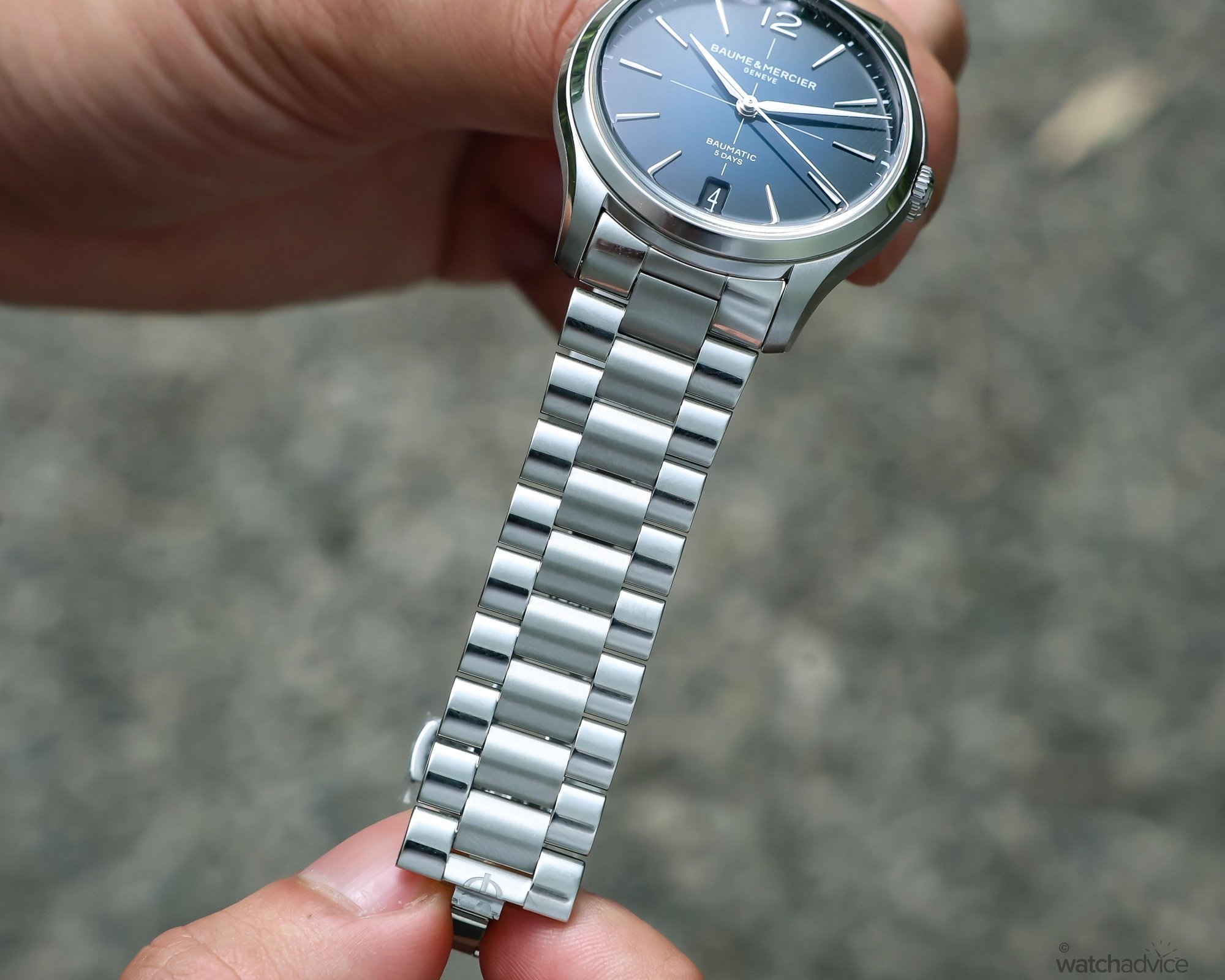
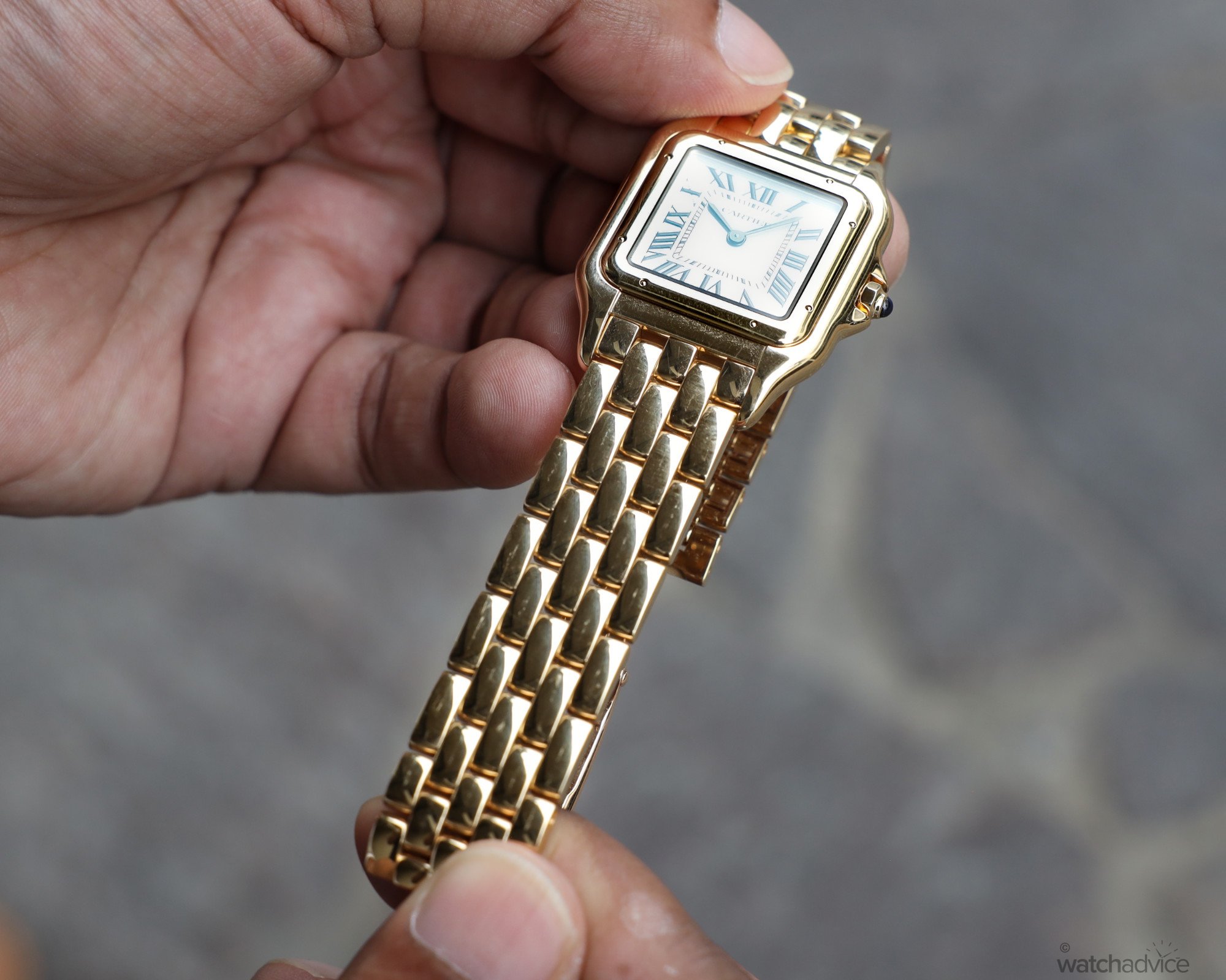
It’s the little things that matter. Does the bracelet wear nicely around the wrist? Does it catch the hairs on your arm? Is the case balanced and sits nicely on your wrist all day? Is it a watch that garners a lot of attention? Or does it fly under the radar and become a little boring after a while?
These are the pitfalls that owners want to know about and should know about. In any sense, understanding the specs vs the ownership reality plays a massive role.
The Negative Experience
This is probably a good segue into the negative experience. Reviews aren’t just about the good; they are also about the bad. This is one area that Watch Advice prides itself on, the pros and the cons. I’ve said this on many occasions: there is no such thing as the perfect watch (although Georges Favre-Jacot may have said otherwise in his pursuit of the perfect watch in Zenith), but there is a perfect watch for everybody.
Like with anything, this is all subjective. How I perceive a watch and how it fits me will be different to you, perhaps. So my negative points won’t matter. Or they may matter, but you may not care all that much. Love is love, right?! I have had many watches I’ve loved, but they’ve been far from perfect. Sometimes, those imperfections are what make us love them.
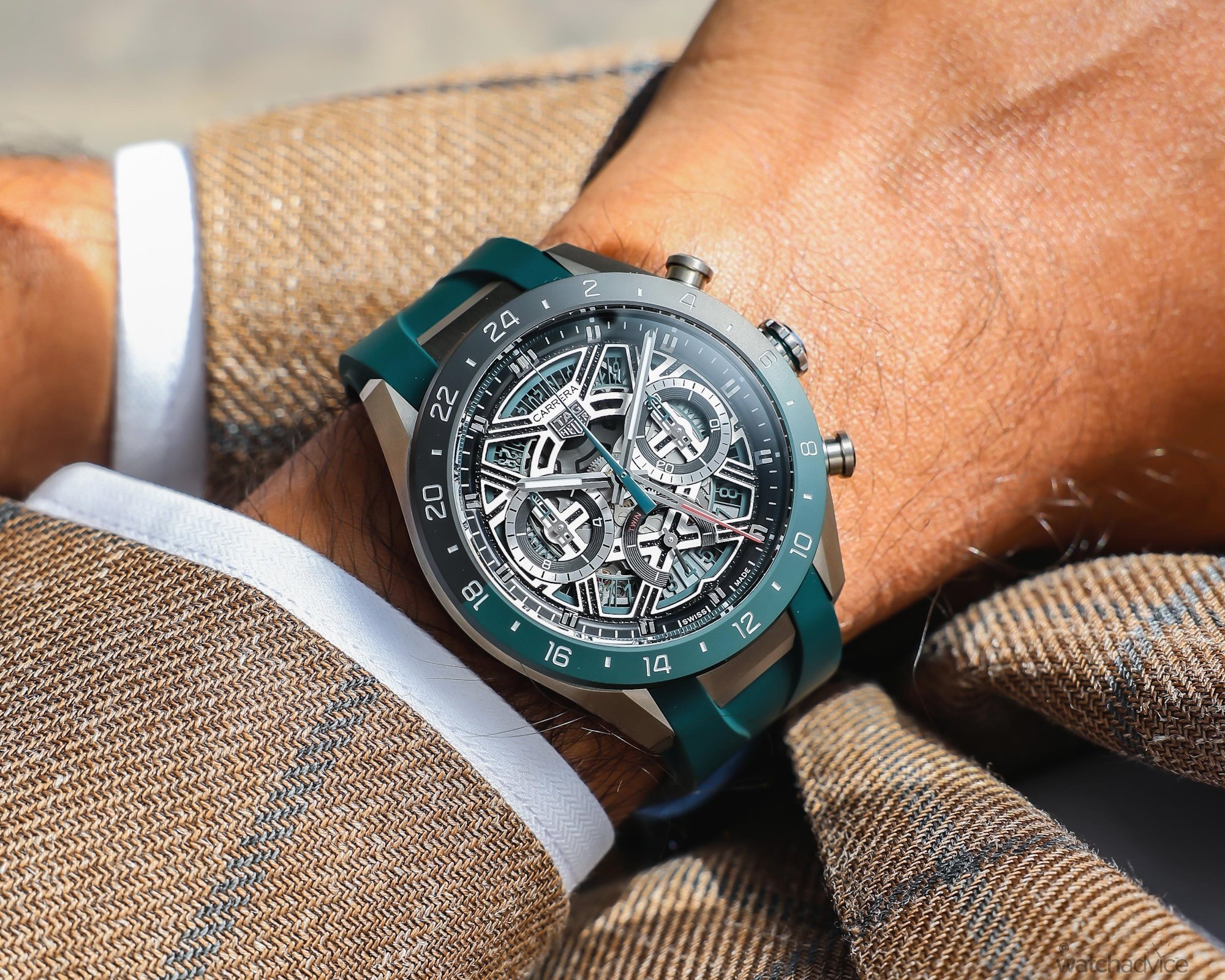
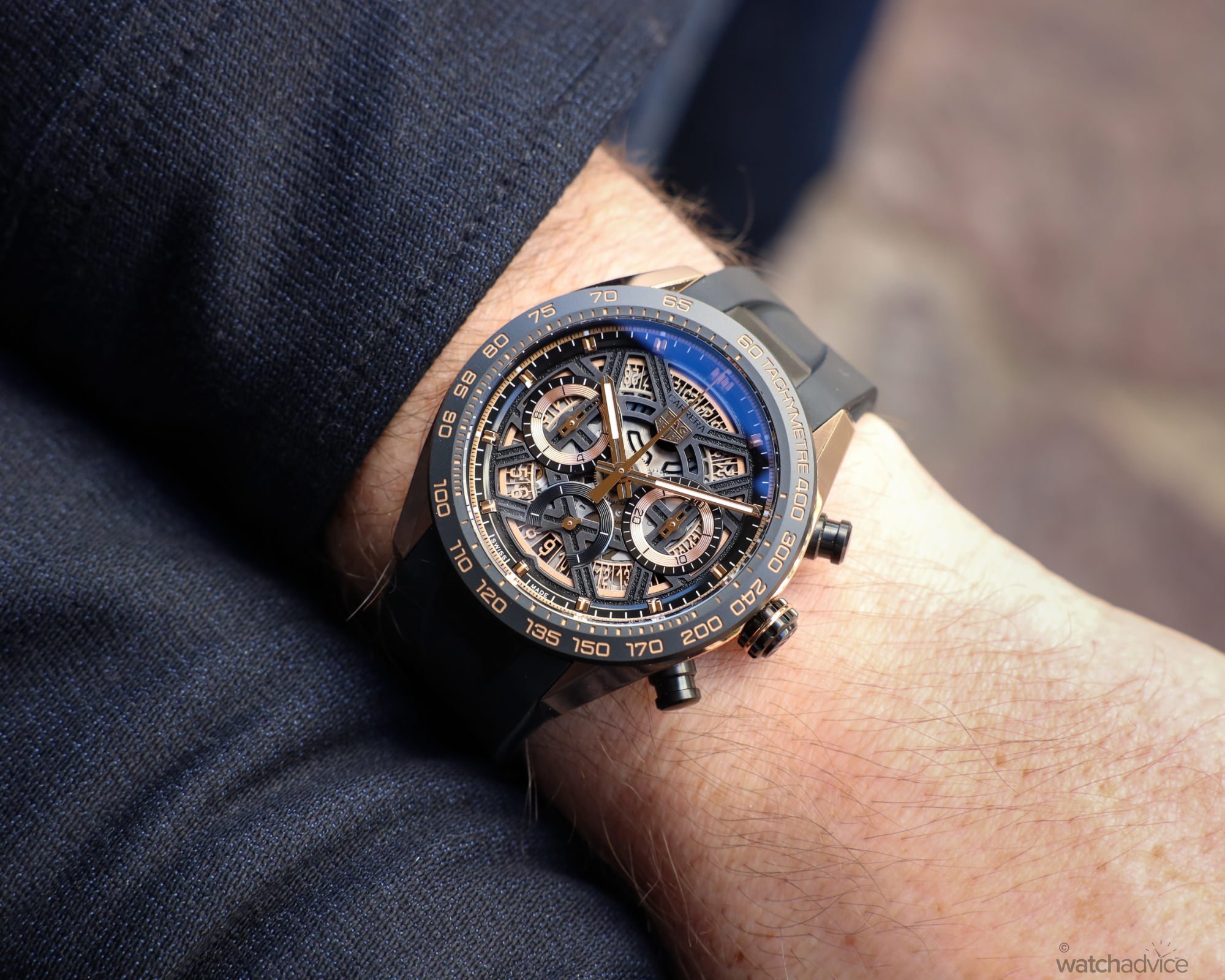
The negative is just as important as the positive, which is where I feel many reviews fail to delve into. Not because the reviewer loves the watch, but it’s more from a lack of time spent with it. Just like when you first start dating someone, it’s hard to find any fault with the person. But after 10 years of marriage, it’s a different story. We don’t love our spouse any less; we just accept that all people are flawed in some way. Watches are somewhat like this as well.
On the other hand, not every watch is for everyone either. Again, it’s subjective, but also, certain factors need to be taken into account, like lifestyle, wrist size, and personal tastes. Lifestyle, wrist size, and personal taste all shape suitability. I, for one, don’t love dress watches as my lifestyle isn’t conducive to them. I love a nice dress watch, but you most probably won’t see me in one anytime soon.
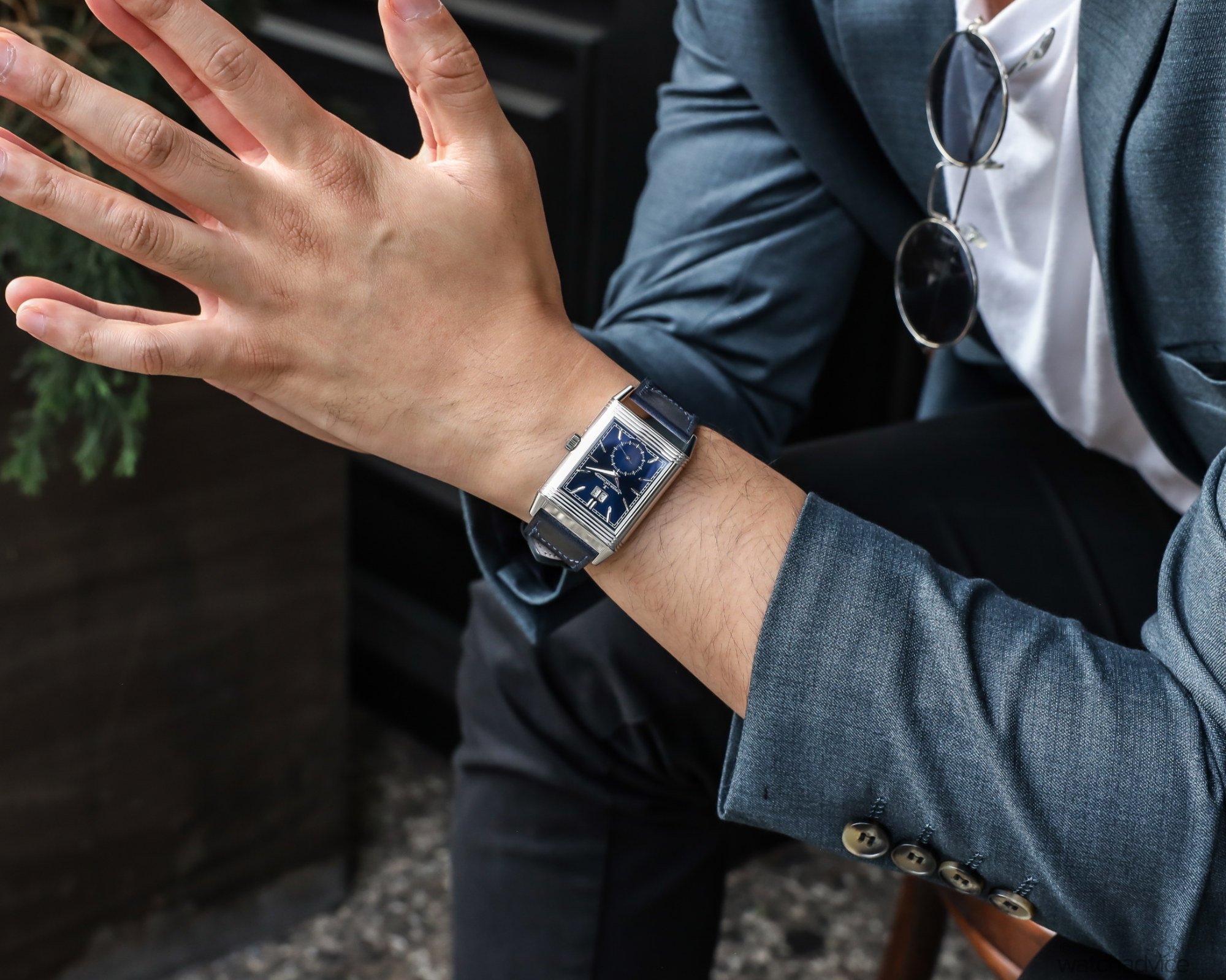
Body and build are other factors, as I mentioned. Will a 34mm watch look right at home on your wrist? If your wrist is 15cm in circumference, then it will look fine in most cases. If you happen to be built like John Cena, who makes a Rolex GMT Master II look small, then most probably not – unless that’s your thing. My point is: not every watch will be for everyone, and that needs to be called out in a review.
Photography Matters
So, one thing that I hear being talked about among collectors is the gap between what a watch looks like on a brand’s website or social media using the studio renders, versus what it looks like in real life. How many times have you looked at a watch in press photos and then seen a distinct difference in real life? Probably a bit.
This isn’t all bad either. In some cases, the press photos don’t do a watch justice at all, and the designs and colours look better in real life. However, the reality is that many times it is the opposite. Watch photography is designed to be aspirational. Ownership is not. And the difference between those two realities is where buyer expectations are often distorted.
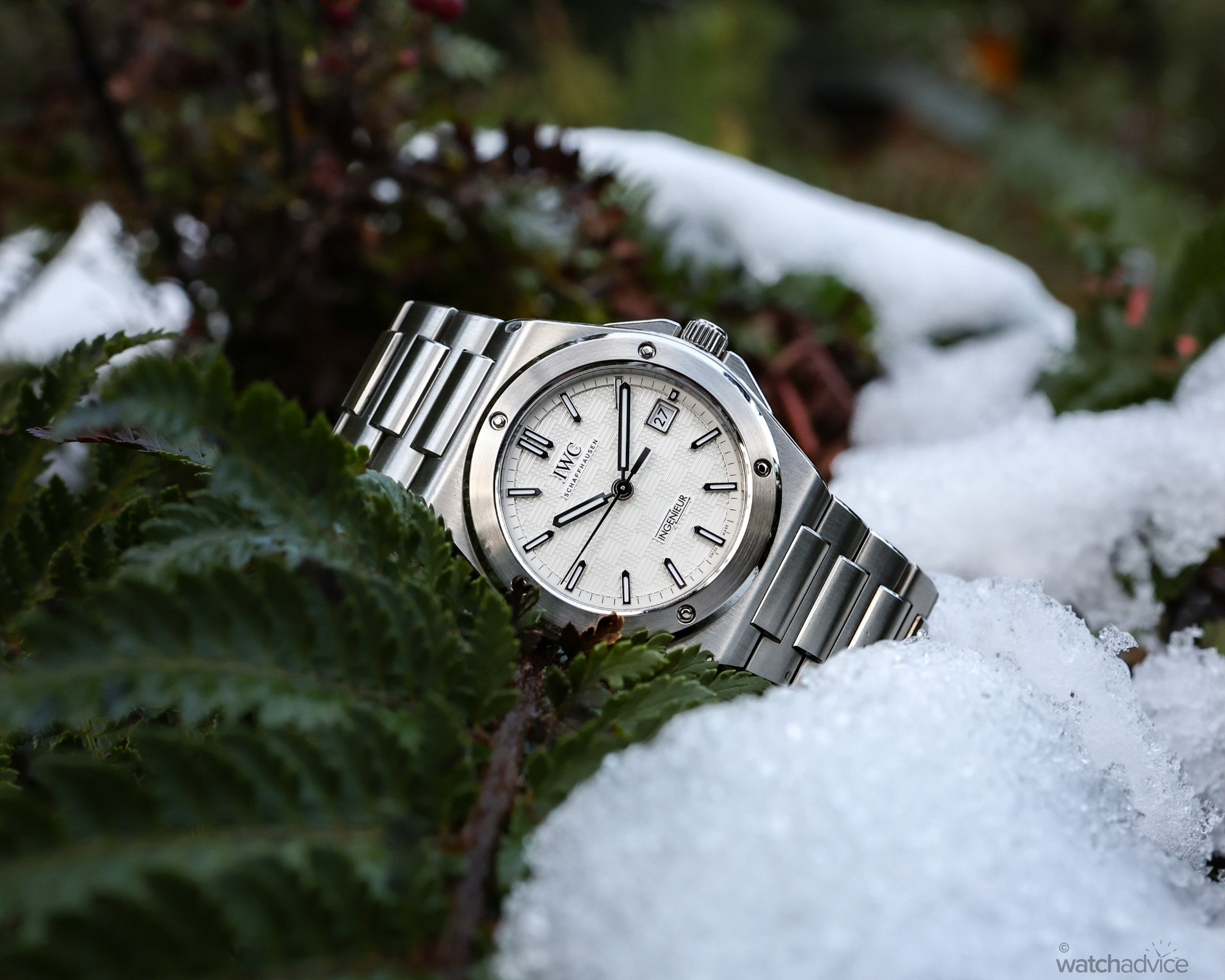
After all, it is the brand’s job to present a watch in its most aspirational form. But between the studio lighting, strategic placements of the light and shadows, then touched up, refined, smoothed out, etc. in post, the watch can and in most cases looks different to real life.
Reviews can fall into the same trap. There are so many good photographers in the industry, many of whom I follow on Instagram and love their work. It’s a pure art form and one that got me into watch photography in the first place. But when you take stunning shots of a watch with a proper camera and lighting set up in a studio-type setting, it doesn’t show off the watch naturally. This leads to a disconnect on the wrist, be it good or bad.

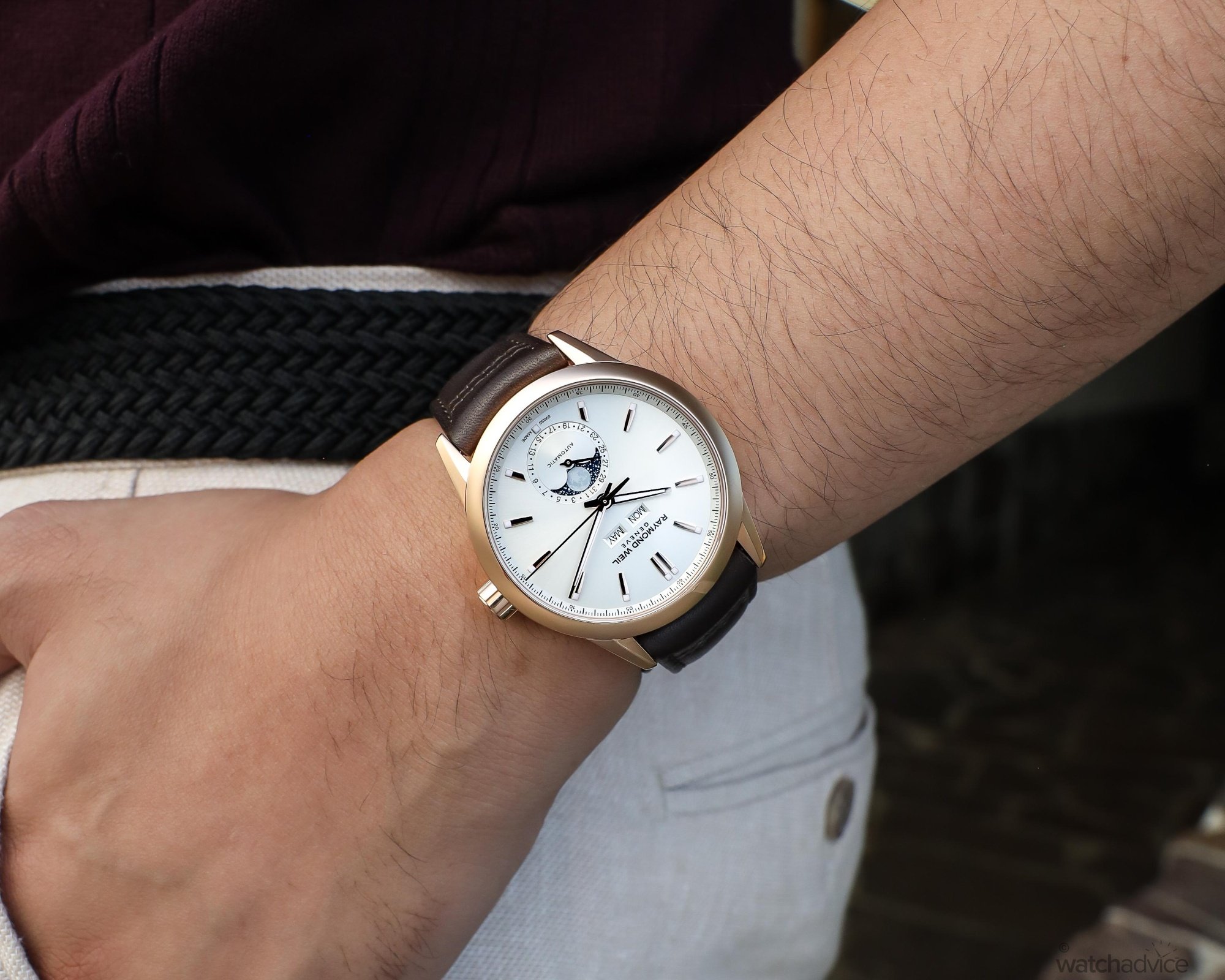
Watches are meant to be worn and enjoyed every day. Whether it is picking the kids up from school, running about town doing errands, or being in the office at a computer all day doing some “desk diving”. These are the instances across the day when you look down at your wrist and admire what you have on. A useful review shouldn’t show a watch at its most flattering. It should show it as you’ll actually see it – on your wrist, in your lighting, in your life.
The Homogenisation Problem
Ever notice how many reviews of the same watch sound strangely similar?
The similarity is not accidental. Modern watch media operates within a set of practical constraints. Competition gets fiercer, and brands become less likely to take risks, and more protocols are put in place. I’m not commenting on this positively or negatively; it’s just a reality of today’s modern business world.
But what does this have to do with the quality of watch reviews? Several things. We, as a watch media brand, become susceptible to these homogenisation issues in our own way. We want to break the latest and greatest watches first. We want to get our hands on them for as long as possible, and we want to make sure that we do both the watch justice, as well as the brands that are lending us the watch. It is a bit of a symbiotic ecosystem.
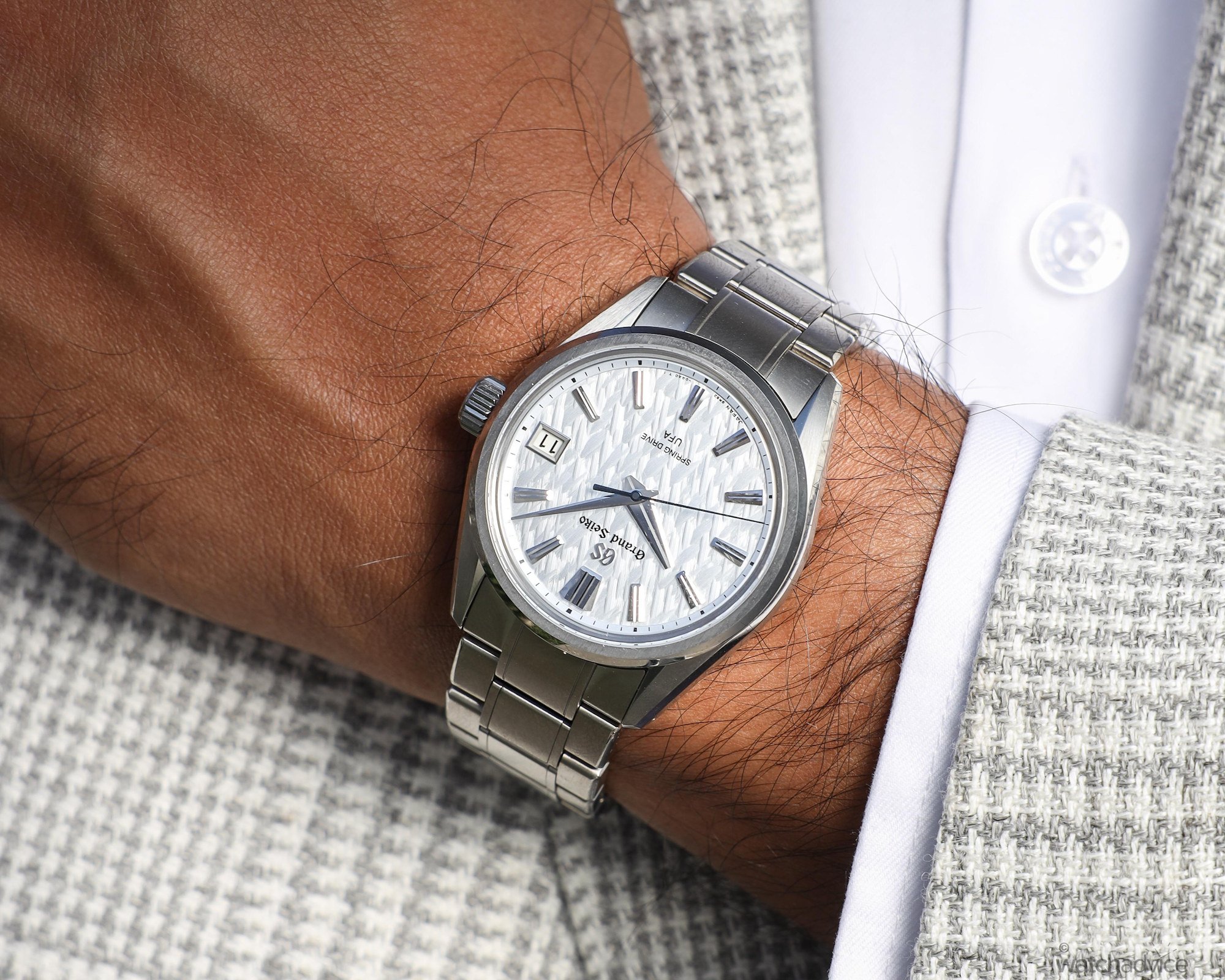
However, this also means that we need to work within the wider industry guidelines as well. Access cycles, embargo dates, and limited press pieces – these realities subtly shape how reviews are written. Not through dishonesty, but through constraint.
On top of this, time is always a limiting factor – there are only so many hours in a day, and content takes time to create. Like every business out there, we are seemingly doing more with less.
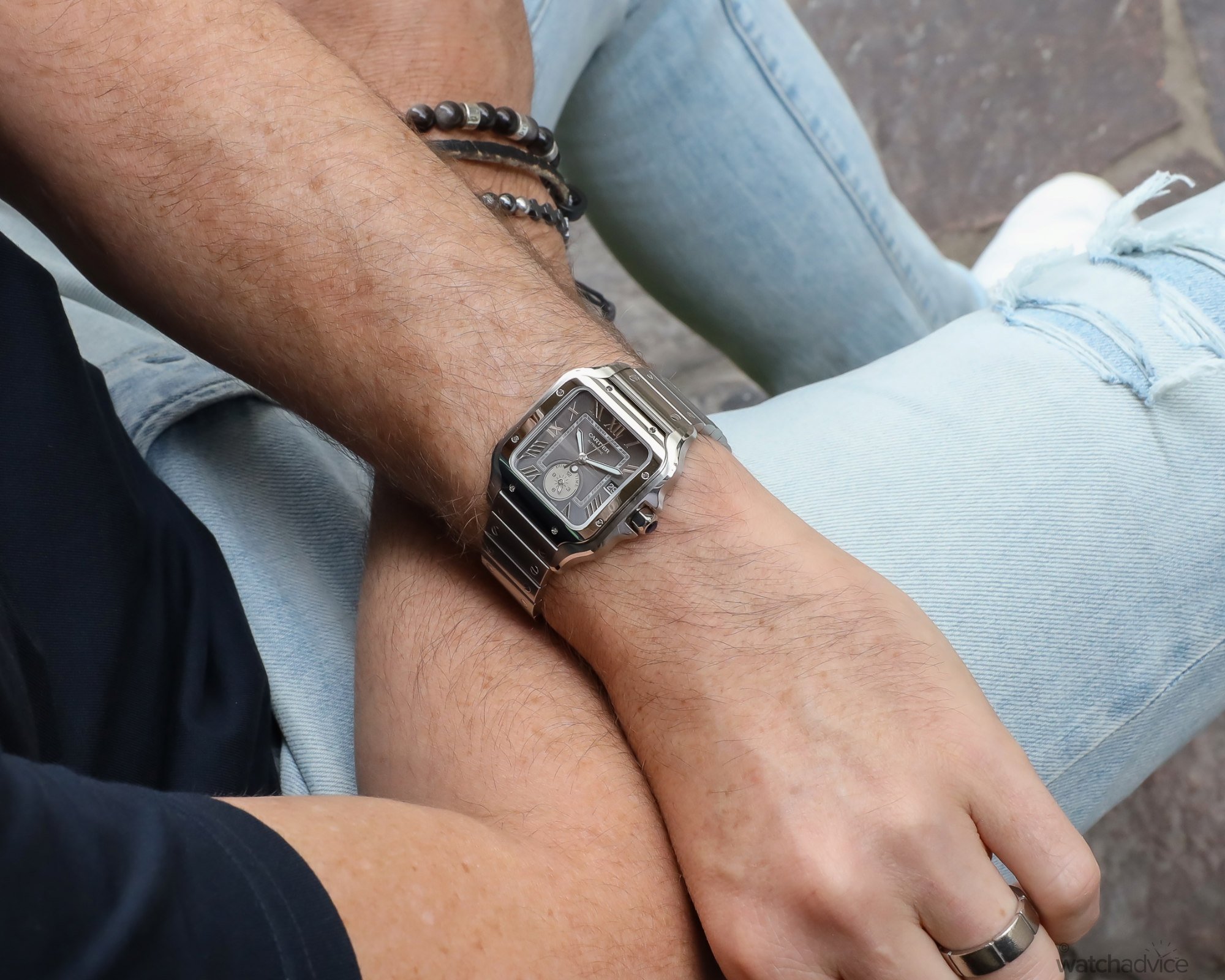
All this adds up to reviews that can sometimes feel less like a review and more like an article describing a watch in person as you’re looking at it. It means that watch journalists have less ability to create open and honest critiques due to wider industry constraints, which in turn means reviews that are less likely to inform and educate from an actual wearing perspective.
Some Final Thoughts
Watches are deeply personal objects. Two people can wear the same reference and have completely different experiences with it: one finds lifelong enjoyment, the other mild irritation. That’s why the most useful reviews are not just technical assessments, but attempts to bridge the gap between product and ownership.
Our job as watch journalists is to try to emulate, or get as close as possible to this, and convey what the ownership experience could be like. To try and move past the specs sheet, and move into the tactility of the watch and the emotional connection it can drive.
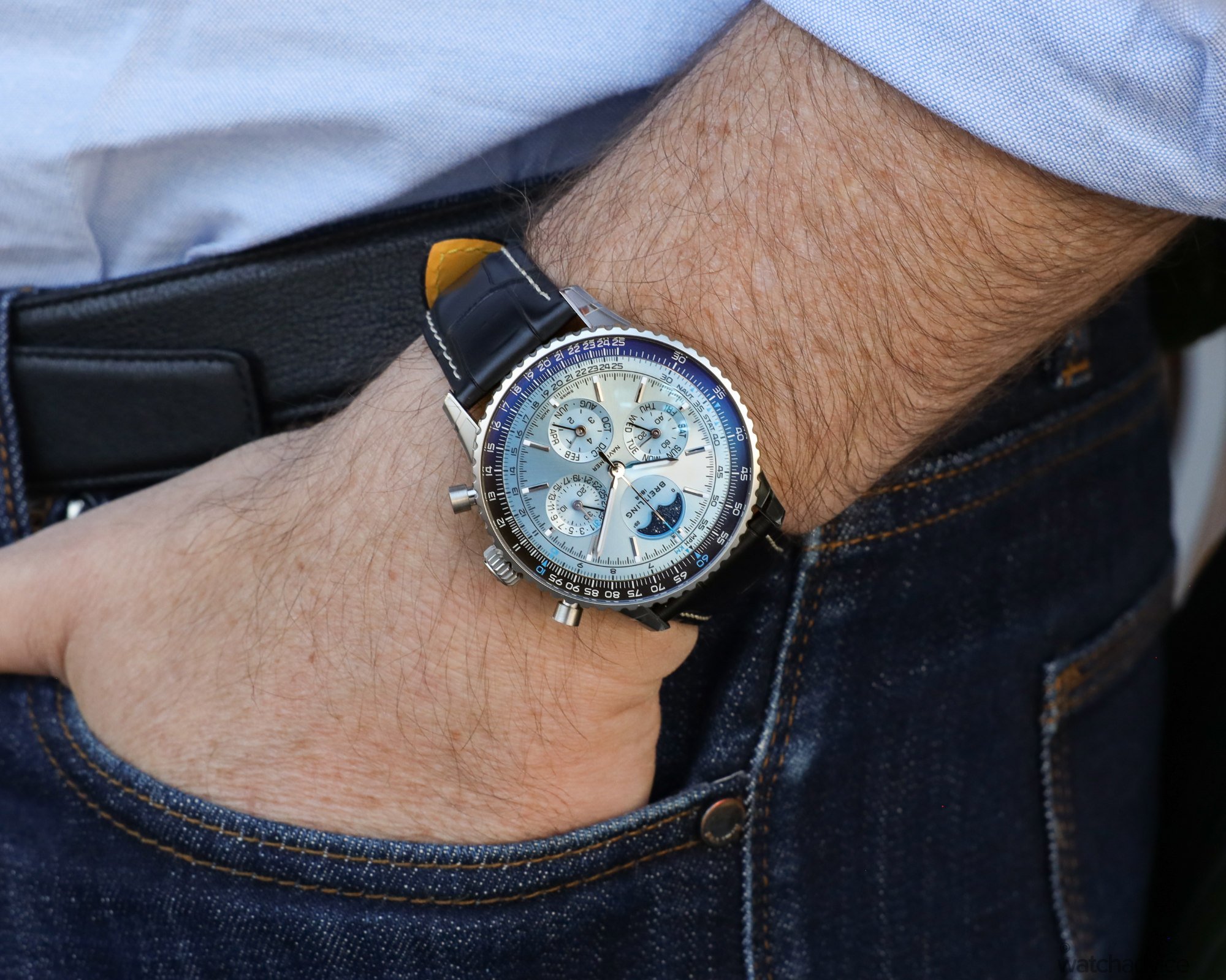
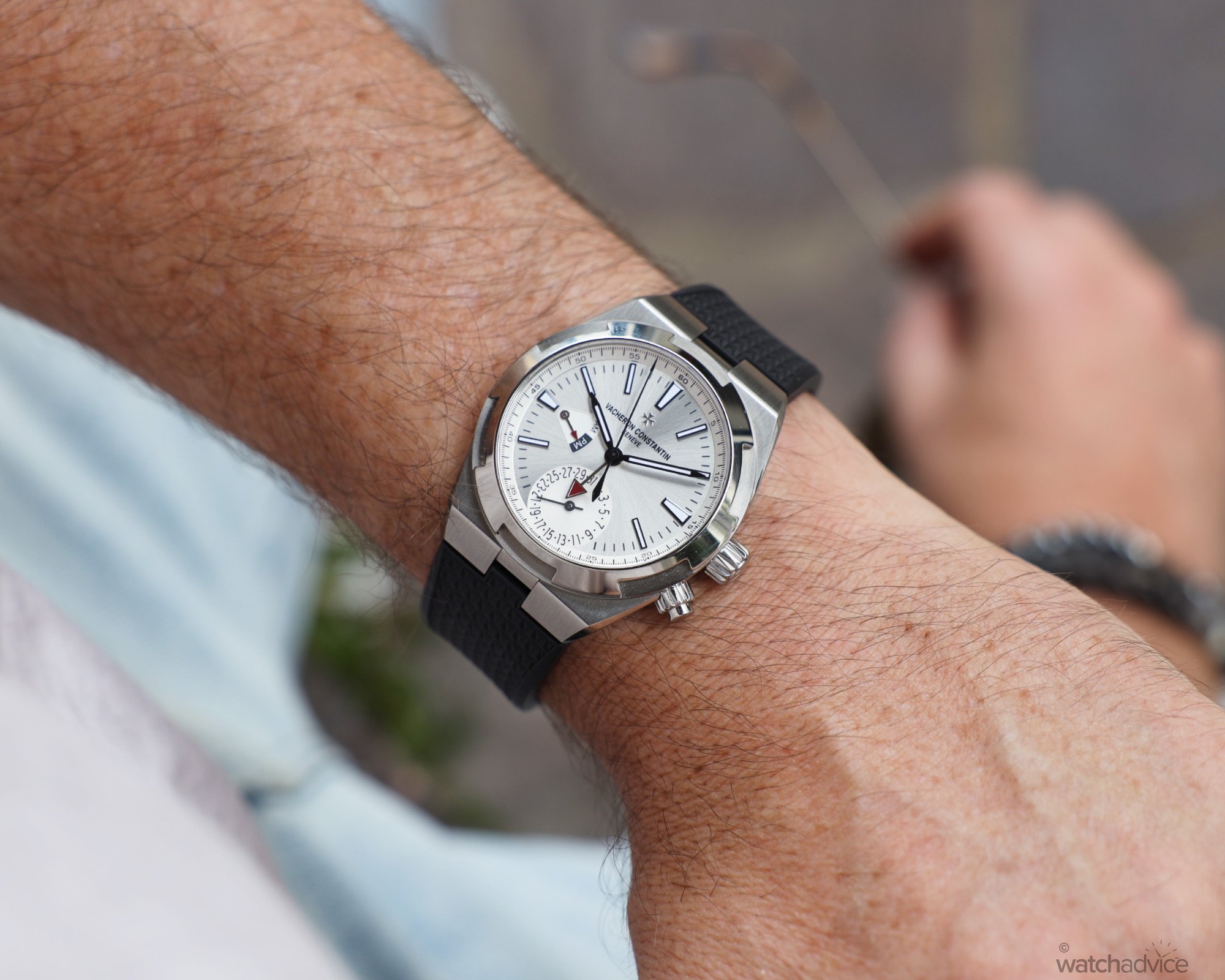
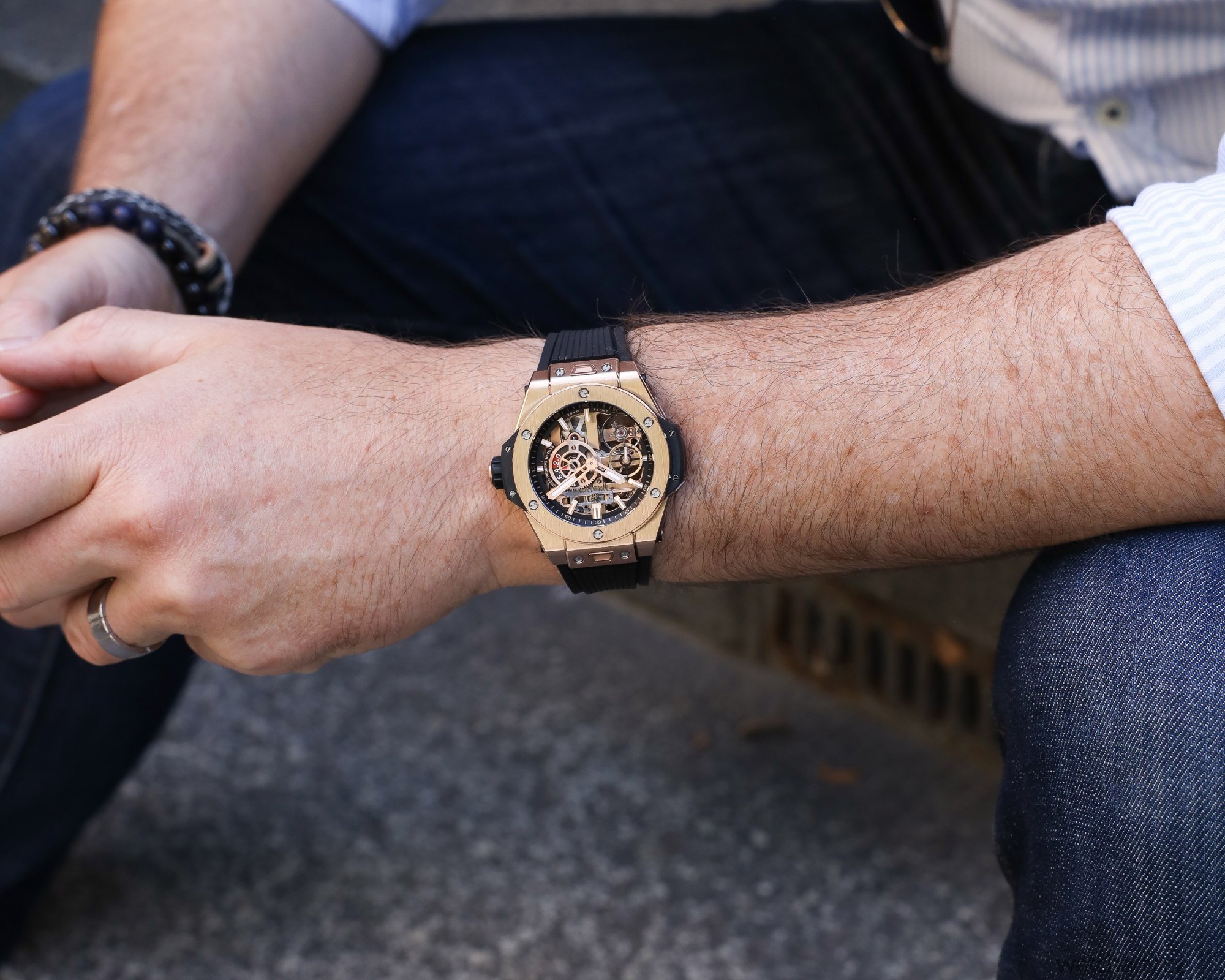
But the reality is that no specification sheet, press image, or week-long hands-on can fully replicate ownership. The qualities that truly define a watch reveal themselves slowly: comfort, quirks, irritations, and emotional connection. All the elements that only emerge through daily wear.
Which is why the most valuable question may not be, “Is this watch good?” but rather, “Is this watch good for me?”
For all of our hands-on reviews, head to our reviews section, where we have hundreds of reviews that you can read and decide if this is the right watch for you!