

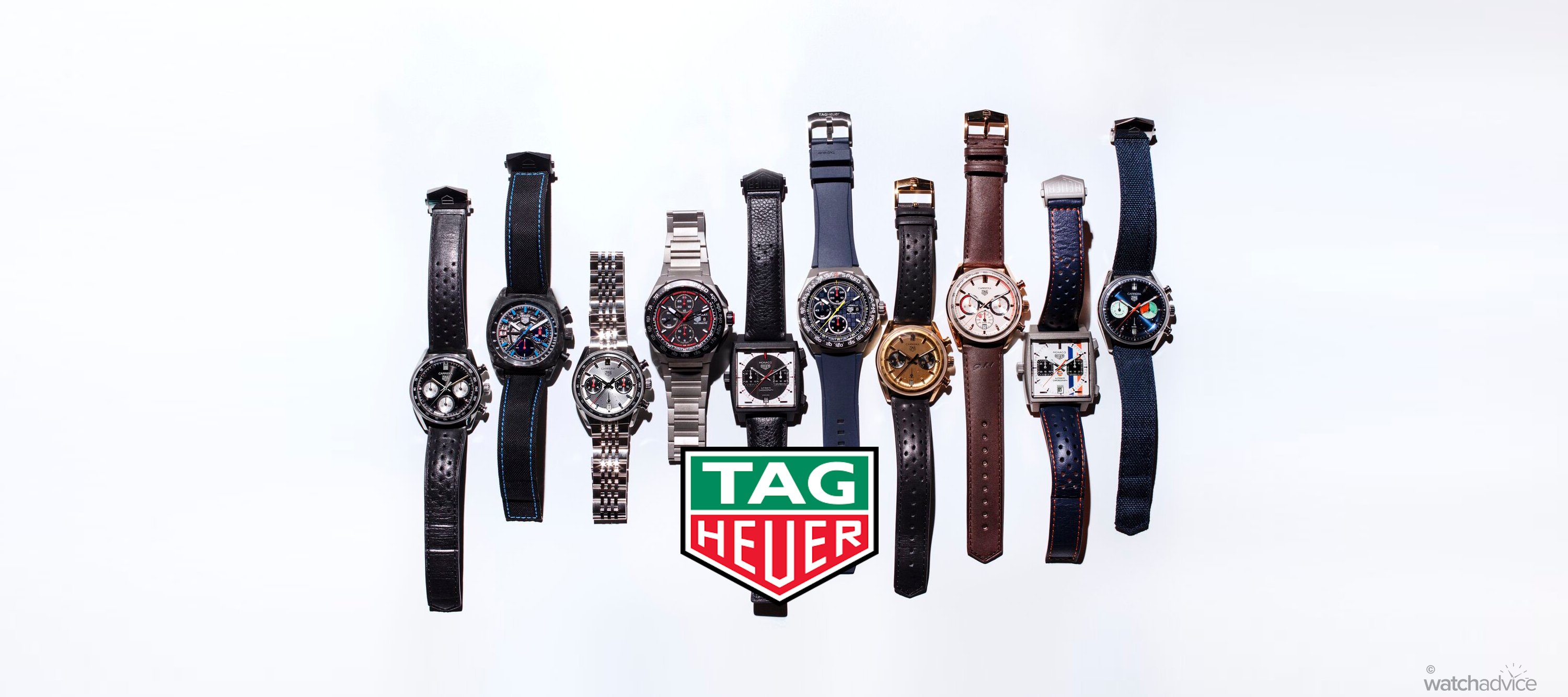
TAG Heuer didn’t just make chronographs; they shaped how the world measures decisive moments!
Why are chronographs the beating heart of TAG Heuer? At the centre of watchmaking for the Swiss brand lies a story of the unrelenting pursuit of precision, one that has led to a history of more than 165 years with chronograph innovations and cutting-edge technology.
2026 is the year of the chronograph for TAG Heuer, and this isn’t just another celebration; it’s a statement showing just how much the brand has impacted this mechanical complication. For TAG Heuer, the chronograph simply isn’t a complication that was just added to the watch, but rather, one of the foundations upon which the brand was built. The integration of the chronograph complication into the brand’s watchmaking DNA came from real-world demands, from motorsport timing, aviation, space, and sporting events.
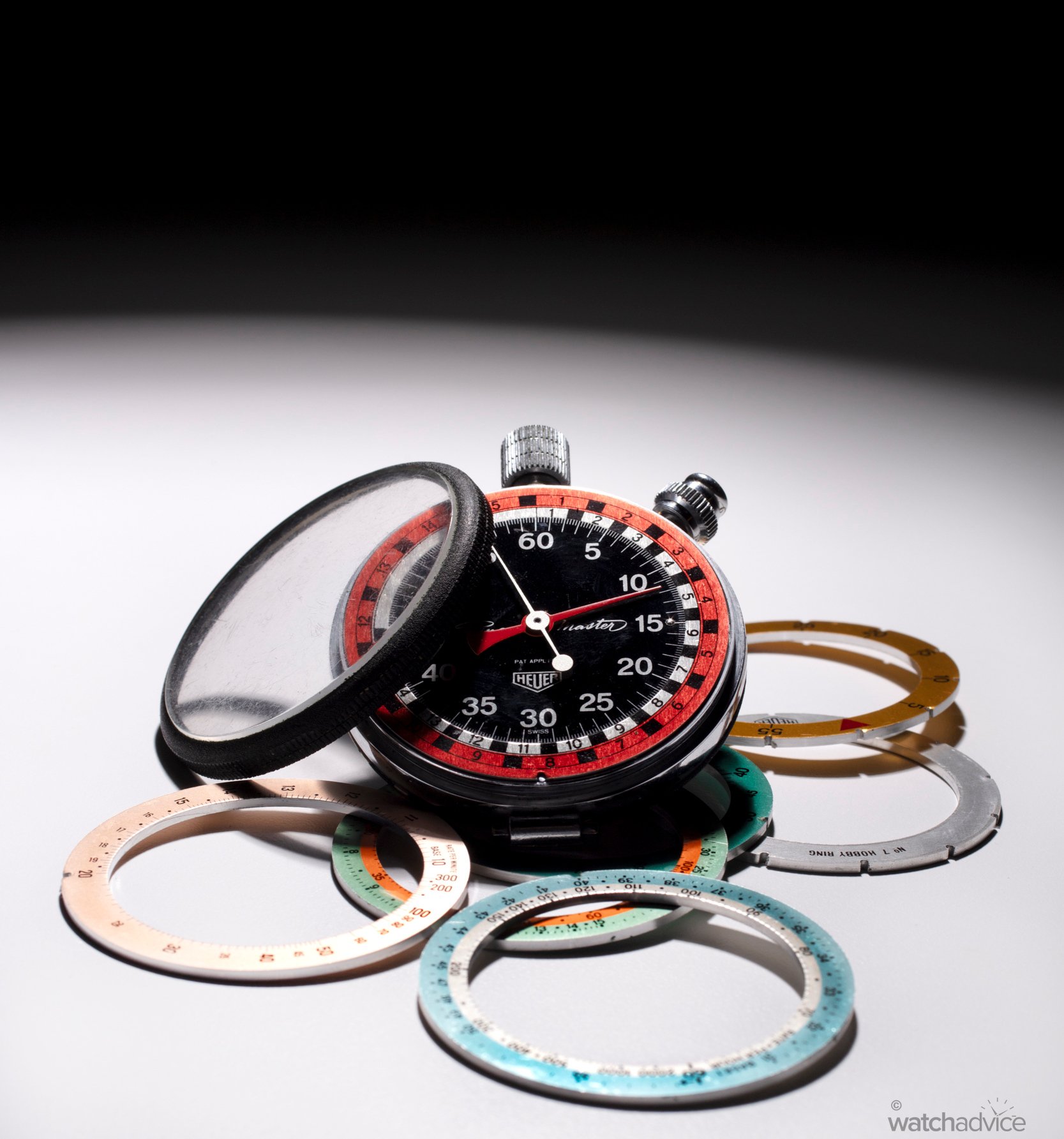
TAG Heuer’s commitment to staying with a single complication and innovating it over the years is a rarity in the watchmaking world, showing that unwavering dedication to precision has helped define the chronograph as part of the brand’s identity. This year, celebrating the year of the chronograph for TAG Heuer, is looking back at the legacy of the complication in professional timekeeping equipment, and how it’s still relevant today in modern-day watchmaking.
Why The Chronograph Complication Is TAG Heuer’s DNA
TAG Heuer has never viewed the chronograph complication as a secondary feature of watchmaking, something to just add on to give the timepiece more technical flair. Early on, Heuer saw it as forming the foundation of something substantial for the brand, becoming the brand’s DNA for years to come. In 1860, just four decades after the birth of the chronograph complication in pocket watches, Edouard Heuer began the research and development of two very important inventions that would be vital for TAG Heuer’s identity and success.
As Mario states in his in-depth article on the invention of the Chronograph and TAG Heuer’s involvement in its evolution (see above), Edouard Heuer patented two innovations: the first in 1882, which was the brand’s first recorded chronograph pocketwatch, and secondly in 1887, the oscillating pinion, a staple modification to the chronograph complication that is still used today.
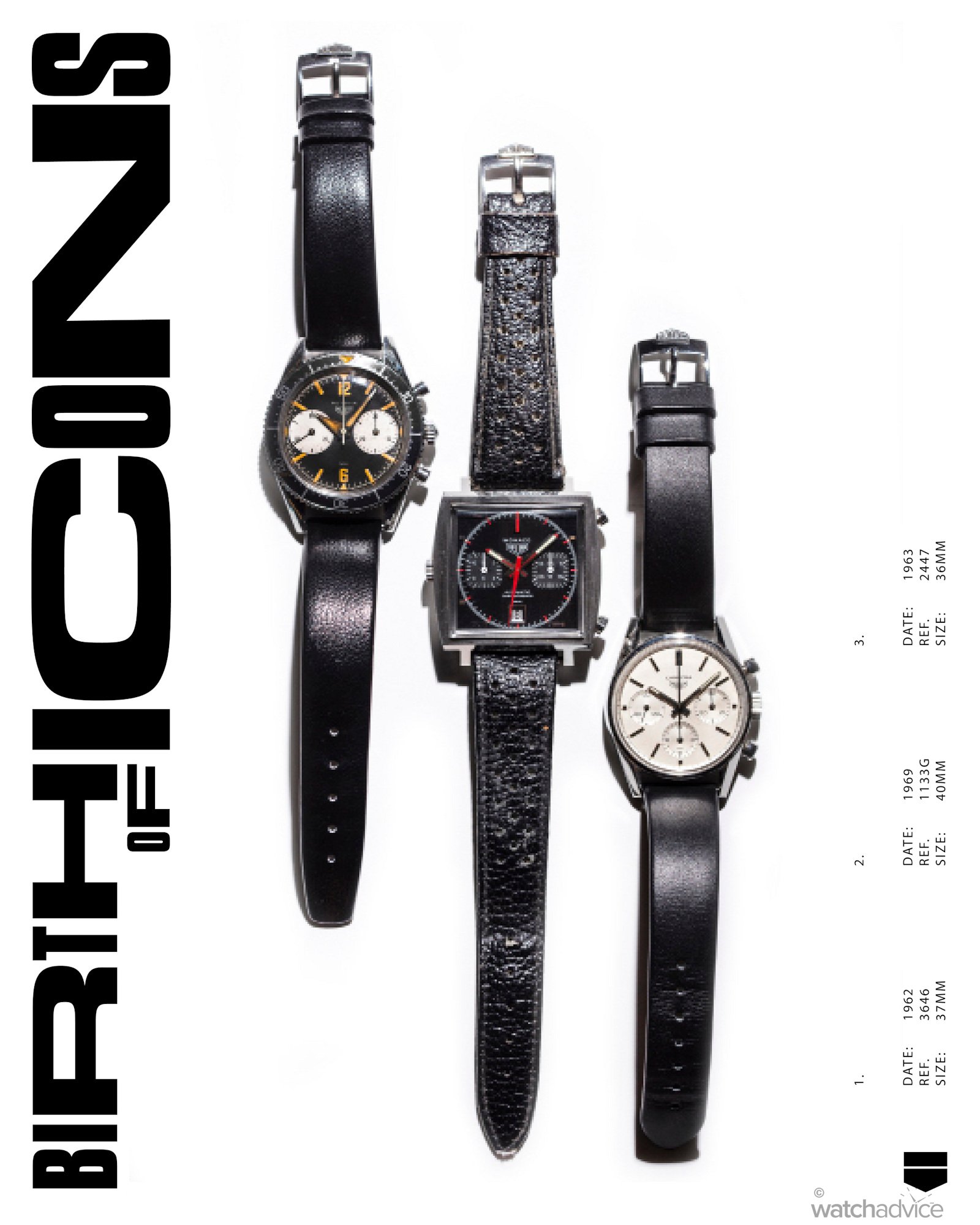
From these early patented innovations to the modern high-performance movements, TAG Heuer has focused on measuring time with greater precision and reliability as its core elements. The unrelenting focus has enabled the brand to create iconic collections in watchmaking, while also being among the first to pioneer complications into wristwatches. This demonstrates that the brand isn’t here to invent for the sake of novelty, but rather to drive purposeful innovation that advances watchmaking as a whole.
This singular focus of staying committed to one complication over 165 years of watchmaking has allowed TAG Heuer to be at the forefront of chronograph application. From being part of prestigious sporting events as the official timekeeper, forging partnerships with high-performance athletes, to creating a lineage of chronographs that house technical innovation, this showcases why the chronograph is not just another technical addition to TAG Heuer’s watchmaking, but an essential element of their DNA.
A Timeline Of Breakthroughs
The Foundations of Precision (1887-1916)
Oscillating Pinion Patent (1887)
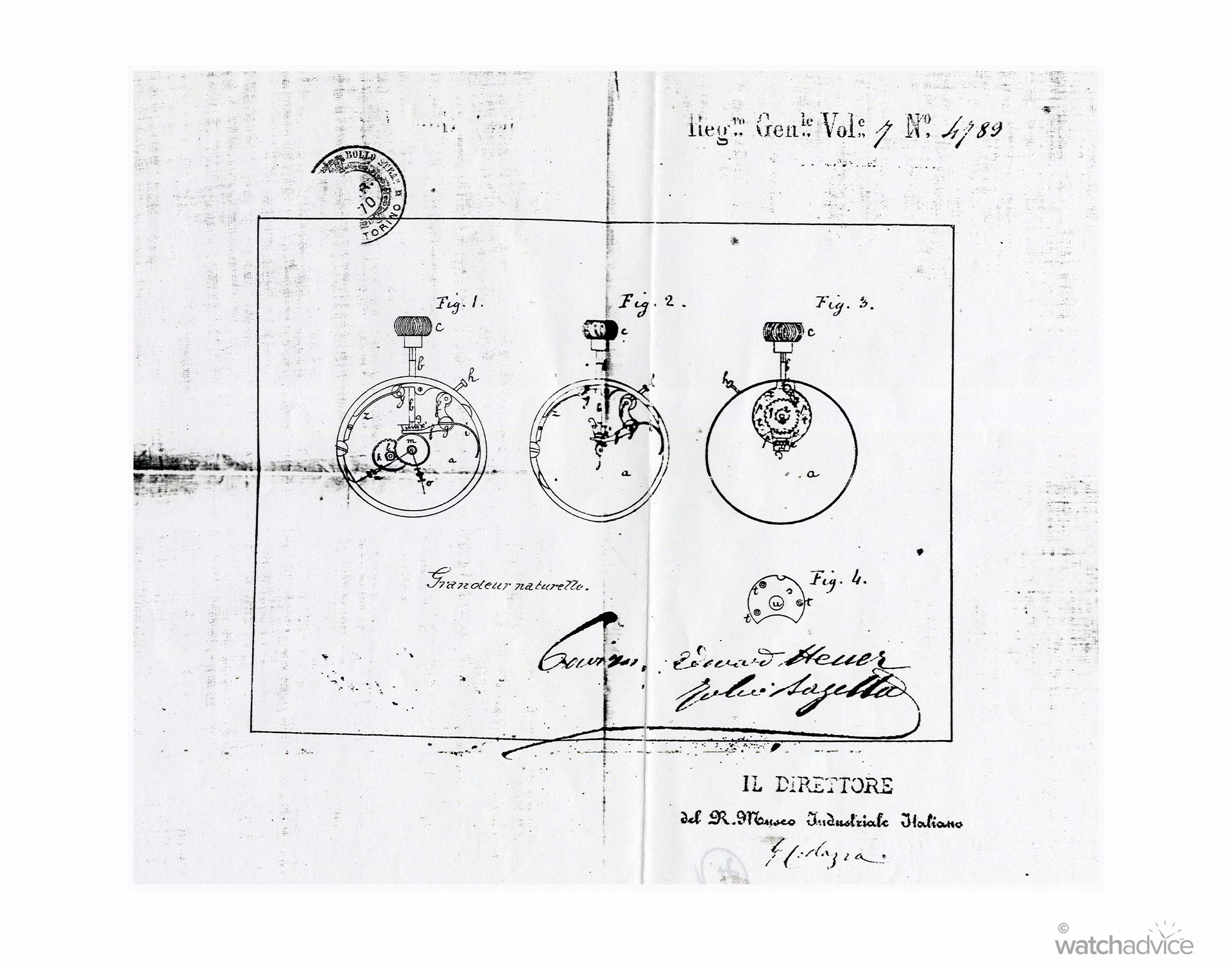
TAG Heuer’s mastery of the chronograph started with the invention of the oscillating pinion, a breakthrough innovation that simplified chronograph construction. The oscillating pinion allowed a more direct and reliable engagement between the chronograph mechanism and the movement, improving the stop-start precision of the complication while simultaneously reducing wear and tear and overal complexity. This invention from Edouard Heuer reshaped how chronographs would be made for the entire watch industry.
Time of Trip (1911)
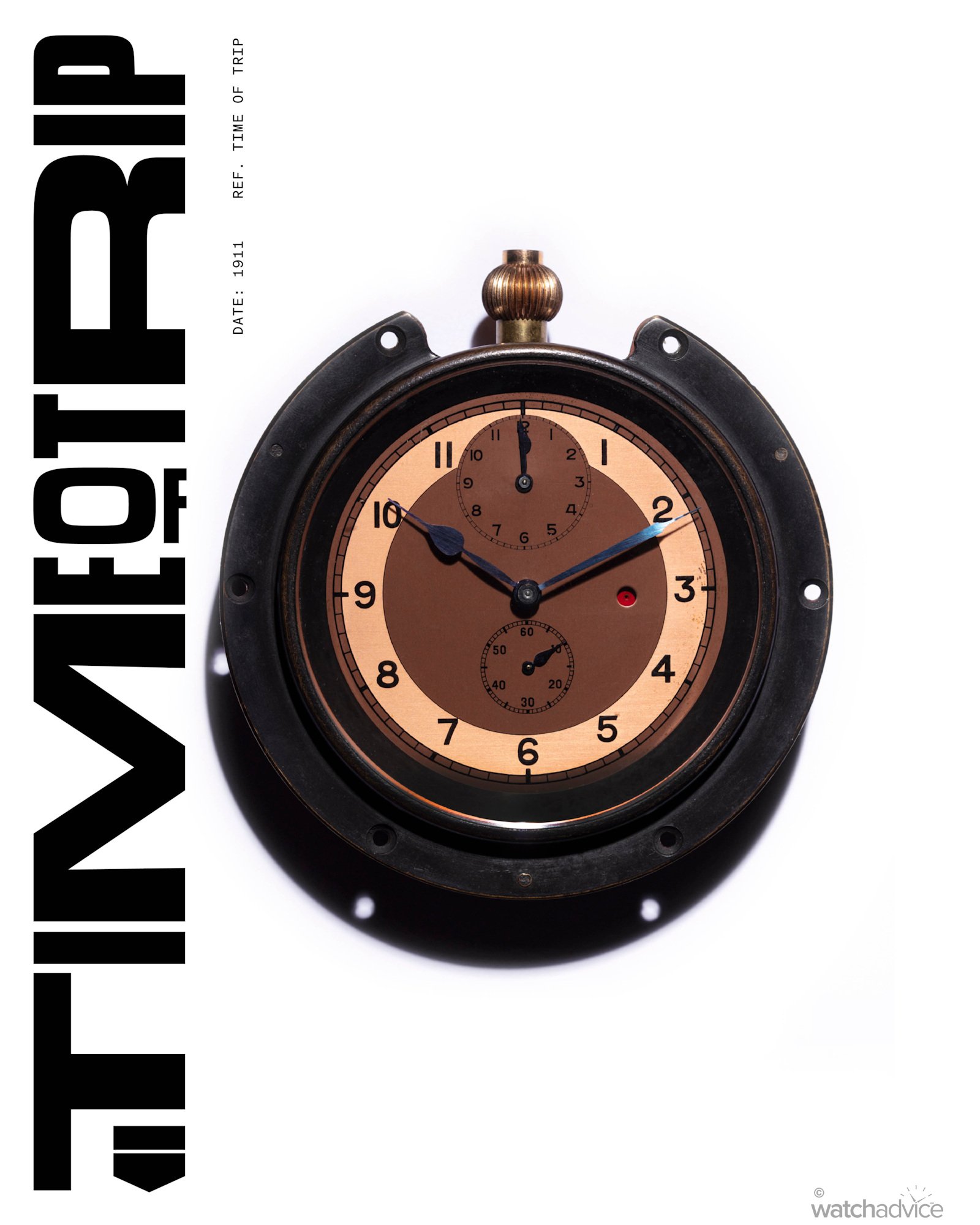
In 1911, TAG Heuer ventured outside of watchmaking and expanded the role of the chronograph by introducing the complication as the world’s first dashboard-mounted chronograph designed for automobiles and aircraft. These dashboard-mounted chronographs allowed drivers and pilots to measure time across journeys far more accurately and reliably. This ‘Time of Trip’ showcased early on that the chronograph mechanism was more than just another complication, but rather a practical instrument meant for real-world use.
Mikograph (1916)
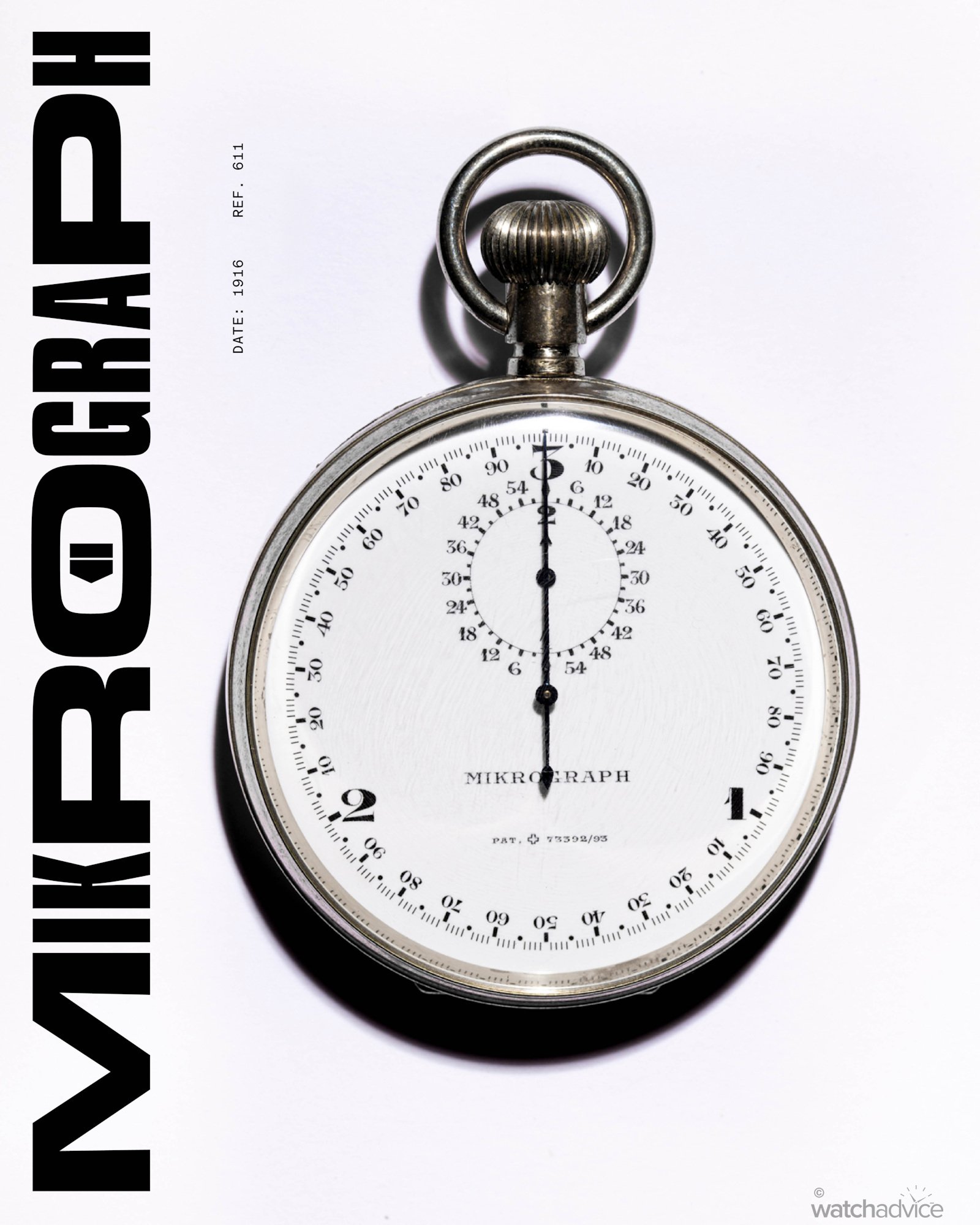
The release of the Mikograph was a historic moment for both TAG Heuer and the world of horology. The invention of the Mikograph pocketwatch allowed the user to measure time accurately to 1/100th of a second, establishing a new benchmark in precision. This came at a time when timing in sports was becoming more and more important, which made the Mikograph widely adopted for professional sports timing. This was the beginning for TAG Heuer as a watchmaker that had a relationship with professional competitive sports and precise timing measurement.
Chronographs in Extreme Environments (1960s -1970s)
The First Swiss Pocketwatch in Space (1962)
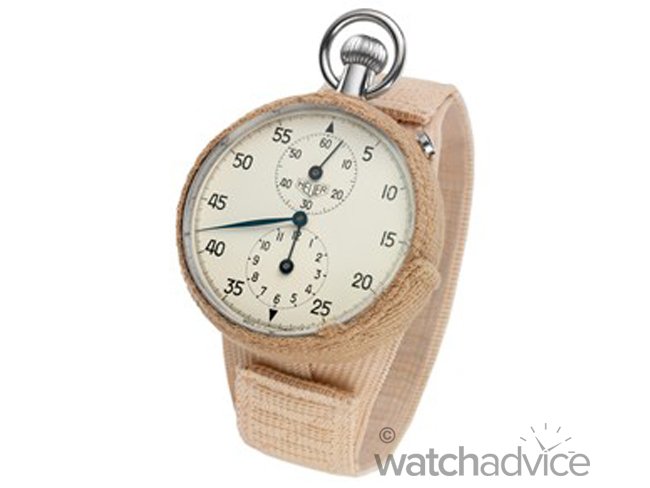
Following the historic moment of the Mikograph in 1962, TAG Heuer marked another milestone in its illustrious career when astronaut John Glenn carried a Heuer stopwatch, ref. (2951A) aboard his Mercury-Atlas 6 mission to officially become the first watch (pocketwatch) used in space. This was all during a time when reliability under extreme conditions was non-negotiable, so for TAG Heuer’s stopwatch ref. (2951A) to be chosen, it marked just how valued the watchmaker’s reputation for precision and reliability truly was. Being able to operate in space extended TAG Heuer’s chronograph legacy beyond Earth, further reinforcing that its complication could withstand extreme conditions.
The Birth of The Carrera (1963)
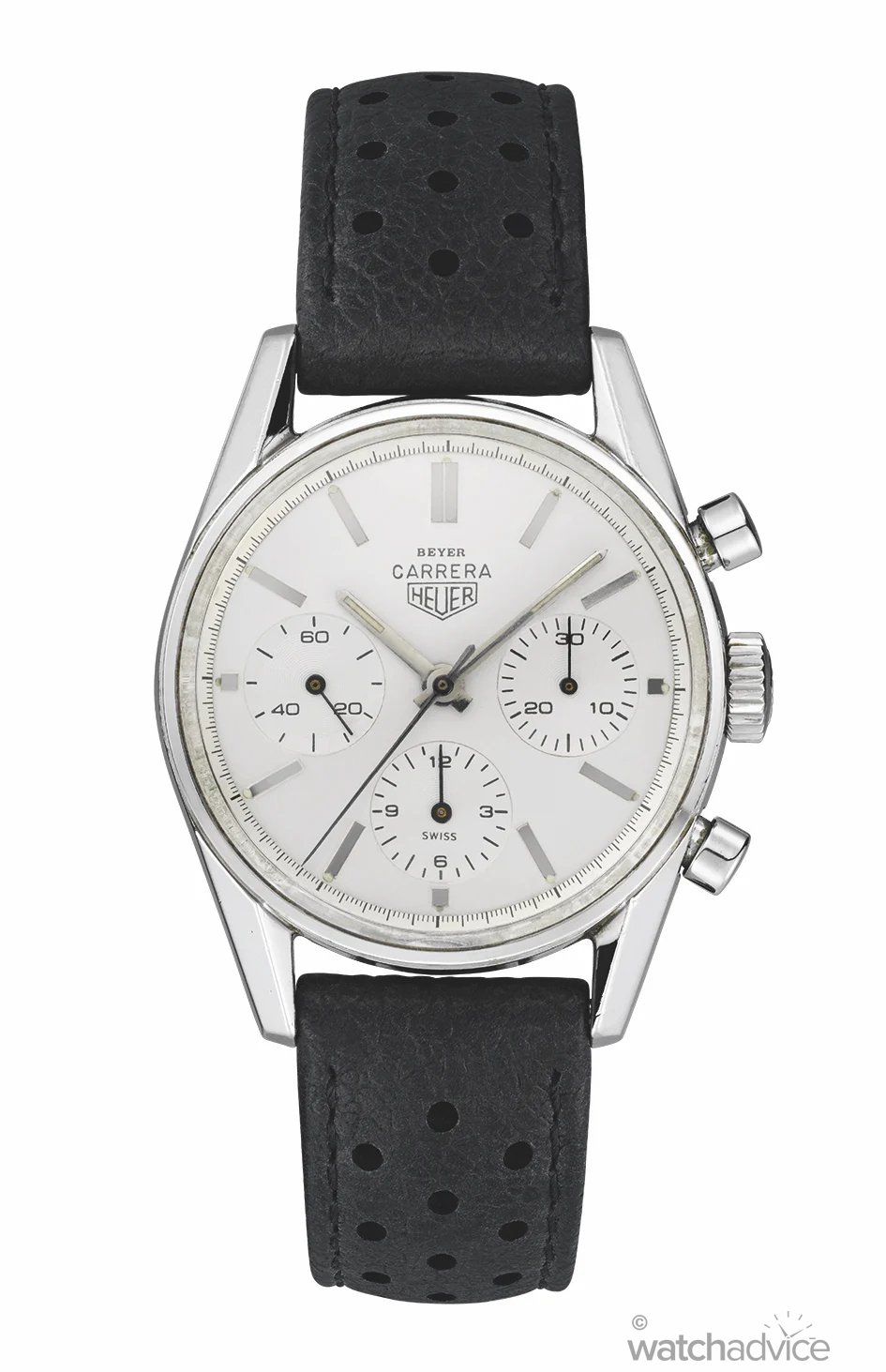
It’s one historic moment after another for TAG Heuer and the chronograph, as the following year saw the birth of the most recognisable chronograph wristwatch in the world of watchmaking. The launch of the Heuer Carrera was a pivotal shift in the chronograph design philosophy. As the story goes, Jack Heuer (then owner/CEO of TAG Heuer) was inspired by the legendary Carrera Panamericana road race to create a new timepiece with one clear objective: a watch with maximum legibility at high speed. This translates to clean dials with uncluttered layouts and large indices, with a beautifully proportioned design that would sit nicely on the wrist of drivers. The Carrera would go on to become one of the most iconic models in watchmaking.
The Microtimer (1966)
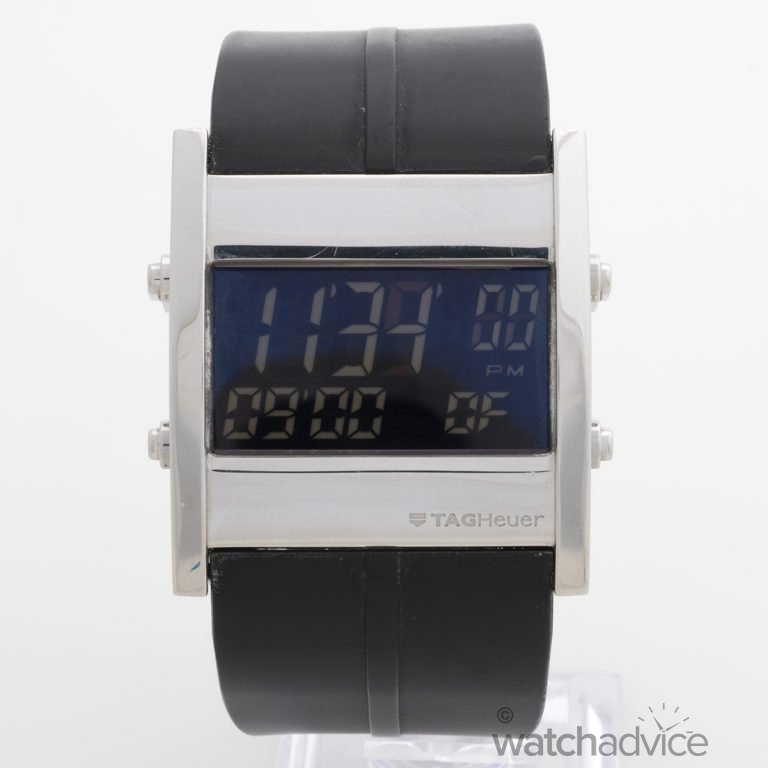
Exactly 50 years after the release of the Mikograph and its 1/100th of a second time measurement, TAG Heuer took ultra-precision another step further with the introduction of the Microtimer. This was the first timekeeping instrument accurate to 1/1000th of a second! This was a portable instrument that could be used in professional timing scenarios, reinforcing TAG Heuer’s leadership in high-frequency measurement. The Microtimer was evidence that chronograph innovation wasn’t slowing down anytime soon, with sporting and technical demands needing more exact precision.
Introduction of The Calibre 11 & The Monaco (1969)
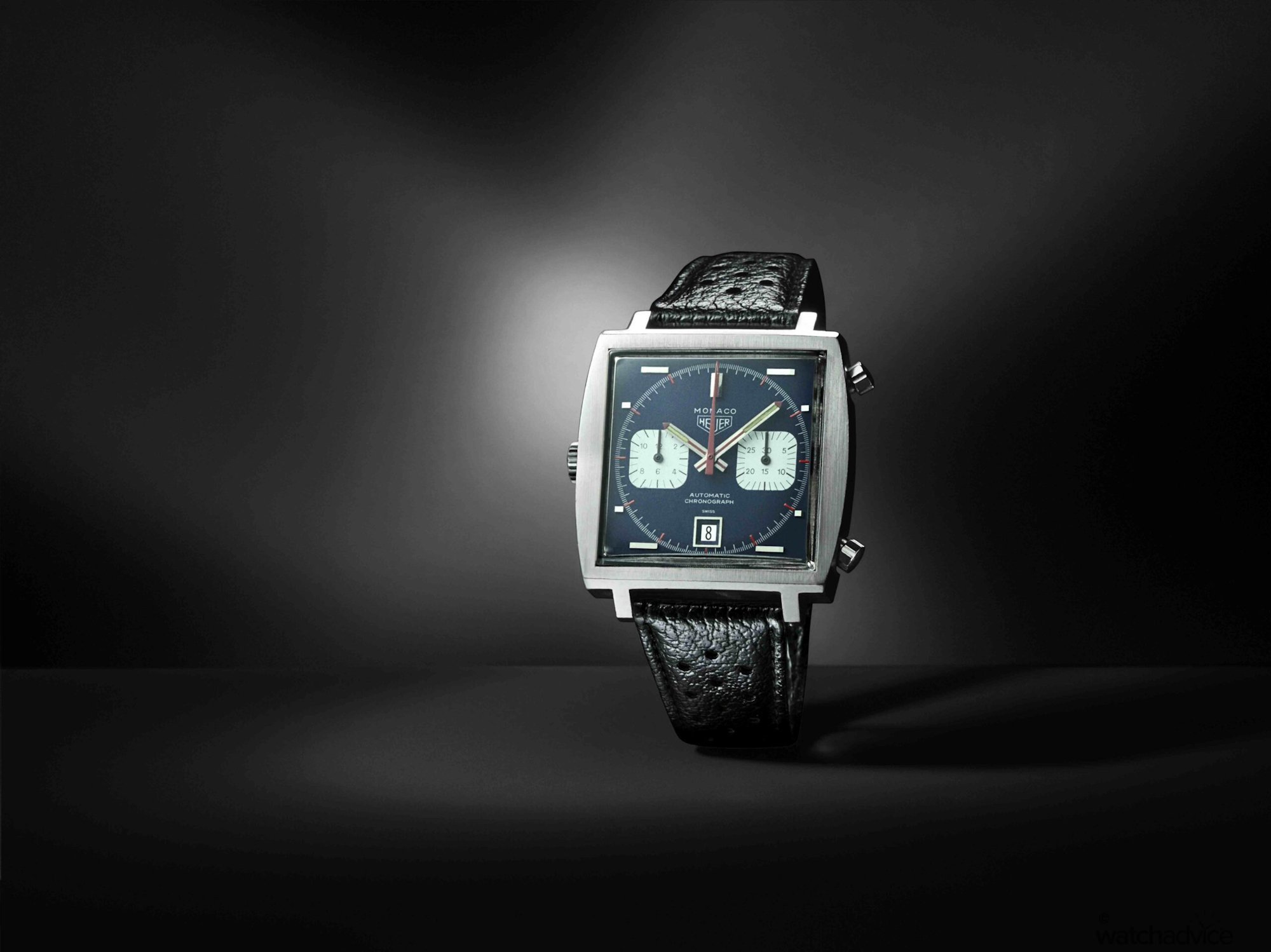
The culmination of this chronograph era came with the introduction of the Calibre 11 movement and the unveiling of another iconic timepiece, the Monaco. In the late 1960s, there was a pivotal race to be the first watchmaker to create an automatic winding chronograph. This race was between four brands: Zenith, TAG Heuer, Breitling, and Seiko. While Zenith was undertaking a revolutionary project with the El Primero, TAG Heuer and Breitling joined teams with a movement specialist, Dubois-Depraz, to create Project 99, the first commercially available automatic chronograph.
They achieved just that, shortly after Zenith introduced the El Primero calibre, Project 99 introduced the Calibre 11 movement. The movement found its most forward-thinking expression in the Monaco, a square-cased chronograph that broke with every convention of the time. It was certainly a bold design, being both unconventional and technically advanced, the Monaco embodied the experimental spirit of the late 1960s and cemented TAG Heuer’s position at the forefront of modern chronograph watchmaking.
Heuer “Le Mans” Centigraph (1971), Motorsport Timing, and Partnerships
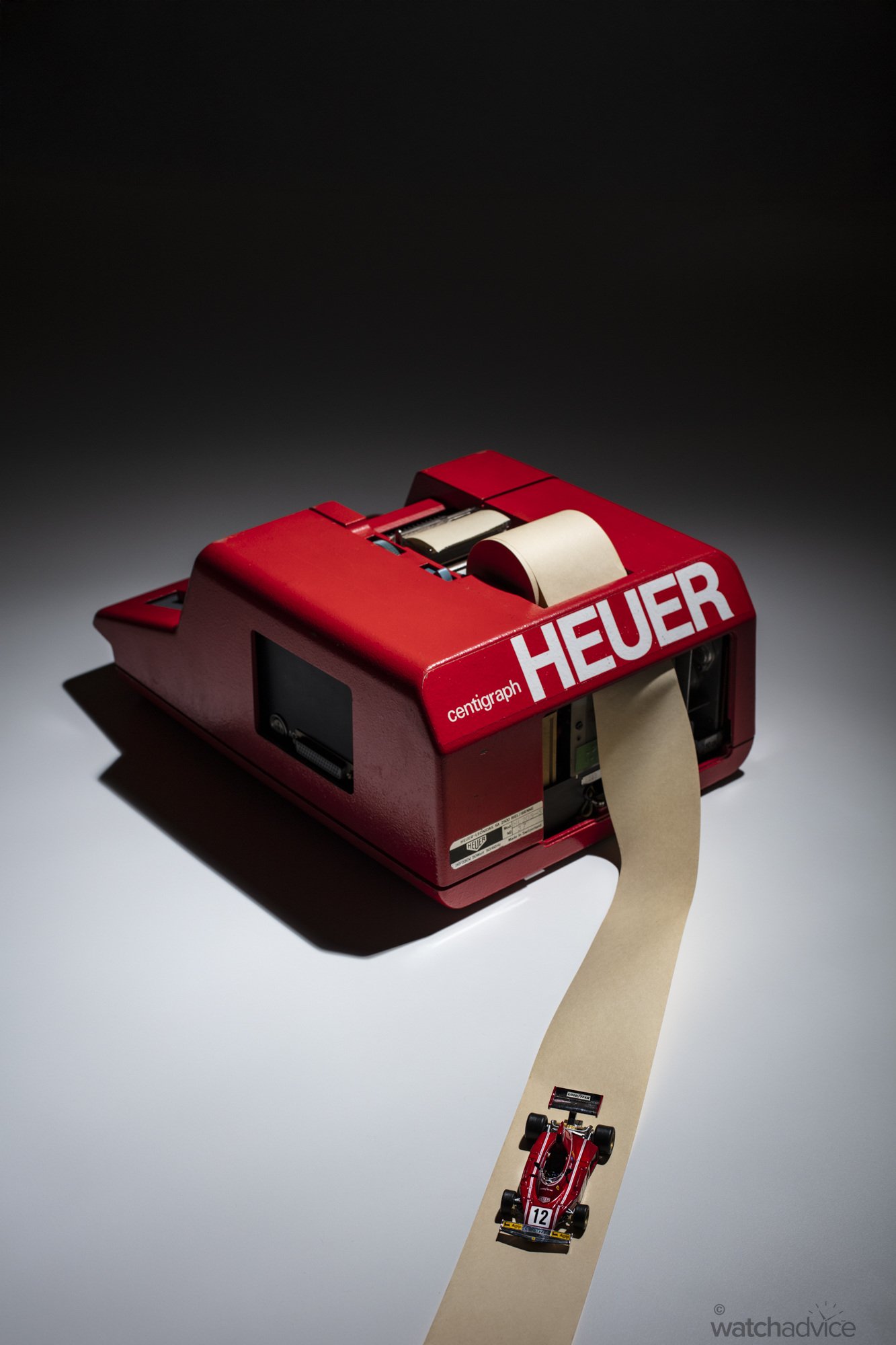
TAG Heuer deepened its involvement in the world of motorsport shortly after the release of the Monaco and Calibre 11 movements. The story goes that in 1971, Enzo Ferrari challenged Jack Heuer to create an ultra-accurate timekeeper that is worthy of the 24-hour Le Mans race. Jack Heuer’s response was the Centigraph Le Mans, which was capable of measuring time to 1/1000th accuracy.
Now you may be thinking, what makes the Centigraph so different from the Microtimer, as they both measure with 1/1000th accuracy? Well, the difference lies in the Centigraph’s functionality and application. It was designed to be able to time multiple cars simultaneously, calculate average speeds, and deliver clear, race-relevant data during testing and competition!
Working alongside Ferrari, the 1970s marked the beginning of close collaborations with racing teams and drivers, showcasing the brand’s ability to work in the most technically demanding sport. Rather than simply sponsoring the sport, TAG Heuer embedded itself within it, working closely with teams like Scuderia Ferrari by supplying timing solutions, further reiterating the importance of the chronograph role as a performance tool.
Miniaturisation & Performance on the Wrist
Chronosplit – Professional Timing Equipment Turned Into Wrist-Worn Tools (1975)
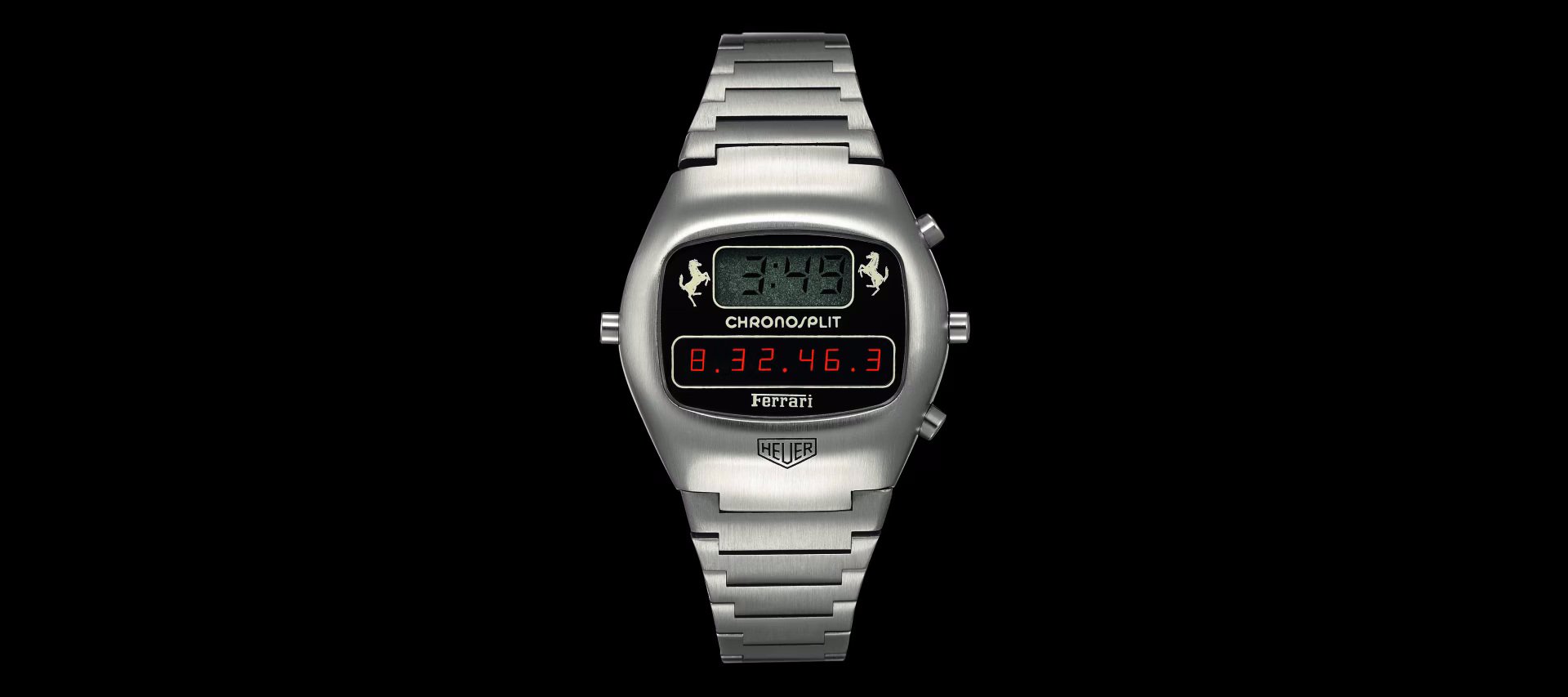
Following on from the success of the Heuer “Le Mans” Centigraph, Heuer looked to translate this ultra-precise technology into timepieces that can be worn on the wrist. This design concept finally came to life in 1975, when Heuer introduced the Chronosplit, a chronograph wristwatch that was capable of measuring time to 1/100th of a second accuracy. The chronosplit effectively miniaturised professional-grade timing technology into a wearable format. The Chronosplit allowed athletes to access precise timing data instantly, without reliance on external equipment.
TAG Heuer Icons Born From The Chronograph
The TAG Heuer Autavia (1962)
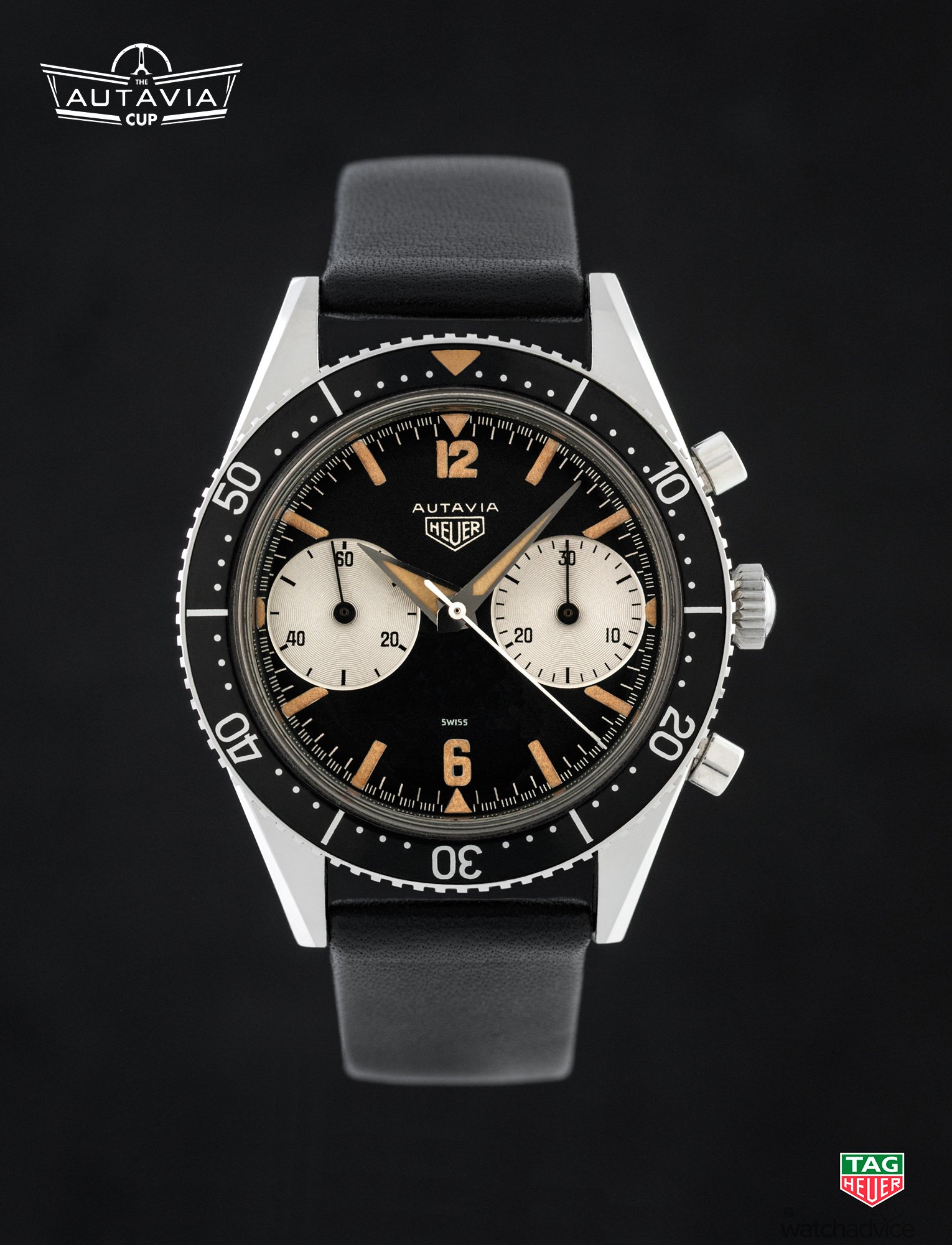
The Autavia was first introduced in 1962, with the name being derived from “AUTomobile” and “AVIAtion”, which showcases its dual-purpose origins. The Autavia was initially designed as a dashboard timer, used in cockpits and automotive vehicles, before evolving into a wristwatch chronograph. The first Autavia timepieces featured rotating bezels, a bi-counter layout with two large subdials, and large indices for clear legibility. Released before the watchmaking icons Carrera and Monaco, the Autavia was the first to embody TAG Heuer’s instrument-first philosophy and is arguably the first “commercial” chronograph with a model name on the dial from the watchmaker.
The TAG Heuer Carrera (1963)
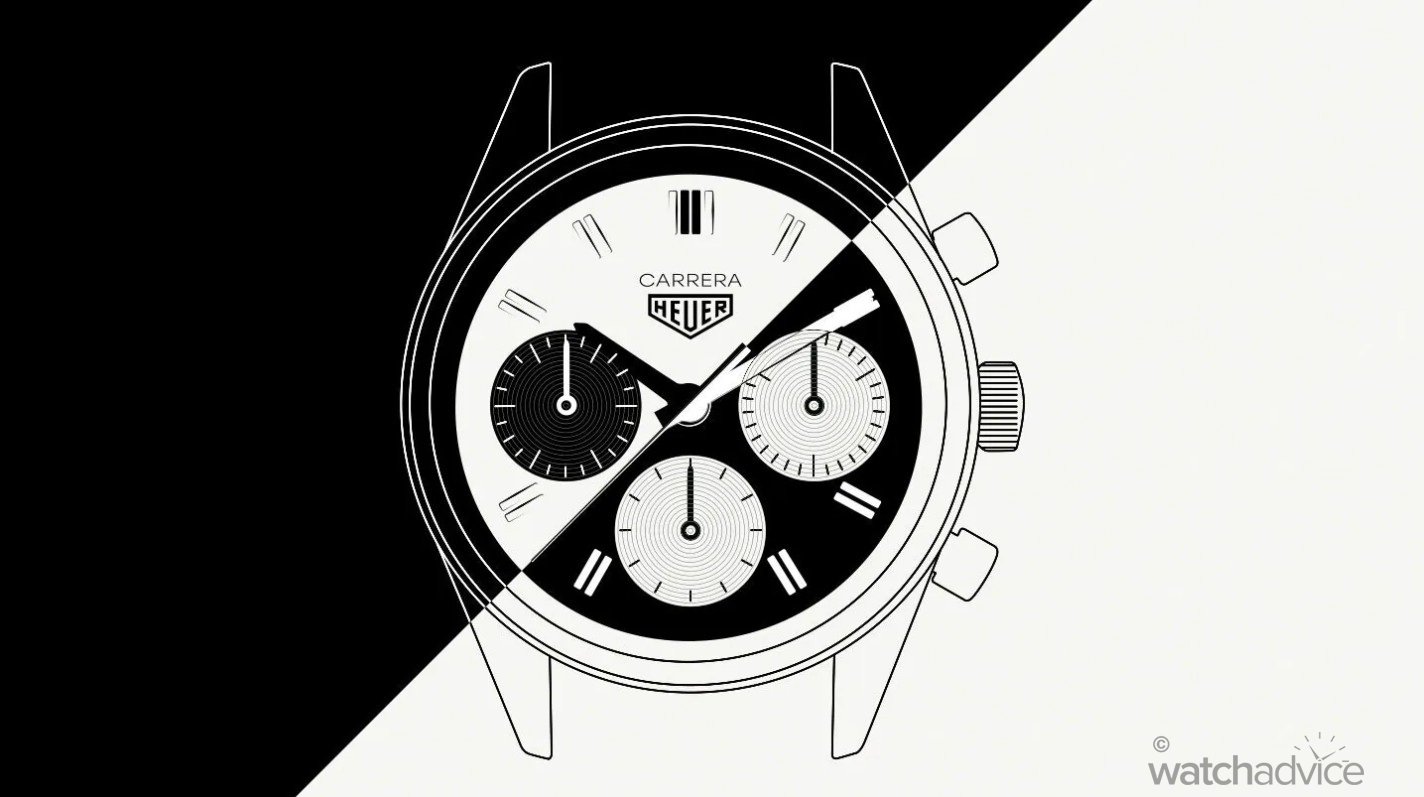
The TAG Heuer Carrera was designed with one purpose in mind: easy readability at high speeds. Jack Heuer designed the Carrera with inspiration taken from the infamous Carrera Panamerican road race, with the timepiece prioritising dial readability above all else. Unlike the other chronographs that were released during this time period, the Carrera embraced a more visually ‘clean’ dial, with large indices and refined hands for optimal legibility. This signature design became the core essence of the Carrera, one of the most iconic chronographs in the world of watchmaking.
The TAG Heuer Monaco (1969)
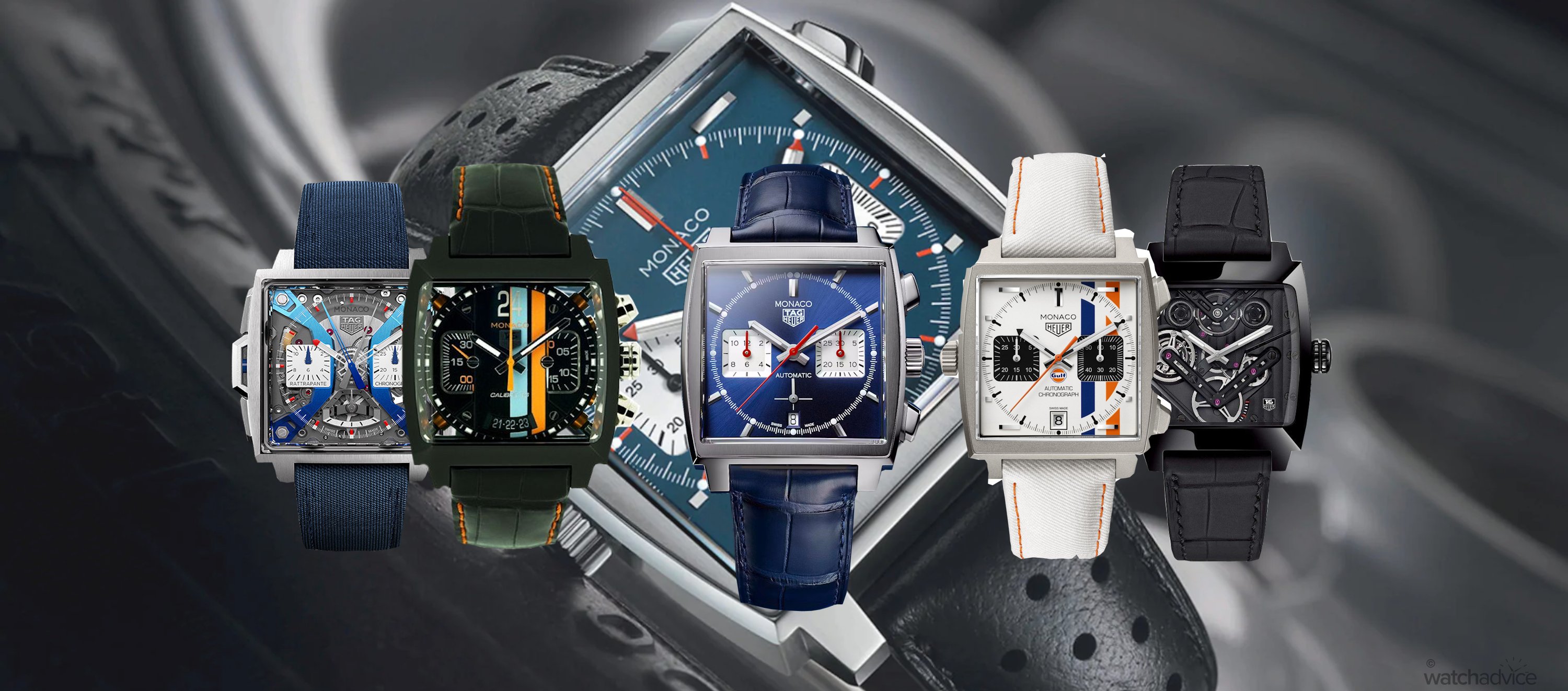
As previously mentioned, the TAG Heuer Monaco was conceived through a race between four brands trying to achieve the first automatic chronograph in the world. While TAG Heuer and Project 99 weren’t the first, the watchmaker unveiled a remarkable design that was bold and certainly memorable. The square case, a first for a water-resistant chronograph, left-positioned crown, and the circular dial challenged conventional watchmaking to the core. The Monaco went on to also be associated with pop culture, making appearances in motorsporting and on-screen appearances. Aside from the avant-garde design, the Monaco has had several historic moments, with a key innovation being the rattrapante split-seconds chronograph.
The TAG Heuer Formula 1 (1986)
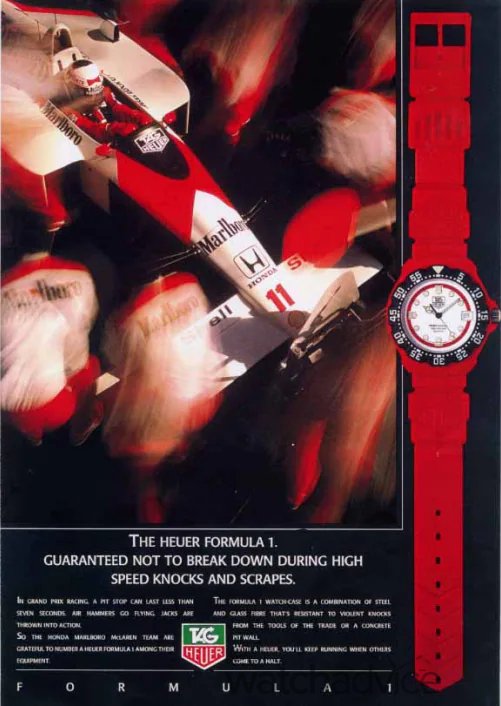
With the success that Heuer was seeing with the brand and its collaborative efforts with Formula 1, the watchmaker decided to introduce a dedicated Formula 1 collection. A year after Techniques d’Avant Garde (TAG) acquired Heuer to become TAG Heuer, the Formula 1 was unveiled as a modern sports watch, ushering in a new era of accessibility. This collection departed from what we knew as traditional watchmaking to feature bold colours, quartz precision, and durable case materials. Closely tied to the brand’s growing involvement in Formula 1®, the collection brought chronograph timing to a younger, performance-focused audience.
The People Who Made The Chronograph Legendary
The chronograph’s foundations were laid with technical mastery of the complication, with collaborations with high-profile teams bringing not on the complication but also the timepieces that carried the mechanism to the light. Alongside this, it was also the high-profile individuals who trusted these instruments of precision in moments of extreme pressure that drove the watches into legendary status. From racing drivers, elite athletes, to astronauts, the TAG Heuer chronographs were symbols of precision, mental resiliency, and high-performance on the wrist.
Ayrton Senna
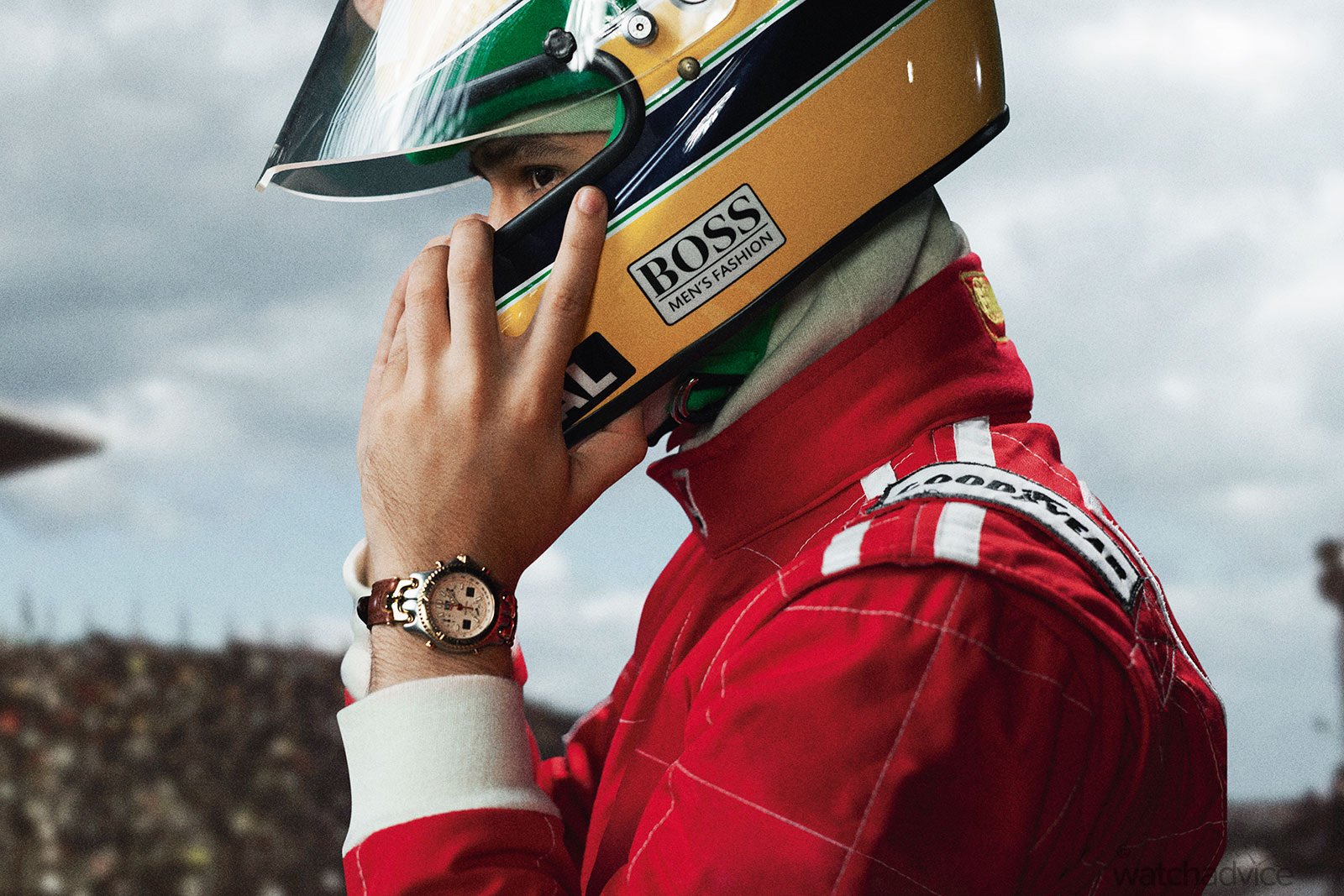
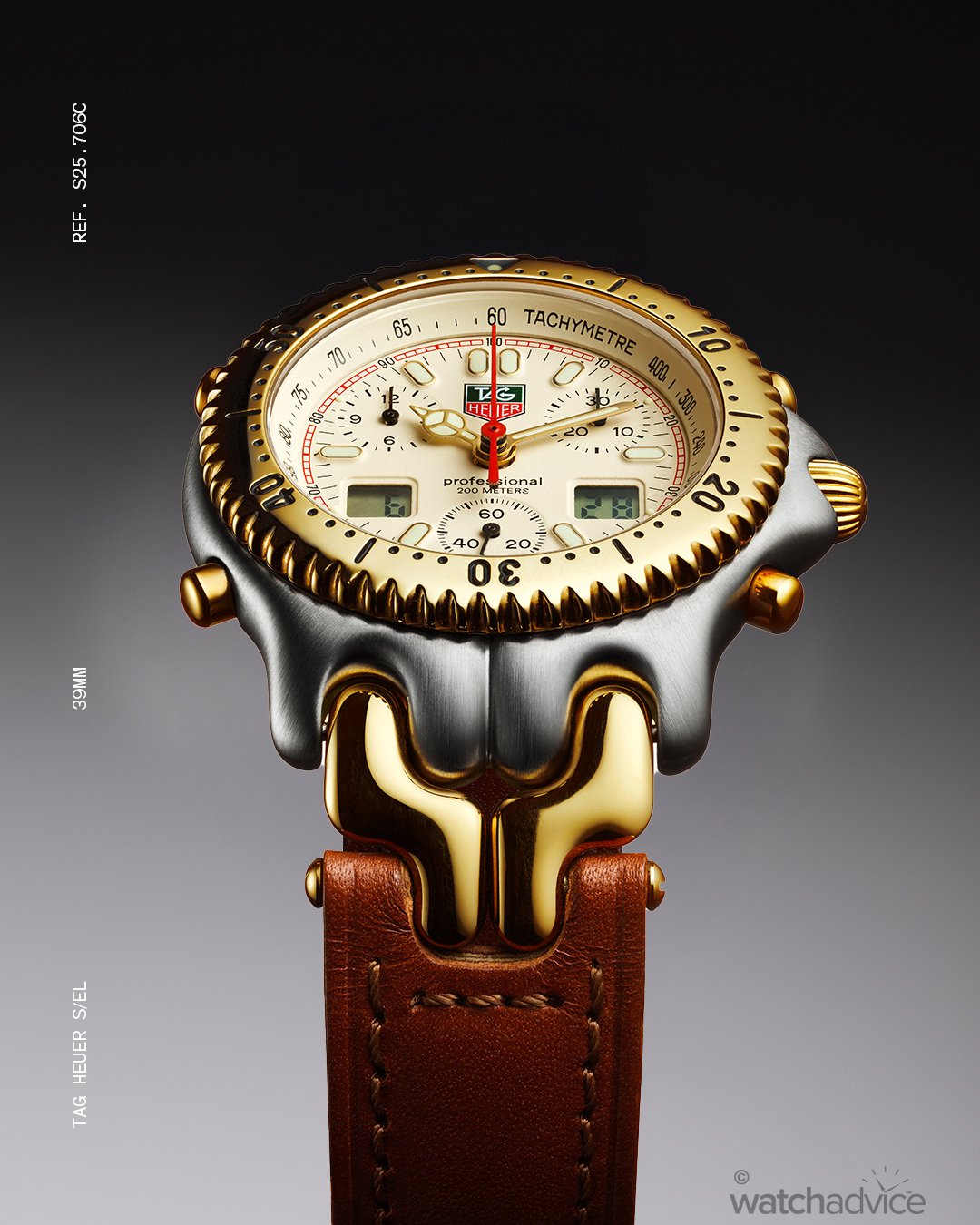
Ayrton Senna is one of the most iconic individuals to don a TAG Heuer chronograph, and it wasn’t done just for a marketing spectacle, but rather the Formula 1 driver genuinely enjoyed the timepieces. During Ayrton Senna’s Formula 1 career, he was seen wearing a variety of TAG Heuer chronographs, but it was arguably the TAG Heuer S/EL (Sports Elegance) digital quartz chronograph model that was his favourite. The timepiece featured a distinctive S-shaped link bracelet, alongside a two-tone aesthetic and both digital and analog time displays on the dial. Ayrton Senna’s relationship with TAG Heuer helped to elevate not only the brand but also the chronograph into a symbol of performance, reliability, and, of course, precision.
John Glenn
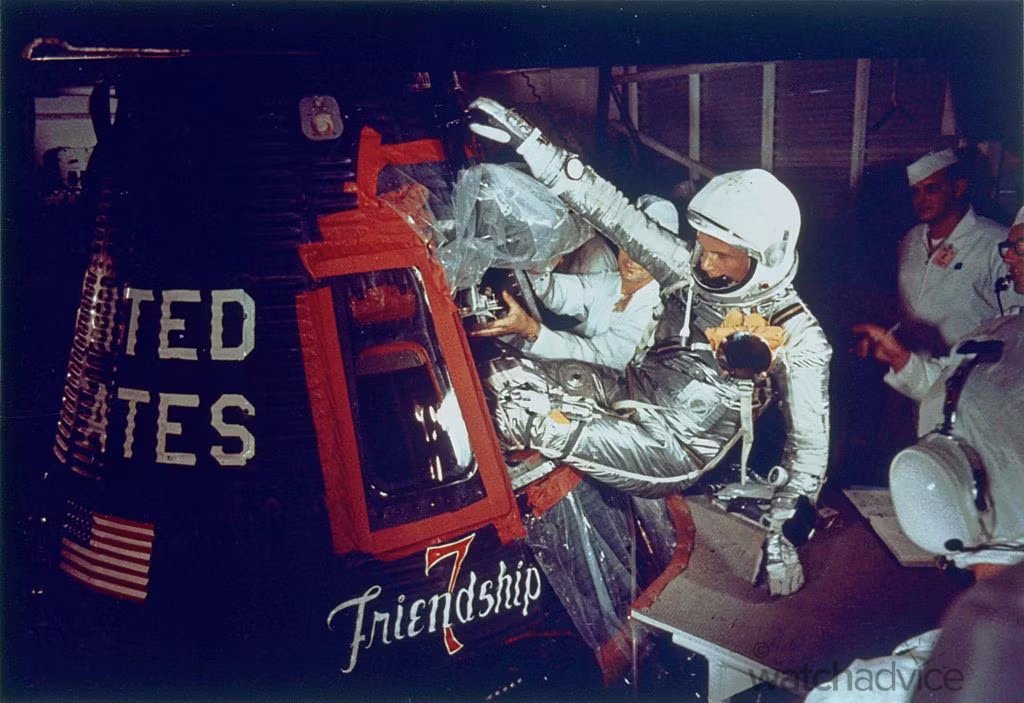
The famous Mercury-Atlas 6 expedition that saw astronaut John Glenn carry a Heuer stopwatch marked the first time that a Swiss watch was used in space. This space exploration spoke volumes for TAG Heuer’s chronographs, where in an environment where failure and lack of reliability weren’t an option, these precision instruments were selected to withstand these incredible conditions. This Heuer stopwatch showed that Heuer wasn’t just pushing the limits of human performance, but the limits of Earth itself.
Ferrari Drivers & Motorsport Timing Crews
Throughout the late 1960s and 1970s, Heuer worked closely alongside not just the drivers at Ferrari but also the timing crews, supplying professional chronograph instruments that were used for testing, race preparation, and performance analysis. These chronograph instruments played a direct role in measuring lap times, refining strategies during Grand Prix races, and ultimately in the development of Formula 1 cars.
Steve Mcqueen
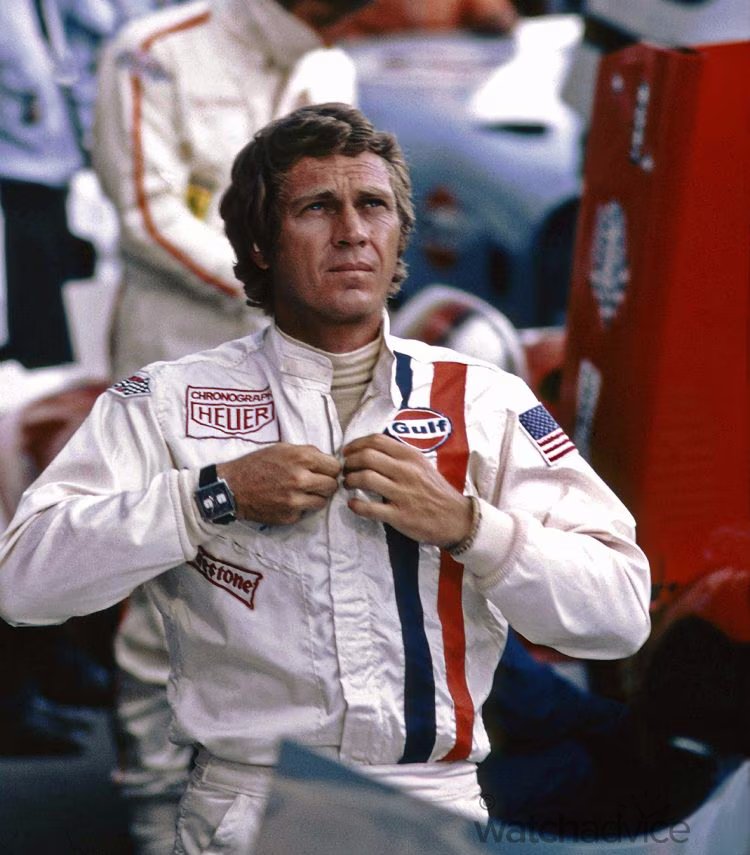
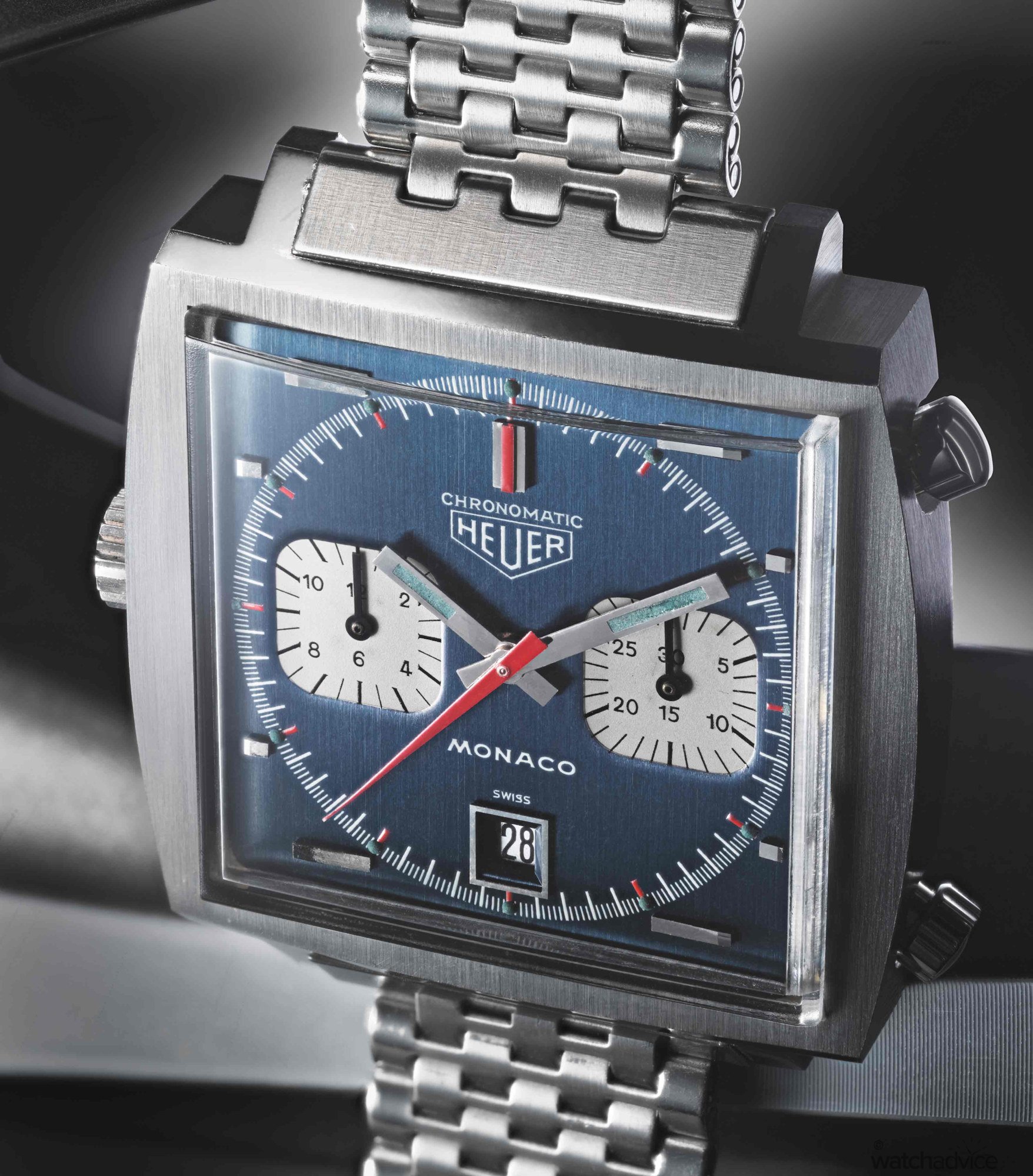
Alongside Ayrton Senna, Steve McQueen’s association with TAG Heuer remains as one of the most culturally significant moments in the history of the chronograph. Steve McQueen wore the chronograph, in particular the TAG Heuer Monaco, during the filming of Le Mans (1971). The Monaco wasn’t just chosen as a stylish prop for the movie, but rather a real reflection of motorsporting culture at the time. The Monaco’s iconic square case, bold dial, and, of course, the automatic chronograph Calibre 11 movement aligned perfectly with McQueen’s “King of Cool” persona.
Max Verstappen

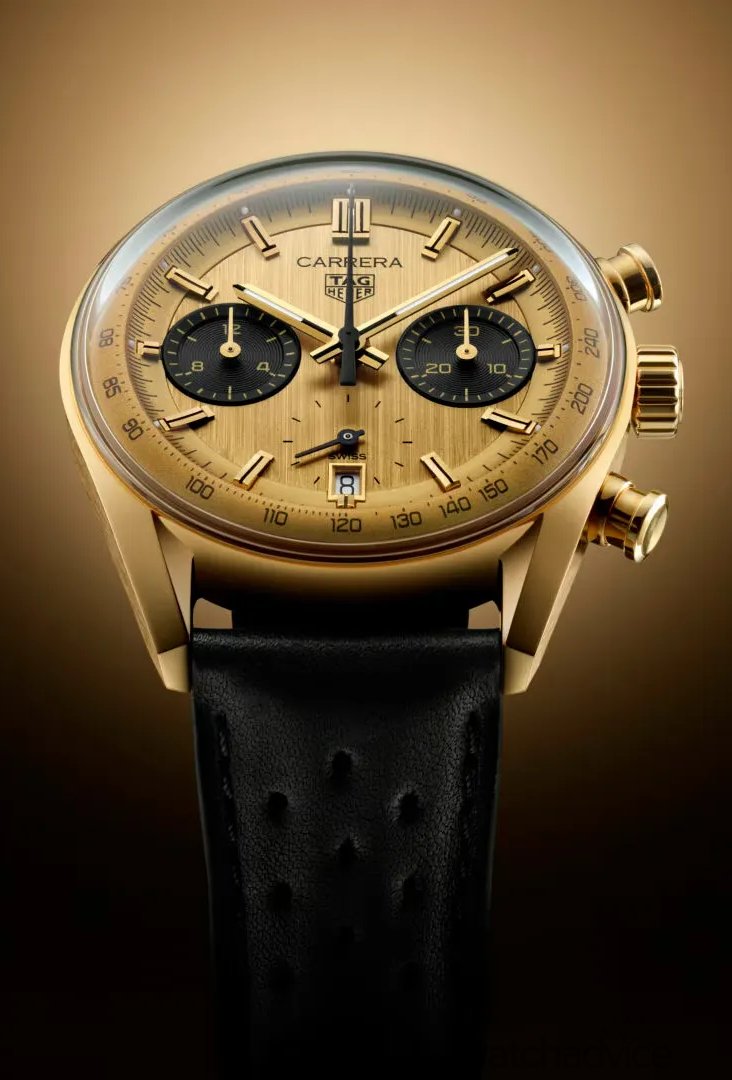
Max Verstappen is the modern evolution of the TAG Heuer chronograph legacy in Formula 1, where extreme precision and split-second decision-making will define whether you are the winner or not at the highest level. Verstappen is known for his calculated aggression and exceptional control under pressure, embodying the same performance-first mindset that has led TAG Heuer to be one of the leaders in chronograph development. Max Verstappen has worn several TAG Heuer chronographs throughout the years, including the Monaco; however, one of the standout models is the Glassbox Carrera chronograph in gold, a modern interpretation of the 1960s icon.
The Modern Era of The Chronograph And What 2026 Really Means
As TAG Heuer enters 2026, the Year Of The Chronograph is positioned not just as a celebration, but also reaffirming the relevance of the complication. In a time where digital precision is seen everywhere, TAG Heuer continues to argue that the chronograph still matters as an evolving instrument. The modern era of TAG Heuer’s chronograph story is displayed through innovation and forward-thinking design, all the while drawing on 165 years of watchmaking experience.
The Revolutionary TAG Heuer Lab
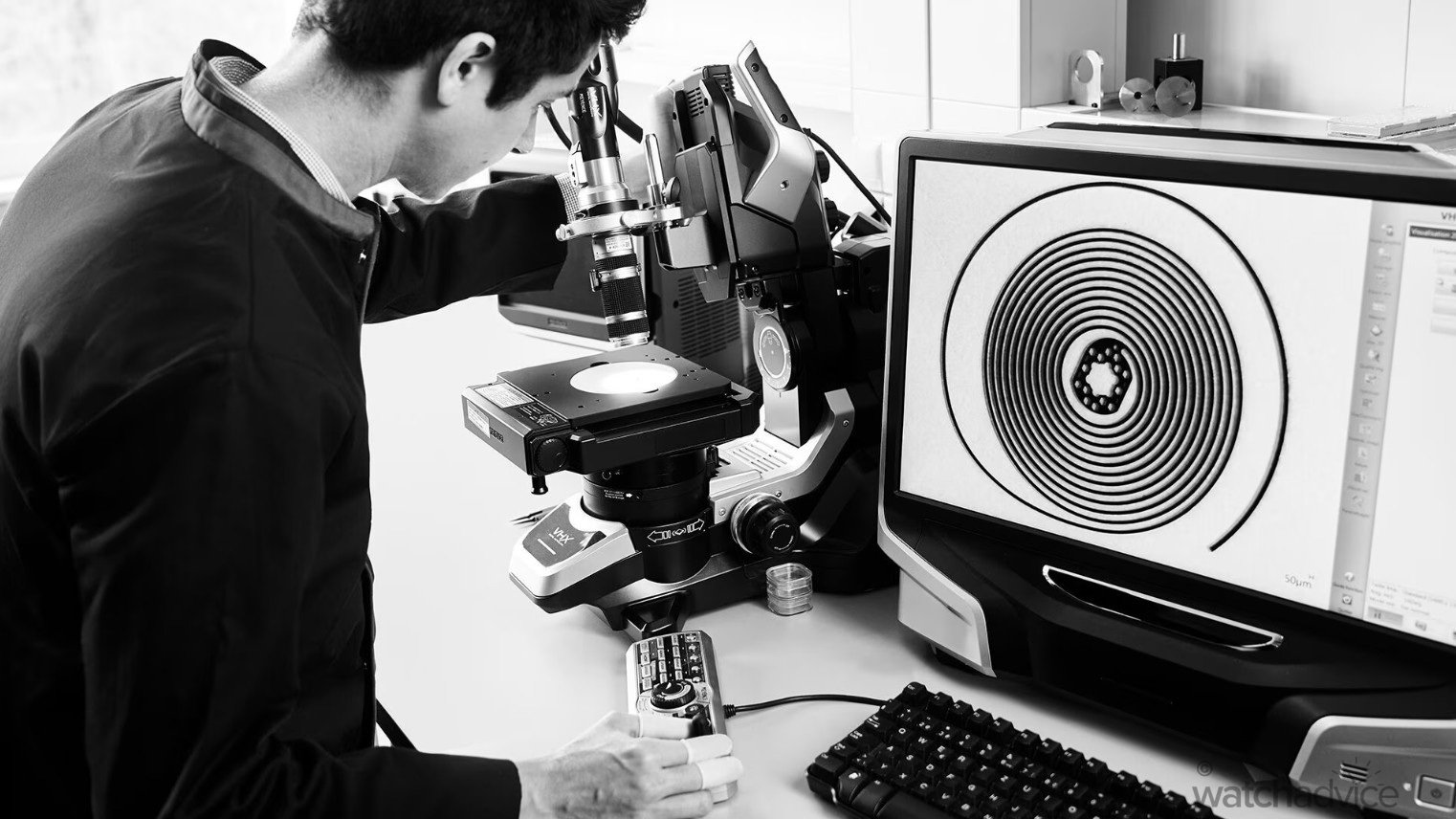
At the very heart of the evolution of the modern chronograph is the TAG Heuer Lab. This is the brand’s own advanced research and development division that is dedicated to pushing chronograph technology beyond conventional limits. The TAG Heuer Lab was created to operate with freedom to challenge traditional watchmaking norms, focusing on long-term innovation rather than just short-term tweaks. It is the perfect ground for creating the next generation of TAG Heuer chronographs!
What 2026 ultimately represents for TAG Heuer is the continuation of the evolution of the chronograph. This complication remains as one of the pillars that define the brand because it reflects TAG Heuer’s unwavering focus on precision, performance, and the measurement of decisive moments where fractions of a second truly matter. TAG Heuer shows us that the chronograph is not a relic of the past, but one that still remains relevant today, measuring moments as it has for more than 165 years.