

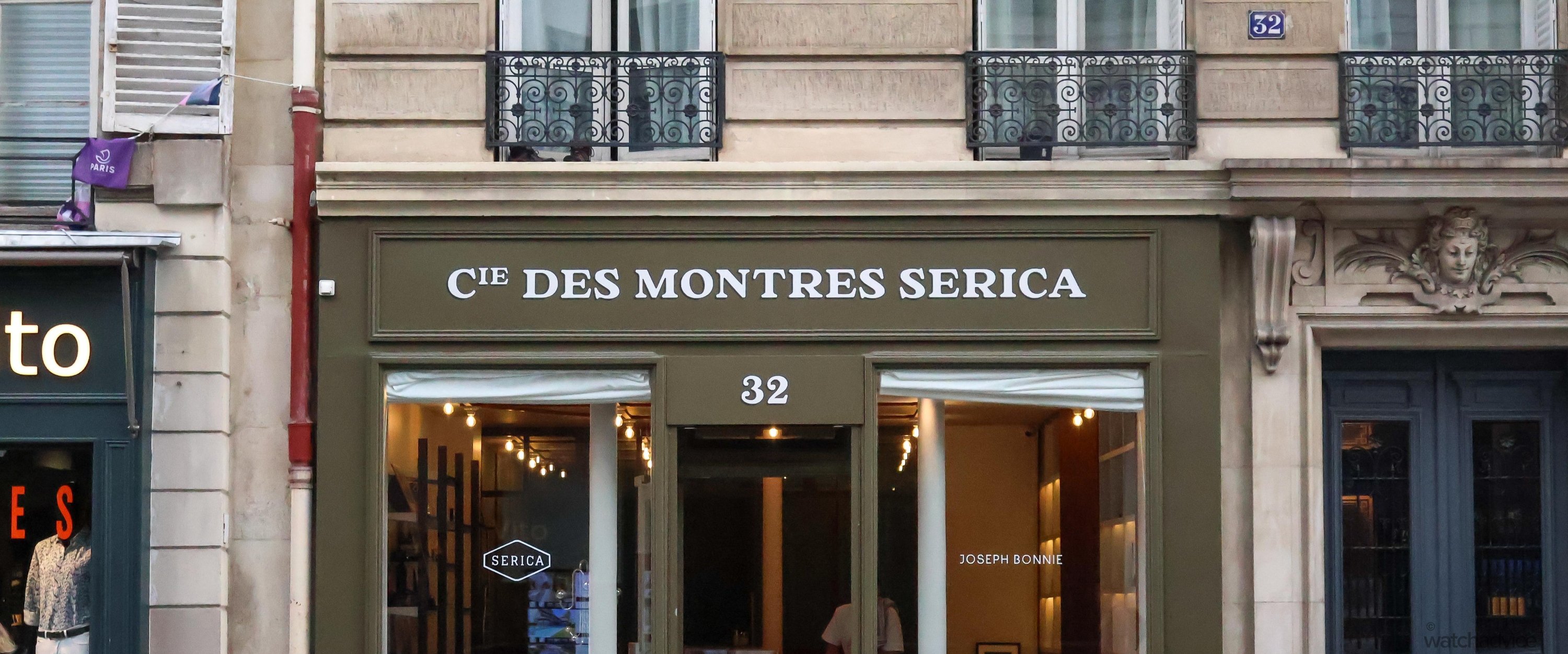
Today on Travelling Time, I visit the Serica boutique in Paris to explore the one of France’s pre-eminent microbrands!
If the luxury watch world is a pool of sharks, the microbrand scene is a tank filled with piranhas. Every day, new brands emerge from the woodwork, only to be cut down just as quickly, with five more taking their place. The few that manage to escape the rat race shine brightly, but those that do not become part of the hill the hungry masses climb. In a space crowded with microbrands all trying to be unique, standing out is the hardest battle of all.
In France, there are a handful of brands that have achieved recognition among the throng. Beaubleu, Baltic, March L.A.B, and Charlie Paris are all names you may have heard before. But none take quite the same approach to watchmaking as the team at Serica.
Their goal was simple: to make mechanical watches useful again. Focusing on contemporary utilitarianism over superfluous style, they have carved out a niche that remains largely unexplored. Not just within the microbrand space, but across the wider industry.
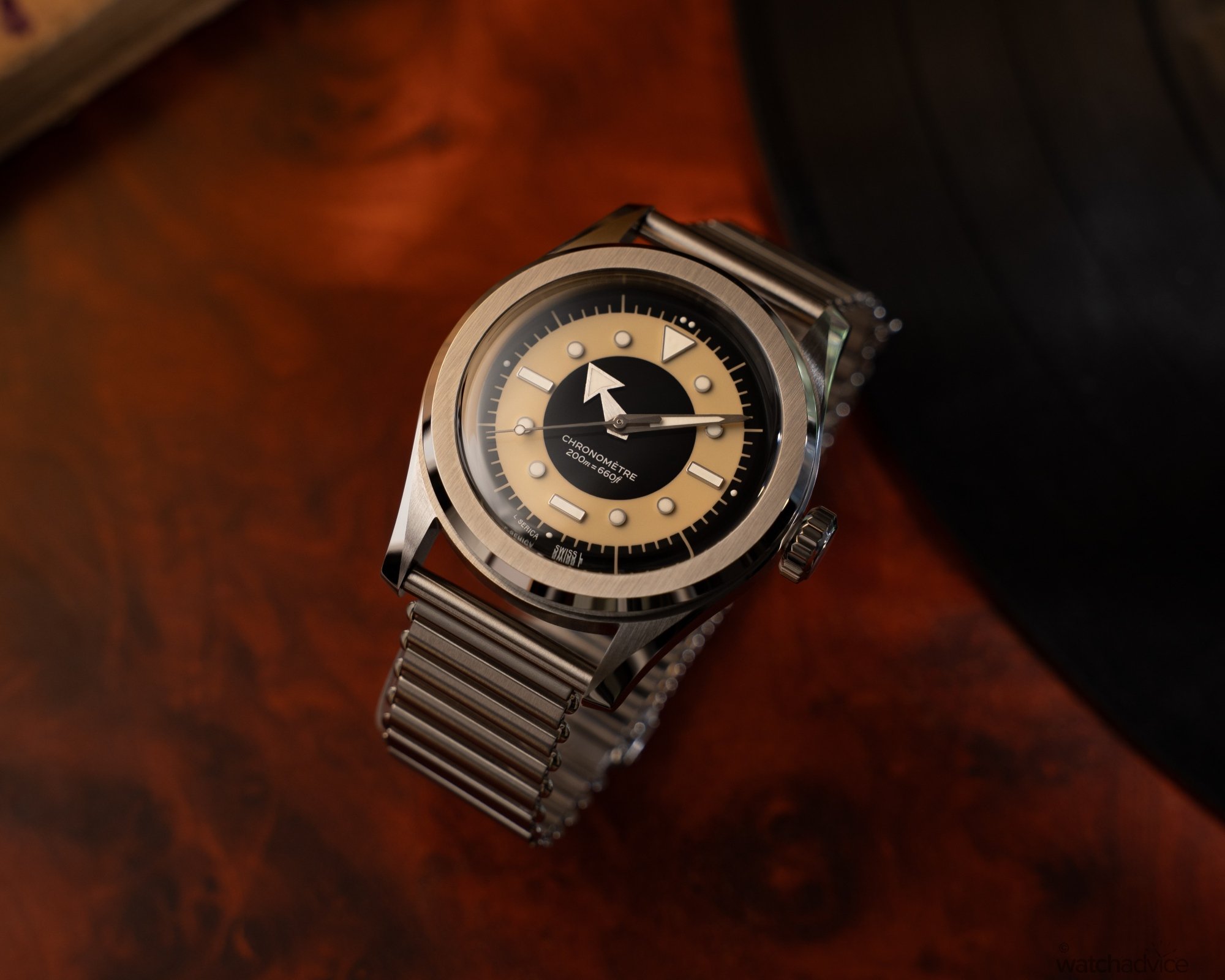
As I went from watch enthusiast to full-blown watch nerd, Serica was one of the first microbrands to catch my eye. None I had seen thus far approached horology quite like them, and I yearned to see one in person. So, I took a flight to Paris during the Euro summer of 2025, reaching out to Silene Fry and Jérôme Burgert to experience their watches for myself.
The City of Love
France has always been a country that stood out to me, though admittedly not in a good way. The internet has constantly found new and inventive ways to make fun of the French. My perception of France had already been warped beyond repair, but as I walked through the rain-soaked streets of Paris towards the Serica boutique, I found the city quiet and peaceful.
Perhaps the weather had kept everyone indoors, but more likely was that Parisians were bracing for that annual plague called ‘tourism.’ Though I’d been warned thoroughly about French ‘courtesy,’ I found that a quick “je suis Australien” or the more effective “bonne chance avec les Américains” was enough to coax a smile from even the gloomiest of locals.
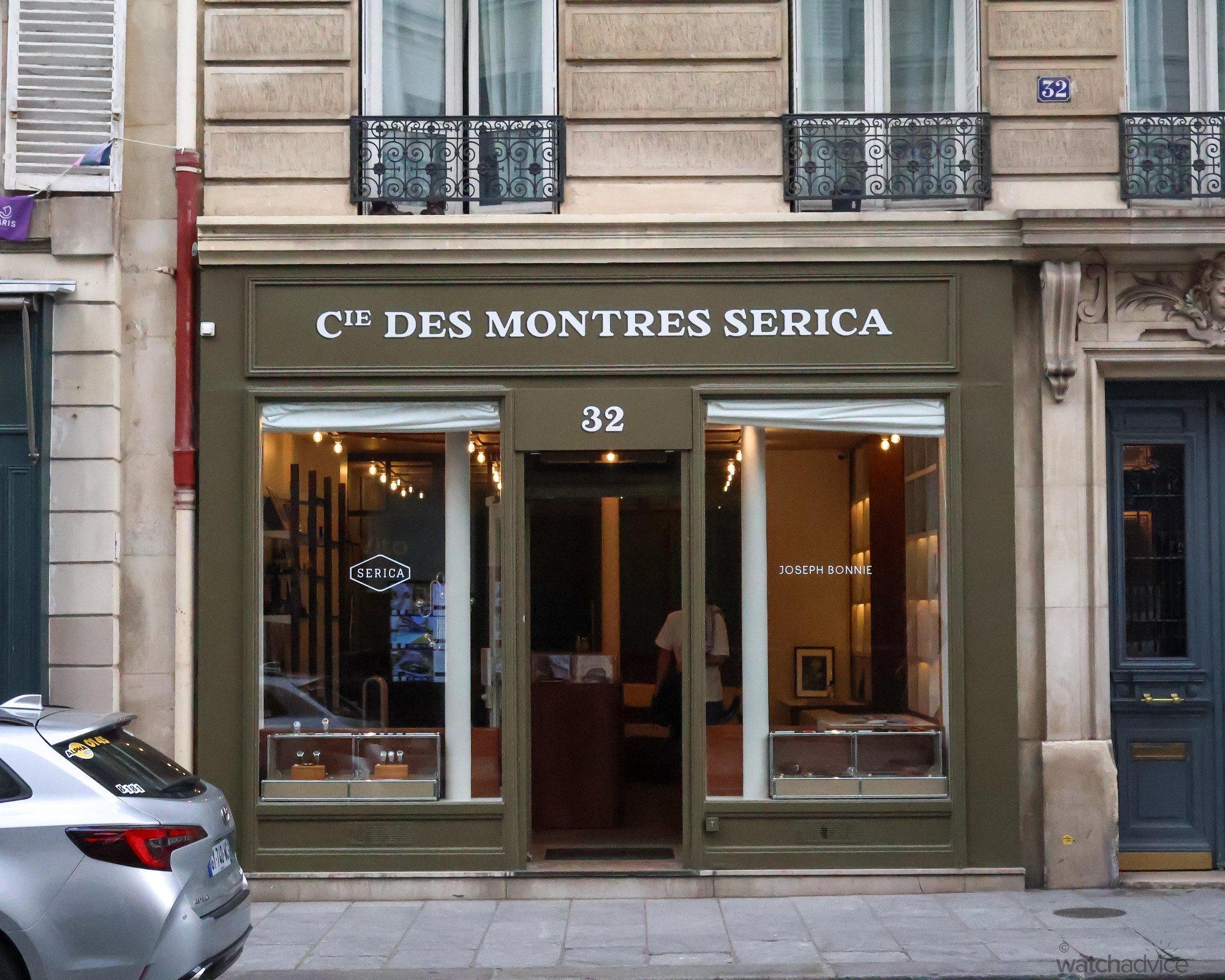
But in Paris, what outsiders call ‘rudeness’ is an illusion. What Parisians actually loathe is the over-inflated sense of self — the idea that everyone is special or superior than another. The Serica boutique perfectly echoes this philosophy. It doesn’t aggrandize, or position itself above the consumer.
With warm lighting and wooden furnishings, it felt more like someone’s home than a retail store — lived-in and loved. The space also reflects the attitude Serica wants you to take with their watches: to live with them, rather than seeing them languish in a safe.
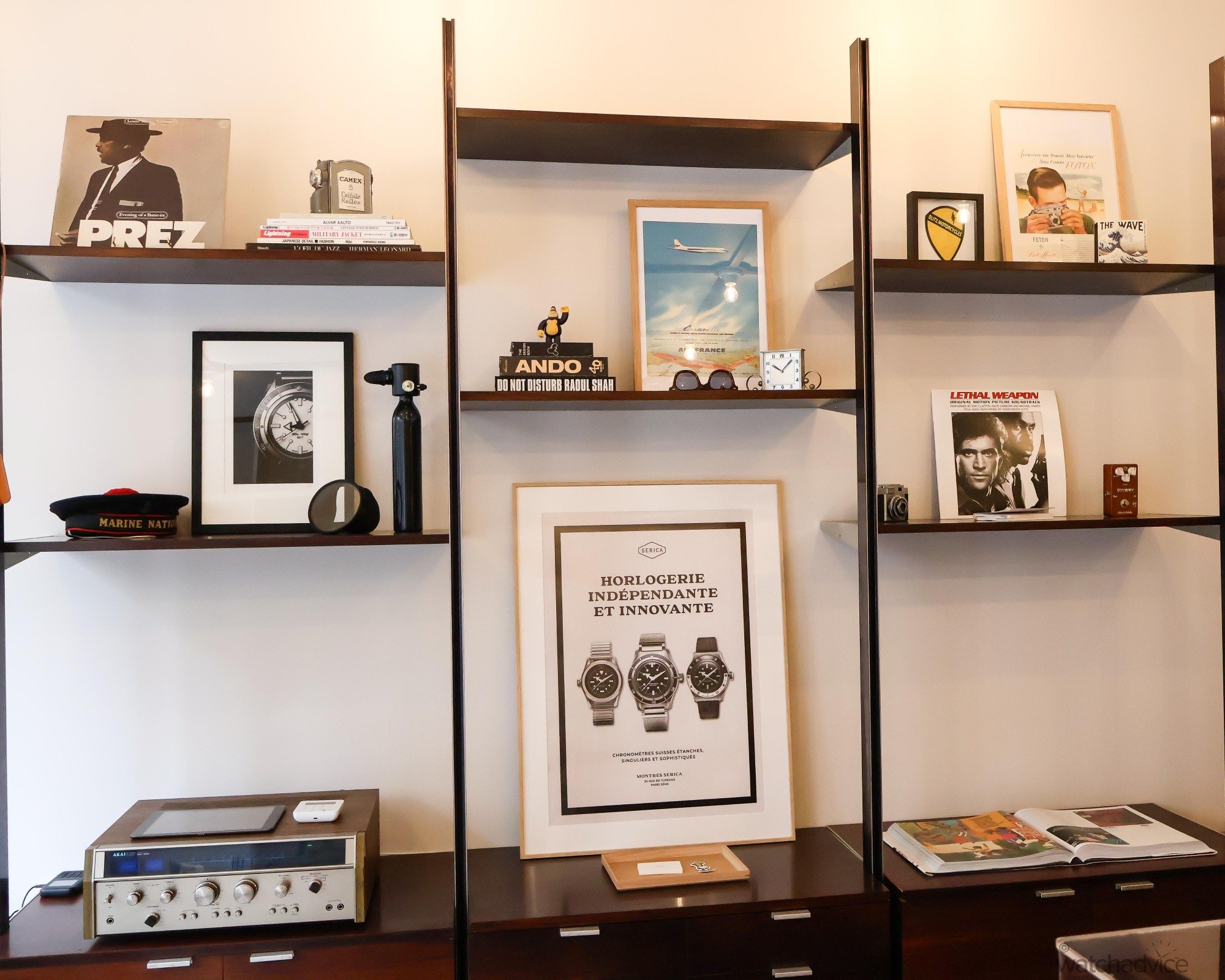
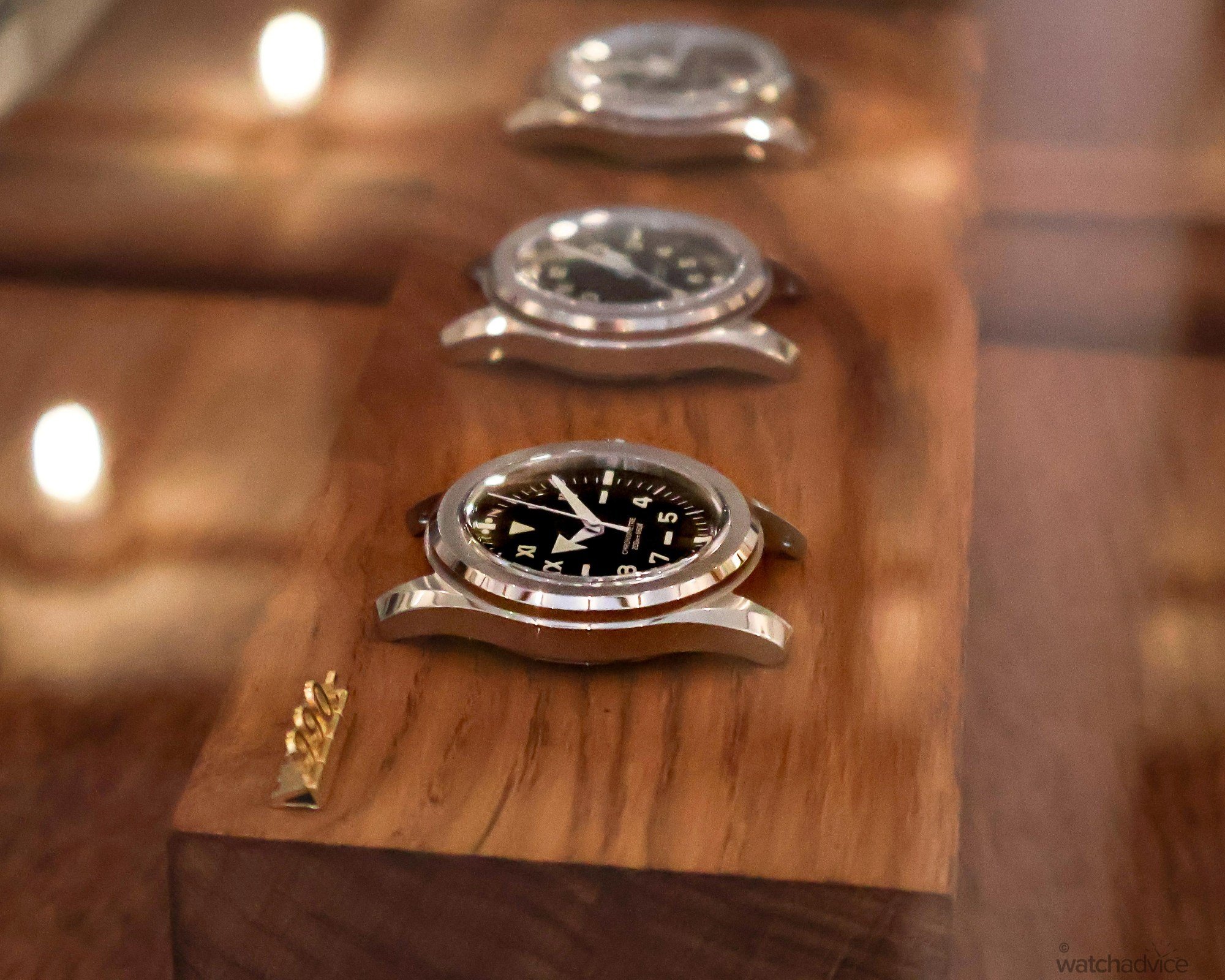
Prior to my visit, I believed I would be speaking only with Silene Fry, a brilliant ceramicist who somehow also finds the time to expertly handle Serica’s PR. While this was more than enough to promise a compelling conversation, imagine my surprise when I learned that co-founder Jérôme Burgert had also taken the time to speak with me!
Much of my anticipation quickly turned to nervousness; I hadn’t anticipated meeting one of the brand’s founders, and it didn’t help that I was running on far too many shots of espresso and far too little food. In any case, I was greeted warmly by Silene at the door, and offered yet another espresso by Jérôme. Shaking off the caffeine jitters, I settled in to explore the history and intent behind this eclectic brand.
New Kids On The Block
Historically, France has always been recognised as a horological hotspot. This was inevitable, given its shared borders with Switzerland, but the country has produced its fair share of watchmaking minds.
Names like Louis Cartier and Abraham-Louis Breguet will be familiar to most. Countless others, however, have also planted their flags firmly in the French watchmaking landscape. Figures such as Emmanuel Lipmann, Émile Péquignet, Bruno Belamich and Carlos Rosillo, Étienne Malec, and Basile-Charles Le Roy have all helped reshape the art and science of chronometry.
In 2019, Jérôme Burgert and Gabriel Vachette found themselves added to that lineage. Taking its name from ancient nomenclature referring to East Asia, Serica emerged from Burgert’s and Vachette’s shared passion to revive what they call the ‘golden age’ of watchmaking. But to do that, they needed to establish a ‘base of operations’ for where they would begin.
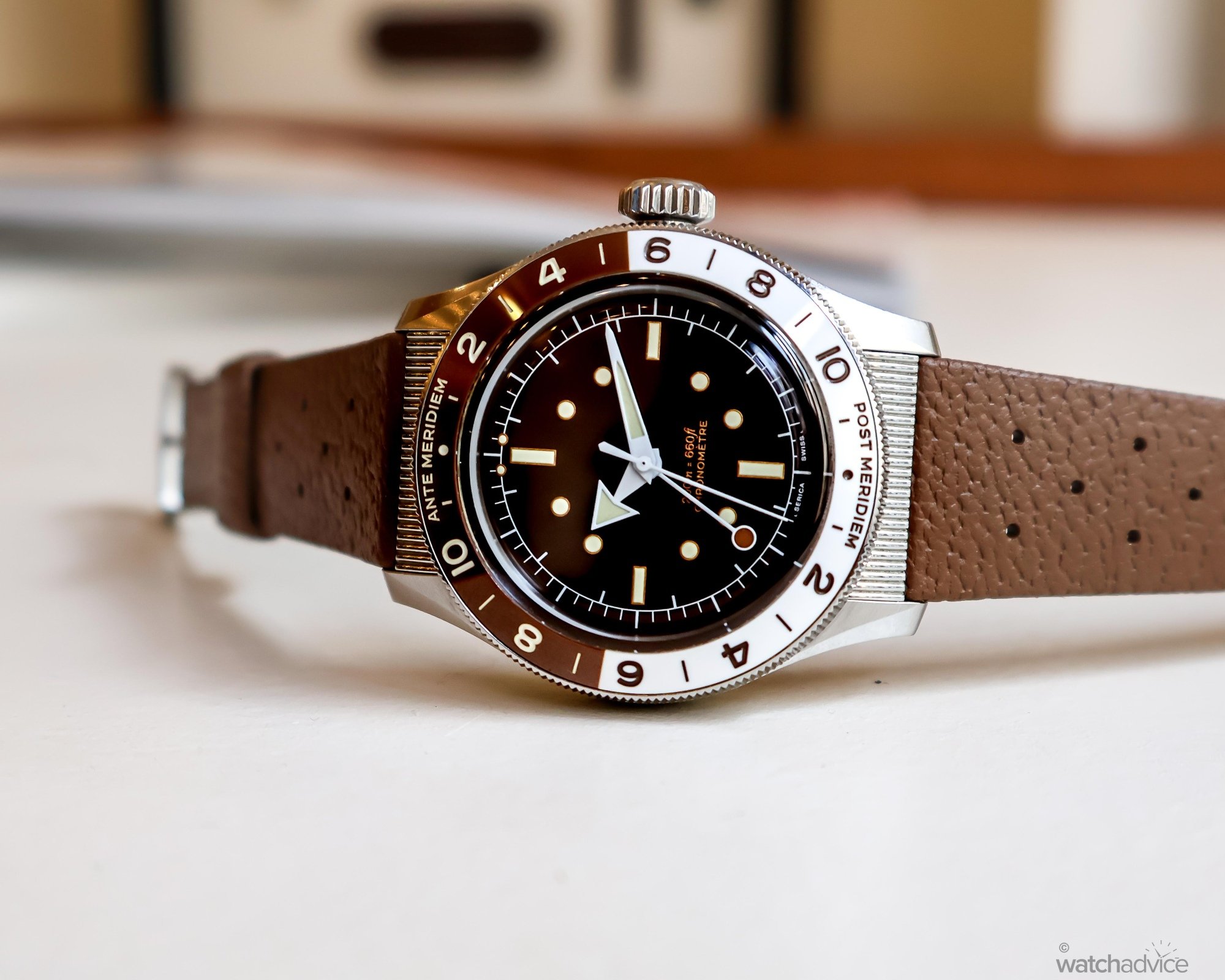
“What we did for the first five years was to take the big staples of watch instruments – the field watch, dive watch, and the GMT watch – and elevate them, to create something versatile… something that can transition from the wetsuit to the three-piece suit.”
Jérôme Burgert regarding the beginning of Serica
It’s an ambitious and unenviable task. It usually takes more than half a century for a watch brand to no longer be considered ‘young;’ Take Raymond Weil, for example, founded in 1976.
Serica’s primary challenge was to create something new without the direct benefit of storied archives and heritage references. Yet, Burgert and Vachette’s vision has resulted in something genuinely distinctive, achieved without leaning entirely on nostalgia.
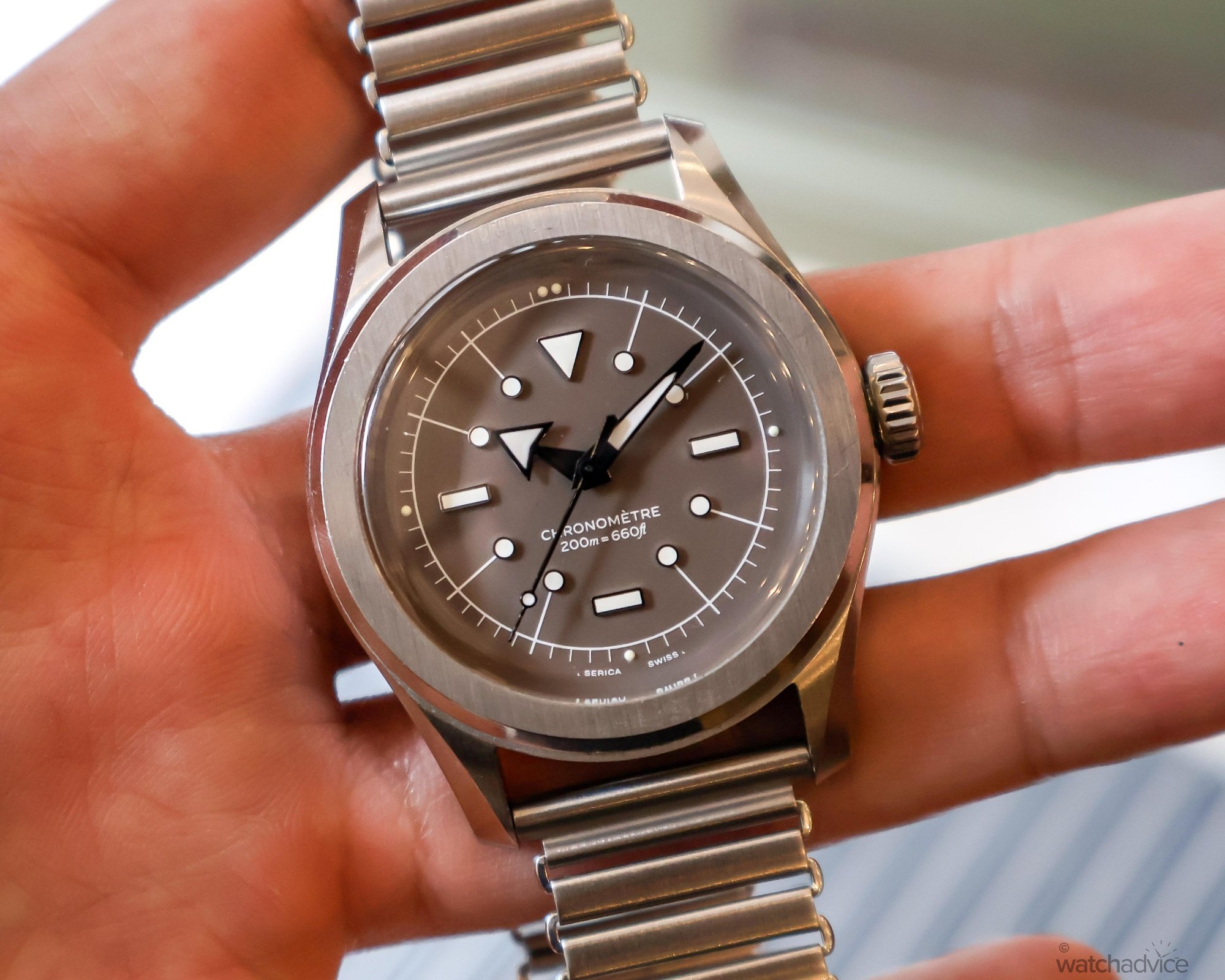
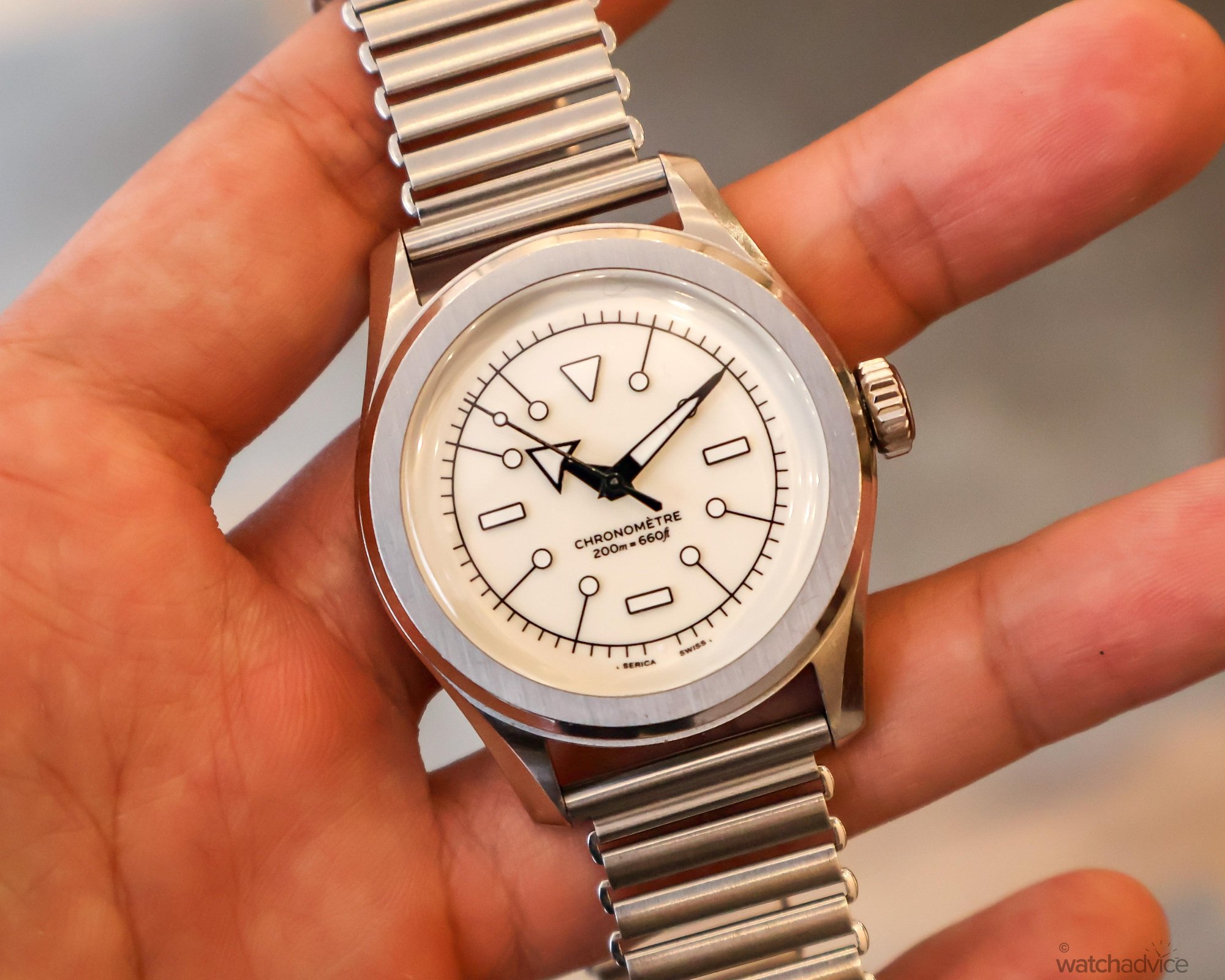
“The idea was – and still is – to bring something to the table by expressing ourselves with our own identity, our own design language… but most importantly, to create what I call a ‘real’ watch: A logical watch.”
Jérôme Burgert on Serica’s creative vision
That sentiment is reflected across Serica’s entire roster. Every watch, including their dress pieces, feel solid and functional. It’s the horological equivalent of wearing a DeWalt power drill on your wrist; you immediately know it’s capable of getting the job done. Where it distinguishes itself from other tool watches, though, is in their unique stylistic form.
“Because we’re a young brand, we don’t have the means or the money to talk as loud as the big groups, obviously.” Burgert continues. “But what we can compete with, is our products… It becomes a fair fight, a battle for wrist time with other watches. Which watch are you picking up from the box in the morning? The one that you can take on naturally. There, we can play.“
Watches For Life
Serica follows the conventions of watch design rather loosely, though not in the way haute horlogerie brands like Ulysse Nardin or Vianney Halter do. Rather than pursuing complexity or spectacle, Serica blends disparate vintage styles, cultures, and functions into a single, robust timepiece. While certain elements — such as California or Tuxedo dials — are clearly period-specific, it’s difficult to pinpoint exactly when or where Serica draws its inspiration.
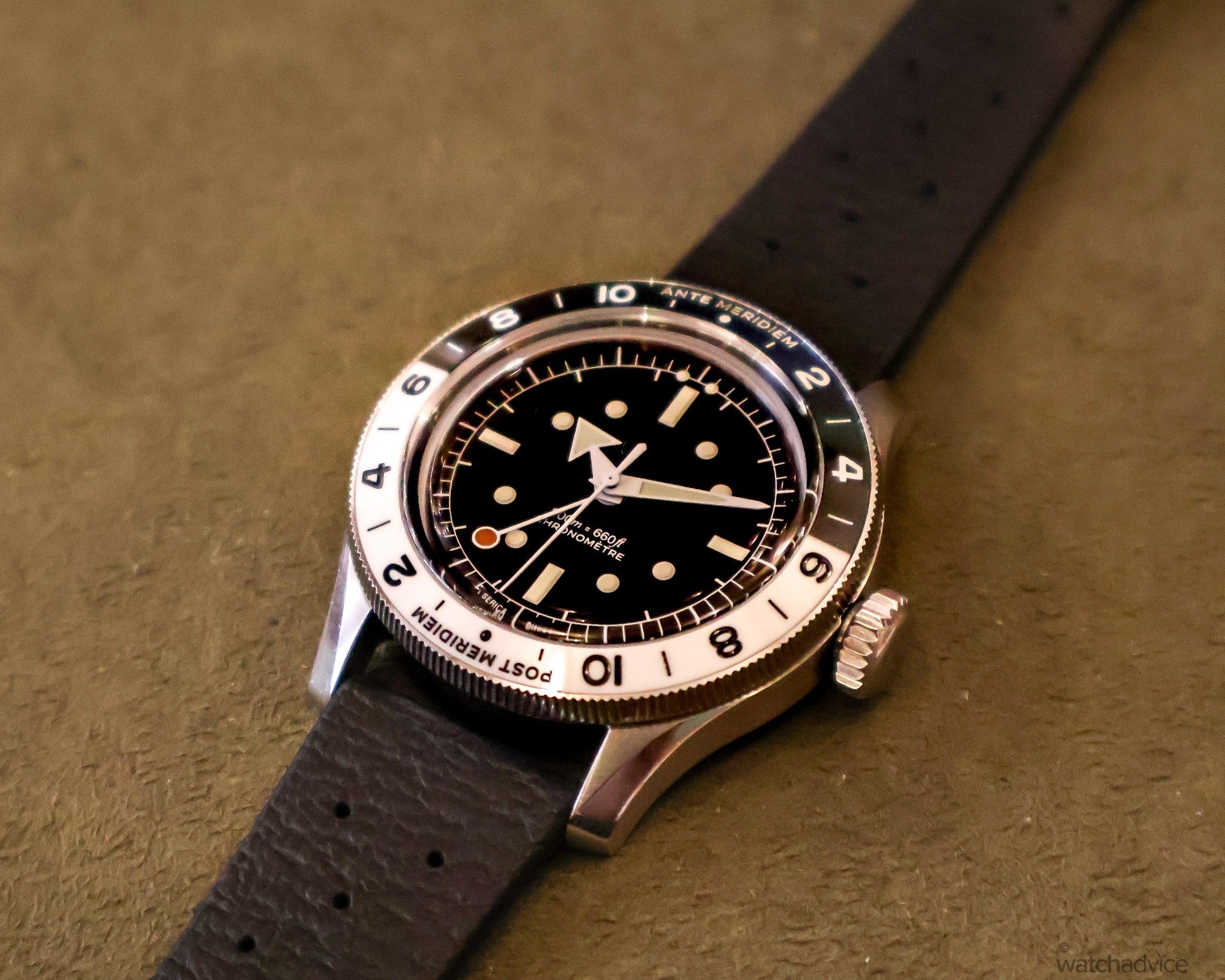
“By ‘logical watch’, I mean one that has the potential to last over time. Both because it’s well made and well crafted, but also because of its aesthetic. It isn’t framed within a particular fashion style or trend.”
Jérôme Burgert on what constitutes a ‘logical’ watch design
It elicits a subtle cognitive dissonance within the modern watch enthusiast. For Serica, that ambiguity is intentional. They deliberately eschew the notion of a clear ‘narrative’ for its watches, refusing to anchor them to a specific era or identity. In doing so, Serica creates watches for the wearer, rather than seeking wearers for the watch.
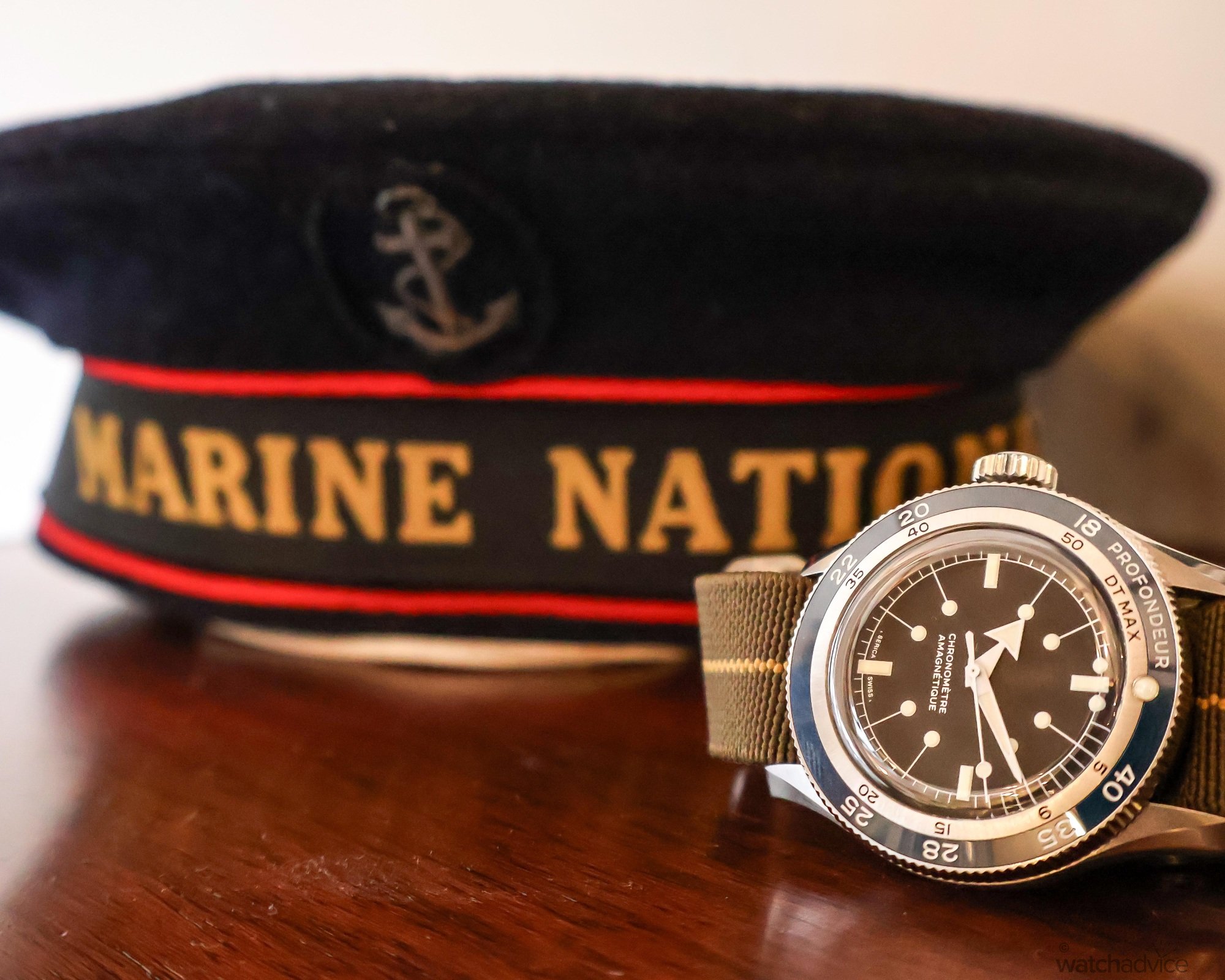
“Too many times you see products with flaws, and then people want to write a story to sell the product. It’s the wrong way around – it doesn’t work! If you think ahead about your vision, what you want to offer, and translate that into a watch, then the ‘storytelling’ is obvious: [The watch is] telling a story.“
Jérôme Burgert on narrative-driven watchmaking
The Ref. 6190 California, for example, is one of my personal favourites. Despite its anachronistic dial, the added faux patina, and the antiquated yet modernised use of a Bonklip bracelet, the Ref. 6190 California doesn’t feel like the product of a bygone era. It’s a piece that, as robustly built as it is, feels like a contemporary timepiece. Again, that dissonance comes into play, but in a way that compels you to keep wearing the watch to see where the story goes.
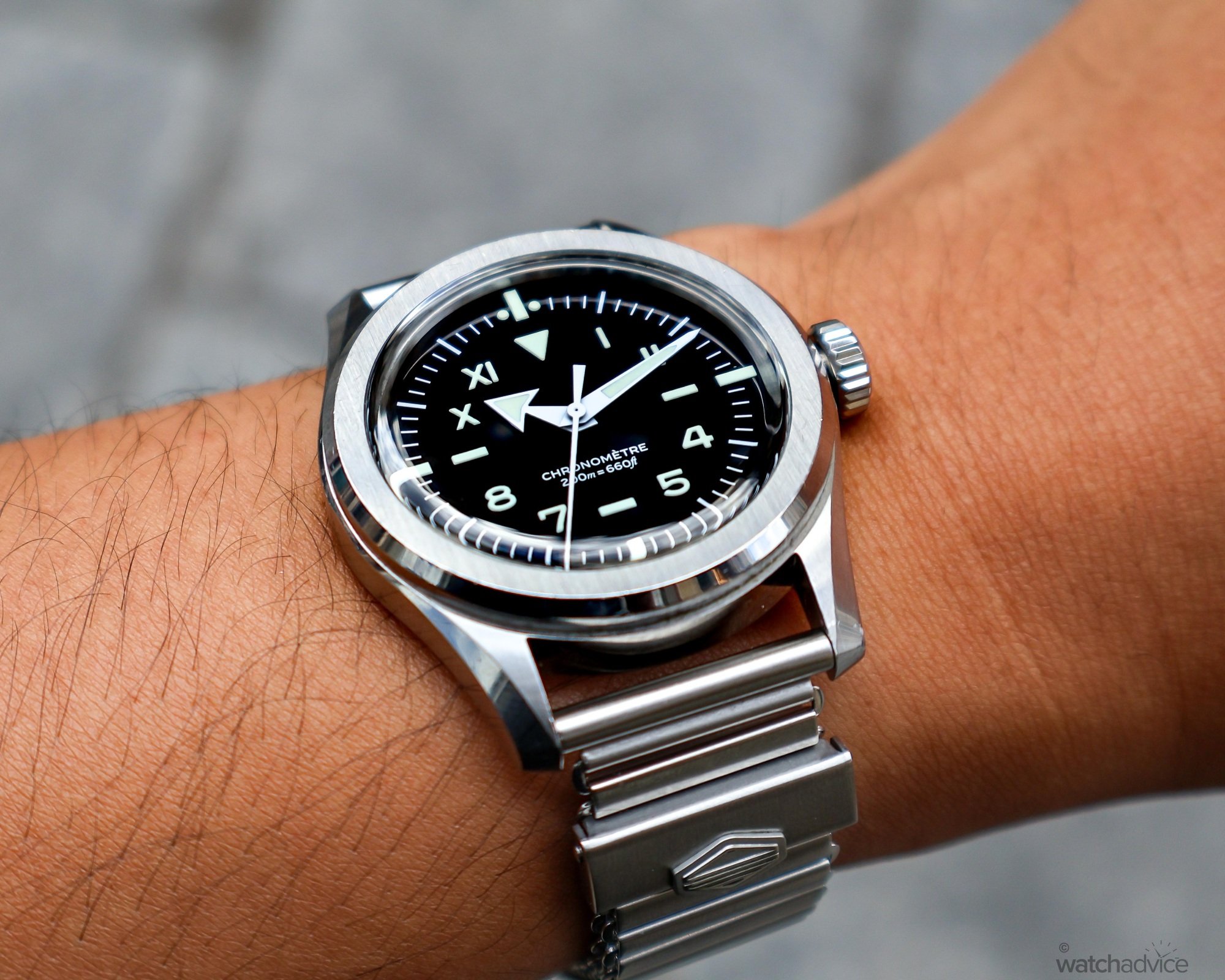
“We’ve talked to so many people who have worn all sorts of watches – Rolex, Patek, Cartier, whatever. And they come to Serica at the end of the day, and tell us “I like you guys, but I hate you at the same time – now the watch I wear the most is a Serica!”“
Jérôme Burgert on how customers are drawn to Serica
This philosophy is compounded by even the smallest details, or more accurately, the lack thereof. No logo decorates the dial, and no watch is given a name. Instead, each piece is identified only by its reference number, with a catalogue organised by purpose rather than by collection.
In the Diving roster, for example, are Refs. 5303-1, -2, and -3. Ref. 5303-3, complete with a crystal blue bezel, is devoid of all branding, with text only outlining the purpose of each complication on the bezel. This absence gives Serica watches a magnetic pull, further enhanced by the comfort of the steel mesh bracelet.
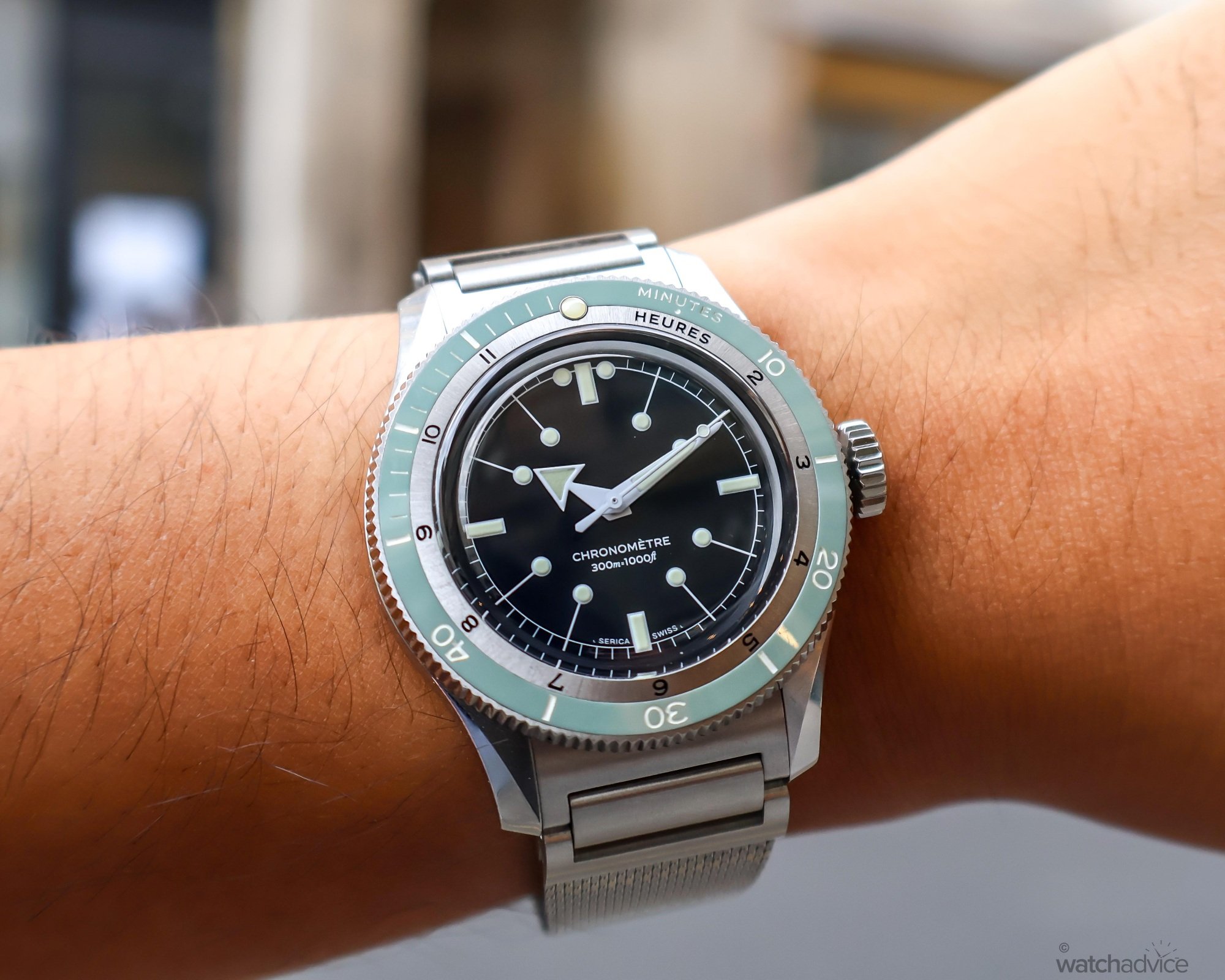
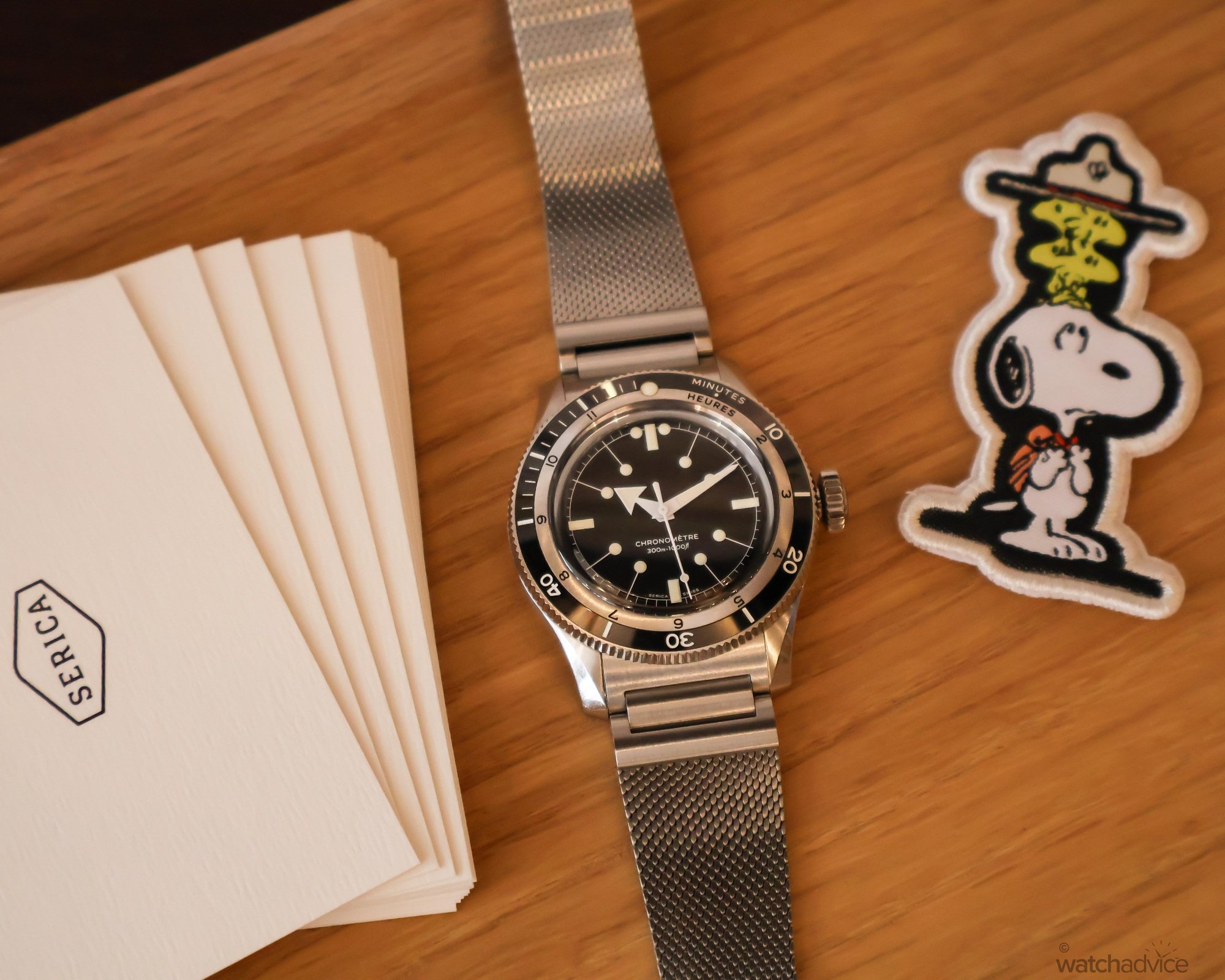
“Any time instrument is framed by specifications.” Jérôme says. “For a dive watch, you need this, this, and this. So the tricks in my bag that I have to express myself are endless. From the hands to the case, to the bezel, indexes, and any extra hands, I’ll use anything to my advantage in creating my own design language.“
In that respect, you might think it difficult for Serica to craft dress pieces in the same way. Practicality often doesn’t apply in the dress watch world, and Serica needed a different approach. When the Ref. 1174 ‘Parade’ collection was developed, it was exactly that: a unique take on the dress watch, without compromising Serica’s style.
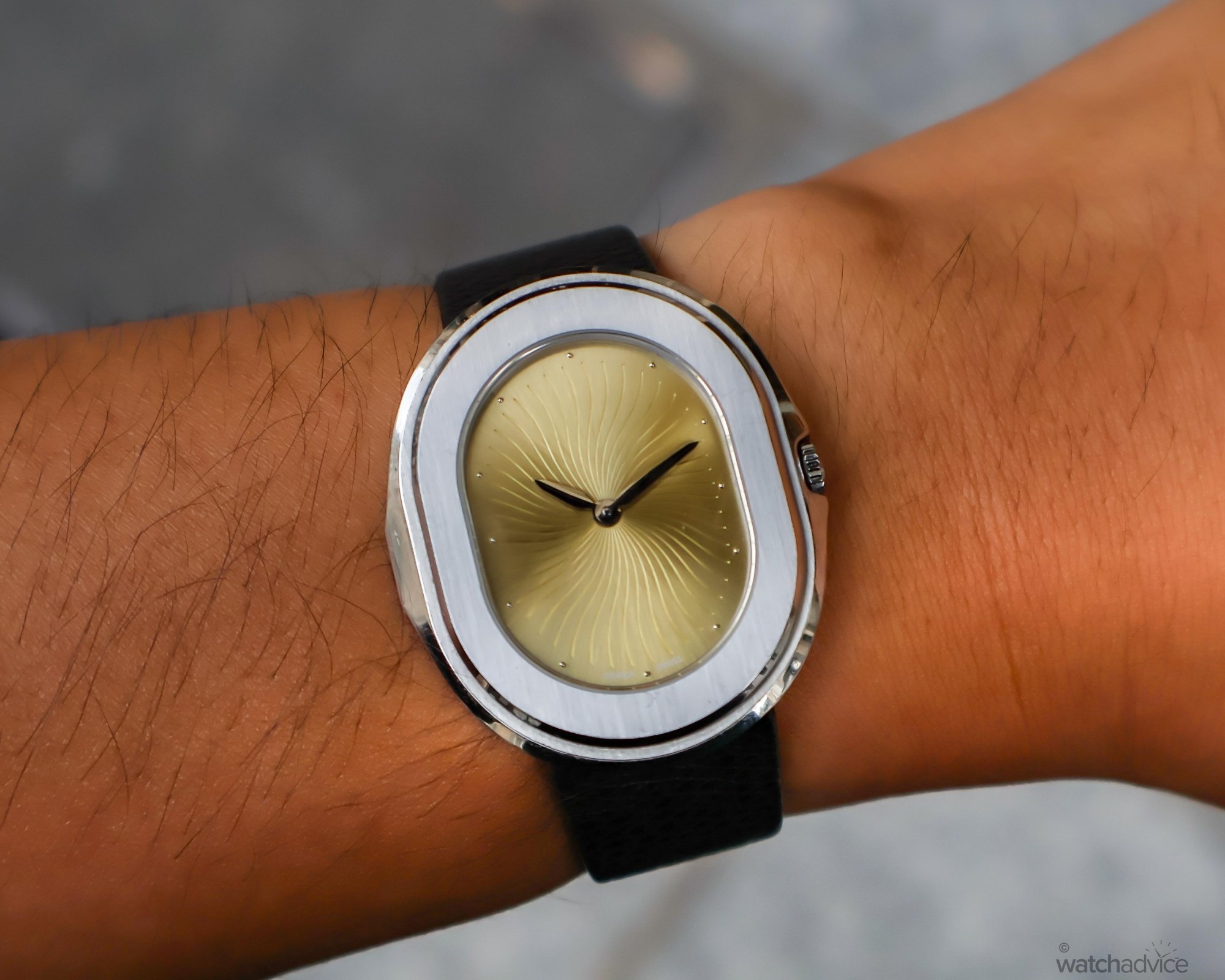
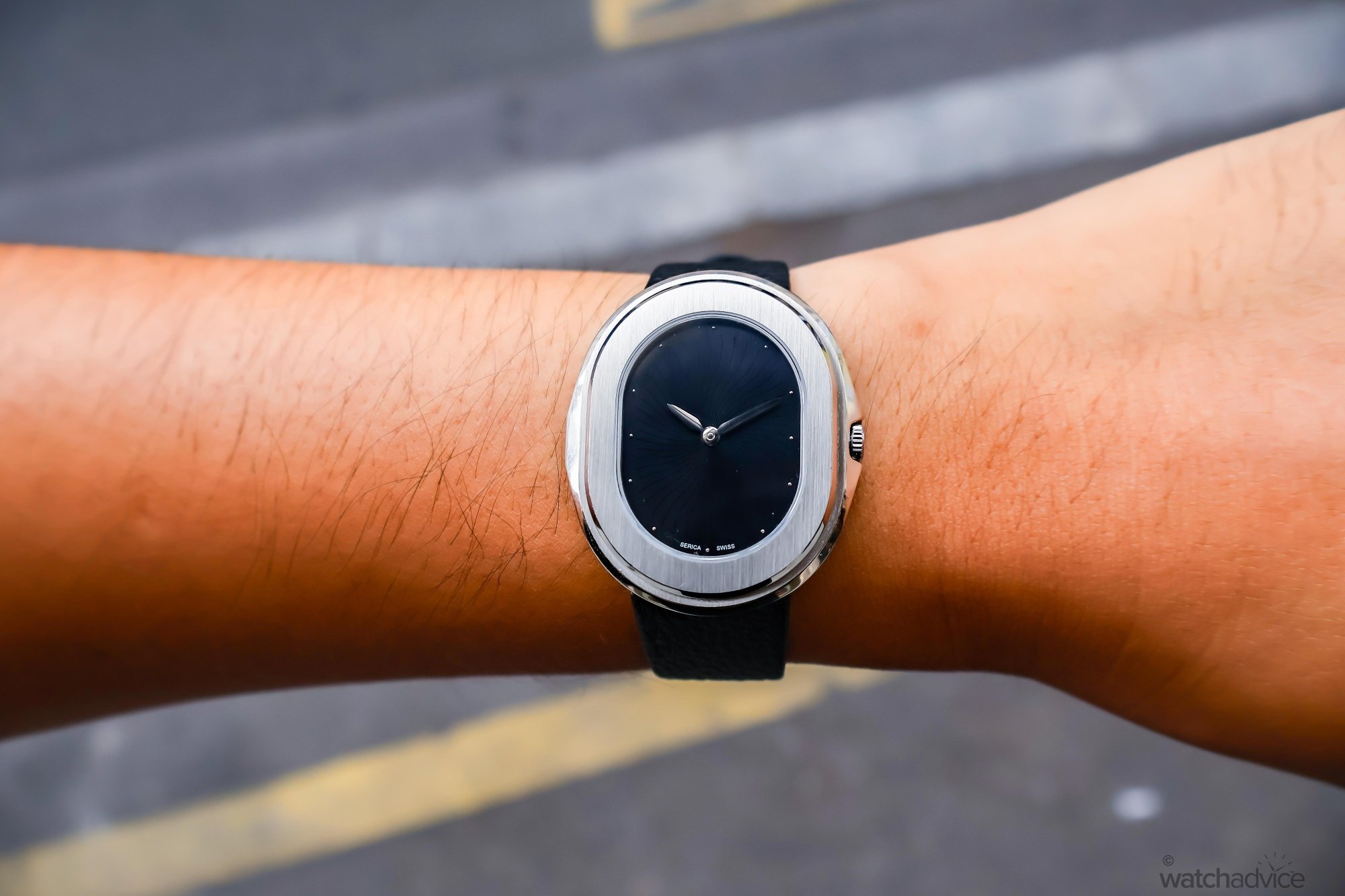
“We took on the shaped case, the dressier piece, but we wanted to make it more convenient… I didn’t want to fall into the trap of creating a piece that’s too dressy, too chic. I wanted to create a dress watch that is singular enough to represent Serica, but not too extravagant or too crazy. It still needs to be understood, to be easy to read. “
Jérôme Burgert on the creation of the Serica Ref. 1174
A New Found Respect
Serica is an intriguing case within the microbrand watch space, but the very reasons for that intrigue also make it challenging to write about. We’ve grown accustomed to an industry that tells us what kind of person is meant to wear what kind of watch. The narrative behind some of the industry’s most iconic timepieces is often enough to sell them without a second thought.

But what if the product falters? Not simply because of inherent flaws, but because it isn’t what you were expecting. You’d be disappointed, realising that the watch you’d fantasised about for so long was little more than a story.
In conversation with Silène Fry and Jérôme Burgert, Serica’s intentions were clear: the product always comes first. In design, in specifications, and in craftsmanship, Serica aims to create the highest-quality timepieces possible. The story comes afterwards, left to be written by the owner.
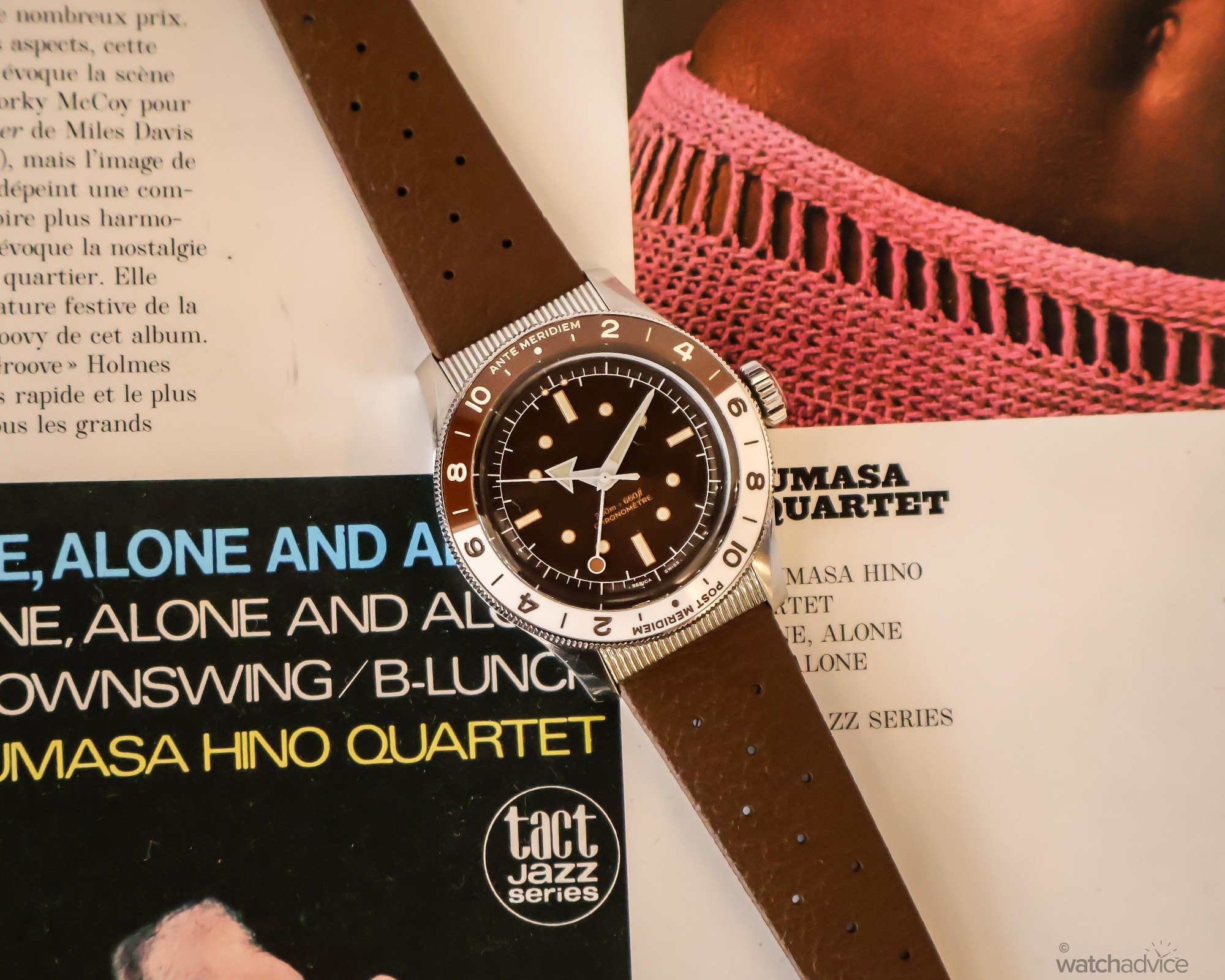
“People should be attracted to watchmaking for good reasons: I like it, I’m going to put it on my wrist, I feel special, here’s my money. That’s watchmaking. Let me write a story with it on my wrist.“
Jérôme Burgert on what attracts people to watches
It’s what I’d like to call ‘honest watchmaking,’ but not in the sense of rigidly adhering to corporate social responsibility, or loudly promoting charitable contributions beyond horology. It’s honest in the way the timepieces present themselves: clear in intent, exacting in execution, and standing alone without the crutch of heritage or storytelling. Serica’s watches aren’t meant to tell you who you are. Instead, they encourage you to find that out yourself.
If, like me, you’re curious for more information on Serica, visit them online at Serica-Watches.com.