

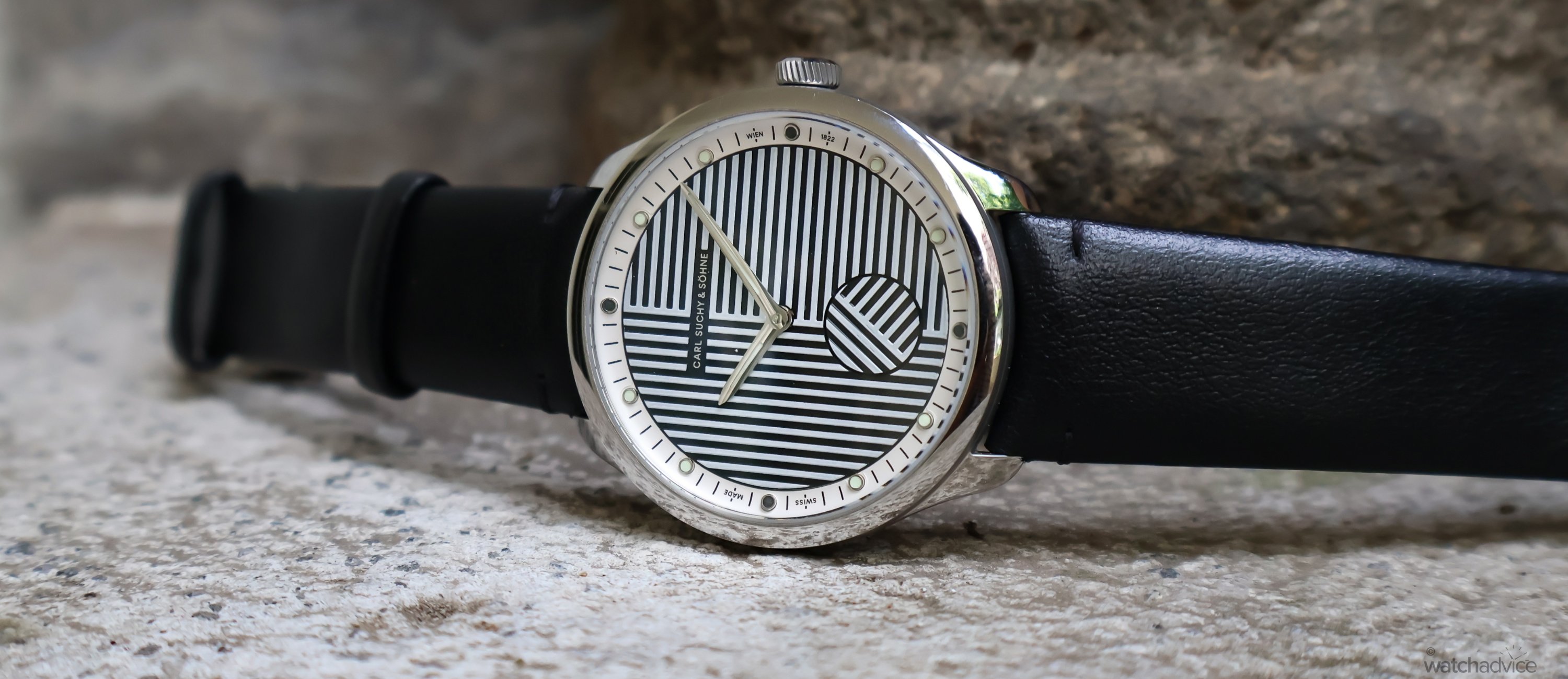
Take a trip with the Travelling Time series to Vienna, Austria! Arguably the cultural epicentre of Europe, I paid a visit to the revived Carl Suchy & Söhne, the country’s most storied watchmaker.
To the outsider, Austria is often associated with Arnold Schwarzenegger, WWE professional wrestler Gunther, or being confused with Australia. Yet it is also one of Europe’s major cultural hubs, with the arts evident in every form.
If it’s music you’re after, the influence of maestros like Mozart, Beethoven and Johann Strauss II is unmistakable. Fans of the visual arts will find themselves drawn to the works of Gustav Klimt and many others. And if you’re a film enthusiast, worry not: the capital city of Vienna served as the backdrop for Richard Linklater’s iconic film Before Sunrise.
In recent years, however, the country has attracted attention for another art form: watchmaking. While most conversations about horology’s greats tend to split between Switzerland and Germany, the broader European continent has enjoyed its own surge in popularity. Some of this can be attributed to the boredom of the 2020 lockdowns, but many watch brands had been established long before they had the chance to capitalise on the tsunami of new enthusiasts.
In Austria, Carl Suchy & Söhne has found itself at the forefront of this horological renaissance. Yet, its recent revival only hints at the rich and somewhat mysterious history of the original brand. Curious to learn more, I reached out to Brand Manager Méline Jaegé and travelled to Vienna, eager to discover both the brand and the city it calls home.
The Austrian Watchmaking Spirit
For some context, the history of the Carl Suchy & Söhne brand is remarkably deep. Carl Suchy opened his first manufacture in Prague more than two centuries ago. While that may feel far removed from Austria today, Prague and much of what is now Czechia were then under the governance of the Austro-Hungarian Empire.
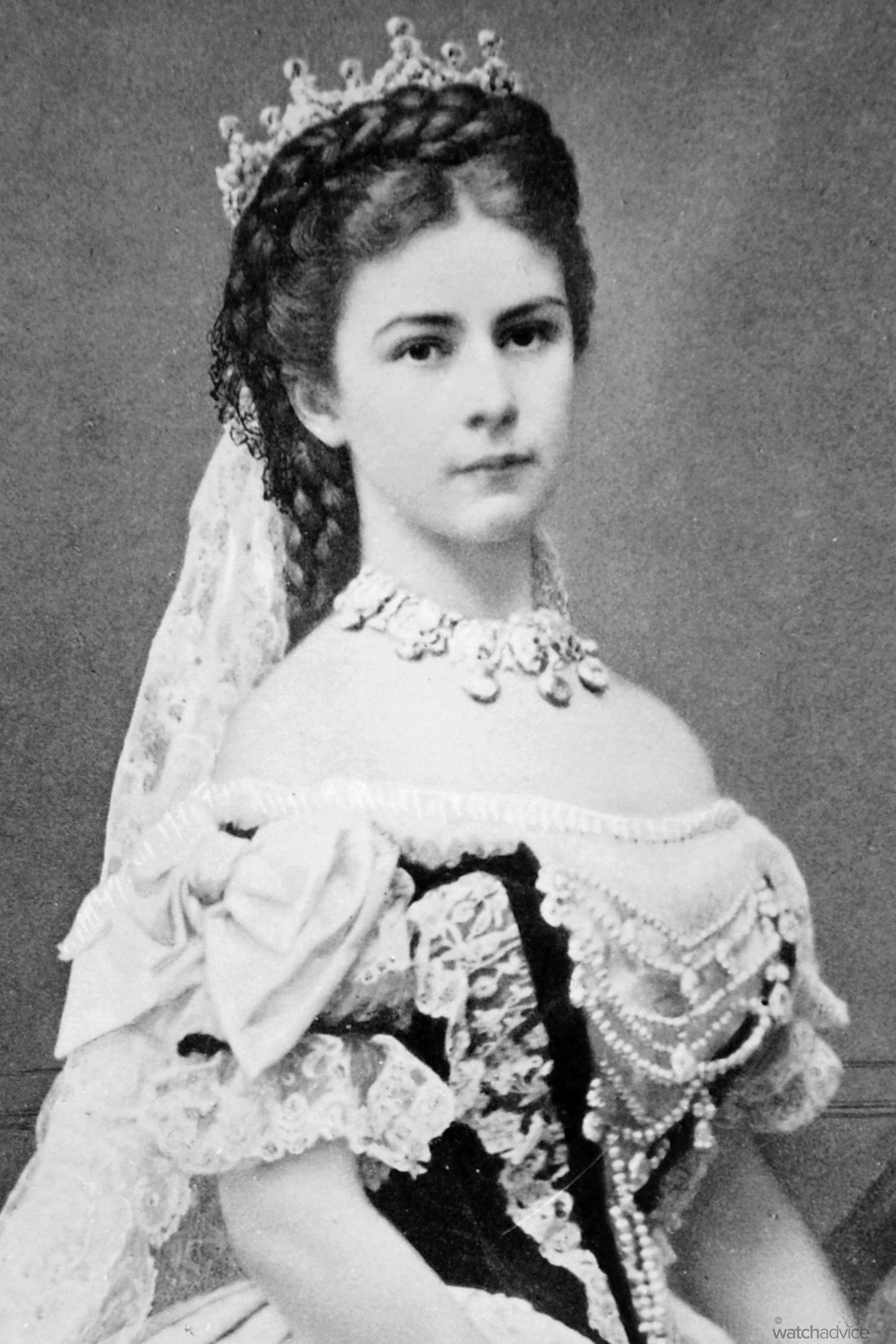
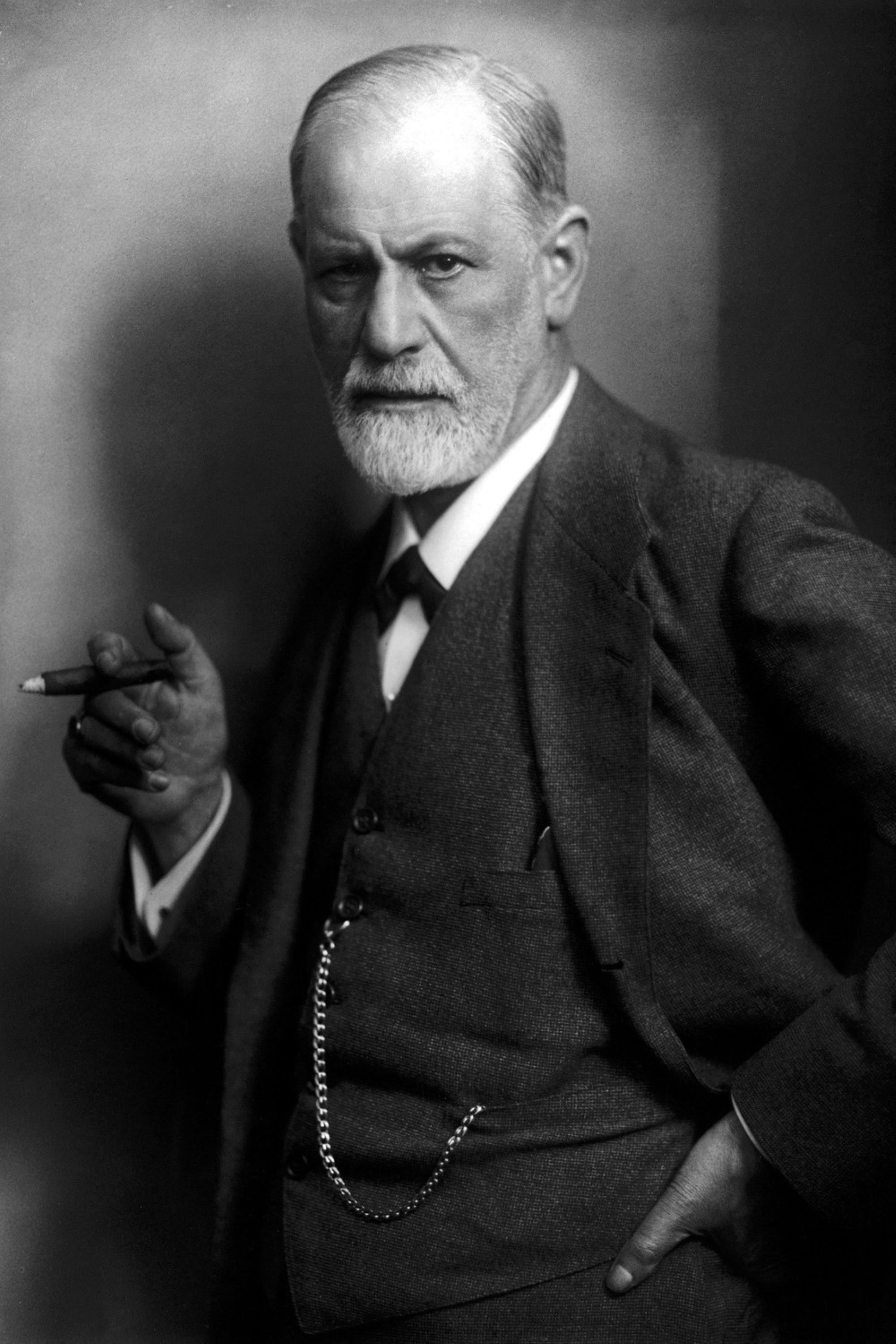
Suchy’s work became so well regarded that he was appointed Watch Purveyor to the Royal and Imperial Court. During this time, he produced watches and clocks for the Habsburgs and other notable figures, including Emperor Franz Joseph I, Empress Elisabeth ‘Sisi,’ and even the famed psychoanalyst Sigmund Freud.
Suchy himself passed away in 1866, but his legacy continued through his son Emanuel, giving rise to the name Carl Suchy & Söhne. With the collapse of the Austro-Hungarian Empire at the end of the First World War, the brand faltered as well. Infighting within the Suchy family, split between Vienna, Prague and La Chaux-de-Fonds, led to no resolution, and Carl Suchy & Söhne was eventually dissolved.
Fast-forward to 2025 – a blazing hot day in June, to be exact – I found myself in Vienna. It was different than other European cities I had visited before, like Italy and Prague. Both were rowdy and loud, albeit for different reasons, but the capital city of Austria felt rather quiet and relaxed. This seemed to be a prevailing theme in the city; It felt more like a place for living over rampant tourism. While I’d spent the day prior setting up my accommodation and gouging myself on sachertorte, I knew I had a job to do.
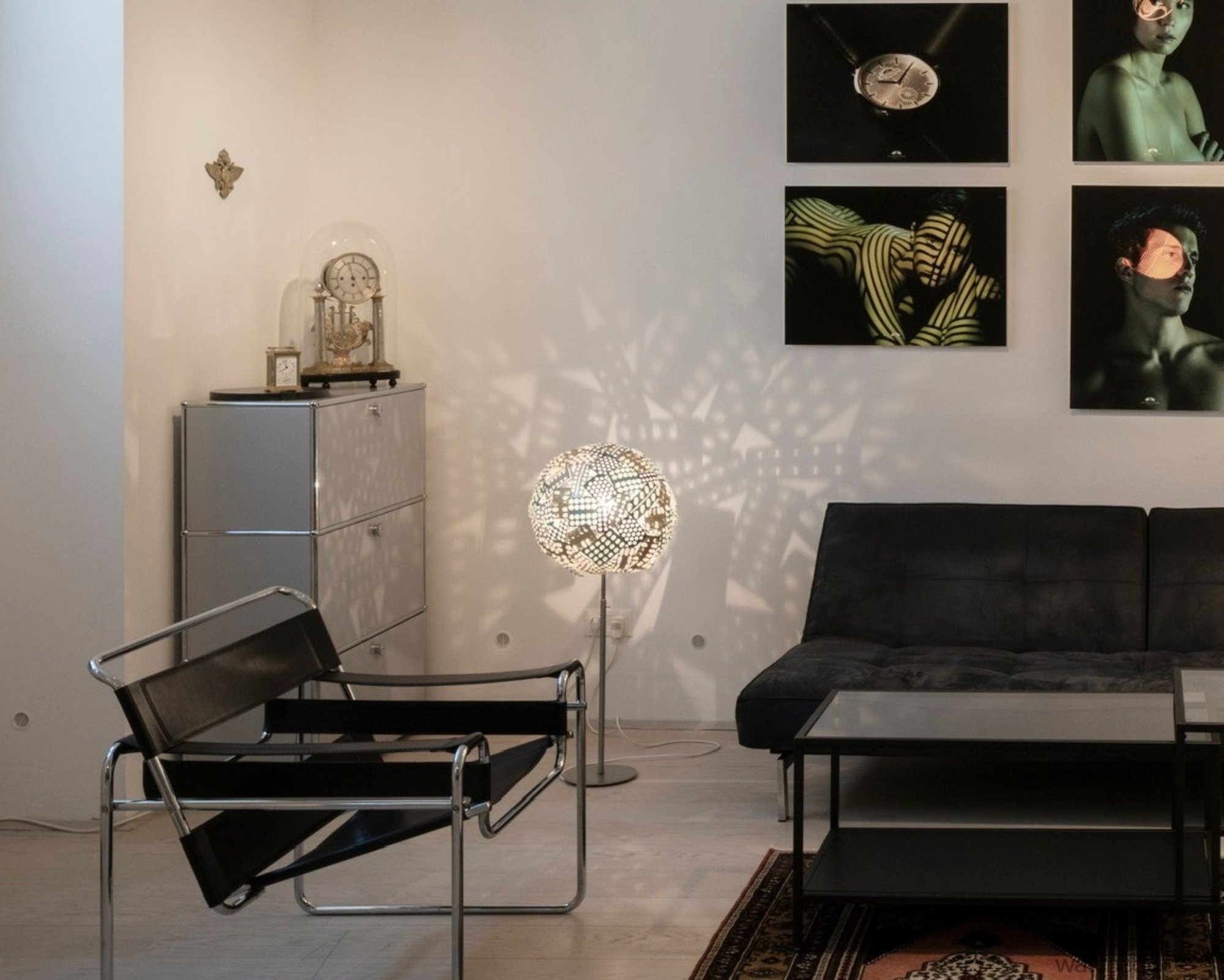
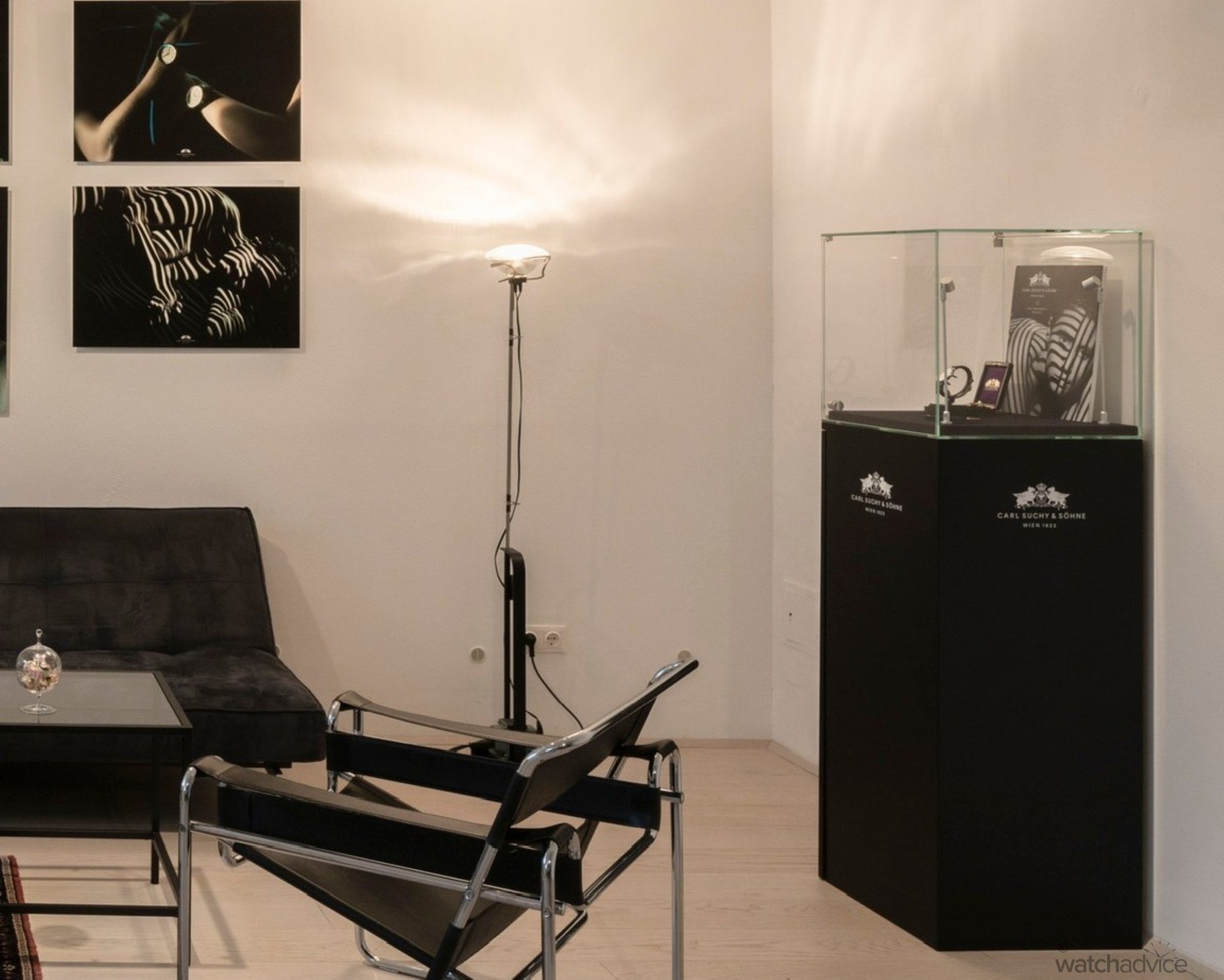
I grabbed an Uber – a horrible choice, considering Europe’s excellent public transport – over to Prinz-Eugen-Straße. A small placard on the white building read ‘Carl Suchy & Söhne,’ accompanied by their logo; I knew I was in the right place, but how was I to enter? After some doorbell confusion, I made it inside the intimate boutique with the help of Dr. Robert Punkenhofer, CEO and Principal Owner of Carl Suchy & Söhne.
Dr Punkenhofer, a brilliant creative arts and business mind, revived Carl Suchy & Söhne in 2016 with the help of master watchmaker Marc Jenni and a small but passionate team. Despite the scale of this achievement, Dr Punkenhofer made it clear that the new Carl Suchy & Söhne is not merely a resurrected name, but an Austrian institution in its own right.
Out With The Old…
Reviving a heritage watch brand isn’t exactly a new story. Czapek and Ferdinand Berthoud have undergone similar resurrections, while Breitling is still hard at work restoring the legendary Universal Genève and Gallet. In Dr Punkenhofer’s case, though, uncovering substantial archival evidence of Carl Suchy & Söhne’s achievements proved far more difficult.
“To be honest, we had no archive [of Carl Suchy & Söhne] at all,” Dr Punkenhofer explained to me. “It was through the archives of the Habsburg Court that had been there for centuries… only through that, and historic pieces, have we been able to rebuild the archive.”
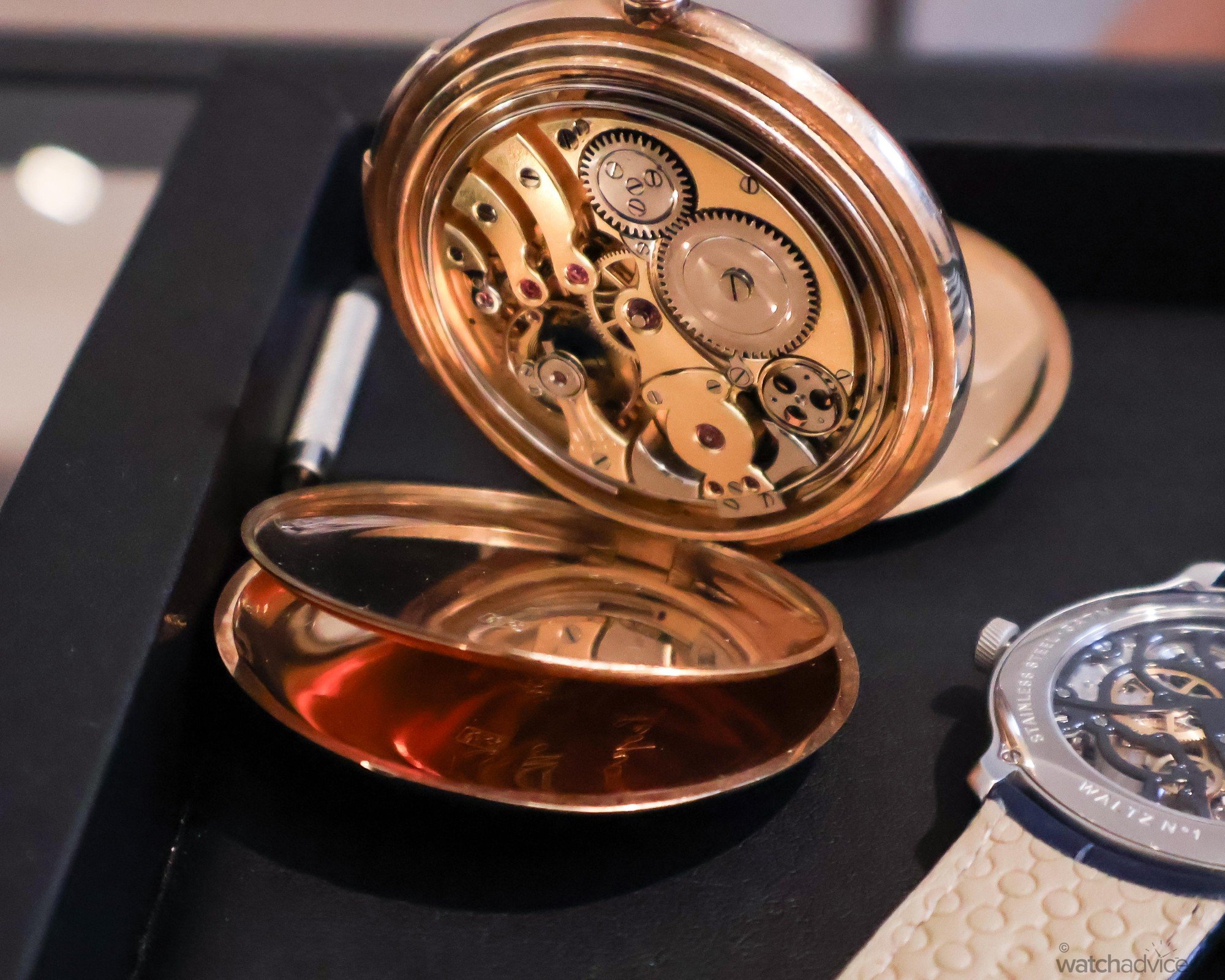
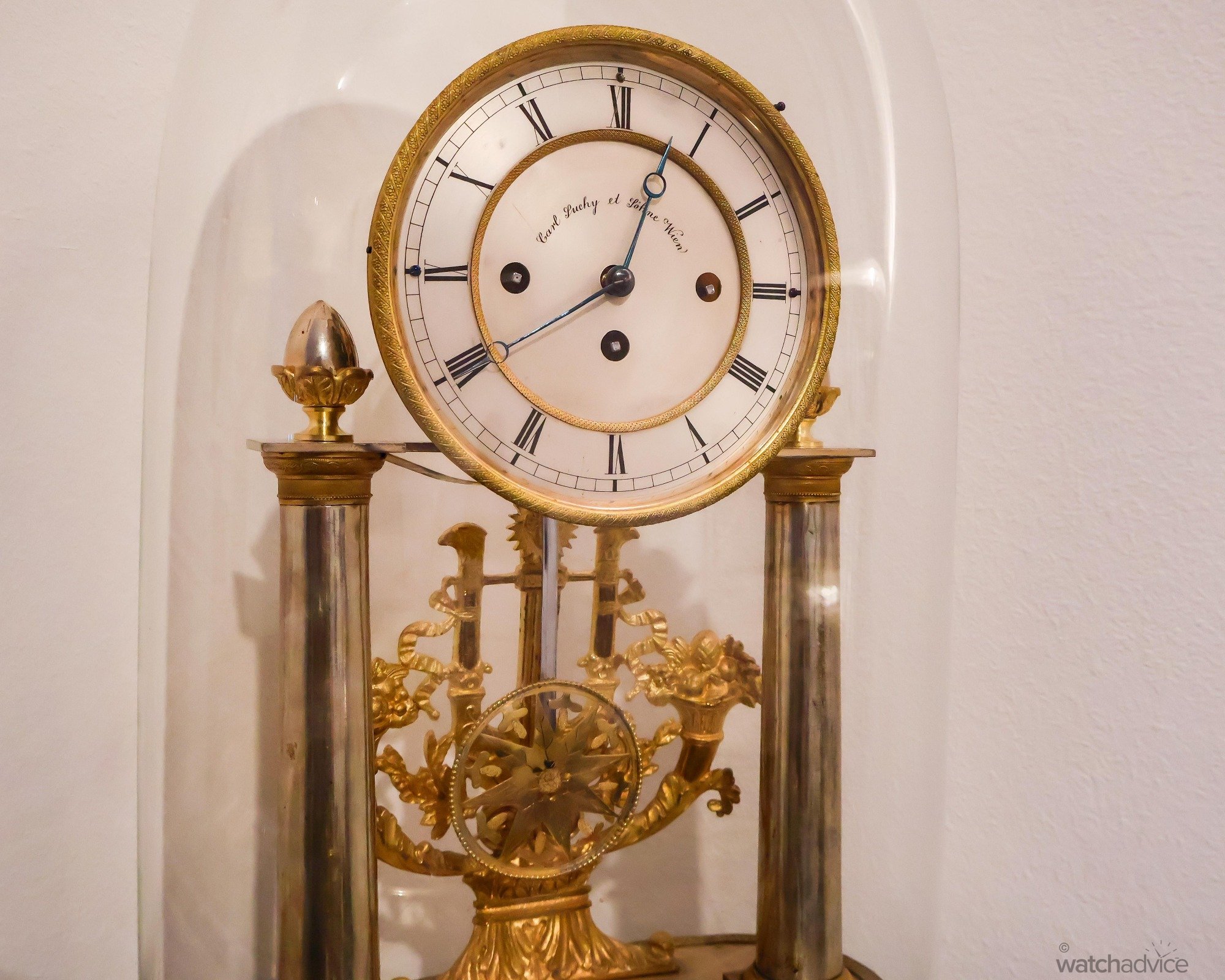
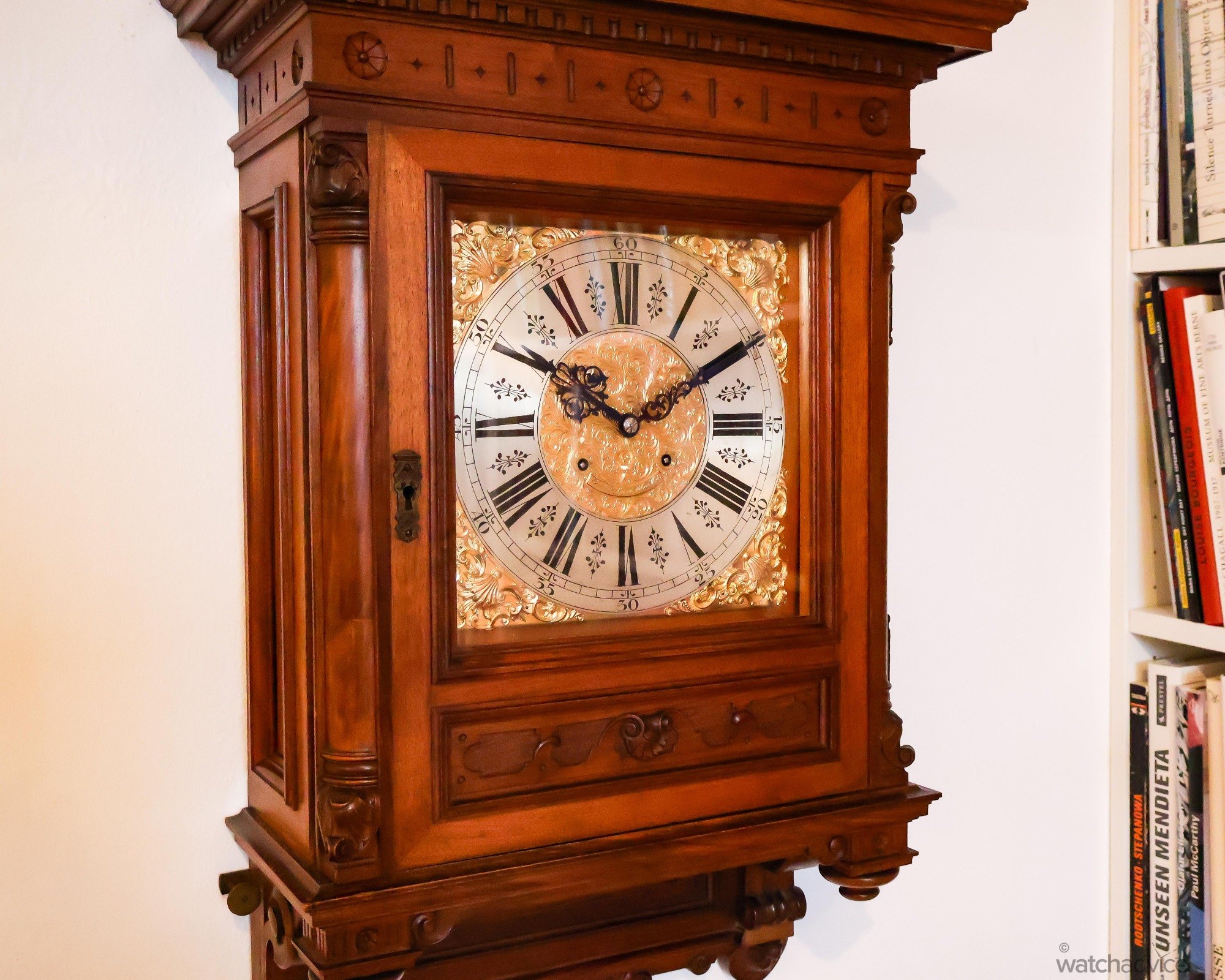
When it came time for Dr Punkenhofer’s team to revive the brand, they approached the task with careful consideration. Carl Suchy & Söhne had dissolved at the end of the First World War, a moment that also marked the rise of the wristwatch. As a result, the partially re-established archives contain plenty of pocket watches and clocks, but little that could be directly adapted for the modern industry.

So what was the best path forward? For Dr Punkenhofer, the answer was simple: pick up where the old brand left off. That meant not only continuing to craft table clocks and similar pieces, which still remain central to their horological identity, but also drawing from the cultural timeline of Viennese design.
“The old Carl Suchy & Söhne stopped the design process at the end of the 19th and start of the 20th century… so what comes next? Modernism, Viennese Modernism,” Dr Punkenhofer said. “That was my briefing for our designers: don’t repeat the past [of Carl Suchy & Söhne], but continue where it stopped.”
…In With The New
The new Carl Suchy & Söhne catalogue reflects the team’s commitment to this design brief, with many of their watches embracing a more contemporary aesthetic compared with the clocks of old. You might argue this shift was inevitable after more than a century of inactivity, but it highlights the brand’s desire to evolve while maintaining its iconic Viennese identity.
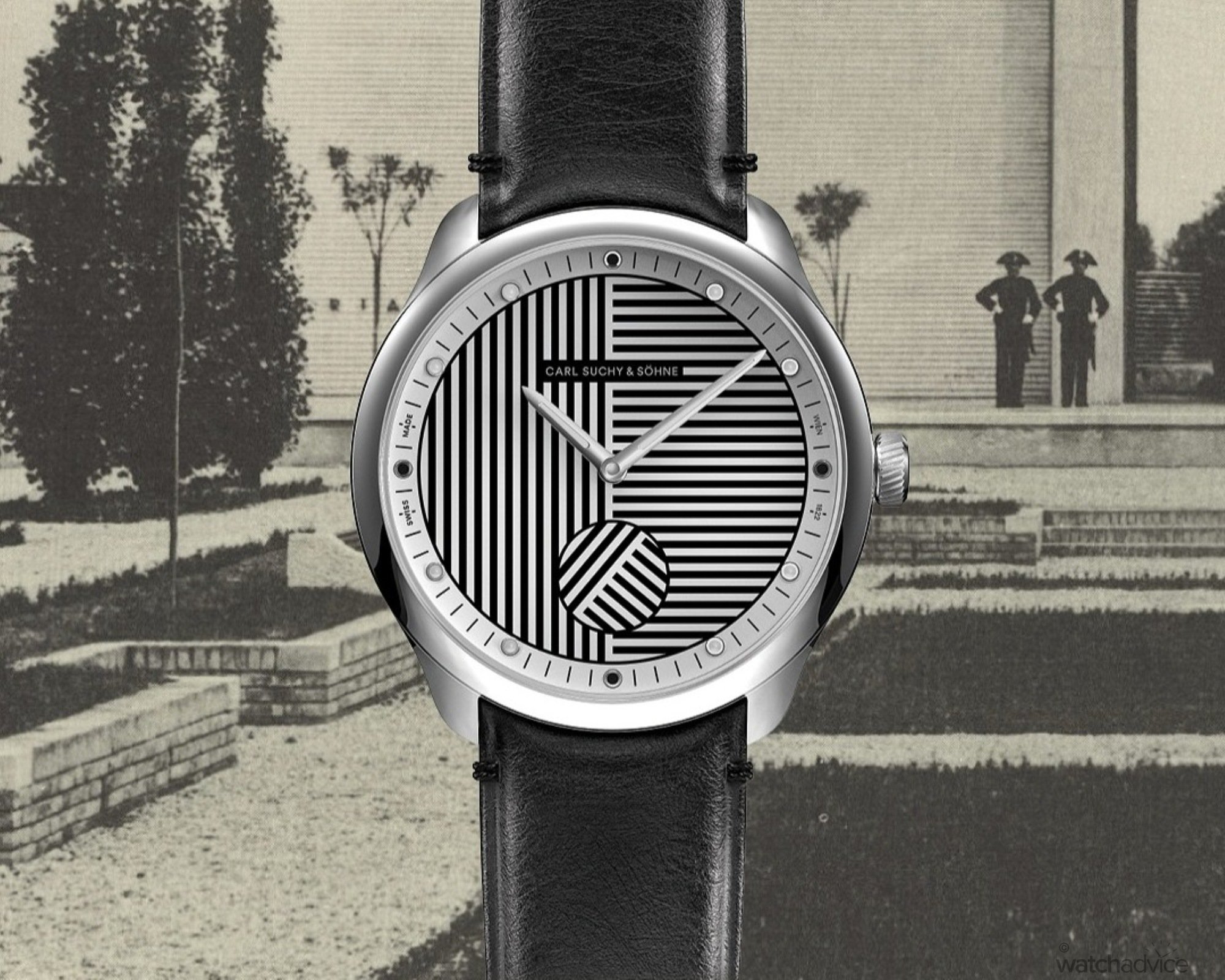
One of the clearest examples is the Vienna collection, which refines and modernises the design language first seen in the earlier Waltz N°1. Featuring a half-and-half dial of horizontal and vertical grooves, it’s one of my personal favourites, particularly with its similarly finished seconds disc. While it may seem abstract at first glance, you quickly realise that each passing minute becomes legible when the seconds disc momentarily aligns with the dial’s pattern.
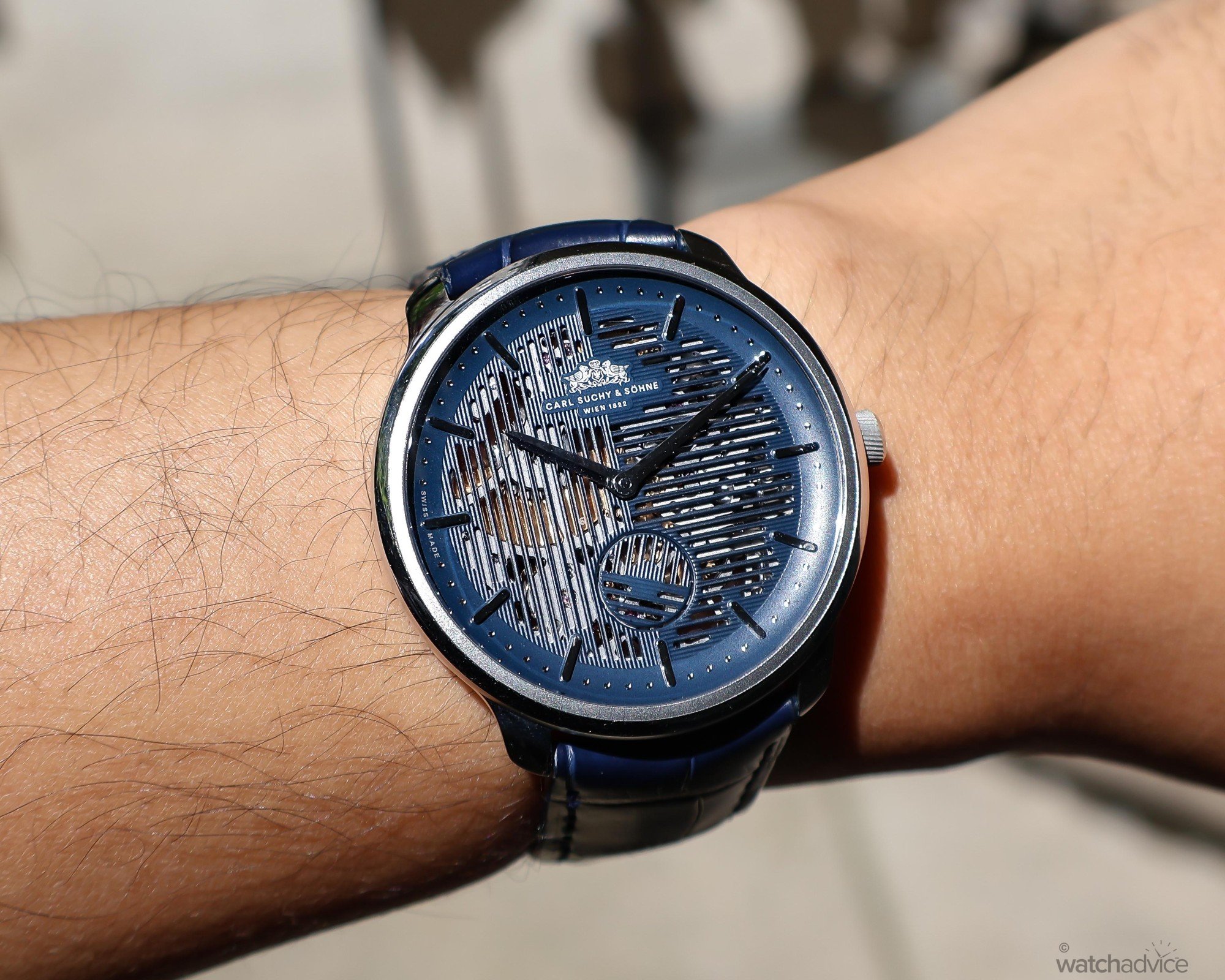
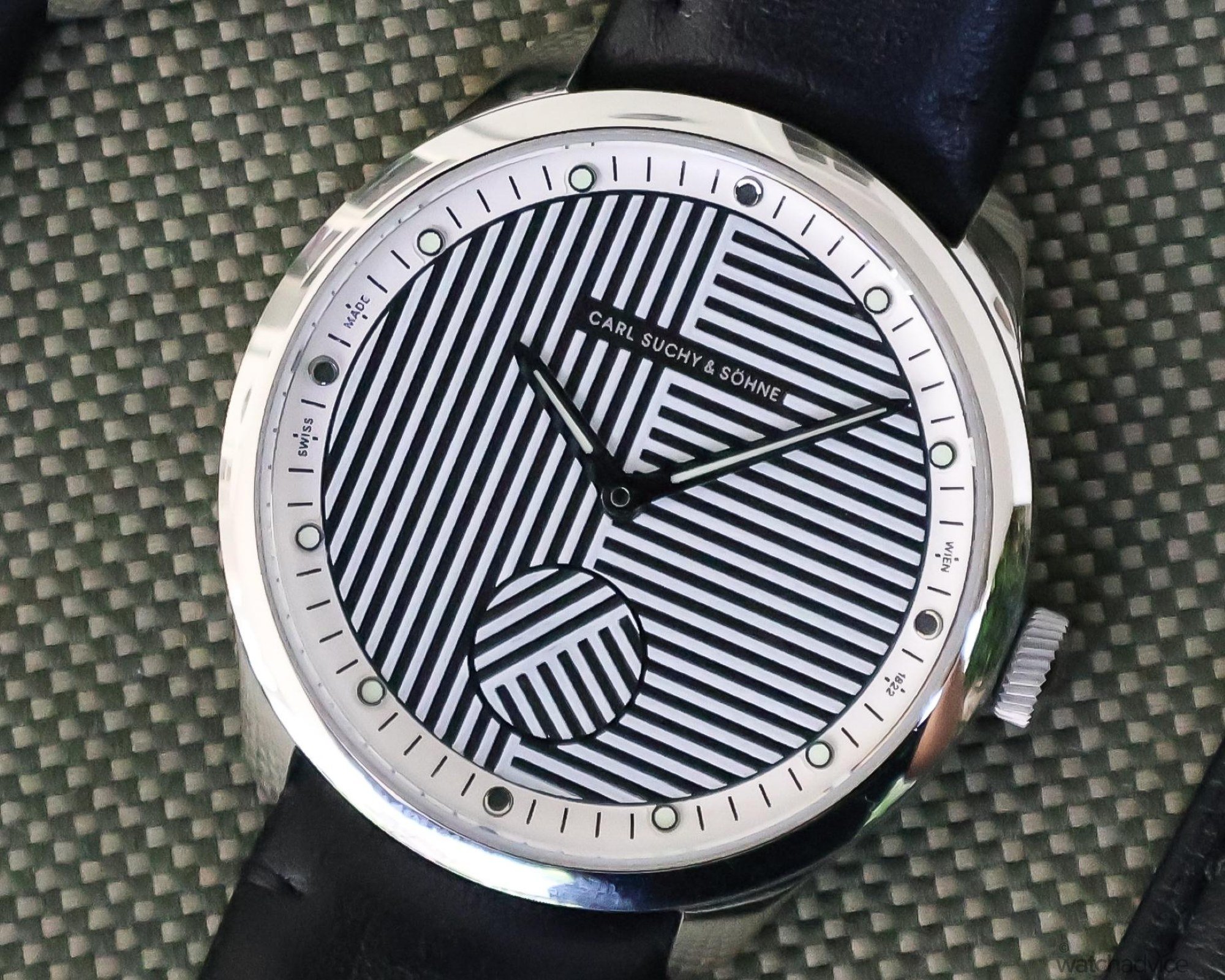
“[Vienna] is not a ‘speed capital’ like New York or London. When you look at people walking on the street, they walk a lot slower… We decided to use a second disc instead of a second hand – we take it easy.“
Dr. Robert Punkenhofer on the Waltz N°1, which informed the Vienna collection’s aesthetic
But in every modern watch brand’s roster, there’s always a need for a sporty, chic piece to appeal to the casual wearer. Unlike hard-wearing brands such as Marathon, Omega or Hamilton, the Carl Suchy & Söhne Belvedere wasn’t made for high-performance bragging rights. As Dr Punkenhofer puts it, most Austrians simply want to walk in the park or the garden.
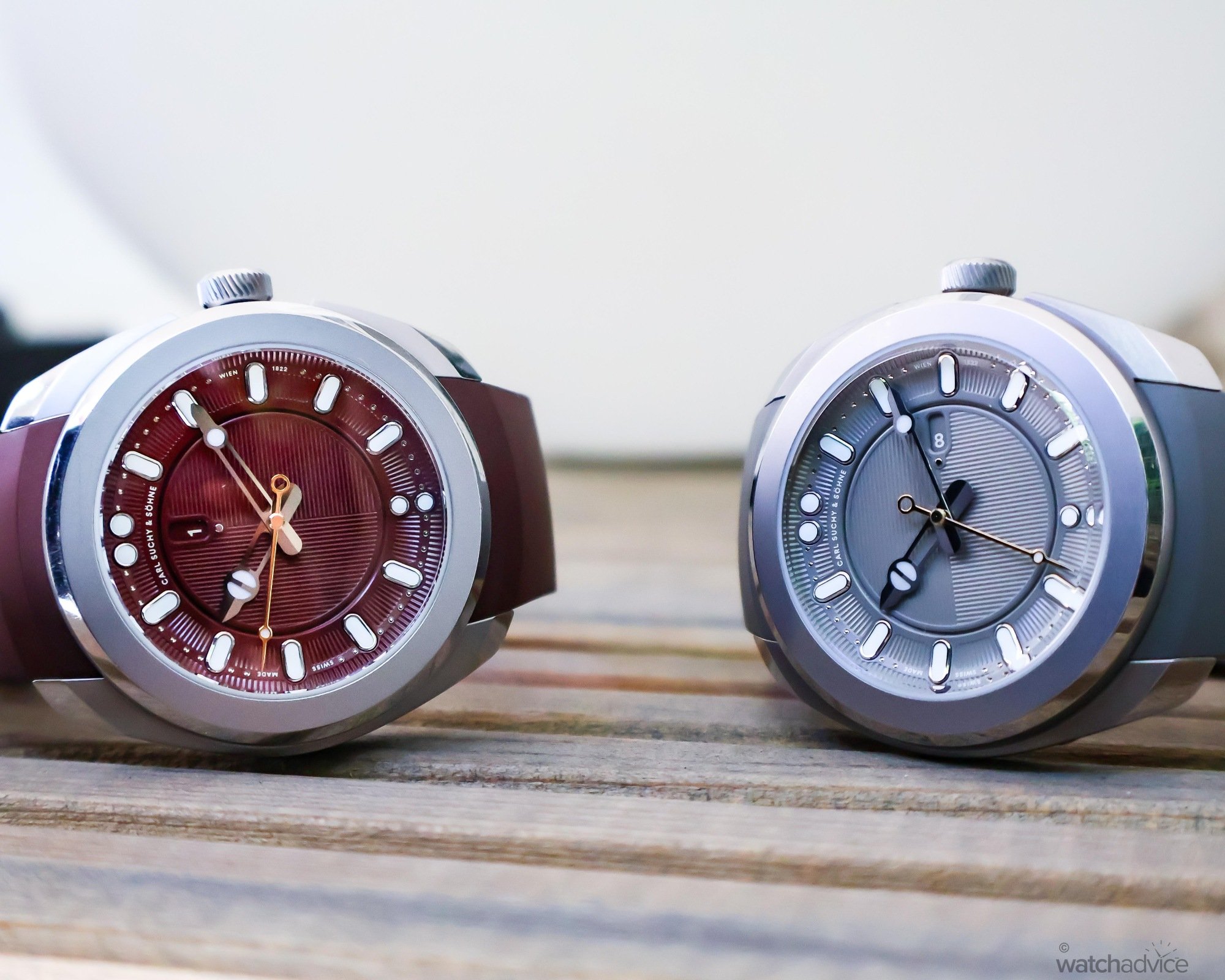
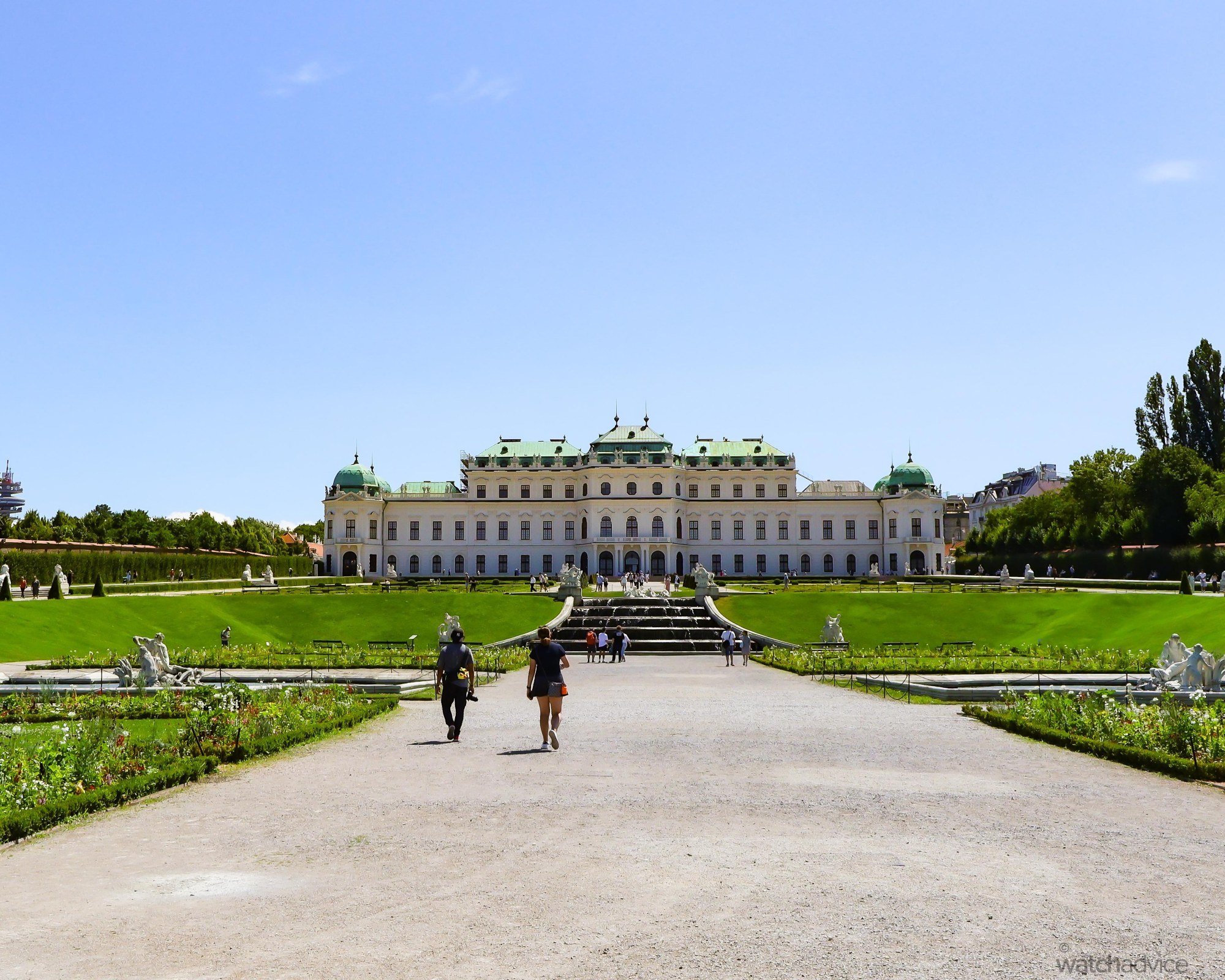
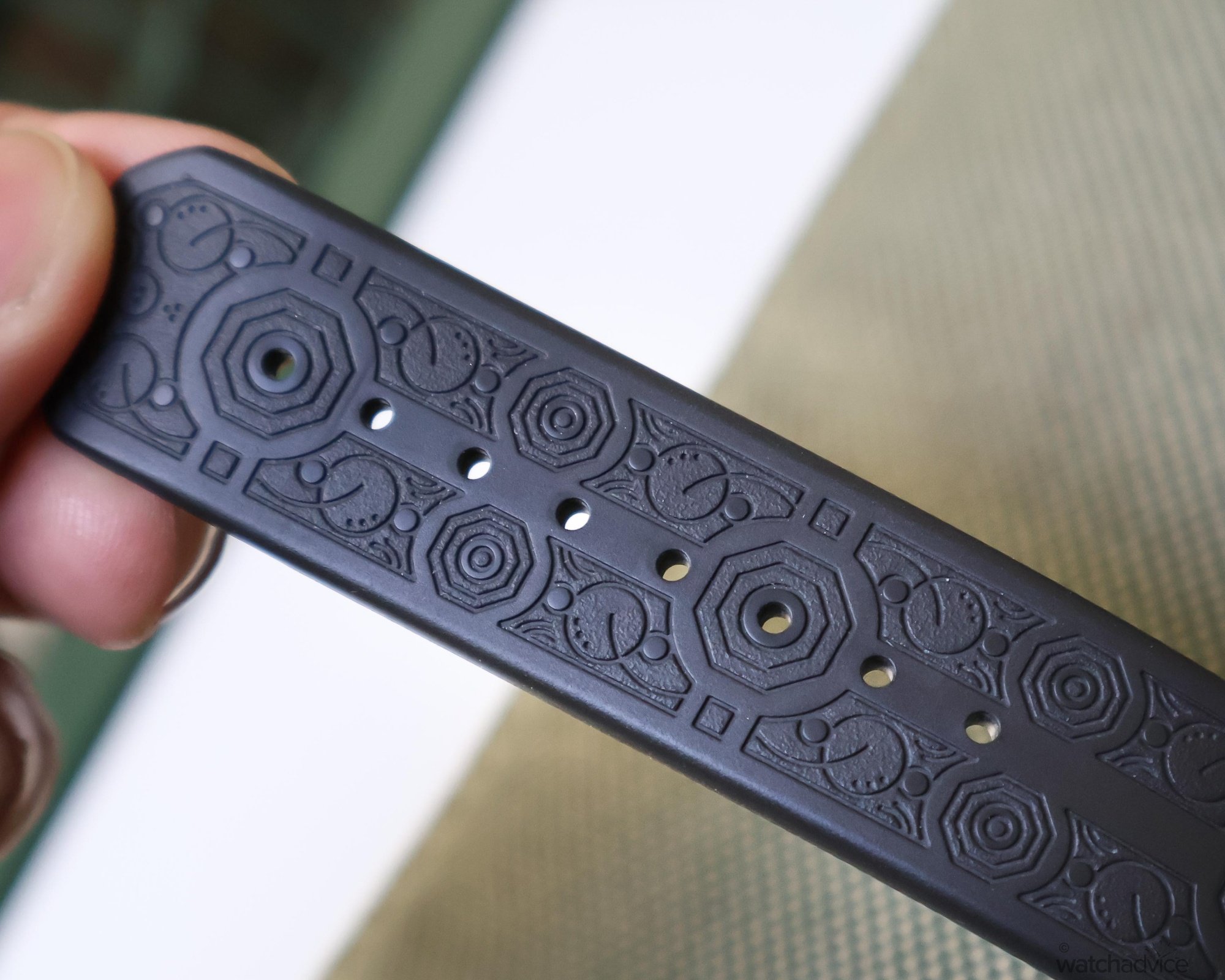
And what better garden to draw inspiration from than one of Vienna’s most popular destinations? The Schloss Belvedere, or Belvedere Palace, sits just across the street from the Carl Suchy & Söhne boutique. As you may have guessed, it’s also where the Belvedere gets its name. The watch incorporates tributes to the site throughout its design, from a skeletonised rotor depicting the famous Schloss Belvedere to a bird’s-eye view of the gardens used as internal texturing on the rubber strap.

As we all know, watches often live and die by their horological capabilities, and Carl Suchy & Söhne isn’t looking to disappoint on their second go-around. Beginning with the Belvedere, the Calibre CSS201 movement serves as the watch’s beating heart. While its underlying architecture is familiar to the typical Swiss staples from ETA or Sellita, it has been extensively finished and modified by Dubois Dépraz.
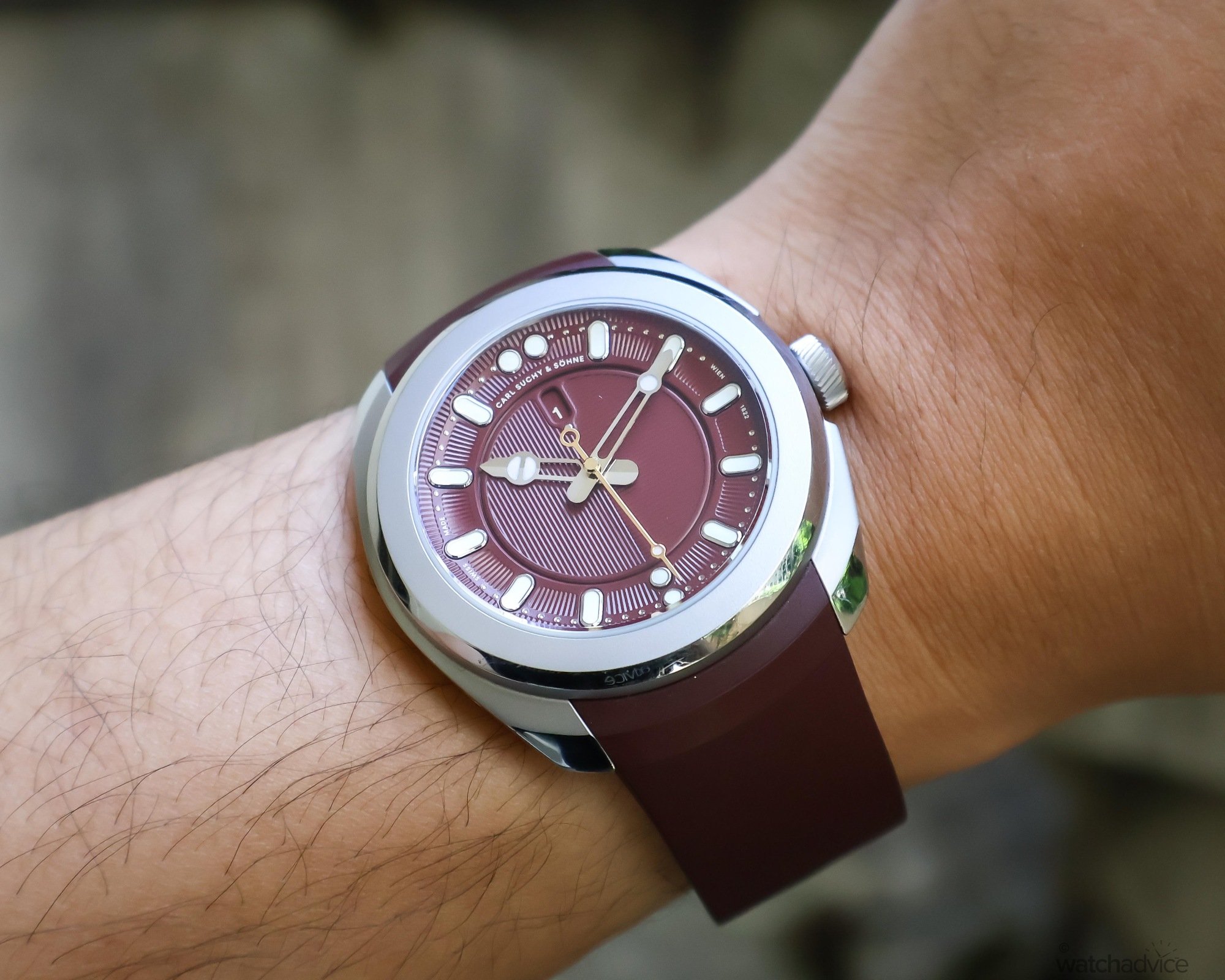
This is where the Belvedere’s party trick reveals itself: the jumping date. Thanks to Dubois Dépraz, the date window and date wheel operate as one, with the display rotating cleanly with each change of date. For Carl Suchy & Söhne, it’s a practical way to help visually orient the wearer on how far they are into the month.
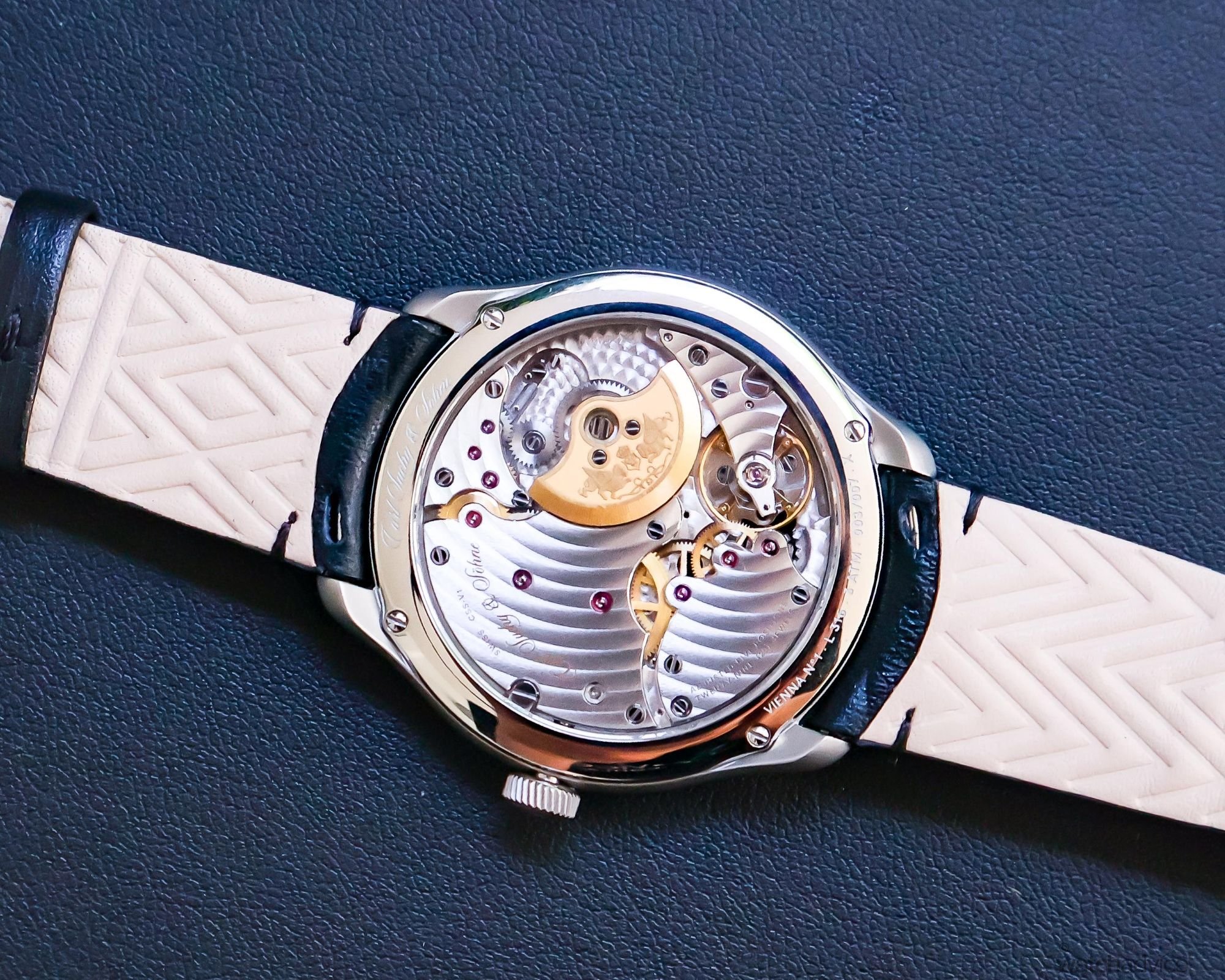
As for the Vienna and the Waltz N°1, the engineering and finishing on display are certainly state-of-the-art. Both collections use a version of the Calibre VMF 5401, though in the Vienna it is designated as the CSS-V1. The CSS-V1 also features a unique radial finishing affectionately named Côtes-de-Vienne (Viennese Stripes), Austria’s answer to Côtes-de-Genève.
If you’re unfamiliar, VMF stands for Vaucher Manufacture Fleurier, the legendary movement maker that collaborates with the likes of Richard Mille, Hermès, Audemars Piguet and Parmigiani Fleurier, among others.
I was stunned when I realised that Carl Suchy & Söhne works with Vaucher Manufacture Fleurier. Vaucher has earned quite an exclusive reputation, and on paper a small brand like Carl Suchy & Söhne might not have stood much chance in the ‘shark tank’, so to speak. Dr Punkenhofer, however, sees it differently.

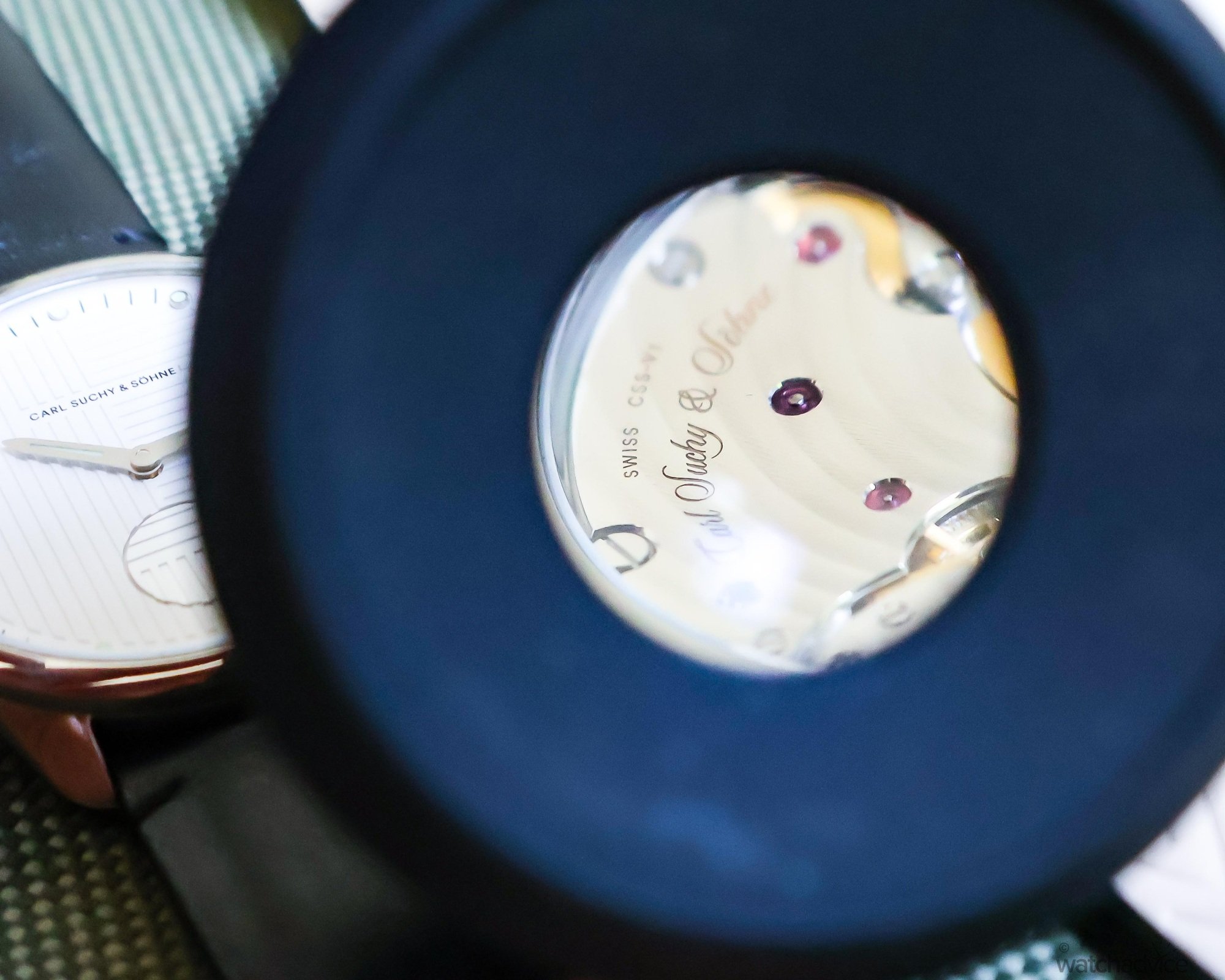
“[Vaucher] loved the concept, our creative approach, unique design, our legacy… It’s not just another Swiss brand, but an Austrian legacy brand… I think they also felt the passion we had about it; I’m not just some billionaire that wants to build a watch.“
Dr. Robert Punkenhofer on the partnership between Carl Suchy & Söhne and Vaucher Manufacture Fleurier
Final Thoughts
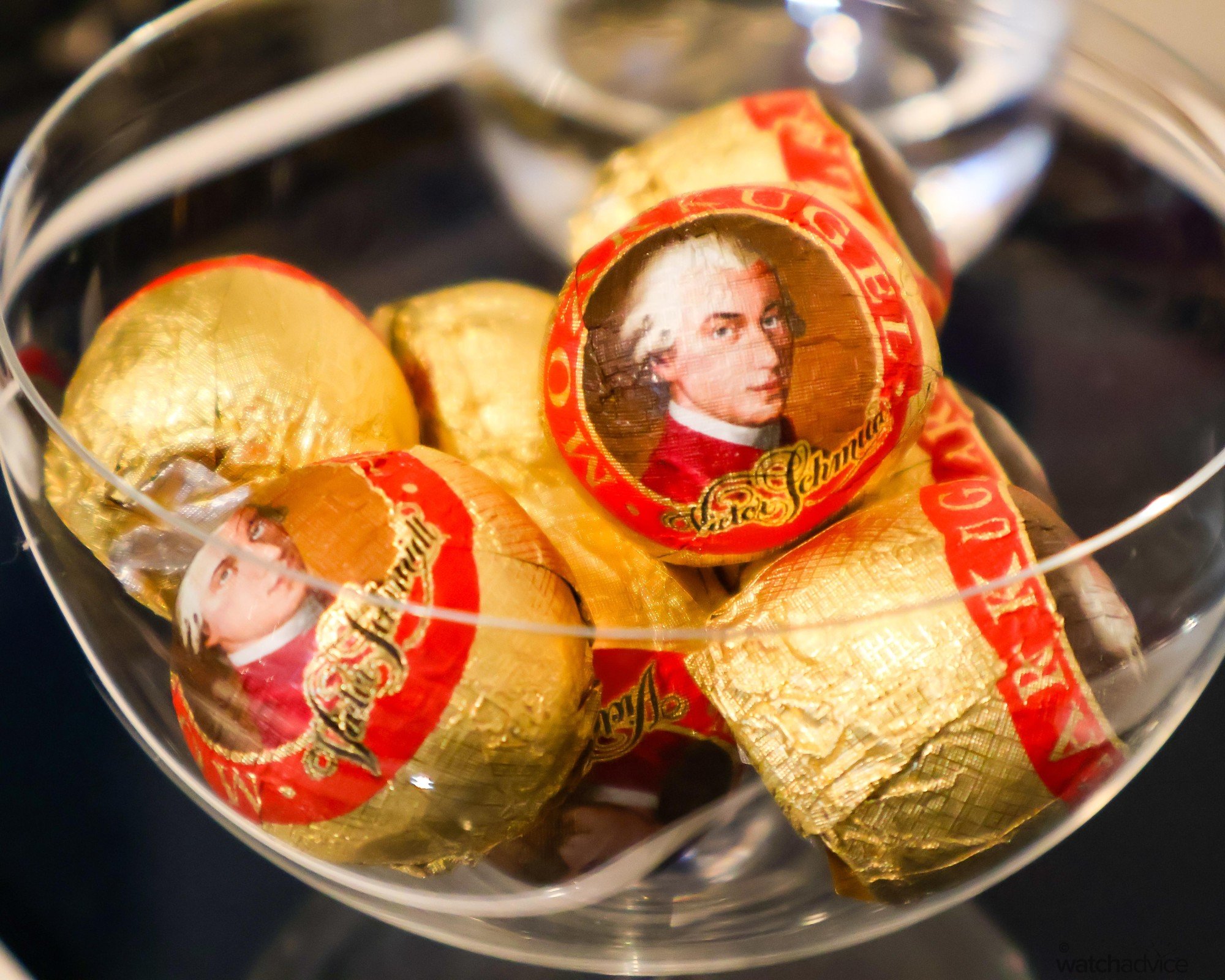
My time in Vienna was brief, and my time with both Dr Punkenhofer and Méline Jaegé even shorter. Despite this, my first impression of Austria’s horological renaissance was one to remember. I was genuinely surprised by the openness of Dr Punkenhofer, Méline and the Carl Suchy & Söhne team. They welcomed a complete stranger who had travelled across the world, giving me access to their boutique, their watches and their stories — and they did so with a serving of tea and Mozartkugel.
I made sure to visit some of the places they suggested, given the limited time I had. The nearby Schloss Belvedere was the obvious first stop, and I spent a good while exploring both the art gallery and the gardens. But as my time in Vienna dwindled, a startling realisation set in: the more time I spent in the city, the less I wanted to leave.
Just as Dr Punkenhofer said, life moves much slower here — at the pace of a waltz, you could say. As I took in the remarkable architecture, the relaxed atmosphere and the sunlit landscape, I found myself thinking that the future of Carl Suchy & Söhne looked deeply promising.
With all the beauty and inspiration Vienna has to offer, it’s no wonder the brand’s designs are a work of art. Richard Linklater’s Before Sunrise asks the question, “Can the greatest romance of your life happen in just one night?” While I’m not sure about romance, the watch nerd in me fell in love with Carl Suchy & Söhne in just one day.