

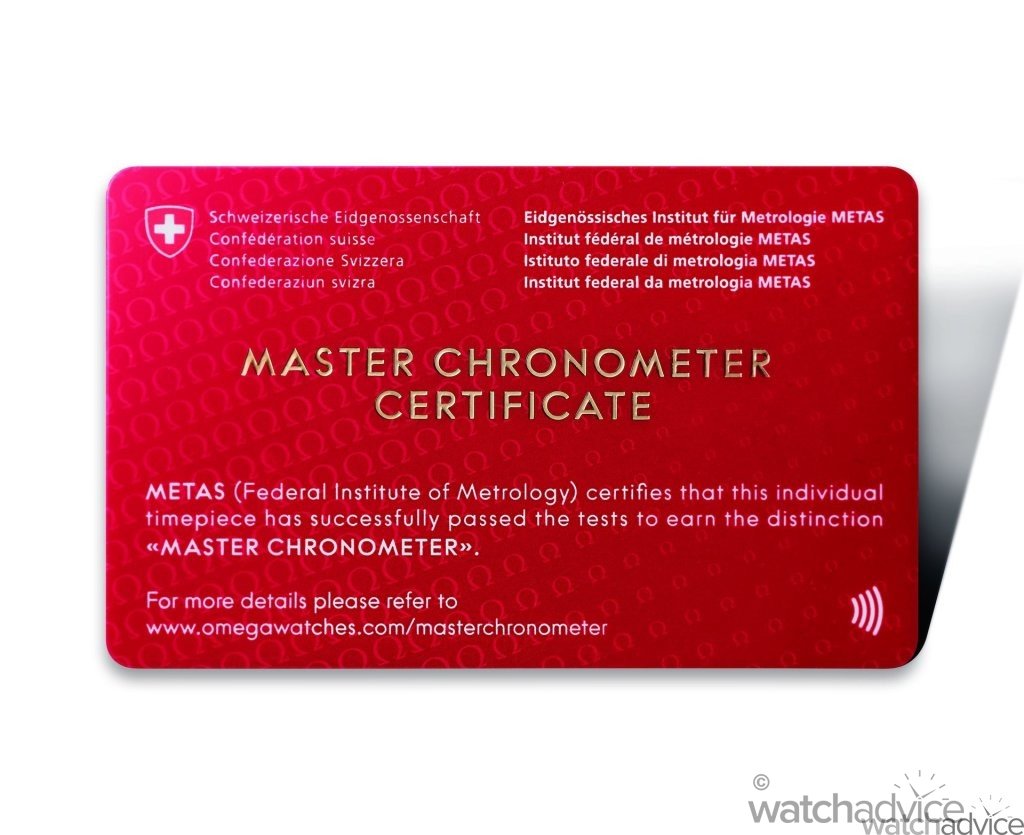
Welcome to part two of Watchadvice’s dive into the various certifications and accreditations given to luxury timepieces. If you missed out on part one, it is available here. In part one we looked at the questions: what is a certified chronometer, and what does that mean?
Here in part two, we will be taking a look at the “Master Chronometer” standard and, again, what does that mean for the end user?
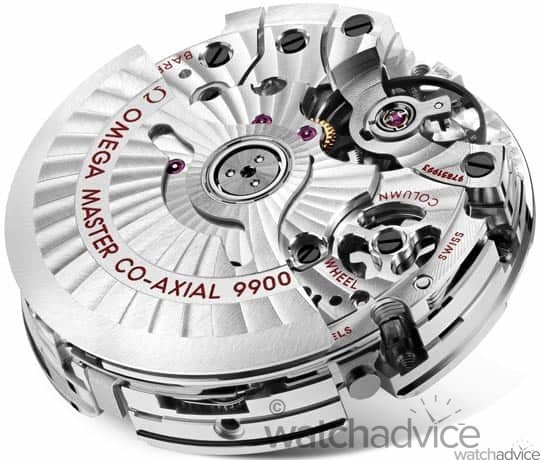
As discussed previously, in order to have a watch be certified as a chronometer, the piece must be tested by an independent institute and meet requirements as set out by the COSC. In a similar vein, if a watch manufacturer would like to advertise their watch as a “Master Chronometer”, the piece must be sent to the Swiss Federal institute of Meteorology, or METAS for short.
Unlike the COSC, METAS is a federal branch of the Swiss government. They are responsible for the accurate recording of a number of statistics and conditions, including but not limited to, force and vibration, mass and density, traffic meteorology and of course, time.
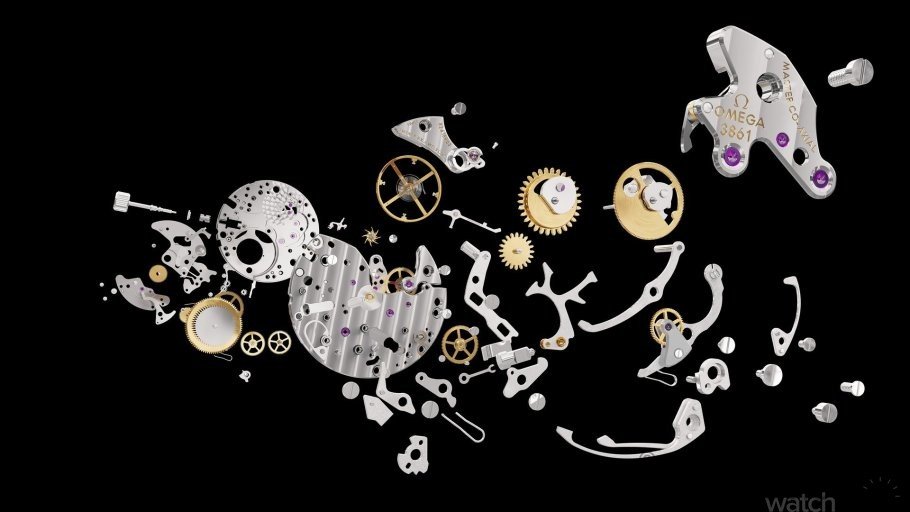
With the mechanical watch industry being such a large part of Swiss culture, it’s certainly not surprising that the government would seek to ensure some level of standard over the manufacturers profiting from such an illustrious history of fine craftsmanship.
With the advent of METAS, such oversight was born. It is first important to note the following, in order to even be considered for “Master Chronometer” accreditation, the watch must be Swiss-made. Now that statement can lead to an entirely new rabbit hole into which we could delve, so for now let’s keep it simple.
The watch submitted for “Master Chronometer” status, must be Swiss-made and secondly, the movement must already be certified as a Chronometer, under the conditions discussed in part one of this series.
Without both of those criteria first being met, the watch will not even be considered for testing by METAS.
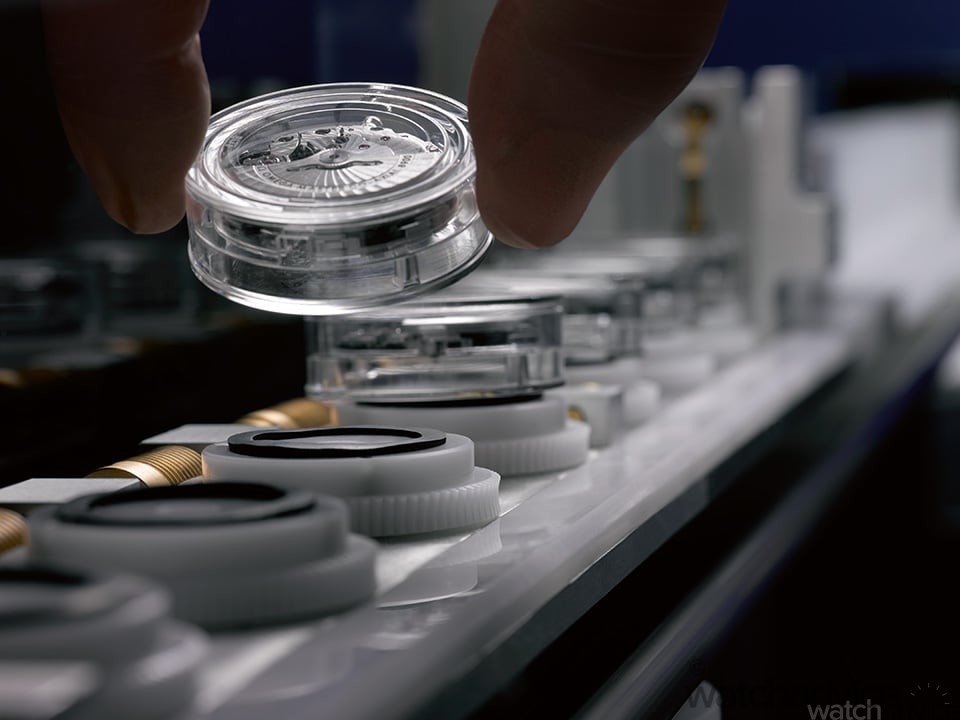
Unlike a chronometer certification, METAS also requires that all tests conducted in their laboratories are to be performed only on watches in their final configuration. In practice this means that the watch you buy with a METAS accreditation, went through the tests outlined after assembly, not just the movement inside.
The standard for passing the METAS “Master Chronometer” accreditation is also considerably stricter than that of the COSC.
Each fully finished watch must maintain an accuracy of no more than +5 seconds per day; there is no tolerance for the watch to lose time unlike the COSC standard of -4 to +6 seconds. METAS also test watches in 6 different positions to simulate wear, over the COSC standard of 5-position testing.
This means that the watch at its worst possible accuracy will only gain two and a half minutes a month, and is certified to not lose any time over that same period.
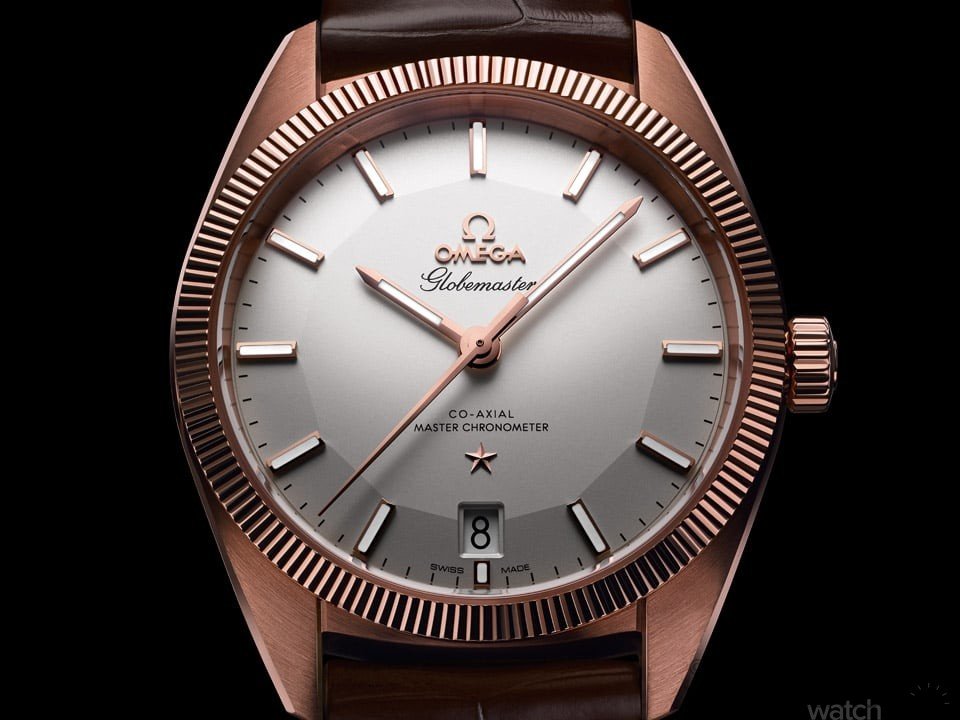
On top of the stricter accuracy requirements of METAS, each cased-up watch must demonstrate a magnetic resistance up to 15,000 Gauss, for reference an MRI machine is around 10,000 Gauss.
Another of the “Master Chronometer” standards is that the draining of the watch’s power reserve must not hinder its ability to accurately keep time. METAS ensure this by performing the 6-position testing with the watch’s power reserve at 100% and then again at 33%.
Finally, METAS ensure that each watch is tested to perform and comply with its stated water resistance rating.
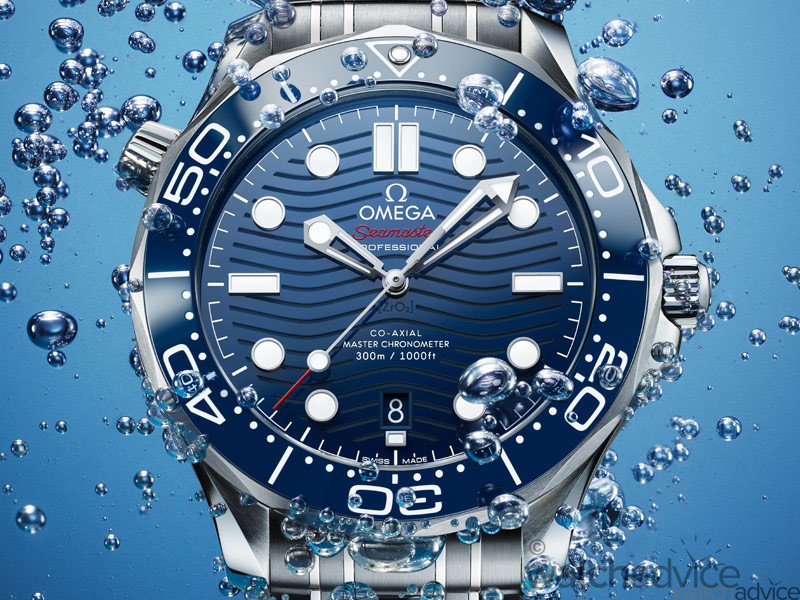
It’s clear to see why the words “Master Chronometer” are used when it comes to the rigorous testing applied by METAS. Its only objective in measuring time is to ensure that each watch is performing at a standard that truly deserves to be recognised as a “Master Chronometer”. METAS is for all intents and purposes, taking the work of the COSC, checking it and then improving upon it by holding not only the bare movement to a high standard, but the entire product.
If you are purchasing a watch that is certified by METAS to be a “Master Chronometer”, then you can be steadfast in the knowledge that you have purchased something of tested quality. There has been no interference after testing and no quarter given during testing, a “Master Chronometer” is plainly a higher-level watchmaking and accuracy.