

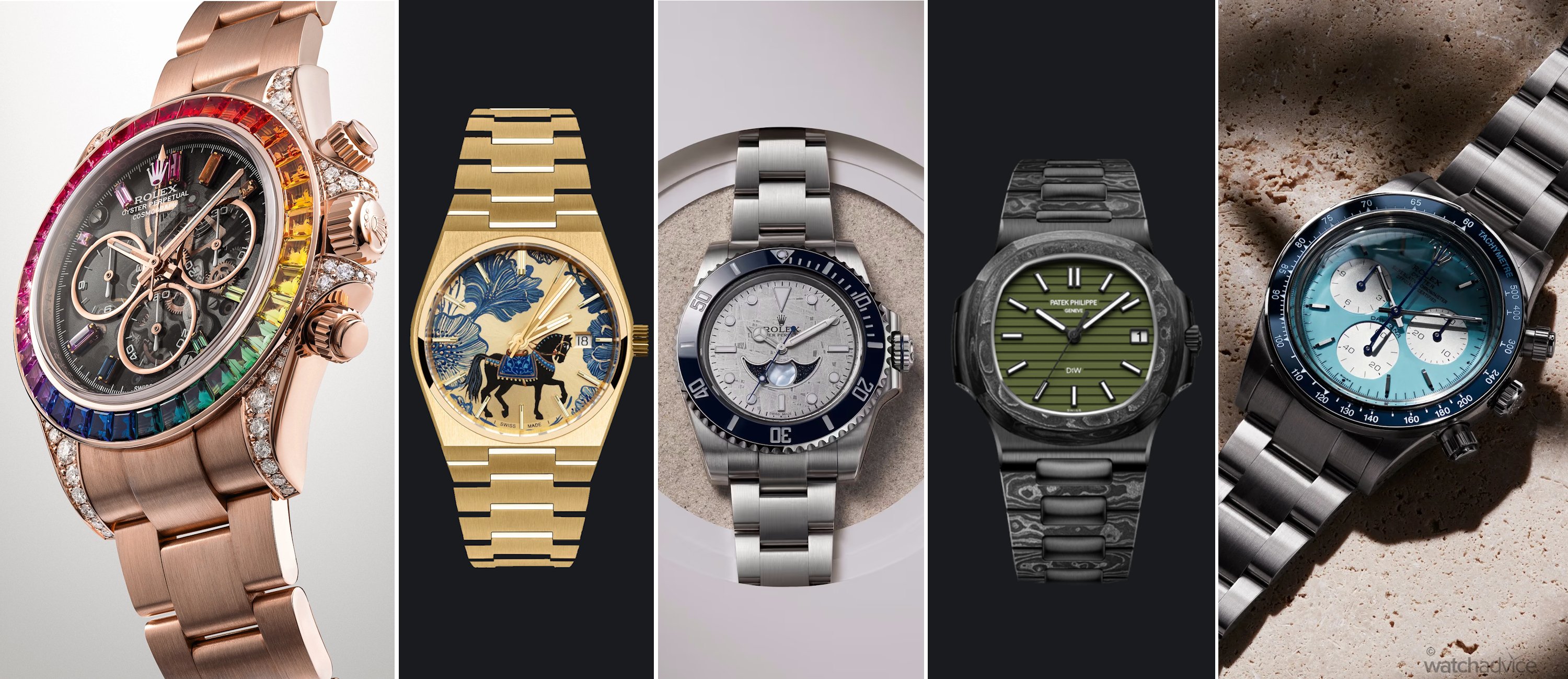
Is watch customisation creative expression or crossing the line? Mario and Sam share their takes on where it works, where it doesn’t, and why opinions are so divided.
Watch customisation is one of those topics that always sparks debate. Some collectors love the idea of making a watch completely their own, while others feel a timepiece should be left exactly as the brand intended.
In this article, Mario and Sam put their views side by side, sharing where they agree, where they disagree, and how personal taste plays a big role in whether customisation enhances a timepiece or takes away from what made it special in the first place!
Mario’s Thoughts
While watch customisation is a fun novelty, it comes with several caveats not seen in the watch industry. Careful thought has to be taken into whether customisation is right for you.
Now, I’m not going to lie to you – customised wristwatches are awesome to behold. The extent to which brands like Artisans de Genève, Blaken, and DiW can hyper-personalise a timepiece is its own art form. Despite this, comprehensive watch customisation is something that shouldn’t be a major part of the industry canon.
A watch that is rare by design will always be more unique than one customised to be so. Take the MAD Paris Patek Philippe Nautilus, as customised by the late Virgil Abloh and worn by Drake. While I absolutely adore this piece, the true value lies in the artistic context; The importance of Abloh and Drake in the cultural zeitgeist. In this case, the rarity is applied by who touched it rather than what it is.
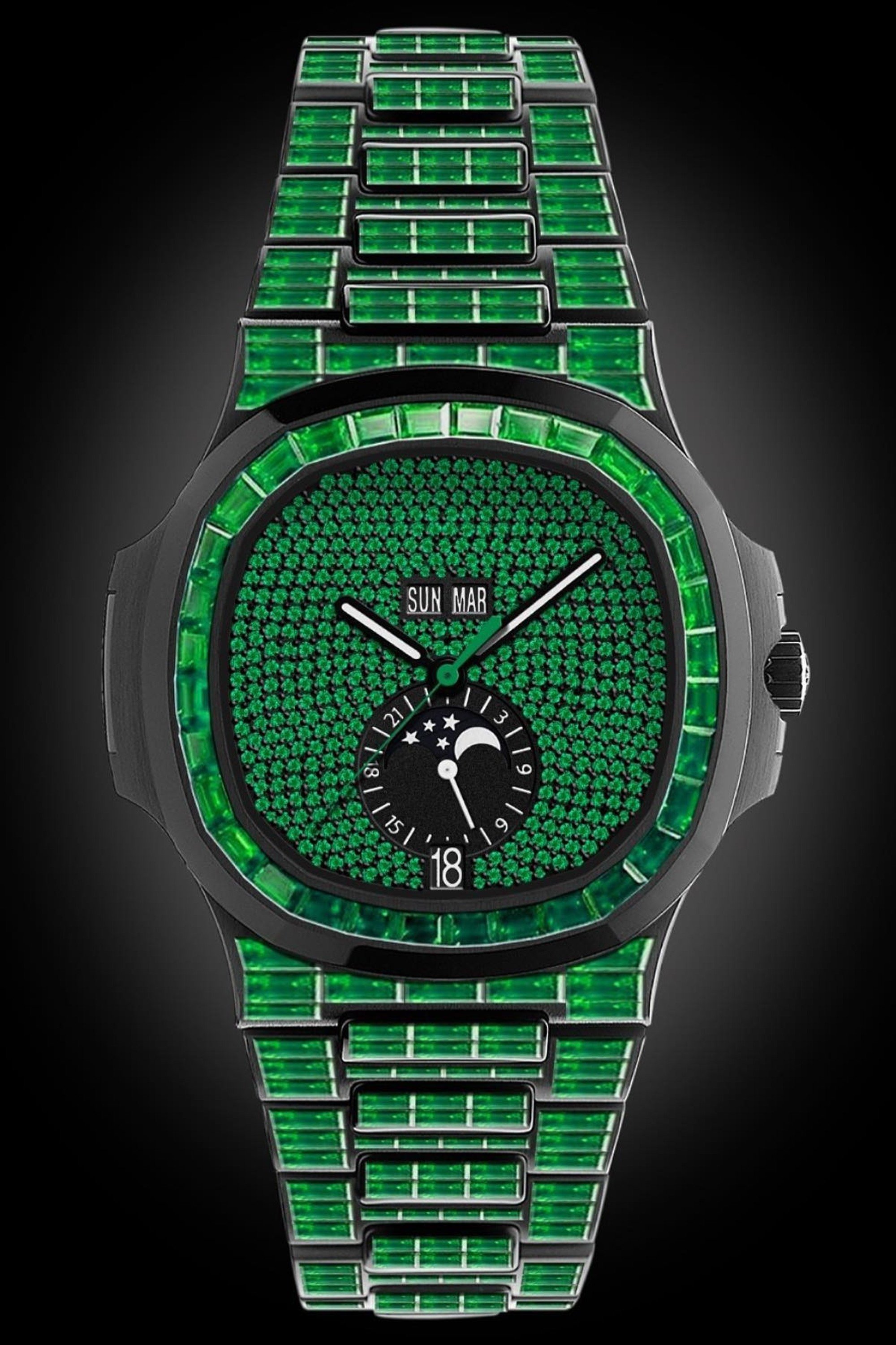

However, the Ref. 5711 made alongside Tiffany & Co. is inherently exclusive. It was built by the factory, in a finite production run, and meant to be a farewell to the reference line. In short, the Tiffany Nautilus was rare at birth. Abloh’s only became rare after he had finished with it.
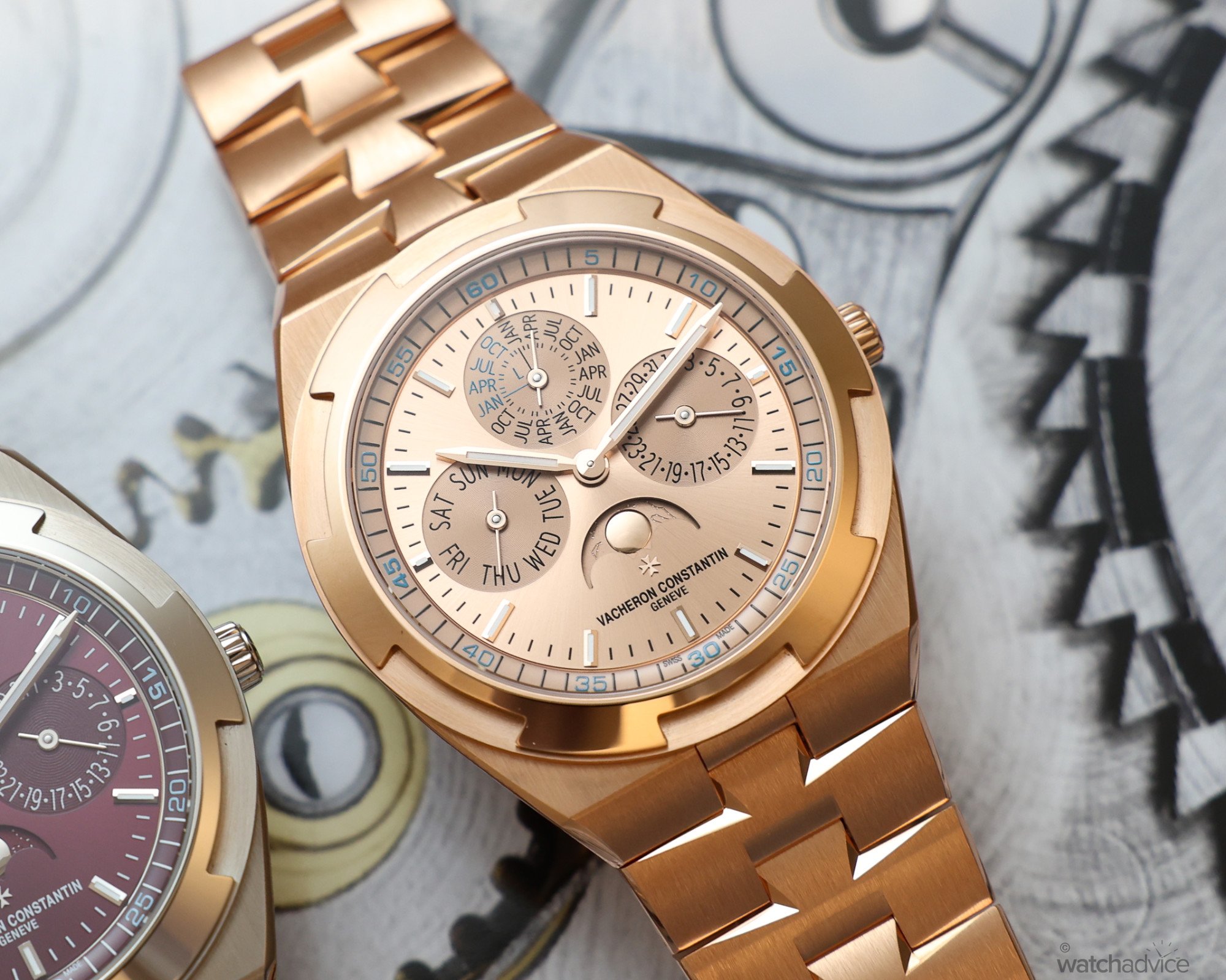
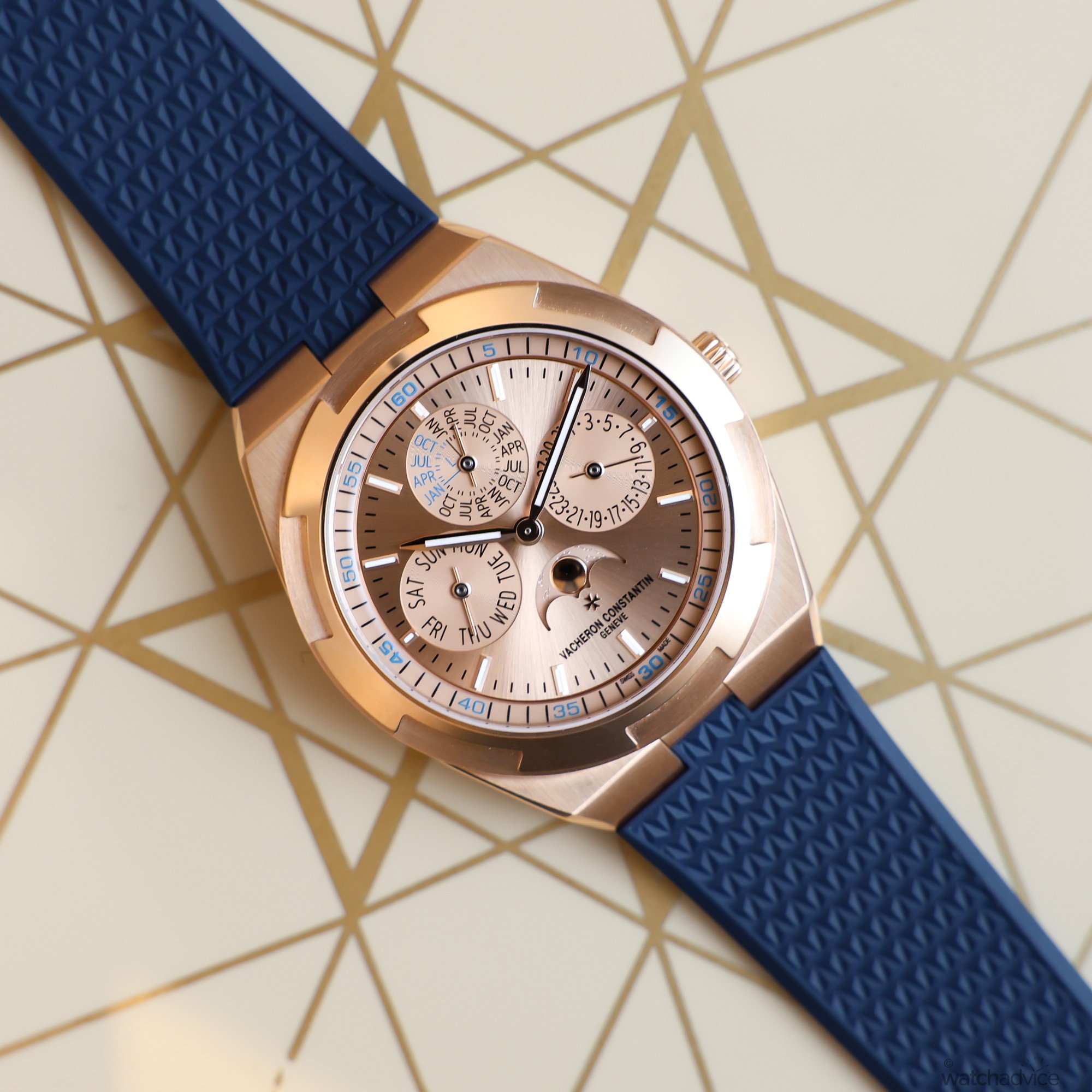
This isn’t to say that all customisation is bad. Strap exchanges, for example, are mostly overlooked by watch brands – and in some cases, even encouraged. Vacheron Constantin, for instance, provides a plethora of factory straps across their collections. However, if moved beyond the realm of reason, it can cause issues to arise.
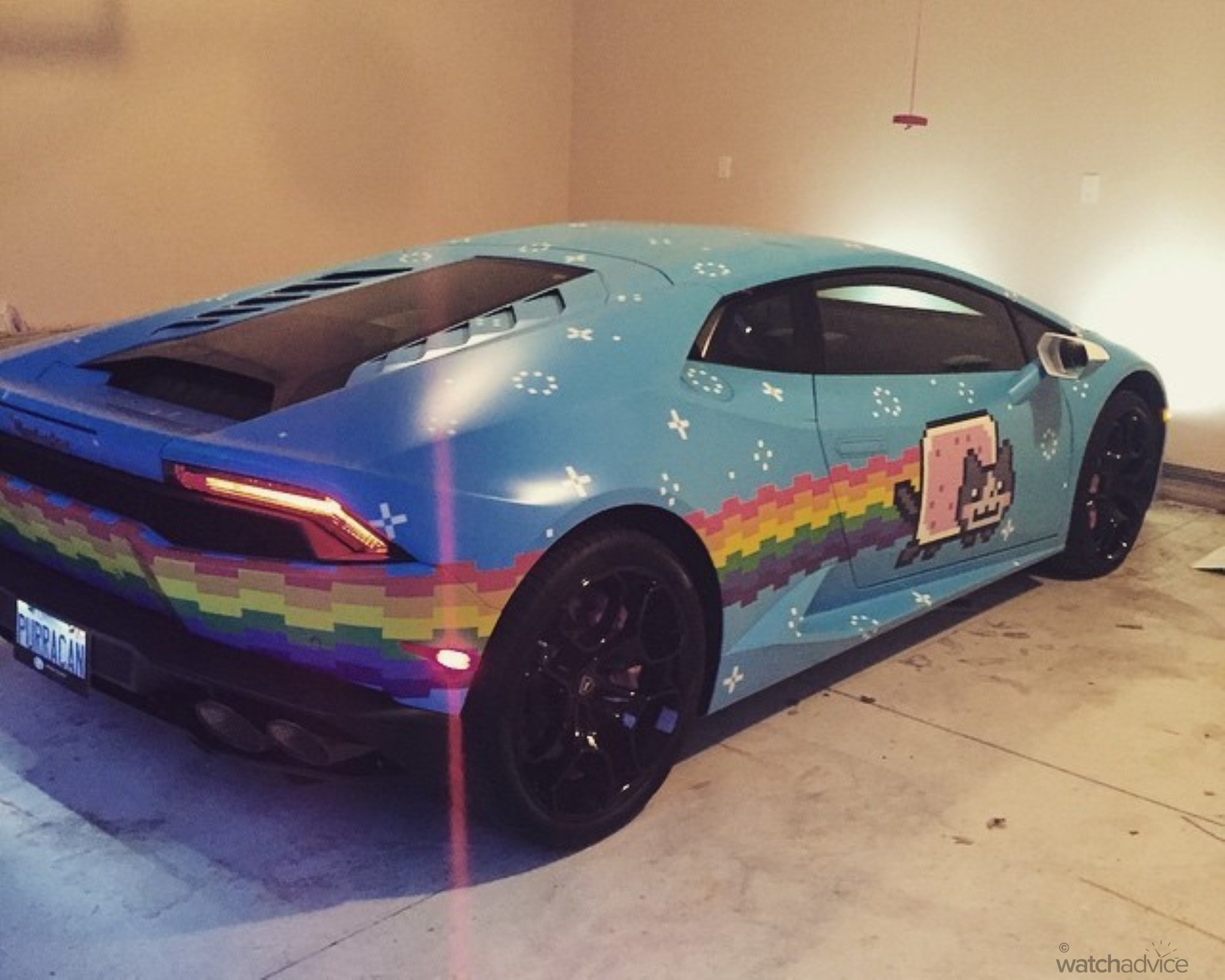
In the car industry, Ferrari is a famous example of such. To protect their heritage, intellectual property, and brand cachet, customisations without restraint, or done by a third party are frowned upon. In that context, when a Ferrari is heavily customised by its owner, it’s no longer a Ferrari in any meaningful sense. It’s [the owner’s name]’s car.
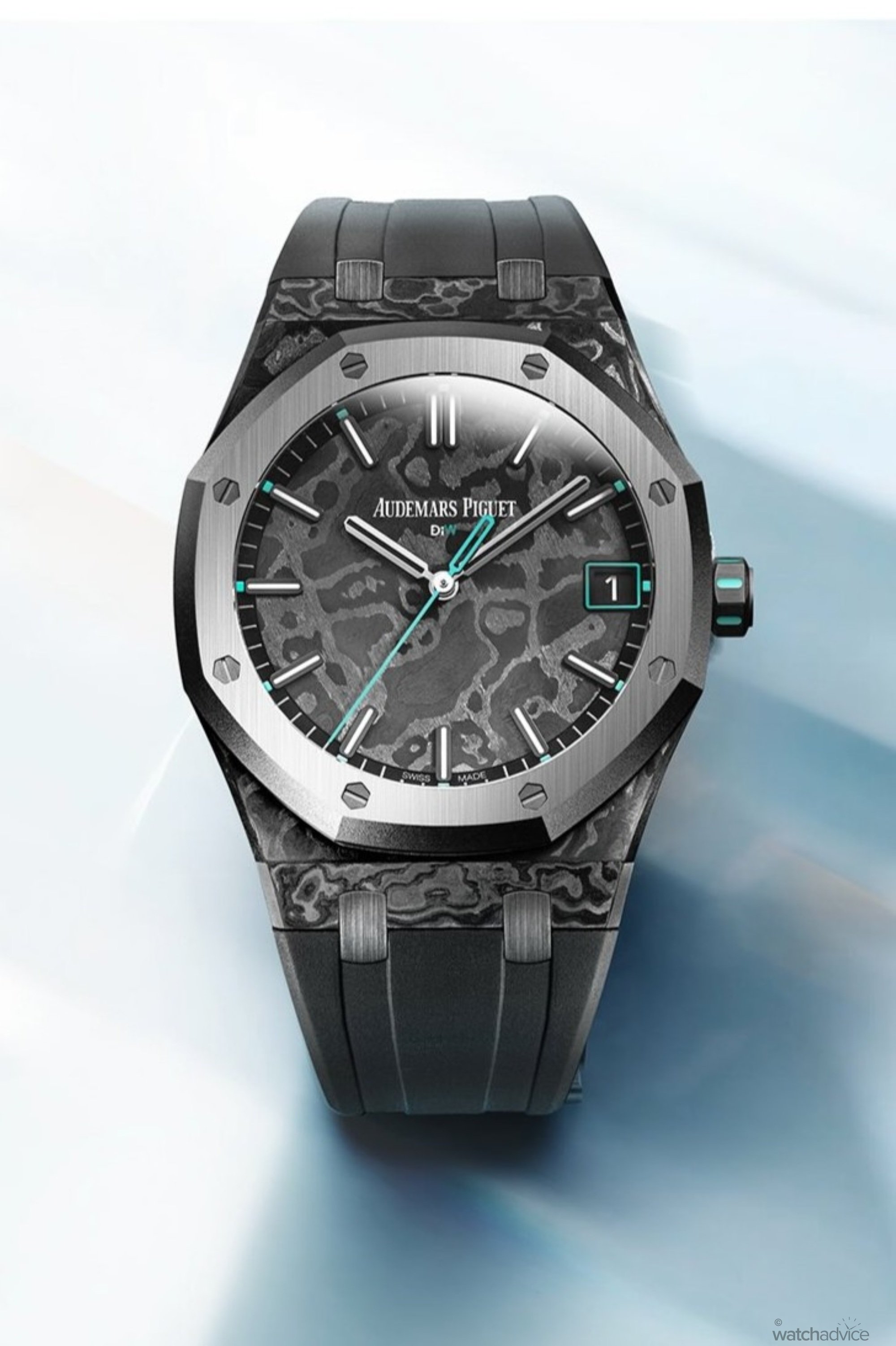
The same principles apply in watch customisation. When done excessively, or without consideration, customisation runs the risk of turning the wearer/brand relationship into a wearer/object relationship. This is often at the brand’s expense, severing all ties with the watch’s original intent, design language, and heritage.
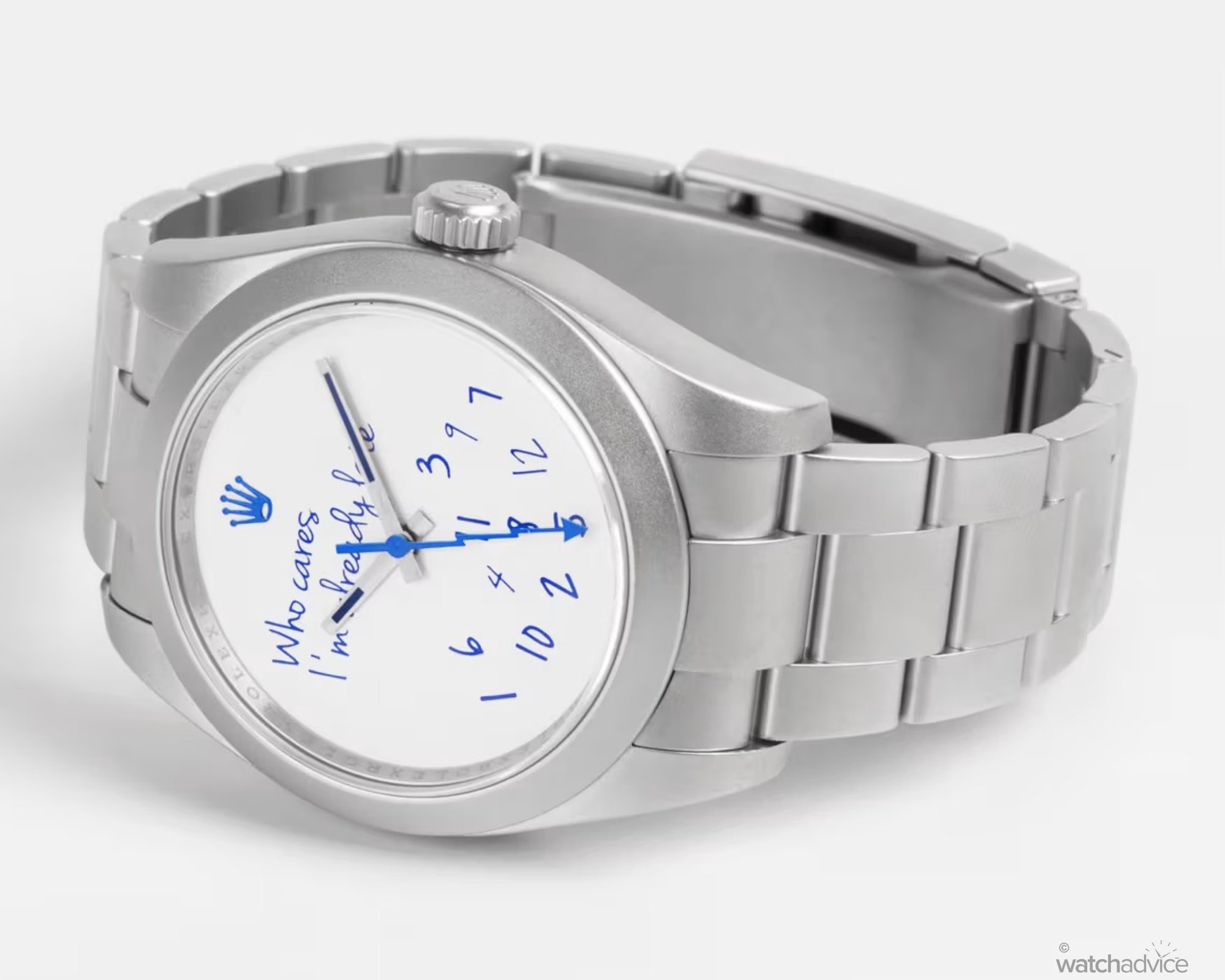
Finally, watch customisations demand significant financial and emotional investment. Before anything is altered, customisers and their clients have to consider every single detail of the customisation. In most cases, capital is hardly a limiting factor. If you’re commissioning a heavily customised timepiece, it’s safe to assume money is a non-issue. Commitment, however, is.
Comprehensive watch customisation is akin to getting a tattoo. If done well, congrats! Collaborating with the designer, you’ve created a watch that is deeply personal to you. It tells a story no factory watch ever can. But then, time takes hold. Life happens. Tastes change.
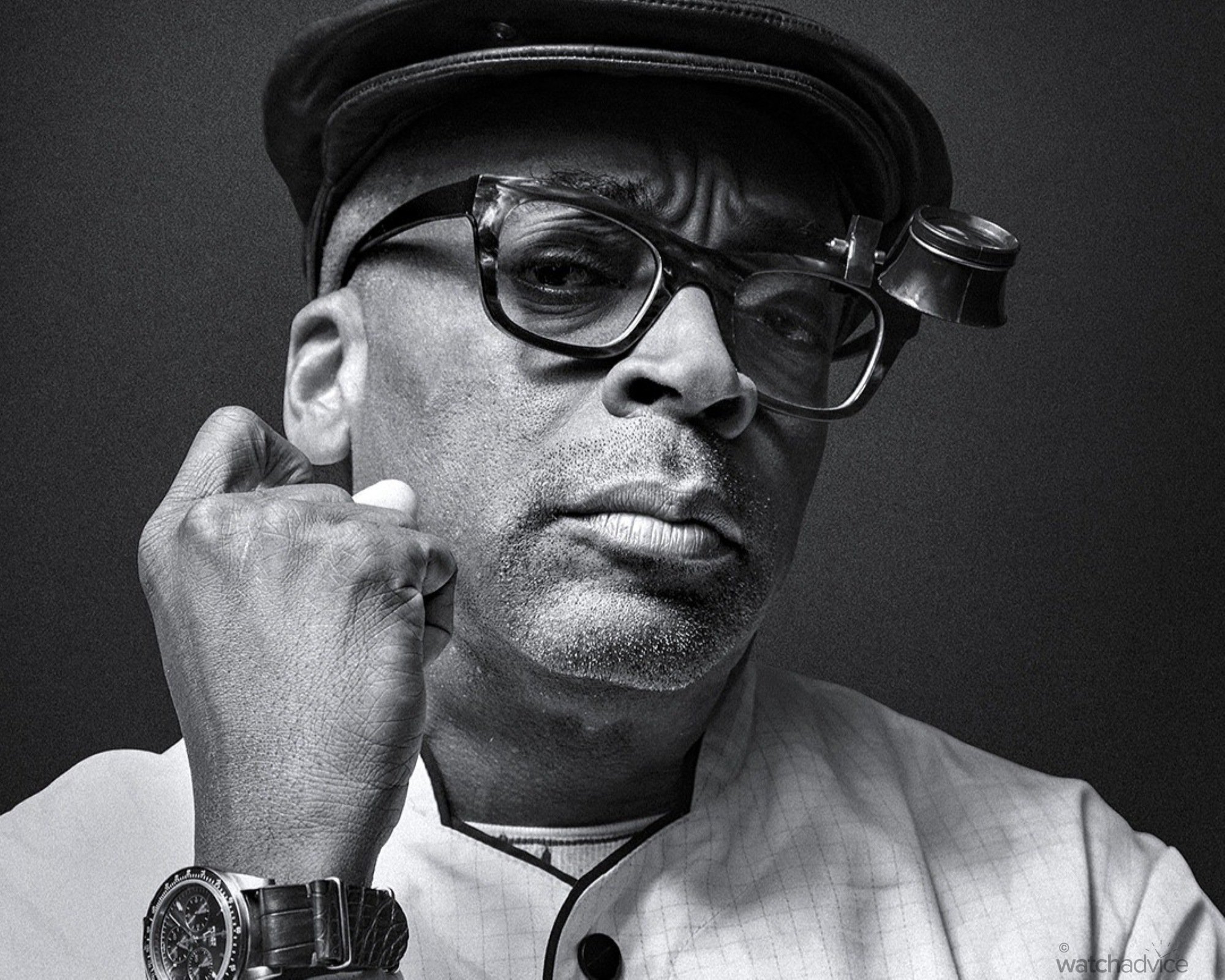
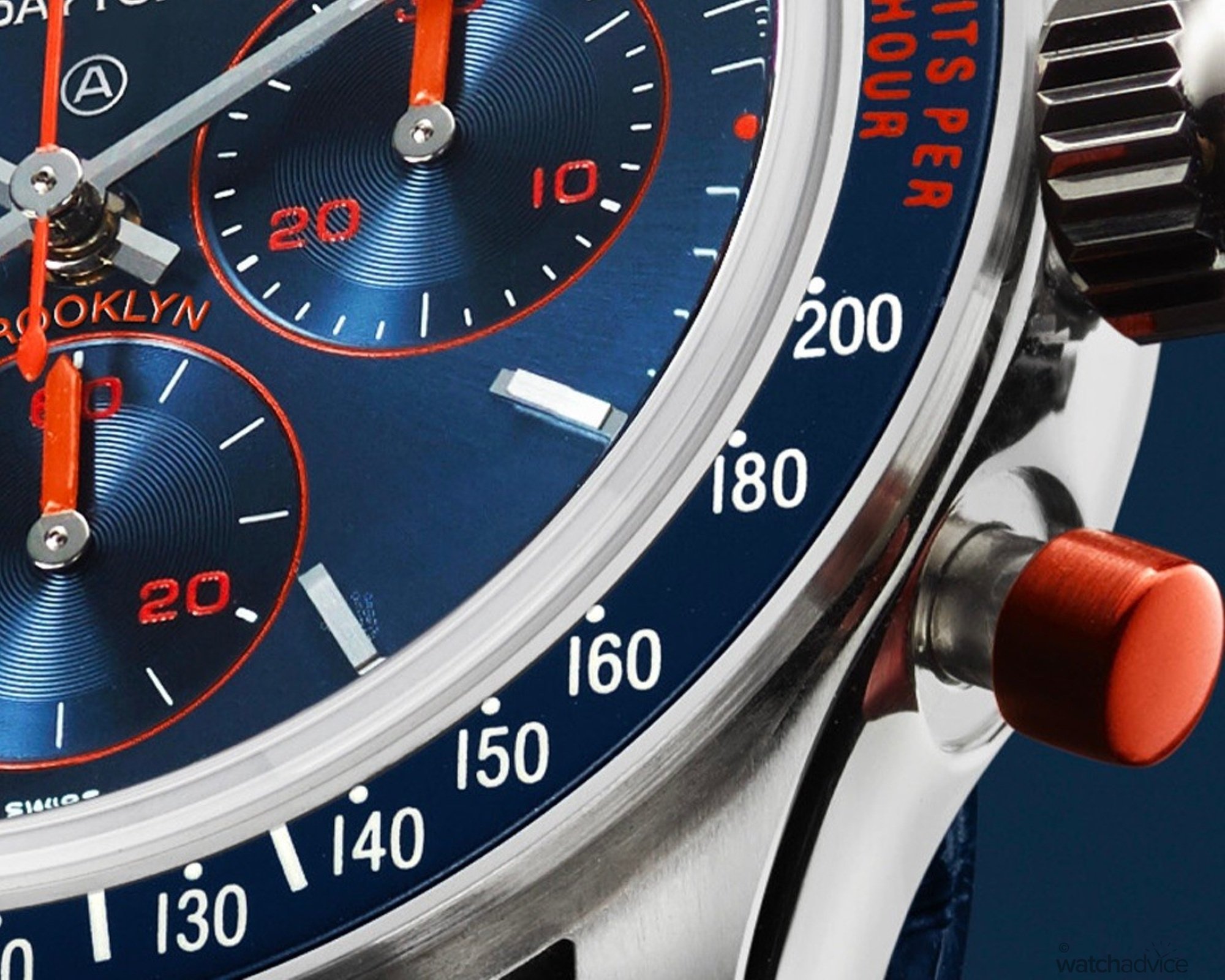
What, at the time, seemed like a perfect expression of self now feels off. And when – not if – that happens, customised watches have little flexibility. They can’t be easily sold, nor casually passed on. Unless you’re as famous as, say, Dwayne Wade, a non-standard watch requires an exacting buyer, one with a near-identical palate to yourself. The chances of finding one, unfortunately, are slim.
Sam’s Thoughts
Watch customisation is certainly a practice that should be part of the world of horology. Not everyone has to do it, but for those who opt to, they should be given the freedom, provided they know of the drawbacks.
Watch customisation is already a niche within a niche hobby, but for me, one that should get more spotlight. It is self-expression at its best, as for us males, we already don’t wear as much jewellery or items that showcase our individuality. This, however, is not to say that watch customisation doesn’t have any drawbacks.
Mario raised some interesting and excellent points; however, there are a few I don’t necessarily agree with. Watch customisation does indeed come with its downsides, and if you were to go down this path, it’s imperative to understand the pitfalls of putting a personal touch on your timepiece.
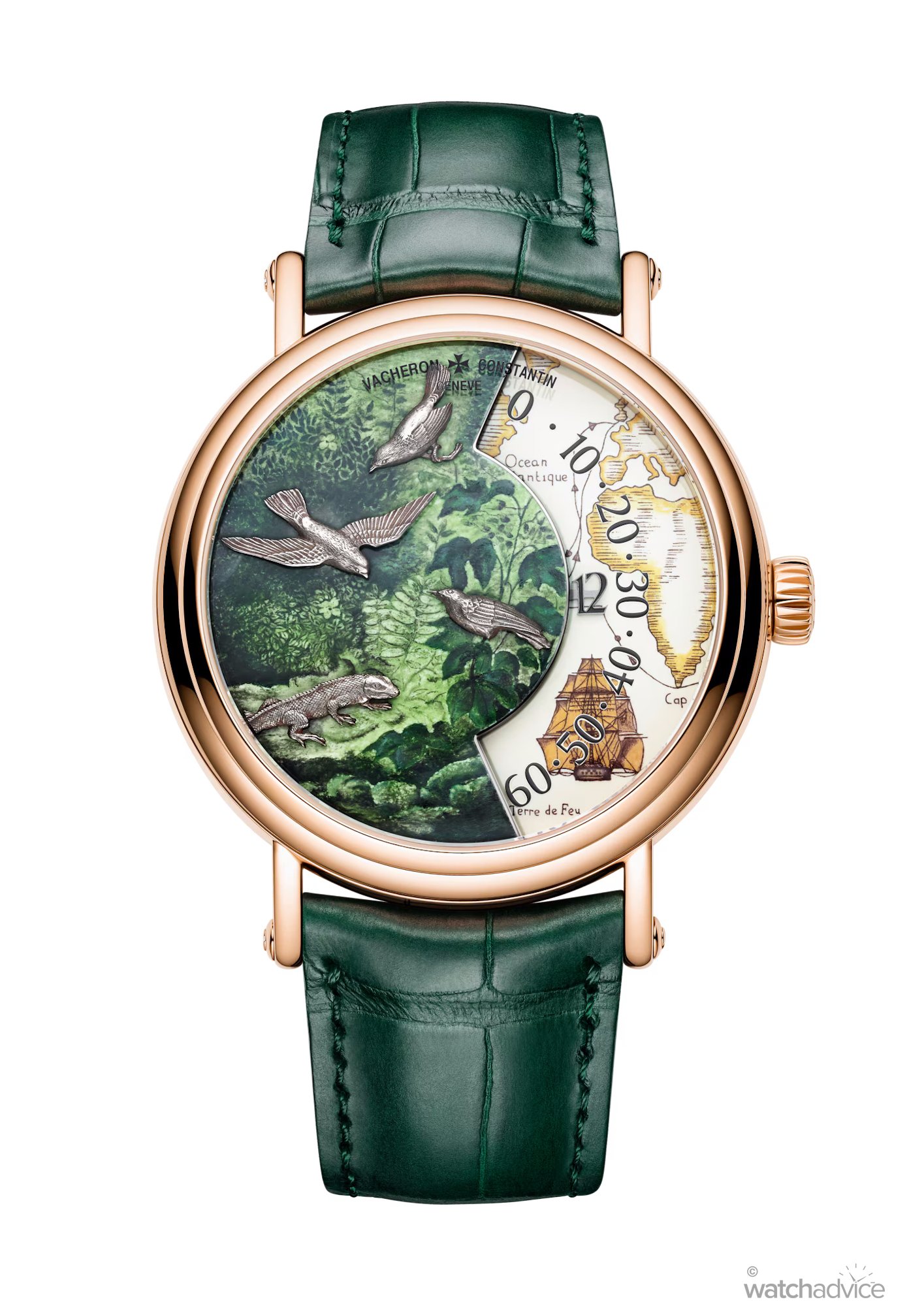
The first point I would make is that customisation usually occurs on timepieces that are mass-produced, as if you don’t want your timepiece to be the same as everyone else’s, it makes sense to do so. Rarely will you see a limited edition piece be taken for customisation (unless it’s a small engraving or strap change). Limited edition models or timepieces that are limited in production are already unique as it is, so the need to fully customise them to stand out is not necessary.
As Mario pointed out, the timepiece will get devalued, as after customisation, it will be a piece unique to the individual only. However, the argument that I point out is that any timepiece you are willing to customise should not be something you are looking to sell off. It seems like stating the obvious, but if this is an investment watch, it should not be touched in any way, as that will devalue the product, like with all things.
Just like Mario’s tattoo reference, you have to give it a lot of thought and not do it on a whim. It essentially needs to be a timepiece you can afford to ‘write off’ (again, depending on the level of customisation). While I personally don’t have any tattoos, I can’t imagine there being too many people getting them wanting to go back and either remove/change designs.
There are many levels to watch customisation. I went through it in detail in the article above, where I explain that watch customisation can be as simple as changing a strap or doing engravings, to full customisation where the case, bezel, and dial get redesigned.
A simple strap change is a great way to personalise a watch while still having the flexibility of reversing it back to the factory ‘design’. From this point on, however, not only does it become more personalised, but also changing it back to factory design becomes next to impossible. I, personally, am a big fan of engraved timepieces. If it is a watch that has sentimental value to you, then I’m guessing you already don’t want to sell it.
Haoming’s Jaeger-LeCoultre Reverso is customised with the reverso side featuring an engraving of his favourite musician.
It could be a timepiece to celebrate a milestone at work or a personal achievement, or it could be your wedding watch. What better way to celebrate the occasion than to have the timepiece engraved with either the date or a personal message? Haoming’s Jaeger-LeCoultre Reverso, which I used in the above article, is a great example of watch customisation done perfectly to showcase one’s personality, or in his case, his favourite musician.
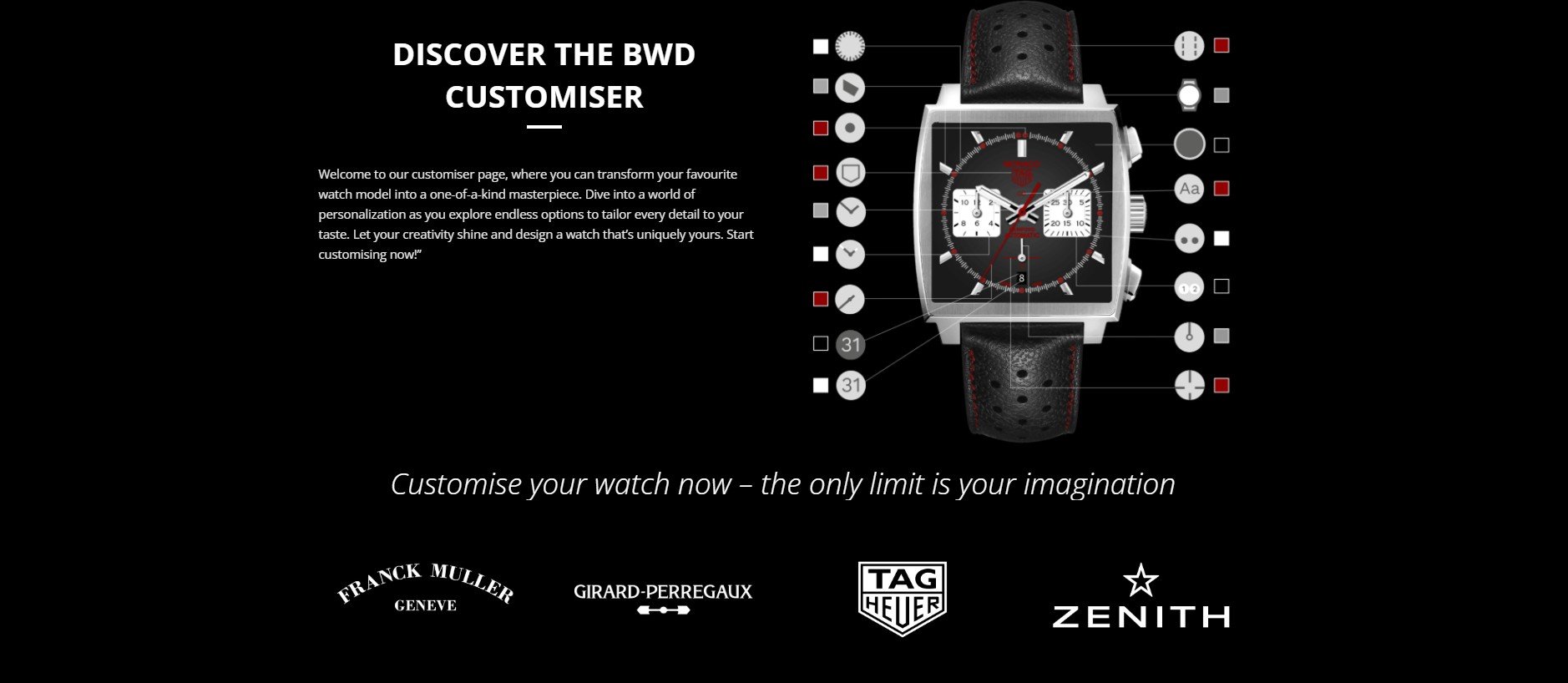
If brands themselves offer personalised bespoke creations, doesn’t that mean they aren’t exactly against it? While not every brand offers this service, as logistically creating a separate department just for customisation is no small operation, there are brands such as Vacheron Constantin, Audemars Piguet, Patek Philippe, and Rolex that offer this service. While brands like TAG Heuer, Frank Muller, Girard-Perregaux, and Zenith work alongside Bamford Watch Department to offer personalization on their timepieces.
Mario does make a great point also about how if full customisation isn’t done right, it can ruin the brand image. If you’re fairly well-versed in the watch world, you will already have your preferences on brands and even types of watches, and not be influenced by bespoke creations; however, for someone who is just getting into watches, if they come across a customised timepiece that is in poor taste, this may negatively impact their view on that brand/watch initially. While this is certainly rare to see, first impressions can still matter.
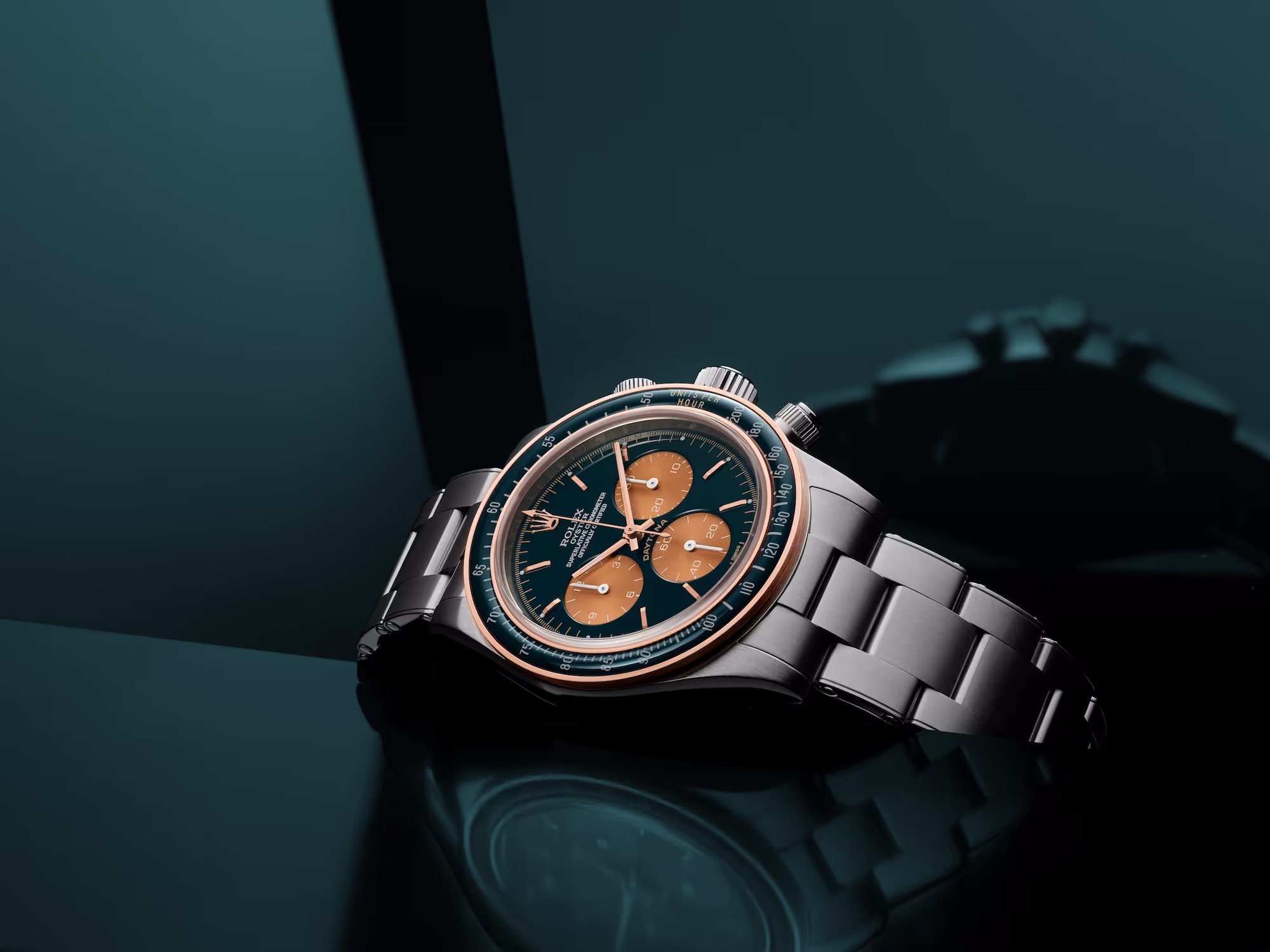
My argument is that watch customization should certainly be a part of the watch world. While I personally haven’t customised any of my timepieces to an extensive level yet, I’ve given them different straps that weren’t factory produced by the brand, which in certain cases has elevated the watch to look far better than the factory strap it came with (having received multiple comments on how well it looks!).
If you are going to go down this path, understand that the factory warranty will most likely be voided (depending on the level of customization), along with its resale value. Outside of that, it’s a great way to showcase one’s personality or make something unique to themselves.
In my opinion, it would make watch collection even more exciting seeing piece uniques every now and then, instead of the same mass-produced watches. Like I said in my watch article: at the end of the day, watches are meant to be worn and enjoyed, and if customisation helps deepen that connection, then it has every right to be part of modern watch collecting!